JAP | ENG
Santorini, Greece
October 2014
#3/3
Akrotiri Archaeological Site and Museum of Prehistoric Thera
Prehistoric Town of Akrotiri
Santorini has been an island since ancient times.
A huge eruption caused the caldera to cave in and become the current Inland Sea, dividing the island and forming the crescent-shaped outer ring mountain of Thira (Thera).
A small island in the middle of the Inland Sea is an active volcano with remnants of a crater.
The great eruption is said to have occurred at the end of the 17th century BC, probably around 1628 BC.
The town buried under volcanic ash by the great eruption is the Akrotiri ruins, located at the southern tip of the island.
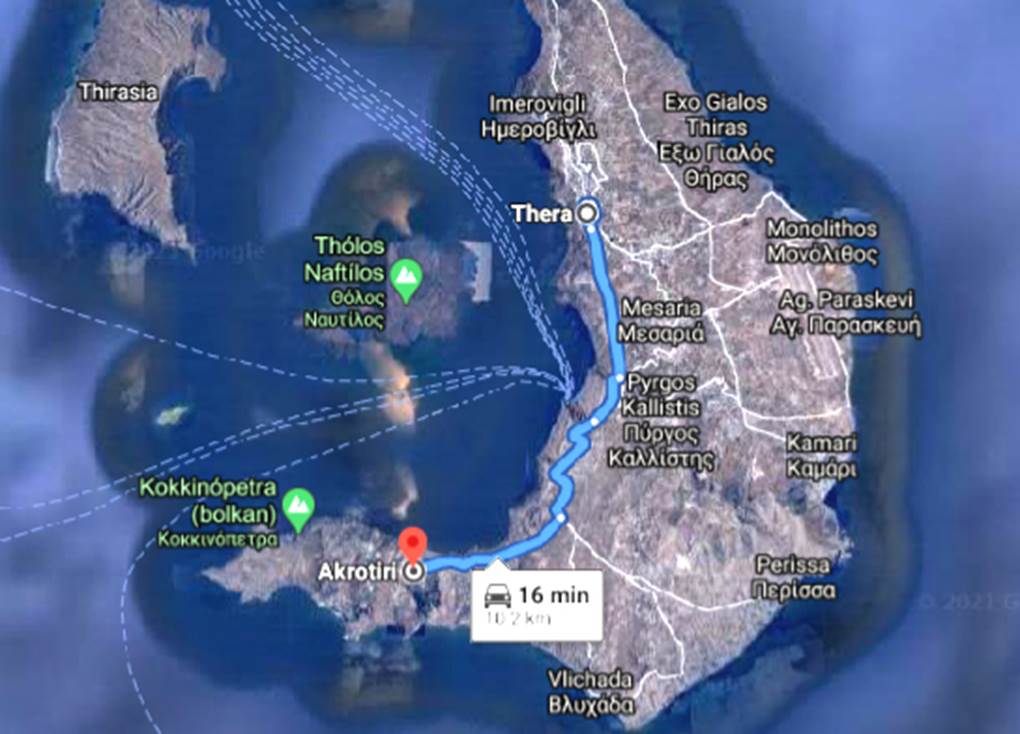
I bought a ticket at the bus terminal in the center of Fira and headed to the Akrotiri ruins. It is an urban site of the Aegean Bronze Age culture, completely covered with a thick layer of pumice and volcanic ash from a major eruption at the end of the 17th century BC, and has been preserved until recent discoveries, and the ruins are in relatively good condition.
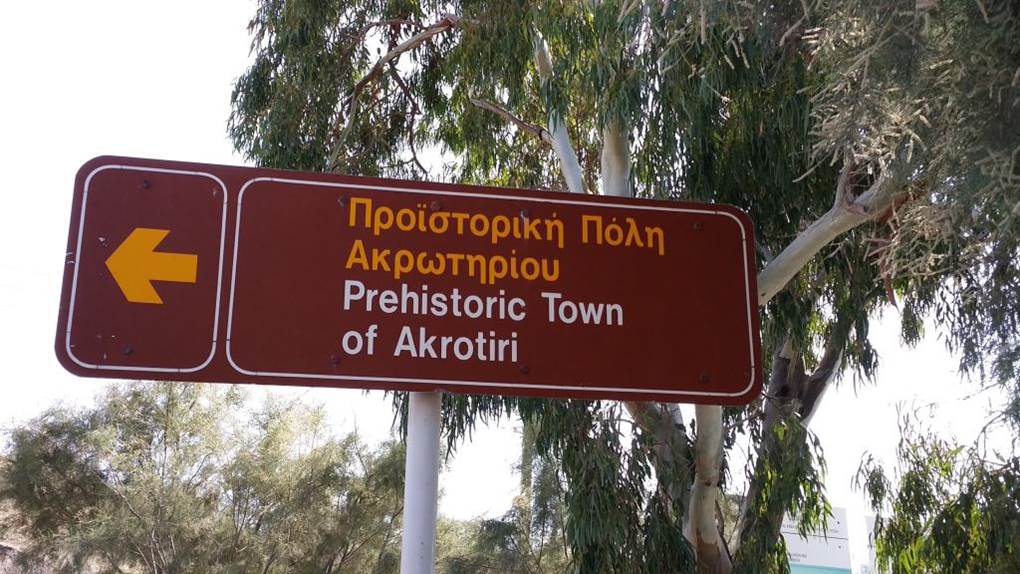
Photo by author, 2014
Excavations have shown that Akrotiri was once destroyed by a major earthquake around 1700 BC, but was later rebuilt and enjoyed prosperity in the same Minoan civilization as Crete, However, it has been discovered that the city was abandoned after a major eruption around 1628 BC.
The quantity and quality of the murals found were outstanding, and it can be imagined that it was a rich settlement.
It predates Pompeii by about 1700 years.
The murals are now preserved and exhibited in the Neoprehistoric Museum in the town of Fira, Santorini and the Archaeological Museum in Athens (described in ATHENS, GREECE OCTOBER 2014 #4/4).
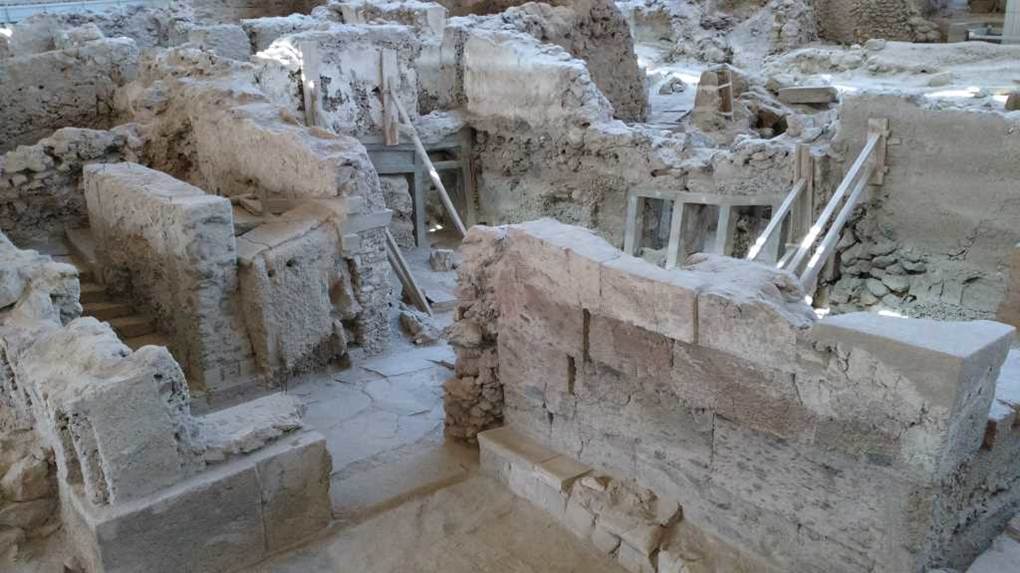
Photo by author, 2014
The ruins are currently under excavation, and a protective roof is supported by several pillars. A special walkway has been set up for visitors, as shown in the right-hand corner of the photo below.
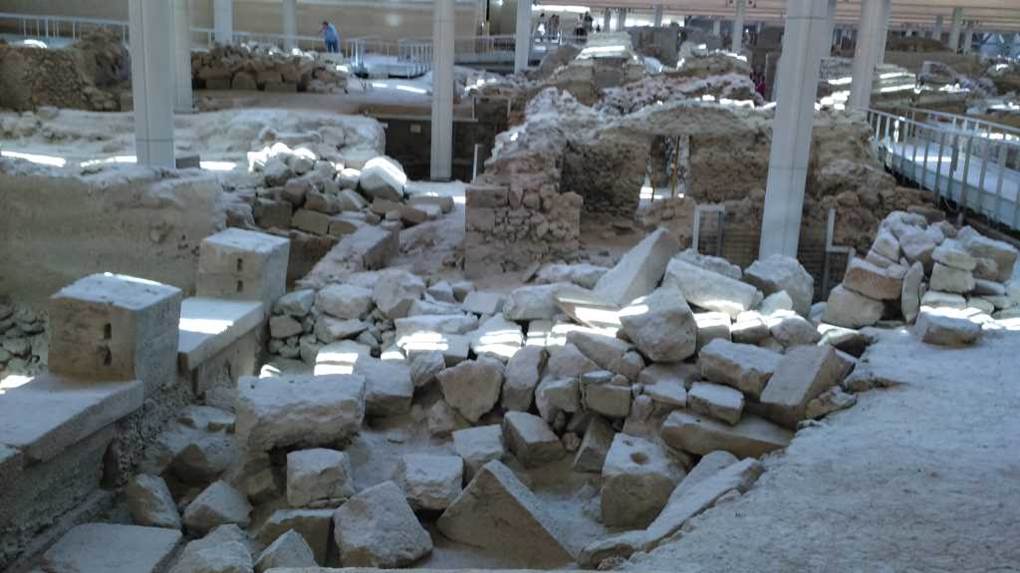
Photo by author, 2014
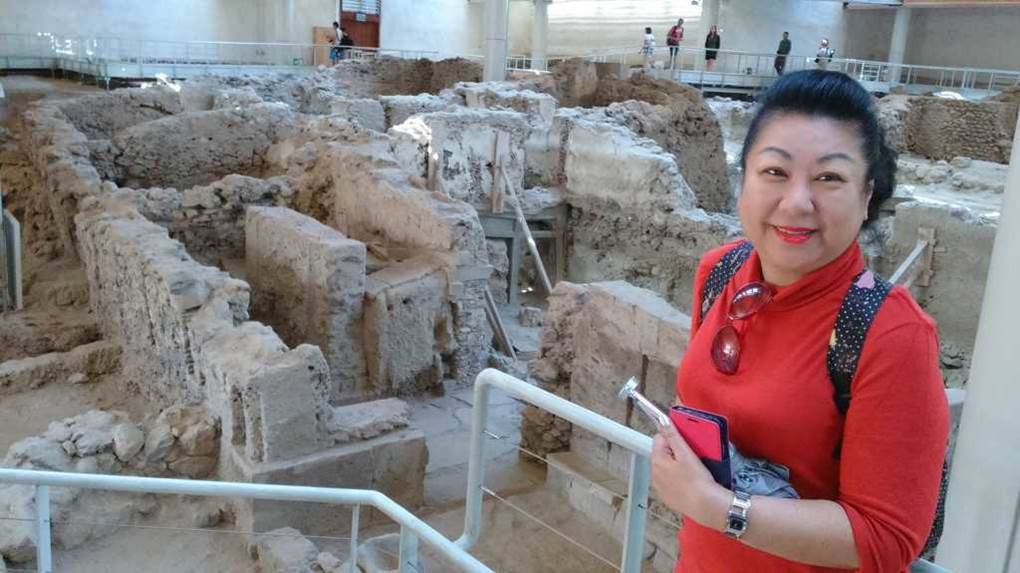
Photo by author, 2014
The guide explained that the ruins of Akrotiri that are open to the public are only about 3% of the former town, and that 3,000 people once lived there, engaging in trade, fishing, and other activities.
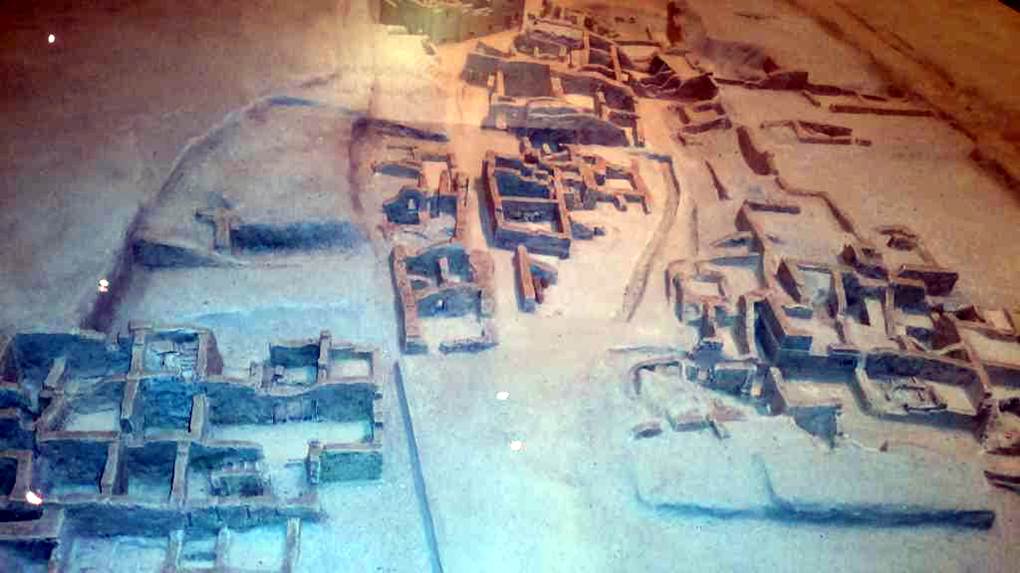
Photo by author, 2014
These ruins dated back about 1,700 years, before Pompeii.
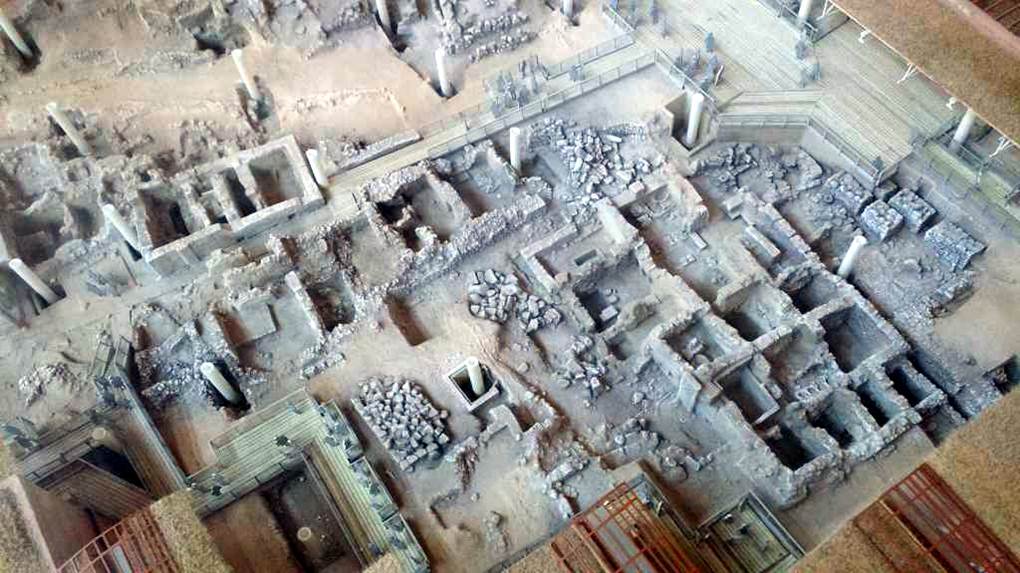
Photo by author, 2014
Tours are conducted in groups, moving between the ruins along walkways.
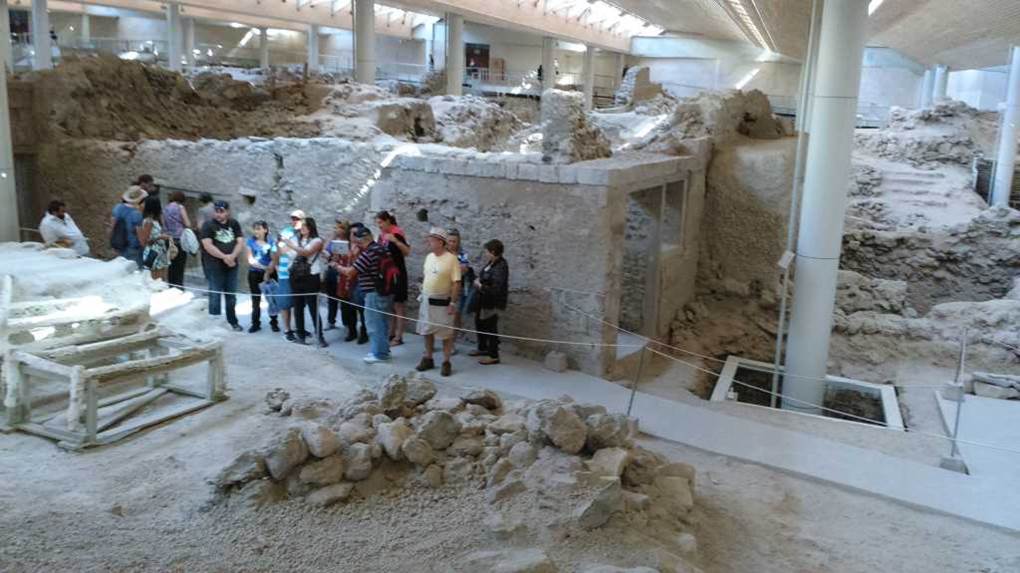
Photo by author, 2014
Public facilities?
The building on the right from the entrance of the ruins is a large building of 20 meters square, and it is thought that it may have been a public facility.
No single-story building has been found in Akrotiri, and this building is believed to have five floors.
The Palace of Knossos (mentioned in CRETE, GREECE OCTOBER 2014 #2/2 ) on the island of Crete, the center of the Minoan civilization, is a centralized position of the ruin, but no palace has been found in the Akrotiri site, and it is believed that it was an autonomous “city” without a king.
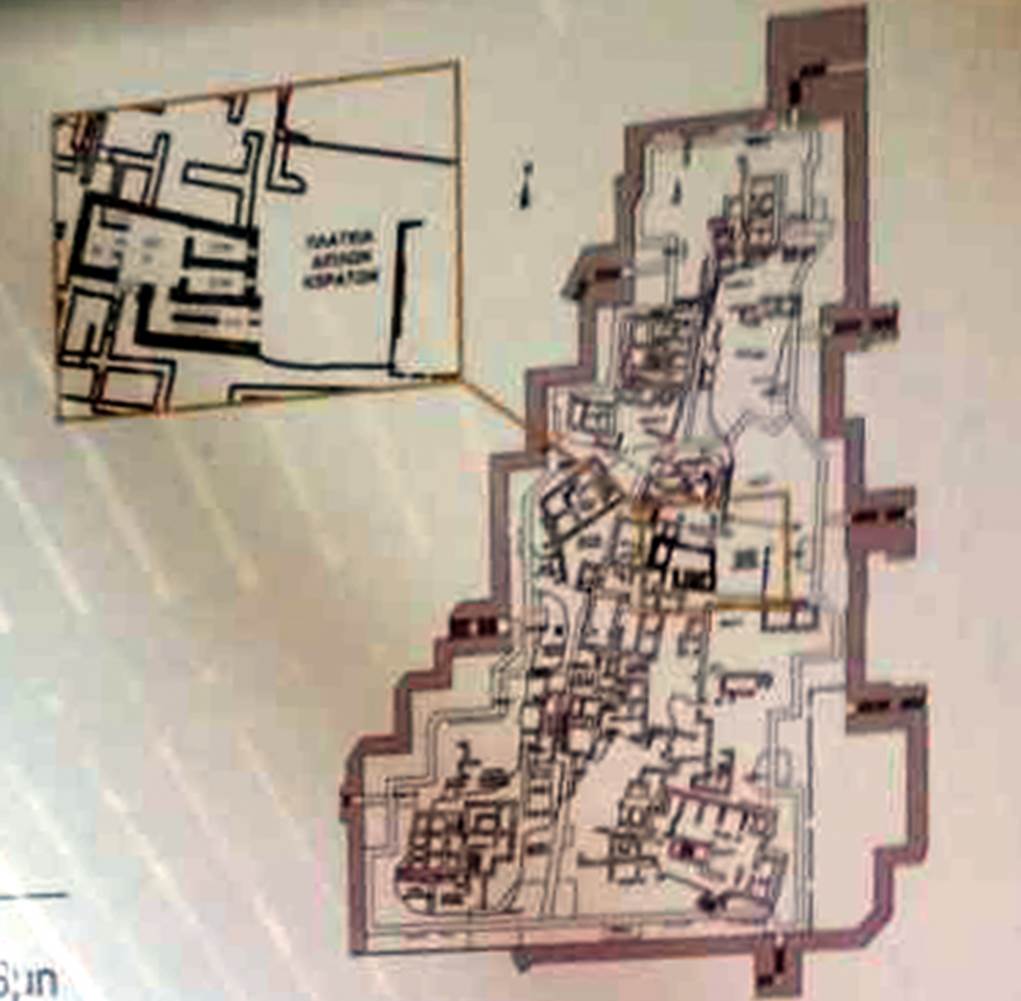
Photo by author, 2014
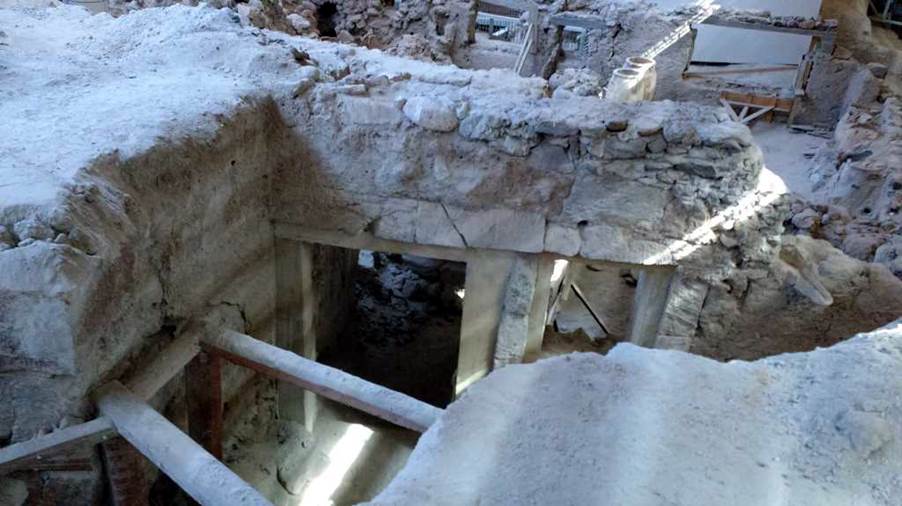
Photo by author, 2014
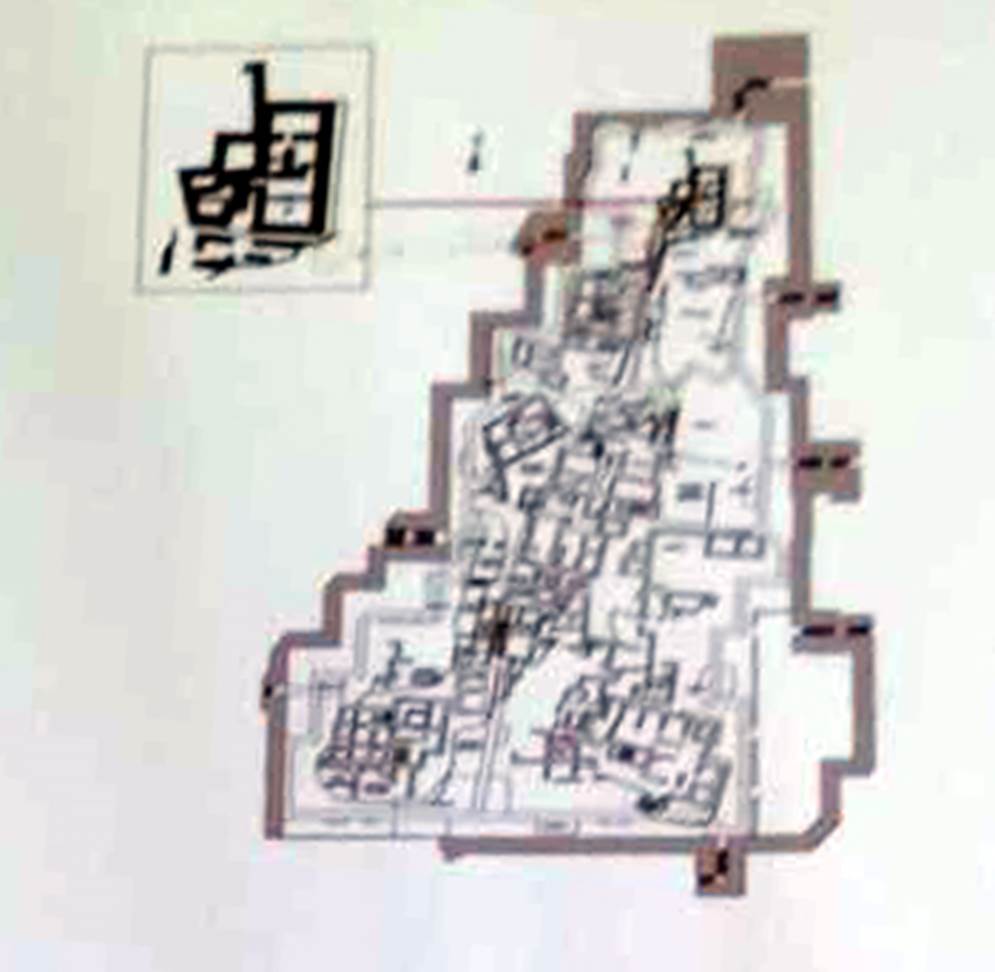
Photo by author, 2014
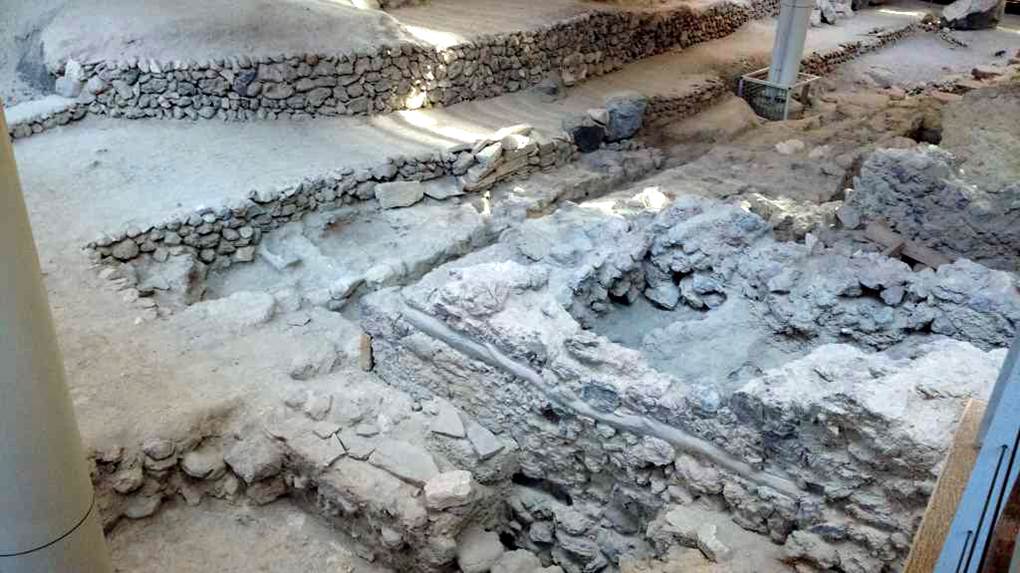
Photo by author, 2014
House of Pisos
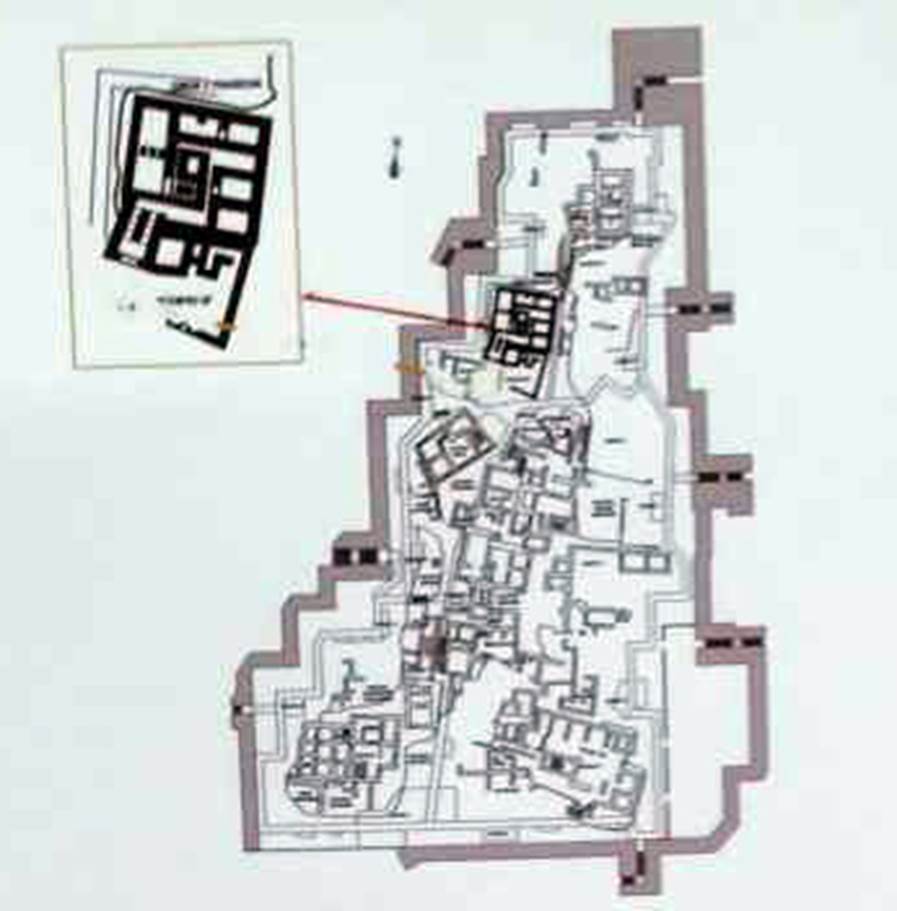
Photo by author, 2014
A house where many large storage jars called pysos were found.
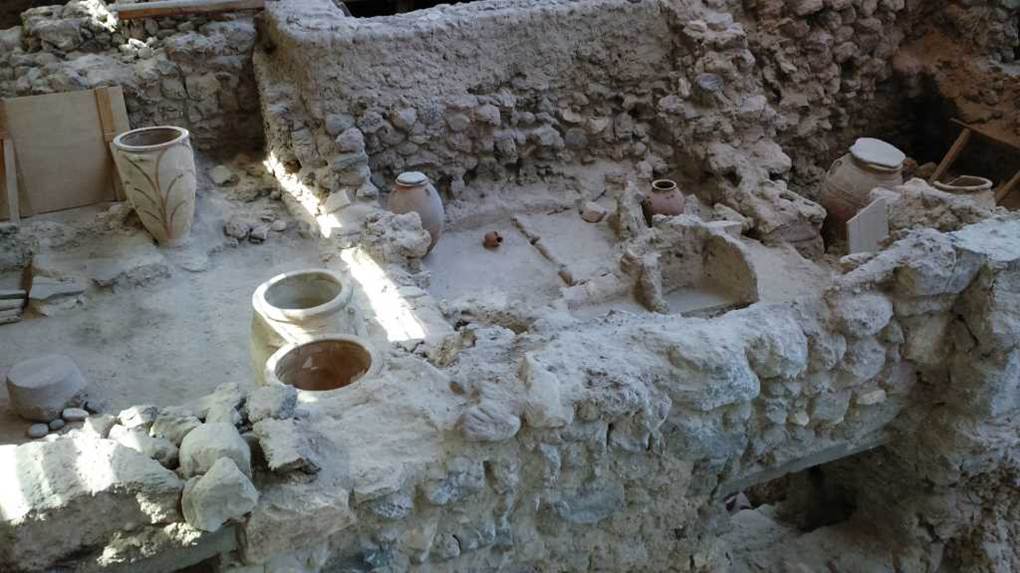
Photo by author, 2014
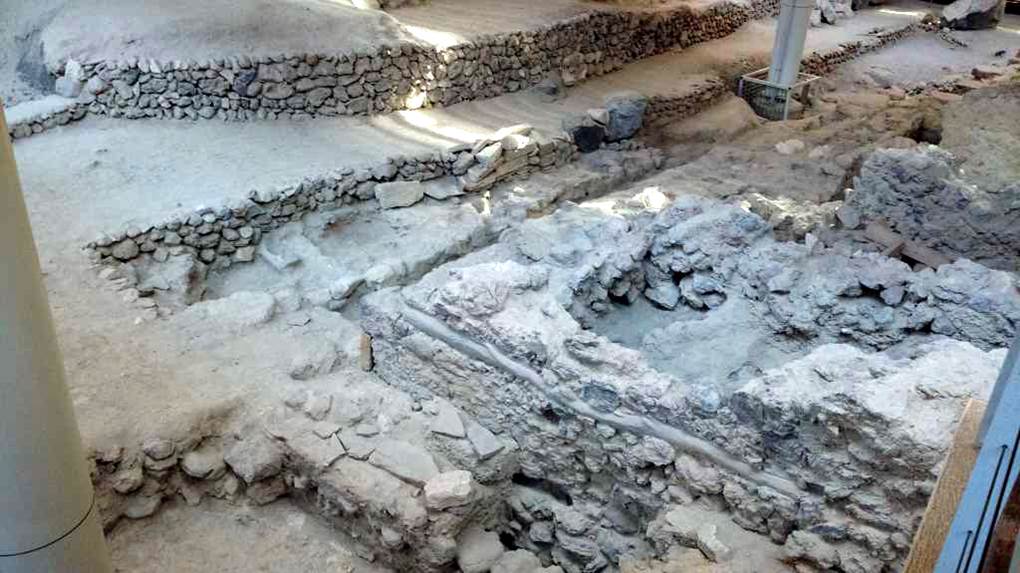
Photo by author, 2014
Triangluar square
The triangular square is thought to have once been the center of the town.
The house on the left side of the square in the bottom left of the photo is the West Hall. The house in the top center of the photo is the Double Corner House.
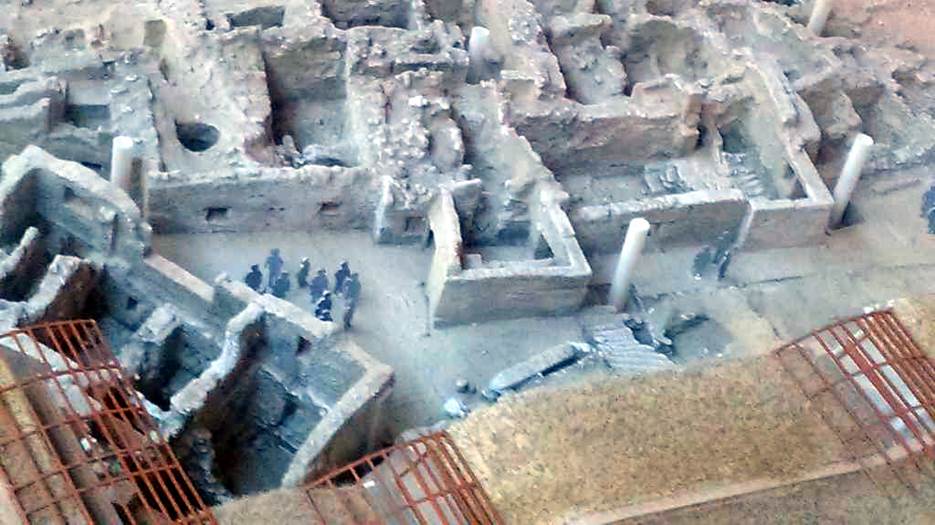
Photo by author, 2014
Triangular Square, West Hall
On the third floor of this building, in the room to the left of the toilet, is a famous and beautiful mural of a fisherman.
Photo by author, 2014
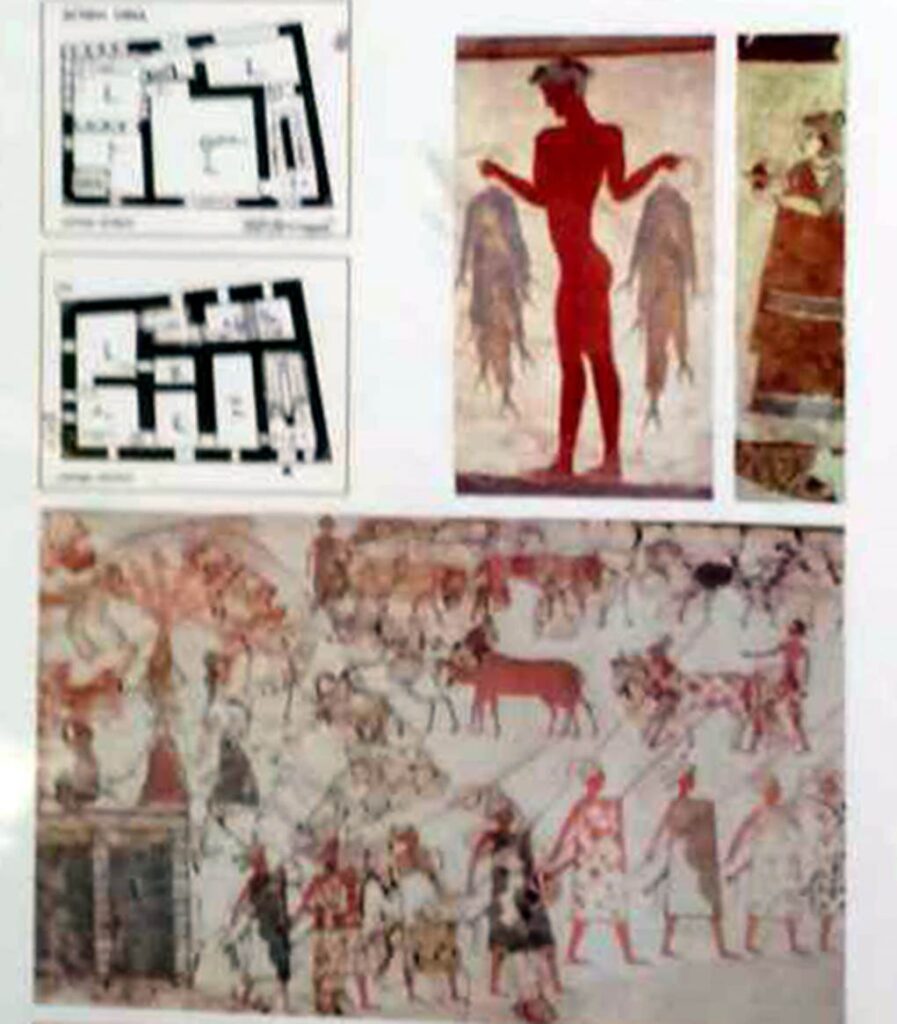
Photo by author, 2014
In the triangular square facing the west building, visitors are listening intently to the guide’s explanation. The description is in English.
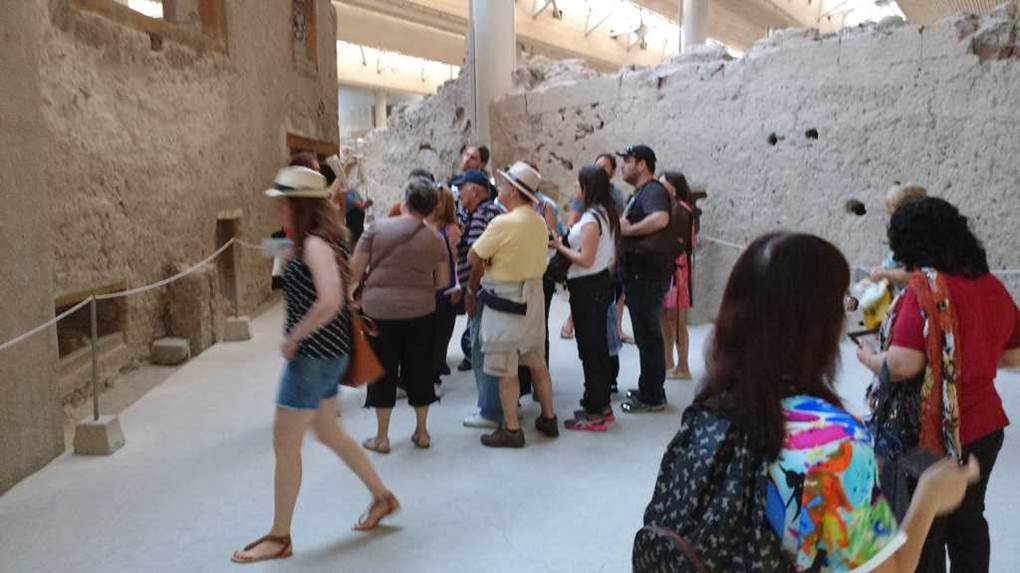
Photo by author, 2014
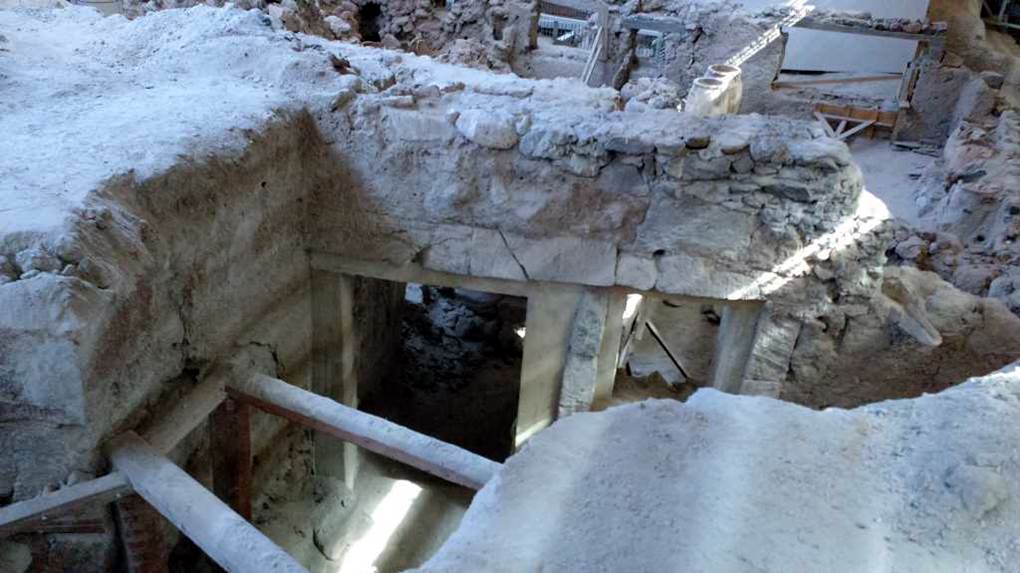
Photo by author, 2014
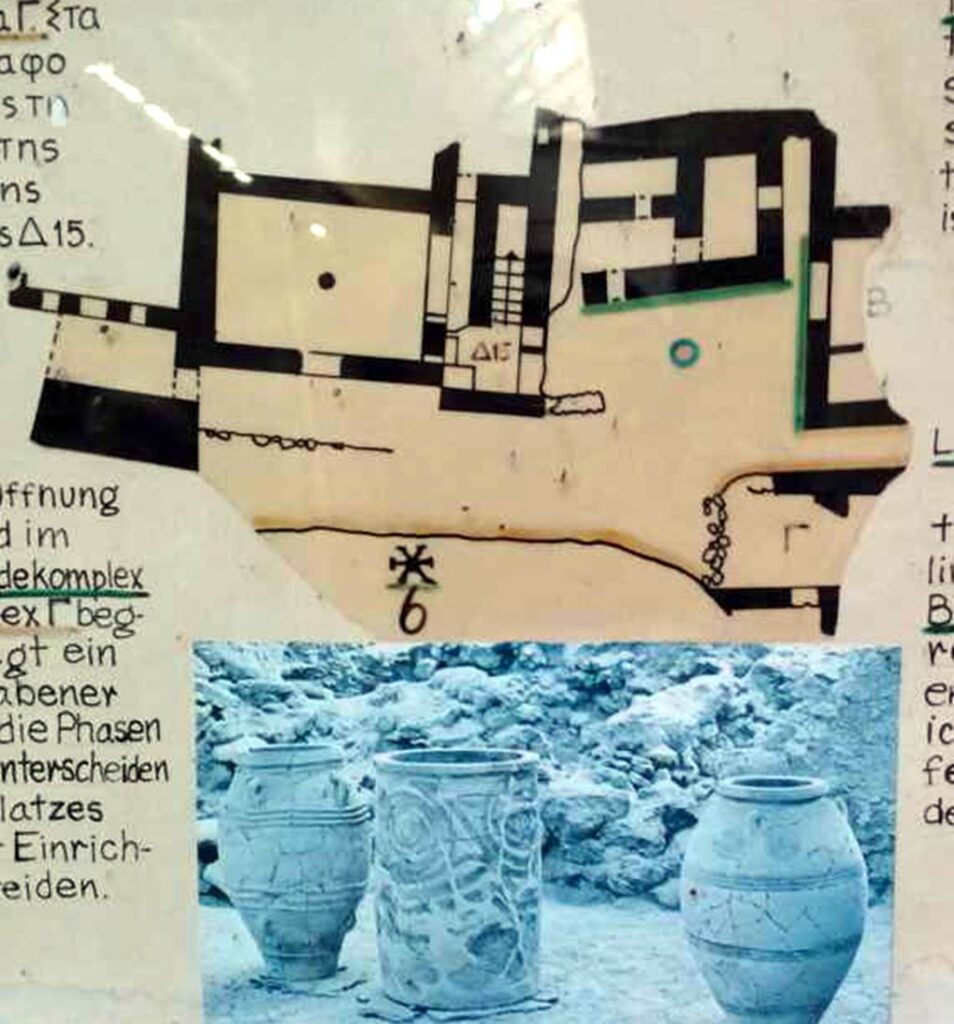
Photo by author, 2014
Milling House
The house where the milling tools were found. And from the house on the other side of the square from the miller’s house, the famous boxing mural and the blue monkey mural were found.
The original mural is on display at the Archaeological Museum of Terra.

Photo by author, 2014
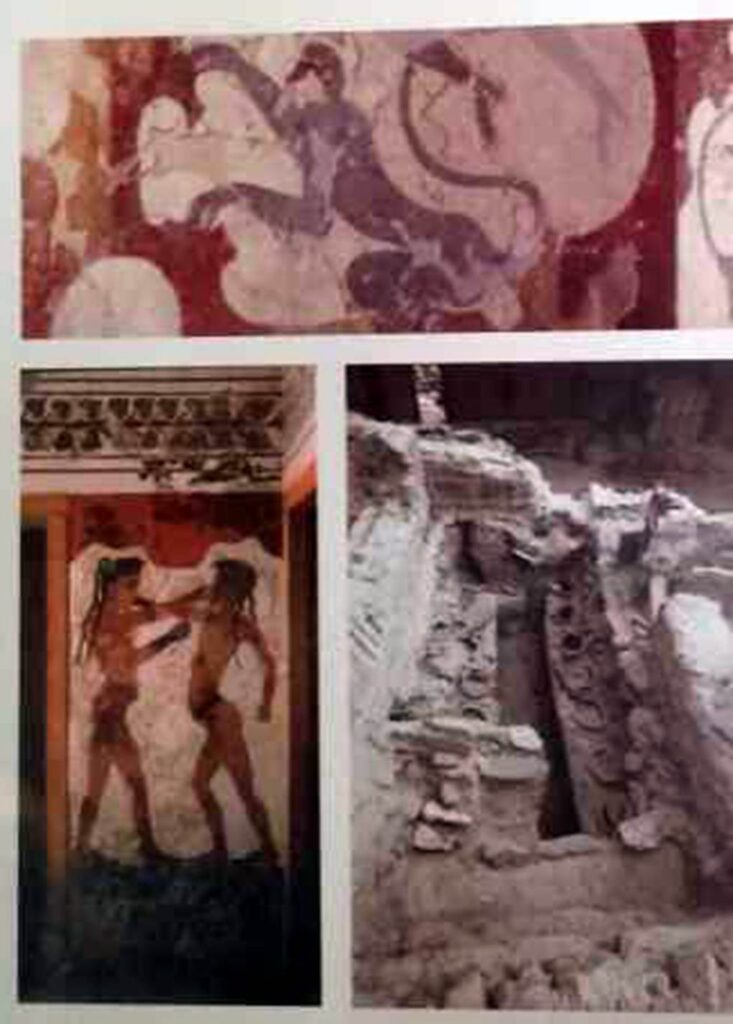
Photo by author, 2014
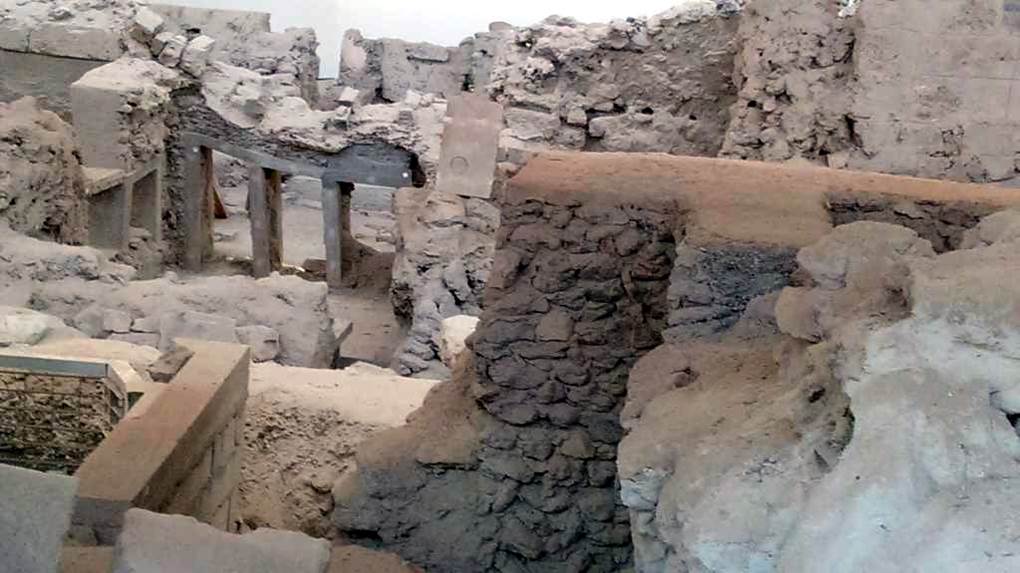
Photo by author, 2014
Souvenir shop
I decided to go back to the city of Fira and look around the souvenir shops.
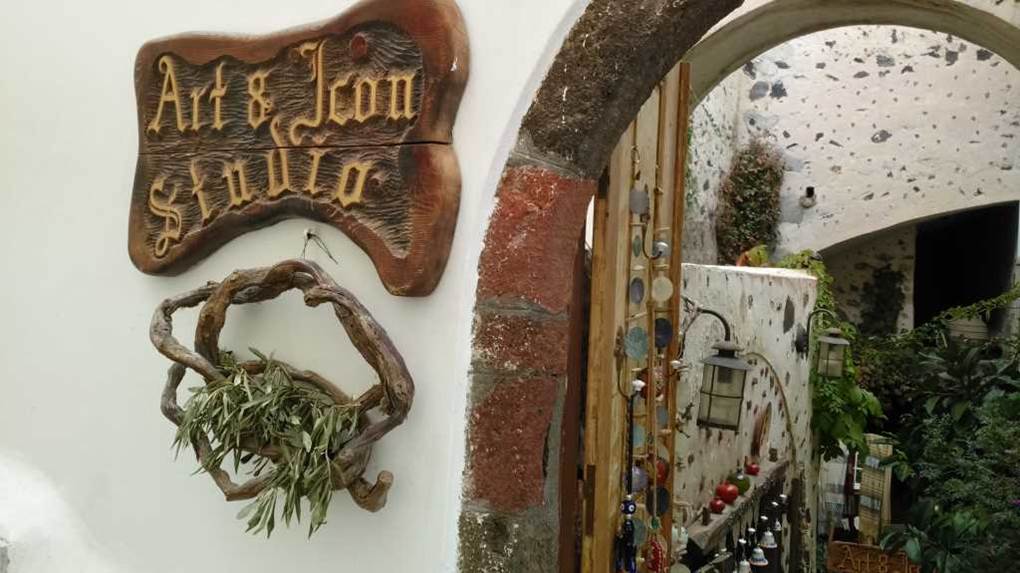
Photo by author, 2014
An art gallery located in the town of Oia. Good taste.
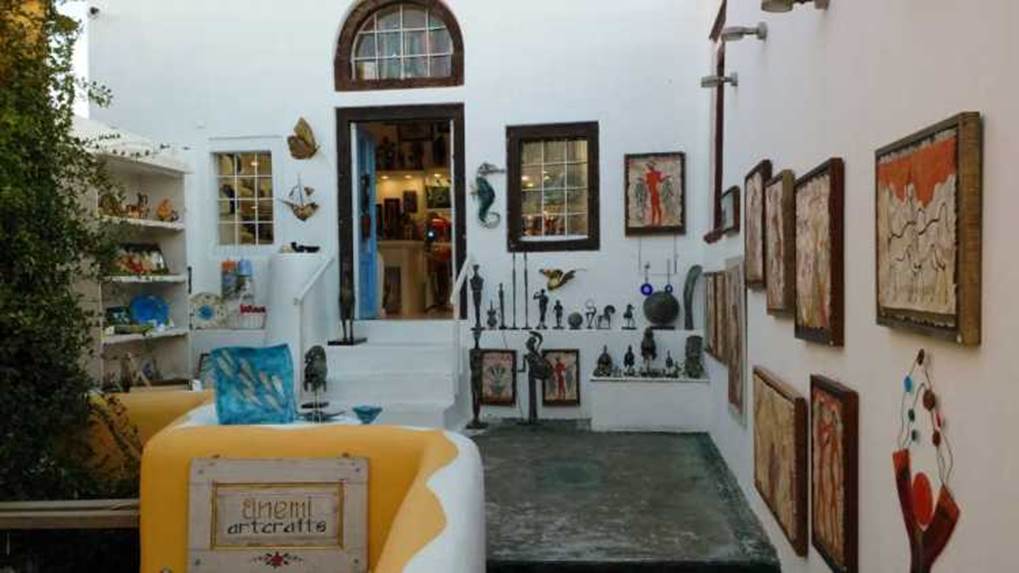
Photo by author, 2014
Accessories store. This shop also has good taste.
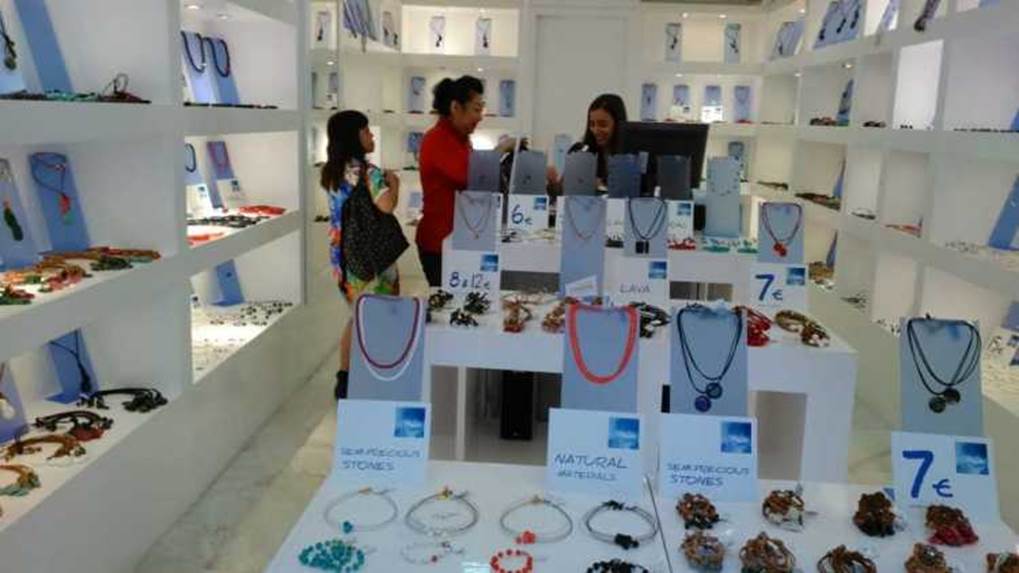
Photo by author, 2014
Art shop in the town of Oia.
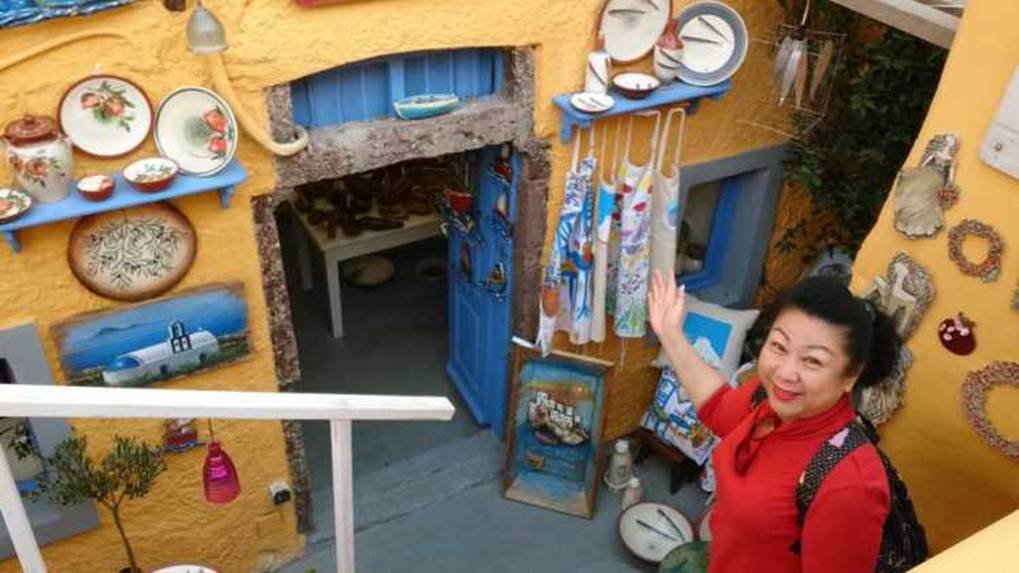
Photo by author, 2014
After browsing through the souvenir shops, I visit the Archaeological Museum of Thera, which is located in the center of the city of Fira.
Museum of Prehistoric Thera
A glamorous culture similar to the Minoan civilization flourished on Santorini from 3000 BC, but it was destroyed in one fell swoop by a massive eruption around 1500 BC.
The museum displays some of the artifacts found at Akrotiri and some excavated in Ancient Terra.
The characteristic of the Akrotiri ruins is that they were buried in volcanic ash, so very well-preserved murals have been found.
You can appreciate the works of mankind from before the 35th century.
Photography is permitted.
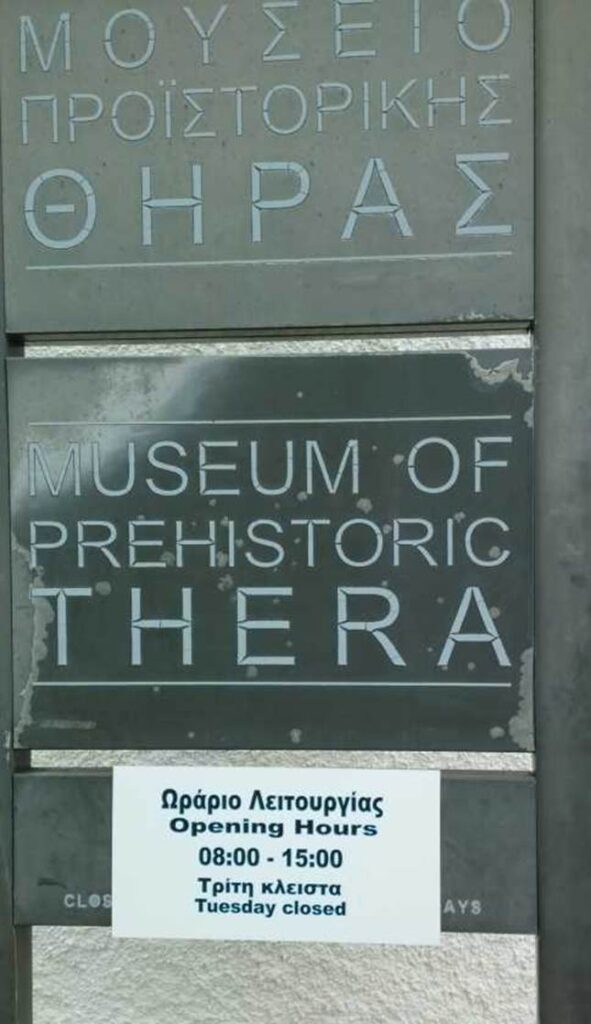
Photo by author, 2014
When I think of a city that was destroyed by an eruption, I think of Pompeii at the foot of Mount Vesuvius in Italy, but here it seems that before the great eruption, a series of earthquakes were heard, which alerted people to the abnormality, and they were able to escape safely.
Valuables such as precious metals were taken out by people when they fled, so there is almost nothing left.
Instead, the murals, which were difficult to take out, were found in a very good state of preservation because they were buried in volcanic ash.
House of Women
The characteristic of the Akrotiri ruins is that they were buried in volcanic ash, so very well-preserved murals have been found. Beautiful papyrus murals.
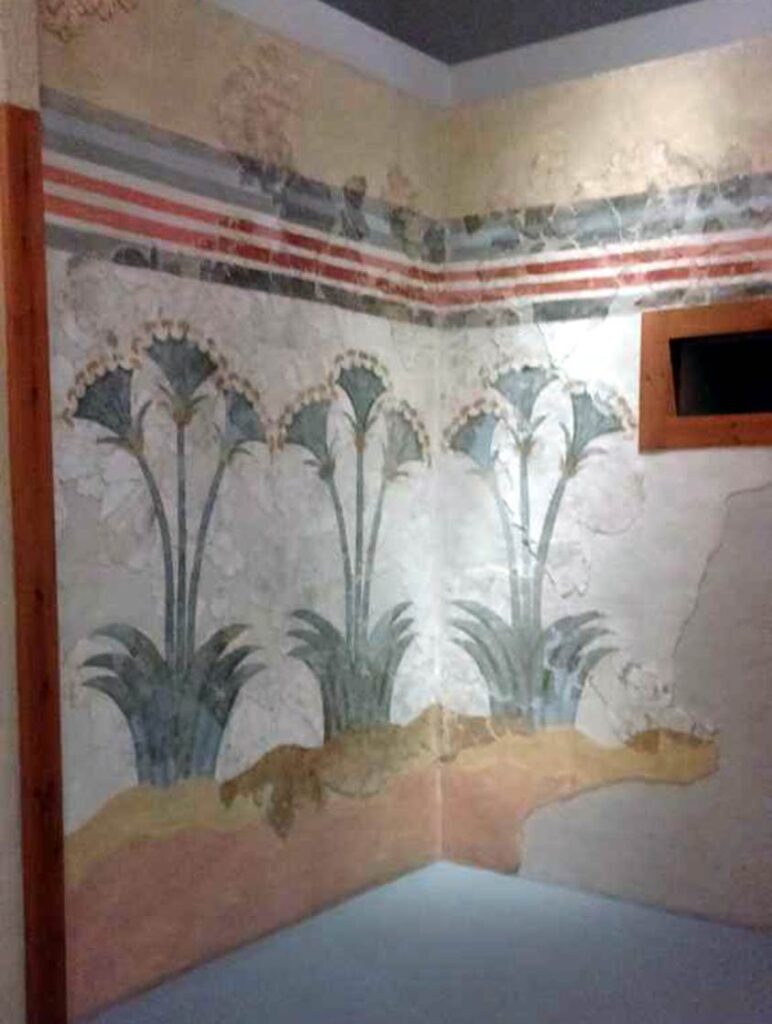
Photo by author, 2014
Exhibits at the Museum of Prehistoric Thera in Fira, Santorini.
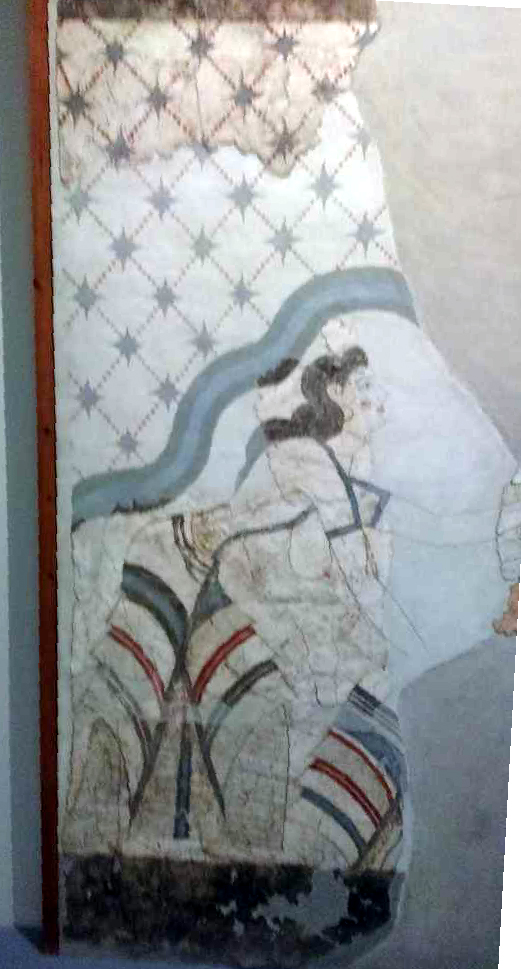
Photo by author, 2014
Fresco of a boy boxer.
This famous boxing mural was found in the house opposite the miller house at the Akrotiri archaeological site. It was created in the 16th century BC.
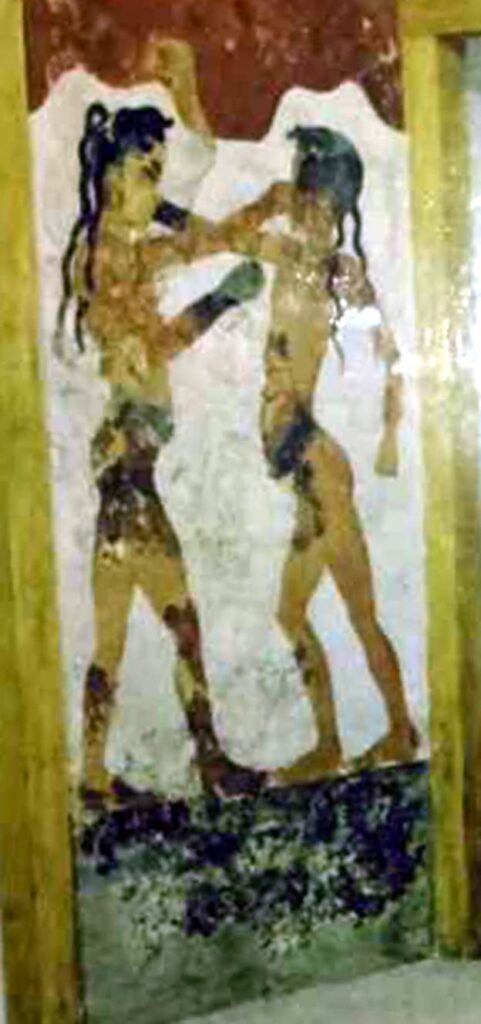
Photo by author, 2014
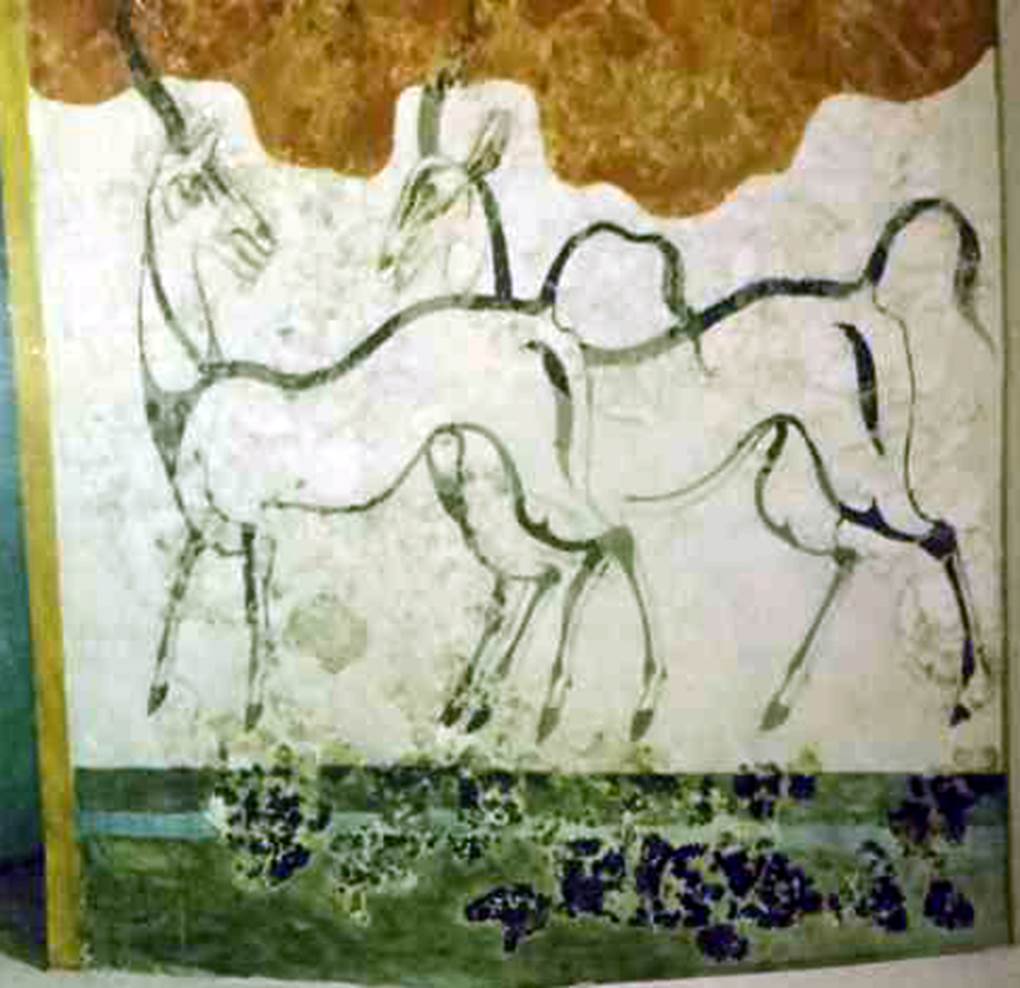
Photo by author, 2014
Blue monkey mural
The famous blue monkey mural.
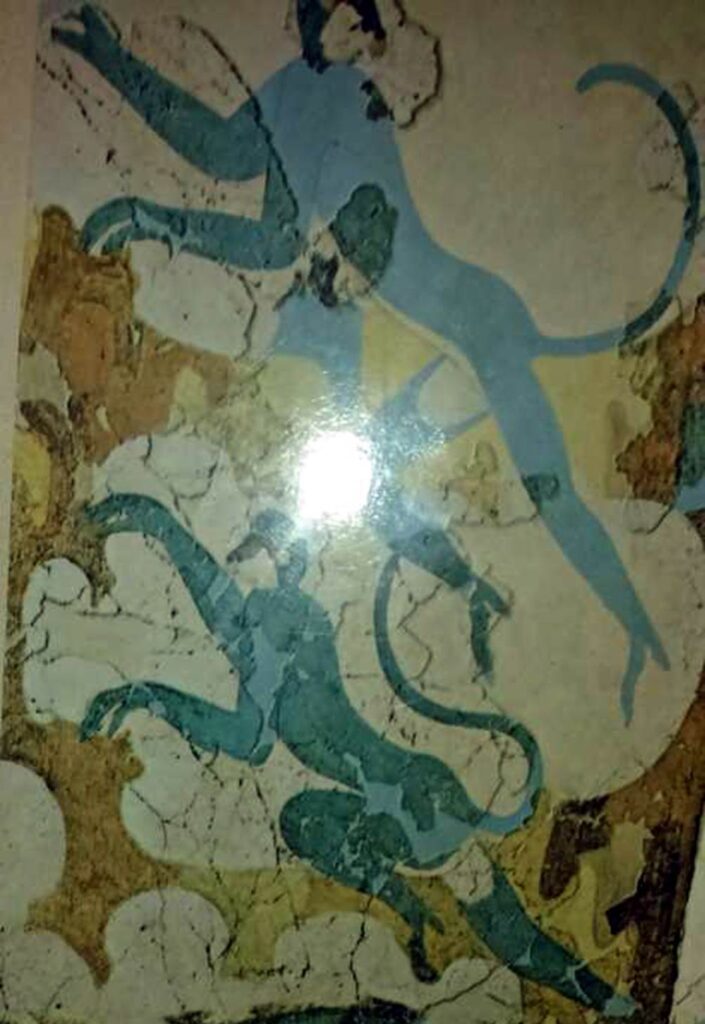
Photo by author, 2014
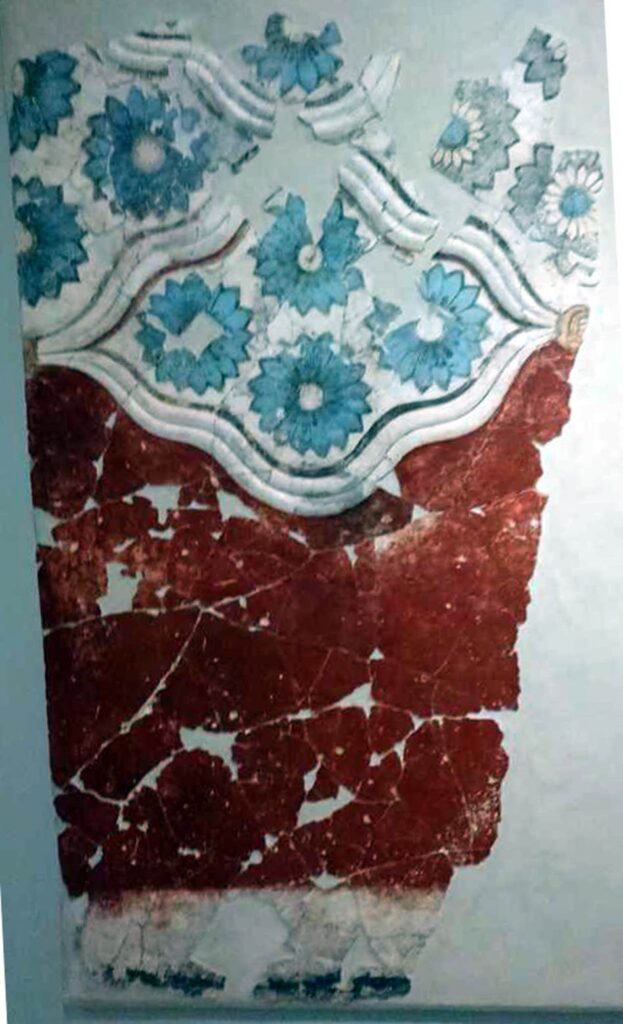
Photo by author, 2014
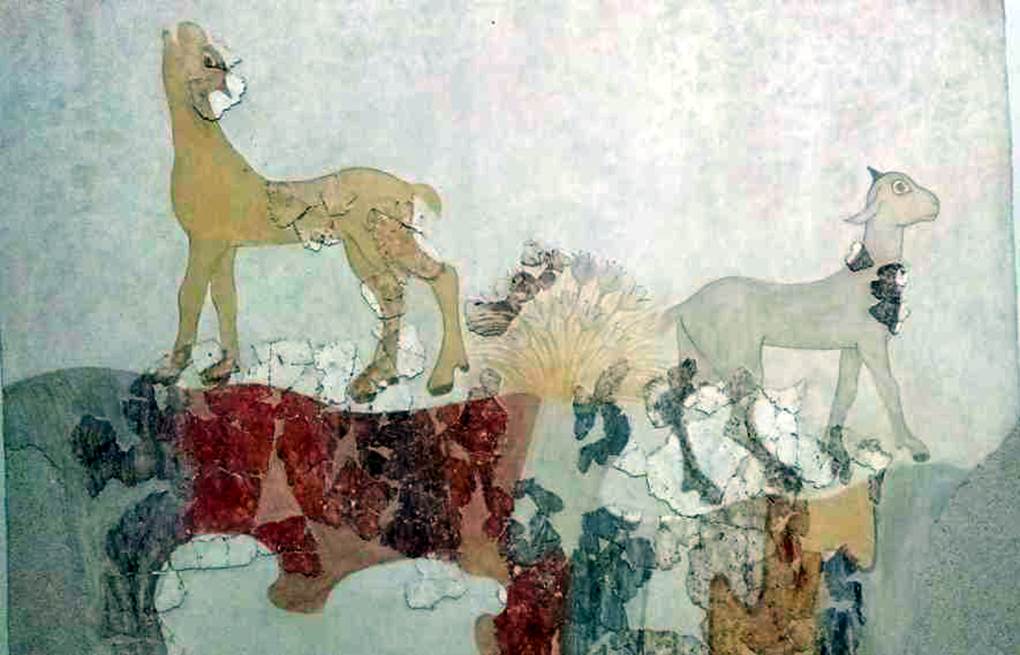
Photo by author, 2014
Ceramics
Most of the exhibits are pottery, ranging from primitive designs to intricate pieces.
Portable pottery for barbecue. Even so, it is a barbecue tool with a cow design on the tip. Is it the original portable cooking device?

Photo by author, 2014
A large amount of actual pottery has been excavated and is on display at the Museum of Prehistoric Thera.
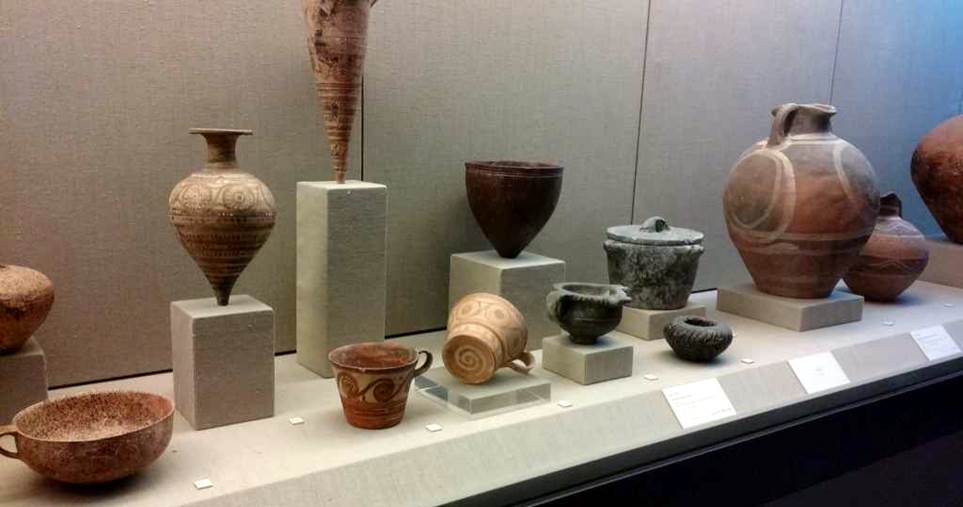
Photo by author, 2014
The cups are more like porcelain than pottery.
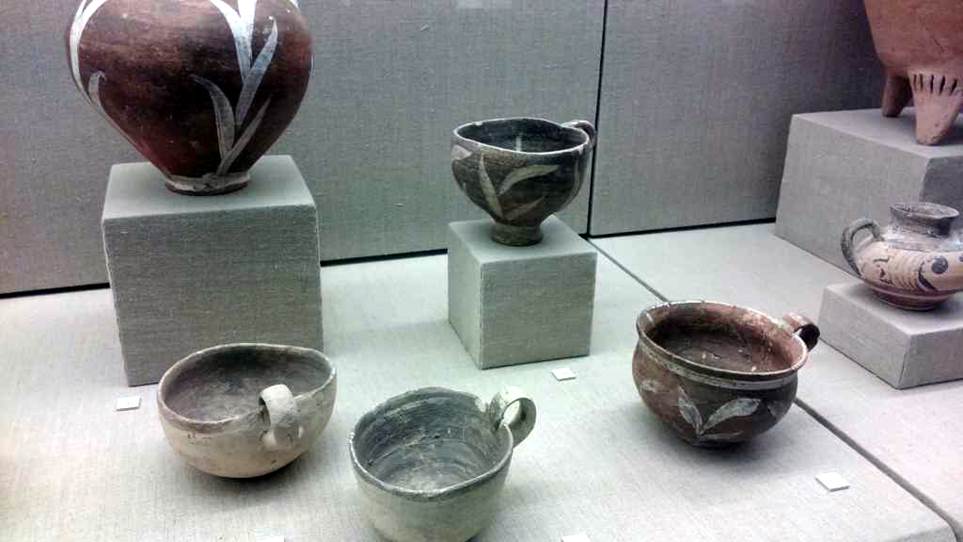
Photo by author, 2014
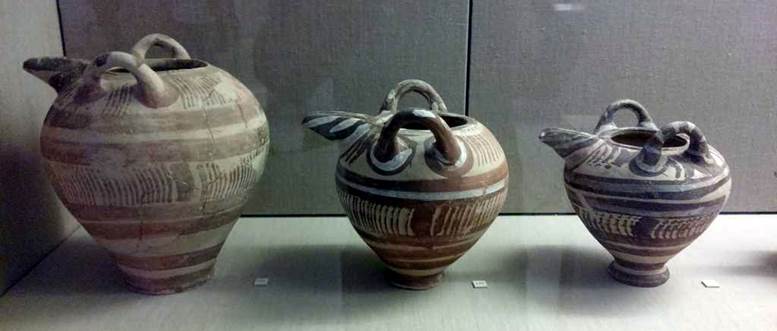
Photo by author, 2014
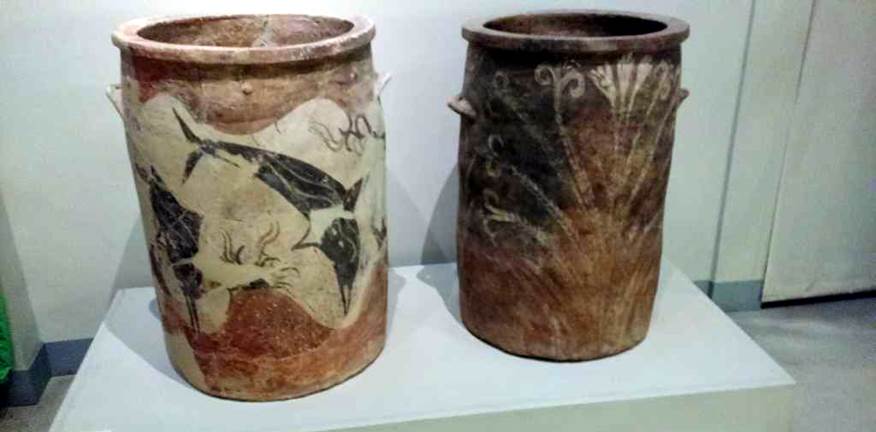
Photo by author, 2014
Ceramic with handles. There is a sense of dynamism in the design.
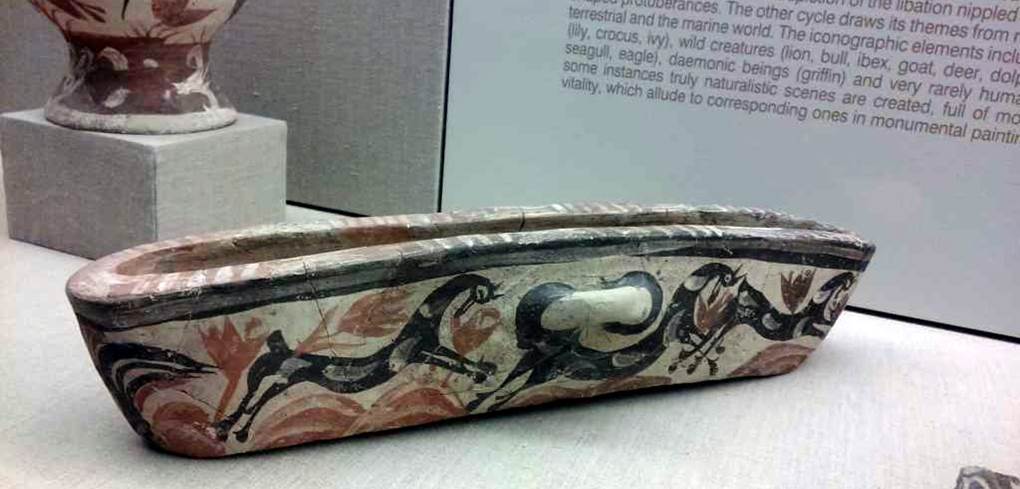
Photo by author, 2014
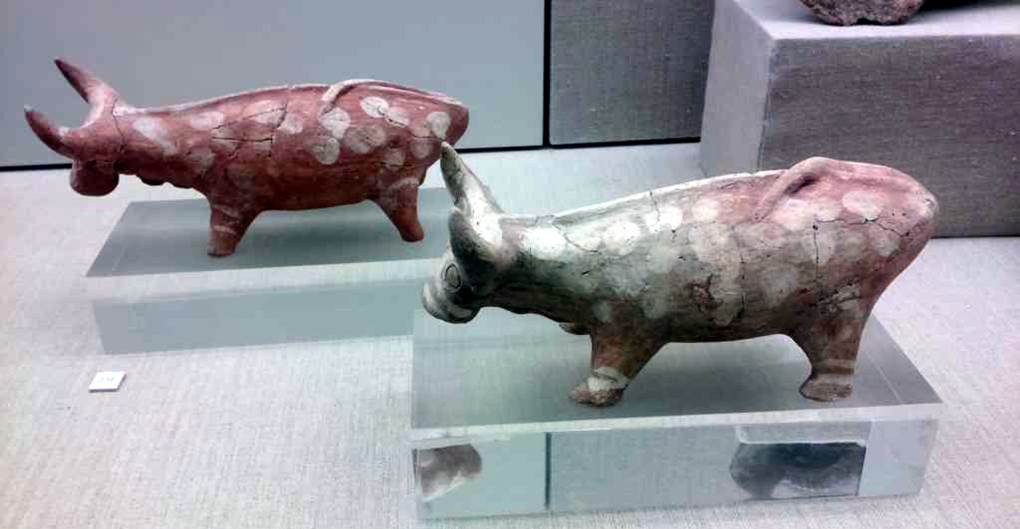
Photo by author, 2014
Wine Museum
A wine museum located in the plains on the outskirts of the city.
Due to time constraints, I didn’t have the chance to visit it.
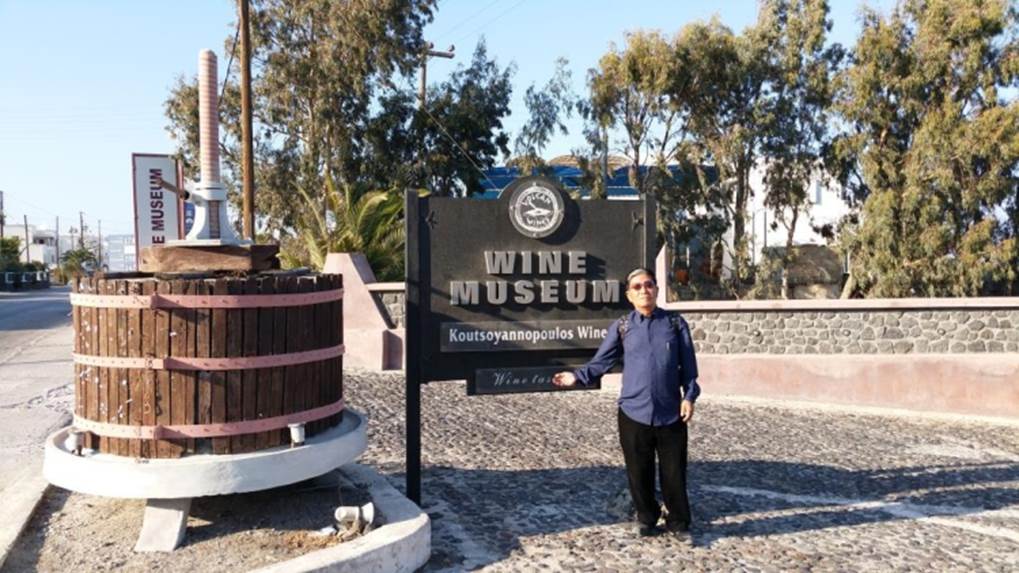
Photo of author, 2014
There is a 300-meter-long tunnel located 8 meters underground.
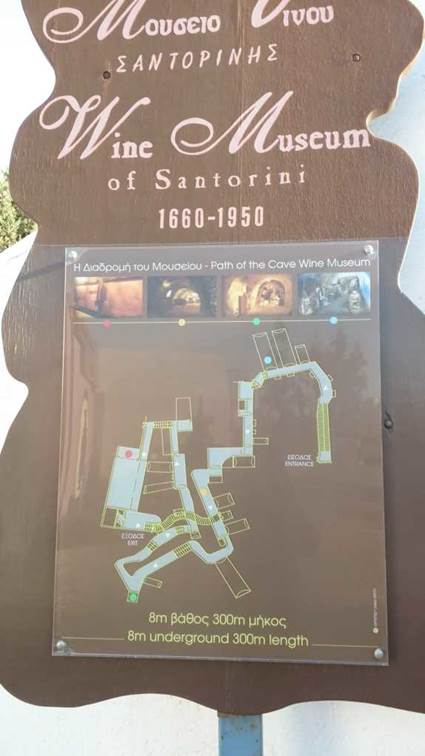
Photo by author, 2014
It turns out that grape press have been used in wine making for centuries.
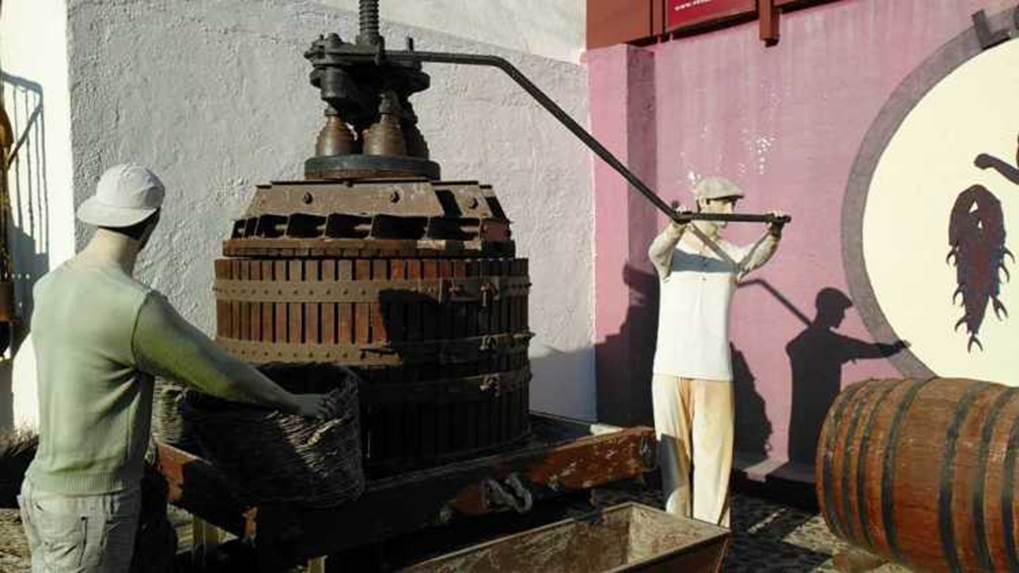
Photo by author, 2014
All photos by author, October 2014