JAP | ENG
Athens, Greece
October 2014
#4/4
Greek Parliament Building
It is a massive building in front of Syntagma Square (described later), and was completed in 1842 as the royal palace of King Otto. It is now used as the Parliament building.
In the square in front of the Parliament building, a changing of the guard ceremony will be held around 11 a.m. I happened to there at that time and was able to witness it.
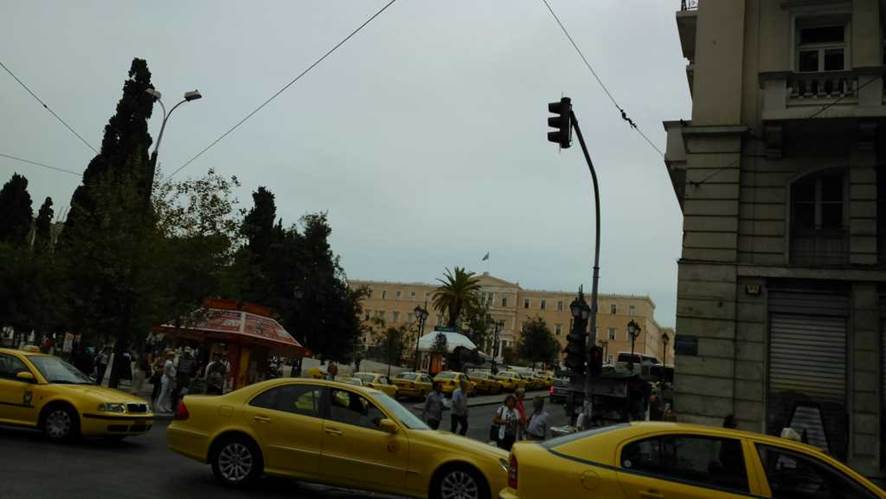
Photo by author, 2014
“Greek crisis”
Greece is famous for having a large number of civil servants. With a population of about 11 million, there are about 1 million civil servants. 10% of the population were civil servants, accounting for 25% of the working population.
In addition, the salary of civil servants in Greece is about 1.5 times higher than that of general occupations. In other words, labor costs were squeezing Greece’s national finances. Also, at the time, the Greek pension system allowed people to start receiving pensions early, from the age of 55. The amount was high, 80-90% of what they would have received while still working, and the system was generous for the elderly generation.
In January 2010, the European Commission pointed out deficiencies in fiscal statistics, and the problem surfaced. The new prime minister’s economic growth outlook was too optimistic, and rating agencies judged it unfeasible.
Greek government bonds were downgraded and crashed.
This is called the “Greek crisis.”
On February 23, 2011, about three and a half years before I visited, there was a large-scale demonstration. Clashes with police against austerity led to chaos in front of the Parliament building and Syntagma Square, which was broadcast on television around the world. Many of you may remember it.
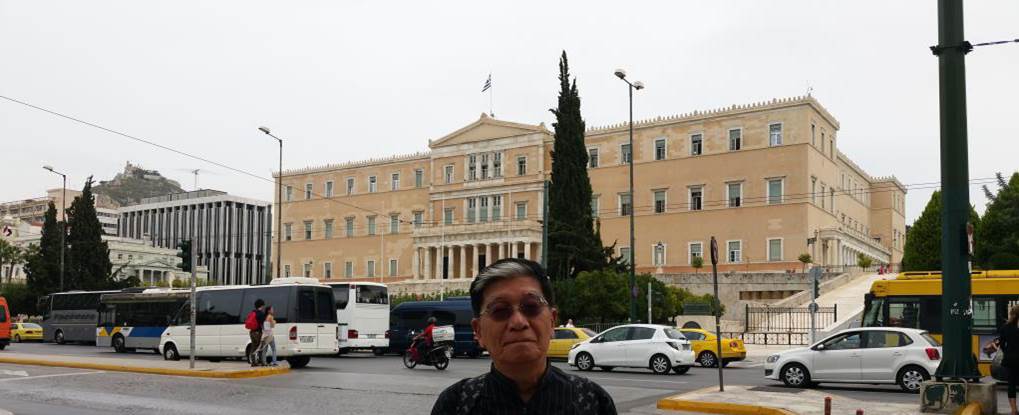
Photo of author, 2014
Grande Bretagne, a Luxury Collection Hotel
The Parliament House and Syntagma Square are prime locations in Athens, surrounded by some of the finest hotels.
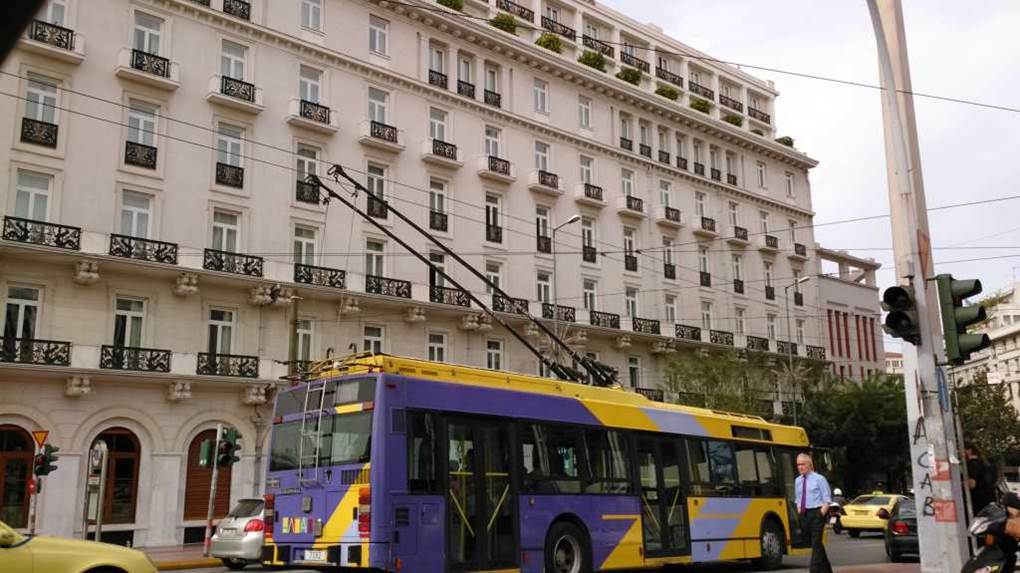
Photo by author, 2014
Photo by author, 2014
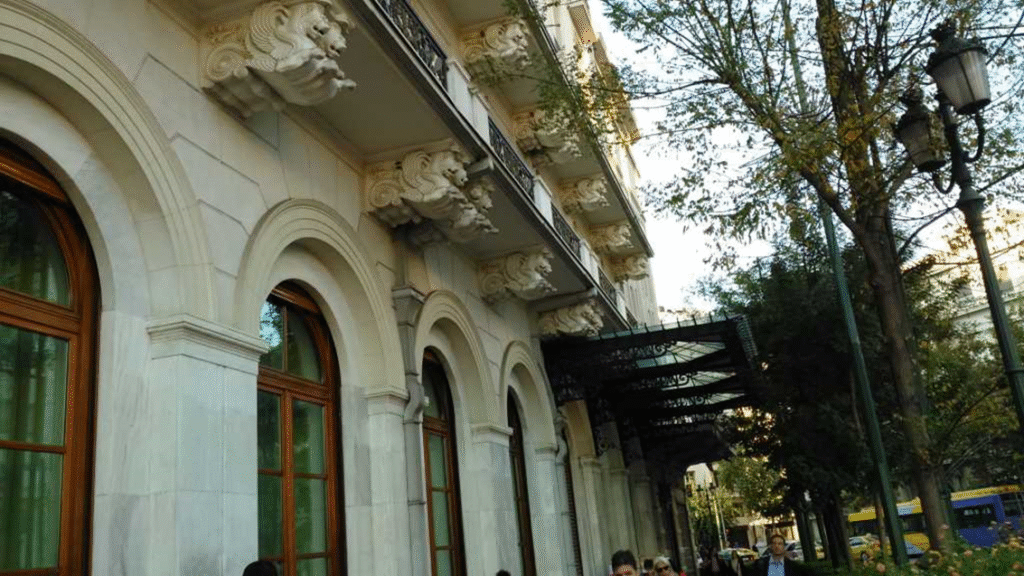
Photo by author, 2014
Pavement arcade.
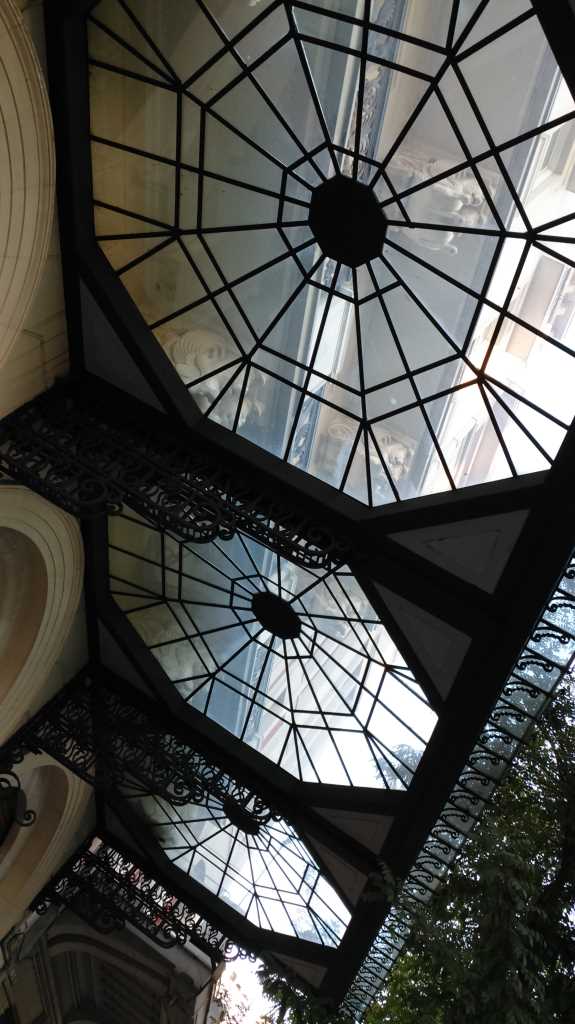
Photo by author, 2014
Greek Parliament building at night, Syntagma Square
The square is called Syntagma (Constitution) Square because the first constitution was promulgated here in 1834. With a fountain in the center, this square hosts a variety of events and is also a place of relaxation for citizens.
The Parliament Building faces Syntagma Square, which is surrounded by numerous government offices and commercial facilities, and the square, along with the adjacent Plaka district, is a popular destination for tourists day and night.
Syntagma Night view of the square, in front of the Parliament building.
Shot from a restaurant on the upper floor of a building.
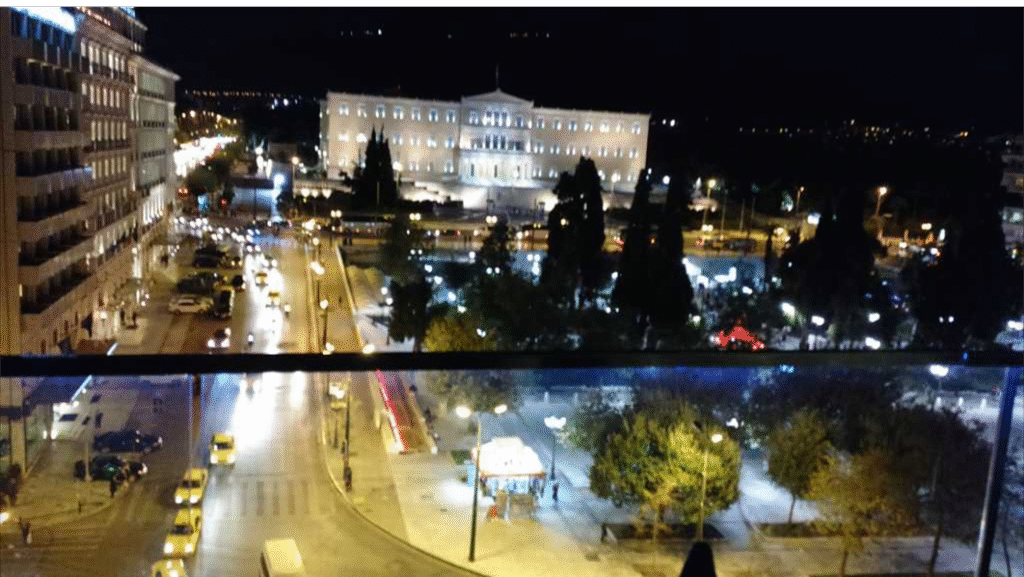
Photo by author, 2014
The city block at the foot of Lycabettus Hill
The area at the foot of this hill is located on the mountainside a little north of the center of Athens, and has the atmosphere of an upper-class residential area.
Unaware of the Greek crisis, idle ladies from this area are chatting away over tea and cake in the open-air cafes in the afternoon.
In developed areas of the EU (such as Germany), societies are highly competitive except for the once-yearly vacation period, but here in Greece, despite the country’s reported financial collapse, citizens have a vacation atmosphere all year round, and peaceful street scenes can be seen here.
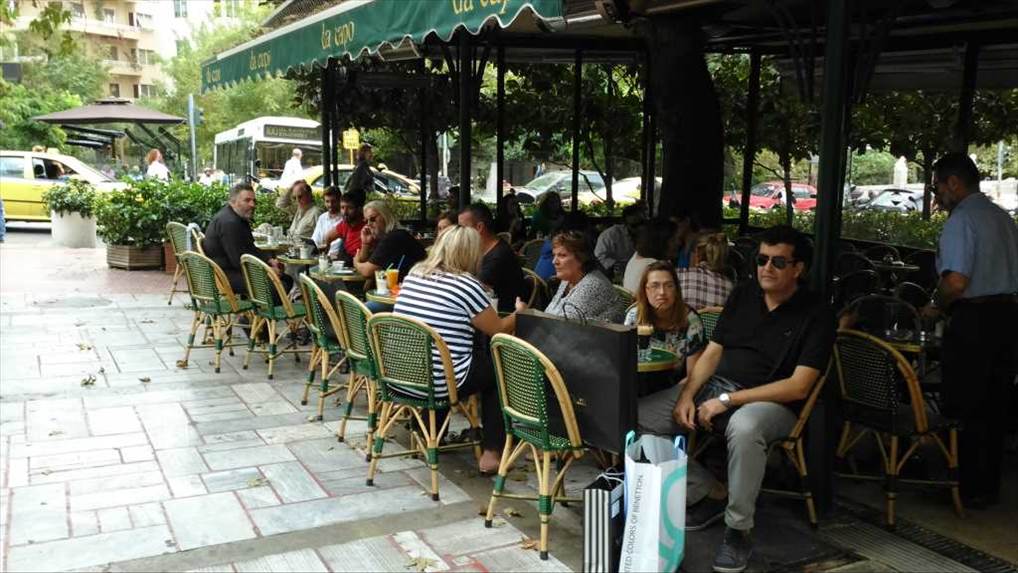
Photo by author, 2014
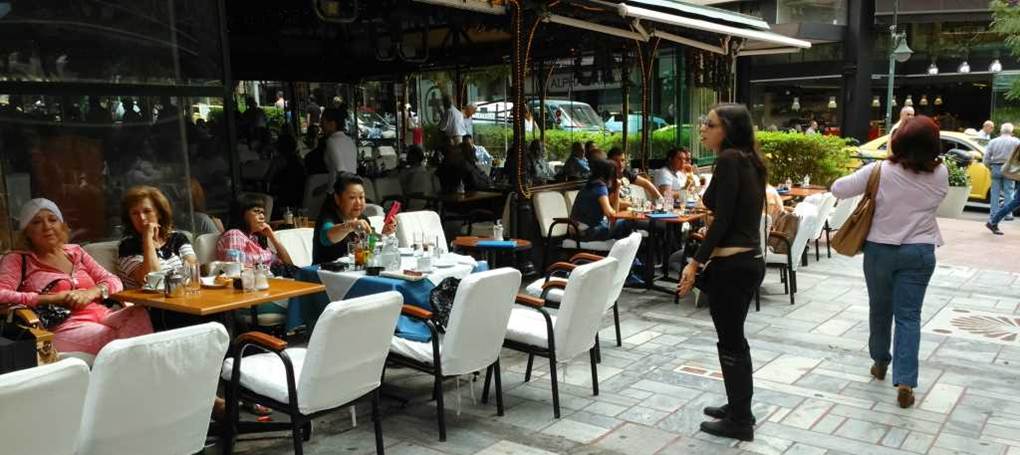
Photo by author, 2014
A Japanese restaurant on a street in the Plaka district.
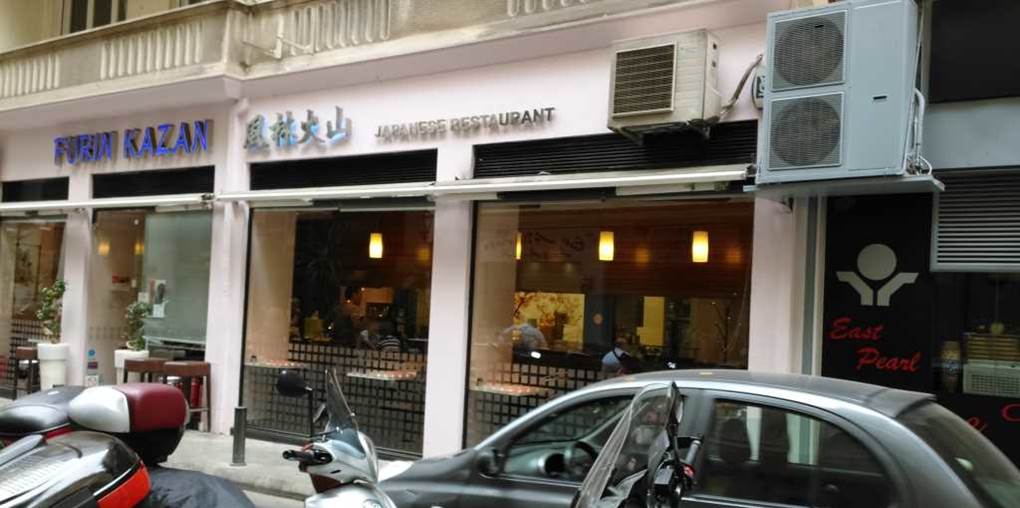
Photo by author, 2014
National Archaeological Museum
Athens is home to many ancient Greek and Roman ruins. Greece is a place where the Aegean civilization, the Mycenaean civilization, and the Roman civilization developed, so not only ruins have been preserved, but many artifacts have also been excavated.
The National Archaeological Museum of Athens preserves and exhibits top-class cultural assets from the Mycenaean and ancient Greek civilizations, as well as other civilizations.
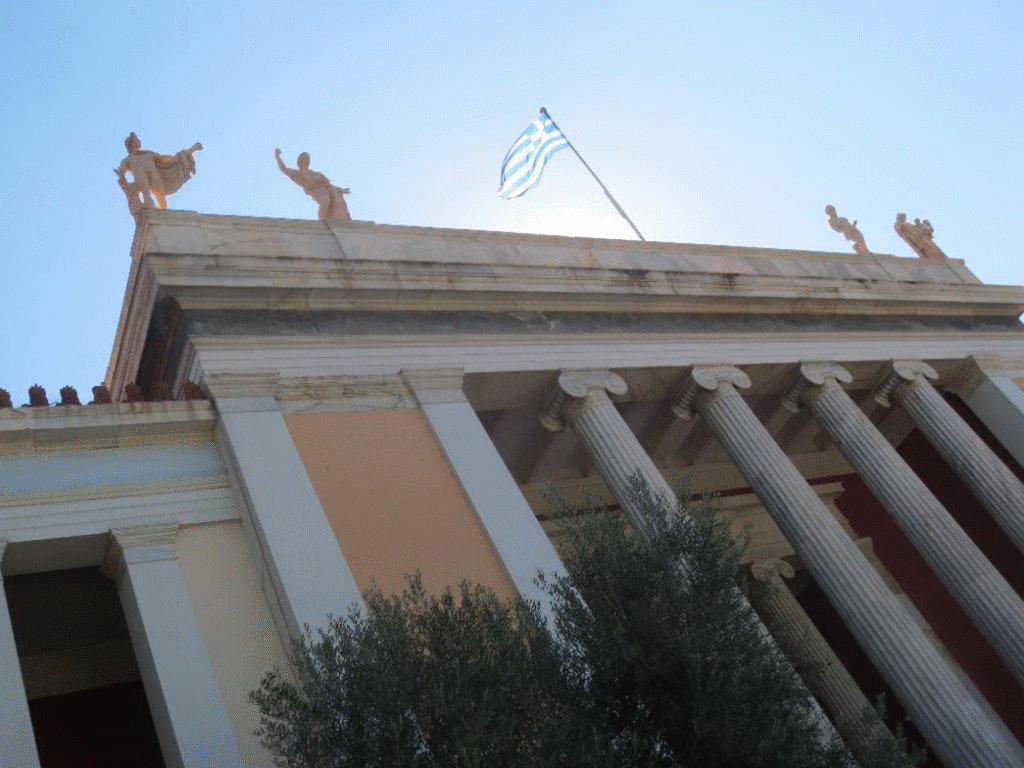
Photo by author, 2014
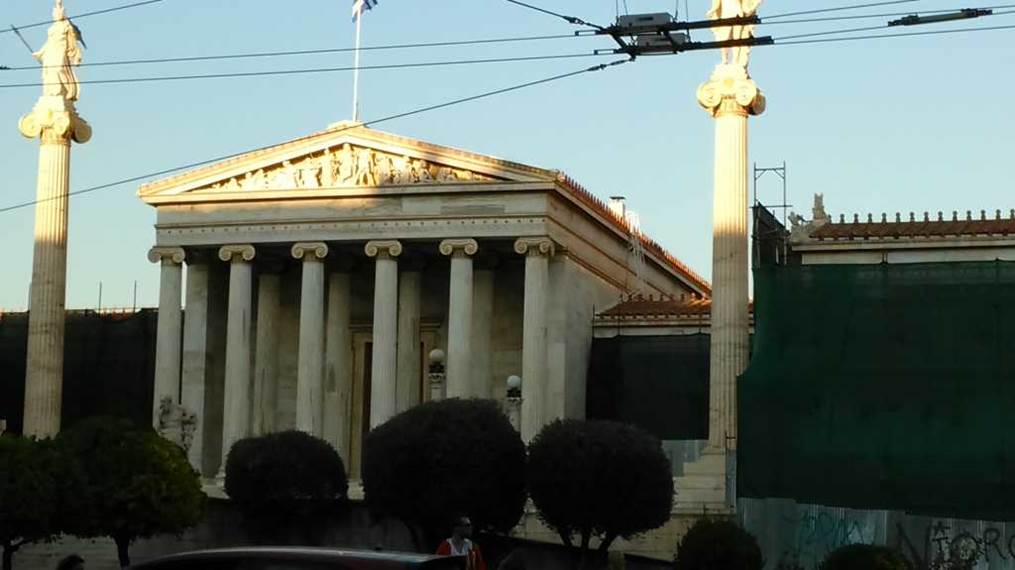
Photo by author, 2014
A journey through time and space at the museum
Photography was allowed so I took lots of photos. Lets take a look.
Bronze statue of Poseidon. 460 BC,
A magnificent bronze statue near the entrance of National Archaeological Museum. It is an ancient Greek statue called the Artemision Bronze, which was discovered in the Greek sea in 1926. It is considered to be a statue of Zeus or Poseidon. It is a majestic statue with a height of 209 cm. It was found on the seabed off the island of Euboea and pulled up by fishermen.
The statue is seen raising its right hand and swinging a trident. It depicts a well-proportioned, muscular body with dynamic movement.
It is a first-rate work that strongly appeals to the visual sense.
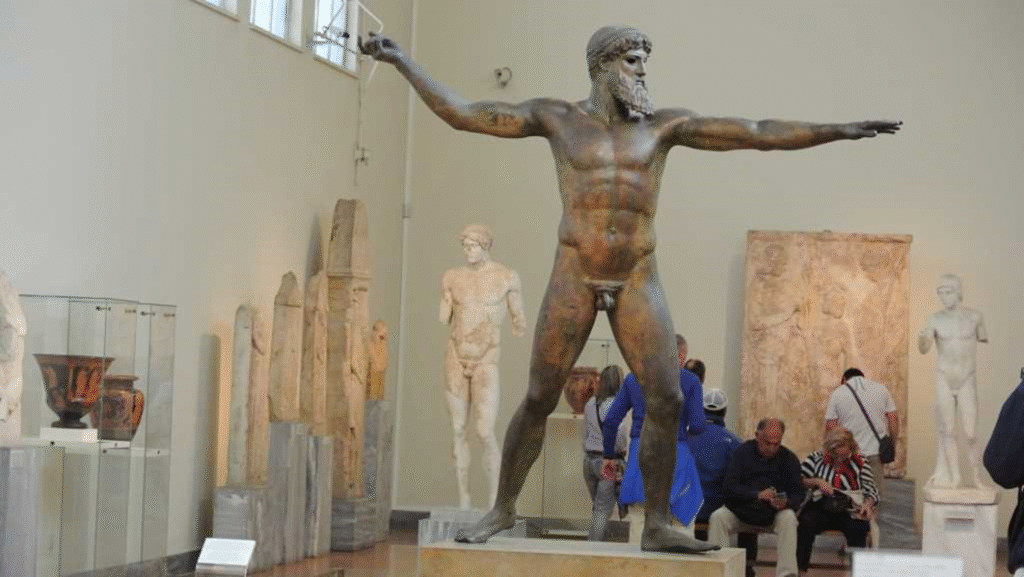
写真 筆者撮影 2014年10月
Bronze statue of a boy riding a horse. 140 BC,
The famous “Bronze Statue of a Boy riding a Horse”. The Artemision Jockey.
This bronze statue was salvaged from a shipwreck off the coast of a cape in Greece. It is a magnificent piece full of dynamism.
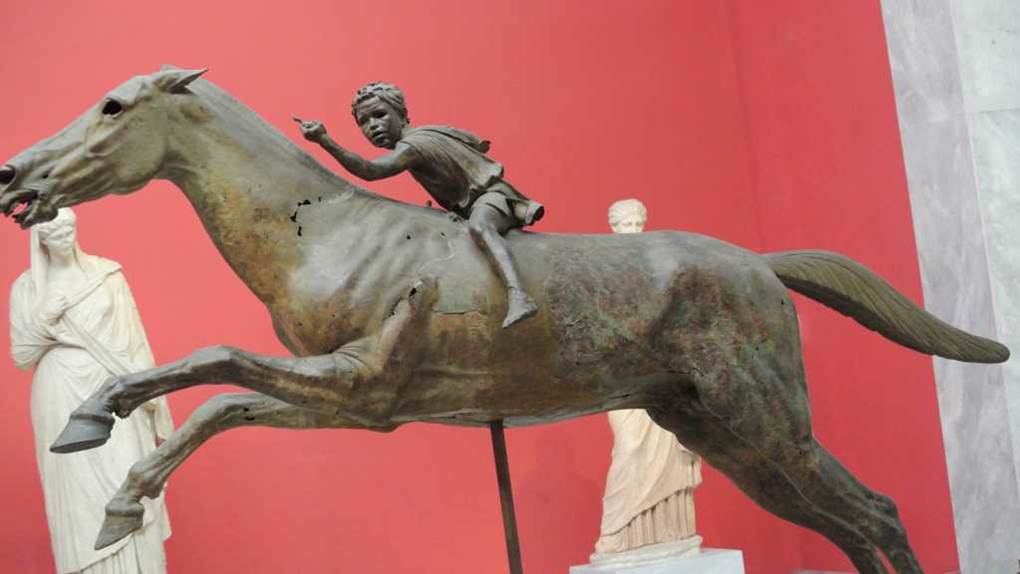
Photo by author, 2014
The liveliness of the horse galloping with its front legs raised, and the boy riding brilliantly with the reins in his left hand and the whip in his right hand is well conveyed.
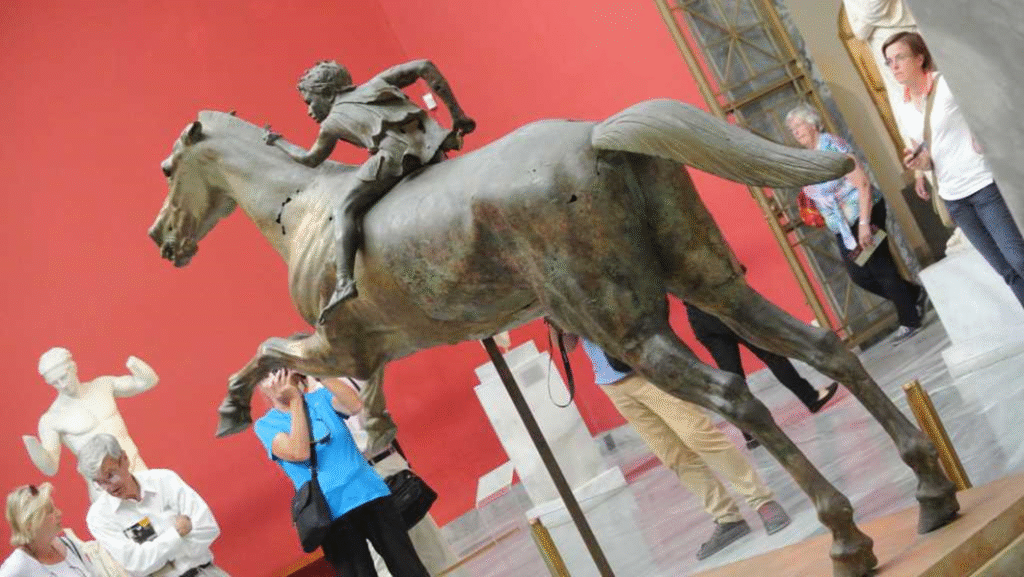
Photo by author, 2014
Wrestler statue 2nd century BC ~ 1st century BC
Excavated in Alexandria, Egypt.
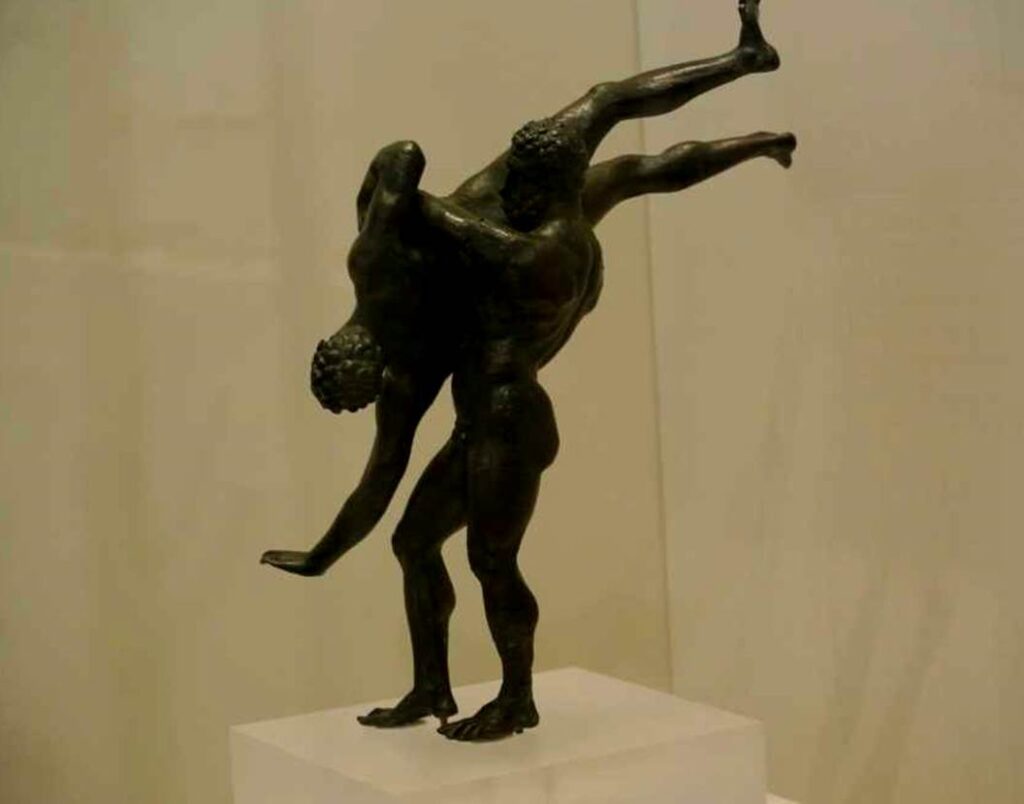
Photo by author, 2014
Aphrodite ・Goddess of love and beauty 4th century BC
Aphrodite is the goddess of love and beauty in Greek mythology.
She was also a popular goddess in Rome. The statue of Aphrodite was found in Baiai, southern Italy. It was a Roman reproduction of the Greek original from the 4th century BC in the 2nd century AD.
A sculpture of the original goddess of the Venus de Milo in the Louvre Museum in Paris. At the Louvre in Paris, I was swept away by the queue in a huge crowd and could barely see the whole body.
Here in Athens, you can indulge in the sculpture of the goddess all to yourself in luxury.
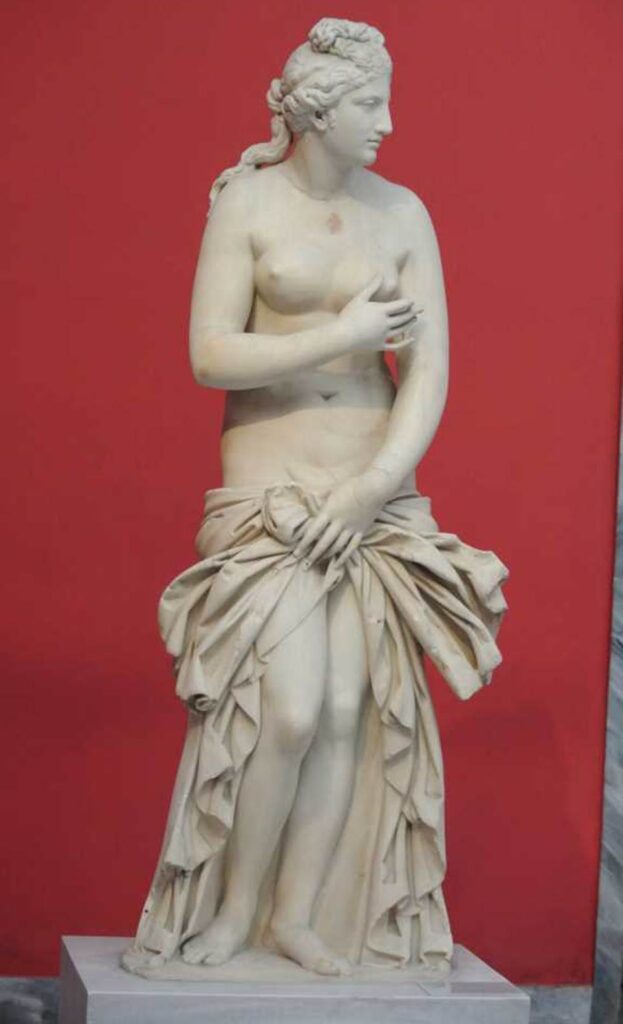
Photo by author, 2014
Statue of Aphrodite and the faun Pan
Statues of Aphrodite and the faun Pan were discovered in 1904 on the island of Milos in the Aegean Sea. Aphrodite is about to hit the approaching faun Pan with her sandals. Cupid also pushes the head of the god Pan to keep him away.
The Greek gods are extremely human and interesting.

Photo by author, 2014
Statue of Themis c.300 BC
The goddess of law and discipline in Greek mythology.

Photo by author, 2014
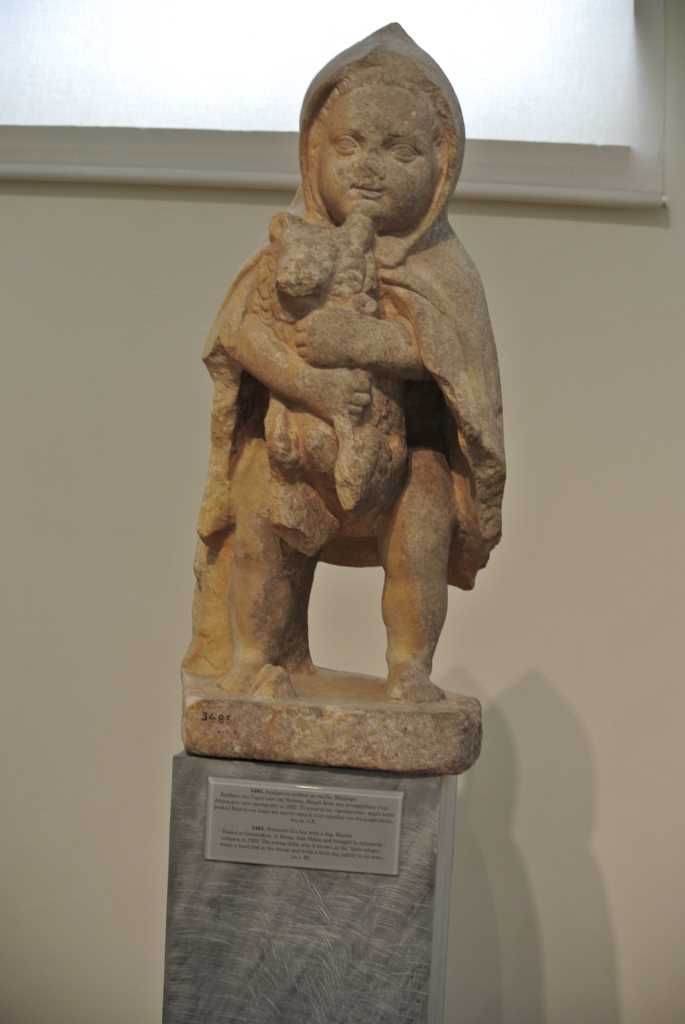
Photo by author, 2014
Wounded Gauls c.100 BC
Statue of a warrior found on the island of Delos.
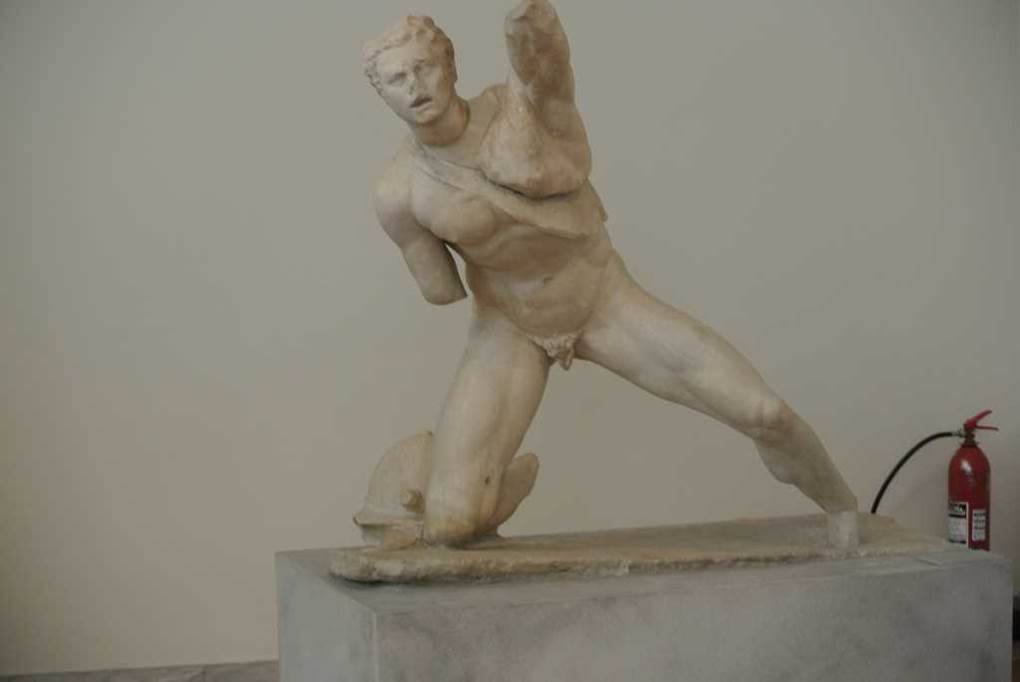
Photo by author, 2014
Slaves of the Lords, 2nd century BC
It is a mask that was used in the theater. According to the accompanying description, it is the work of “Slaves of the Lord” and is made of marble.
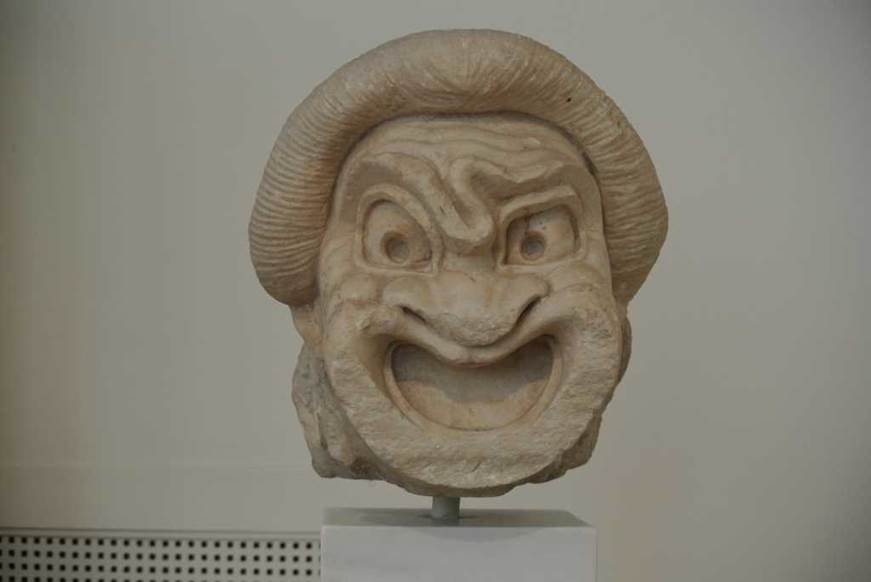
Photo by author, 2014
Sculpture on the side of the building.
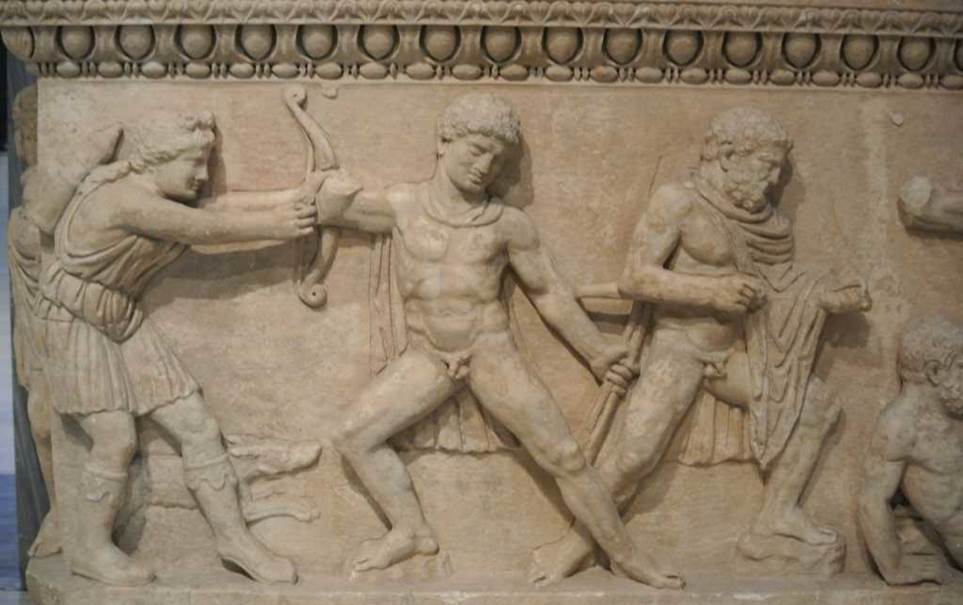
Photo by author, 2014
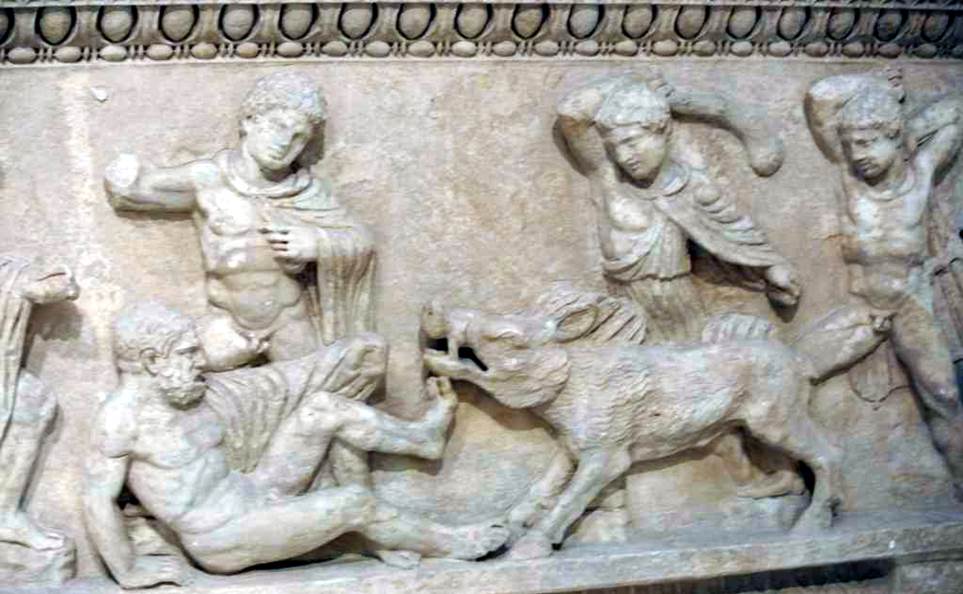
Photo by author, 2014
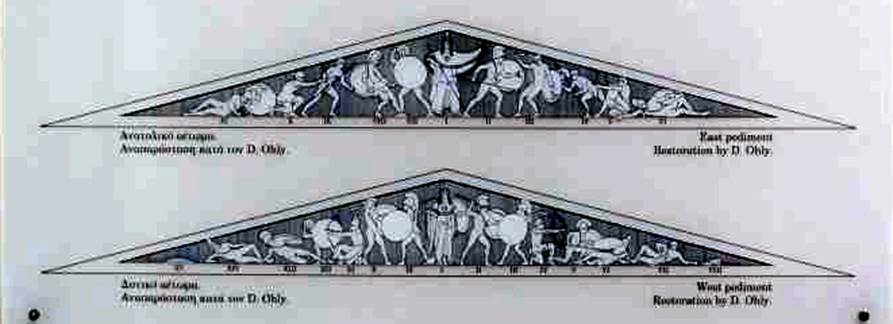
Photo by author, 2014
Statue of the Koulos 600 BC
The koulos represent nude male youth in the Greek Archaic period.
The Naxia marble statue is a votive offering to Poseidon.
It is said to have stood in front of the temple of Poseidon.
Naxia marble is marble from the quarries of Naxos on the island of Cyclades and seems to have been mined from ancient times to the present.

Photo by author, 2014
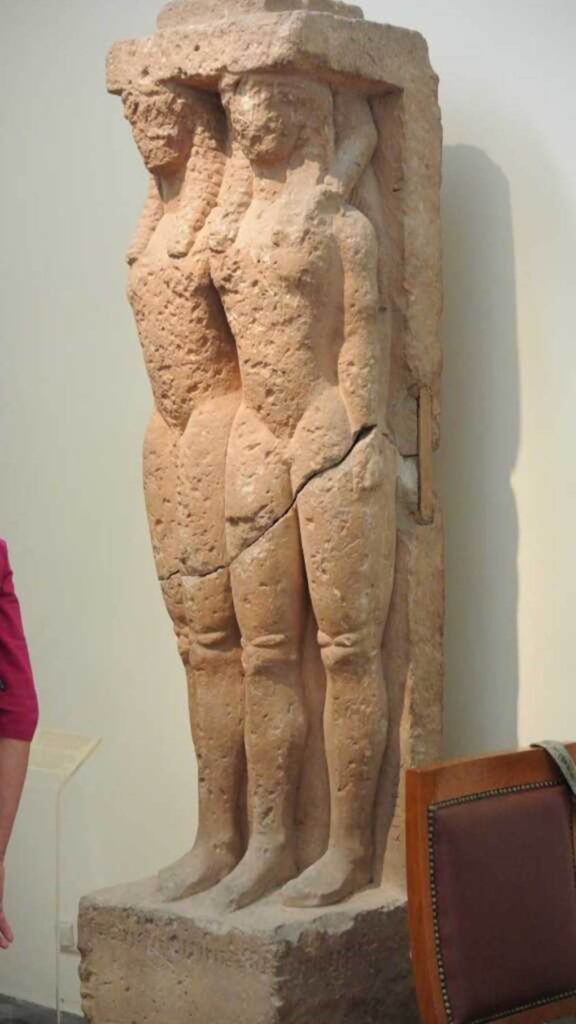
Photo by author, 2014
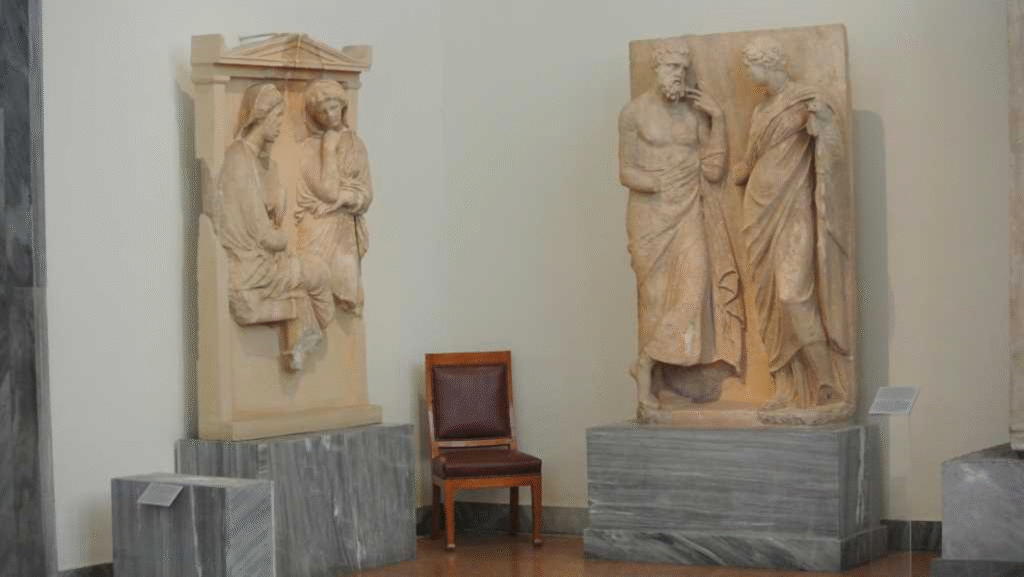
Photo by author, 2014
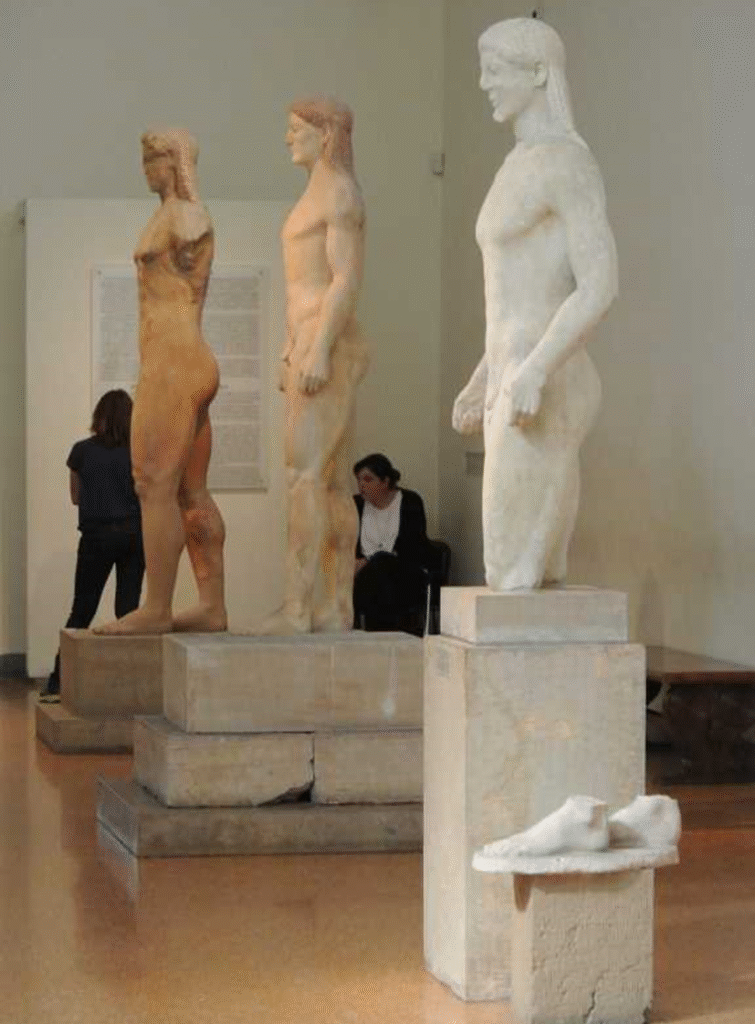
Photo by author, 2014
This statue bears a striking resemblance to the mortar work still practiced in kitchens in Southeast Asia and India today.
He captures the moment of movement well and embodies it.

Photo by author, 2014
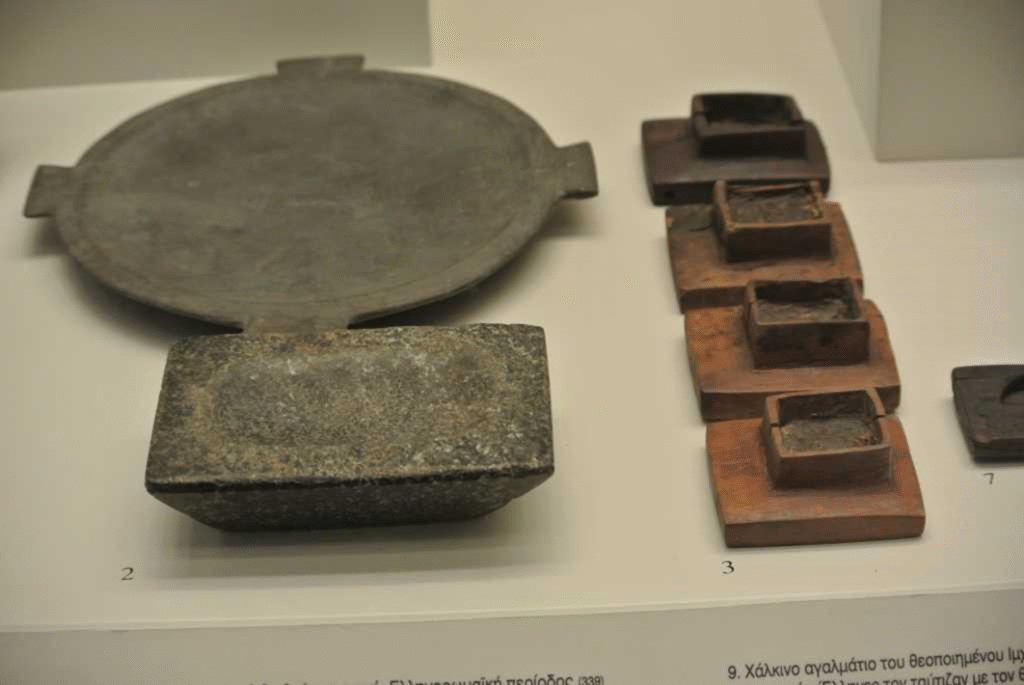
Photo by author, 2014
Right side: In his right hand he holds a wine cup and in his left hand a laurel wreath.
Below him is a horse and rider.
Left side: Marble tombstone, Attica, 500BC.

Photo by author, 2014
Wheeled vehicles 1.
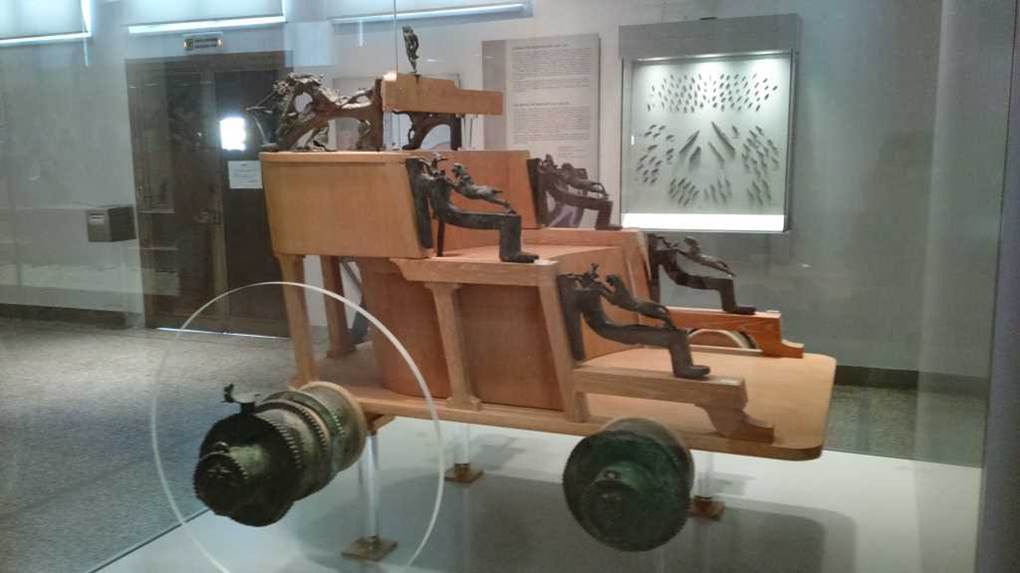
Photo by author, 2014
Wheeled vehicles 2
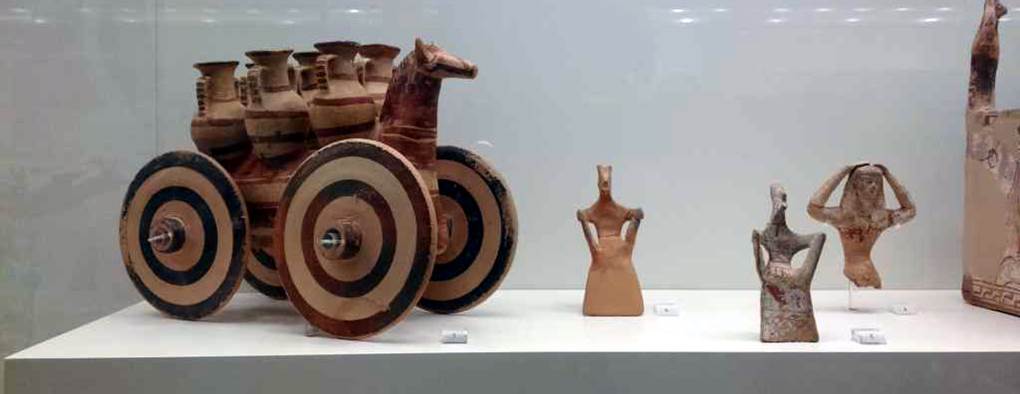
Photo by author, 2014
Ships in the Aegean Sea.
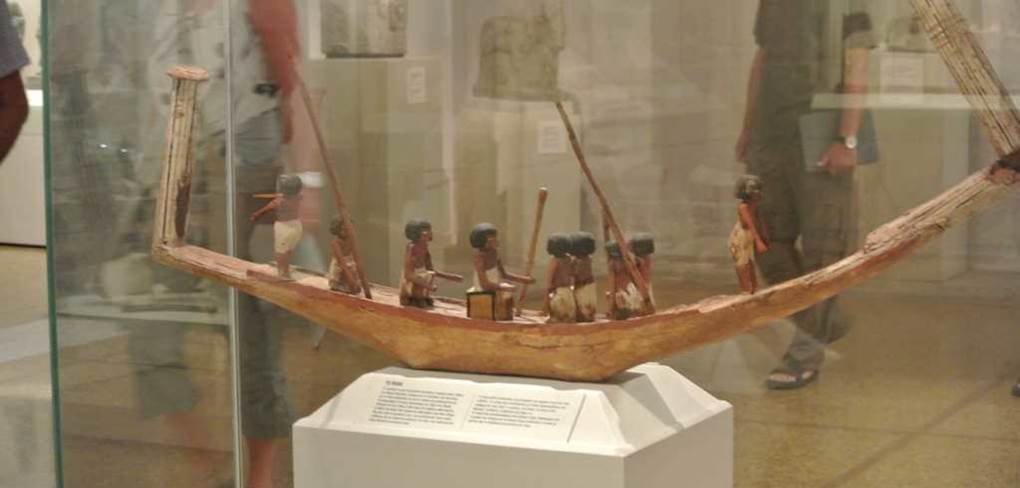
Photo by author, 2014
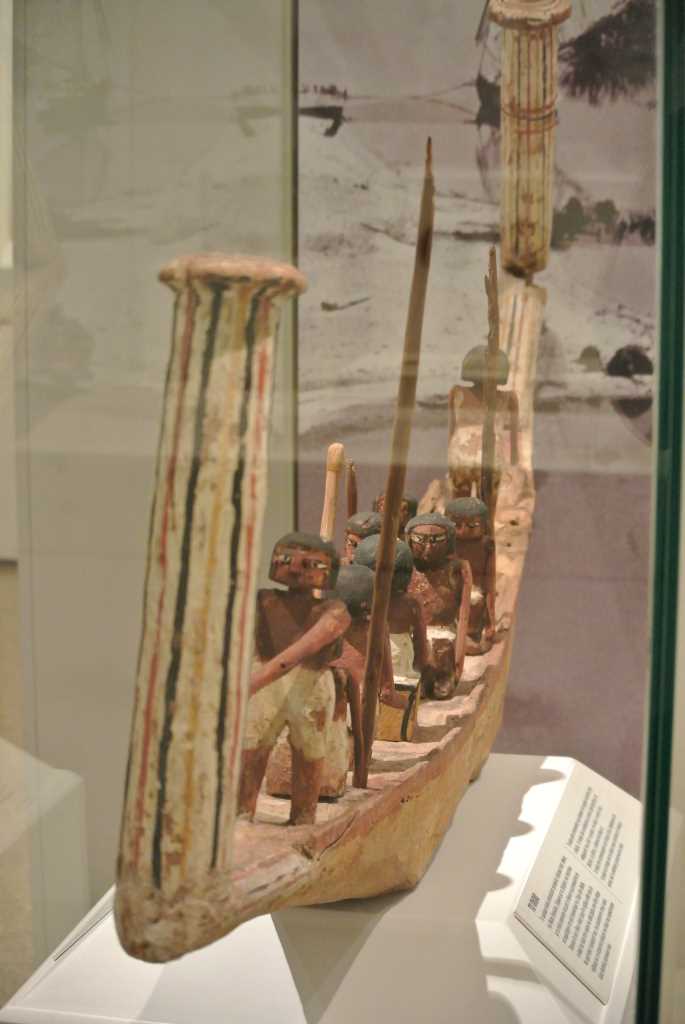
Photo by author, 2014
A mural with an Egyptian design.
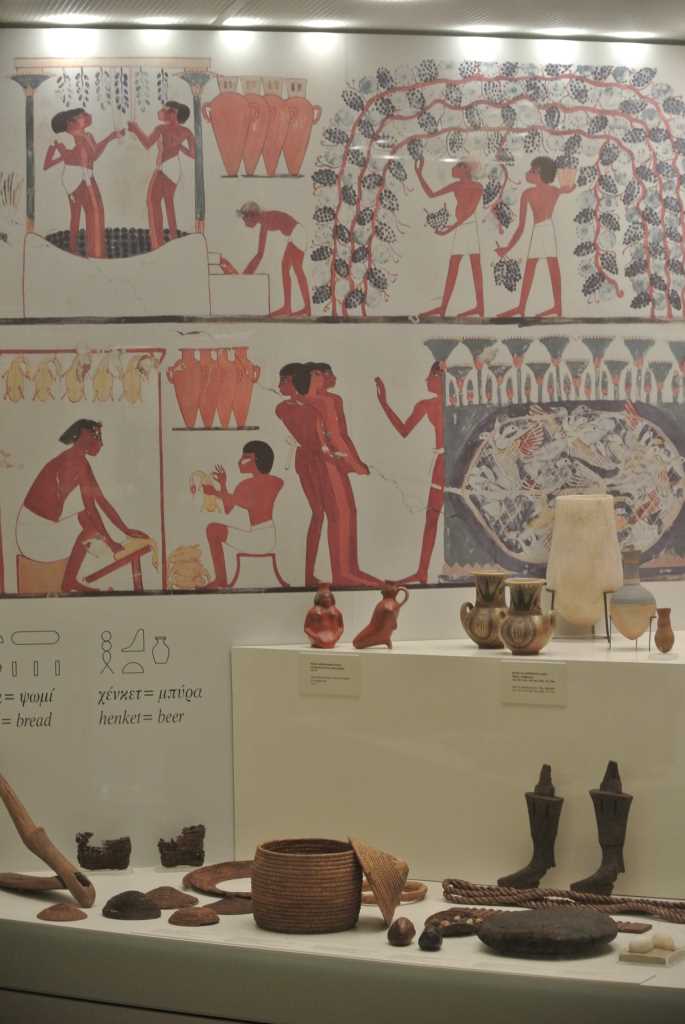
Photo by author, 2014
Bronze castings.
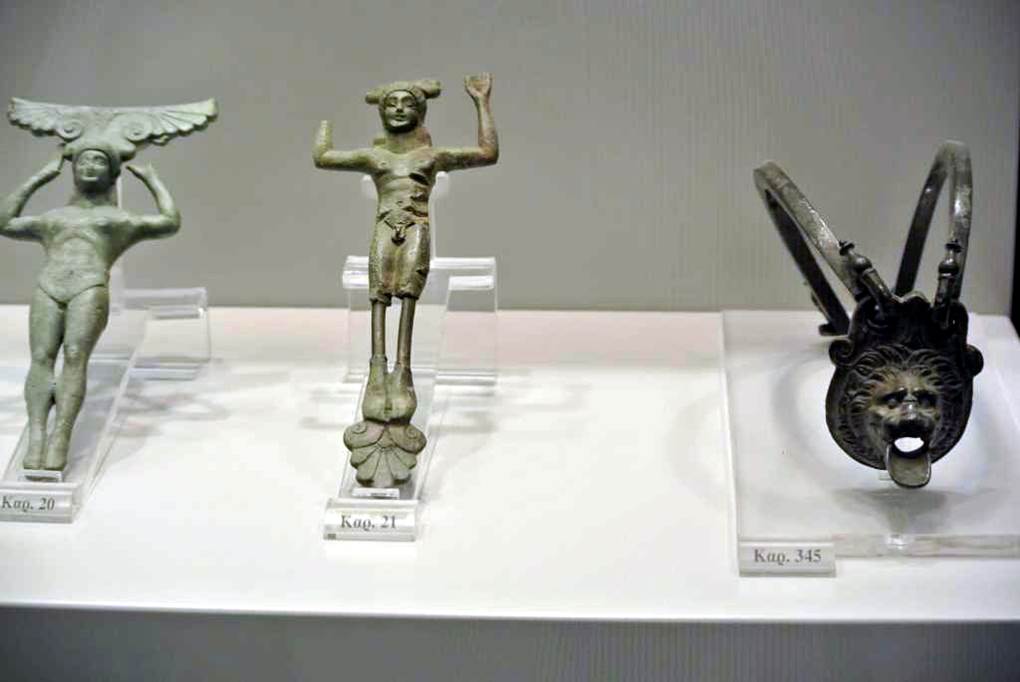
Photo by author, 2014
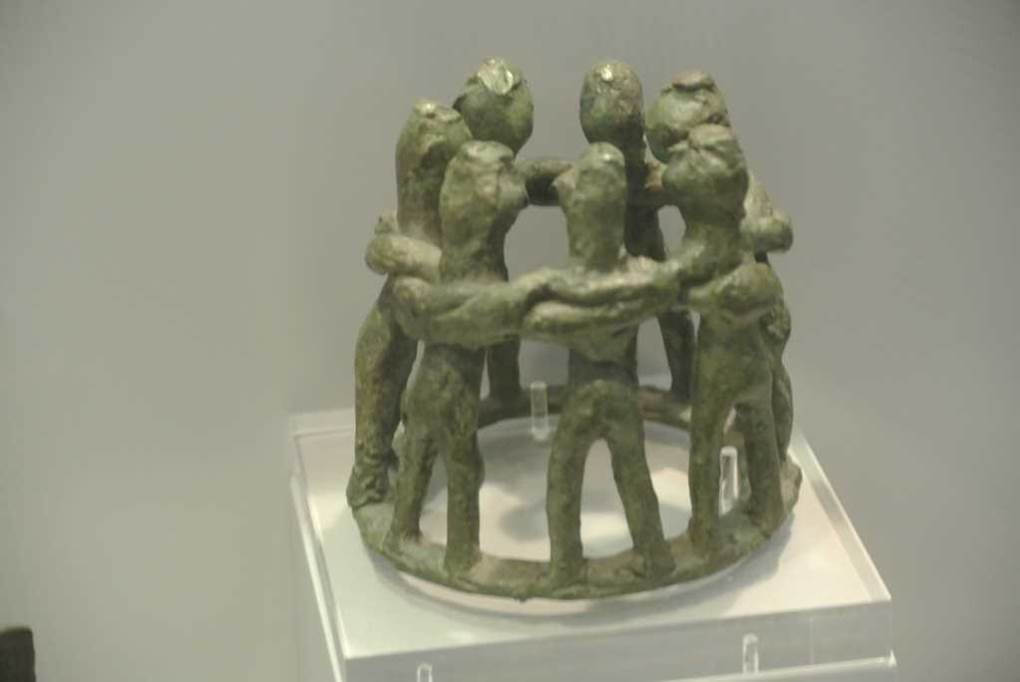
Photo by author, 2014

Photo by author, 2014
Funeral Monument: Lion
A lion used as a grave marker.
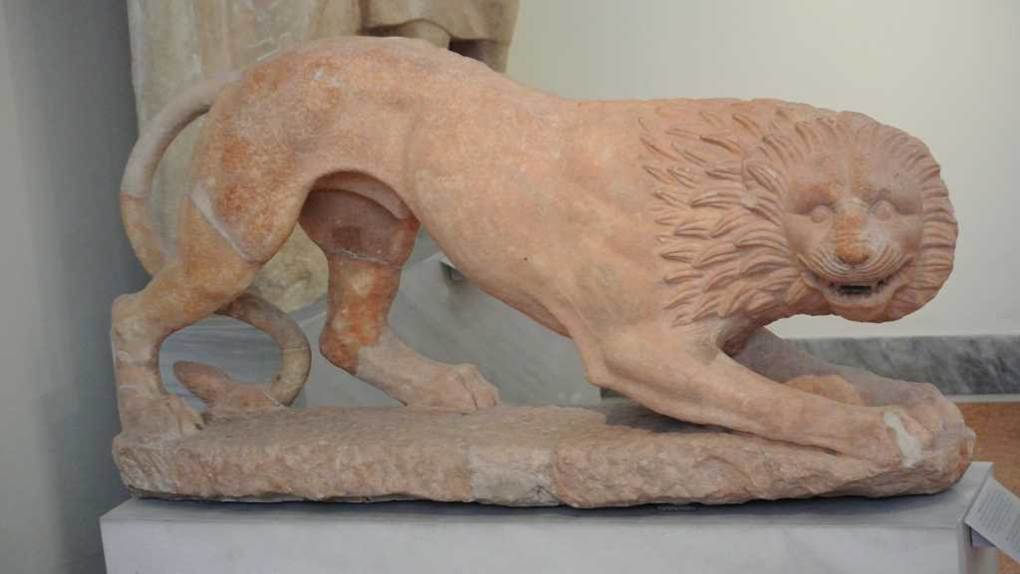
Photo by author, 2014
During the Archaic period, there were also changes in the decoration of vases. From the style of repeated patterns in the geometric pattern period, to the easternization style influenced by the east, and the black painting style and red figure designs.
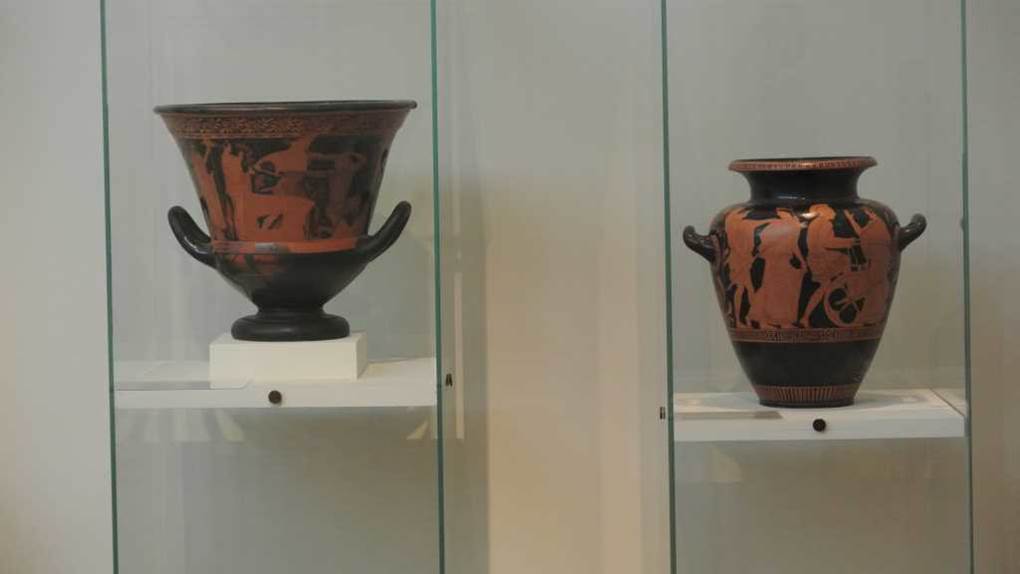
Photo by author, 2014
” Attic black-figure amphora “ 430~420BC
Various figures are depicted.
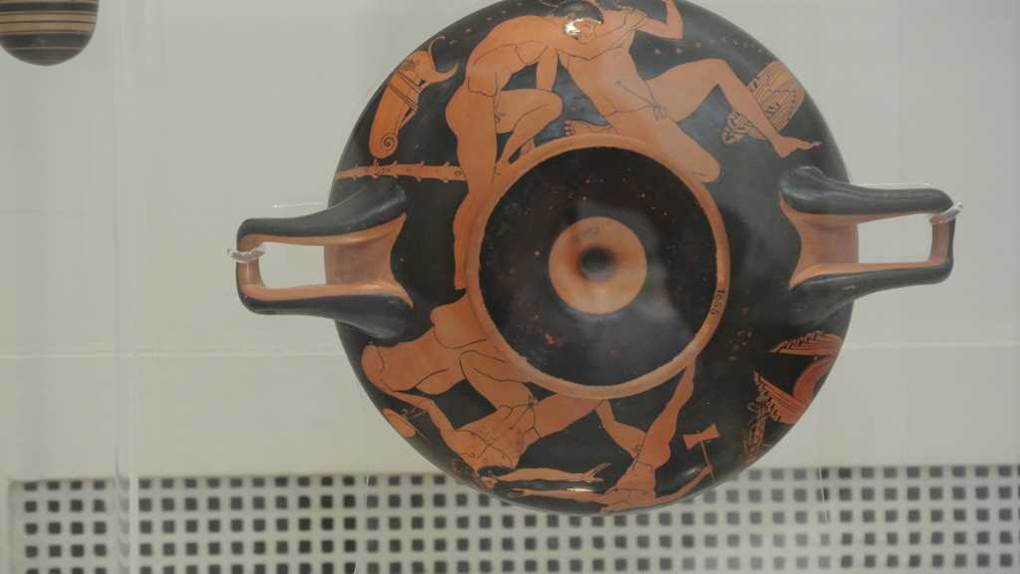
Photo by author, 2014
“The Red-Figured Pinax of the Ninnion Offering” c370 BC
Excavated from Eleusis.
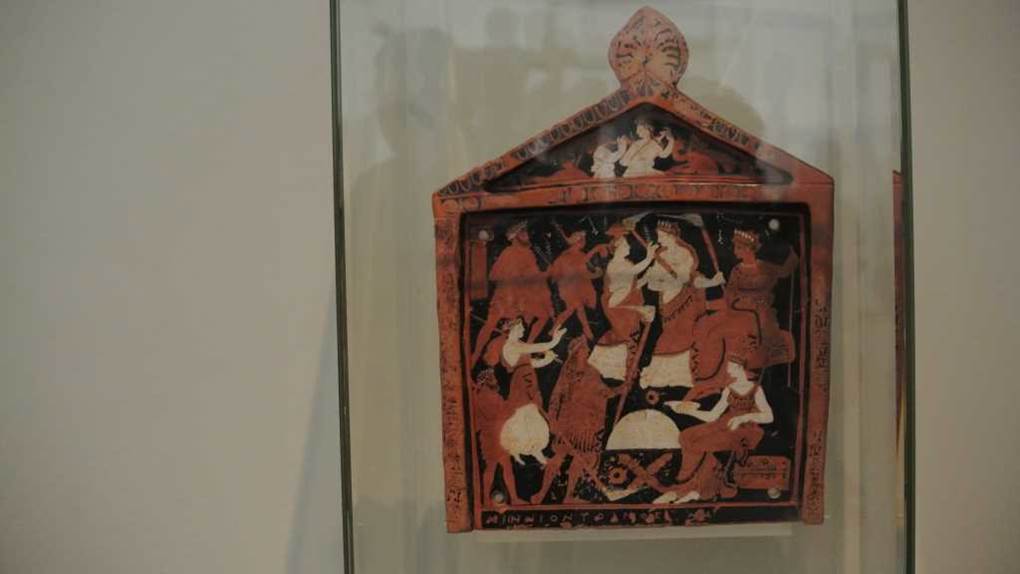
Photo by author, 2014
Egyptian Section
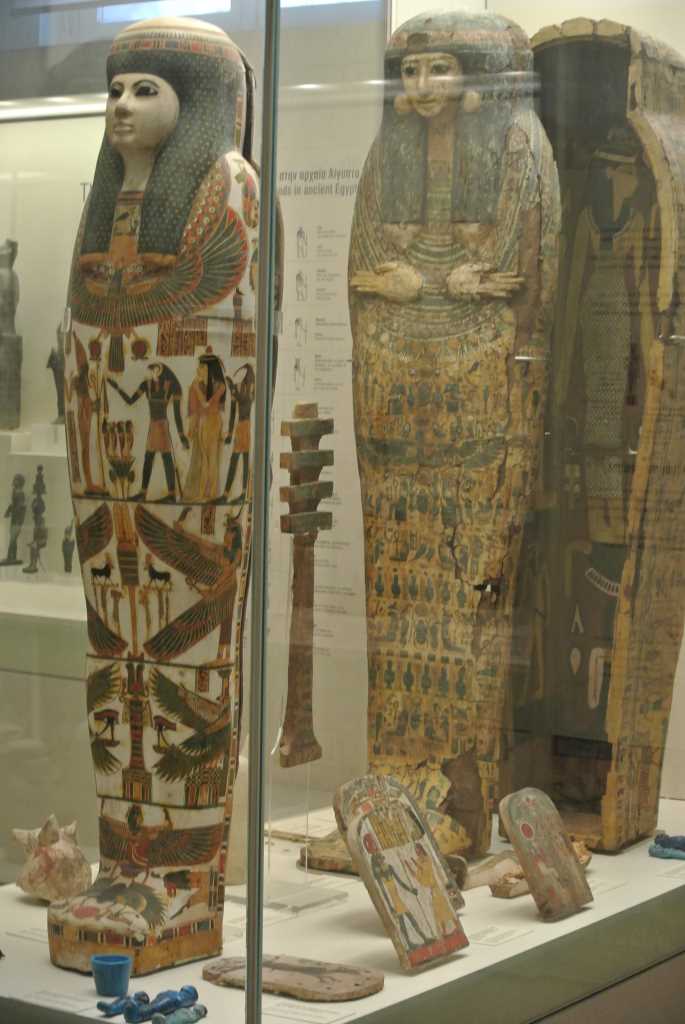
Photo by author, 2014
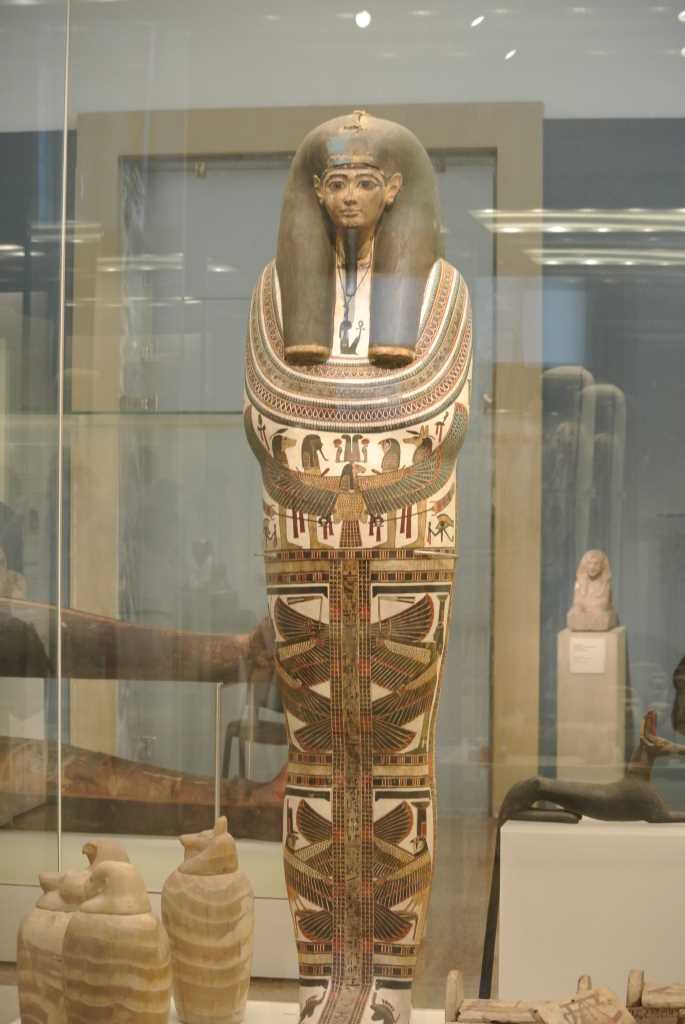
Photo by author, 2014
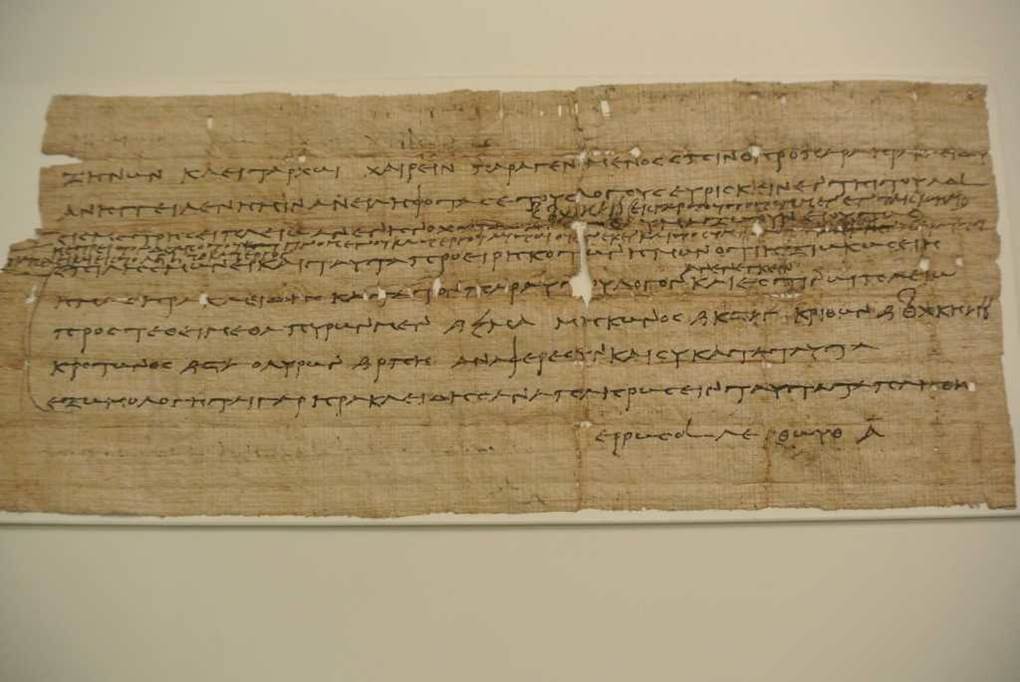
Photo by author, 2014
On the last day of our trip to Greece, at the outskirts of Athens city
I had the hotel call a taxi for me and headed from the city to the airport.
Since I had plenty of time, I asked the driver to take me up some hills in Athens so I could take lots of photos of the city at dusk.
Let’s start with a distant view of the Acropolis.
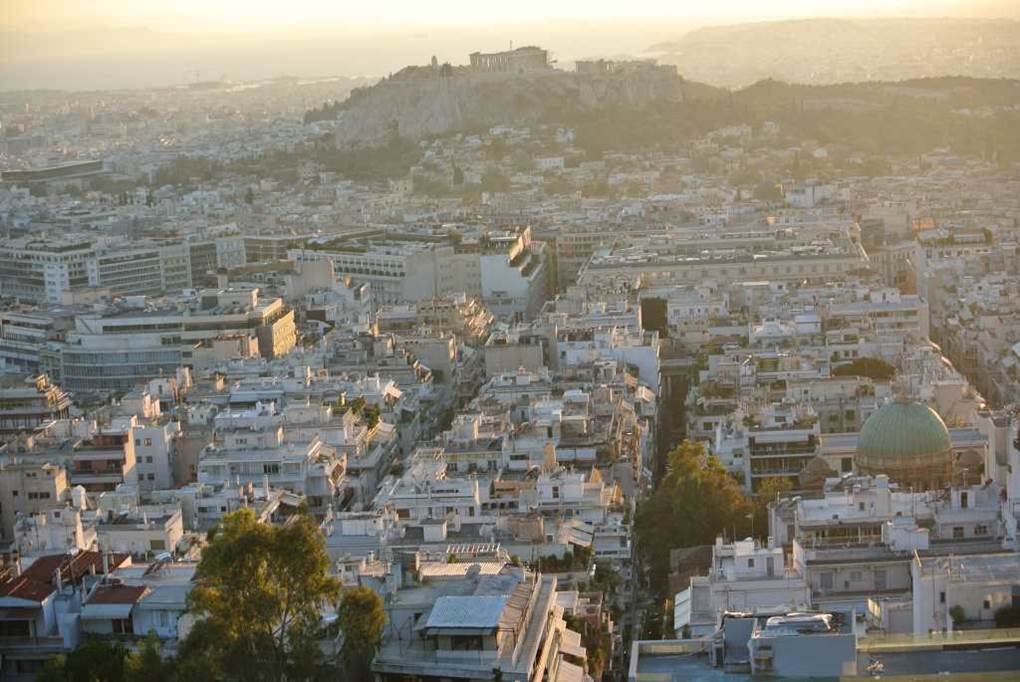
Photo by author, 2014
The setting sun hits from the side, making the city block look three-dimensional. Suburbs of Athens City.
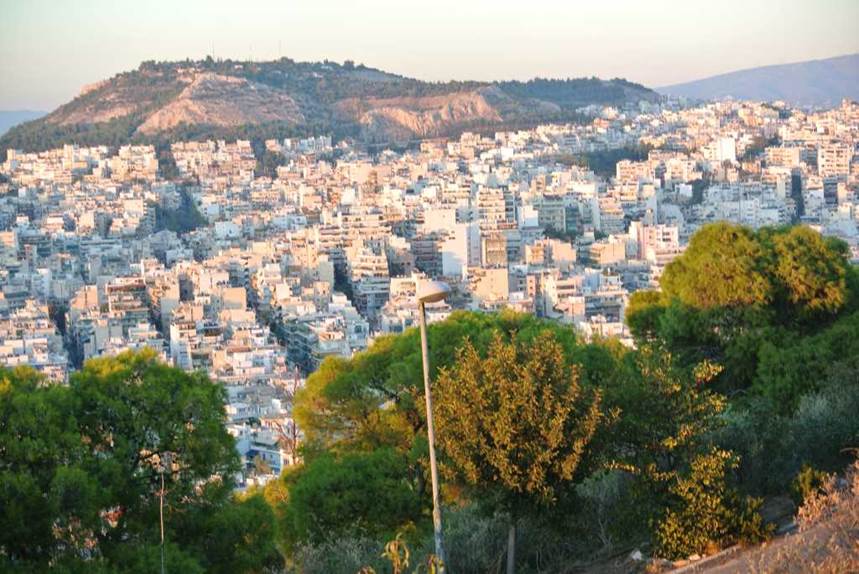
Photo by author, 2014
A residential area where the height of buildings is kept uniform. As a result, the shape of the original terrain can be clearly understood, and the order of the city block is well maintained. Suburbs of Athens City.
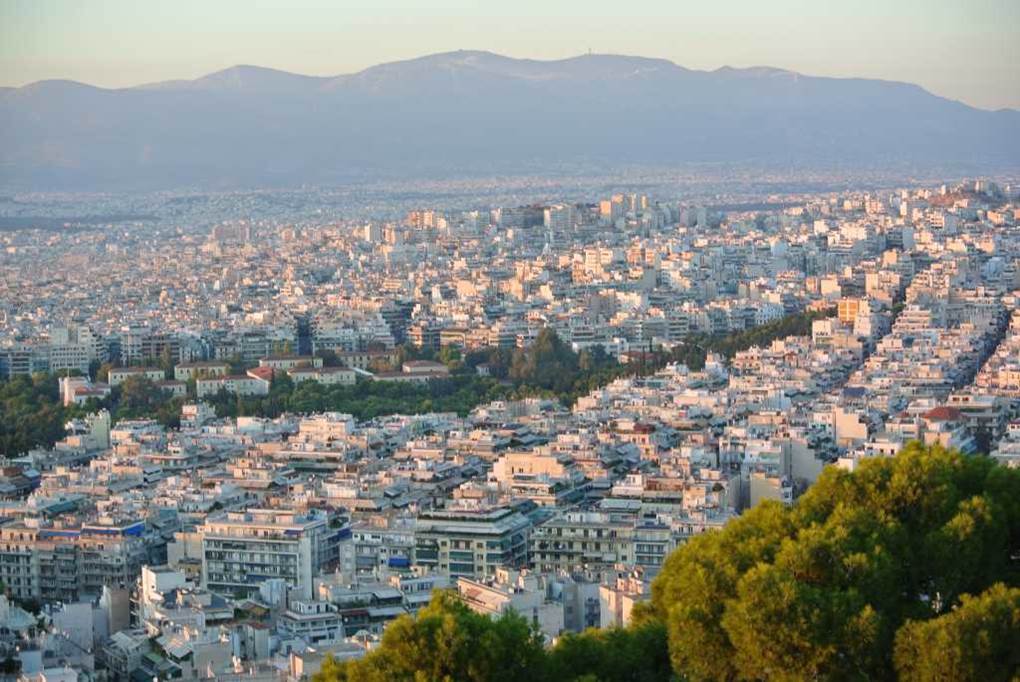
Photo by author, 2014
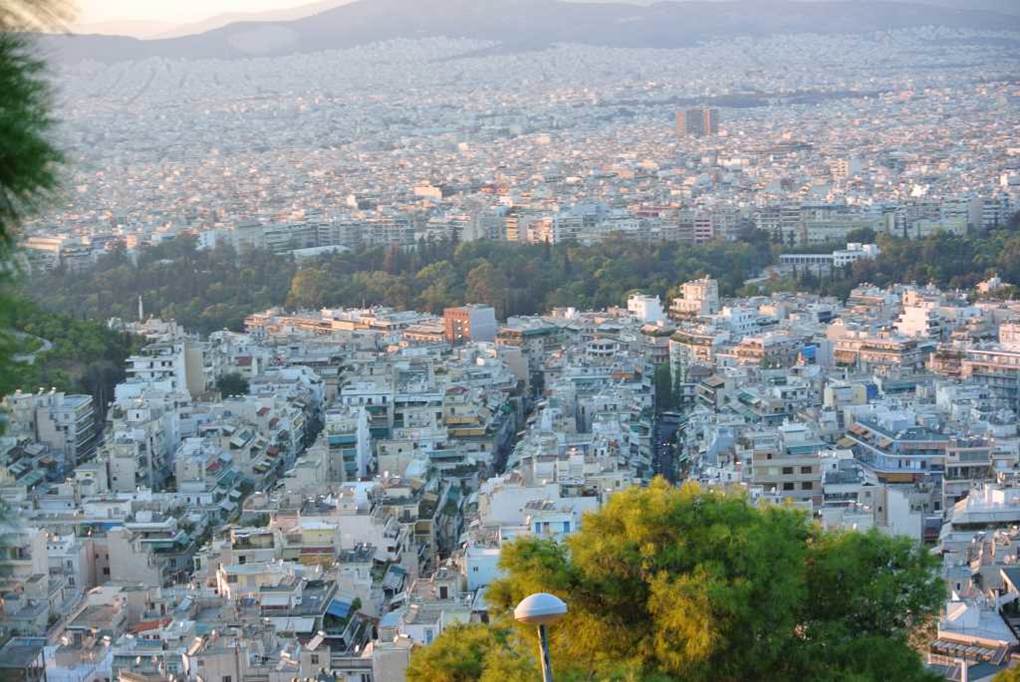
Photo by author, 2014
Gradually, the suburban townscape comes into view.
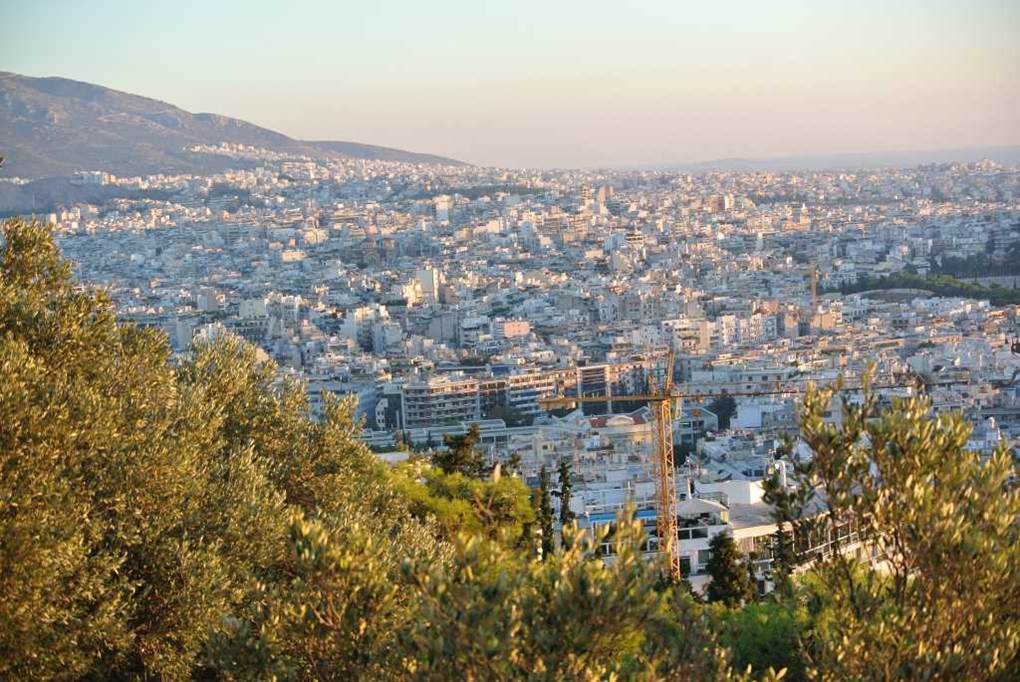
Photo by author, 2014
This completes my 10-day trip to Greece and I will head from Athens Airport to my layover in Istanbul.
All photos by author, October 2014