JAP | ENG
Shanghai, Suzhou #4/6
1985
Baodai Bridge (Precious Belt Bridge)
Baodai Bridge is located in the waterfront area about 50 kilometers south of Suzhou. It is said to be one of the ten most famous bridges in China and is located at the intersection of the Jinghang Canal.
It is a bridge built in the Tang Dynasty with a length of 300 m and a width of 4 m, and it is amazing that it still exists after more than 12 centuries.
It is not allow to cross over this stone continuous arch bridge, and it can only be observed from the new road that runs parallel to it, but this civil engineering heritage is still amazing.
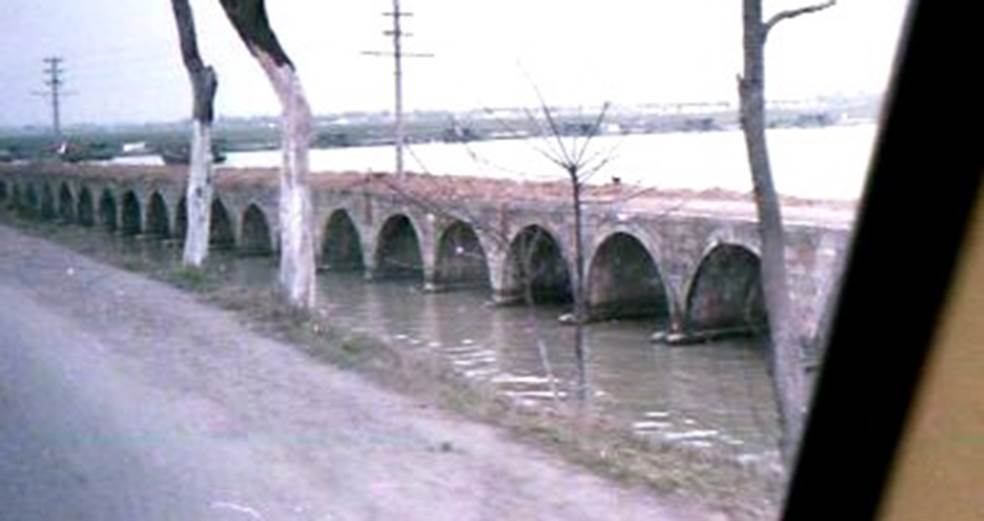
Photo by author, 1985
A convoy travels along the nearby Jinghang Canal.
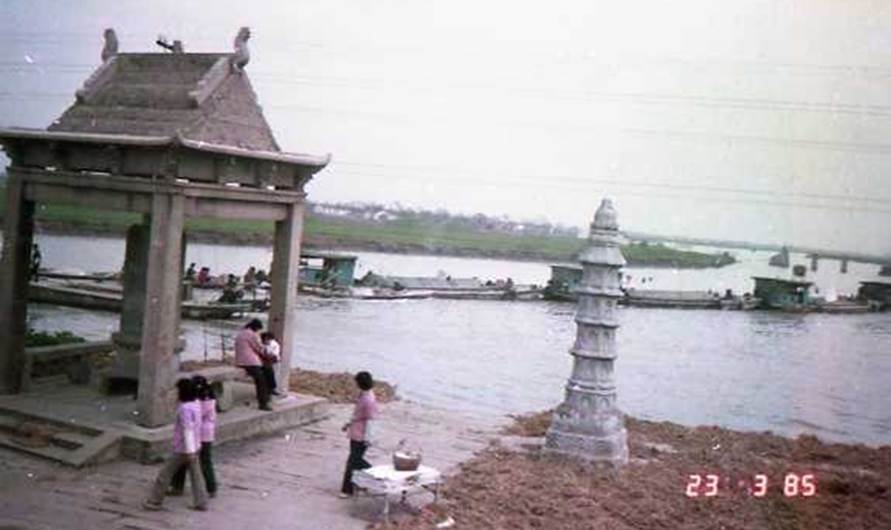
Photo by author, 1985
To the Happiness Village
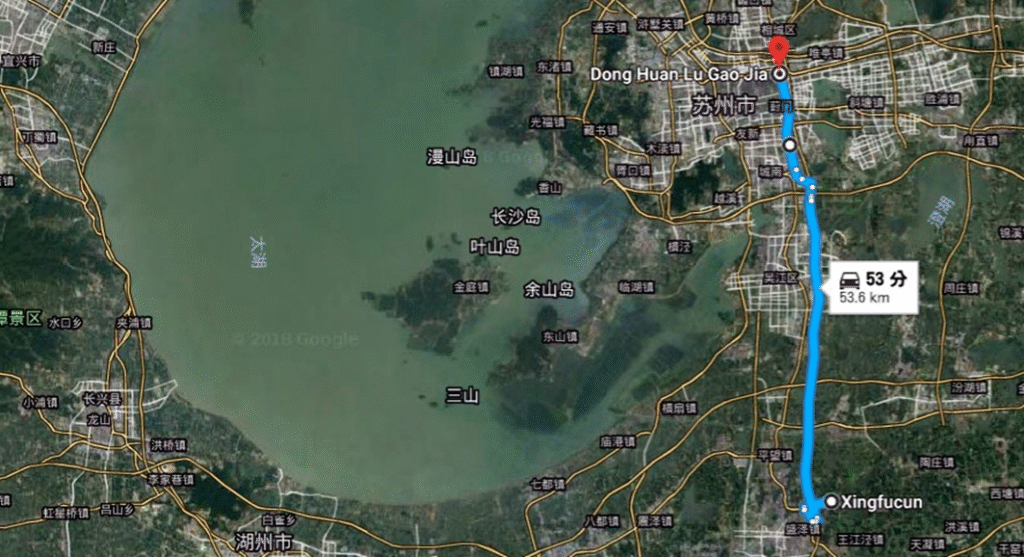
Bird’s eye view map of water town, Happiness village.
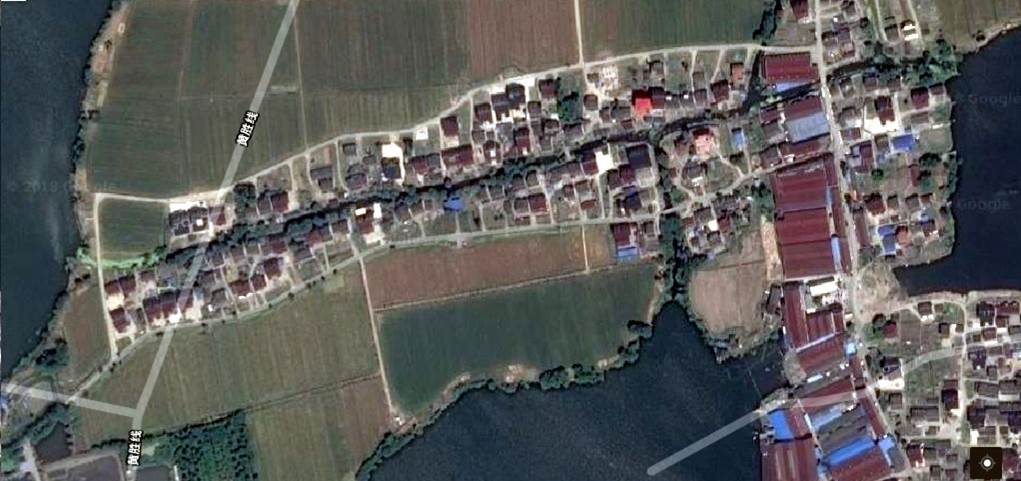
While driving around, by chance, I came across a village called Koufuku Mura (Happiness Village). It was a coincidence.
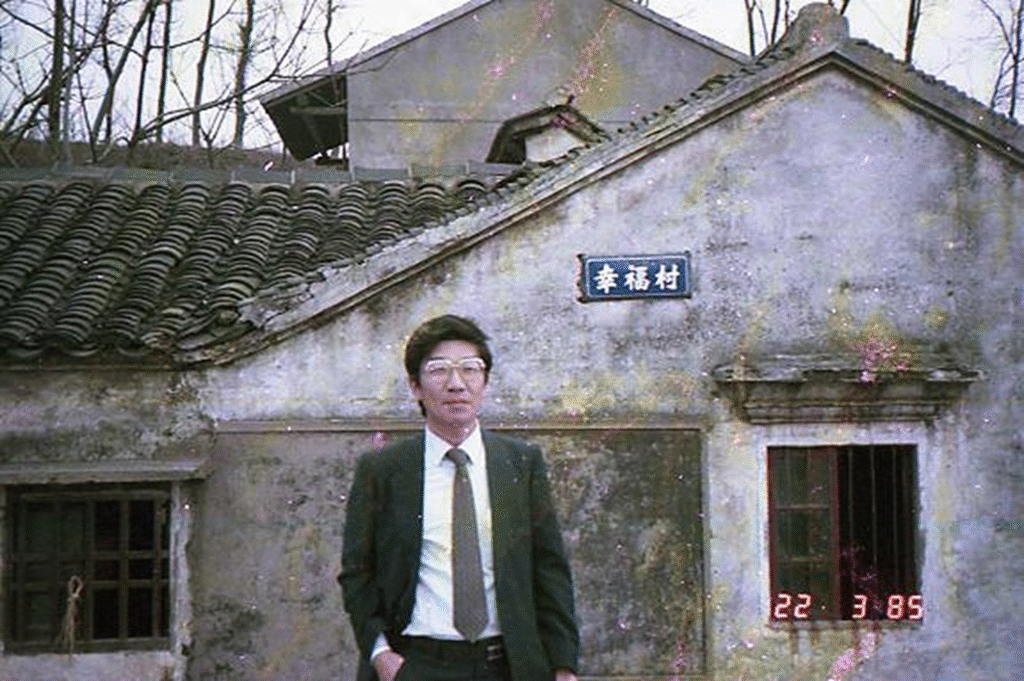
Photo of author, 1985
The sign says “Happiness Village Residents Committee,” so perhaps it’s a sub-organization of the Communist Party?
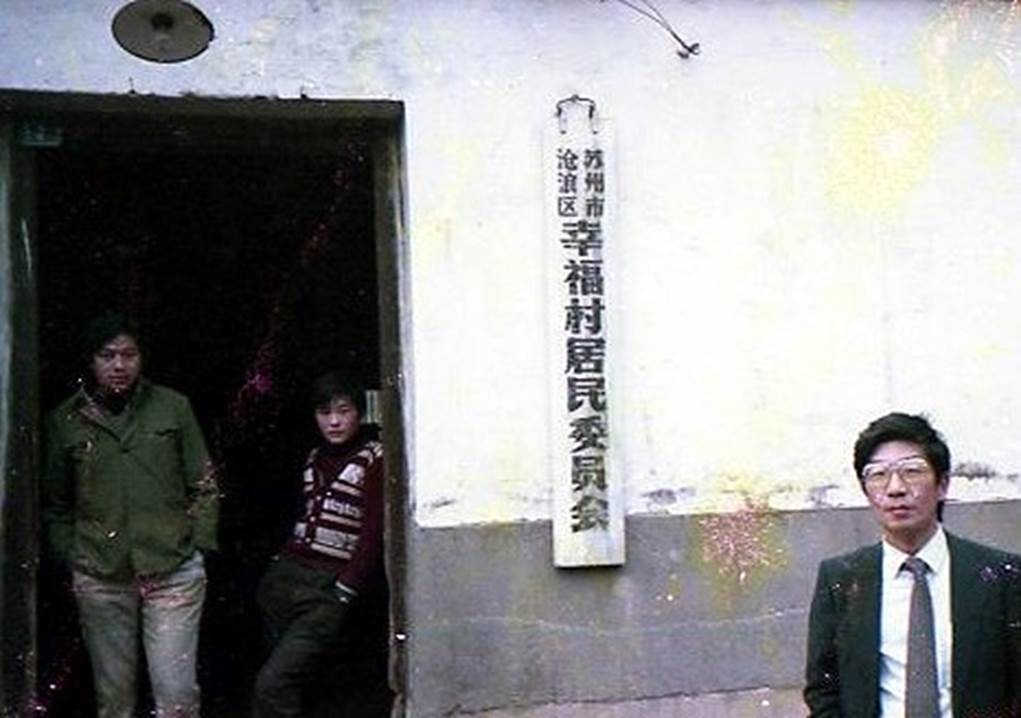
Photo of author, 1985
Children playing happily in the Happiness Village。
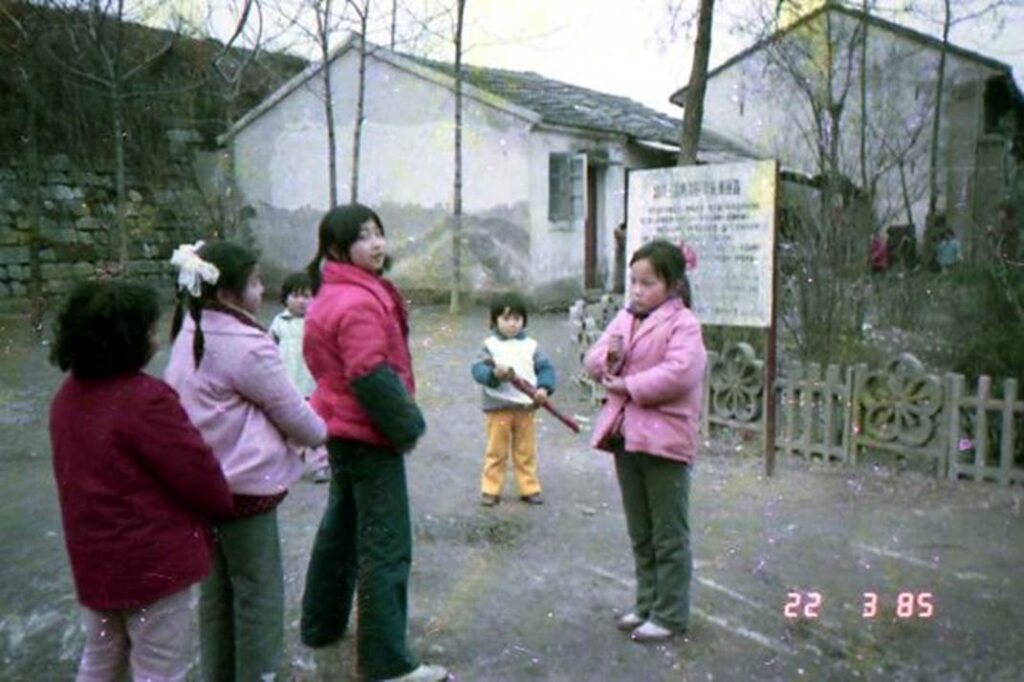
Photo by author, 1985
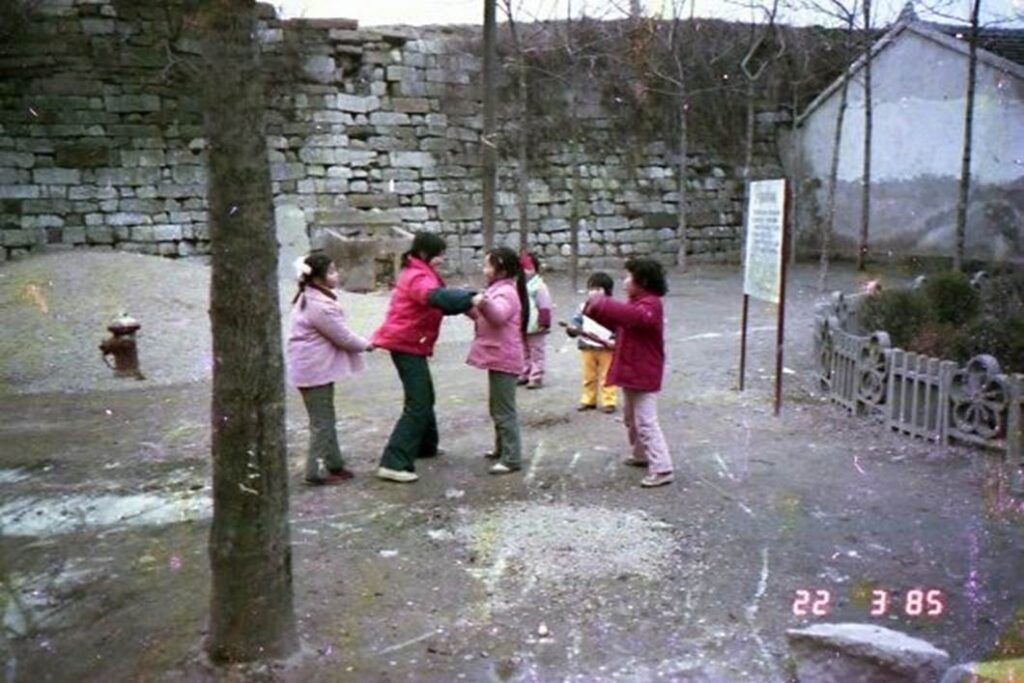
Photo by author, 1985
An alley in happiness village.
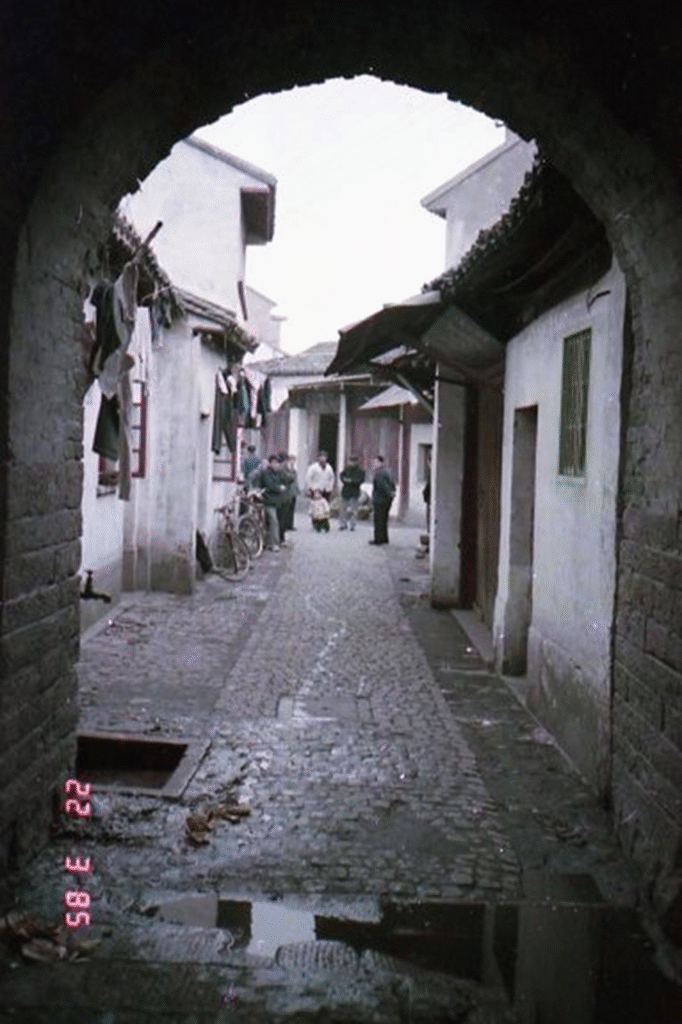
Photo by author, 1985
Children cleaning the temple
We were led to a large mausoleum in a village.
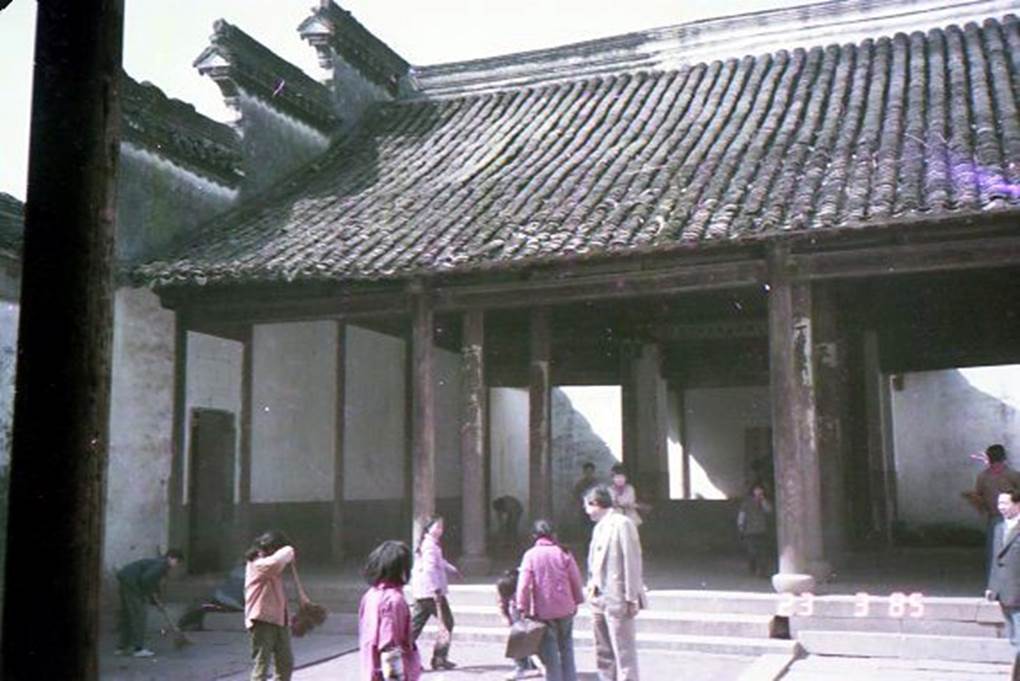
Photo by author, 1985
Children are cleaning in the compound.
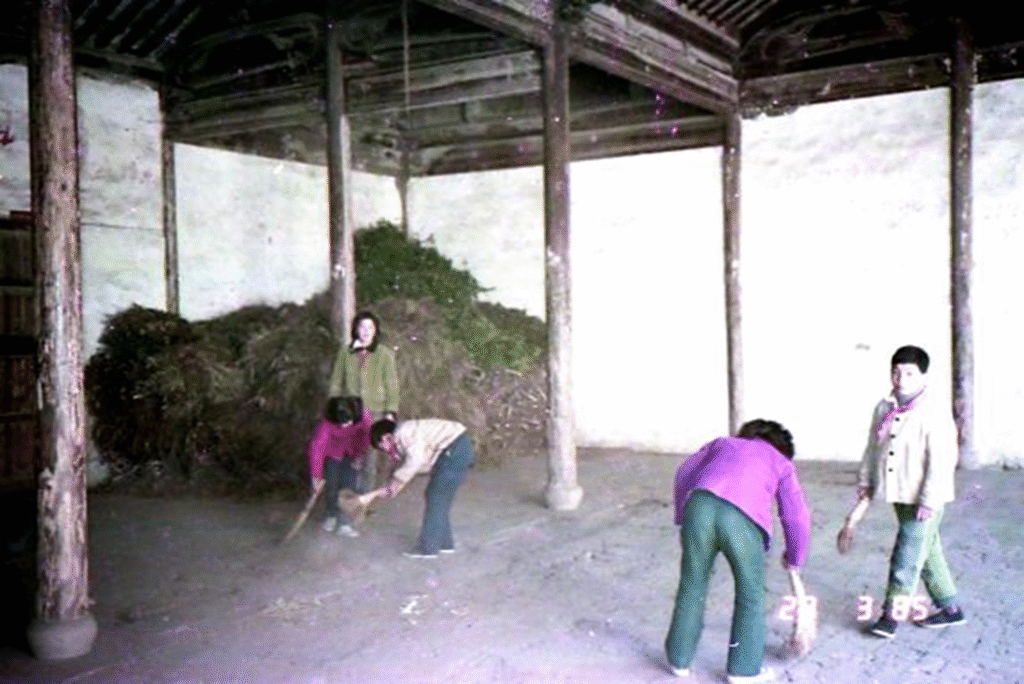
Photo by author, 1985
It is a splendid wooden frame.
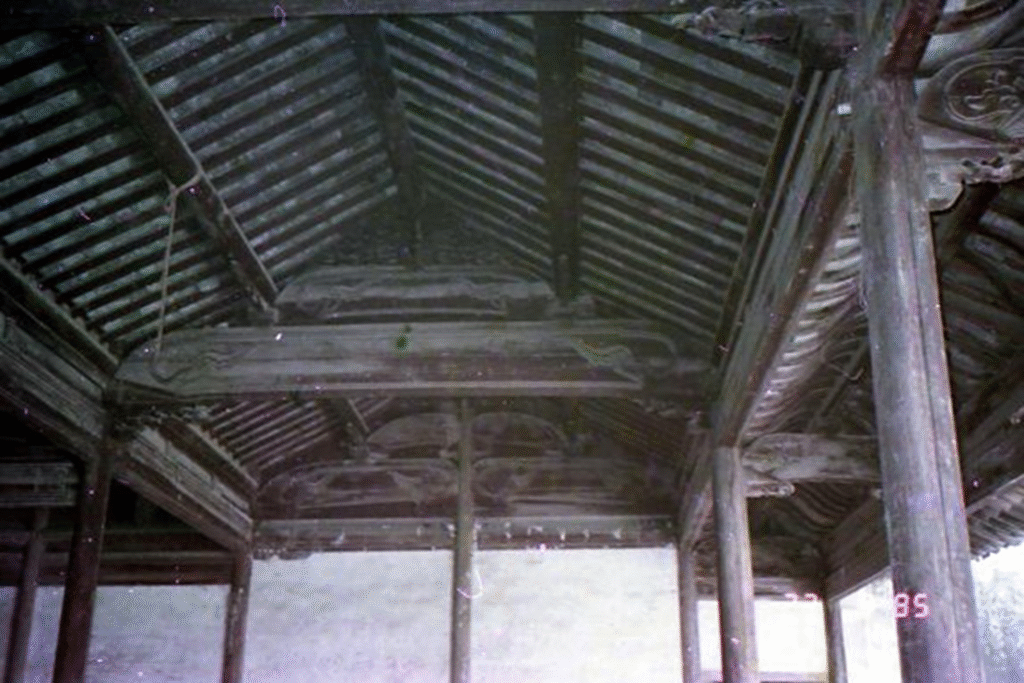
Photo by author, 1985
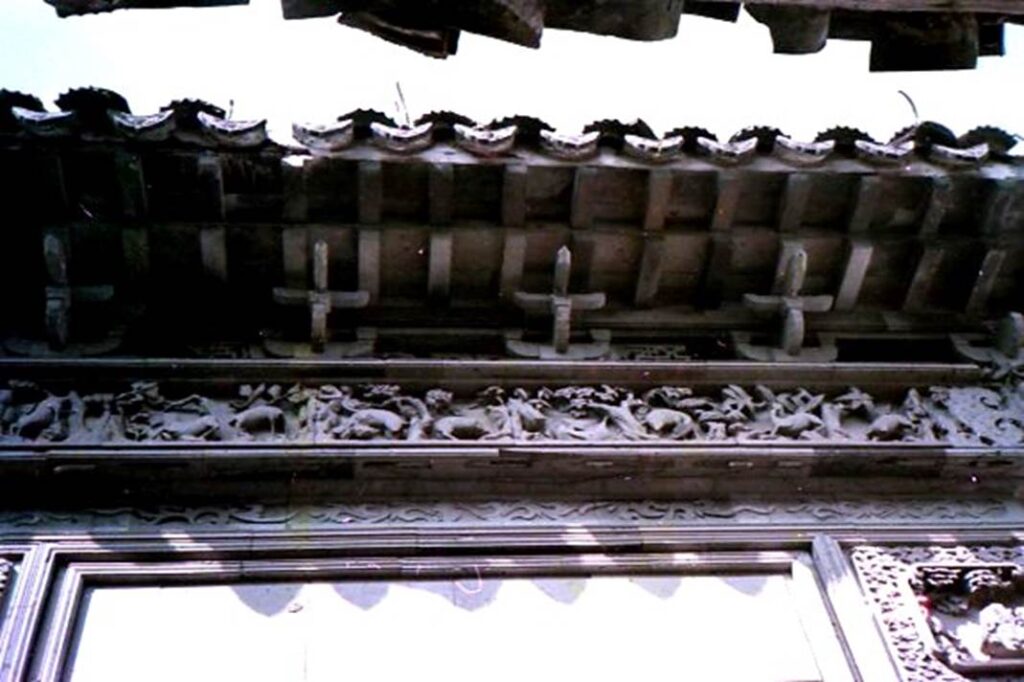
Photo by author, 1985
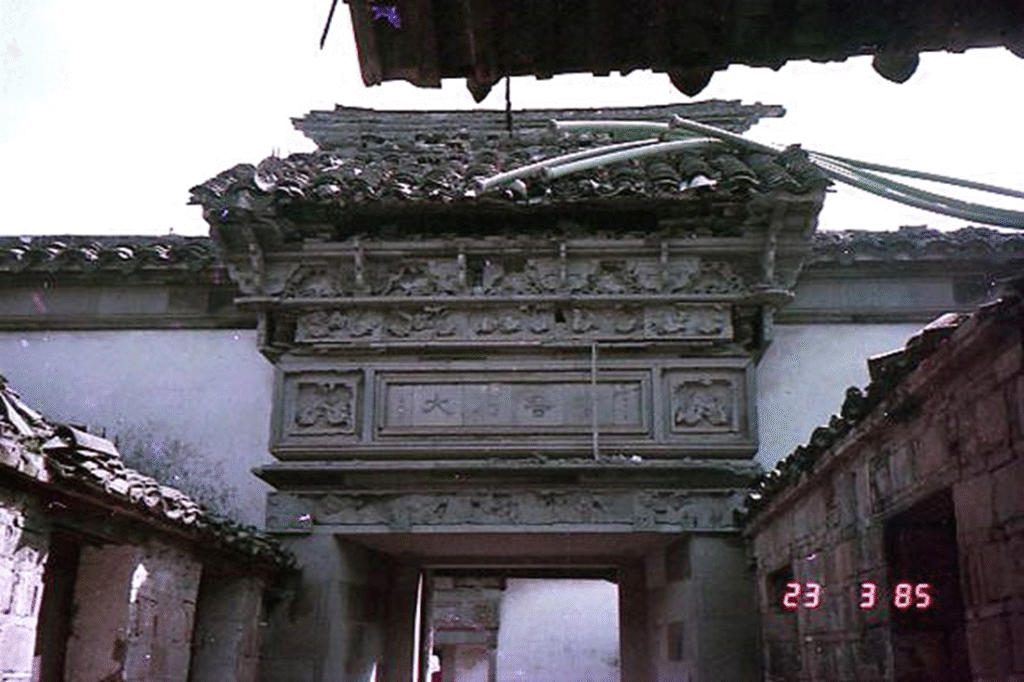
Photo by author, 1985
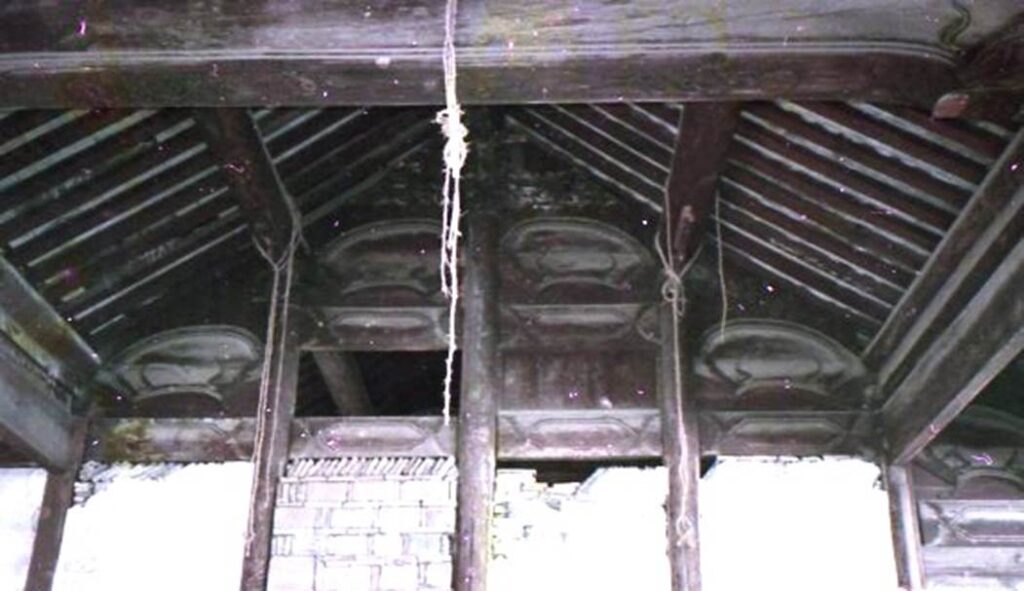
Photo by author, 1985
Remains of the “demolition” during the Cultural Revolution.
(According to the explanation of the locals)
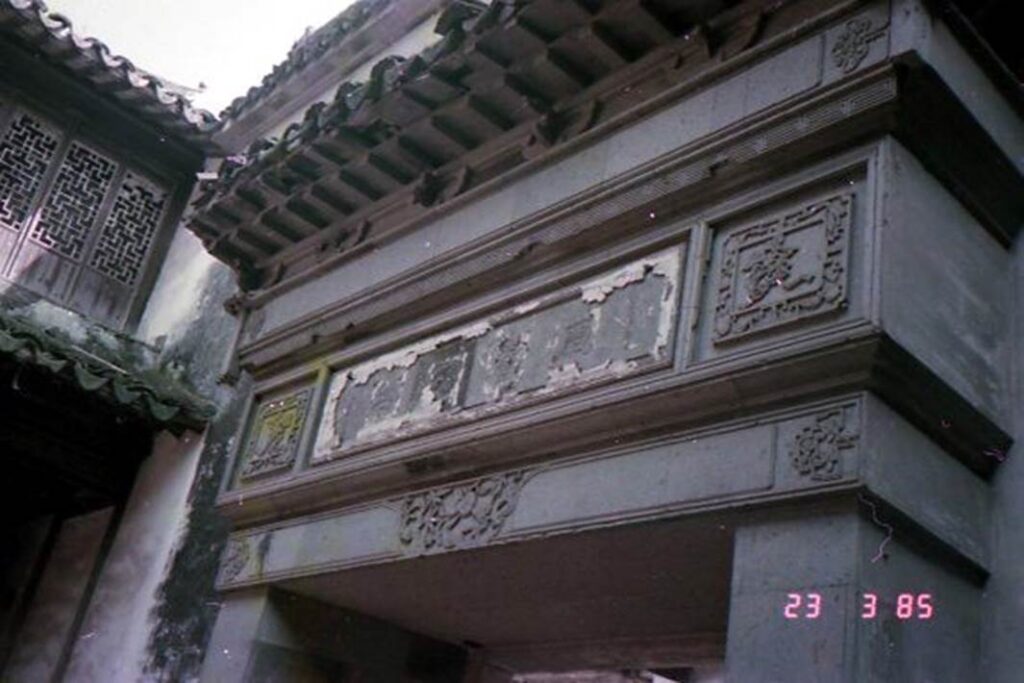
Photo by author, 1985
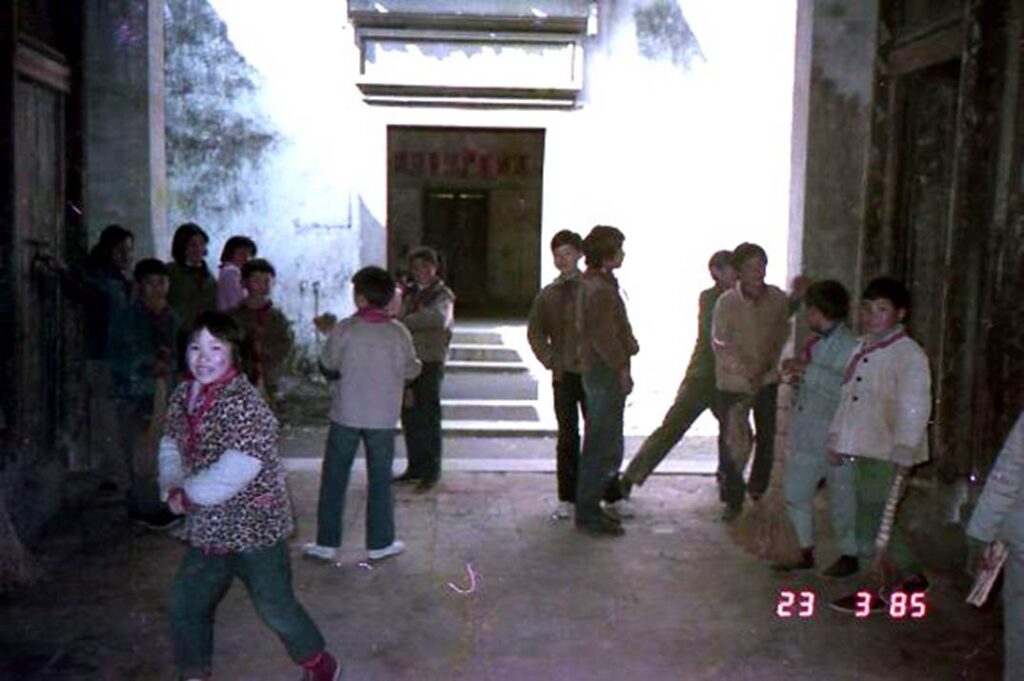
Photo by author, 1985
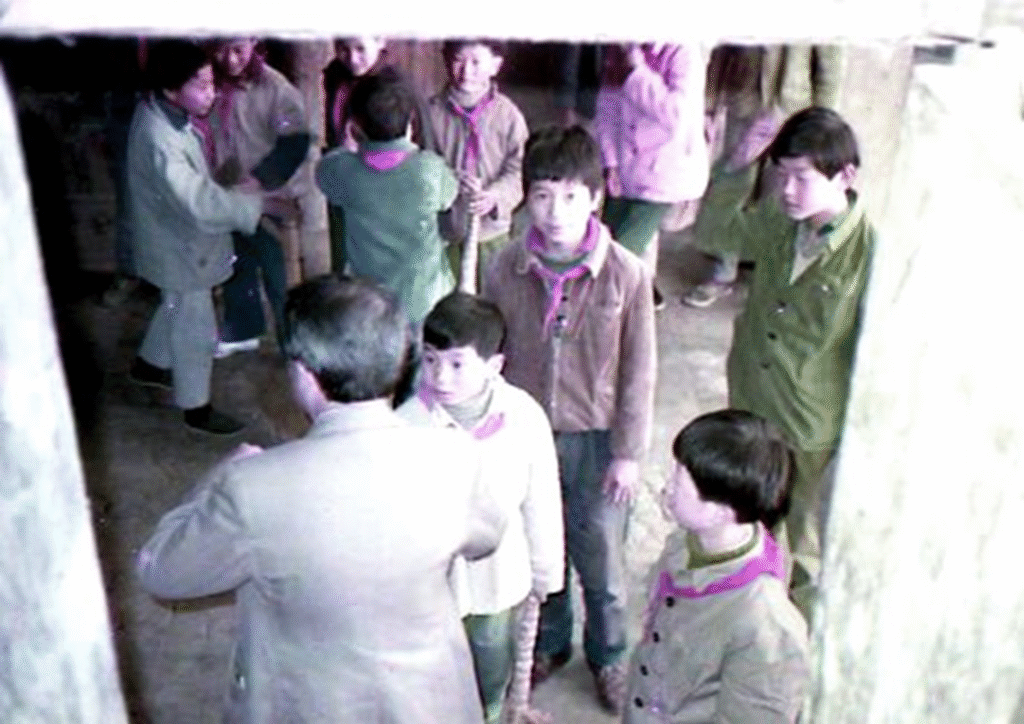
Photo by author, 1985
Vertical hinge and locking system for the gate.
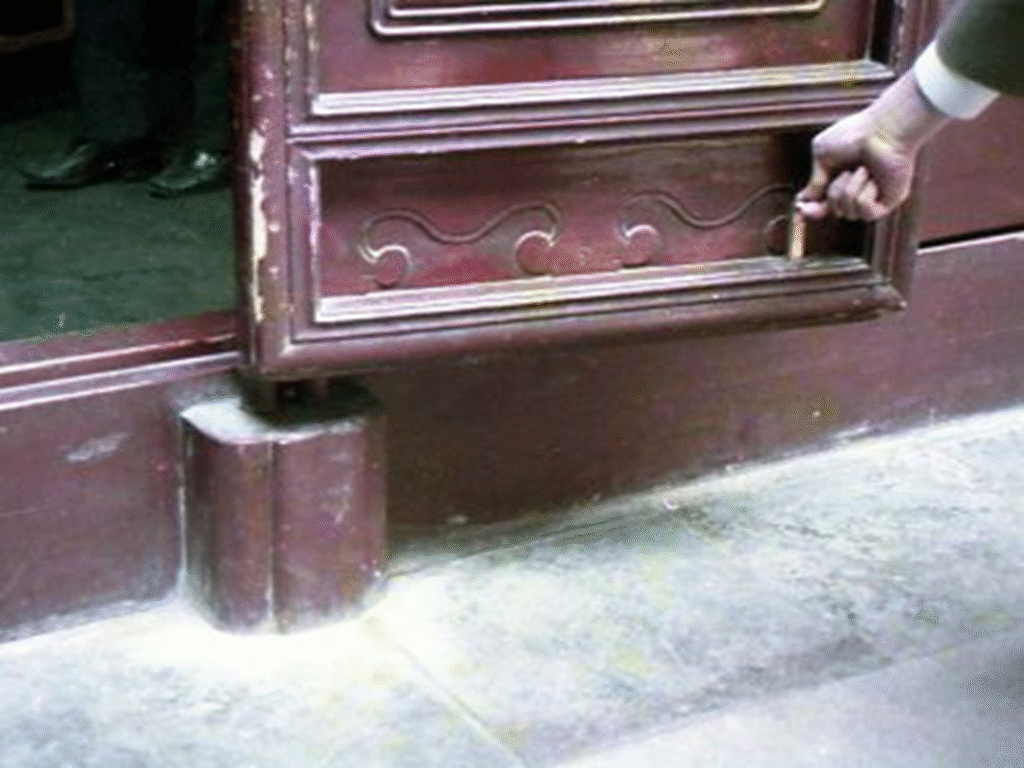
Photo by author, 1985
Cleaning work is done.
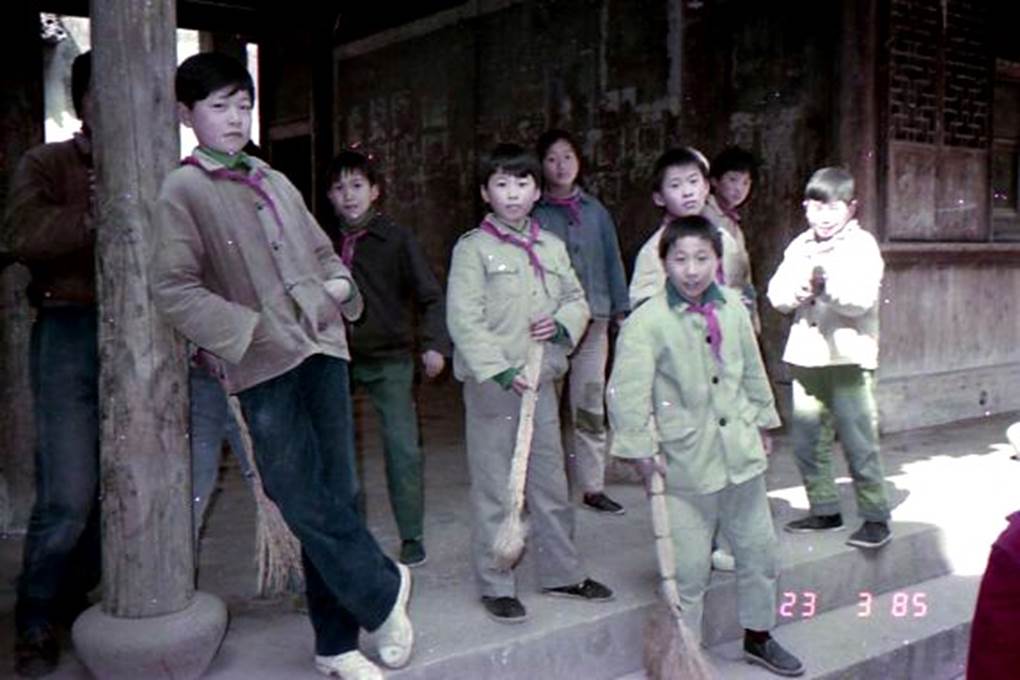
Photo by author, 1985
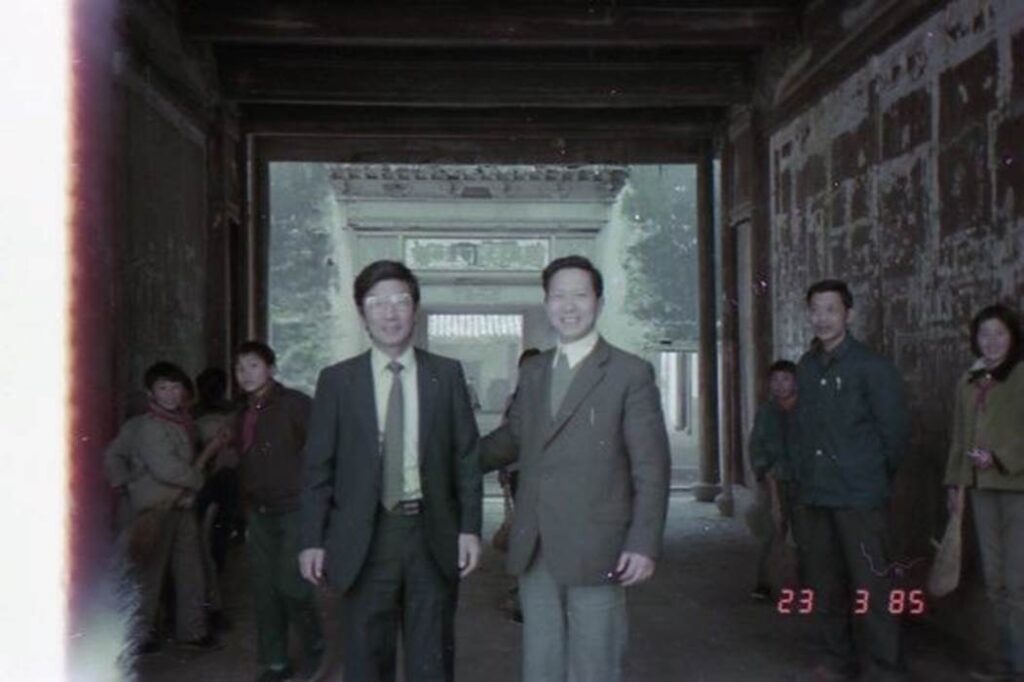
Photo of author, (left) 1985
Local people doing business
A busy dock.
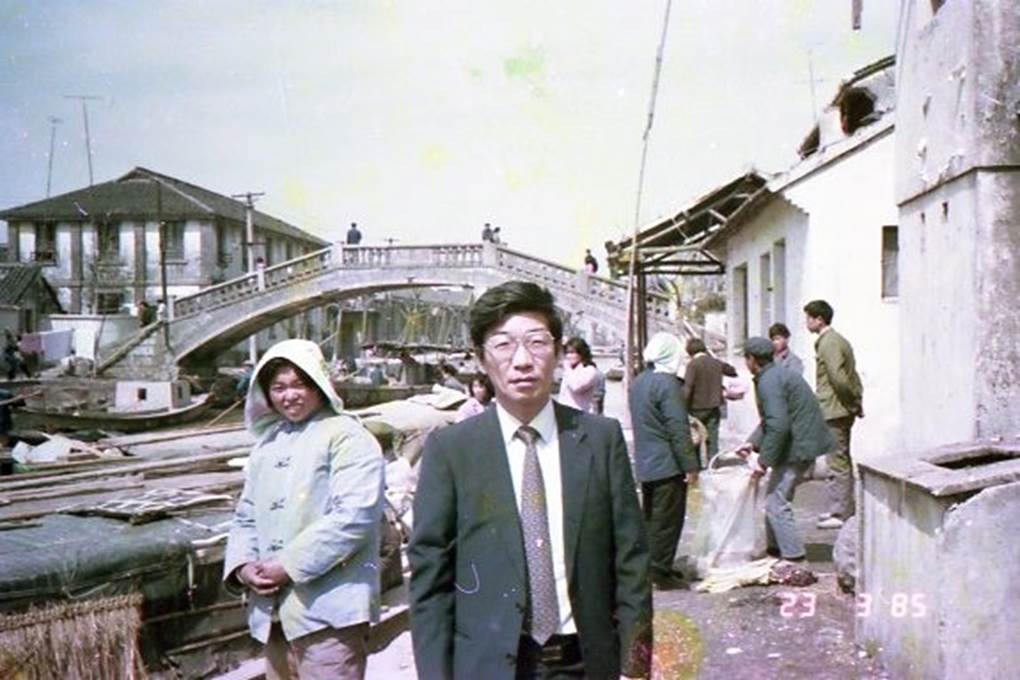
The boat dock closest to the market.
Products are being unloaded from rural areas to markets.
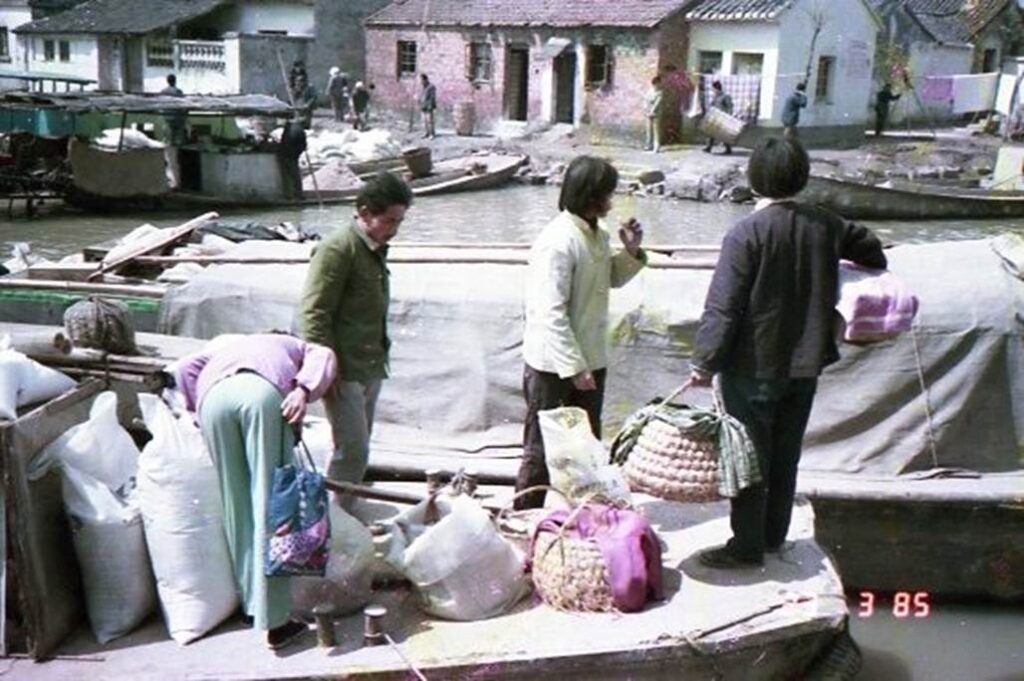
Photo by author, 1985
People working in the market
As I drove around the southern part of Suzhou, I got lost in a very lively open-air market. There, the people, freed from the people’s communes and the rationing system, were busily working.
These are photographic records of rural people working in the free market a few years after the people’s communes were dismantled in rural areas due to the reform and opening up in rural areas, and management autonomy was granted.
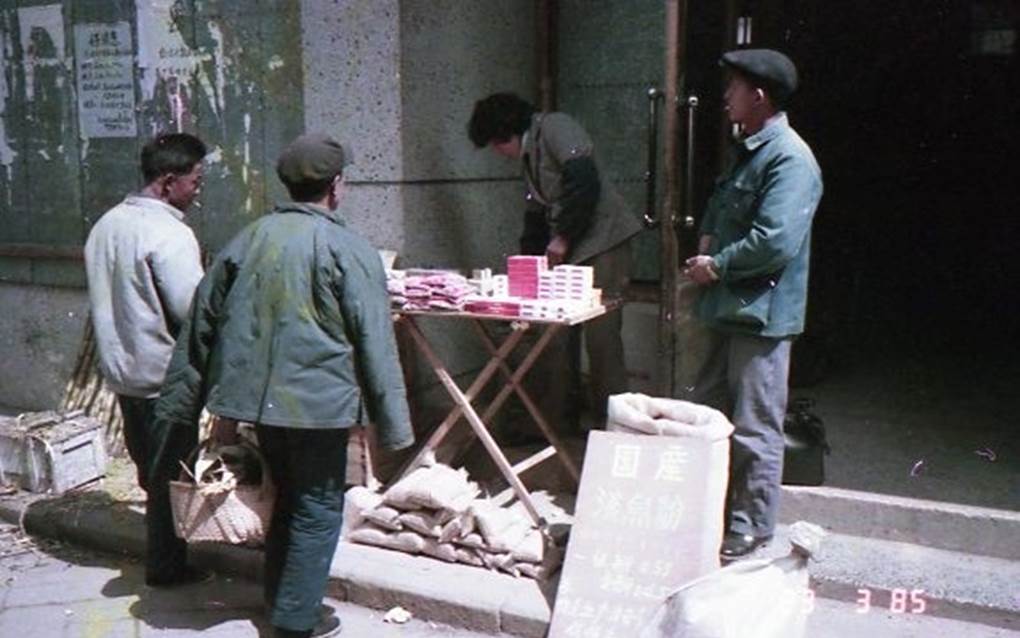
Photo by author, 1985
A bun with red bean filling is just steamed in boiling water. It was simple and delicious.
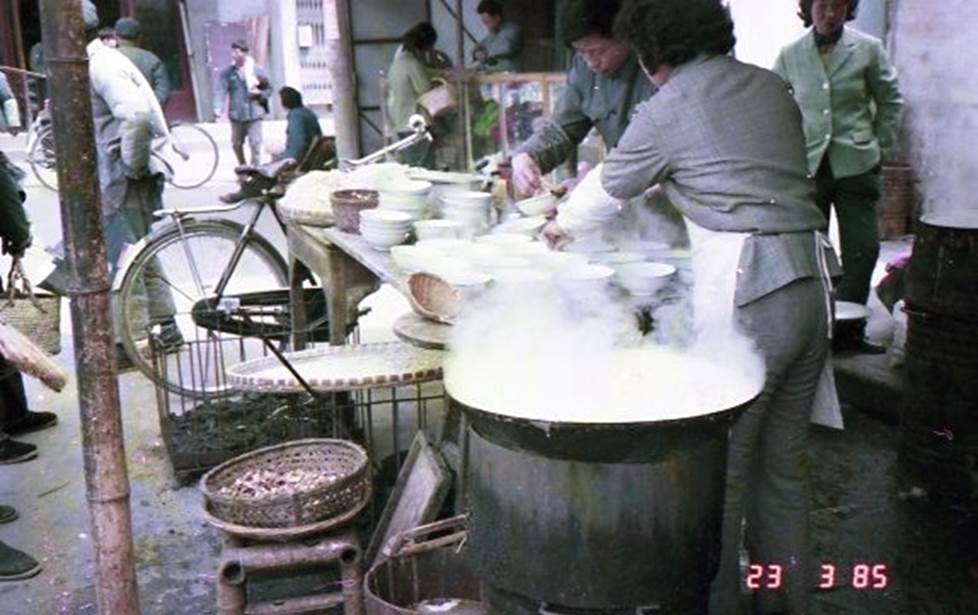
Photo by author, 1985
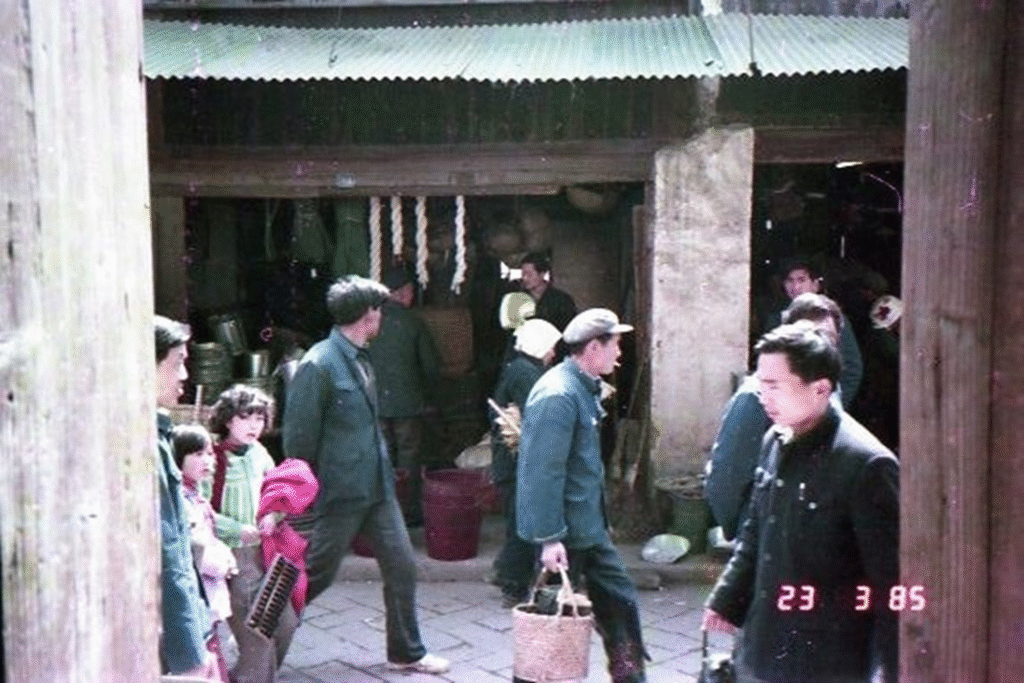
Photo by author, 1985
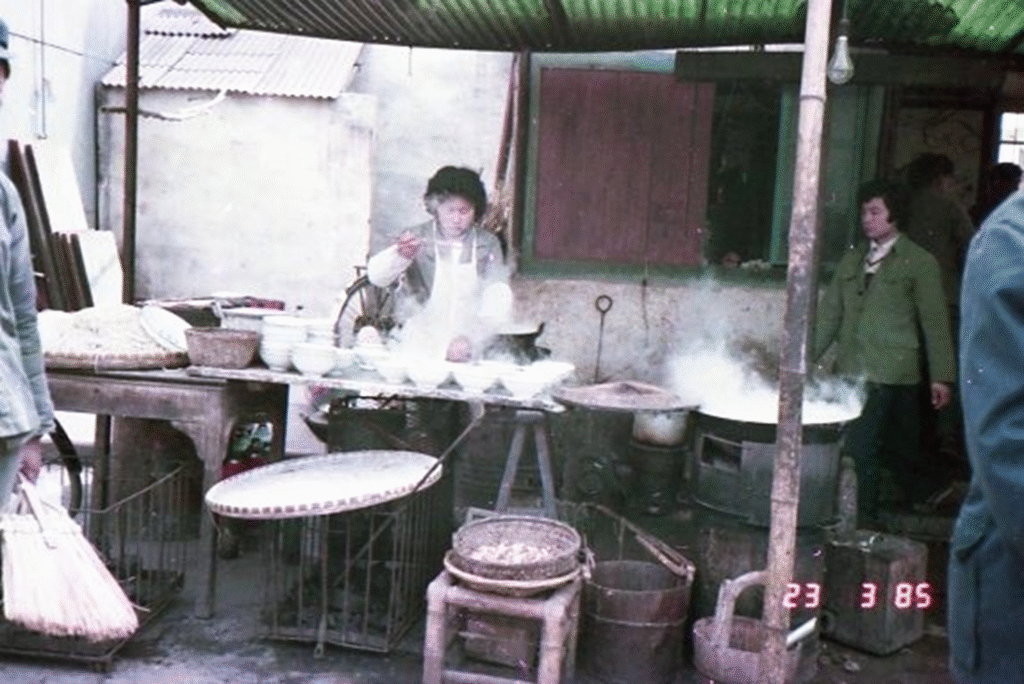
Photo by author, 1985
It is repaired and carefully reused.
This is the China that preceded the “culture of made, broken, discarded.”
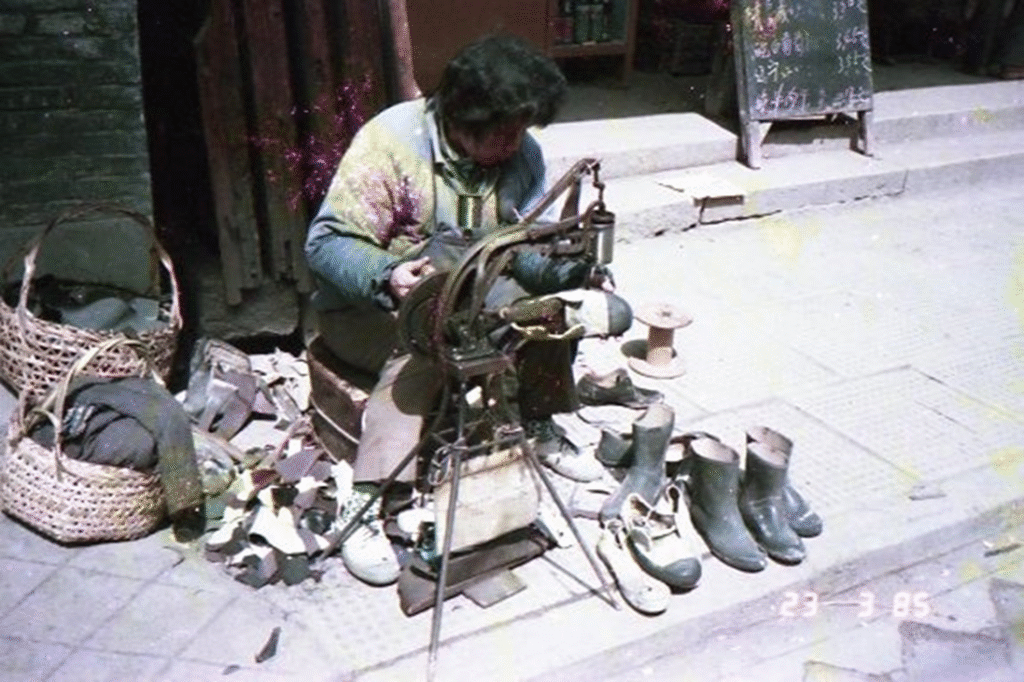
Photo by author, 1985
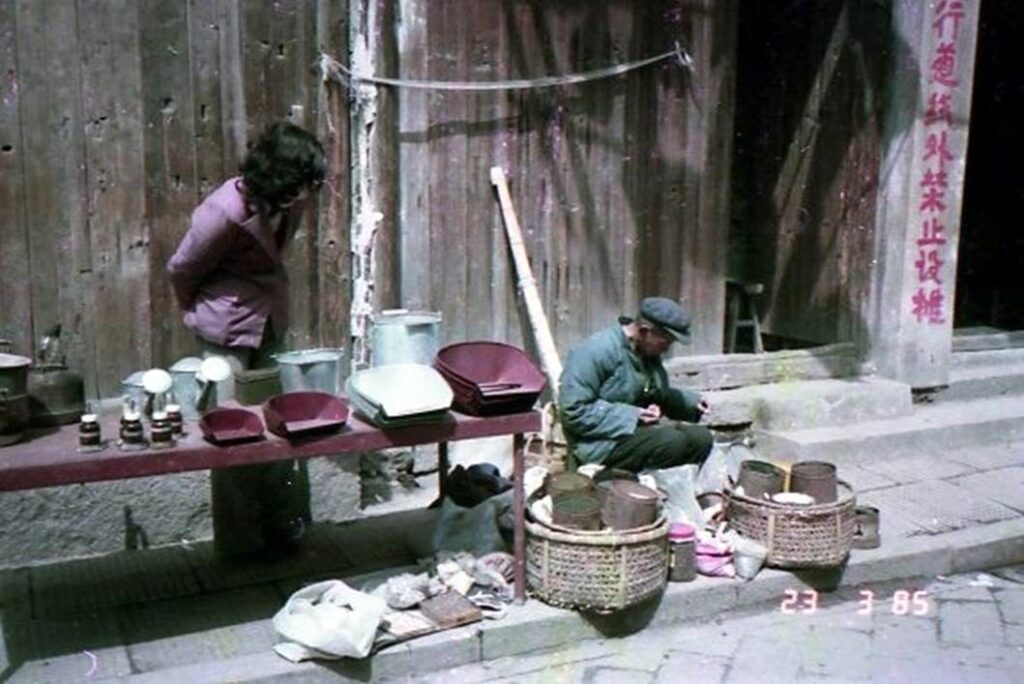
Photo by author, 1985
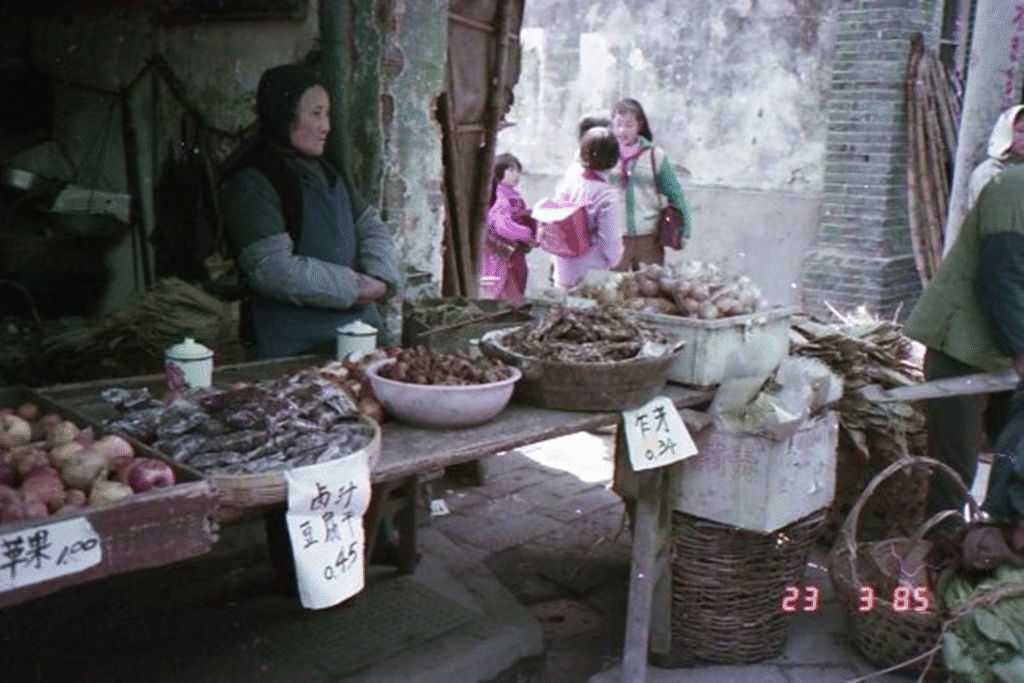
Photo by author, 1985
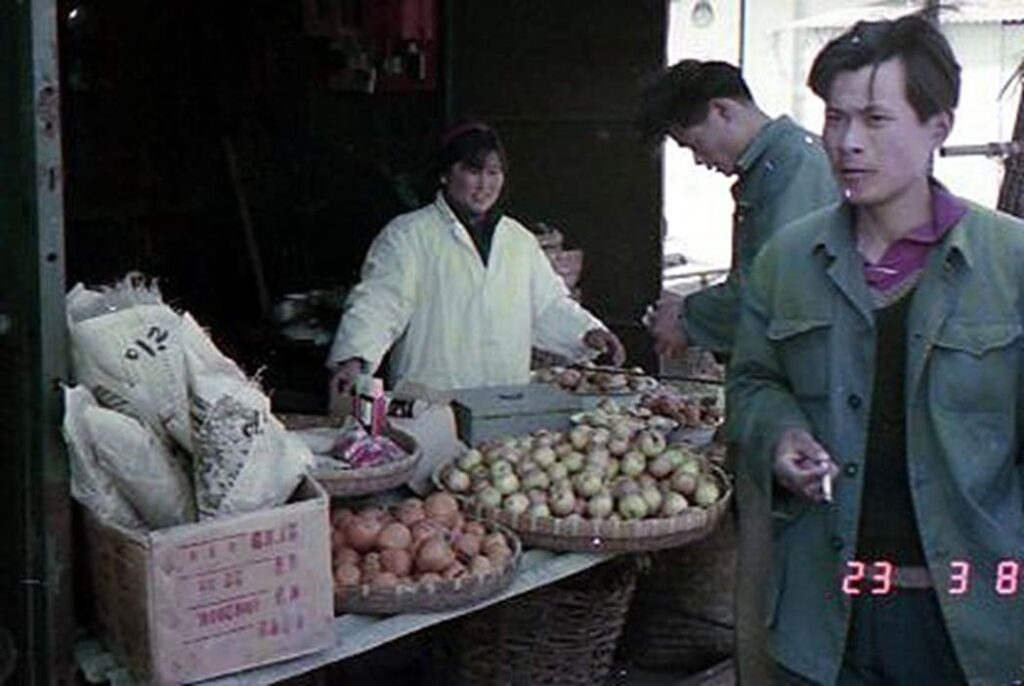
Photo by author, 1985
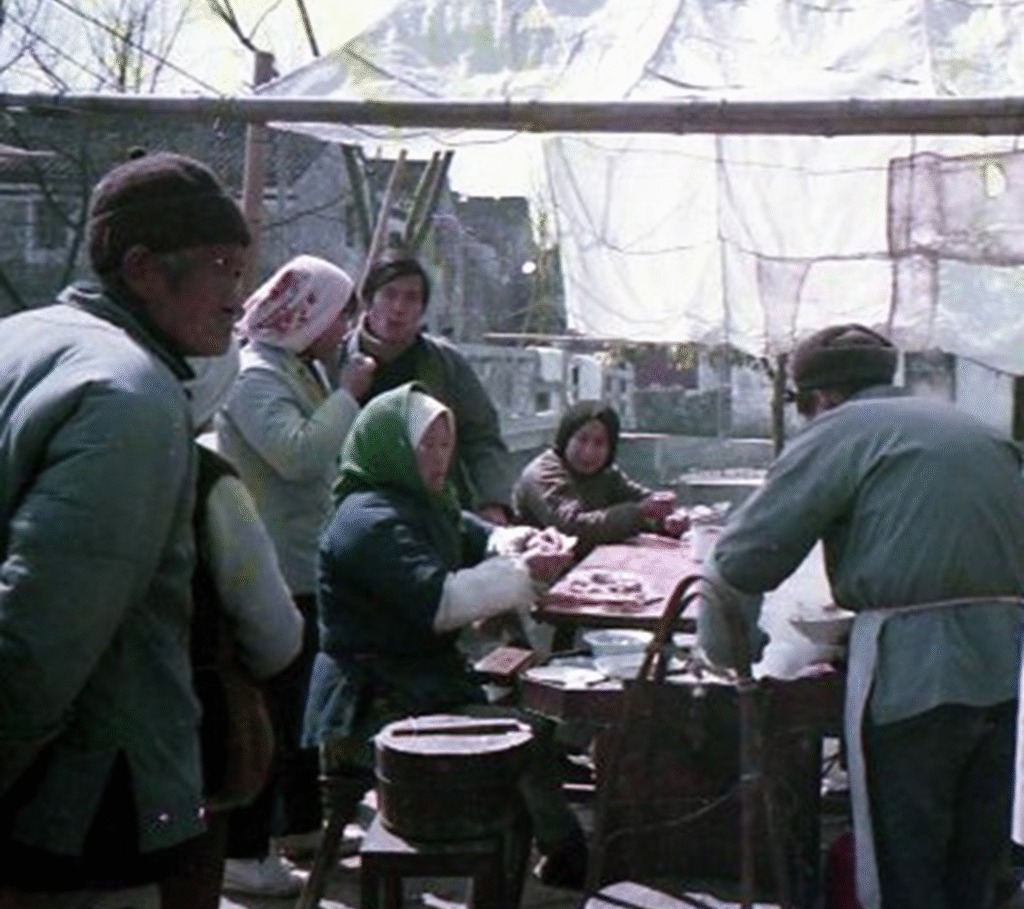
Photo by author, 1985
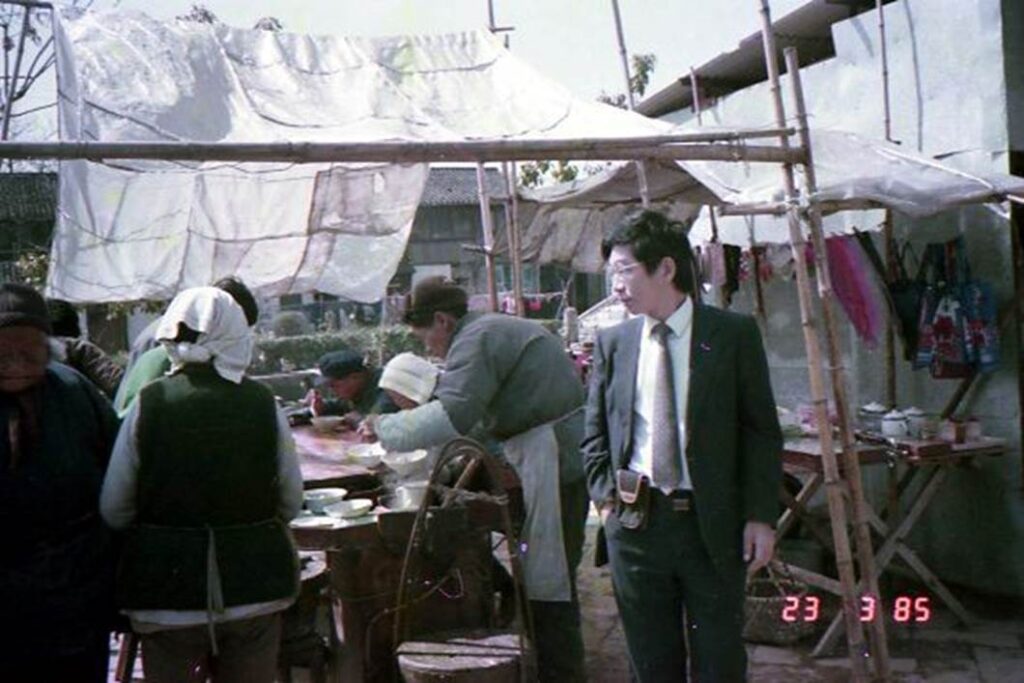
Photo by author, 1985
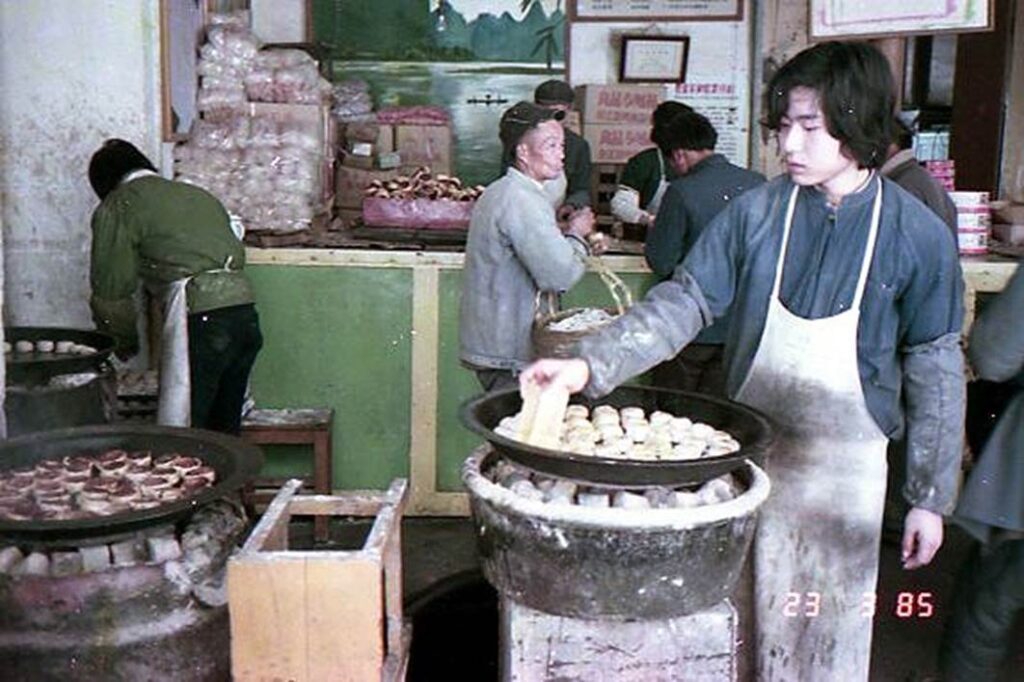
Photo by author, 1985
Abundant handmade bamboo products. There were no plastic products.
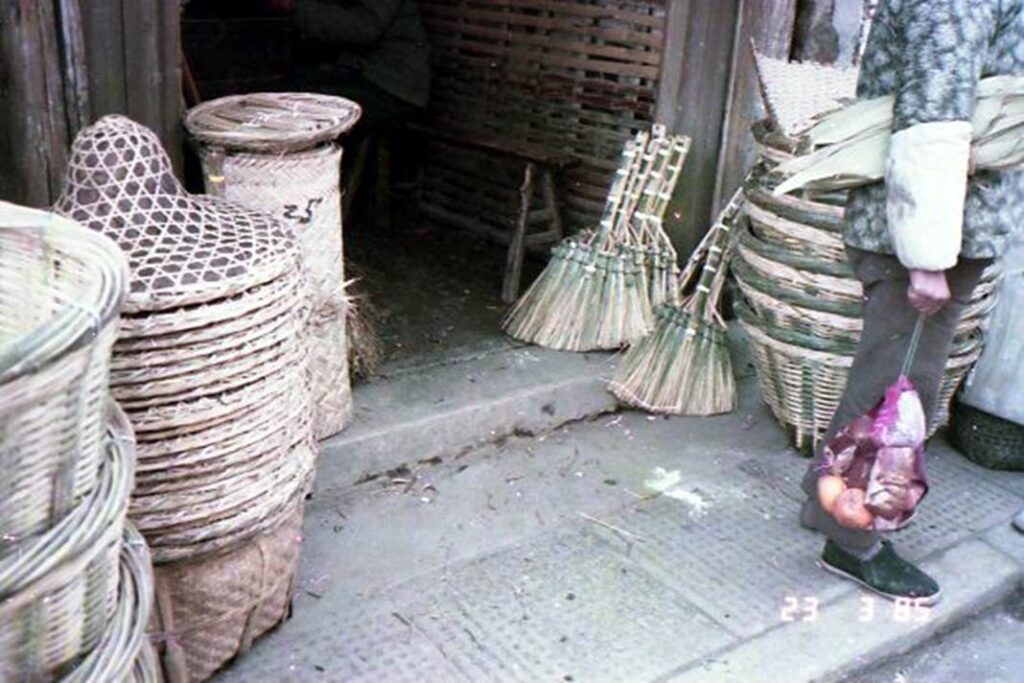
Photo by author, 1985
Hardware store. No plastic buckets. This was before plastic became so common
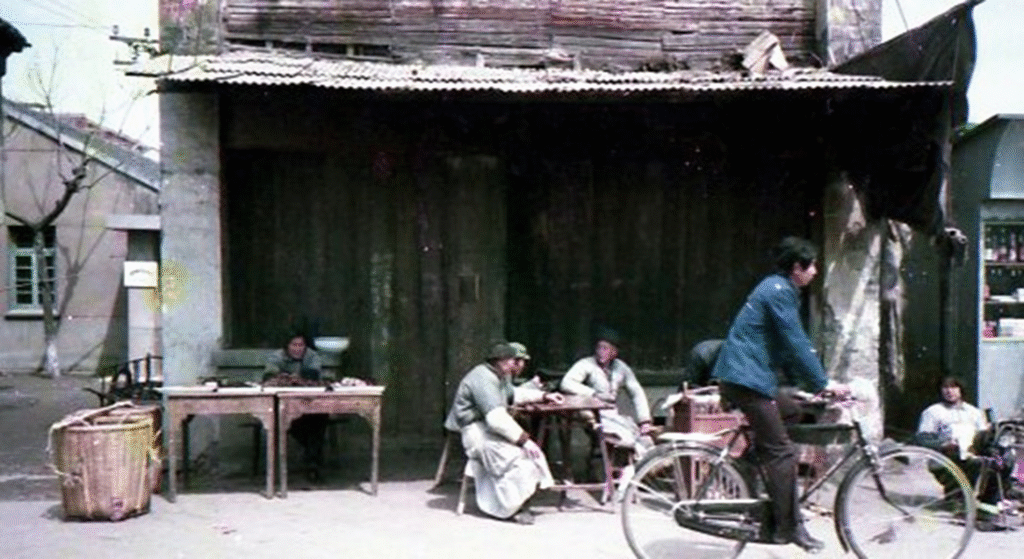
Photo by author, 1985
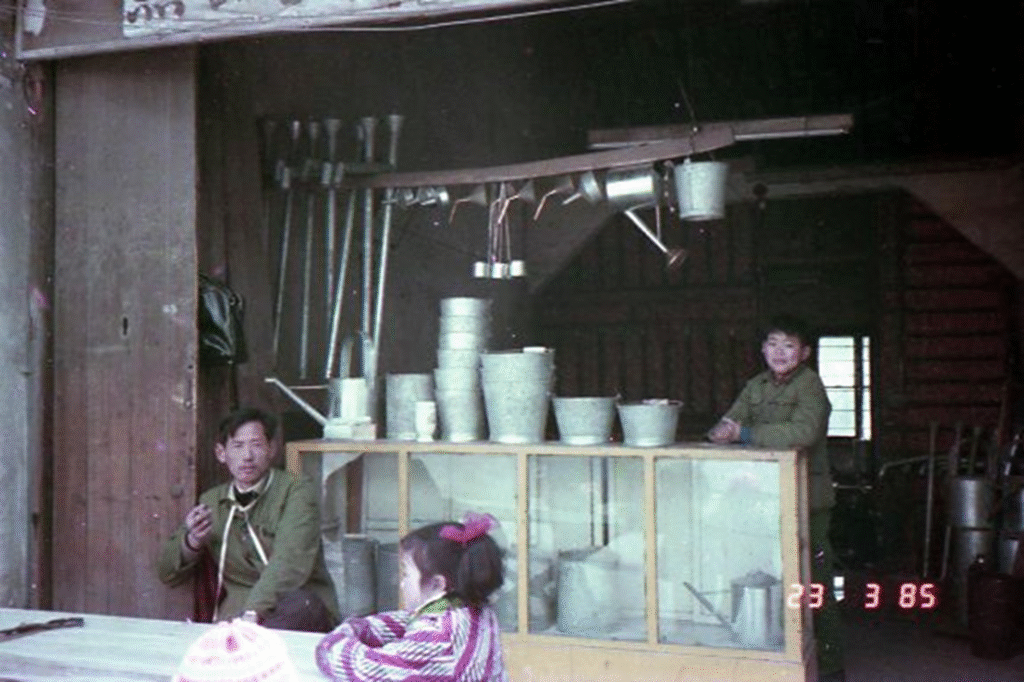
Photo by author, 1985