JAP | ENG
Shanghai, Suzhou #5/6
1985
People’s life and canals
Let’s look further at the villages around Suzhou.
As you can see in the photos below, the prototype of a free capitalist economy is there.
After the reform and opening up of China, people started street stalls with small capital, and when they started to make a profit and had a certain amount of capital, they expanded into stores inside buildings, and when they got bigger, they hired employees and started small and medium-sized businesses.
Me and my group has encountered the next stage of this virtuous cycle.
When I visited Beijing in the fall of 2019, I noticed that these street stalls and small stores along the roads had been wiped out and could no longer be seen.
They had been forcibly demolished because they were a hindrance to the beauty of the capital, and the scenery that should have been the origin of commerce had been lost.
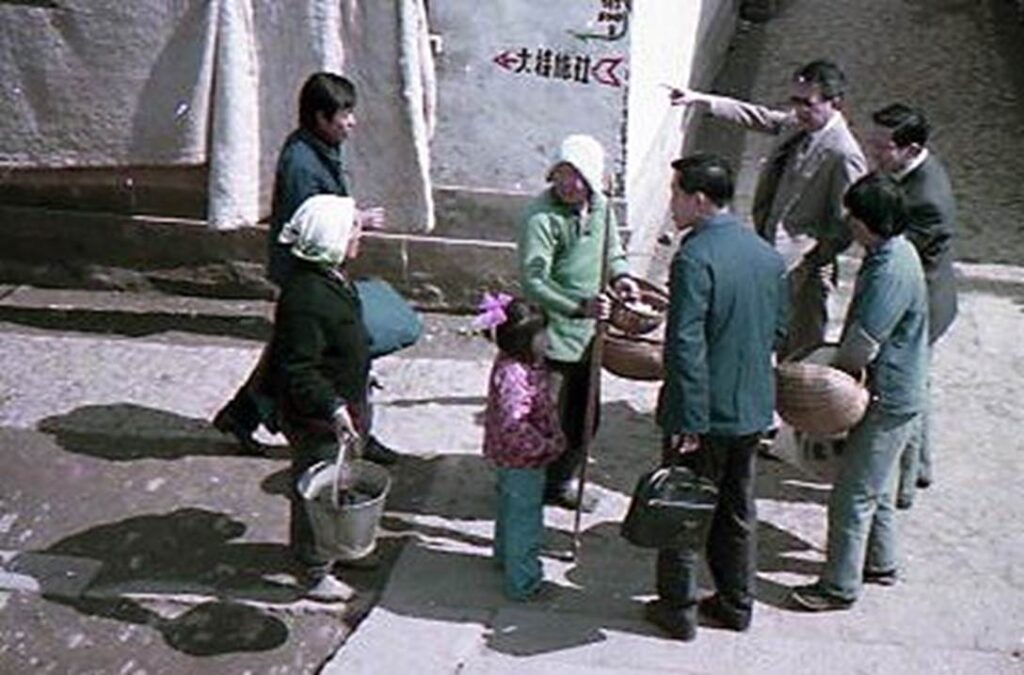
Photo by author, 1985
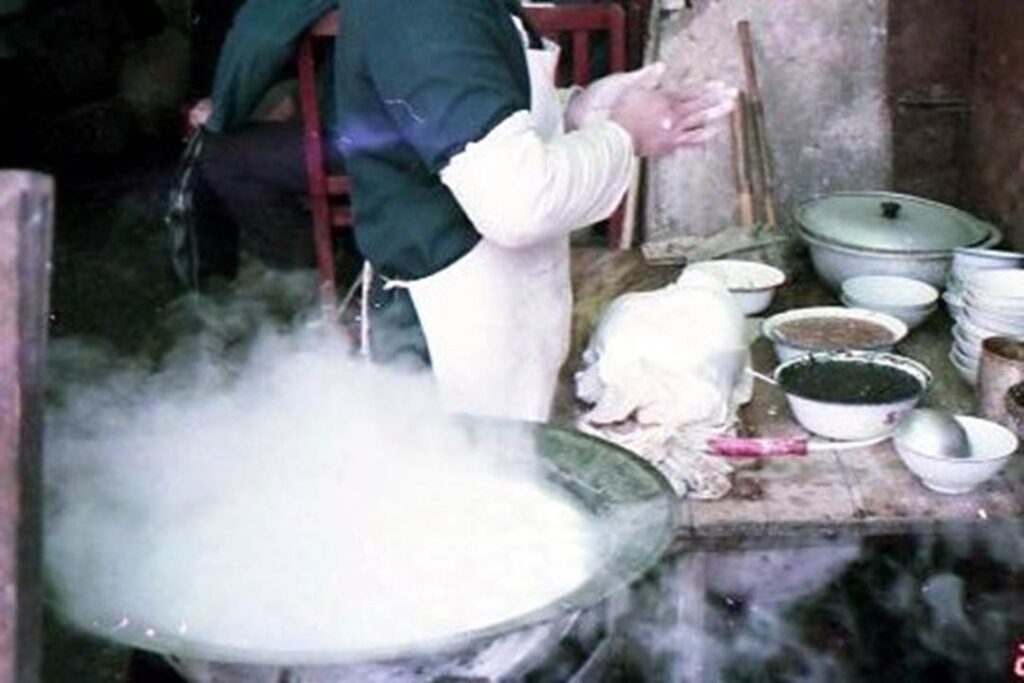
Photo by author, 1985
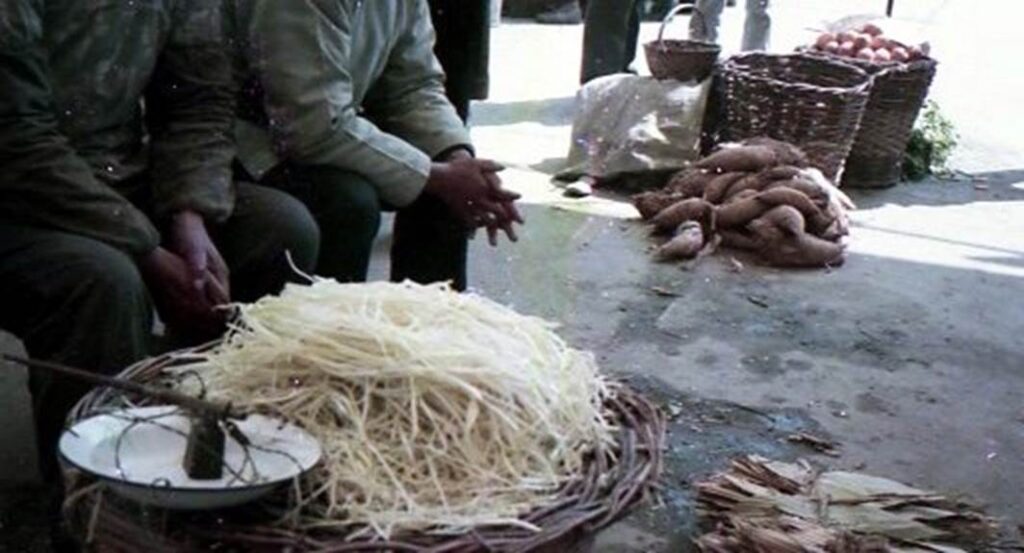
Photo by author, 1985
Local ladies eagerly doing business.
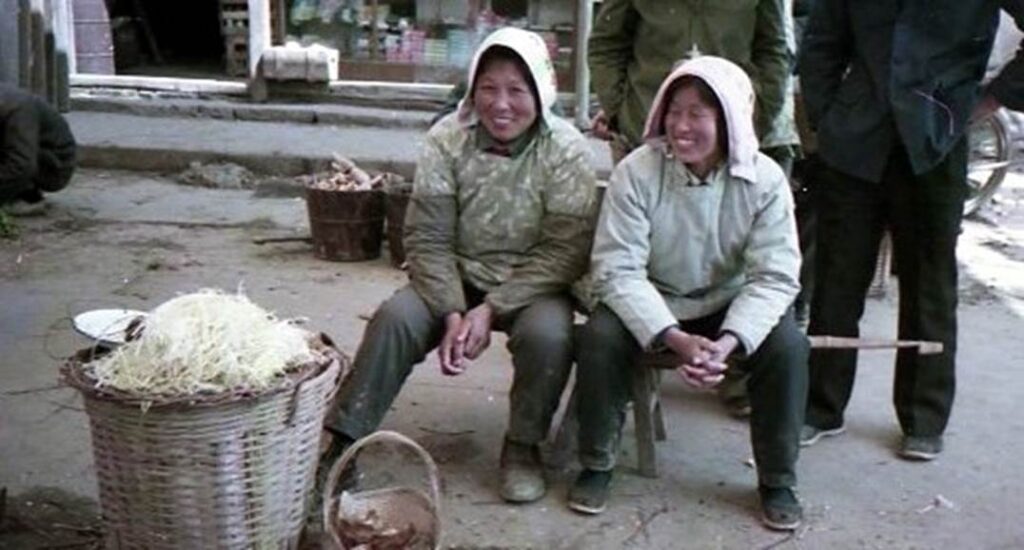
Photo by author, 1985
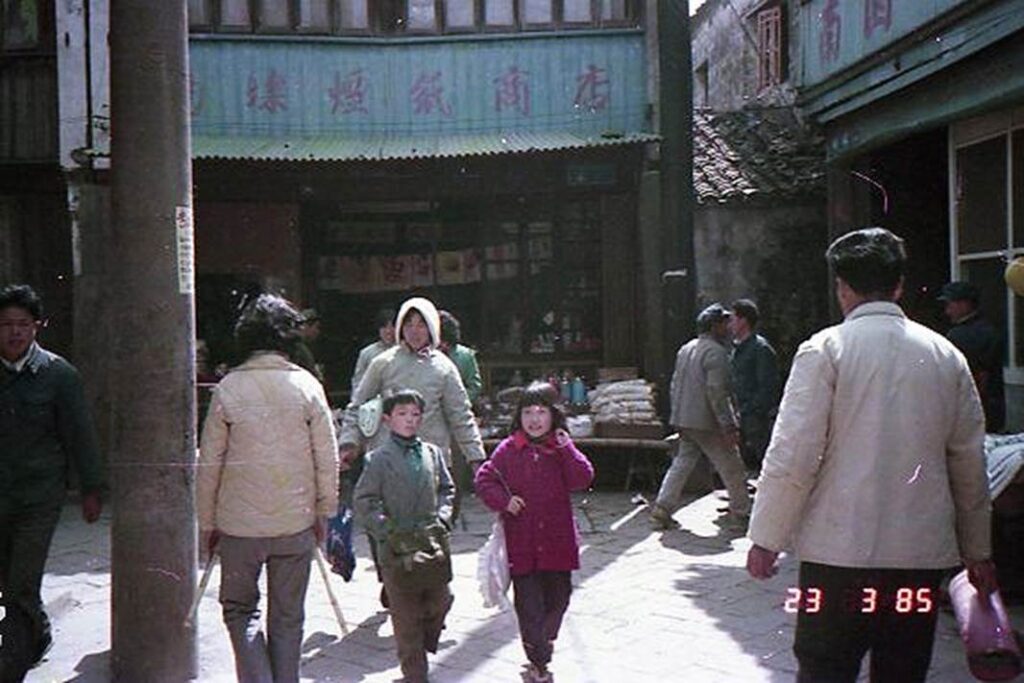
Photo by author, 1985
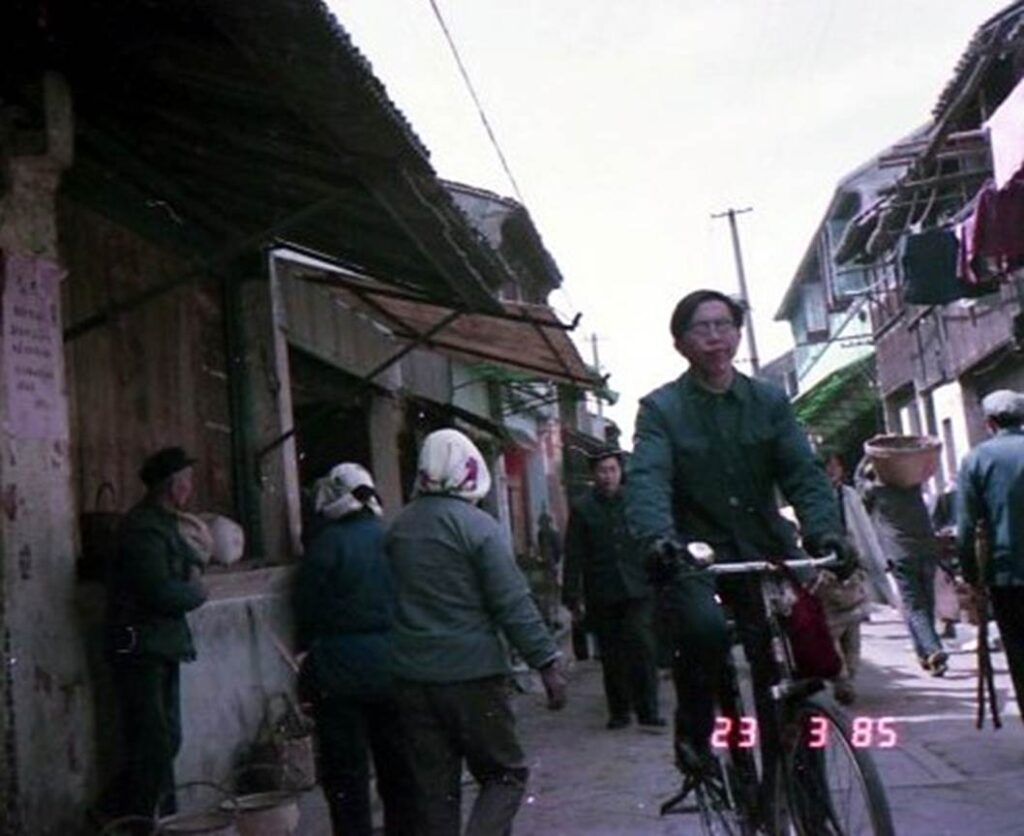
Photo by author, 1985
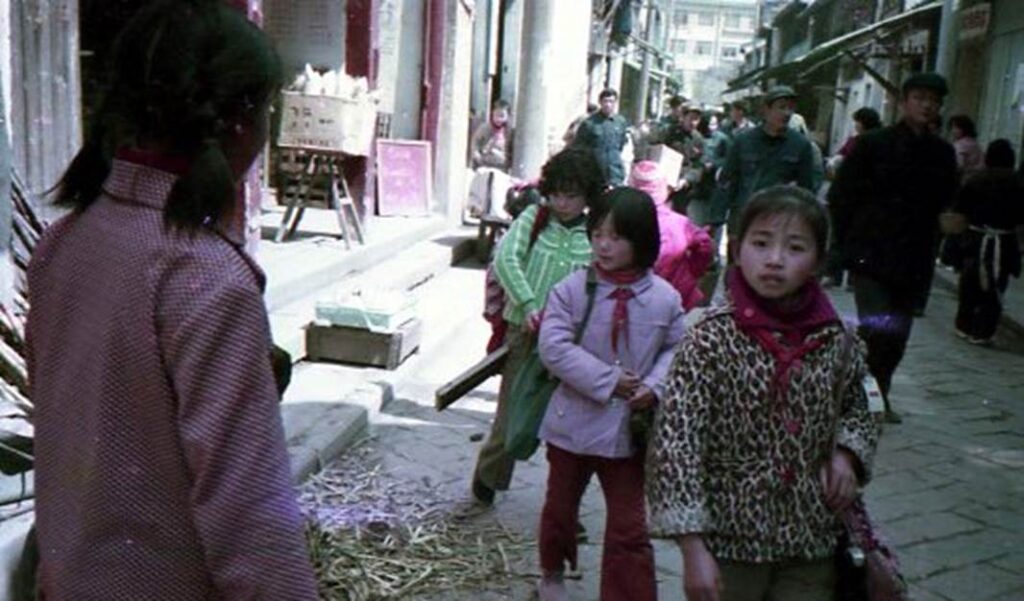
Photo by author, 1985
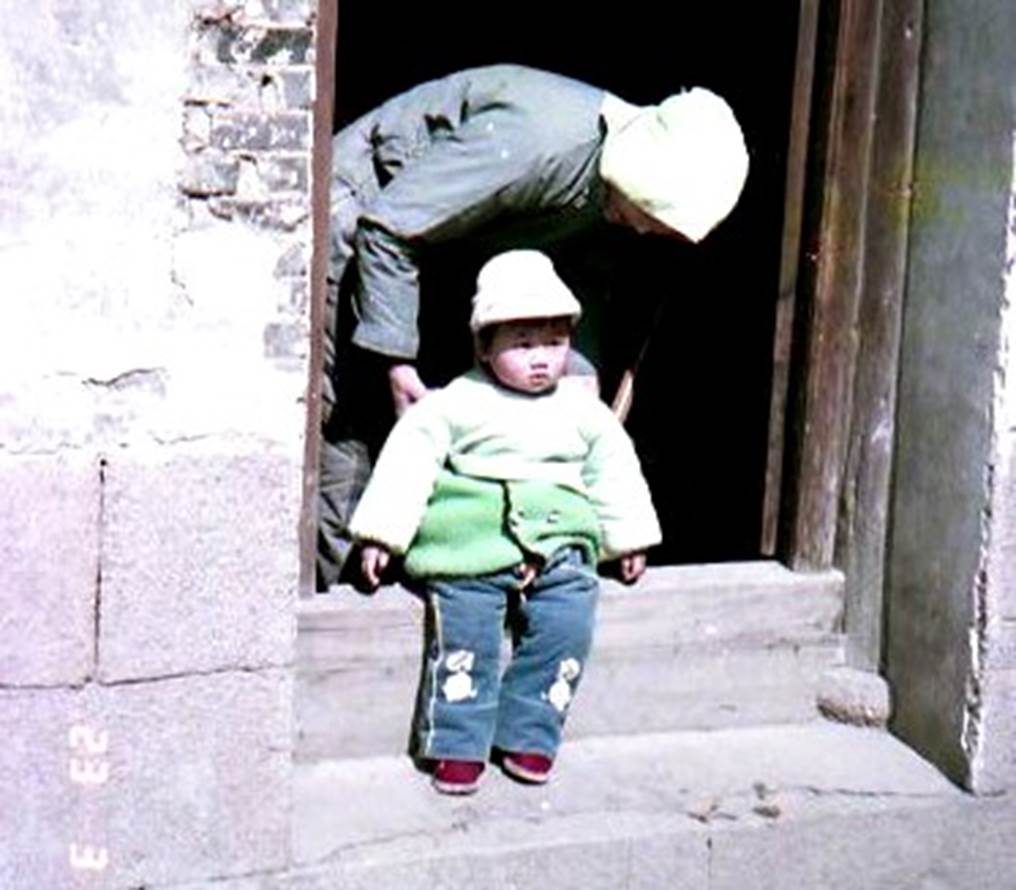
Photo by author, 1985
Taihu (Tai Lake)
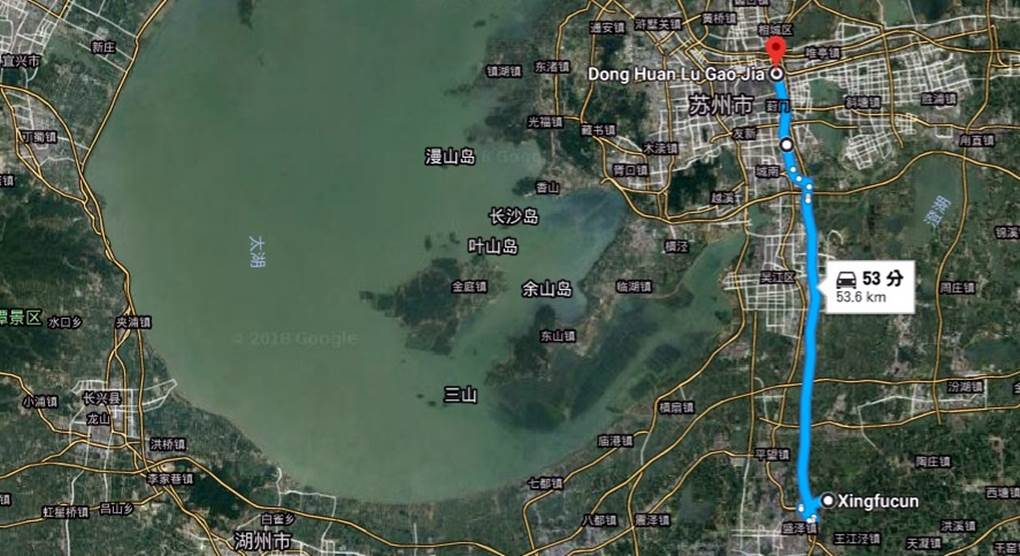
Transportation is mainly by boat rather than by car !
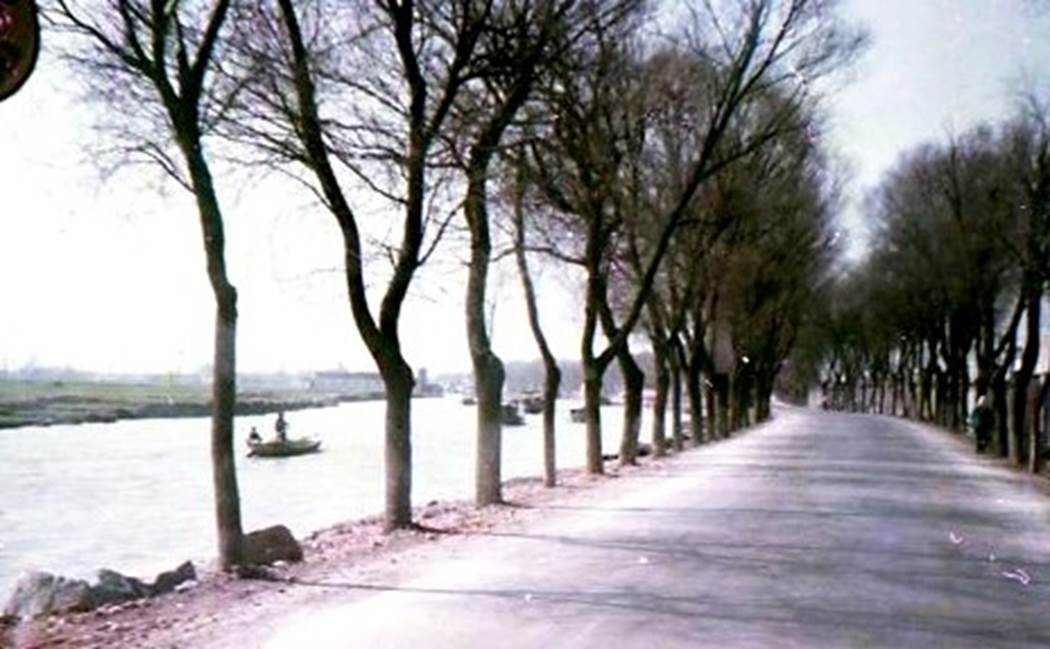
I came to a vantage point where the canal stretched parallel to the tree-lined road. You don’t see a single car on the road.
On the other hand, boats come and go frequently on the canal.
This is exactly the original scenery of Jiangnan that I had imagined.
Later, in the 2000s, expressways were built and people’s private and commercial vehicles increased dramatically, and this original scenery was lost.
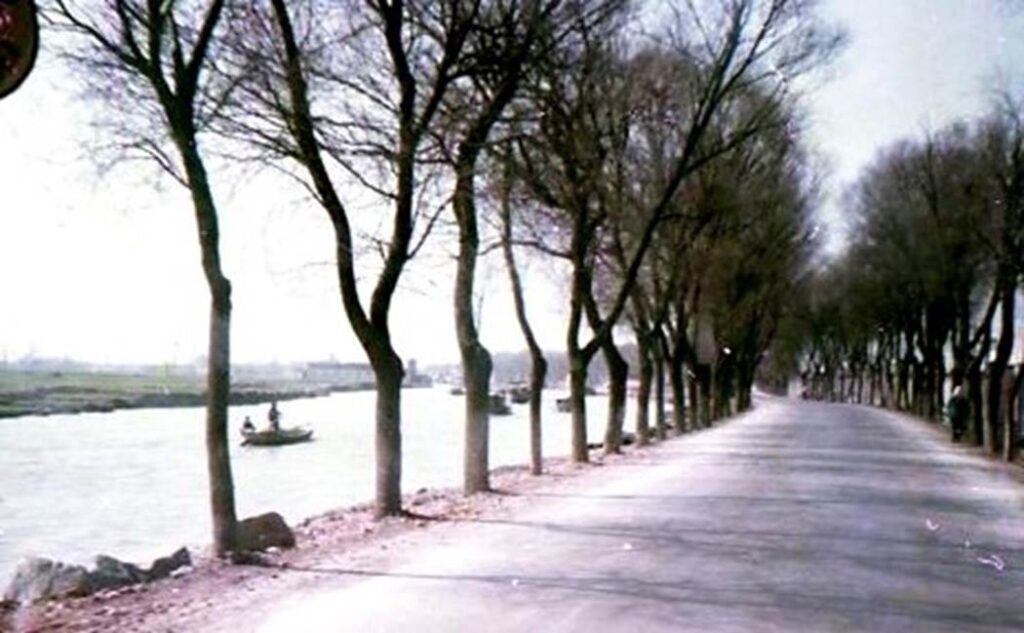
Photo by author, 1985
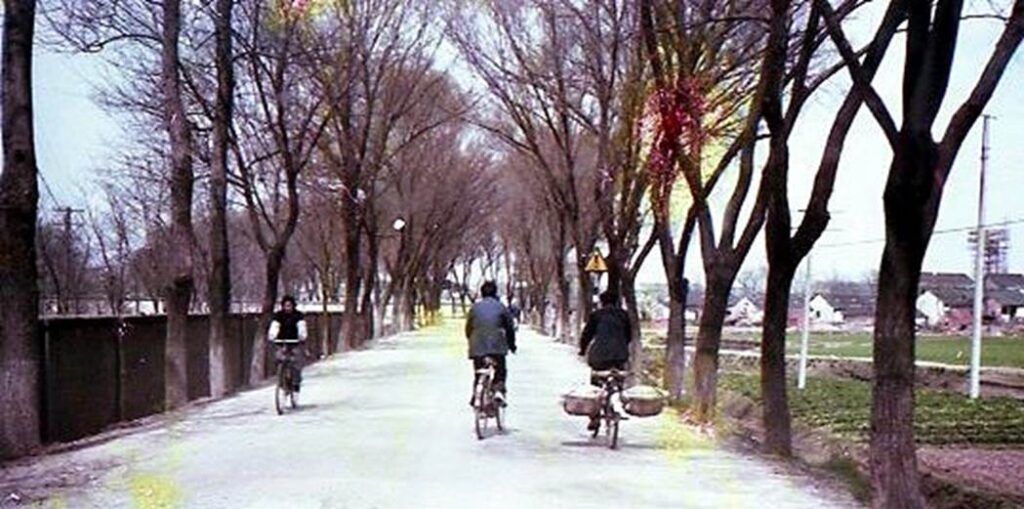
Photo by author, 1985
The car we use to get around is the latest Nissan Cedric, a cool new imported car in orange color. The driver was a middle-aged man who was familiar with the local geography. He had a lot of pride boosted by driving such a rare car at the time.
If he see an oncoming car 1 km away on a straight road with no cars, he will immediately sound the horn. He felt compelled to show his presence and that of his new car. People feel a certain kind of elation when they wear a crested hakama (Japanese traditional formal wear).
Driving a branded car that no one else has the opportunity to drive also make him feels elated. I realized that he was expressing his sense of superiority by constantly honking the horn while driving, which made sense. This was in 1985.
Taihu (Tai Lake)
If you go to the western suburbs of Suzhou, you will come across a large lake.
It is called Taihu and has an area several times larger than Lake Biwa.
It is located about 200 km inland from the East China Sea, but the elevation of the lake is only 3 meters.
This area is famous for the production area of Shanghai crabs, and there are various theories that card from Taihu is the most delicious, but I don’t know if it’s true or not.
Since then, many factories have been attracted to the waterfront area around the Yangtze River, and the water quality of this Taihu is also quite polluted.
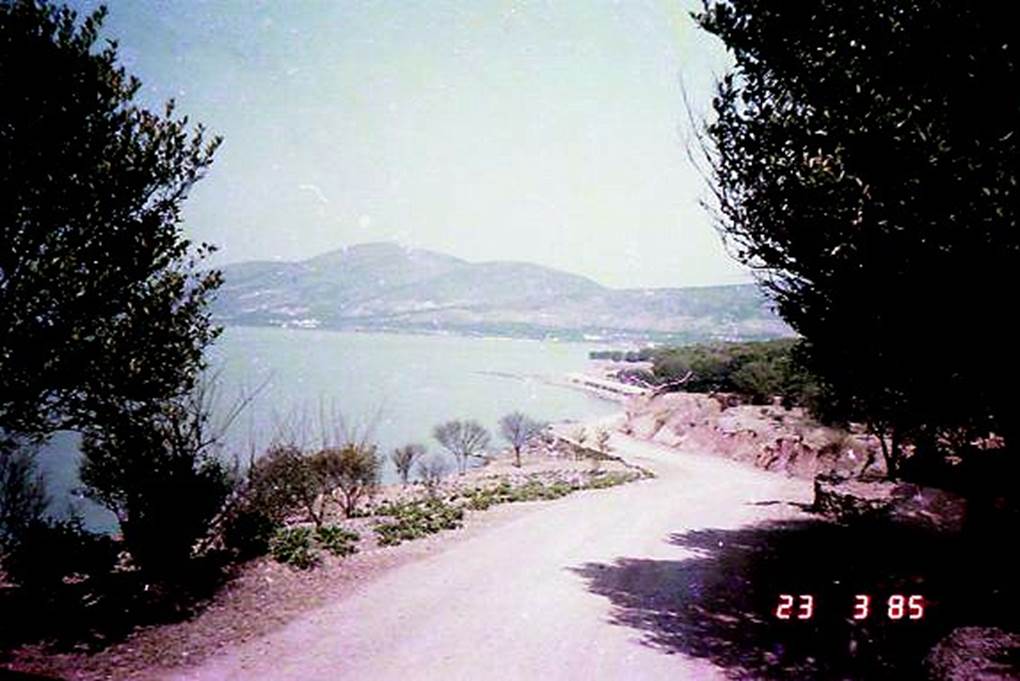
Photo by author, 1985
The area around Taihu Lake is surrounded by small hills, which is unusual for this waterfront area, and has become a scenic spot for locals.
When I visited in March, the wind from the arid regions of northwest China was still very cold. The surrounding mountains seemed to be made of limestone, and rocks mined for the revetment of the waterfront were collected on the roadside.
There were no tourists, and the scenery and climate were desolate.
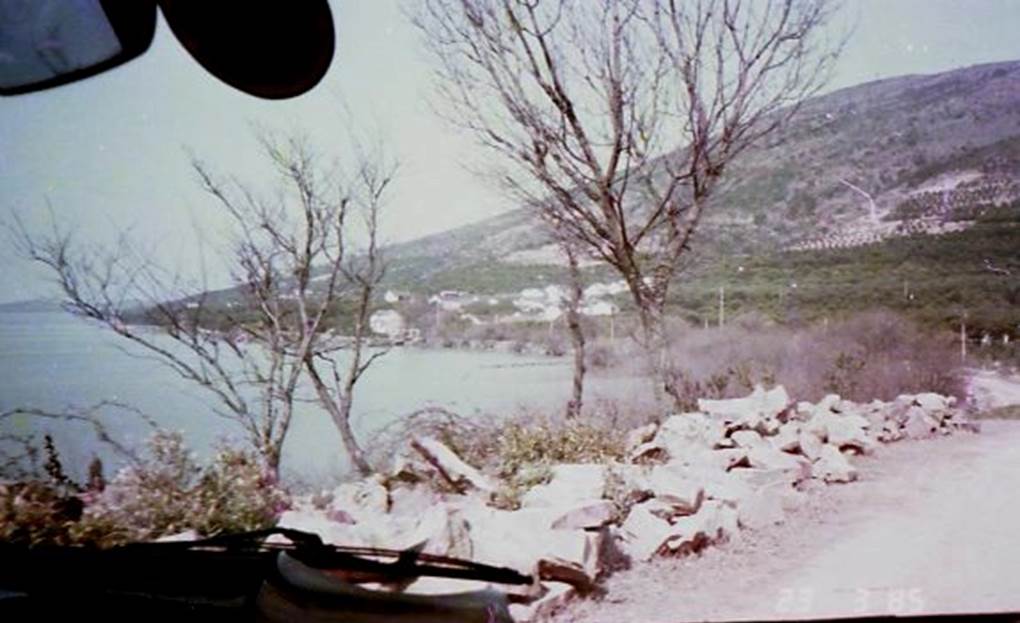
Photo by author, 1985
People and ships in charge of logistics
Some wooden boats had power added to the stern, as shown in the photo below.
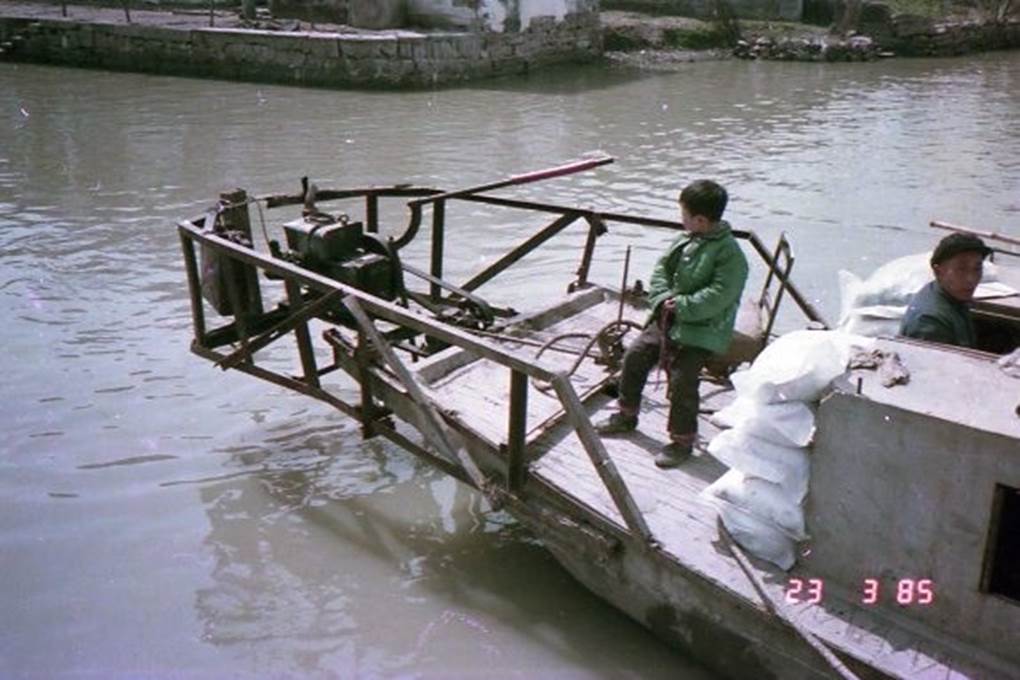
Photo by author, 1985
A wooden boat rowed by oars.
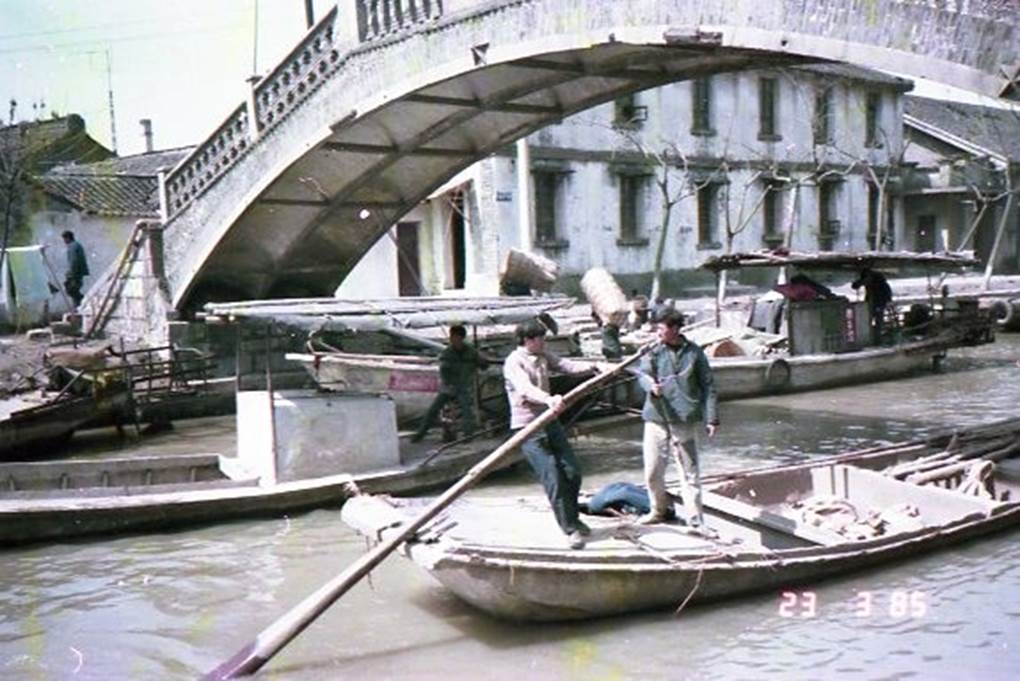
Photo by author, 1985
Are the houses on the riverbank warehouses?
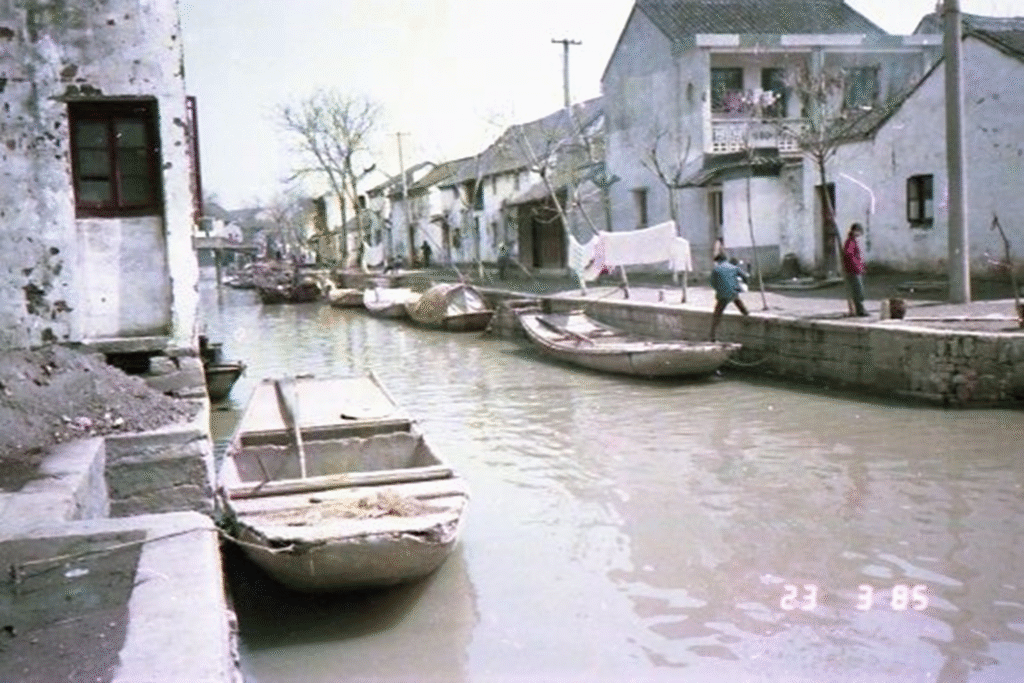
Photo by author, 1985
This boat uses long pole to move around.
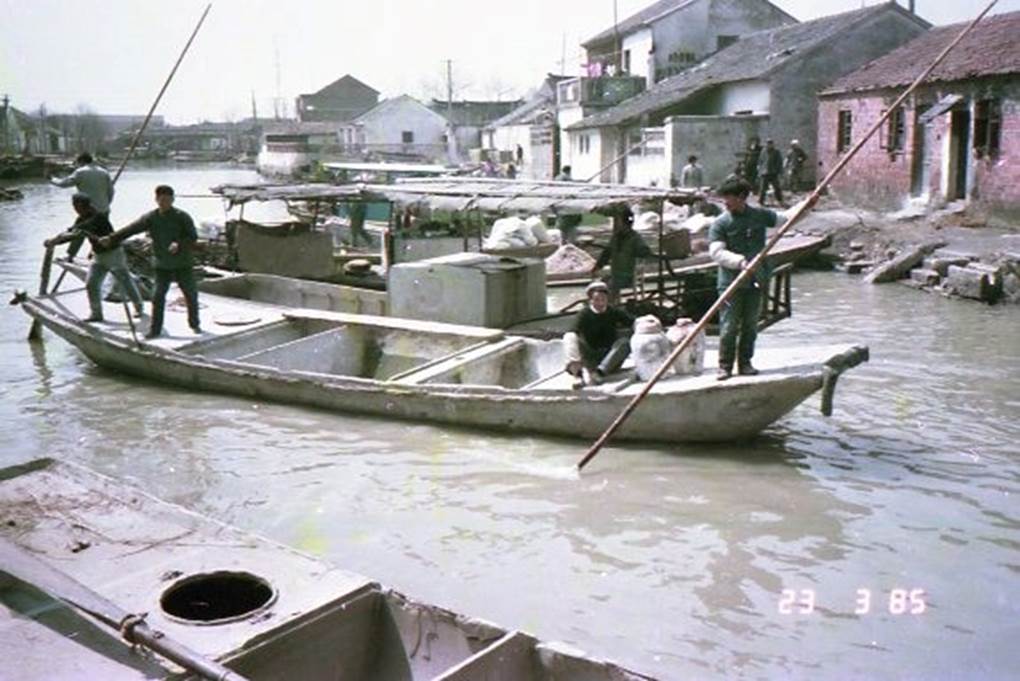
Photo by author, 1985
I found a ship that doubled as a residence as shown below.
Shoes and food are hung out to dry on the roof.
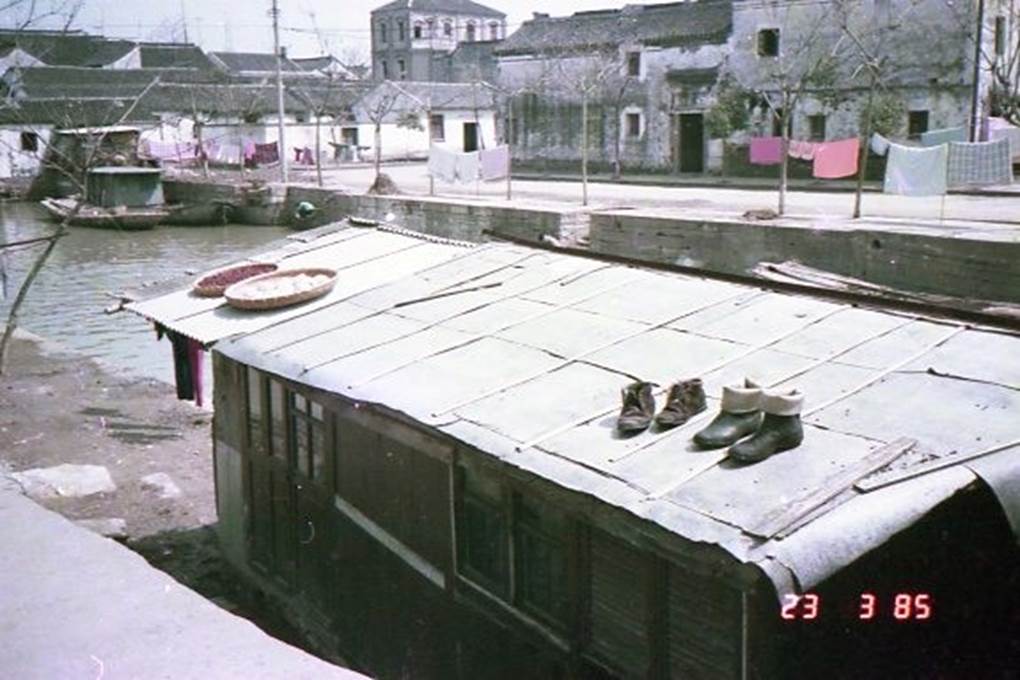
Photo by author, 1985
Sailors carrying stones into the warehouse.
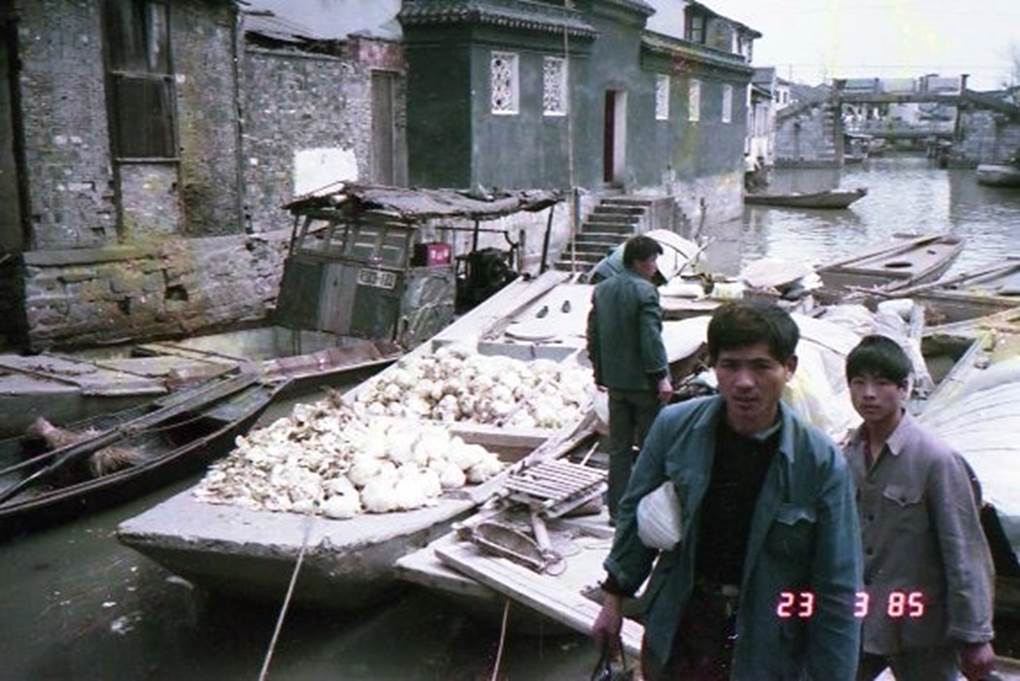
Photo by author, 1985
People who recycle waste
Dirty boats march boldly through the Jingkang Grand Canal。
As we sailed through the northerly canal, a power boat came with a slightly different appearance from the boats we had seen so far.
There is a fence and a roof, and a speaker is on the roof.
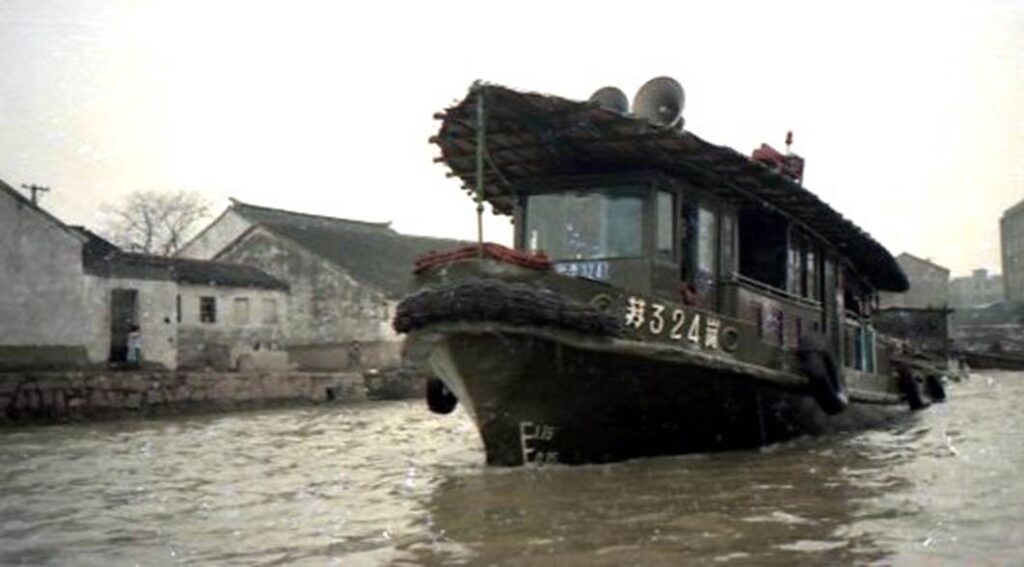
Photo by author, 1985
As I passed, I could smell a strong smell. Intuitively, it turned out to be a “dirty boat. The rocking of the boat and the strong winds we were experiencing were causing faeces and urine to splash from the cesspit into the canal.
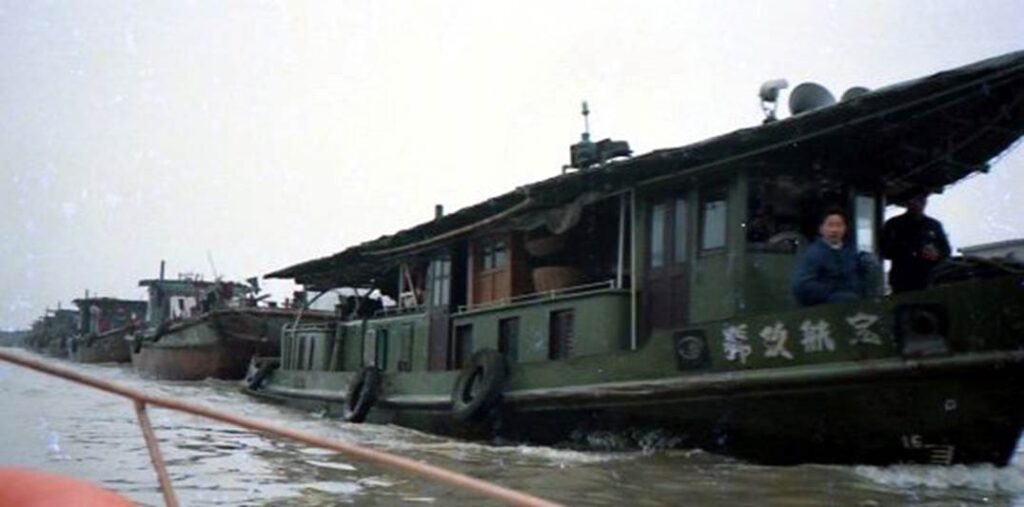
Photo by author, 1985
Essential workers
Below is a photo taken when we passed each other.
For some reason, the expressions of this trio of sailors are lively.
They are the civil servants who are in charge of the infrastructure of manure disposal and are the most stable and guaranteed essential workers.
The man in the middle, is wearing a people’s hat and puffing on a cigarette leisurely
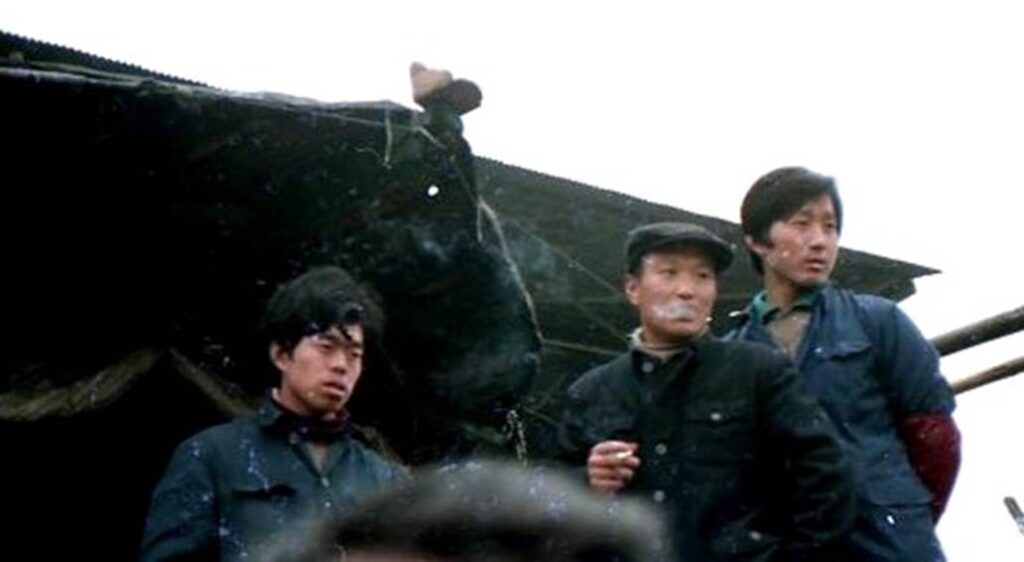
Photo by author, 1985
The dirty boat’s engineer is stationed at the back and driving.
Is this a safe position to drive in?
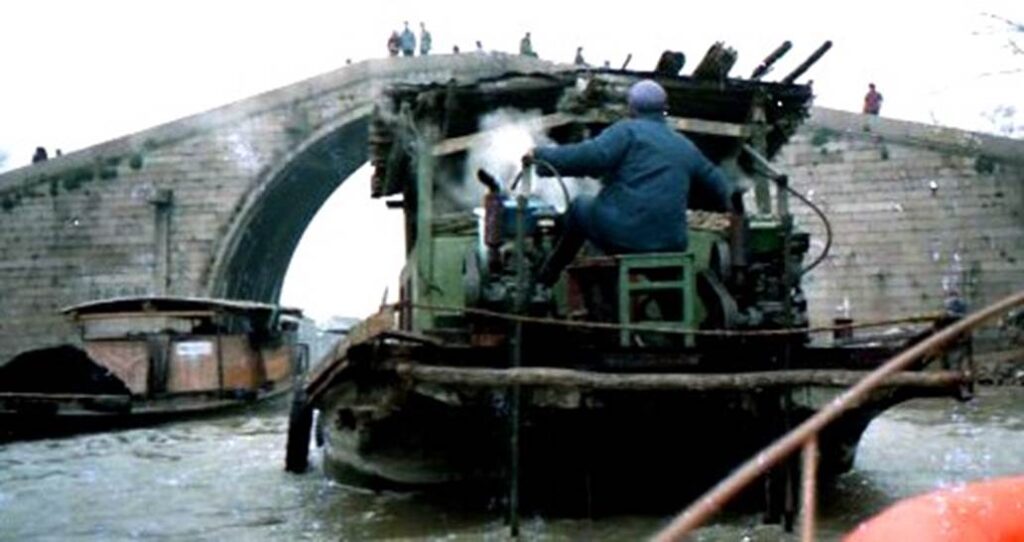
Photo by author, 1985
Wooden walls and windows
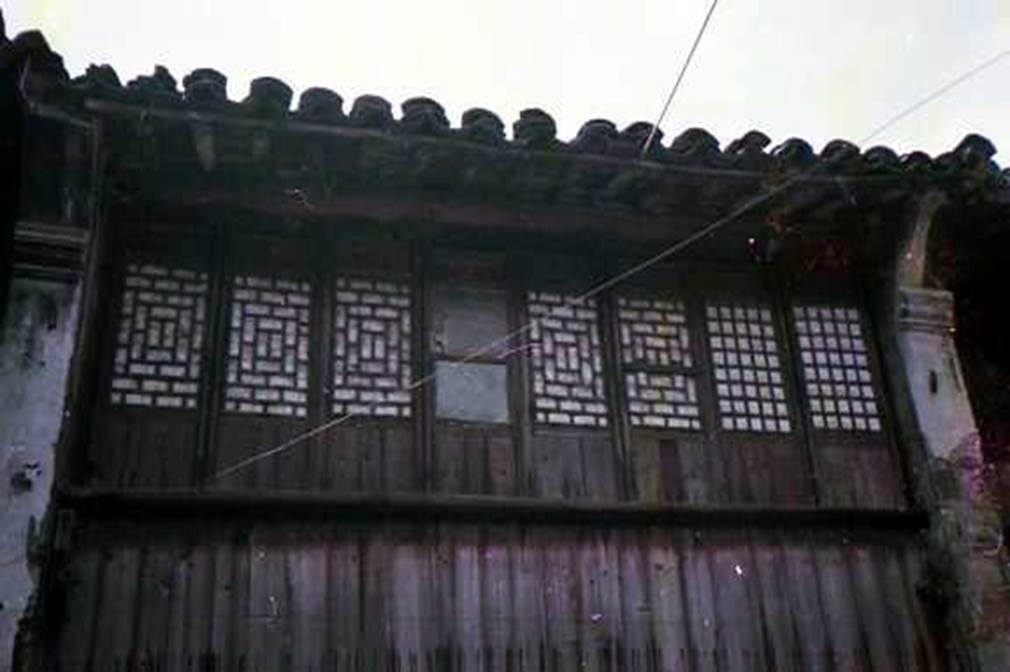
Photo by author, 1985
Some of the houses are not well maintained.
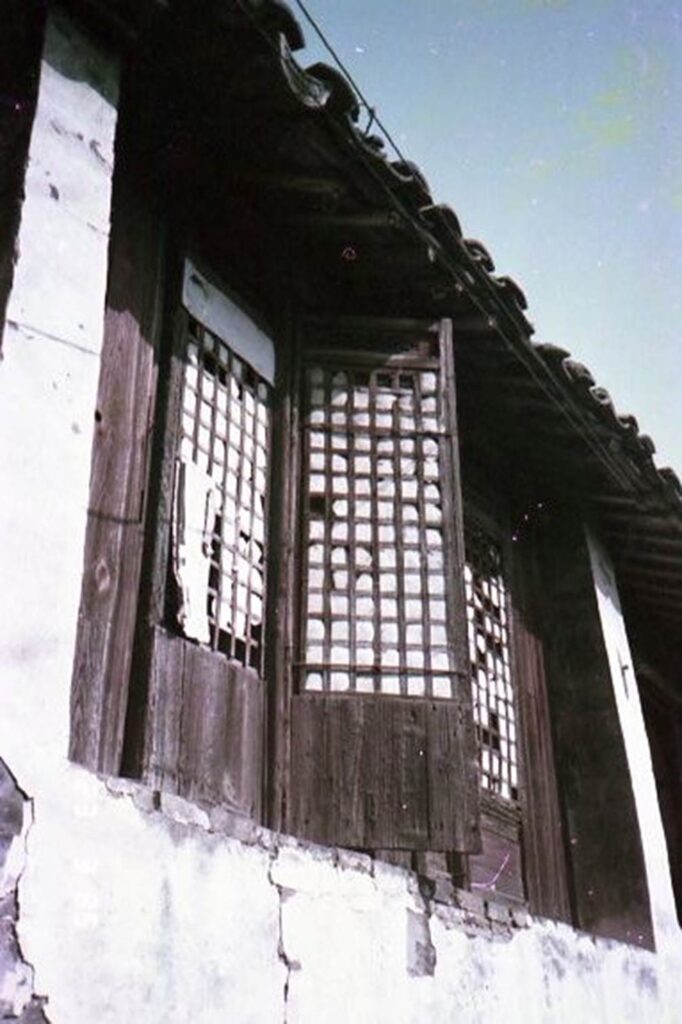
Photo by author, 1985
Dried pork. Exposed to dry, empty winds
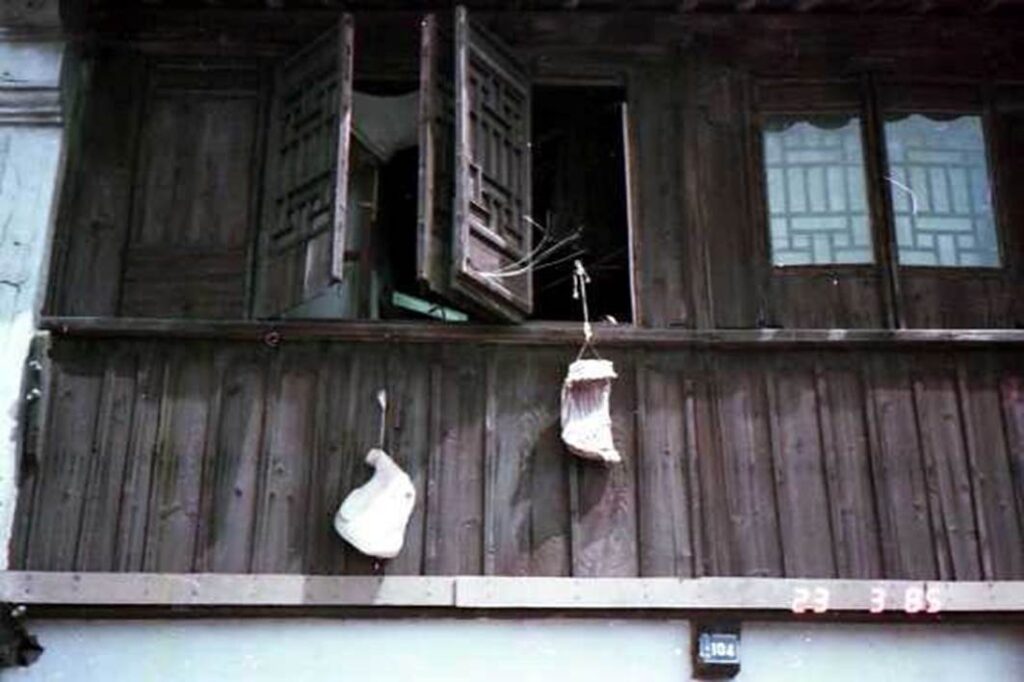
Photo by author, 1985
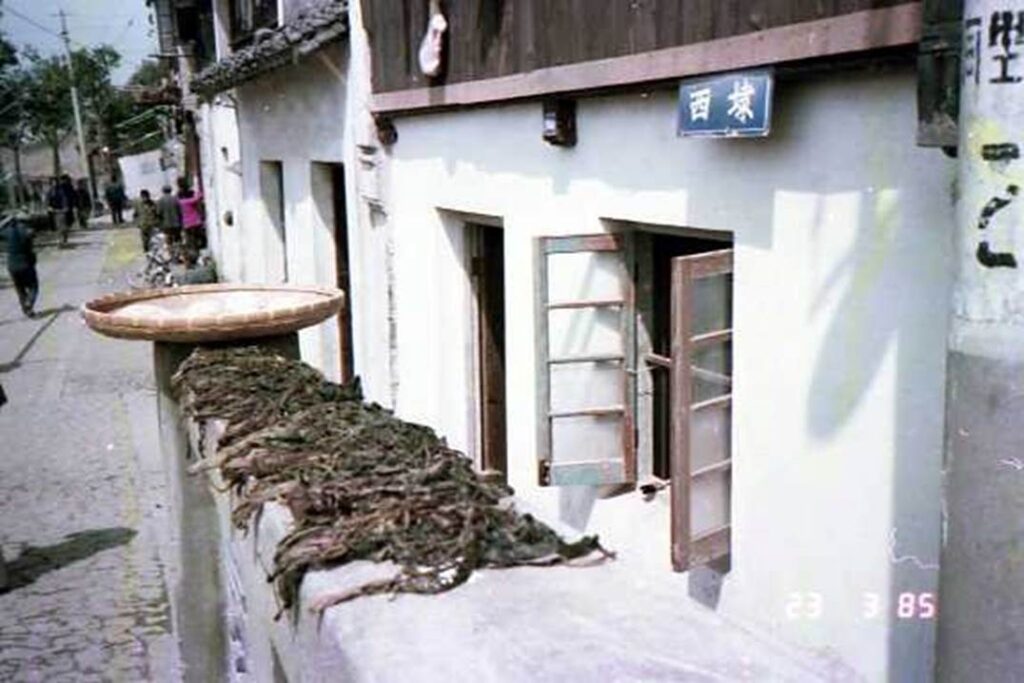
Photo by author, 1985
Building materials in Jiangnan
Bricks
Bricks made with minimal machinery and firepower. Used for general houses.
Since it is said that there are almost no strong earthquakes in this area, this is acceptable.
In Japan, it does not meet the building standards.
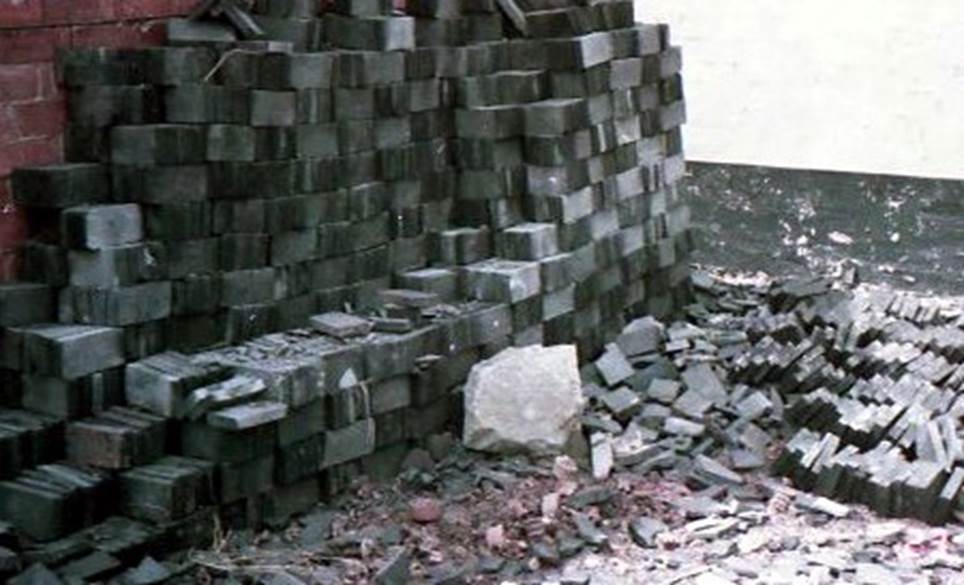
Photo by author, 1985
Roofing materials
Roof tiles commonly used in the Jiangnan region. It is a thin straw and much thinner and lighter than Japan tiles. Strong typhoons don’t come often, so this may be fine.
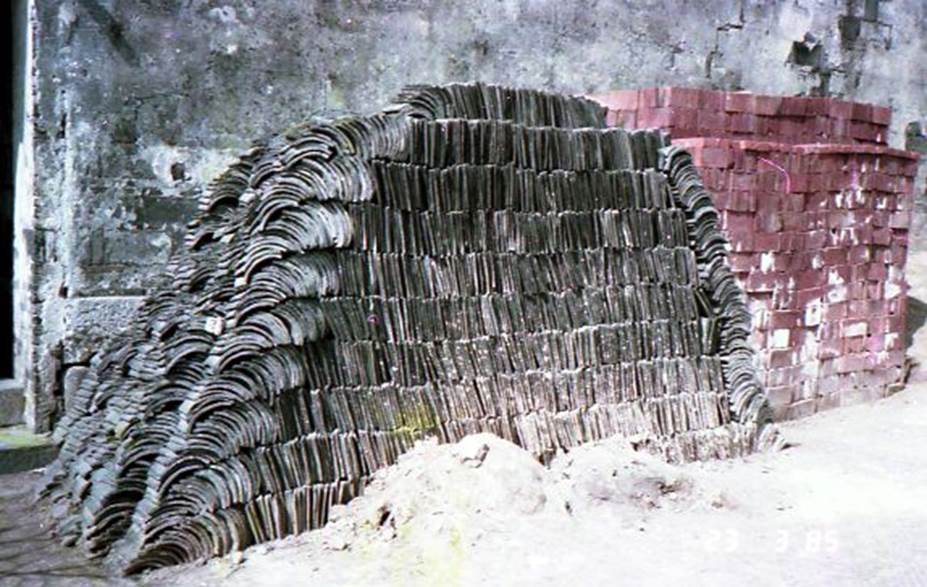
Photo by author, 1985
Stone for sidewalks
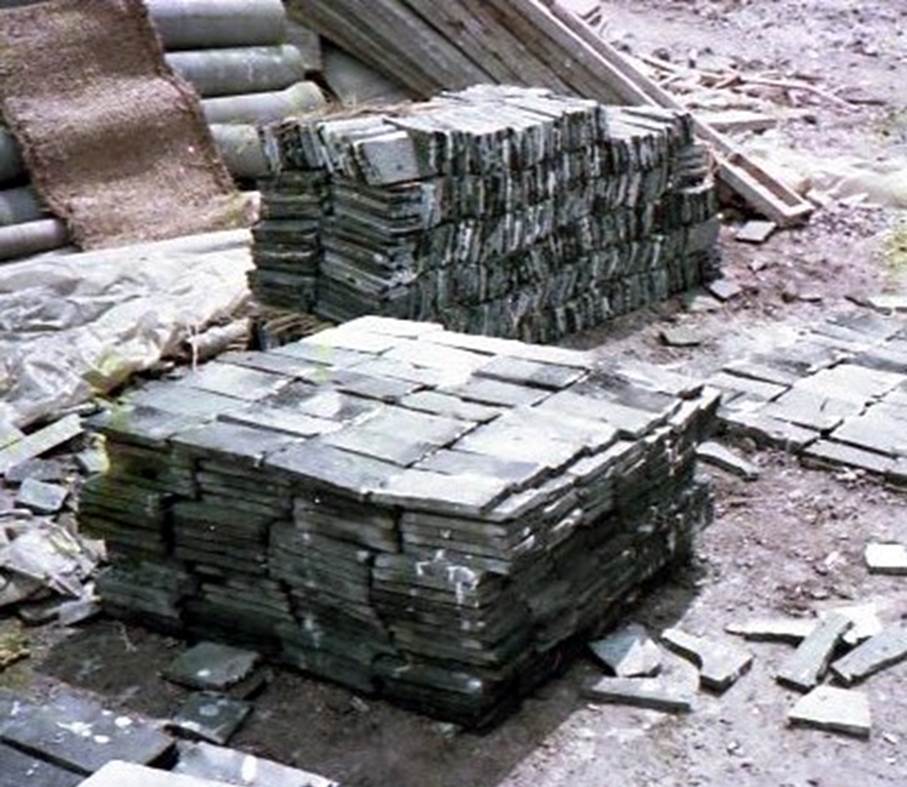
Photo by author, 1985
It is currently under restoration. The material above is lay vertically. There is a toilet bowl on the right
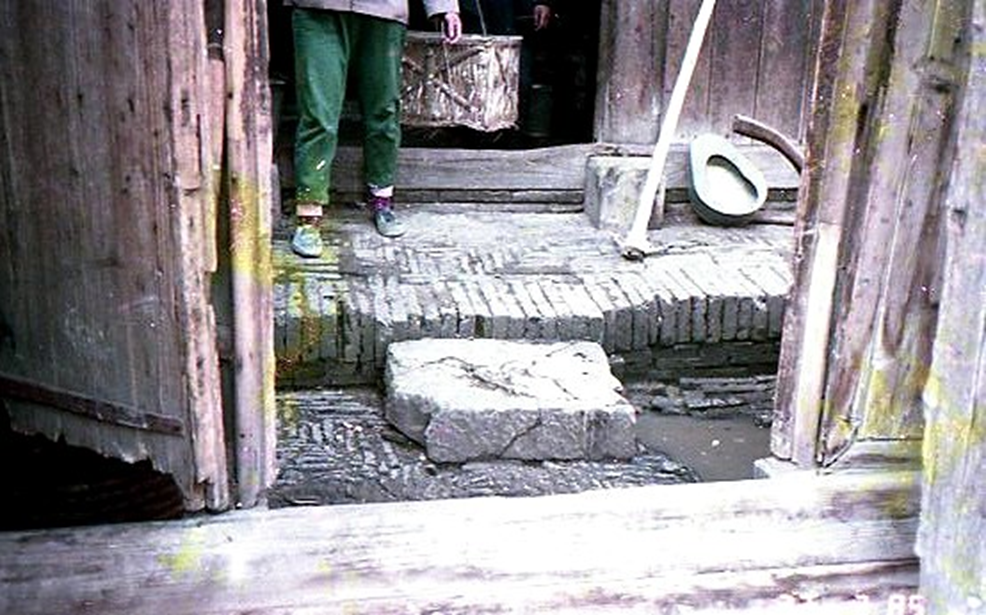
Photo by author, 1985
Plaster
Powdered limestone is mixed with plant-based adhesives and used to finish walls. It is good for the environment because it does not use chemicals.
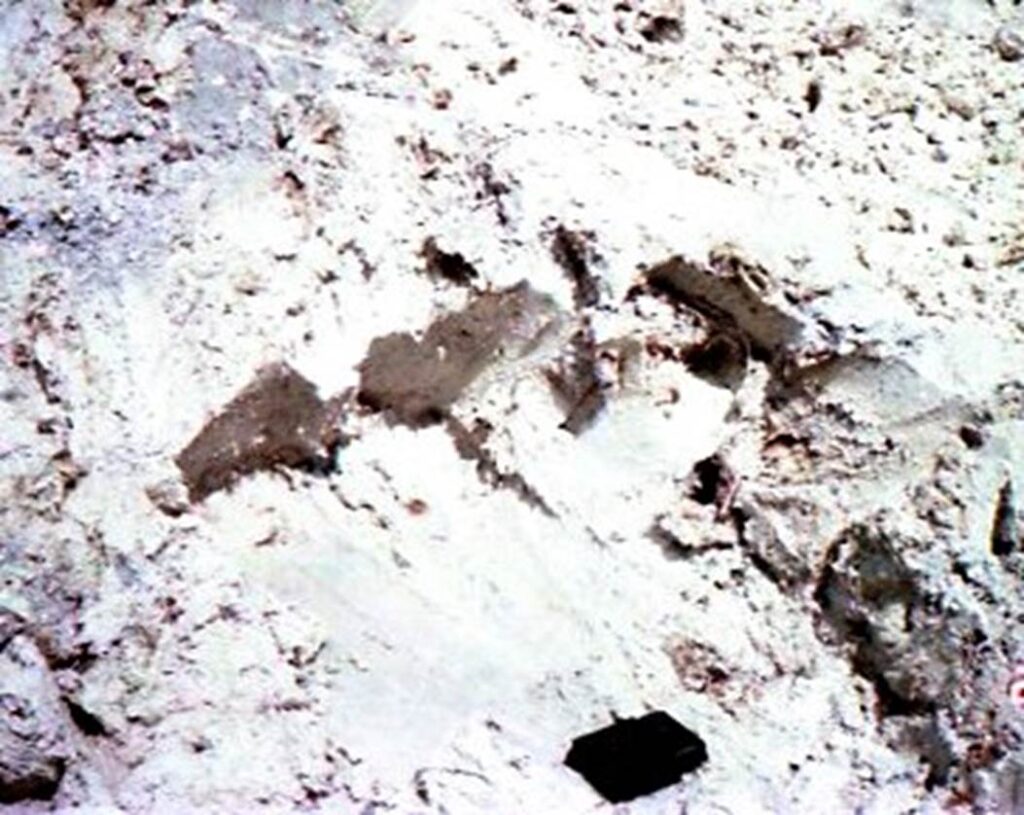
Photo by author, 1985
Well
I found a communal well in a small square in the village.
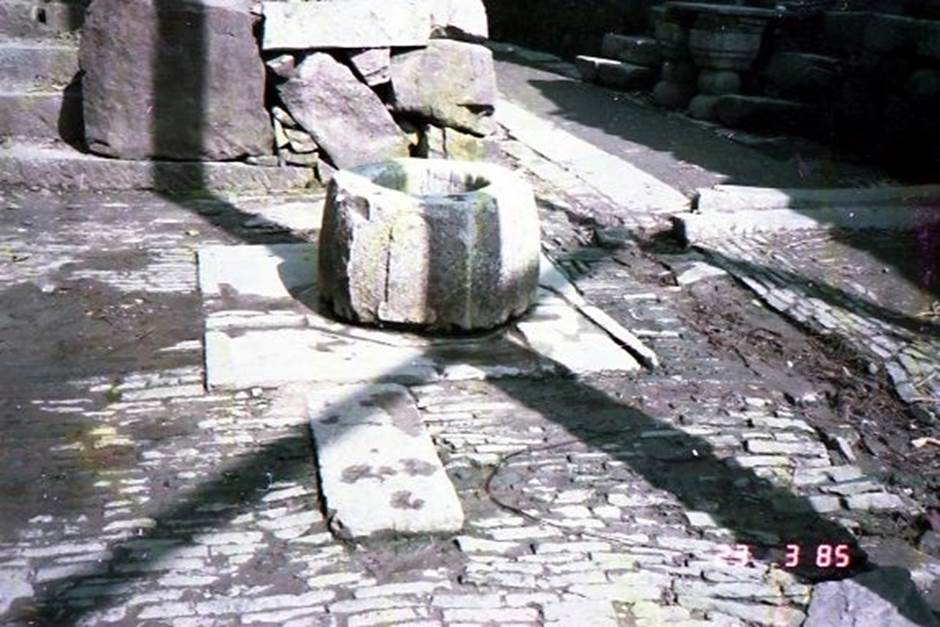
Photo by author, 1985
Deep grooves are carved into the frame of the well, which is made of stone on the ground. This is a scar that was made when pulling up a bucket of water with a rope. It is a testament to the fact that the residents of the neighborhood have continued to draw the water of life for many generations.
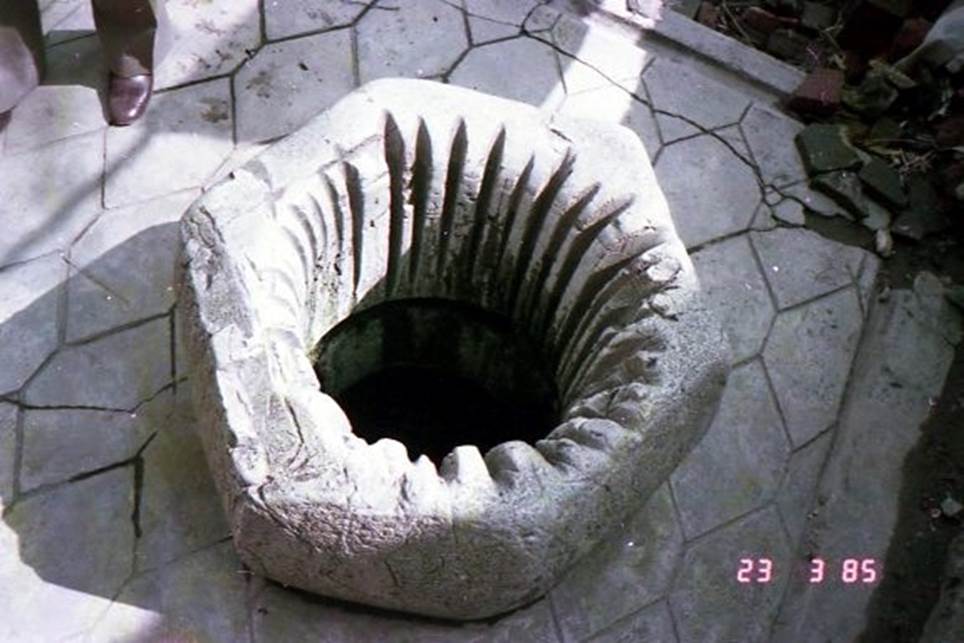
Photo by author, 1985
Stone
An open-cut mining site for collecting stone for civil engineering work.
The wheels supporting the steel beams look very unreliable.
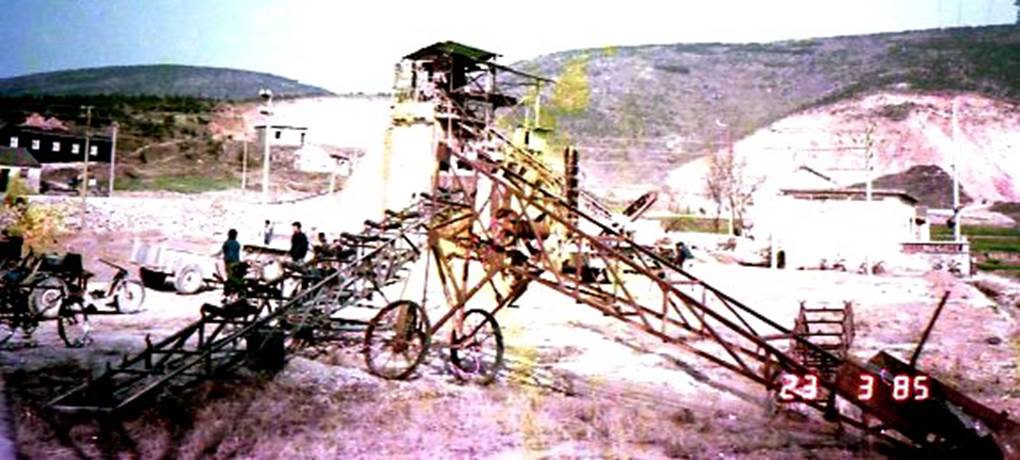
Photo by author, 1985
Tadon (charcoal pellets)
Solid fuel made by kneading wood ash and bamboo ash with adhesive materials such as seaweed.
In the 1970s, it became rare to see them in Japan, but here they were handmade and still active. The irregular shape is very Chinese.
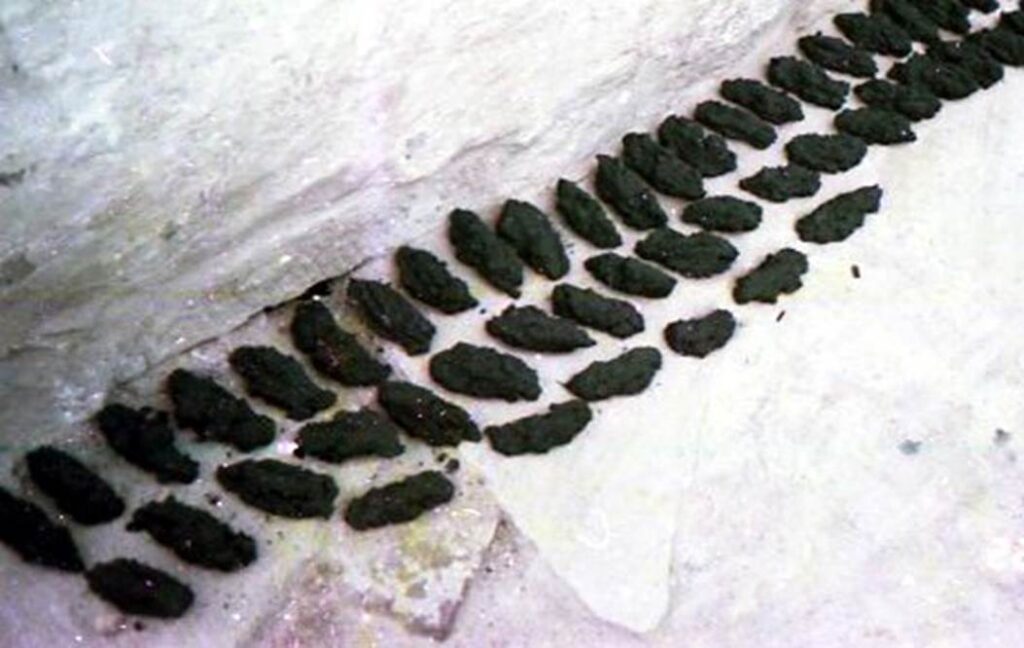
Photo by author, 1985
Scars of the Cultural Revolution
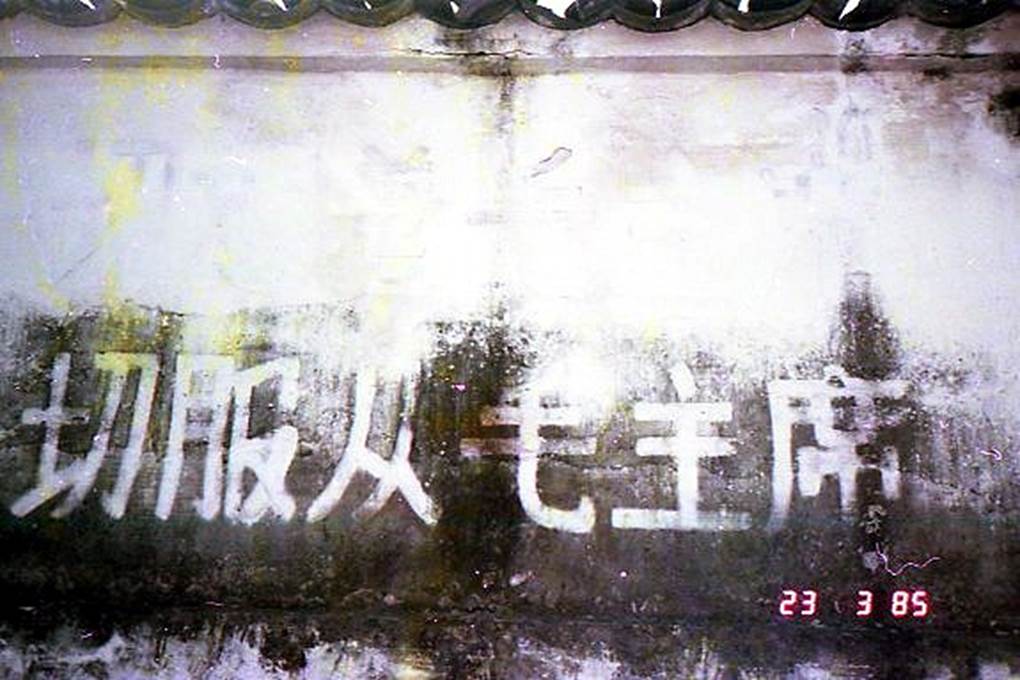
Photo by author, 1985
According to local residents, some of the stone is used in buildings that were destroyed during the Cultural Revolution during the Mao Zedong era.
Stone carvings were haphazardly embedded in the retaining wall.
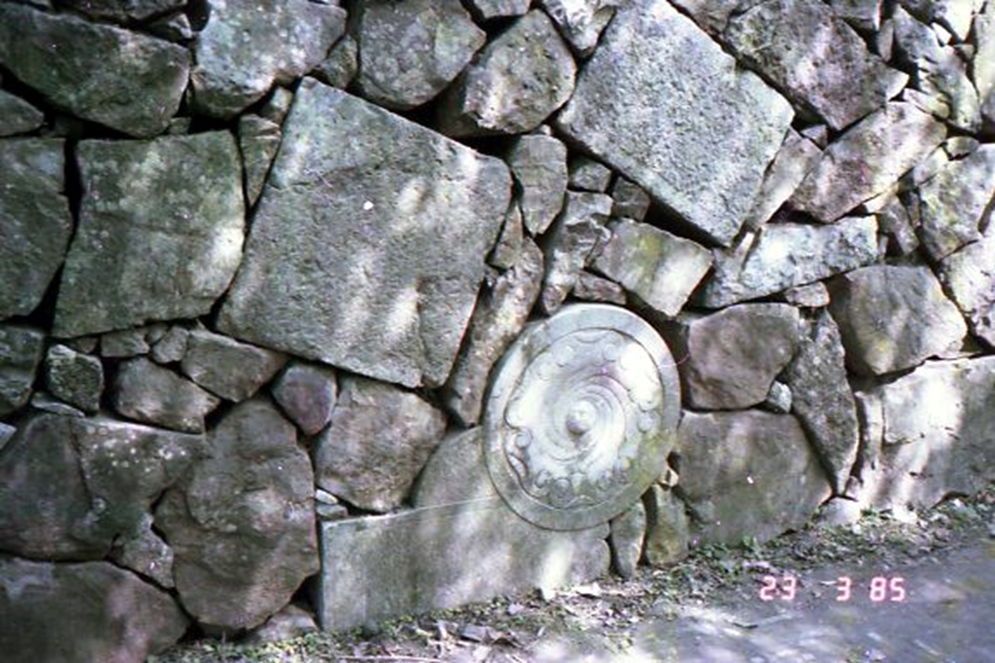
Photo by author, 1985
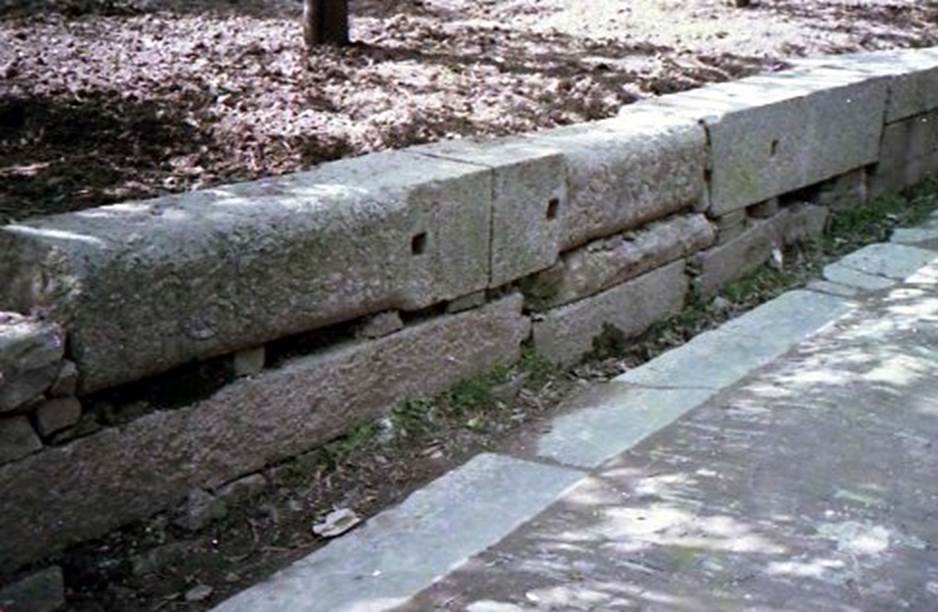
Photo by author, 1985
It was painful to see the stone sculptures, which should have been somewhere in their proper place, left carelessly in the field.
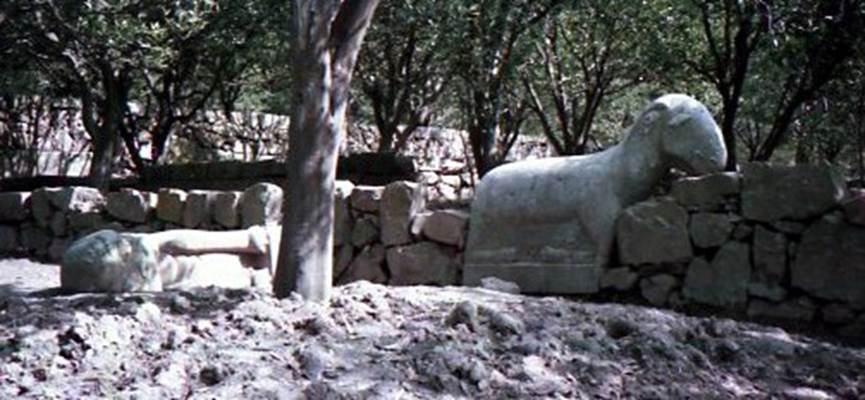
Photo by author, 1985
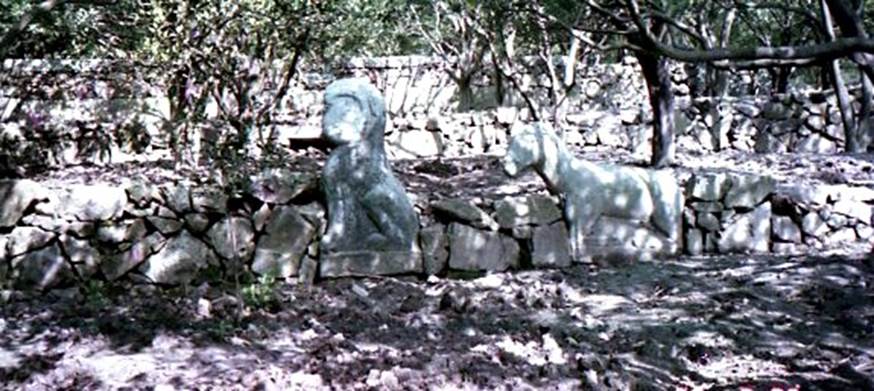
Photo by author, Mar 1985