JAP | ENG
Shanghai, Suzhou #2/6
1985
Shanghai’s Old Great Power Concession
Broadway Mansion and the former Japan Concession
The photo below shows the Suzhou River, which was the boundary between the former British and American Concessions, and the Garden Bridge over it. It was completed in 1907 and is said to be the oldest surviving iron bridge in China.
On the north side of this bridge is the former Japan Concession, and it is said that 100,000 Japan people once lived in the Hongkou area, protected by army guards.
In 1937, the Kuomintang army and the Japan army clashed in the Second Shanghai Incident. The victory ended in a victory for the Japan side, and the Chinese in the common concession north of the Suzhou River surrendered. After that, the area was almost monopolized by the Japan.
Japan’s naval ground squadron bayoneted all but Japan residents and ordered them to leave. Soon, the Japanese flag was flown on the roof of the Broadway mansion in the photo below.
At that time, there were only 20,000 foreigners from other countries in the International Concession and the French Concession, so you can see how many people were Japan.
At the end of the northern end of the Bund, there is a bridge over the Suzhou River. The distant view is the Broadway Mansion.
Photo by author, 1985
After the war, it became the headquarters of the American military’s advising activities against Chiang Kai-shek and the Nationalist government of the Republic of China.
Battle of the Broadway Mansion
While researching the materials, I found the following.
In 1949, more than 1,000 Kuomintang soldiers defended the Broadway Mansion to stop the People’s Liberation Army from invading.
From the roof of the Foreign Correspondents’ Club, Kuomintang snipers strafed the Communist forces as they tried to advance on the Waibai Bridge.
The five-star red flag was raised on Broadway Mansions on May 27, 1949.
This marked the final occupation of Shanghai by the People’s Liberation Army. The Foreign Correspondents’ Club of Broadway Mansions was devastated.
In the center of the photo below is the Broadway Mansion on the other side of the Wu Shu River. It is said that Yoshiko Kawakami, who was called the Mata Hari of the East, made it a regular lodging.
It is a scenic spot with a panoramic view of the Waibai Bridge, the Bund, the Huangpu River, Pudong, and old and new Shanghai.
It can be seen that it was a militarily strategic location in Shanghai.
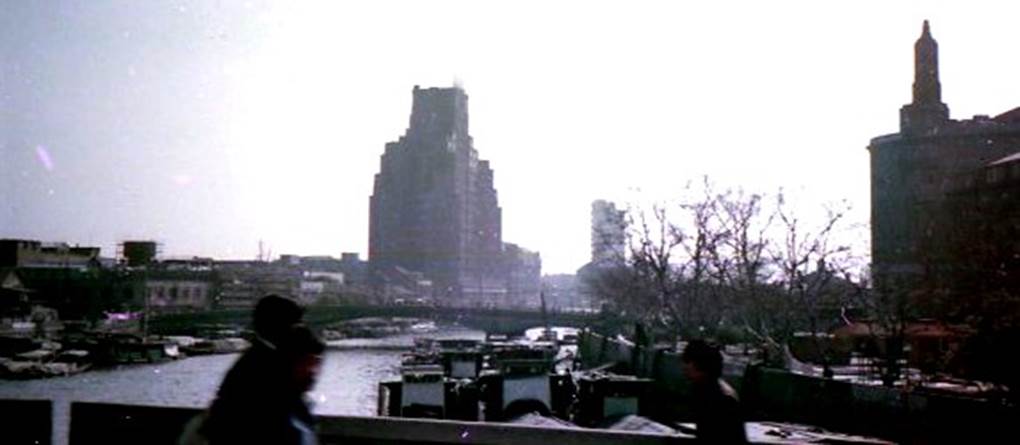
Photo by author, 1985
Explore the Old French Concession
Huaihai Road
Huaihai Road, which opened in 1901, runs east to west through the former French Concession. In 1985, there were no tall buildings and it was not intimidating, so it was a pleasant walk. The plane tree-lined avenues retained the atmosphere of the former French Concession.
In Shanghai, this area is the area that has the most cultural scent.
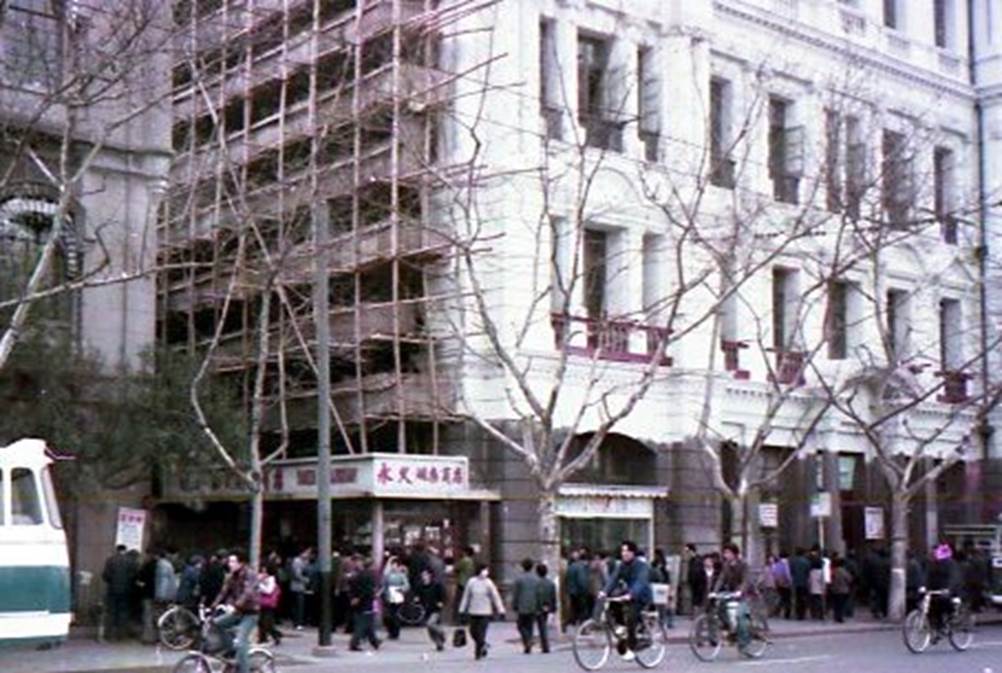
Photo by author, 1985
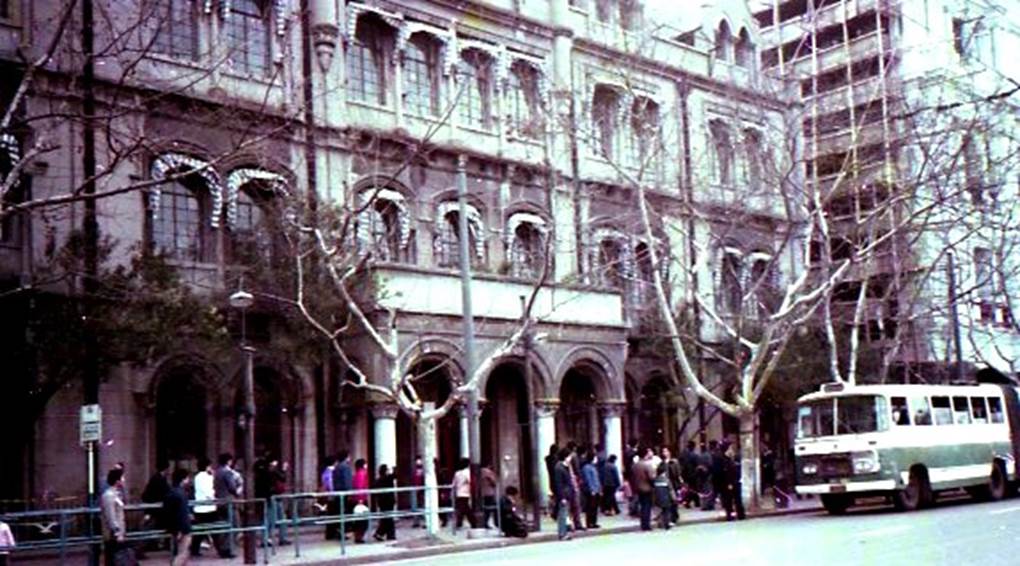
Photo by author, 1985
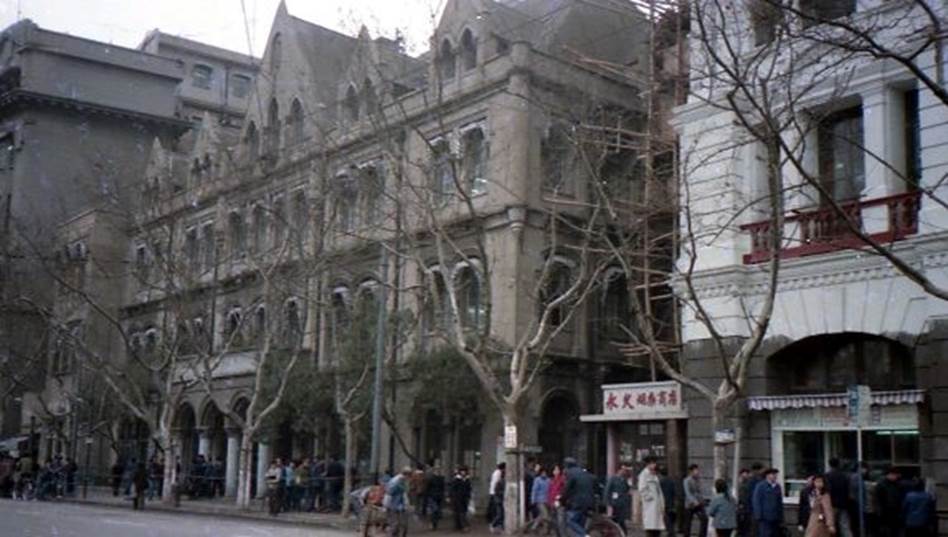
Photo by author, 1985
The street reminds me of Omotesando in Tokyo, where I used to go often as a student working part-time in the early 1960s.
For some reason, it gives me a sense of déjà vu and brings back memories.
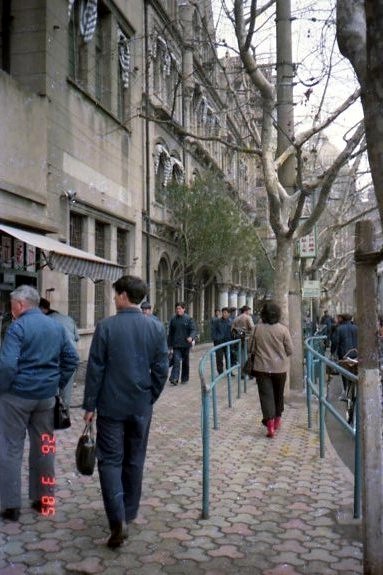
Photo by author, 1985
Huaihai Road is a paradise for cyclists
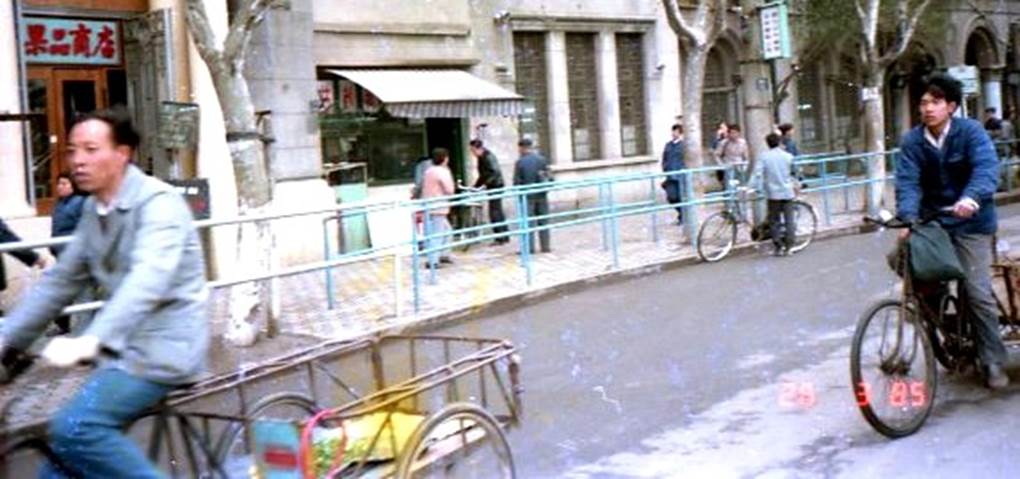
Photo by author, 1985
Pedestrians crossing the Junkai Middle Road.
Unlike East Nanjing Road, men here wear tall coats and women wear colorful coats.
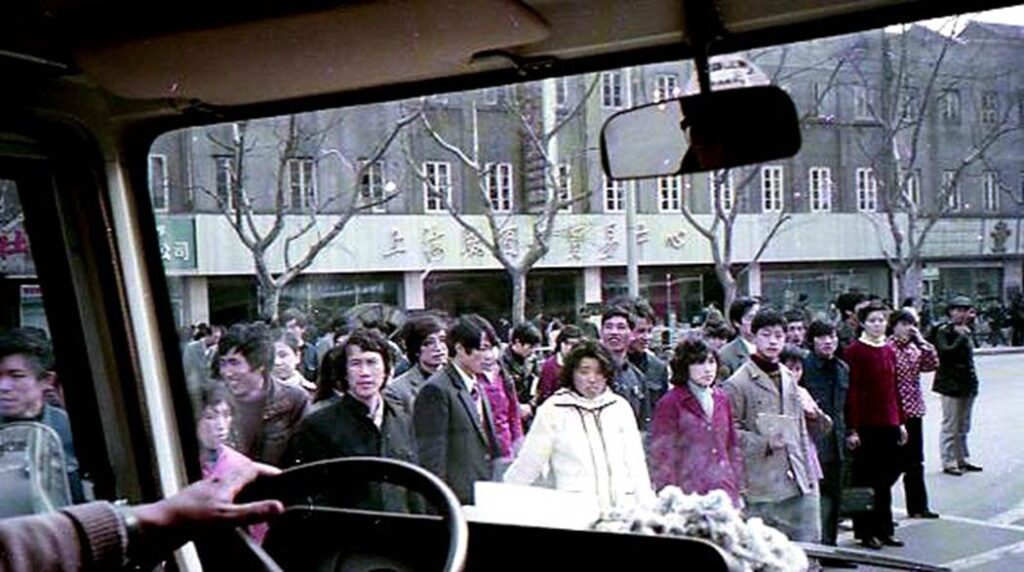
Photo by author, 1985
Gangster’s mansion
I was told that this stylish Western-style building surrounded by a high wall was the mansion of a gang boss in Shanghai’s heyday before the war, and I took a photo of it.
There were three concessions, and police powers were different for each concession, so it is said that there was no enforcement at the borders.
In addition, France and other countries were secretly helping the opium trade, so tea houses, brothels, and opium dens were rampant.
Criminals, ruffians, refugees, and members of secret societies from all over China began to gather there, and the various dark elements such as opium, gambling, and prostitution overlapped, creating the “Devil’s City” of Shanghai。
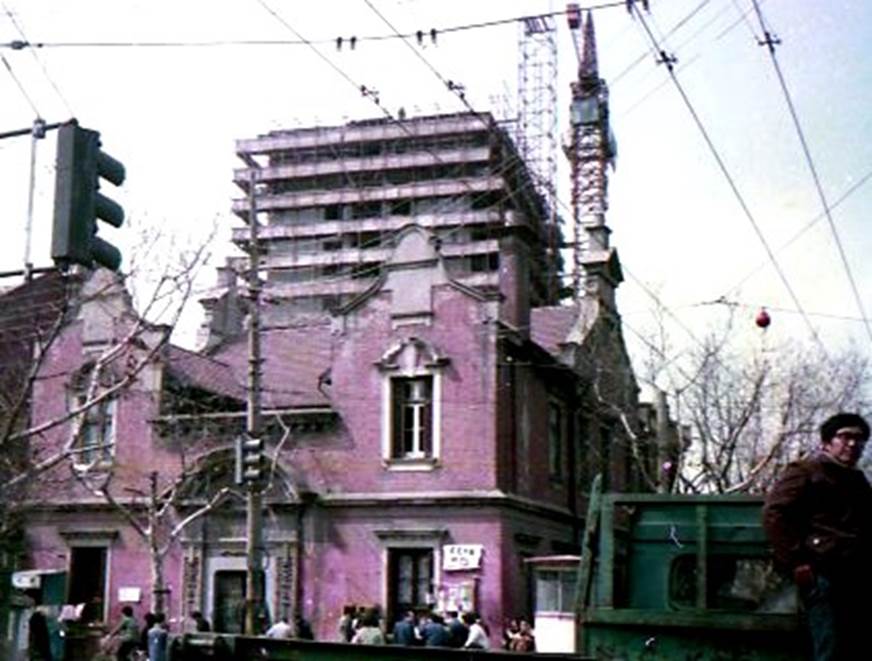
Photo by author, 1985
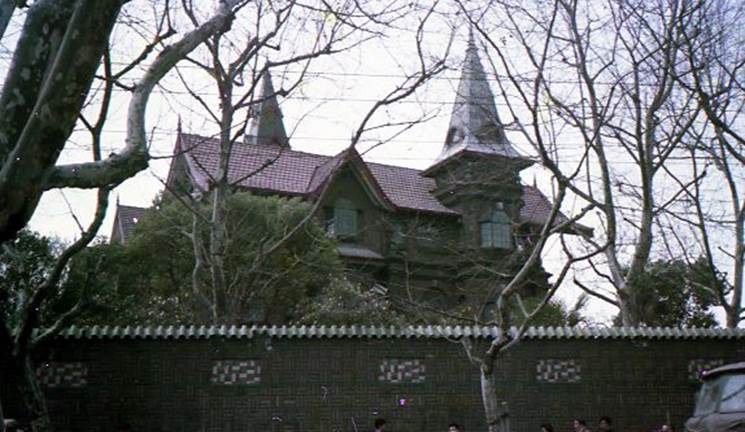
Photo by author, 1985
Old Master (Lao Da Chang)
Founded in 1913 !
A Frenchman from Paris opened the business. In 1920, the management changed and the store was set up in this position on Huaihai Road.
A rare Western confectionery shop that survived wars and revolutions.
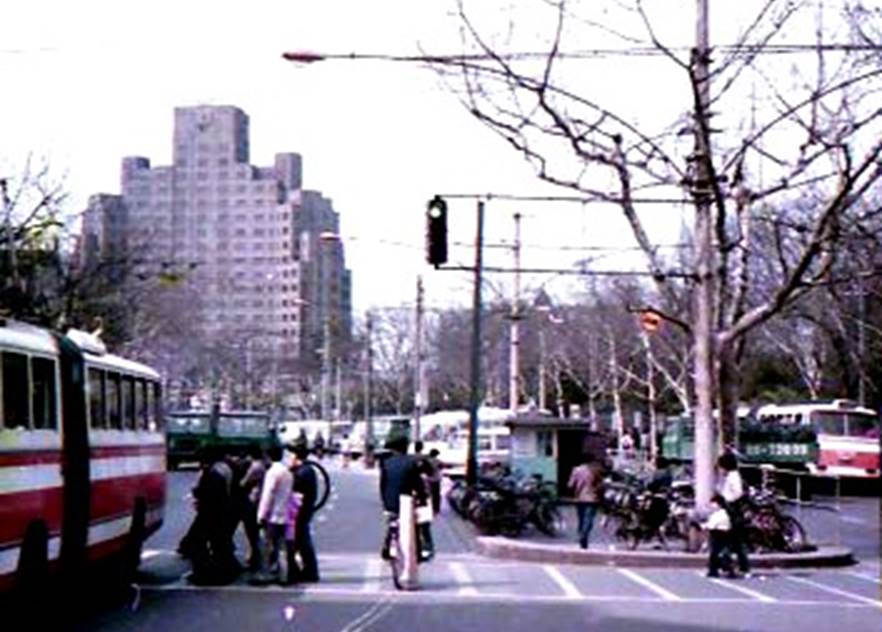
There is a lot of traffic at this intersection. There are traffic lights and pedestrian crossings, but people seem to be crossing the street without hesitation.
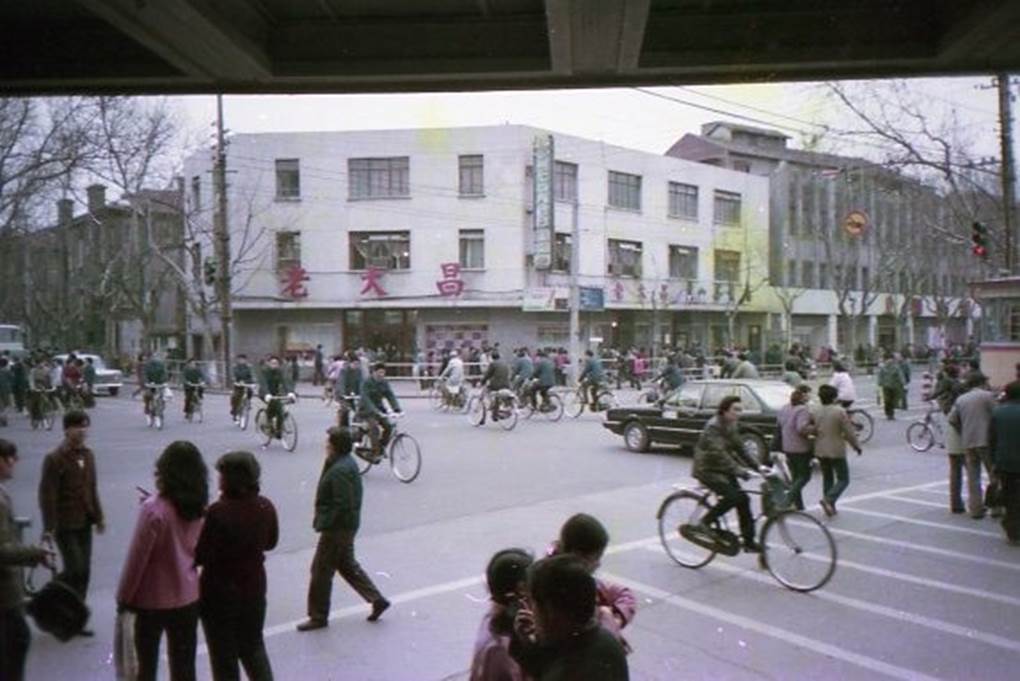
Photo by author, 1985
Advertisement board for “Sharp”
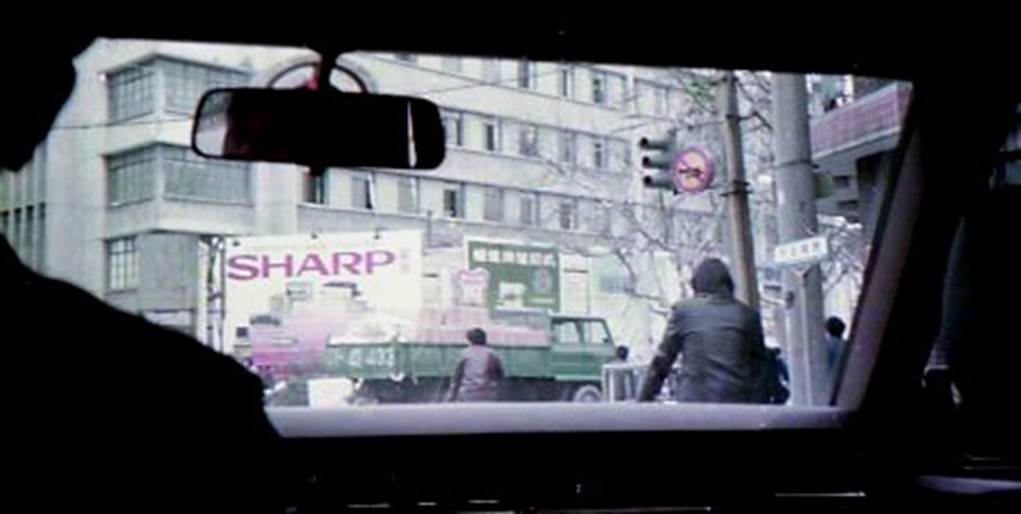
Photo by author, 1985
What is the construction site on the street corner?
People involved in a large government project gather at the pile driving site. Most of them are wearing Mao suits and Mao hats!
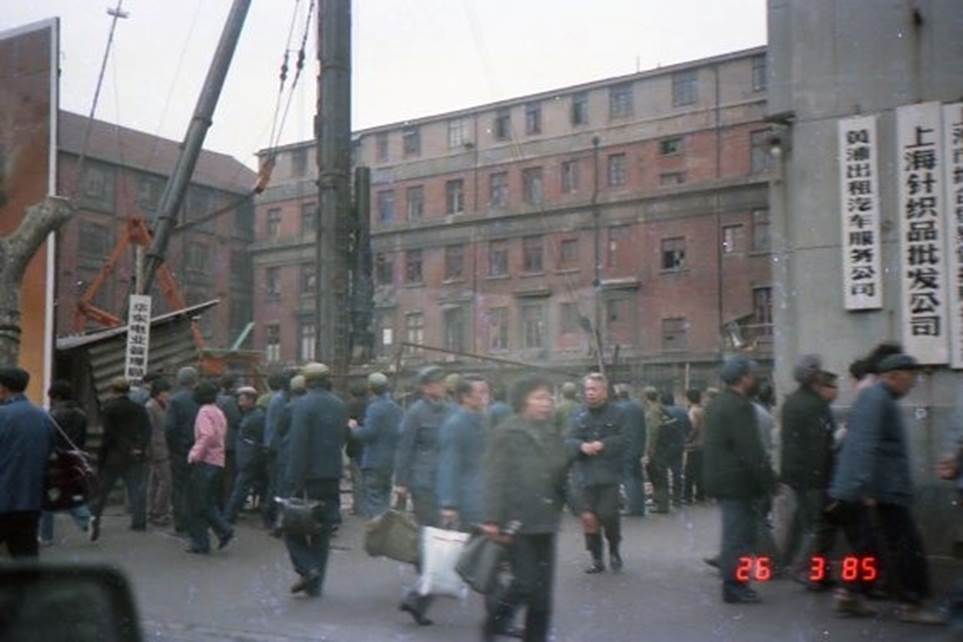
Photo by author, 1985
Bamboo construction scaffolding and a mess of scrap materials !
Materials brought in and materials discharged are all mixed together.
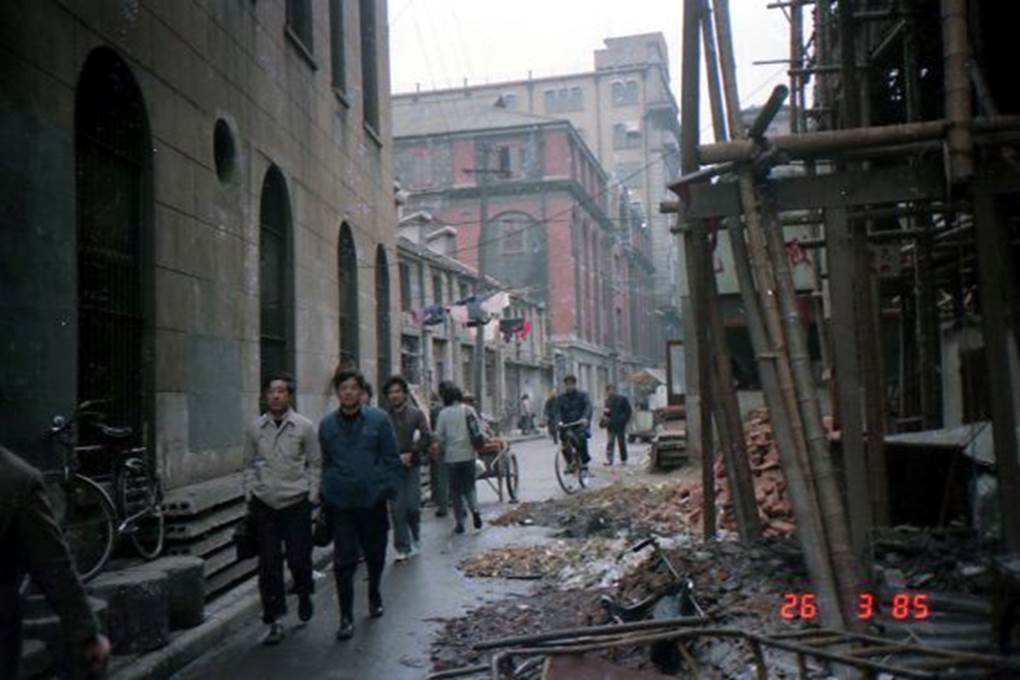
Photo by author, 1985
Bamboo building scaffolding under construction. Where are the vertical lines?
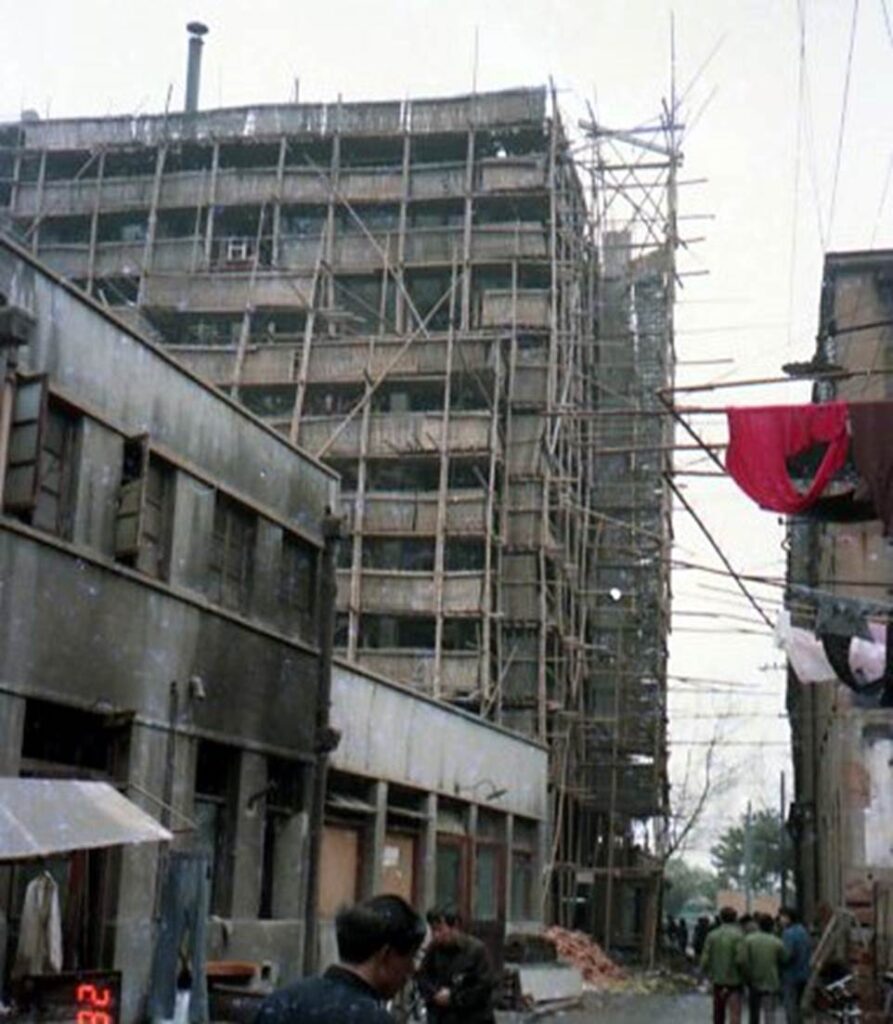
Photo by author, 1985
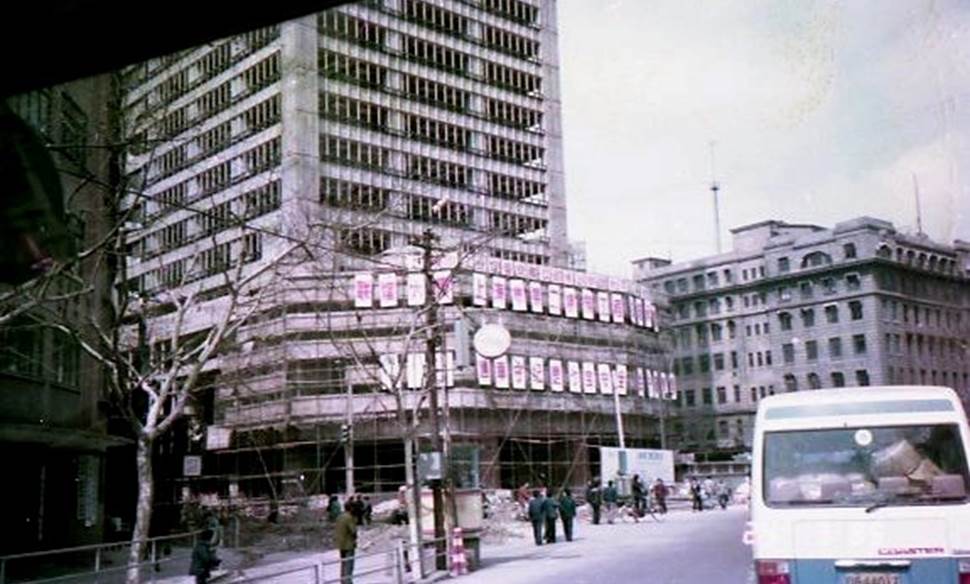
Photo by author, 1985
Trucks are rarely seen on the road. The only truck I happened to see that was making a loud noise was this old one.
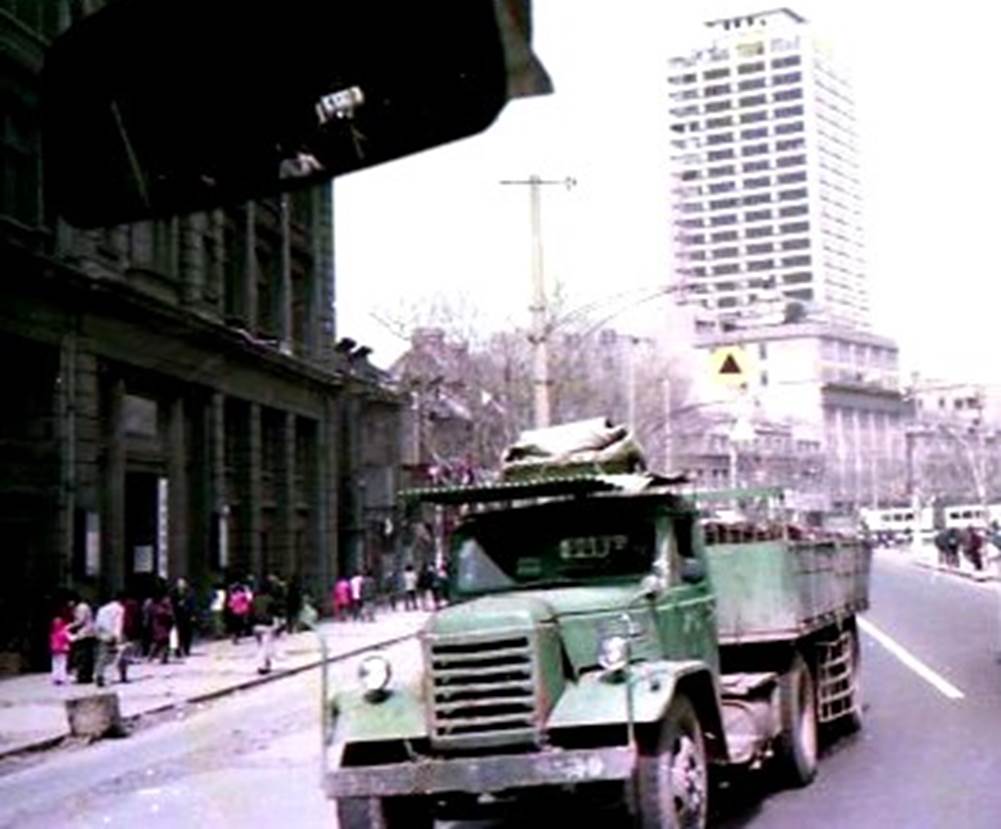
Ponkotsu Truck Photo by author, 1985
Xi Jiao Guest House
Queen Elizabeth has also stayed at the Xiao Jiao Guest House.
It is located in a quiet location between Shanghai Hongqiao Airport and the city center.
It is a guest house located in a vast green grounds.
In 1985, it was a place for local Communist Party cadres to eat and gather.
I was invited to a dinner party here by a dignitary of overseas Chinese in Singapore, and I was taken to dinner with local Communist Party officials.
Since I cannot speak Mandarin, let alone the local Shanghainese dialect, we communicated only by writing. What I noticed at the time was the beauty of the Chinese characters they wrote.
The meal consisted of an aperitif of red and white wine.
The appetizer was a simple and elegant small dish similar to Kyoto’s obansai.
Then, we had a full course of Shanghai-style Chinese food.
It was a world of difference from the “greasy” state-run restaurants in the city that ordinary people use, and I will never forget how surprised I was by the difference.
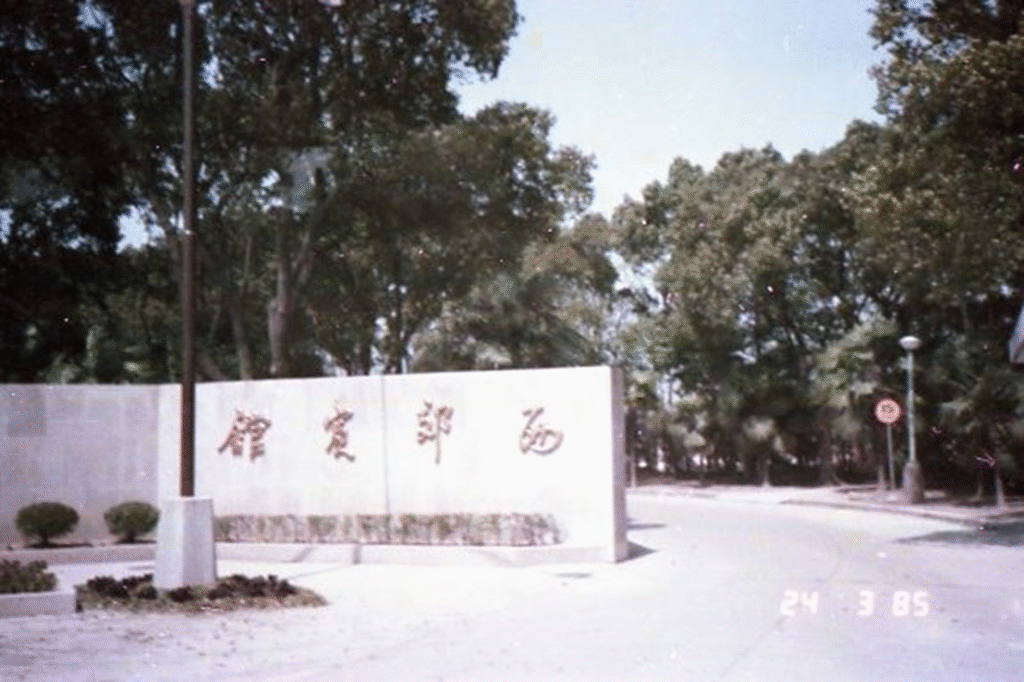
Xi Jiao Guest House Photo by author, 1985
Scenery of Shanghai suburbs
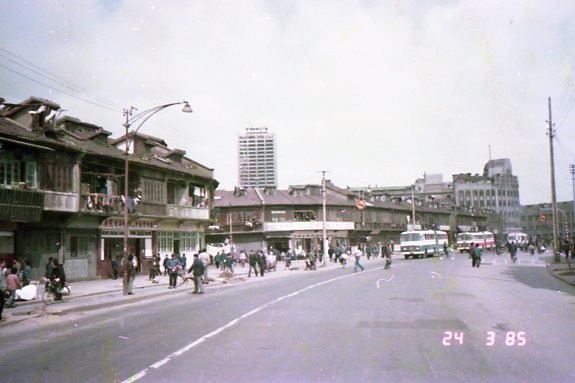
Photo by author, 1985
They live densely packed in tenement buildings, and the population density seems to be high.
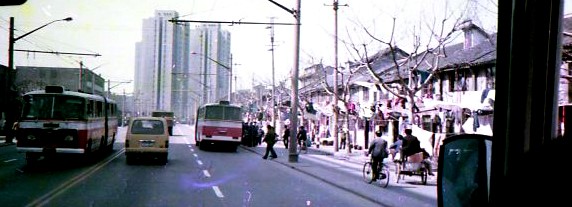
Photo by author, 1985
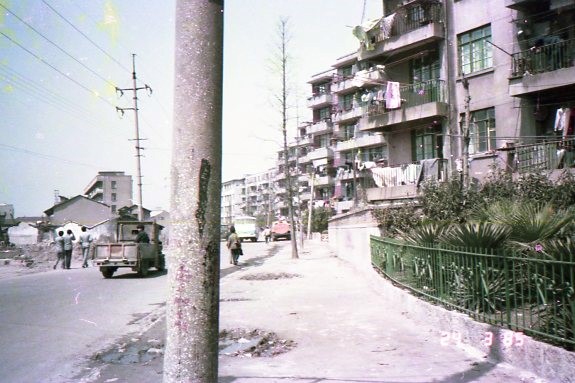
Apartment building in the suburbs of Shanghai
Photo by author, 1985
Back alleys of Shanghai
In the morning, when I left the main street and entered a small alleyway in a residential area, I found myself in a space where ordinary people lived.
By chance, I saw a young woman squatting on the street washing her hair.
She was concentrating on washing her face in an aluminum basin placed on the ground, using hot water that had been boiled inside the house.
Since space inside the house is limited, she probably feels better doing the laundry outdoors like this. She also did her laundry in front of the house, and hung it out to dry in the small alleyway behind the house, where it was well lit and well ventilated.
This kind of Chinese-style urban space spreads out over a wide area if you go just one street behind.
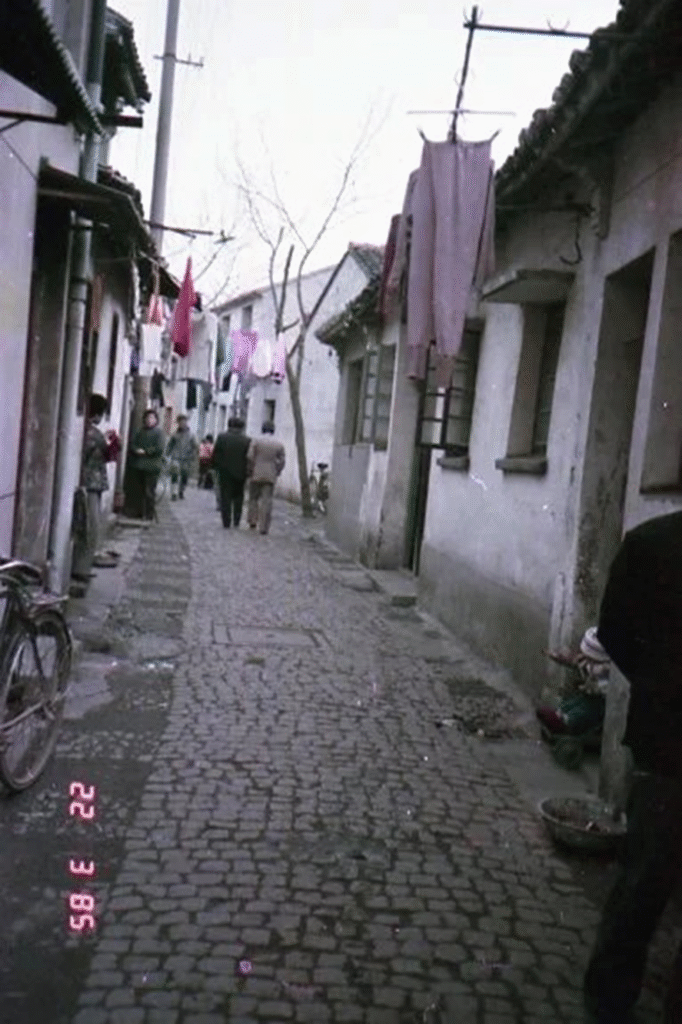
Photo by author, 1985