JAP | ENG
MADRID, SPAIN
OCTOBER 2013
#3/3
Royal Palace of Madrid
I researched the history of this royal palace.
King Philip II moved the capital from Toledo to Madrid in 1561. If you trace the historical chronology of Japan, it overlaps with the end of the Muromachi Shogunate, about 10 years before Oda Nobunaga built Azuchi Castle.
Philip II was the king of Spain’s Golden Age. His reign marked the height of the Spanish Empire, which ruled over a large empire spanning Europe, Central and South America, and Asia (the Philippines). It also expanded its sphere of influence by competing with the Ottoman Empire for supremacy in the Mediterranean.
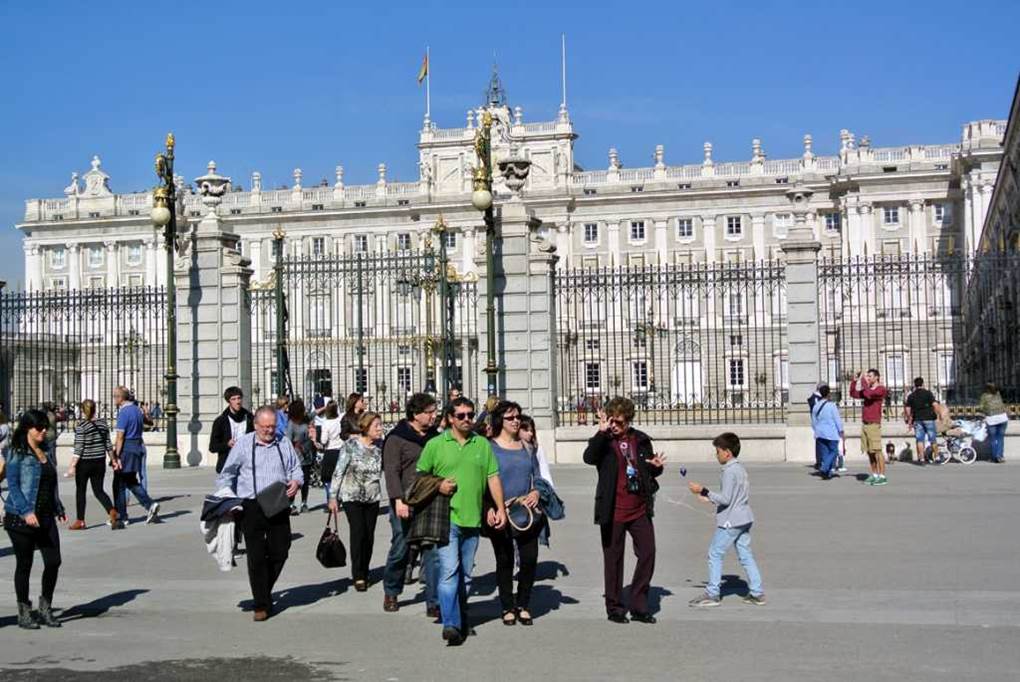
Photo by author, 2013
The Palacio Real de Madrid is the palace of the Spanish royal family. Although not actually inhabited by the king or the royal family, the Royal Palace of Madrid is used for state events.
It would take at least half a day to see the palace in detail. I prioritized walking around the old town and limited myself to taking pictures from outside the palace.
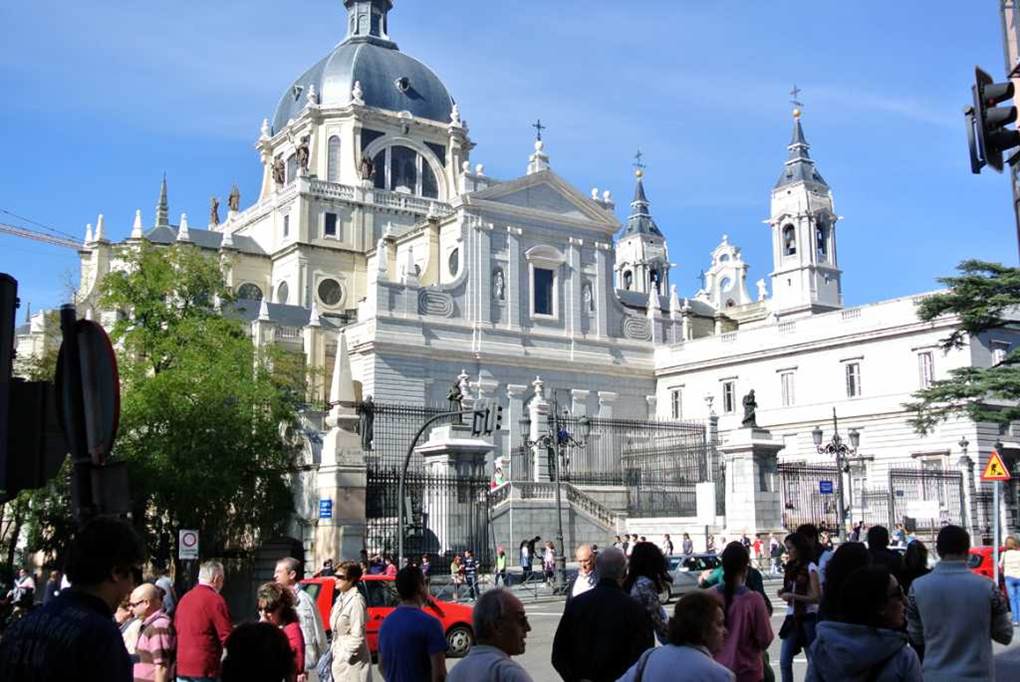
Photo by author, 2013
Gran Via Street
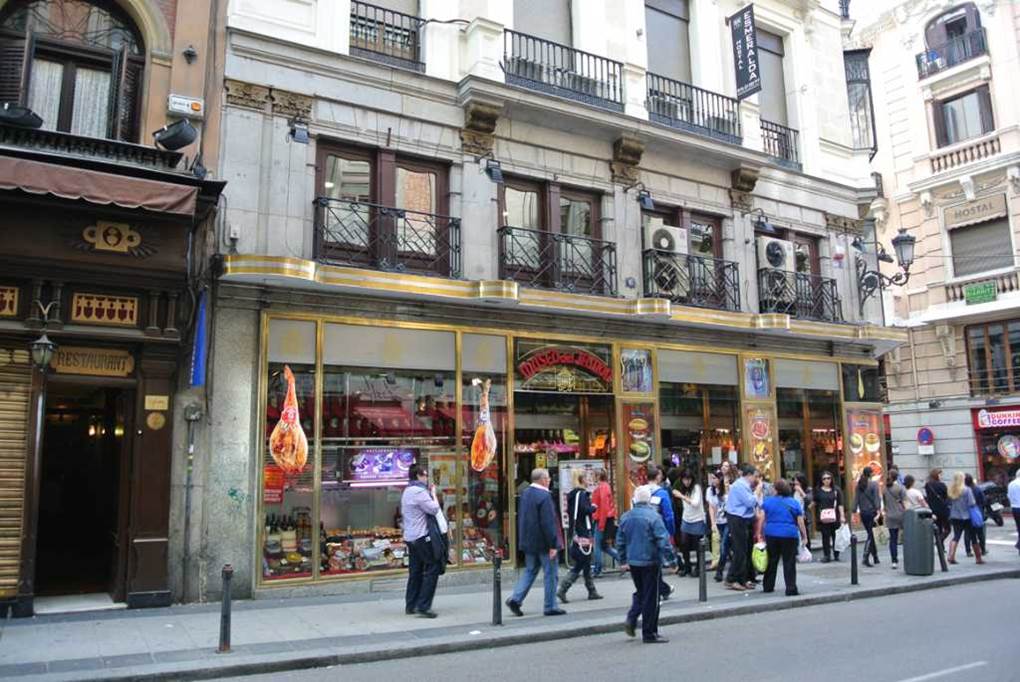
Gran Via Street is the city’s main street. The streets are lined with banks, famous shops, department stores, hotels, theatres and fine restaurants, making it Madrid’s main street. If you compare it to Tokyo, it would be Ginza Street.
Gran Via is where I walked around when I visited Madrid in 1968. At that time, it was the middle of summer, so department stores and other shops had their shutters down for two hours in the middle of the day due to siesta. Instead, at about 10 o’clock at night, the crowds here in Gran Via reached its peak, and I remember many couples cruising the streets until nearly midnight.
This time, I decided not to visit the glamorous Gran Via, but to spend my time exploring the back streets of the old town.
マドリード旧市街の街角
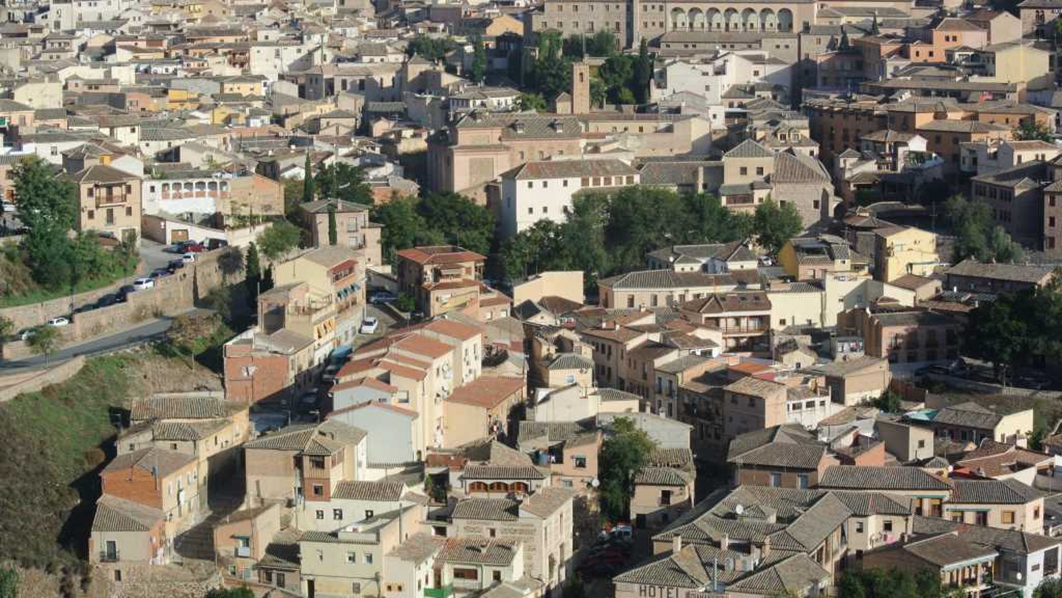
I wander through the alleys lined with historic buildings and enjoy the atmosphere of the olden days.
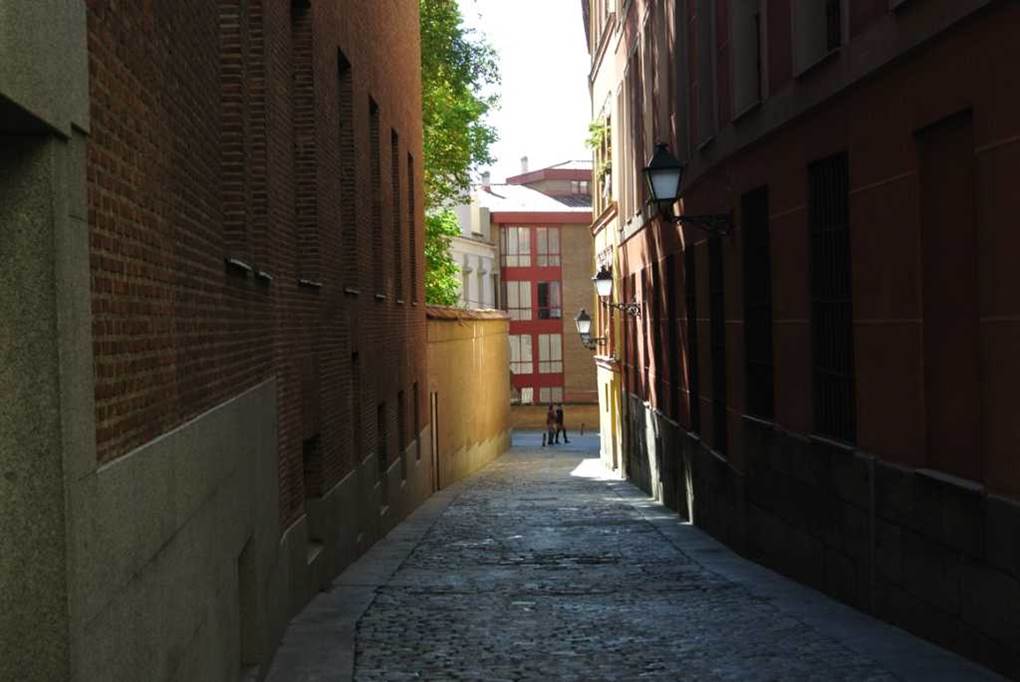
Photo by author, 2013
After passing through a dark alley, it became a bright square. The effect of shading on street corners is excellent.
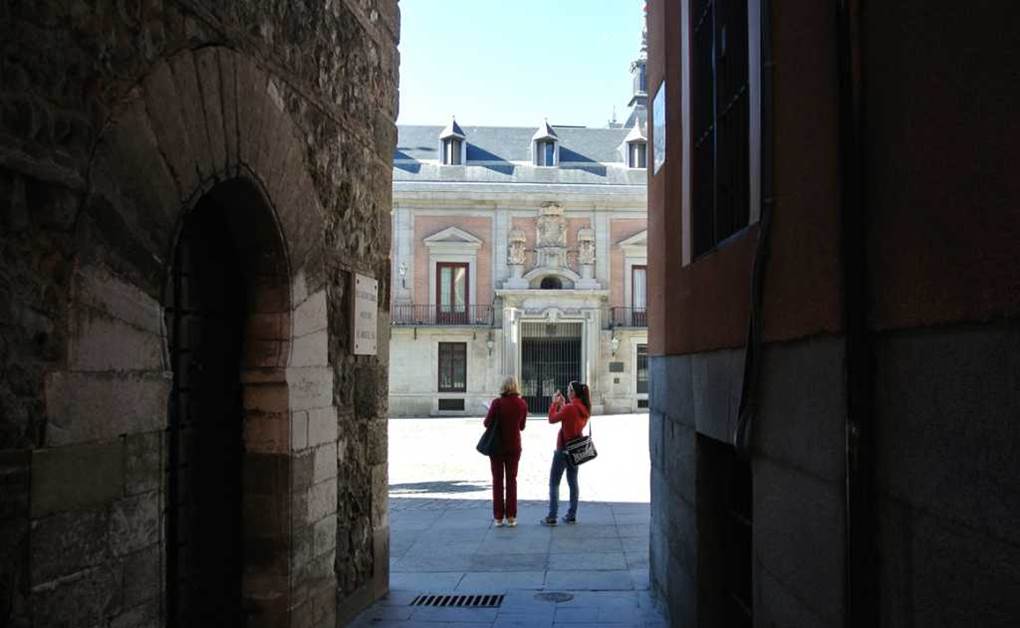
Photo by author, 2013
After passing through a narrow shady alley, there was a bright square in front of the church. The urban presentation is very striking.
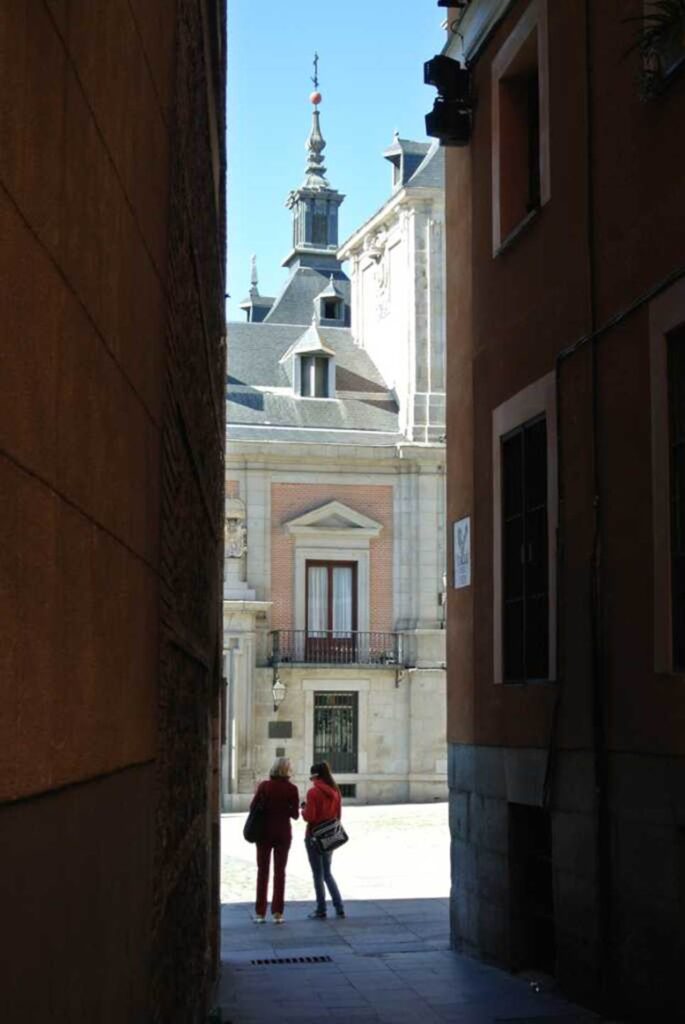
Photo by author, 2013
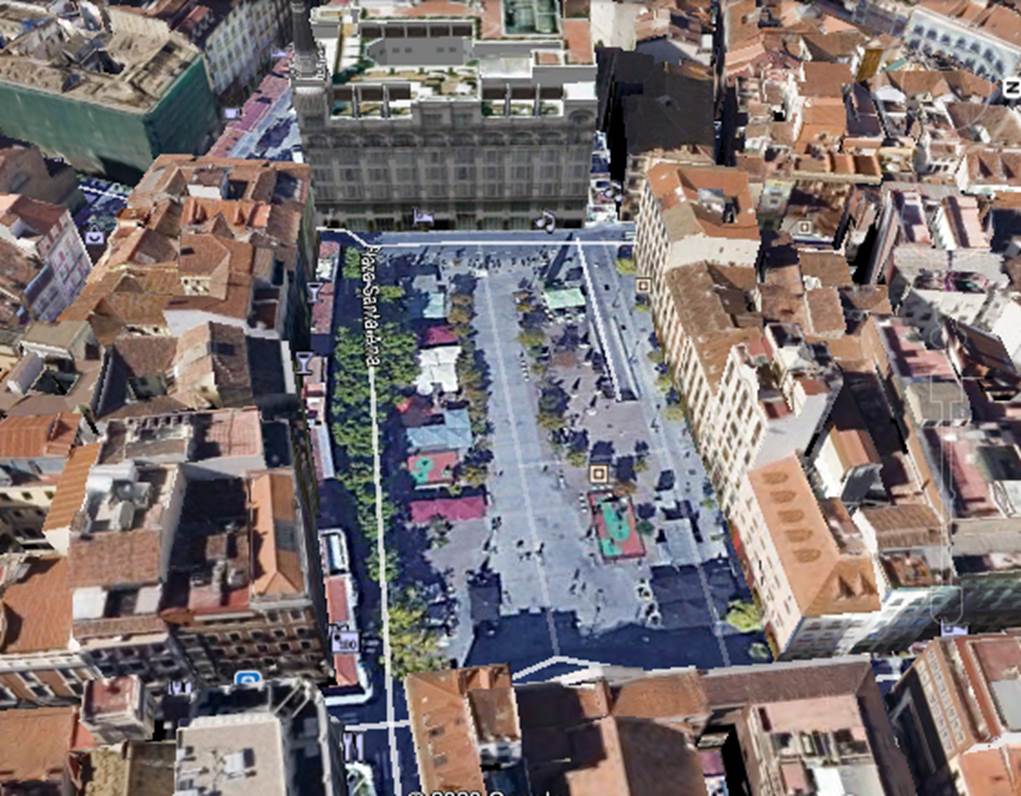
Plaza de Santa Ana (Nightlife Plaza)
Located halfway between the Prado Museum and Plaza Mayor, this square is bustling with cafes, bars, live music venues, theaters and flamenco. It is also a square where night bars are gathered.
Teatro Español (Madrid’s main theatre), located on Calle Príncipe, was built in 1745 at the height of the Golden Century (Siglo de Oro), when Spanish literature flourished.
About 150 years earlier, Cervantes, the author of the novel “Don Quixote,” also lived there, and this neighborhood was filled with the scent of culture.
ME Hotel Reina Victoria
The ME Hotel Reina Victoria is located on the west side of Plaza de Santa Ana and is the most prominent building in the square. Alongside it is Vija Rosa, a long-established flamenco tablao with exotic Arab style interior.
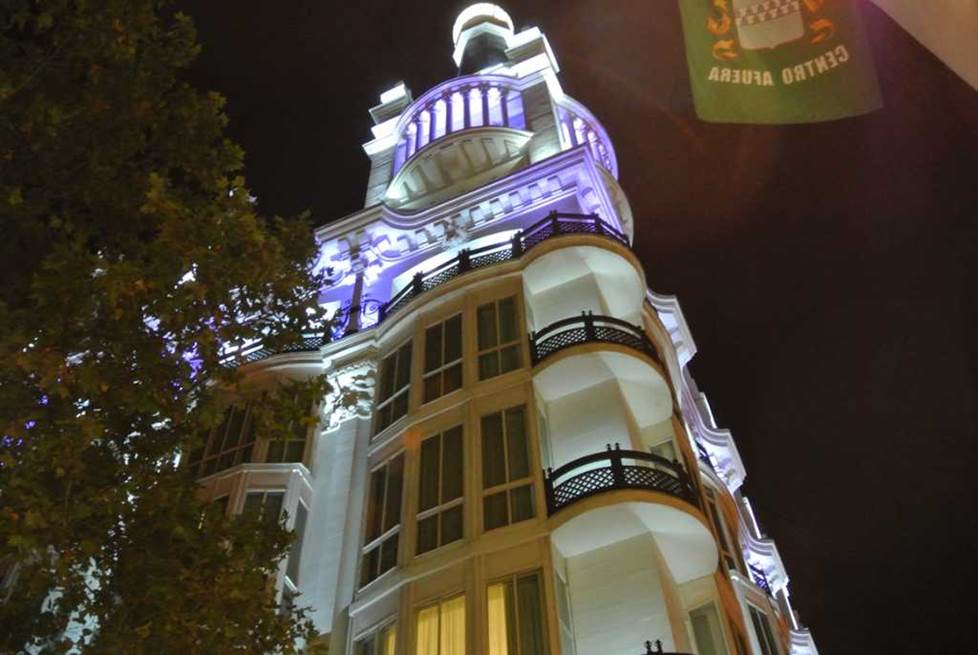
Photo by author, 2013
There is also a famous live music venue next to NH Palacio de Tepa.
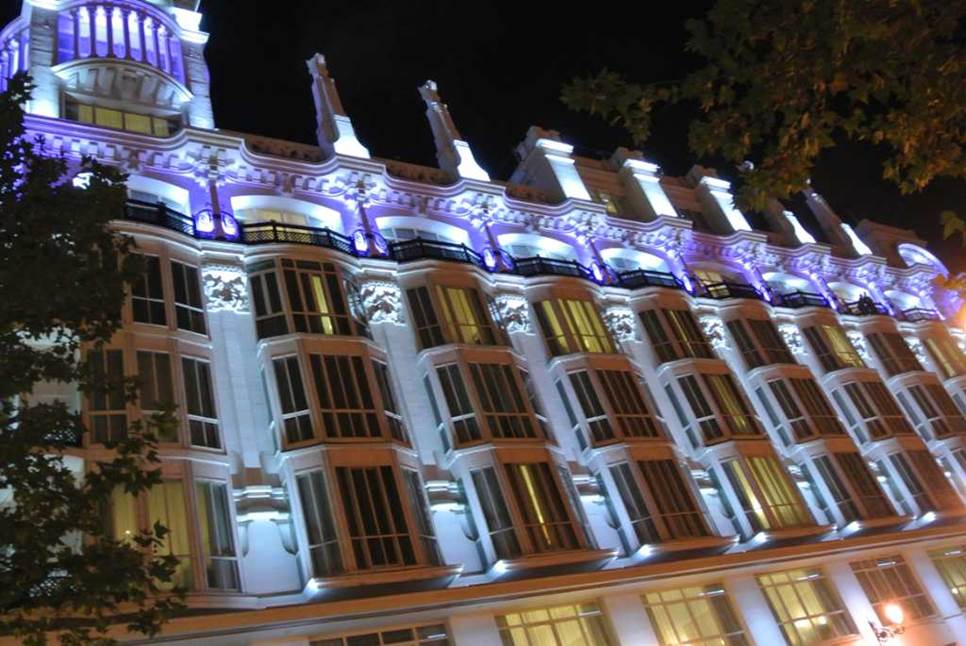
Photo by author, 2013
While wandering around the city in the evening, the night fell and I arrived at this square. The night lights began to come on, and it became a street corner that seemed to be an adult nightlife space.
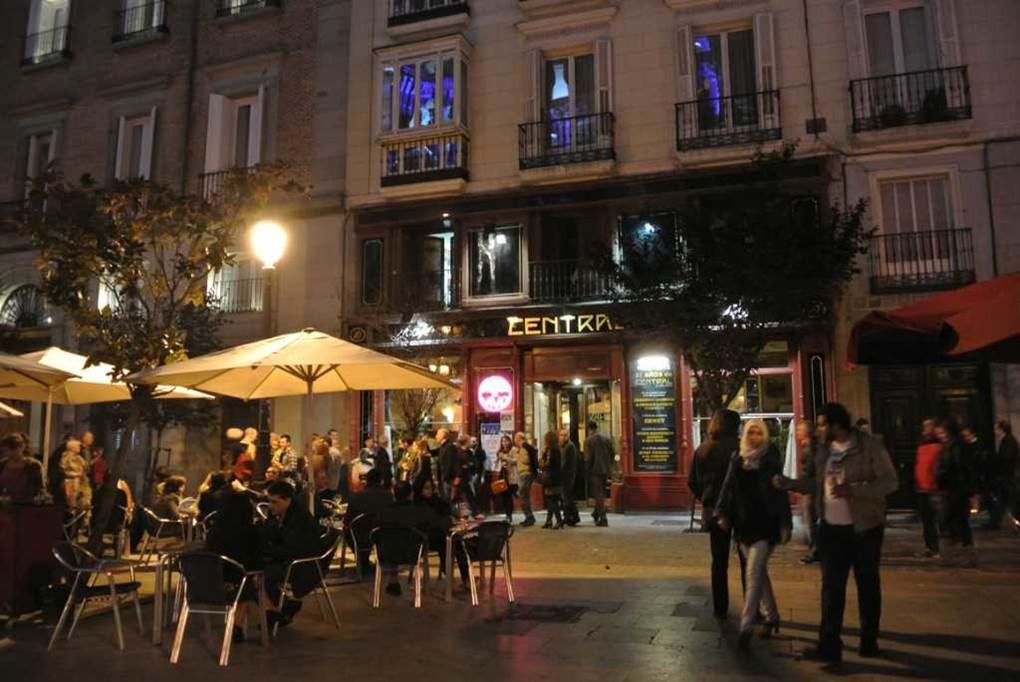
Photo by author, 2013
Casa Alberto, one of Madrid’s oldest bars, was located on the first floor of the house where Cervantes lived. Spend your nights bar-hopping in Madrid with tapas and wine as your companion.
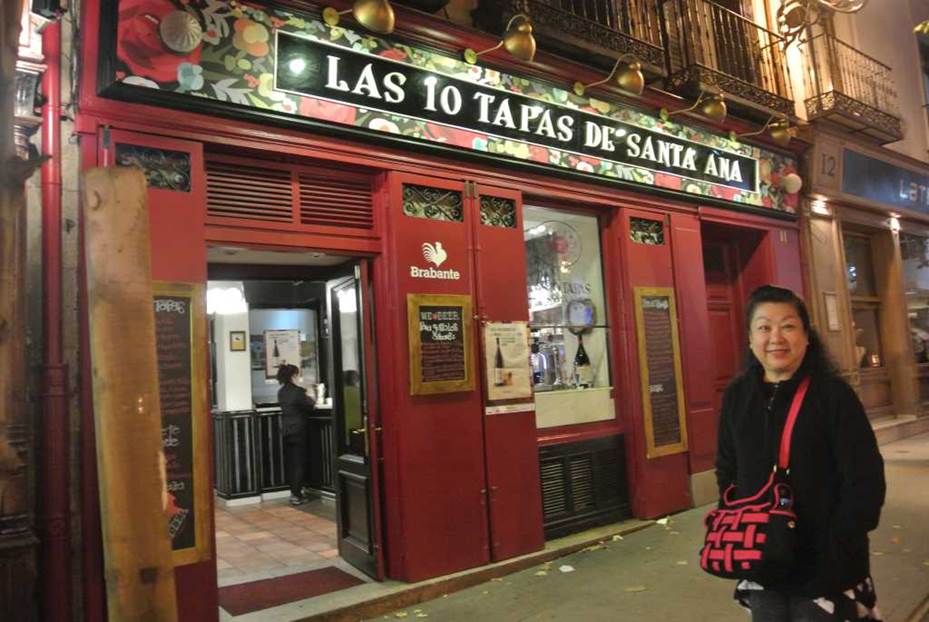
Photo by author, 2013
Calle Huertas, which stretches from the side of the Teatro Español to the Prado Museum, is one of Spain’s most famous bar streets. In the 1980s, there was the legendary bar El Echo, which started the serving the first mojito in Madrid.
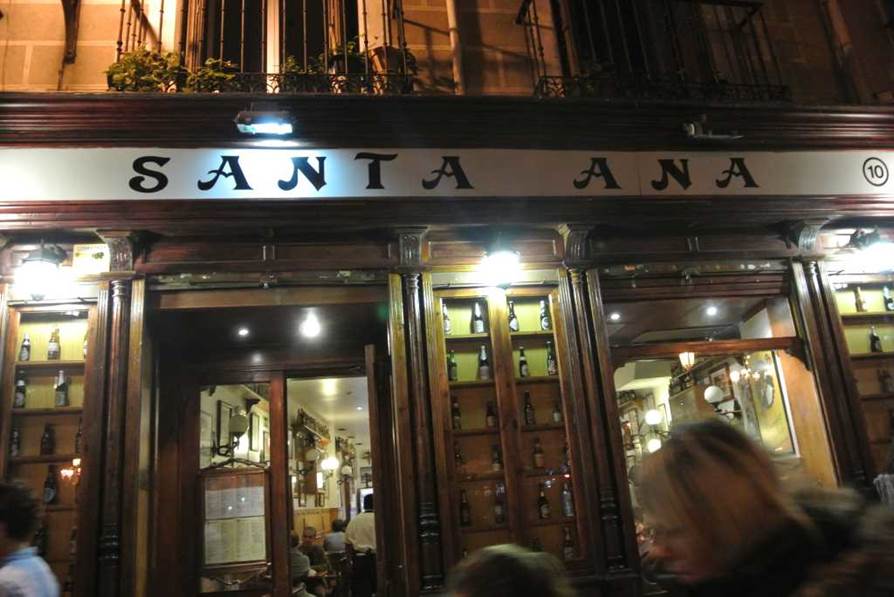
Photo by author, 2013
Hotel Ritz Madrid
Mandarin Oriental Ritz, Madrid
As I walked from the square of the Gate of the Sun, the origin of Madrid, to the next destination, the Prado Museum, I came across this Hotel Ritz. Located in the center of Madrid, the capital of Spain, which was once called the “empire where the sun never sets” in Europe, this hotel has been weaving history since the beginning of the 20th century.
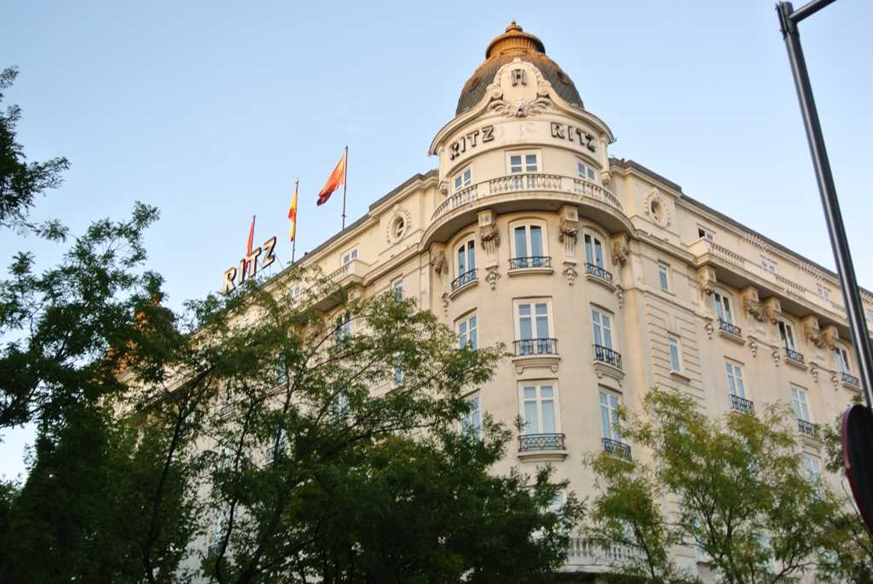
Photo by author, 2013
The Westin Palace, Madrid
Located near the heart of Madrid, just a stone’s throw from the Prado Museum, The Westin Palace, Madrid has been in business since 1912 and is a historic hotel.
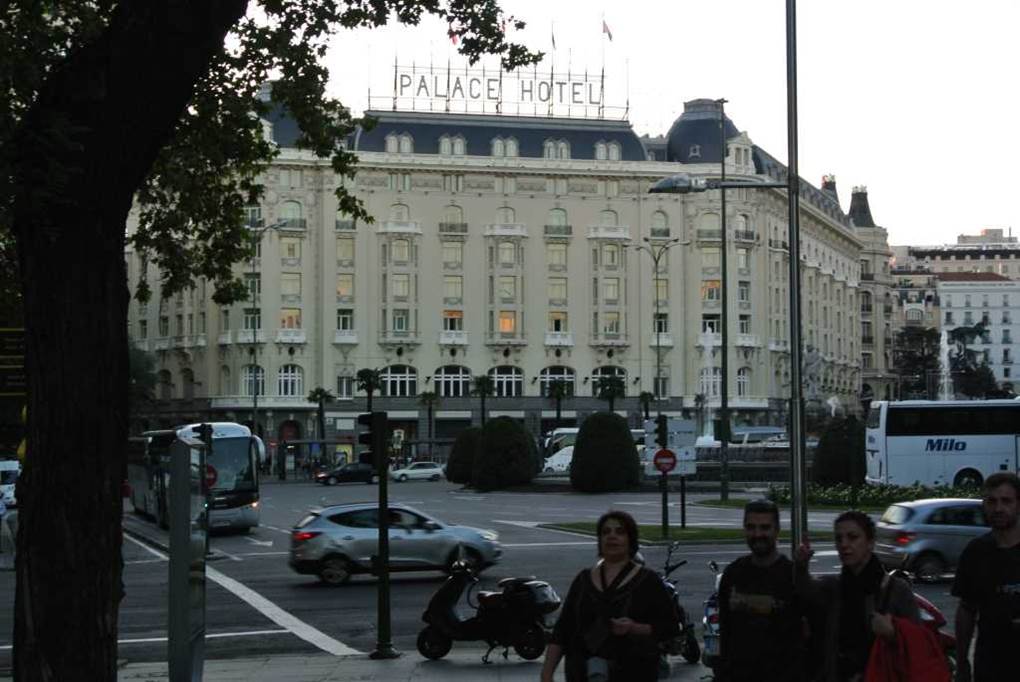
Photo by author, 2013
The humble entrance to The Westin Palace.
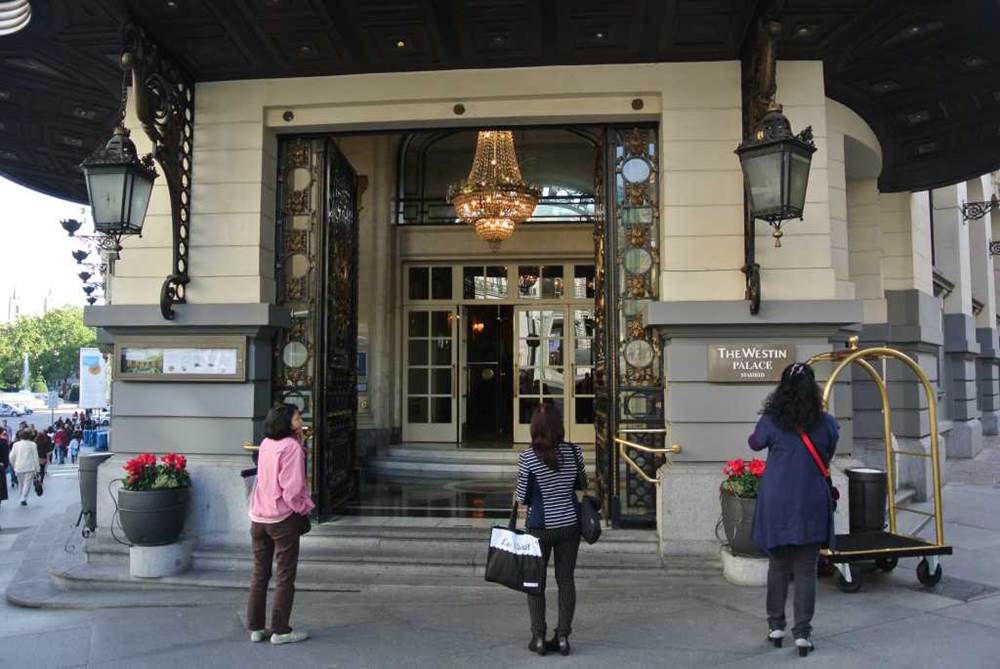
Photo by author, 2013
Prado Muesum
The Prado Museum is considered one of the three largest museums in the world, along with the Louvre in Paris and the British Museum in London. This is my second visit since 1968.
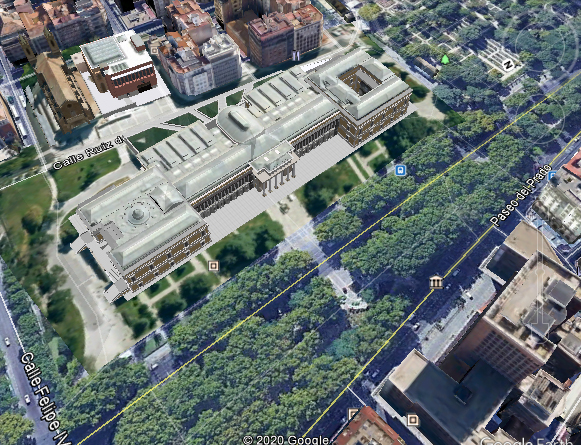
Adjacent to the east side of the old town, it is a museum that exhibits the collections of successive Spanish royal families.
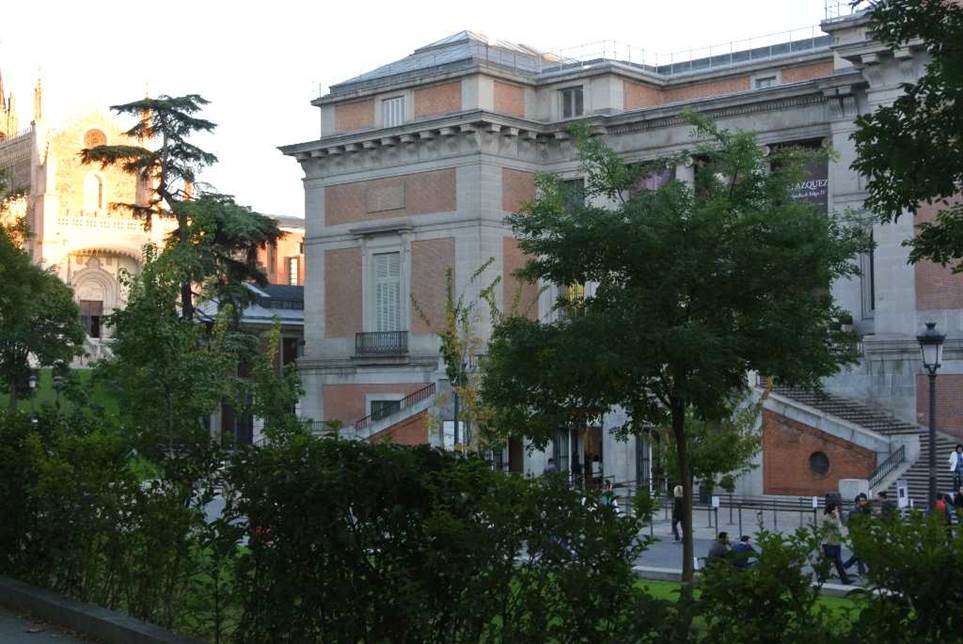
Photo by author, 2013
It opened in 1819 under the name of the Royal Museum of Fine Arts.
After the revolution of 1868, it was renamed the “Prado Museum” and is now a national museum, and in addition to Spanish paintings by Velázquez and Goya, it also has a large collection of foreign paintings.
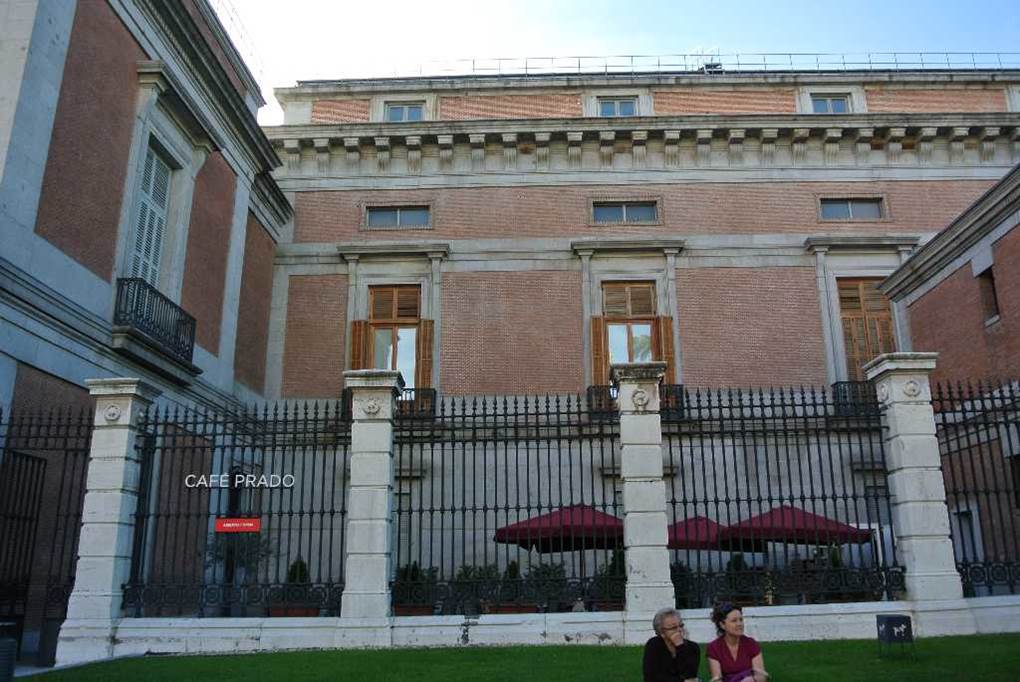
Photo by author, 2013
Part of the expanded new building.
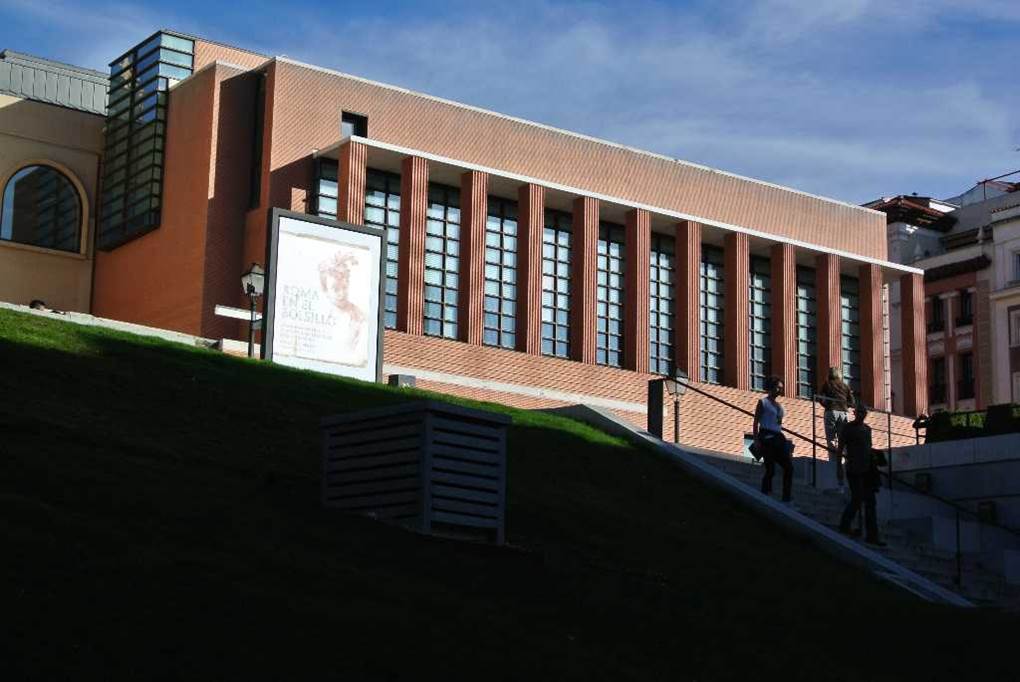
Photo by author, 2013
The opening door at the entrance. It’s very stylish.
They’ve managed to blend traditional and minimalist architecture well.
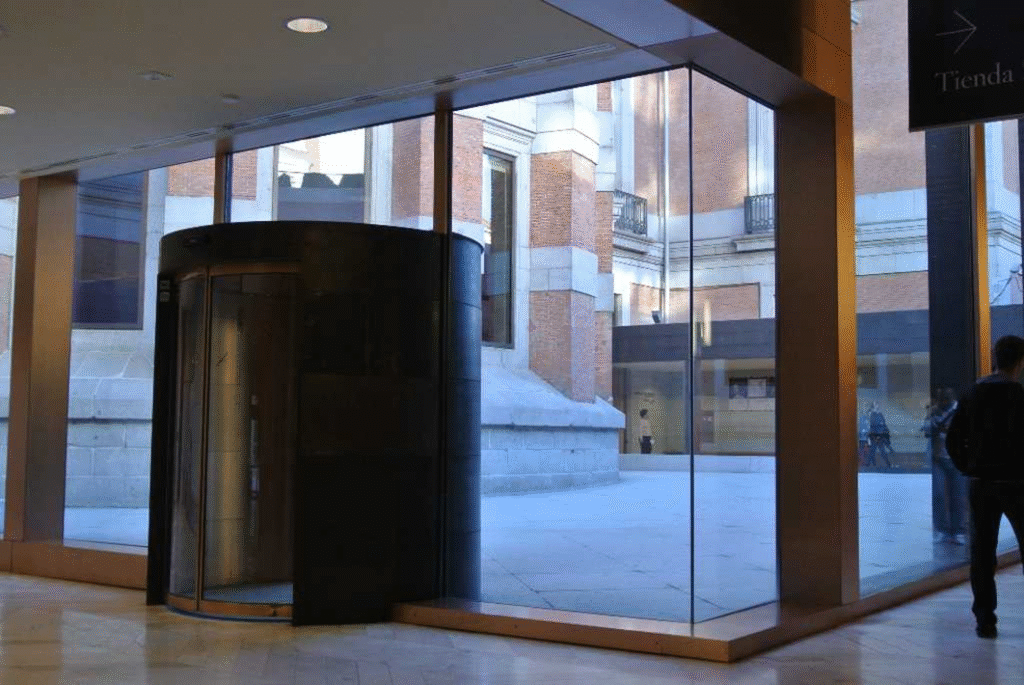
Photo by author, 2013
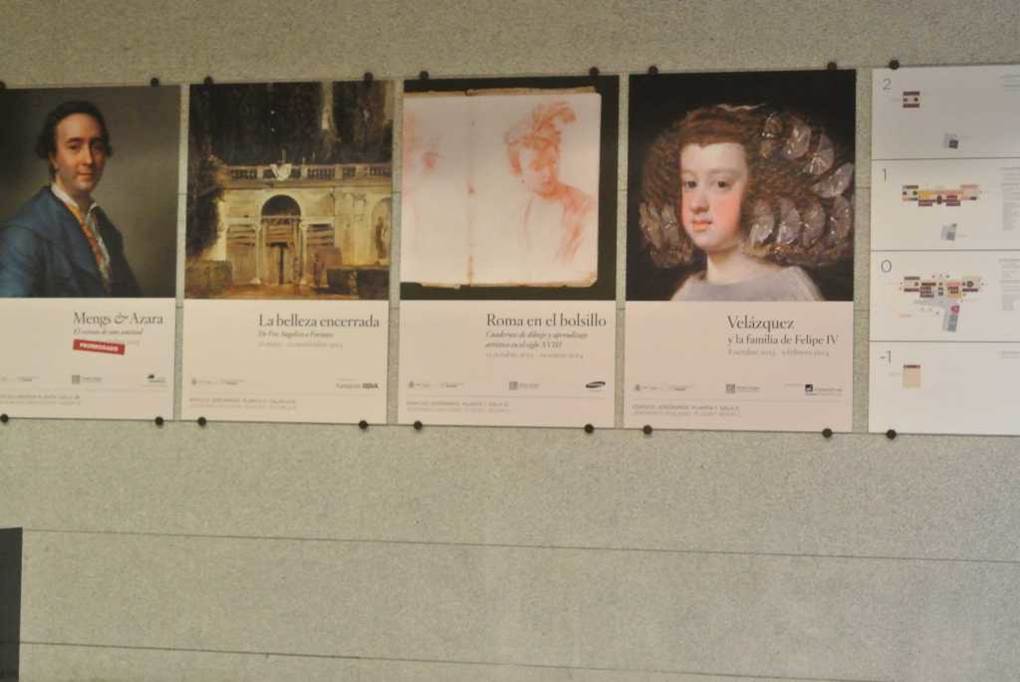
Photo by author, 2013
Church of San Jerónimo el Real
The church of San Jerónimo el Real, next to the Prado Museum.
Built in the 15th century, it is the only Gothic church in Madrid and the oldest religious building. It is a historic church where the coronation of the King of Spain was held.
The first Japanese to travel to Europe, the Tensho Era Youth Embassy, met King Philip II of Spain at this church. Upon further research…
The itinerary of the Tensho Era Youth Embassy arrived in Lisbon in August 1584 and stayed at the church of São Roque. In November 1584, they had an audience with King Philip II at this church in Madrid. After that, the group is said to have left for Italy.
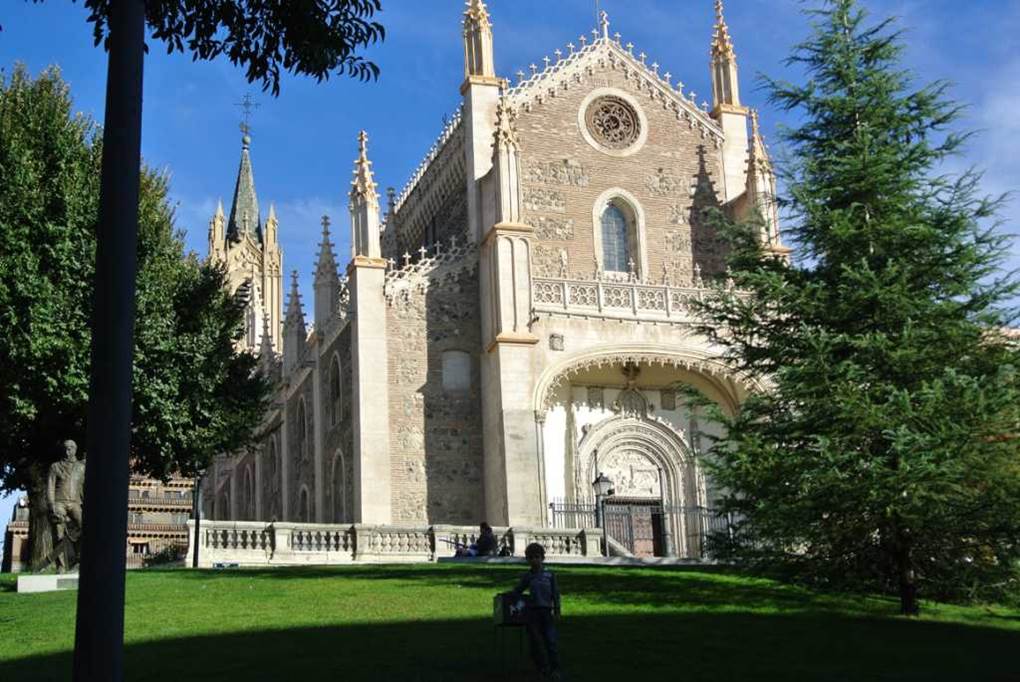
Photo by author, 2013
Atocha Station
Atocha station is near the south side of the Prado Museum.
Opened in 1851, it is Madrid’s first train station.
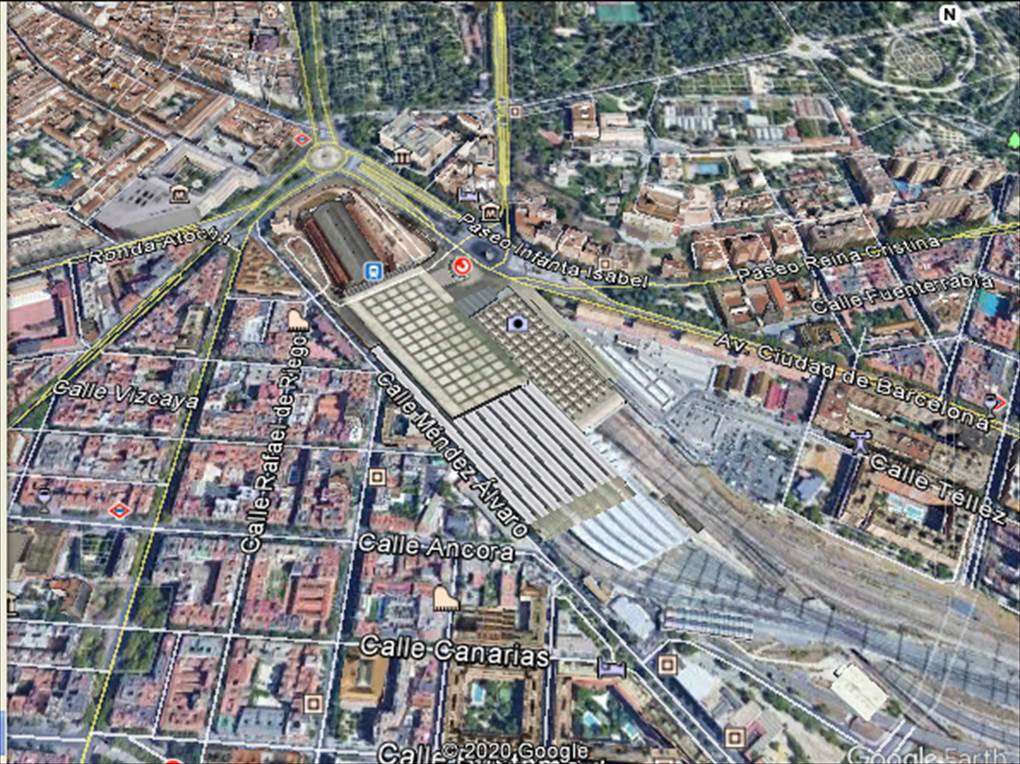
Spain’s AVE high-speed train opened in 1992 between Madrid’s Atocha station and Seville (471 km) to coincide with the Seville World Expo.
Atocha station is also the starting point for long-distance train routes to Lisbon. It is also a terminal station for suburban lines connecting the Madrid metropolitan area and is also connected to the metro.
As you can see in the photo, it is a terminal station with a magnificent style.
The Spanish flag flying high at the top of the arch.
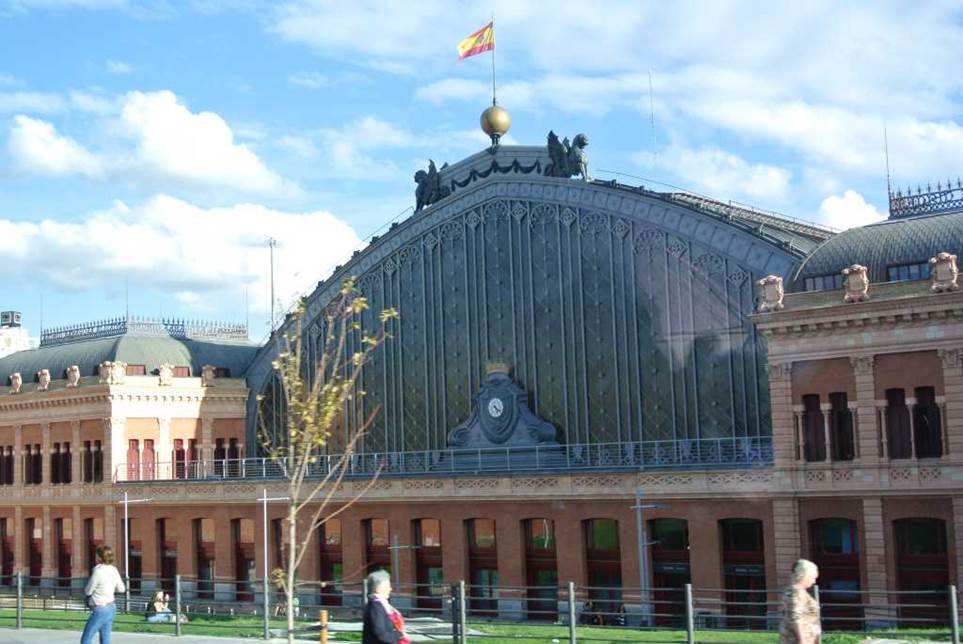
Photo by author, 2013
Chamartín Train Station
This is Chamartin Station, located about 6km north of Centro, the old town of Madrid. Nearby are the new developments of four skyscrapers.
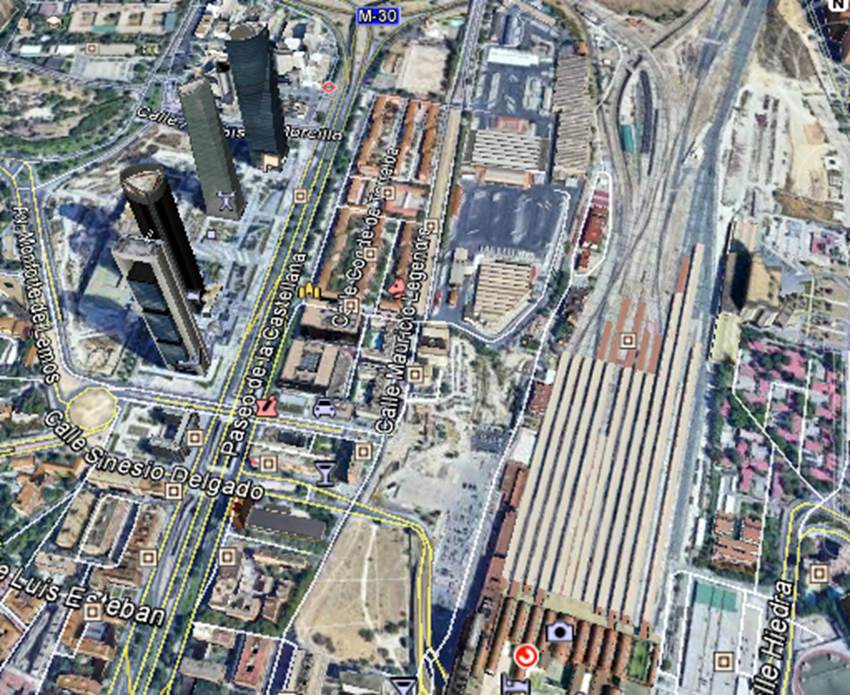
From Chamartín station, there are northbound domestic trains to cities in northern Spain, such as Segovia, El Escorial, Salamanca, León, Santiago de Compostela, San Sebastián and Bilbao.
International sleeper trains are available to Lisbon and Paris.
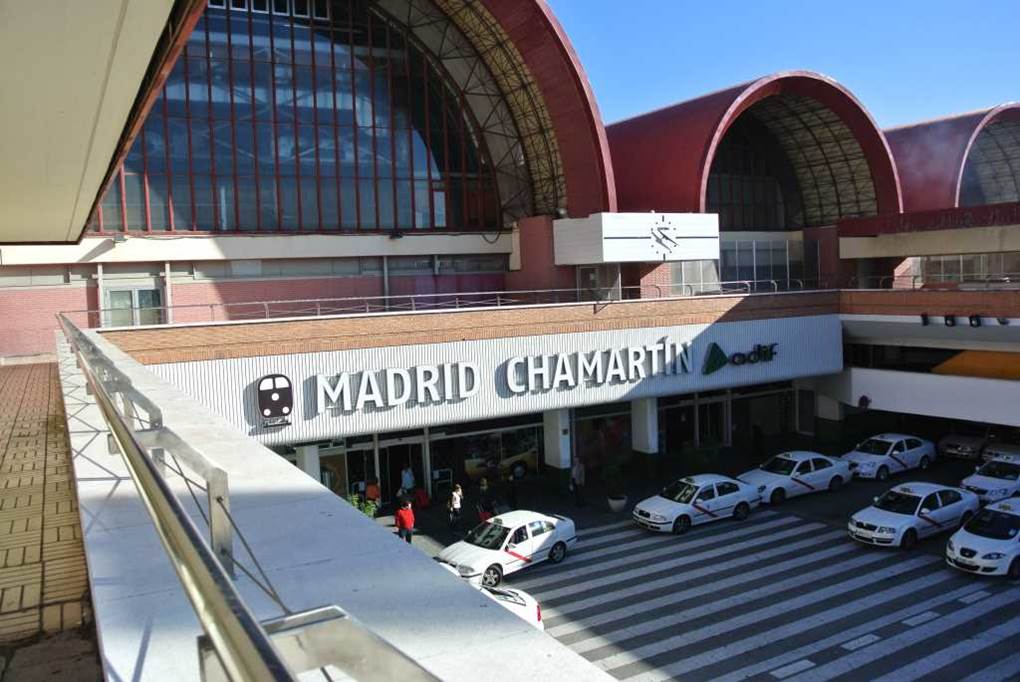
Photo by author, 2013
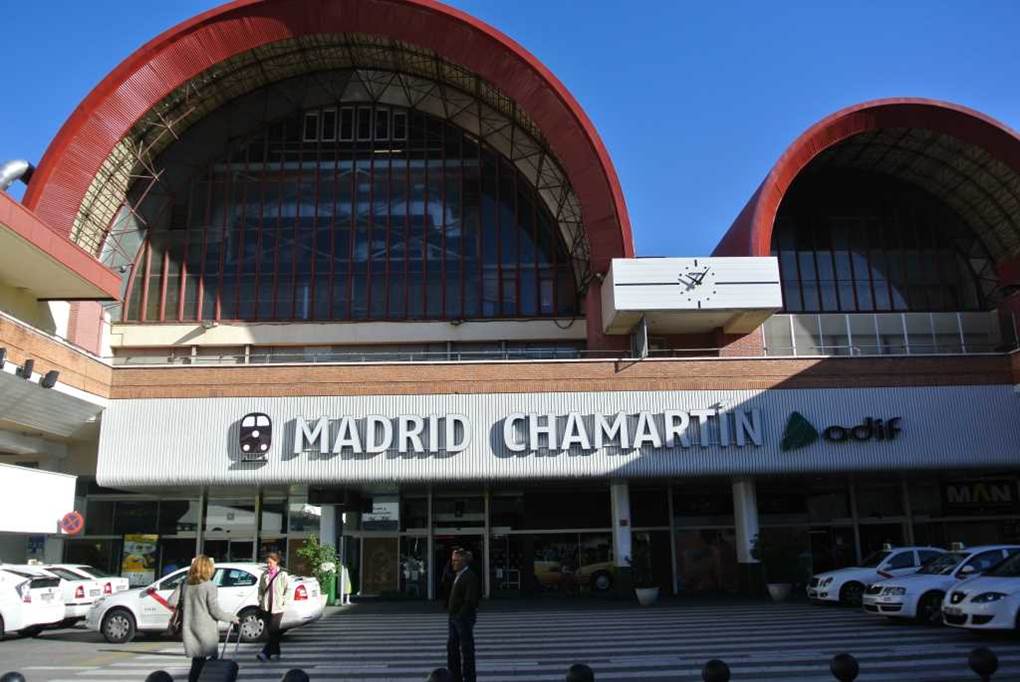
Photo by author, 2013
In the summer of 1968, I arrived at the station from Lisbon and stayed in a cheap hotel in Madrid for a few days to see the city. Later, I remembered that I took an international sleeper train from the same station to Paris.
The announcement of the station’s destination was only in Spanish, and a group of American students were puzzled. It’s a big station, so if you don’t understand the announcement, you won’t be able to reach the desired platform. I checked their destination and told them in English where they were going.
If you understand Portuguese, you can interpret Spanish words in a certain way, so it was useful for people. It was back in 1968.
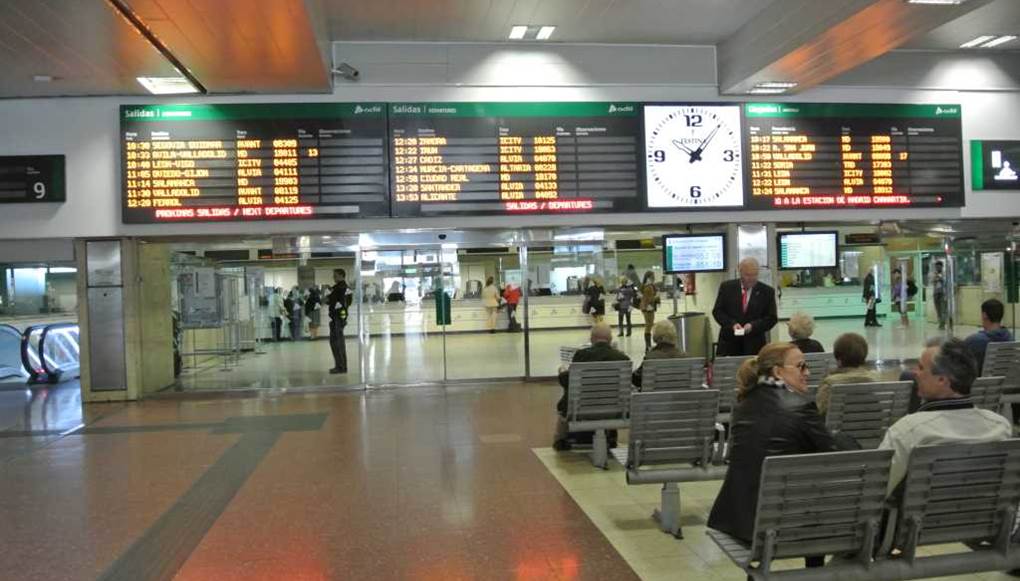
Photo by author, 2013
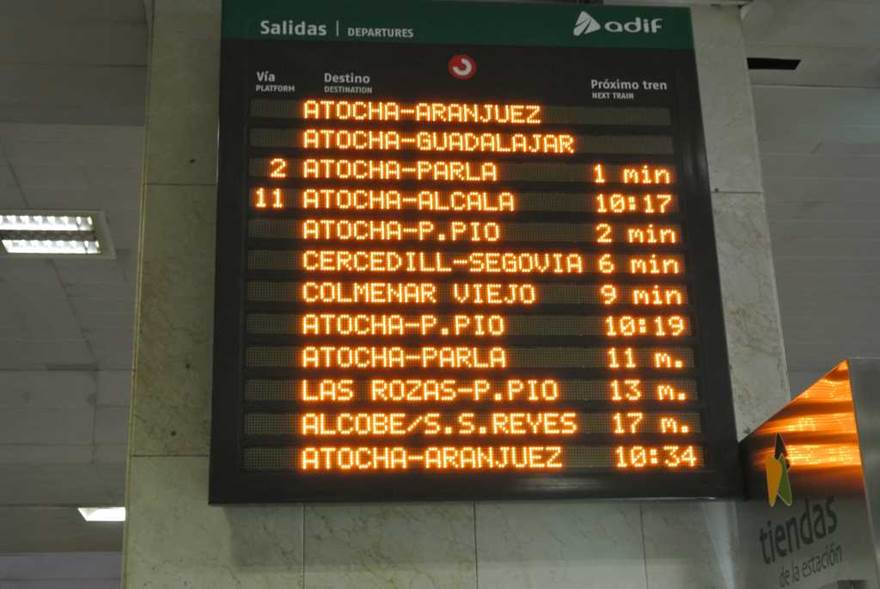
Photo by author, 2013
Chamartín Station is a station that I have a special place in my heart, and I went up to the top of the overpass to look at the tracks.
On the far right, you can see the sloping twin buildings, the Europa Tower.
Photo taken on the south side of Chamartín station.
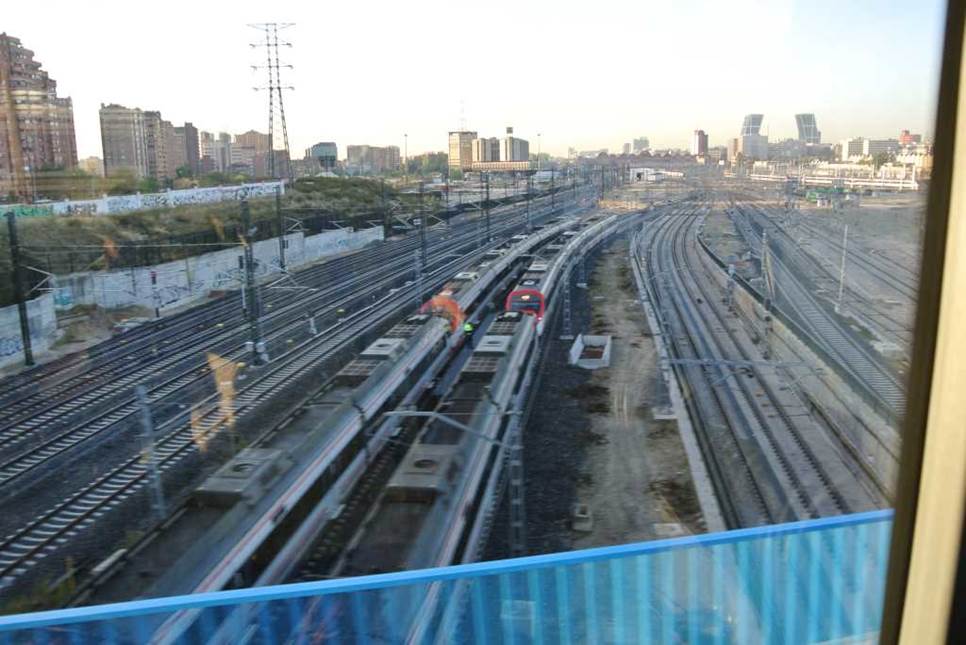
Photo by author, 2013
On the north side of the Chamartín station overpass.
From here, the railway line leads to Paris.
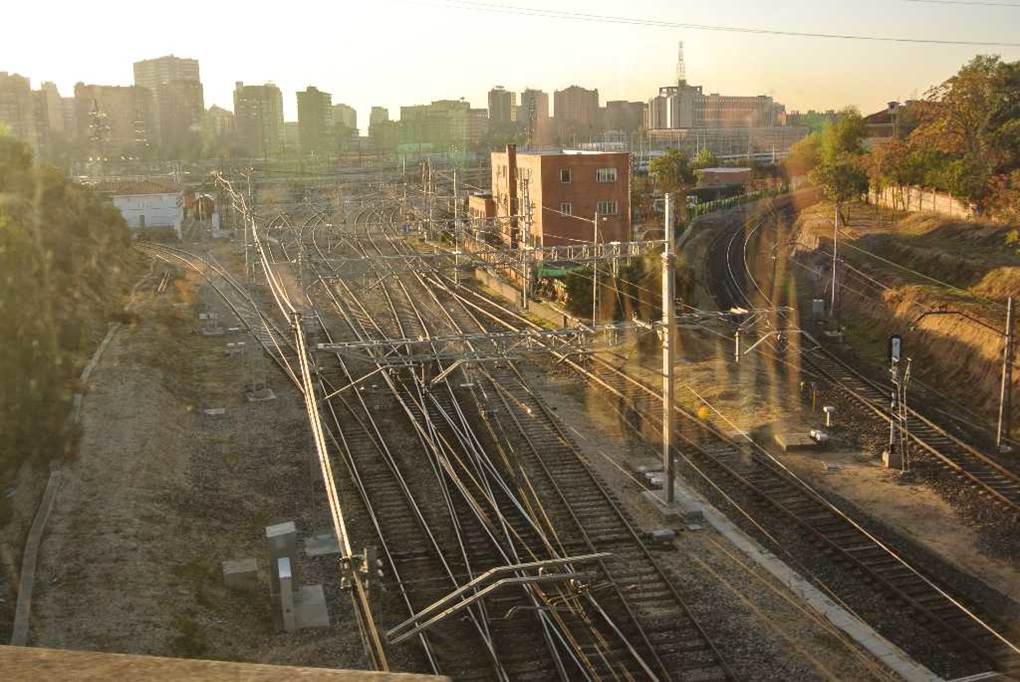
Photo by author, 2013
HOTEL CHAMARTIN
This hotel is conveniently located next to Chamartin Station. It is also a terminal station where the national railways and the metro intersect, and has good access to the city center, making it a good base for train travel based in Madrid. There is a simple, plain entrance to the hotel on the parking lot level on the second floor.
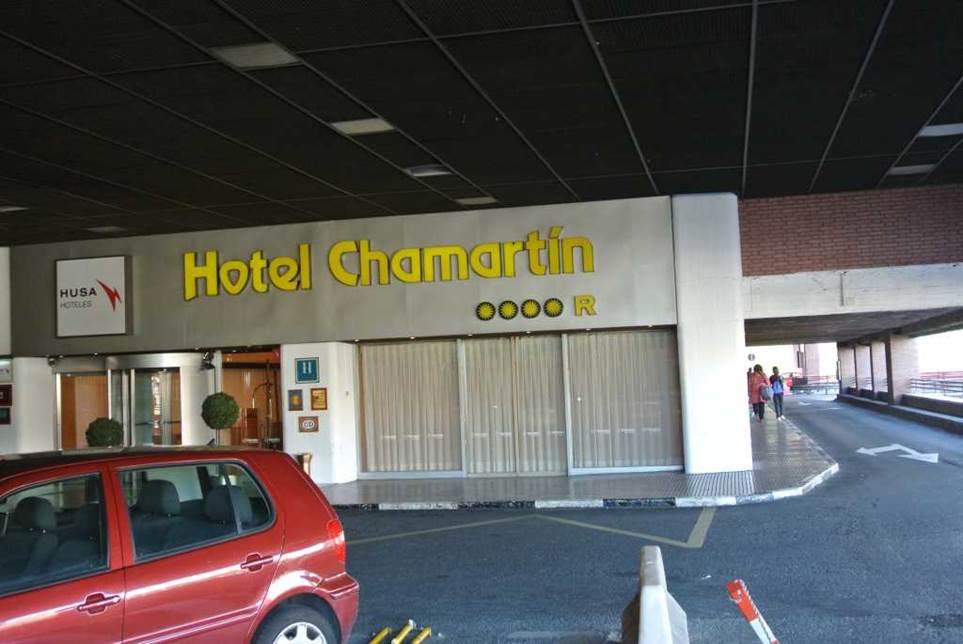
Photo by author, 2013
HOTEL CHAMARTIN photographed from the Chamartin Station exit.
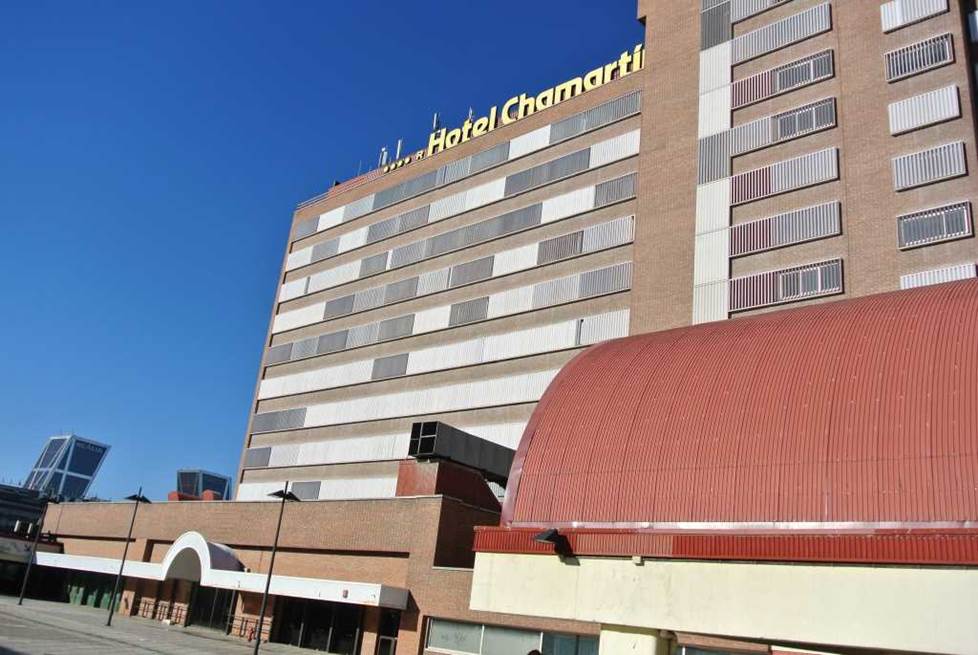
Photo by author, 2013
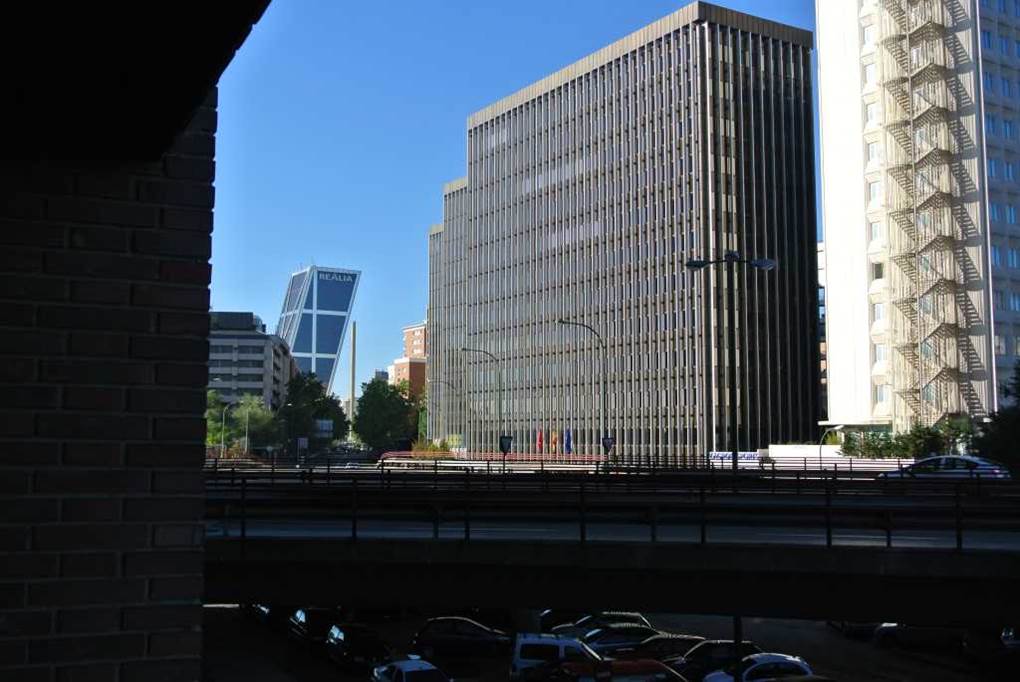
Photo by author, 2013
Cuatro Torres Business Area
Cuatro Torres Business Area: Area de negocios Cuatro Torres or Cuatro Torres Business Area, meaning “business area of the four towers”.
Construction of the four skyscrapers began in 2004 and was completed in 2008, marking the emergence of Madrid’s new business district. It is located in the new town block that emerged on the west side of Chamartín station.
Buildings from left to right:
(1) Torre Caja Madrid. It is 250 meters high and has 45 floors. The designer is Norman Foster.
(2) Torre Sasir Valleermoso. 236 meters high, 52 floors
(3) Torre de Cristal. Height 249.5 meters. 52 floors. Designed by Scissor Perri.
(4) Torre Espacio. 224.5 meters high, 57 floors
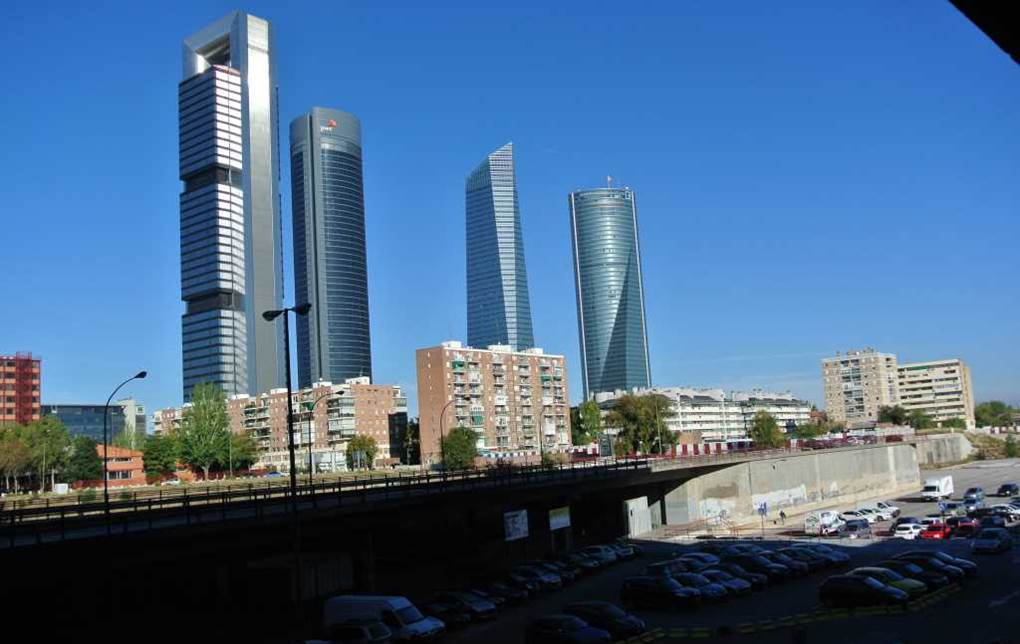
Photo by author, 2013
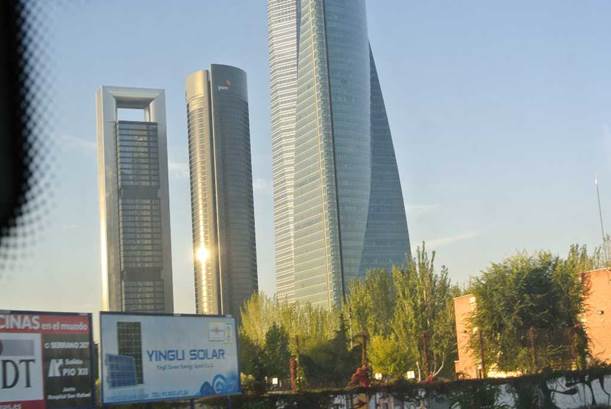
Photo by author, 2013
Gate of Europe
(PUERTA DE EUROPA)
A twin tower near Chamartin Station. It means “Gate of Europe”. It is located near the northern end of the main street that runs north and south through Madrid, with two towers facing each other that hangs over the street. The twin towers are 115 meters high and have 26 floors. It was completed in 1996.
Both towers are tilted 15°. It was designed by the famous British architect Philip Johnson.
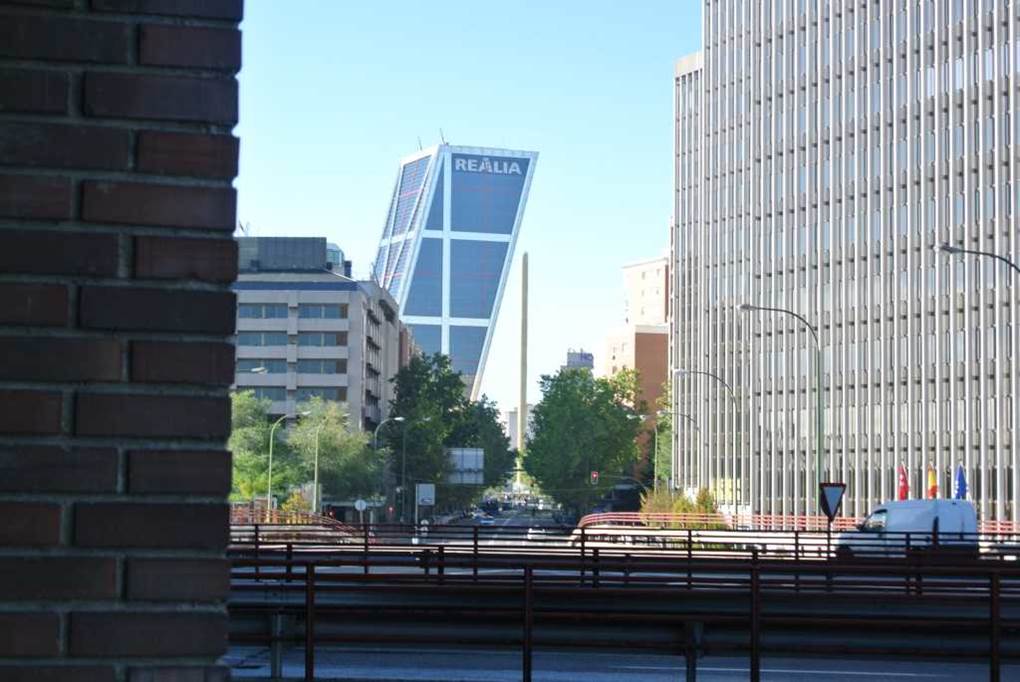
Photo by author, 2013
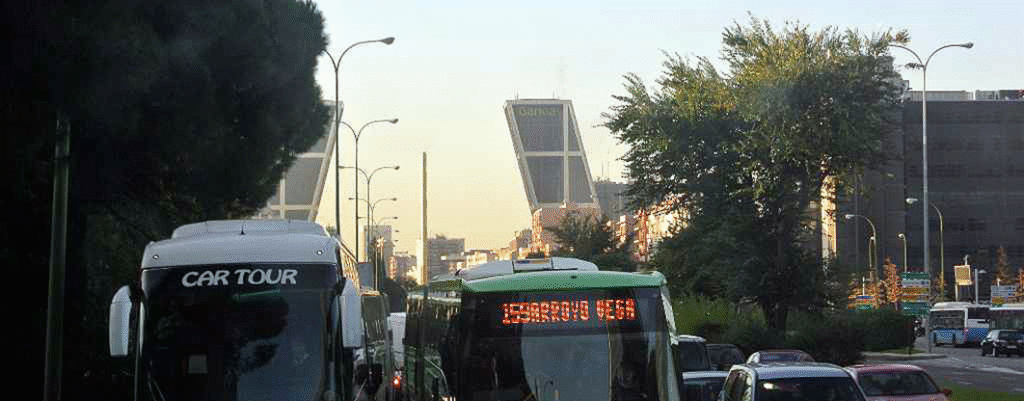
Photo by author, 2013
Gate of Europe
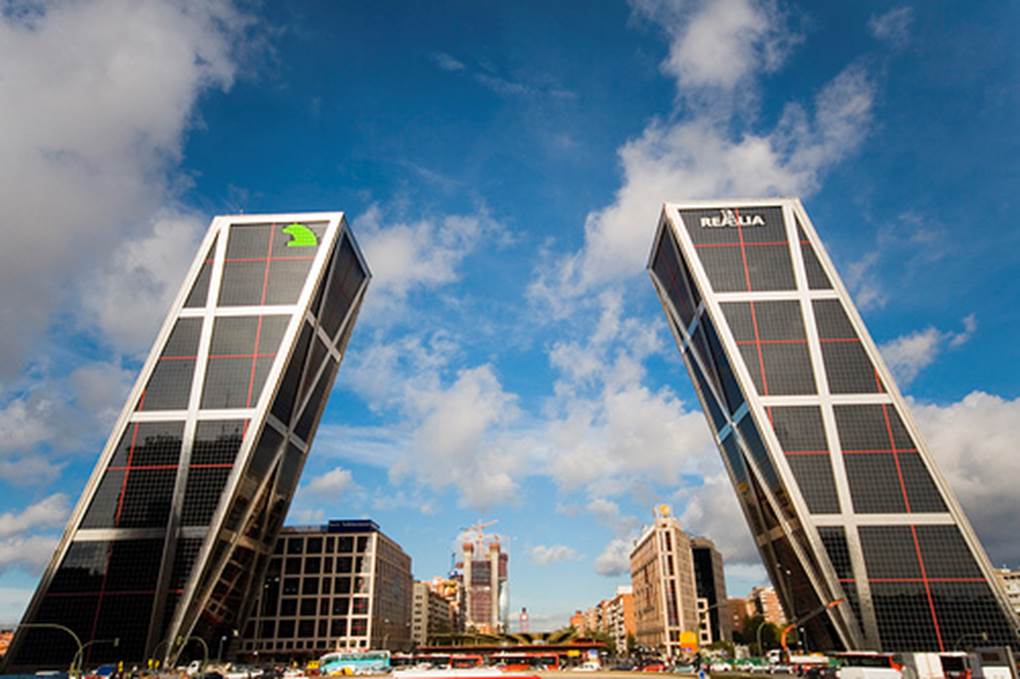
Photo by author, 2013
All photos by author, Oct 2013