JAP | ENG
Hong Kong, Macau
#2/2
1979~1981
Hong Kong S.A.R
Hong Kong Island in 1979
There are three buildings that were symbols of the Central district of Hong Kong Island at that time. The Mandarin Hotel opened in 1963 (now Mandarin Oriental Hong Kong) on the far right, and the Hong Kong Hilton (where I stayed in 1969), which opened in 1963 and closed in 1995, is on the left.
These two hotels and the Peninsula Hotel on the Kowloon side were the three main hotels in Hong Kong at the time. The lounge on the first floor of the Peninsula Hotel had a reputation for having a colonial atmosphere that celebrities liked, and it was a place where you could drink very good coffee.
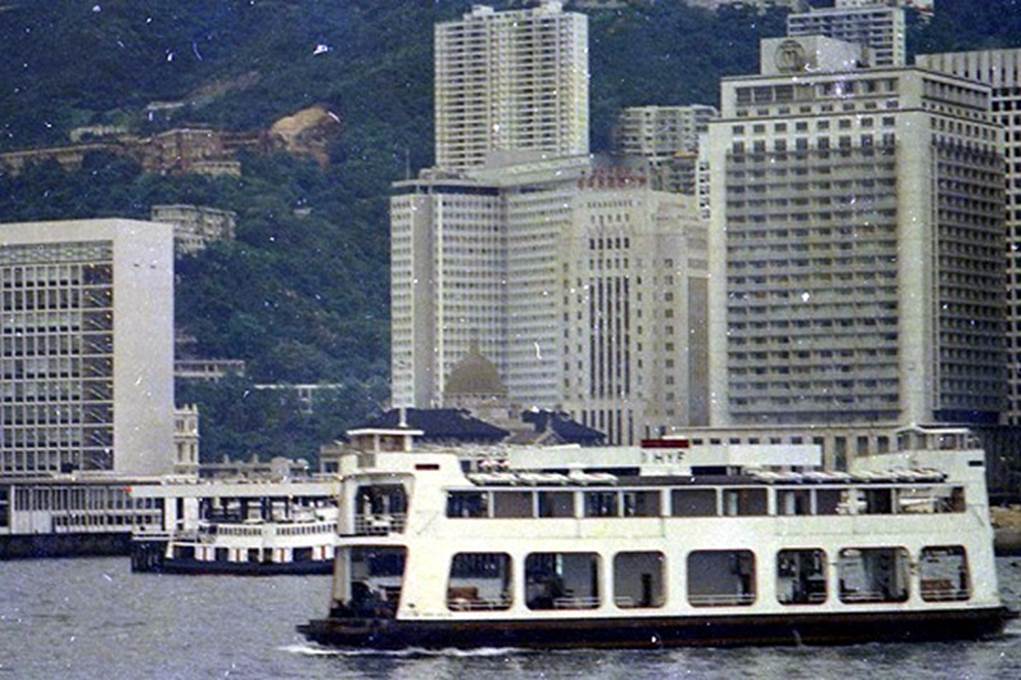
Mandarin Hotel (now Mandarin Oriental Hong Kong) on the right and Hong Kong Hilton on the left
Sandwiched between the two hotels, the Bank of China (Hong Kong) is located in Central, the business district of Hong Kong Island.
Photo by author, 1979
Star ferry from Hong Kong Island to Kowloon
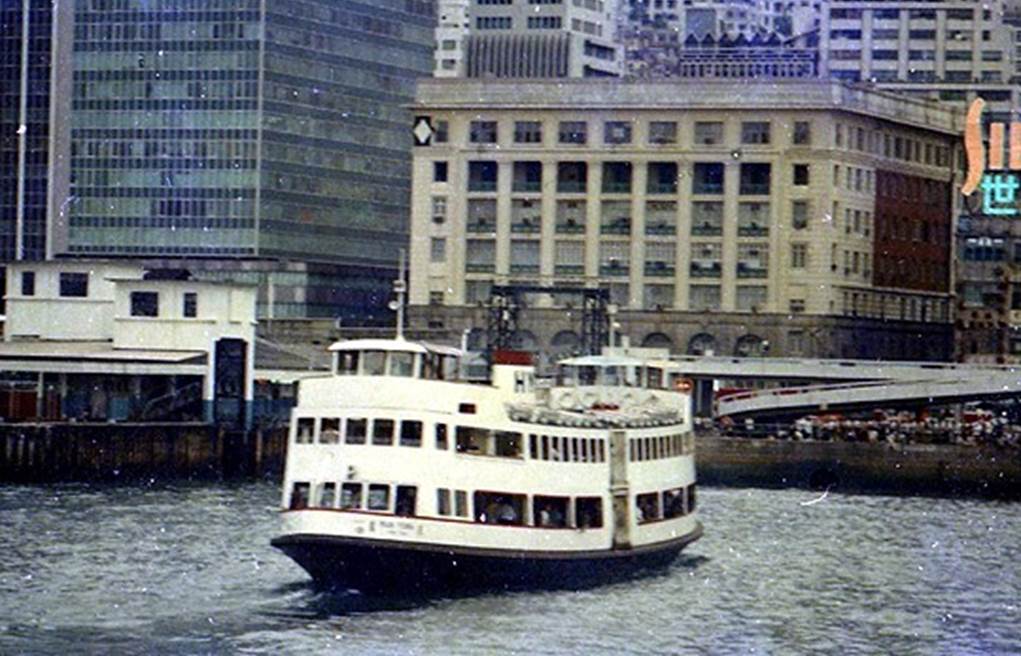
Photo by author, 1979
Central District, Hong Kong Island
In 1979, there was a lot of greenery growing on the slopes of Hong Kong Island. Ten years later, many skyscrapers were built in front of it, and the green scenery disappeared.
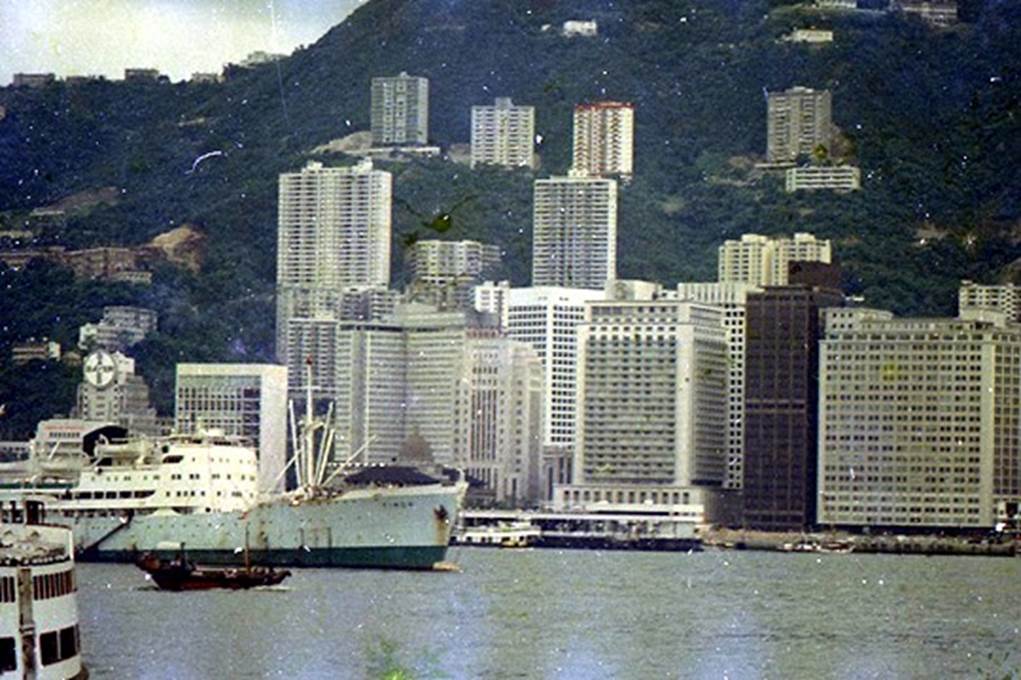
Photo by author, 1979
Mandarin Hotel (now Mandarin Oriental Hong Kong) on the left.
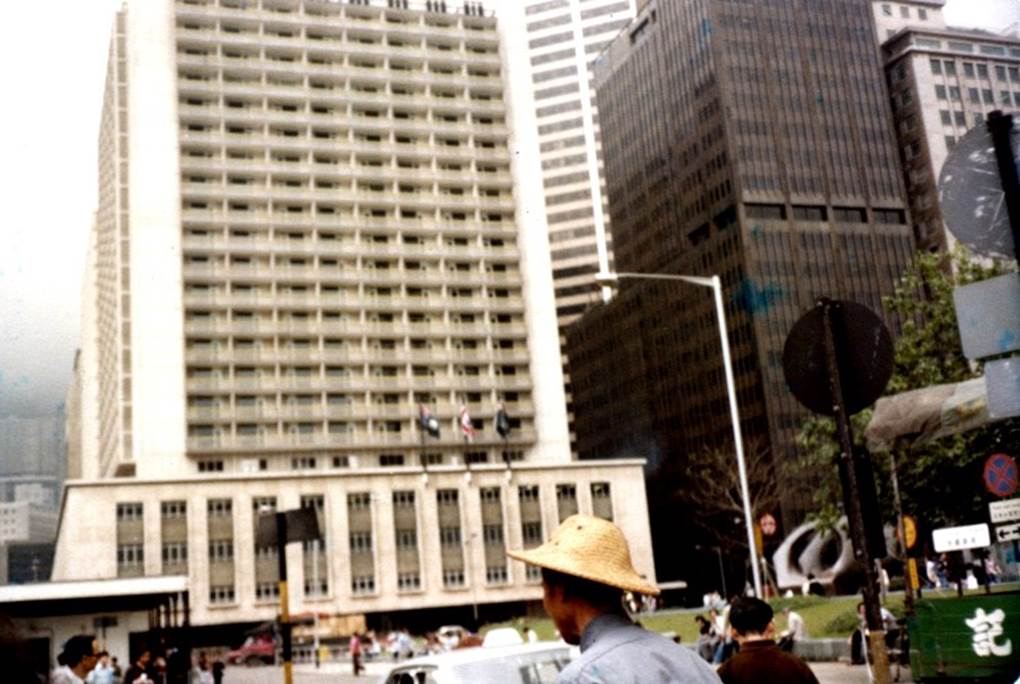
Photo by author, 1979
Rickshaw in the square in front of the Mandarin Hotel.
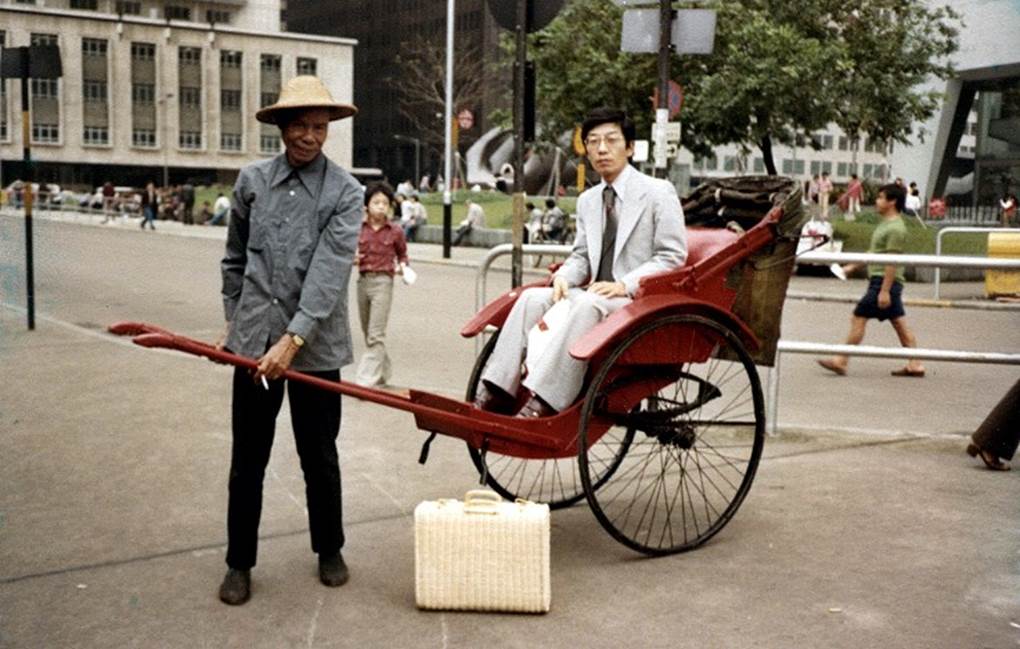
Photo of author, Hong Kong in 1979
Hydrofoil boat to Macau 1979
Taking advantage of this opportunity to visit Hong Kong, I decided to visit Macau, which was still an unknown place to me.
The boat that went to Macau was a hydrofoil boat, which was rare at the time.
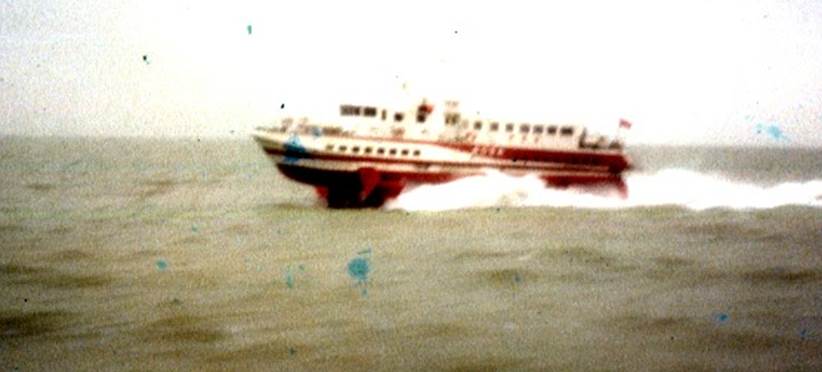
Hydrofoil boat connecting Hong Kong and Macau,
Photo by author, 1979
Hotel Lisboa
Very close to the dock on the Macau side of the ferry was the Hotel Lisboa.
On the first floor, there was a gambling table near the entrance of the hotel, and it was crowded with Hong Kong’s wealthy class and celebrities.
It was a good time when there was lax surveillance of the passers-by.
At that time, Macau was nothing compared to Las Vegas.
It was only a small casino city.
Later, out of curiosity, I decided to go near the Macau border to see mainland China on the other side of the river.
China was still in a state of national isolation, and on the other side of the river lay a quiet rural landscape with no movement.
At that time, China’s GDP was less than one-third of Japan’s.
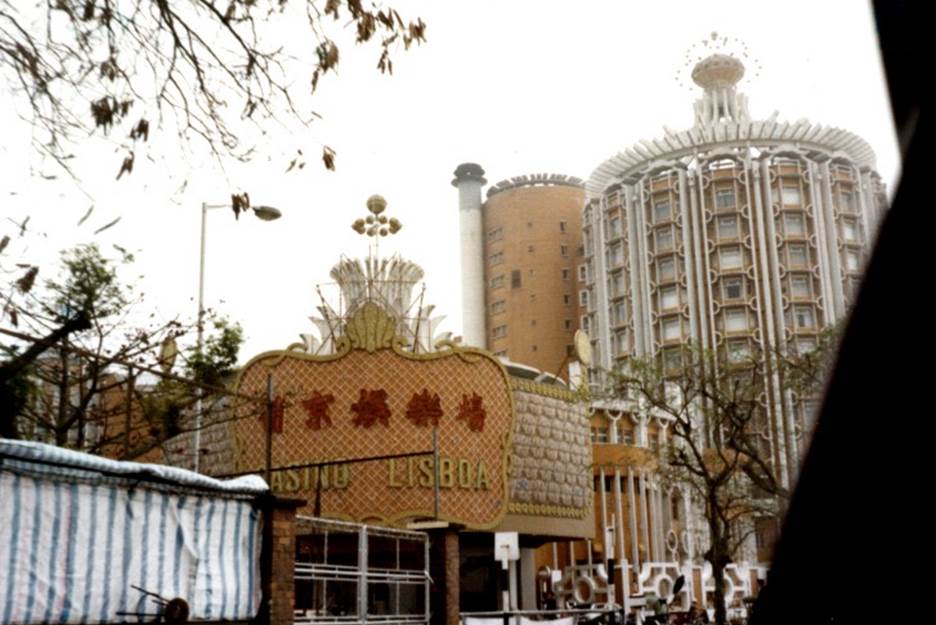
Macau’s only casino at that time, Hotel Lisboa,
Photo by author, 1979
What were the words that the Catholic nuns were talking about?
As I walked along the road of large mansions along the seafront, I passed several Catholic nuns.
I overhead their conversation.
It was easy to understand as the language they were speaking was Portuguese.
Through my ears, I realized the reality that Portugal, now a small country, still owned territory in this faraway corner of Asia.
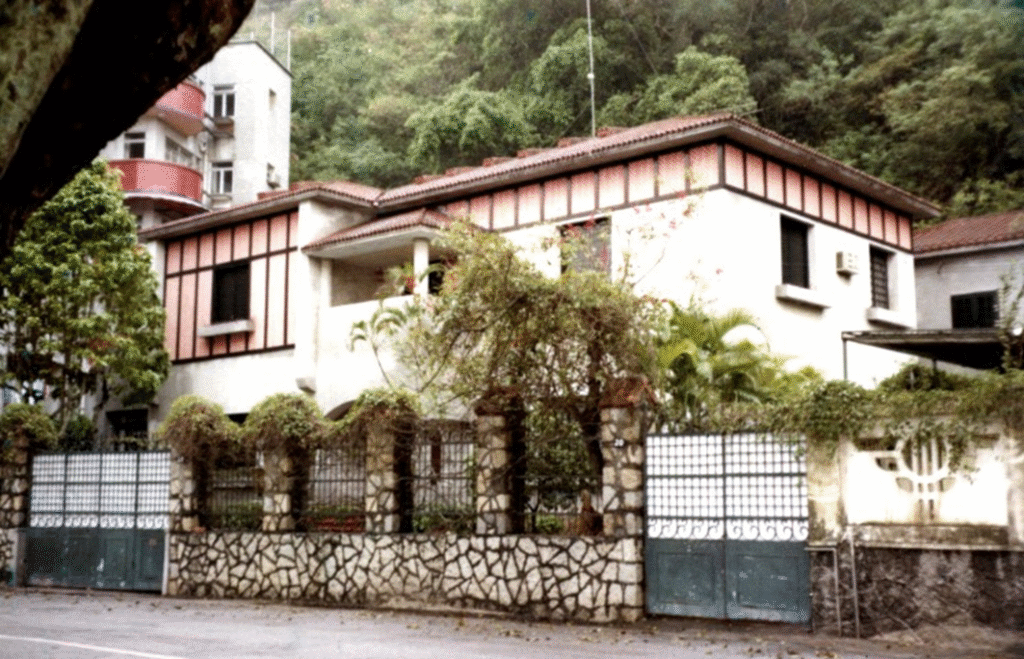
Large mansion on the seafront,
Photo by author, 1979
Portuguese cuisine in Macau
At that time, the majority of Macau’s inhabitants were already Cantonese.
In Hong Kong, I had delicious Cantonese food, so I decided to try Portuguese food in Macau. I found a swanky Portuguese colonial building on a seaside hill. Inside it was a restaurant. The food had an exotic curry flavor. Perhaps on the way to Macau, the food cultures of Goa in India and Malacca in Malaysia were mixed and added to the food.
Portuguese restaurant 1979
Painting on the wall is a seaside fortress in Lisbon.
At this time, cigarettes were common in high-end restaurants!
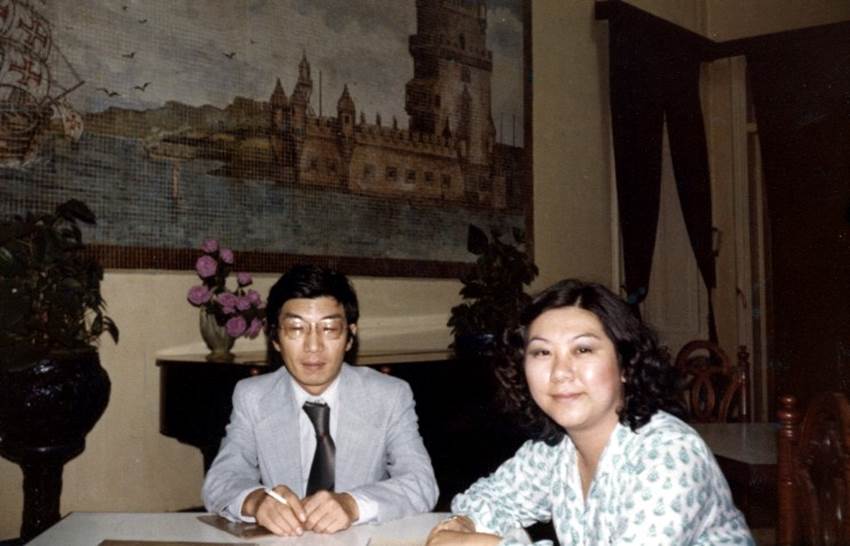
Portuguese restaurant in Macau
Photo of author , 1979
Star ferry
Hong Kong in 1980 and 1981
From the Kowloon Peninsula to Hong Kong Island.
Long before the construction of undersea road and rail tunnels, the Star Ferry was a convenient means of transportation for Hong Kong residents and foreign tourists alike.
I always feel excited when riding this big ferry.
The following 9 photos are records of my Star Ferry ride in 1979.
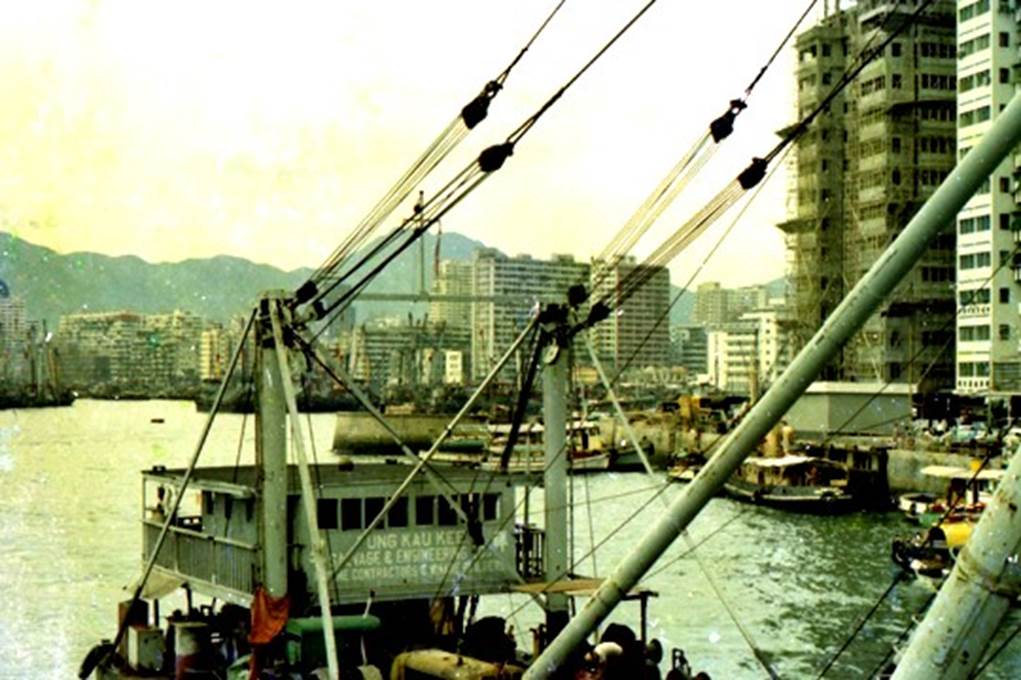
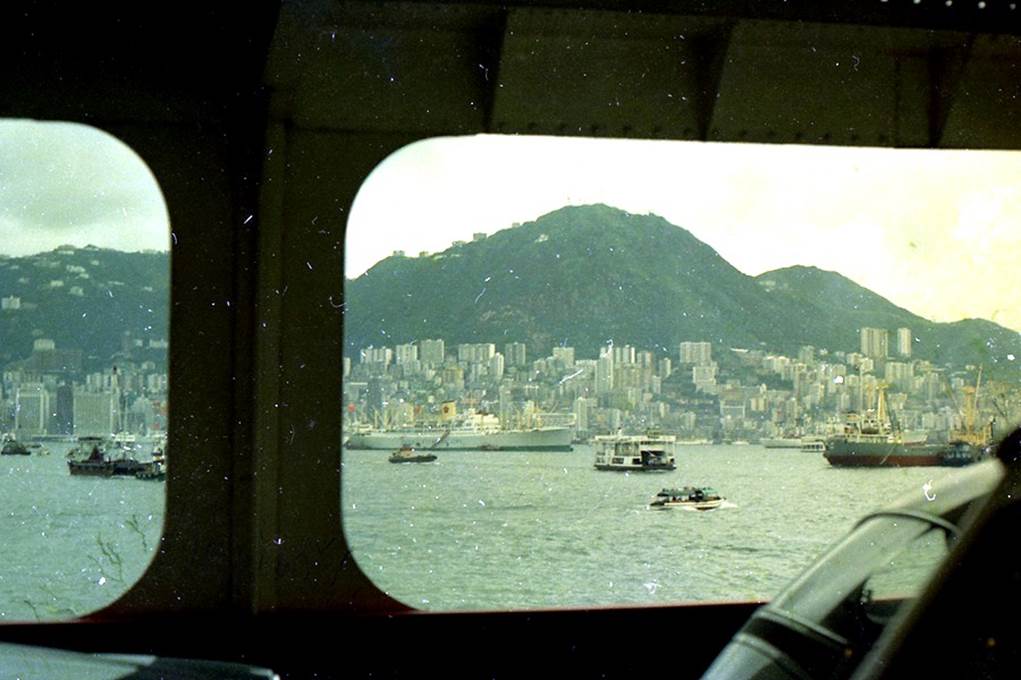
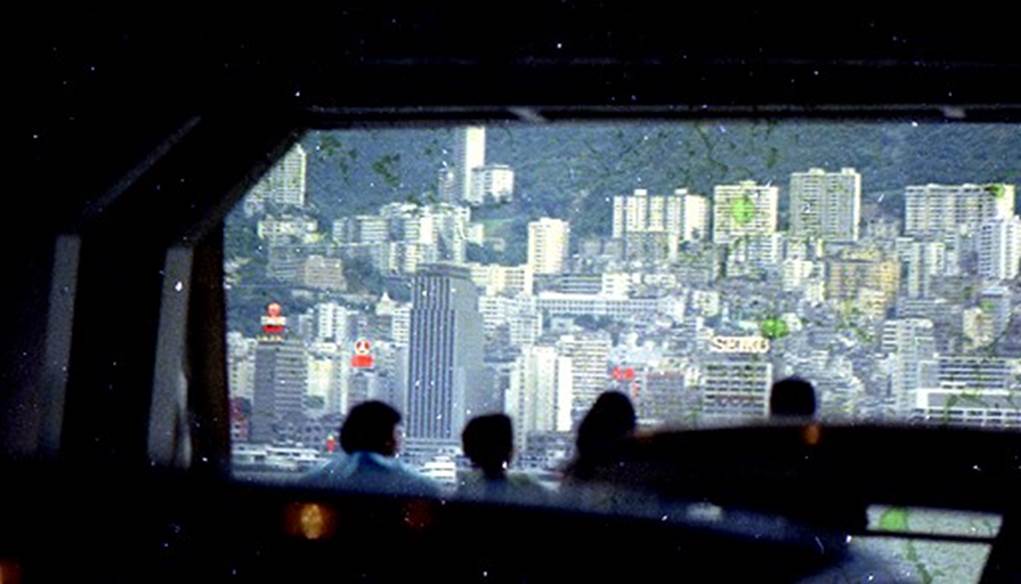
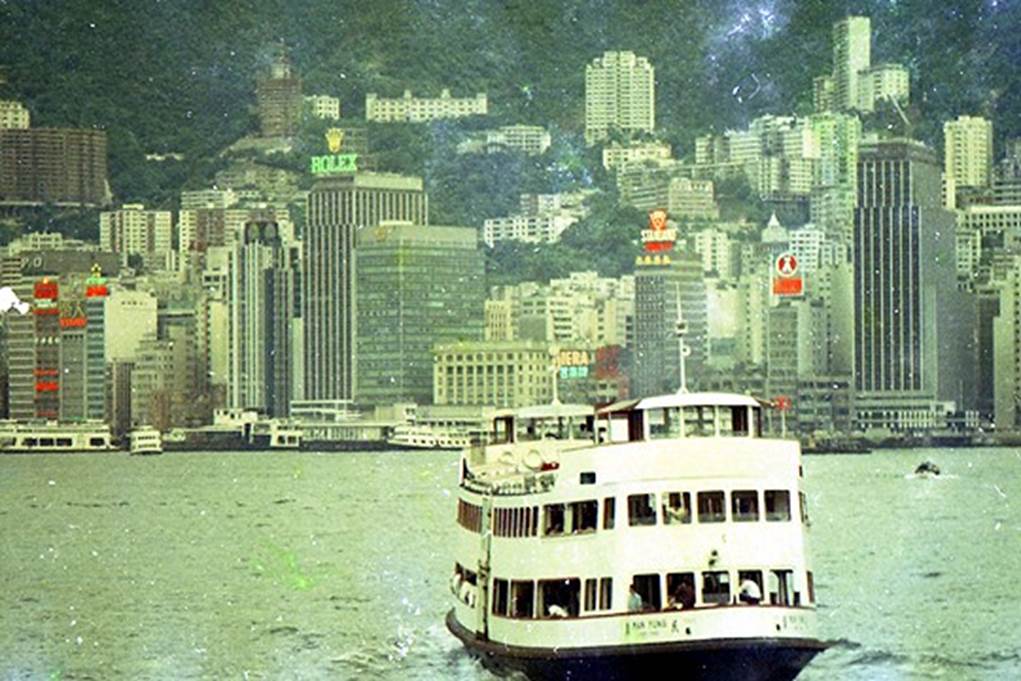
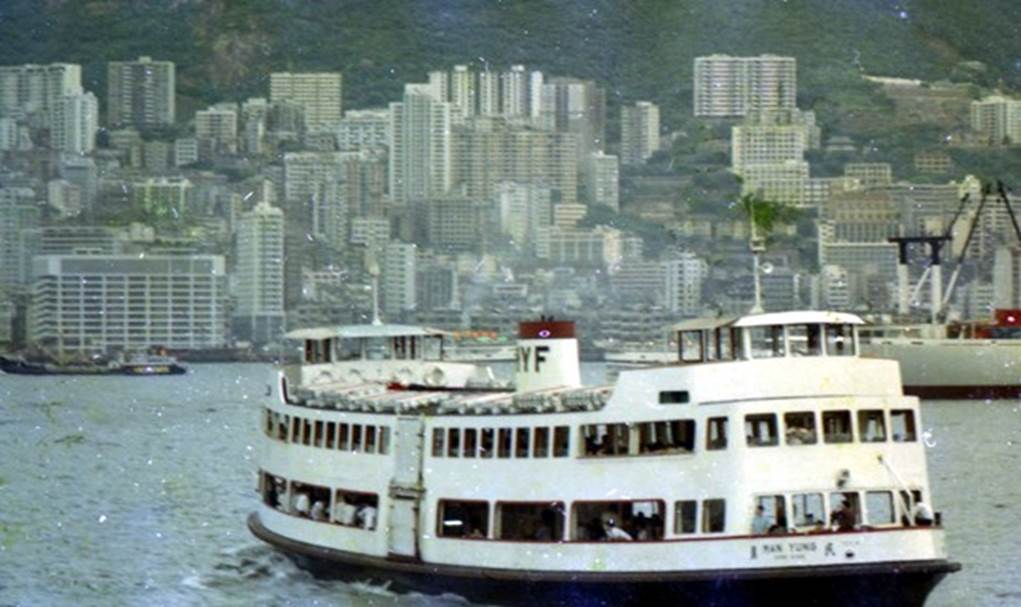
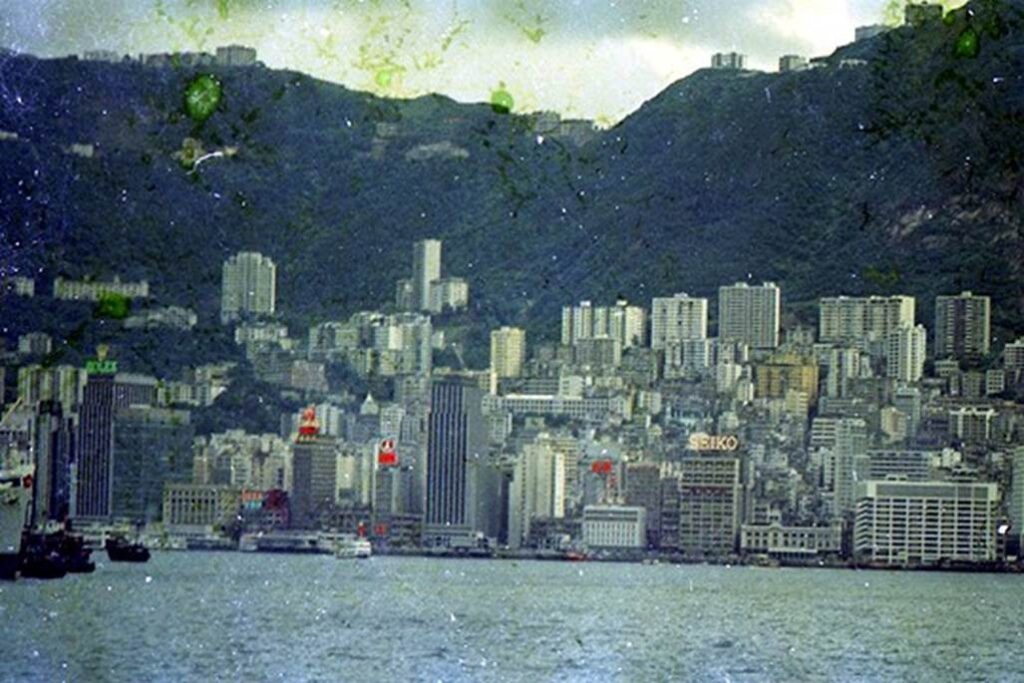
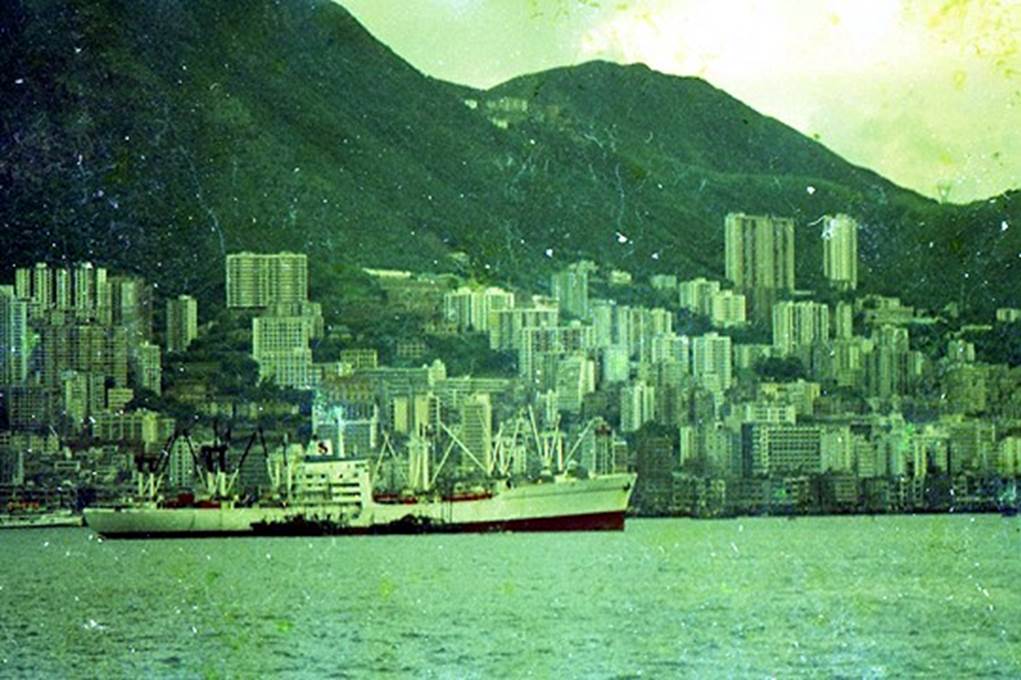
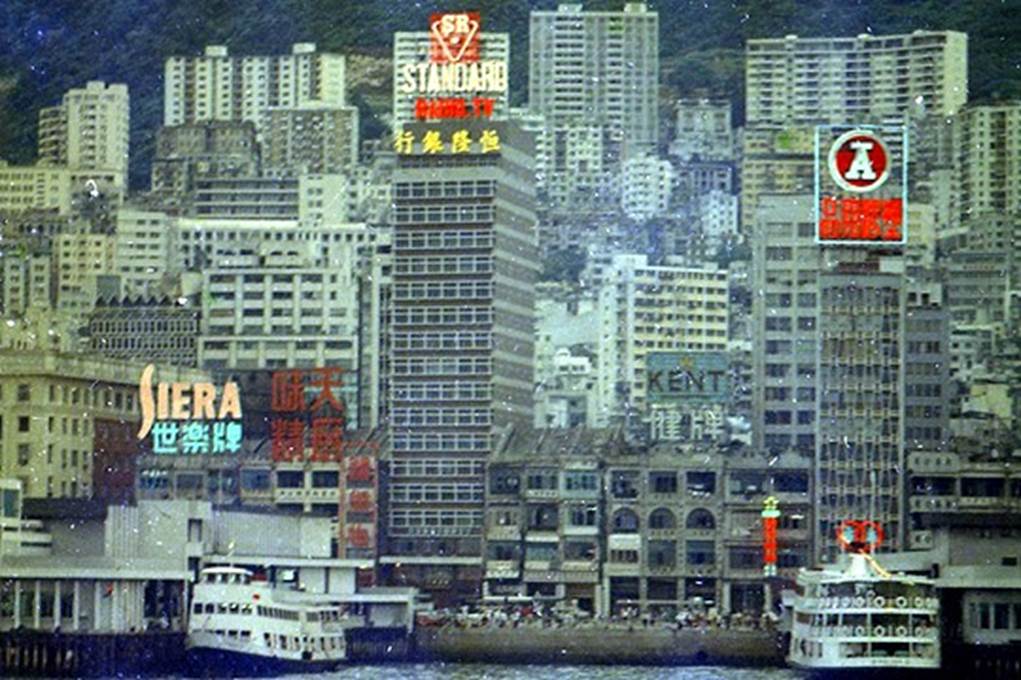
A large billboard on top of the building. The scenery at night is even more beautiful.
The World of Suzie Wong (Rokukoku Haten)
1981
The story of the world of the movie Susie Won is a film about the tragedy and love of an American painter who travels to Hong Kong and meets a young Hong Kong woman who makes a living in the night world.
The setting for this film, released in 1961, was a guest room at the Rokukoku Hanten (Gloucester Luk Kwok Hong Kong) in Wan Chai, Hong Kong Island. Suzie Wong was also the artist’s model.
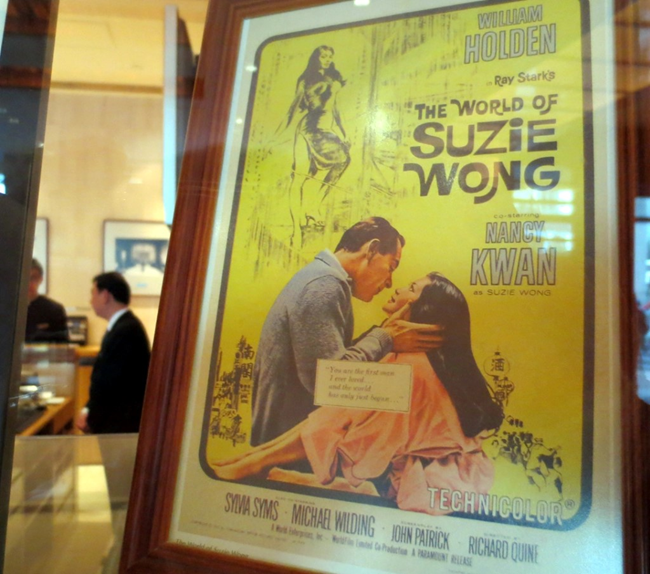
Movie sign in the Rokukoku restaurant
I received an order to design the interior of a large store in Hong Kong, and visited Hong Kong eight times between 1980 to 1981. The hotel where I stayed at that time was Suzie Won’s Rokukoku Hanten. (Gloucester Luk Kwok Hong Kong)
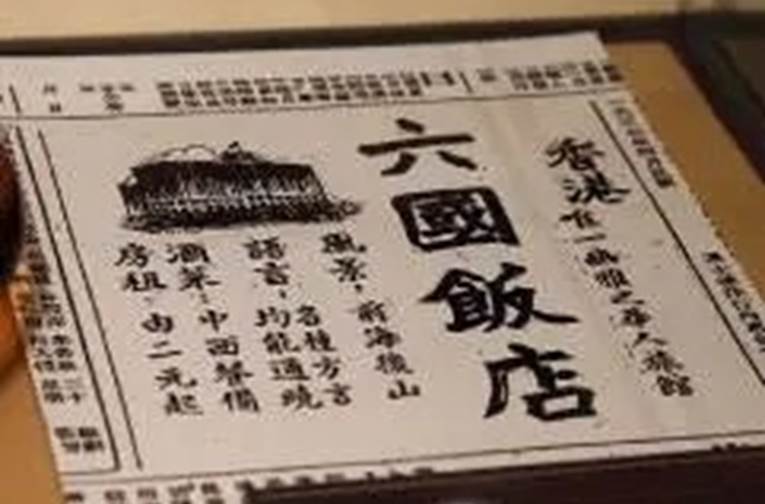
Opened in 1933. 5 floors. It was the tallest building on Hong Kong Island at the time.
Rokukoku Haten (Gloucester Luk Kwok Hong Kong) is the building with a large red SANYO neon sign on the rooftop overlooking the Wan Chai district of Hong Kong Island from the Star Ferry wharf on the Kowloon Peninsula.
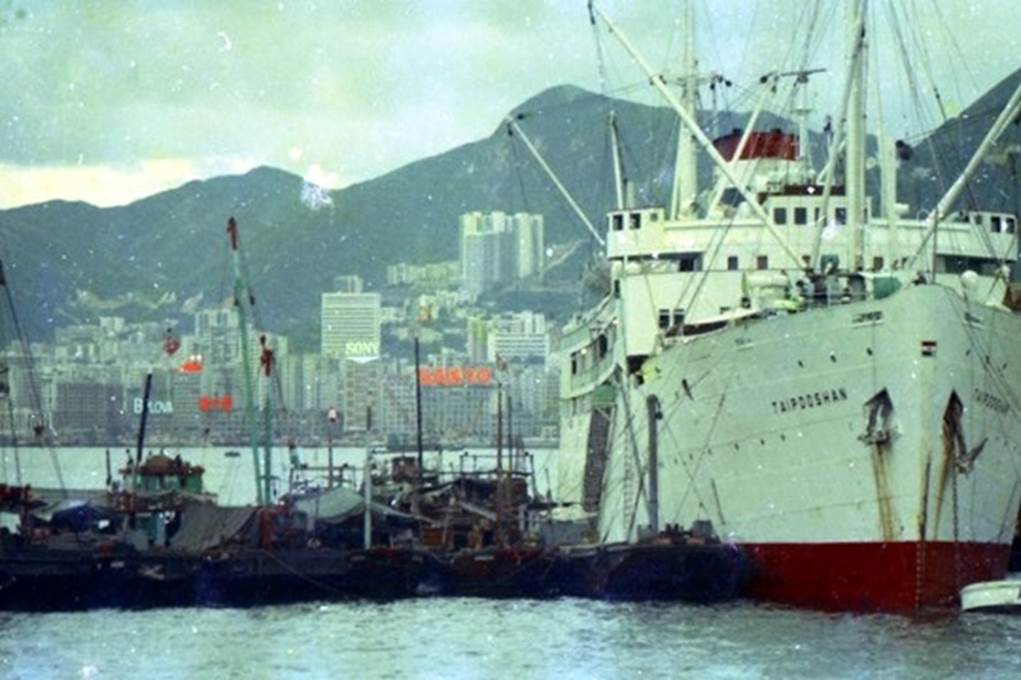
Photo by author, 1980
ROKUKOKU HANTEN (Gloucester Luk Kwok Hong Kong) is a historic hotel dating back to before the war, with guest rooms measuring around 45m2.
There was enough space for four single beds. I see! This would make a comfortable space for an artist to use as a studio to paint oil paintings. The window sashes are unusually made of iron, giving the place a retro feel.
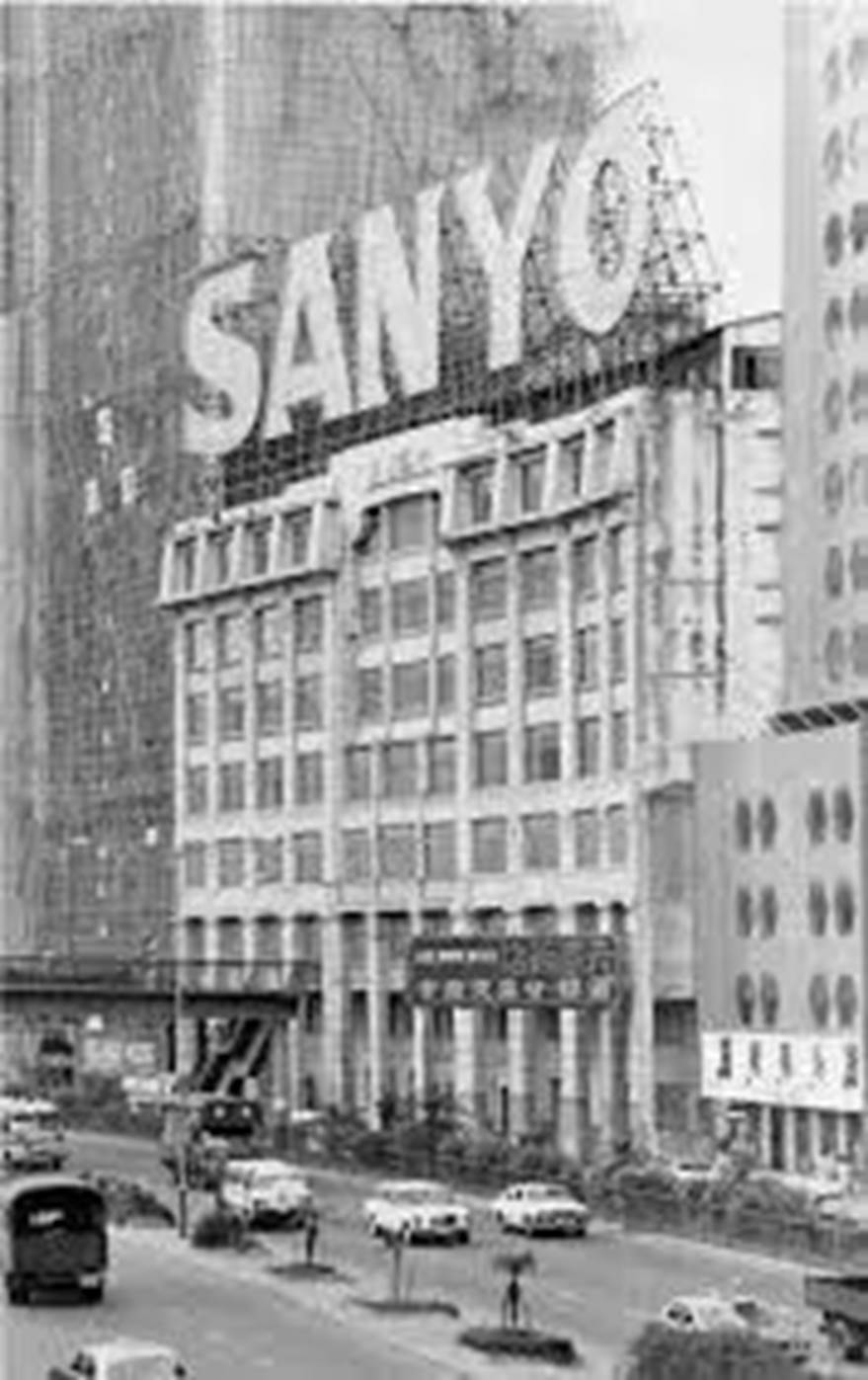
Photo by author, 1979
After the meal, the dining table becomes a mahjong table
There was a Chinese restaurant on the first floor of the hotel. It was open from early in the morning and was famous for its dim sum. It was always full of locals, and it was lively in the morning, and it was a rather noisy with Cantonese flying around. After the meal, to my surprise, the dining table was transformed into a mahjong table, and the Hong Kong housewives who didn’t have to go to work used the restaurant as a social gathering place.
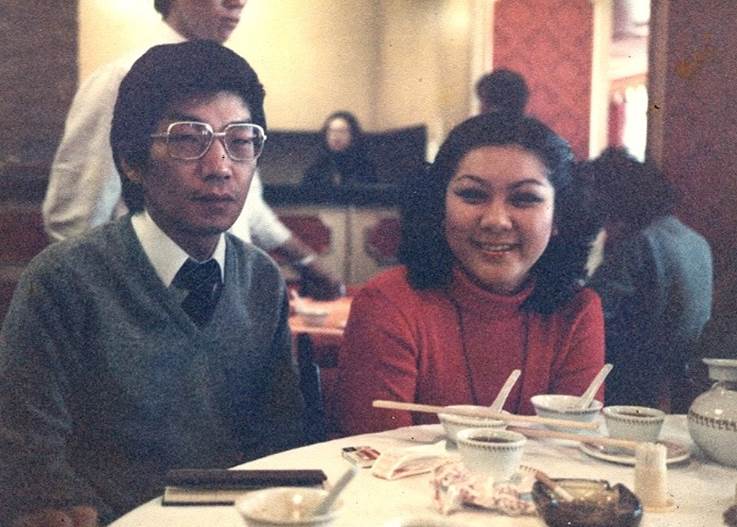
Cigarettes in the ashtray of the dim sum restaurant dining table on the first floor of the hotel. Smoking was free. 1981
Hong Kong Rokukoku Hotel in 2013
After more than 30 years of absence, I had the opportunity to visit Hong Kong. I visited the Rokukoku Hanten (Gloucester Luk Kwok Hong Kong) again. Then, the sea in front of the Wan Chai district was far away due to land reclamation. The building of the Rokukoku Hanten was rebuilt as shown in the photo below, and the world of the movie Suzie Won had completely disappeared.
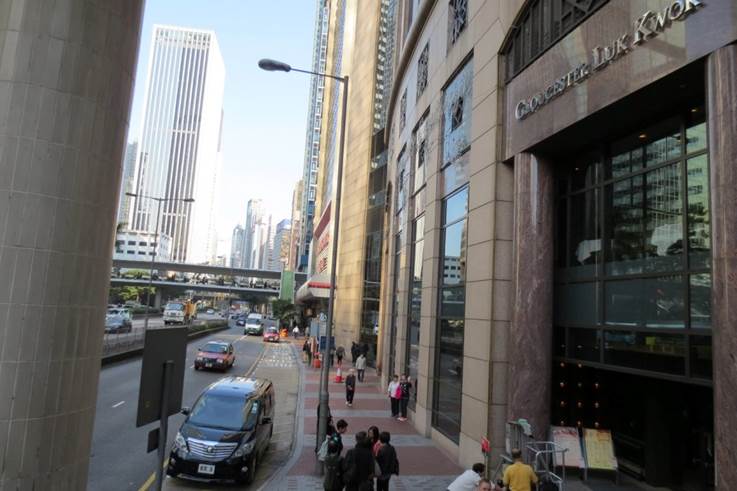
Rokukoku Hanten Photo by author, 2013
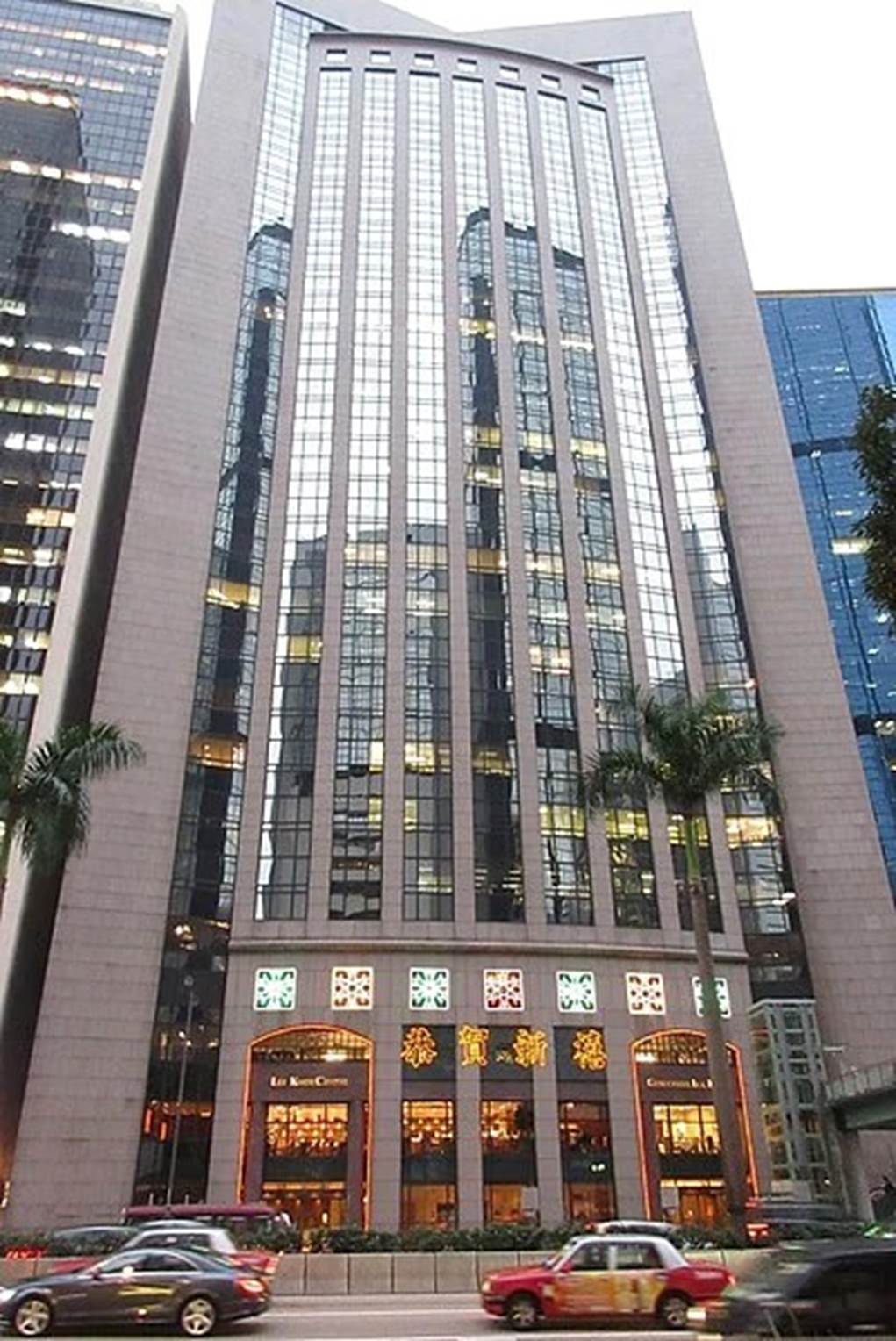
Rokukoku Hotel Photo by author, 2013
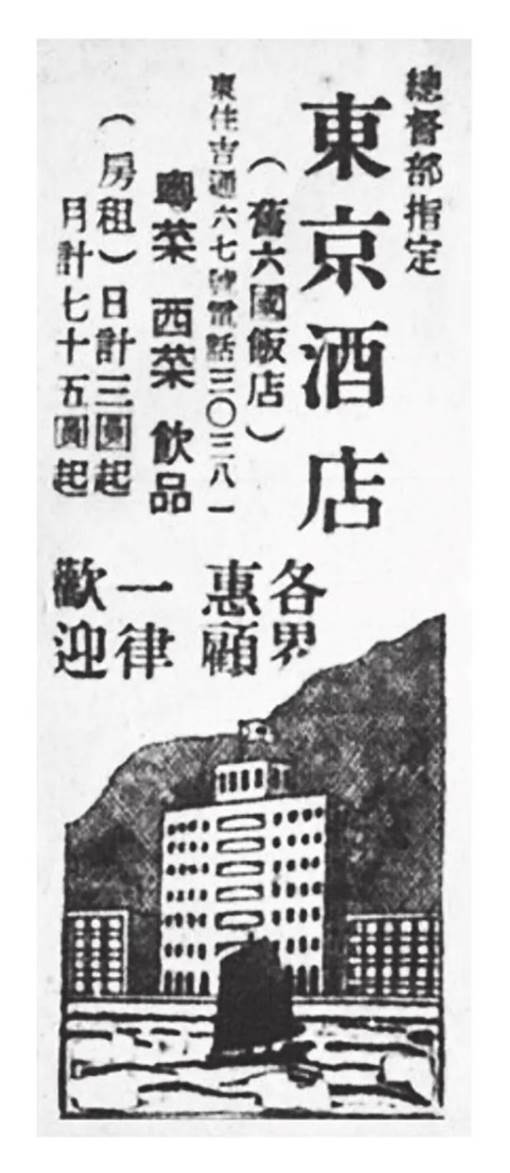
Postscript. During the Japan rule of World War II, Rokukoku Hanten was requisitioned by the military and renamed Tokyo Hotel, and was used as a military dormitory.