JAP | ENG
4 months Europe trip 1968
#2/9
EURAIL PASS
A Eurail Pass is a train travel ticket issued to foreigners outside of Europe for unlimited travel for a certain period of time. Continuous use means you can use the pass to ride every day of the validity period, from the first day of use to the last day of use.
I visited a travel agency in Sao Paulo, Brazil, found out about the existence of a Eurail Pass, and without hesitation, bought a Eurail Pass valid for 3 months. Foreigners were assigned first-class carriages with compartments.
With this, I was able to secure the transportation cost of my trip around Europe in advance.
My travel plan is as follows.Use my Eurail Pass not only as a means of transportation, but also as a hotel in a first-class carriage with a compartment for international overnight trains.
As a result, accommodation fees for tours around Europe will be free.
By paying for my Eurail Pass in advance, I was able to secure the hotel fees for my Europe trip at the same time.
Specifically, this method is described as follows.
For example, I can spend the whole day in Paris sightseeing, “check in” to the Gare de l’Est in the evening, and “check out” at the Gare de l’Est the next morning. This saves both time and accommodation costs.
On the international trains that run overnight, there is a cafeteria and toilet, and the first-class compartment is a leather four-person compartment, and there is often only one person, so there is plenty of privacy, so it can be said that it is a moving hotel.
At that time, Europe was in an era before the advent of high-speed railways, which were equivalent to bullet trains, so this method was effective.
The illustration below shows the route I took when I devised and implemented into practice, plotted on a map.
The red circles are the cities I visited. The southernmost point is Malaga in Spain, and the northernmost point is Narvik in Norway.
The blue circles are cities which I visited later.
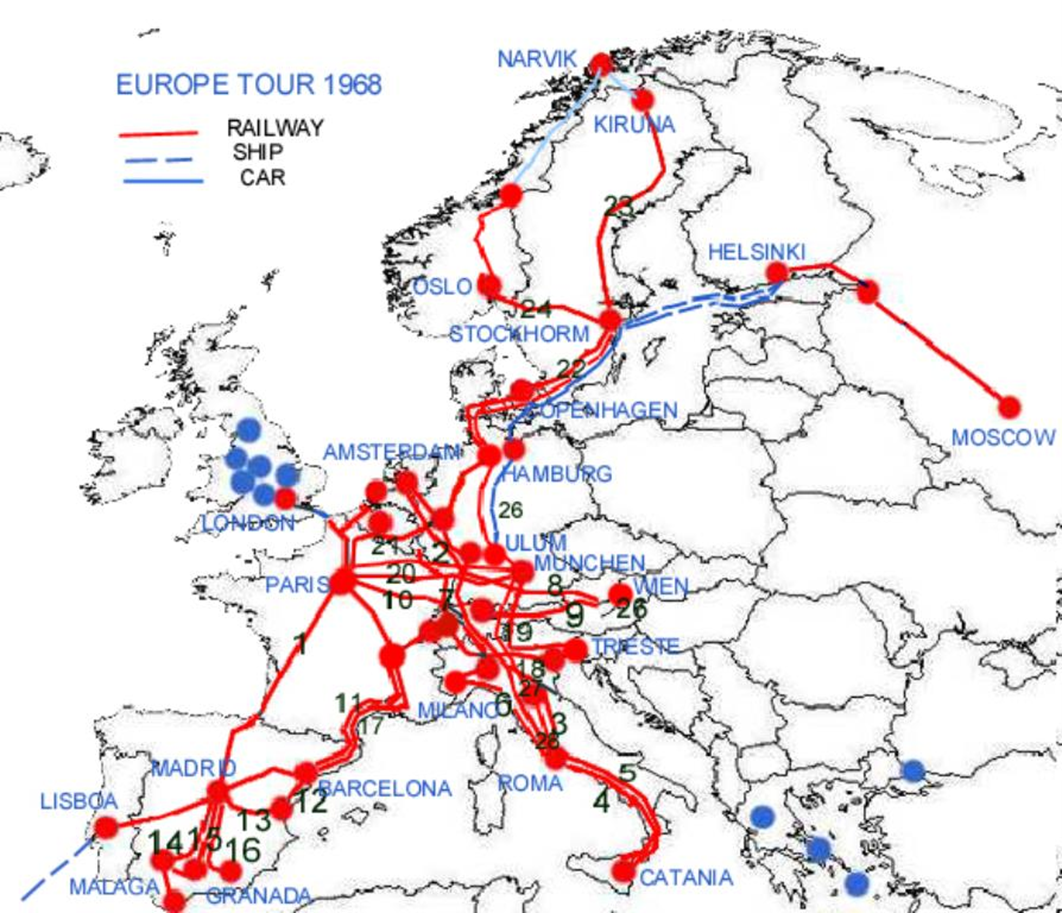
Get the most out of your Eurail Pass.
All the routes of the international trains that I visited.
A total of 26 routes conquered.
Illustration created by the author.
July 28 Lisbon departure 09:45 Madrid arrival 19:00
Madrid
Stay at a Madrid Boarding house. Make friend with a Syrian who is studying Spanish in Madrid.
July 29 in Madrid. Exchange $20.
Prado Museum. Visited JAL’s Kawashima (lunch from 2pm to 5pm), visited Waldy for dinner.
Siesta and the main street at night
Madrid is located in the center of the Iberian Peninsula and has a continental climate, so it is extremely hot in the middle of the summer at noon.
The two hours in the middle of the day are the time for an after-dinner siesta, and all the shops in the city center are shuttered.
Instead, at night, the temperature drops sharply, and the city becomes lively, resulting in shops closing two hours late.
Even at 11 o’clock, many beautiful young women are happily strolling through the downtown area of Gran Via (like Ginza Street in Tokyo).
Calle de Alcala, Madrid City Center, Madrid
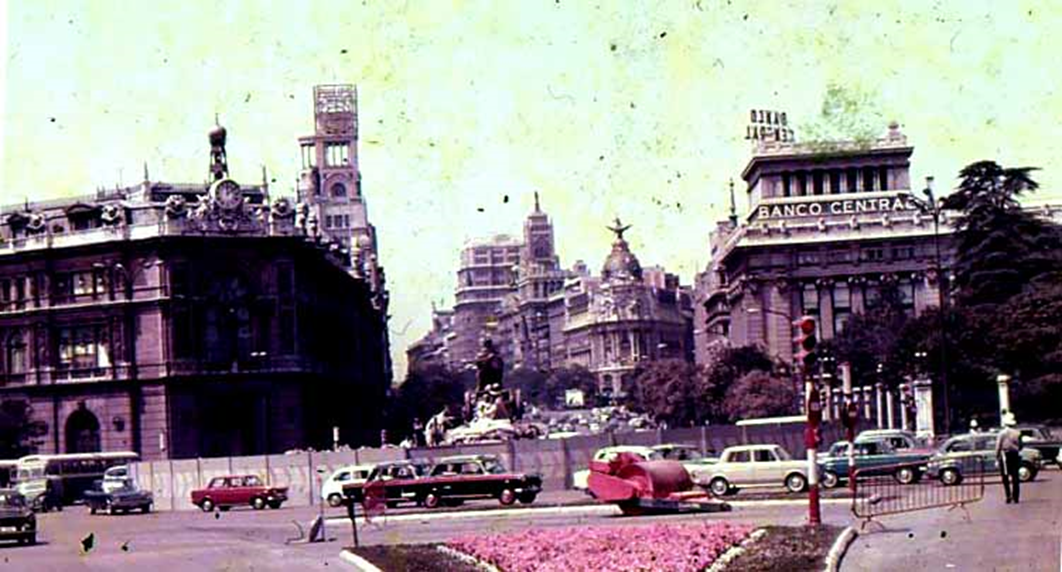
Photo by author, 1968
Madrid City Centre
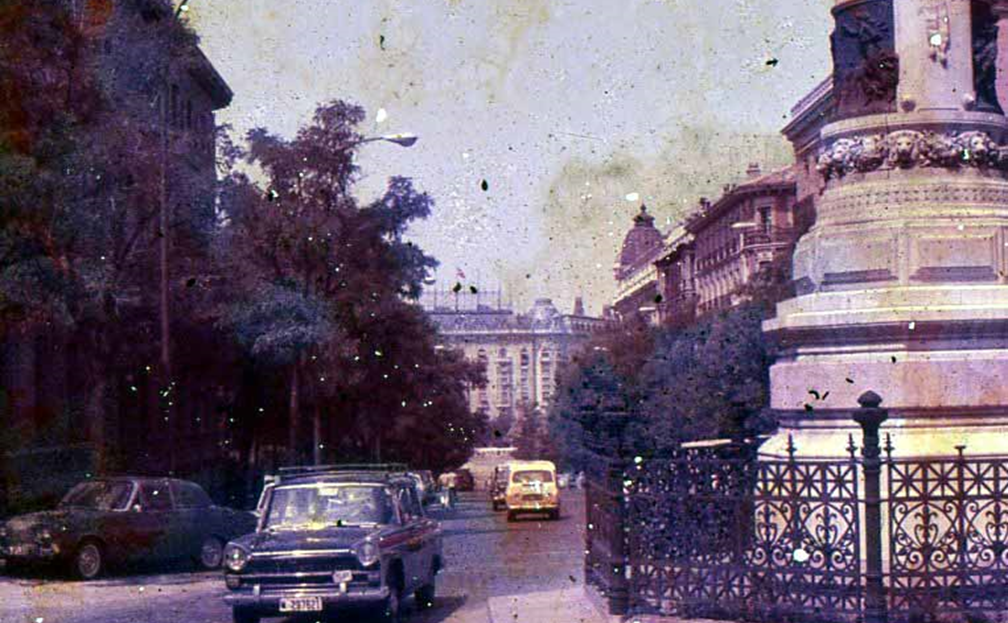
Photo by author, 1968
Madrid City Centre
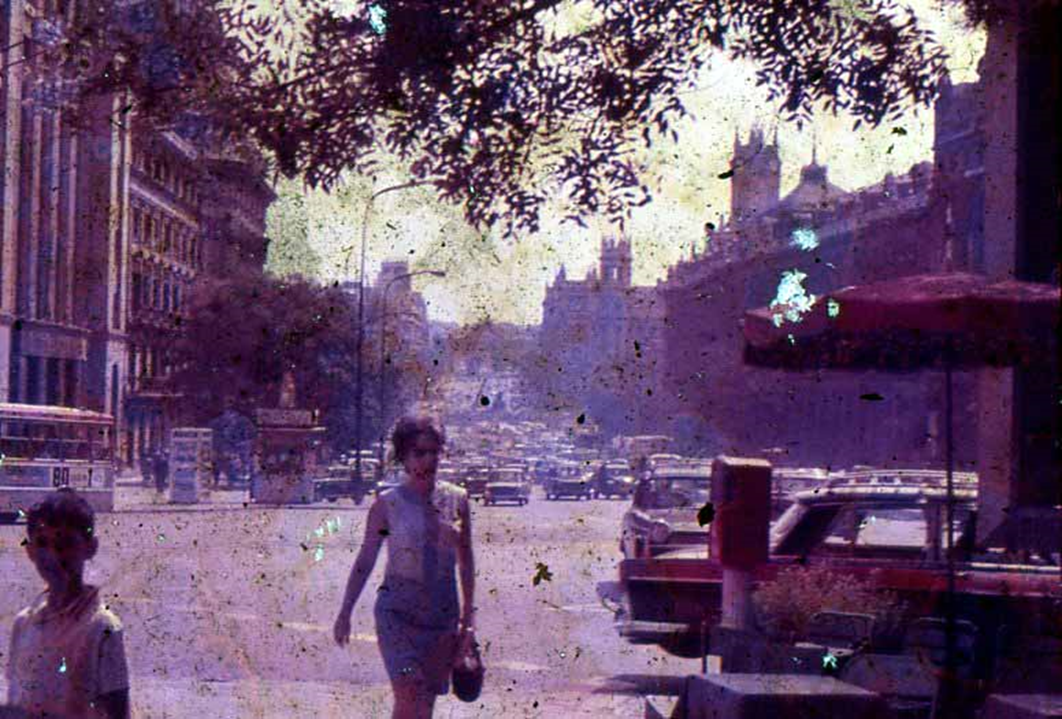
Photo by author, 1968
July 30, Visit Madrid, San Fernando Church, Placa Mayor, Royal Palace, etc.
Visit Waldy and give him a gift from Leo Nishikawa.
Monastery of El Escorial
UNESCO World Heritage Site
July 31 To El Escorial. 13:35 Atocha station, 16:50 El Escorial.
Meet a Swiss person who has lived in Spain for a long time.
20:00; Arrive at Madrid North Station.
Escorial is a complex of royal palaces, monasteries, libraries and museums.
It was built between 1563 and 1584. It is located 45 km northwest of the capital and can be reached by rail. Tourists often visit it as a day trip from Madrid.
The building has a symmetrical geometric design and a simple exterior with minimal decoration. When you visit, the dignified atmosphere of the strictness of scholarship and faith at the time is conveyed through the building’s dignified air.
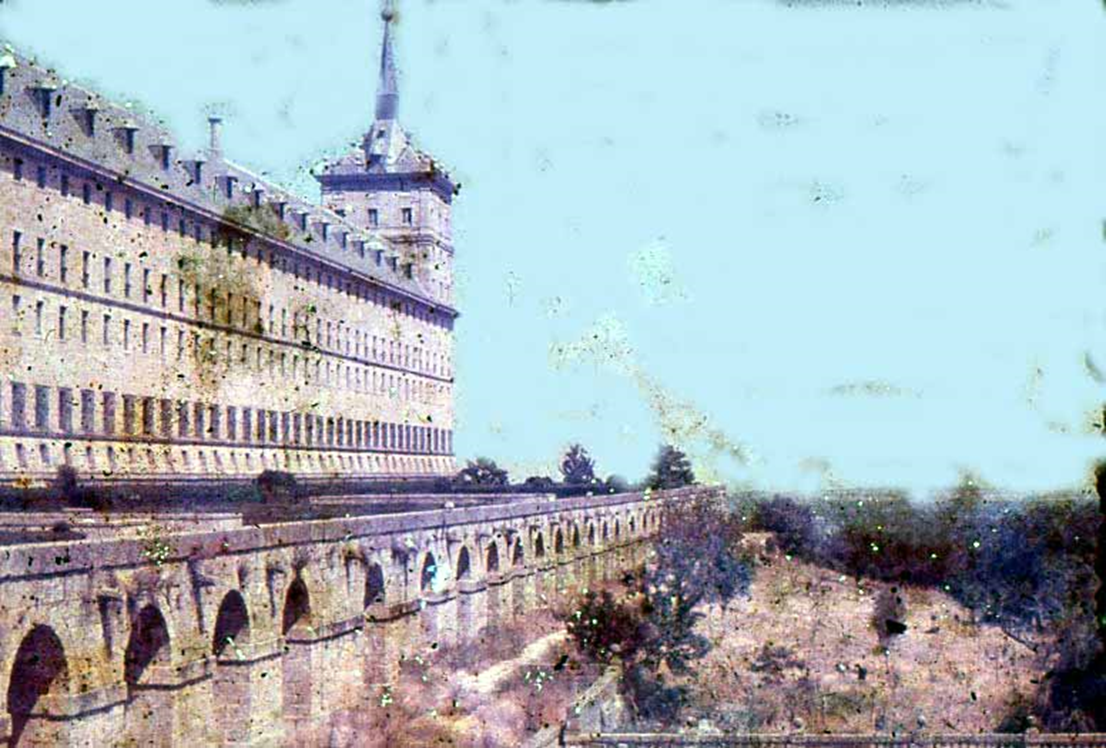
Monastery of El Escorial, Photo by author, 31 July 1968
It was also the burial place of Spanish Kings for five centuries.
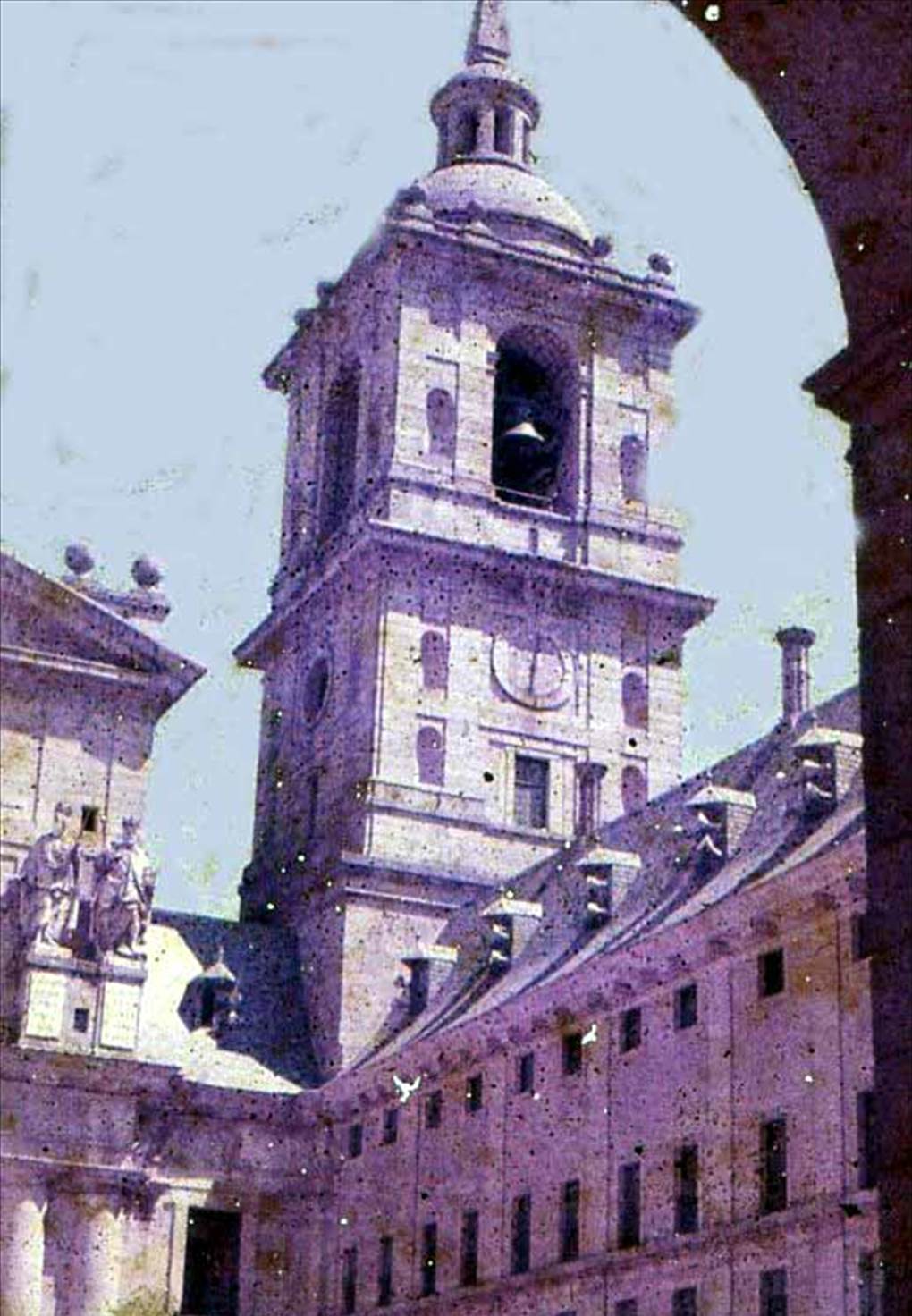
Monastery of El Escorial, Photo by author, 31 July 1968
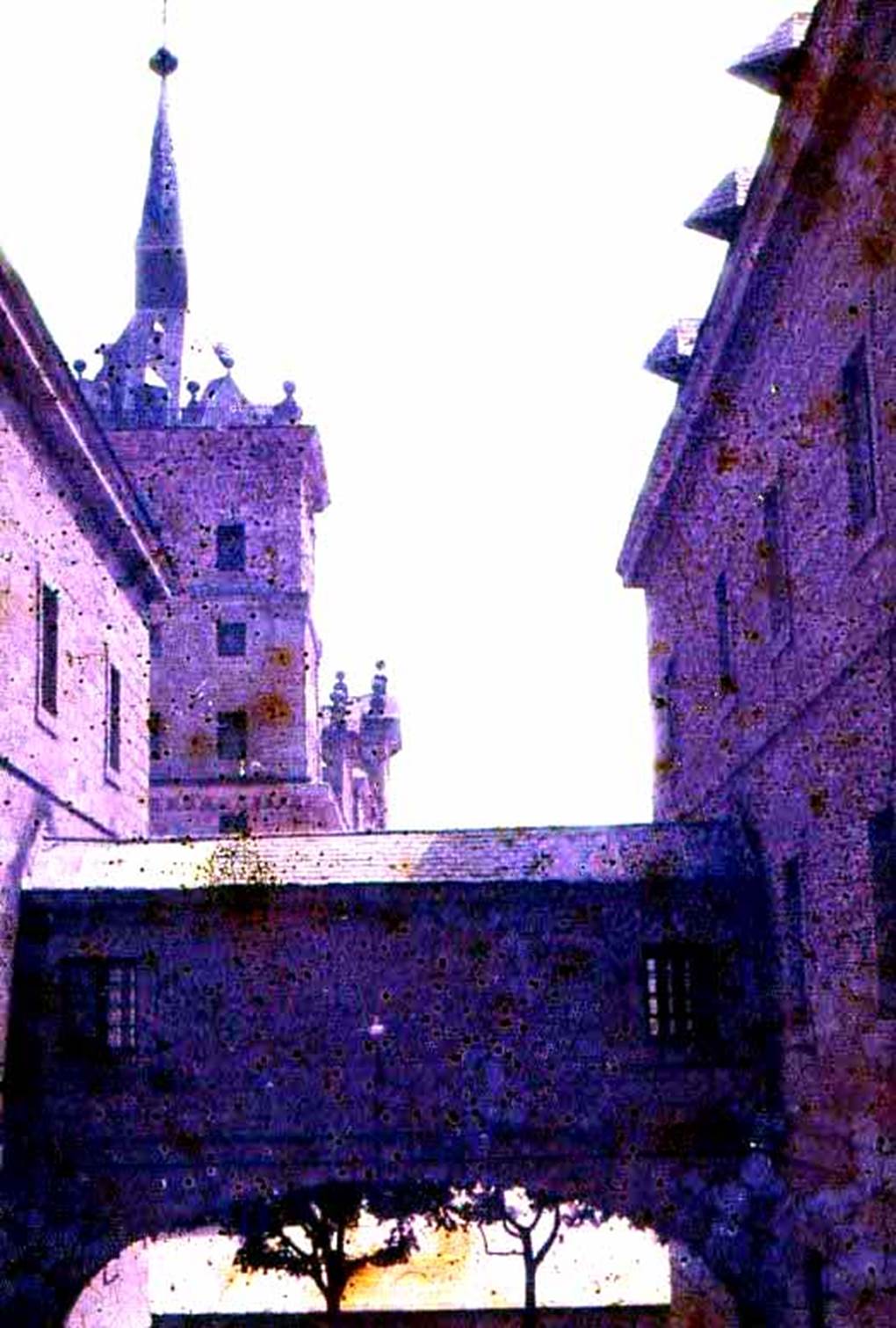
Monastery of El Escorial, Photo by author, 31 July 1968
At Madrid’s terminal station
After visiting Madrid and El Escorial, I decided to head to Paris from Madrid’s central train station. The station was a comb-shaped terminal station, which is common in large European cities, and there were many destinations, and the station announcement was announcing the destination in Spanish (not English). Spanish is an international language spoken throughout the South American continent (except Brazil), so people are proud of their own language and do not consider English to be special.
In the large premises of the station, several groups of students from the United States were hanging out, and they seemed to be in trouble because they didn’t understand Spanish and didn’t know where to go. I used Portuguese as a normal language in Brazil, so I was able to understand Spanish, which is a Latin language related to Portuguese. I interpreted for the students and gave them the platform number of the destination, and they were happy and grateful. (Most of the locals around me don’t speak English, so they can’t help them.)
I was also one of the people in the train heading for Paris. When I arrive at the border station in the Basque Country near the border between Spain and France, I had to change trains. The reason is that the track width of the two countries is different, so trains cannot go directly.
I also dragged my heavy luggage and moved to the train that was waiting on the French side. The mesh shelf in the car is quite high, and it is not possible to raise the trunk weighing more than 20 kg to the mesh shelf. I asked a passing flight attendant to lift me (the height of the French is on average higher than that of the Spaniard), but he refused with a single word. (French train employees are civil servants.) A nearby passenger couldn’t bear to see me and helped me out, but…
Overnight train > Madrid> Paris
Arrival in Paris
August 1, 1968 Arrival in Paris
August 1 Arrive at Paris Montparnasse station at 19:00.
I immediately got on the subway and headed to Pasteur Street (15th arrondissement, Paris) where Mr. Katsuki, whom I met in Sao Paulo, Brazil, lives. The roads and address numbers are the opposite to those in Brazil, so I made a mistake and almost missed Mr. Katsuki’s house. I’m glad I met him.
Near the Pasteur subway station (lines 6 and 12) is the Pasteur Institute, from which the 15th arrondissement takes its name. The 15th arrondissement is located in the southwest of the city, facing the south bank of the Seine.
It seems that the 15th arrondissement is where a relatively large number of Japanese people living in France live.
As planned, I ended up staying at my friend’s house on the Rue Pasteur.
Young Japanese people working in Paris were frequent visitors to this apartment, and I frequently heard serious stories about how they felt they were going to have a nervous breakdown in this foreign country and culture in Paris, a place they had always longed to live.
Along with Montmartre, the Montparnasse neighborhood was where painters from the Ecole de Paris, such as Picasso, Matisse, and Modigliani, had their studios
View of the Eiffel Tower from the north bank of the Seine.
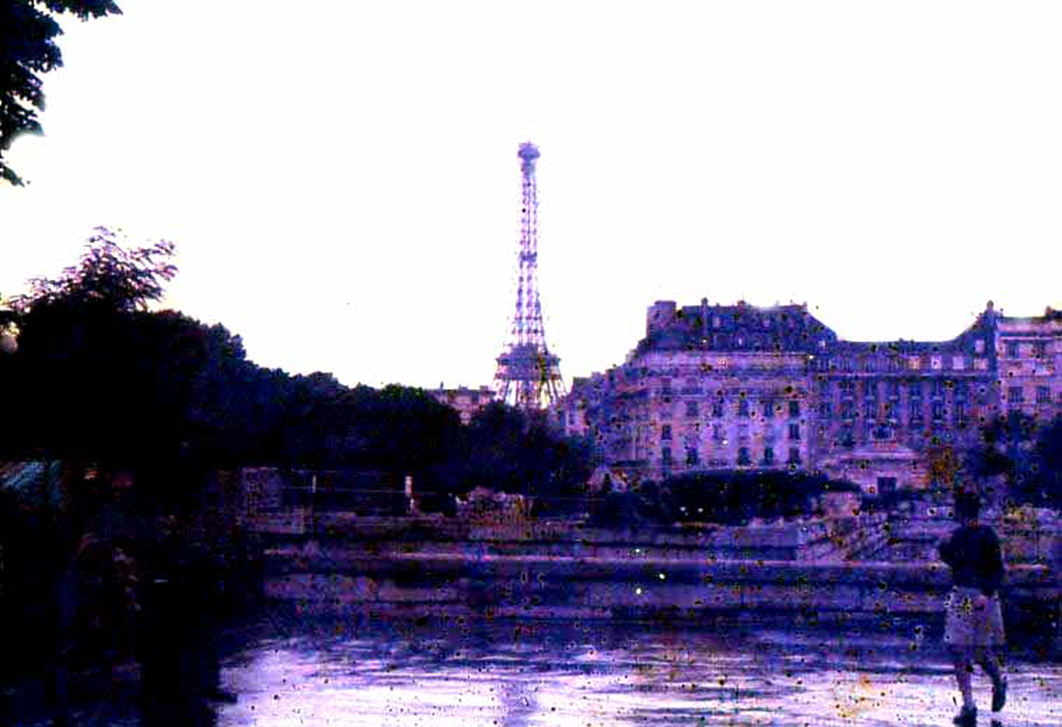
Photo by author, August 1968
August 2. Paris. Exchange $50.
The 5th arrondissement on the left bank is a student town lined with prestigious schools such as the Sorbonne and is known as the Latin Quarter.
Notre-Dame, Arc de Triomphe, Champs-Elysées (many Japanese), Sorbonne University, Pantheon, Luxembourg Gardens, Sacré-Coeur.
It started raining and I go home.
August 3 Paris.
In the morning, I took the time to deliver letters to Tomoshige and Zanini.
In the afternoon, Montparnasse, Sacré-Coeur, and Cité. In the evening, I had a drink on the Boulevard Saint-Michel.
August 4 Paris
I visited an UNESCO site and visits François’s house, but he is away on vacation. In the afternoon, I will plan my future course of action.
May Revolution in France
I learned that my visit to Paris, by coincidence, is two months after the May Revolution in France. The May Revolution refers to the mass uprisings and protests of the masses and protests led by students, and the resulting changes in government policy.
The underlaying cause of this was the period when anti-war movement against Vietnam that had become a quagmire in the United States, the Cultural Revolution in China, the subsequent all-party struggle in Japan, the conflict at the University of Tokyo, and the hippie movement in Japan that spread to the youth of the world.
Stones thrown by protesting students
The 5th arrondissement on the left bank is a student town lined with prestigious schools such as the Sorbonne and is called the Latin Quarter.
When I went to the Latin Quarter, the cobblestone roads were in a mess.It was obvious that the cobblestone blocks had been dug up and removed over a wide area. It was obvious that students and citizens had dug up the cobblestone blocks, which led to violent clashes with the authorities and retaliation.
The remains of the Latin Quarter stone throw conveyed the atmosphere of Paris at that time.
When I came here in Paris, I was reminded that I had joined the security struggle in Tokyo eight years ago, in the atmosphere of the student movement of the time.
Iron curtain
At that time, European democracies and the communist Warsaw Pact countries led by the Soviet Union were separated by strict borders that prevented free travel. This was called the Iron Curtain. As you can see in the illustration below, the eastern half of the European continent was beyond the Iron Curtain, which could not be crossed.
Twenty days after arriving in Paris, the Warsaw Pact forces led by the Soviet Union broke through the border and invaded. Occupied all of Czechoslovakia. (Prague Spring)
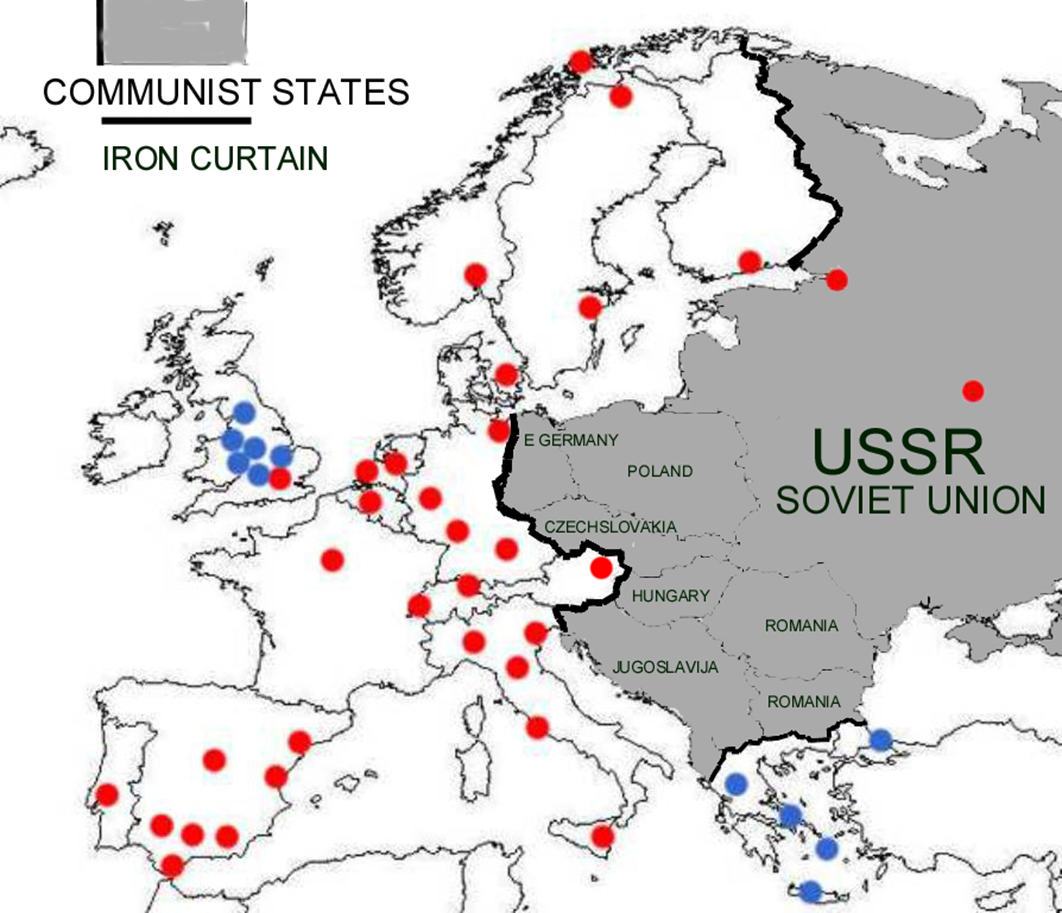
The Iron Curtain Drawn by the Author
August 5 in Paris. Departing at 10:47, cross the Strait of Dover by boat.
English Channel Ferry Routes
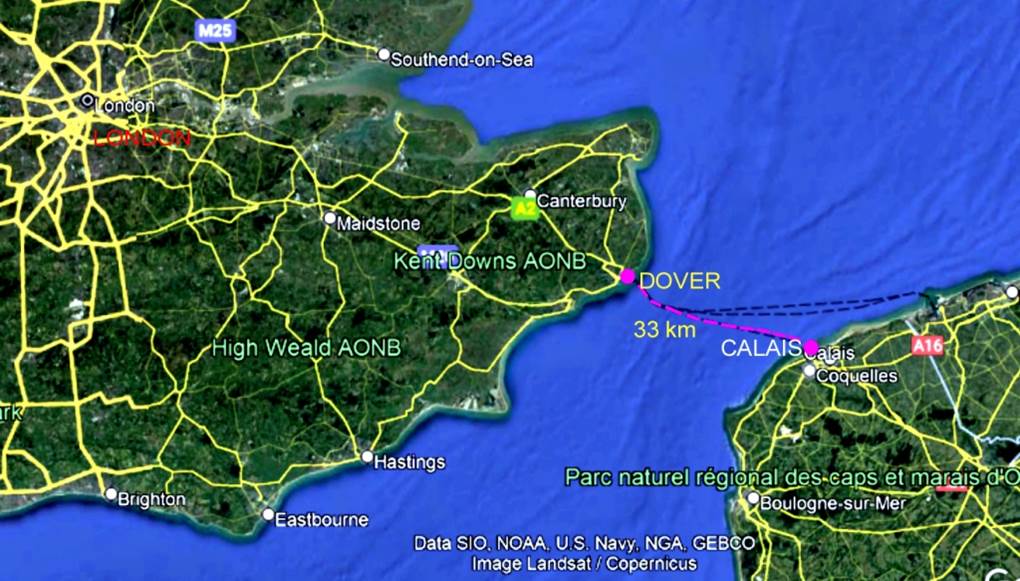
The ferry route connecting France and the United Kingdom, it crossed the English Channel from Calais, France, and landed at Dover on the British side.
At the time, the Strait of Dover, which was only about 34 kilometers apart, had no undersea tunnel connecting the two countries, which was inconvenient.
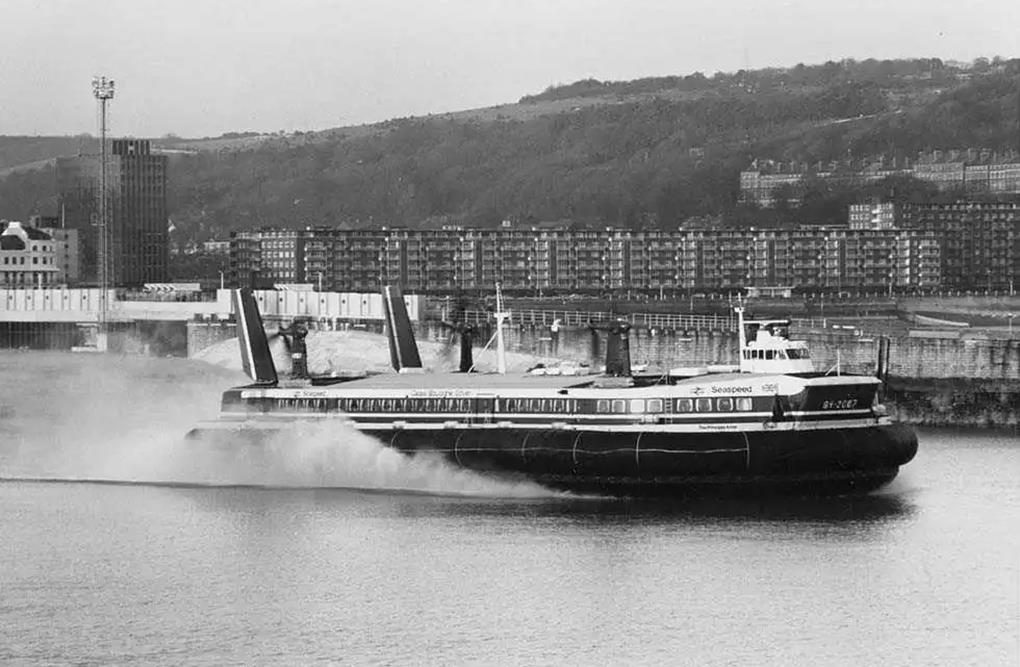
Britain is more dreary than France.
The suburbs from Dover to London Victoria Station.
Photo by author, August 5, 1968
London
London city centre. In the rain, many double-decker buses line up.
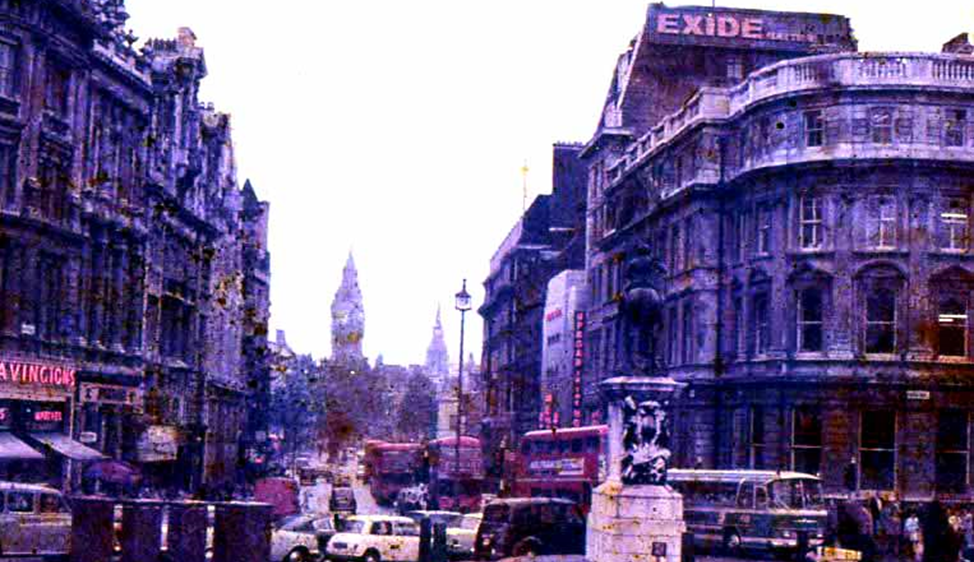
Photo by author, 5 August 1968
August 5 London. arrive 17;58.
Trafalgal square with lots of girls in miniskirts. I couldn’t find a hotel for 2 nights
Trafalgar Square is always crowded with tourists.
On the north side of the building, reminiscent of an ancient Greek temple, is the National Gallery. (photo below)
Paintings by leading European artists from 1250 to the 1900s, including Da Vinci, Van Gogh, and Monet, are displayed in order of the era in which they were created.
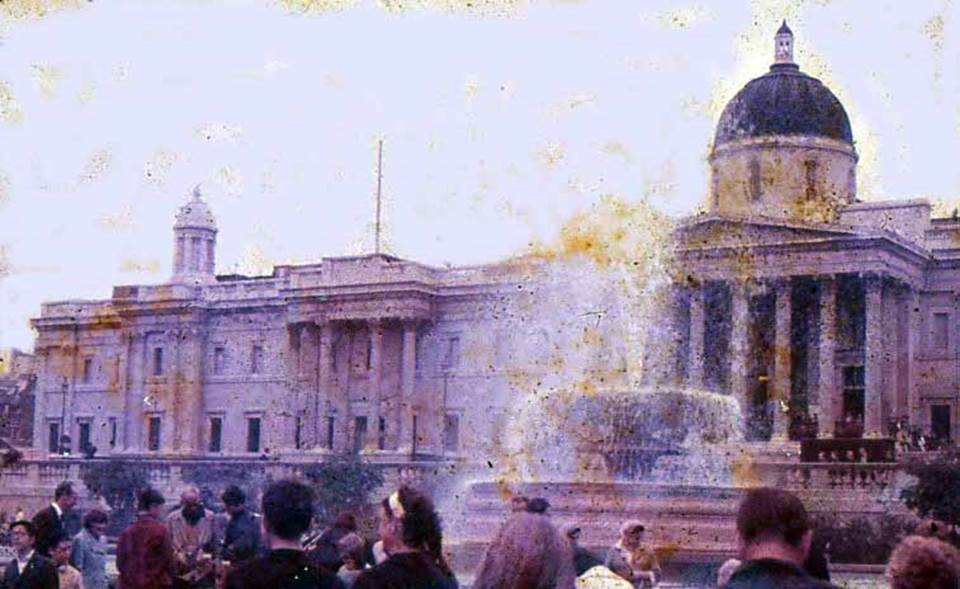
Trafalgar Square, Photo by author, August 5, 1968
At the top is a statue of Admiral Nelson, the British hero who defeated Napoleon I’s French army at the Battle of Trafalgar in 1805 and prevented them from landing on the mainland.
The area around the fountain is a meeting point for citizens and couples, with many young women sitting on the steps and waiting for someone, and you can see many faces from below.
Couples who meet here walk to Piccadilly Circus, London’s busiest district, and then to Oxford Street and other areas where fashion boutiques are concentrated.
August 6 in London.
Lunch visit to Mr. Harada, visit to the Brazilian Embassy in London.
London’s underground and suburban satellite cities are large.
Departure from London Victoria Station at 22:00.
August 7
6:15 Arrival in Lille, France, exchange $50. Café. Transfer 7;22 Departed Lille 8;45 Brussels sightseeing. 13; 35 Departing from Gare du Nord.
15; 22 Arrival in Rotterdam. Stay in a guest house (for 7 guilders). There were many black people (Surinamese).
Brussels Grand Place Square, UNESCO World Heritage Site
The Grand Place is surrounded by the buildings of various guilds (professional groups), and the front of each guild house has a facade that represents its unique profession, with no two of them having the same design.
The different buildings compete with each other, and the combined group forms a cohesive whole, creating an overall atmosphere.
It is a successful example of aesthetic beauty that recognizes diversity.
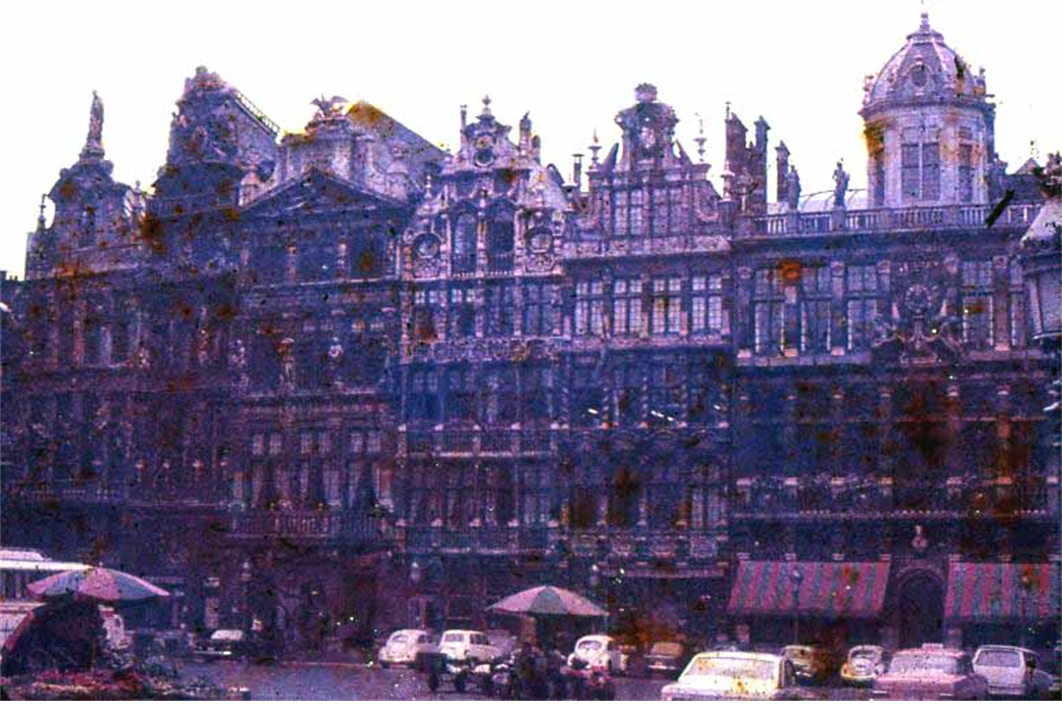
Place de la Remplace, Photo by author, August 7, 1968
As I walked along the streets of Brussels, I came across a construction site.
The façade of the building is made of pre-cast concrete that has been pre-built at the factory. It was an advanced construction method for its time.
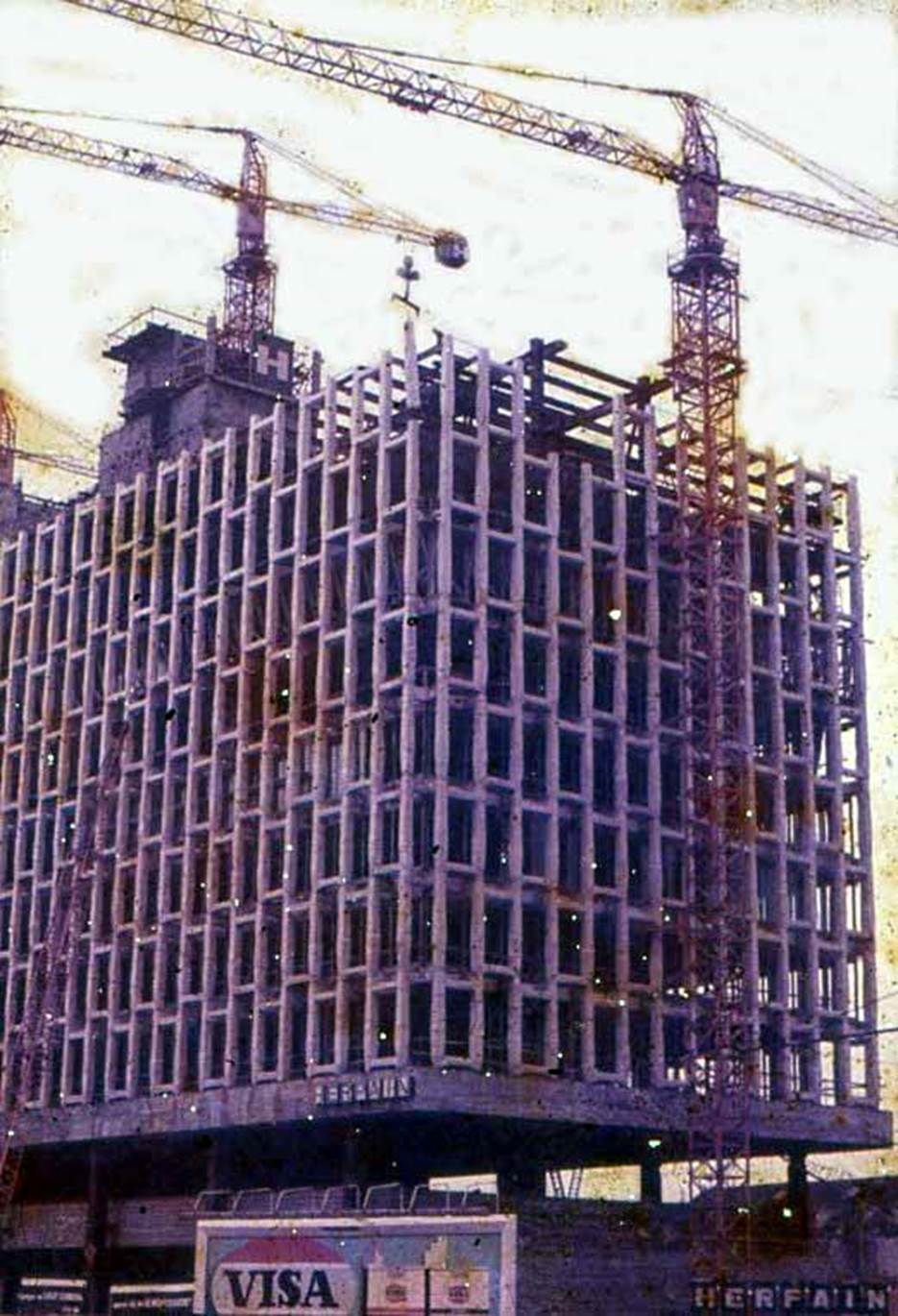
Construction site on a street corner in Brussels
Photo by author, 8 August 1968
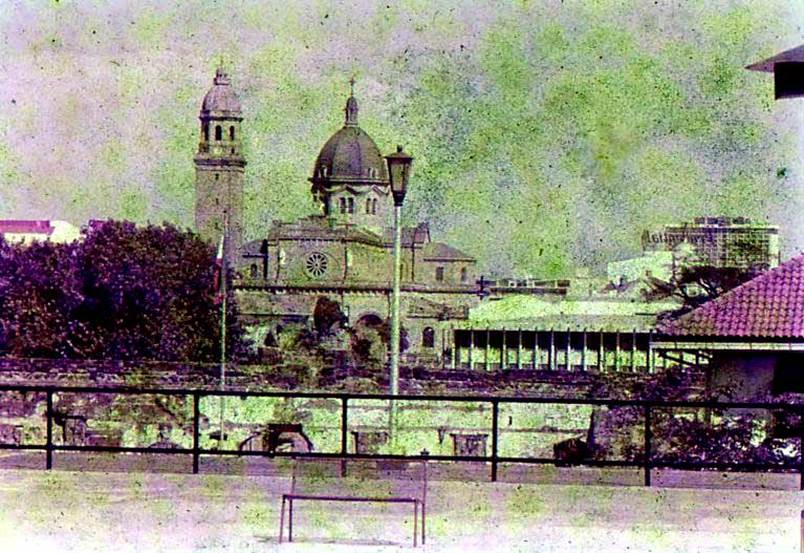
Photo by author August 8, 1968
August 8th
Depart Rotterdam 15:22 , arrive Amsterdam 16:23 , depart Amsterdam 20:31
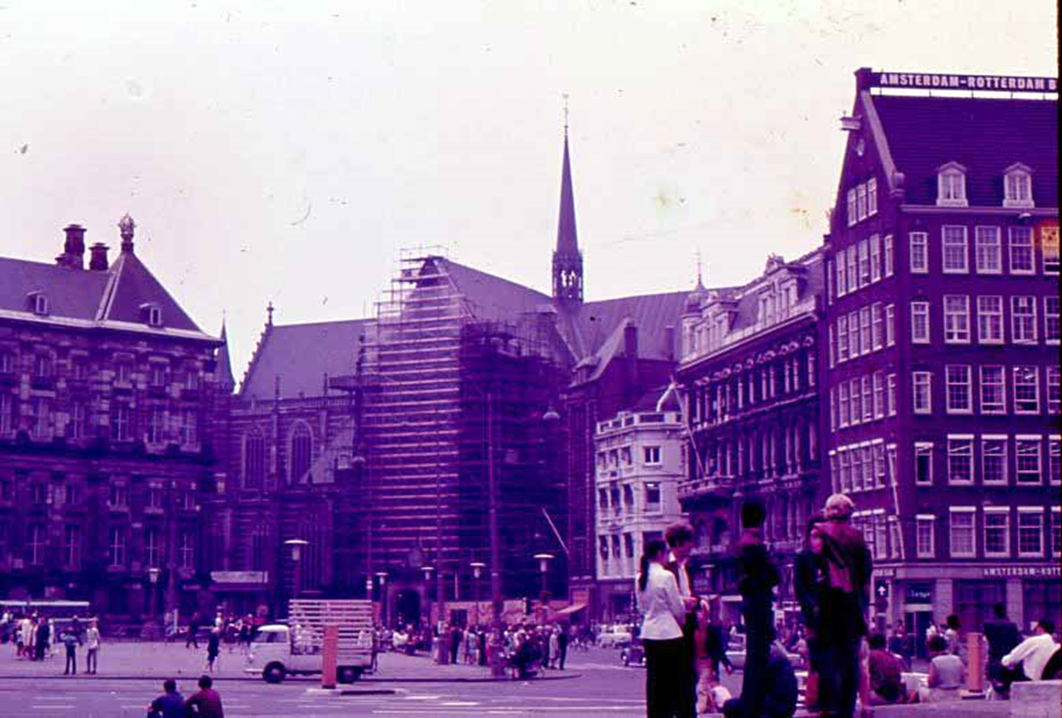
A small square in Amsterdam,
Photo by author, 8 August 1968
August 8, Amsterdam 20;31 departures> overnight on the train (2) > August 9 Lucerne 8; 01
August 9: Arrival in Lucerne 8; 01 (rain), departed Lucerne at 9:41,
departed Bern at 13:21, departed Thun at 19:29.