JAP | ENG
Long-term stay in Brazil #4/15
Japanese community
Travelling abroad, 1962
Japanese in São Paulo
One day, I was invited to the home of a professor at the University of Sao Paulo through an acquaintance. This is a photo of that evening.
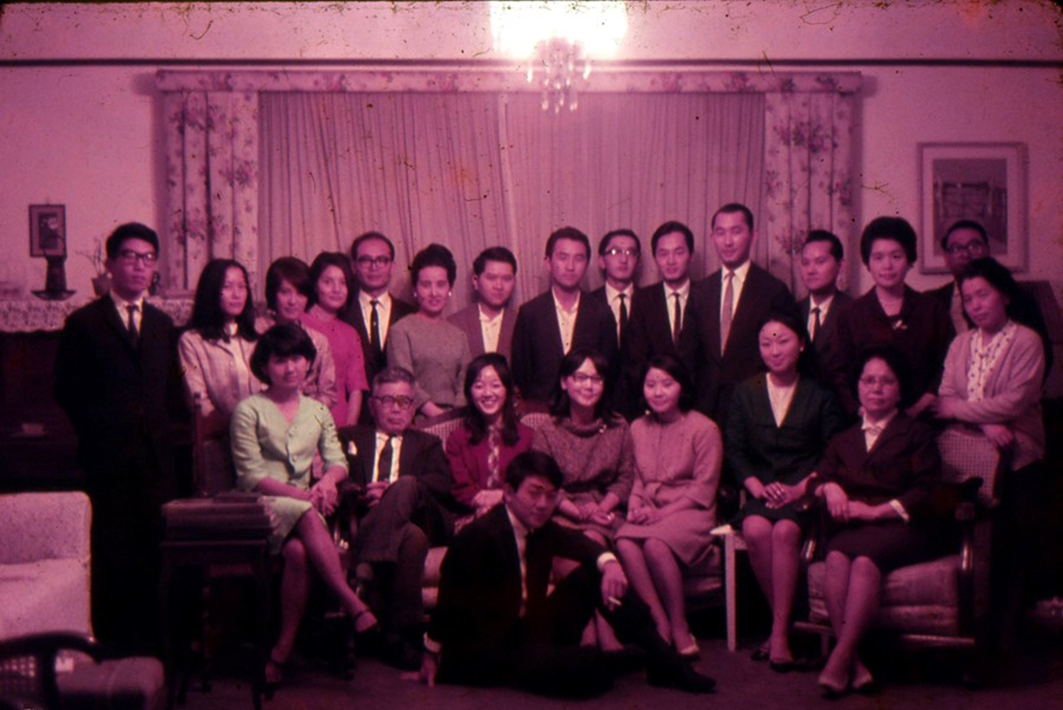
Author at far left
Except for myself, everyone who gathered was a second-generation Japanese Brazilian. They were dressed up and looked elite in the photograph.
The language they spoke was Portuguese. Their parents, the first-generation Japanese, were mostly from rural areas of the Japanese country side, and they spoke a dialect at home. For these reasons, the use of standard Japanese has been kept to a minimum among the second-generation Japanese Brazilians.
The successful first-generation families who had been through hardships after migrating to the interior of Brazil as agricultural immigrants before the war, later moved to São Paulo, where they gave their children university educations and nurtured numerous intellectuals and professionals.
I was invited to a gathering of Japanese in the state of São Paulo
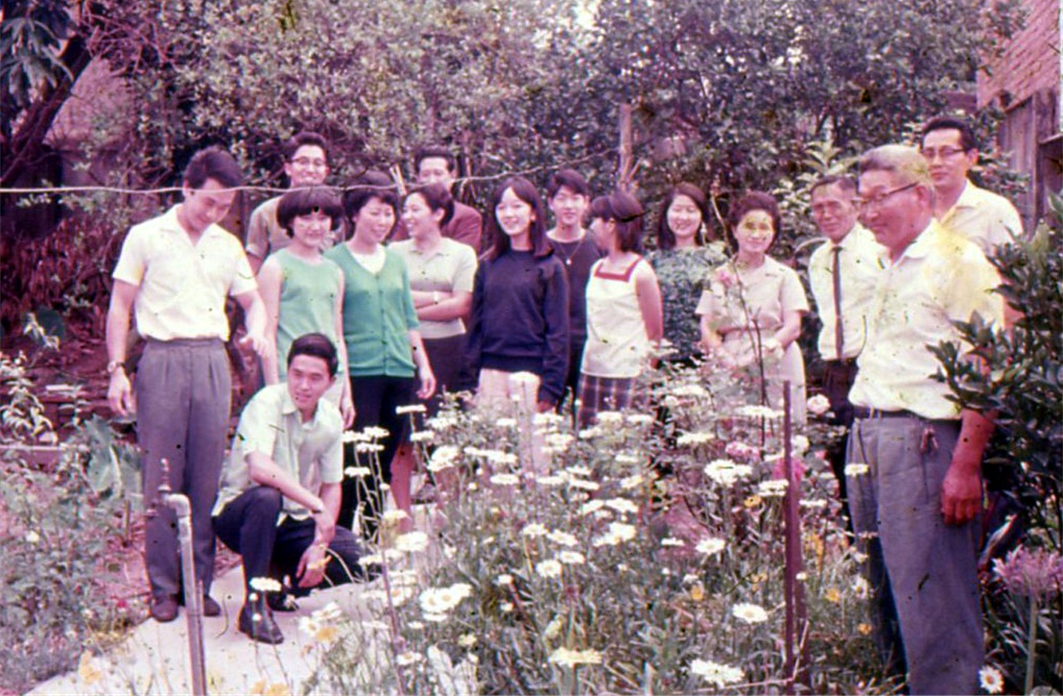
Photo by author
I was invited to the home of a Japanese in the suburbs of São Paulo, and they were kind to me in many ways. It gives a sense of the certainty of the comfort and bond between these successful Japan people in Brazil and their next generation.
In such a natural environment away from the big city, groups of young singles were engaged in matchmaking session over barbecues sessions. I, a newcomer to Brazil, was also welcomed as a rare commodity.
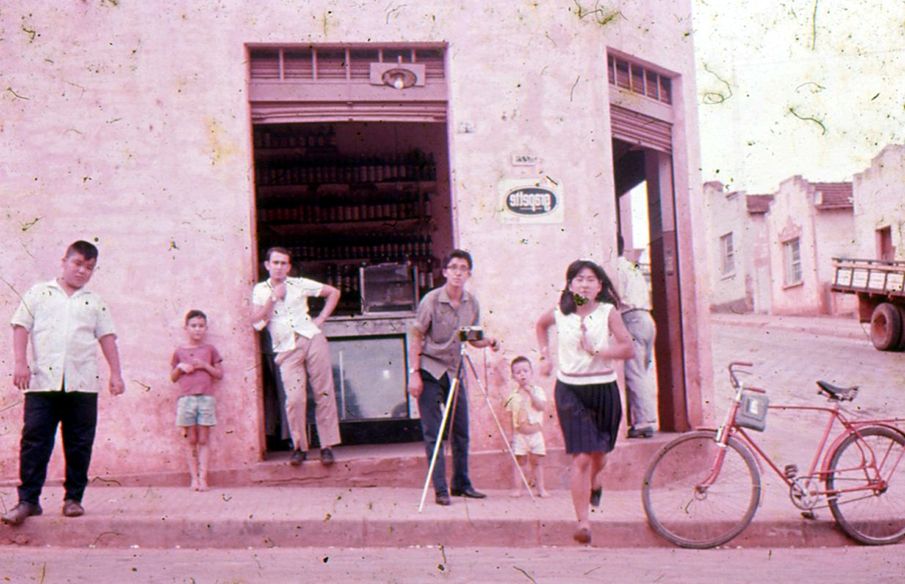
A young man setting a self-timer on the camera and a girl running to the position of the subject. Photo by author
More than 100 kilometers inland from the big city of Sao Paulo, there are many small regional towns in the state of Sao Paulo, like the one in this photo.
There are also towns in the interior of Sao Paulo where large numbers of Japanese people live. On weekends, city dwellers and country folk get together for events like churrasco parties.
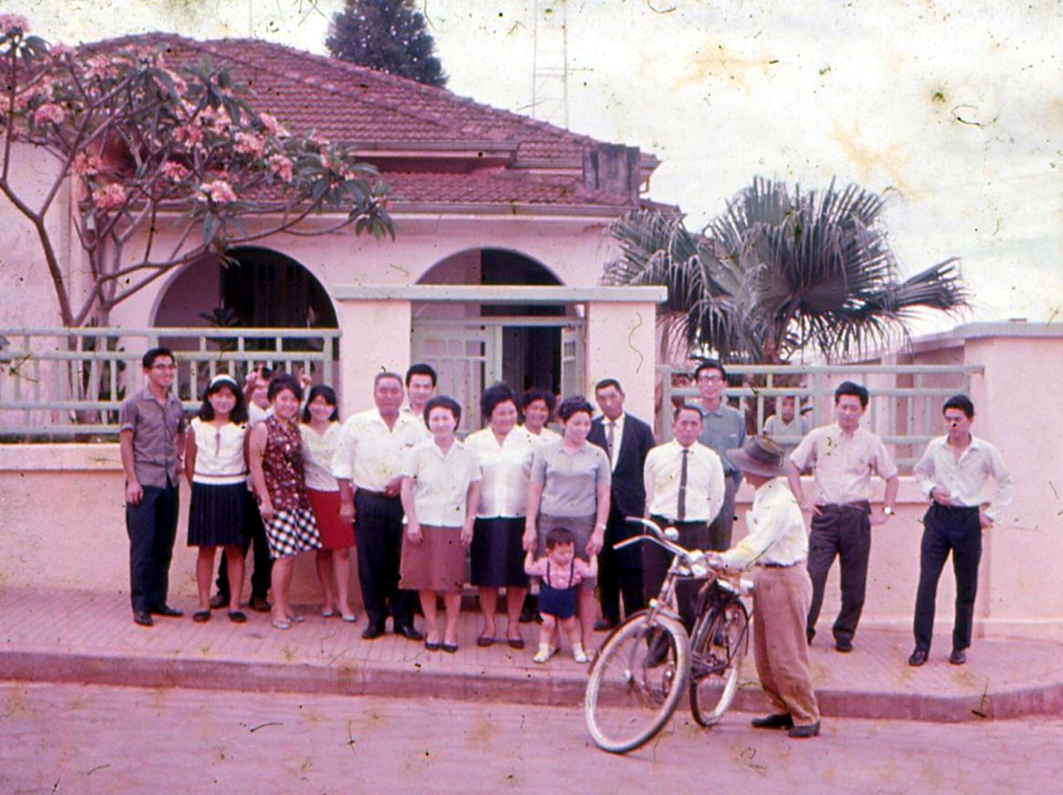
Filming completed. Both of them are on the far left.
Photo by author
National dish of Brazil
1. Feijoada
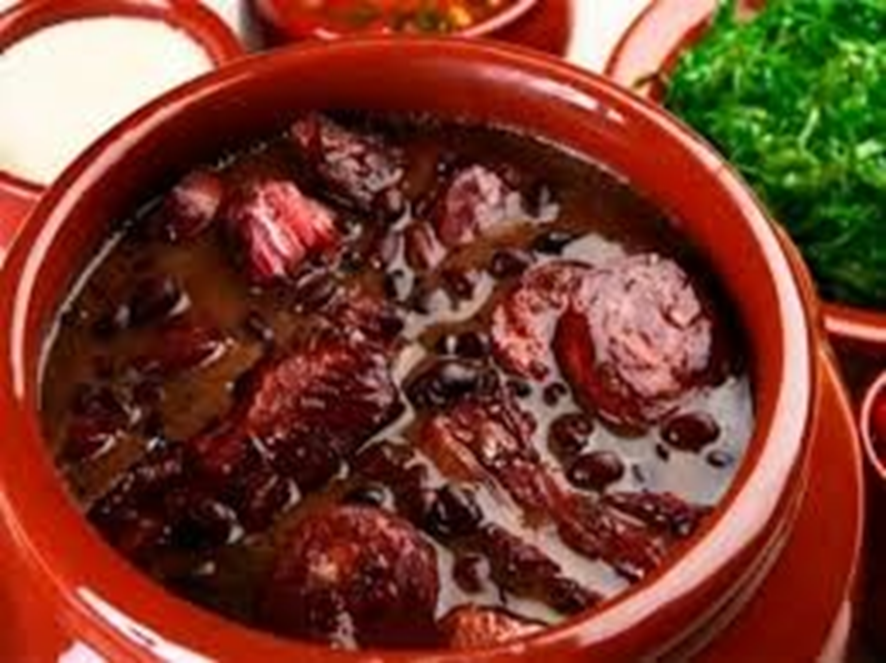
The main ingredients are pork salted in green beans (black beans or red beans), pork feet, pig ears and nose, tail, and internal organs.
In the plantation era, pork legs, ears, noses, tails, etc. left over by the lord were simmered in a clay pot.
Regionally, it spread from the northeastern part of Brazil, where colonization had progressed earlier, to the whole of Brazil.
It is said that the lords of the large plantation used to cook with pork that they had removed for their own use, but they soon discovered that the stew prepared by the slaves was much more delicious, so much so that this unique dish spread throughout Brazil and became a national dish.
The dish is very tasty, but it’s quite greasy and makes you sleepy after eating, so if you eat this for lunch on a working day, you won’t able to work for the rest of the afternoon. Therefore, it is mainly served on weekends (Saturday).
2. Churrasco
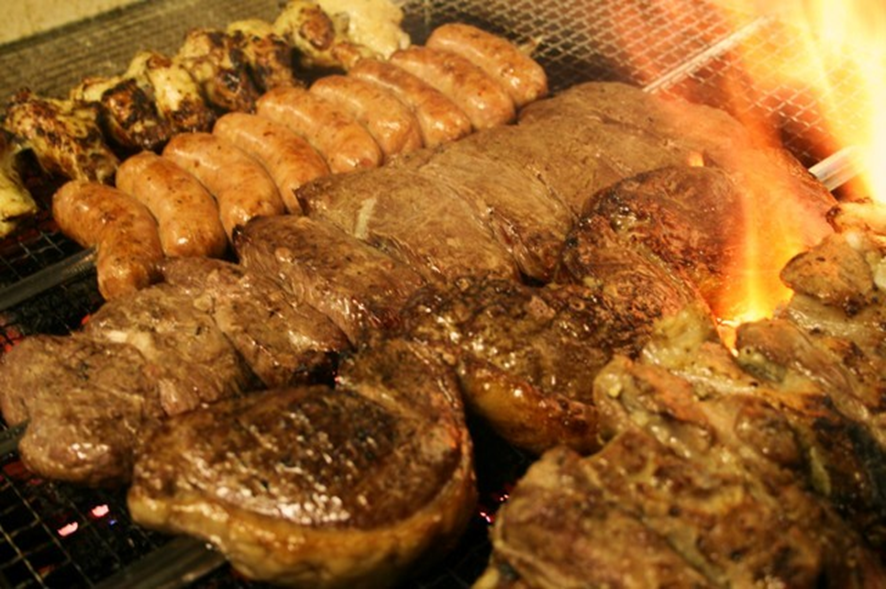
Gaucho (Brazilian cowboy) lays bricks on a grassland and grills beef and other meats on a barbecue.
In Brazil during the 1960s, meat was said to be cheaper than rice.
The transportation distance of rice to São Paulo, a major consumer city, is more than 1,000 kilometers from the southern state where it is produced, while the transportation distance for meat is about 200-300 kilometers, so meat has an advantage in terms of cost. Therefore, meat and dairy products are the staple foods, and rice is served as a side dish, just like vegetables.
3. Kibe
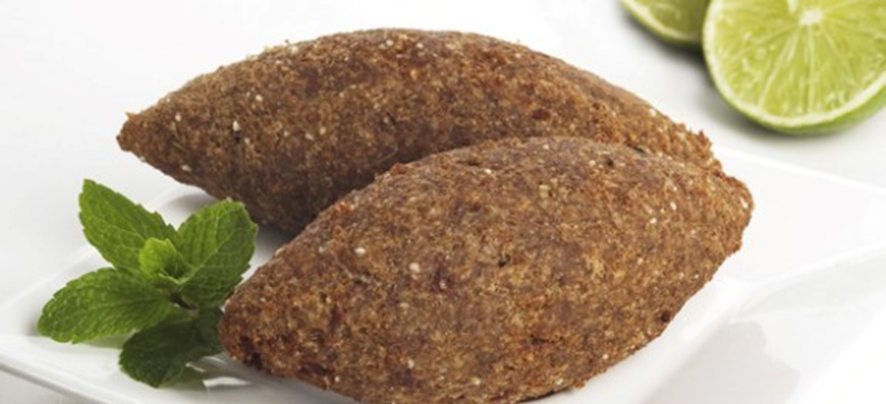
Croquettes are made by wrapping ground beef in ground wheat and deep frying it. They are a food of Middle Eastern origin. There are many immigrants from Syria and Lebanon in Brazil. They are said to have opened and popularized these shops.
Brazil’s national beverage
Cachaca, Pinga
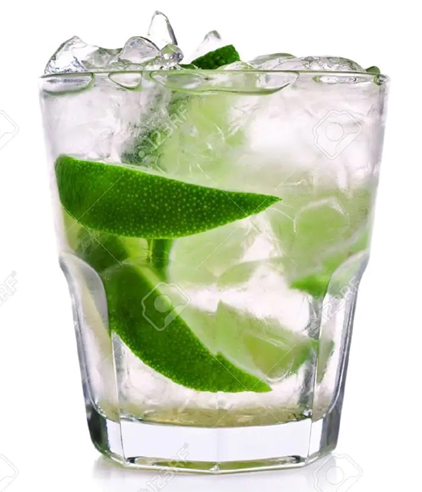
Distilled alcohol. Fermented and distilled sugarcane juice with an alcohol content of 39%. Batida is a cocktail unique to Brazil made by adding sugar, lime, and ice to cachaça.
Guarana
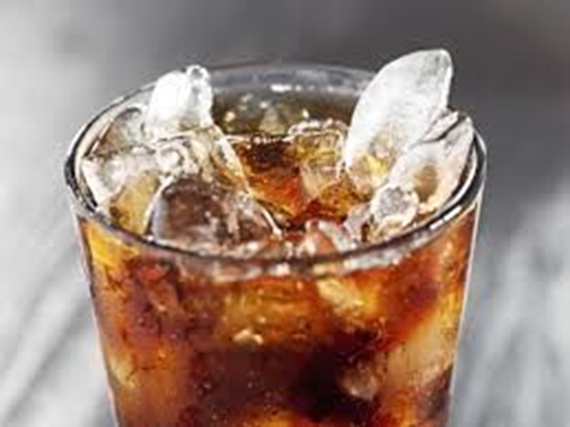
It is a drinking water made from the seeds of guarana, a vine plant native to the Amazon. The guarana fruit derived from the Gurani tribe contains caffeine and tannins, and is said to be effective in relieving fatigue and strengthening spirits.
This drinking water of Brazilian origin can be found chilled in every street corner bar. In Brazil, it is equivalent to cola and Pepsi in the United States, and occupies an overwhelming position as the national beverage.
The color is light amber, and is something like non-alcoholic champagne.
Brazil is wild!!
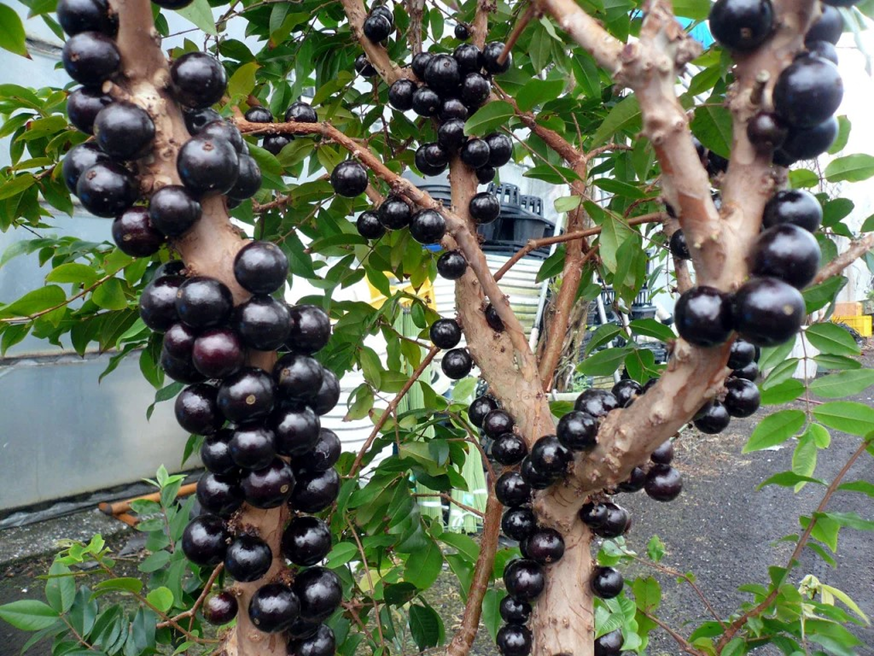
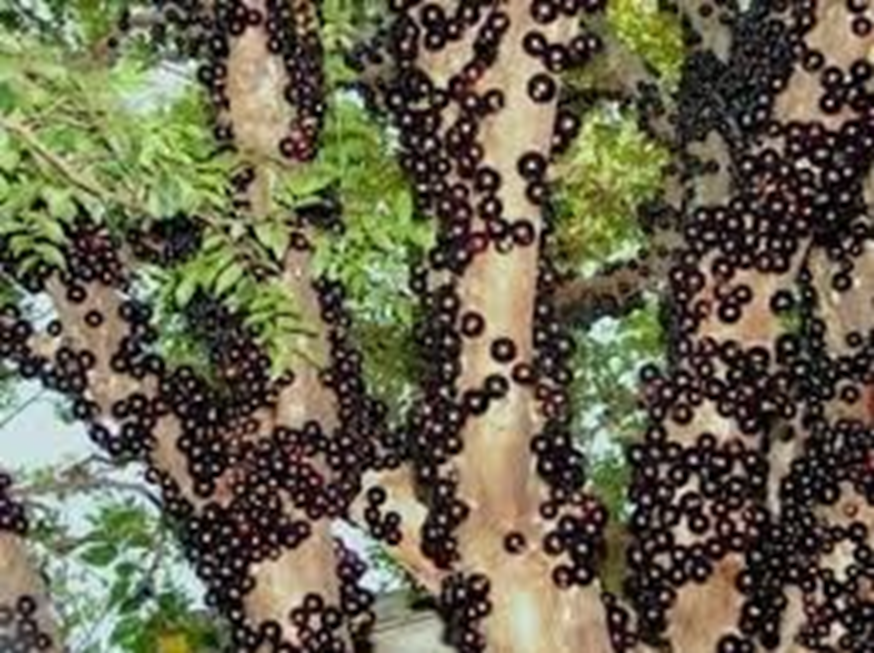
STRANGE FRUIT JABUTICABA
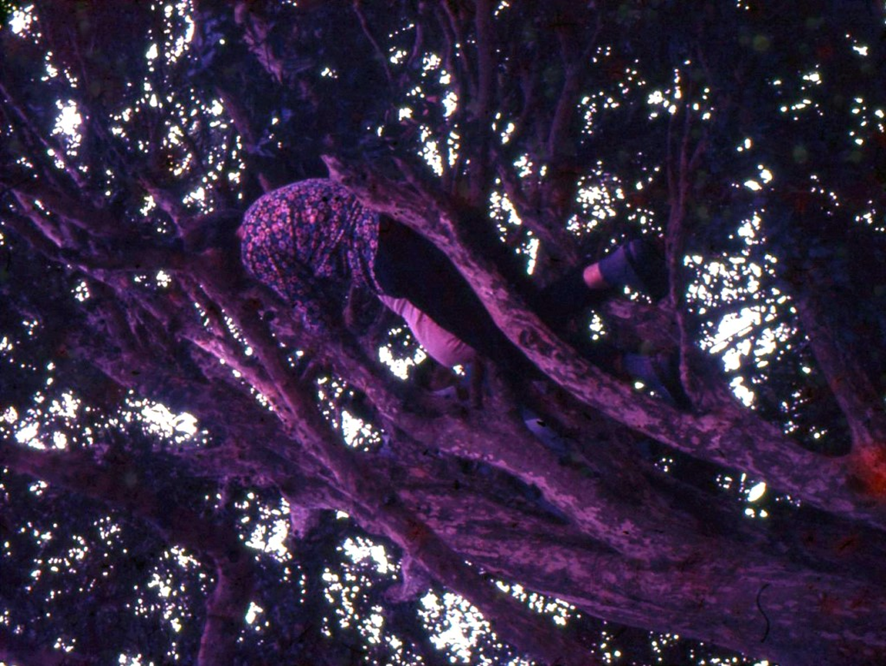
Photo by author, 1965
Under this tree, four people hold the four corners of the bed sheets, and a man and a woman climb the tree and rub the trunk of the tree, dropping the fruit of the jabchikaba directly from the trunk downwards, and the harvest is completed. It is a primitive fruit that is very Brazilian. The taste is close to that of grapes.
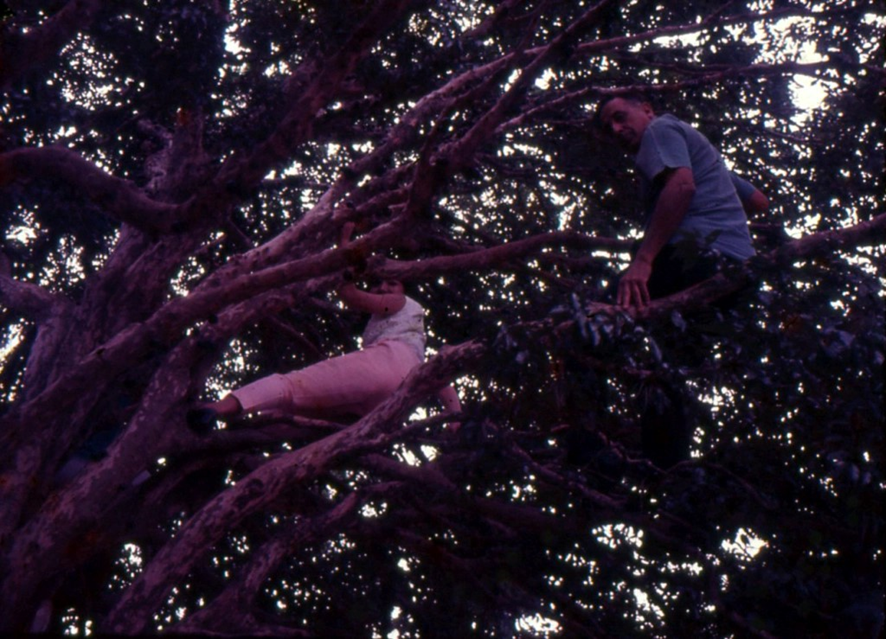
At a Japanese farm 300 kilometers from São Paulo
At this point, the earth is wide and the heavens are high.
The vegetation flourishes well, and it is the heaven and earth of all living things. Meals during the day were to be served around a spacious wooden table in the open air. It is a Brazilian dish served on a plate.
When I finished eating and came back from the table, the food was black.
To our surprise, it was covered in flies. Here, cows, horses, sheep, pigs, etc. are allowed to roam freely, and flies flourish everywhere.
Brazil is a gun society

Buying an American-made Remington
One day, while chatting with the manager of a friend’s apartment in São Paulo, I saw him with a pistol in a drawer on the counter. He explained that if something happened, he would pull out the gun to defend himself.
He told me that I could buy a gun, so I went to a department store on the main street of São Paulo. On the top floor, there was a fine firearms sales area, which occupied a considerable area.
There are all kinds of guns on display. When I asked the clerk to give it to me for sports, not for self-defense, he recommended an American-made Remington.
I was told that I could try it out before I bought it.
The shooting corner was located on the same floor, in an adjacent area surrounded by bricks, where we tried shooting with live ammunition, and if I found a gun I like, he can registrate it with the police on my behalf and I then can purchased it.
I then purchased live ammunition and reported it to the police. According to the clerk, civilians can buy any gun except machine guns.
I am now the official gun owner of the gun in Brazil
Whenever I got stressed at work in São Paulo, I would go to the deserted fields outside the city on weekends to survive shooting.
On the way, I learned that if you pass a local with a gun on the side of a rural road, it is good Brazilian etiquette to keep your gun pointed down to avoid trouble.
Bareback horses are difficult to control, and there is a danger of falling off

I met the son of a well-known writer in Japan in São Paulo, and decided to visit a Japanese farm in the countryside of São Paulo. When we arrived at the farm, we were shown to a barn where two horses were tethered together. We decided to go for a light ride together.
One horse had reins, but the other was a bareback horse without reins.
It was my first time riding a horse.
As we rode side by side, the two horses started racing, and my friend who chose a bare horse, lost control because it had no reins.
He fell from his horse and was slammed from the waist to the ground.
Fortunately, it was in a field that was plowed softly, and because he was young, there were no broken bones or other injuries.
This friend later returned to Japan and appeared on TV for a while, but I wonder what he’s up to these days?
A side note…
I was told by a person in the hinterland of São Paulo that there have been quite a few cases where a cash van at a gas station in the wilderness of Brazil’s interior has been attacked by armed groups on its way to a bank.
In addition, there are also cases of gunfire following fights in nightclubs in the city of São Paulo. I have heard gunshots nearby. Later, in a restaurant, a customer at the next table raised a gun after a conversation with a group of people, and it almost became a commotion.