JAP | ENG
Madrid, Spain
OCTOBER 2013
#2/3
San Miguel Market
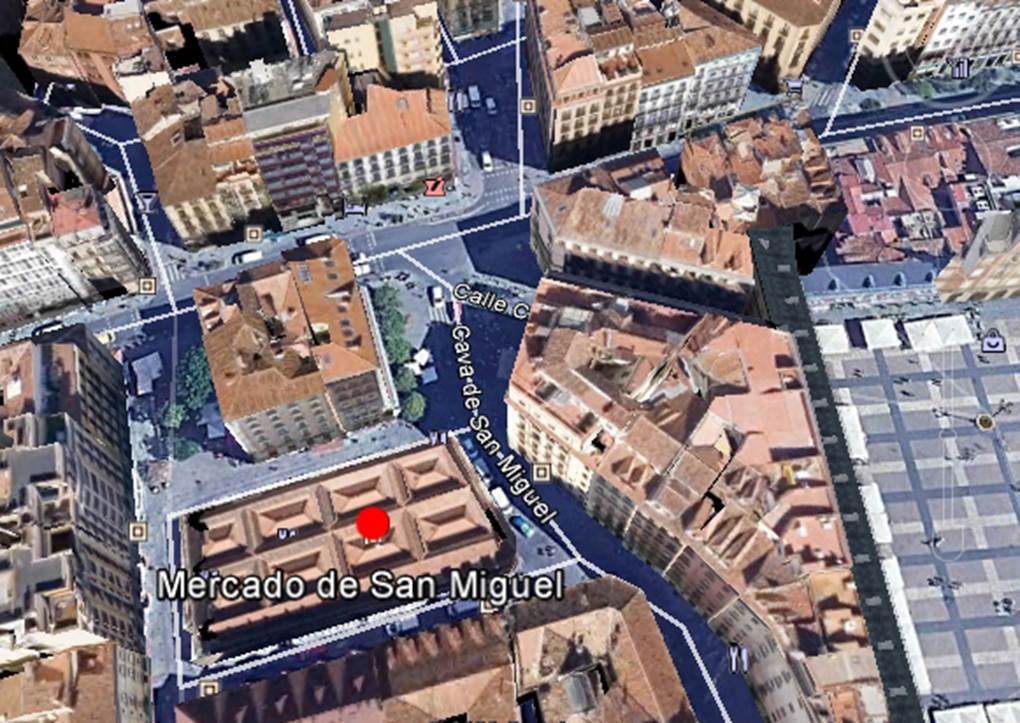
I came across a large market about 10 minutes’ walk from Plaza Mayor, one block west. It was the Mercado de San Miguel, a San Miguel market that sells fresh produce. On the map below, San Miguel Market is on the left and Plaza Mayor is on the right.
Gastronomy Hall of Fame, eating your way through San Miguel Market
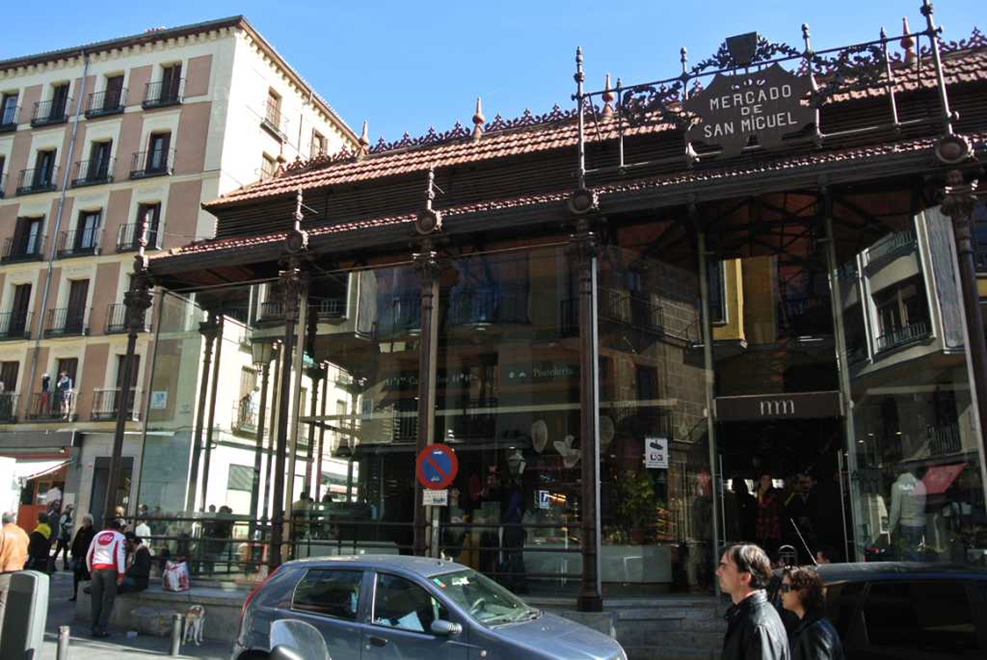
Photo by author, 2013
Opened in May 1916 as a wholesale fresh food market, it has a history of more than 100 years and is one of the city’s few masterpieces of cast-iron architecture. In 2009, it was reborn as Madrid’s first gastronomy market.
The interior is well lit by natural light from the roof and well-chosen spotlights that highlight the ingredients. It is a bright and clean market.
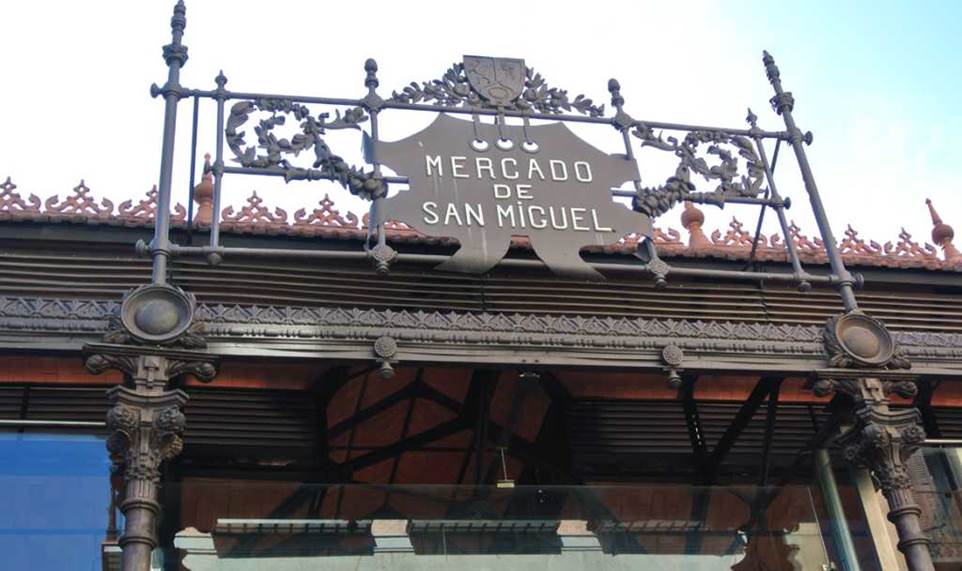
Photo by author, 2013
Iberian ham
When it comes to Proscuitto (uncooked, unsmoked, and dry-cured ham), the first thing that comes to mind is Jamon Iberico. Outside of Spain, you won’t find such delicious prosciutto.
Prosciutto shop, Carrasco Guijuelo.
Guijuelo is one of the four major Iberian pig producing areas in Spain, and while checking the place of origin on a map and thinking about the place of origin, eating the prosciuttowith red wine that goes well with it makes it even more delicious.
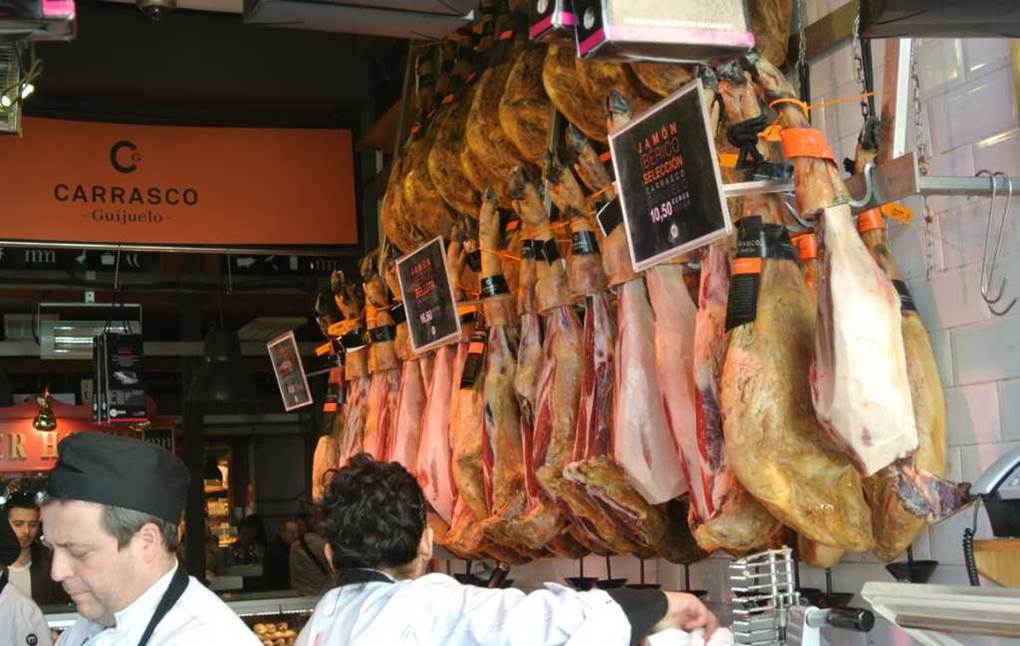
Photo by author, 2013
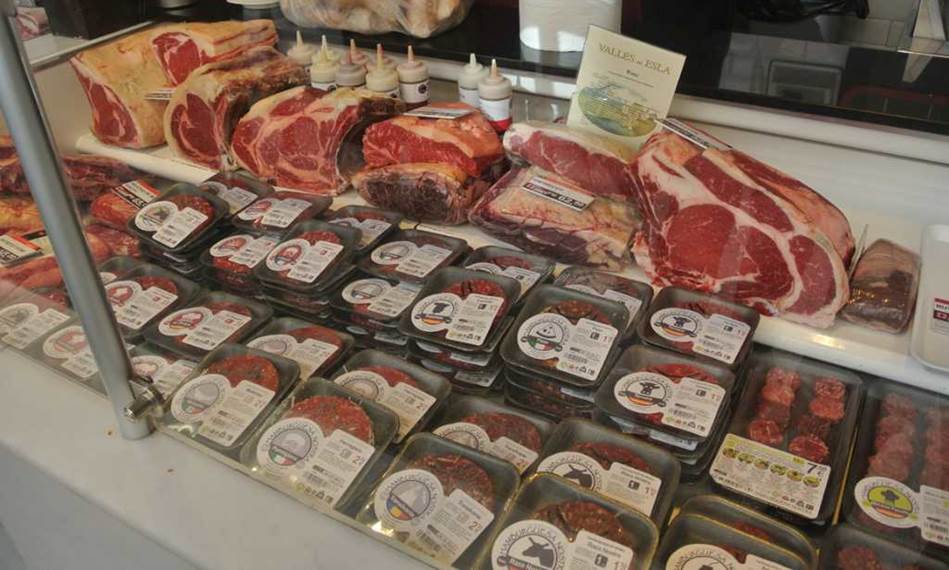
Photo by author, 2013
The San Miguel Market is home to about 30 shops and bars. It is also a food court where you can choose and eat tapas (small dishes) at the counter table in front of the store.
The 100-year-old building is one of the world’s major gastronomic markets, allowing visitors to easily sample the flavors of Spain.
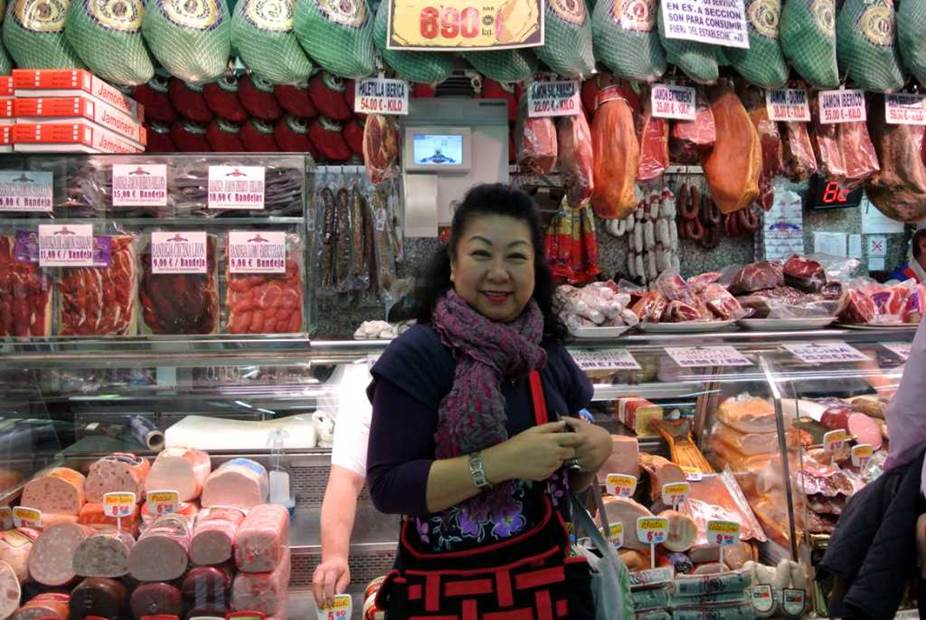
Photo by author, 2013
To be called Iberico, a breed must have a certain lineage, just like Wagyu.
And in terms of place of origin, there are four brands of Iberico in Spain, just like Wagyu, Matsusaka, Omi, and Tajima.
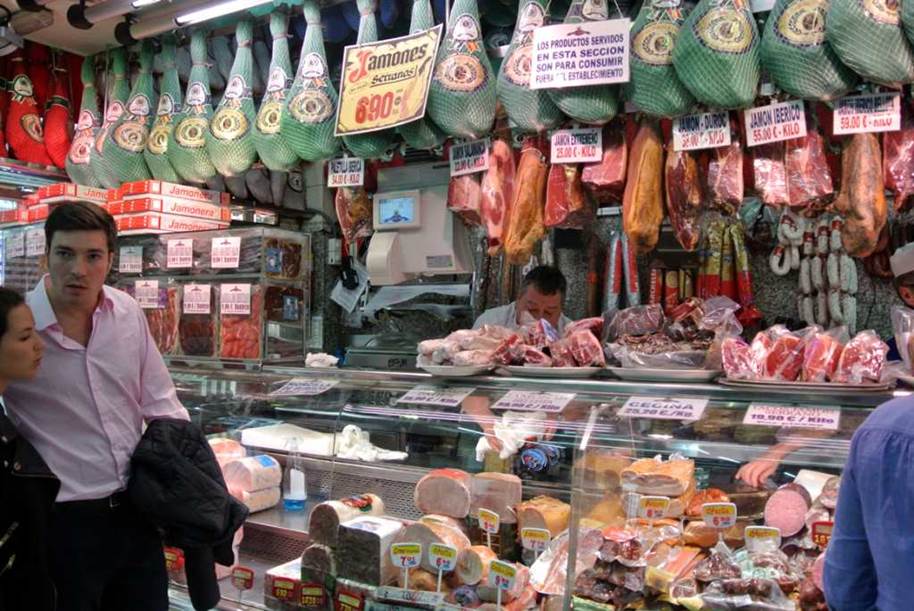
Photo by author, 2013
Tapas
Tapas (appetisers or snacks) are served.
It is written in English. All of them cost less than 500 yen, or USD3.
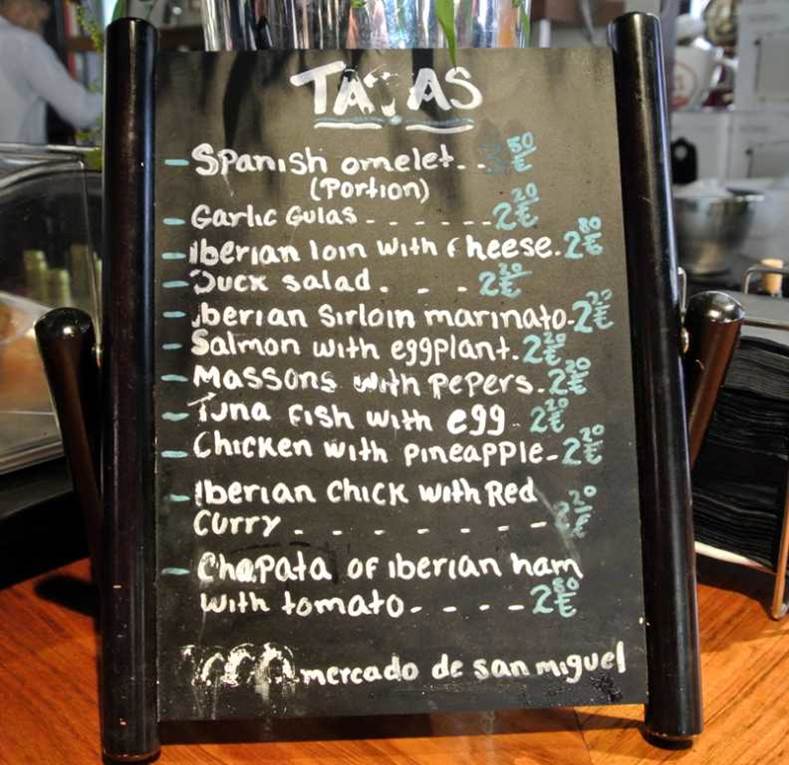
Photo by author, 2013
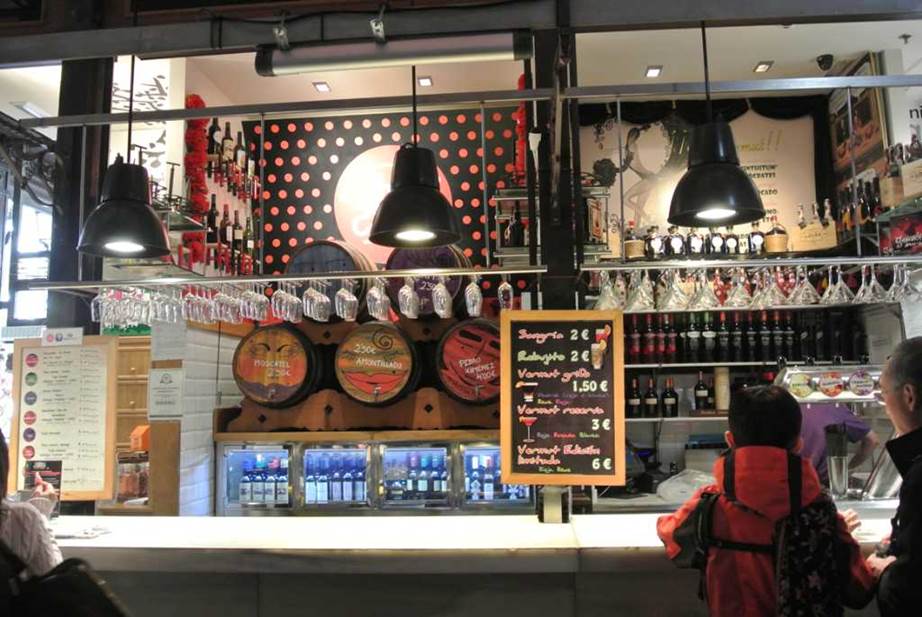
Photo by author, 2013
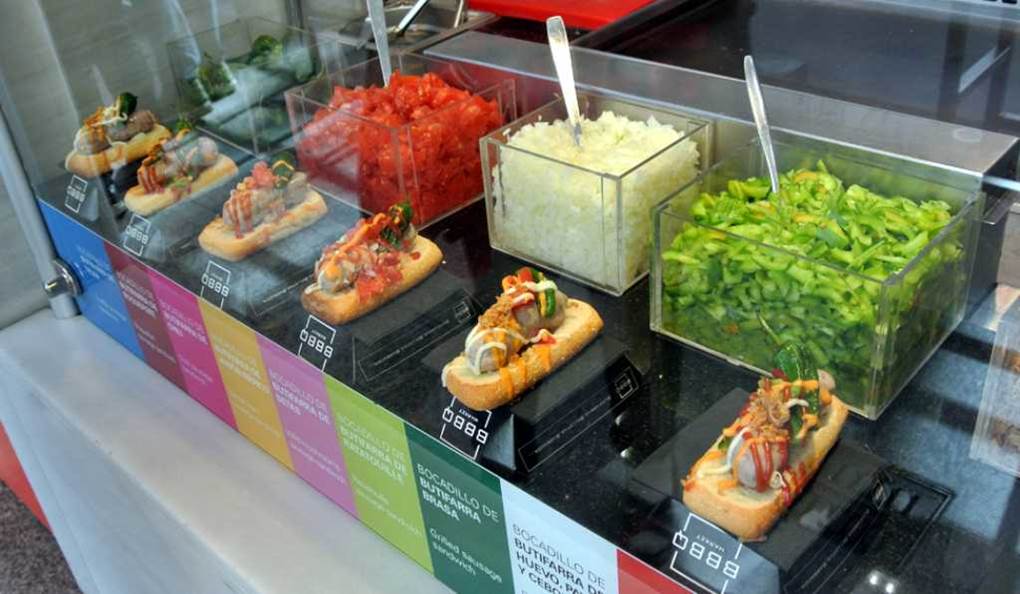
Photo by author, 2013
Japan’s sushi has also proudly joining the ranks of tapas.
Tapas and sushi go well together.
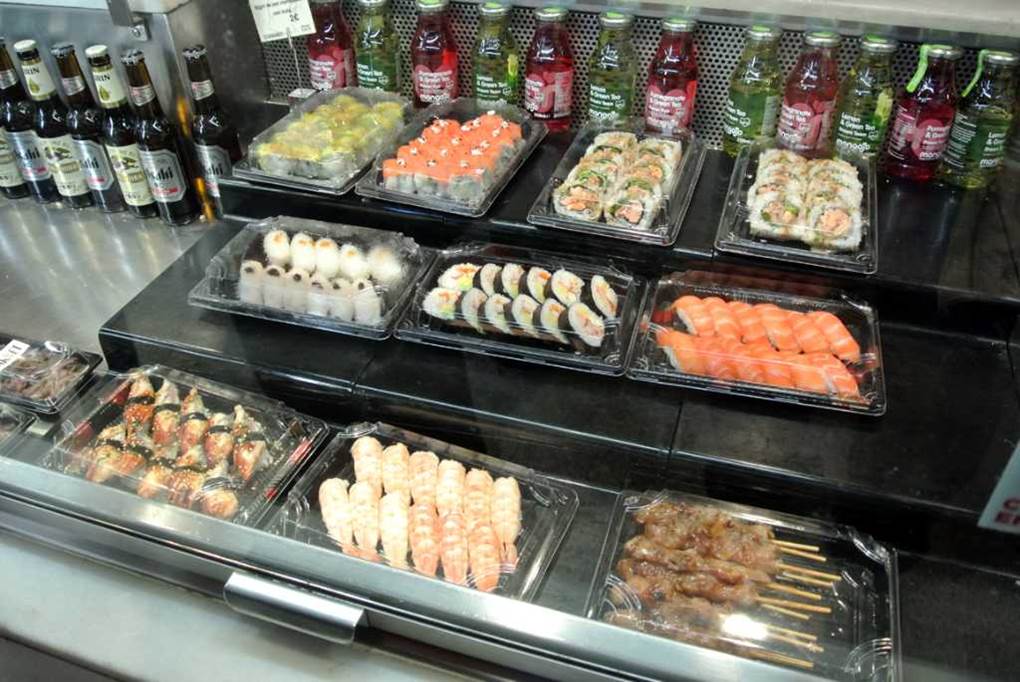
Photo by author, 2013
There was a huge fish that looked like a monkfish.
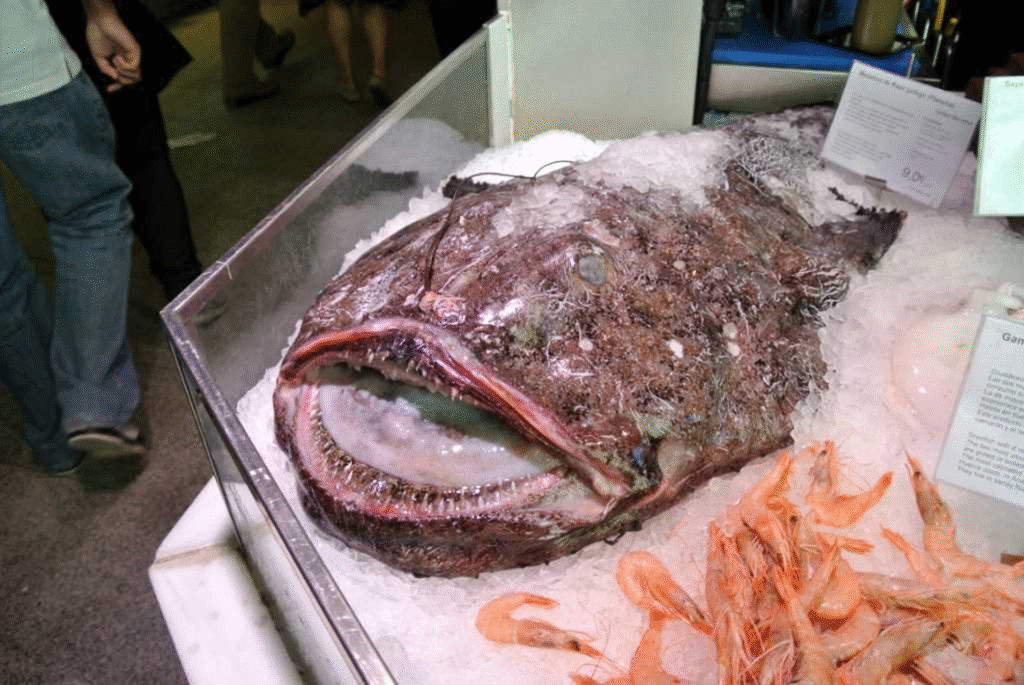
Photo by author, 2013
Abundant shellfish
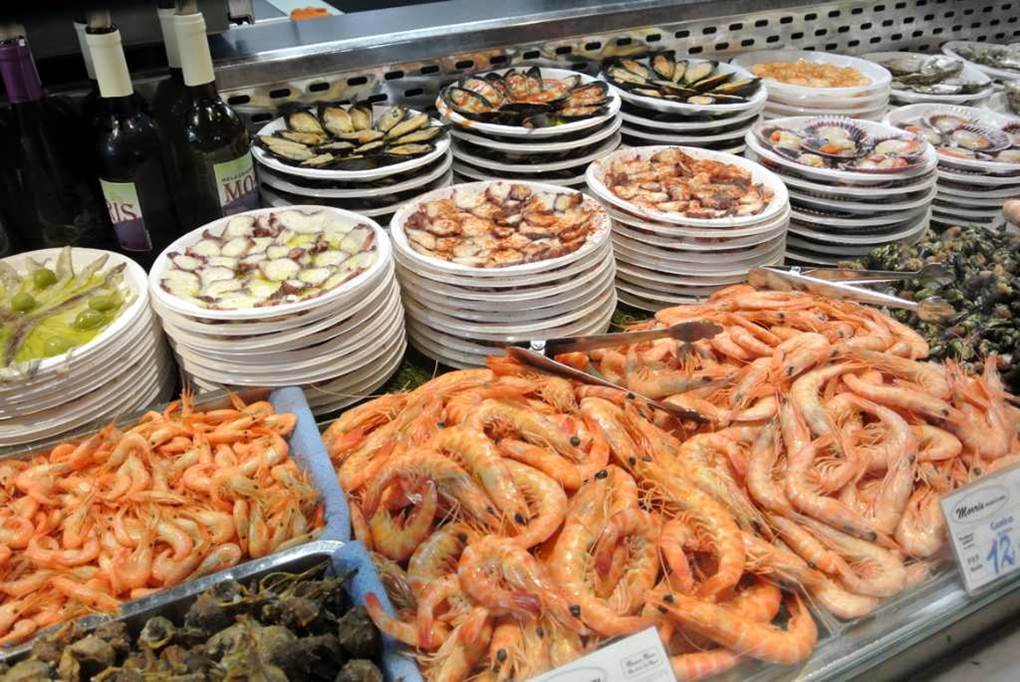
Shellfish are very abundant because they come ashore from both the Atlantic Ocean in the north and the Mediterranean in the south.
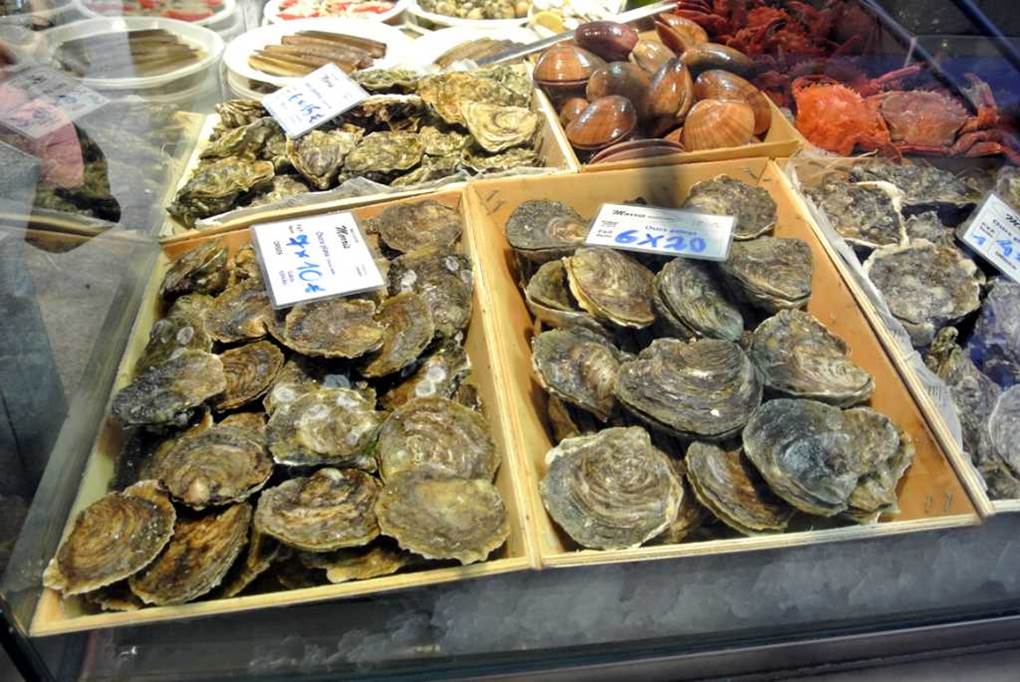
Photo by author, 2013
Olives
Southern European countries are rich in olives.
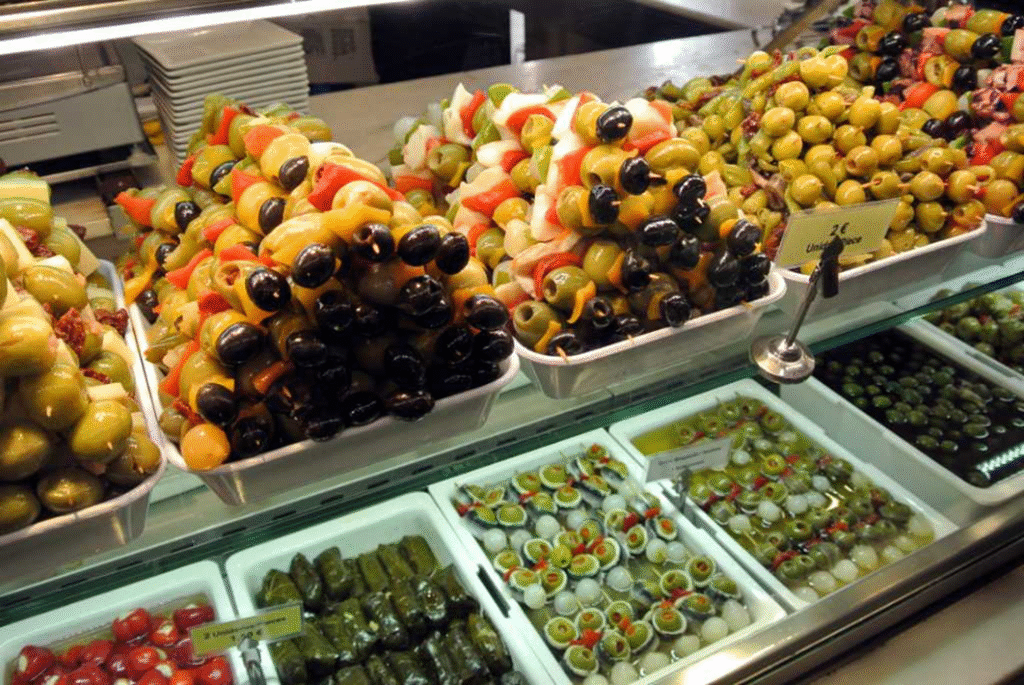
Photo by author, 2013
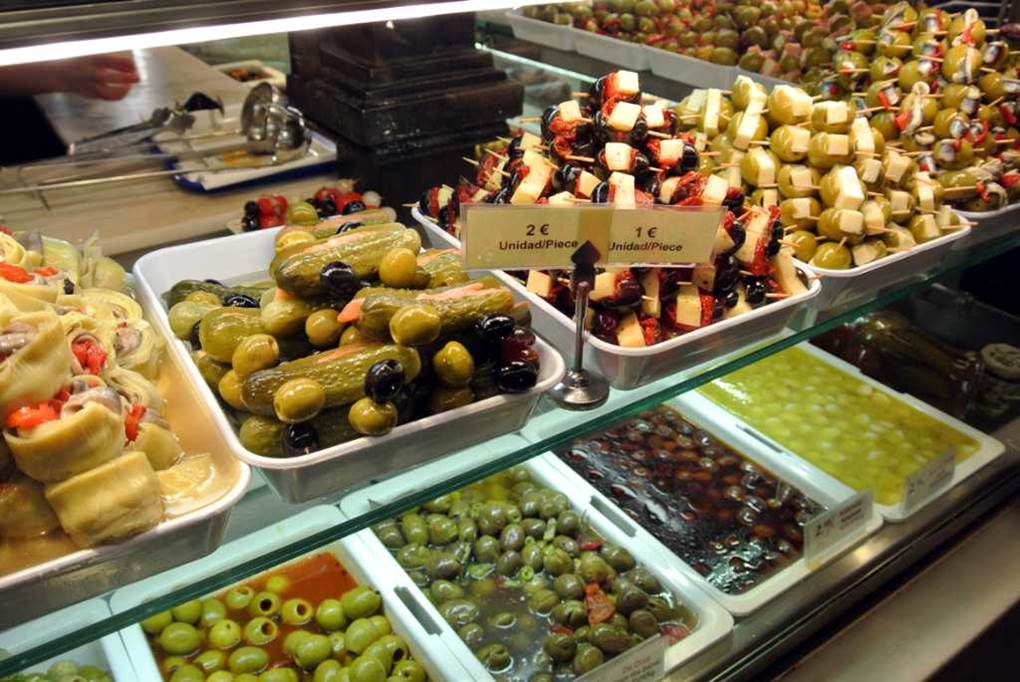
Photo by author, 2013
Cafe
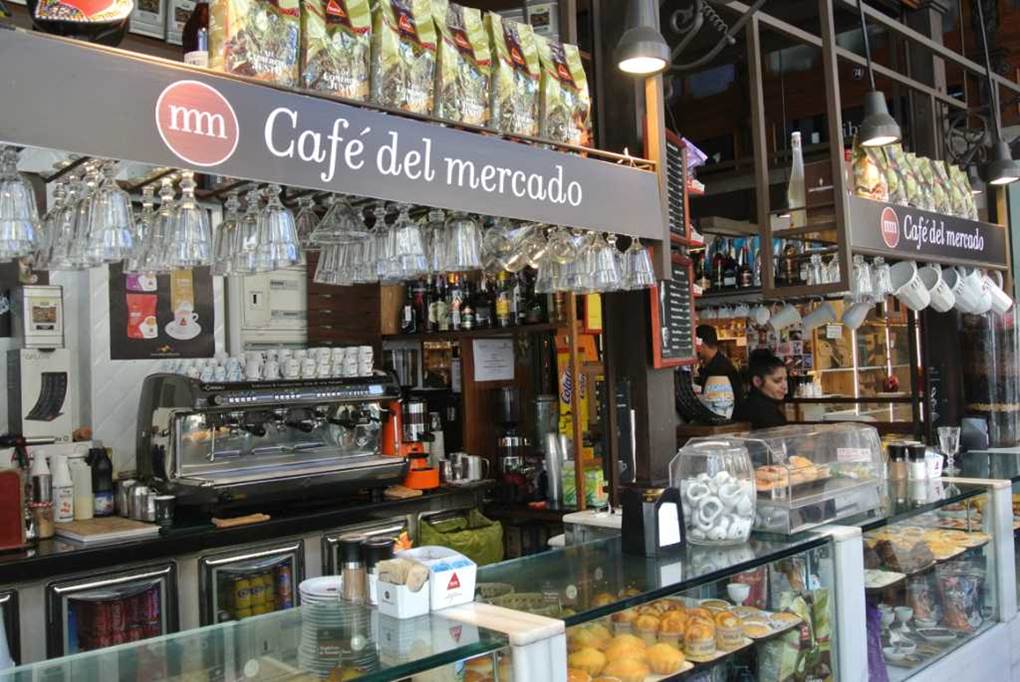
Photo by author, 2013
Sangría
Sangria is a type of flavored wine that is popular in Spain and Portugal.
Fruit is added to red wine, flavored with cinnamon, etc., and left to sit overnight.
If you interpret “De Vino O Porto” on the information board, you will understand that it is based on port wine from the city of Porto in Portugal.
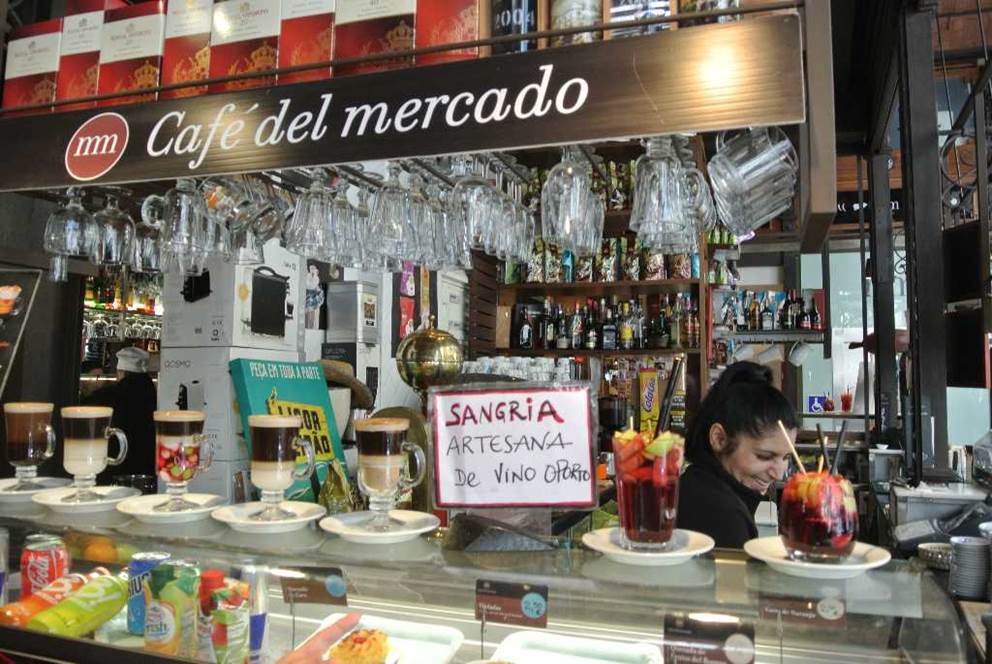
Photo by author, 2013
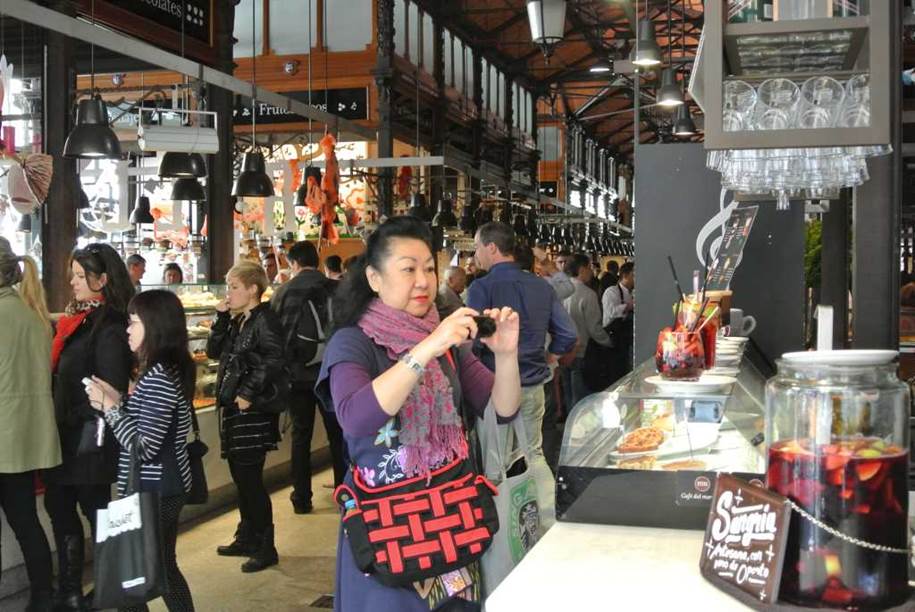
Photo by author, 2013
Lhardy
There was a bakery in the corner of the San Miguel market.
The sign said (Desde = Since), so we knew it had opened in 1839.
That means it was a long-established store with over 160 years of history.
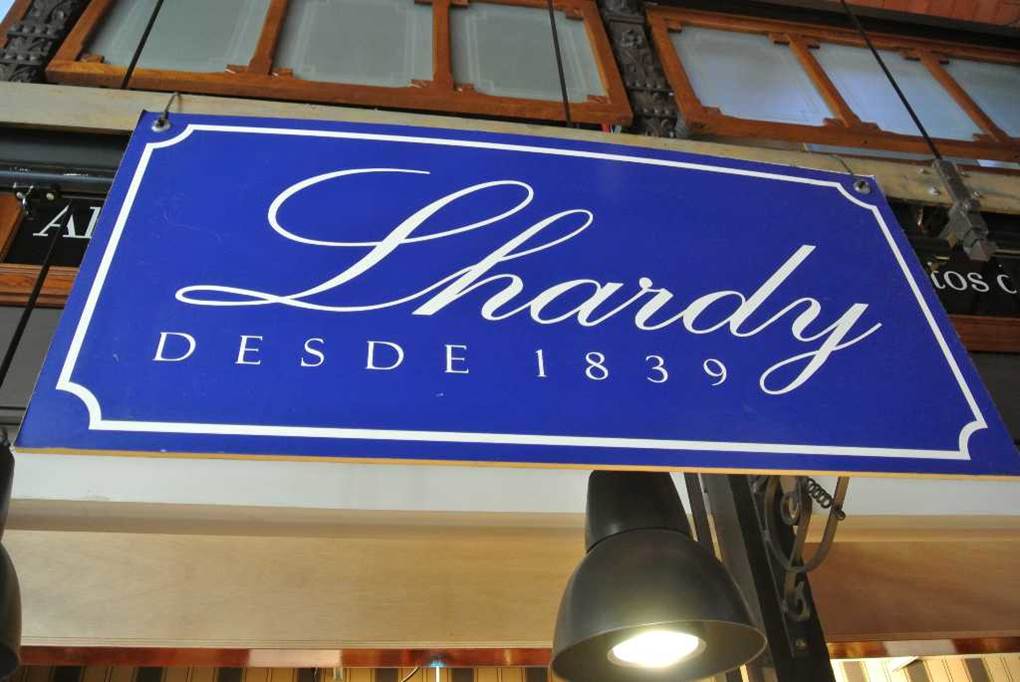
Photo by author, 2013
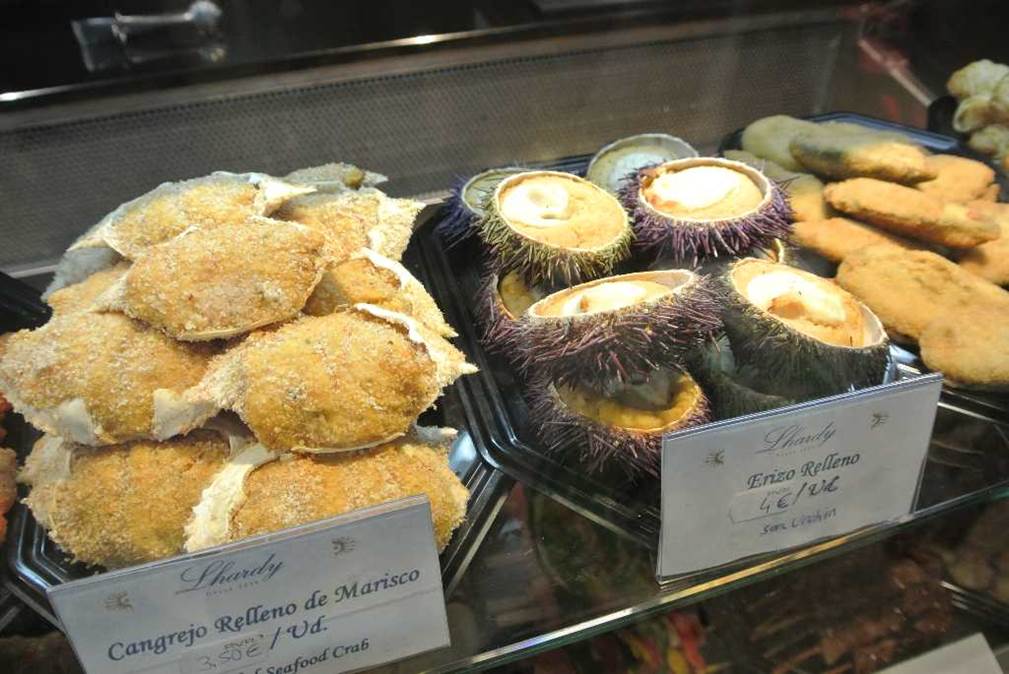
Photo by author, 2013
There is a wide variety of breads on display.
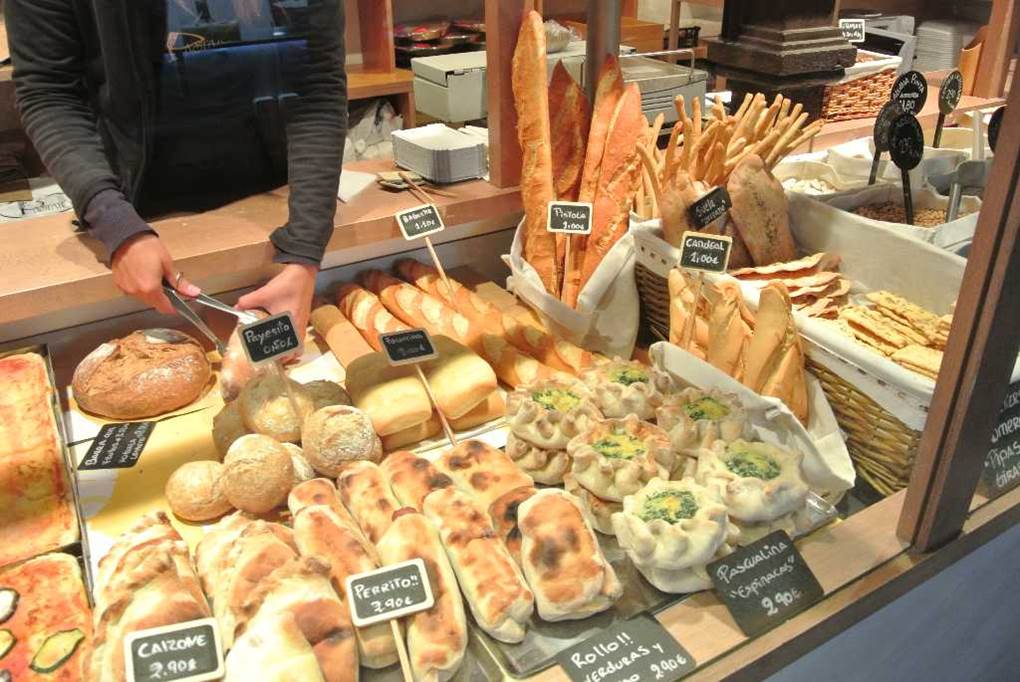
Photo by author, 2013
Lhardy Main Store
In the city, I happened to find Lhardy‘s main store. The shop was closed during the day, but at night, the first floor was a deli takeaway, and the second floor was a prestigious gourmet restaurant. It is also the oldest restaurant in Madrid.
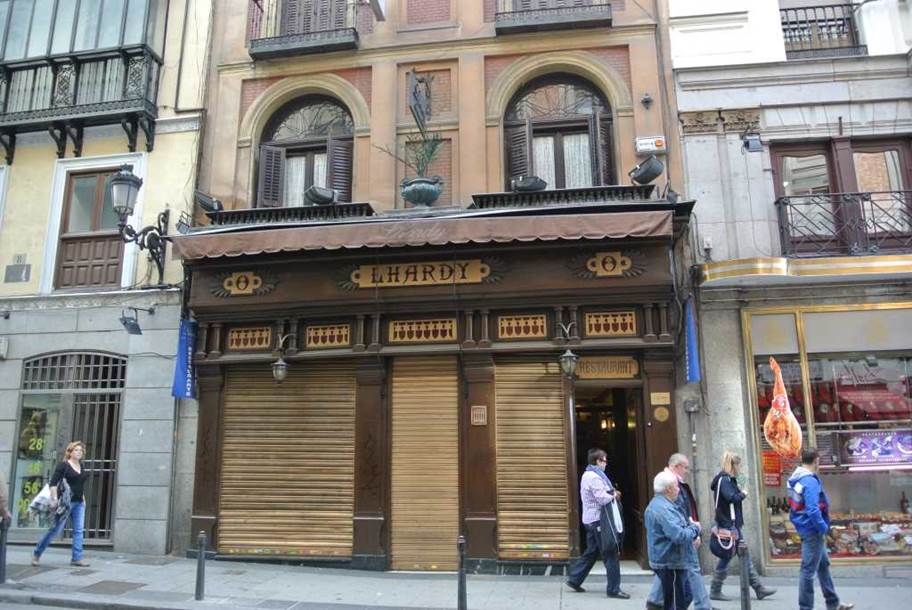
Photo by author, 2013
Museum of Prosciutto (Museo del Jamón)
When you think of Spain, you think of Iberian pork. There are restaurants all over the city where you can eat prosciutto.
I found a store in Madrid called Museo del Jamon, or “Museum of Prosciutto.”
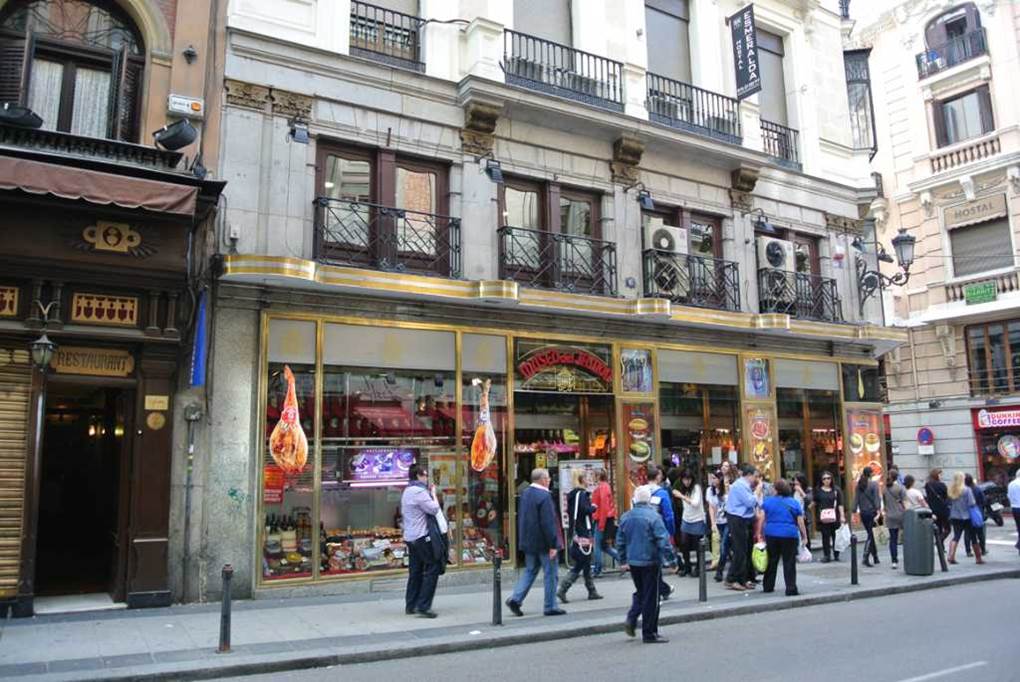
Photo by author, 2013
After salting raw Iberian pork, the excess salt is washed off and hung in a dry place with a low temperature for about 2 to 5 years to dry and mature. Paleta, which is made from the front leg, is lower in fat and has a relatively short aging period.
Iberian pig grazes mainly in oak and cork forests in the western part of the Iberian Peninsula, and grows up eating acorns and other nuts. Guijuelo in the Salamanca region, which borders Portugal to the west of Madrid, is known as the four major production areas of Jamón Iberico.
The stock of prosciutto is displayed from the counter to the ceiling, creating an overwhelming sight.
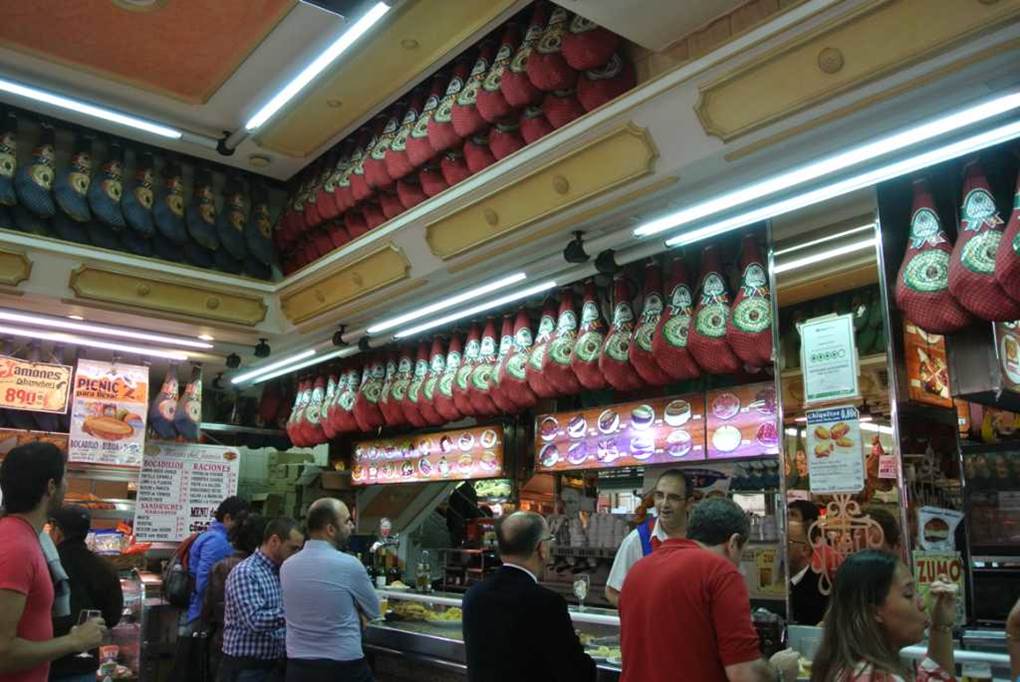
Photo by author, 2013
All photos taken by author, Oct 2013