JAP | ENG
India Travelogue 1989
#4/26
Delhi
February 4, 1989 Air India AI428 Departing Bombay 07:15 Arriving Delhi 09:05
The aircraft used for the domestic main line connecting India’s No. 1 commercial city, Mumbai (then Bombay), and the capital, New Delhi, was a Russian-made plane (sorry) that I never wanted to ride again, like the one I flew over Siberia from Moscow in 1968. The signs on the plane were boldly in Russian!
Statistics from that time showed that India, despite its huge land area and historically rich tourist sites, had fewer inbound tourists than Singapore, a tiny city-state (excuse me) with almost no historical tourist sites. This got me thinking about the tourism industry and the international situations that affect it.
Capital: DELHI
Delhi, the capital of India, is divided into two distinct city blocks.
Old Delhi City Center (orange)
In 1648, the capital was moved from Agra and became the capital of the Mughal Empire. It was developed as a castle town in 1857, and the city was surrounded by a wall, which can be understood from the sketch below.
New Delhi city area (yellow)
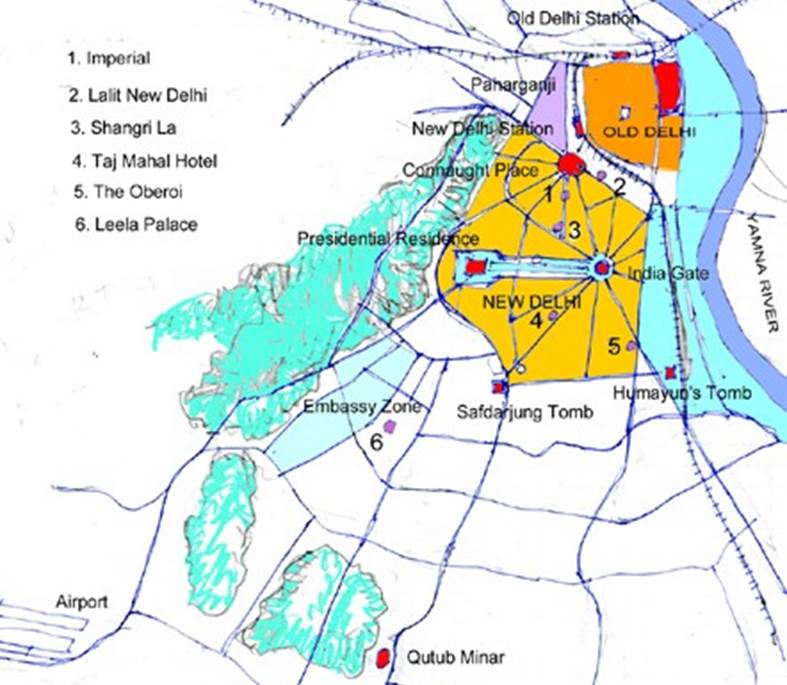
Author’s sketch
Close-up of Old Delhi cityscape (author’s sketch)
As the population grew, the large “Haveli” (description below) trading houses and mansions built in the early years were subdivided to form today’s Old Delhi.
There is still a maze of old-fashioned, winding roads that were long enough for donkeys, cows, and humans to pass through, even if cars were not accessible.
If you get lost in a place like this, you’re going to be in trouble. Due to the post-war separation policy of India and Pakistan, refugees from Pakistan and Kashmir were accepted, and the country was subjected to massive population pressure. And it became an unimaginably overcrowded city.
From the entrance square of the Red Fort, as an axis to the west, Chandni Chowk Street is formed. THE HUGE FRIDAY MOSQUE, JAMA MASJID, IS LOCATED SOUTHWEST OF THE RED FORT. (Map below, maze-like roads)
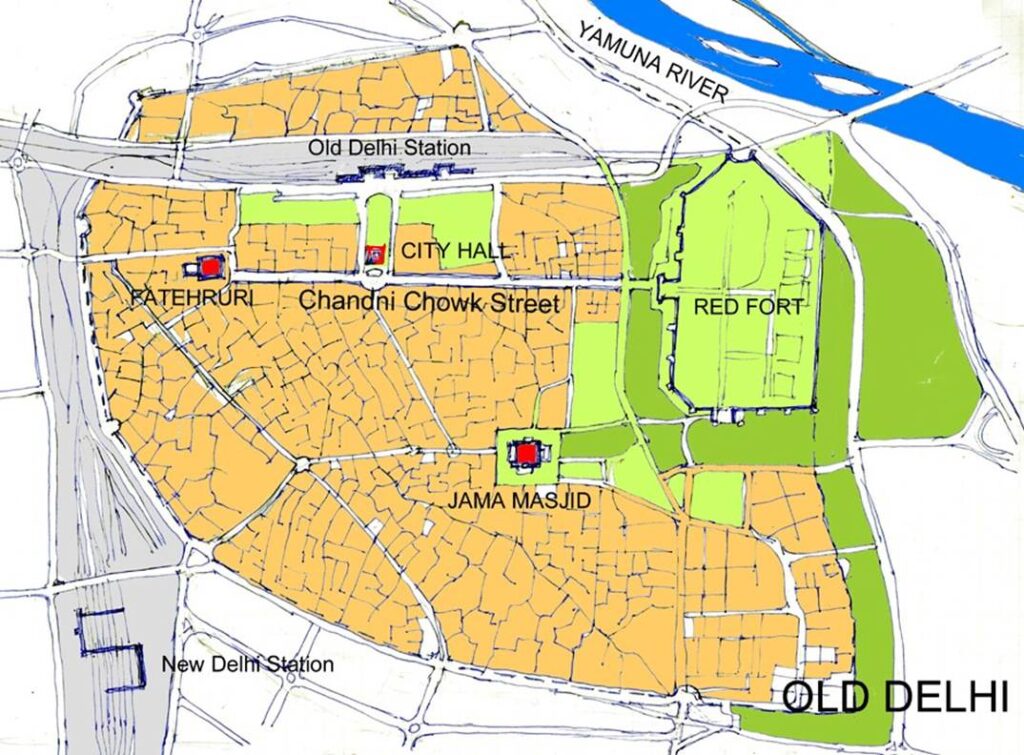
Author’s sketch
RED FORT World Heritage Site
Between 1639 and 1648, a huge castle in the India Islamic (Mughal) style was built over a period of about nine years. After its completion, the Mughal emperor Shah Jahan moved the capital from Agra to Delhi, and the castle served as the residence of the Mughal emperors for 200 years until it fell into the hands of the British Empire.
The time when this huge red sandstone wall unique to India was built corresponds to the early Tokugawa period in Japan, and coincides with the period when Dejima was built in Nagasaki due to the national isolation decree.
Today, it is the largest tourist spot in Old Delhi where you can experience the history of early modern India.
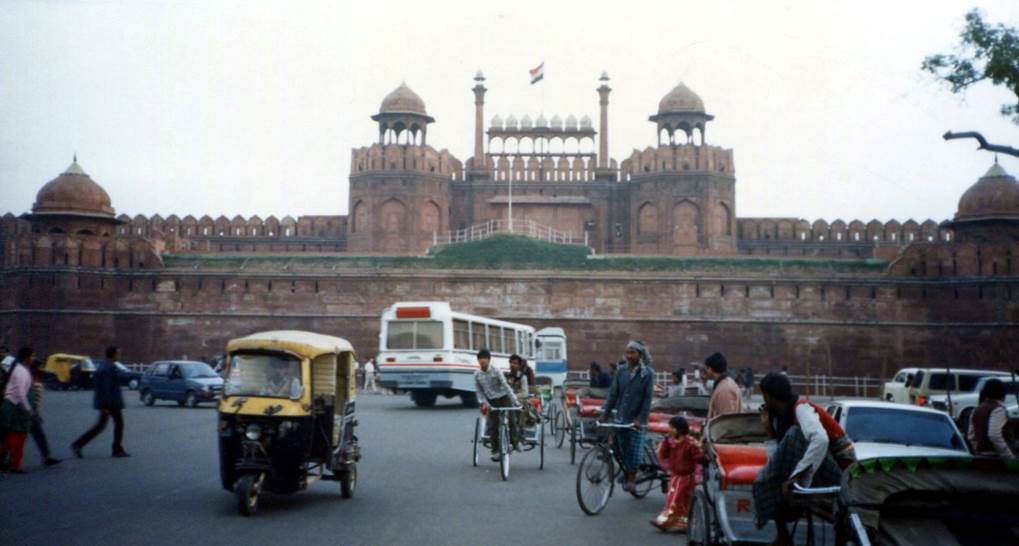
Photo by author, 1989
On the west side of the wall, Lahore Gate.
There are many historical buildings and gardens in the castle.
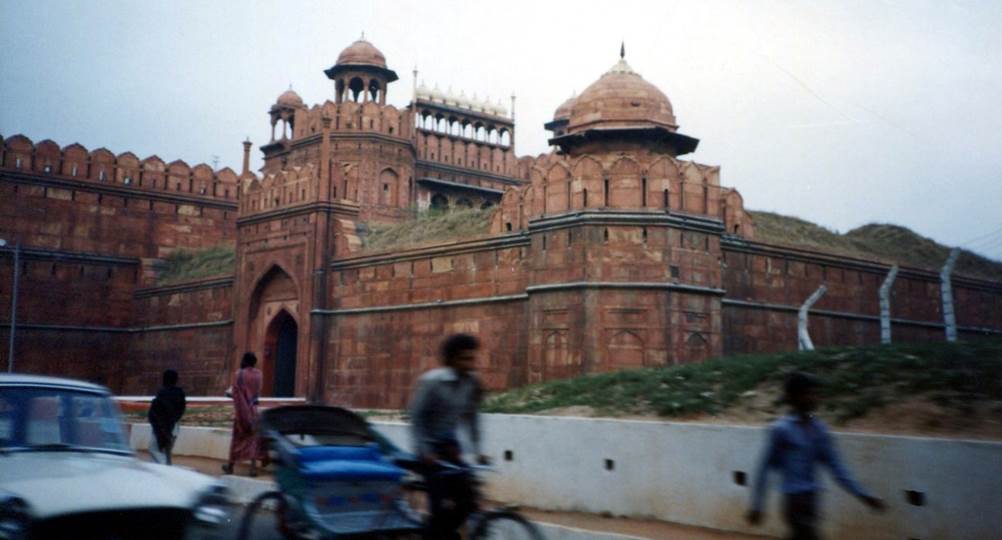
Photo by author, 1989
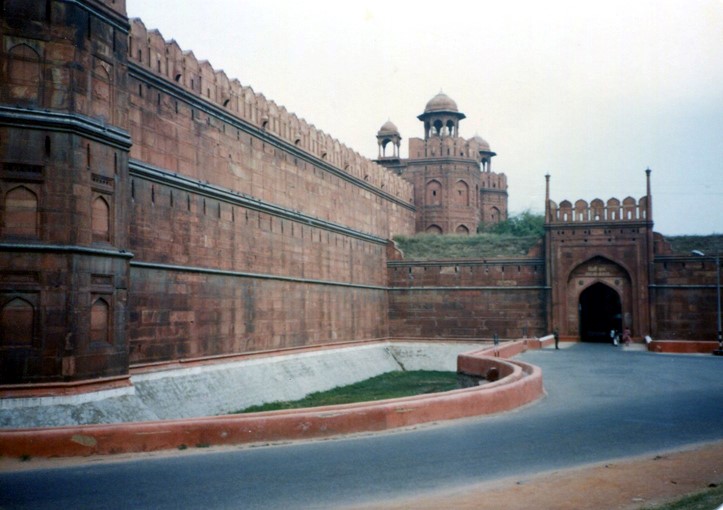
Photo by author, 1989
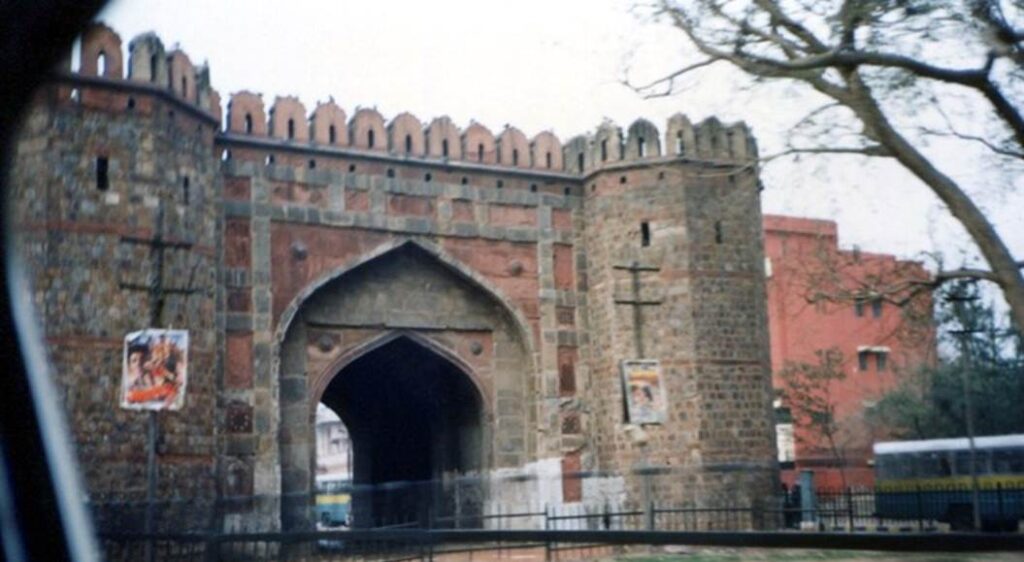
Photo by author, 1989
CHANDNI CHAWK
When talking about Old Delhi as a first-time visitor, one place you can’t miss is Chandni Chowk. It stretches in a straight line from east to west, with the Red Fort at its eastern end, a mosque at its western end, and Moonlight Square, the entrance to Old Delhi Railway Station, at its midpoint.
Long-distance trains run from this station to all parts of India.
A light eatery on Chandni Chowk Street. (Delhi-style tavern)
Bare light bulbs under the tent, dials hung on the wall.
It evokes the atmosphere of medieval India. (Below)
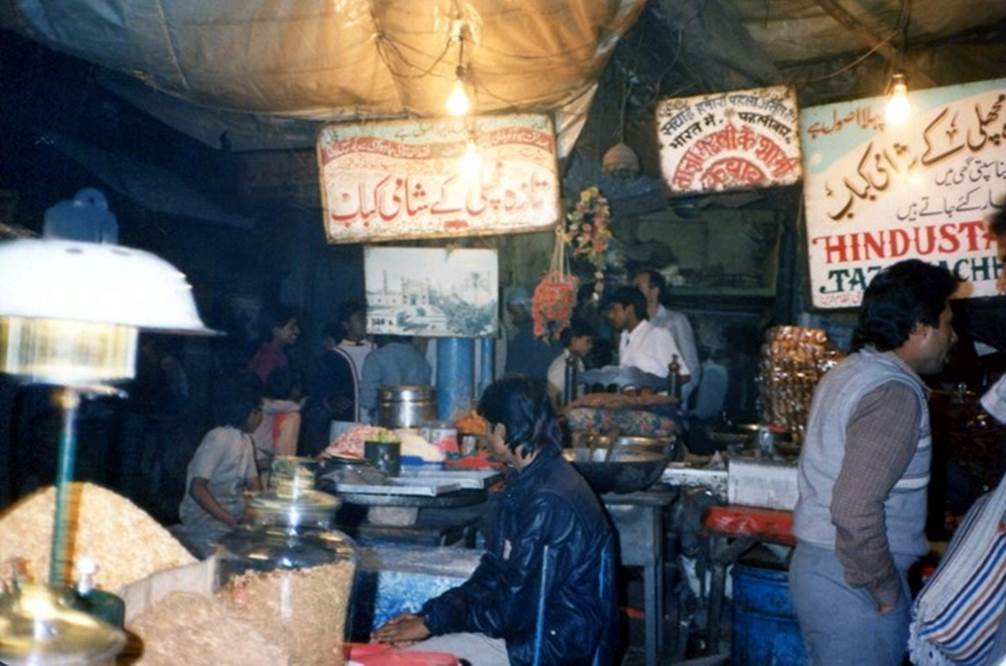
Photo by author, 1989
As the population grew, the large “Haveli” (see below) trading houses and mansions built in the early years were subdivided into smaller shops and eateries, and became today’s super-dense Old Delhi.
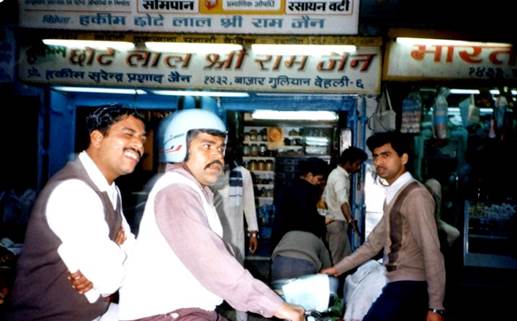
Photo by author, 1989
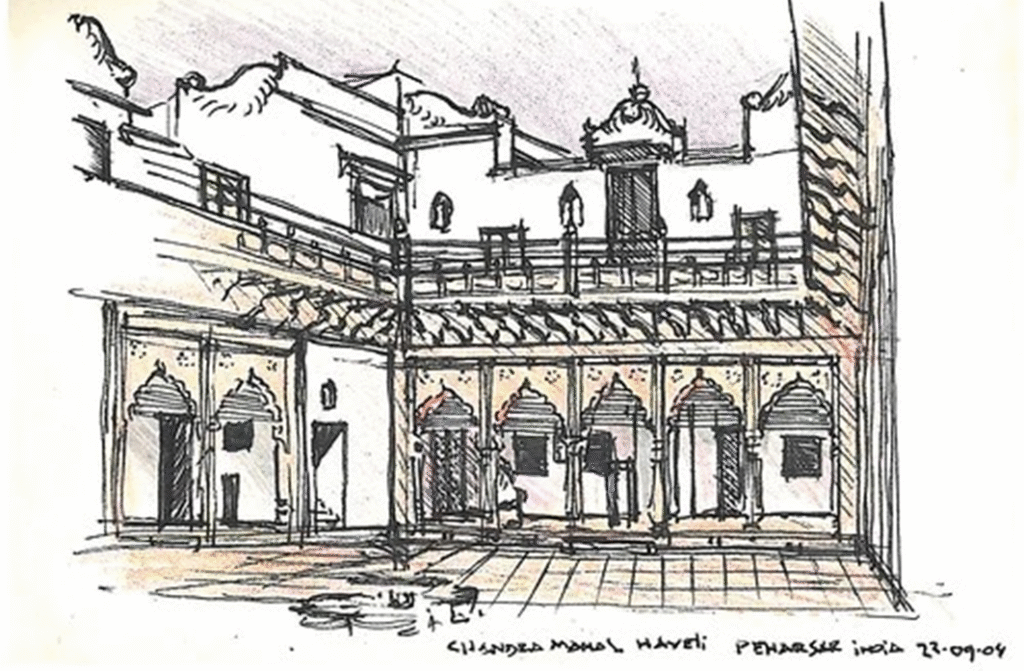
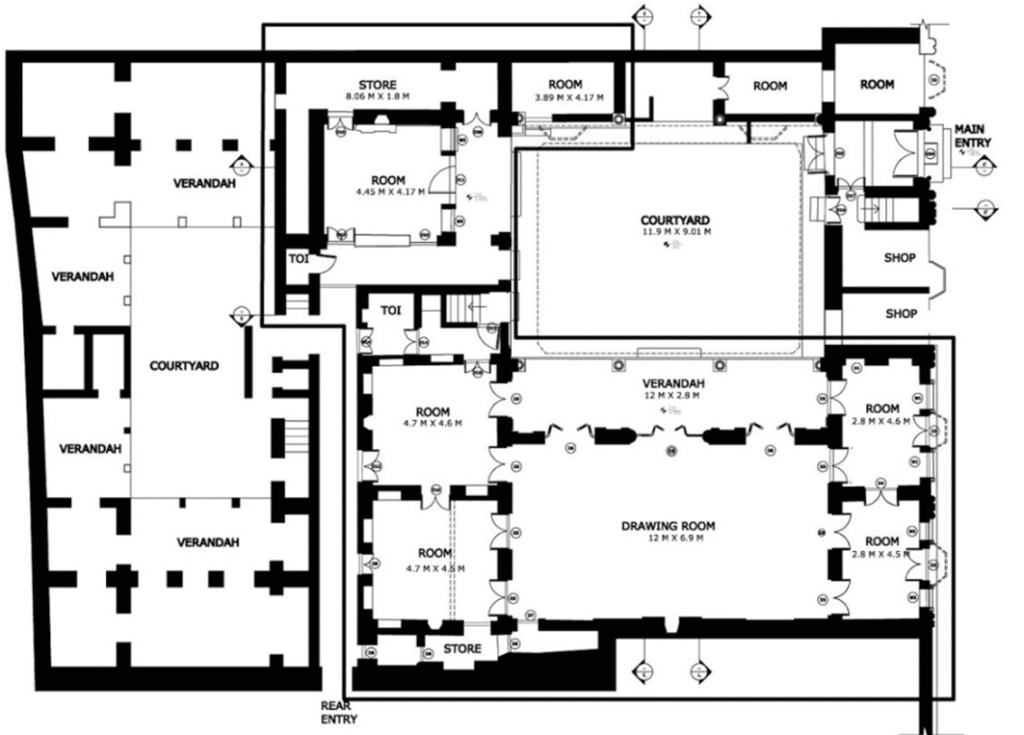
“Haveli”
Trading houses and mansions called “Haveli”. There is a courtyard in the middle of a built-in city block, making it a private and airy space. It is built in a spacious manner.
Old Delhi Railway Station.
Passengers spending the night on the platform.
After sleeping here, early the next morning, they set off to remote areas of India, a major railway powerhouse.
This way, you can save money on lodging.
Winters in Delhi are cold, so passengers bring their own blankets.
In India, everything goes.
When I went with the guide to check the ticket to Jaipur for the next day, I came across this scene and took a picture.
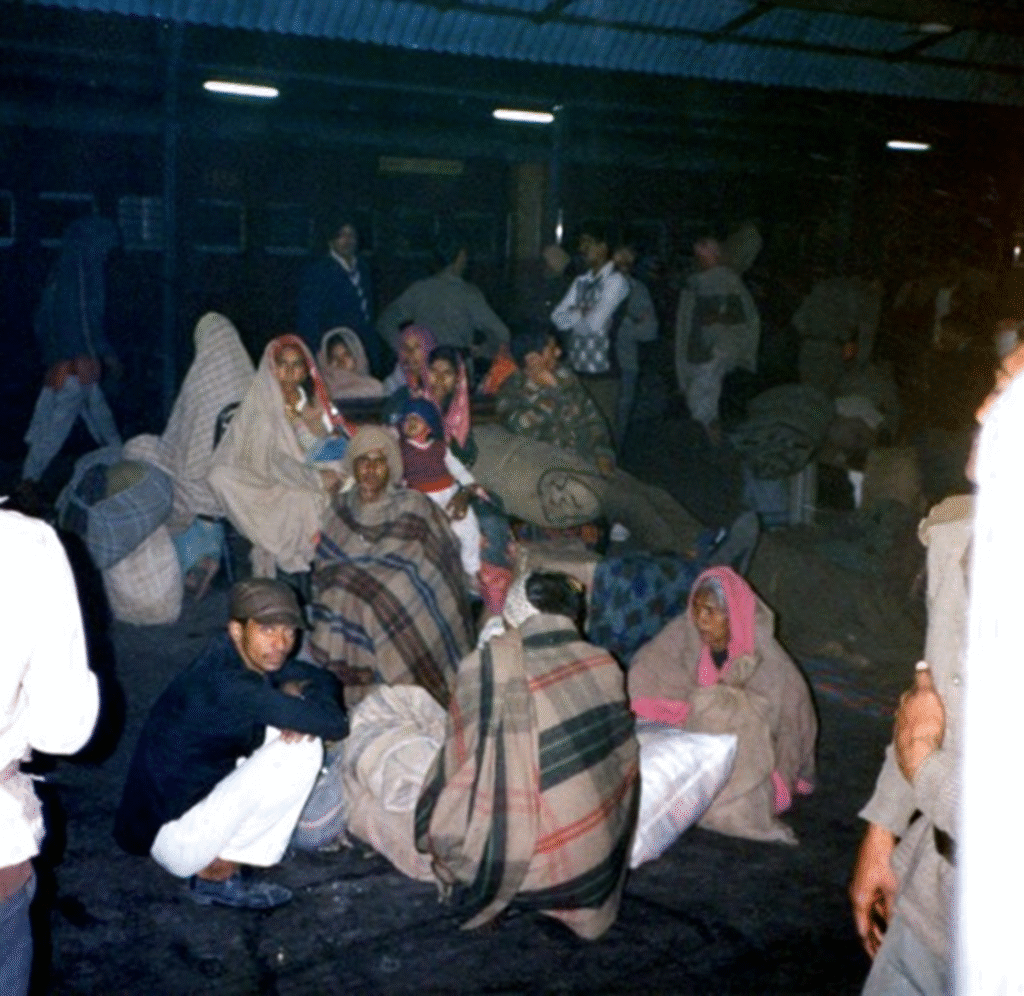
Photo by author, 1989
In winter in Delhi, the temperature outdoors at night and in the early morning drops so low that your breath becomes white.
Passengers spend the night on the platform
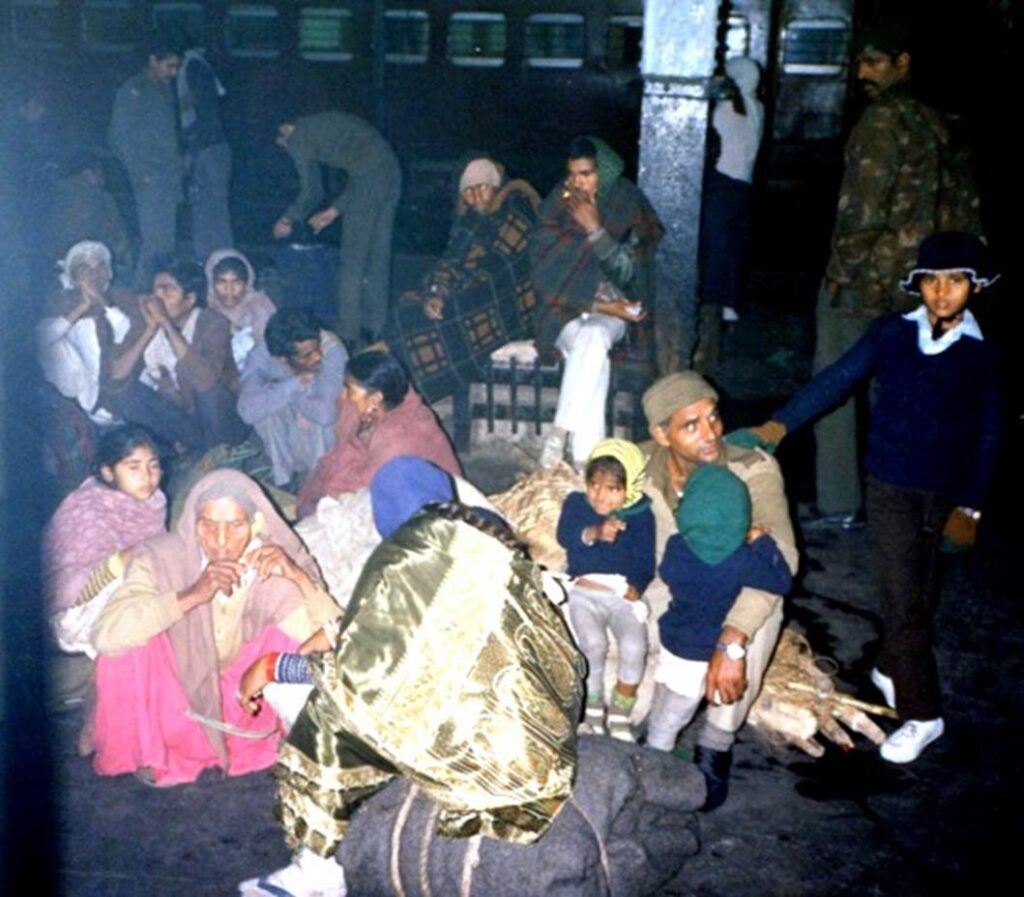
Photo by author, 1989
People traveling in horse-drawn carriages through the Old City of Delhi.
The horse-drawn carriage was the means of transportation.
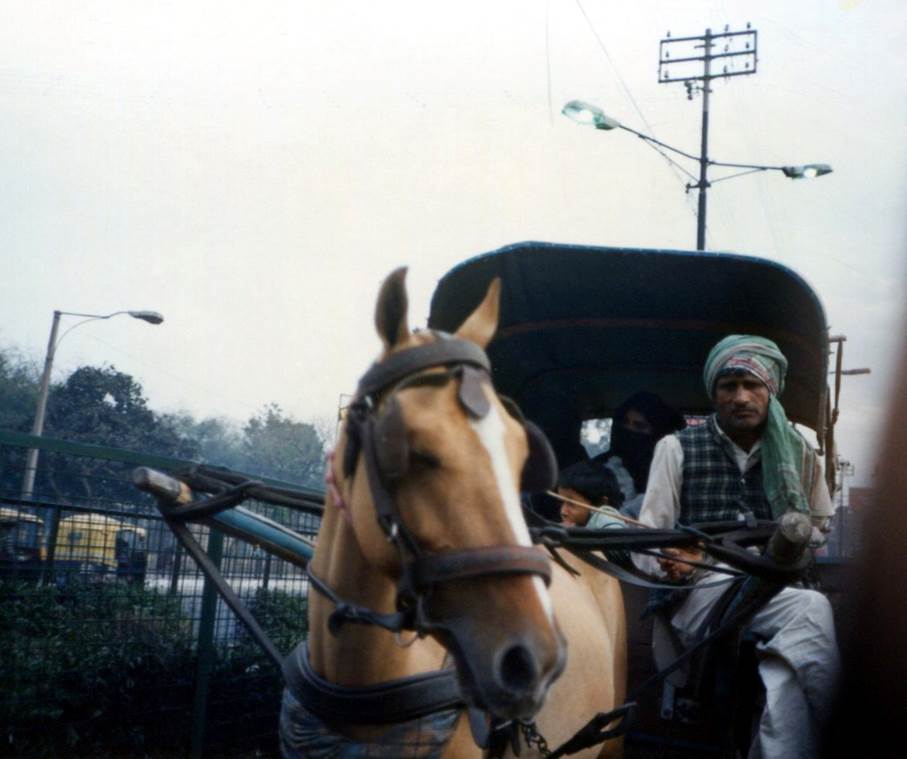
Photo by author, 1989
This is a shared mini tricycle.
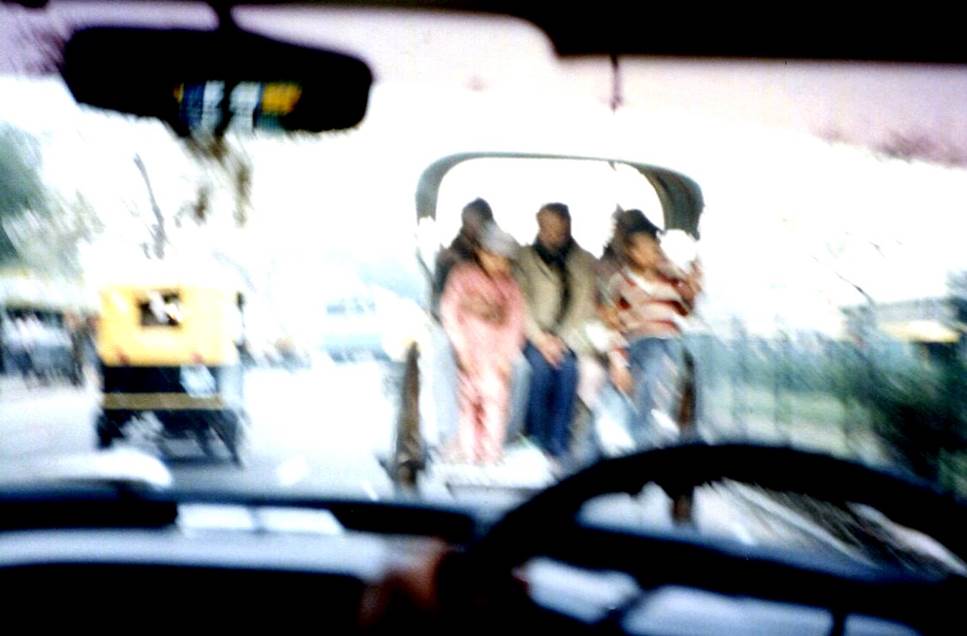
Photo by author, 1989
FRIDAY MOSQUE、 JAMA MASJID
Babur, the founder of the Mughal Empire, was born in Central Asia, and after the fall of the Timurid Empire in Central Asia, he entered India from present-day Afghanistan and founded the Mughal Empire, which can be called the Second Timurid Empire.
A huge mosque with three domes and two minarets and a capacity of 25,000 people. It was completed by the Mughal king Shah Jahan in the mid-17th century.
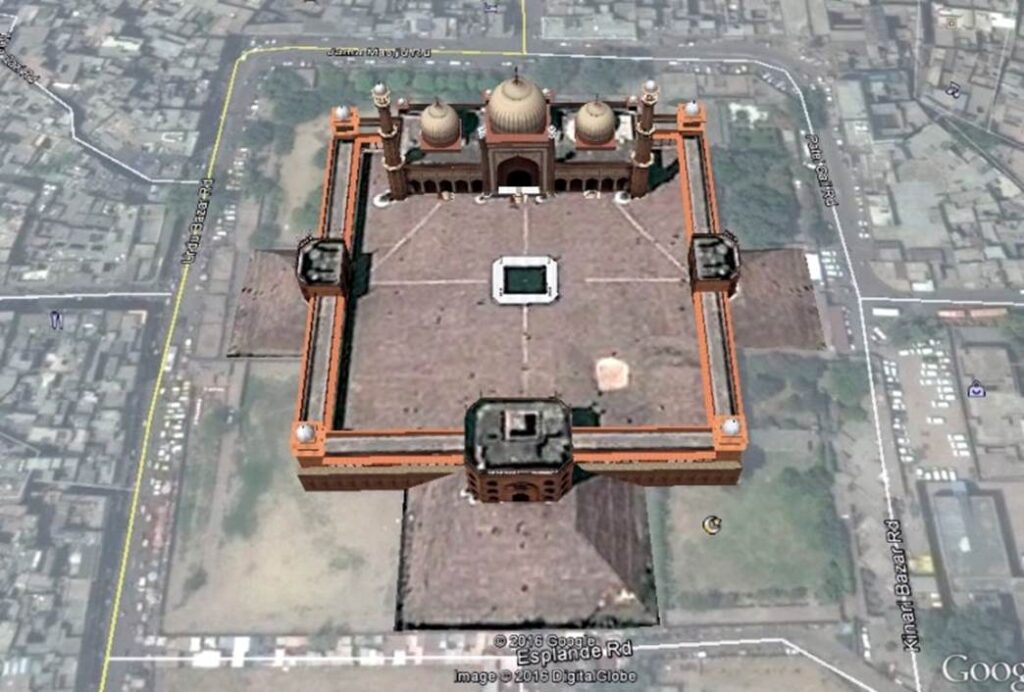
Friday Mosque in Old Delhi at dusk.
When I tried to enter the gate on the main entrance stairs, the guard’s brother appeared out of nowhere and refused to let me enter.
I wanted to see the inside of this majestic Mughal mosque. What a shame.

Photo of author, 1989
After leaving Old Delhi, we entered New Delhi, which borders the south, and proceeded further south to see the huge government buildings of the Indian capital. And then we come to the following amazing world heritage sites.
QUTUB COMPLEX
The ALAI MINAR tower on the right (on the right side of the figure below) was planned to be twice as high, but was abandoned when it reached a height of 2.5 m. The Kutobu Minar, which later became a World Heritage Site, is on the left side of the figure below.
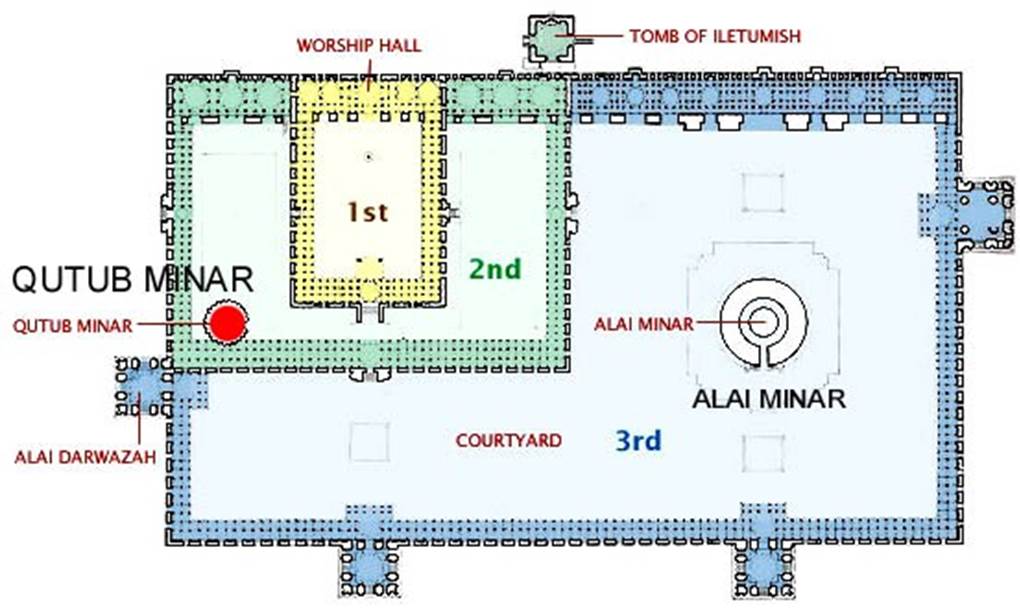
QUTUB MINAR(victory tower)
UNESCO World Heritage Site
A minaret in a corner of the grounds of an Islamic mosque in the southern suburbs of Delhi.
It is 72 m high, 18 m in diameter at the bottom and 2.7 m at the top of the head.
It is slightly sloping due to ground changes over the years.
A lightning strike in 1981 caused a power outage on the interior staircase and caused more than 300 people to die in avalanches. After that, you can’t go inside.
It is a spire that calls for prayer, and it is said that you have to climb more than 300 steps to the top.
Construction of the tower began in 1192 and was completed in 1220 on the site of an existing Hindu building.
It is the tallest brick minaret in the world.
It is one of the earliest surviving examples of Indo-Islamic architecture.
It was registered as a UNESCO World Heritage Site in 1993.
Below is a photo of the Qutub Minar four years before it was registered as a World Cultural Heritage Site。
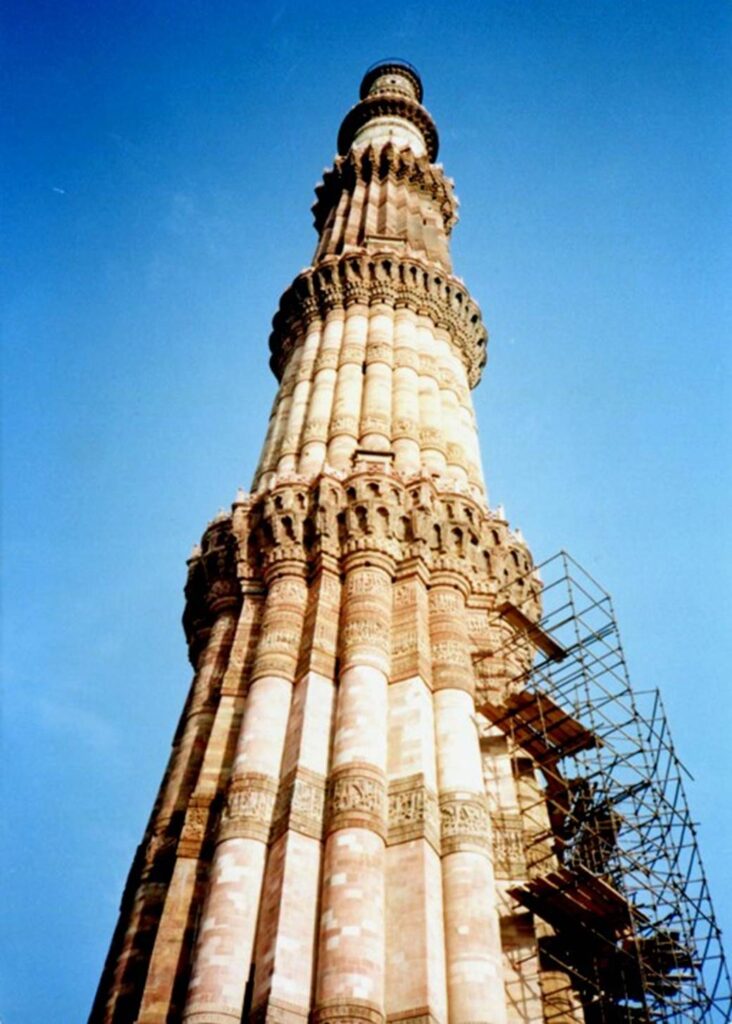
Photo by author, 1989
It was registered as a UNESCO World Heritage Site in 1993.
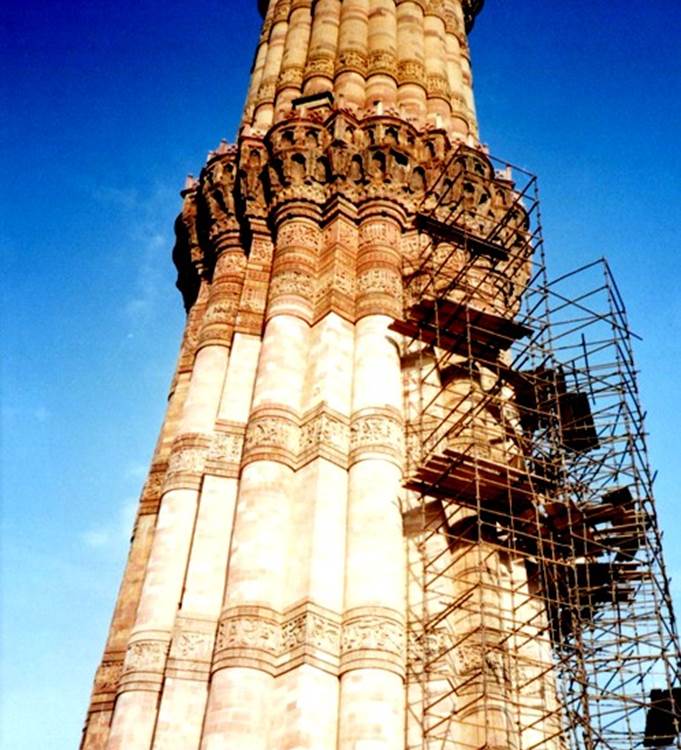
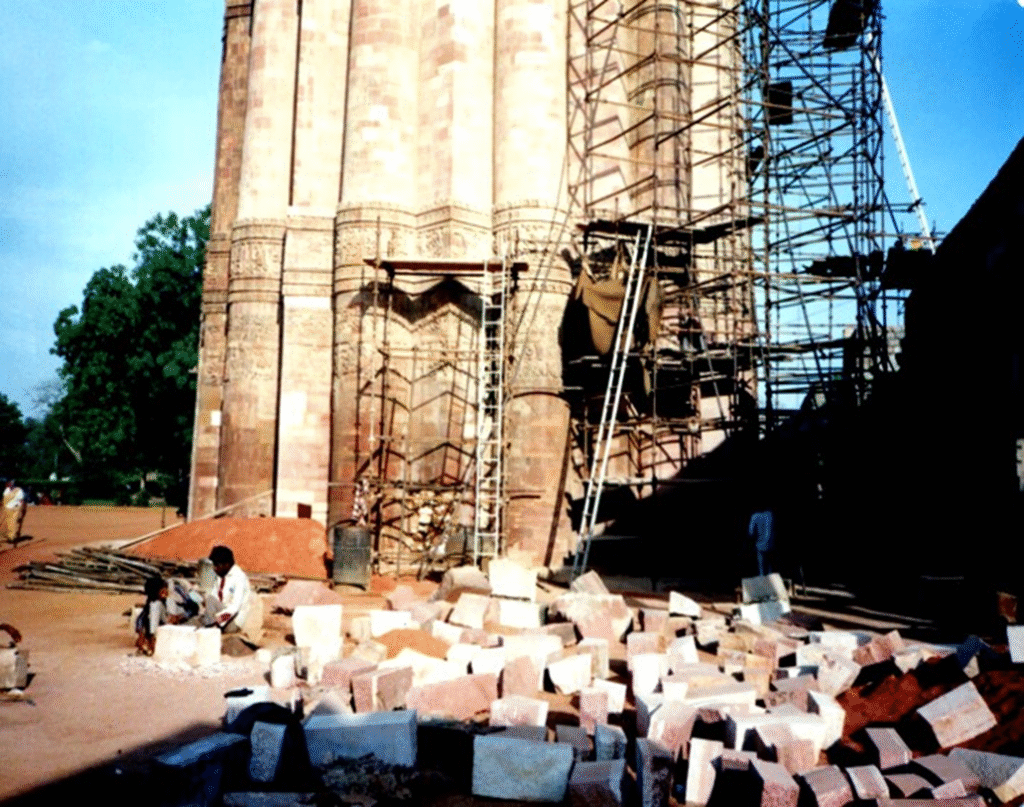
Photo by author, 1989
The lower part of this five-tiered minaret is surrounded by alternating columns and prismatic pillars, forming a cylinder as a whole. This modeling method is a masterpiece of religious architecture that accurately calculates the effect of shading on the tower body created by sunlight.
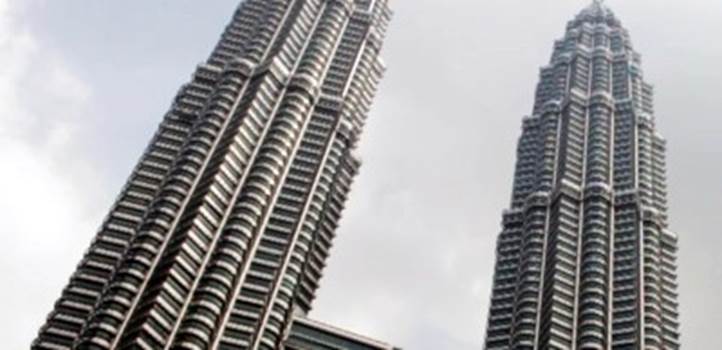
The photo below shows the Petronas Towers in Kuala Lumpur, Malaysia.
The designer was the famous American architect Cesar Perri.
It is believed that he drew inspiration for the Islamic design from the minaret of the Qubb Minar.
Restoration site of a World Heritage Site
Restoration of World Heritage sites is done in the ancient way, without the use of machines!
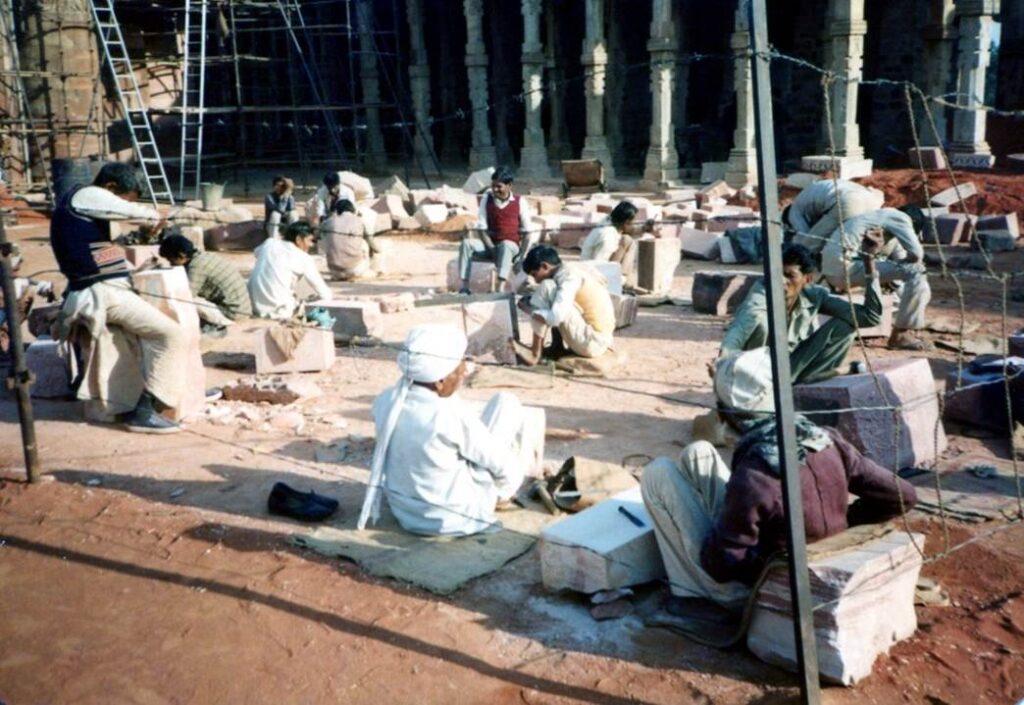
Photo by author, 1989
A group of craftsmen who repair buildings with tools and construction methods similar to those of the Middle Ages.
There were no machines, much less heavy machinery, just a large number of people. And the ground without a roof is the workshop.
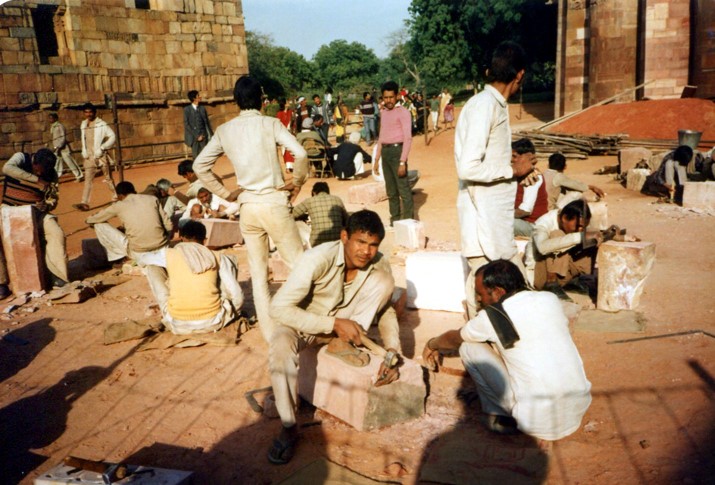
Photo by author, 1989
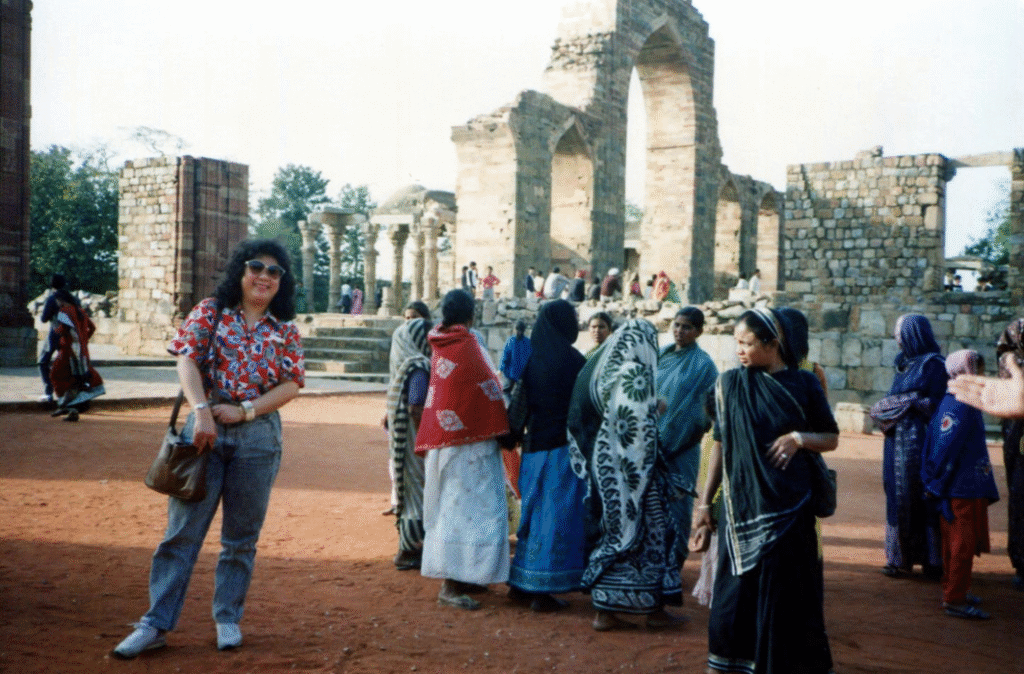
Photo by author, 1989
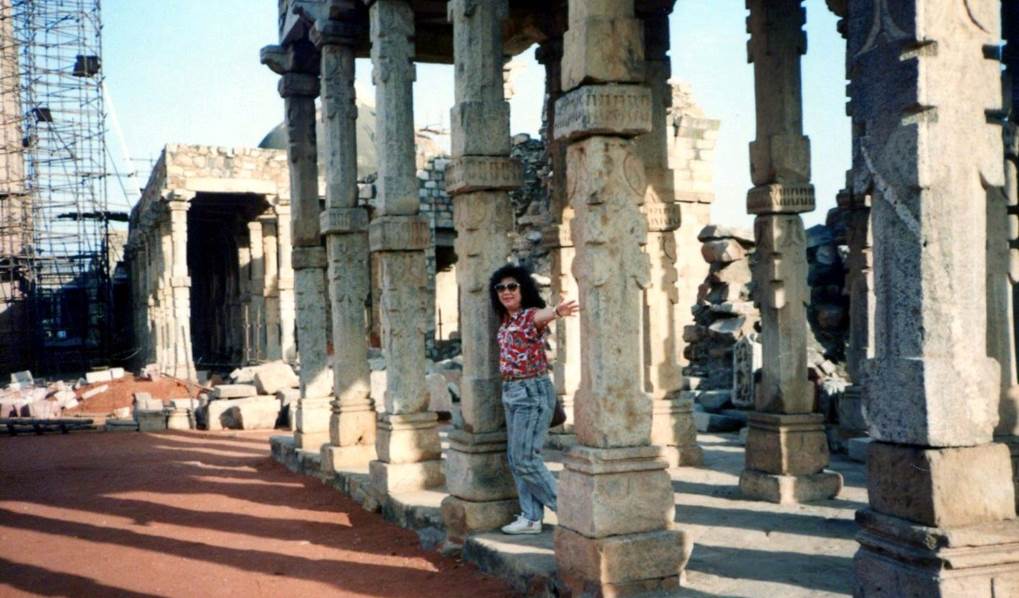
Photo by author, 1989
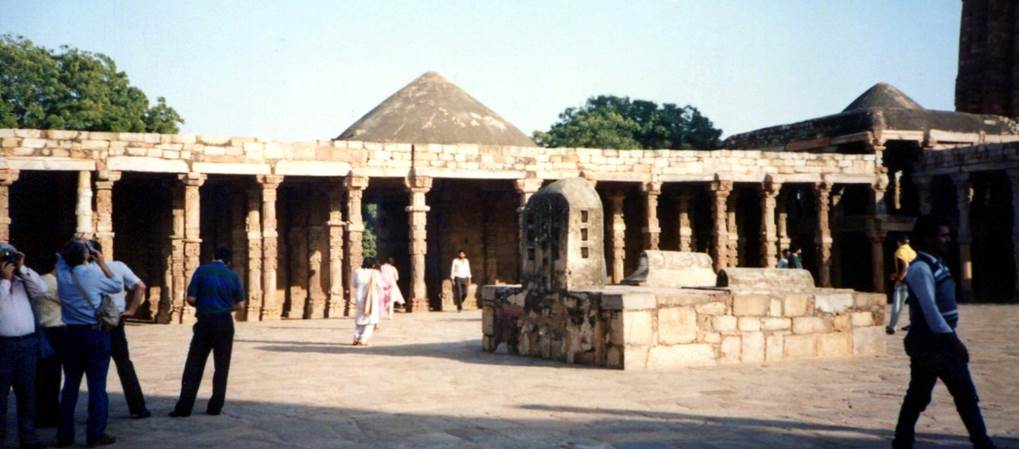
Photo by author, 1989
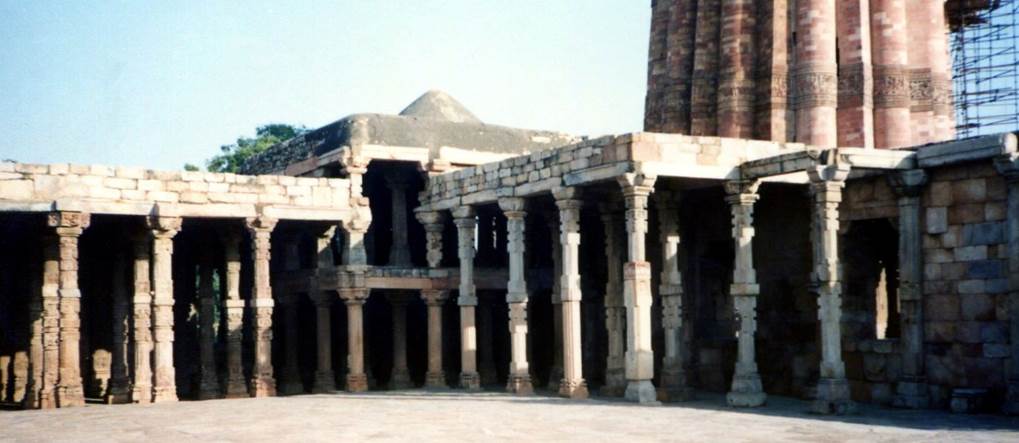
Photo by author, 1989
This part is an Islamic religious building that was built after the conquest of the Hindu facilities. Therefore, it is a mixture of Hindu and Islamic styles. The design of the preserved colonnade remains the original Hindu style.
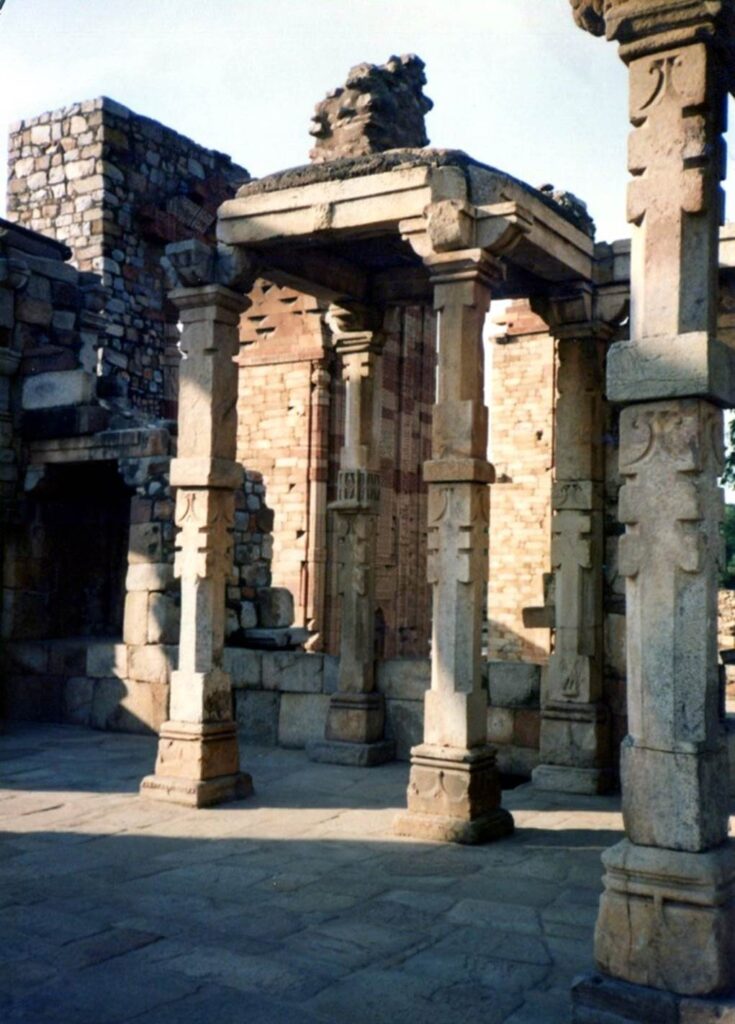
Photo by author, 1989
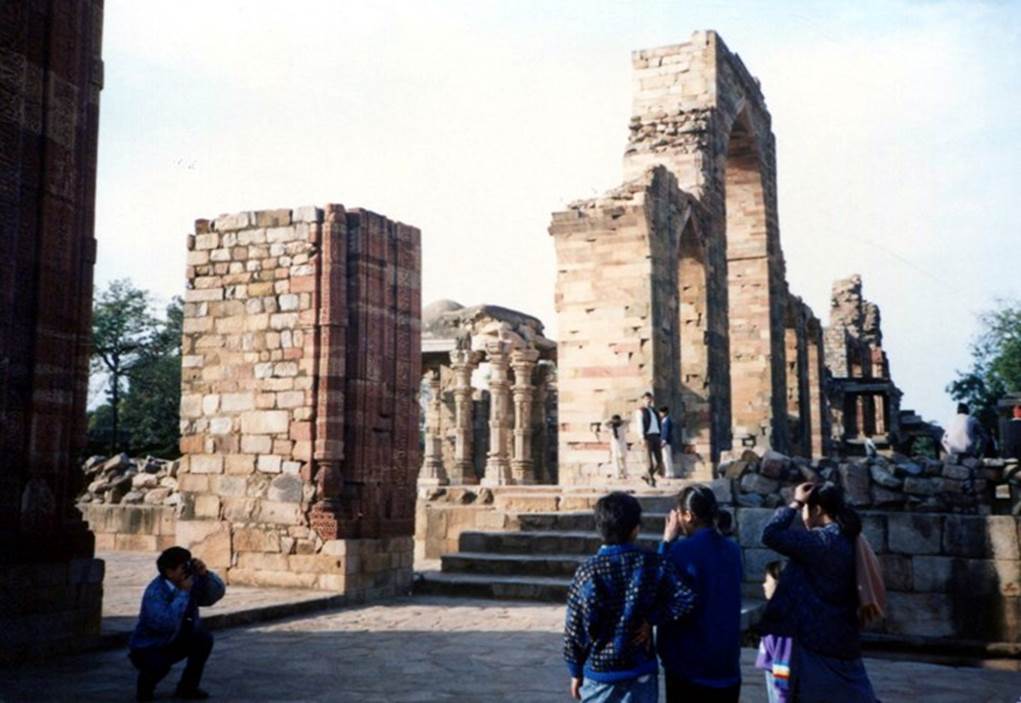
Photo by author, 1989
Depart from Delhi Railway Station at 7 a.m. and head to Jaipur
Locals waiting for the train to pass at the crossing. The windows are made of iron bars to prevent entry and exit. The curtains on the windows of the express train were quite worn out and dirty.
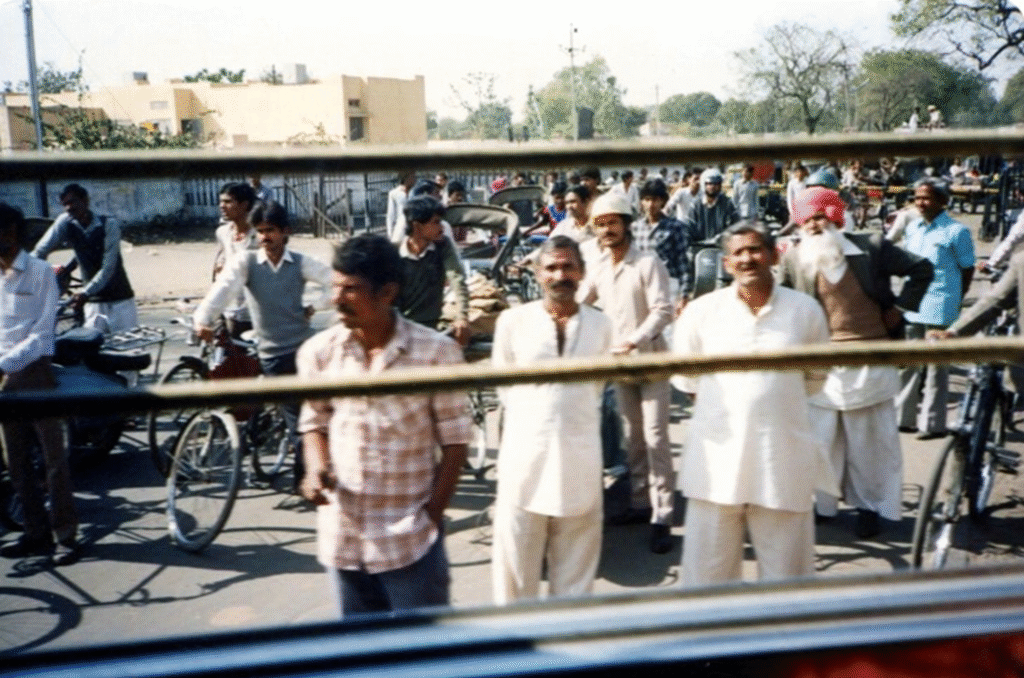
Photo by author, 1989
On the platform of the stop on the way, there was a cow in front of the shop amongst the other people !
This is truly India !
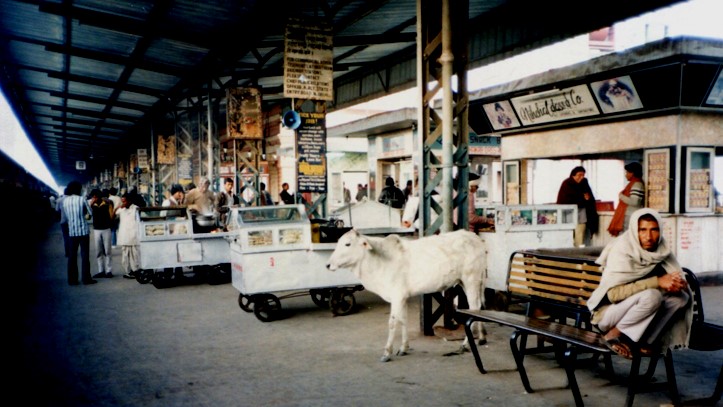
Photo by author, 1989
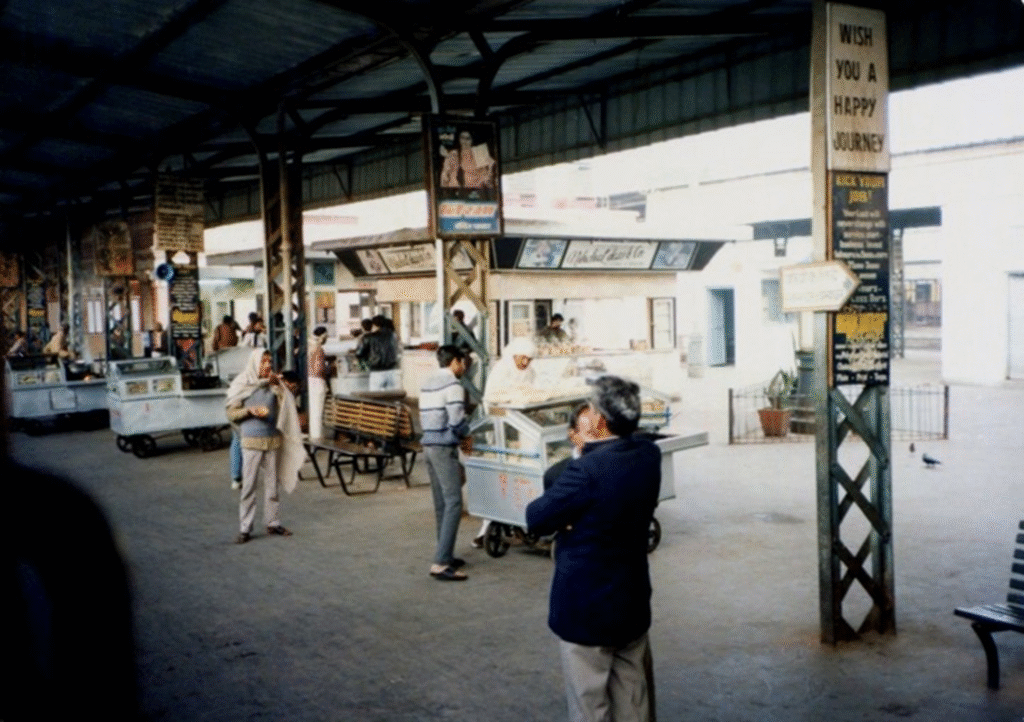
Photo by author, 1989
Arrived safely at Jaipur Railway Station
Departs Delhi at 7am. Arrive in Jaipur at 11am, about 250km in 4 hours.
Sleeper on long-distance express trains. (3 bunk beds)
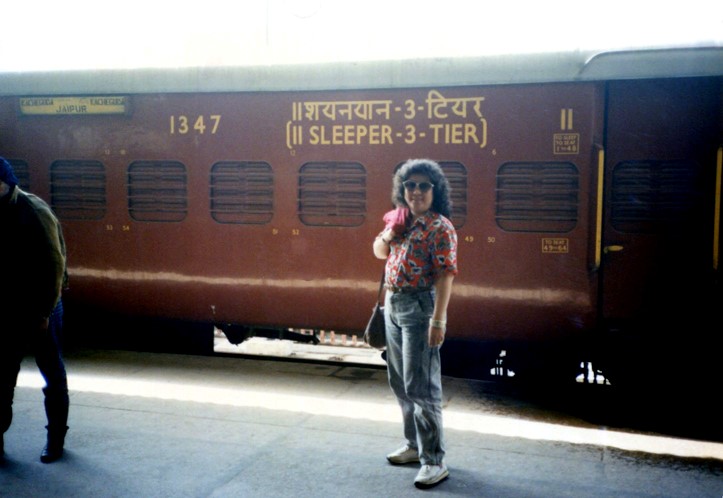
Photo by author, 1989
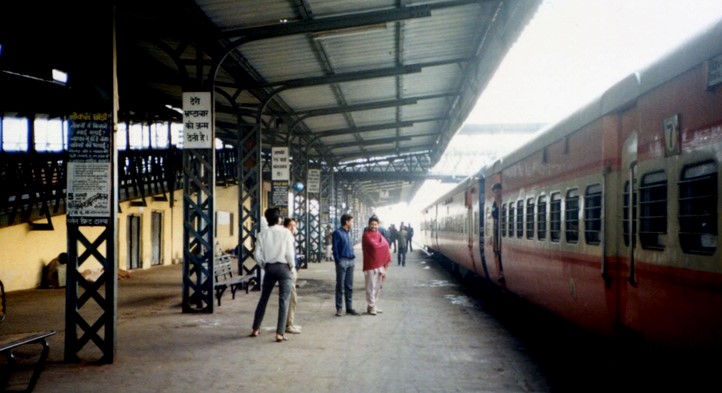
Photo by author, 1989
I took an express train from Delhi to Jaipur, Rajasthan.
When we got off the train, porters wearing turbans appeared out of nowhere and carried suitcases for the two of us. At that time, there were no carry cases with casters, and such a small tip porter service was both appreciated and essential on a trip to India
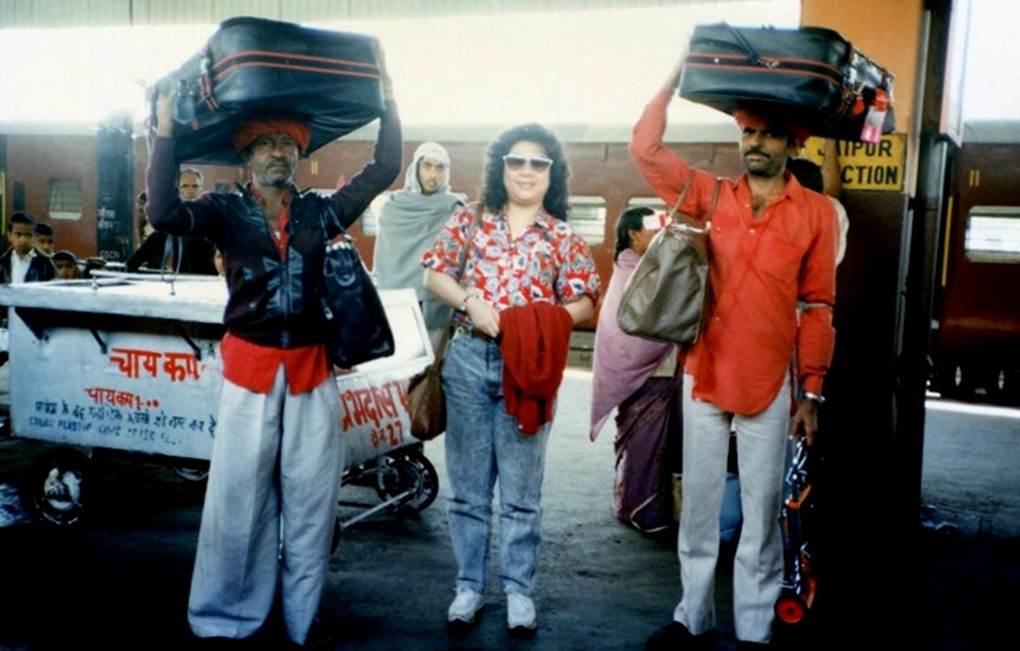
Photo by author, 1989
A porter crosses an overpass with two suitcases on his head and two bags in his hands. This is a real help.
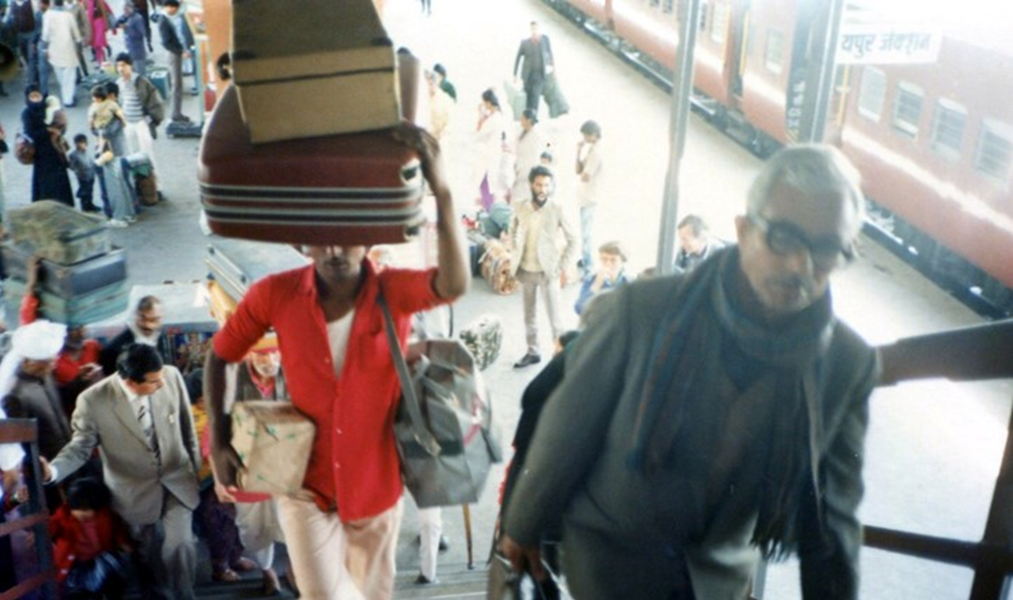
Photo by author, 1989
Passengers on the roof of a train
At Old Delhi Railway Station, the night before, passengers taking a nap waiting for the train were sleeping on the ground of the platform, which was a scene I saw the next day when I was crossing the overpass at Jaipur Station.
It seems that the passenger who is alone on the roof does not get off at this station and still goes beyond this point.
It will probably be a free ride. Anything is possible in India.
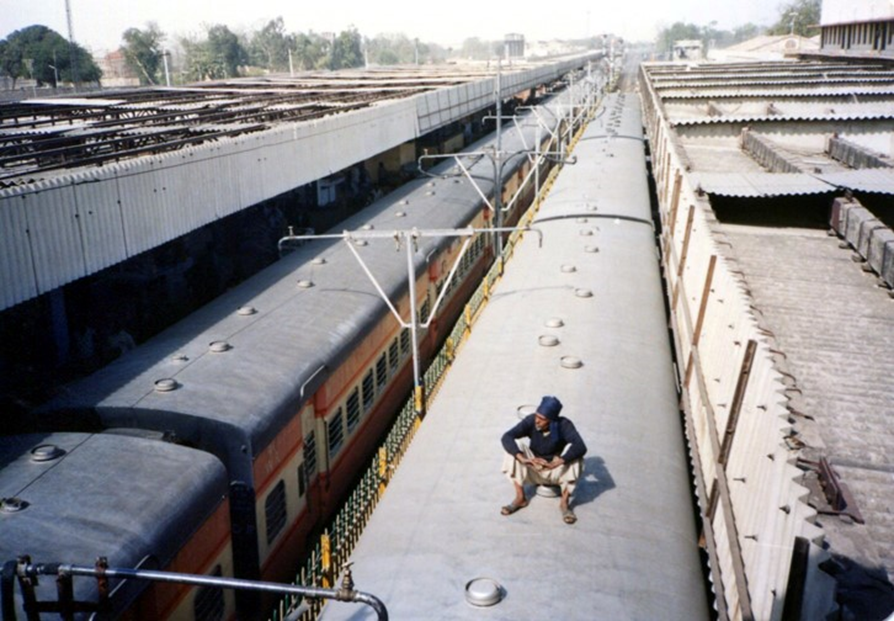
Photo by author, 1989
A woman waiting for someone to pick her up in front of the station in Jaipur.
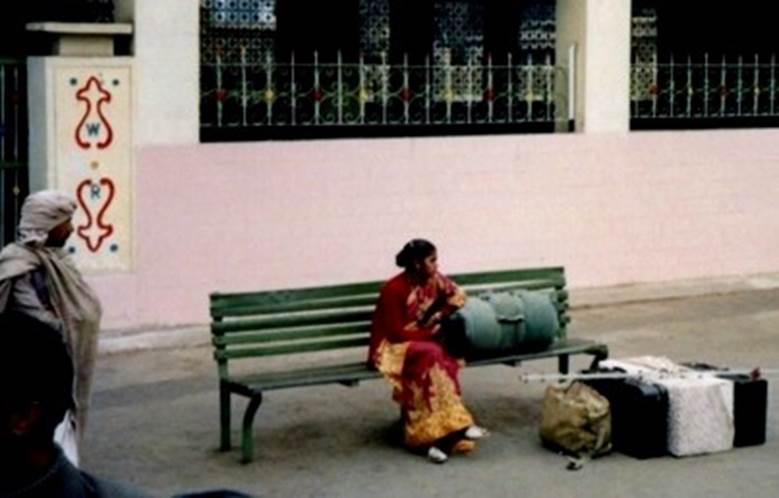
Photo by author, 1989
I met the travel guide who was waiting at the exit of the station and drove to the city. If there is no one to pick you up at the station, you will be surrounded by a large number of drivers of taxis and auto tricycles, which will cause chaos. It’s best to avoid this kind of stress.