JAP | ENG
Shanghai, Suzhou #6/6
1985
Suzhou City
The main street of Suzhou runs north and south from the north tower of Bo’en Temple. It is a grid-like city division that looks like a smaller version of Kyoto. The following is a picture of Suzhou before overtourism.
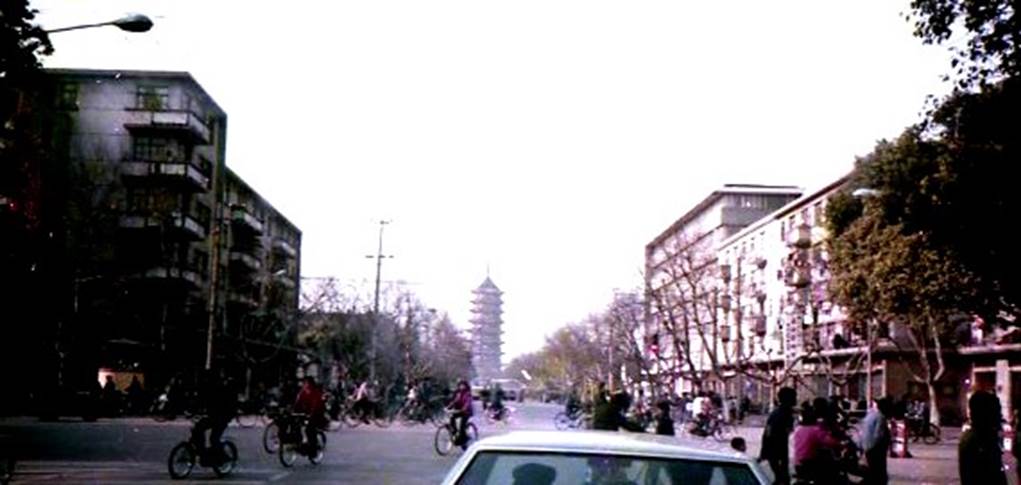
Photo by author, 1985
North tower of Bo’en Temple
The north tower of Bo’en Temple was built during the Three Kingdoms period.
It is an octagonal, nine-story pagoda 76 meters tall.
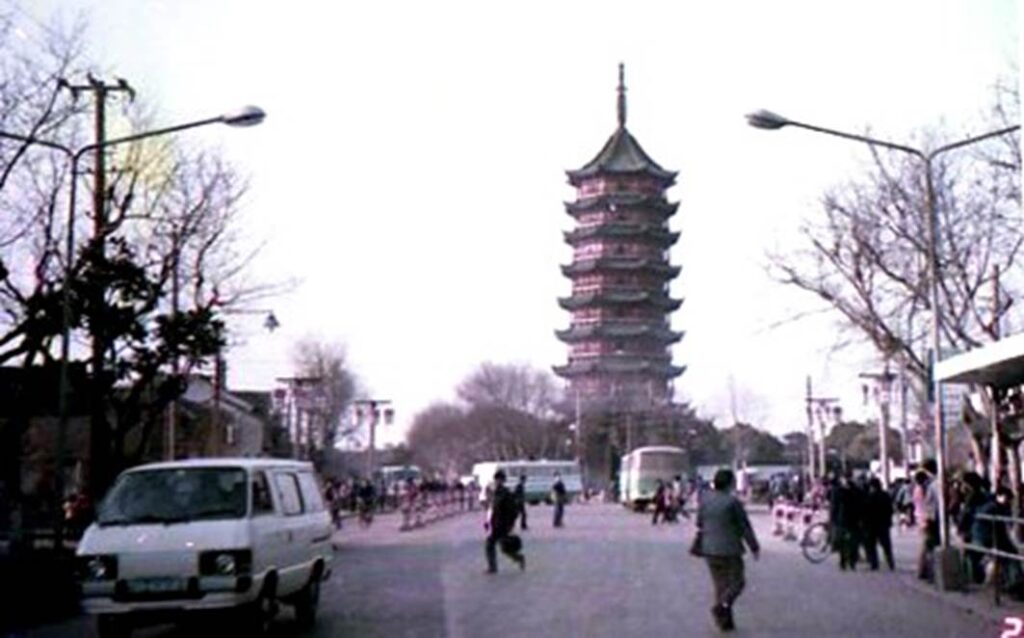
Photo by author, 1985
Shot from inside a car.
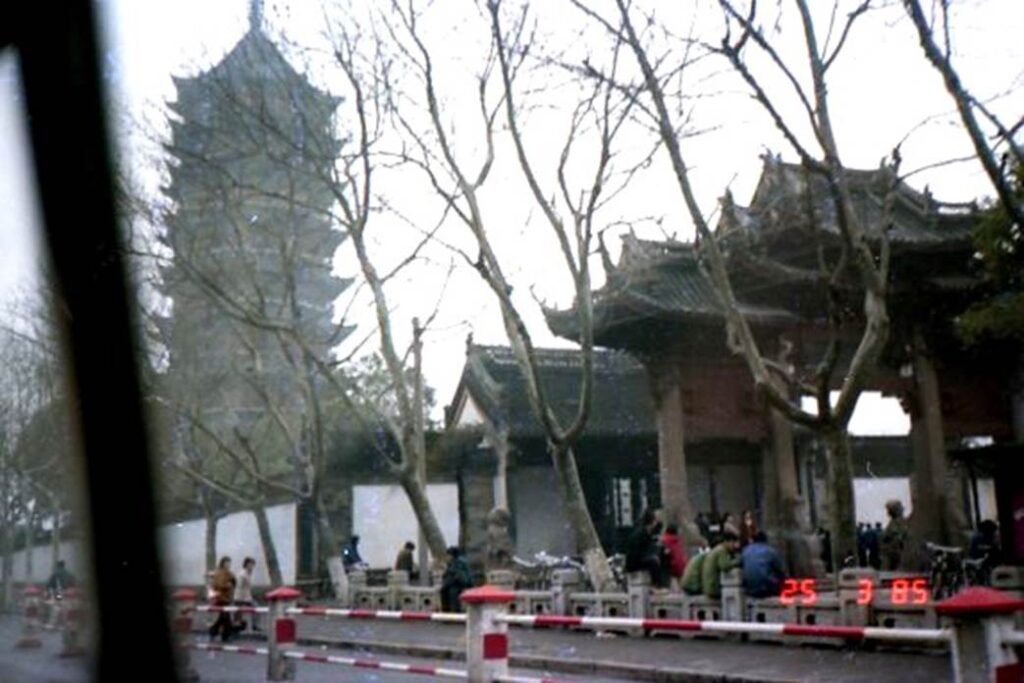
Photo by author, 1985
A large house built on the side of the road. There are many small windows, including a unique octagonal window, but there is no entrance on the road side. In fact, the front of the house faces the waterway on the opposite side, which is the outside.
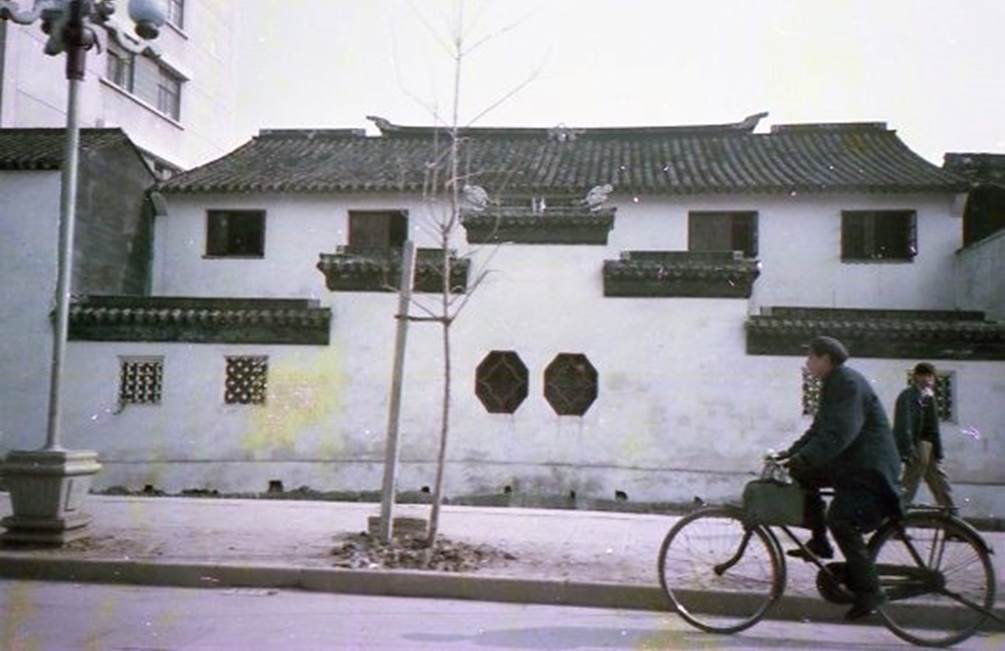
Photo by author, 1985
Bicycles are the main characters here.
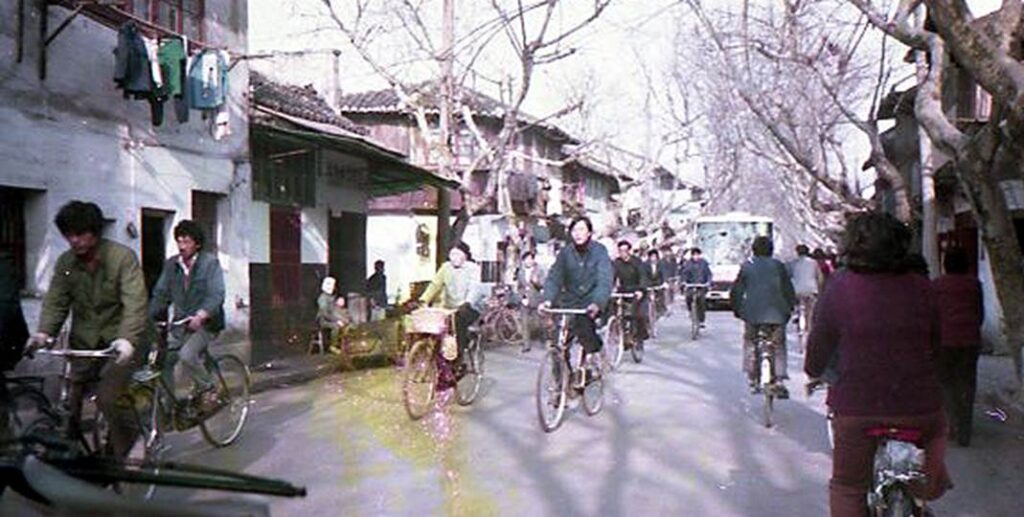
Photo by author, 1985
A brand new Hino Gisel bus drove through the bicycles.
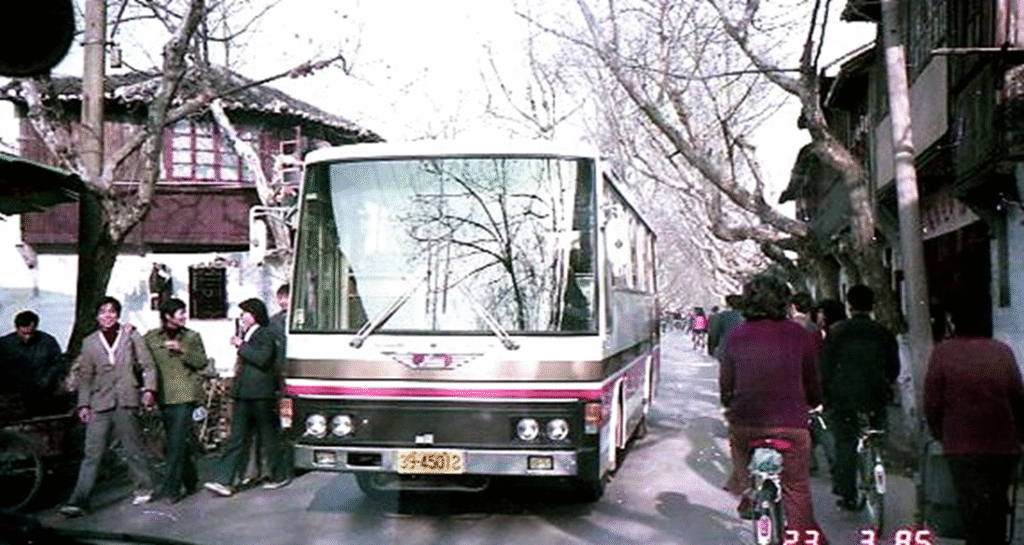
Photo by author, 1985
A line of bicycles on their way home from work slowly crosses the bridge.
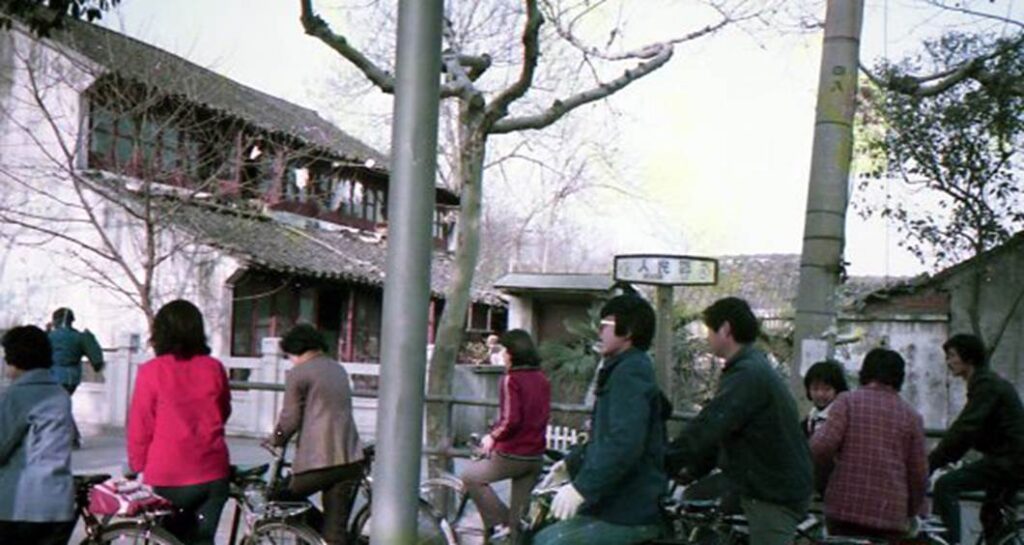
Photo by author, 1985
Water Suzhou
Quiet waterways and waterside houses in the evening.
It could have been renovated later and turned into a tourist attraction.
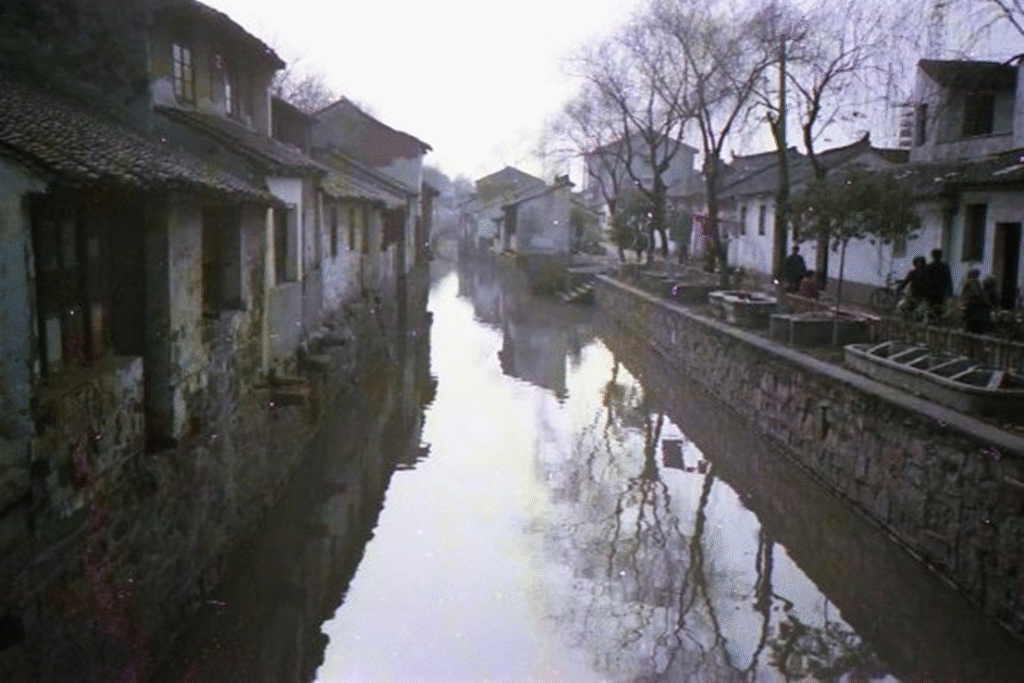
Photo by author, 1985
Waterways on the outskirts of the city, wooden boats, and open farmland.
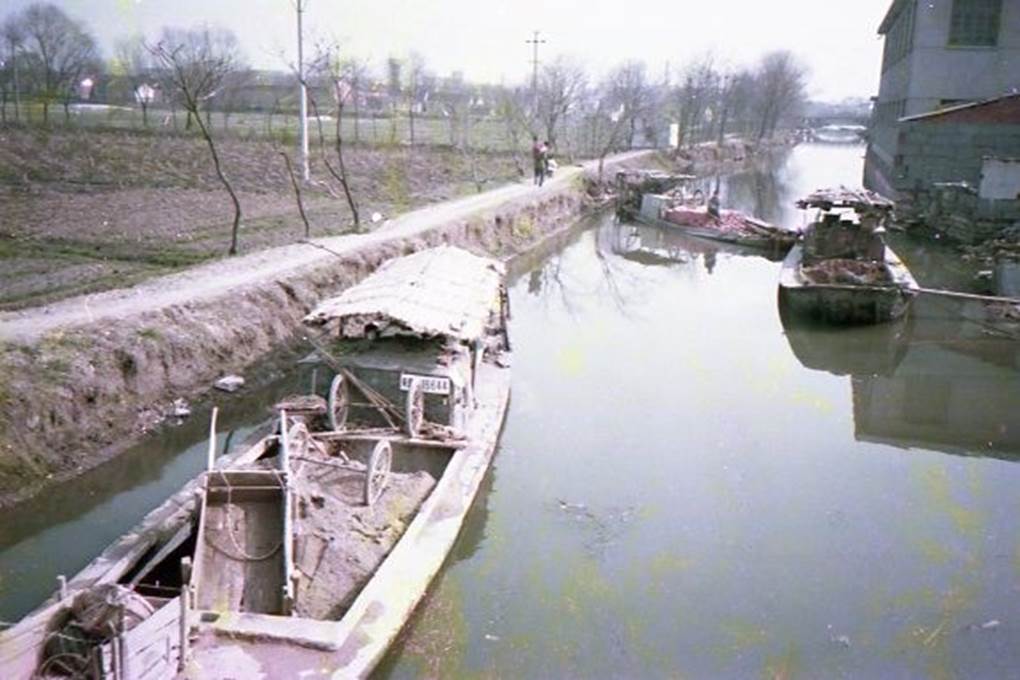
Photo by author, 1985
Gusu Hotel (Gu Su Fan Dian)
I stayed at a government-run hotel.
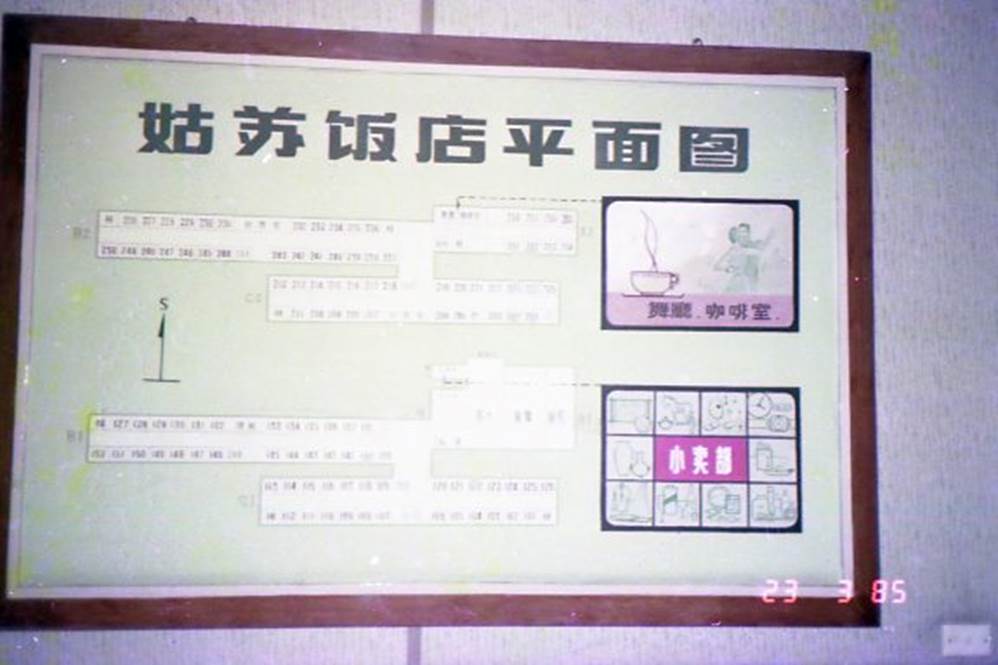
Photo by author, 1985
Thin pillows and towel like fabric bedsheets at Gu Su Fan Dian.
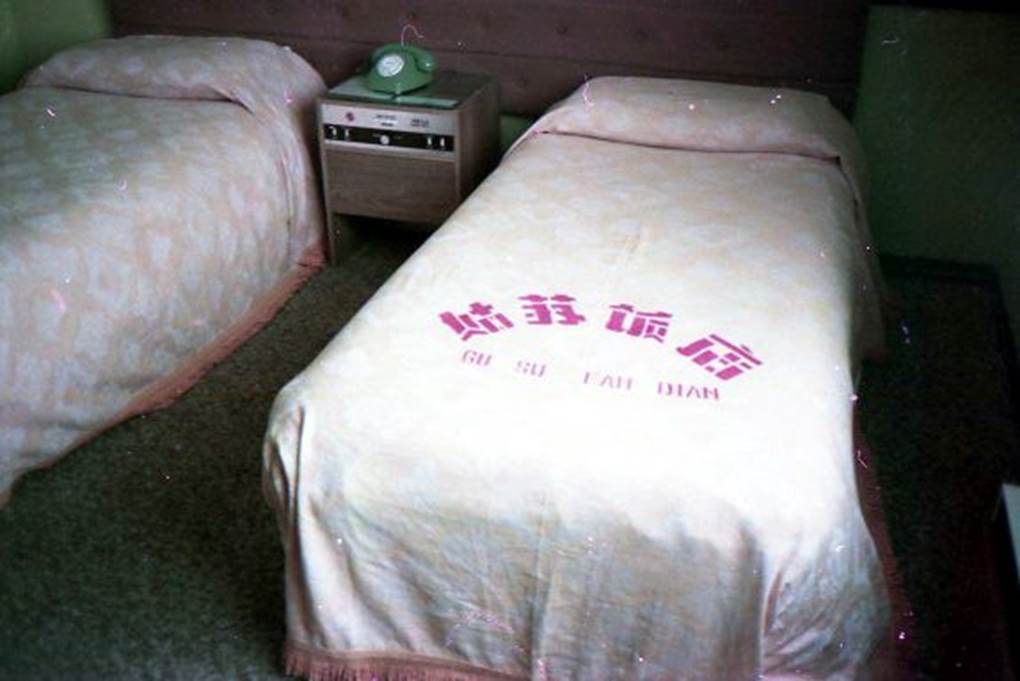
Photo by author, 1985
Suzhou Railway Station
In 1985, a restaurant attached to Suzhou Railway Station.
From here, I take the train back to the station in Shanghai.
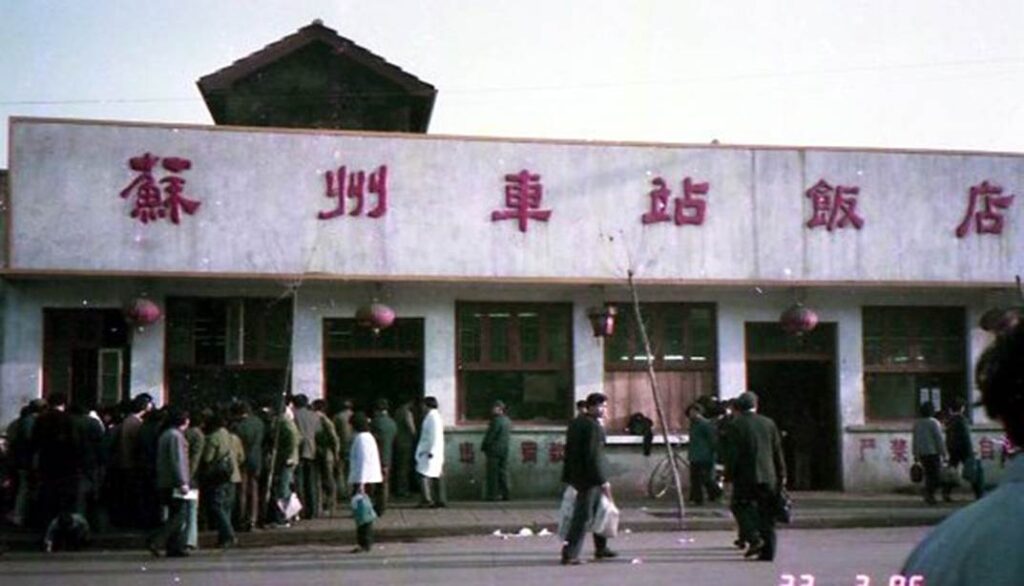
Single-storey Suzhou Railway Station
Photo by author, 1985
The waiting hall of Suzhou Railway Station.
A large number of people are waiting for the train to Shanghai.
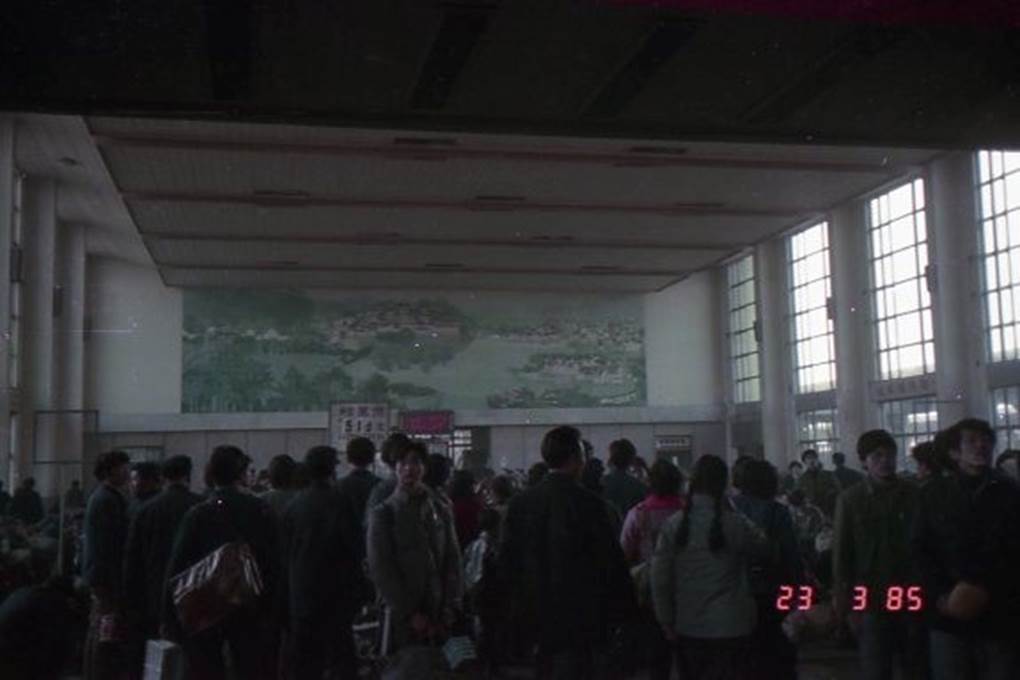
Photo by author, 1985
There is a space for tea and snacks, but there are no shops in the station, and people are crowded in the empty hall.
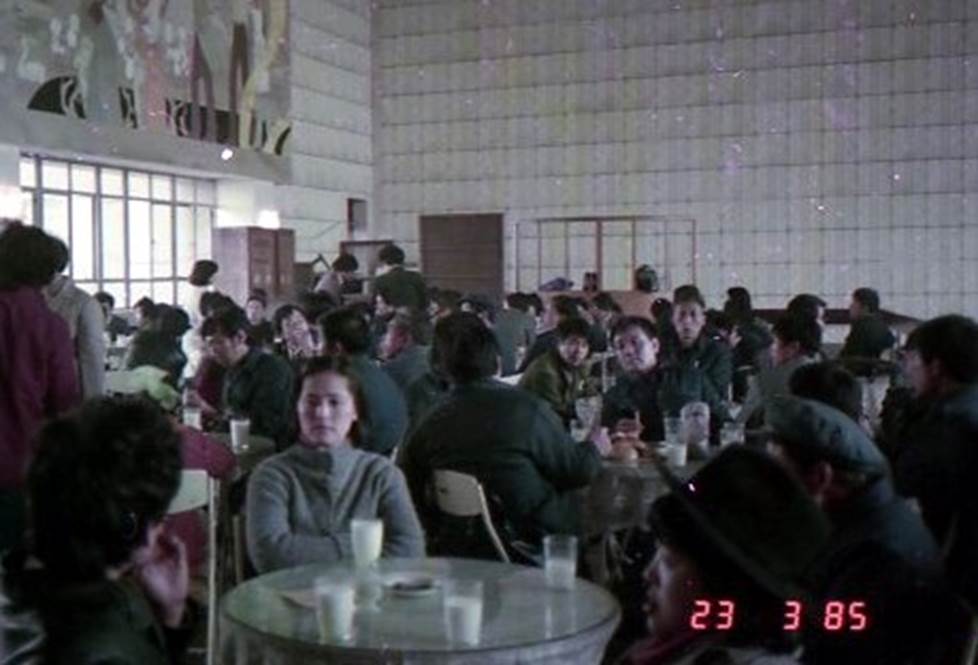
Photo by author, 1985
Inside the station
Since there are only a few trains, you can take photos like this without being told off if you go out onto the tracks.
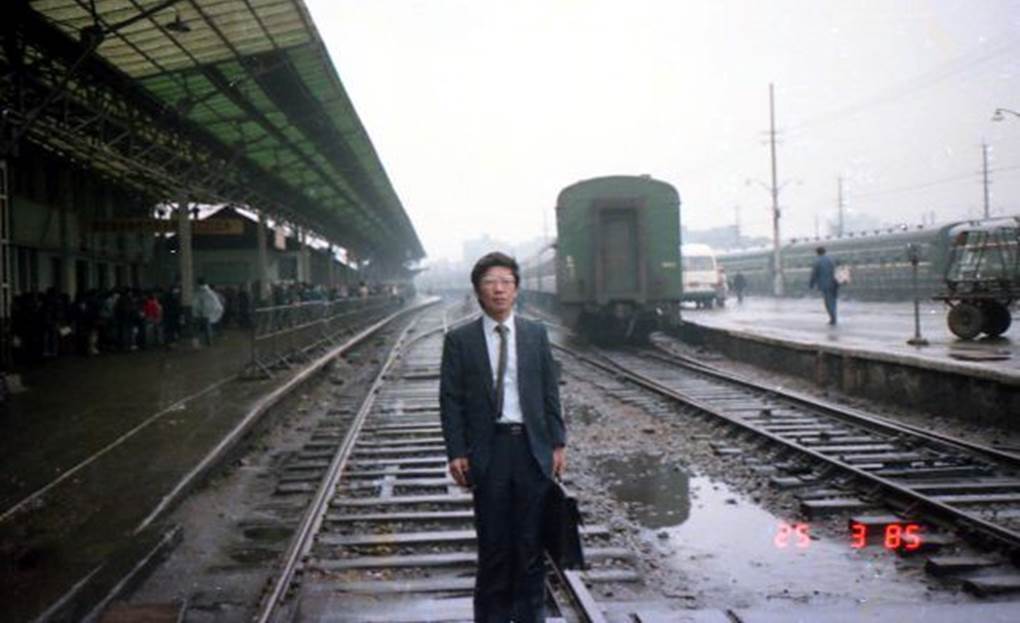
Suzhou Railway Station, 1985
At night, I returned to the platform for trains bound for Shanghai at Suzhou Station.
The passengers were waiting in line, which was unusual.
I remembered how at Shanghai Station the passengers didn’t line up, but instead crowded into the narrow entrance to the long-distance train, pushing and jostling until it looked like a fight was breaking out.
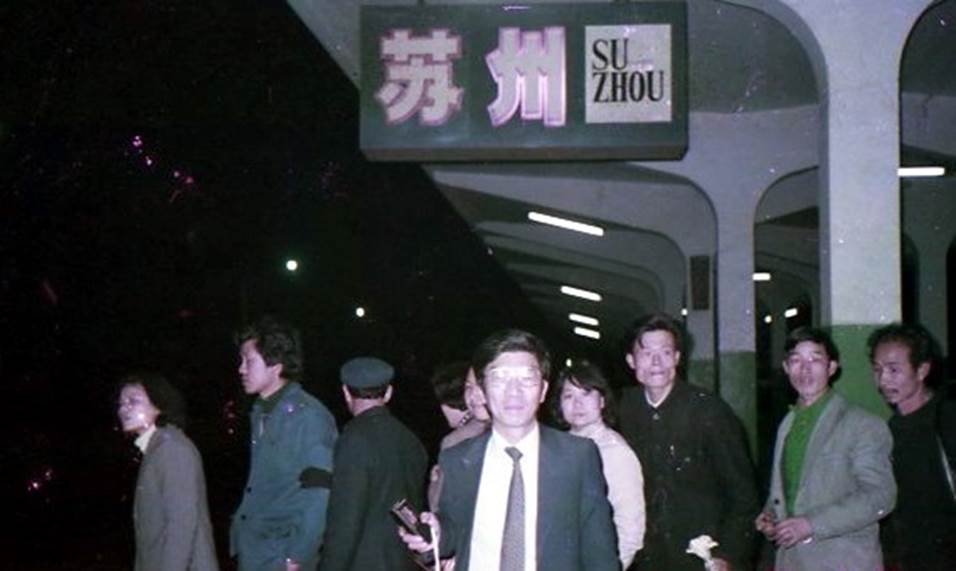
Suzhou Railway Station Platform, 1985
People’s Liberation Army soldier
The car that was reserved in advance had soft seats (green cars in Japan).
The others were hard cars and reserved seats in ordinary cars.
Several PLA generals sat nearby.
The train started moving, and after a while my friend spoke to the PLA officials.
He said he was traveling more than 12 hours from the military district of Shenyang in northeast China (formerly Manchuria) on this long-distance train to Shanghai on an errand. They seemed to get along with each other, and while drinking Moutai wine, the conversation reached a climax.
I joined in, using an interpreter and writing notes, and, aided by the pleasant drunkenness, we talked about recent international politics. It seemed that the soldiers had a rare opportunity to talk with foreigners at the time, so they were in a good mood and the conversation was lively.
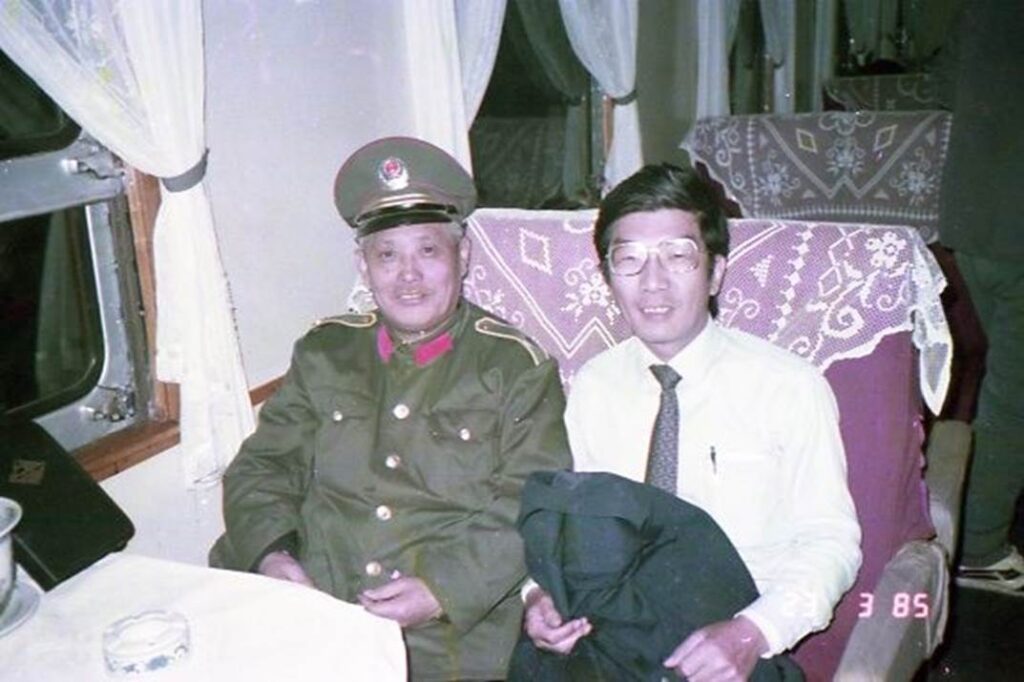
The soldier and author, Photo by author’s friend,1985
Arrive at the last station, Shanghai
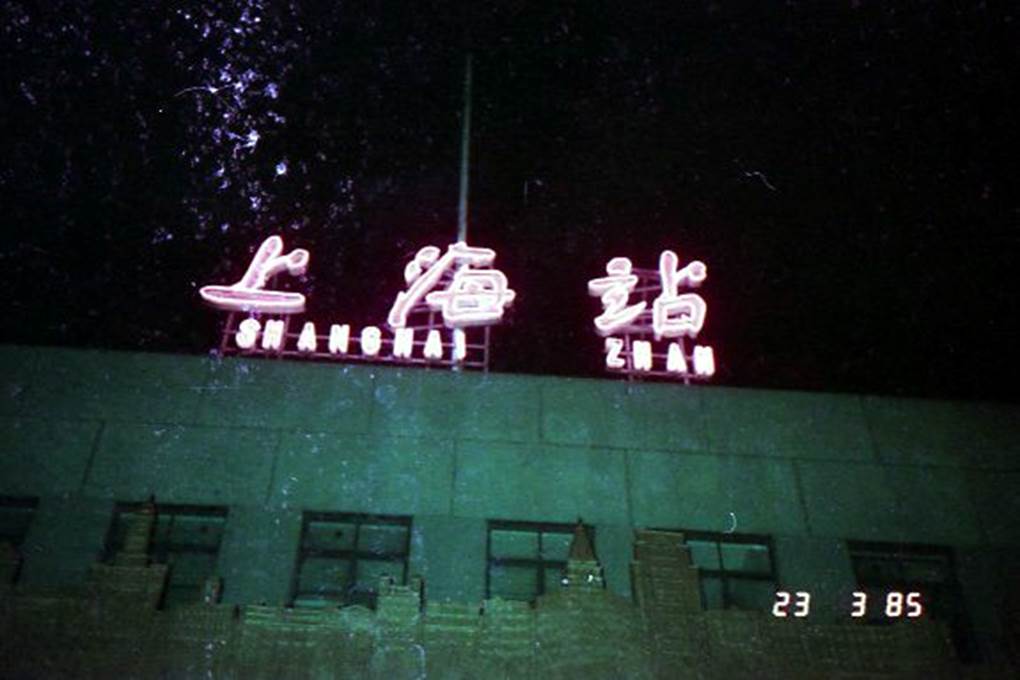
Photo by author, 1985
There are no overhead bridges, and passengers cross the tracks.
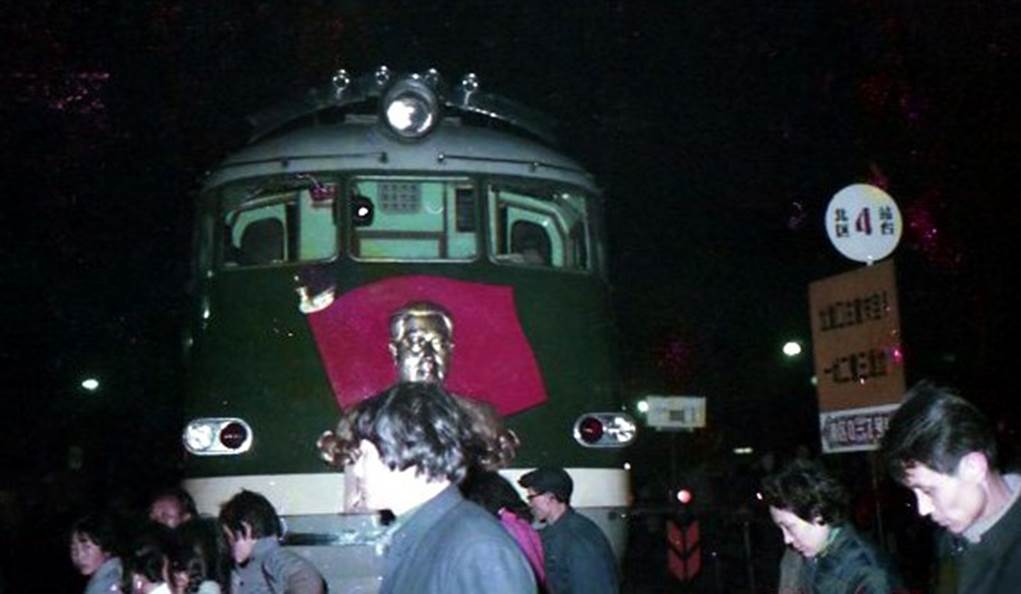
The Zhou Enlai train arriving at Shanghai Railway Station in 1985
The Zhou Enlai Train (locomotive)
I found out that the Zhou Enlai was a passenger diesel locomotive and was assigned to Shanghai from 1978 to 1987.
This long-distance train is an express train that connects Shanghai from Shenyang in northeast China (formerly Manchuria) for more than 12 hours.
In March 1985, the Tokaido, Sanyo, Tohoku, and Hokuriku Shinkansen lines had already opened in Japan. In China, such retro trains were still operated as non-electrified long-distance trains.
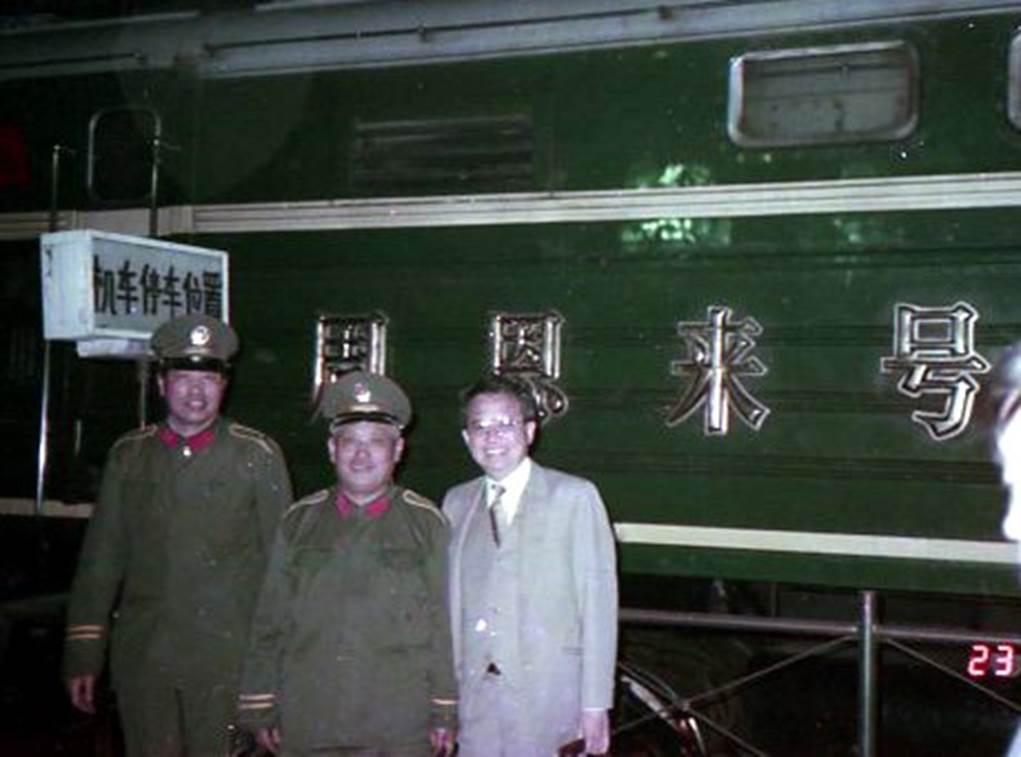
The Zhou Enlai (train) arriving at Shanghai Railway Station in 1985
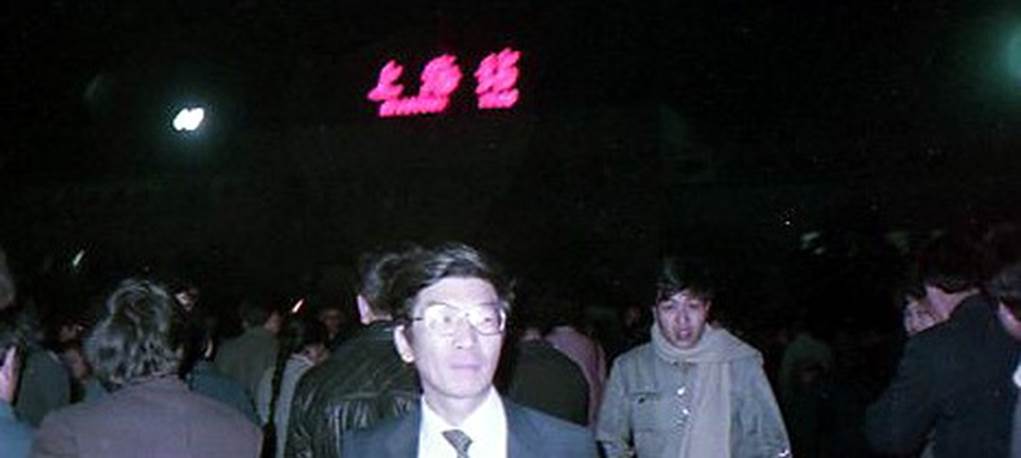
Photo of author, 1985
Shanghai Railway Station in 1985
It was like a mini version of the Japanese National Railways Ueno Station.
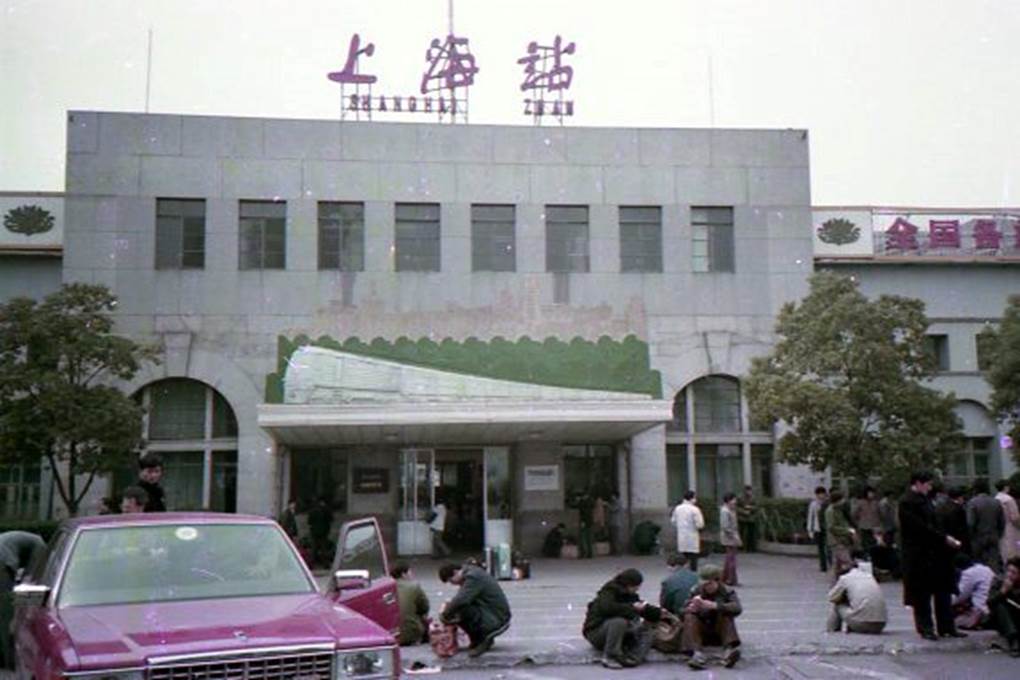
Shanghai Railway Station in 1985
New Shanghai Railway Station
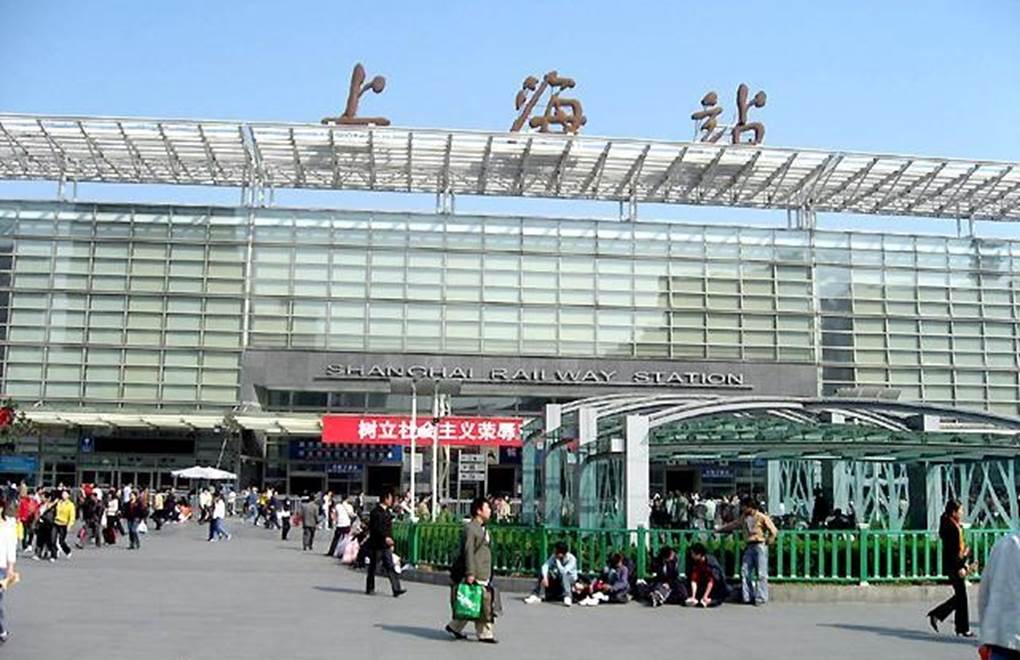
Current Shanghai Railway Station
Japan Airlines Shanghai
When I visited the Japan Airlines branch in Shanghai to check for my return flight,
I found that it was only 27 days after it opened.
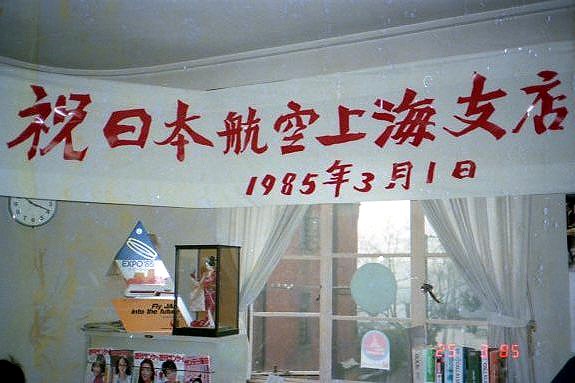
Photo by author, 1985
Renminbi 1985
In 1985, foreigners were prohibited from obtaining China’s currency, the Renminbi, through currency exchange.
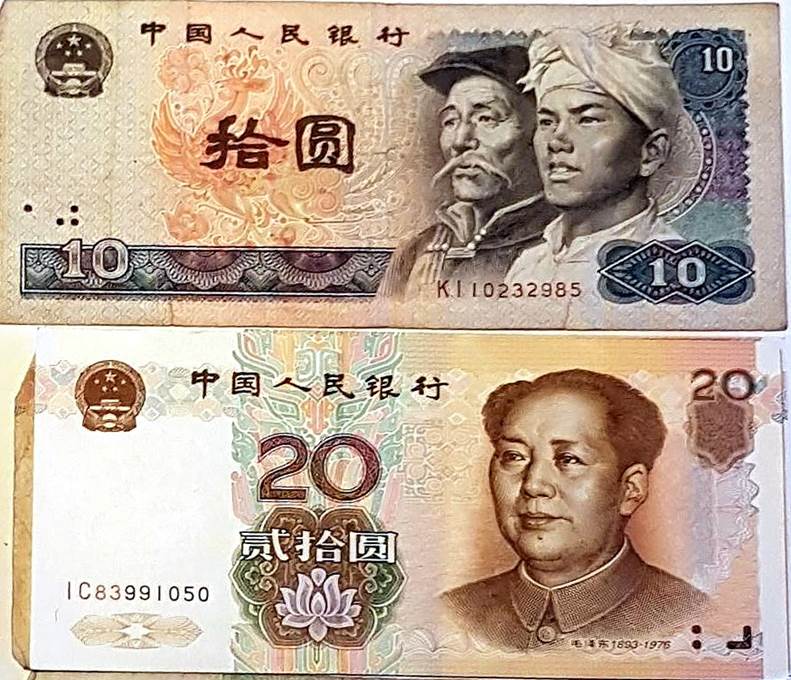
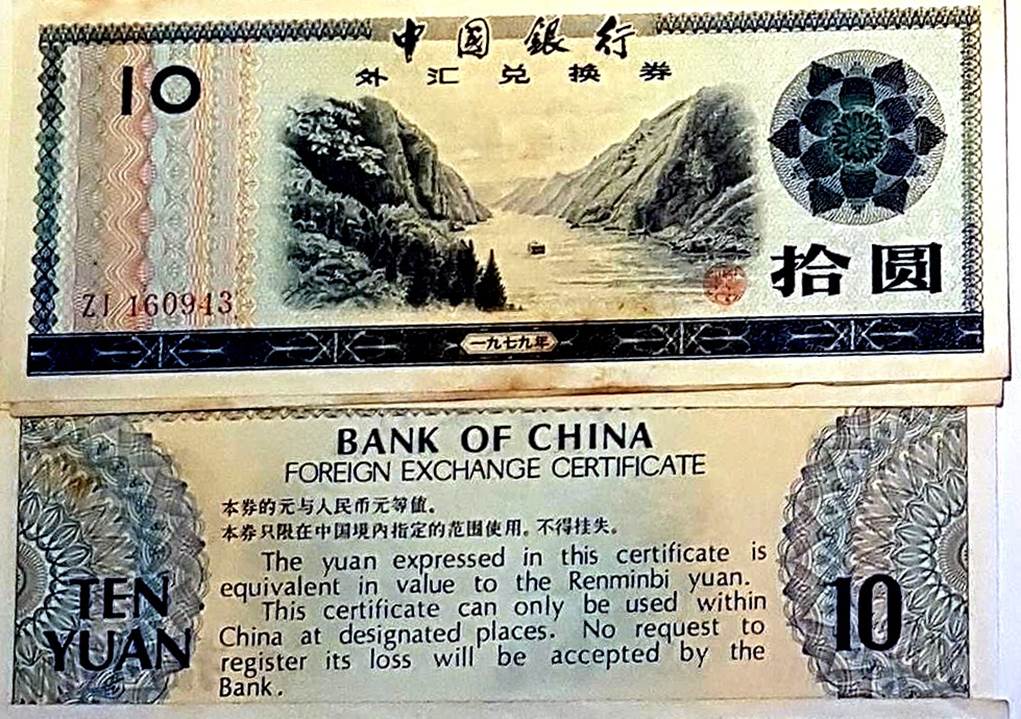
Bank of China Exchange Notes, 1985
Foreigners can obtain Chinese Exchange Notes (pictured below) by exchanging them for foreign currency and use them as equivalents for Chinese currency in China.
In China at that time, foreign currency exchange coupons were popular in China because they could be exchanged for foreign currency and foreign products that could not be purchased with Chinese currency, and black money exchange with Chinese currency was rampant.
When I went to a coffee shop on Junhai Middle Road in Shanghai for coffee, a local young man sitting next to me asked me to exchange it.
It turns out that this is because the money for foreigners is slightly more valuable than the money for domestic use. If you sell these vouchers for foreigners in the market, you can earn pocket money. It is said that the rate of black exchange was about 1 yuan = 1.5 yuan ~1.8 yuan in Chinese currency.
(It is a world where if there is a policy at the top, there is a countermeasure at the bottom.)
The convertible voucher (below) was discontinued after the 1995 New Year was discontinued. It is now auctioned online as an antique in Japan.
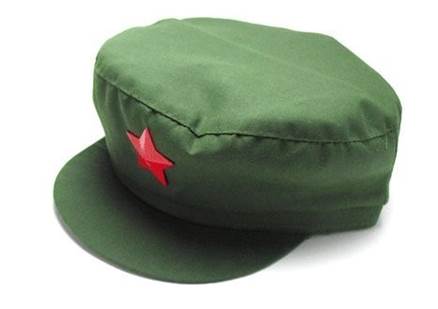
People’s hat (Mao’s cap)
In Shanghai, I bought a people’s hat that I had been interested in before returning to Japan. This hat, called the “People’s Hat” in Japan, used to be the military cap of the “People’s Liberation Army”.
During the Cultural Revolution, citizens sometimes wore military uniforms to indicate support for the military, so it later spread to the private sector, and many people in Shanghai wore them in 1985.
Since this hat was a symbol of the Chinese Communist Party, it was strictly forbidden to bring it into anti-communist countries in Southeast Asia at that time (Indonesia, Malaysia, Singapore, etc.).
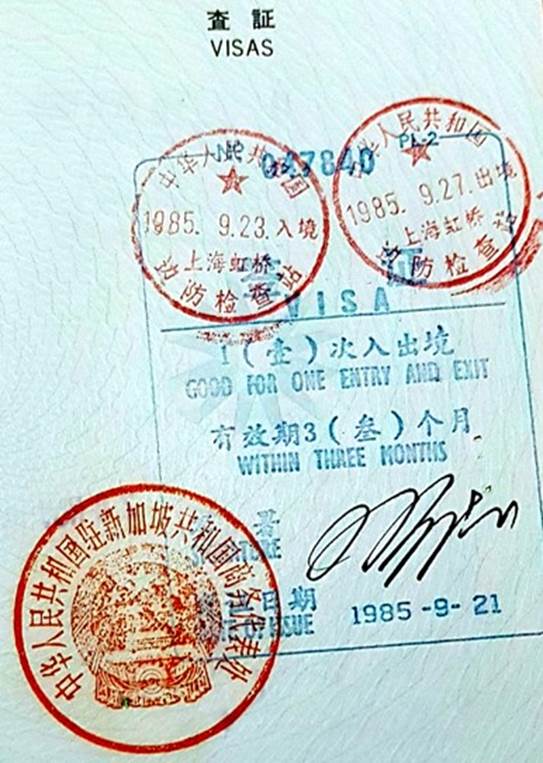
Six months after my first visit to Shanghai, I visited Shanghai again for work.
This time, the visa was available at the Chinese Chamber of Commerce Representative in Singapore. Around this time, overseas Chinese from Southeast Asia began to visit China little by little.
Miyako Hotel Tokyo
When I was staying at Jinjiang Hotel in Shanghai, I got to know an executive of a major construction company involved in the construction of a hotel next door, and he recommended that I stay at the Miyako Hotel in Tokyo, which he was involved in. Compared to the Shanghai Jinjiang Hotel where I stayed until yesterday, it was the difference between heaven and earth.
Unlike Shanghai, the heating was luxuriously effective, and the hot water was luxuriously available. In 1985, there was such a disparity between hotels in China’s first-class cities and Japan’s standards of hospitality and facilities.
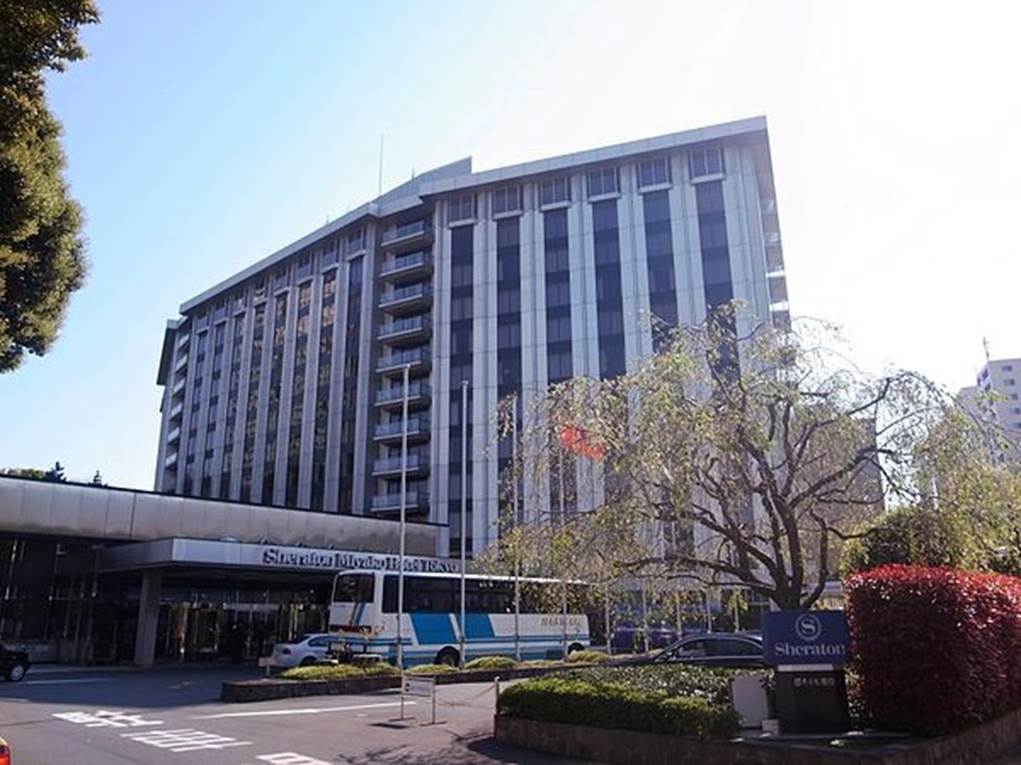
Miyako Hotel in Tokyo
Postscript:
This is a story I heard from an architect in Shanghai in 1985.
In China, people pay for the exchange of goods, but they are reluctant to pay for the transfer of know-how. When I pointed this out to the other party, I got the following response.
In the past, when Japan did not have the means to write spoken language, they taught the know-how of kanji(Chinese script) for free.
They commented that there was nothing strange about receiving modern Japanese advanced technology for free, and he told me of his experience of struggling to come up with a response.