JAP | ENG
4 months Europe trip 1968
#1/9
July 1968 Diary of the two weeks leading up to departure from Santos, Brazil
July 1: 4:30 Office, call Ito, call Sasaki, end Londrina.
July 2: Finnish Consulate, sorting out luggage, exchanging money for dollars.
July 3: Japan Consulate (visit additional countries), shopping, luggage sorting
July 5: Japan Consulate, Nippon Tool Travel Agency.
July 6: Breakfast with Mr. Kamada and visit Mr.Tomoshige.
During my stay in São Paulo, I visited the office of Mr. Setsuo Kamada, a second-generation Japanese American architect who gave me a lot of advice and courage, to say goodbye.
After that, I went to say goodbye to my old friend, Tomoshige Kusuno, an avant-garde painter from Hokkaido, who I had shared a room with for a while.
July 8: Smallpox vaccination for Mr. Ito, Mr. Streuter, Mr. Takai.
Mr. Streuter is a Brazilian of Jewish descent living in São Paulo (an exchange student at the University of Tokyo).
Before I left Japan, I received various advice in Tokyo, including the latest situation in Brazil and the possibility of finding a job. Six years later, when I was leaving Brazil, I visited him at his home in Sao Paulo to express my gratitude and say my farewells.
July 9; 19:00 Departure from Sao Paulo. Sleeping overnight on the bus.
July 10; 13:30 Arrival in Brasilia
July 11; Departure from Brasilia at 19:00 and arrival at Annapolis at 22:30, overnight stay on the bus.
July 12: Departure from Annapolis at 8:00, arrival at Goiânia at 9:00, departure from Goiânia at 16:30, arrival at Annapolis at 17:30.
July 15; 9:45 Santos Customs, lunch with Mr. and Mrs. Ito, Mr. and Mrs. Ariga, Mr. and Mrs. Tatsuma also come.
Some friends and acquaintances came to see me off at the Port of Santos, after descending the 750m-high Tuzla Hill highway from Sao Paulo. I was still young at the time, so I thought it was possible that I would have another chance to come to Brazil, and my departure for the Atlantic Ocean was in a different sentimental mood than when I departed from Yokohama Port six years ago.
15 July 1968 19:00 Departed Santos Harbor.
The cruise ship is a French vessel connecting South America and Europe.
It starts in Buenos Aires and ends in Rotterdam, the Netherlands.
It connected the two continents via the Atlantic Ocean.
In my fourth year in São Paulo, I had a serious accident that threatened my life while travelling by car.
The plan to sell the car and use the money to return home was delay, so I saved up for another two years and carried out my plan to travel around Europe two years late.
By air or by sea?
So, how to get from Brazil to Europe on a limited budget? There are two ways, by air or by sea? I checked with a travel agency in São Paulo and found that the cost of using sea route is three-quarters of the air fare. I was young and single, had a lot of time, and the ship was a hotel with meals, so I decided to go by sea. This shows how expensive airfares were in 1968.
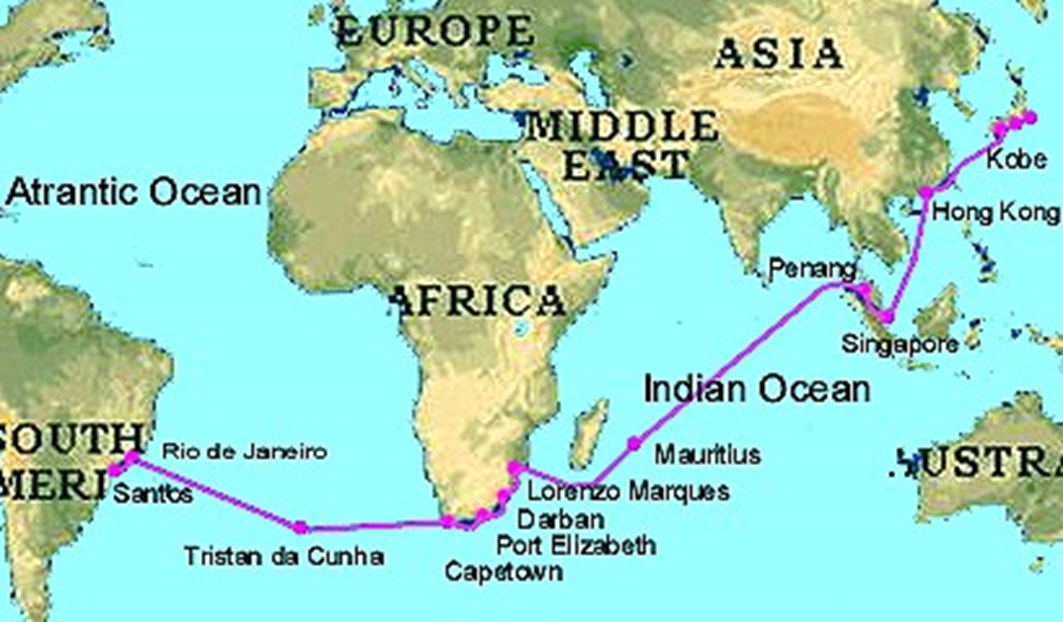
Santos⇒Lisbon
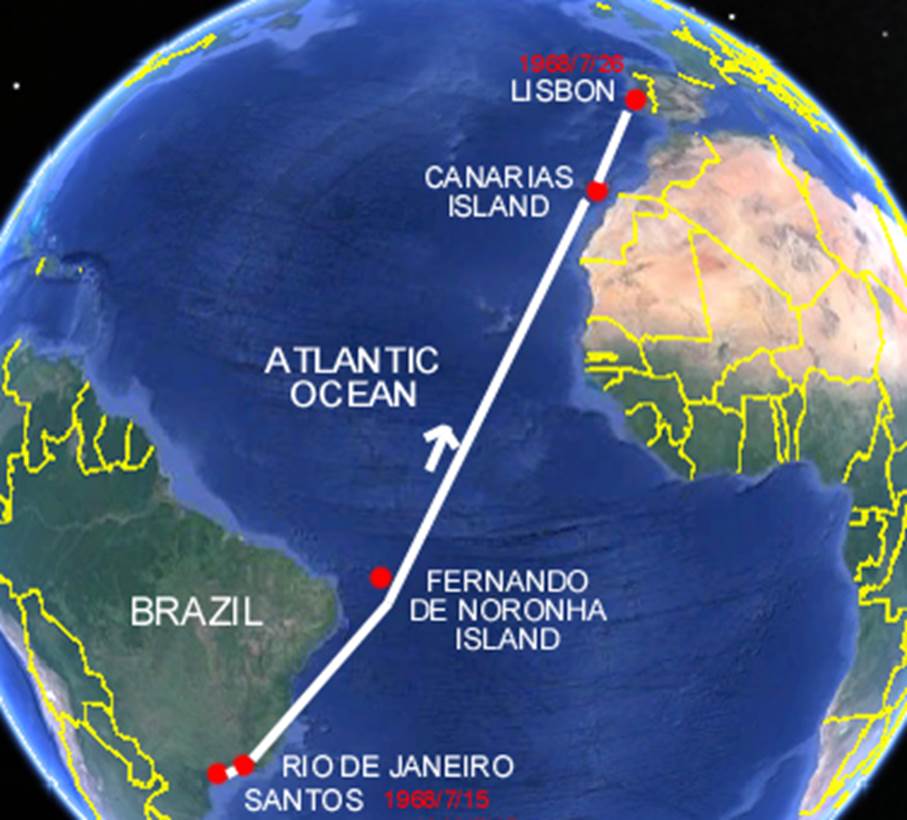
Transatlantic 11-day transatlantic route July 1968
Crossed the Atlantic to Lisbon, 9 nights on the cruise ship.
Cabin view
I booked a 2nd class cabin. There were two bunk beds lined up against the wall, and there was a toilet and a shower booth.
It is a clean cabin and the hot water is in good condition.
A total of four people (three young Brazilians and one Japanese) spent 10 days together in this cabin.
July 16: Arrived in Rio de Janeiro early in the morning.
I think I have caught a cold. I took an Antigrippen tablet.
In the afternoon, I took a bus to Cosme Velho and a tram to Corcovado Hill.
The view was amazing. It is one of the three most beautiful ports in the world.
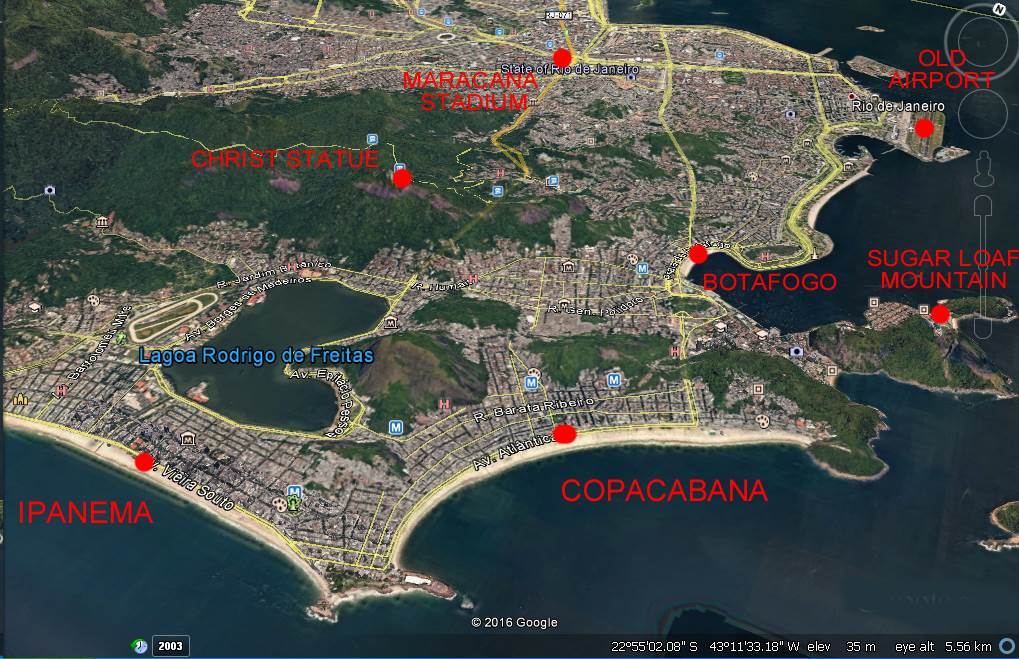
Rio de Janeiro, one of the world’s three most beautiful ports
July 16, 1968 22:00 Departed from Rio, farewell Brazil!
Goodbye to Brazil, a beautiful and dynamic country that has given me so many experiences.
July 17 I have a fever and feel sick with a cold and swollen gums.
July 18: Recovered from illness. French film La 10eme Victime.
July 19: Courses de Chevaux au Bar ( Horse racing in a bar)
Fernando de Noronha
An isolated island in the middle of Atlantic Ocean
After leaving Rio de Janeiro and going out into the open sea of the South Atlantic, I was enjoying a sense of liberation for about two days and nights, and suddenly I saw a lonely island in the middle of the sea appeared in the distance!
I could see huge waves crashing against the reef.
It was a powerful natural phenomenon.
FERNANDO DE NORONHA
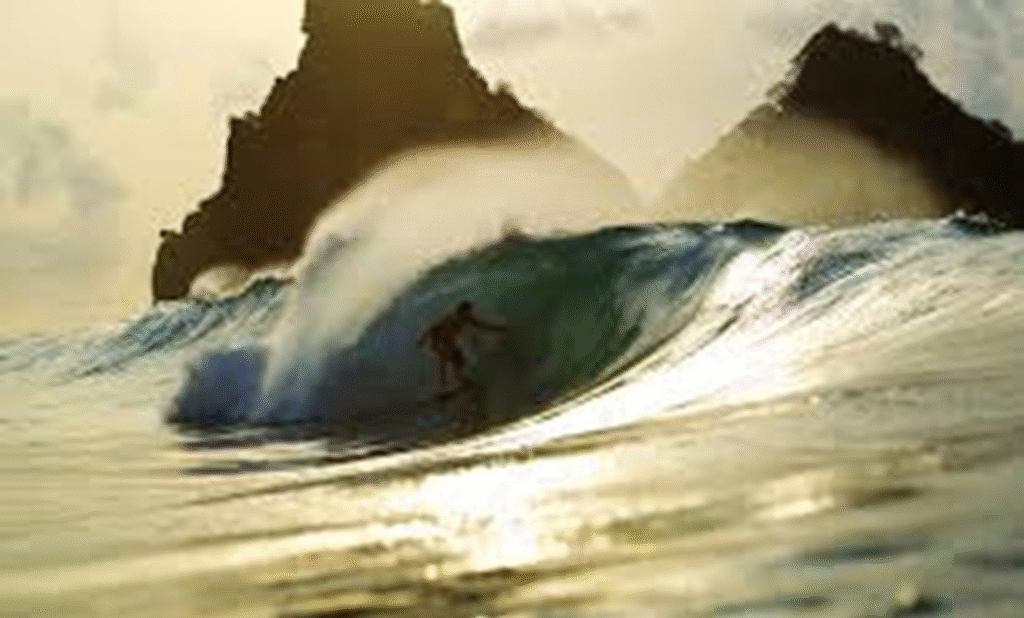
FERNANDO DE NORONHA
Atmosphere on board
The captain and crew of this ocean liner operated by a French company are mostly French. The passengers are a mix of Argentinians and Brazilians, with few Africans, and I was the only Asian.
There was a live band playing in the large lounge on the ship, and the Brazilians requested samba and bossa nova, while the Argentinians requested tango.
They were competing fiercely for the songs to be performed.
It was a heartwarming sight to see the strong cultural rivalry between these two countries in South America unfolding before my eyes.
There were several French garcons (bartenders) behind the bar, taking orders for duty-free French wine and cocktails in French. They were all young, good-looking men who were popular with Latin American women.
July 19: Equator Festival.
The largest event at sea organized by the captain.
All passengers were required to participate in costume. I wanted to dress up as a samurai, but I didn’t have a costume, so I participated in a Brazilian Indian costume that only required a waistband. The idea was that a native Brazilian suddenly appeared on the ship in the Atlantic Ocean. Then, after dancing and chatting until 2 a.m. the next morning, swimming in the pool.
In the meantime, the cruise ship is quietly entering the Northern Hemisphere.
Entering the Canary Islands
On the seventh day after departing from Rio de Janeiro, we arrived in the Canary Islands, off the coast of Morocco, west of the African continent.
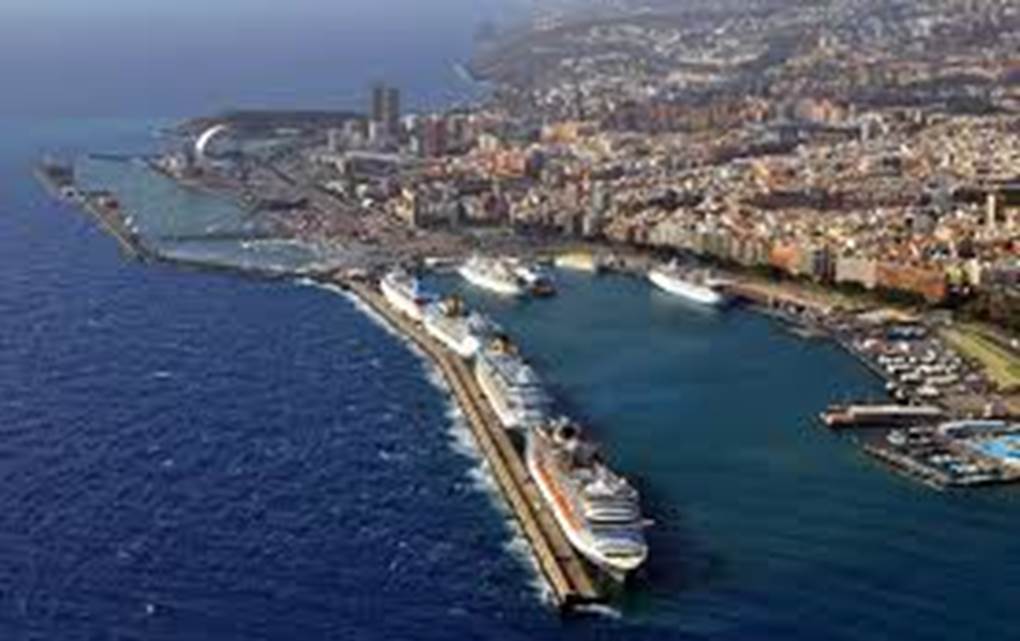
We docked at Santa Cruz on the island of Tenerife.
The Canary Islands are Spanish territory and duty-free. When I disembarked, I was surprised to find Spanish peseta money changers everywhere, especially in European countries, including the Nordic countries.
In other words, the island was already at the forefront of free ports and was a travel paradise for wealthy people, especially from Scandinavian countries.
Before leaving Brazil, I sold off a second-hand camera I had bought in Hong Kong six years ago to supplement my travel expenses in Europe.
I found a camera shop on a street corner in Santa Cruz, Tenerife, so I went in and found the latest Japan camera. So I bought an Asahi Pentax without hesitation. The price was slightly cheaper than the used camera I sold in Brazil.
As I was walking around the harbour, I saw a Japanese deep-sea fishing ship anchored. This was an international resort for wealthy people at the end of the earth (from the Japanese perspective), and I thought of my compatriots who had come here to work in the fishing industry.
The Japanese flag was hoisted high on the ship, fluttering in the blue sky.
For some reason, my eyes tears up with emotion.
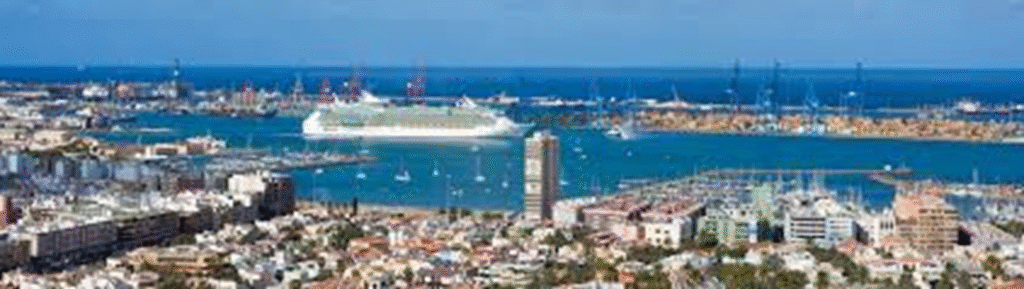
Port of Santa Cruz in Tenerife
Landing in Lisbon
We arrived at the port of Lisbon, Portugal, the westernmost point of the Eurasian continent. The voyage ended, and from here it is time to begin my land journey.
Traveller’s cheques
In this European travel plan, in the days before credit cards, the only way to travel was to have dollar-denominated traveller’s checks issued and carry them around.
The only issuer was American Express, and I exchanged all of my Brazilian currency, Cruzeiros (at the time), for US dollars at a bank in Sao Paulo and had dollar-denominated traveller’s checks issued.
Now, I used the traveller’s cheques for the first time and exchanged them for Portuguese currency, Escudos.
Arrived in Lisbon on July 26. Exchange for $10.
BAIRRO ALTO (Kaminomachi) Uptown Lisbon
How I found the lodging in Lisbon has faded from my memory, but the location of the inn was a great success. The photo below shows the west side of downtown Lisbon.
It is a view of the cityscape of Lisbon from a inn on the mountain.
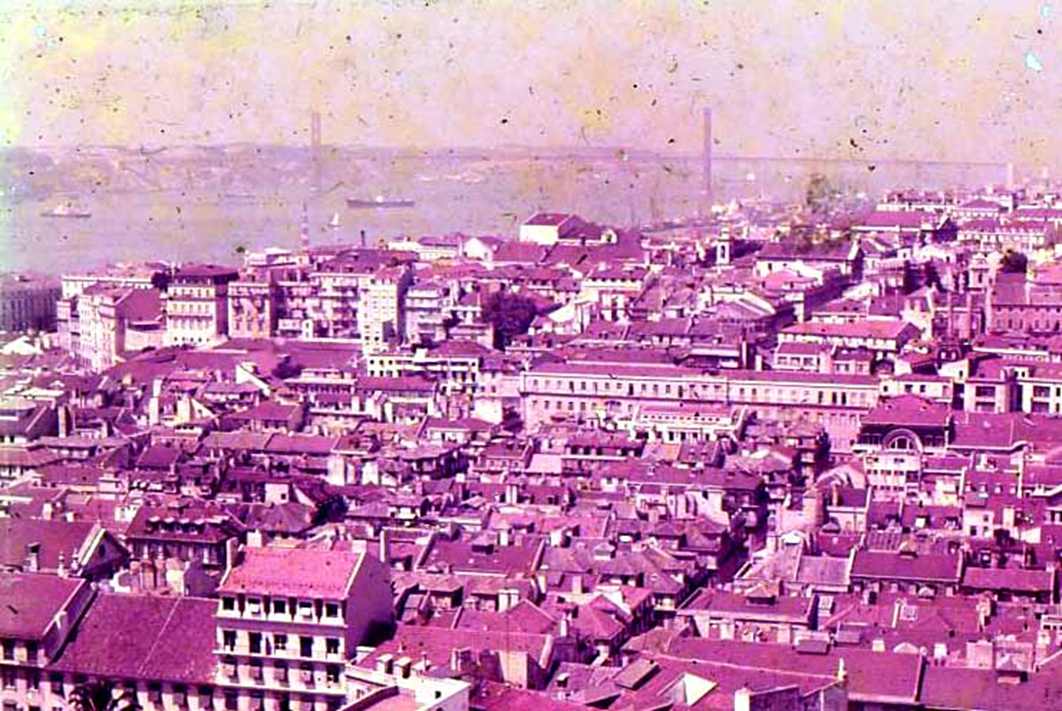
View from the window of the inn in the southwest direction. Can see the Tejo River and the suspension bridge that spans it, the Ponte, 25 de Abril (April 25 Bridge).
Photo by author, July 1968
Vasco da Gama and Cabral
From the window of this inn, I can see the square facing the Tagus River (photo below), from which Vasco da Gama and his companions rounded the Cape of Good Hope and reached Asia.
Later, Cabral (a Portuguese nobleman, soldier, and navigator) discovered the South American continent and landed in Brazil for the first time. Portugal, with a land area of 92,000 km2 (one-quarter the area of Japan), conquered Brazil (8,512,000 km2), about 90 times the size of Portugal. Cabral became the first European explorer to set foot on four continents. (Europe, Africa, America, and Asia).
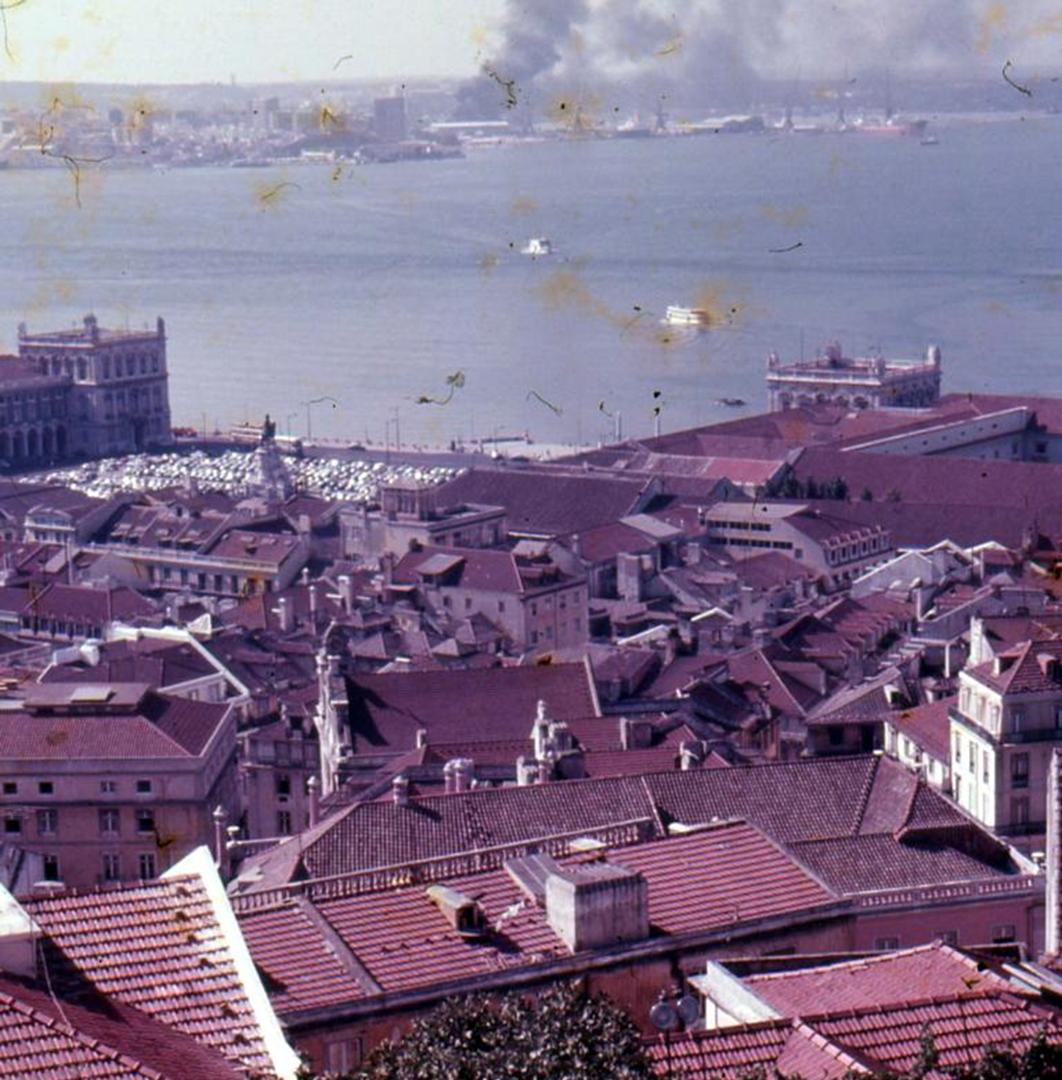
View from the window of the inn in the southeast direction. The square on the left facing the Tejo River is “Placa do Comercio”, from which Vasco da Gama sailed out into the Indian Ocean over Cape Good Hope
Photo by author in July 1968
An incident at the inn in Lisbon
One morning at a guesthouse with a spectacular view, the cleaning lady came into the room to change the bedsheets. I was in a great mood that morning, so I exchanged a few greetings and conversation with her, but she showed a look of shock that almost made me weak in the knees, and it was my turn to be surprised.
After a while, I calmed down and realized the reason. I had been speaking to her in Portuguese, as I usually do in Brazil. She must not have imagined that a Japanese person would suddenly start speaking to her in their own language.
At that time, Portugal was located at the westernmost tip of Europe, and travellers from Asia were extremely rare, so it must have been unimaginable for a Japanese person living in Brazil to suddenly enter Lisbon through the gateway on the Atlantic side.
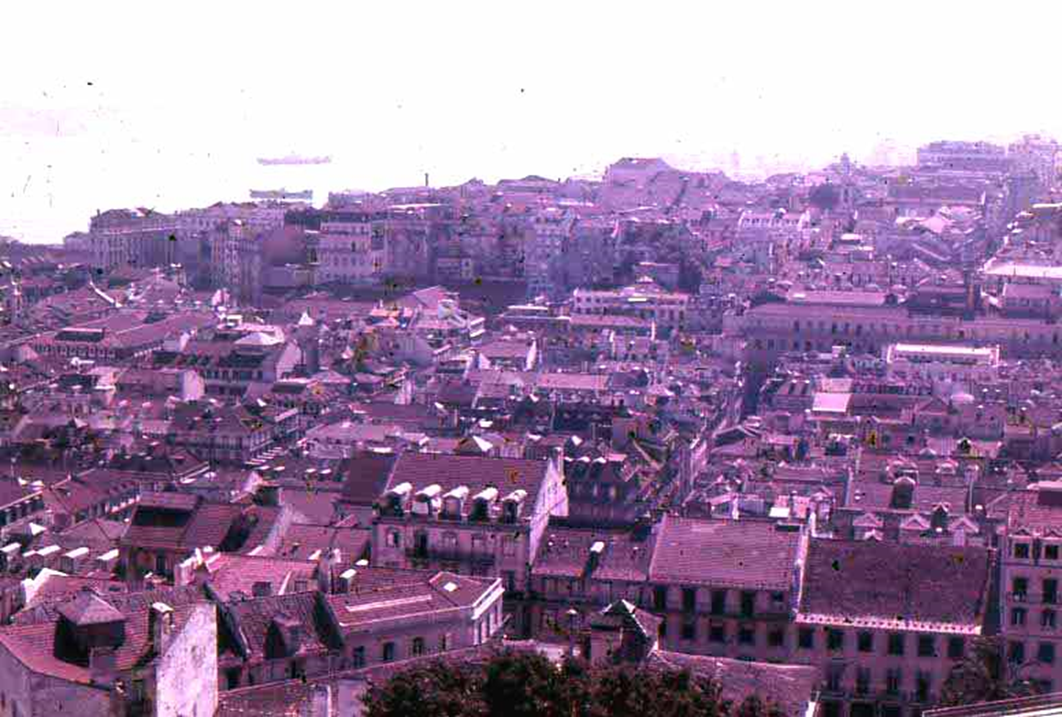
View of the street to the west from the guesthouse window.
Vintage red roofing tiles stretch as far as the eye can see.
Photo by author, July 1968.
Alfama District
Alfama is the old town of Lisbon, a historically important district. It is located in a hilly area between the Tejo River and the castle of São Jorge. The name is said to come from the Arabic word AL HAMMA, which means “spring” or “bath”.
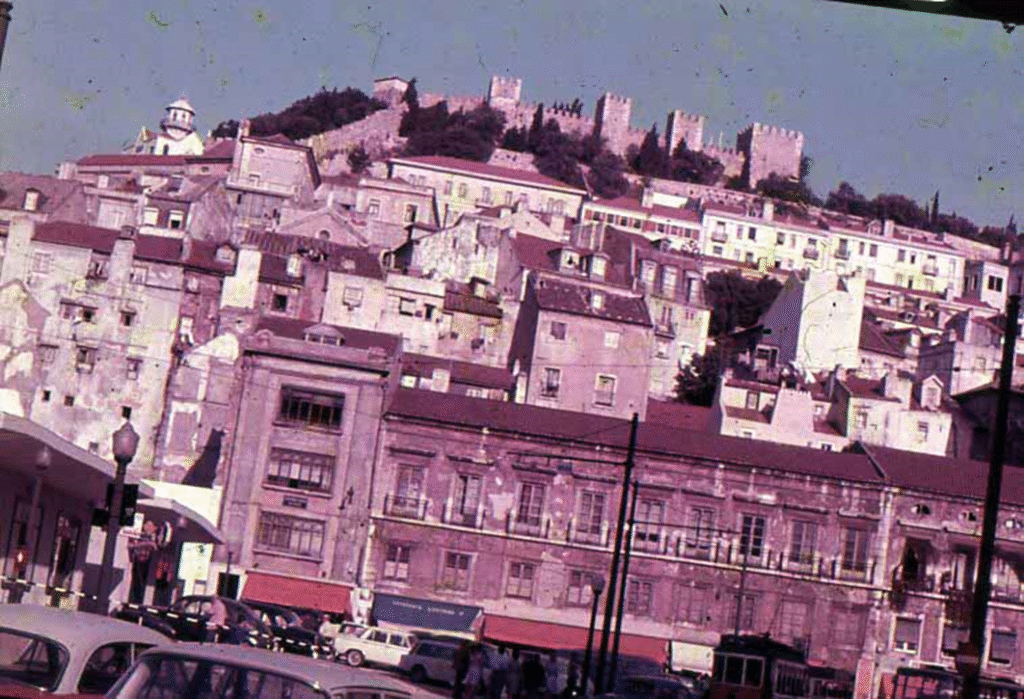
The Alafama district seen from the center of Lisbon and the town below.Fort Saint-Georges at the top of the hill.
Photo by author, July 1968
Alfama’s hills, trams, and fado
Alfama was the center of Lisbon during the Muslim Moorish rule, and is said to have been home to many fishermen and paupers.
Alfama was not damaged by the Great Lisbon Earthquake of 1755, leaving behind a picturesque scene of steep slopes, a maze of narrow alleys and small squares.
There are also many Portuguese enka “fado” taverns and restaurants. The fado, which is said to have originated in Alfama, is a unique Portuguese music that recalls the men who went on a voyage, and later came to Brazil and became the basis for samba and bossanova.
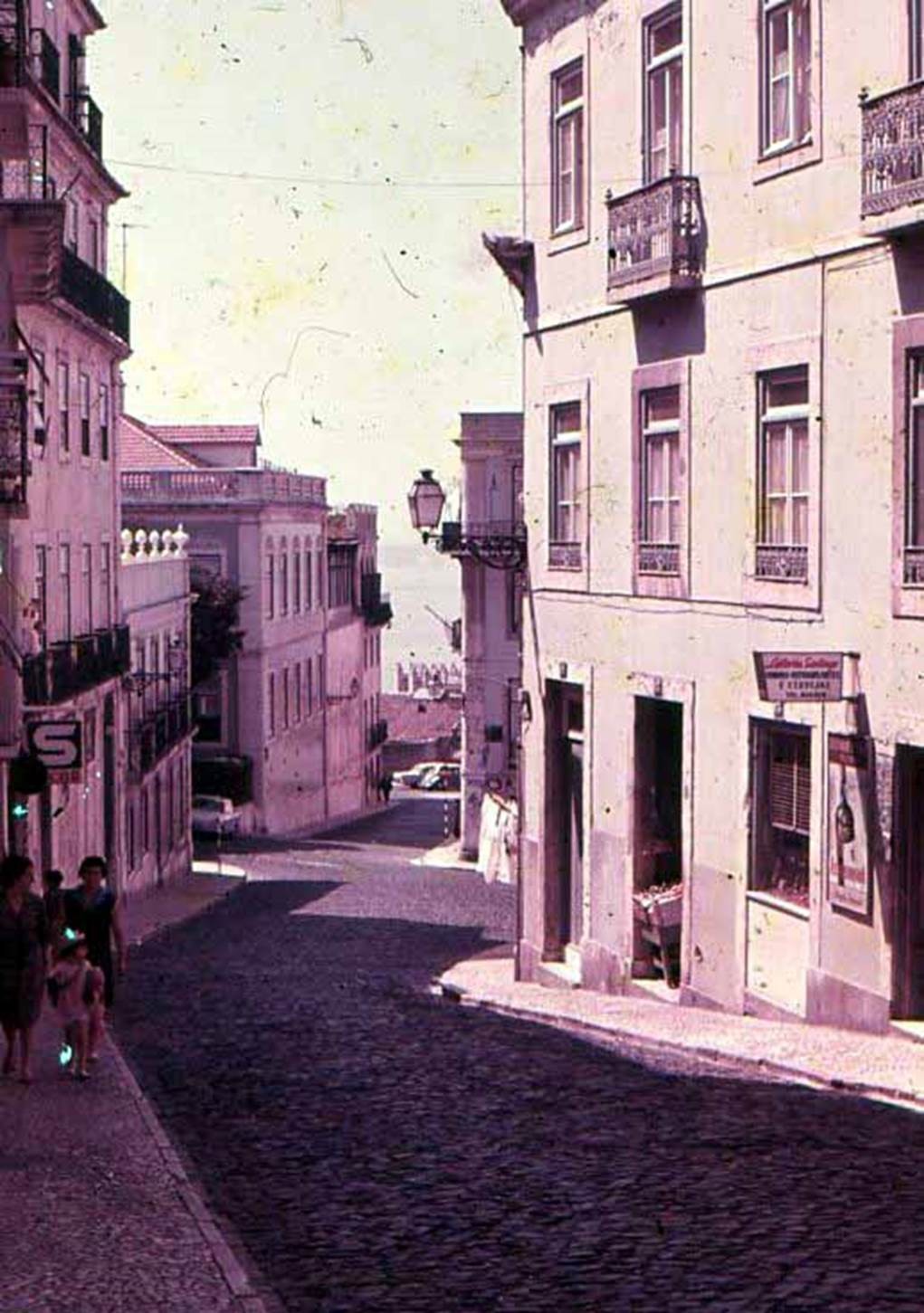
Winding and steep roads in the Alafama district.
The citizens of the Alafama district go up and down this hill every day for their lives.
Photo by author, July 1968
Alfama is also home to historic buildings such as the city’s oldest Lisbon Cathedral (12th-14th century) and Graça Monastery (18th century).
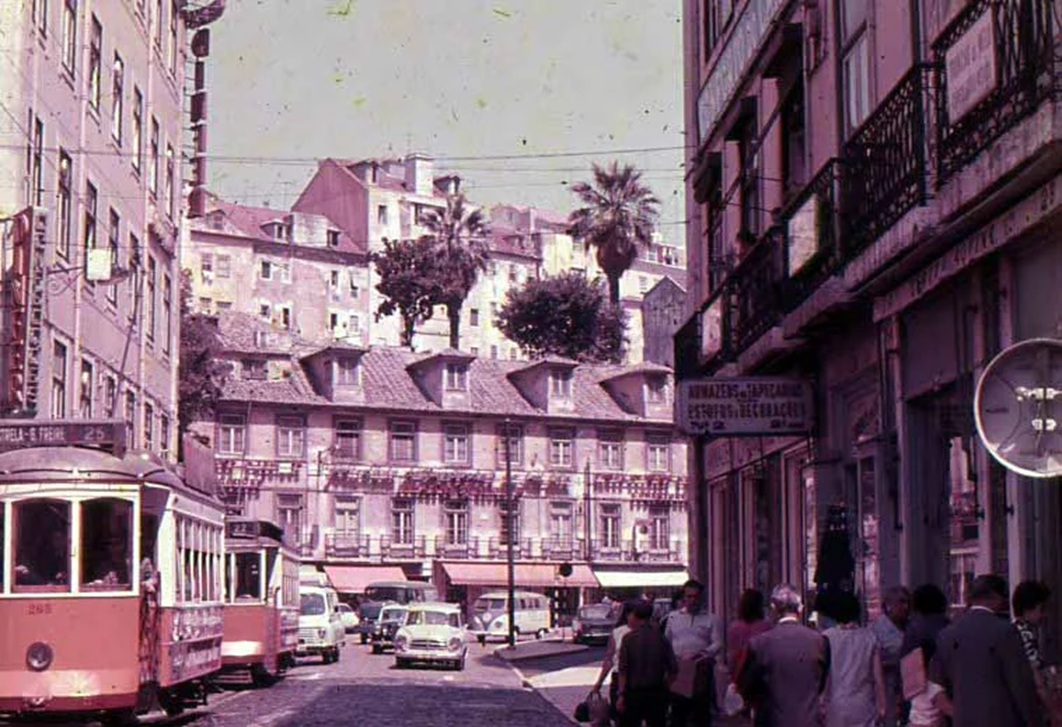
Two tram lines run on a winding and steep road in the Alafama district.
The tram goes up and down a steep hill in front of the eaves of the building, and you can experience the thrill of one of Lisbon’s most exciting districts.
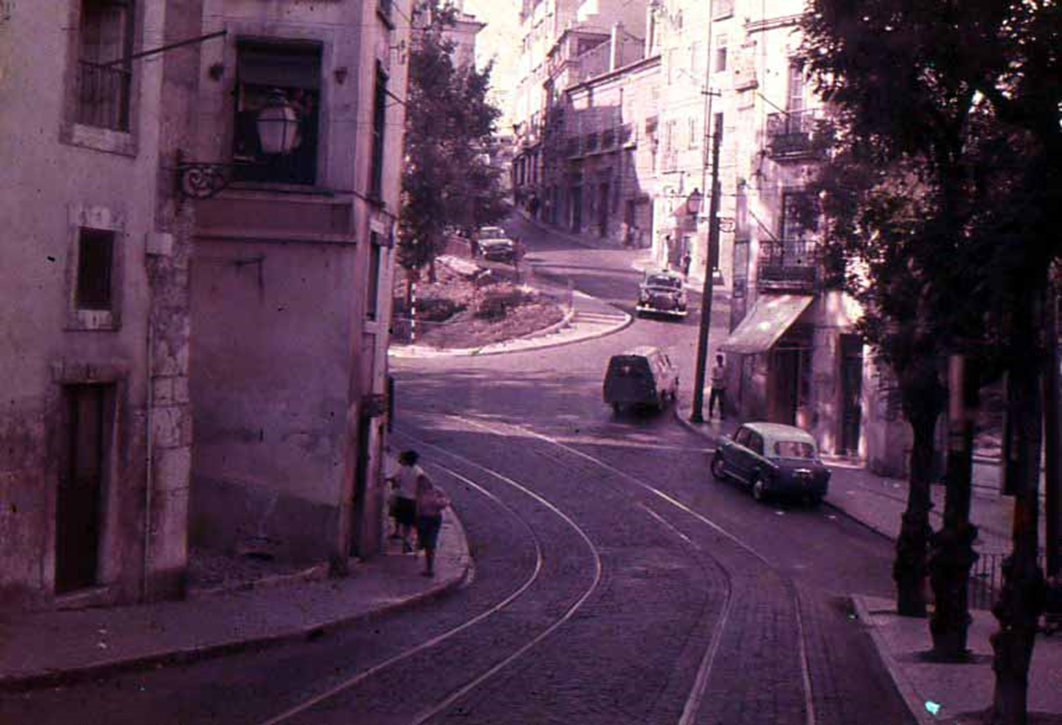
Photo by author, July 1968
Baixa District
A flat area between BAIRRO ALTO (Up-town) and the Alfama plateau. BAIRRO BAIXA (Down-town).
It refers to the lowlands from Plaza de Cormesio (which controlled trade between Portugal’s overseas colonies and European countries) facing the Tejo River to Rossio Square (the current junction of land transportation).
“Baixa” means “lowland” and is lined with Arc de Triomphe, cafes, restaurants, souvenir shops, etc. For Lisbon, which has many slopes, it is a valuable flat land and is easy and comfortable to move around on foot.
To the east are the hills of the Alfama district and Fort San Jorge at the top of the hills. To the west, the hills of Bairro Alto (Up town) can be seen up close, allowing you to get a three-dimensional view of the city. It can be said that Barcelona has a first-class and unique urban landscape among European cities.
The Great Lisbon Earthquake of 1755
Equivalent to magnitude 8.5~9.0, the largest natural disaster in European history.
A huge earthquake on the same scale of the Great East Japan Earthquake occurred, with the epicenter in the Atlantic Ocean, 200 km west-southwest of Portugal.
It is said that the Baixa area of Lisbon, the capital of Portugal, which flourished during the Age of Discovery, was particularly badly damaged.
The tsunami, which was up to 30 meters high, and the effects of the fire, which lasted for six days, killed 90,000 people and caused damage to 85% of the buildings in Lisbon at the time.
The Baixa region was subsequently developed into a grid-like urban area, but the damage from the earthquake gradually took its toll on the Portuguese economy, industry hollowed out, and the country began a long period of decline known as the “Lost 250 Years” that continues to this day.
From the Baixa district, you can see the hills of Bairro Alto in the west at close range.
The tram lines that run throughout Lisbon start and end here in the Baixa district.
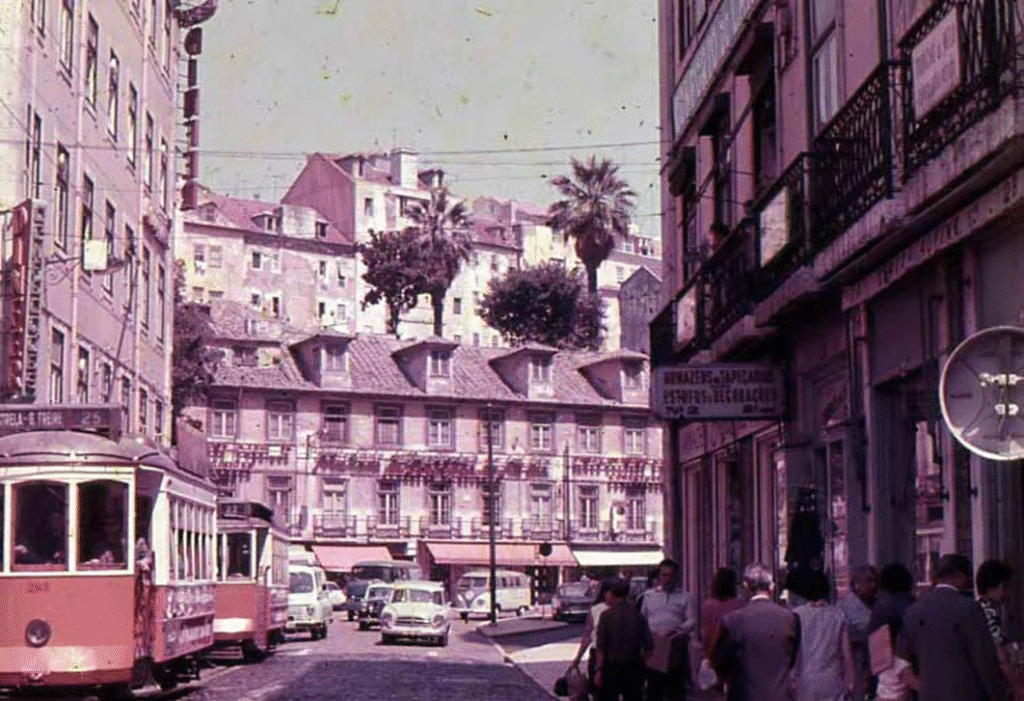
Photo by author, July 1968
Buildings near Rossio Square.
Nearby is Europe’s westernmost railway terminal.
If you take an international train from here, you can reach various European cities.
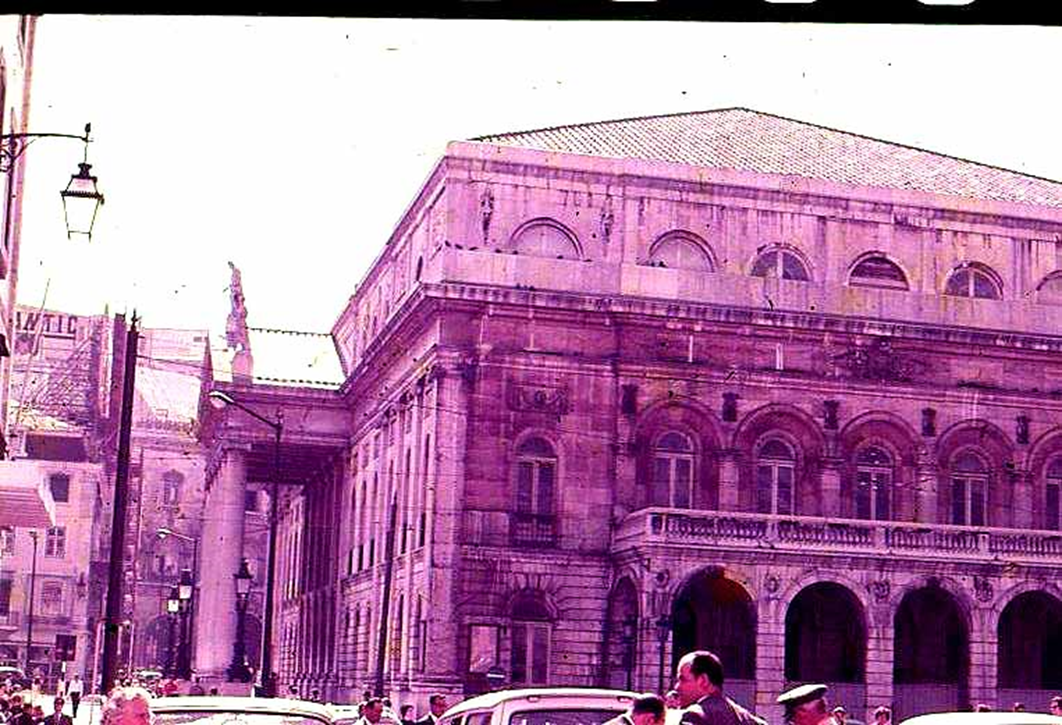
Photo by author, July 1968
A newlywed couple at public square on the side of the mountain
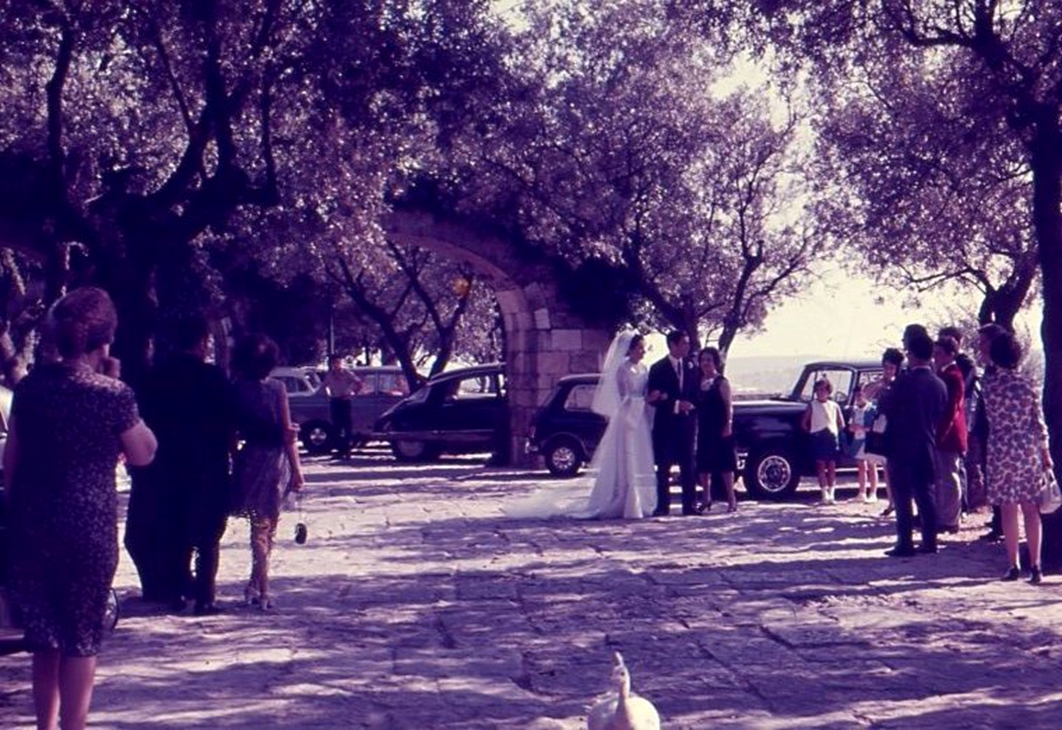
Photo by author, July 1968
27 July Lisbon Av. Liverdade, Monas. São Jelonimo, Belém Castle, Estorial
Jerónimos Cathedral & Monastery
UNESCO World Cultural Heritage Site
The cathedral and monastery is said to be the largest and greatest masterpiece of the Manueline style. It was built with the wealth of the Age of Discovery.
The construction was initially financed by the huge profits from the sale of spices brought back by Vasco da Gama.
The construction was begun by Pope Manuel I in 1502 in honor of the achievements of Vasco da Gama and Prince Enrique the Navigator.
Although most of the structure, such as the cloister, was completed in 1511, it took about 300 years to complete.
The Jeronimo Cathedral and Monastery, a World Heritage Site, miraculously survived the Great Lisbon earthquake of 1755.
It was built in the early 16th century with excellent earthquake-resistant construction technology, and it is a miracle that it still exists today.
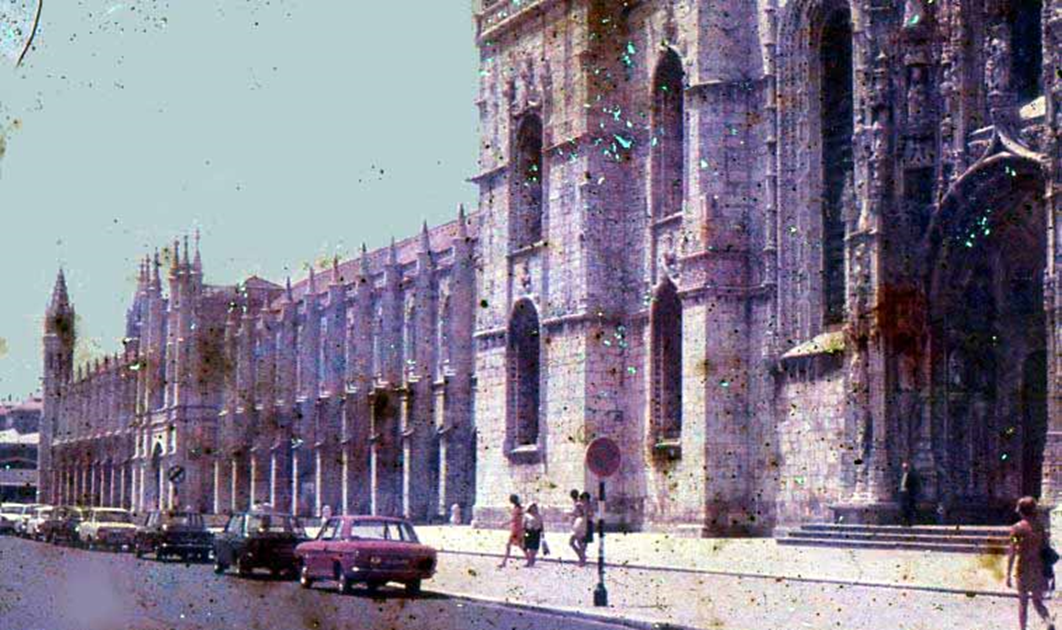
Jerónimos Cathedral, Monastery and Front Square
Photo by author, July 1968
Jerónimos The main entrance gate of the cathedral
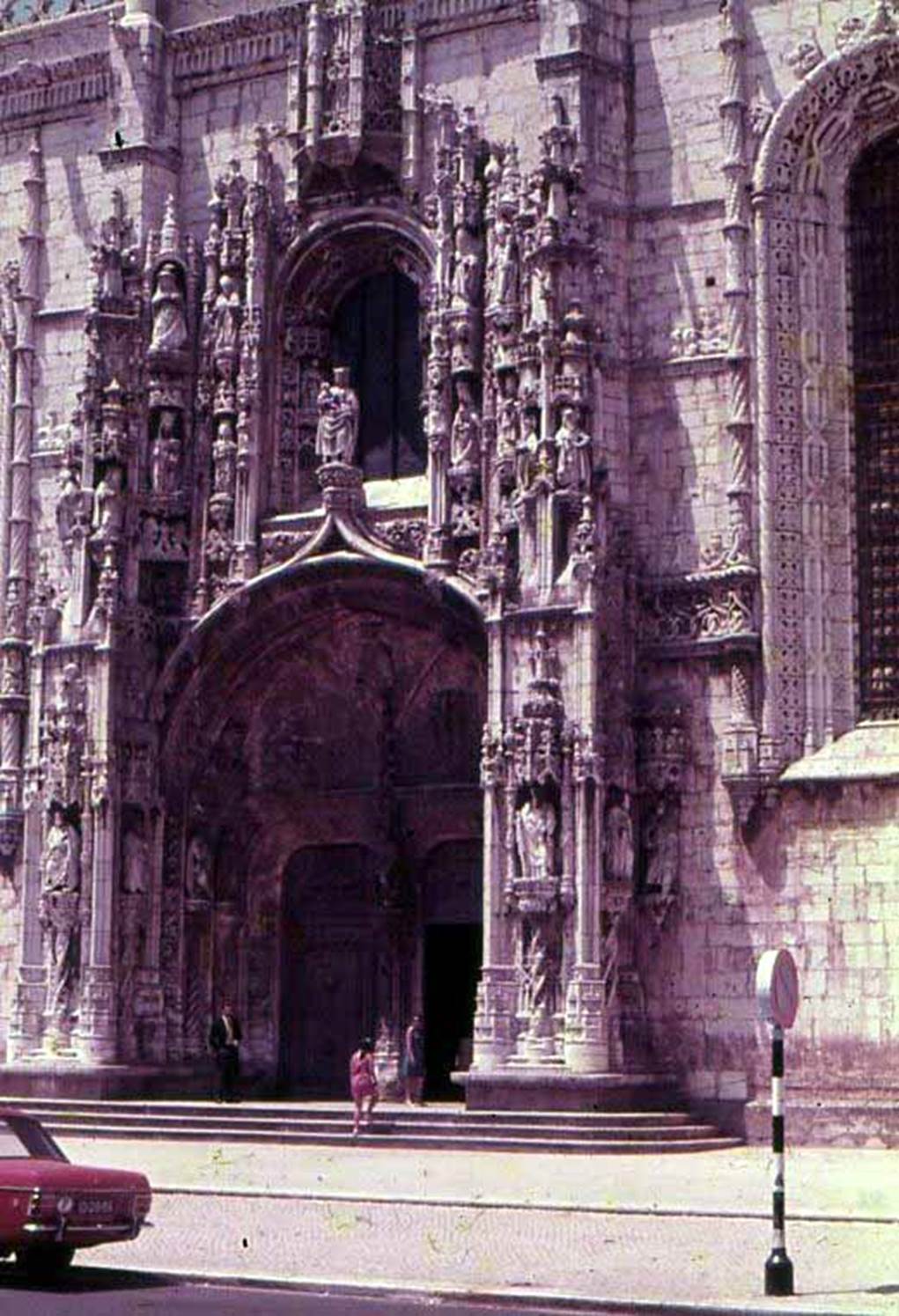
Photo by author, July 1968
Jerónimos sculpture on the main entrance gate of the cathedral.
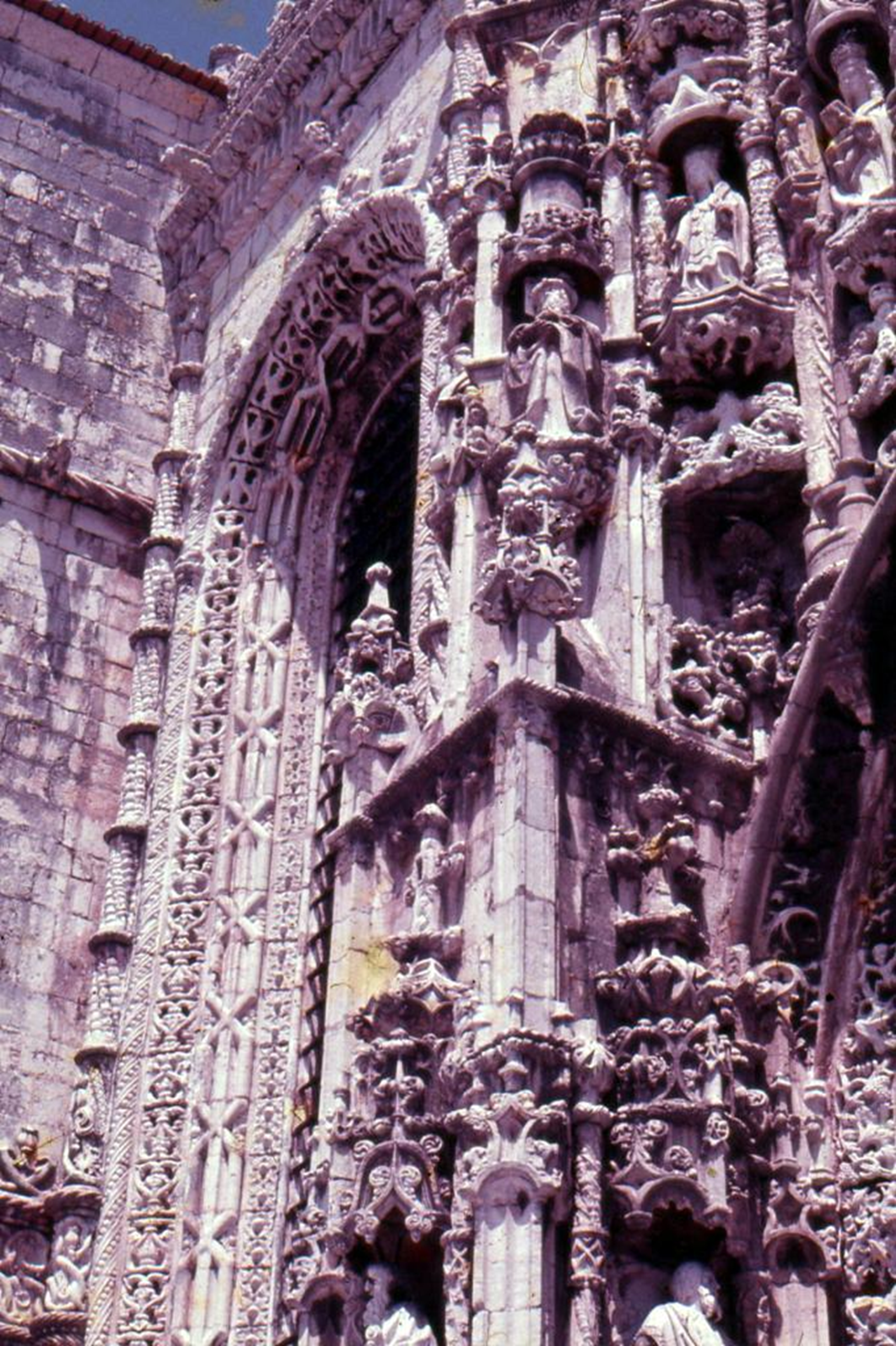
Photo by author, July 1968
There was a courtyard connected to the Jerónimos cathedral
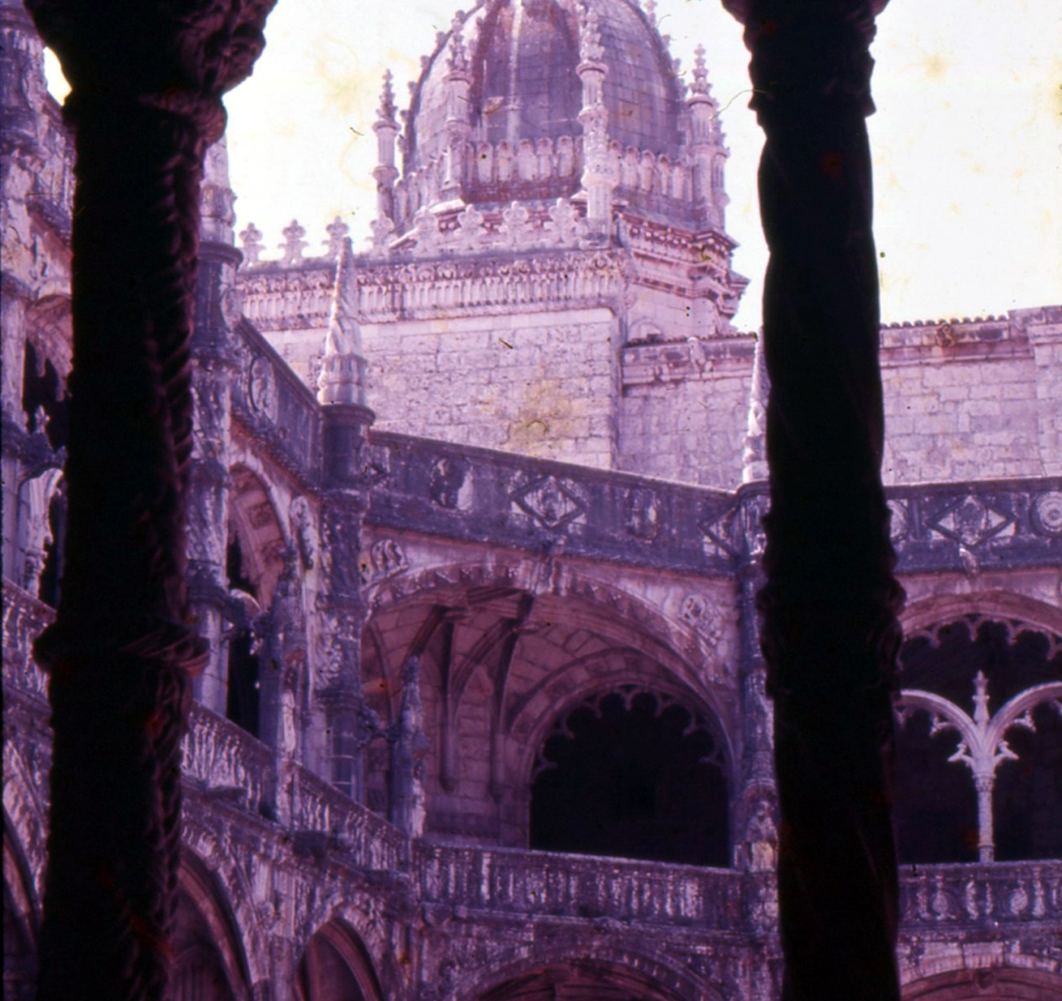
Photo by author, July 1968
There was a courtyard connected to the cathedral.
Pay attention to the size of the columns of the cloister that surrounds the courtyard. Earthquake-resistant design at that time!
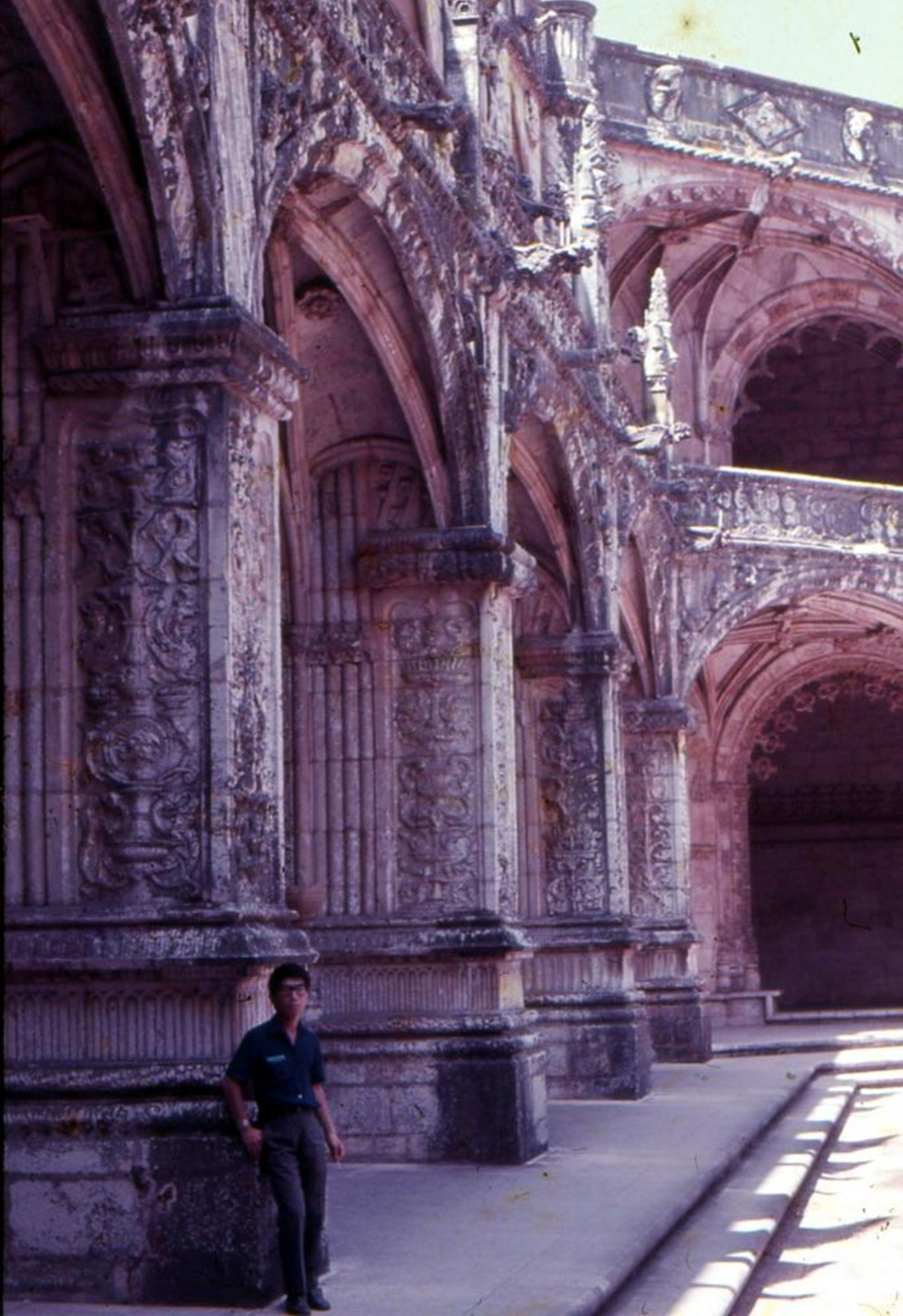
Photo by author, July 1968
Belem Tower
UNESCO World Cultural Heritage Site
A fortress located in the city limits of Lisbon, facing the Tejo River, with the purpose of monitoring the entry and exit of ships.
It was created in the 16th century by Pope Manuel I to commemorate Vasco da Gama’s circumnavigation of the world.
The architectural style is the same as the aforementioned Jerónimos Monastery.
A distinctive feature of this style is that the eaves of the watchtower are made of rope weave.
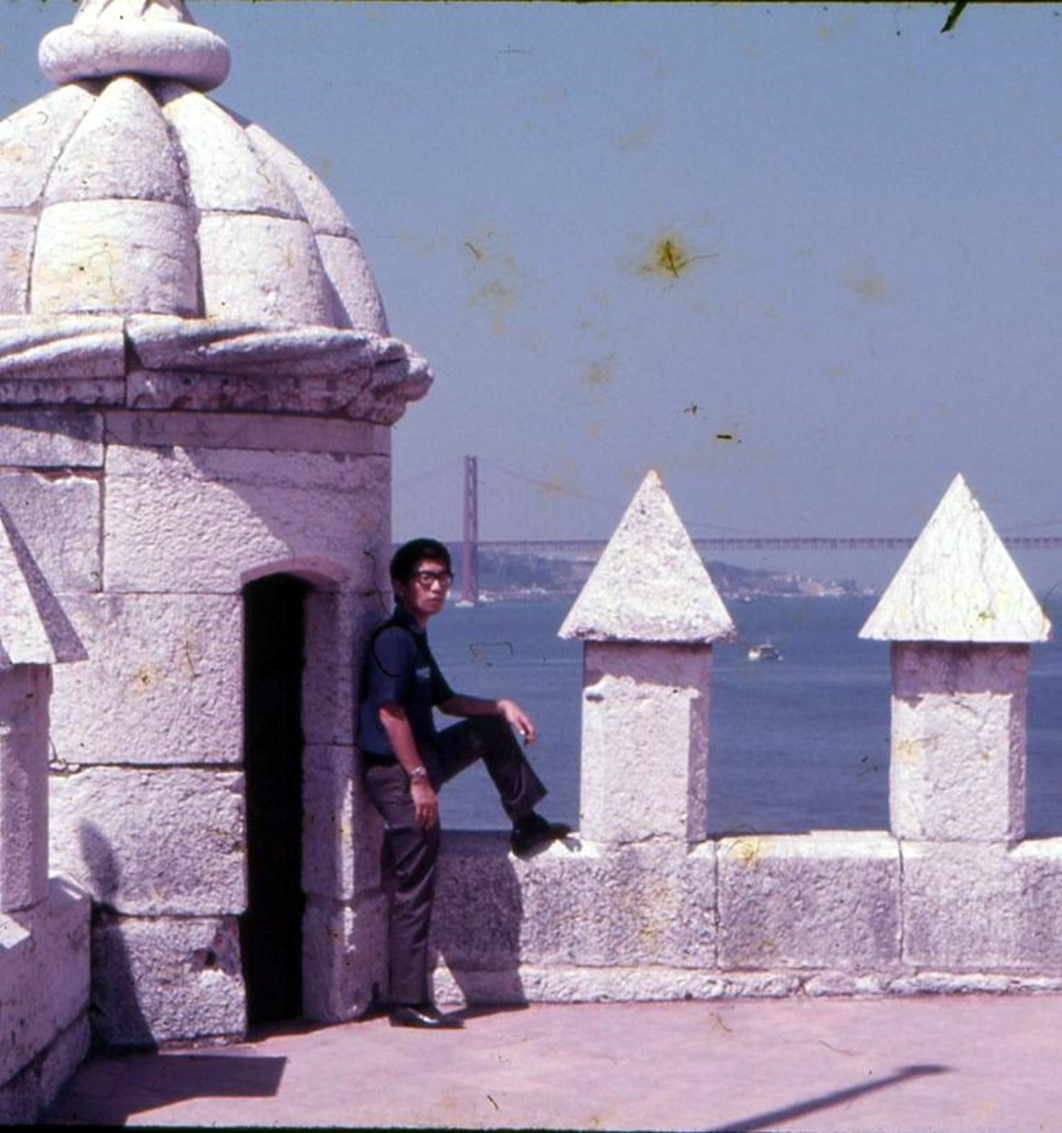
Belem Tower, July 1968
Estoril
Located in the eastern suburbs of Lisbon.
A resort on the Atlantic coast that was favored by royalty in the past.
Even now, the old castle on the left side still retains its dignity.
There is also a casino. It was not a tourist destination suitable for poor travelers traveling on a limited budget.
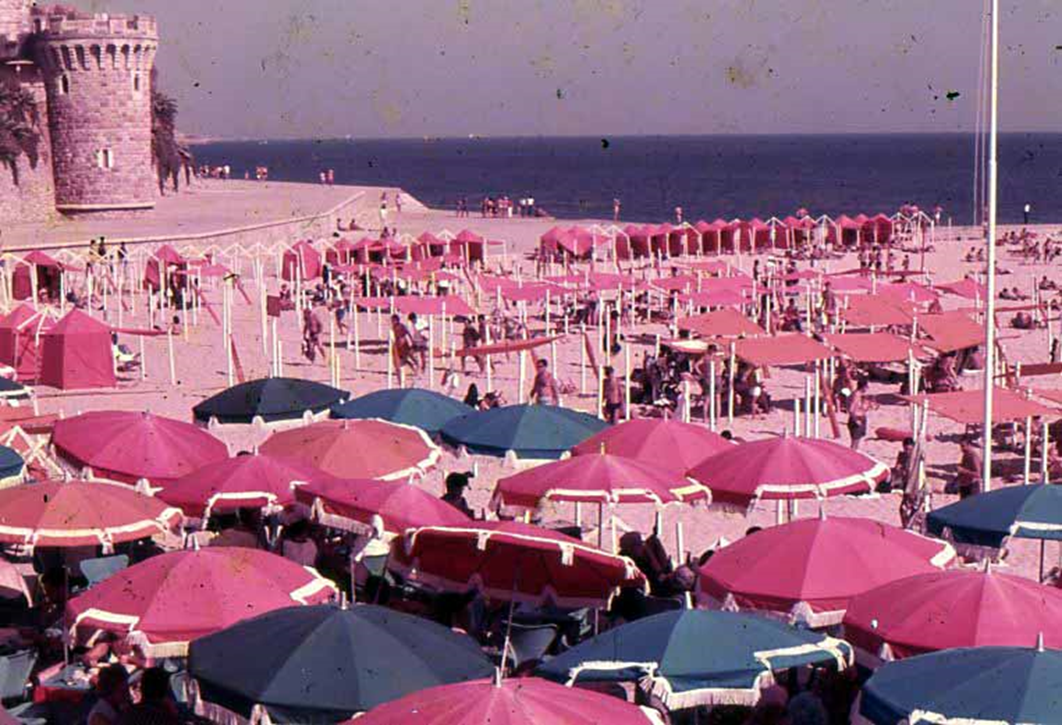
Estoril. A resort on the Atlantic coast
Photos by author in July 1968