JAP | ENG
Long-term stay in Brazil #13/15
Iguazu Falls
I drove 2,000 km round trip from São Paulo to the Paraguayan border and Iguazu Falls.
After a few years of living in Brazil, I realized that I hadn’t been to the Paraguayan border or Iguazu Falls. I planned a solo trip of 1000 kilometers each way and was given 10 days of paid leave by my office boss.
In order to save money, I decided to give up the round trip by plane and go by car. My only possession at the time was a 1960 Volkswagen, which I put to full use.
Volkswagen in the 1960s had an air-cooled engine, so the engine could not withstand the burden of air conditioning, and all of them were designed without air conditioning. Car locks and windows were all manual.
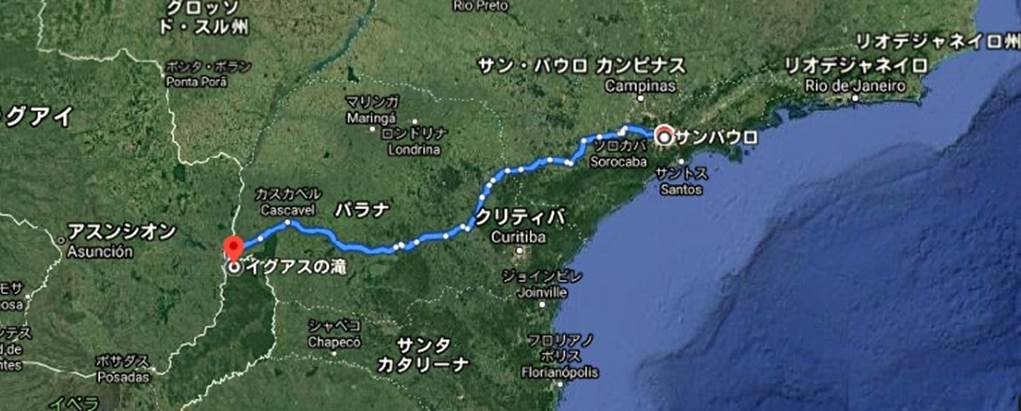
What I learned after completing the entire 1000 km route…
The first third of the journey from Sao Paulo is on a comfortable asphalt-paved road. The middle third is bare red soil with coffee plantations as far as the eye can see. The final third is a rough road through a jungle.
When you enter the border area of Paraná State, which is neighboring to the south of São Paulo State, it becomes a water source area with abundant water stores as shown in the photo below, and passes through a forested area where there are no houses. The road is still in good condition.
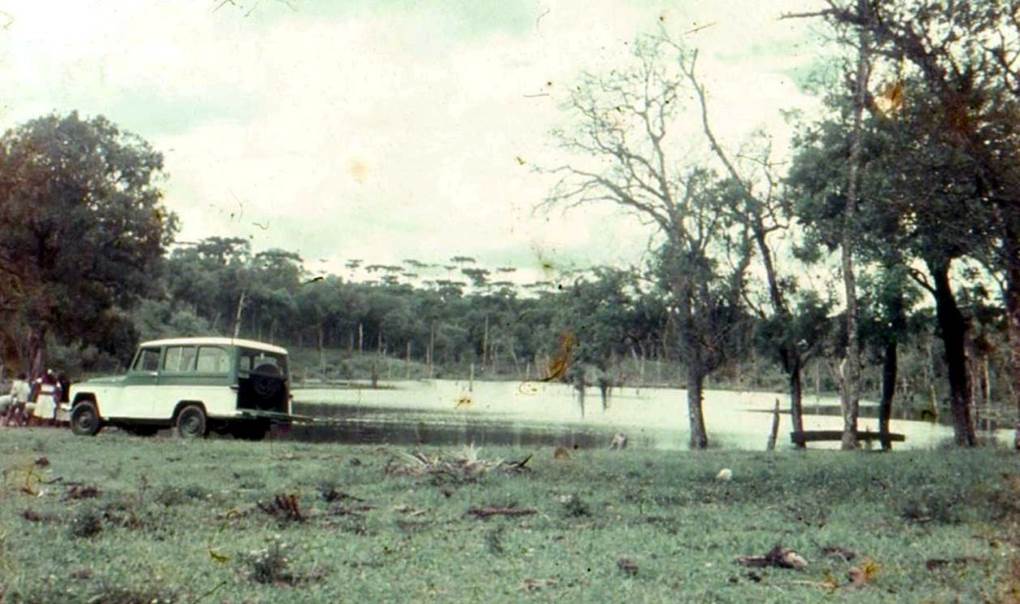
Photo by author 1966
I can’t see the road ahead because of the red dust
As I entered the interior of the state of Paraná, halfway through the journey,
I came upon an area of coffee fields as far as the eye could see.
At this point, the paved roads disappeared and we were on a road with no drains and bare red soil. When it rained, it became muddy, and when it dried, tiny particles of dust were kicked up.
The dust is like a thick brown mist, and even in the daytime, drivers must keep their headlights on.
Why? Because oncoming vehicles cannot be seen until they are very close, and there is a risk of a head-on collision, so drivers must keep a certain distance apart to avoid the dust kicked up by the vehicle ahead.
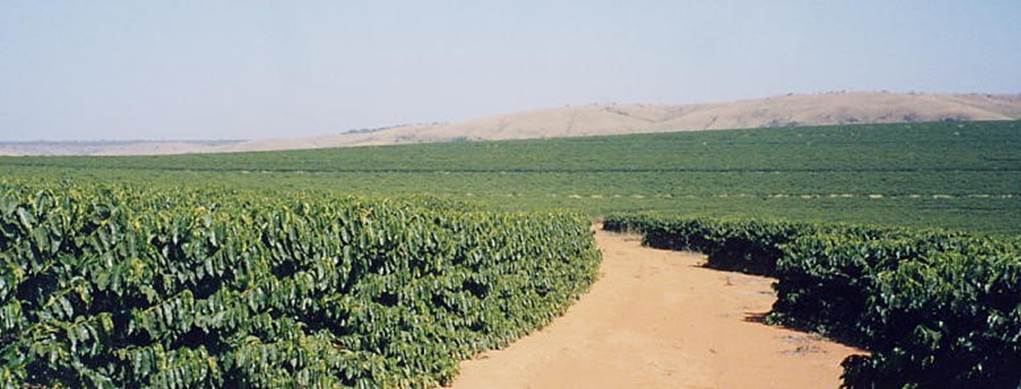
Coffee plantation
At that time, I heard in Brazil that this fine red soil is suitable for the growth of coffee beans and can harvest coffee beans for 3 to 5 years without fertilizer.
As the strength of the soil wanes, the dense forests of nearby areas are cleared and coffee trees plantations are moved.
When frost hits, they all die, then go bankrupt
I also heard from a local Japanese farmer that when frost falls, all the coffee bean trees are wiped out. And it is vulnerable to cold, and it seems that it will wither if the low temperature below 5 degrees Celsius continues for a long time.
Coffee plantations in Brazil have moved southward while expropriating suitable cultivation land in the central highlands, and are now moving to the highlands of Paraná, but they have reached the limit of low temperatures and frost.
Coffee Fortune
After that, I returned to Tokyo after five years from Brazil, and I heard a story from a Japanese who had travelled to Brazil. Japanese farmers who were fortunate enough to make money from coffee visited Japan in the 1960s and splurged on geisha parties at restaurants in Tokyo, squandering their money lavishly. This was at a time when poverty still remained in Japan as a whole.
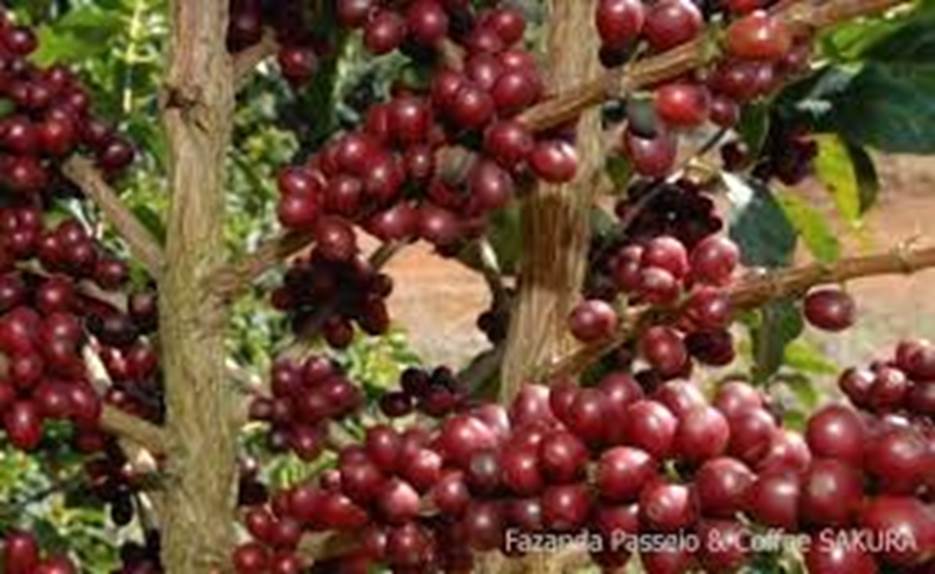
Coffee trees and coffee beans
A tough, rough road
After the open coffee plantation area, I entered untouched dense jungle.
The roads were slow to dry after the rain, and the roads were muddy.
My tires got stuck in the mud many times, and each time I got help from local people passing by, we put boards under the tires, pushed and pulled the car, and struggled.
I went down and came to the riverside, but the road ended there !
There was no bridge! Looking closely, I saw a wooden boat that could carry about two cars on the riverbank. After a while, another car came.
Looking closely, I saw a steel wire stretching from this bank to the opposite bank.
Using this, I loaded the car onto a barge and arrived at the opposite bank.
Without a cable, it would be dangerous if the river was flowing fast.
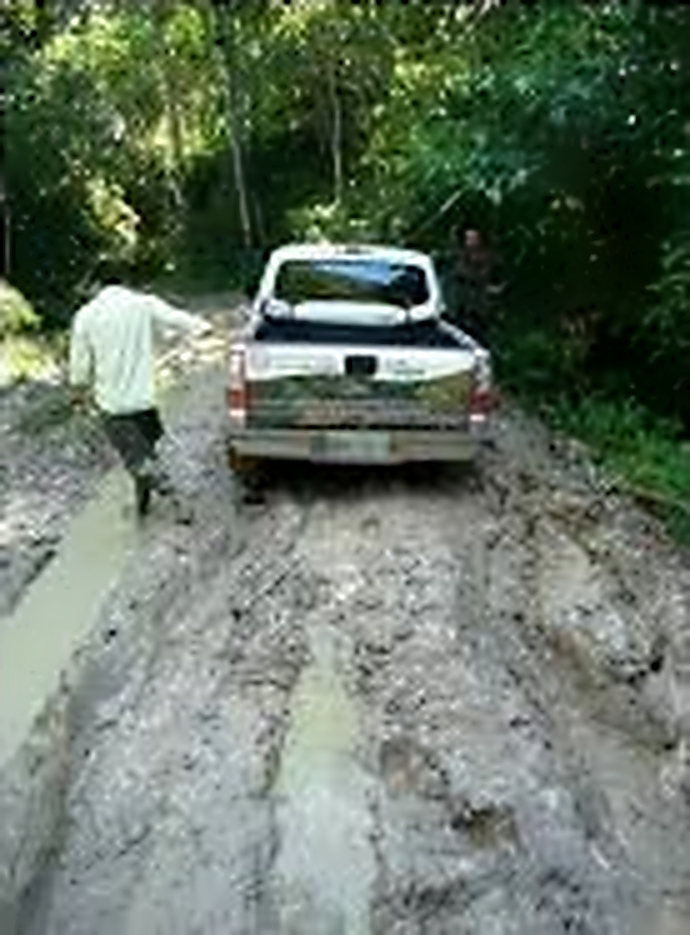
Photo by author 1966
Iguazu Falls, a World Natural Heritage Site
It is one of the three largest waterfalls in the world, along with Niagara and Victoria, and is a world-famous waterfall. Iguazu National Park, where Iguazu Falls is located, is registered as a World Heritage Site. There are 300 waterfalls of various sizes, with an average drop of 70m. The entire width is said to be about 4km. It is a magnificent scale.
The world’s three largest waterfalls, all of which are World Heritage Sites
Iguazu Falls = Border Brazil / Argentina = Width 2.7 km = Height 60-80 m = Water volume 1.700 m3/sec
Niagara Falls = Border U.S. / Canada = Water volume 2,400 m3/sec
Victoria Falls = Border Zambia / Zimbabwe = Width 1.7 km, Height 107 m = Water volume 1088 m3/sec
The huge waterfall, which tumbles down from the 2.7km-wide Iguazu River on the border between Brazil and Argentina, sends a lot of water into the air as steam, as documented in the Google Maps below.
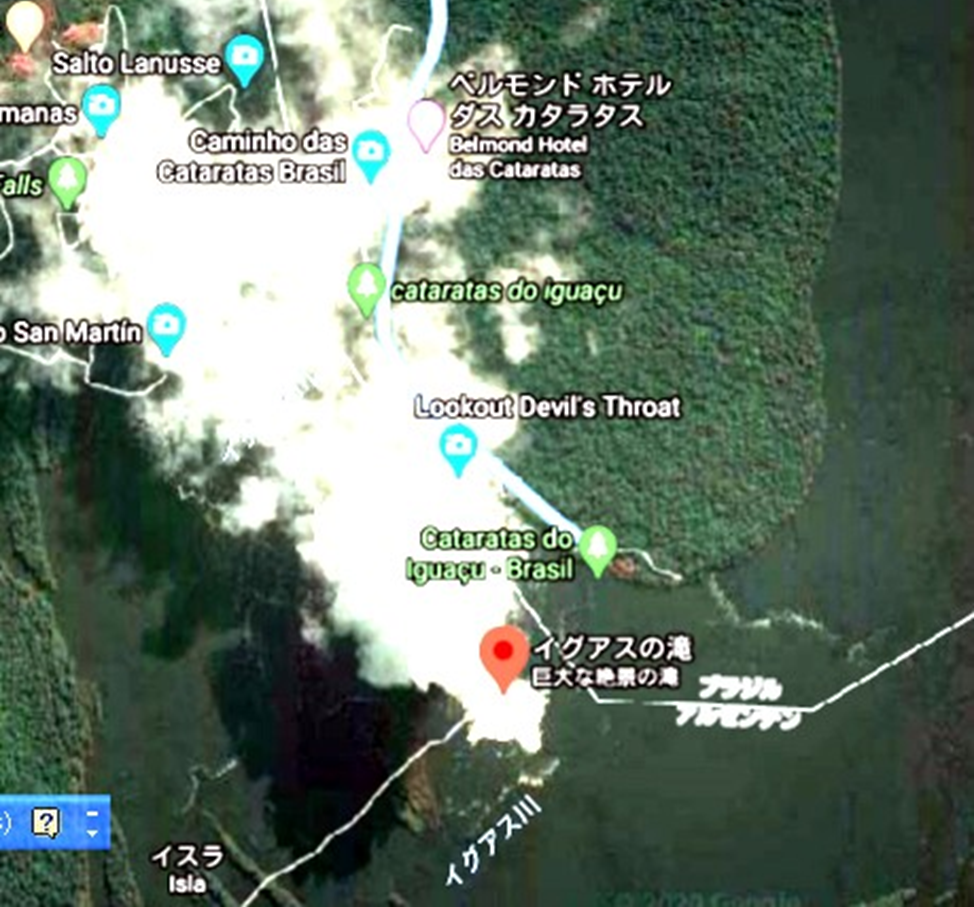
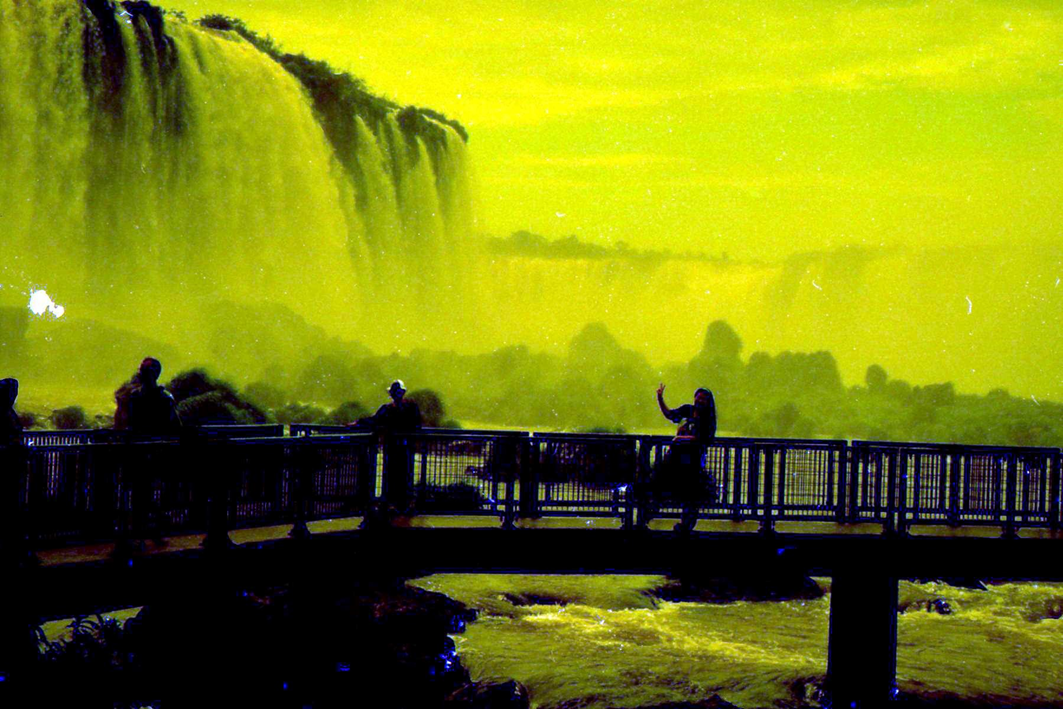
It’s a magnificent scale. It was well worth the three days of driving on the road. The water spray was beyond imagination!
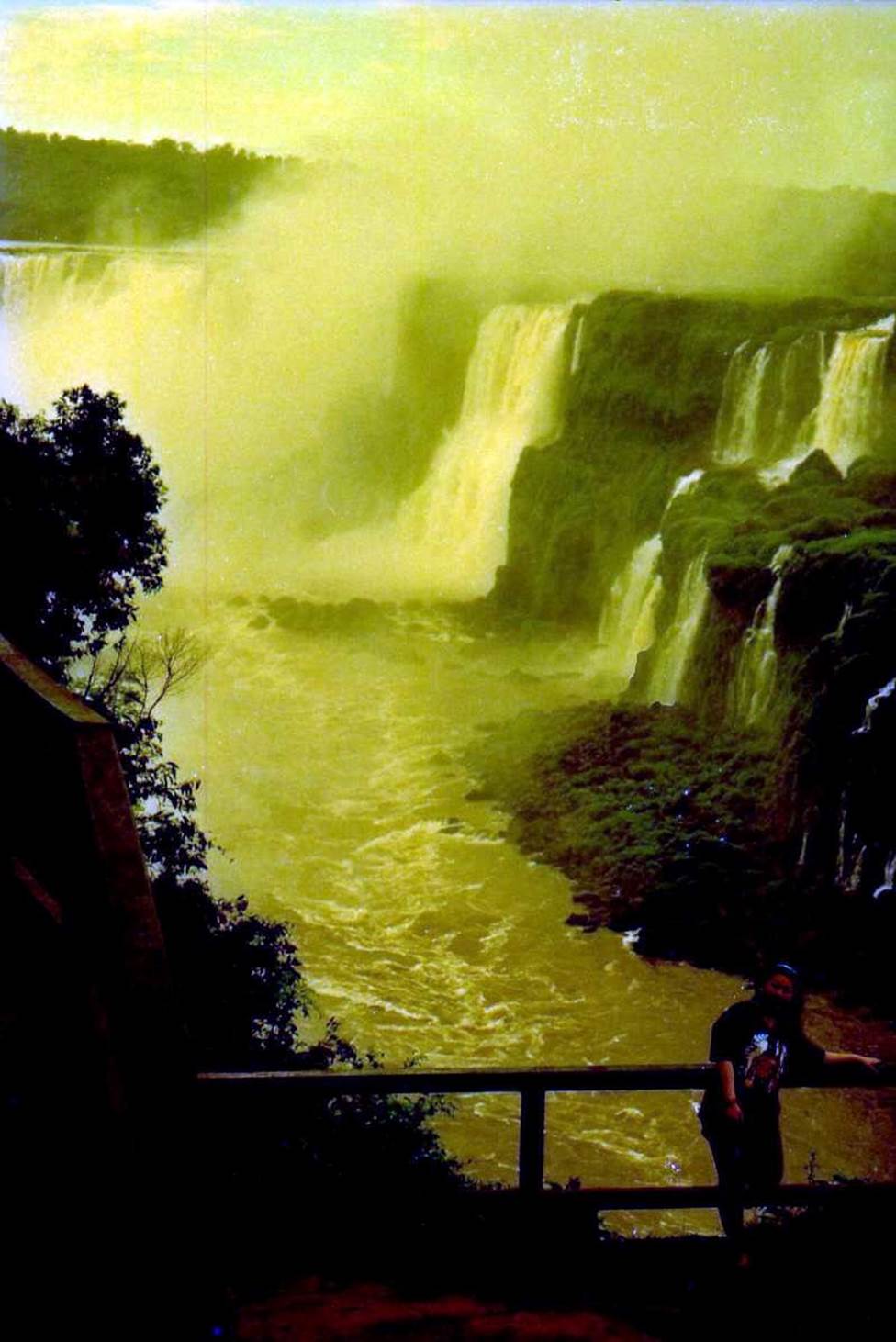
Splashing clouds, covering the sky!
Photo by author 1966
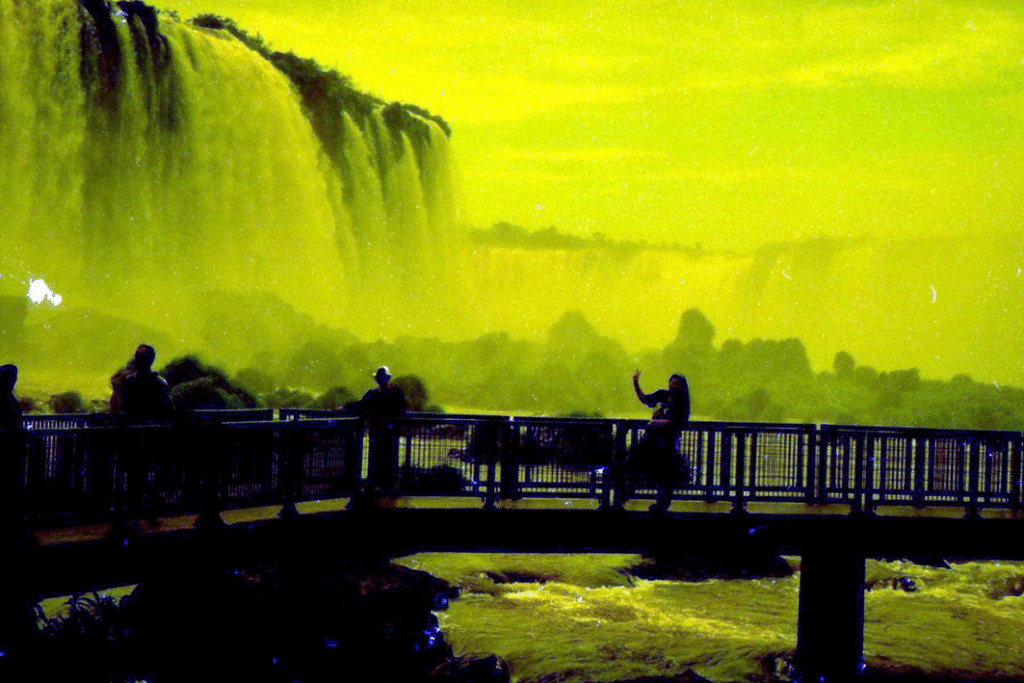
Photo by author 1966
An overwhelming amount of water!!
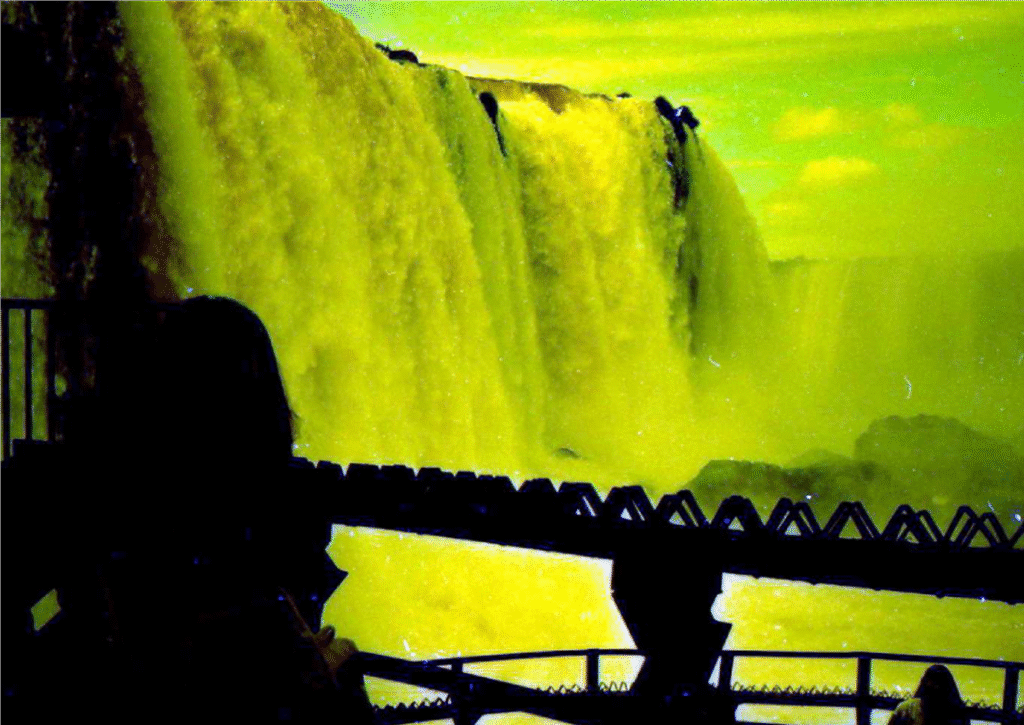
Photo by author 1966
From this vantage point, it looks like an endless stream of water is gushing out from the jungle.
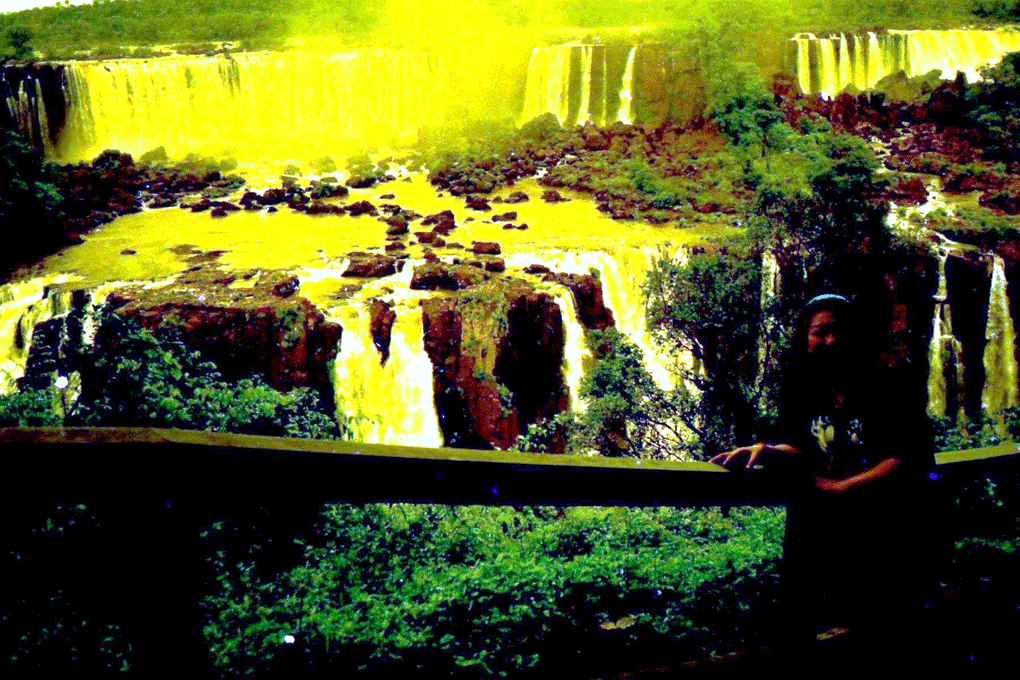
Photo by author 1966
Crossing the bridge and travel overland to Paraguay
Bridge of Friendship over the border between Brazil and Paraguay (under construction). By the time I visited, it was already completed. I crossed a newly built bridge by car and visited a border town in Paraguay. The town attracts a lot of shoppers from Brazil because there are no tariffs. In addition, there are many unsolicited foreign agents, and it is said that black transactions such as money laundering, drug trafficking, and passport counterfeiting are being carried out. I left the town before sunset and returned to my lodging on the Brazilian side.
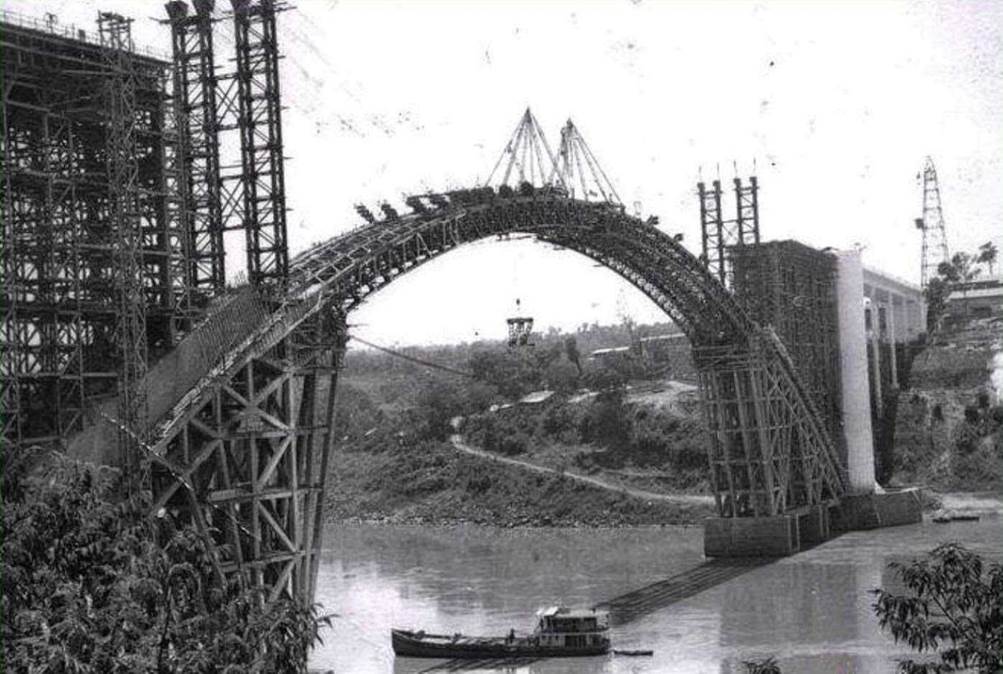
Bridge over the Paraná River
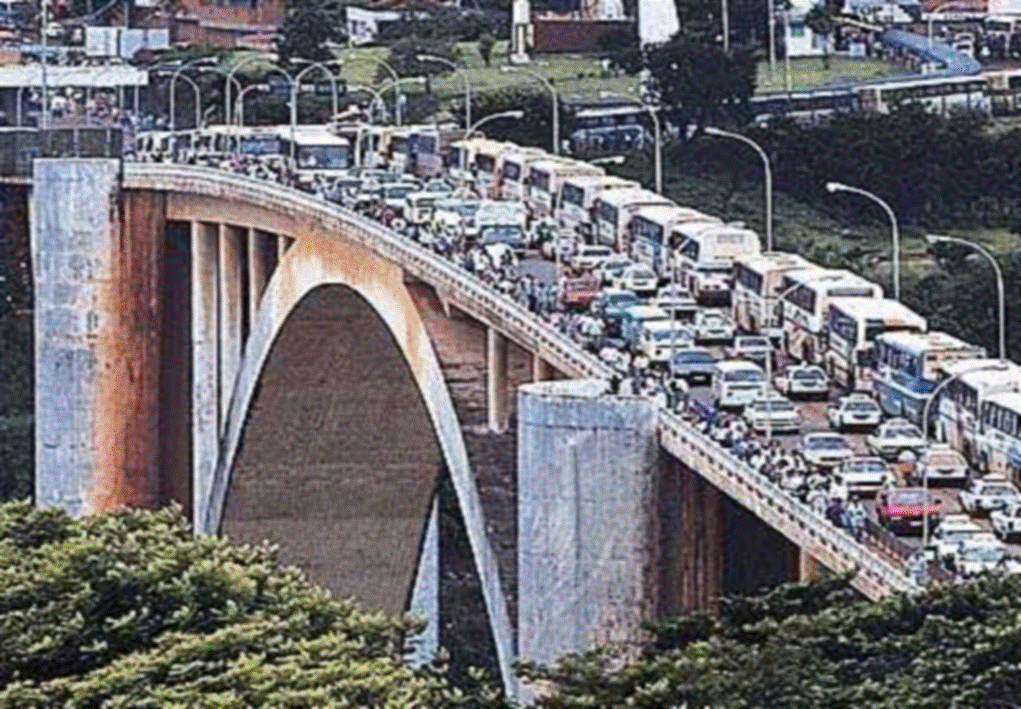
Current border bridge