JAP | ENG
India Travelogue 2015
#22/26
Darjeeling # 2
About 11 km south of Darjeeling, there is Tiger Hill, an observatory at an altitude of 2590 meters where you can admire the majestic form of the famous Himalayan peak “Kanchenjunga“.
The guide took me to see it. Drive up another 400m from Darjeeling. It was foggy that day, and as we climbed, I began to feel signs of altitude sickness, so I decided to descend to the 2000m level early.

Photo by author, 2015
Observation deck at Tiger Hill.
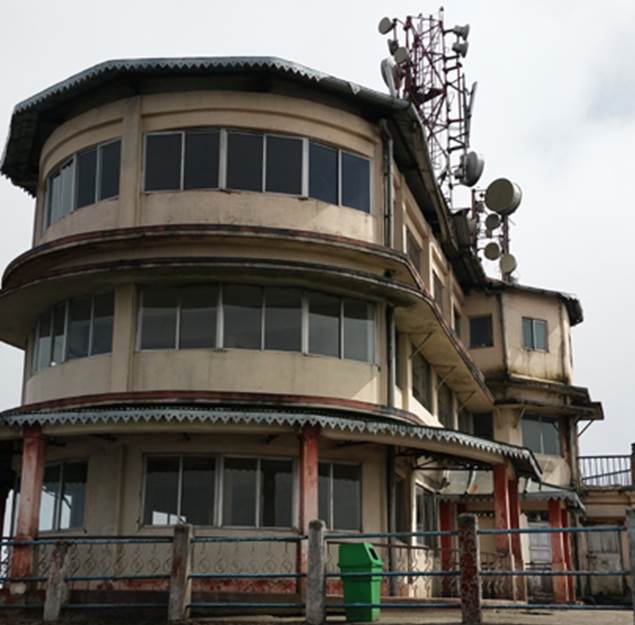
Photo by author, 2015
A photo of the Himalayan ranges seen from Tiger Hill.
Unless there is fog or clouds. On this day, it was foggy and we could not see the Himalayan ranges, nor the snowy landscape of Mt. Kanchenjunga.

A group of tourists from Bhutan I met at Tiger Hill.
On a clear morning, you can see the scenery shown in the photo above.
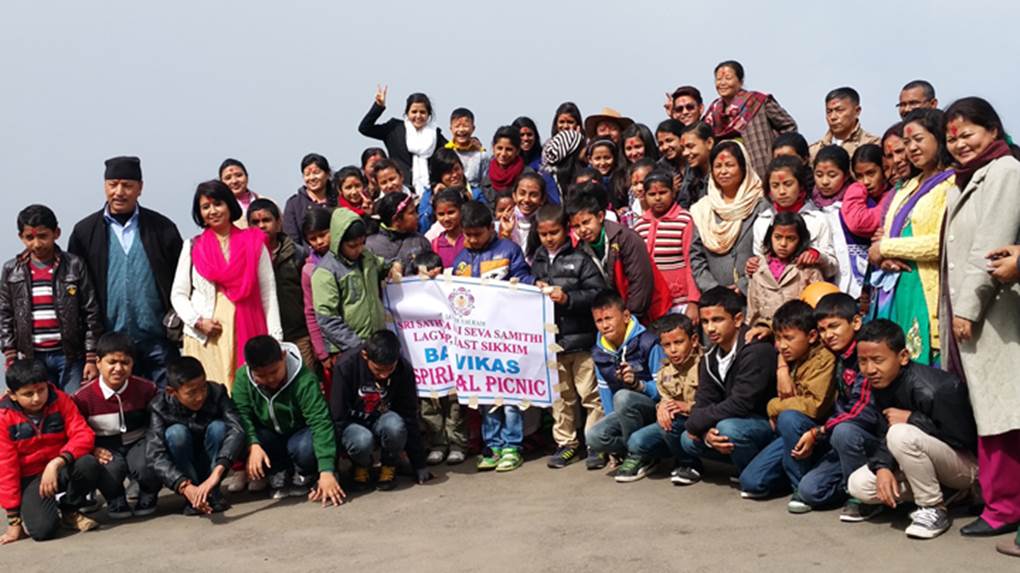
Photo by author, 2015
Ghum Railway Museum
A mecca for railway enthusiasts
There is a railway museum on the second floor of Ghum Station, at an altitude of 2258m, at the highest point of the mountain road.
The museum contains many rare black-and-white photographs of the past.
It can be said that this is a sacred place for railway enthusiasts.

Photo by author, 2015
The original early steam locomotive was on display.

Photo by author, 2015
Bridge 1
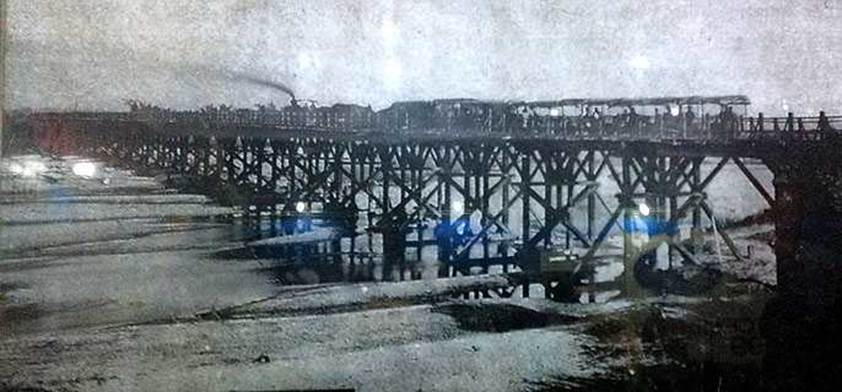
Photo by author, 2015
Bridge 2

Photo by author, 2015
The railway was damaged by a magnitude 6.8 earthquake in 1897 and a cyclone in 1899, and was temporarily out of service.
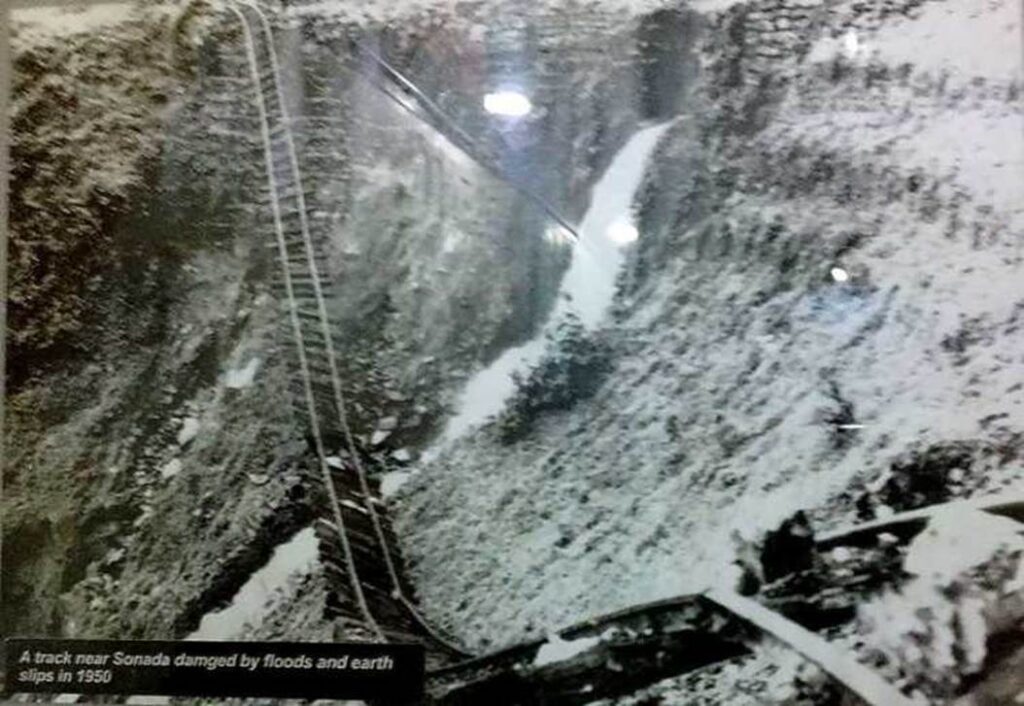
Photo by author, 2015
Passenger cars and freight cars are coupled together.
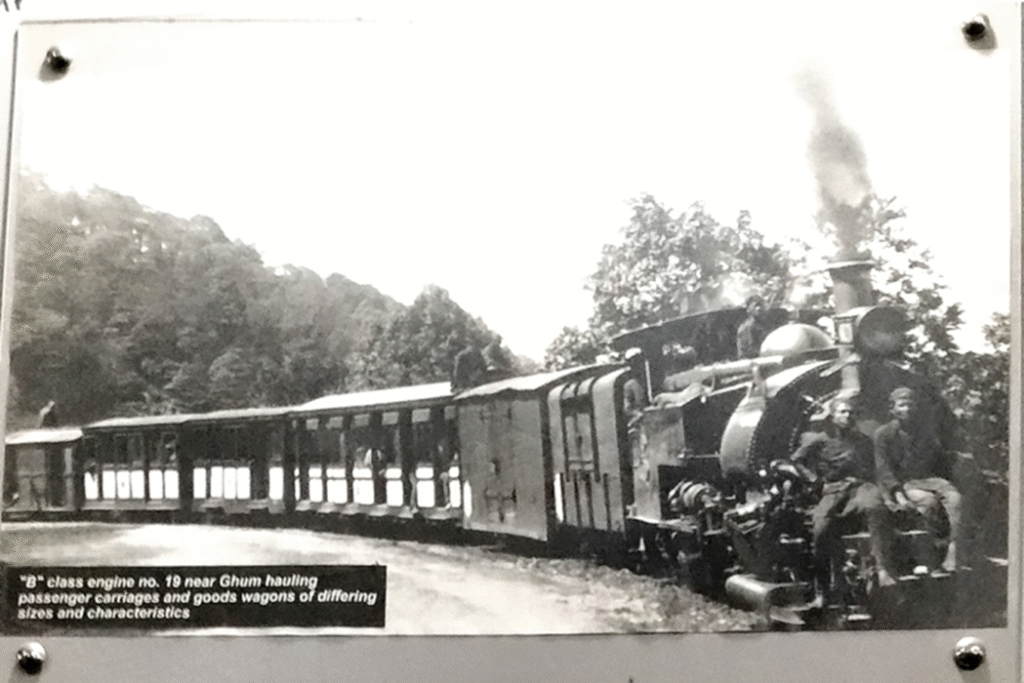
Photo by author, 2015
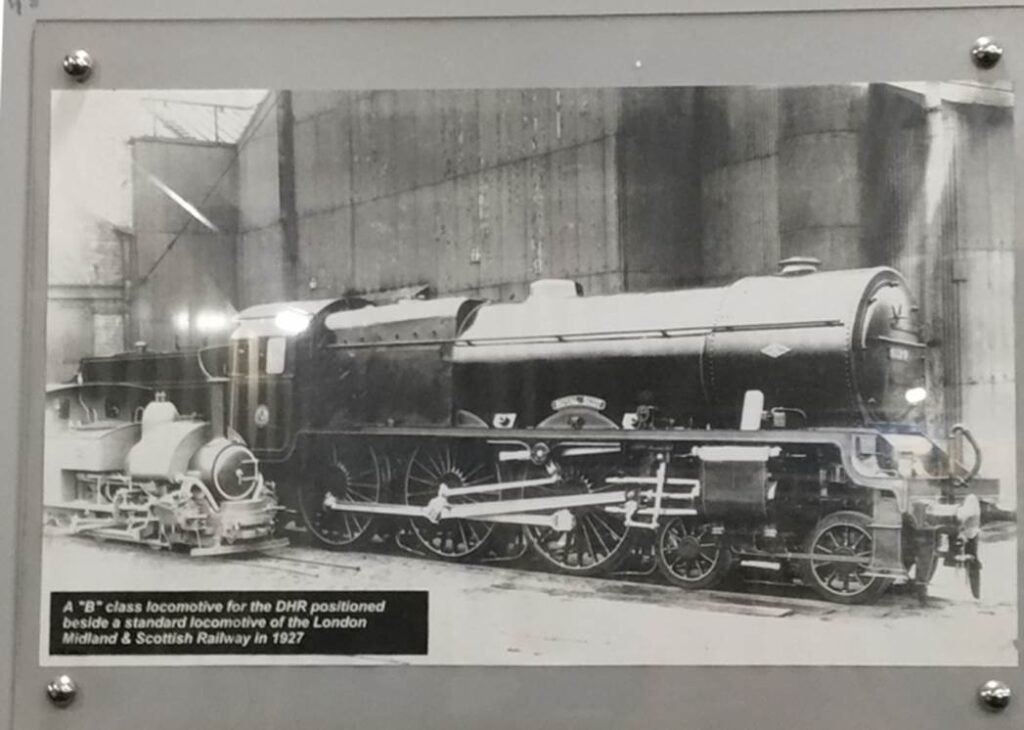
Photo by author, 2015
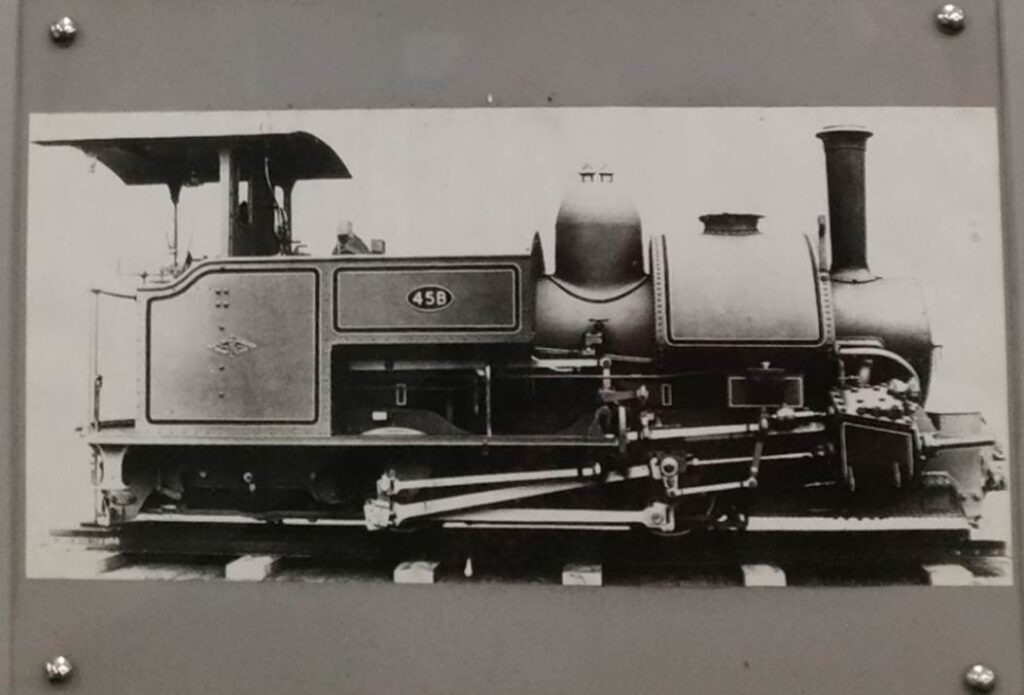
Photo by author, 2015
Sketches of early station buildings in Darjeeling and Ghum and illustrations of double-loop tracks that was built to overcome gradients.

Photo by author, 2015
Cross-sections of rails of various sizes were on display.

Photo by author, 2015
Tibetan-style lunch
After visiting the Ghum Railway Museum, it was time for lunch. I asked the driver to find a Tibetan restaurant in this area and went in for lunch.
The restaurant’s menu includes warm fried noodles and vegetable soup noodles, which seem to go well with Japan people’s palates I had been eating a lot of Indian food up until now, and I was starting to get a little tired of it, so I felt revived by the simple dishes here.
The owner of a Tibetan restaurant (left).

Photo by author, 2015
Tibetan style fried noodles.

Photo by author, 2015
Tibetan style vegetable soup noodles.

Photo by author, 2015
A Tibetan Buddhism Temple
It has a unique design and taste. The details of the eaves and railings, as well as the color scheme, create a unique space and express a unique religious architecture.
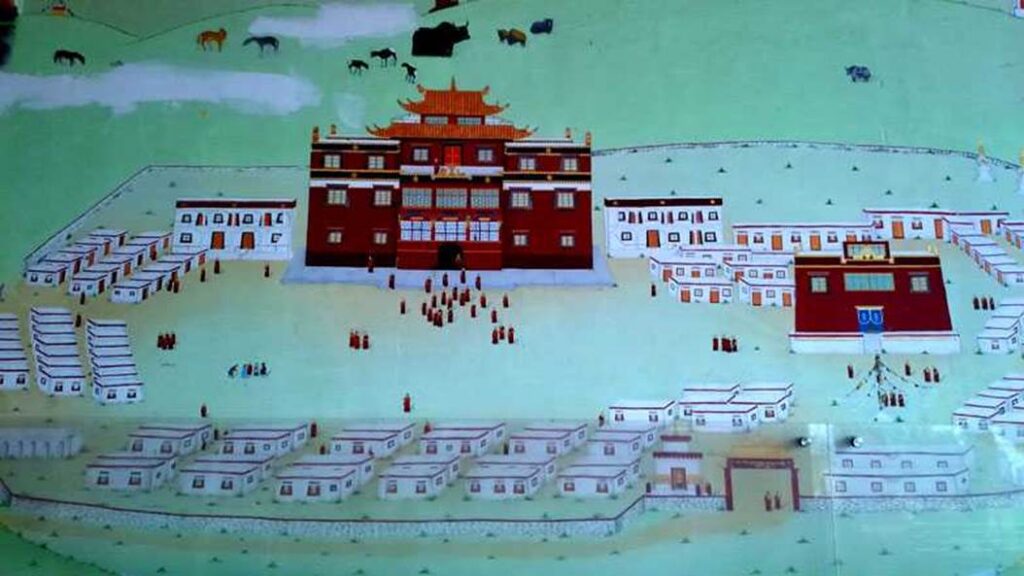
Photo by author, 2015

Photo by author, 2015
The architectural style of the temple precincts as shown below does not exist in Japan and China (except for the Tibetan side of Sichuan Province).
It is a unique style and color tone of Tibetan temple architecture.
Also, the laundry hanging on the banisters gives a sense of life, showing that this temple is alive in the modern era.
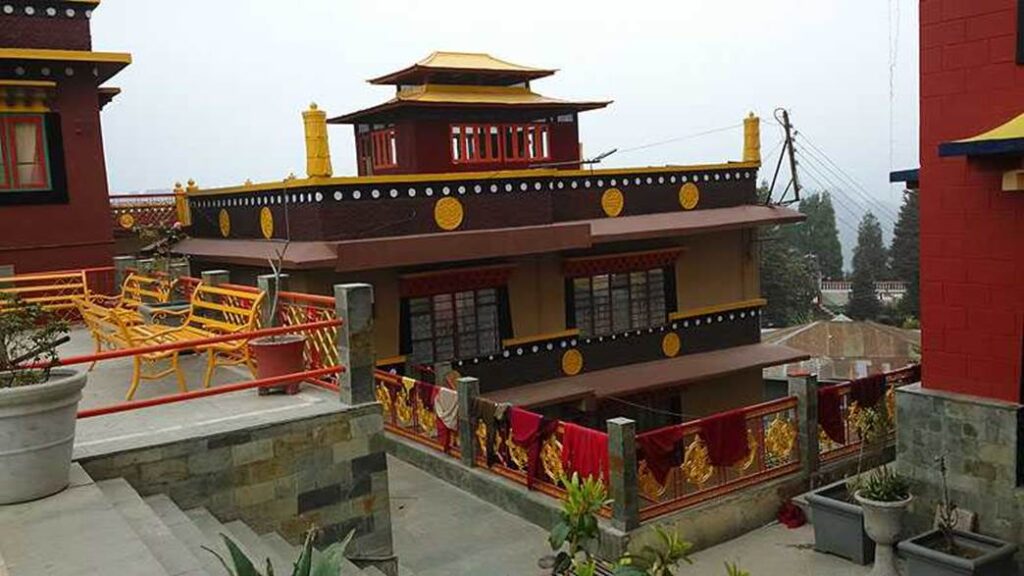
Photo by author, 2015
On the roof, two deer face each other with a dharma wheel symbolizing the Buddha’s teachings. This is also a symbol of Tibetan Buddhism.

Photo by author, 2015

Photo by author, 2015

Photo by author, 2015
Tibetan Buddhist temple hazy in fog. It was sunny this morning, but at noon it looks like this.

Photo by author, 2015
Donated by a temple from Japan.
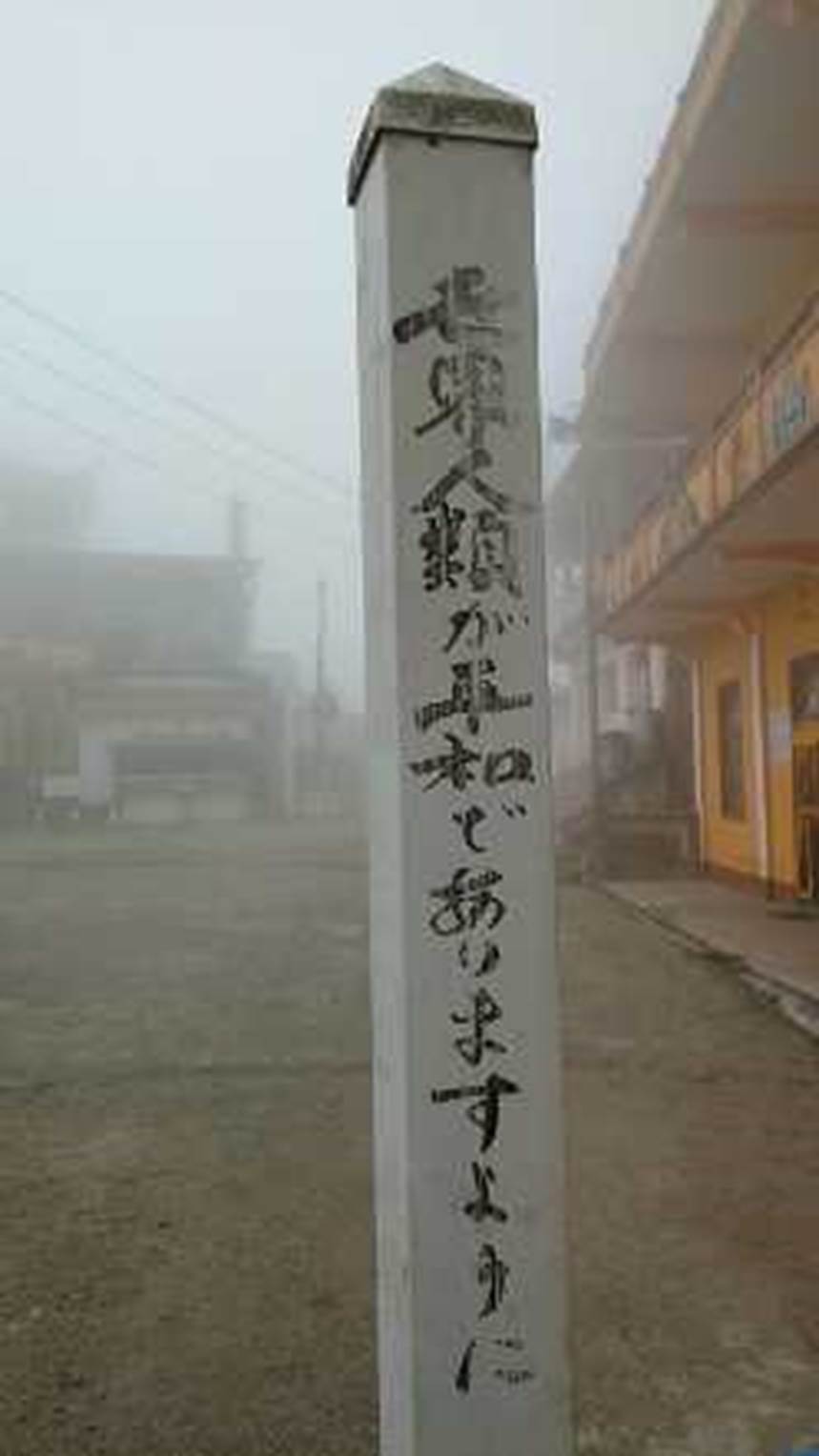
Photo by author, 2015
Temple monk transporting water tanks.

Photo by author, 2015

Photo by author, 2015
People waiting for the bus along the highway.
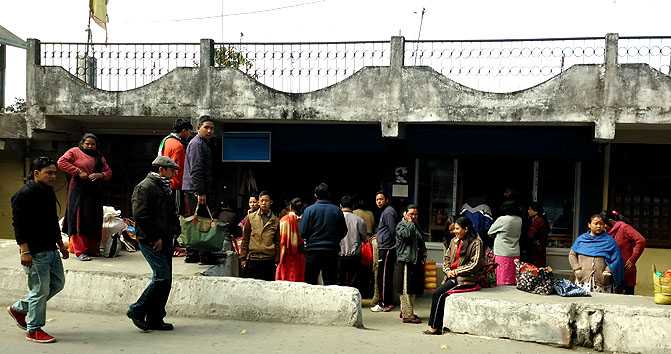
Photo by author, 2015
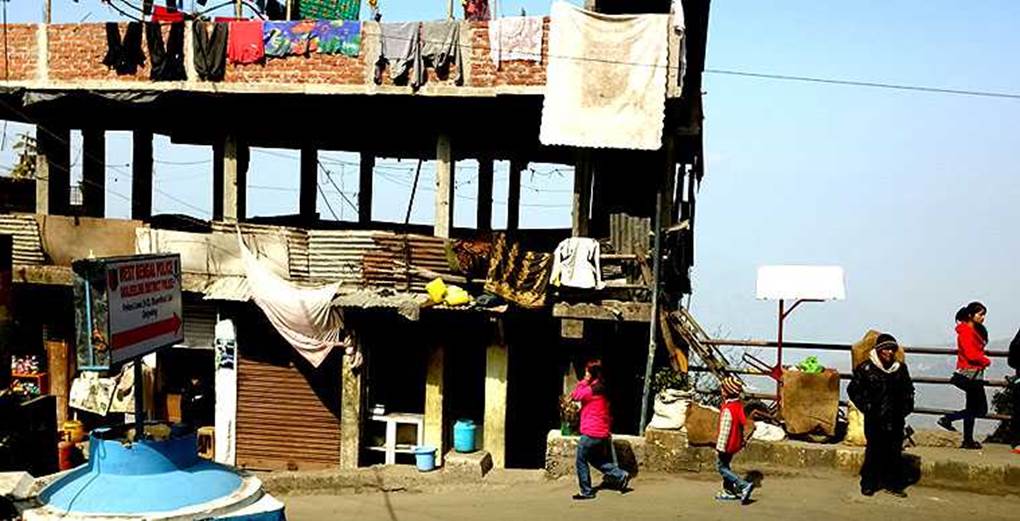
Photo by author, 2015
Tibetan children living in mountainous areas

Photo by author, 2015
The Ghum area on the outskirts of Darjeeling does not look like India.
The people who live there have Mongoloid features.
Their facial features are similar to those of Japanese people.
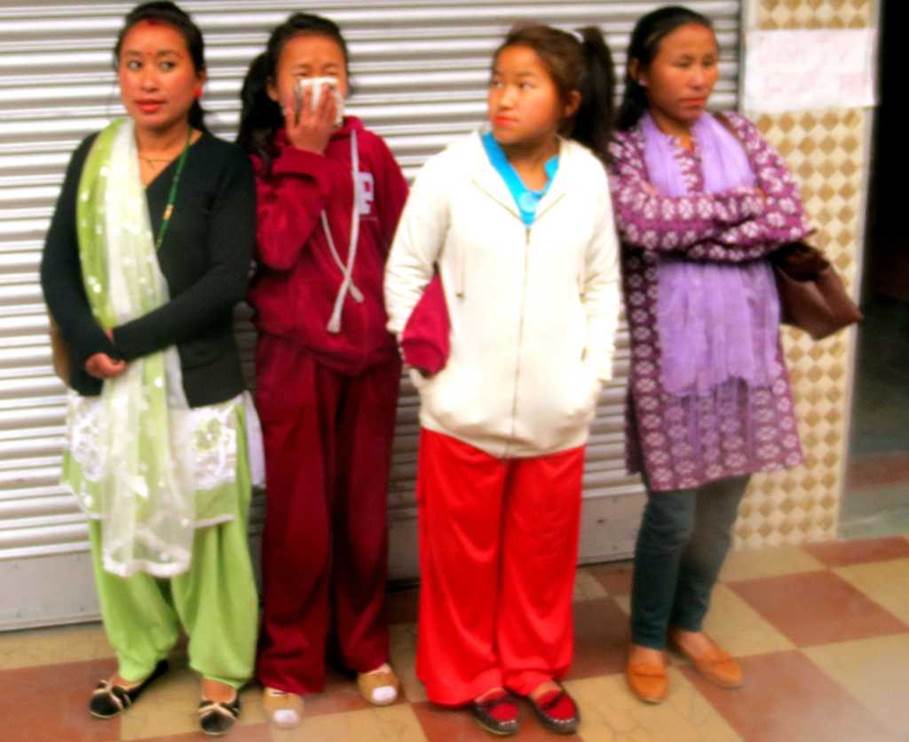
Photo by author, 2015

Photo by author, 2015

Photo by author, 2015
A young monk from a temple is playing in the front yard of the temple during a break from training.
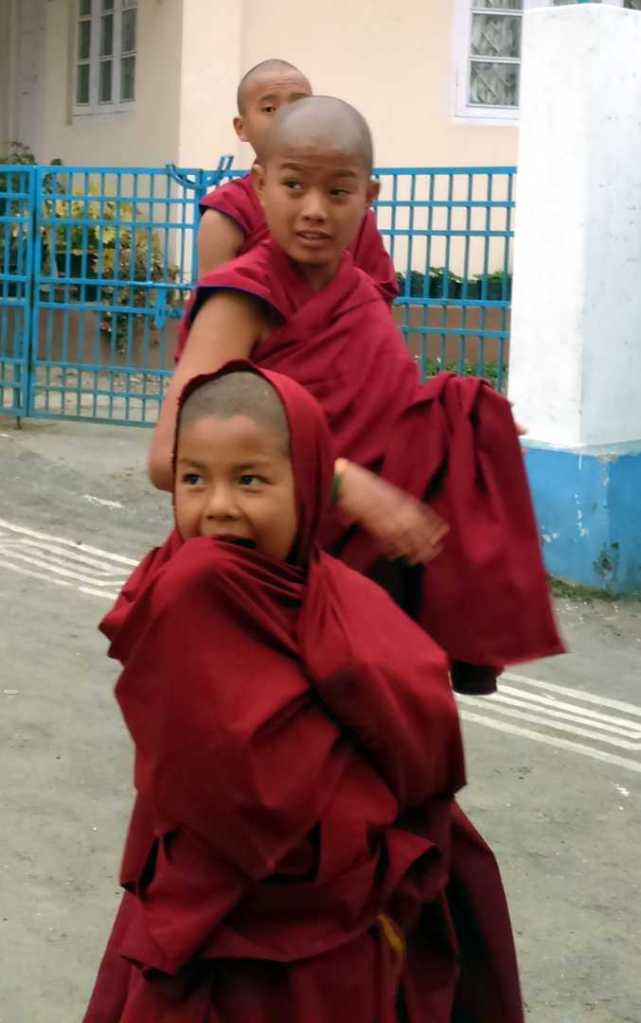
Photo by author, 2015

Photo by author, 2015
Tibetan temples and their artworks.
Pena Choikhorling, a Tibetan Buddhist monastery।

Photo by author, 2015
Ghum Gompa (Yiga Choling Gompa)
A Tibetan Buddhist monastery of the Gelukpa school founded in 1875.
The colorful murals, sculptures, and decorations in the hall are unique and worth appreciating as works of art.
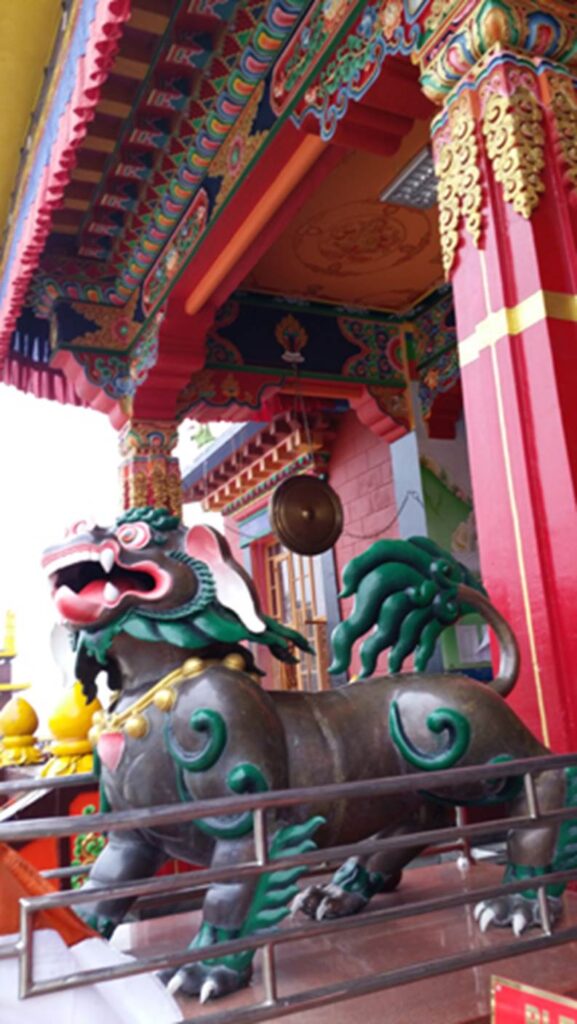
Photo by author, 2015
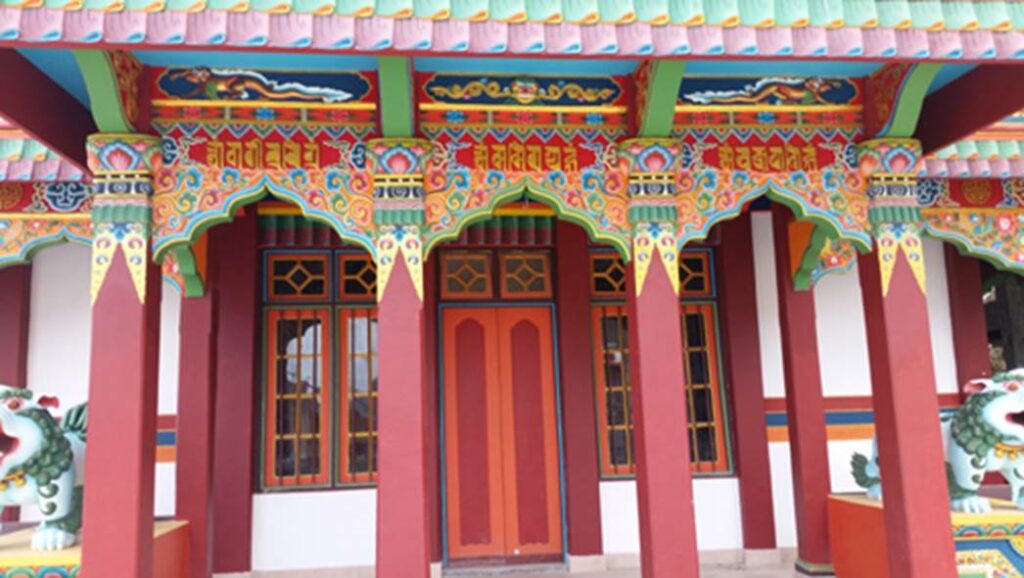
Photo by author, 2015
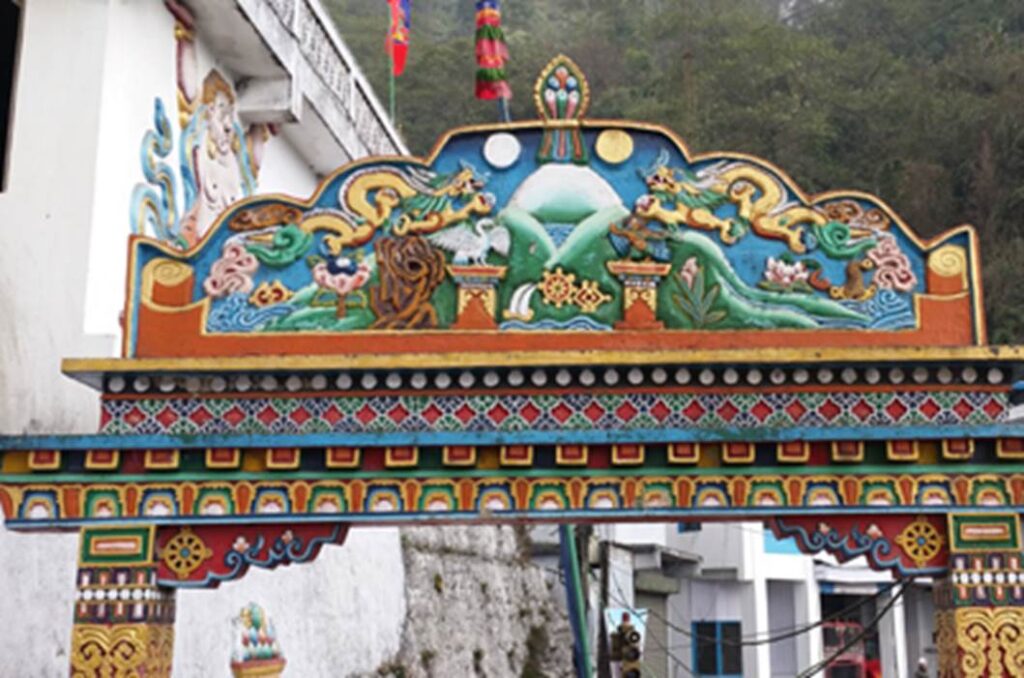
Photo by author, 2015
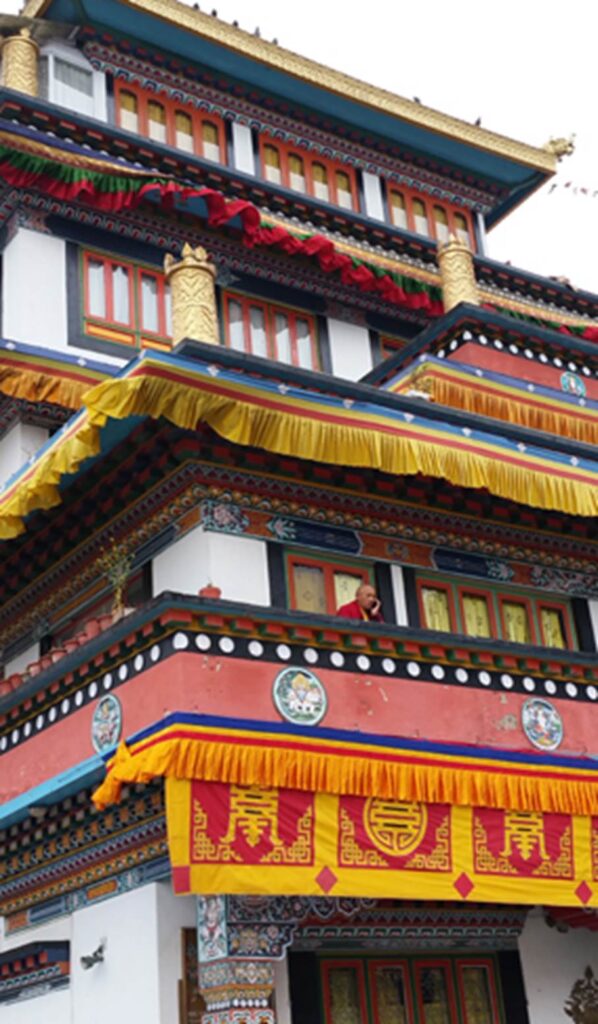
Photo by author, 2015
Color patterns found on the floor of the temple.
Gradients are applied and beautiful.
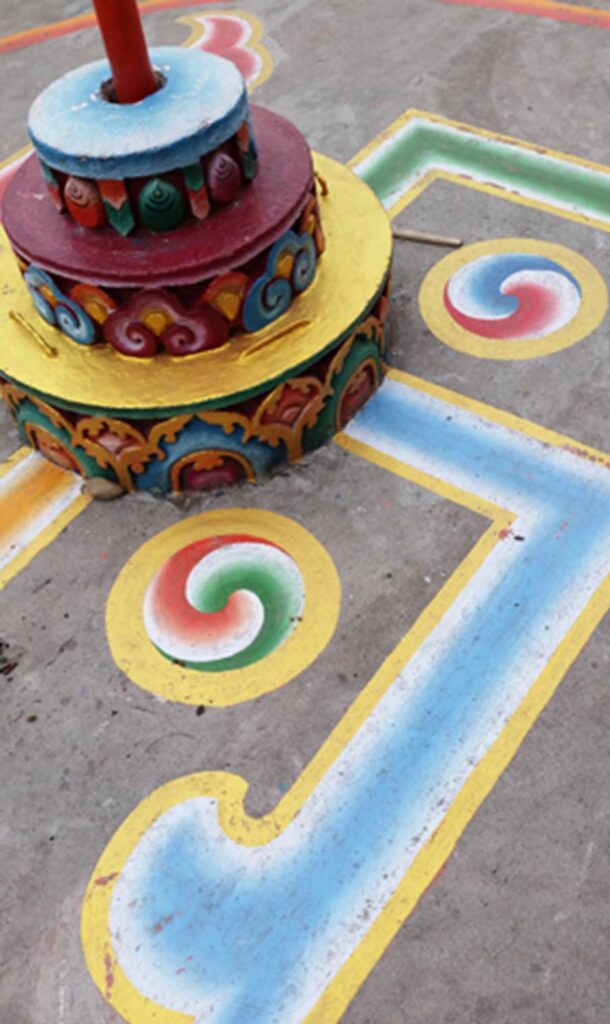
Photo by author, 2015
In the remote area of India and the mountains of the Himalayas, sculptors, painters, and other artists who create the following wonderful sculptures and murals create their works with all their hearts.
Throughout history, in the East and West, there have been professional groups creating works of art around religious buildings, no matter how remote the area.

Photo by author, 2015
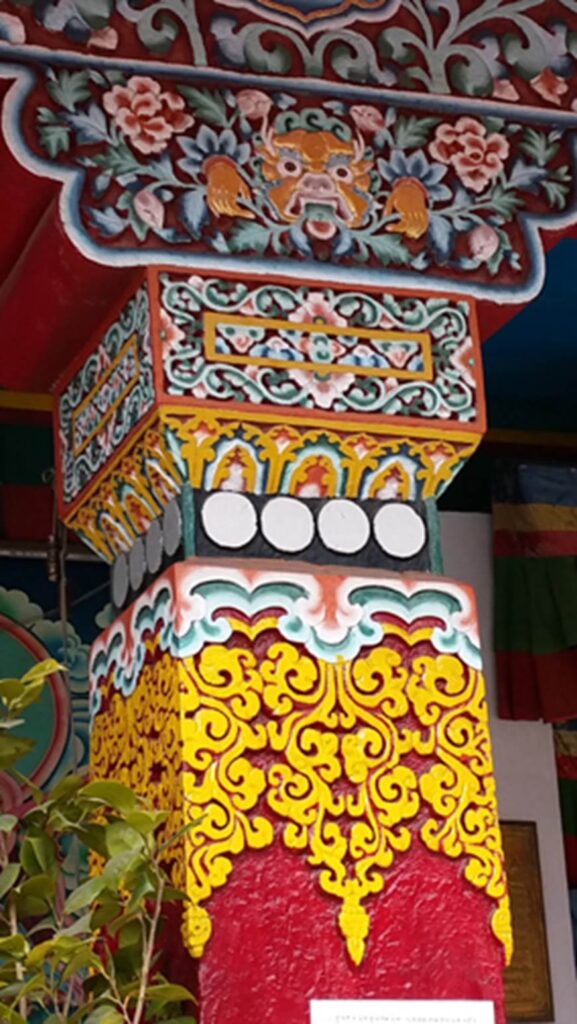
Photo by author, 2015
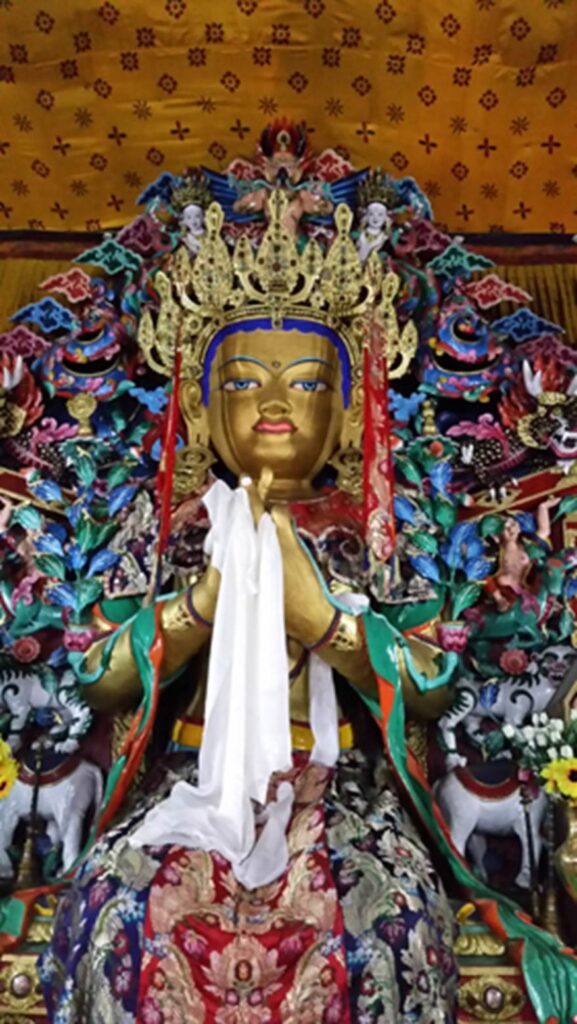
Photo by author, 2015
Offerings and money were placed at the feet.
This photo shows that, apart from the offering box, no one would steal any of the bills and coins that were left exposed like this.
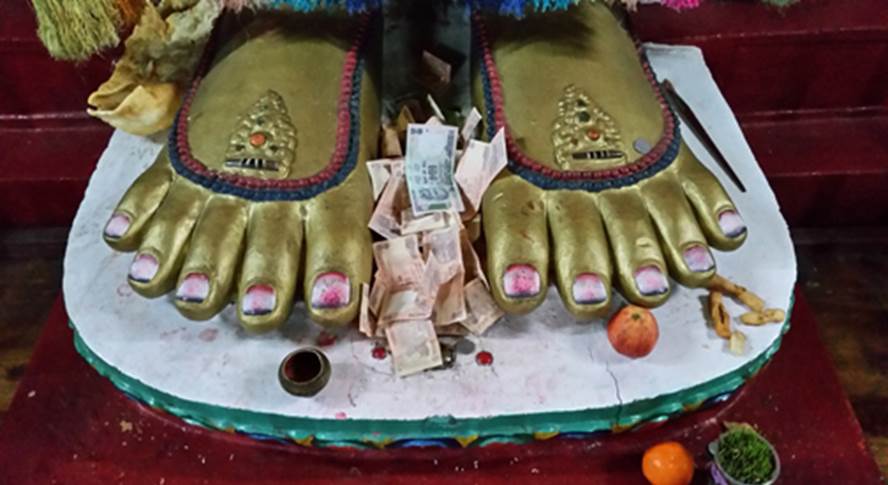
Photo by author, 2015

Photo by author, 2015
Mani Wheel (Prayer Wheel)
It is said that there is merit in turning the prayer wheels while chanting sutras.
If a worshipper forgets the sutra, turning this Buddhist implement called a “prayer wheel” will make it appear as though they have recited the sutra.
Prayer wheels must be turned clockwise.
Turning them counterclockwise is considered to bring misfortune, so this is forbidden.
These prayer wheels are turned in order, proceeding in a clockwise direction while making prayer.
I learned about this custom from a local guide when I visited Kathmandu some time ago.

Photo by author, 2015
There was also a huge mani wheel.

Photo by author, 2015
All photos by author, March 2015