JAP | ENG
India Travelogue 1993
#17/26
Madrasa
Madrai
Tamil Nadu
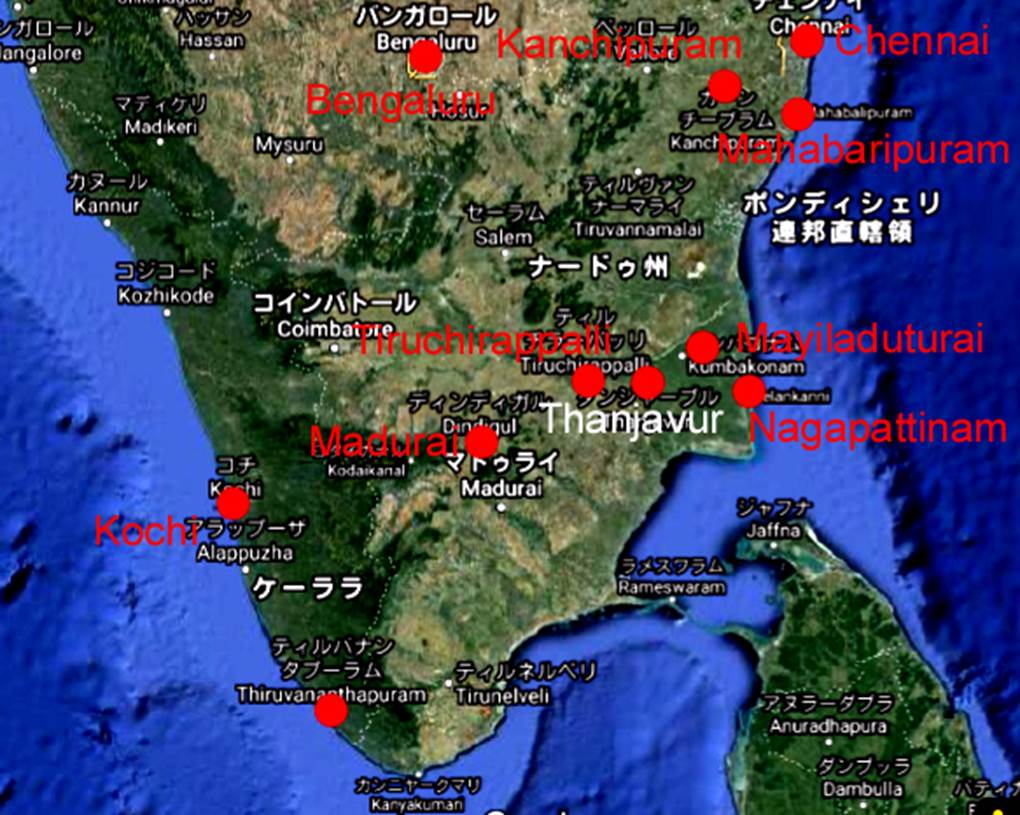
My third trip to India began in Chennai, the capital of Tamil Nadu.
I flew by domestic flight to Trichirapalli and my destination was Madurai, a holy place deep in Hinduism. It is 460 km in a straight line to the south.
Minakshi Temple
In the middle of the city of Madrai there is a huge historical sanctuary surrounded by a triple wall. It is the largest temple in South India, called Minakshi Temple, which attracts a constant stream of pilgrims from all over India.
Defensive Walls
Since ancient times, the Minakshi temple area has been open to the city and has not been surrounded by walls. After that, there were repeated invasions by outside forces, and it became surrounded by a wall to protect against attacks.
At first, the walls surrounded the inner square, and then three defensive walls were built on the outside. This period is said to have been around the 14th or 15th century. The defensive walls were built higher as they went outwards.
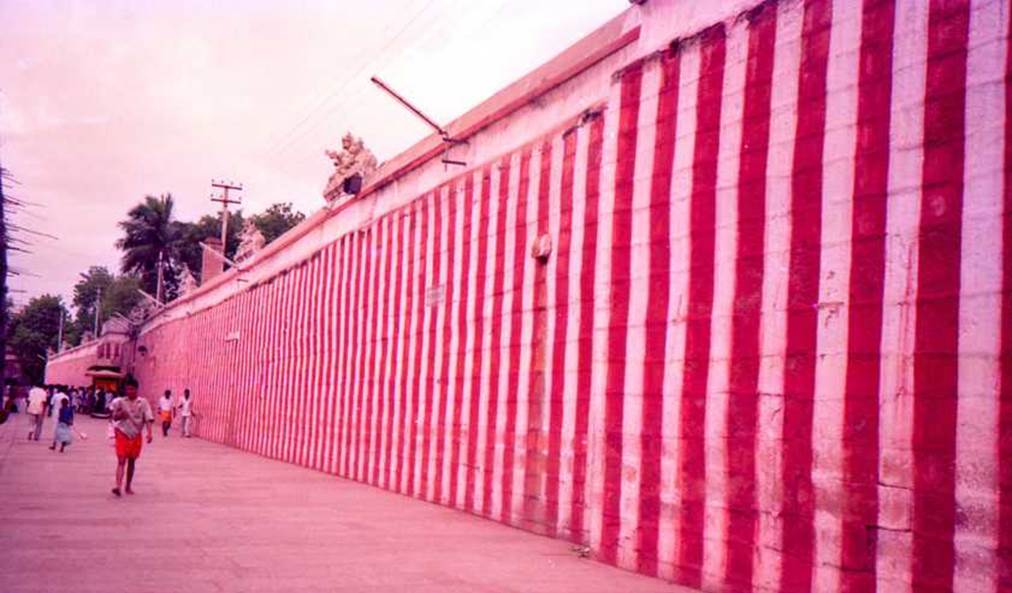
Photo by author, 1993
The wall in the photo above is the outermost defensive wall, which must have been 8 meters high. The inside is a sanctuary and the outside is a secular area, and the distinction between them is clearly expressed visually.
Outside this wall is the dull world, which is crowded with many pilgrims who come to worship at the Minakshi Temple, or people who have completed the pilgrimage.
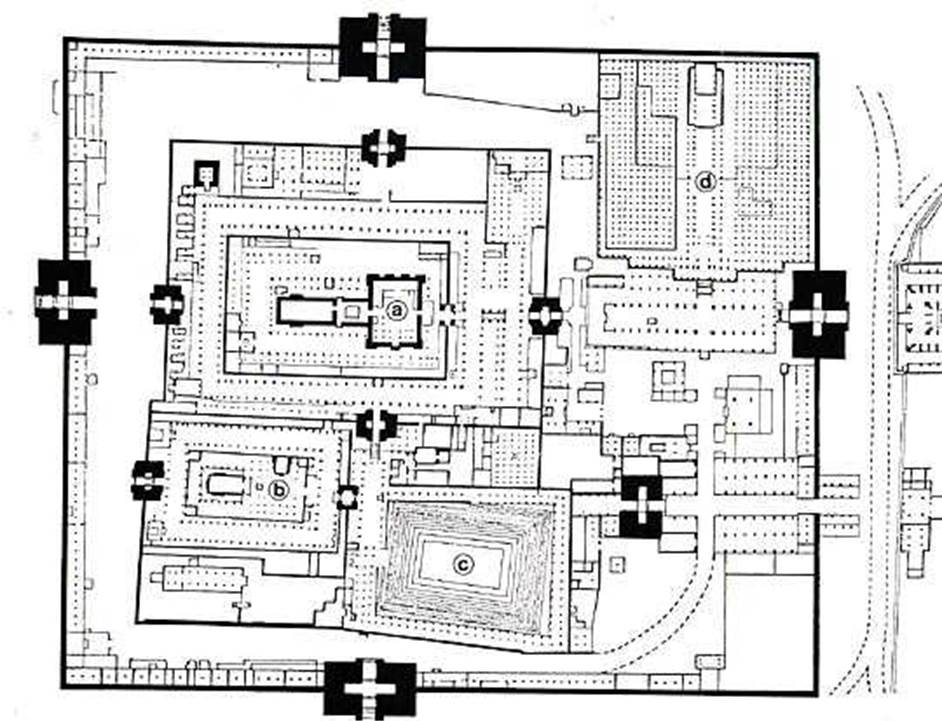
Plan of the Minakshi Temple ground
There is no way to know how well public toilets are provided, but even if they exist, it is generally accepted in India that people relieve themselves outside. The roads around the wall were completely covered in garbage and excrement, making it extremely unsanitary and far beyond what was acceptable.
Bird’s eye view of the Minakshi temple area.
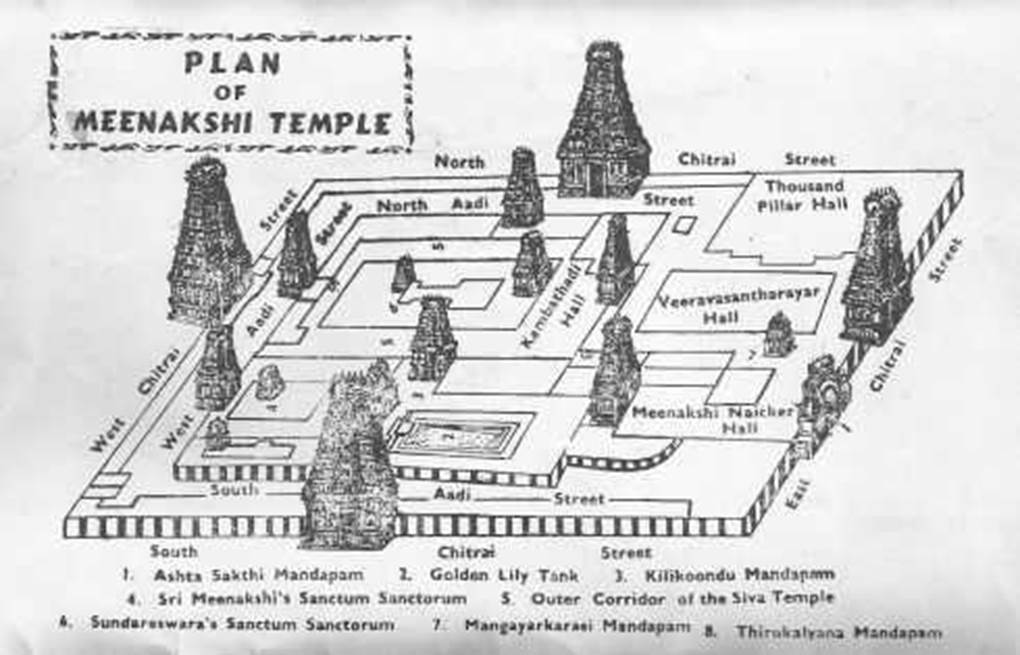

Photo by author, 1993
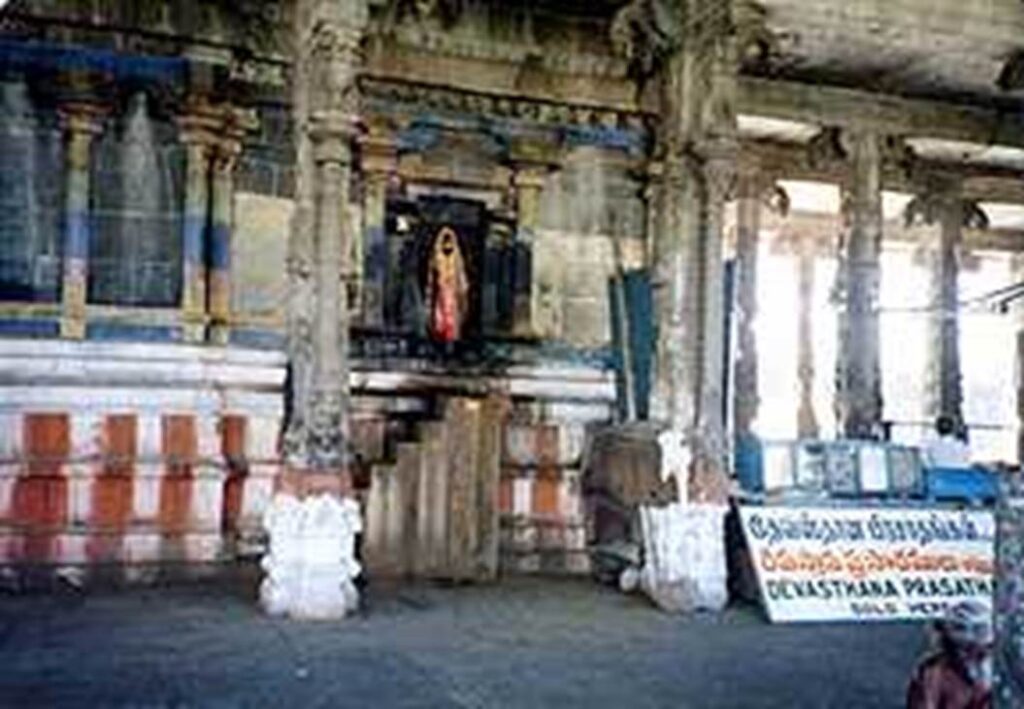
Photo by author, 1993
Outside the defensive walls, there are shops like this.
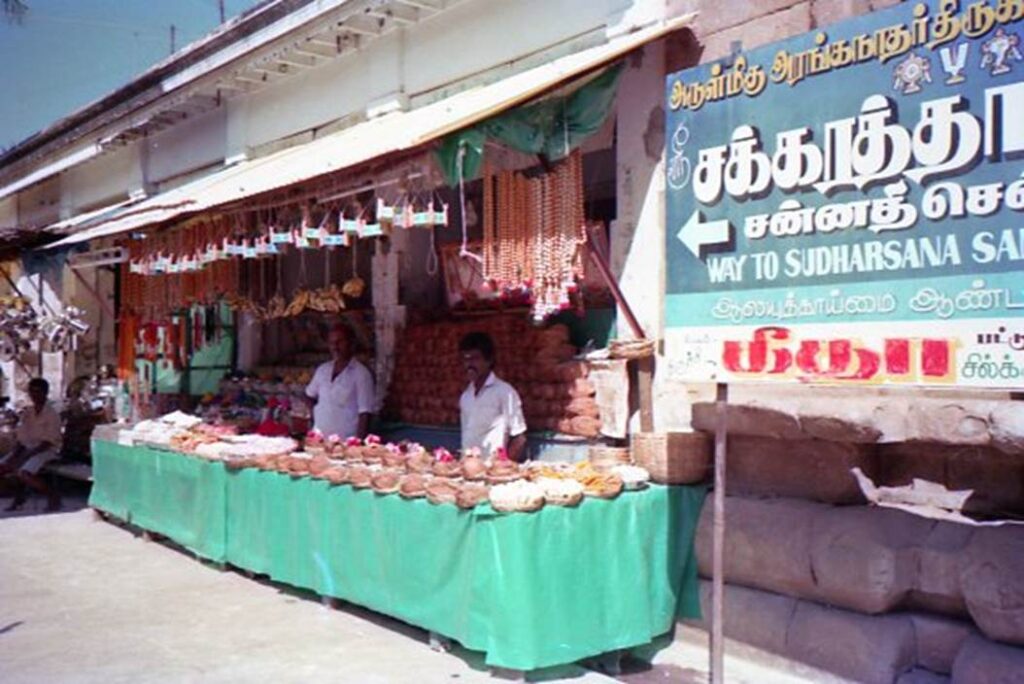
Photo by author, 1993
Gopurams
Gopuram can be understood as the entrance to the sanctuary, which is equivalent to the mountain gate of a Japanese Buddhist temple.
The Minakshi temple is surrounded by three walls, each of which has four gopurams on the north, south, east and west sides.
The gopurams on the outermost wall are the tallest. The gopuram on the southern perimeter is the tallest at 52m, an astonishing height.
A model of the Minakshi temple area.
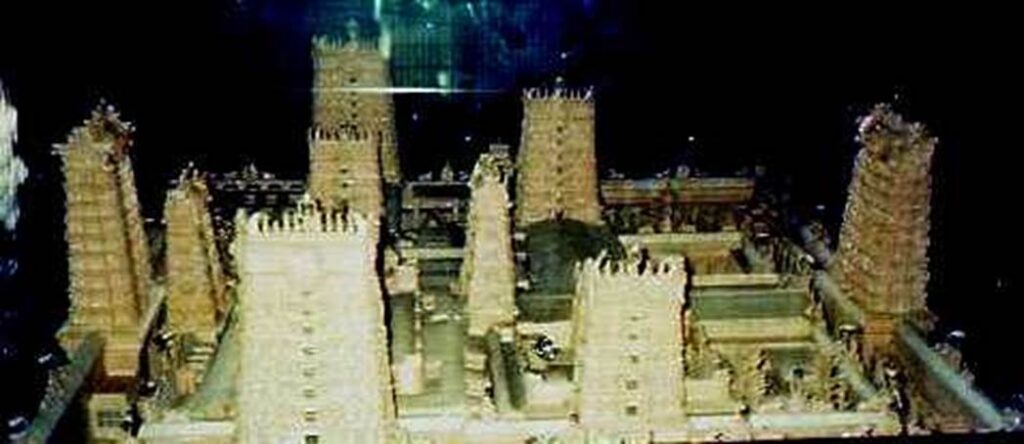
Photo by author, 1993
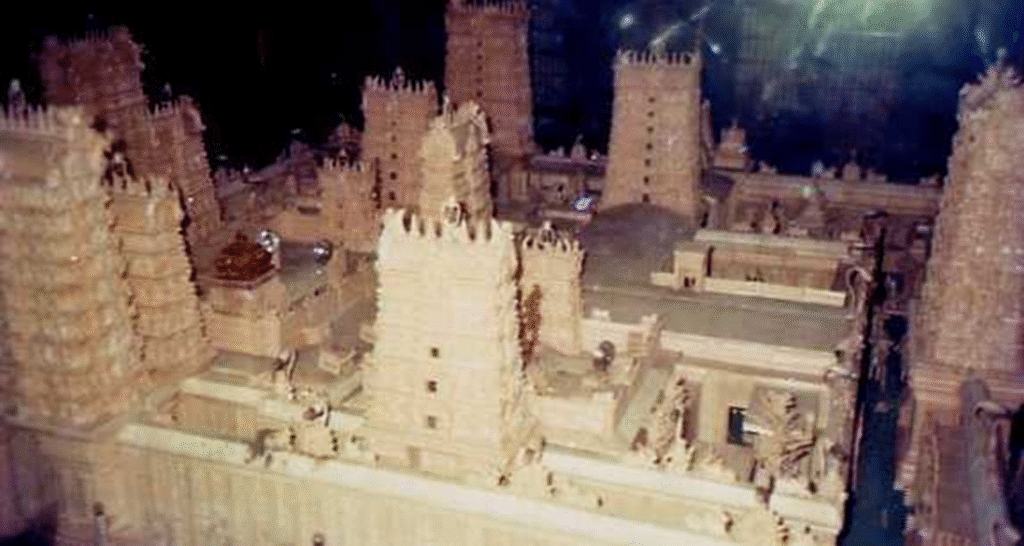
Model of the entire Minakshi Temple, Photo by author, 1993
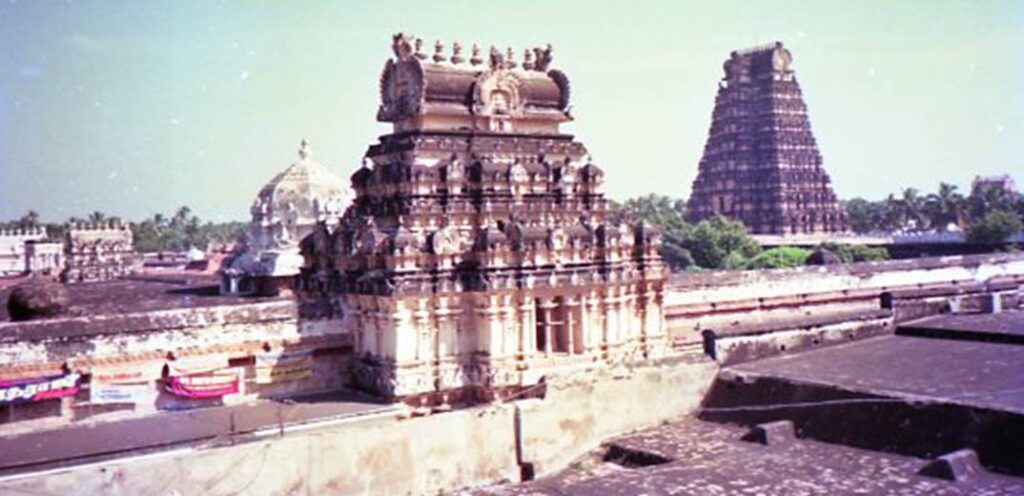
Photo by author, 1993
The 50-meter-tall gopuram, which is the entrance to the outer wall of the Minakshi temple grounds, also serves as a landmark that is easily visible to pilgrims who come on foot from far away.
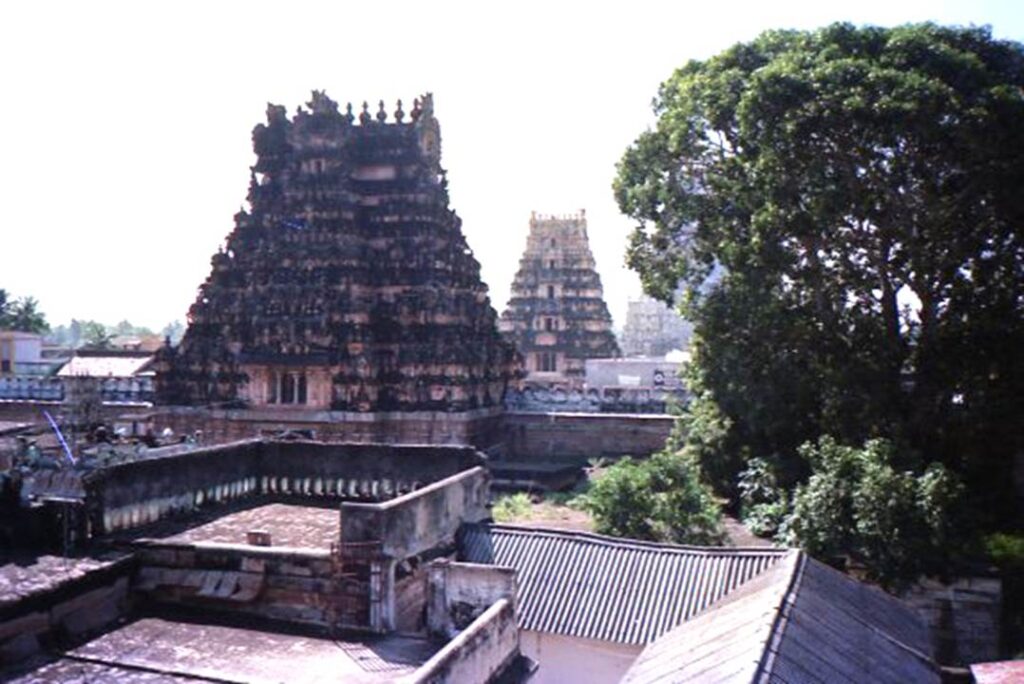
Photo by author, 1993
Entering the sanctuary through the gopuram.

Photo by author, 1993
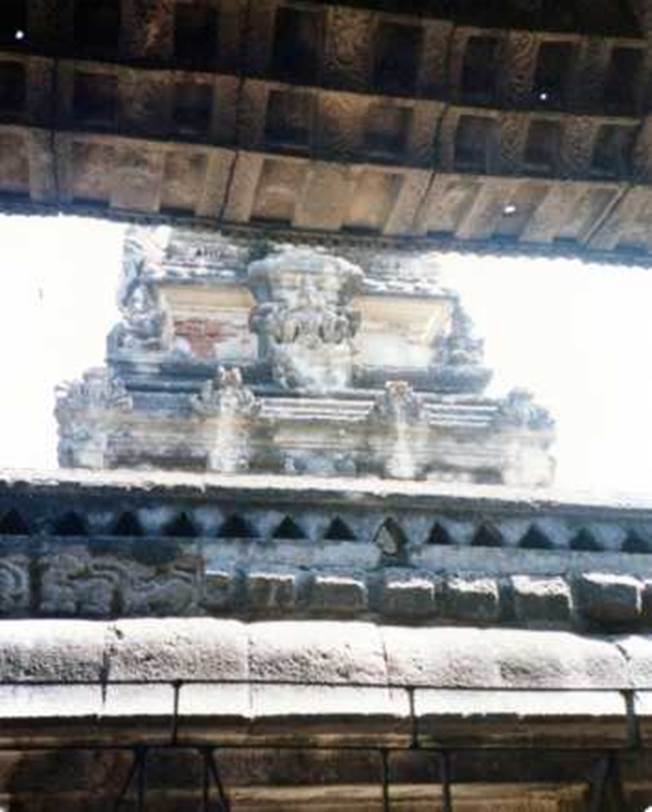
Photo by author, 1993
Mandapa Square
Entering from the gopuram leads to the Mandapa Square, an open space surrounded by walls and colonnades.
It is a healing space for pilgrims to rest and meditate.
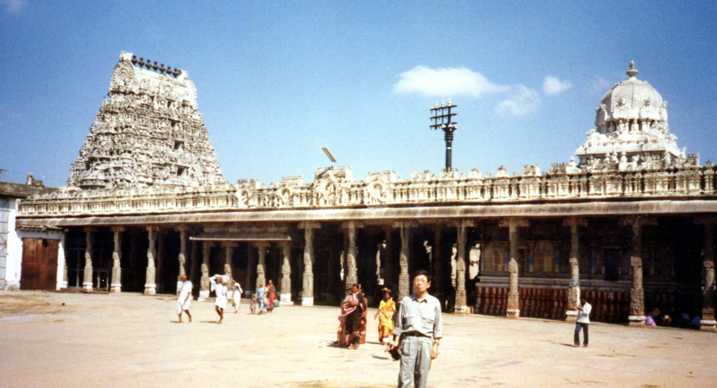
Photo of author, 1993
An elderly pilgrim comes to worship with the help of a walking stick.
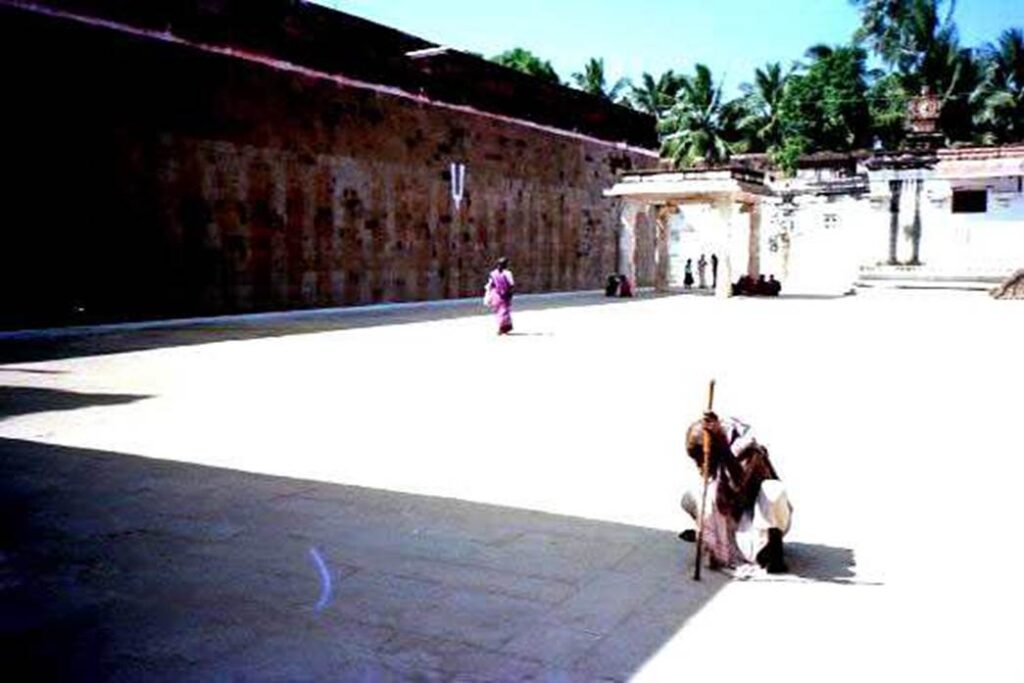
Photo by author, 1993
The bath area and its perimeter
A bathing area has been set up so that pilgrims can take a leisurely bath in the hot sun. The size of this bath area, called the Golden Lotus, is 50 m X 37 m.
It is stepped and surrounded by a shaded corridor.
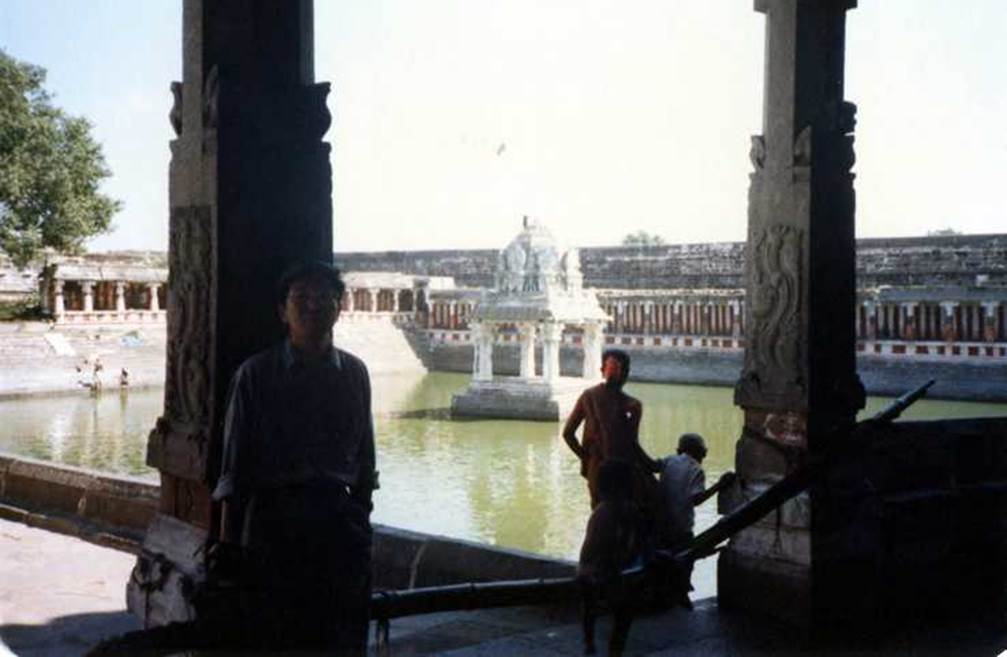
Photo by author, 1993
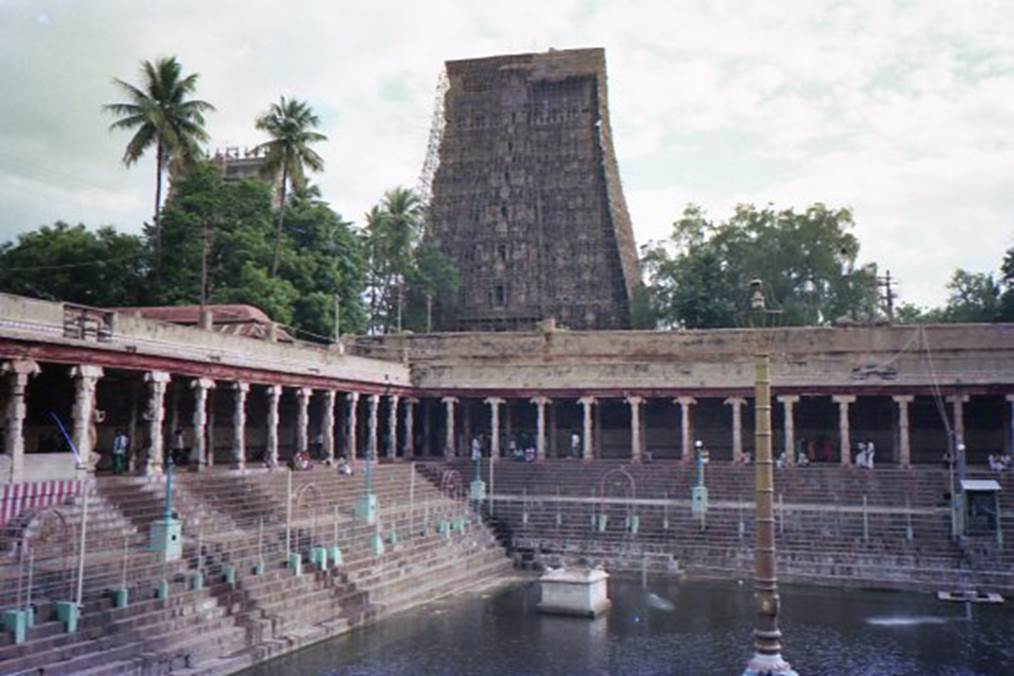
Photo by author, 1993
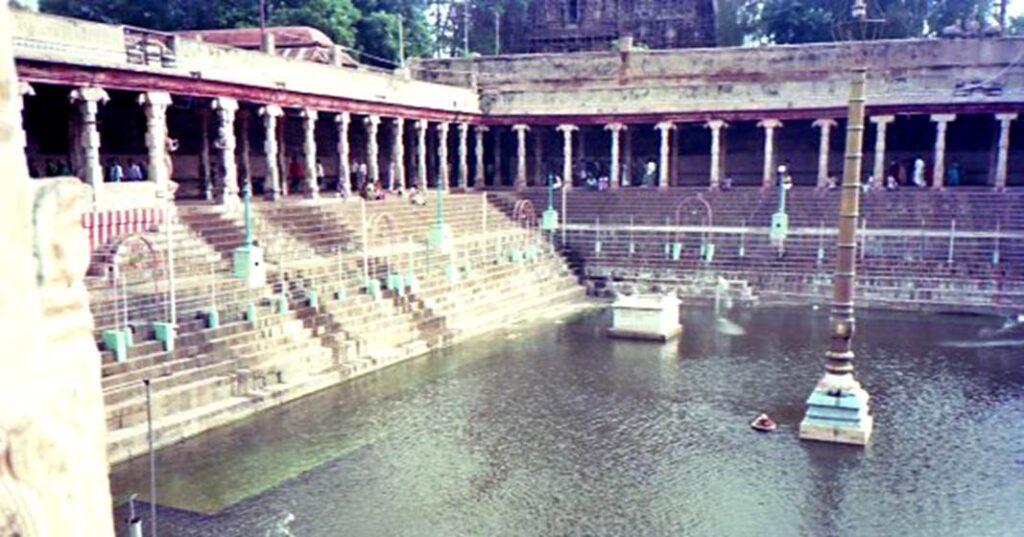
Photo by author, 1993

Photo by author, 1993
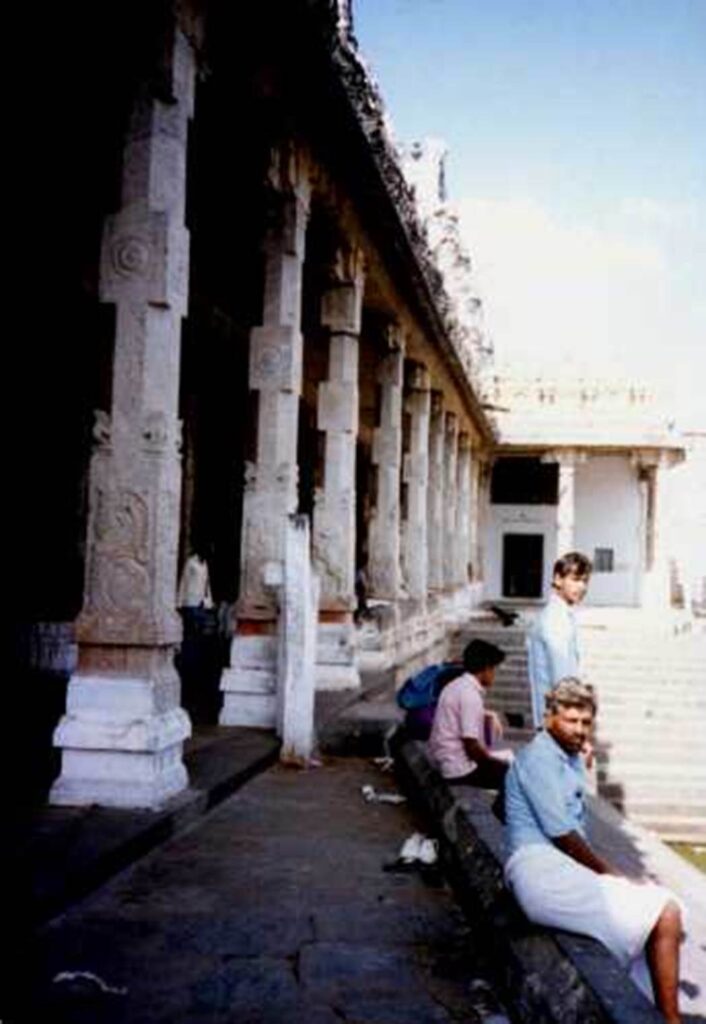
Photo by author, 1993
Sculptures on the interior walls
In the inner wall corridor, expressive female statues are displayed continuously among the impressive colonnade designs.
They are all Hindu deities with soft body lines and ample breasts.
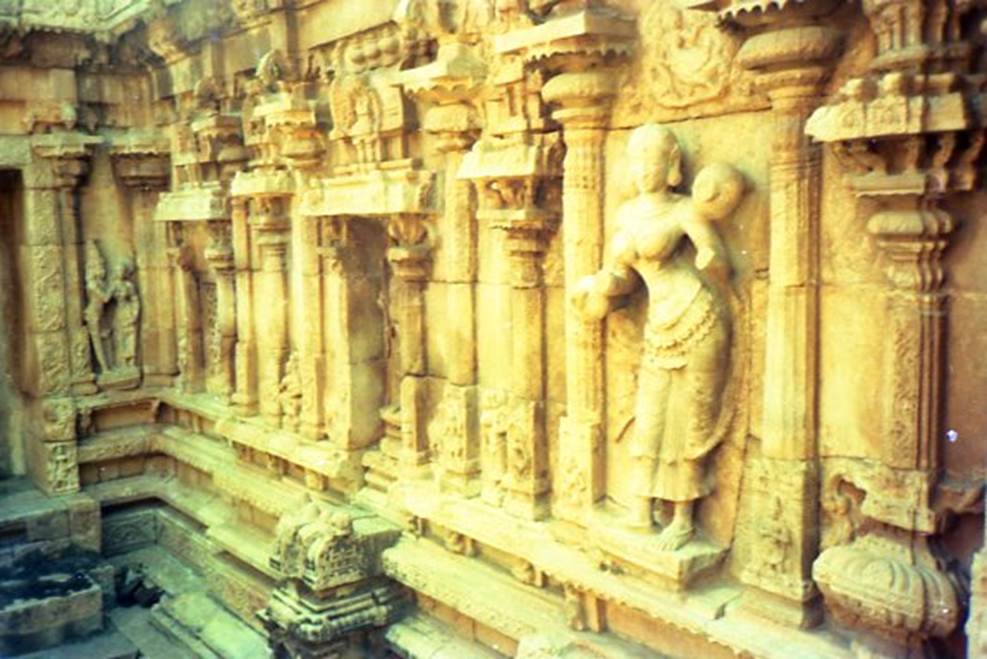
Photo by author, 1993
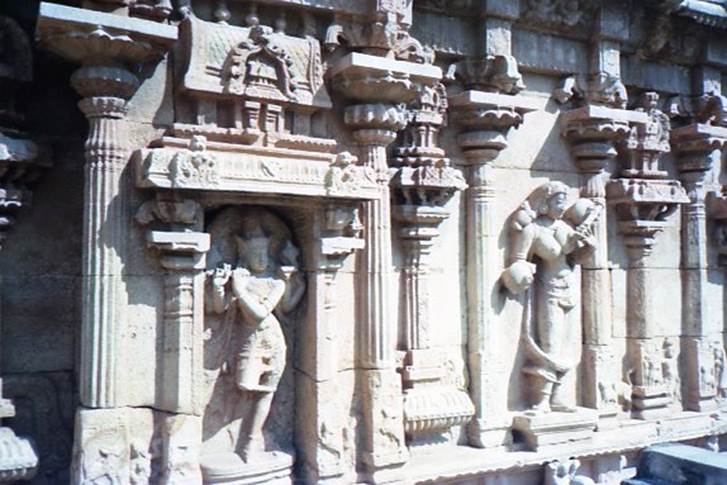
Photo by author, 1993
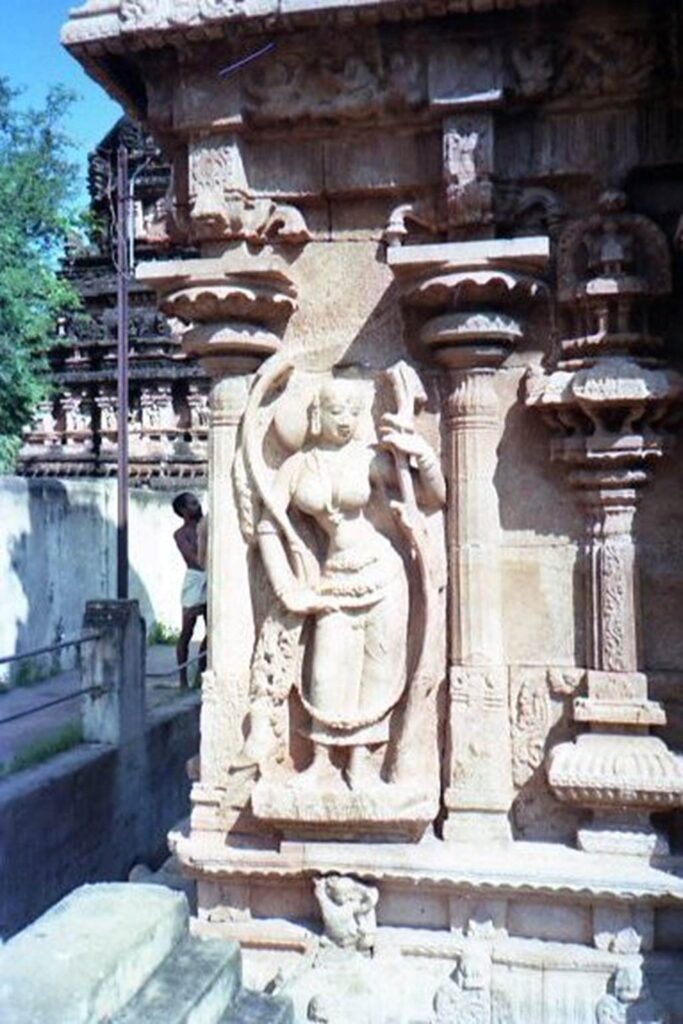
Photo by author, 1993

Photo by author, 1993
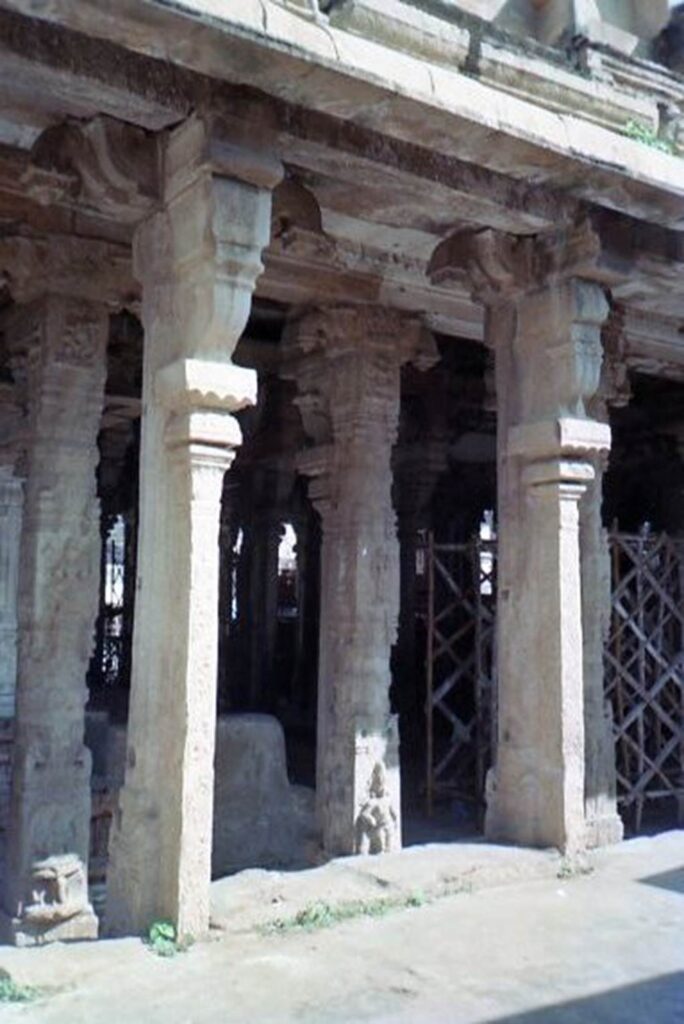
Photo by author, 1993
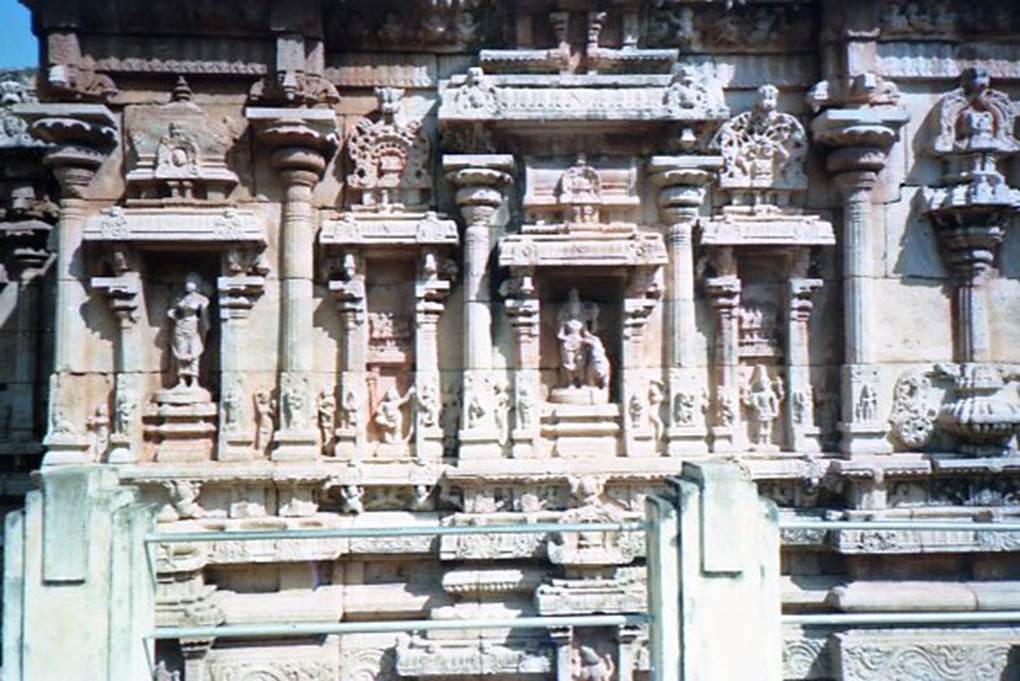
Photo by author, 1993
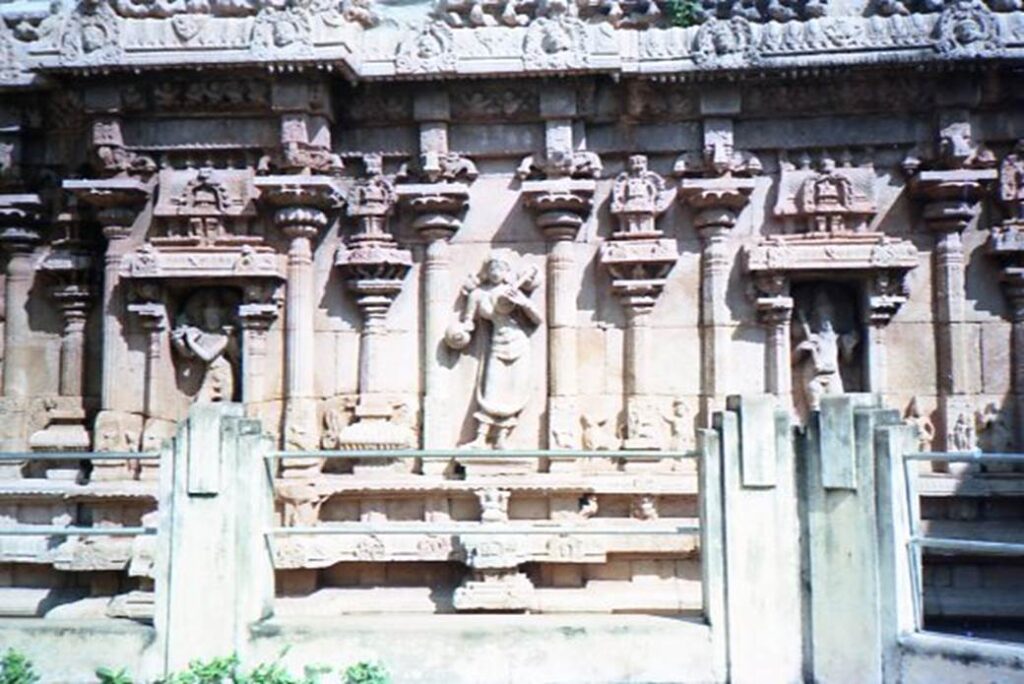
Photo by author, 1993
Inside the temple
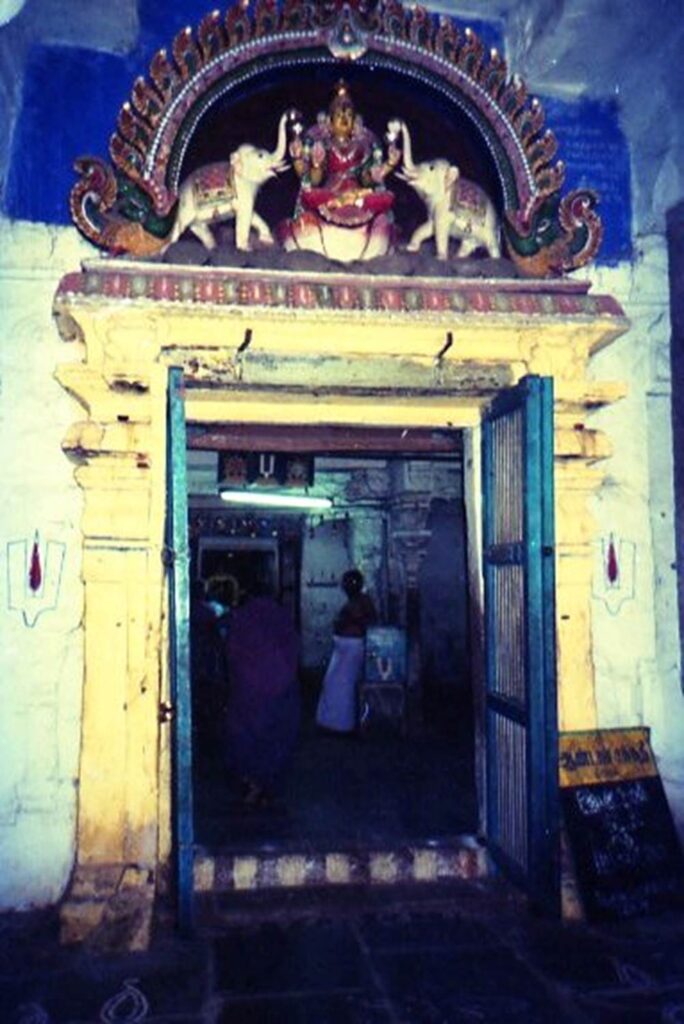
Photo by author, 1993
The stone pillars of the Hindu temple are at the same time sculptures themselves. The pillar itself as an object must be regarded as sacred.

Photo by author, 1993

Photo by author, 1993
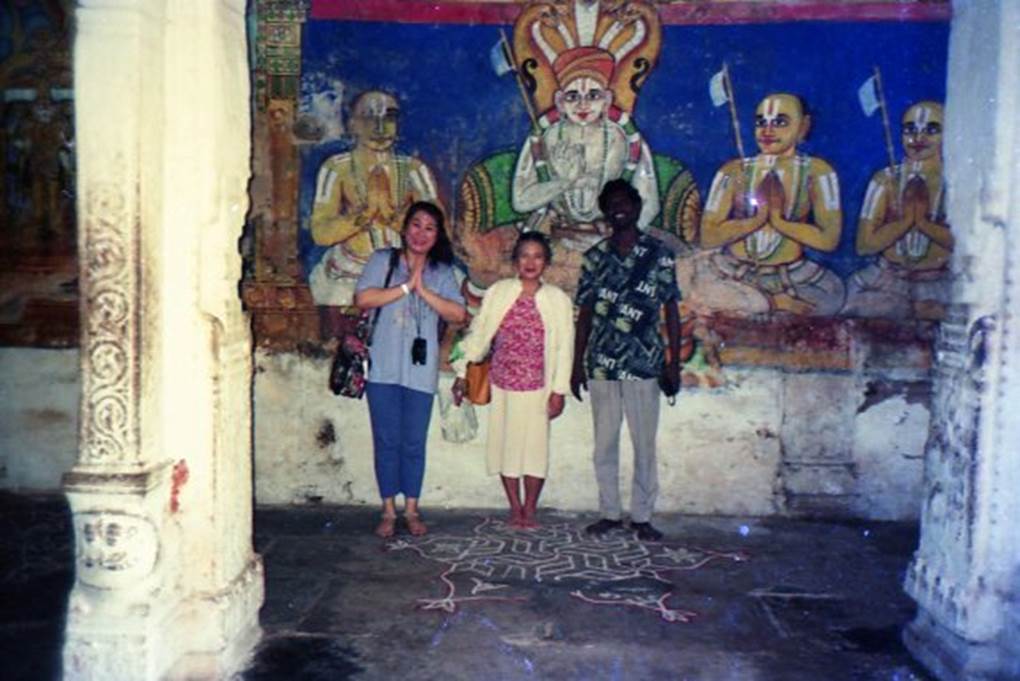
Photo by author, 1993
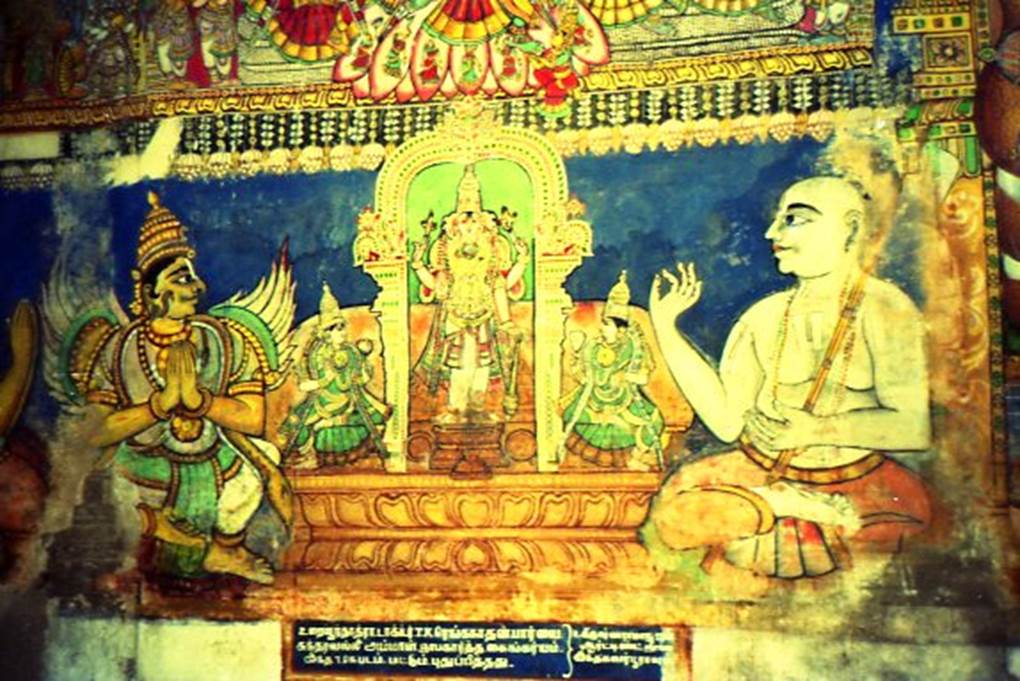
Photo by author, 1993
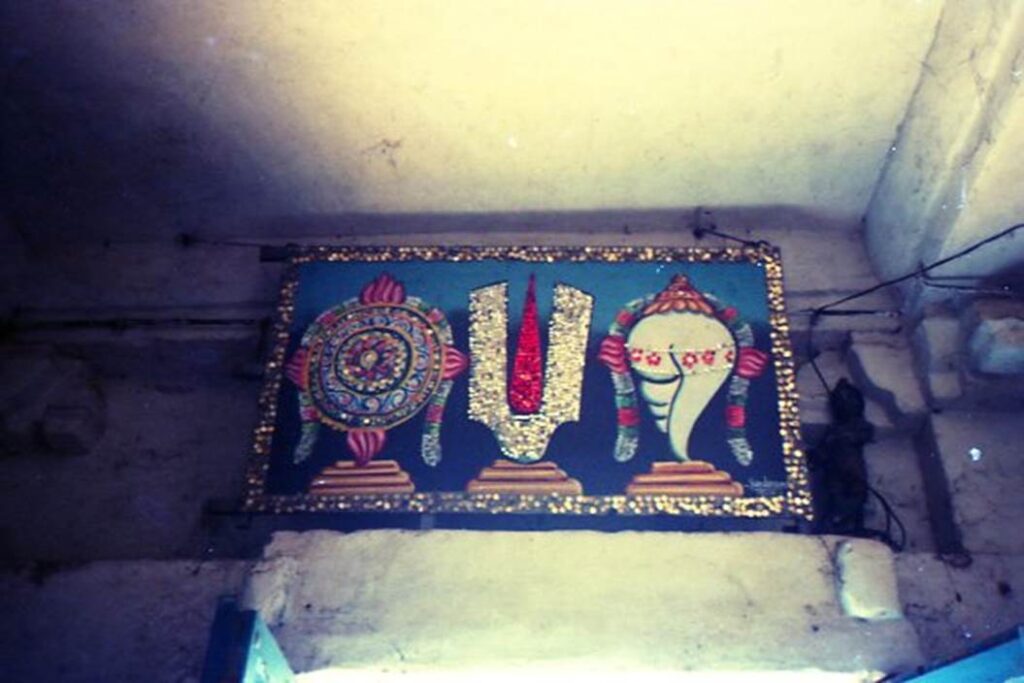
Photo by author, 1993
Amulet pattern drawn on the floor with colored chalk.
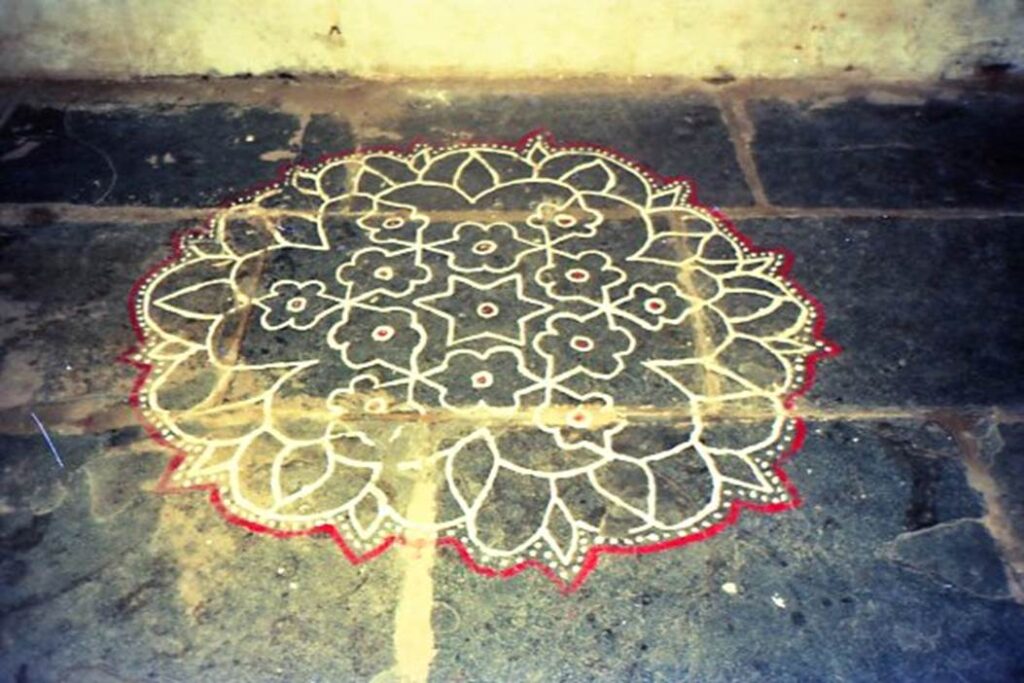
Photo by author, 1993
Pilgrims
Pilgrims devoting themselves wholeheartedly. Maybe these people came from remote parts of India.
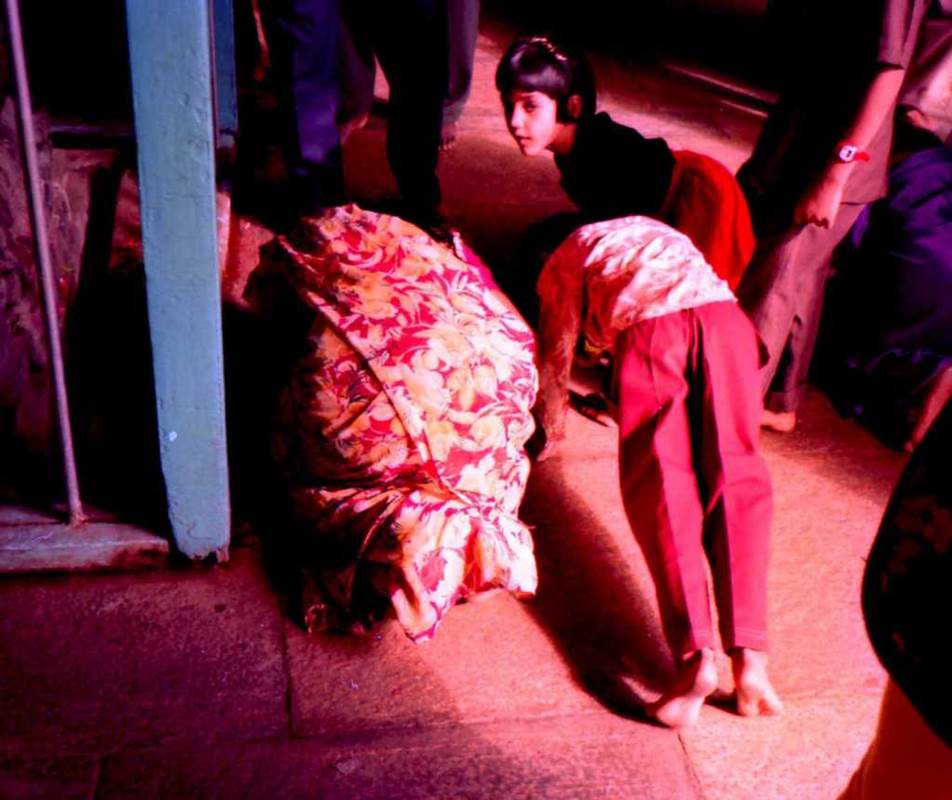
Pilgrim 1 Photo by author, 1993
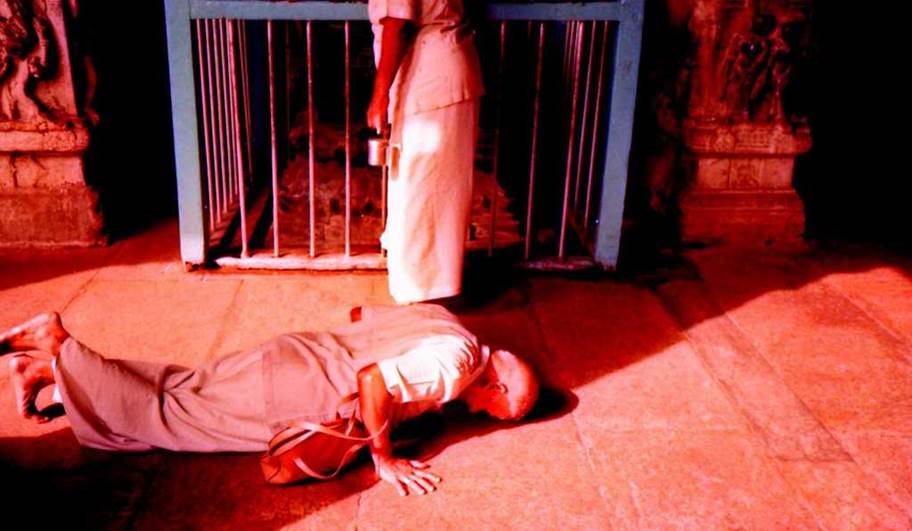
Pilgrim 2 Photo by author, 1993
An idol completely blackened with soot.
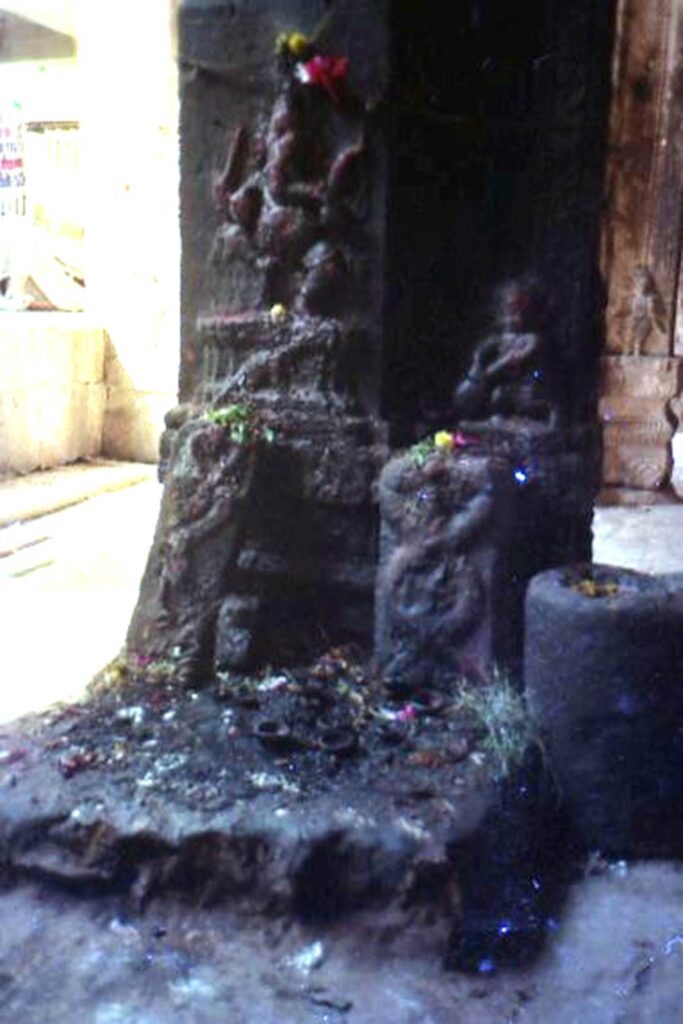
Photo by author, 1993
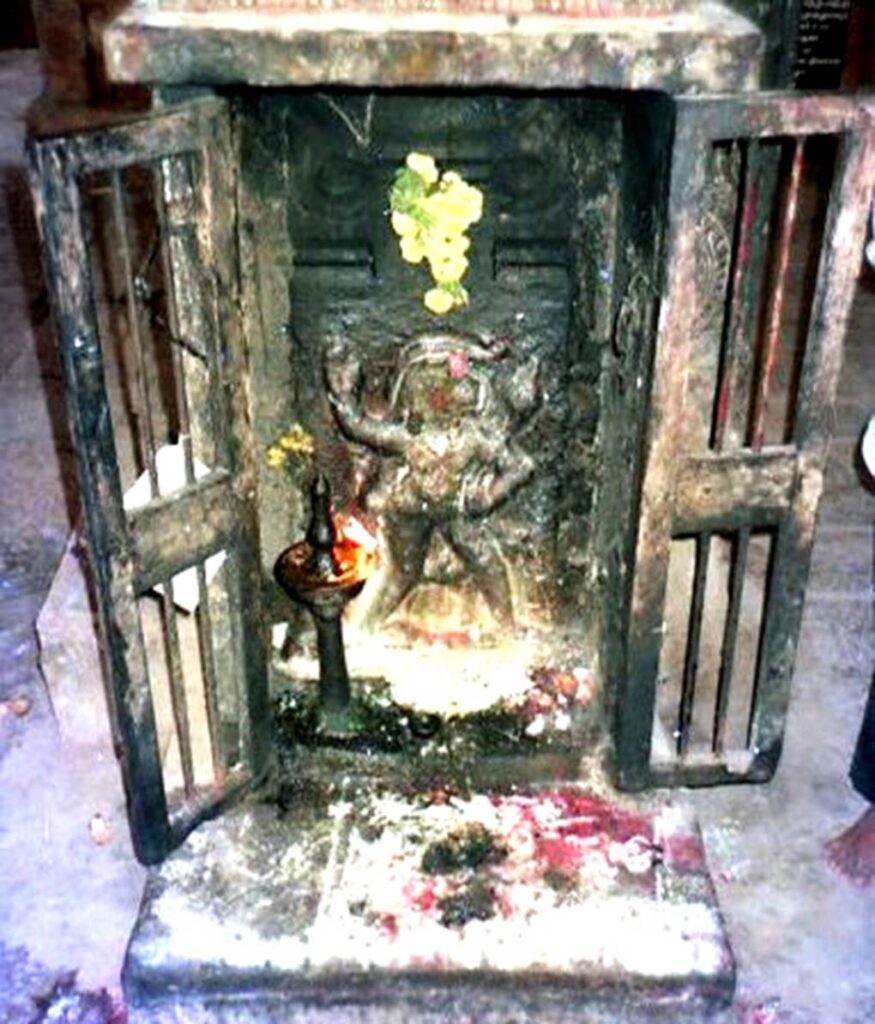
Photo by author, 1993
Lighting a candle.
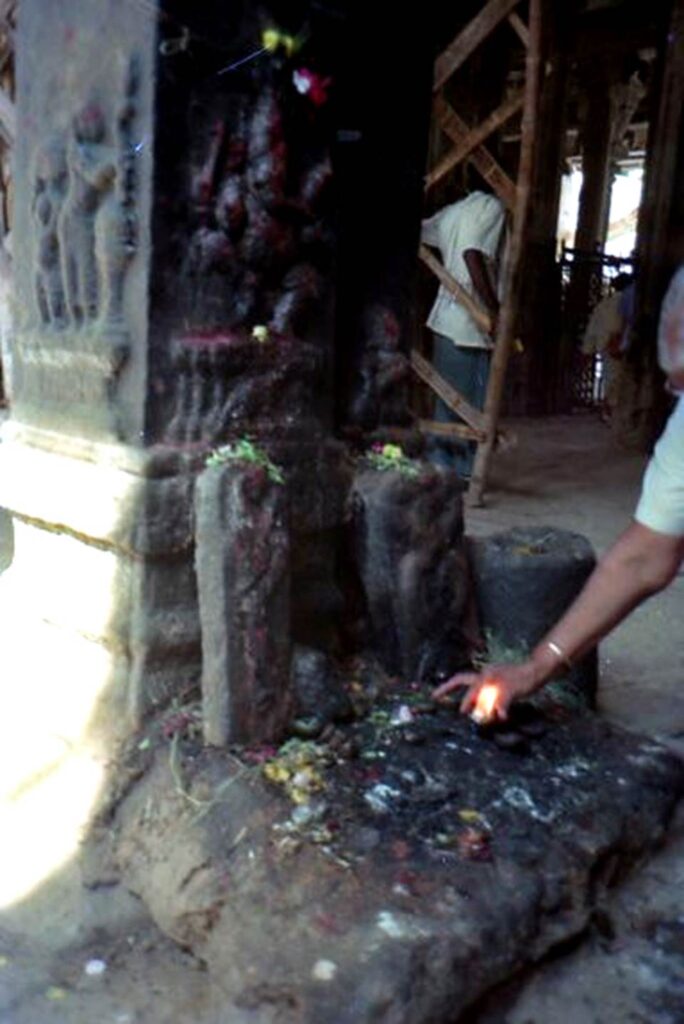
Photo by author, 1993

Photo by author, 1993
The vividly coloured offerings typical of South India.
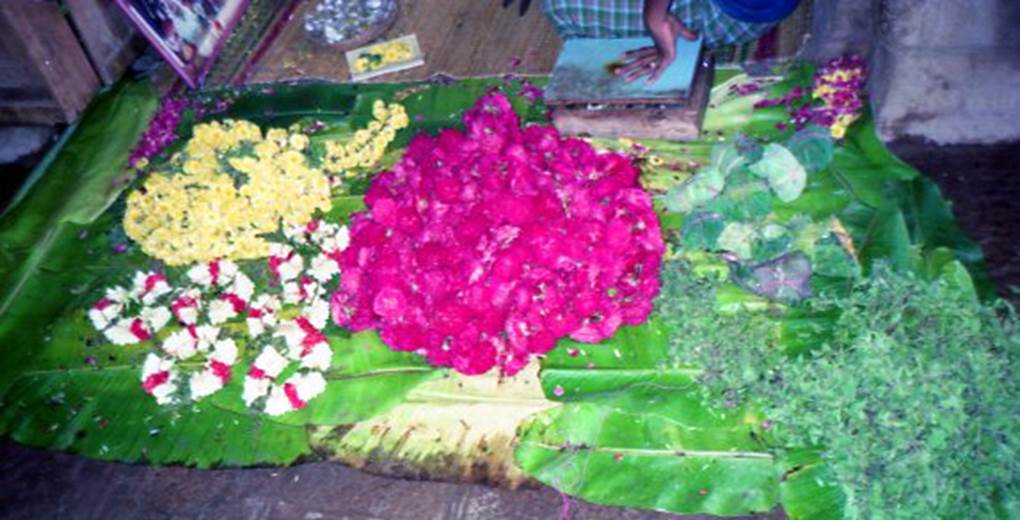
Photo by author, 1993
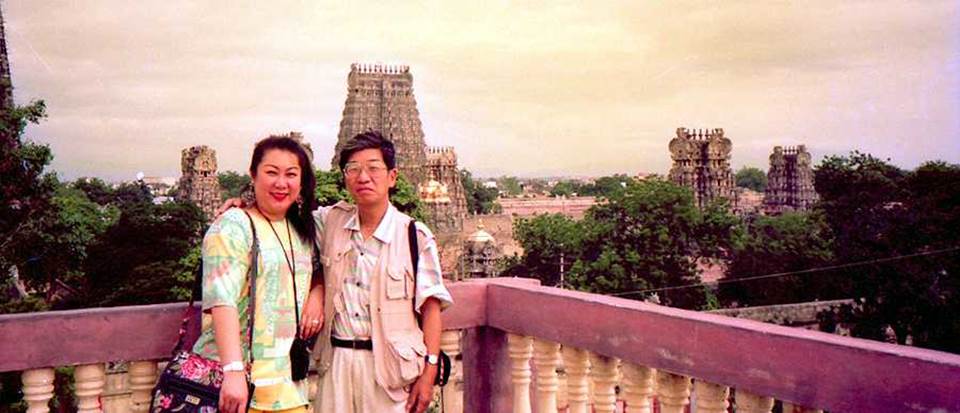
Photo of author, 1993
Madurai Hotel Suite Room
Sketch floor plan of the Madurai hotel room. Stayed on December 27, 1993. Because of encounters with different cultures throughout the day use up lots of energy, I will need to get a good night’s sleep.

Author’s Sketch
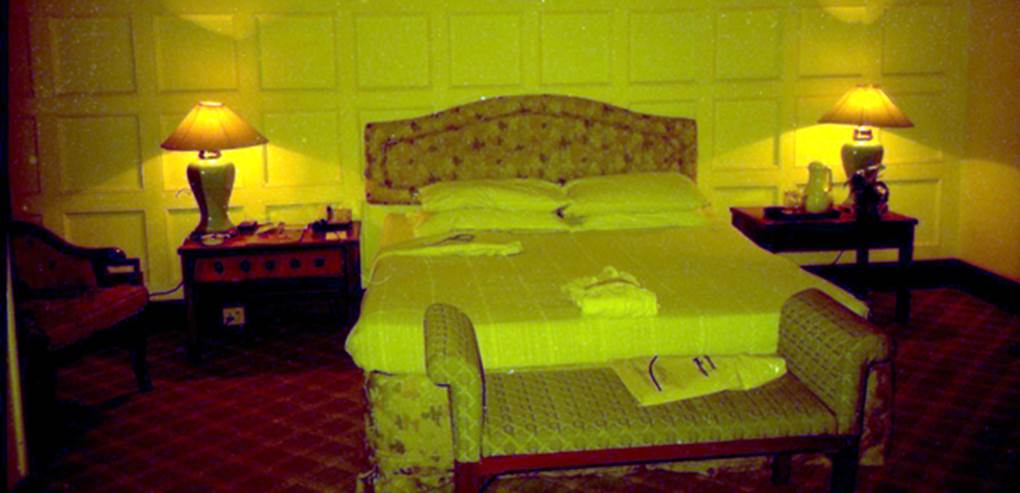
Photo by author, 1993