JAP | ENG
Sumatra Travelogue #4/9
2017
Lake Toba #2 Tomok
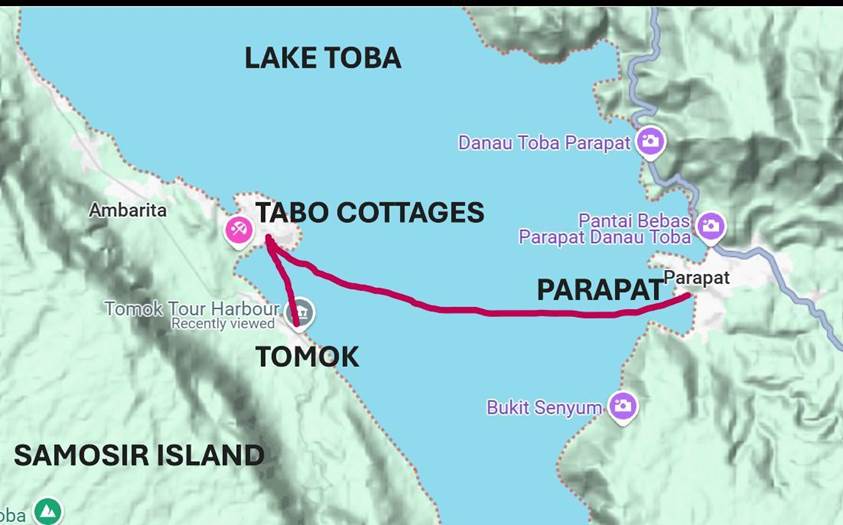
After crossing over to SAMOSIR Island, I stay overnight at Tabo cottage, and the next day I head to my next destination, TOMOK.
TOMOK
In the morning, I went to pier which I landed the day before and saw that it was on the opposite shore a few kilometers from there.
There is a village named TOMOK where I can see the traditional architecture of the Batak people and the old life of the people, so I will head there.
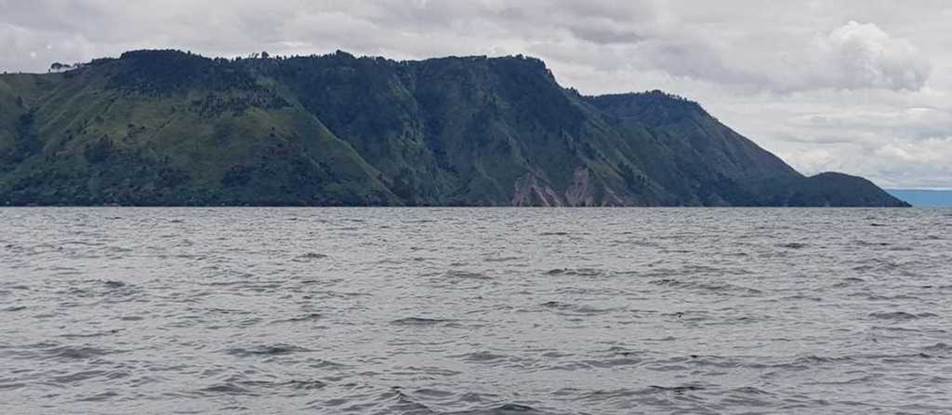
Photo by author, 2017
TOMOK Pier
It seems that it is quite rare for tourists to go this far, so the pier is just a simple design and it gives a special feeling.
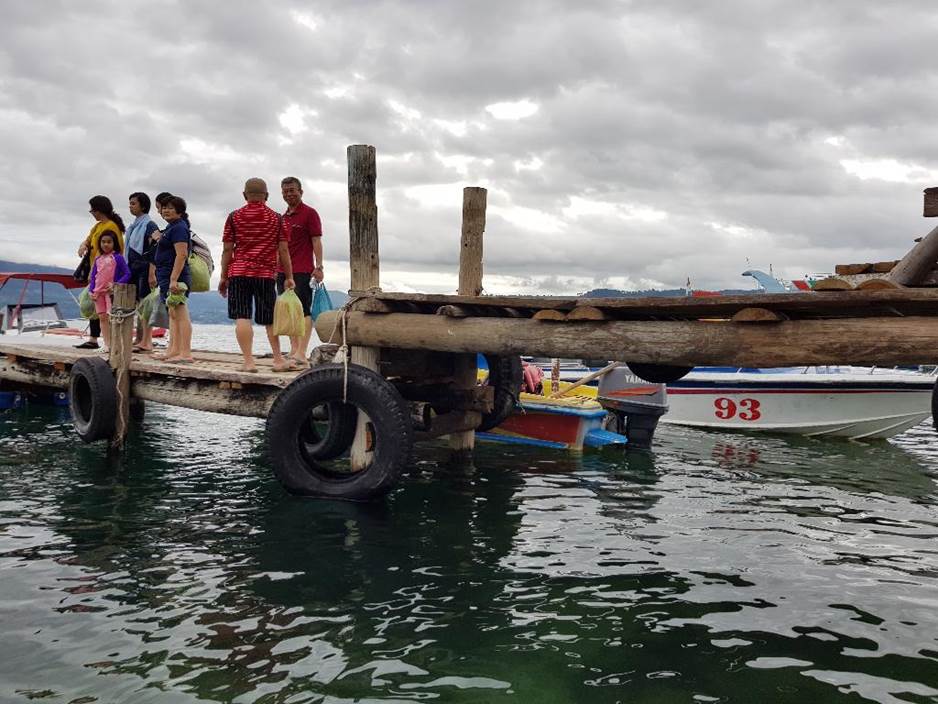
Photo by author, 2017
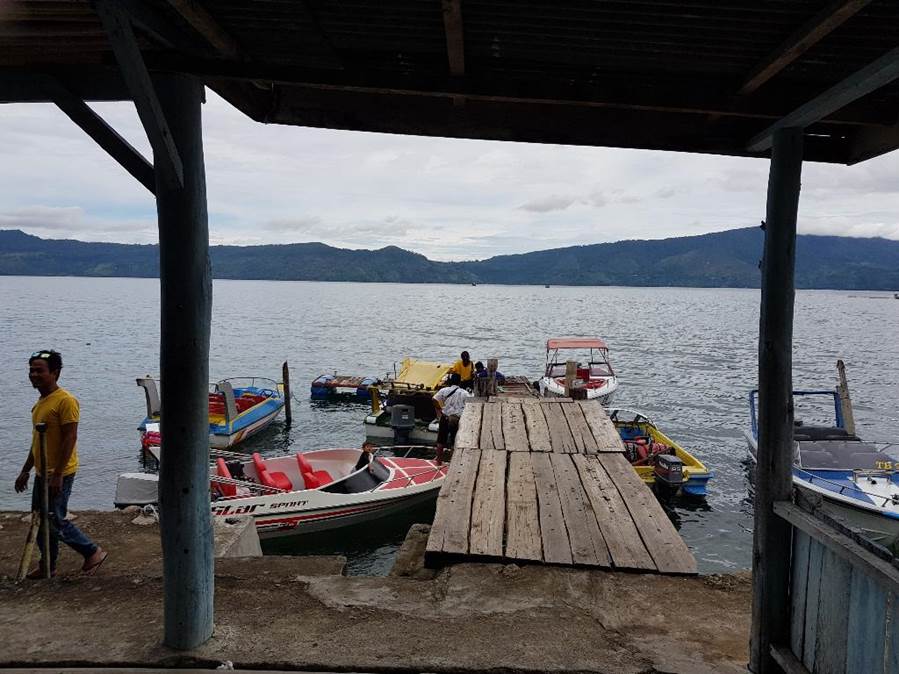
写真 筆者撮影 2017年
A pier that is protected with rough stones.
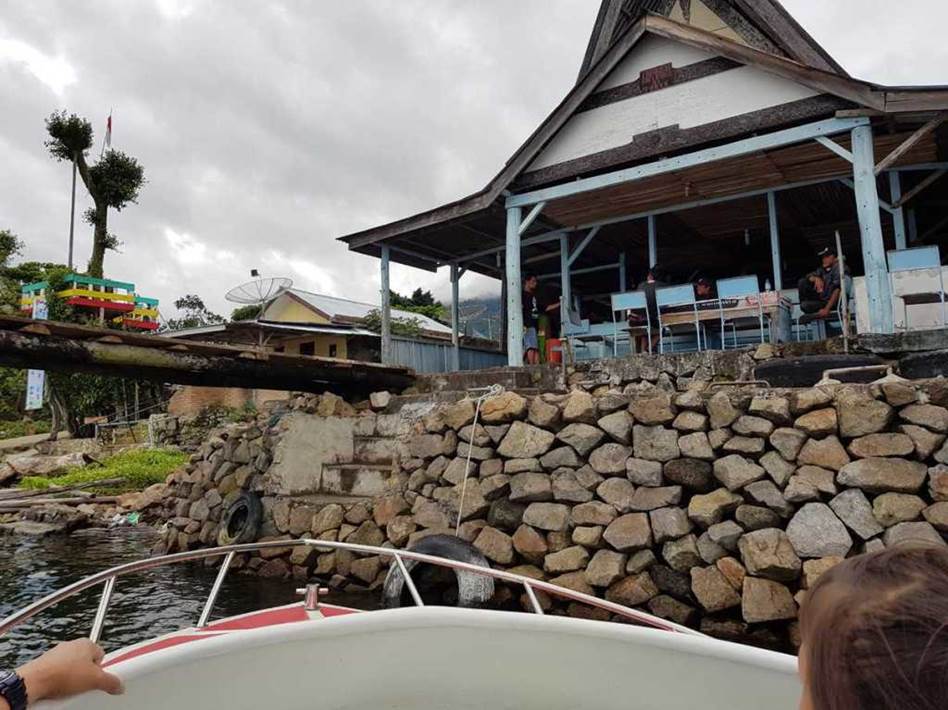
Photo by author, 2017
When I landed on the pier, I suddenly saw a row of souvenir shops, which seems a bit strange to me, but it was a sight where I could feel the vitality of the local residents.
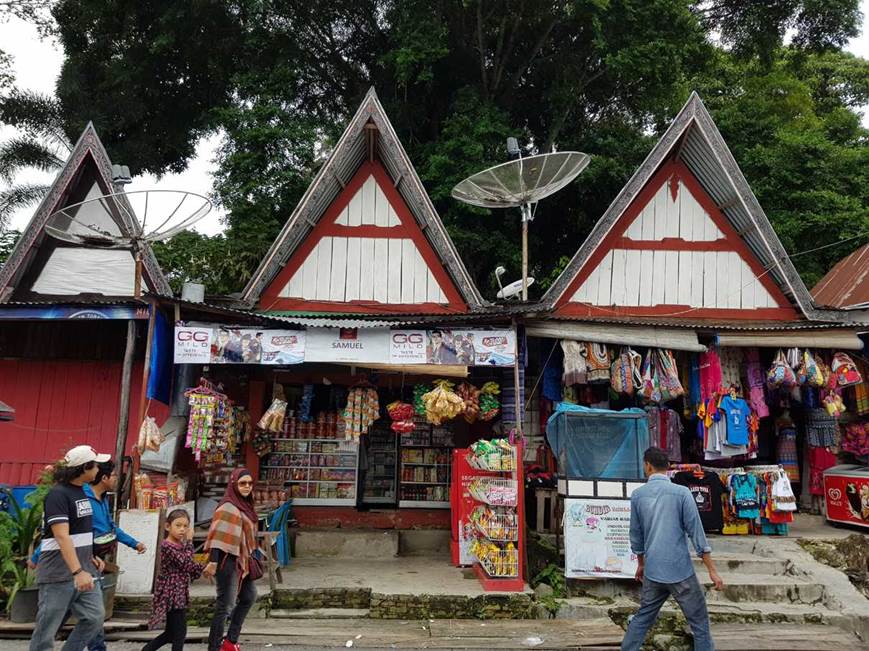
Photo by author, 2017
The souvenir shops are lined up in the back, creating a strange feeling in an unexplored area!
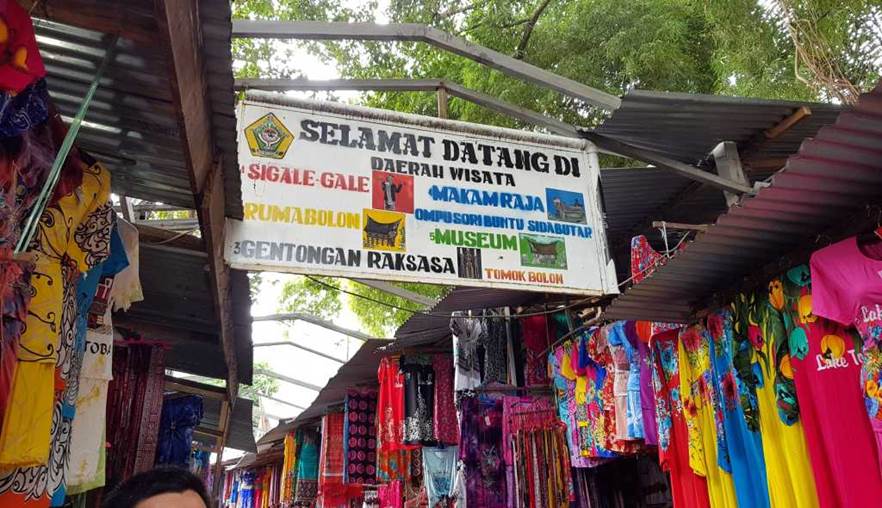
Photo by author, 2017
The central government of Indonesia is eager to make the Tomok area of Lake Toba a world-class tourist destination comparable to Bali, and infrastructure investment is underway.
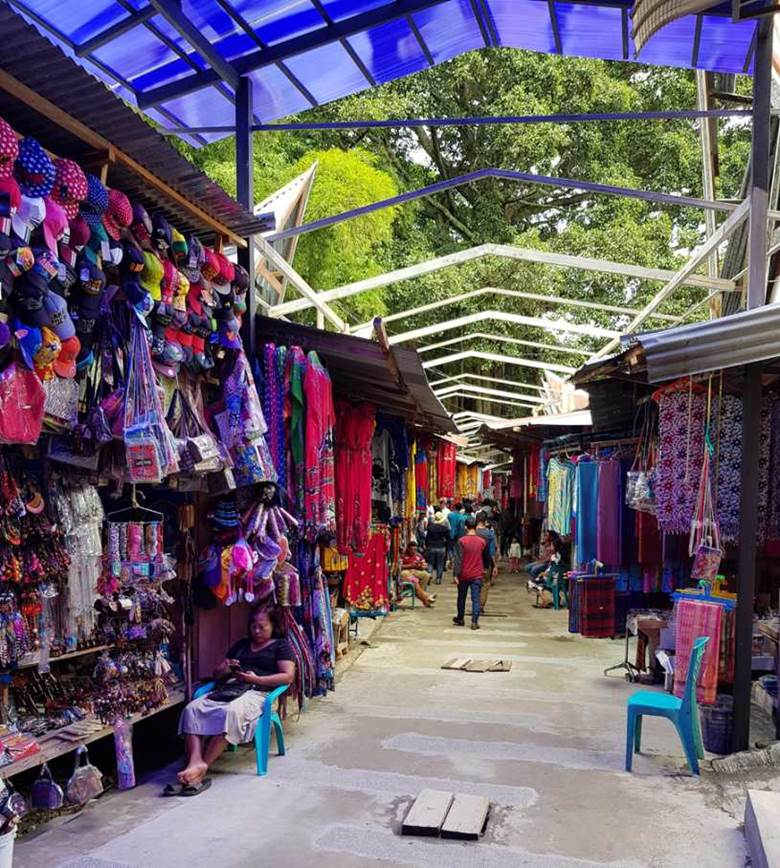
Photo by author, 2017
Jandrock Village
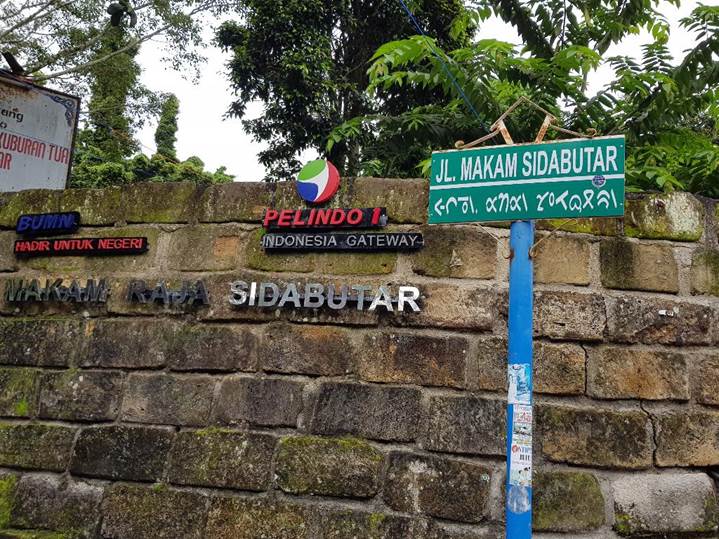
Photo by author, 2017
Tomok Village
I followed the slope up the hill from near the pier and came to a flat square in a village called Tomok.
There were rows of traditional Batak buildings forming villages. It was explained that it was inhabited by a family with a common ancestor.
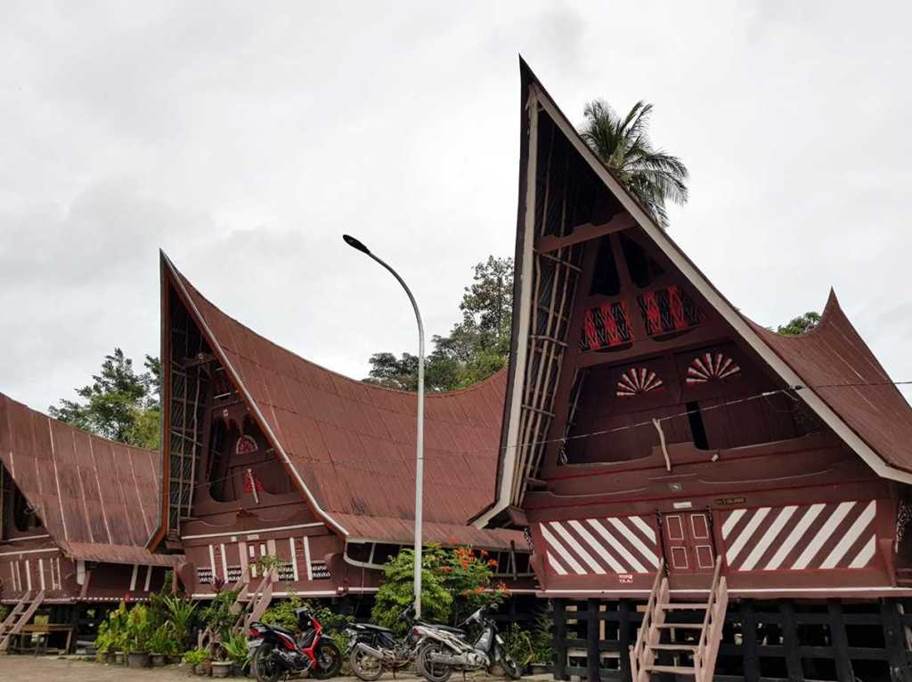
Photo by author, 2017
The roofs of the houses were all gabled and curved at the tips, creating a unique form that was adapted to the hot and humid climate.
The shape of the roof resemble the shape of a horse’s saddle.
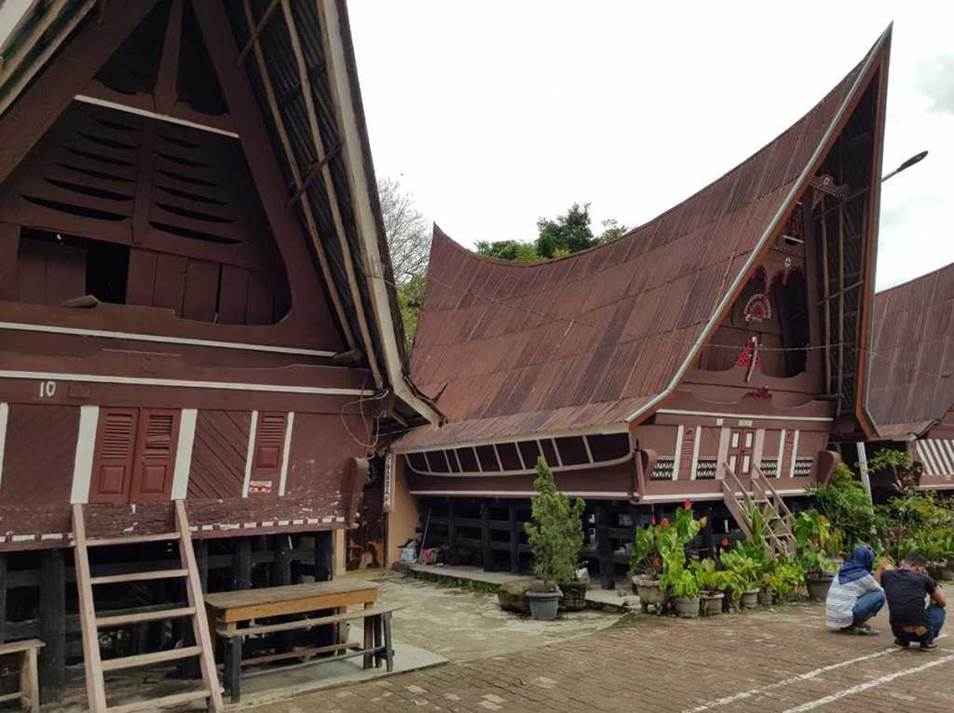
Photo by author, 2017
Visitors to Tomok dancing to the music.
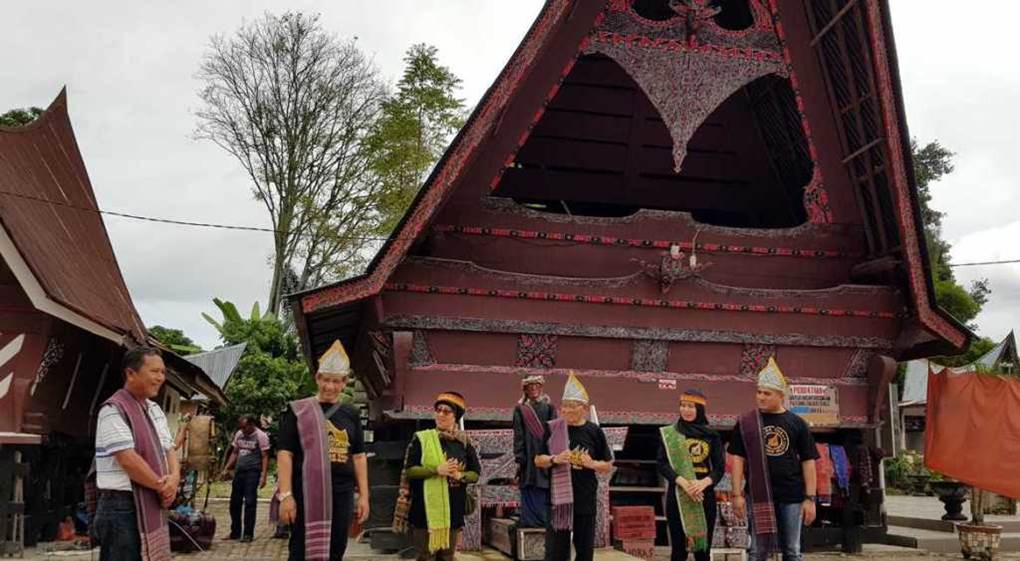
Photo by author, 2017
Dwellings on stilts.
There is a staircase in the center of the front facade, and the living floor is located on a floor level 1.2 m to 1.5 m above the ground. The front is covered with elaborate carvings, and it is built like this to protect against evil spirits. It can be said that it is a work of art that can be appreciated slowly.
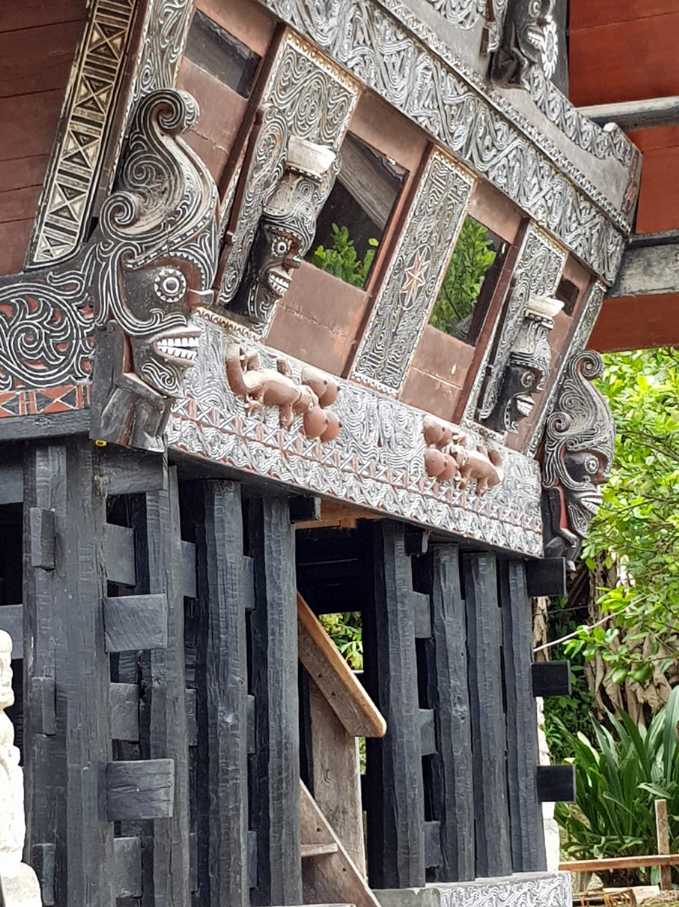
Photo by author, 2017
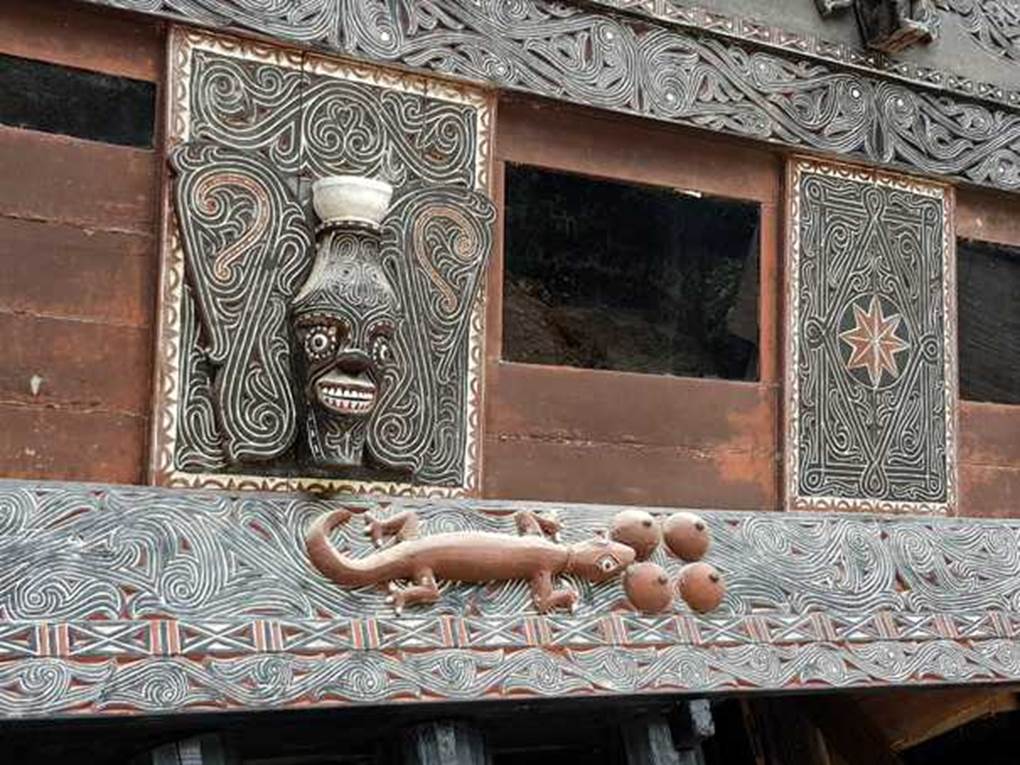
Photo by author, 2017
Toba Batak style dwellings on stilts.
The color around the edge of the floor is determined by three colors: red, black, and white.
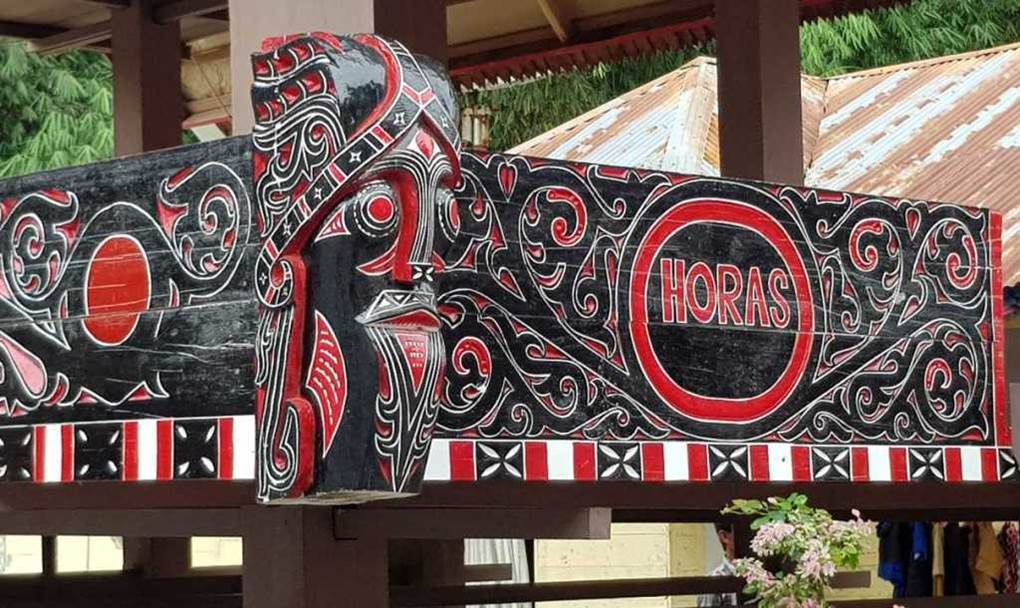
Photo by author, 2017
Wooden structure of the base
It is handcraft from a single piece of wood log. If you look at the joints of the timber vertically and horizontally, you can see that no nails are used.
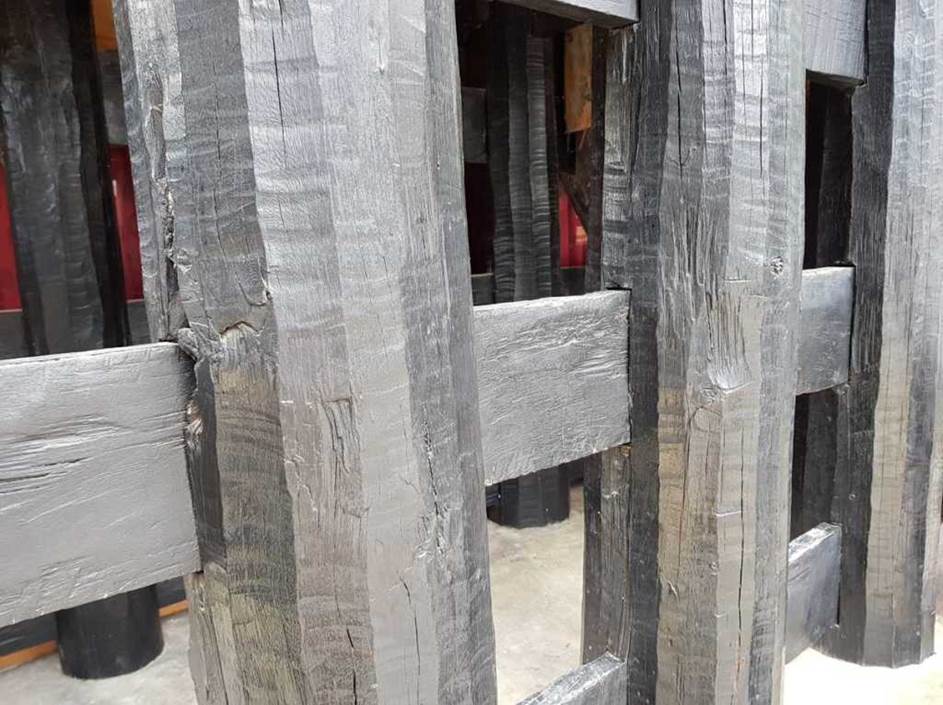
Photo by author, 2017
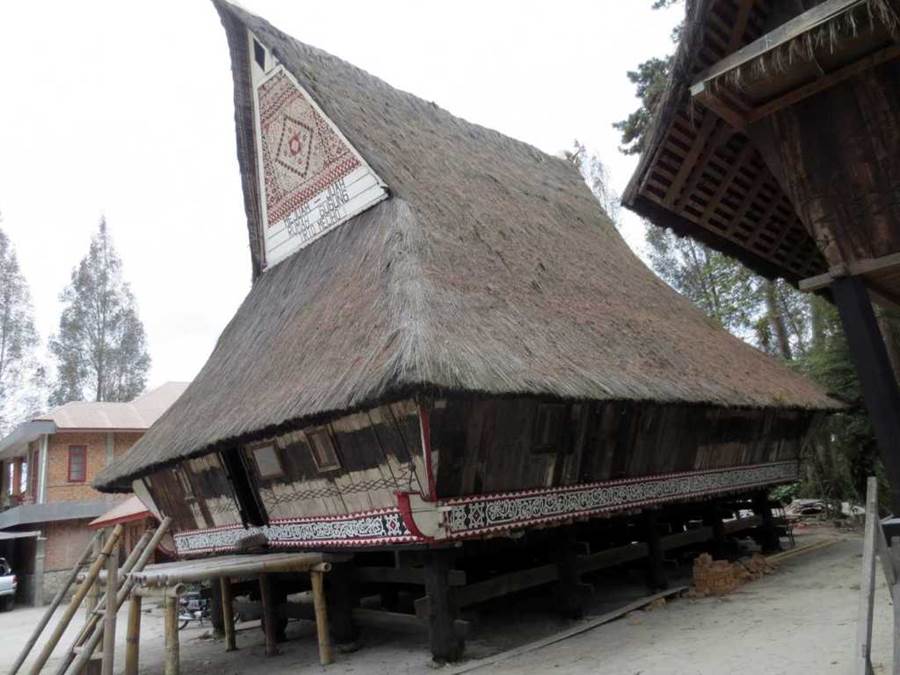
Photo by author, 2017
Toba Batak style dwellings on stilts.
The color around the edge of the floor is determined by three colors: red, black, and white.
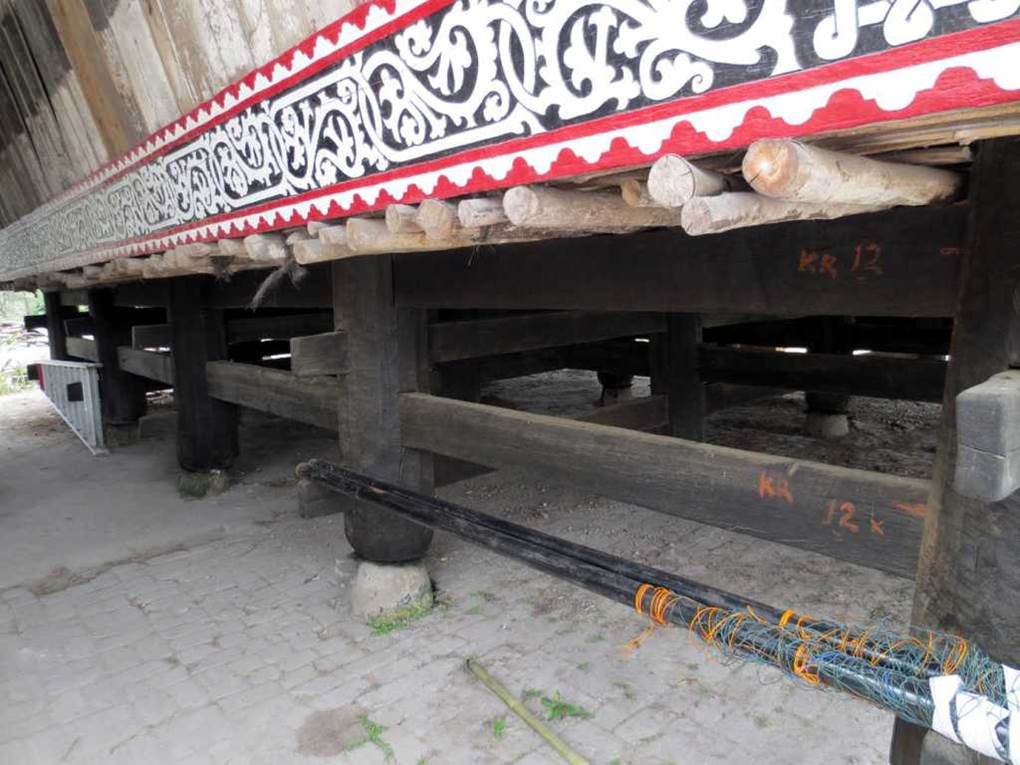
Photo by author, 2017
The interior space is a one-room space with no partitions.
One-third of the area are common spaces, and there is a space with a kotatsu like feature. (low table with heating elements)
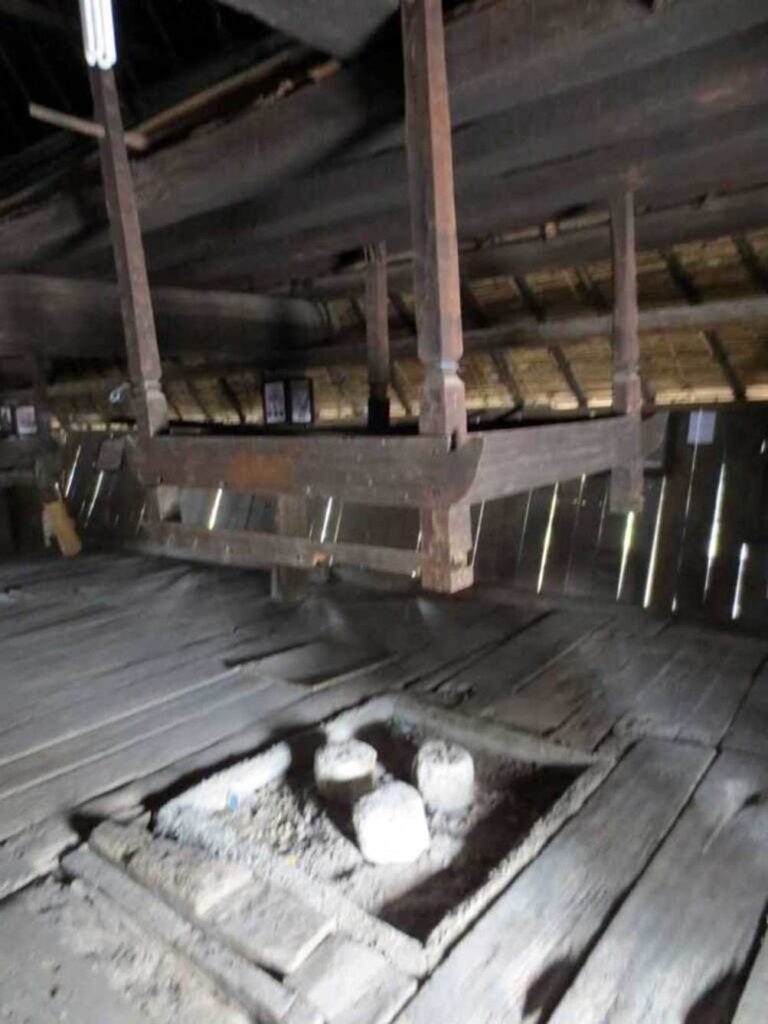
Photo by author, 2017
The ceiling and roofing materials were made up of sugarcane trunks.
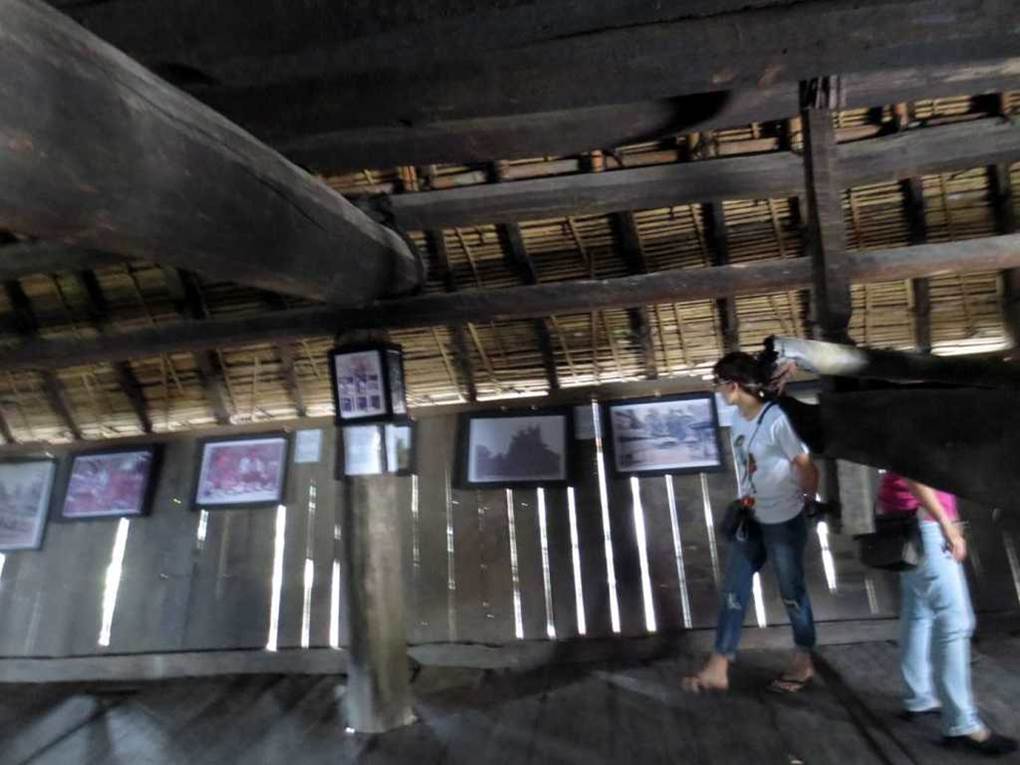
Photo by author, 2017
The beams are made of very thick wooden trunks.
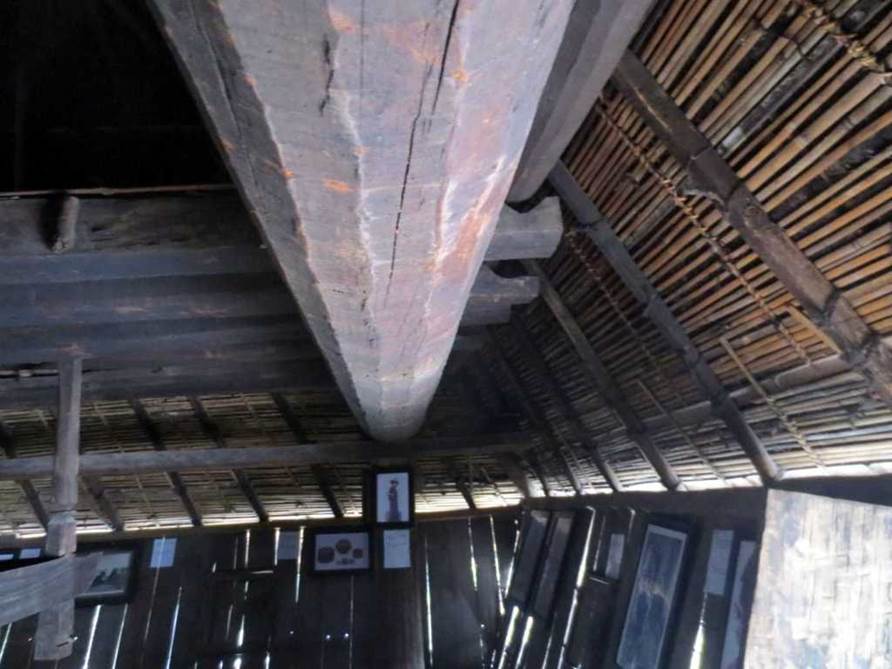
Photo by author, 2017
Stone table and chairs.
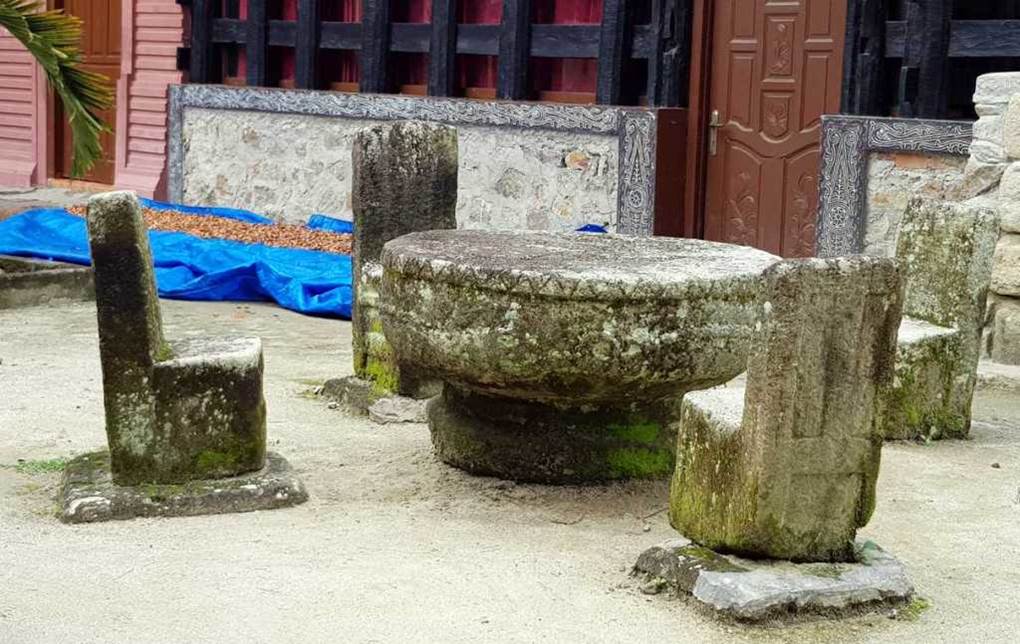
Photo by author, 2017
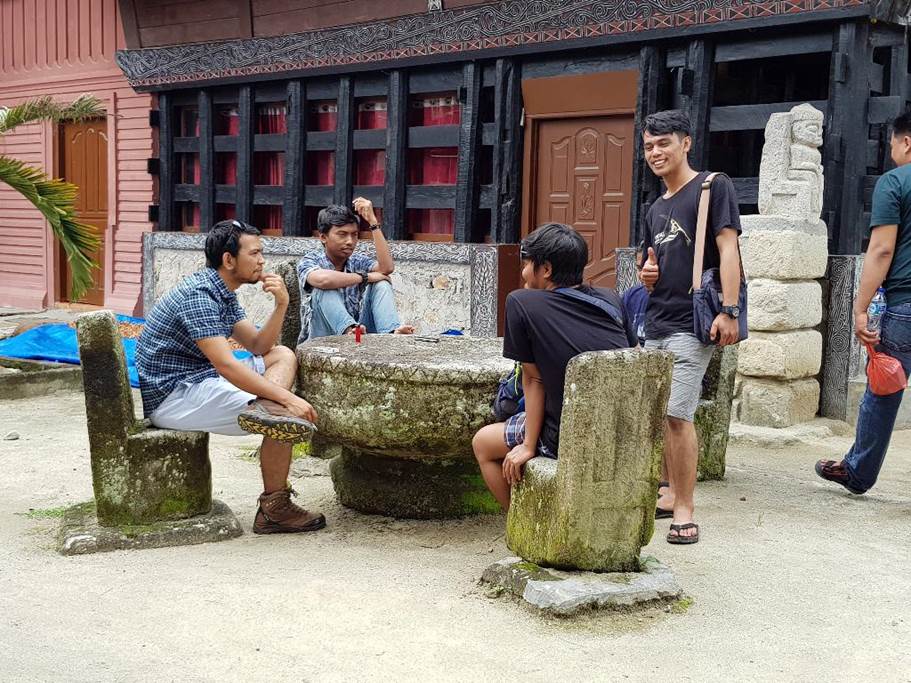
Photo by author, 2017
The cemetery of the Sidabutar dynasty, which flourished in the 16th and 17th centuries.
Has the Toba Batak already become Christians?
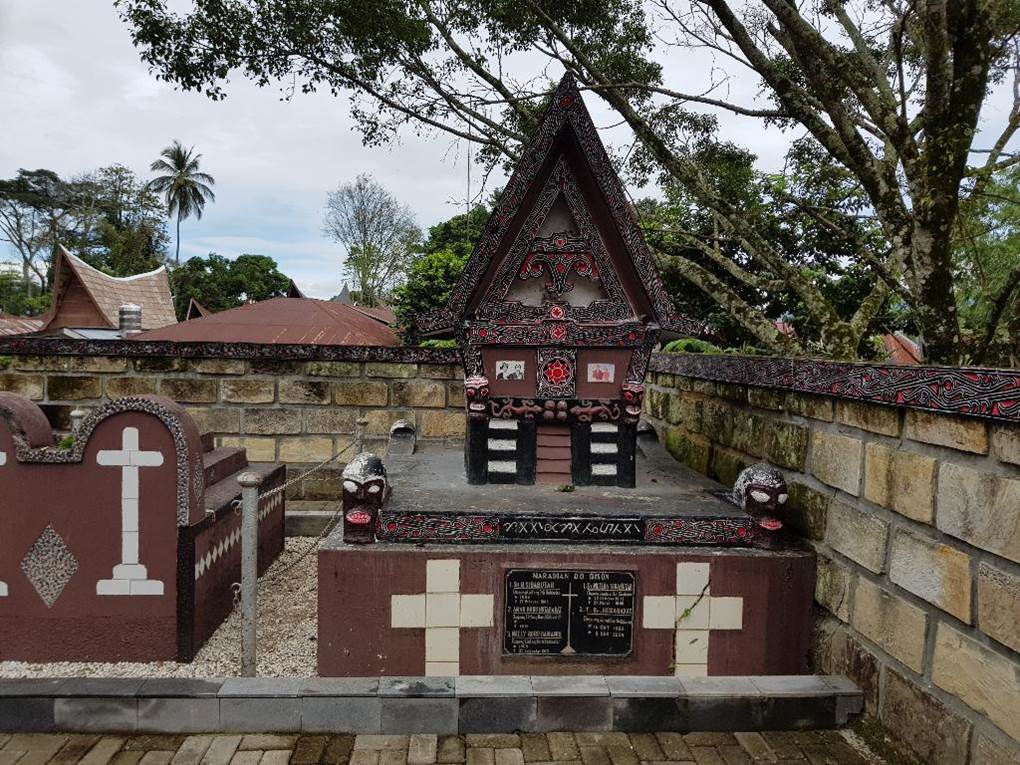
Photo by author, 2017
King’s tombstone.
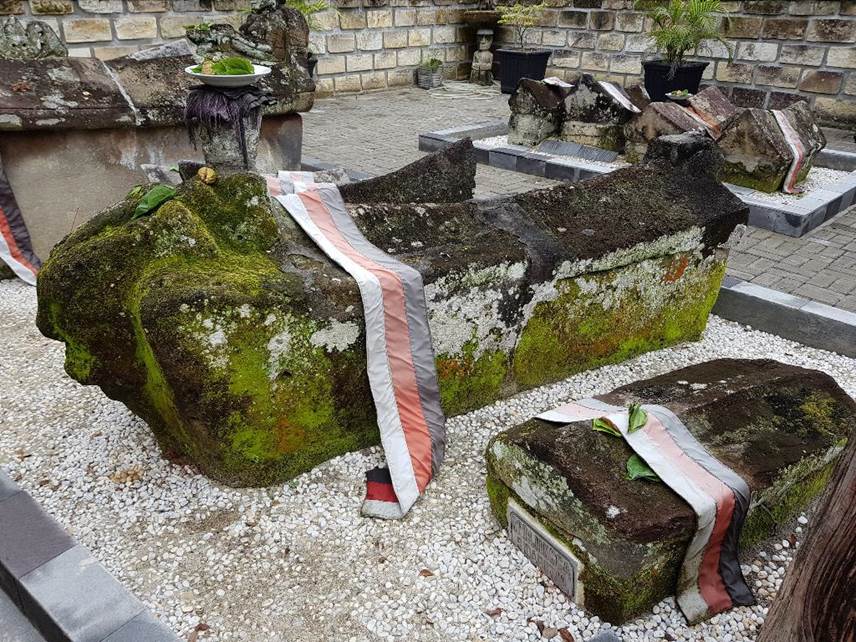
Photo by author, 2017
A symbolic link building in the city of Toba Batak style with a cross at the top.
The colors of the decorative surfaces of the walls are determined by three colors: red, black, and white.
It doesn’t look out of place and matches the surrounding scenery
(Although the electric wires that run vertically and horizontally ruin the scenery)
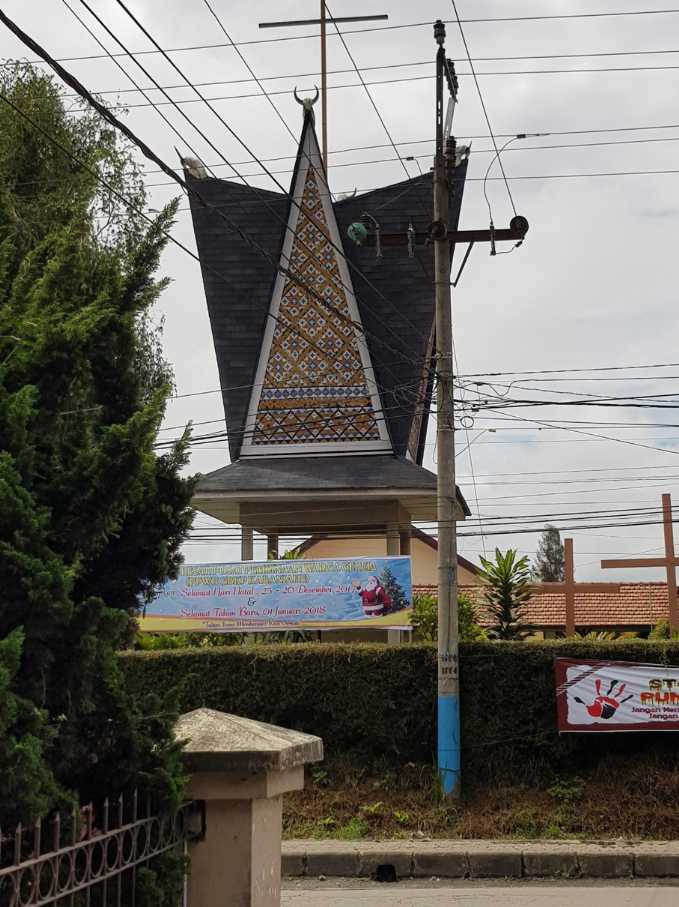
Photo by author, 2017