JAP | ENG
Sumatra Medan Lake Toba
2006-2007
#1
This was my second trip to Medan in Sumatra. Previously, when I entered the country, the immigration officer pointed out that my passport was valid for less than 6 months, and I was almost sent back to my departure point. I was able to negotiate and was barely allowed to enter Indonesia on the first visit to Medan.
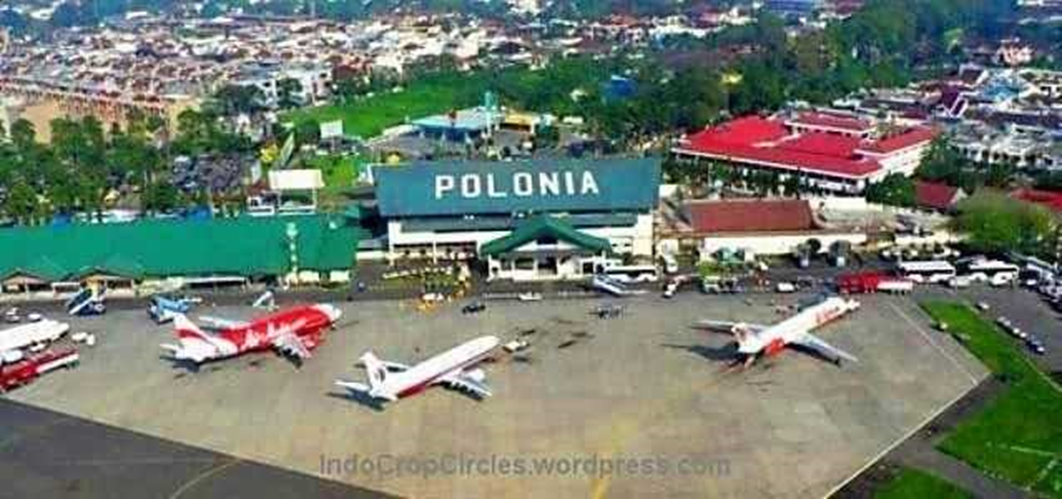
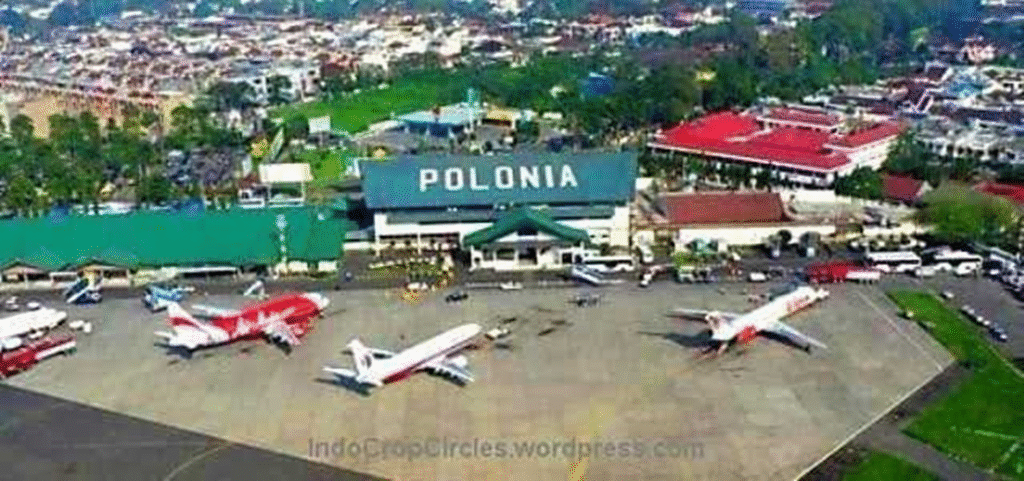
Medan Polonia Airport
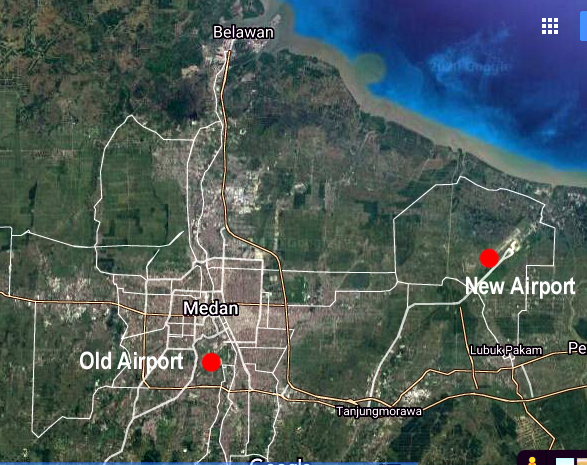
The airport at that time was Polonia Airport, located in the middle of the city center of Medan. The airport opened in 1928, and at that time it was on a field at the outskirts of the city, but as the population increased, it became surrounded by city area, and today it is an airport with a short runway.
Airport arrival area. People are pouring out into the open to meet passengers. The gable wall has a unique pattern of the Batak ethnic minority in this region, reminding us we are in the Sumatra region.

Photo by author, 2006

Photo by author, 2006
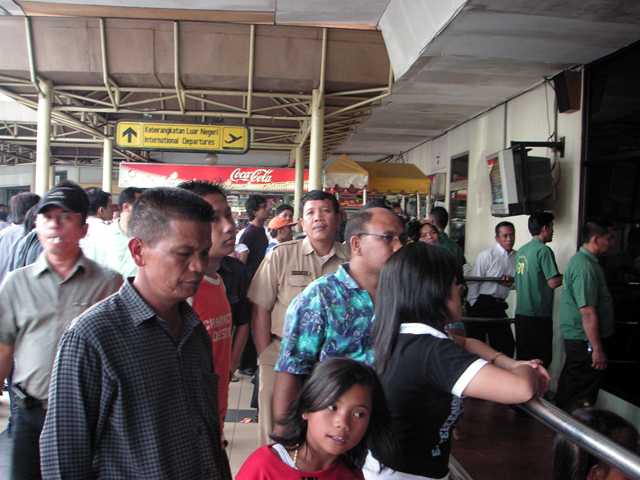
Photo by author, 2006
In 2005, a plane crashed at Polonia Airport shortly after takeoff. 100 of the 120 people on board and 49 people on the ground were killed. Newspapers at the time reported that a high-ranking government official brought an overloaded baggage on a domestic flight to Jakarta, causing the flight to fail to take off due to the short runway. I arrived at this airport about a year after the accident.
In 2013, the International airport was relocated to the suburbs and Polonia International Airport has disfunction.
Source: IndoCropCircles.Wordpress.com
Medan City, North Sumatra
The city of Medan, Sumatra, is the fourth largest city in Indonesia after Jakarta, Surabaya, and Bandung with a population of 2 million.
Until the Dutch East Indies period, Malays lived along the strait and Batak people in the mountainous areas. During the colonial period, European private capital, including the Dutch, developed plantations of tobacco, rubber, tea, etc. throughout Sumatra.
Medan then became a central collection point for these commodity crops and laid the foundation for its development. At the same time, on the plantations, there were large demand for workers.
This demand was met by Chinese people from China and Javanese people who immigrated from the overpopulated island of Java due to the postwar Indonesian government’s immigration policy.
Therefore, in Medan, unlike other local cities in Indonesia, there are many groups of foreigners living together, including Javanese, Chinese, Batak, Malay, etc
As for Japan, when diplomatic relations were restored after the war, the consulate was reopened in 1960 (Showa 35), and from the 1980s, many people involved in the construction project of the “Asahan Aluminum Refinery Plant” stayed in Medan, and a Japanese school for families was also established.
Mosques in the city. It is a delicate design.
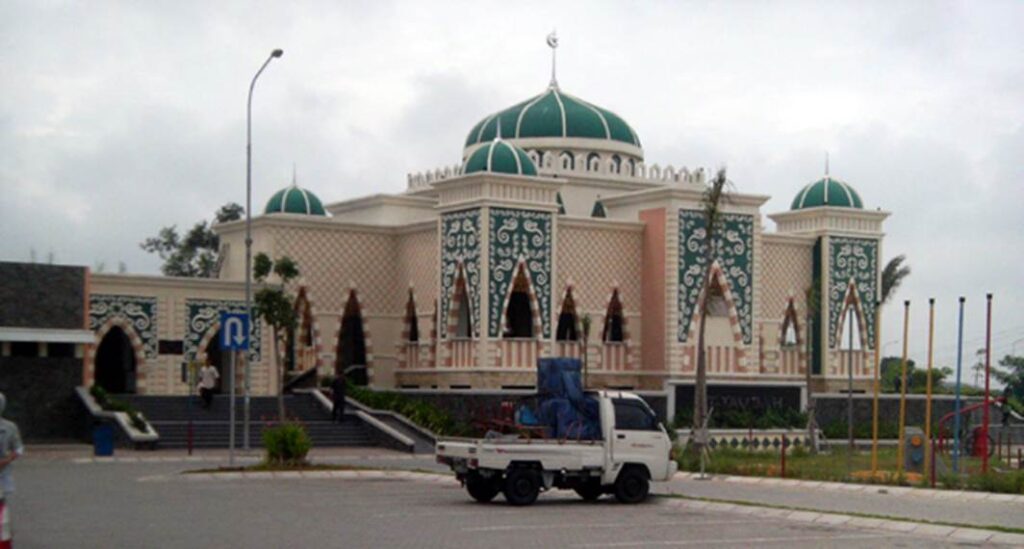
Photo by author, 2006
Medan City Population: Approximately 2.21 million (2015)
About 16% of the entire North Sumatra province lives in Medan City.
Another major feature of Medan City is that Indonesians of Chinese descent make up about 20% of the city’s population. This is an extremely high number compared to the national average of Indonesia, where only 3% of people are of Chinese ancestry.
In the streets of Medan, Chinese businessmen speak the language of Fujian Province, China, where Chinese people originate, as if it were the standard language of this town.
In addition, Arab and Indian residents also have a prominent presence compared to other large cities in Indonesia.
It’s interesting to note that many Indonesian politicians and high-ranking military personnel are from Batak, and many are also in the legal profession.
The population ratio of Medan citizens by religion is as follows. It is different when compared to other regions and cities in Indonesia where the proportion of Christians is high, and the proportion of Muslims is low.
Islam – 60%, Christianity – 28%, Buddhism – 10%,
Aerial view of Medan City
As of 2006, there are only few high-rise buildings, or almost none.
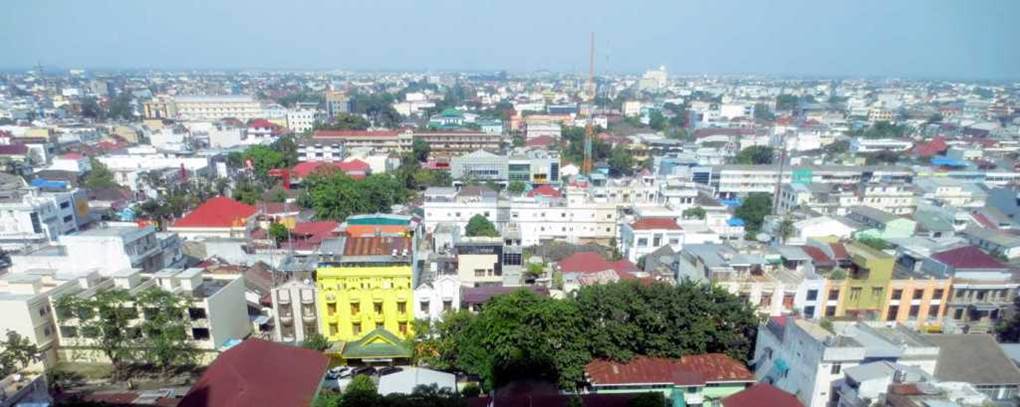
Photo by author, 2006
Transportation
For public transportation, there is no mass transit system, but instead a large number of minibuses ply the roads.
Minibuses stop everywhere and let passengers board and alight, which contributes to traffic jams. Minibuses are an important means of transportation for the common people, and they will not disappear unless other mass transportation methods are developed.
Also the increasing number of motorcycles every year is contributing to the traffic congestion.

Photo by author, 2006
Padang Cuisine
Nasi Pandang is a Padang cuisine that is also popular in Malaysia and Singapore.
It is a dish that originated in the Padang region of West Sumatra, and is a popular national dish in Indonesia from Java to Bali.
The photo below is a Padang restaurant in Medan.
The dish tastes tasted more delicious when eaten in authentic Sumatra settings.

Photo by author, 2006
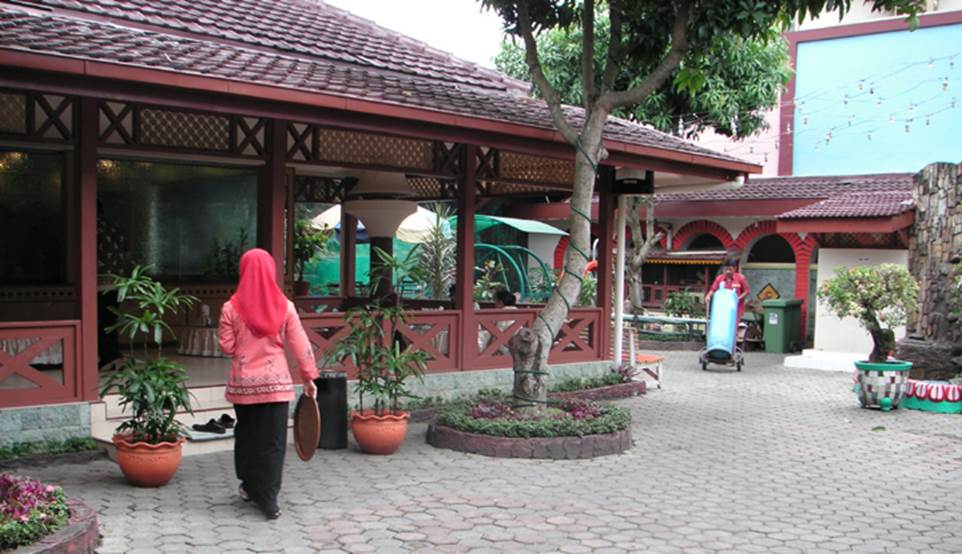
Photo by author, 2006
In a Padang restaurant, when a customer takes a seat, the staff brings small plates of various dishes to the table and arranges them. From the many dishes on the table, customers will choose their favorite small plate.
After the meal, the staff at the restaurant calculates the charge for the plate you eat and pays only for that amount. Food on plates left untouched by the customer is returned to its original state. Although it is a bit questionable from modern hygiene concepts, it is likely that they are following the local customs from ancient times.

Photo by author, 2006
Padang cuisine often uses coconut and has a creamy flavor.
The dishes looks spicy, but it does not taste that spicy.
Because Padang cuisine uses a lot of coconut and oil, it’s high in calories, so locals end up consuming too much cholesterol.

Photo by author, 2006
Seafood Dishes
This is a Chinese-style seafood restaurant in the city of Medan.
A local acquaintance brought me here.
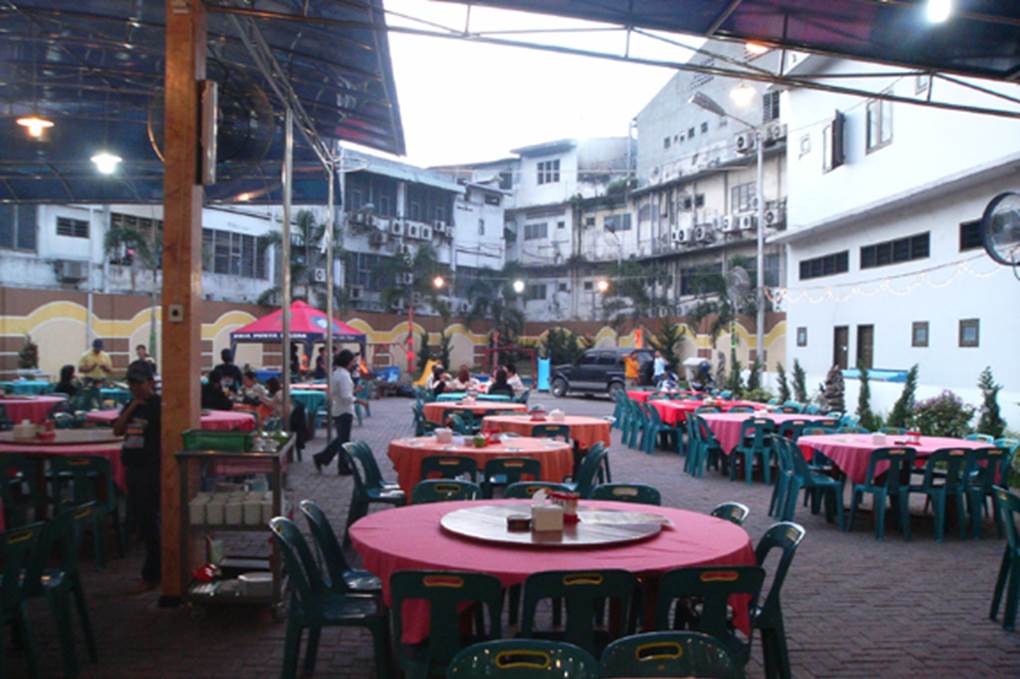
Photo by author, 2006
There were live eels in the tank.
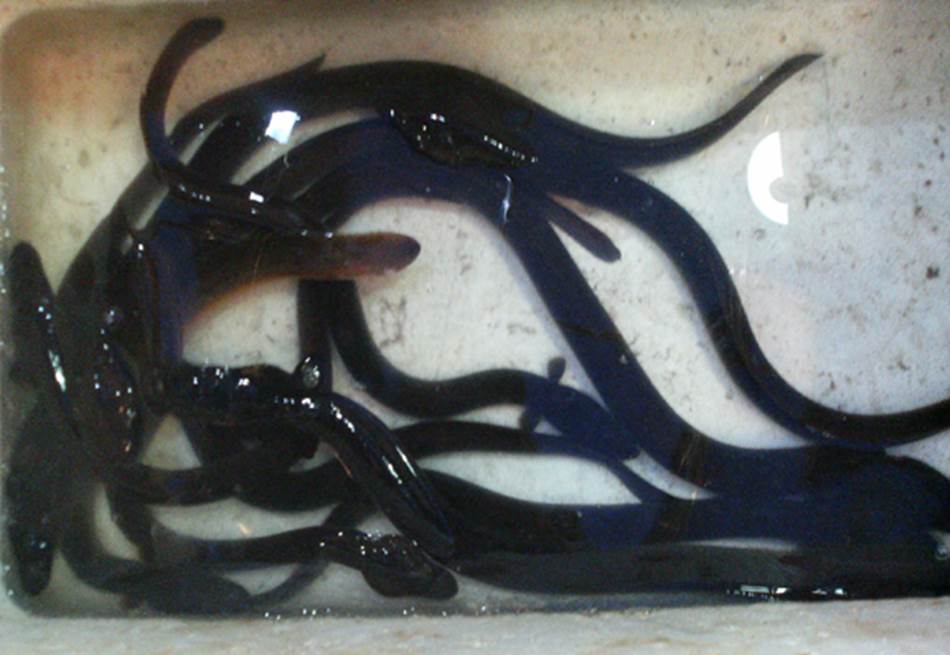
Photo by author, 2006
Medan’s Chinatown
Behind the railway station in Medan (on the east side) is a fairly large Chinatown.

Photo by author, 2006
Guided by a local acquaintance, I was taken to a Chinese restaurant in Chinatown district and had dinner there.
The cooking were done outdoor under the eaves of the house and the dishes are served at the tables indoor.
The appearance and atmosphere of the townhouses are similar to those of Penang, Kuala Lumpur, and Singapore in Malaysia.
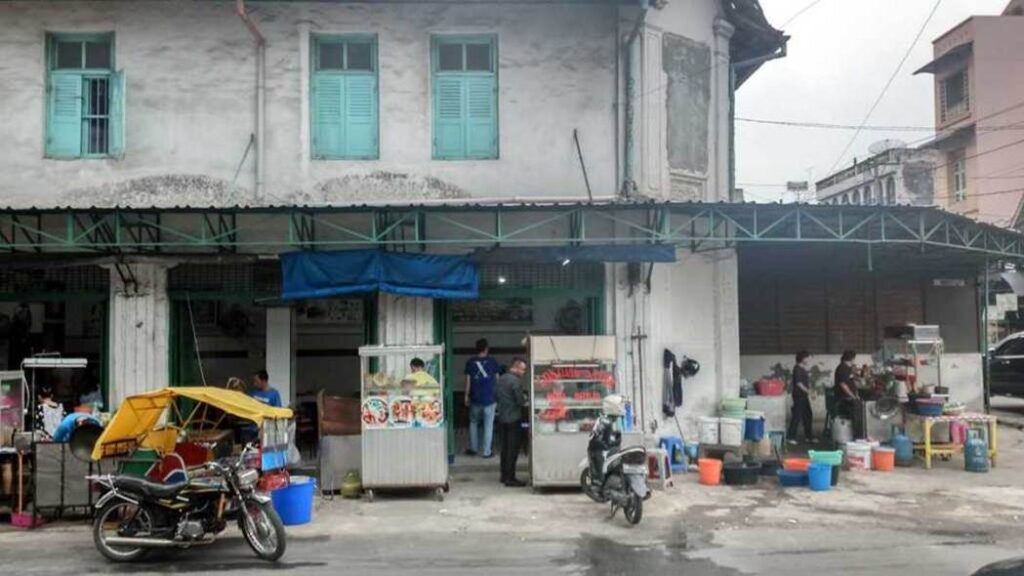
Photo by author, 2006
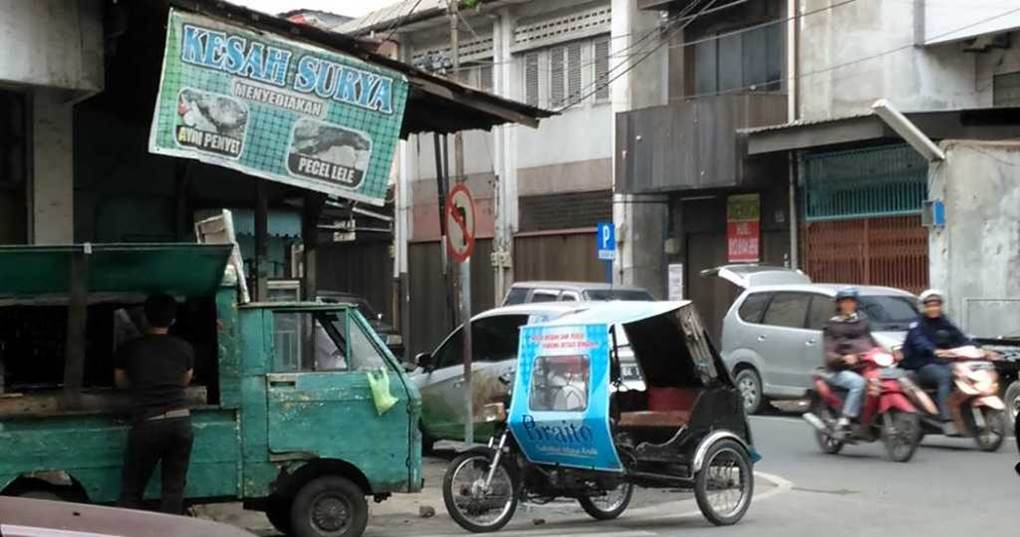
Photo by author, 2006
Slum settlements in the city
There was a slum settlement in the middle of the city. As for the roofing material, tiles are used on the island of Java, but here in Sumatra, corrugated iron roofs are used, giving it a more slum-like feel.

Photo by author, 2006
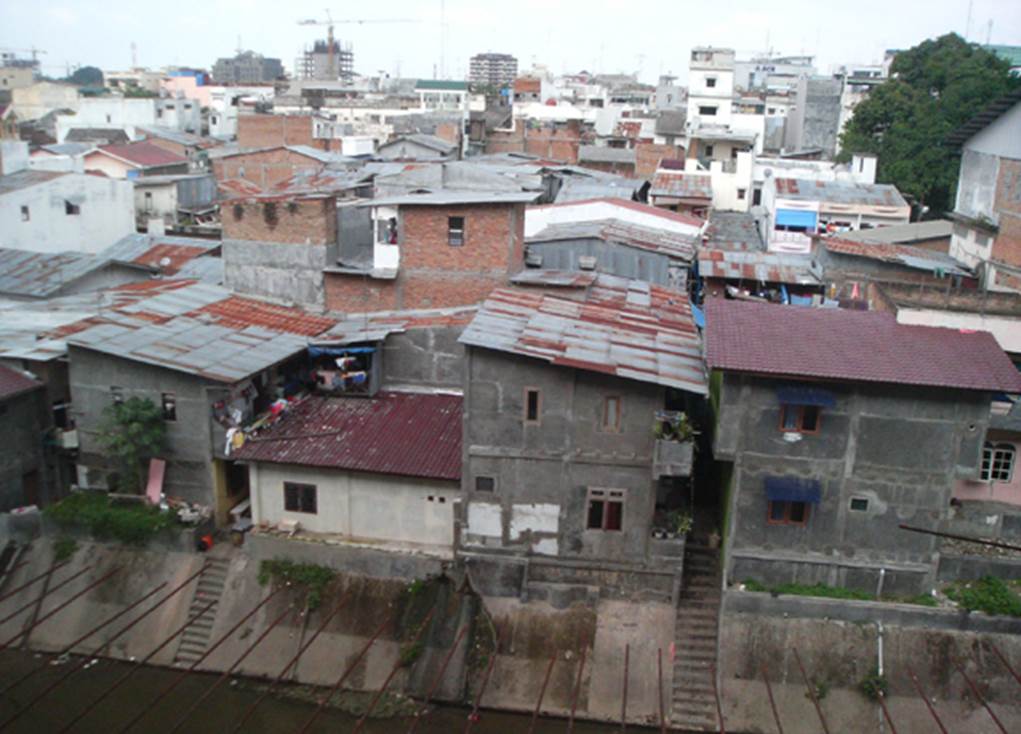
Photo by author, 2006
I went to see the swallow’s (bird’s) nest.
At the invitation of a client’s colleague in Medan, I decided to go see some bird’s nest. Bird’s nests are used in high-end Chinese cuisine and are said to be effective in promoting health.
On the road on the way, I saw boys on the roof of a van.
What are the traffic rules?

Photo by author, 2006
When I arrived at my destination, I thought I was going to go to a cave, but an acquaintance showed me the grey building in the photo below.
The windows are small, the exterior walls are unpainted, and it doesn’t appear to be an inhabited building.
This is a building where swallows build their nests, and I learned that this is a “house nest” where bird’s nests are collected. A “house nest” is a building in which swallows’ nests are built and produced.

Photo by author, 2006
The swallows that settle in this building build a nest in the building.
This allowed the nests to be harvested more hygienically, unlike the old method of harvesting swallow nests made in caves.
The nest made is made of special secretions from the salivary glands of swallows.
Swiftlets have a habit of not using the same nest as the chicks when they leave the nest, and they take advantage of this habit to harvest the nest after the chicks leave the nest so as not to destroy the ecosystem.

Photo by author, 2006
All photos by author, 2006