JAP | ENG
Around Bali #8/10
Wooden Furniture, Objects
Wooden Furniture
Bangkirai
The most widely used wood available in Bali is called Bangkirai, which is a log cut down from the dense forests of Borneo.
It is also called Selangan batu in Indonesia and (Yellow) Balau in Malaysia.

Photo by author
This large tree is cut from the log at a woodworking shop in Bali as shown below.
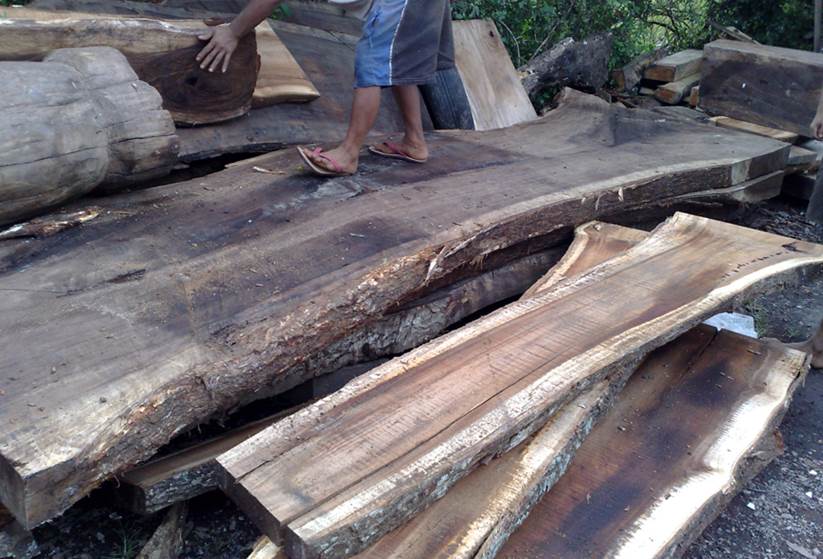
Photo by author

Photo by author
Sawn Bangkirai lumber is sold by the roadside.
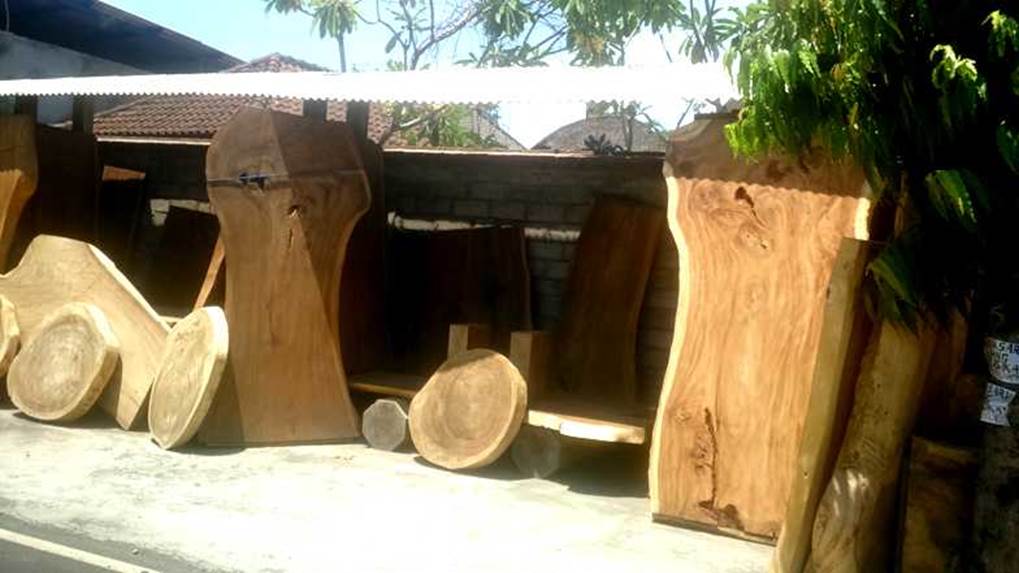
Photo by author
Bangkirai is used in applications that require strength and durability, such as sills, foundations, instrument handles, heavy structures, sleepers, bridges, and wooden decks.
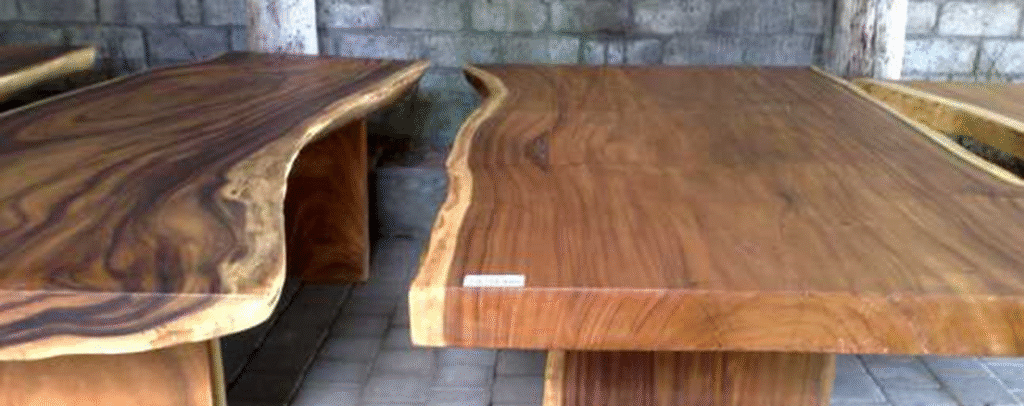
Photo by author
The table top is made from a single piece of wood without any seams, and is then processed into a finished product.
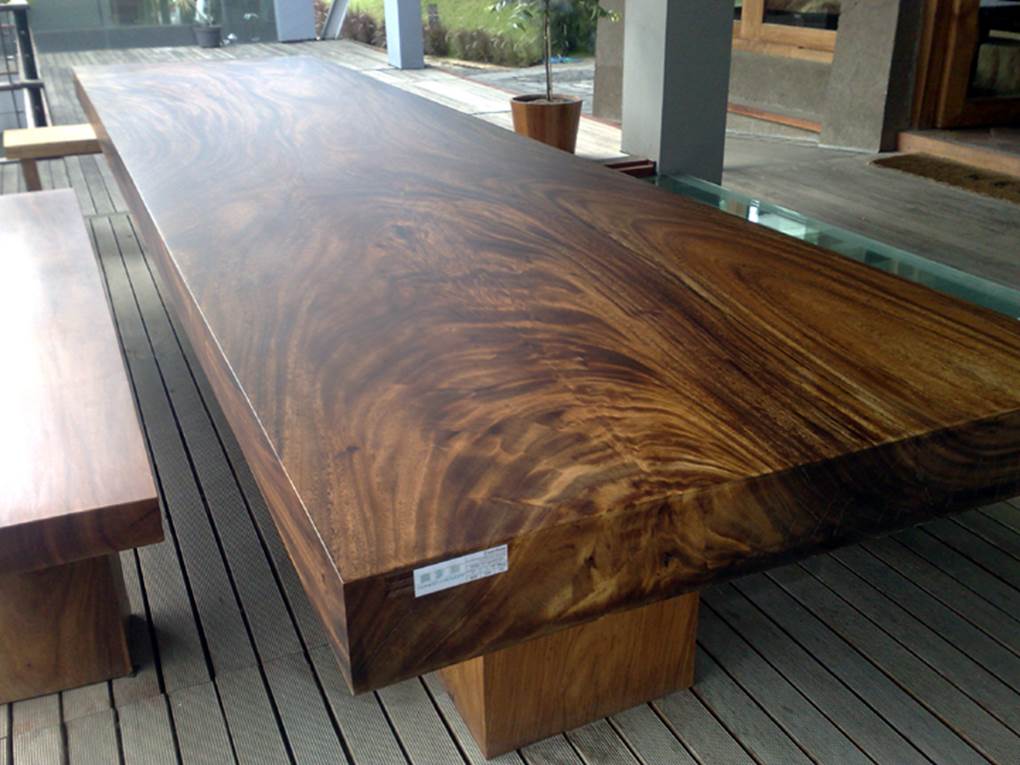
Photo by author
A well-worn bench made from a single piece of wood with no joints.
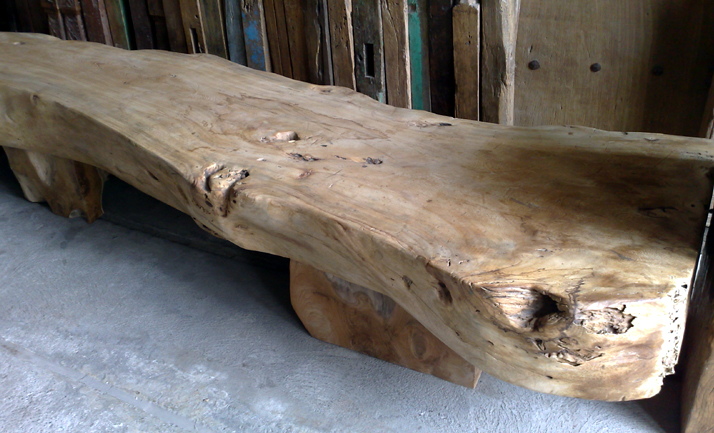
Photo by author
An antique bench made from a single piece of wood without any joints.
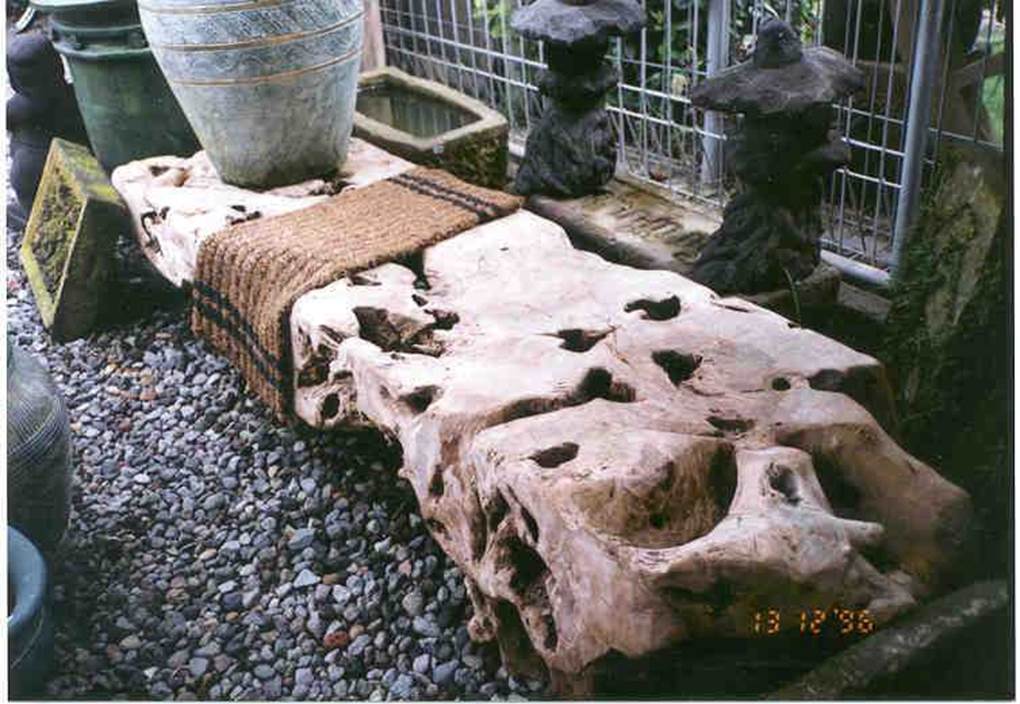
Photo by author
Use of thinned wood
The trunks of trees thinned in Bali are cut into rings and made into tables.

Photo by author
There is a store that makes and sells tables using irregularly shaped thinned wood that would otherwise be thrown away.
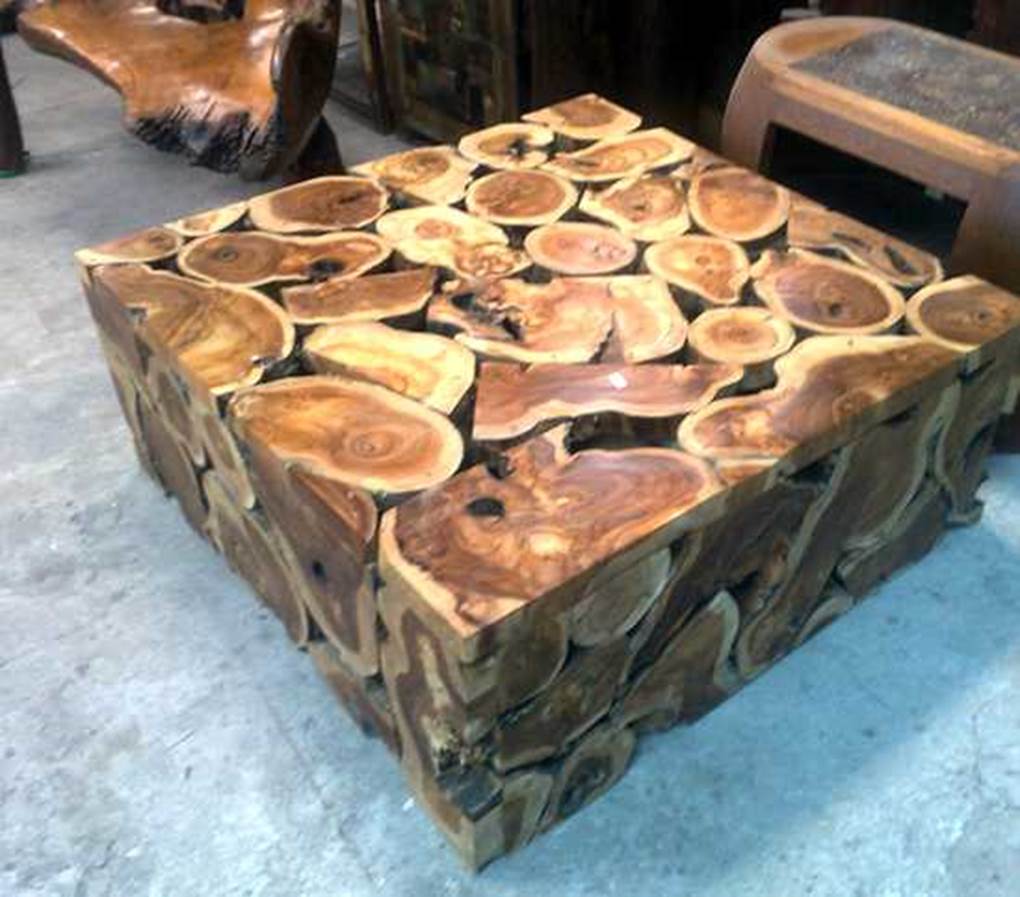
Photo by author
Using thinned wood, a table was created and used in the reception area of the hotel “Ubud Green” designed by the author.
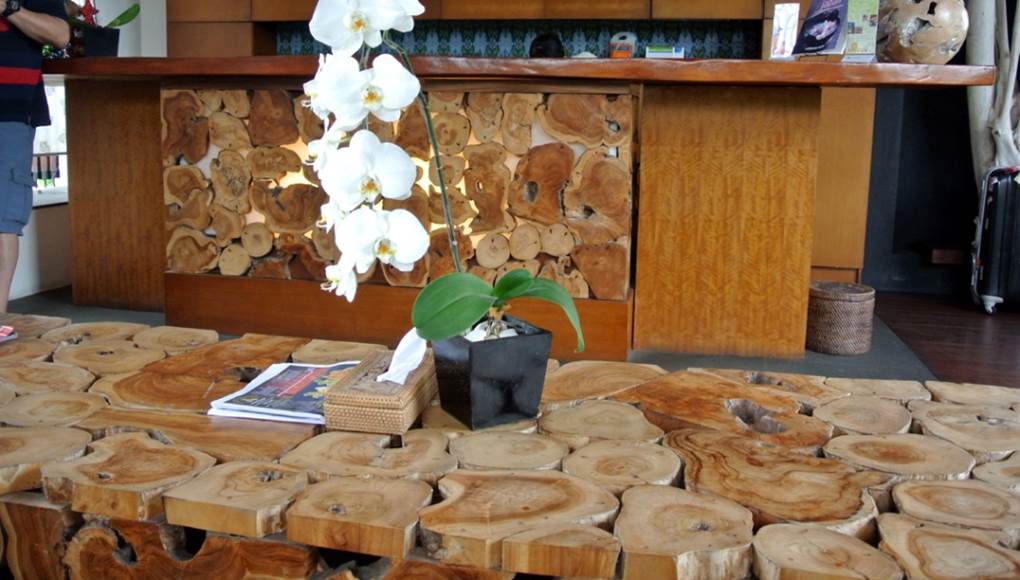
Photo by author
Various shaped seating stools made from thinned wood.
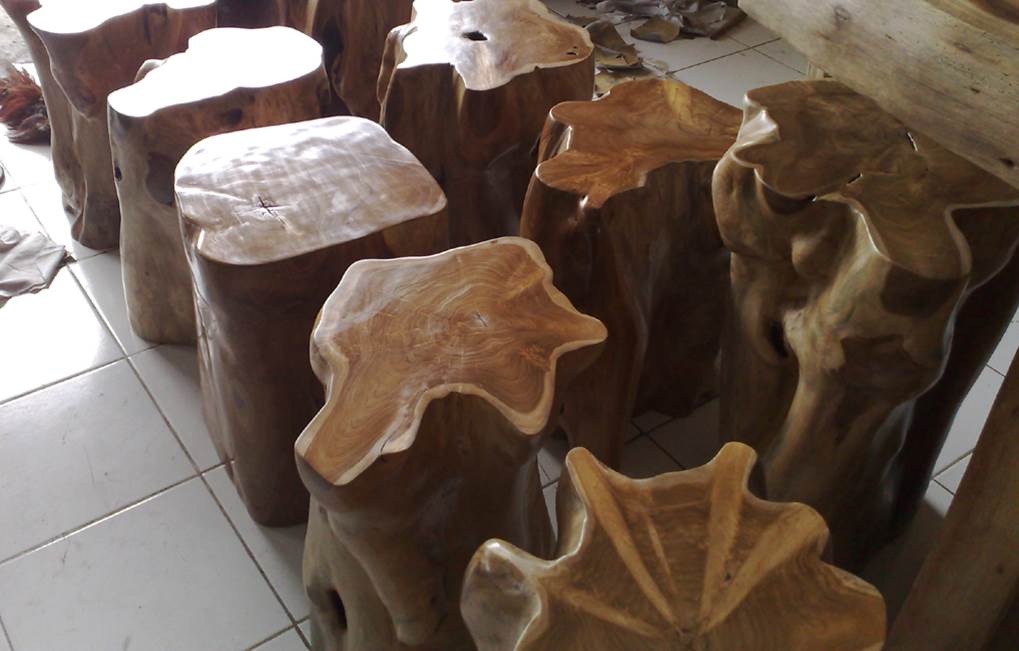
Photo by author
There was also a workshop that made furniture like this.
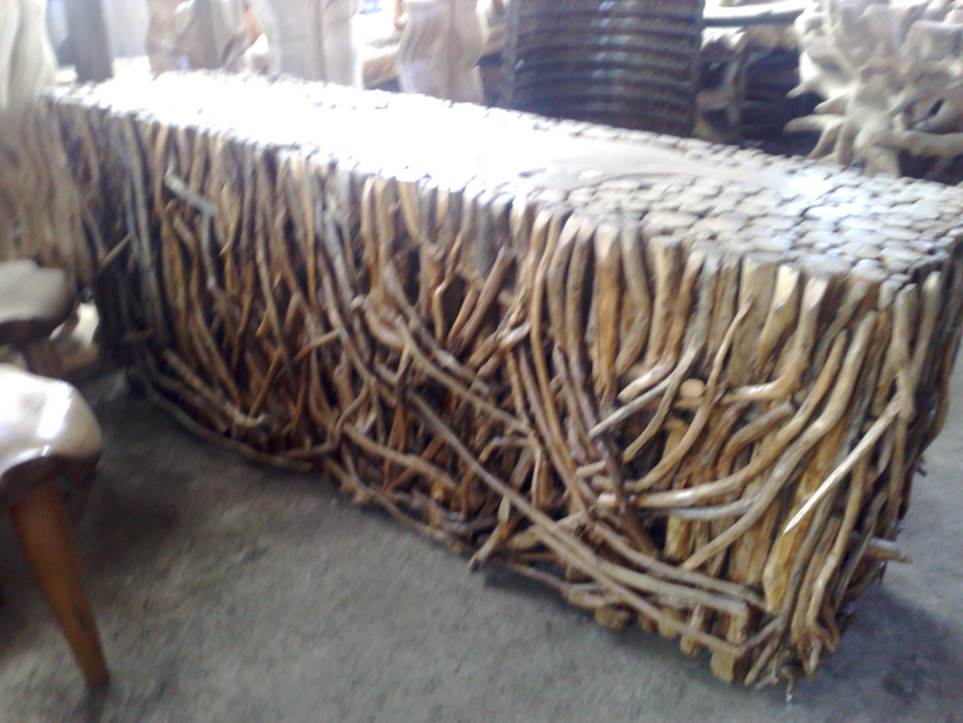
Photo by author
The base of the palm tree is hollowed out to create a cavity and used as a flower bed.
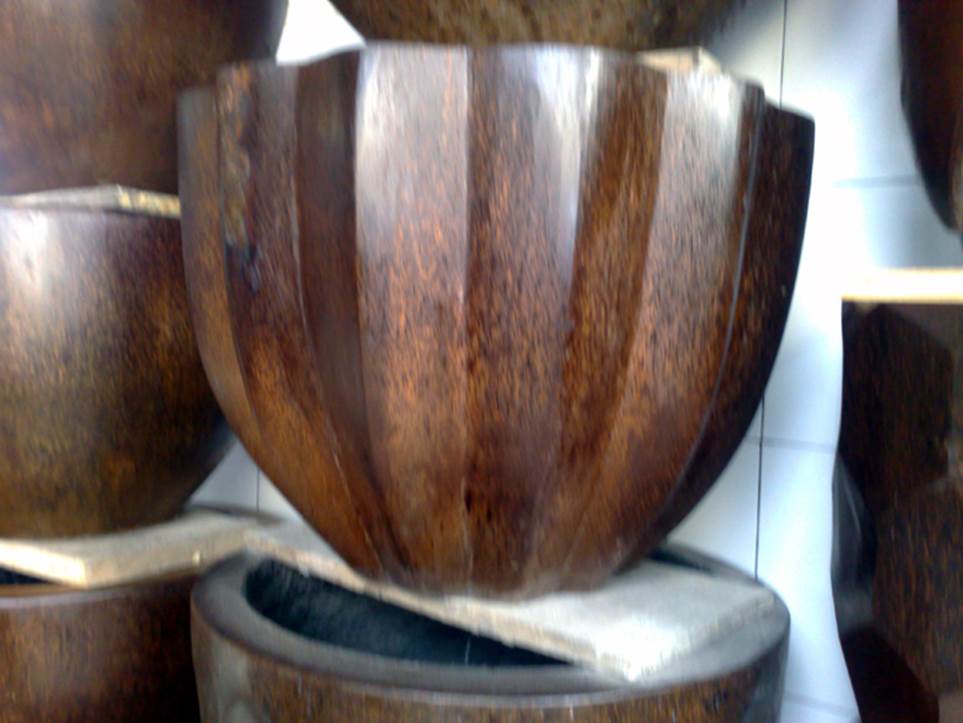
Photo by author
A wooden parquet wash basin.
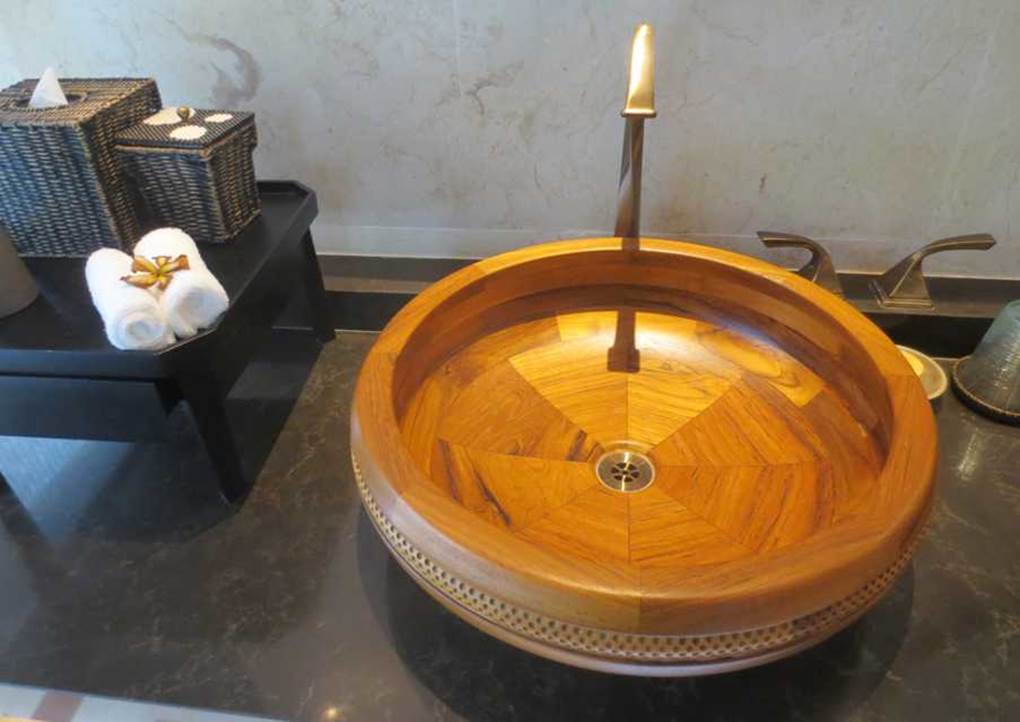
Photo by author
Wooden storage case for bathroom amenities used in hotel bathrooms.

Photo by author
Use of waste materials
An old wooden pillar salvaged from an abandoned farmhouse in Java. Some customers are curious Western tourists.

Photo by author
Strangler tree.
This vine is found in tropical rainforests and grows by wrapping itself around the trunks of other trees. As a result of its growth, the tree it is wrapped around (the host) gradually becomes unable to live in and withers and dies. As a result, only the vine with a hollow cavity survives. It is then dried, cleaned, and made into a product.

Photo by author
The strangler trees that wrap around their hosts seem to inhabit the forests of Bali in large numbers, and many shops with large stocks of it are scattered along the so-called “tourist route” from Ubud to Rice Terraces.
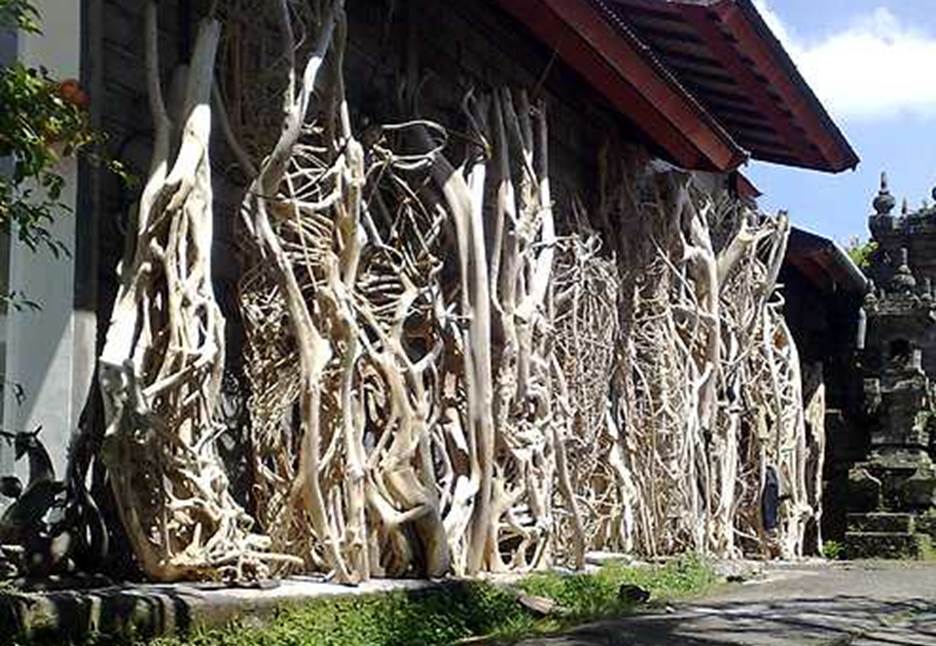
Photo by author
Craftsmen in a woodworking shop
At the end of Sunset Road in Bali, in the Kerobokan area, I discovered a workshop that recycles wood chips. The objects they were making there were quite artistic.
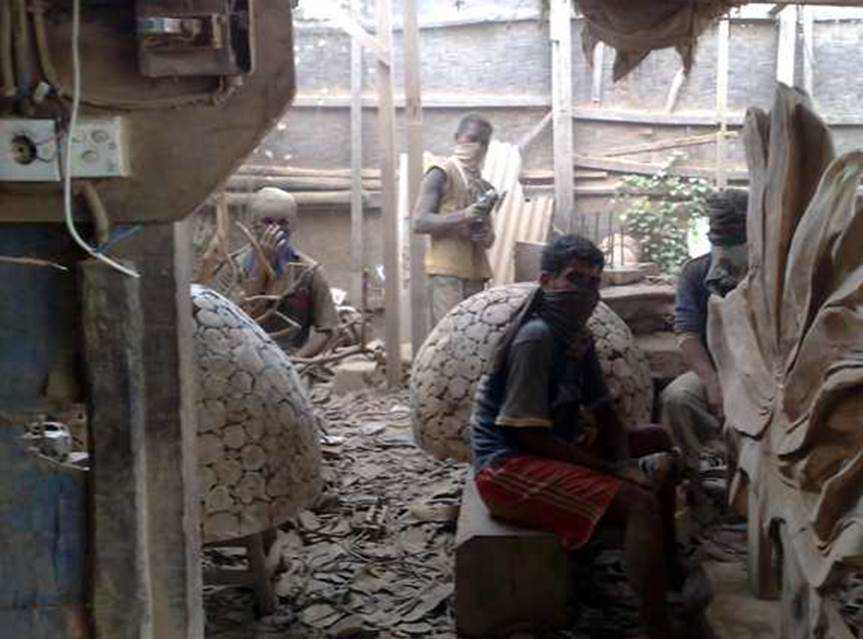
Photo by author
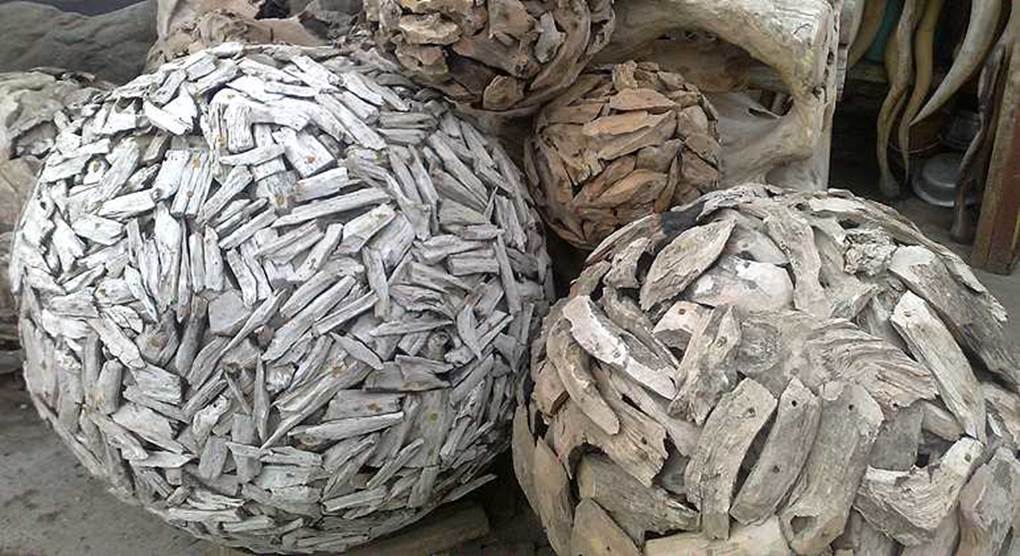
Photo by author

Photo by author
If you put a light bulb inside, it becomes a lighted piece of art.
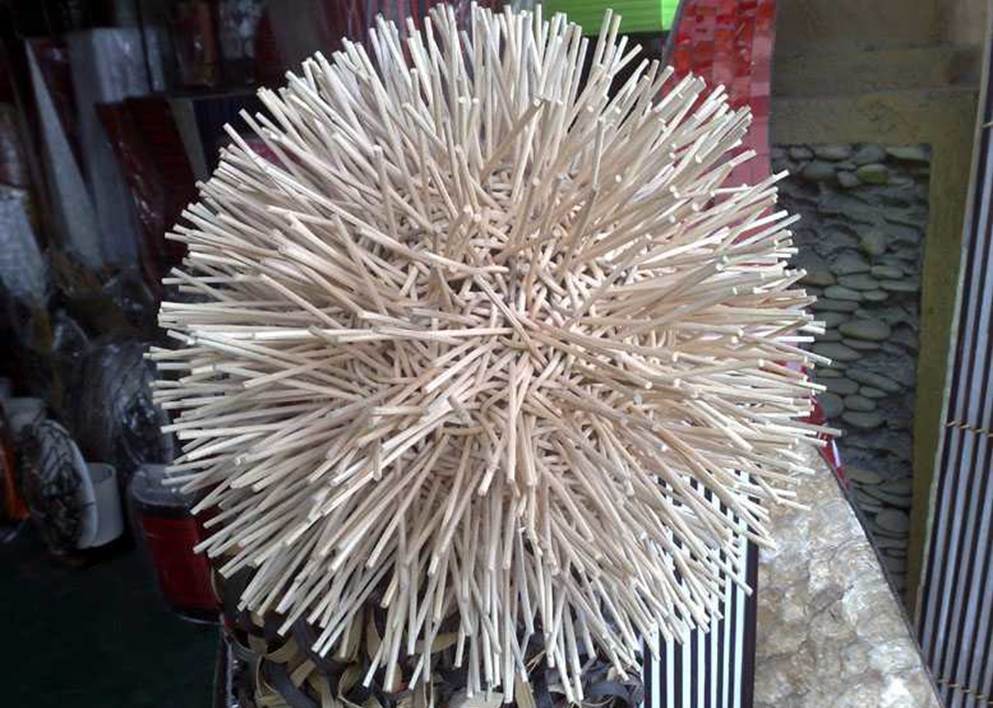
Photo by author
The roots of a large tree.
After cutting down a large tree, they dig up the remaining roots and turn them into works of art. This is the true essence of the Balinese.
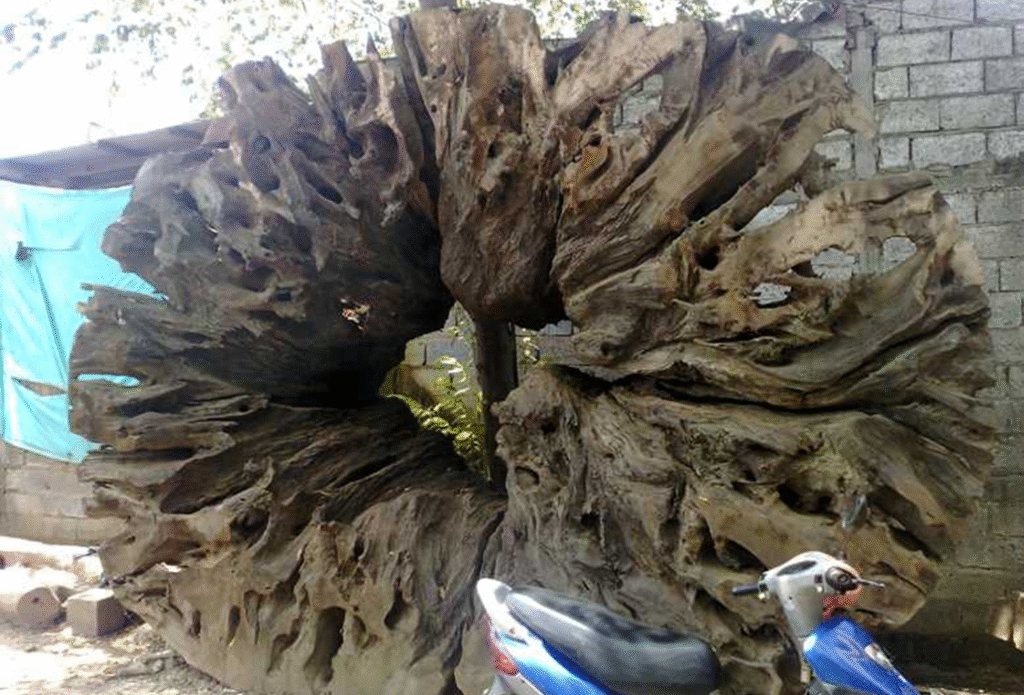
Photo by author
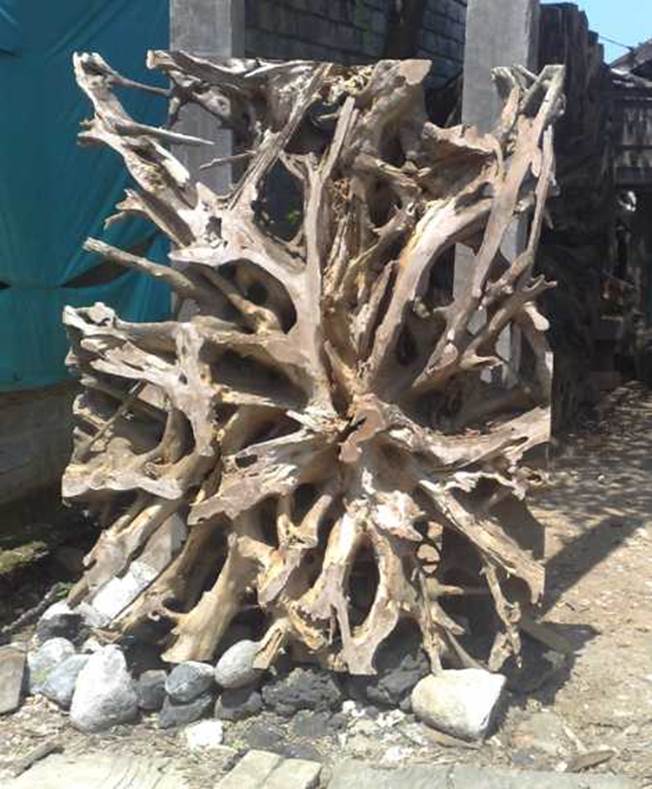
Photo by author
The roots of the tree were modified to create a work of art. Balinese woodwork carvings have a sense of humor.

Photo by author
An old coffee tree.
It is used as a material for artworks.
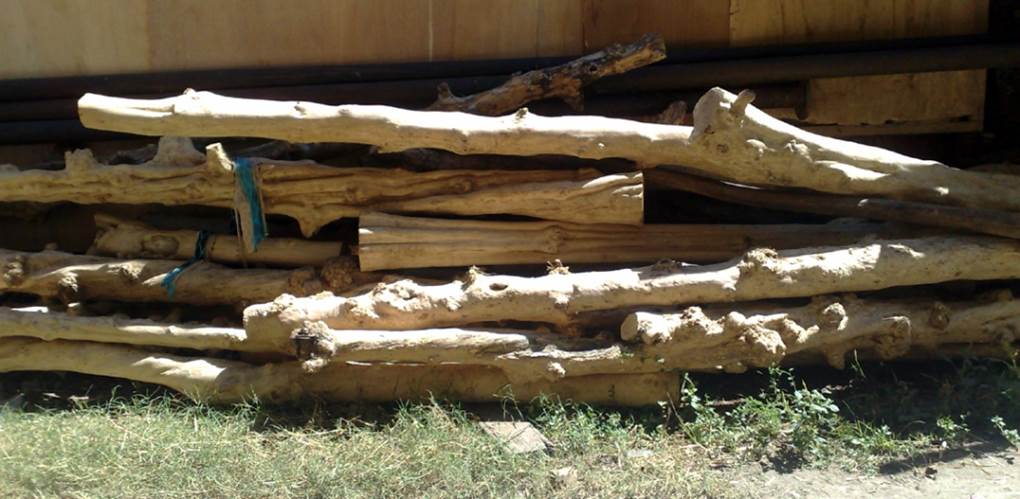
Photo by author
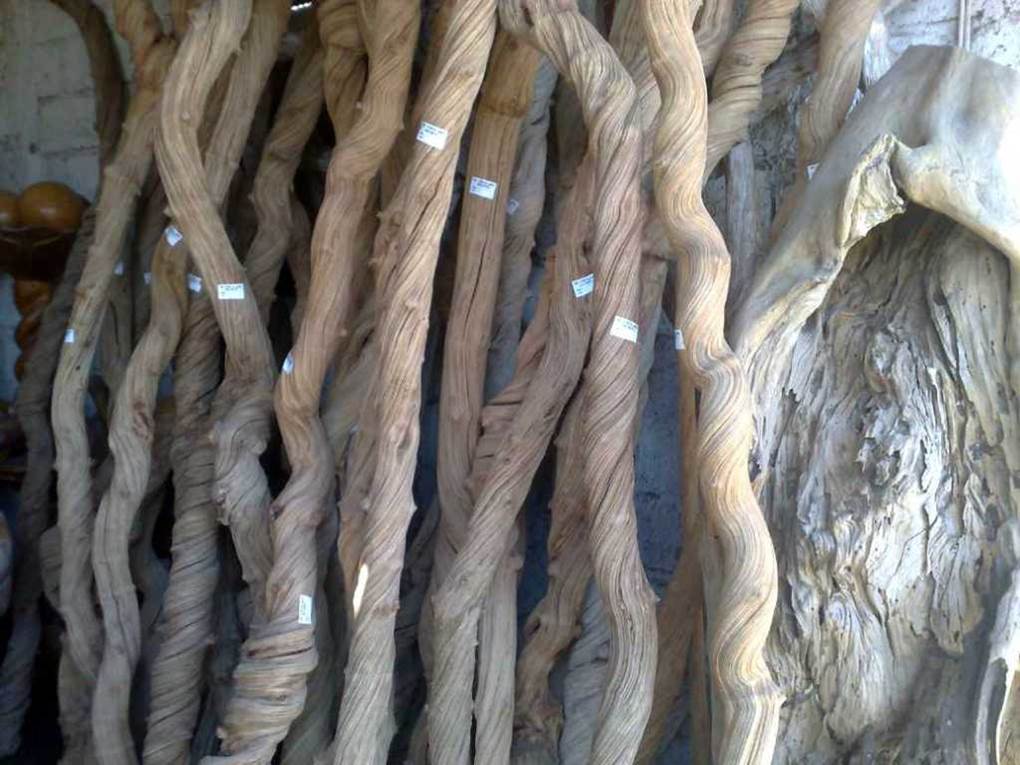
Photo by author
Reed grass.
Dried stalks of reed grass.
When used as a partition in an interior space, it can create a soft atmosphere.
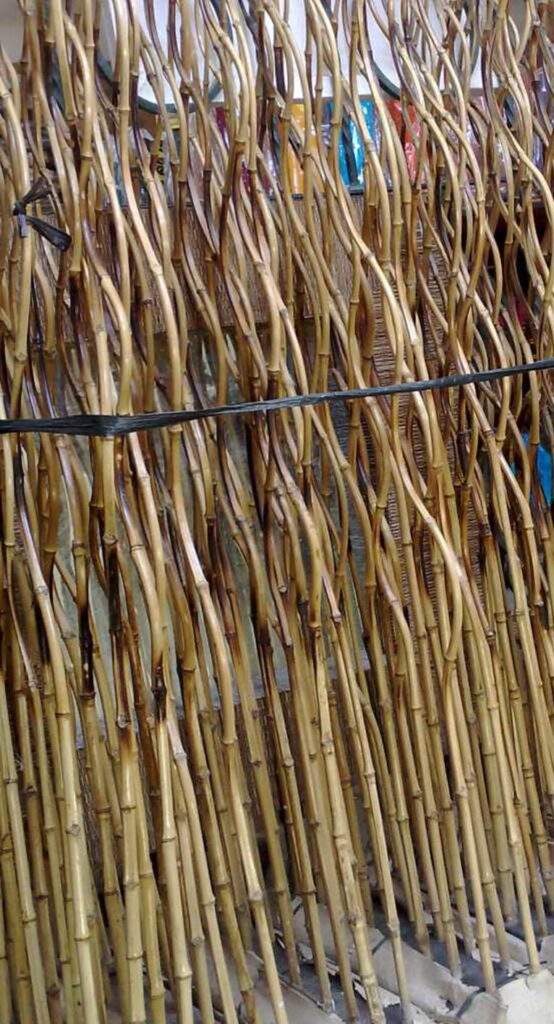
Photo by author
Cane
I found some vines collected from the rainforest and tied together. When placed on top of an uplighting fixture embedded in the staircase, it becomes an indirect lighting piece of art.
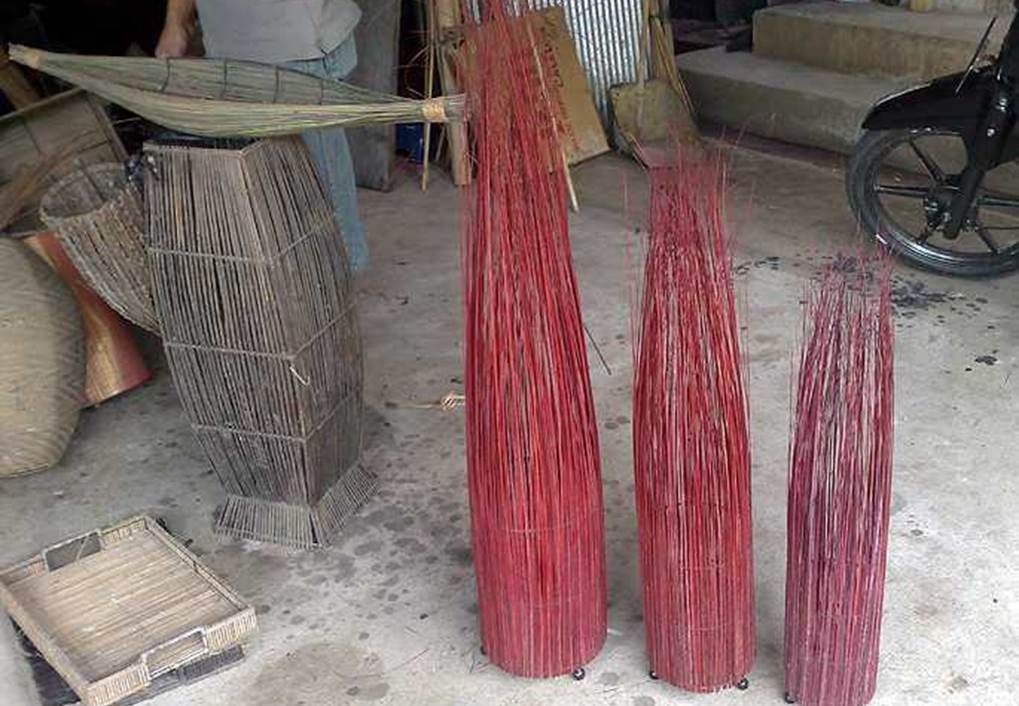
Photo by author
Various statues of wood carvings.
Balinese woodcarvers continued to hone their skills as they continued to make sculptures for the temple.
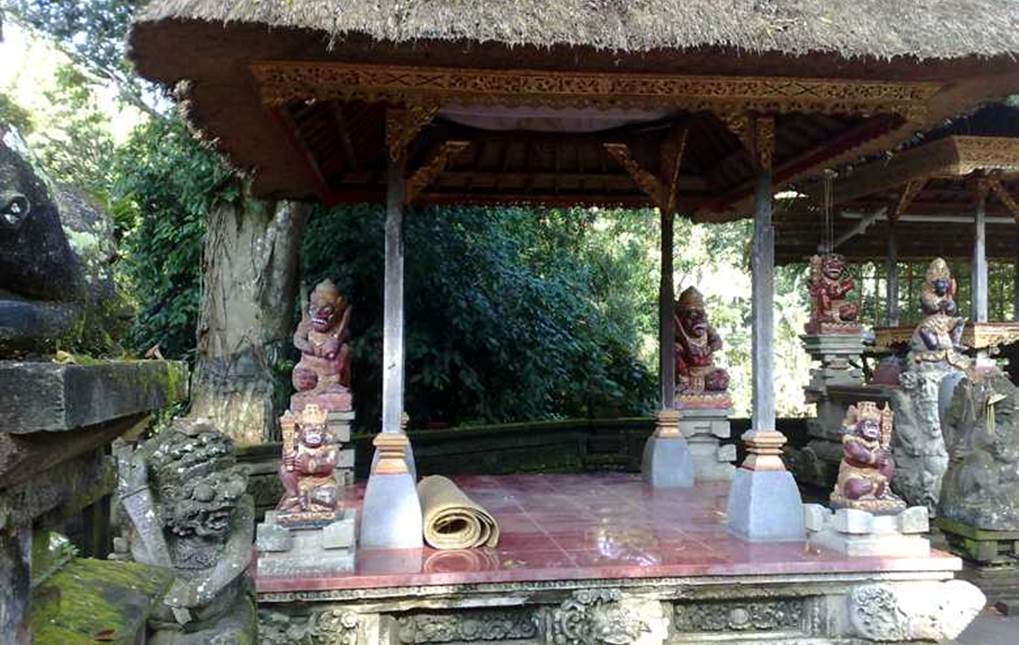
Photo by author

Photo by author
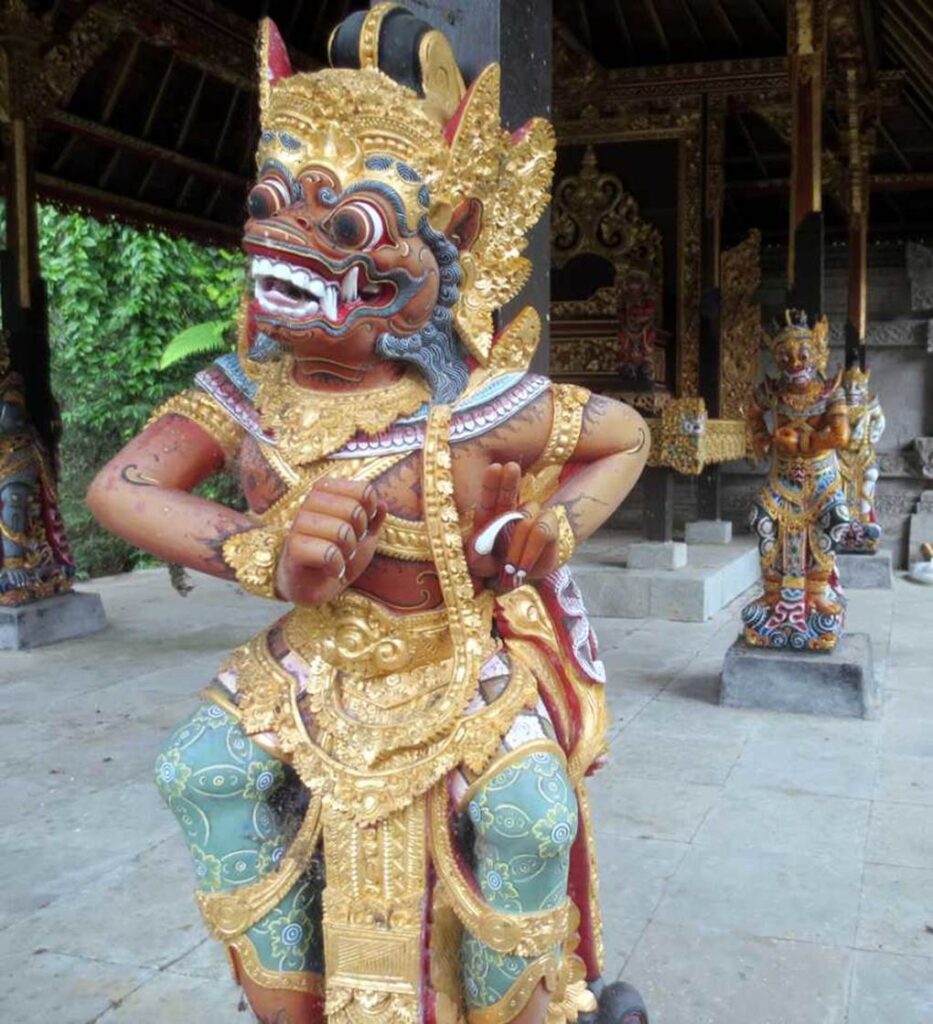
Photo by author
Unusual Woodblock print
I found a playful wooden bell that was placed at the entrance of a hotel near Ubud.
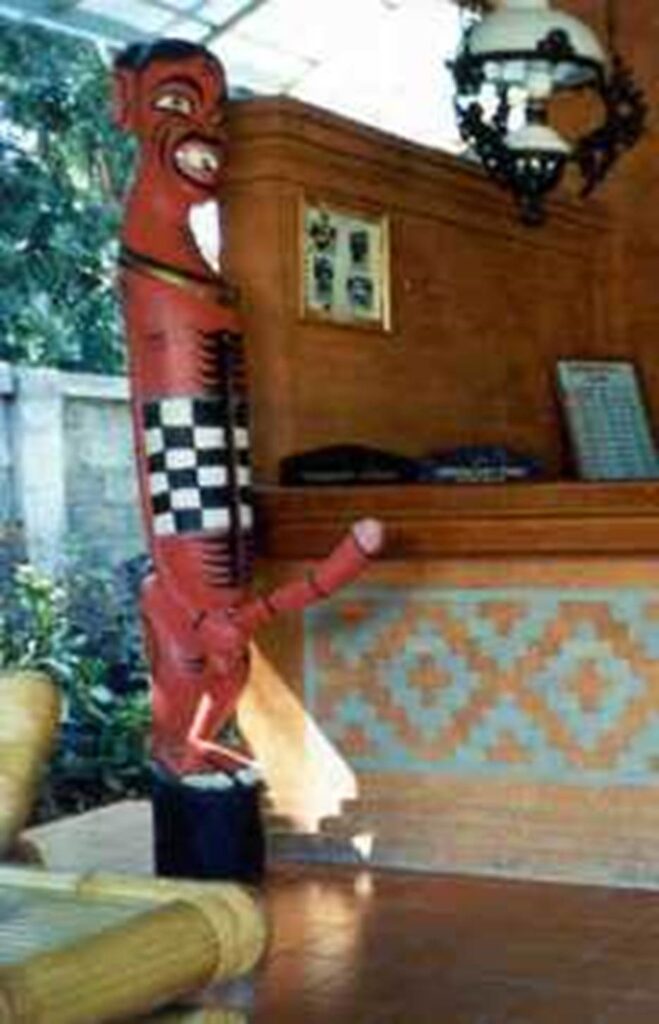
Photo by author
All photos by author