JAP | ENG
Sri Lanka Travelogue
February 2014
#5/6
Coffee cultivation declines, replaced by tea plantations
When Ceylon was a Dutch colony, coffee cultivation flourished and it became one of the world’s leading coffee producing countries. However, in 1868, “Coffee rust disease” (Fungus) attacked Sri Lanka’s Arabica beans and the industry declined.
Ceylon subsequently became a British colony, and black tea cultivation took over. Among them, Thomas Lipton (1850-1931) emerged, and in 1890, he started a large-scale tea plantation management mainly here in the Nuwara Eliya plateau, and successfully spread Ceylon black tea to the world under the brand name of Lipton.
The tea leaves grown at this altitude in Nuwara Eliya, with its long hours of sunlight and extreme temperature differences, are of high quality with a strong black tea flavour and aroma. Nuwara Eliya has become a world-famous tea producing region, along with Darjeeling and Assam in India.
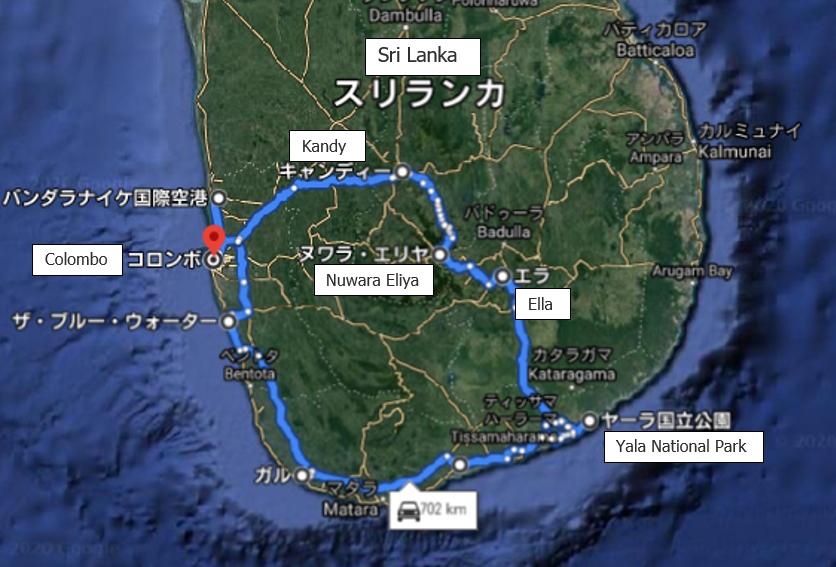
From the urban area of Nuwara Eliya (altitude 1,868m), we will continue up the tea plantation area andhead for the Heritance Tea Factory at an altitude of about 2,000m. It is deep in the mountains about 15 km away.
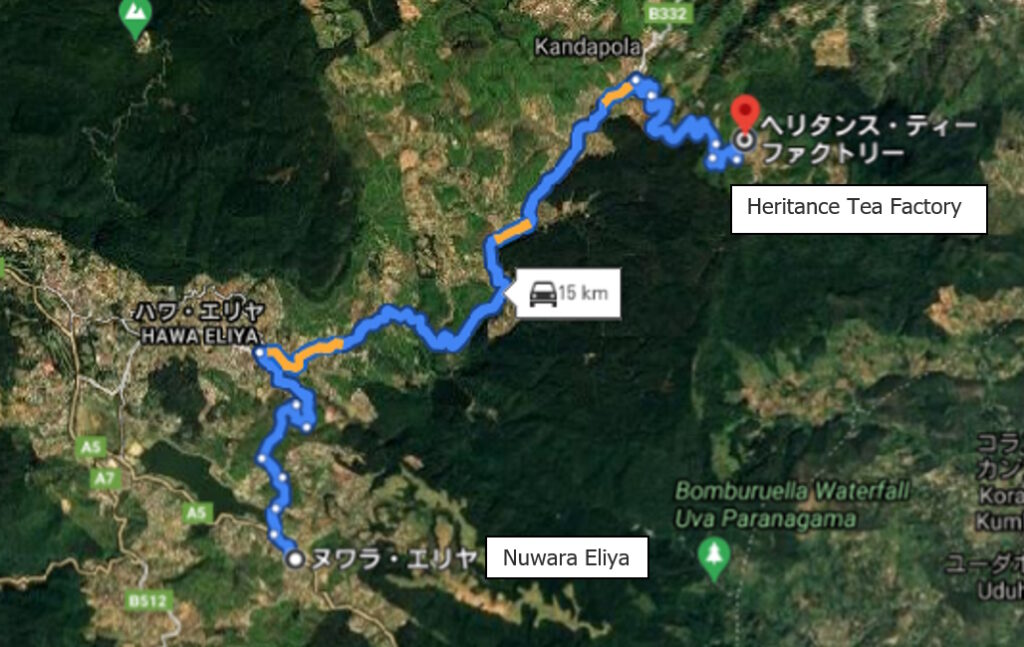
Heritance Tea Factory
Ceylon tea has its roots here, in Nuwara Eliya. Deep in the mountains, there is a unique hotel called Heritan Tea Factory. This former tea factory has been renovated into a pop hotel with a modern style.

Photo by author, 2014
The exterior of the hotel is ugly. It can be seen that it once used to be a factory.
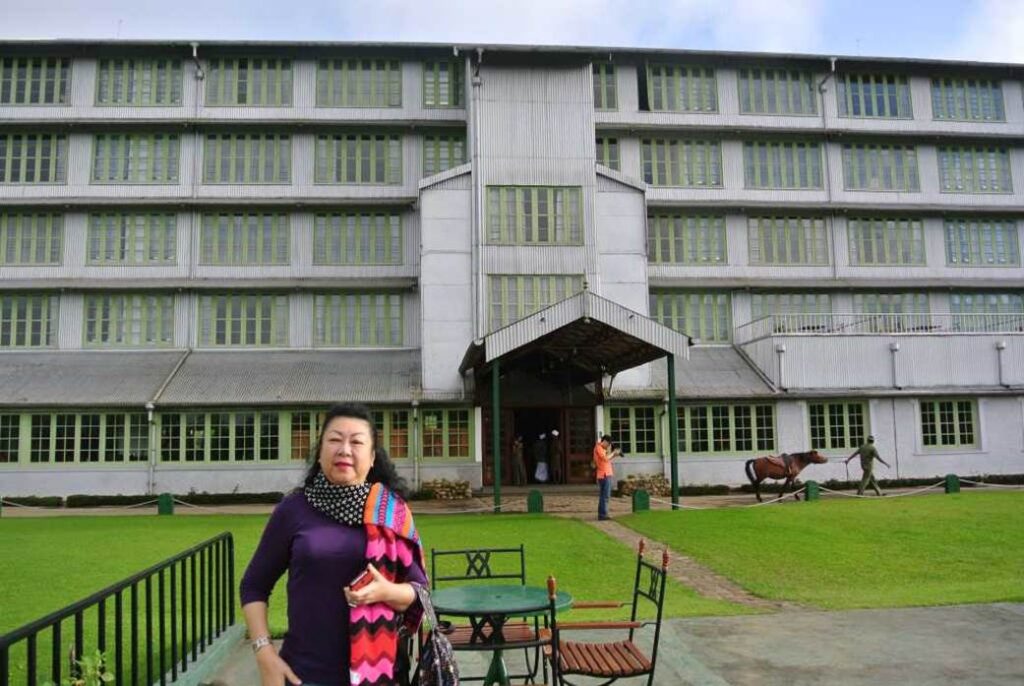
Photo by author, 2014

Photo by author, 2014
The hotel drop off. The entrance is very simple, but once inside, a surprise awaits.

Photo by author, 2014
The strong exposed steel frame of the former tea factory makes you feel straight that this was once a factory.

Photo by author, 2014
As the hotel name suggests, he facility is designed with the concept of a tea factory. The freight elevators which used to carry tea leaves in the past, is now used as an elevator for passengers.
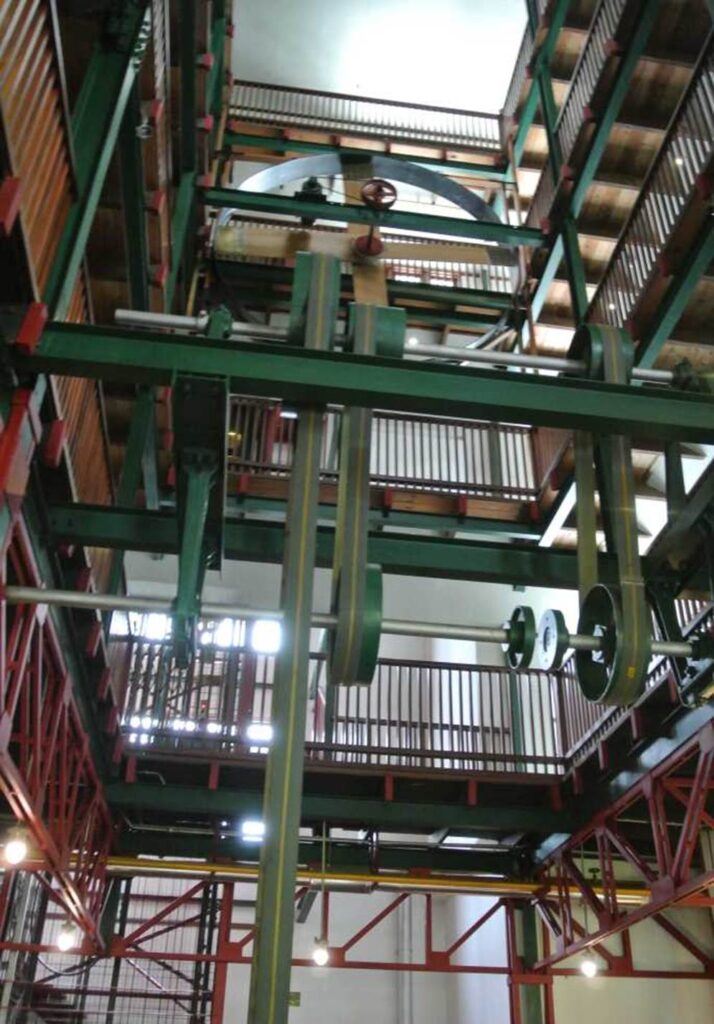
Photo by author, 2014
The hotel’s recycling techniques are impressive, with machine parts used in tea manufacturing being repainted in vibrant colours and transformed into innovative furnishings. Nuwara Eliya has long been a summer resort for the British, and the quality of the education of the hotel staff and the food provided is also impressive.

Photo by author, 2014
Reception counter.

Photo by author, 2014
It is a homemade cart that carries the luggage of guests to the guest room. Its made from recycle parts of machines that used to be in the factory. The walls are equipped with steam pipes for heating. This shows that it can be quite cold in winter.

Photo by author, 2014
There was also a bar corner. The food served is not alcoholic beverages, but tea.
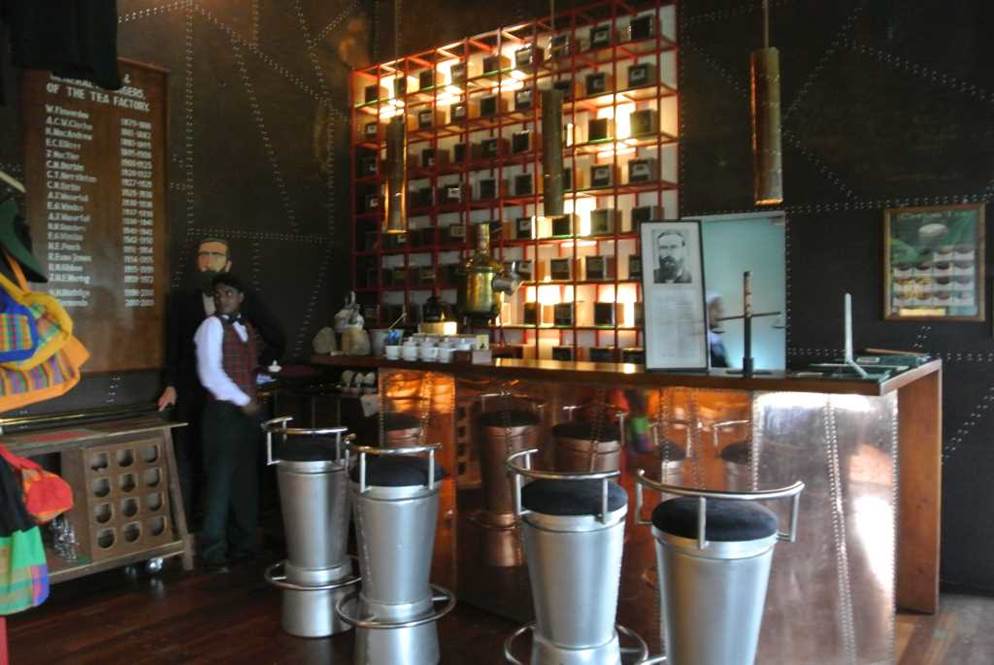
Photo by author, 2014
Display of various tea cups.

Photo by author, 2014
You can sit on the sofas in this corner and relax while sampling various types of tea. This is one of the selling points of this hotel.

Photo by author, 2014
The Ceylon tea I ordered is now ready for tasting.

Photo by author, 2014
The server carefully explain the difference between the different type of tea leaves.
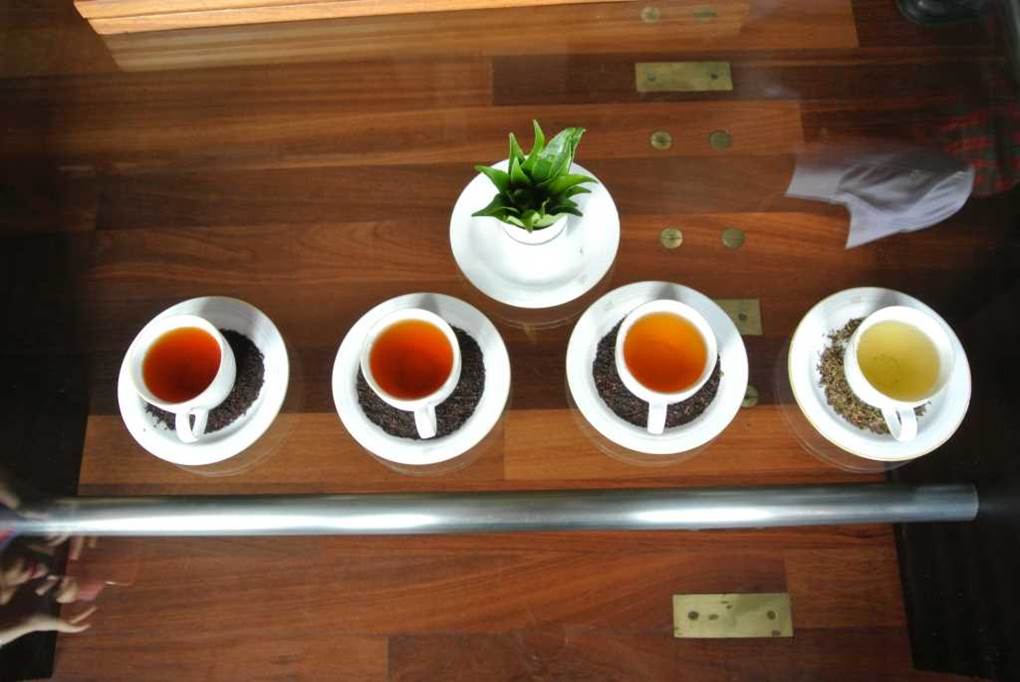
Photo by author, 2014
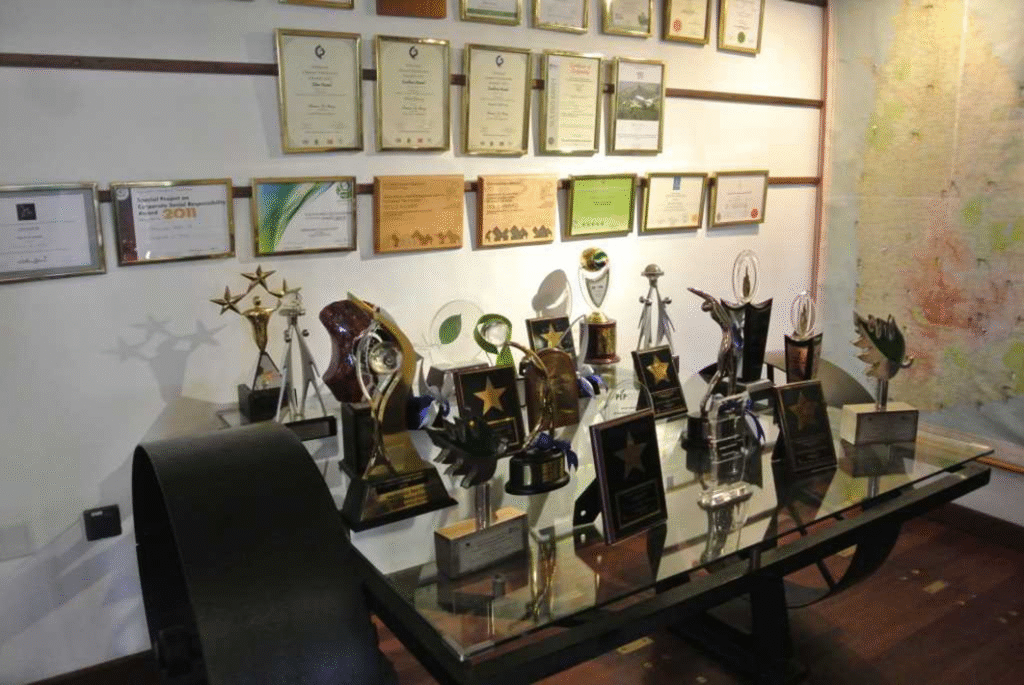
Photo by author, 2014
Model of workers working to transport Ceylon tea for export.
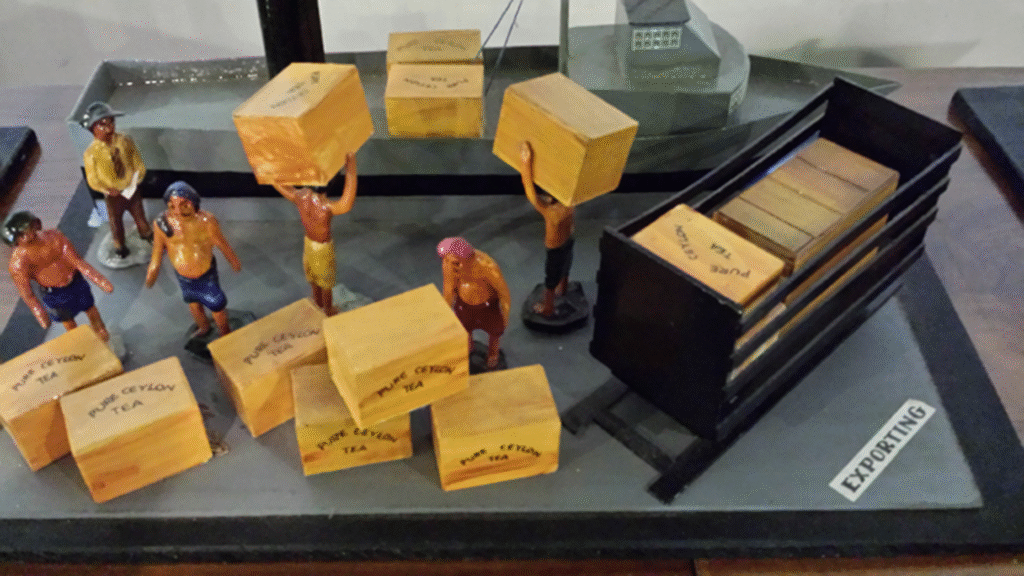
Photo by author, 2014
When we left the hotel after the hotel, the scenery outside had changed completely. The building was completely enveloped in the thick fog typical of highlands.
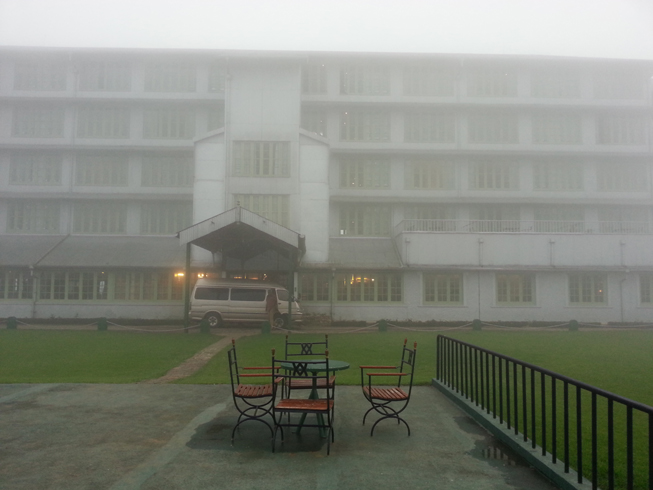
Photo by author, 2014
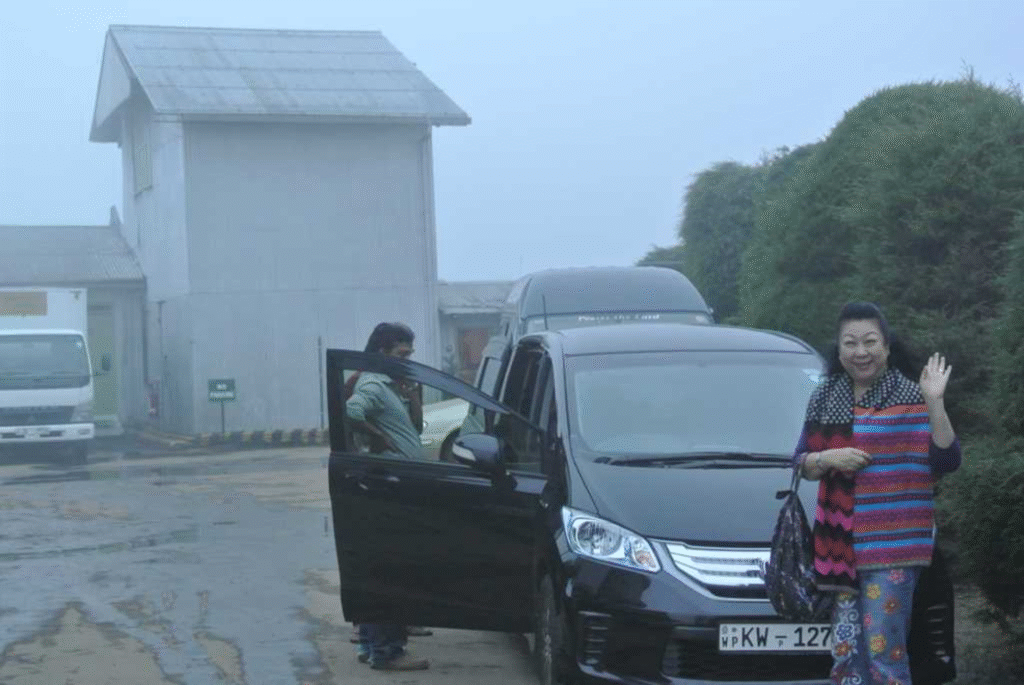
Photo by author, 2014
I had tried to made a reservation in advance through a travel agency for this hotel, but it was fully booked, so I missed the chance to stay there. So I moved to another hotel in the tea plantation that I was able to reserve.
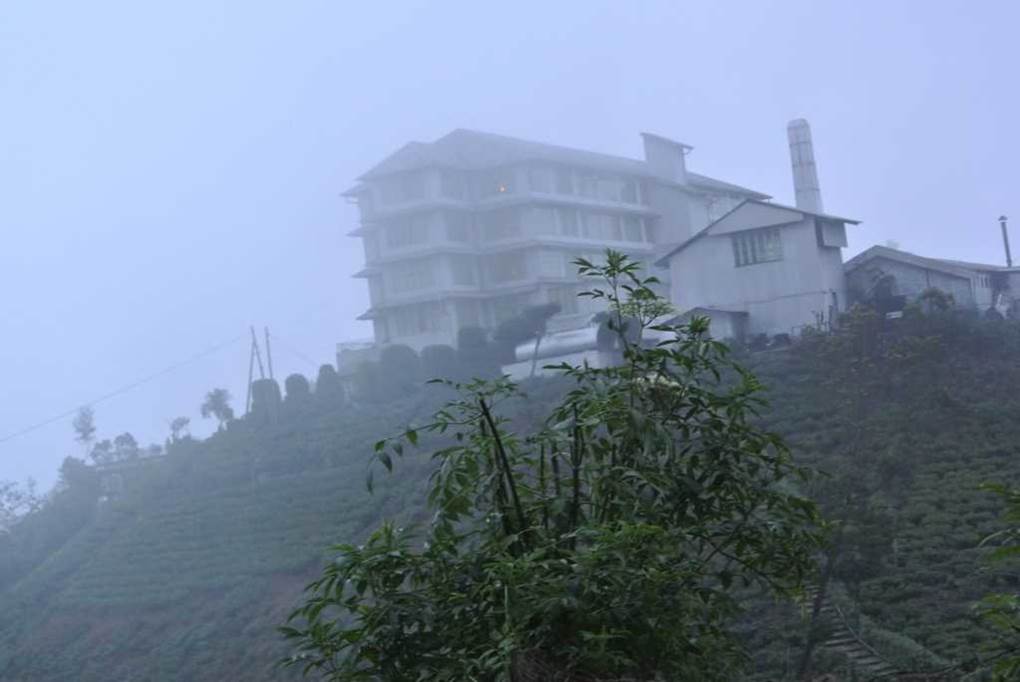
Photo by author, 2014
We will say goodbye to this hotel and head to the inn where we will stay for the night.

Photo by author, 2014
Photo by author, 2014
Tea plantation in the mist. It turns out that fog is good for the growth of tea leaves.

Photo by author, 2014
Trees planted in tea plantations are said to provide shade, protect tea leaves from strong sunlight, and help produce tender leaves. It also seems to have the role of softening the wind.
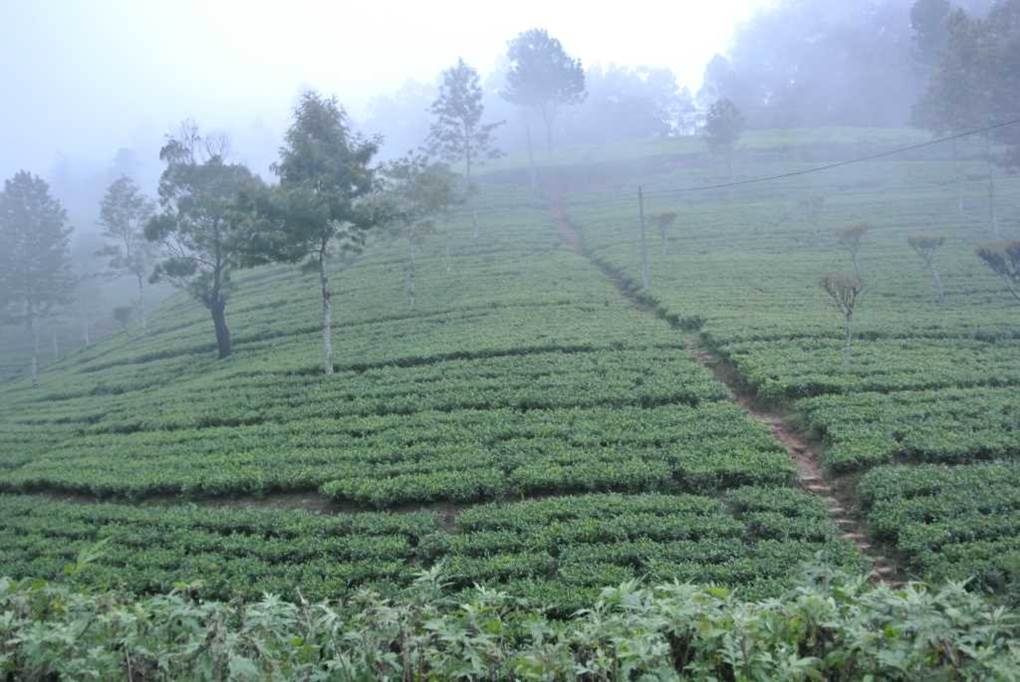
Photo by author, 2014
Wild buffalo crossing warning sign.
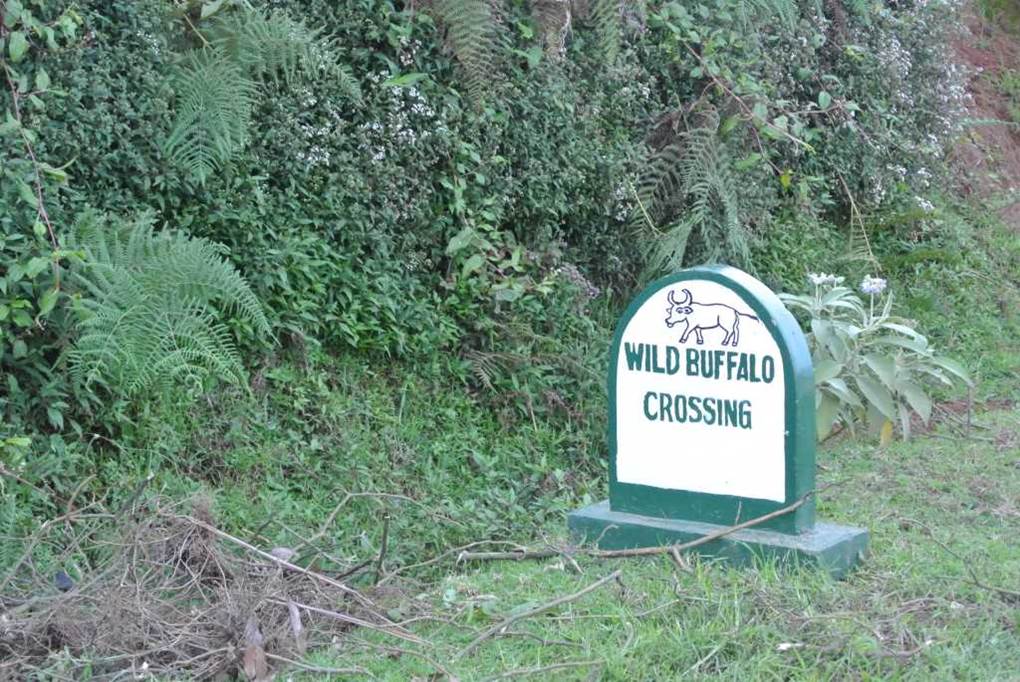
Photo by author, 2014
Morning in the Nuwara Eliya Plateau
When I woke up the next morning and went outside, it was fine weather.
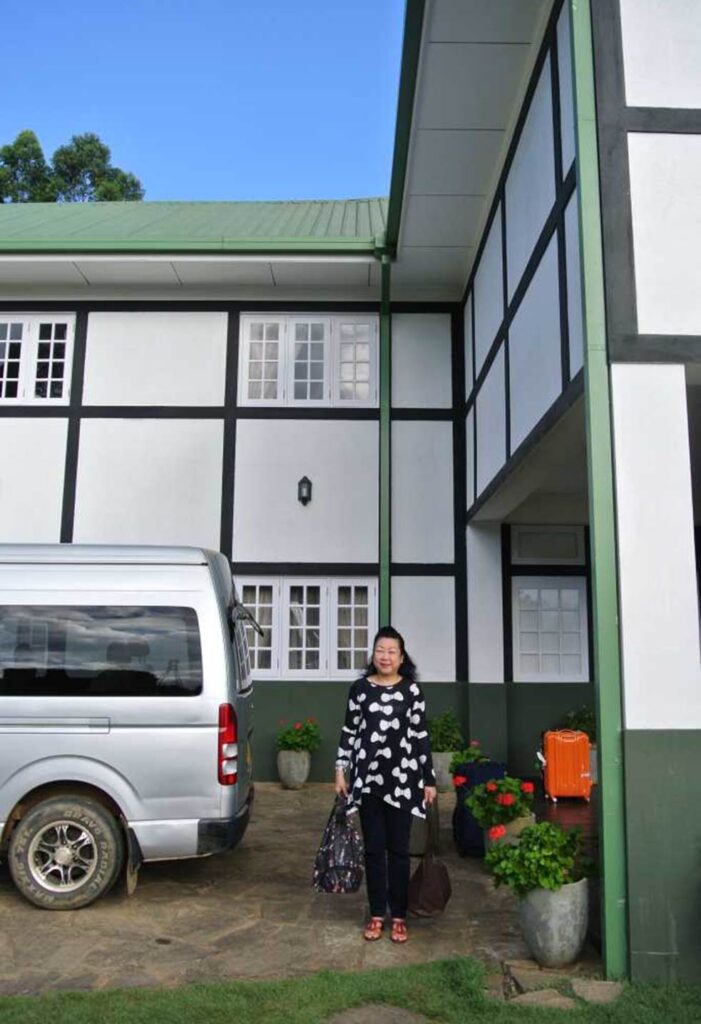
Photo by author, 2014
The interior of the room.

Photo by author, 2014

Photo by author, 2014

Photo by author, 2014
It was a clear morning. This is a perfect area for a summer getaway. I don’t think there are many places in Karuizawa (in Japan) with such a spectacular view.

Photo by author, 2014
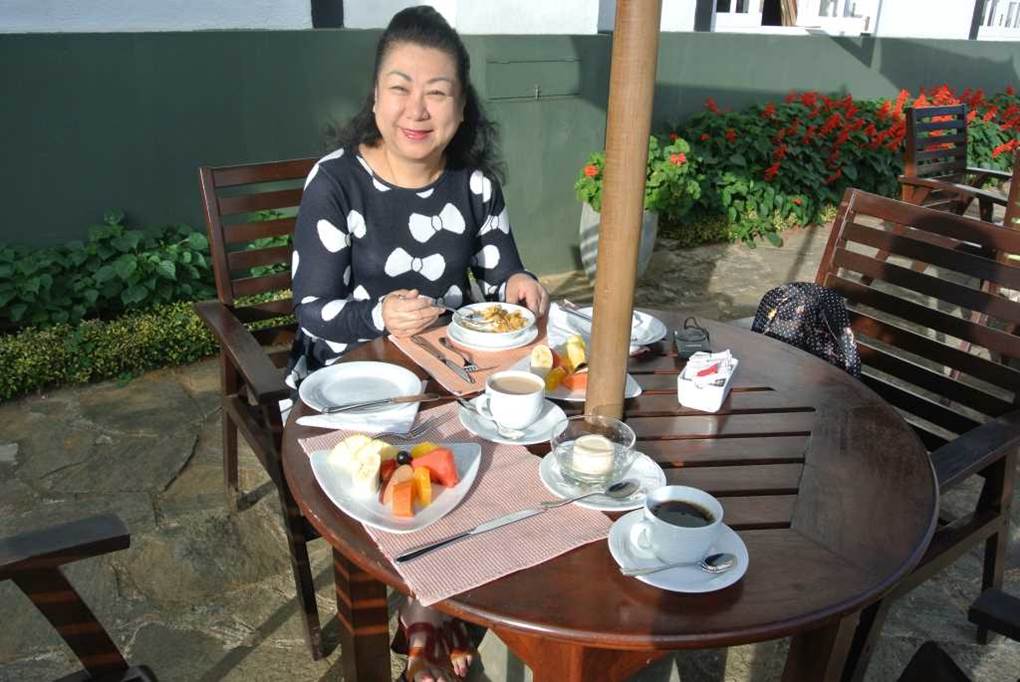
Breakfast is served outdoors overlooking the tea plantations. The sun is strong, but the temperature is only about 18 degrees Celsius.
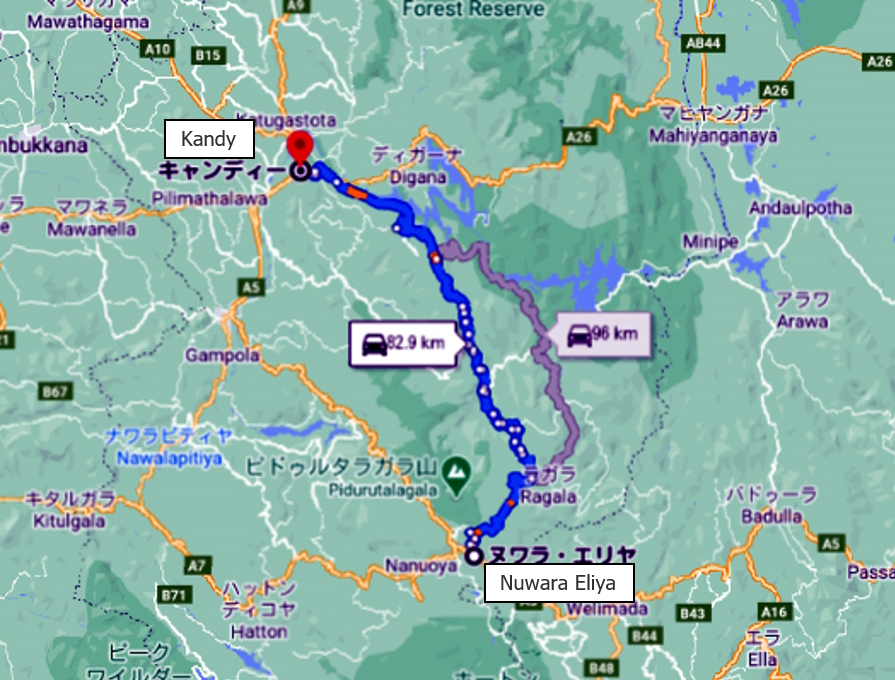
After checking out of the hotel, head to the ancient city of Kandy, 80 km away.
The work of picking tea in tea fields requires a huge number of workers. The native Sinhalese people could not possibly cover the work, so the British colonialists who ran the tea plantations relocated many farmers from the Tamil region of India across the river to work in tea picking, a task that continues to this day.

Photo by author, 2014
Tour of the tea factory
On the way, we visited a working Ceylon tea factory.
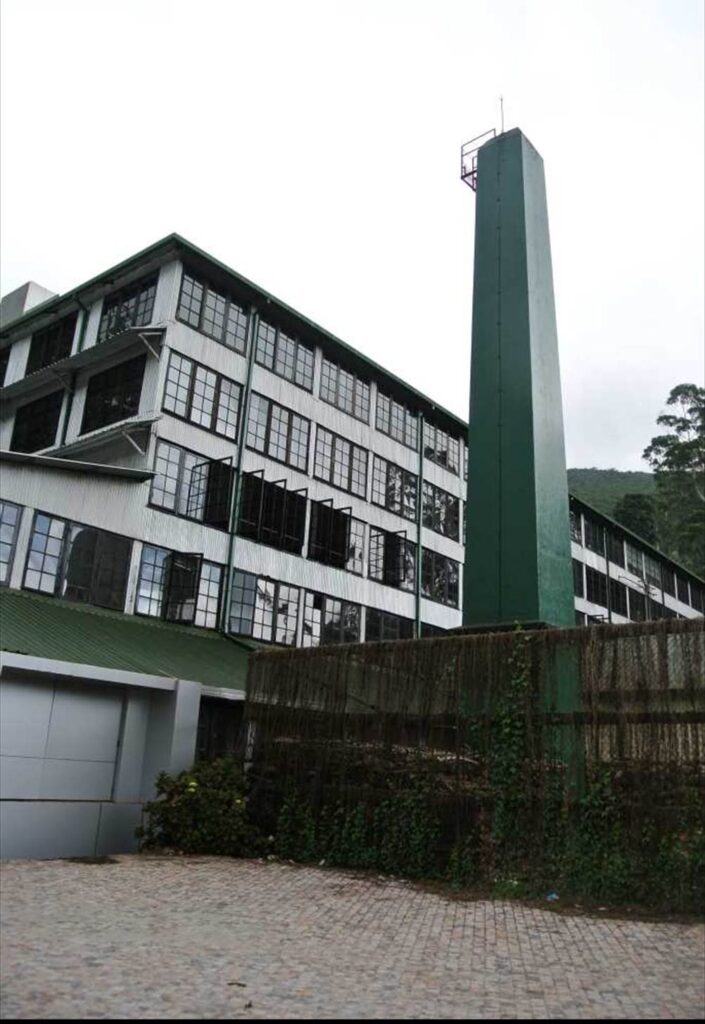
Photo by author, 2014
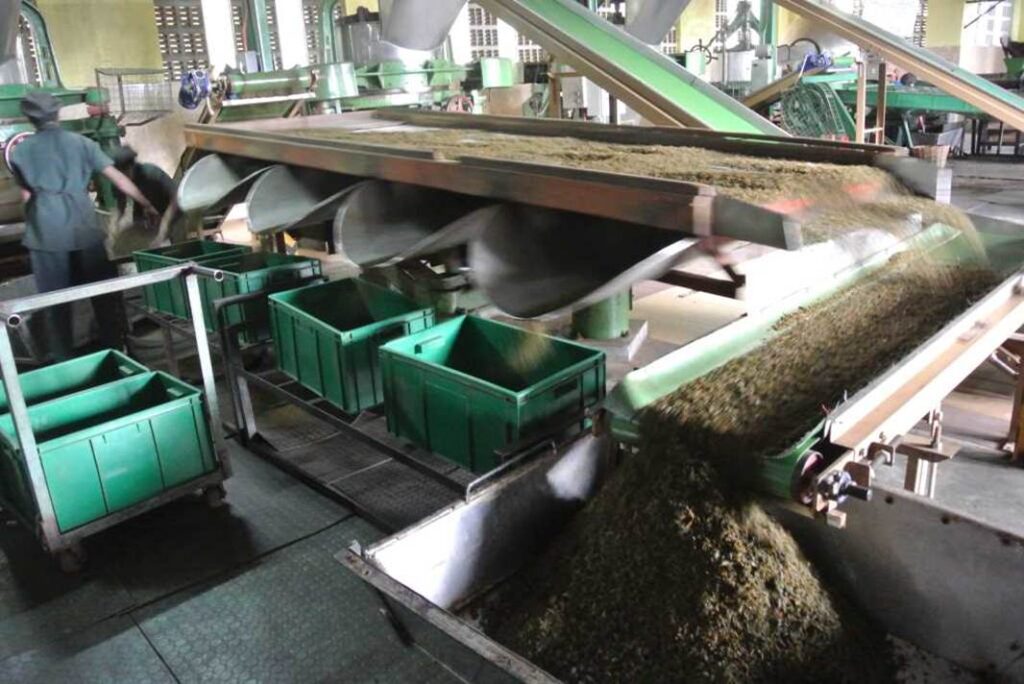
Photo by author, 2014
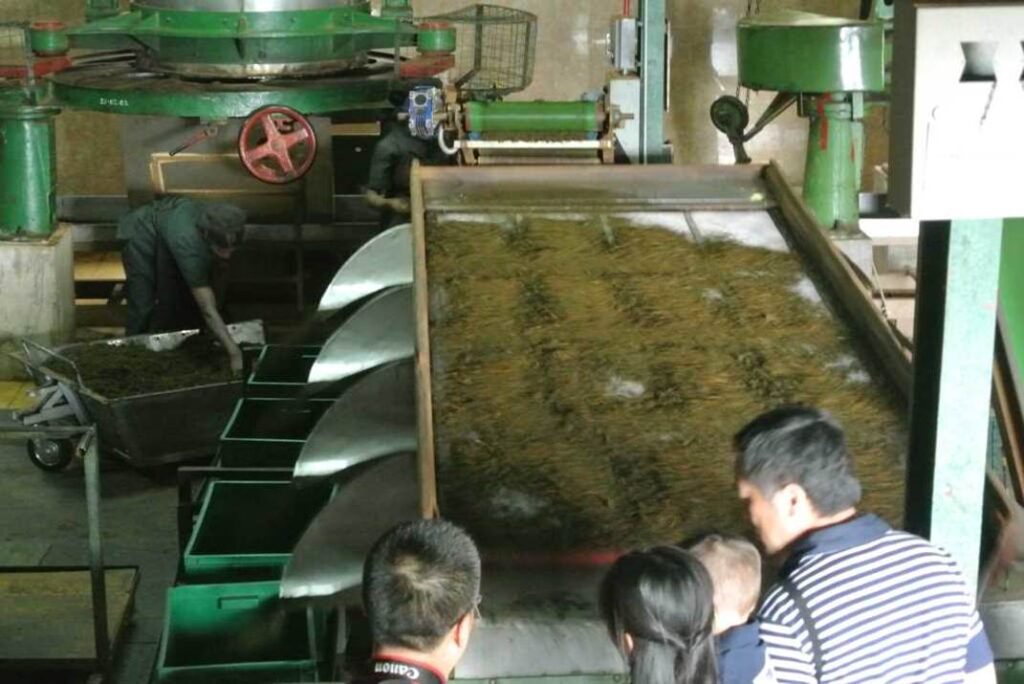
Photo by author, 2014
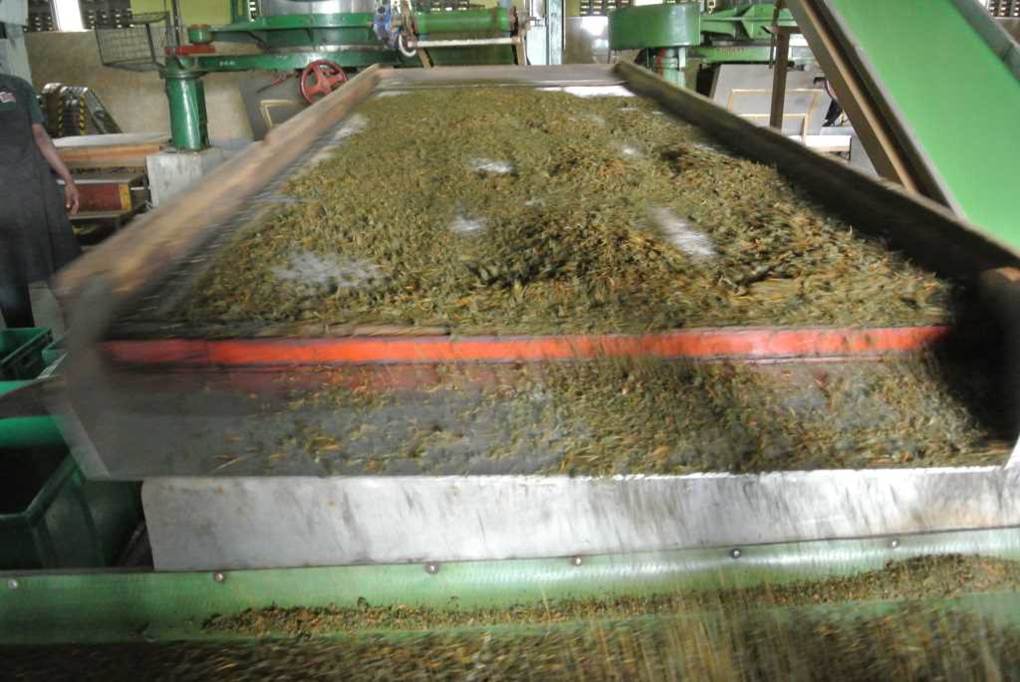
Photo by author, 2014

Photo by author, 2014
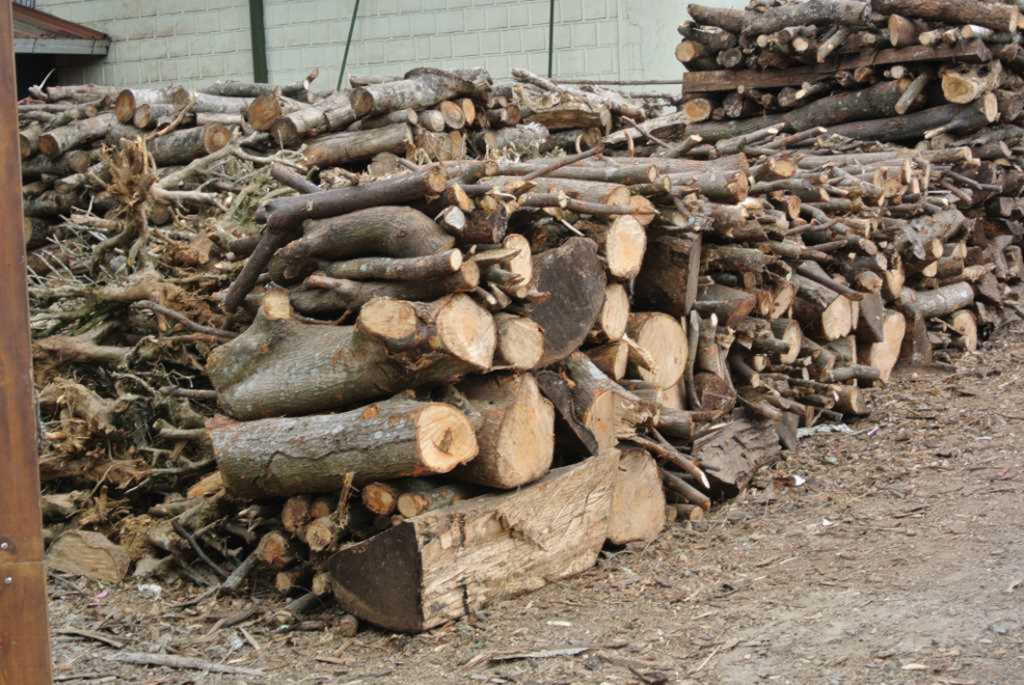
There was a large stock of firewood for fuel.
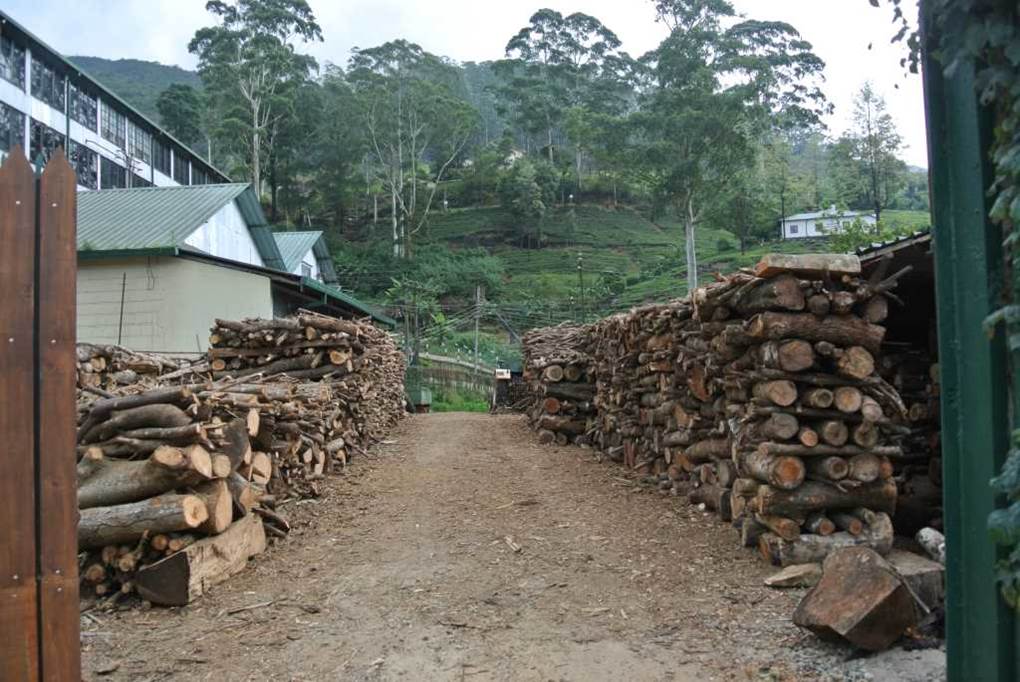
Photo by author, 2014
All photos by author, February 2014