JAP | ENG
Sri Lanka Travelogue
February 2014
#2/6
Historical Background of Galle, Ceylon
Galle on the island of Ceylon has long flourished as a port city, and its name is mentioned in the writings of the great Moroccan adventurer Ibn Batuta in the early 14th century. Before the Europeans arrived, merchants from all over the Middle East and Asia visited the city. European rule began at the end of the 16th century.
Galle is a classic example of a walled city built by Europeans in South and Southeast Asia, with a mixture of European architecture and traditions from the South Asian region.
In 1598, the Portuguese took control of the town and built its first fort Then, around 1640, the Dutch took over from the Portuguese. They expanded the fort built by the Portuguese and turned it into a walled city surrounded by sturdy walls, which became the prototype of the current one.
Eventually, the British built a fort in Colombo and took control from the Dutch, but the Galle Fort has remained intact to this day.
The Galle Wall is the longest surviving fortified wall in Asia. The historic Old Town district is a UNESCO World Heritage Site, with the citadel intact.
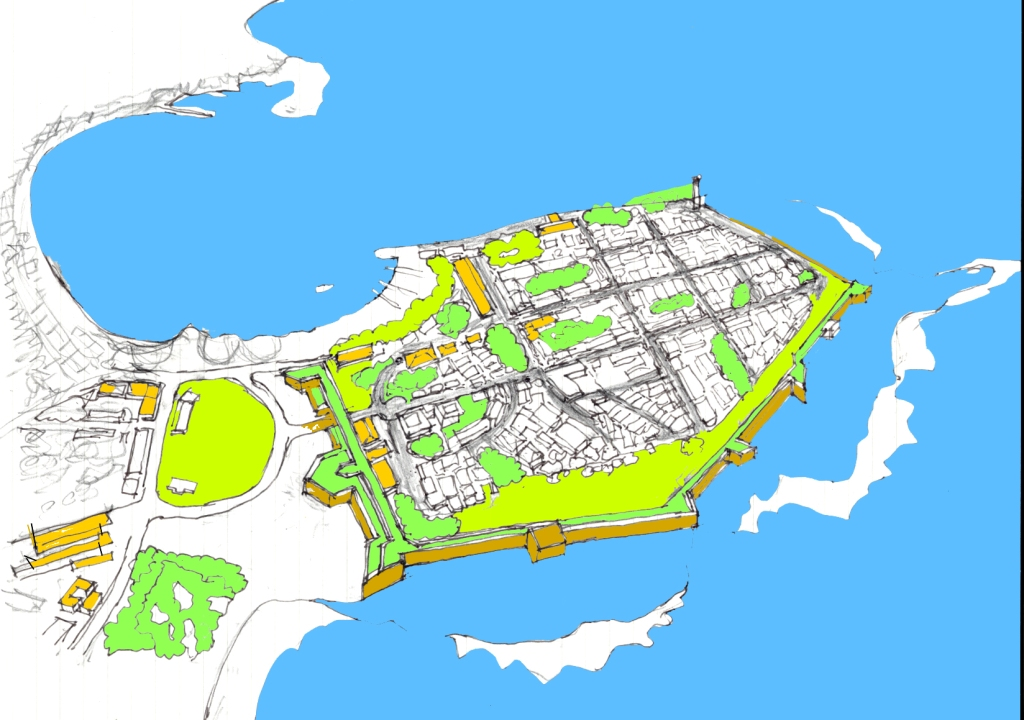
Author’s sketch
The coast of Galle city adjacent to the fort. The Great Sumatra Earthquake that occurred on December 26, 2004 caused damage from the tsunami, and several thousand people lost their lives in the city of Galle alone. The old town of Galle, surrounded by the fort, was spared from the tsunami.
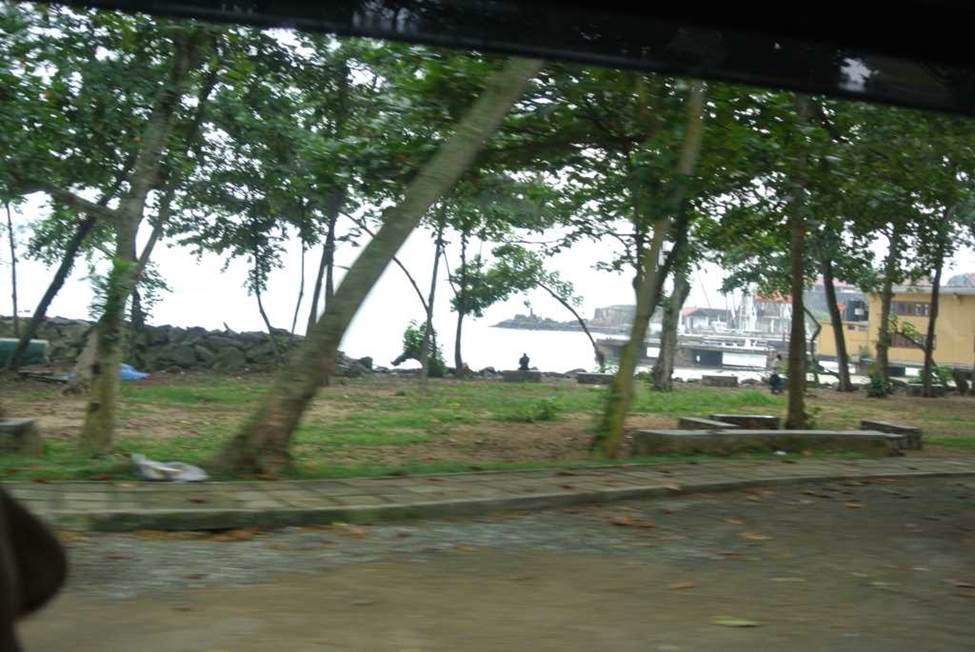
Photo by author, 2014
Galle’s Old Town and Fortress
World Heritage Site
Galle has been a well-known port since ancient times, and was visited by Persians, Arabs, Greeks, Romans, Indians, and Zheng He of the Ming Dynasty.

Photo by author, 2014
The old town is a peninsula that juts out into the sea, and is only a small part of the entire city of Galle. It is about 700 meters from north to south and about 600 meters from east to west, which is just the right size to walk around.
A townscape with a colonial atmosphere. World Heritage Site.
Outside the fortress , a thick retaining wall measuring one kilometer square remains today, 400 years later.

Photo by author, 2014
The modern history of Galle begins in 1505 when Portuguese ships first arrived in Galle, the main port of Ceylon.

Photo by author, 2014
The Portuguese army that controlled Galle surrendered to the Dutch East India Company in 1640, and Galle came under Dutch control. Later, a fortress was built that still stands today. The walls of the fortress are made of granite, and the Galle developed significantly in the 18th century during the Dutch colonial period.
The entrance gate of the fortress. The East India Company mark is above the arch. After passing through the tunnel, you will enter the old town.
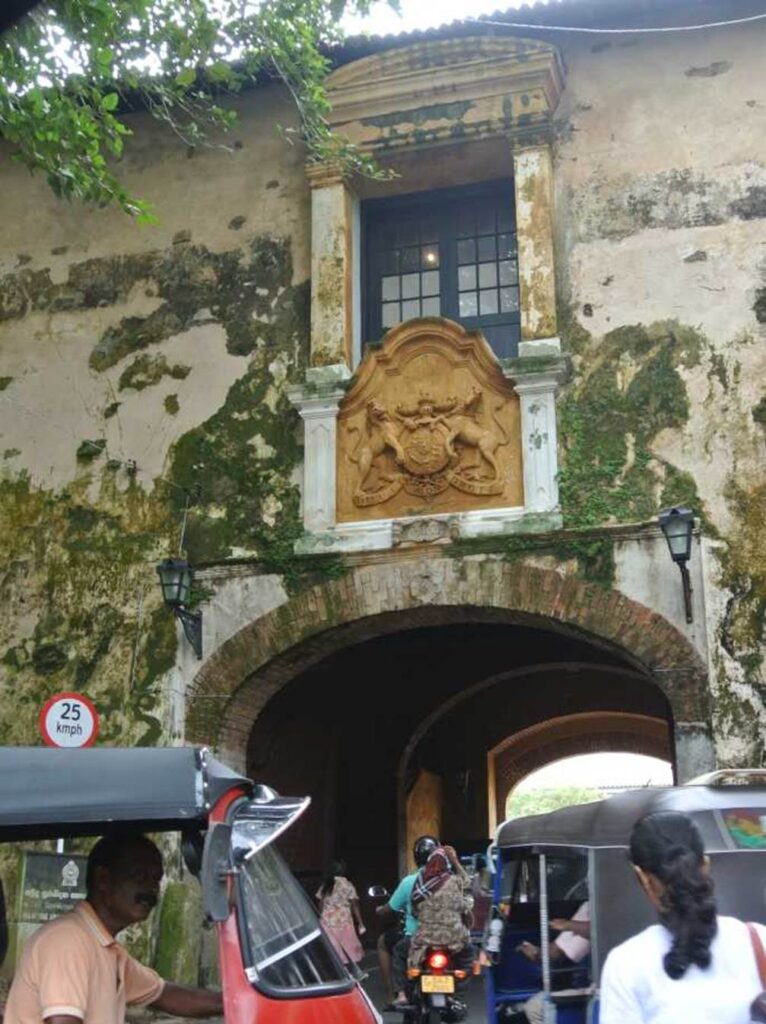
Photo by author, 2014
When the British wrested control of the island from the Dutch at the end of the 18th century, the British preserved the fortress intact and moved the administrative center to Colombo.
We entered the fortified city of Galle.
The old barracks are now the post office.

Photo by author, 2014
Compared to the old town of Batavia (now Jakarta) on the island of Java, which was also colonized by the Dutch East India Company, this area has been well preserved in its original form.

Photo by author, 2014
National Maritime Archaeology Museum
The former barracks is now a maritime museum.

Photo by author, 2014
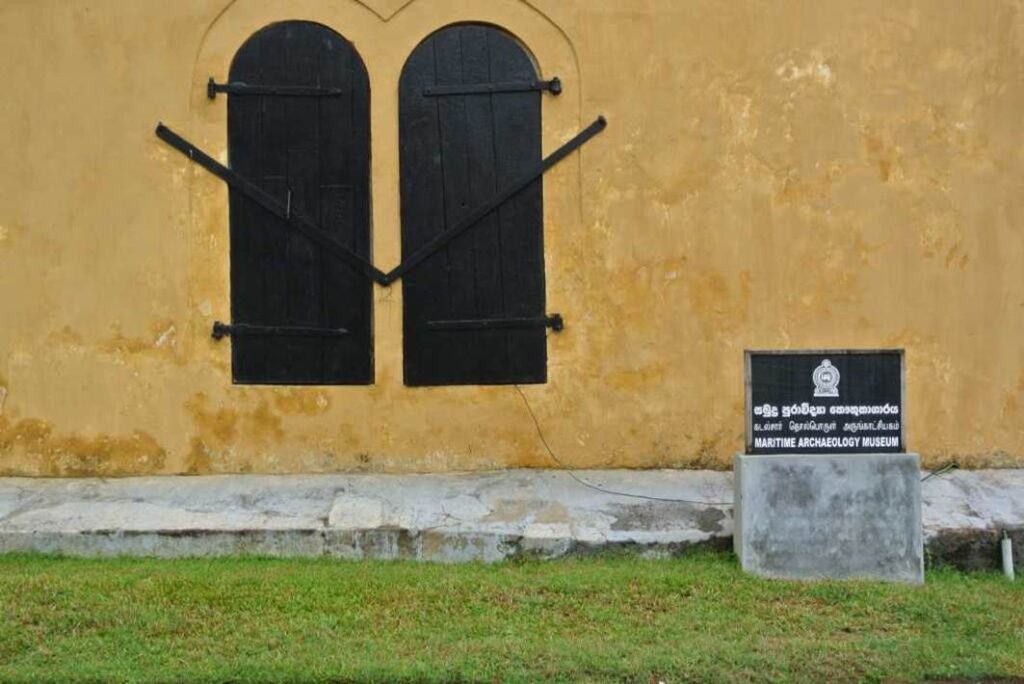
The Portuguese stronghold fell to the Dutch in 1640, and the Dutch built the city on the basis of the Portuguese plan, but made many changes, creating the basic shape of Galle that remains today. The walls surrounding the old town were completed in 1669, with the fortifications including three main bastions.
In the 18th century, as a precaution against the growing power of Great Britain, eleven more bastions were added and the castle was strengthened, but still it fell to the British in 1796. However, because it was a bloodless transfer, many of the original buildings were not destroyed.
Furthermore, in the second half of the 19th century, the importance of Colombo as a trading post meant that Galle has became merely a local trading centre, so it was spared development and preserved in a state where the streetscape remained unchanged.
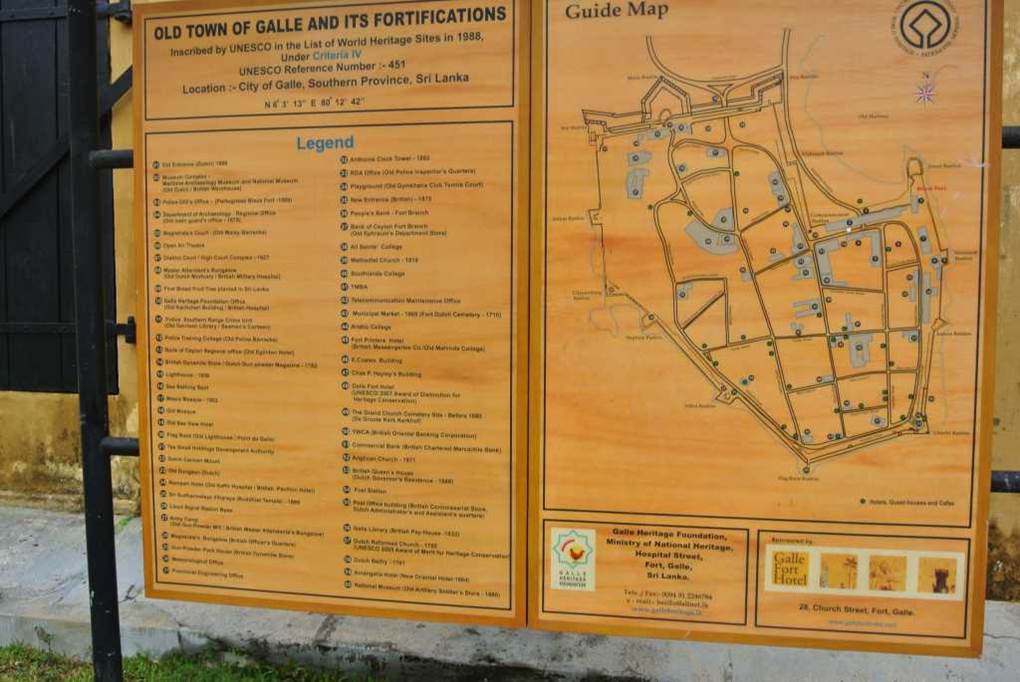
Photo by author, 2014
Dutch Reformed Church
The Dutch Reformed Church here is said to be the oldest Protestant church in Sri Lanka.
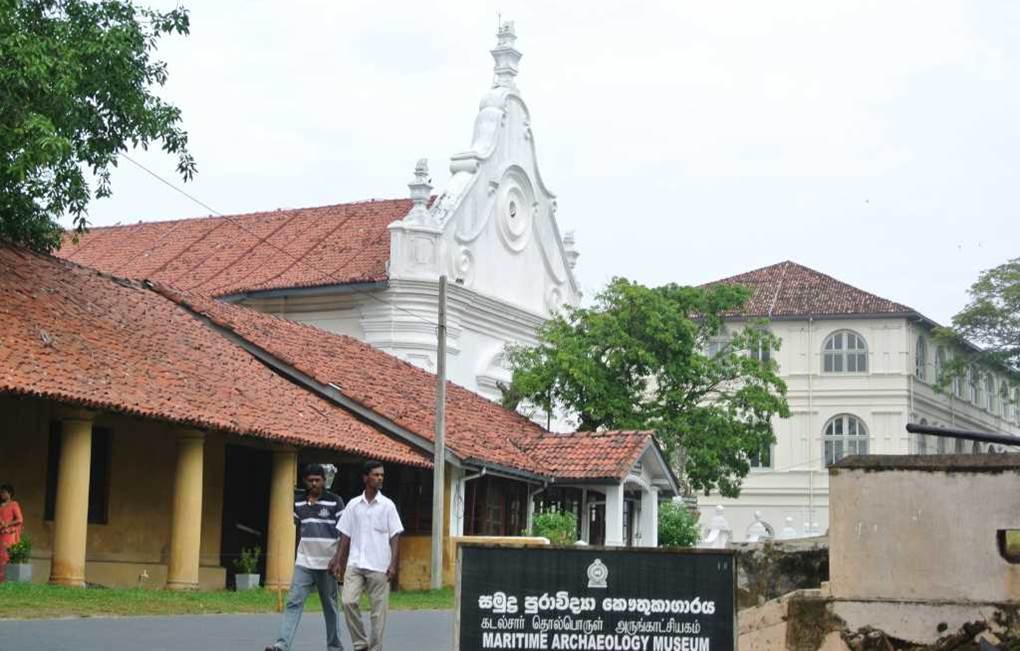
Photo by author, 2014
Anglican All Saints’ Church
Facing Church Street, which runs north and south, is the Anglican All Saints Church (called All Saints Church in Japan).
It was built in 1868 during the British colonial period.
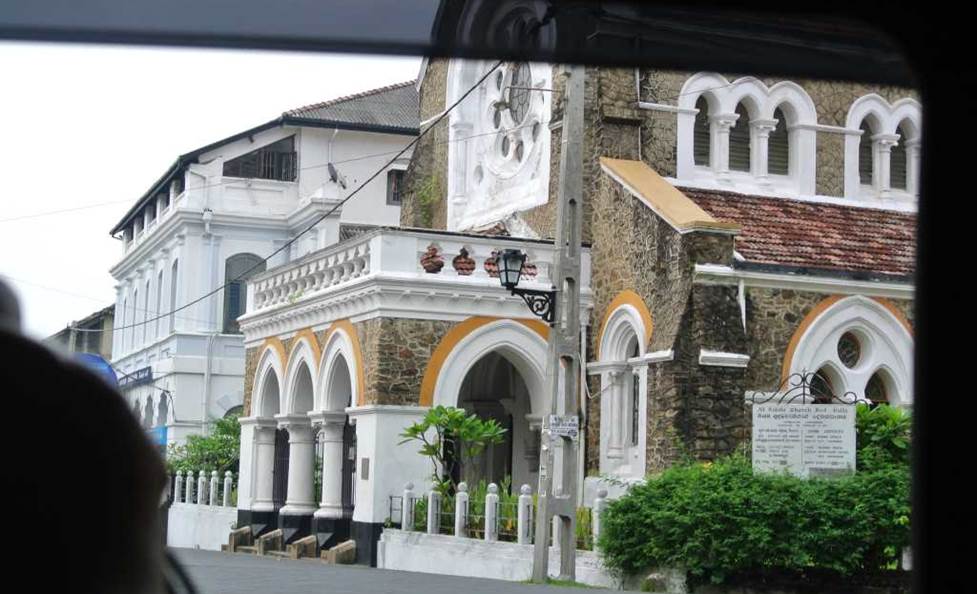
Photo by author, 2014
Photo by author, 2014
Clock Tower
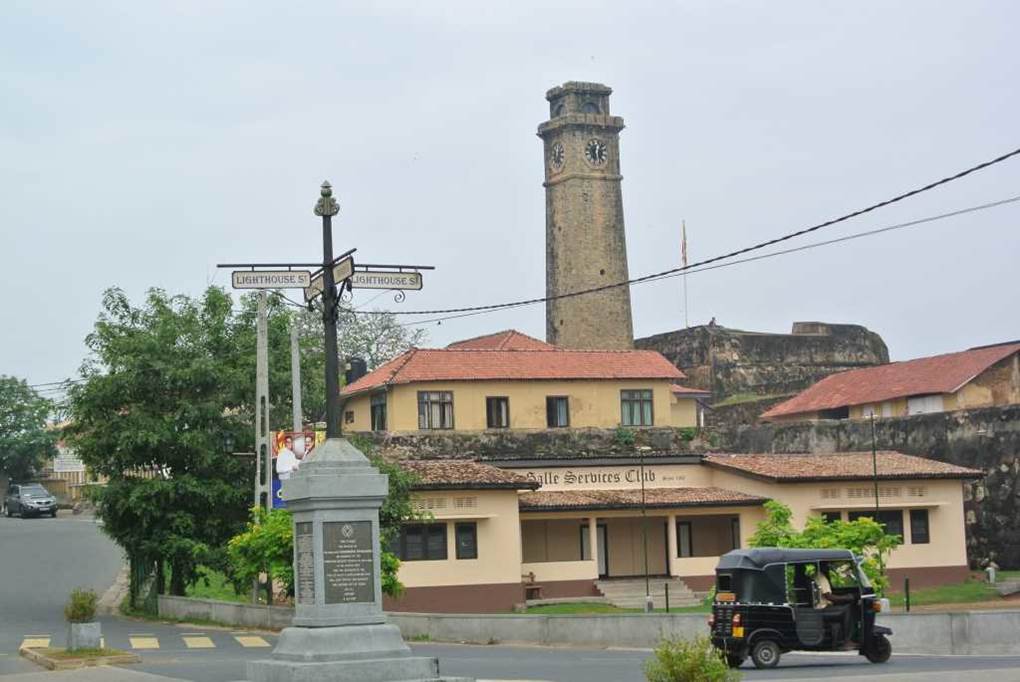
Photo by author, 2014
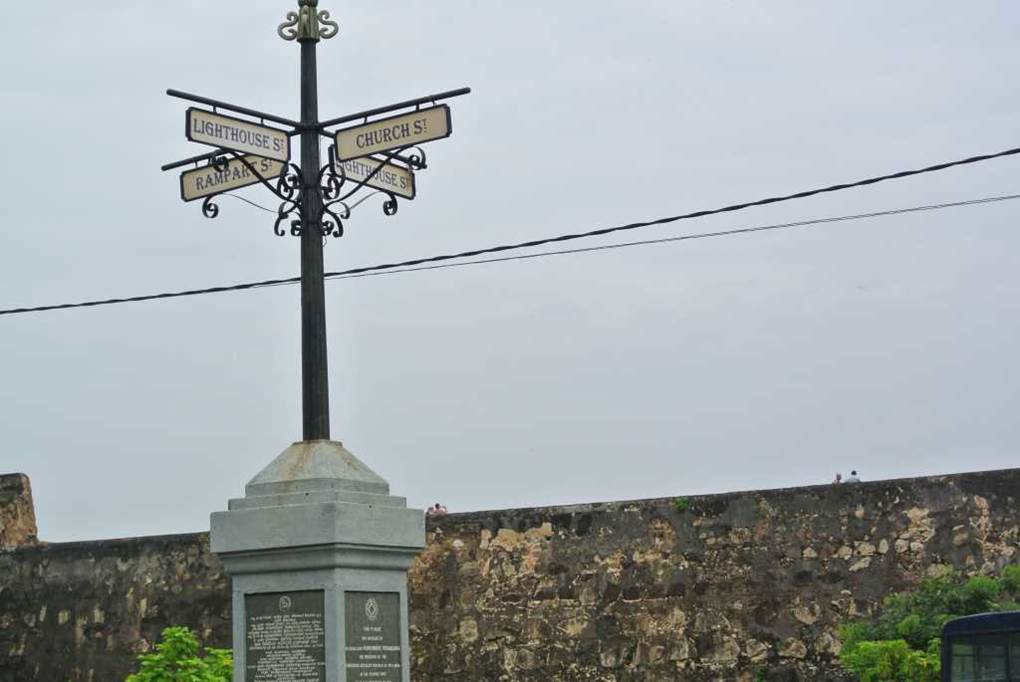
Photo by author, 2014
The clock tower, a symbol of the Galle that continues to tick
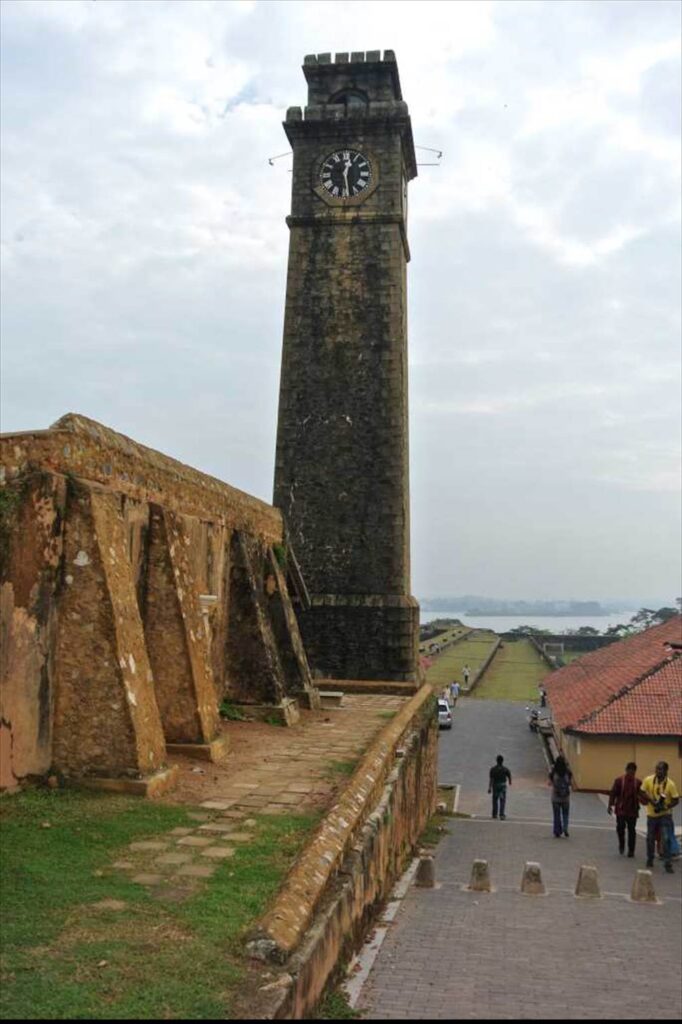
Photo by author, 2014
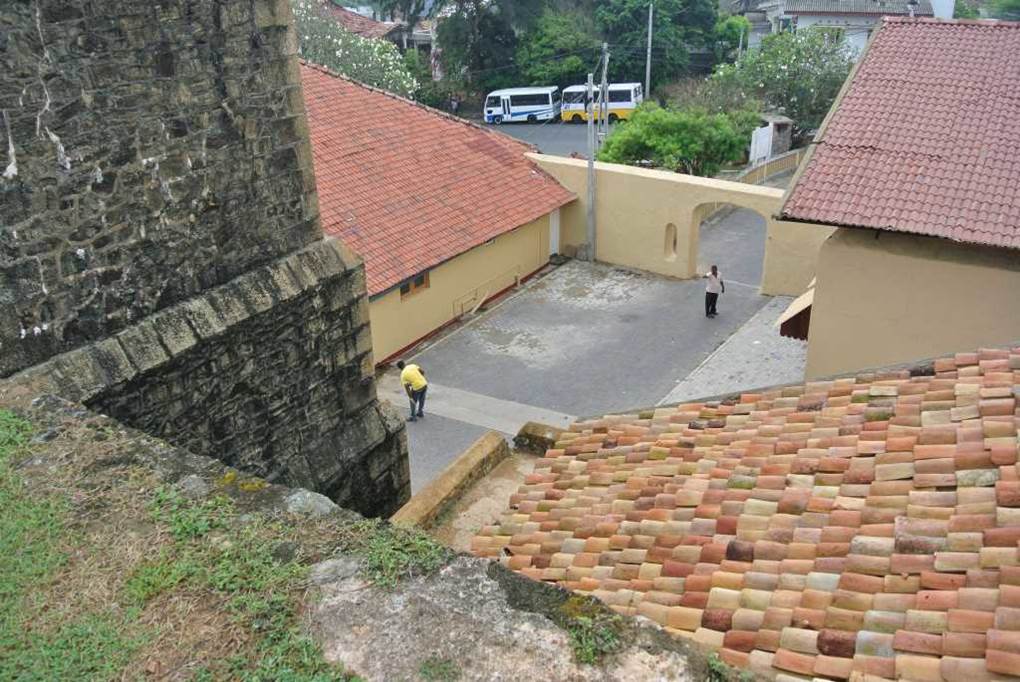
Photo by author, 2014
I met a newlywed couple on the edge of the fortress.

Photo by author, 2014
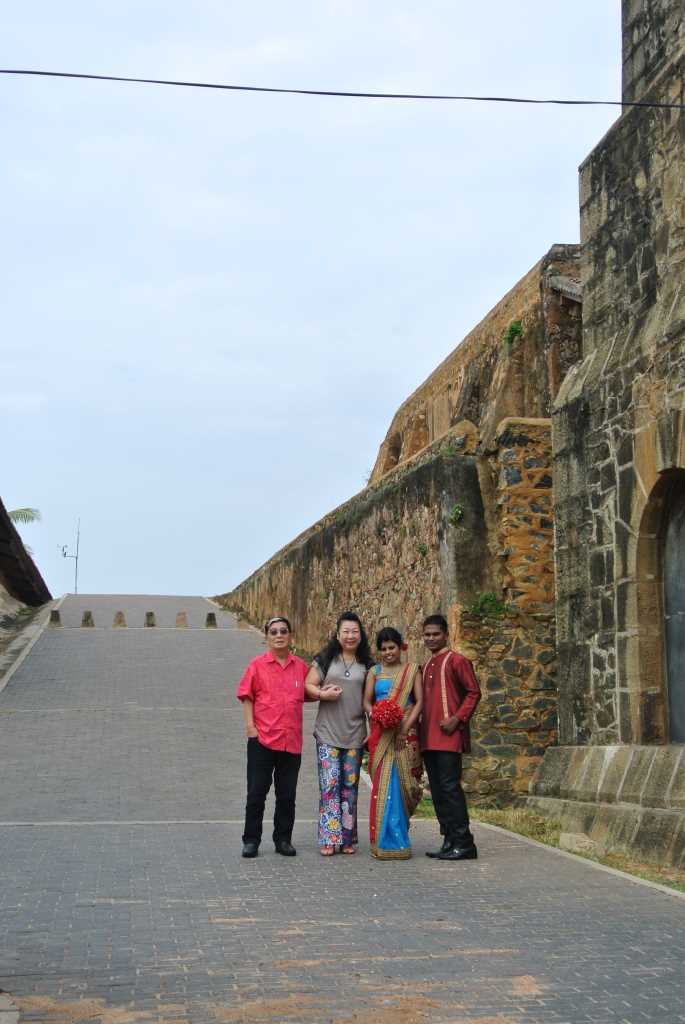
Photo by author, 2014
There was a school in the old fortress.
As I walked through the town, I came across what seemed to be a school playground. There seemed to be a large number of female students in the middle of an outdoor class. Imagining that schoolgirls and their families live and earn a living in this fortress of less than one kilometer square, I realized that this is an urban heritage site that is still alive today.
Sri Lanka’s literacy rate is 92.5%, which is extremely high for a developing country. I think this is due to the fact that the majority of schools in Sri Lanka are public and education is free.
Sri Lanka has three official languages: Sinhala, Tamil, and English. Sinhala and Tamil do not understand each other, so English seems to function as a “linking language” in that case.

Photo by author, 2014
A view of the streets of the old town. Disappointing telegraph poles and electric wires strung all over the place.

Photo by author, 2014
Deep eaves and airy are the characteristics of the original tropical house.

Photo by author, 2014
Fort Printer Hotel
As we stroll around the old town inside the fortress, I came across a boutique hotel that had been renovated from an old printing house.
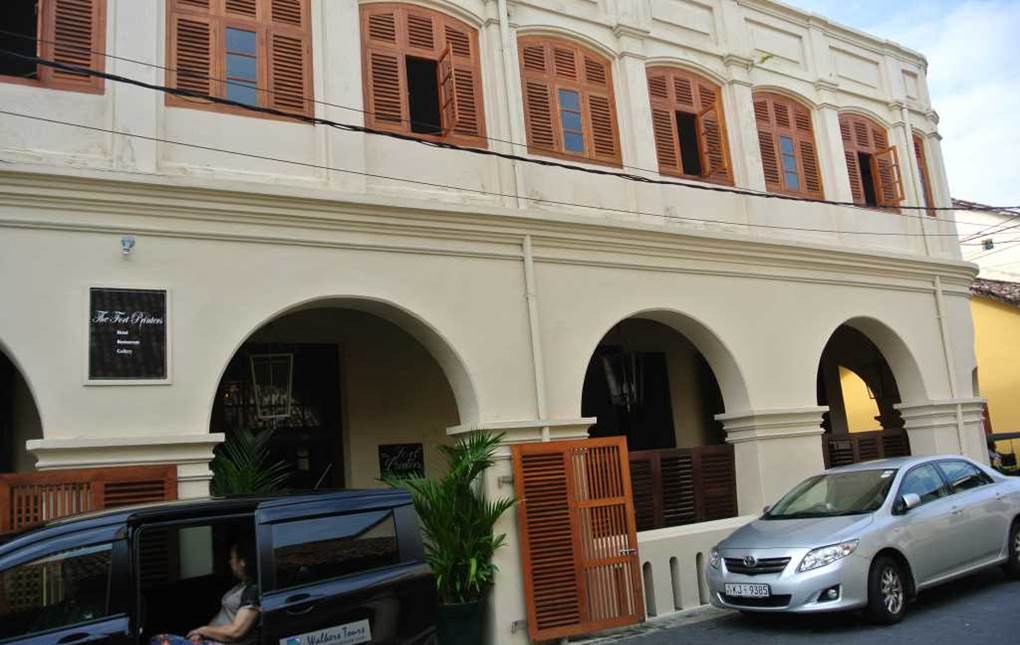
Photo by author, 2014
When we went inside, we found a pocket garden courtyard with plumeria trees planted on the water’s edge. The surrounding area was an outdoor dining area, exuding the relaxed atmosphere of the colonial era of the past.

Photo by author, 2014
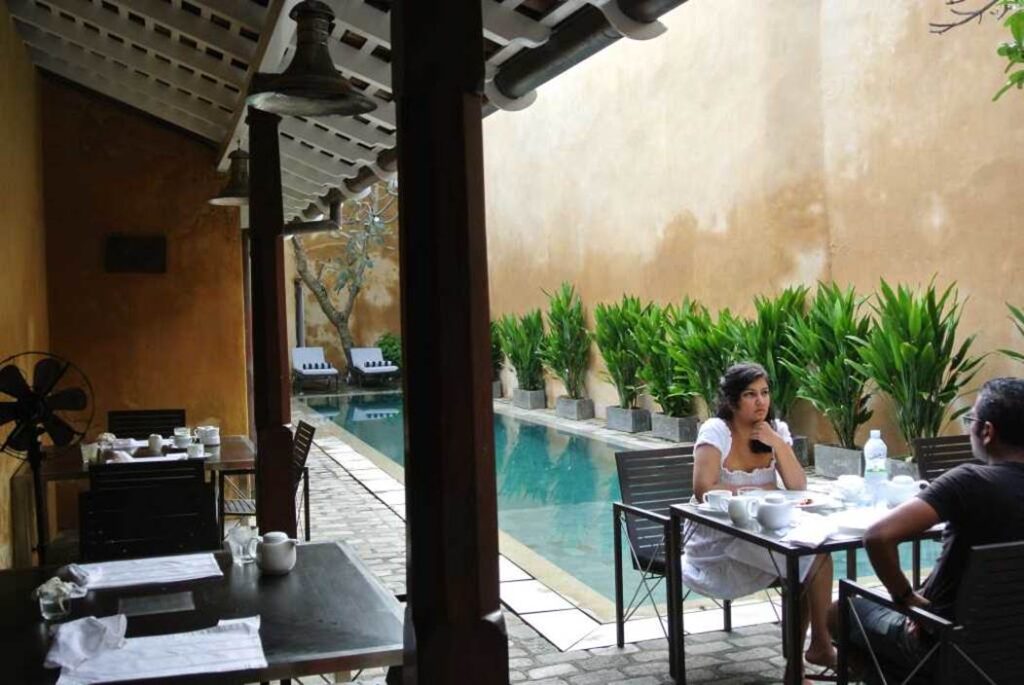
Photo by author, 2014
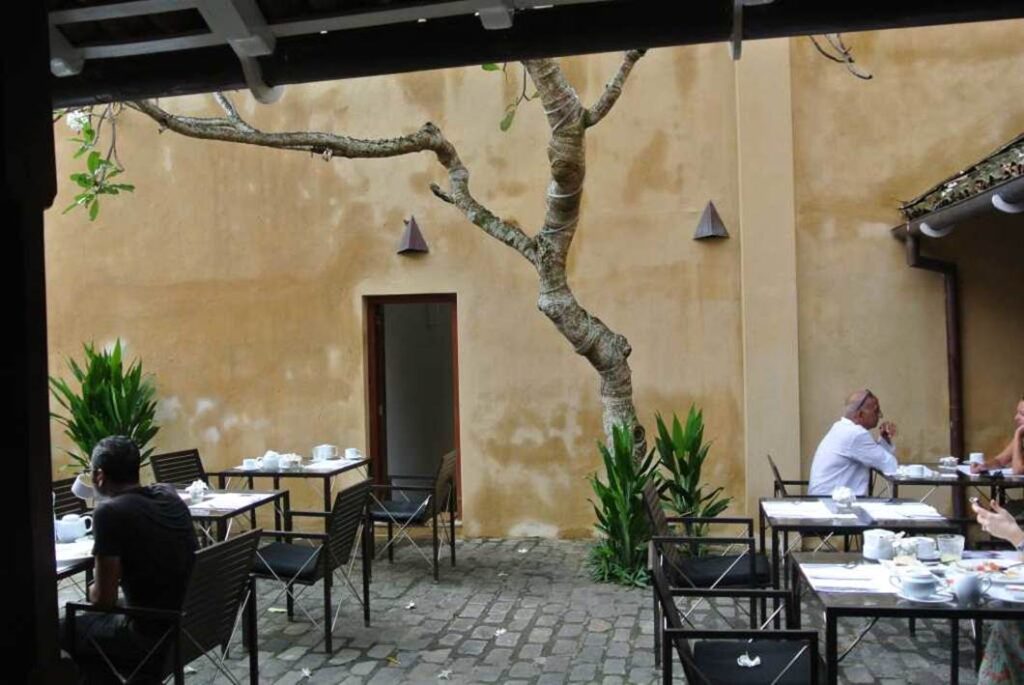
Photo by author, 2014
Colonial printing machinery.

Photo by author, 2014
Wooden doors, window frames, and furniture are generously made of teak.
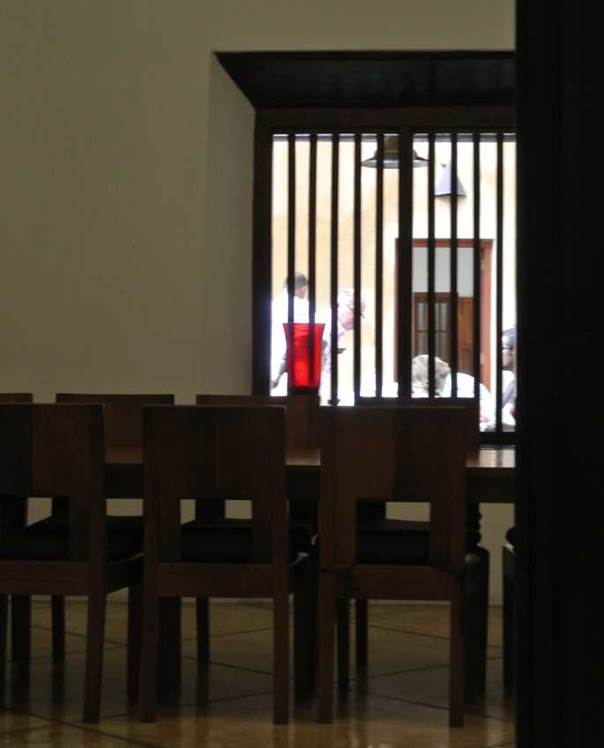
Photo by author, 2014

Photo by author, 2014
All photos by author, February 2014