JAP | ENG
Barcelona, Spain
October 2013
#1/3
Barcelona is the capital of Catalonia. It has the second largest population in Spain after Madrid. As well as being an international tourist city, it is one of the cities where the most international conferences are held in the world.
It occupies a major position in politics, culture, and academia, but in recent years there have been concerns about the impact of over-tourism.
Munjuïc Hill
The city centre of Barcelona is surrounded by numerous hills. The hill of Munjuïc is one of them, located close to the port waterfront and the surrounding old town, at an altitude of 184 m.
When I research the history of this hill, I found the following. Historically, the origin of the name Montjuïc has been said to be the medieval Catalan word Mont dels Jueus, meaning “Mountain of the Jews.” There used to be a graveyard on the hill.
At Montjuïc, the remains of a town dating from the 3rd century BC to the 2nd century BC have been discovered.
As a strategic and important point for the defense of Barcelona, it has played a role in the defense of the city. In 1843, the Spanish bombarded the city of Barcelona from the castle of Montjuïc to suppress a rebellion, destroying or damaging 460 buildings.
Montjuïc Castle was used at various times as a prison for political prisoners up until the time of the Franco dictatorship, and the mountain was the site of many firing squad executions during the 19th and 20th centuries.
At the foot of the hill of Munjuïc is the Olympic Stadium and an indoor arena designed by Japan architect Arata Isozaki. It was the main venue for the 1992 Barcelona Olympics.
The hill of Montjuïc overlooks the city of Barcelona.
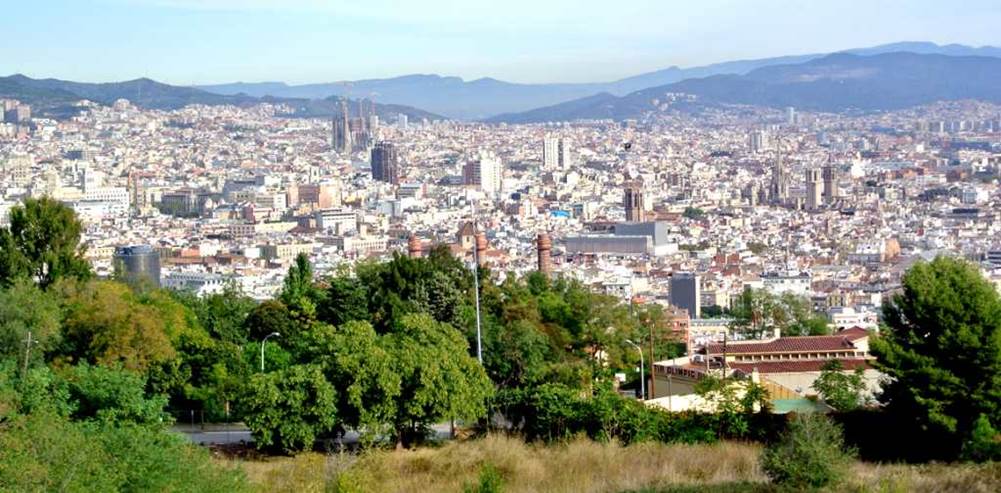
From this hill of Montjuïc, you can capture the UNESCO World Heritage Site of the Sagrada Familia with a telephoto lens.
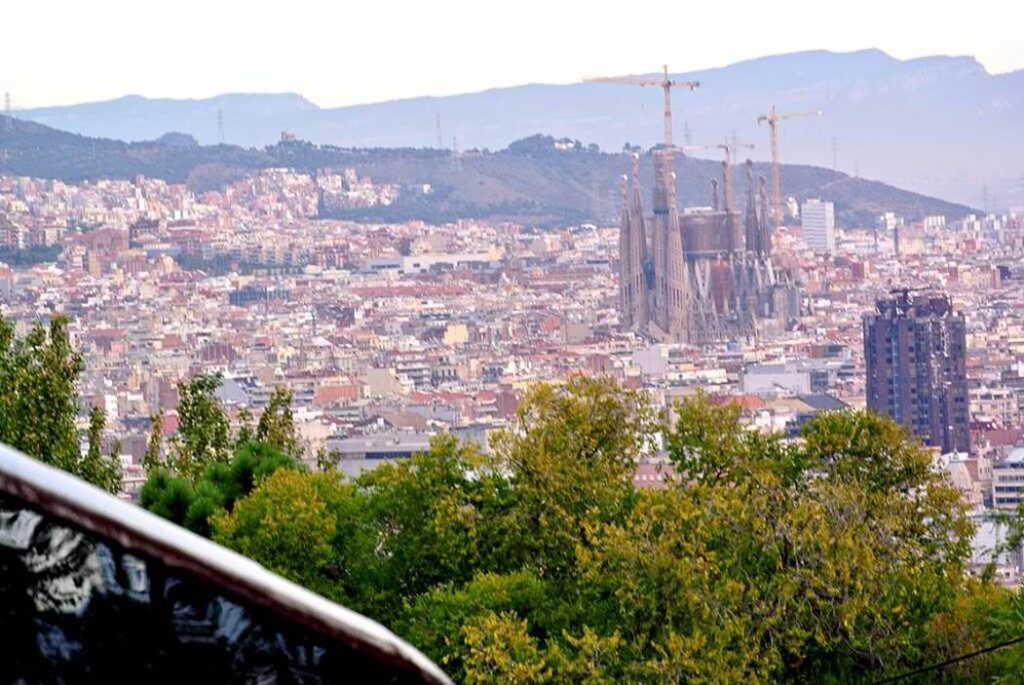
Photo by author, 2013
You can also see the waterfront of Barcelona, the largest port city on the Mediterranean coast.
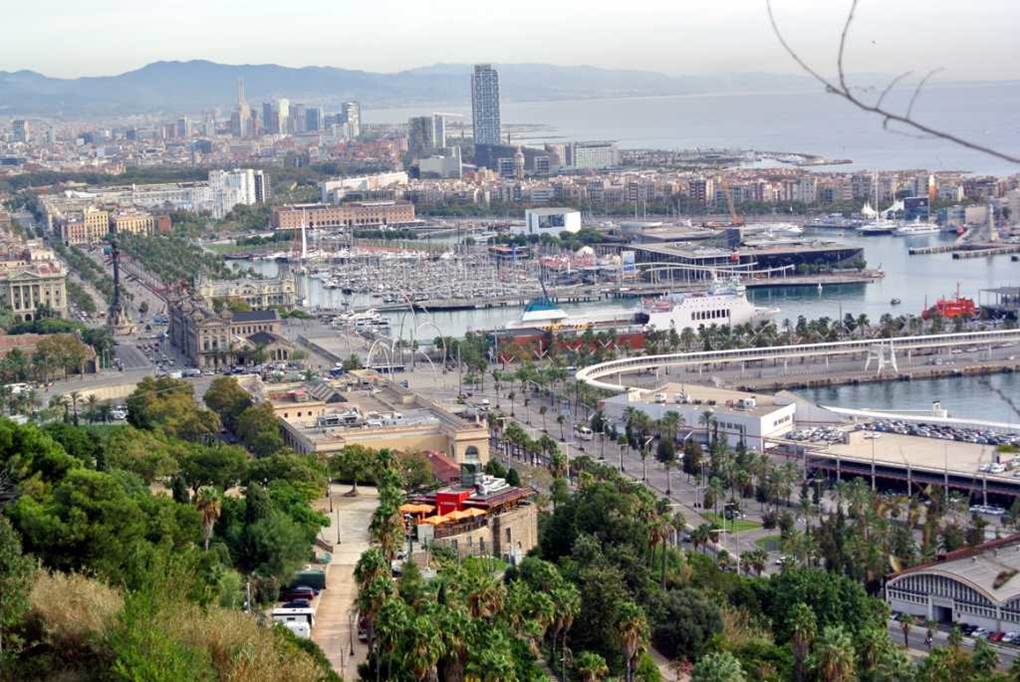
Photo by author, 2013
Bullring of Las Arenas (Plaza de toros de las Arenas)
A square in a corner of the city just below the hill of Munjuïc. There is an old bullring, the Arena, and the Arc de Triomphe.
Arenas de Barcelona
It opened in 1900 as a bullring.
In 1989, the anti-bullfighting momentum gained momentum in Catalonia, and in 2010 an anti-bullfighting law was enacted, and the building was subsequently converted into a shopping mall, rename as Arenas de Barcelona in 2011.
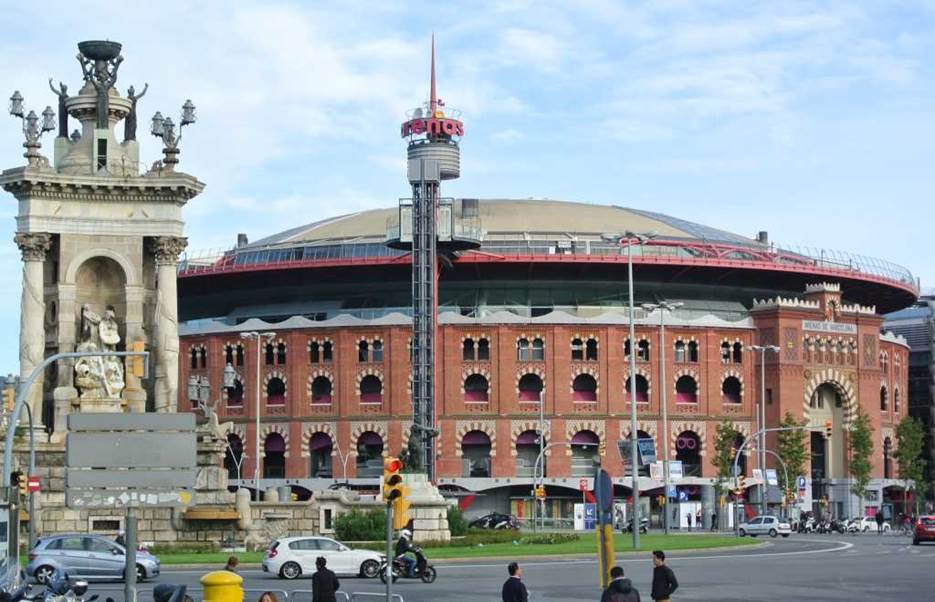
Photo by author, 2013
Environmental Forum Foundation
Next to Plaza de Espana is the Foundation Forum Ambiental Building.
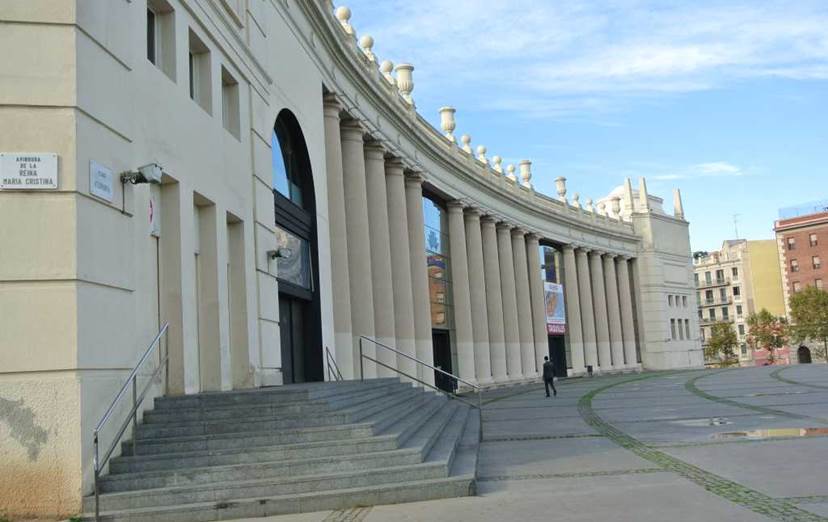
Photo by author, 2013
Arc de Triomphe
It was built as the main gate for the 1888 Barcelona International Exposition.
It is a landmark that reminds us of that time as a symbolic gate of Plaza de España.
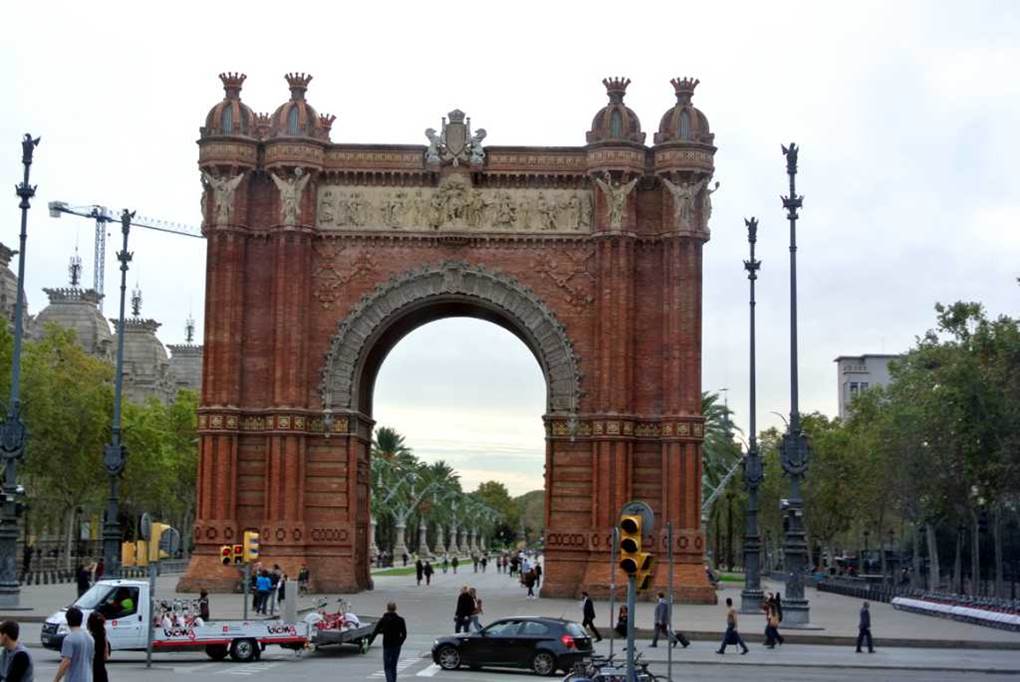
Photo by author, 2013
Barcelona port waterfront
I remember that when I first visited the port of Barcelona in 1968, the sailing ship that Columbus used on his voyage to the New World was moored in the port for tourists. I did not see it this time. It must have been put in a museum somewhere.
Passenger ferries operate from the port of Barcelona to Majorca, mainland Italy, Sardinia and Morocco.
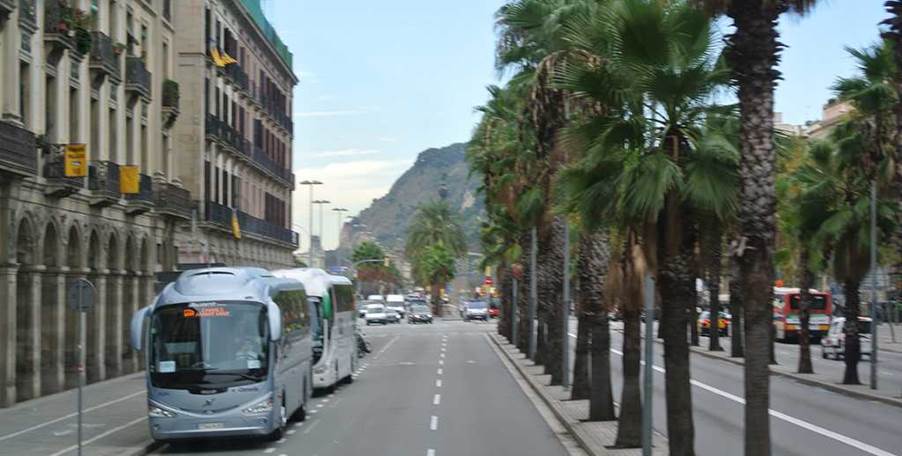
Photo by author, 2013
A group of buildings in the port waterfront area.
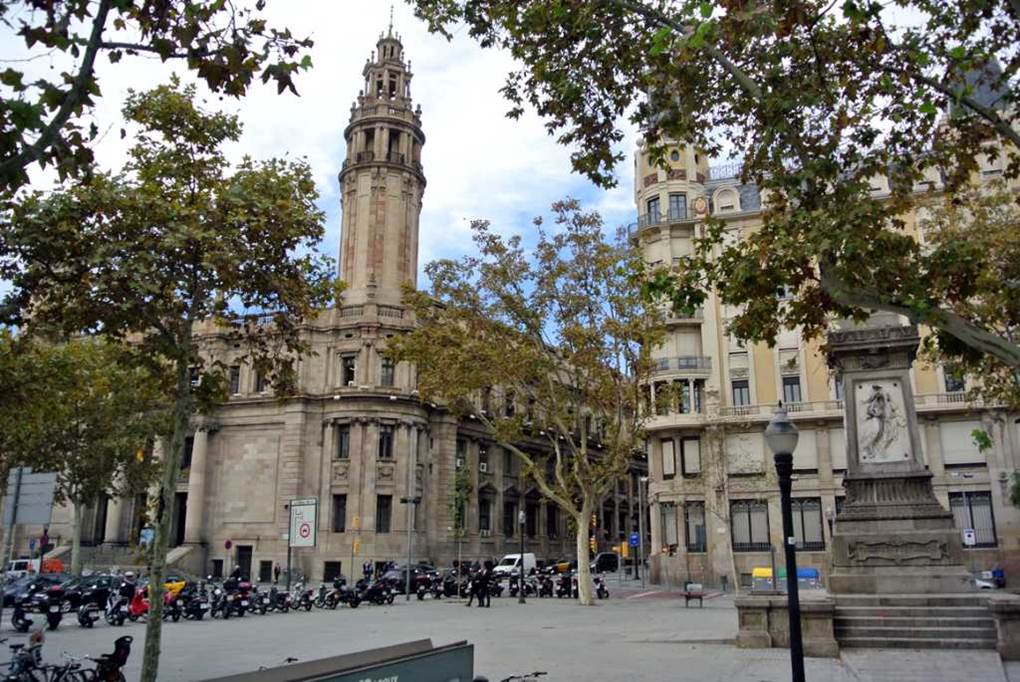
Photo by author, 2013
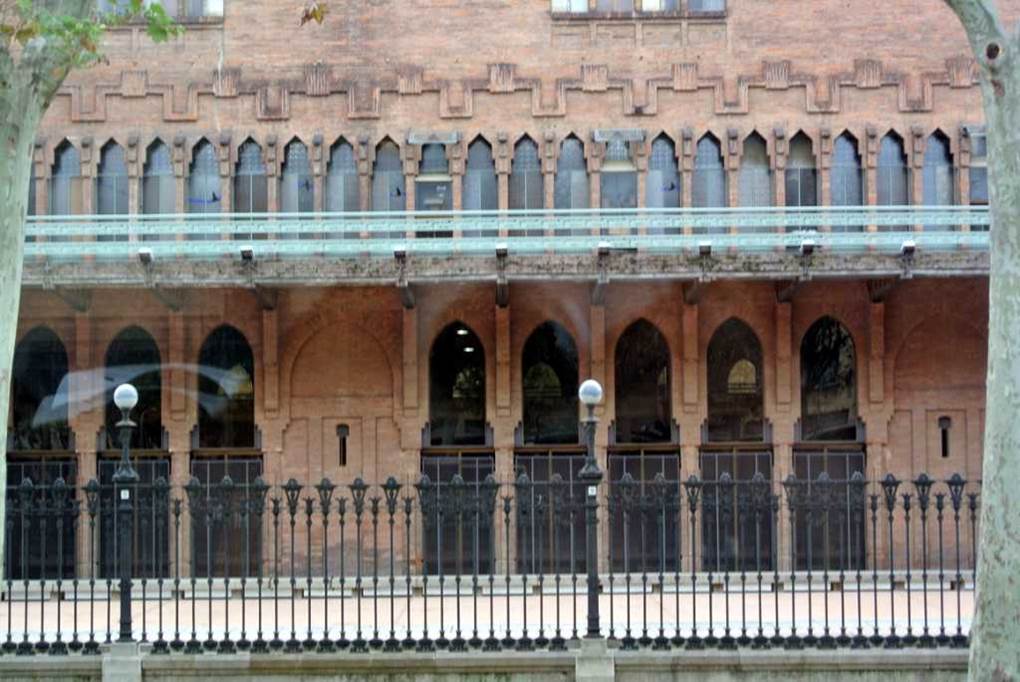
Photo by author, 2013
Port Authority Office Building
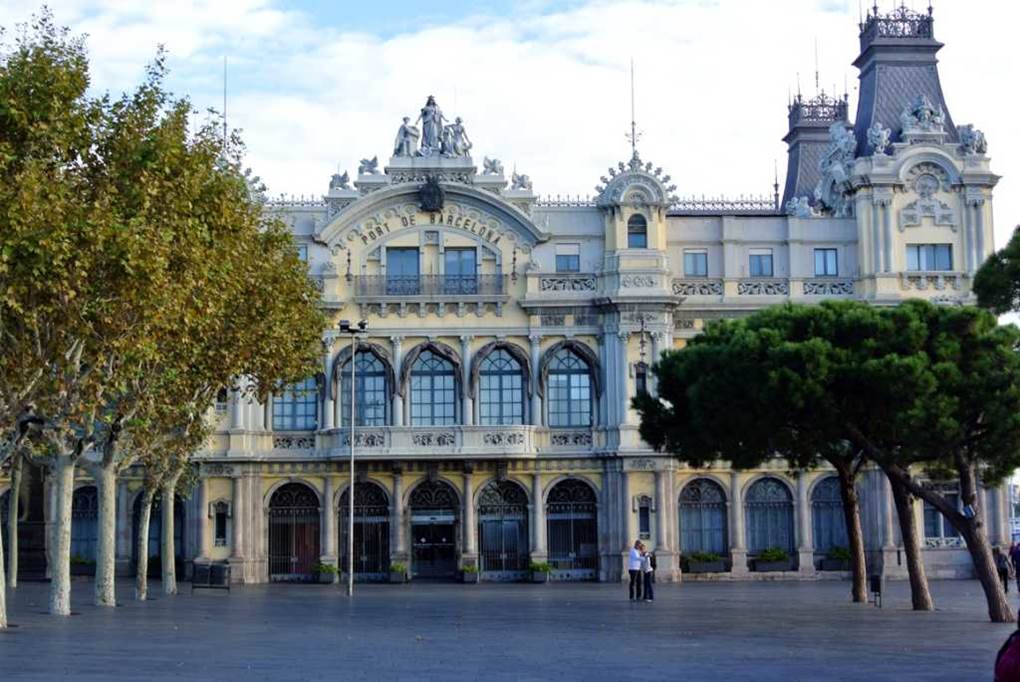
Photo by author, 2013
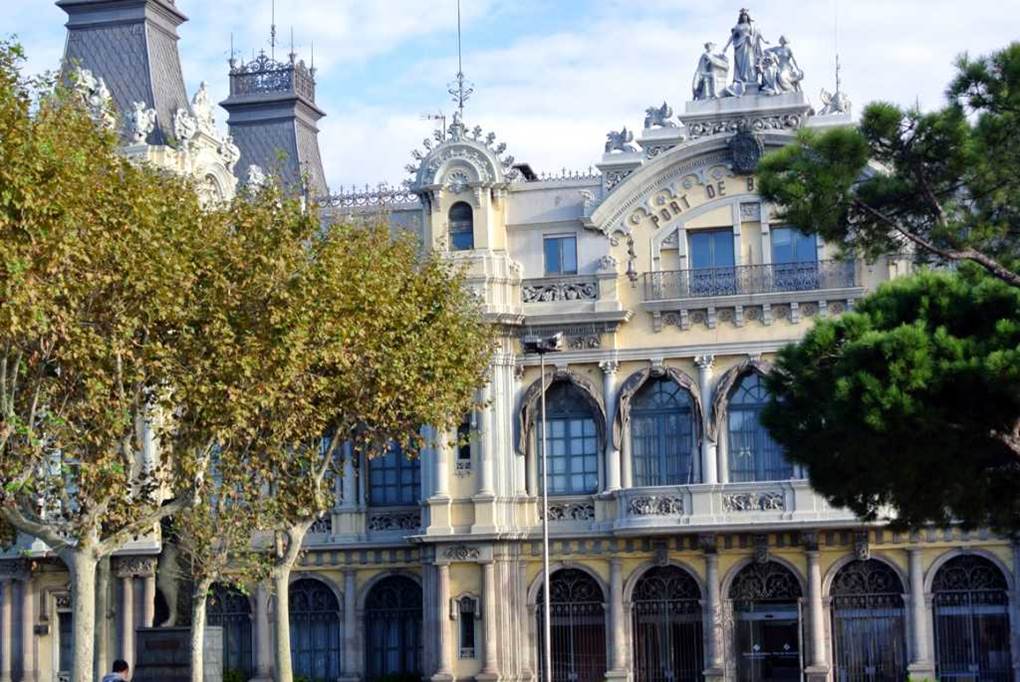
Photo by author, 2013
Port of Barcelona, old customs building (Aduana de Barcelona)
It is a majestic neo-classical building from the late 19th century.
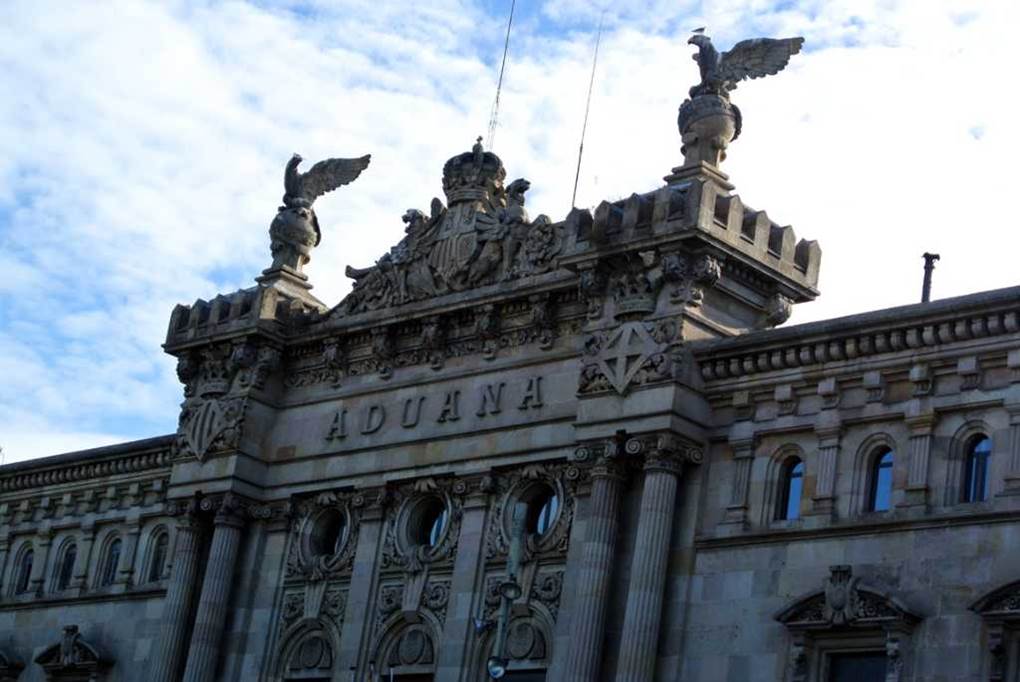
Photo by author, 2013
Columbus Monument
Built in 1888, it is a gorgeously decorated Corinthian column with a statue of Columbus at the top. The height of the tower is 60 m. The statue of Columbus is 7 meters long, and the length of the fingers pointing to the Americas is 60 cm.
Construction begin in 1882 to commemorate trade between Catalonia and the United States. The tower was completed in 1888, six years after construction began. It was the year of the first Barcelona World Exposition.
Columbus’s voyage was financed by Queen Isabell of Spain at the time. After discovering the New World in 1492, Columbus came to Barcelona for an audience with the Queen.
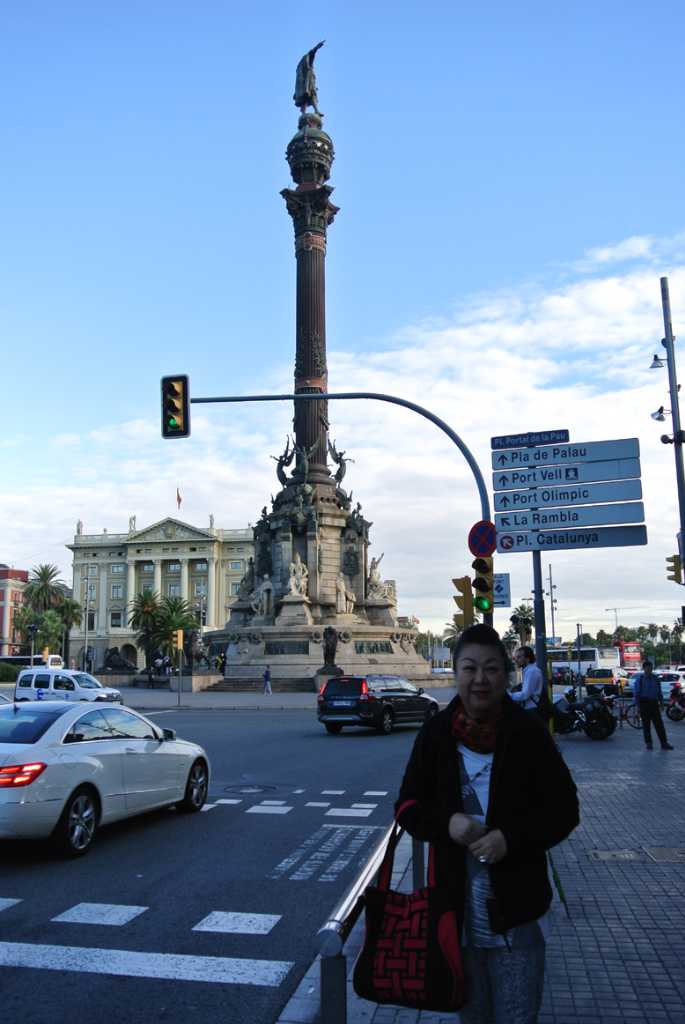
Photo by author, 2013
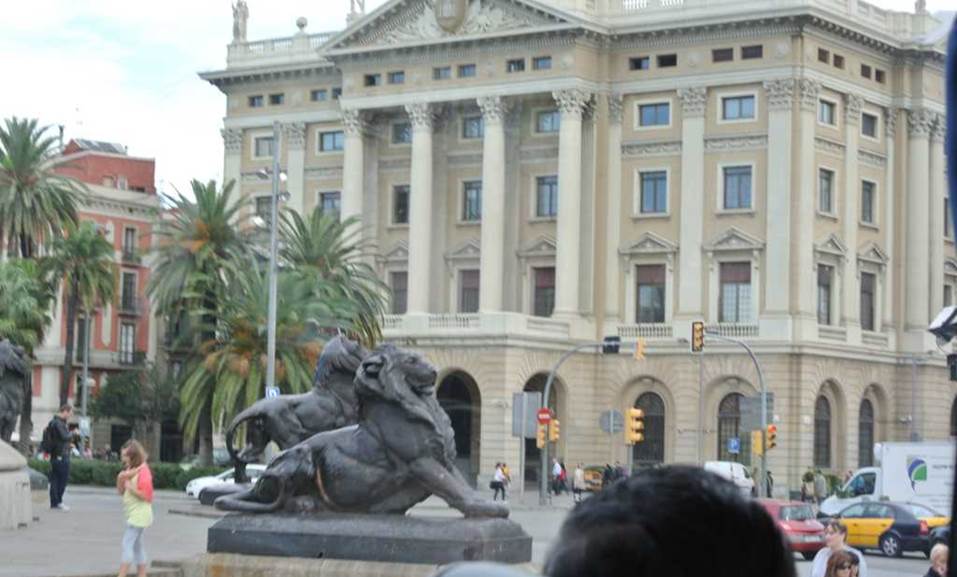
Photo by author, 2013
Map of the old town.
Barcelona originates as a 2-kilometre square old town surrounded by a citadel built in the 14th century. The roads are laid out in a chaotic fashion.
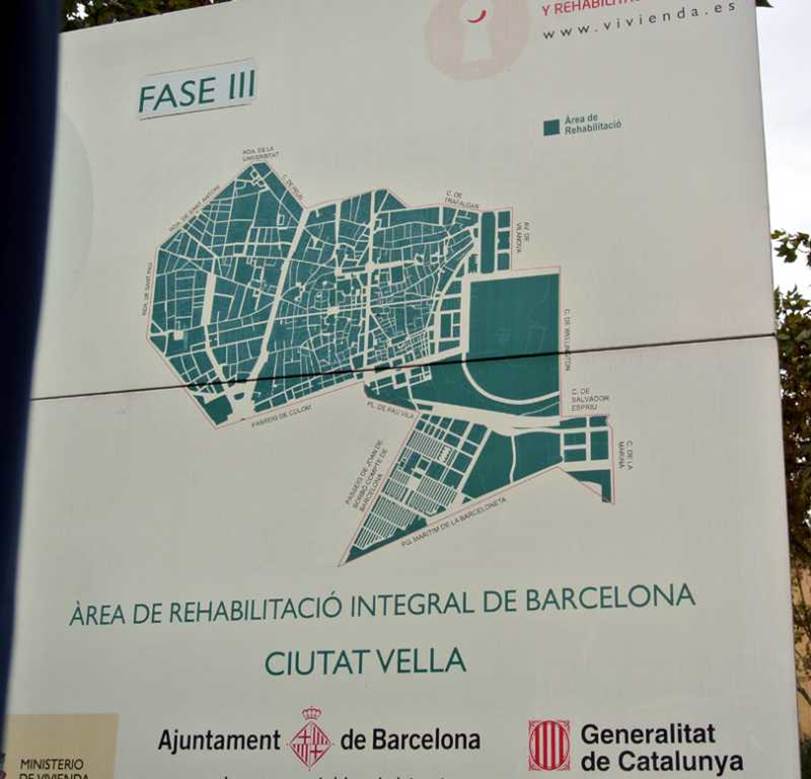
Photo by author, 2013
With the Industrial Revolution in the 19th century, Barcelona saw the introduction of many new industries, which led to the growth of the city. As a result, the old town of Barcelona began to suffer from urban problems such as unsanitary conditions due to overcrowding.
In order to solve this problem, an expansion of the city limits was planned in 1859. The plan is to lay the road in an orderly north-south direction like a grid on a 133.4m square with a single section.
As a result, the medieval walls were gradually demolished.
The old town, the old city walls and the grid-like city blocks. It is rare to see such a contrast of streets on a map, even among European cities.
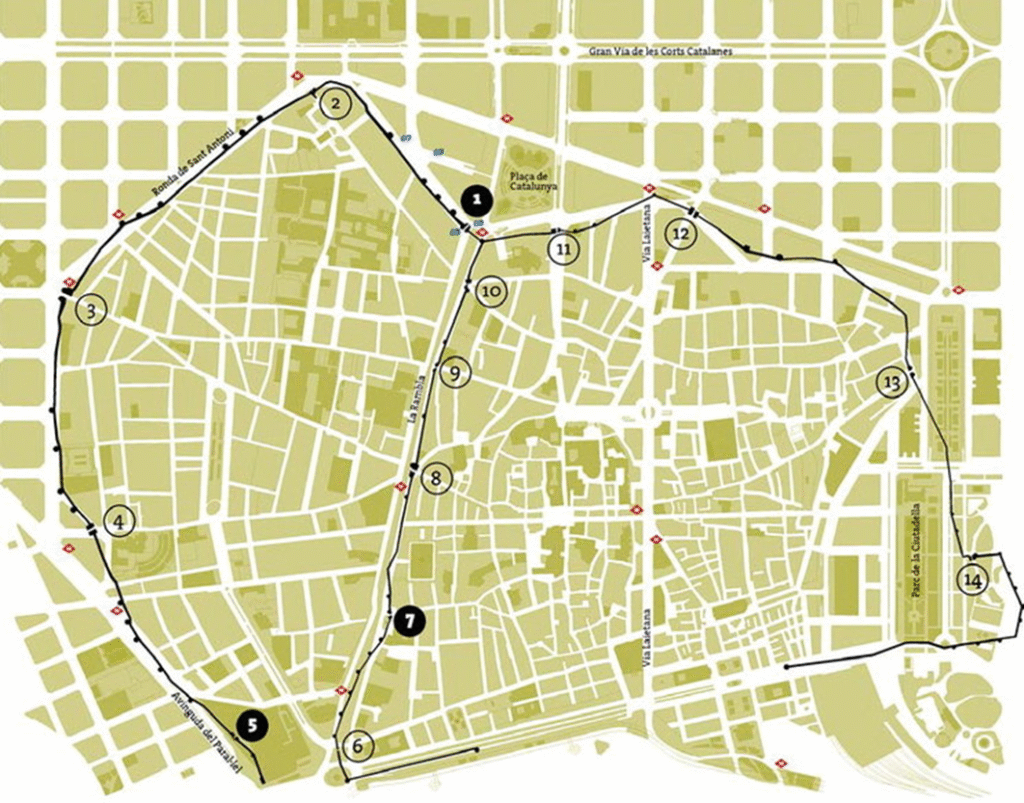
Source: patrimoni.weebly.com/
Medieval Wall of Barcelona
From the Columbus Monument, we took a detour to the east side before entering the world-famous Rambla Street. There I came across a city wall that has been around since the Middle Ages. (Point nos 5 of the map above)
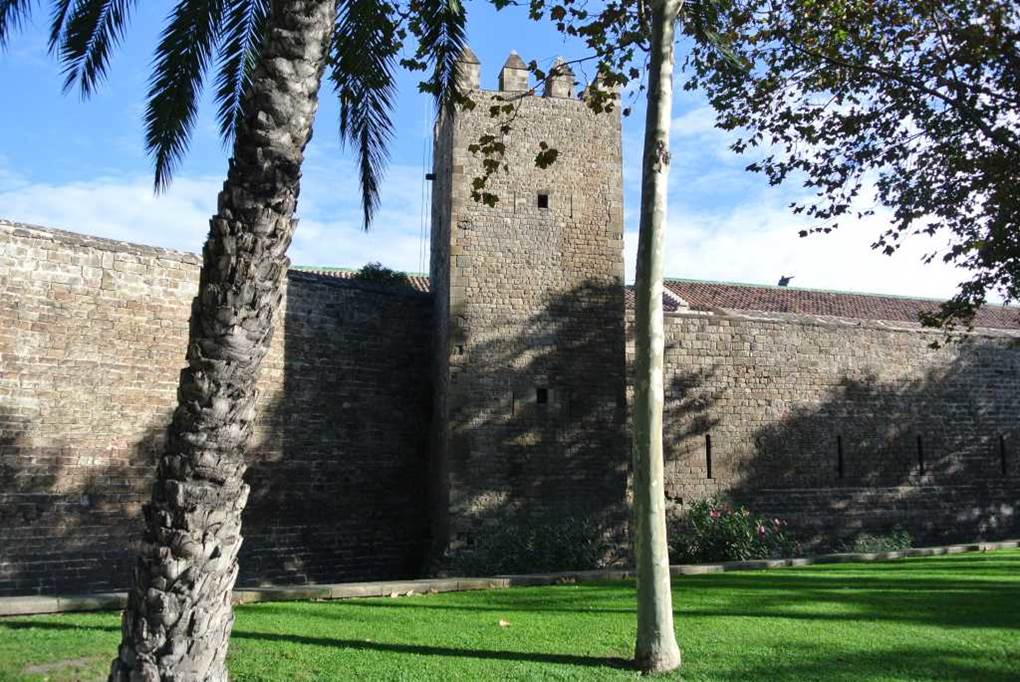
Photo by author, 2013
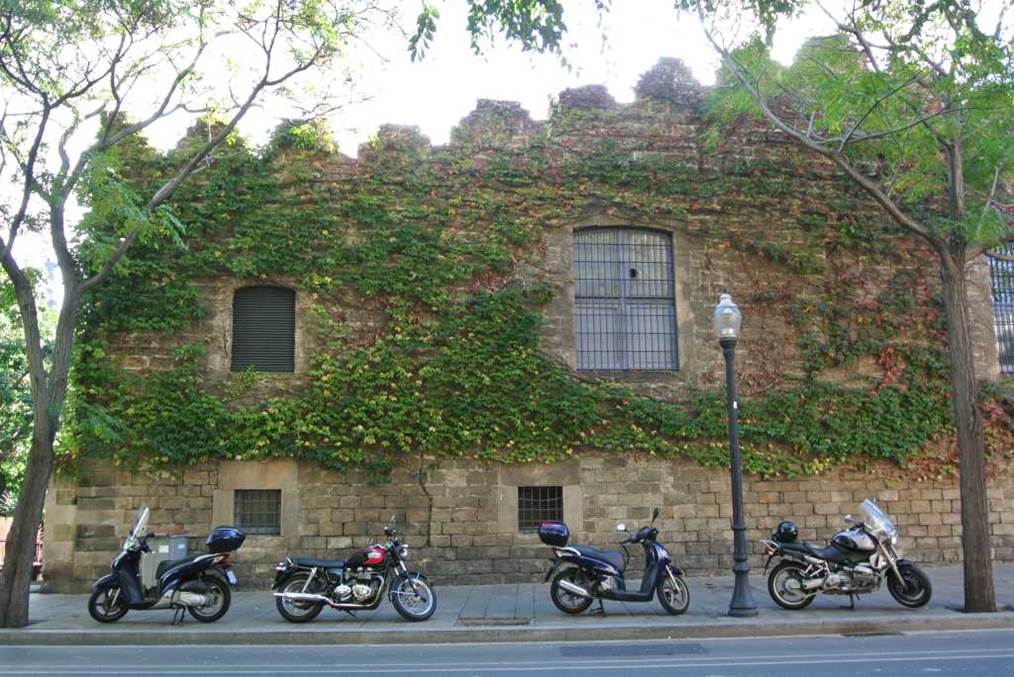
Photo by author, 2013
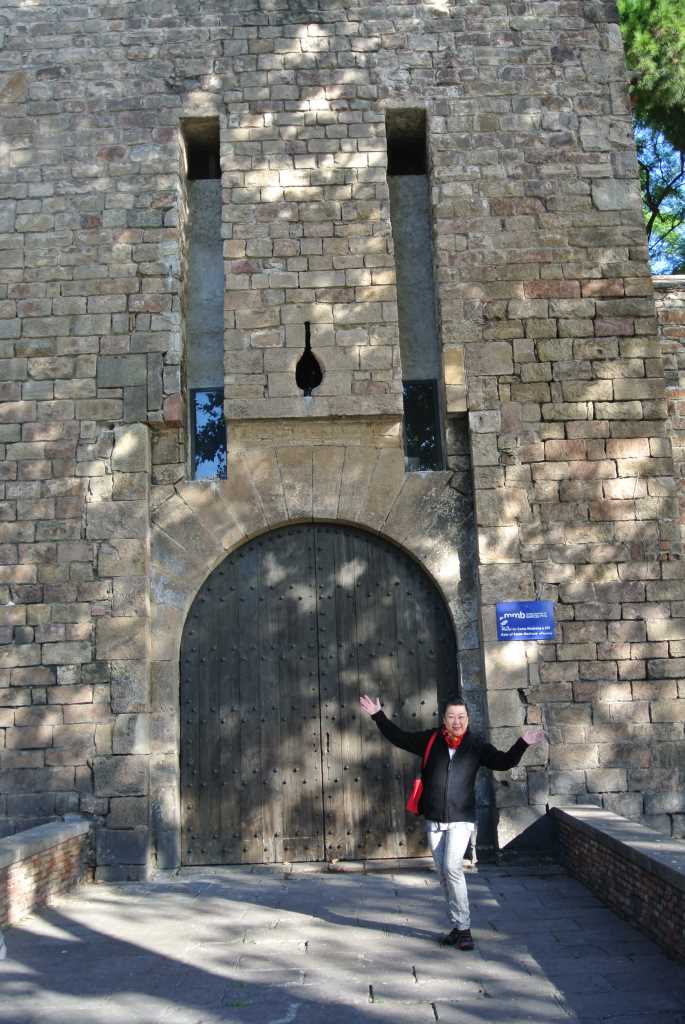
Photo by author, 2013
La Rambla
A poet from Granada, Spain, describes Las Rambla as “the only road in the world that I wish it would never end.”
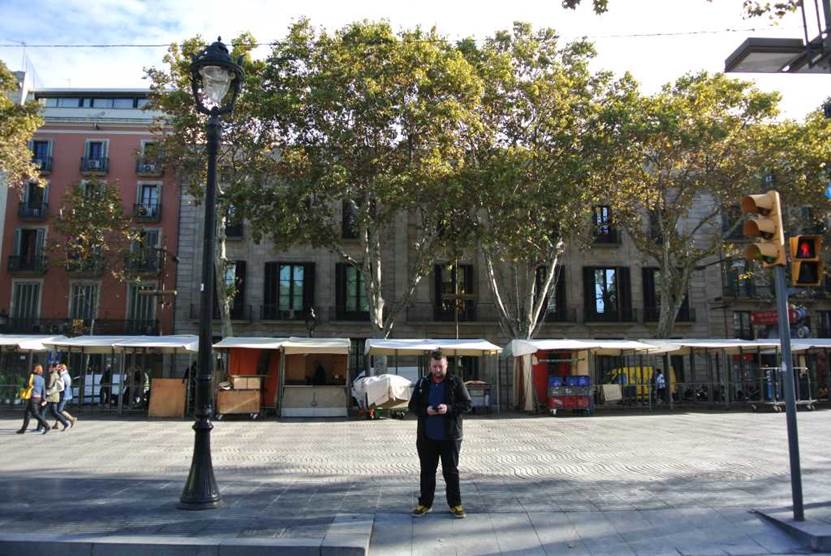
La Rambla, Photo by author, 2013
“Rambla” means temporary waterway in Catalan and is derived from the Arabic word Ramla (sandy riverbed). Here, too, there are traces of Arabian history.
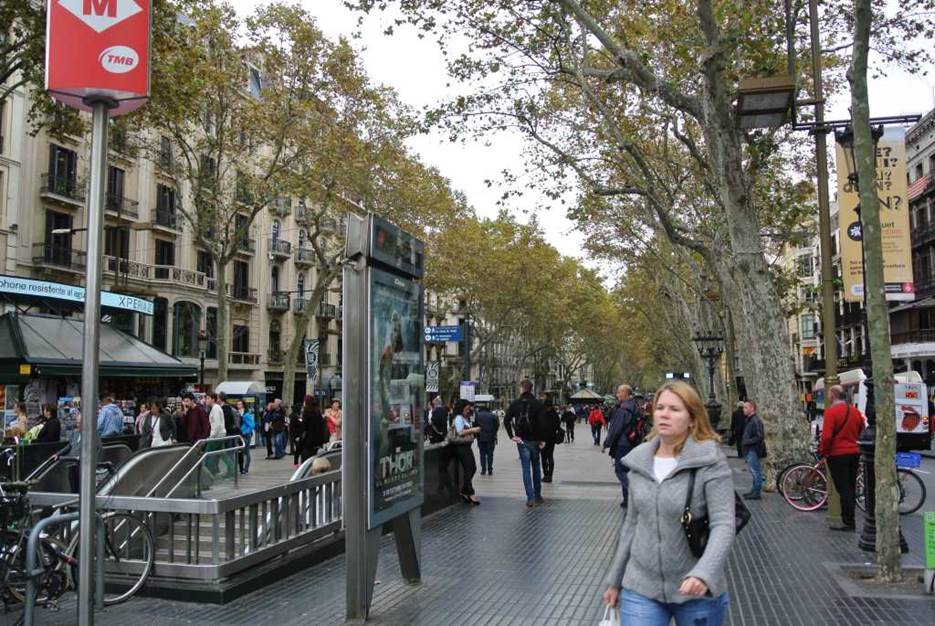
La Ramblas is a 1.2km long tree-lined street that made Barcelona famous, skewering the old town from north to south, from the Columbus Monument in the waterfront to Plaza Catalunya (from ⑥ to ① on the map above). Walking along this stretch is a very pleasant experience.
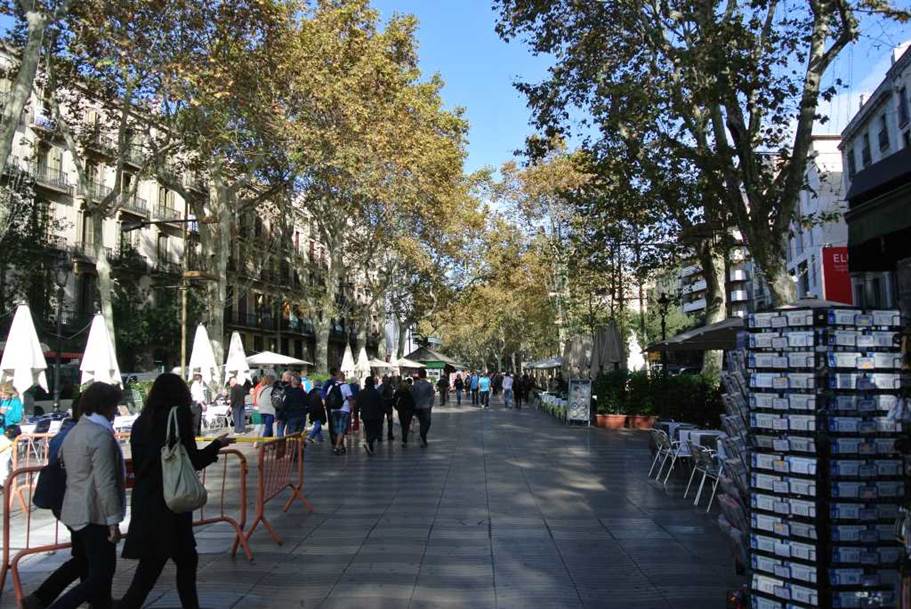
La Rambla, Photo by author, 2013
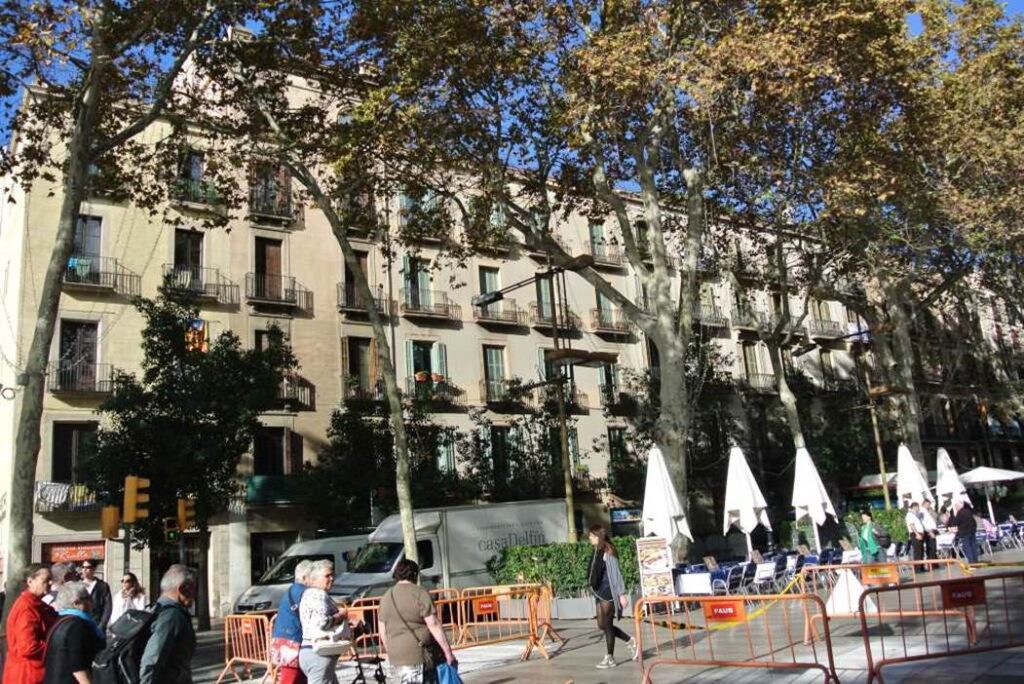
La Rambla, Photo by author, 2013
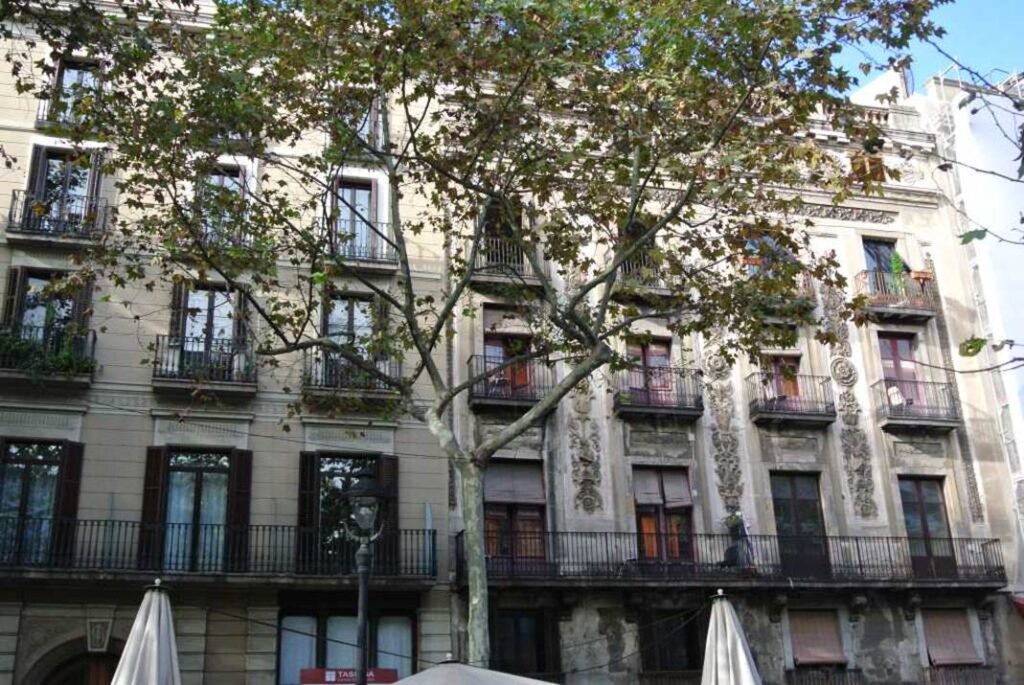
La Rambla, Photo by author, 2013
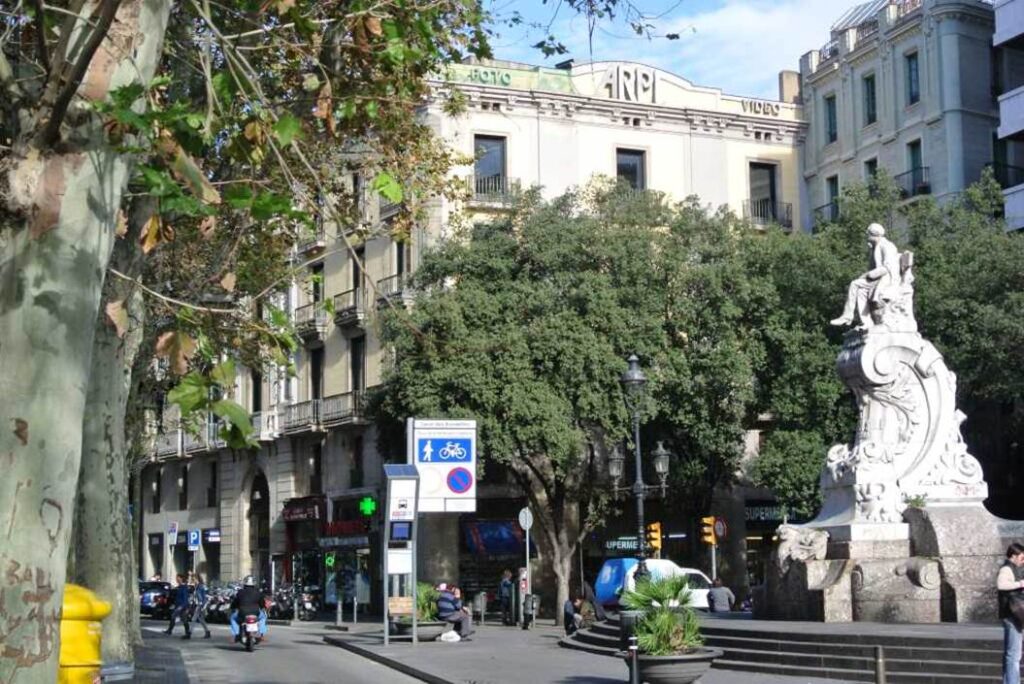
La Rambla, Photo by author, 2013
Among the classical buildings was a church with a minimalist design.
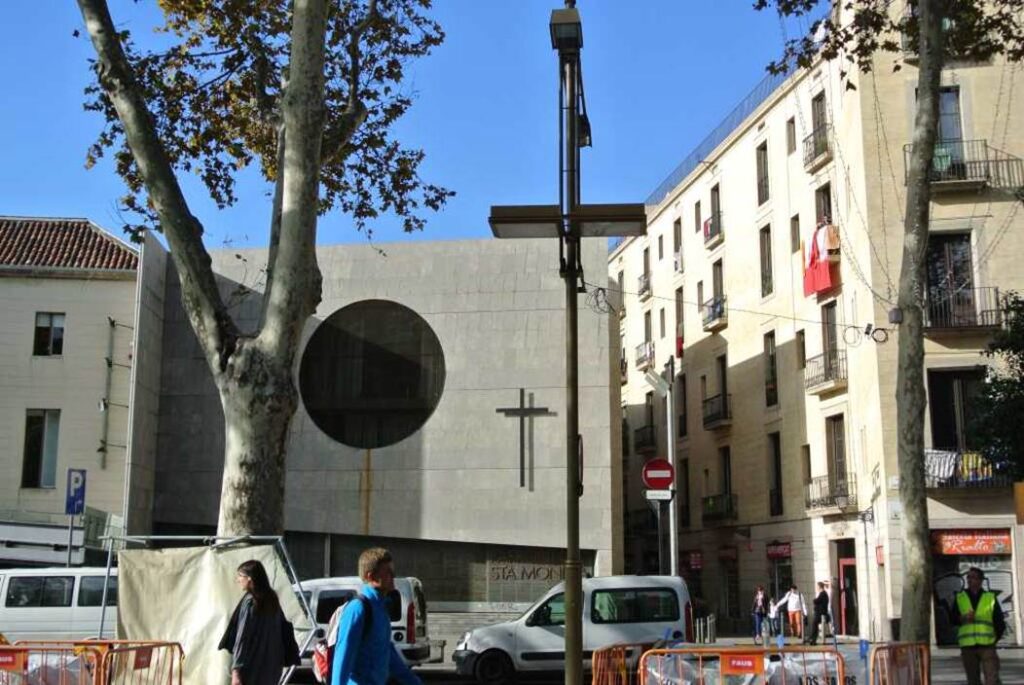
La Rambla, Photo by author, 2013
It is a pedestrian boulevard lined with florists, birders, street performers, cafeterias and restaurants, crowded with many people until late at night. Las Rambla is lined with a variety of buildings. There is also a world-famous grand theater and market.
La Rambla, Photo by author, 2013
Cafeteria
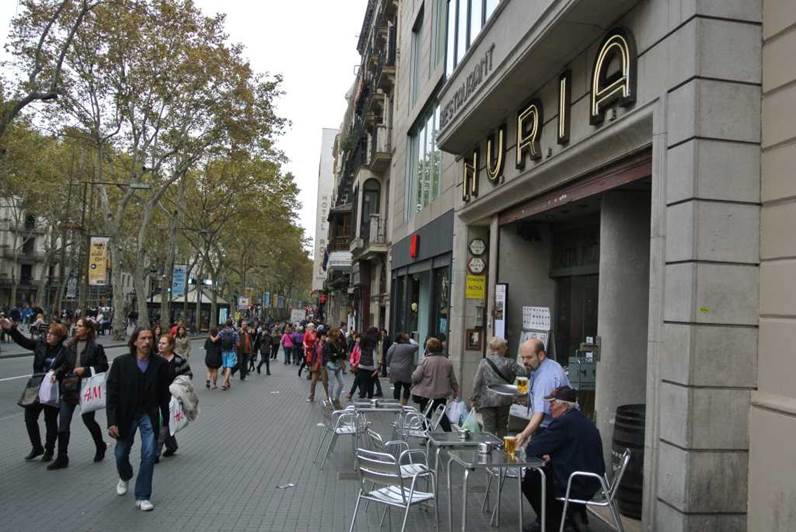
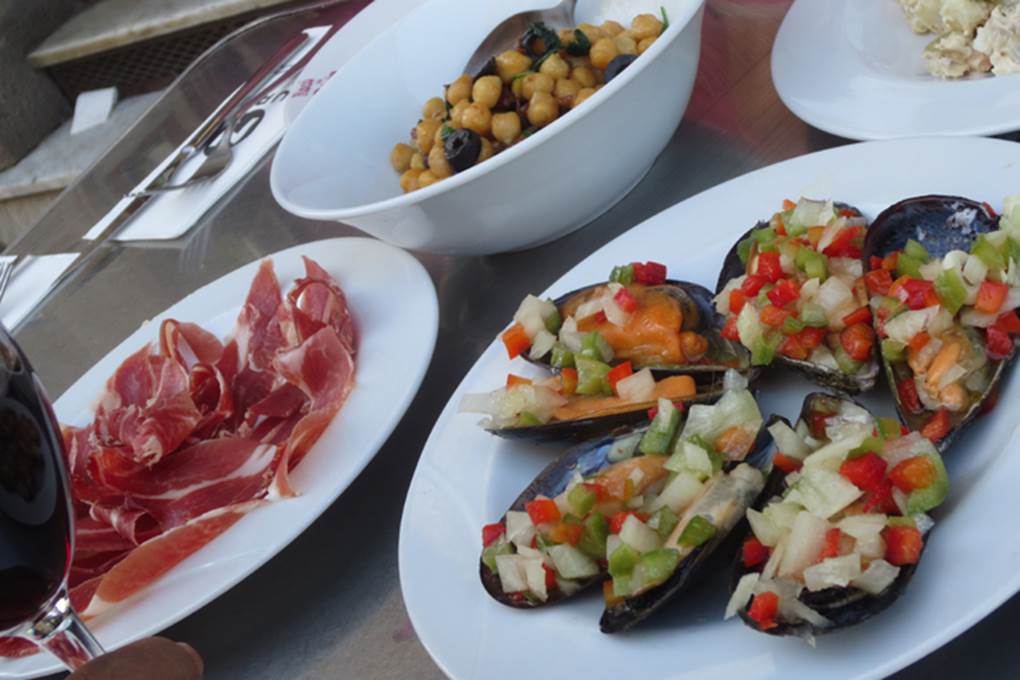
Tables and chairs are set up on the outside walking path. It’s not a bad idea to take a break here while watching the people on the street. I took a vacant seat. There was also an ashtray, and smoking was allowed at that time. I ordered a 500ml red house wine for only 2 euros, and I had a great time with eating tapas and fish.
La Rambla, Photo by author, 2013
At the outdoor tables, you can sample a variety of small tapas dishes.
La Rambla, Photo by author, 2013
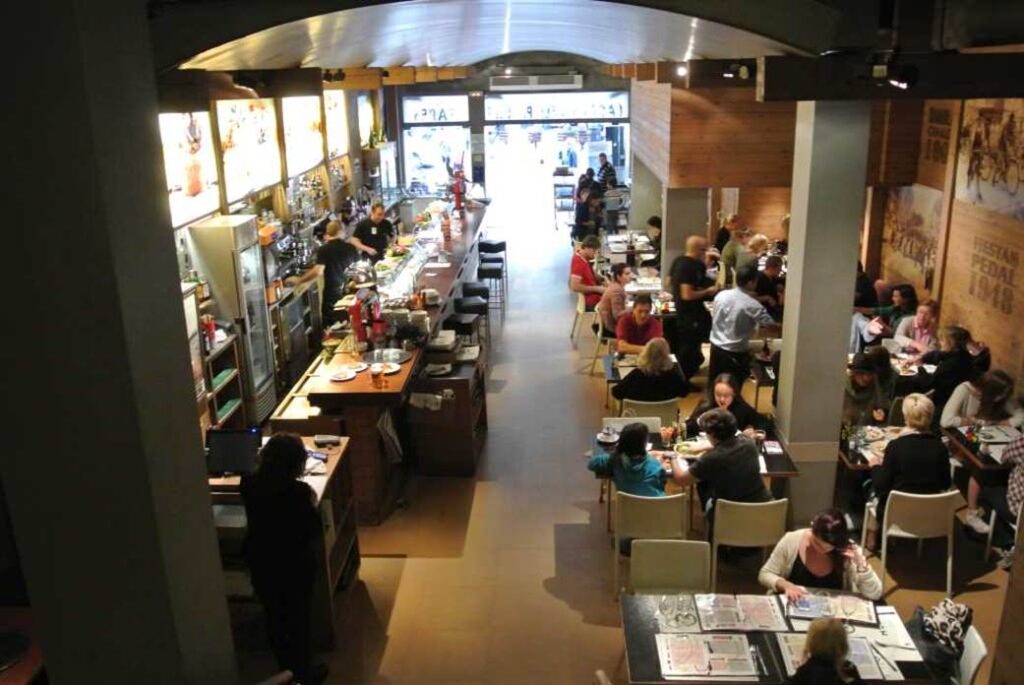
Inside a cafeteria serving wine and tapas on La Rambla.
La Rambla, Photo by author, 2013
There was a bookstore selling Japan comics and manga.
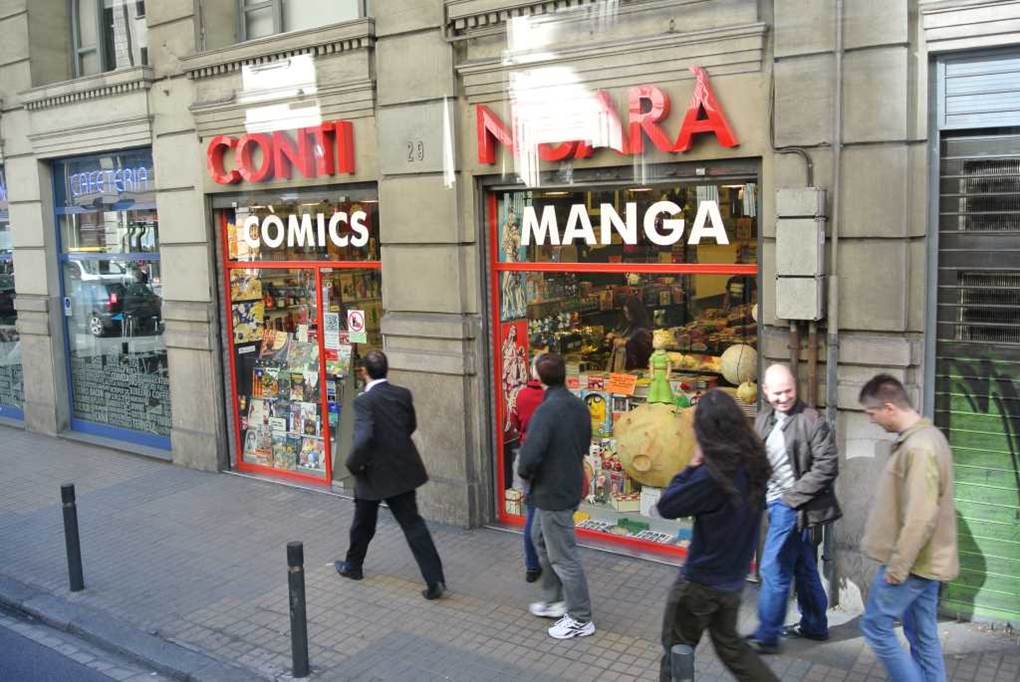
La Rambla, Photo by author, 2013
I also found a Japan restaurant specializing in Japanese udon (noodles).
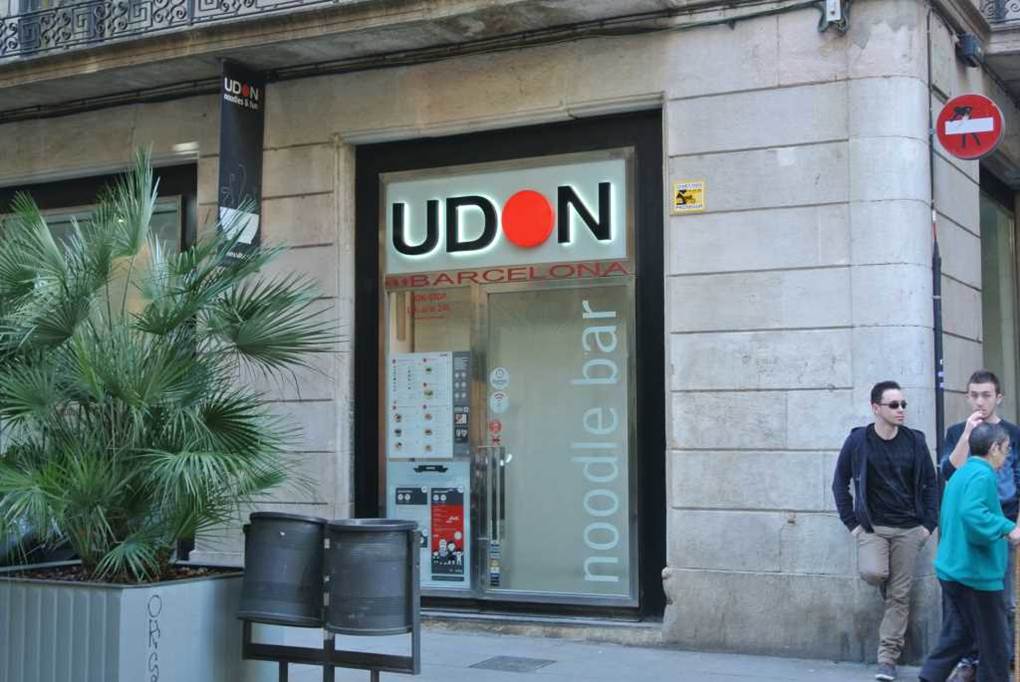
La Rambla, Photo by author, 2013
La Boqueria
It is a market with a diverse selection of products such as fruits and vegetables, meat, fresh fish, seasonings, dry goods, dairy products, and confectionery, and supplies fresh ingredients to residents and restaurants.
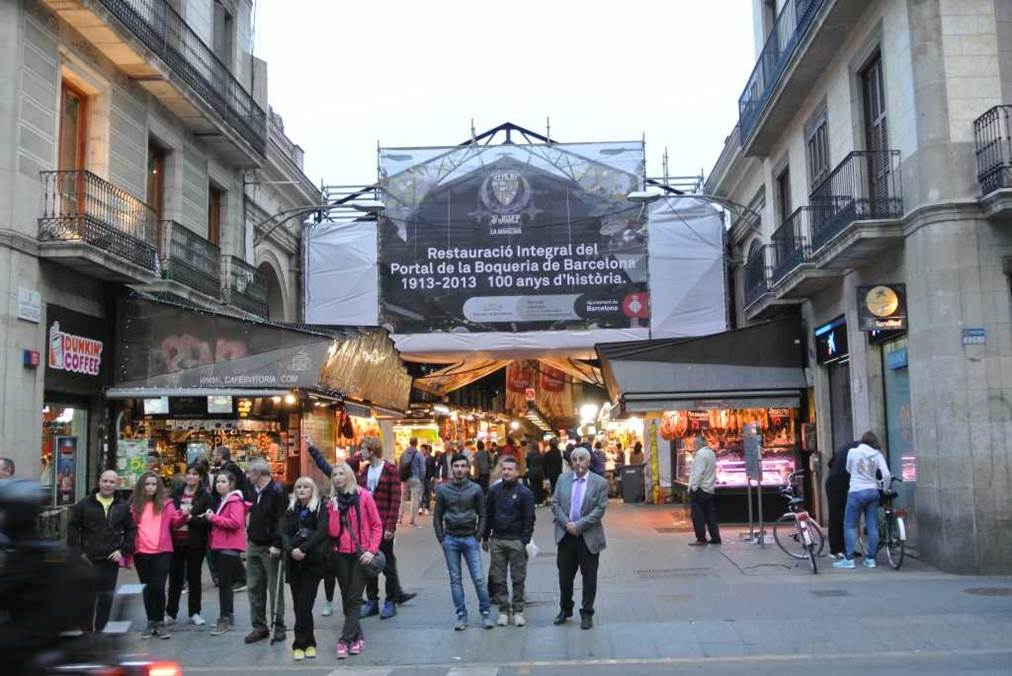
La Rambla, Photo by author, 2013
A flower shop on a tree-lined street.
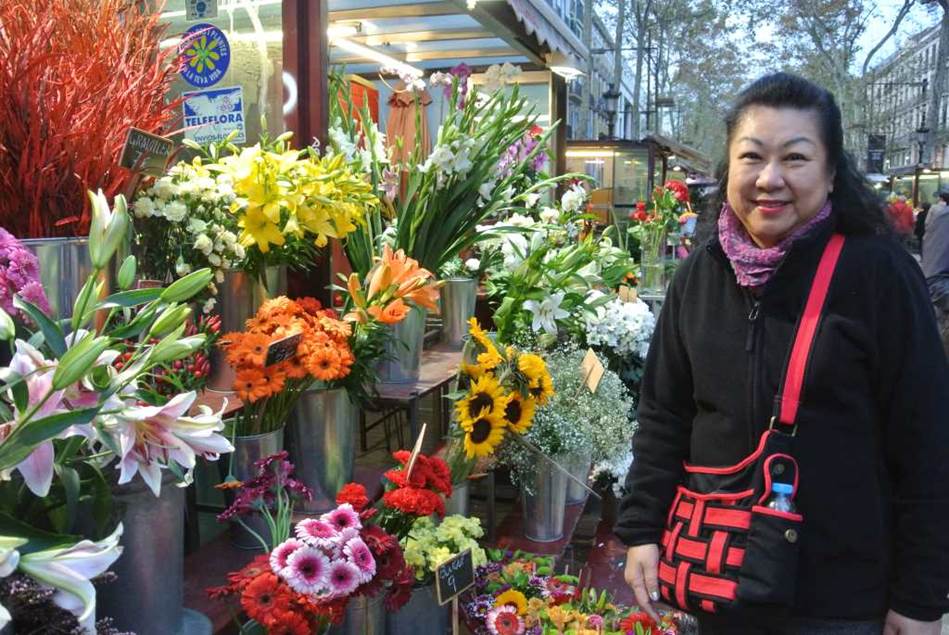
La Rambla, Photo by author, 2013
Gothic Quarter
Barcelona’s old town is said to be one of the oldest cities in Europe.
Roman ruins are scattered here and there.
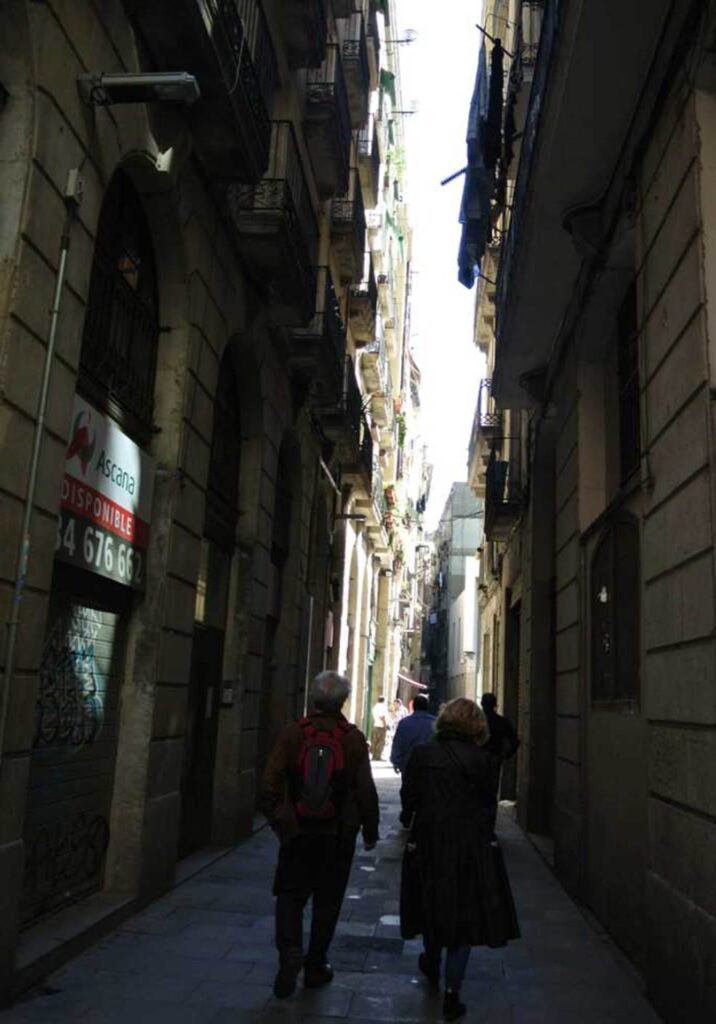
Photo by author, 2013
The block on the east side of La Rambla is called the Gothic Quarter, and as you walk aimlessly through the dark labyrinthine lanes, you suddenly come across ruins like this when you come to the square.
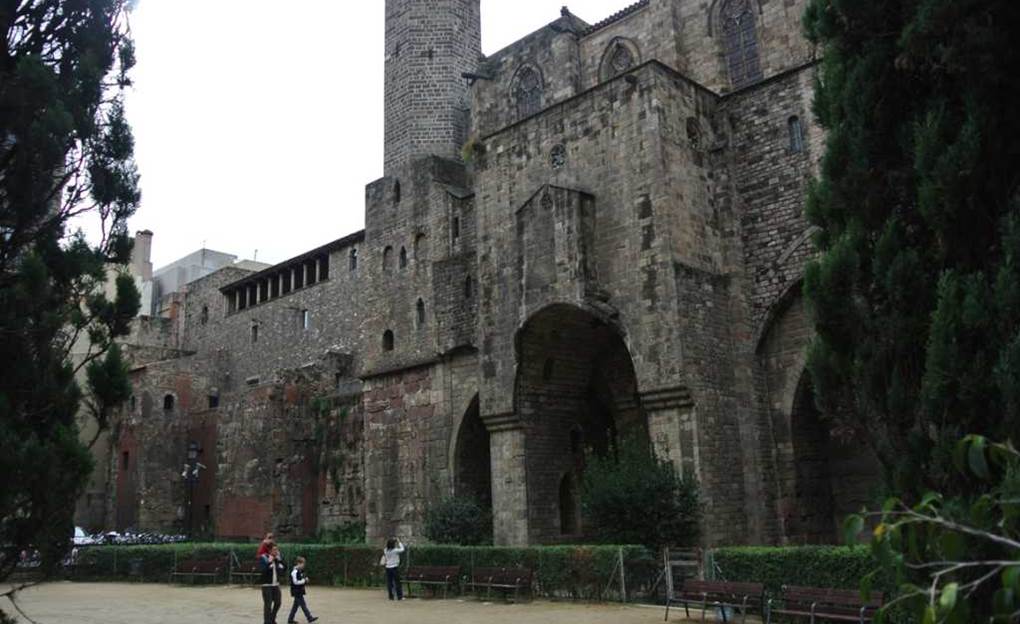
Photo by author, 2013
Barcelona Cathedral
(The Cathedral of the Holy Cross and Saint Eulalia)
The Gothic cathedral can only be reached by walking east from the broad La Rambla through a maze of dimly lit medieval lanes. Construction began in 1298 and was completed about 150 years later.
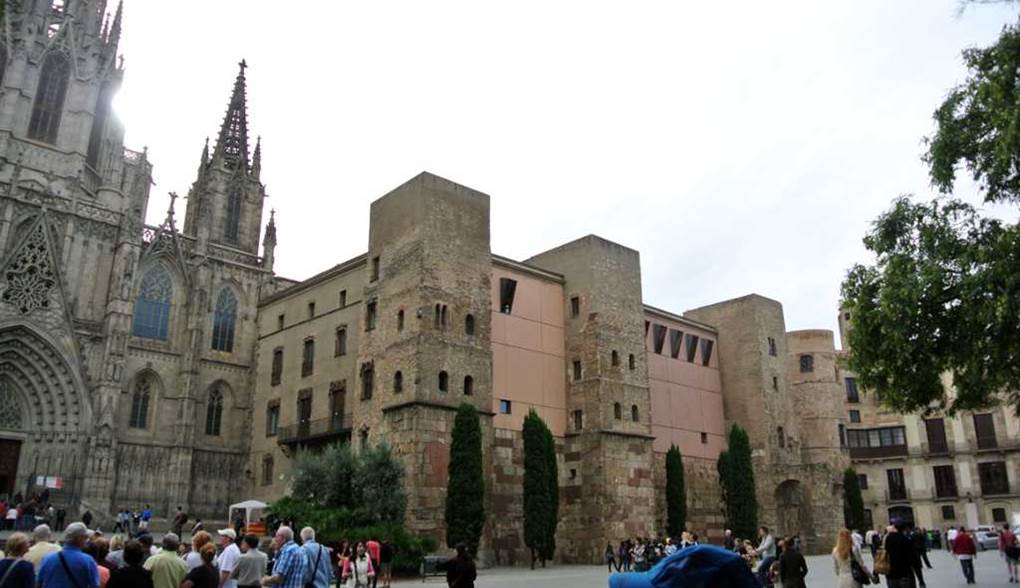
Photo by author, 2013
It is said that there was originally a primitive Christian church in this place.
The building was also used during the Visigothic period.
Porte de Sant lu, the oldest gate in the cathedral
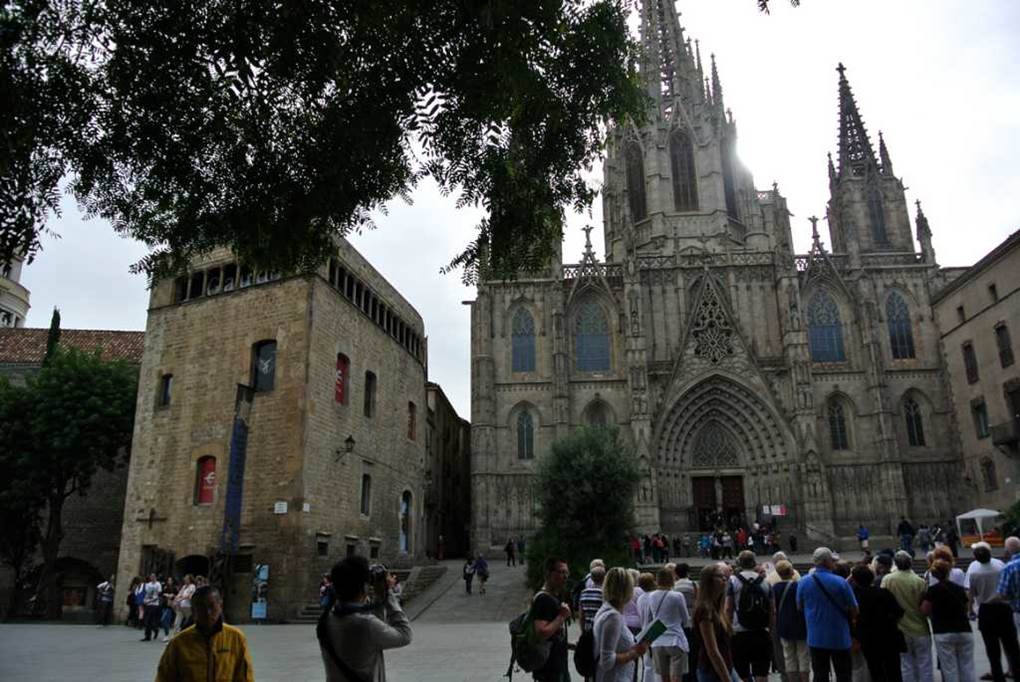
Photo by author, 2013
Porta Sant Iu, the oldest gate of the cathedral
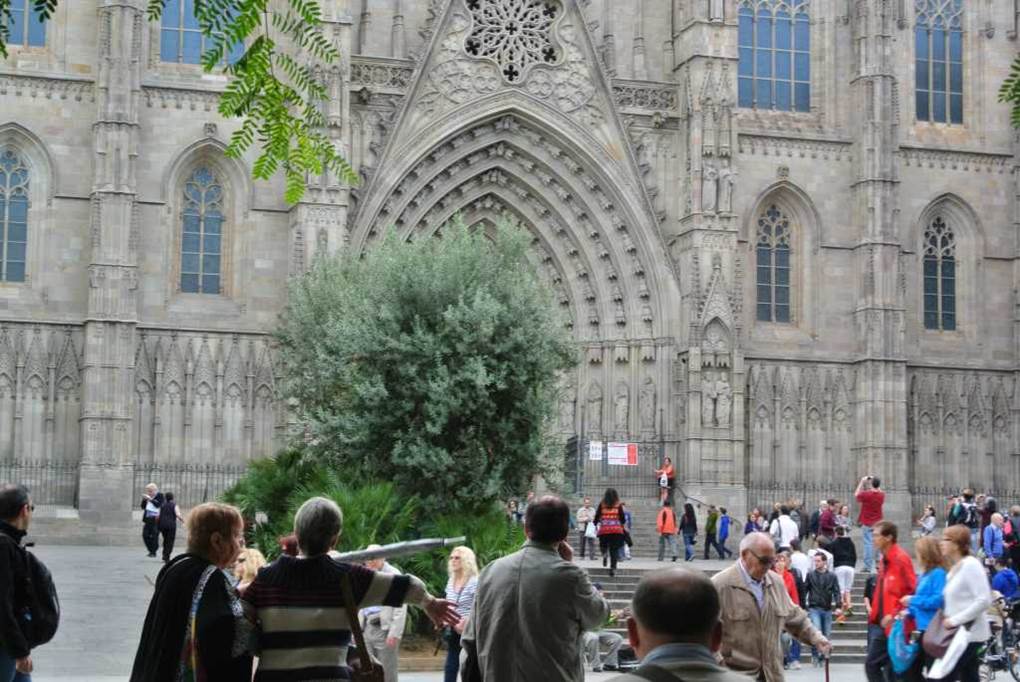
Photo by author, 2013
Porta Sant Iu, the oldest gate of the cathedral (close up)
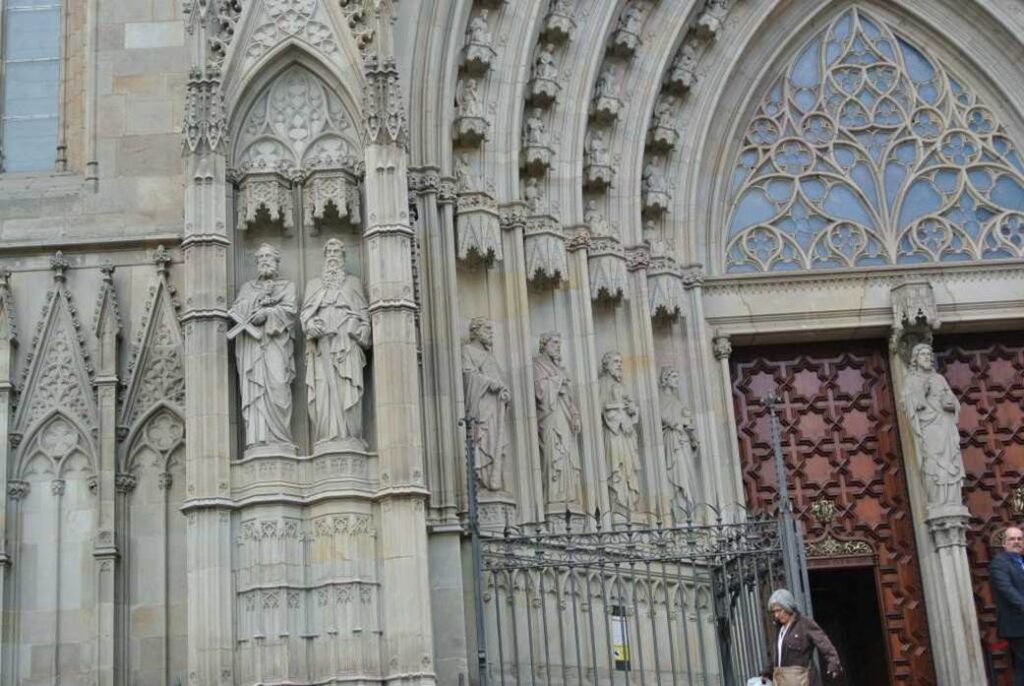
Photo by author, 2013
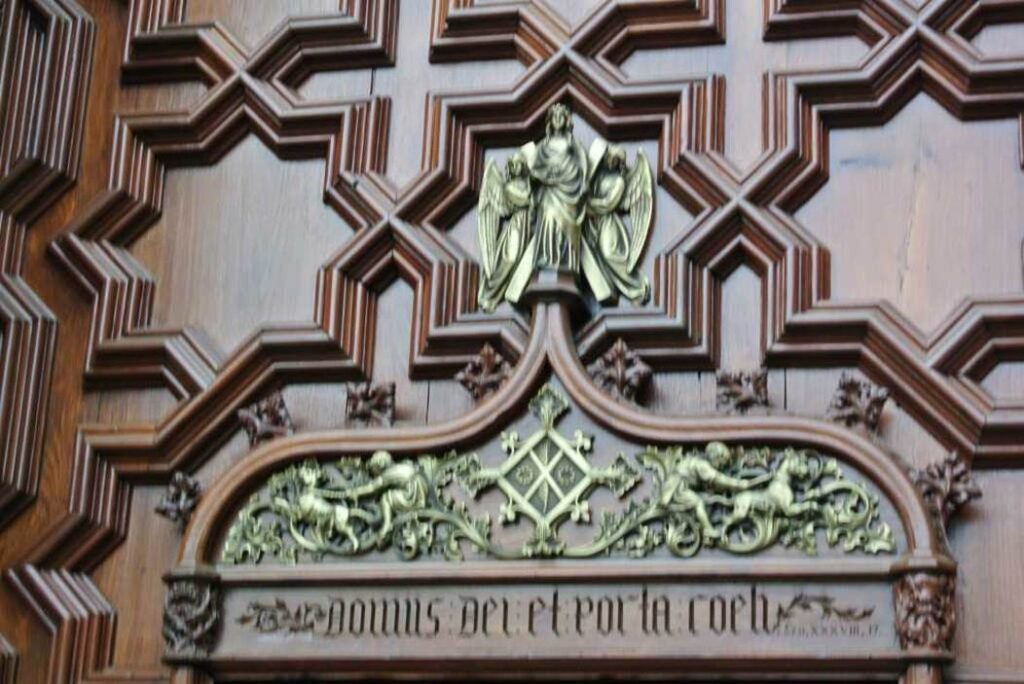
Photo by author, 2013
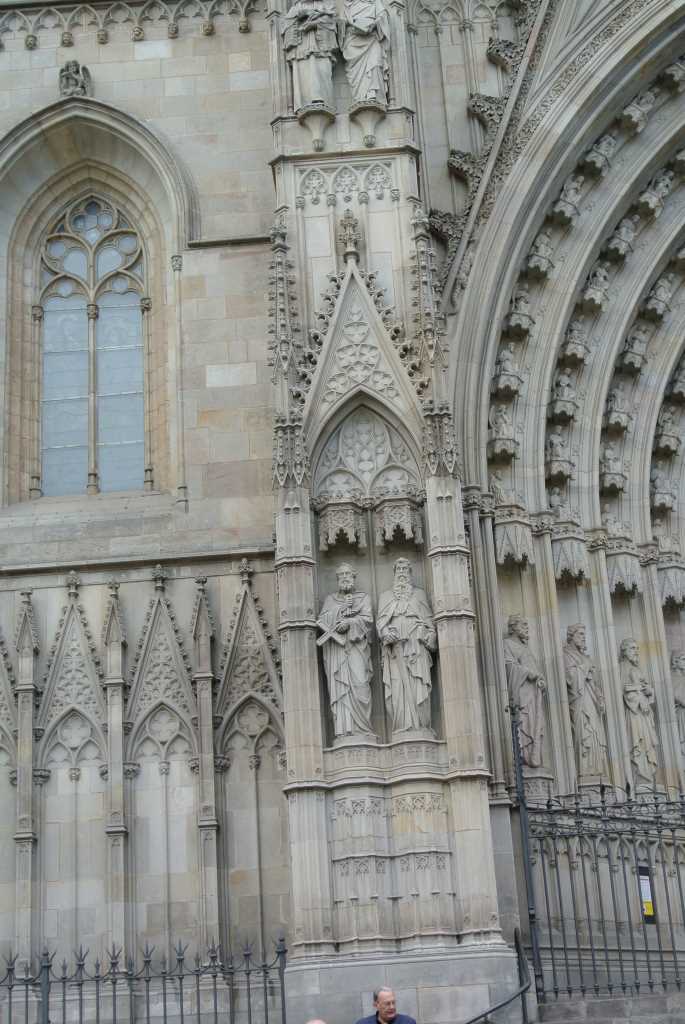
Photo by author, 2013
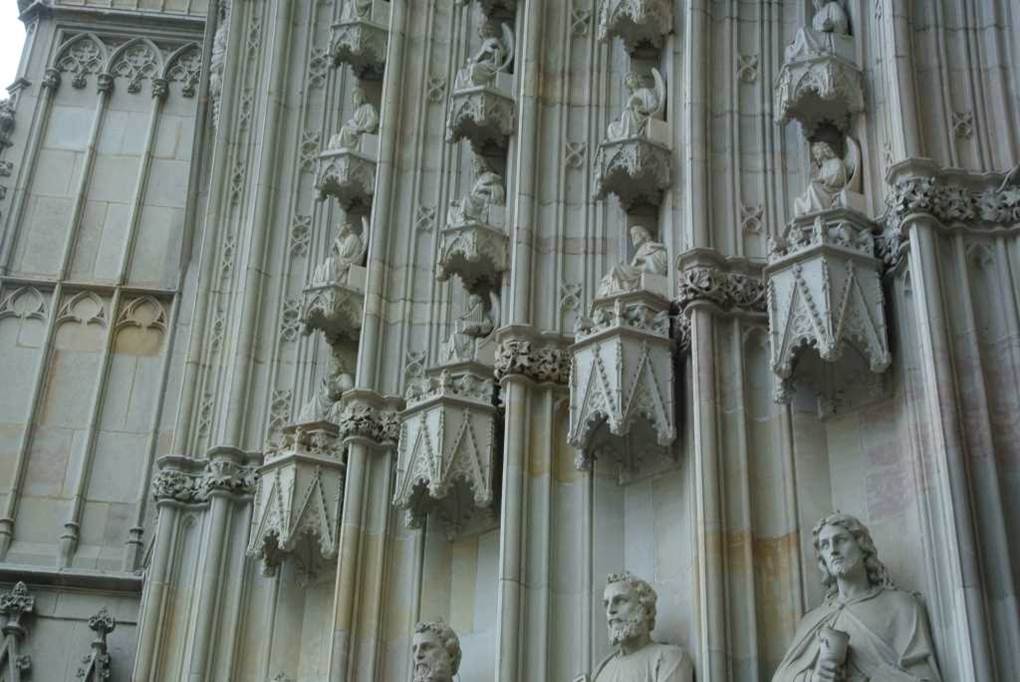
Photo by author, 2013
Inside the cathedral
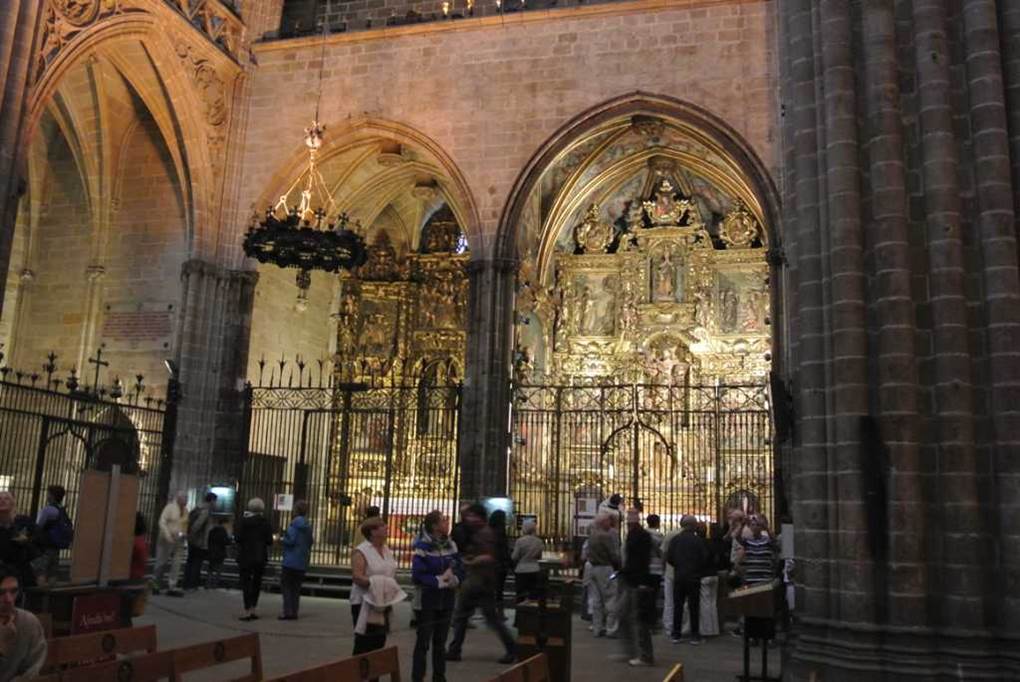
Photo by author, 2013
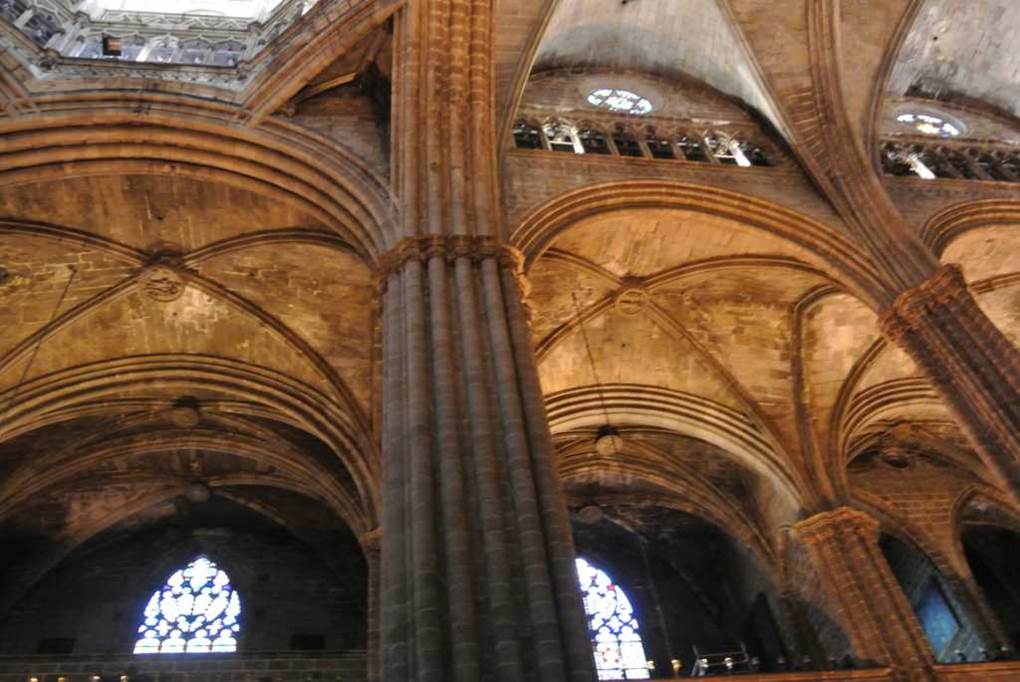
Photo by author, 2013
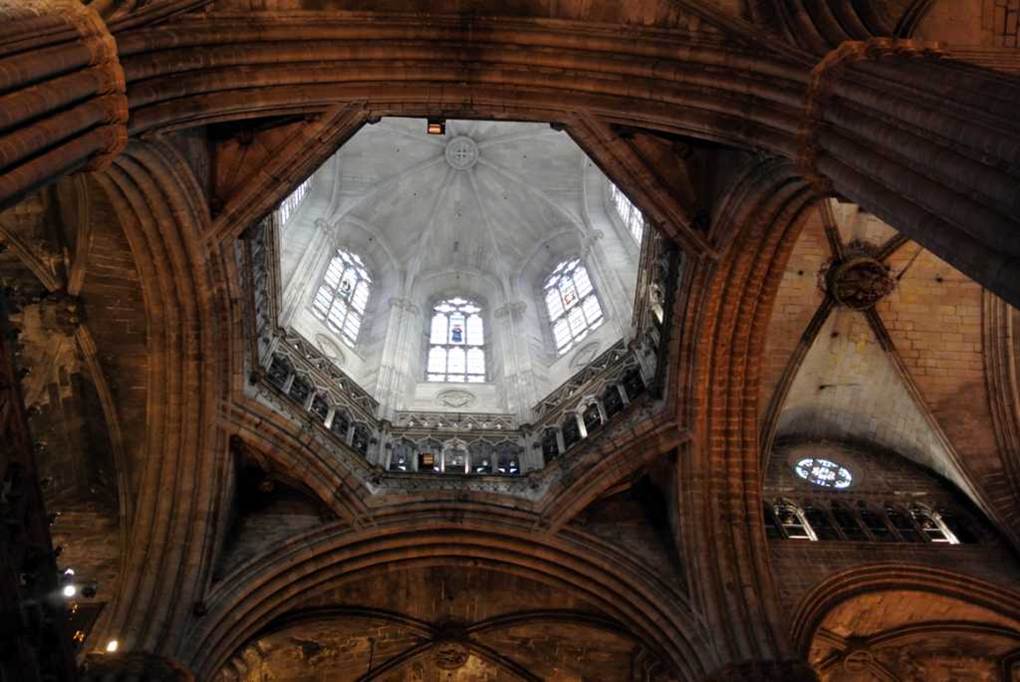
Photo by author, 2013
Picasso Museum.
It is located in the Gothic Quarter of Barcelona. From La Rambla, I followed the medieval maze, and after a lot of trial and error, I finally arrived at the Picasso Museum, in a secluded place. It is located on Moncada Street.
Picasso spent his youth in Barcelona before going to Paris. It is his favorite town.
The museum opened in 1963 on the basis of the private collection of Picasso’s friend and secretary and Picasso’s works owned by the city of Barcelona, and later expanded the collection with donations from Picasso himself and his family and friends.
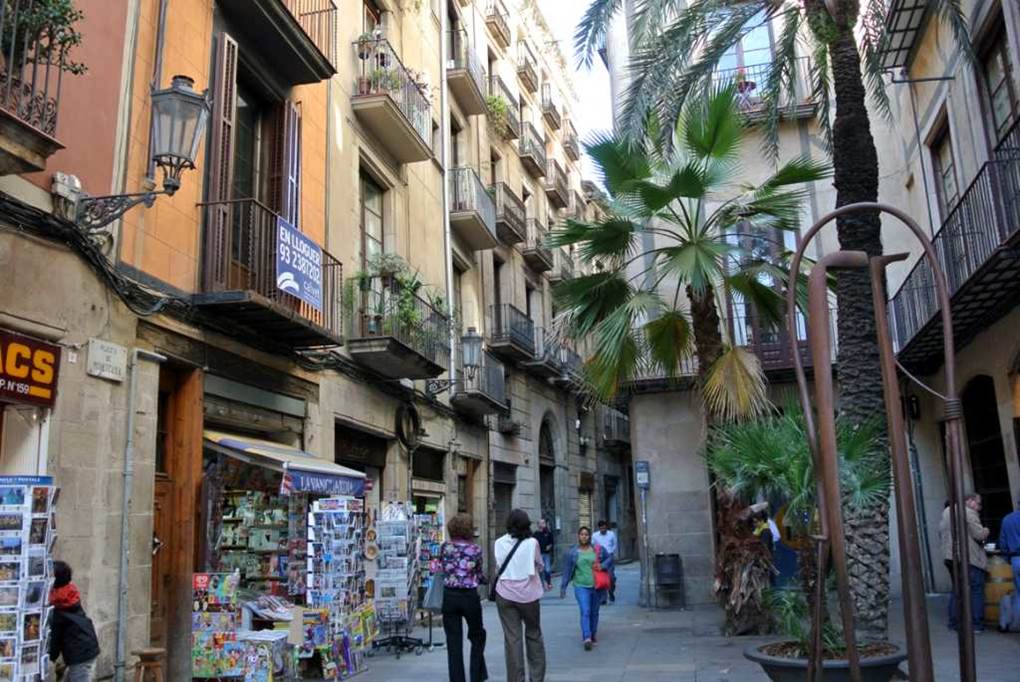
Photo by author, 2013
In the square of the Gothic Quarter in Barcelona’s old town, we took a break over cups of espresso.
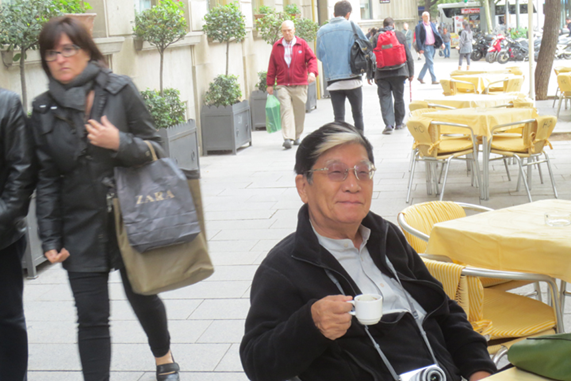
Photo of author, 2013