JAP | ENG
Lisbon Trip
October 2013
#2/2
Baixa Distrit
The Baixa district (lower town) is a flat area like the bottom of the basin between the hills of Bairro Alto (upper town) (mentioned earlier, #1) and the hill of Alfama (described below), located on the east and west sides. It is the only town in Lisbon’s old town that spreads out on a flat terrain with no slopes.
Augusta Street is the main road of the Baixa district, which runs from north to south.
At the northern end of Calle Augusta is the Plaza de Rossio, and further north is the Plaza de Don Pedro IV.
Plaza Don Pedro IV
It is a square on the east side of Rossio Station. It is a horseshoe-shaped square. On top of the central column is a statue of Don Pedro IV. From here, the area of Baixa will be to the south.
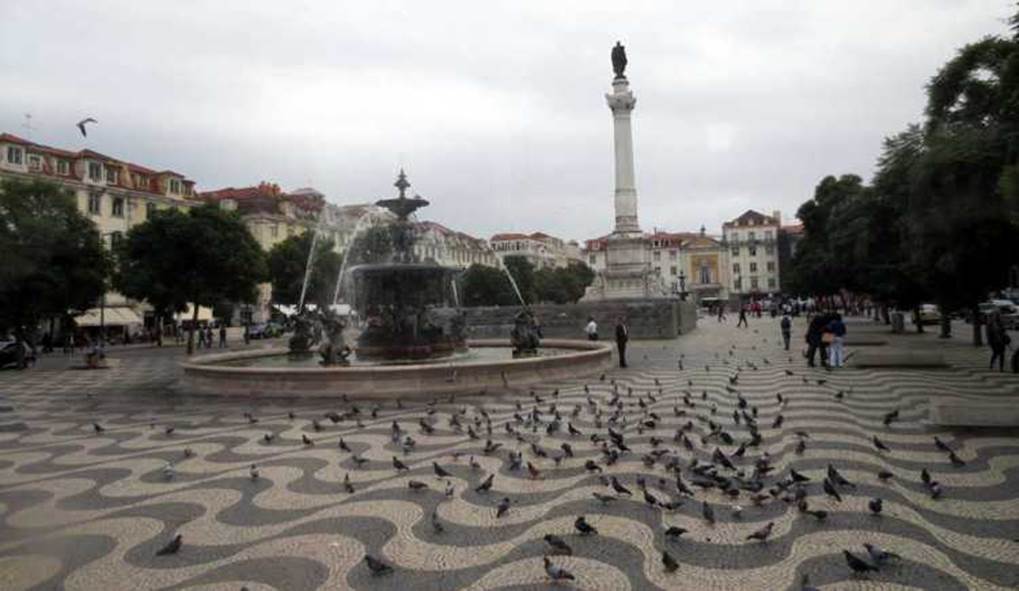
Photo by author, 2013
This corrugated pattern of paving stones is the same design as the promenade on the Copacabana coast in Rio de Janeiro. (see Long-term stay in Brazil #11/15 Bahia 4) Looking at the same materials and the same design, I realized that the design of Rio’s world-famous promenade originated from this square. And it all made sense.
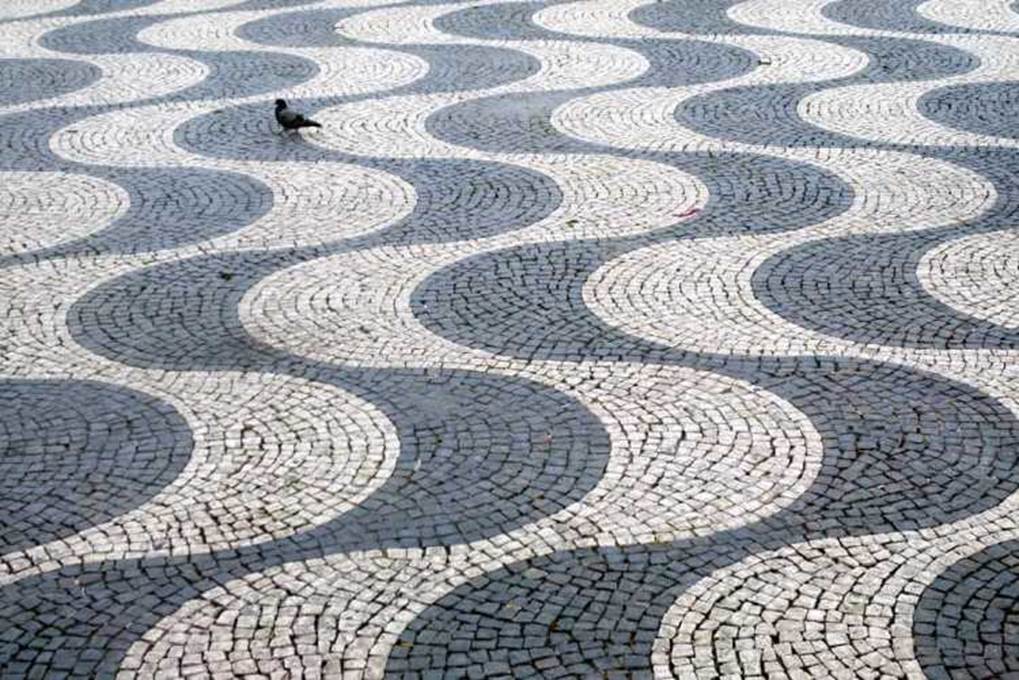
Photo by author, 2013
Rossio Square and Rossio Station.
Rossio Station (Estação Ferroviária do Rossio) is Lisbon’s railway terminal station. The former Rossio station was the central station of the Portuguese Railways, but now international trains are located at other new stations.
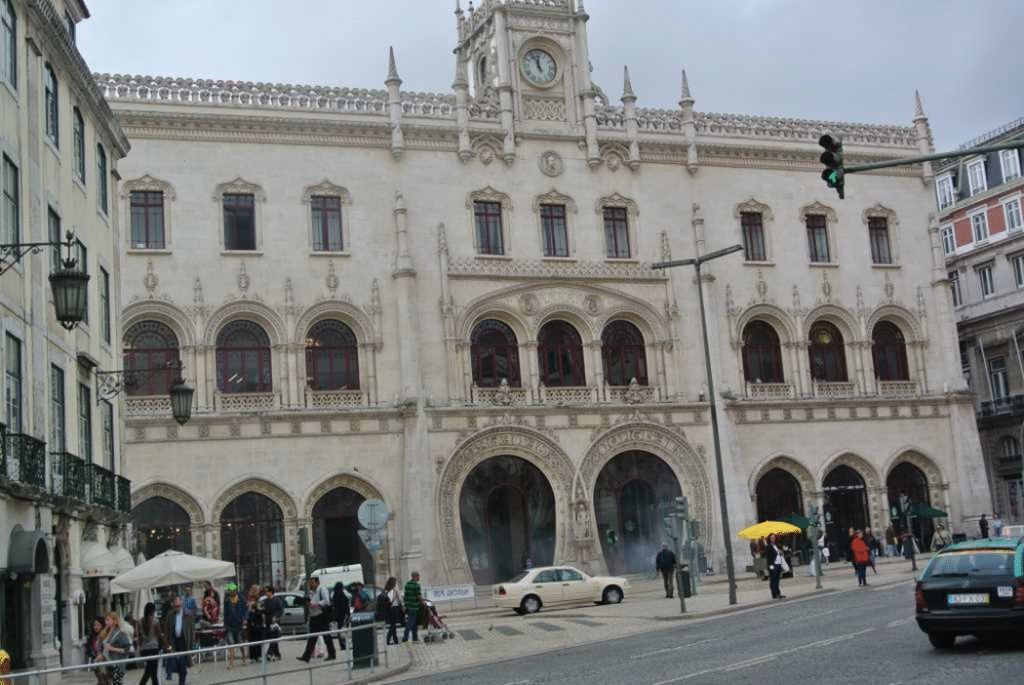
Photo by author, 2013
Rossio Station was designed in 1887 by a Portuguese architect. The two arches at the entrance are horseshoe-shaped which is quite unusual.
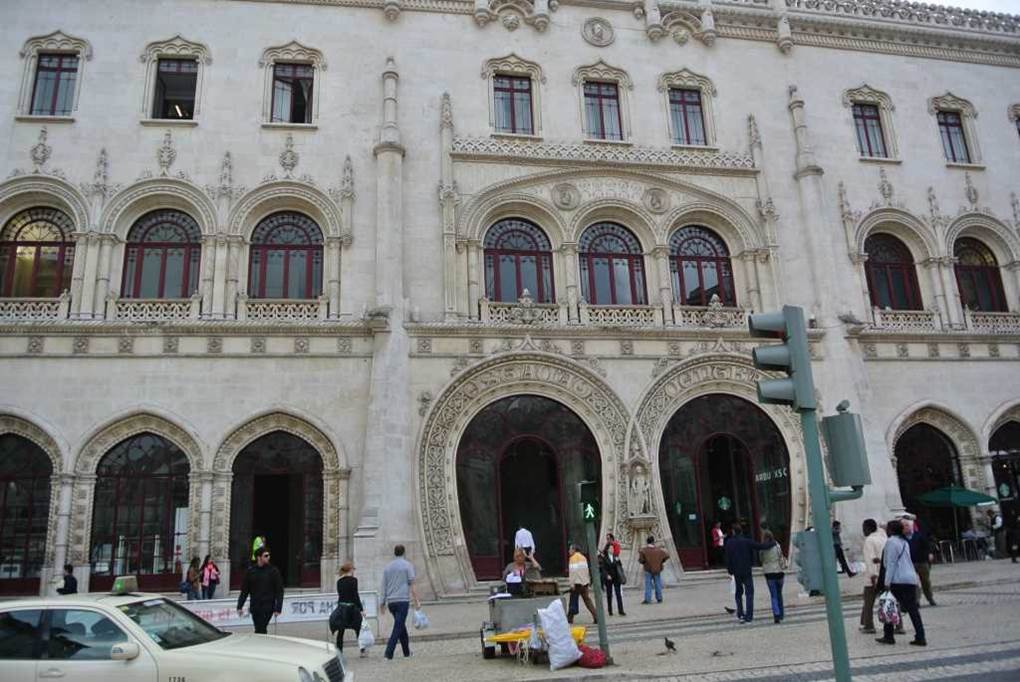
Photo by author, 2013
It served as a terminal station in Lisbon until 1957.
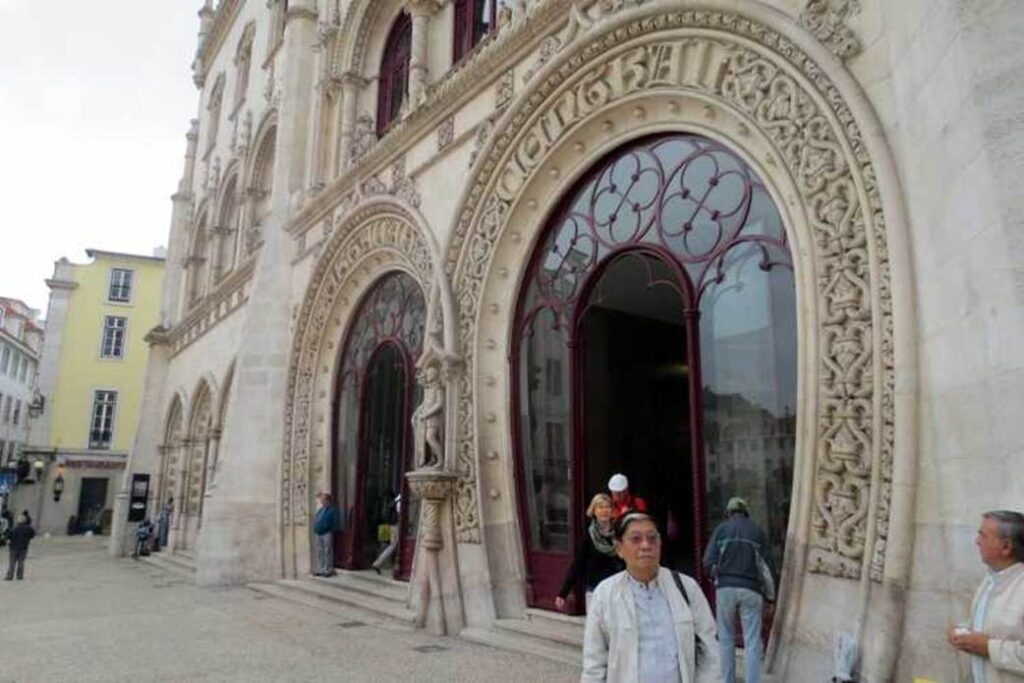
Photo of author, 2013
Restauradores Square
It is located at the southern end of Avenida Liberdade, adjacent to Rossio Square. In the center of the square stands an obelisk about 30 meters high, commemorating the independence of the monarchy from Spain.
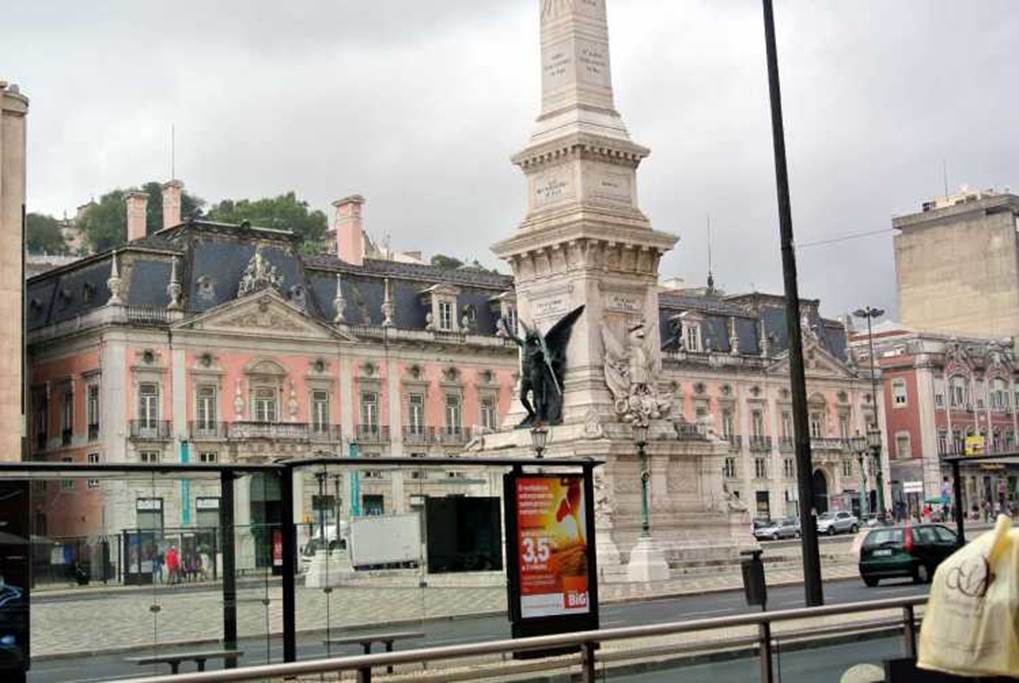
Photo by author, 2013
Hotel Avenida Palace
This hotel is one of the most exclusive hotels in Lisbon and has been in business since 1894. The hotel is housed in a 19th-century building overlooking Restauradores Square. From the rooms you can see the square in front and São Jorge Castle on the hill in the Alfama district behind.
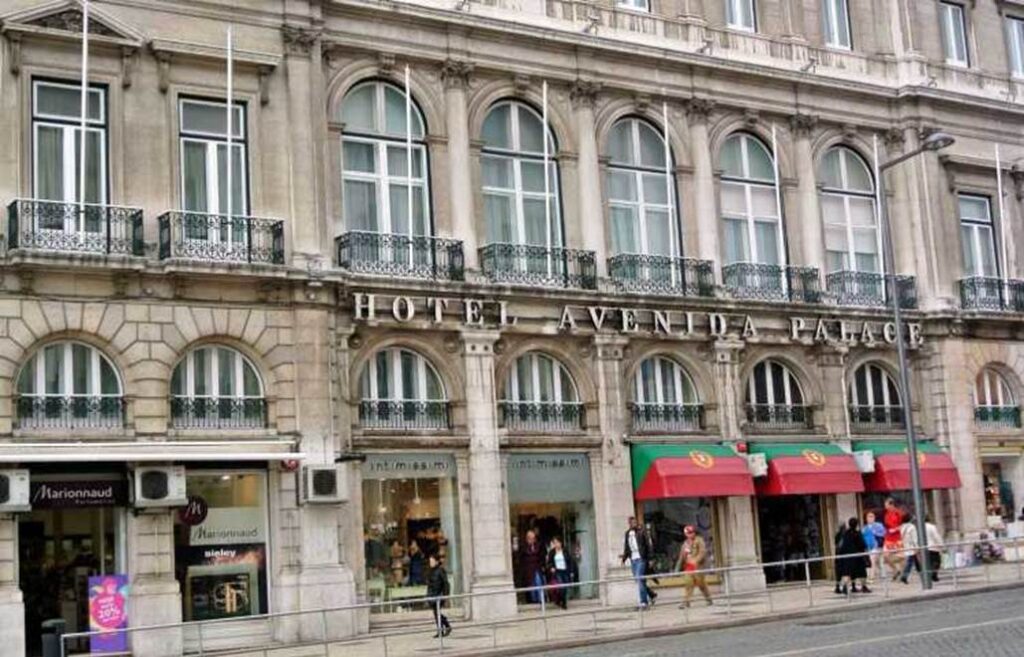
Photo by author, 2013
The south side of Hotel Avenida Palace.
It is a splendid working architectural heritage.
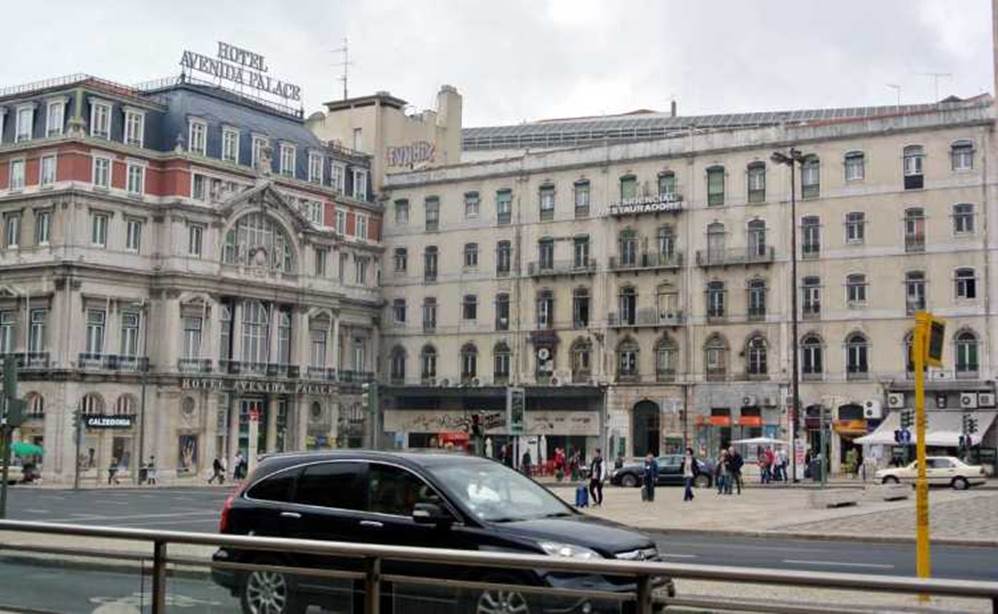
Photo by author, 2013
Liberdade Avenue
Liberdade Avenue is a tree-lined avenue that stretches north from Praça Restauradores, located in the northern part of the Baixa district.
(Liberdade= Freedom, Restauradores=Restore)
The streets are lined with elegant colorful buildings and have a beautiful atmosphere through the trees, and if I had to say it, it would be like “the Champs-Elysées of Lisbon”.
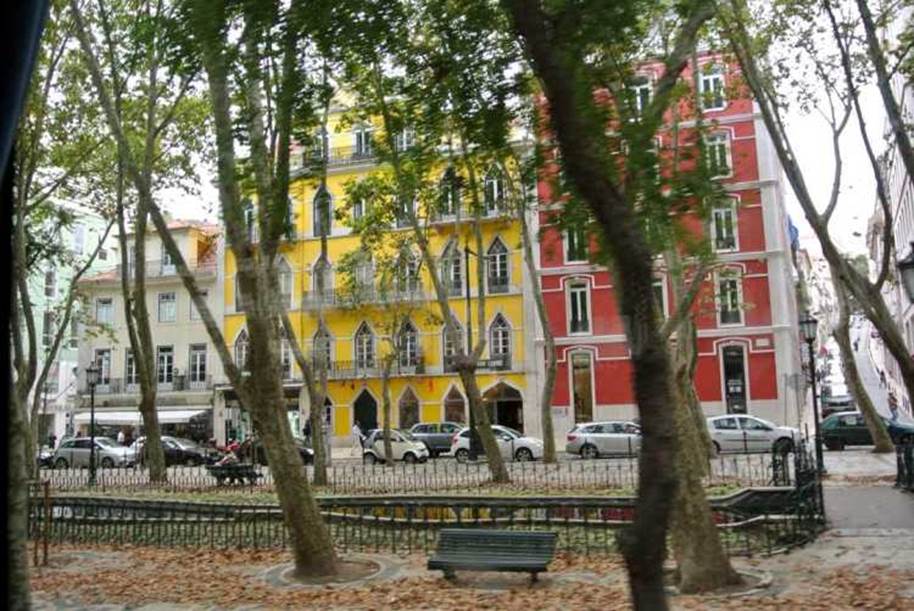
Photo by author, 2013
Liberdade Avenue is dotted with luxury boutiques and chic restaurants, making it a unique district where wealthy foreigners gather.
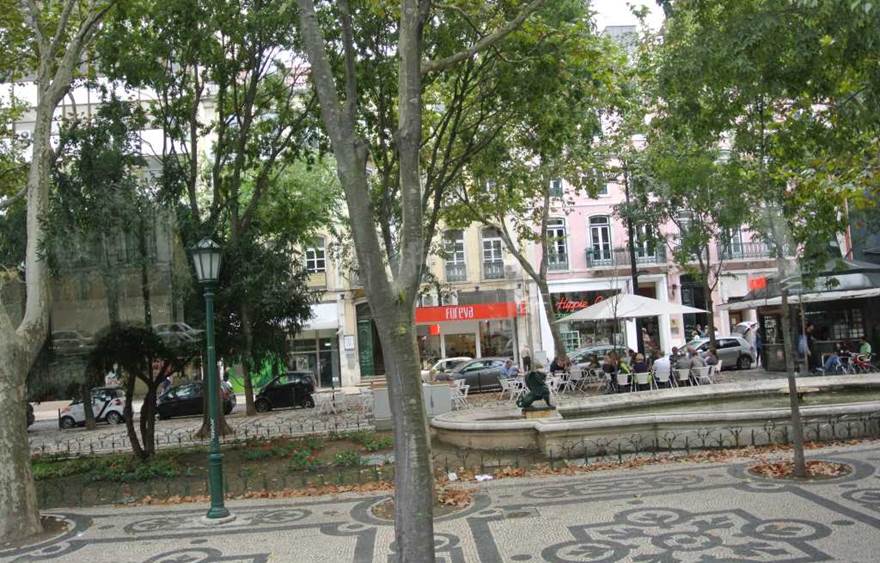
Photo by author, 2013
Solar dos Presuntos
After wandering around the Baixa area, we came out onto Liberdade Boulevard and it was time for lunch. When I wandered around one of the back roads and looked for a Portuguese restaurant, I came across a simple restaurant like the one in the photo.
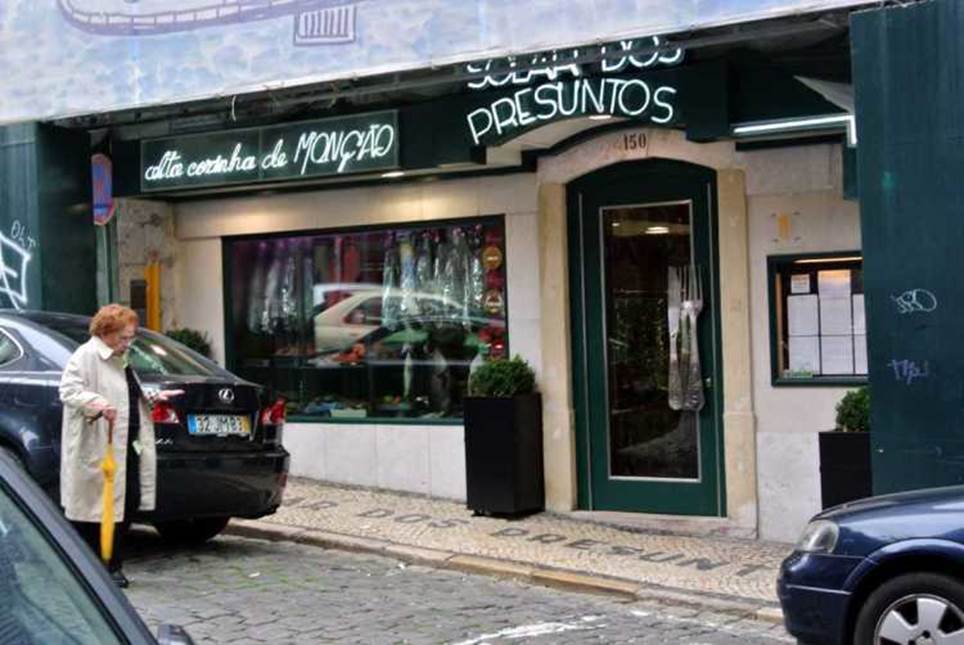
Photo by author, 2013
We popped into Solar dos Presentos without a reservation, and it wasn’t until we sat down at a table and looked around that we realized it was a famous restaurant frequented by many celebrities. Framed photos of visiting customers were hanging all over the walls, and our decision to go there was a great one.
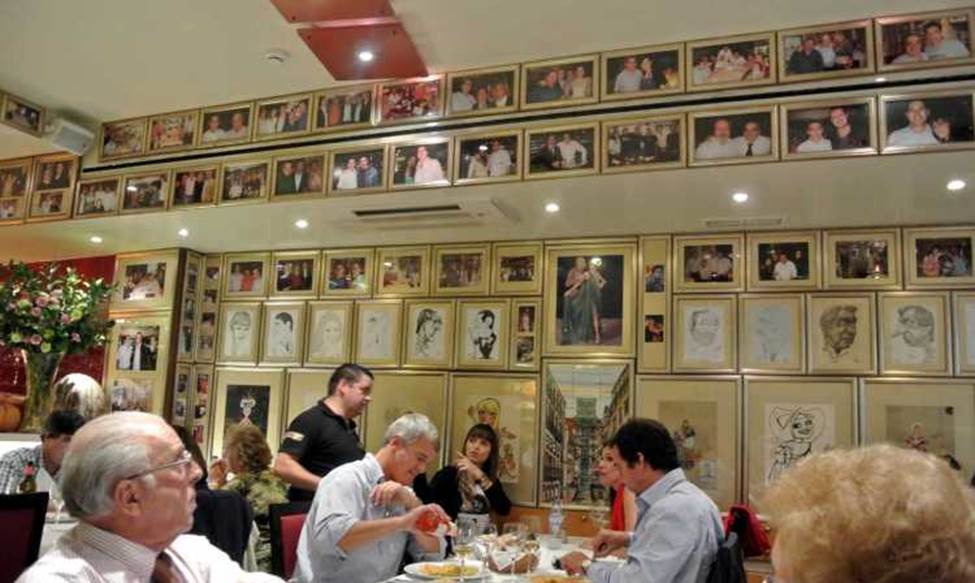
The huge block of prosciutto shows their commitment and confidence in the quality of their ingredients. The appetizer is black pork prosciutto, and the main course is seafood, which seems to be the specialty of this place.
If you look closely, you can see that the tablecloth is doubled, and there is a sense of luxury with consideration even in places that you do not notice.
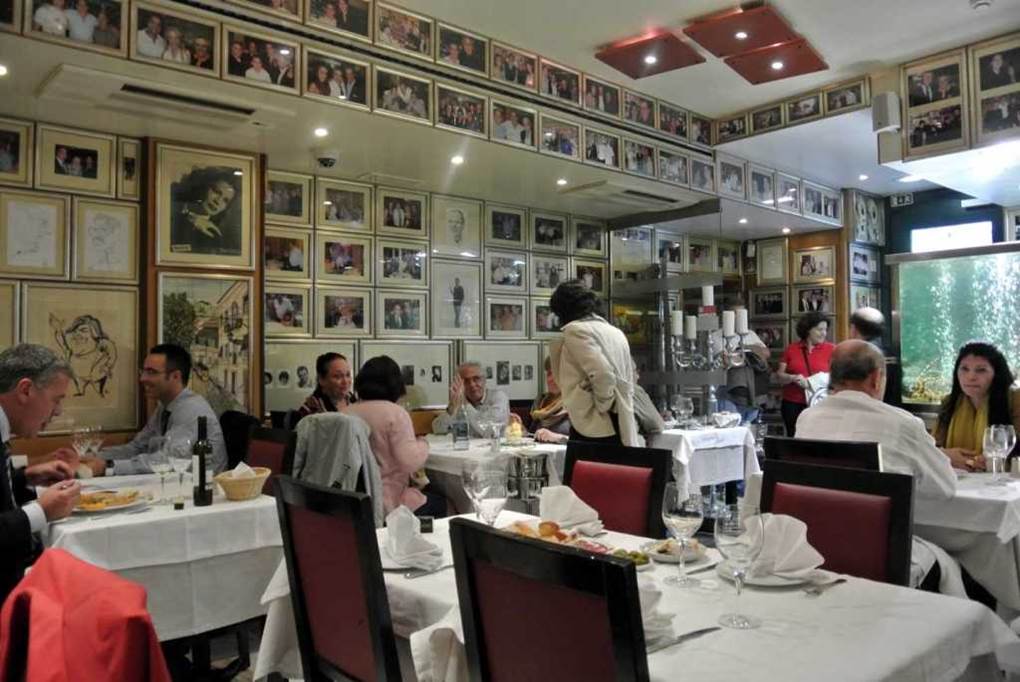
Photo by author, 2013
The storefront showcase is packed with fresh seafood, giving a taste of Portugal’s seafood.

Photo by author, 2013
Santa Justa Elevator
The highlight of Lisbon, known as the “City of the Seven Hills”, is the Santa Justa elevator, on the west side of Rua Augusta.
Designed by Ponsard, a protégé of Eiffel Tower designer, Gustave Eiffel, it would have been state-of-the-art at the time, but now it is a retro elevator. There was a long line of travelers. So, I gave up riding this.
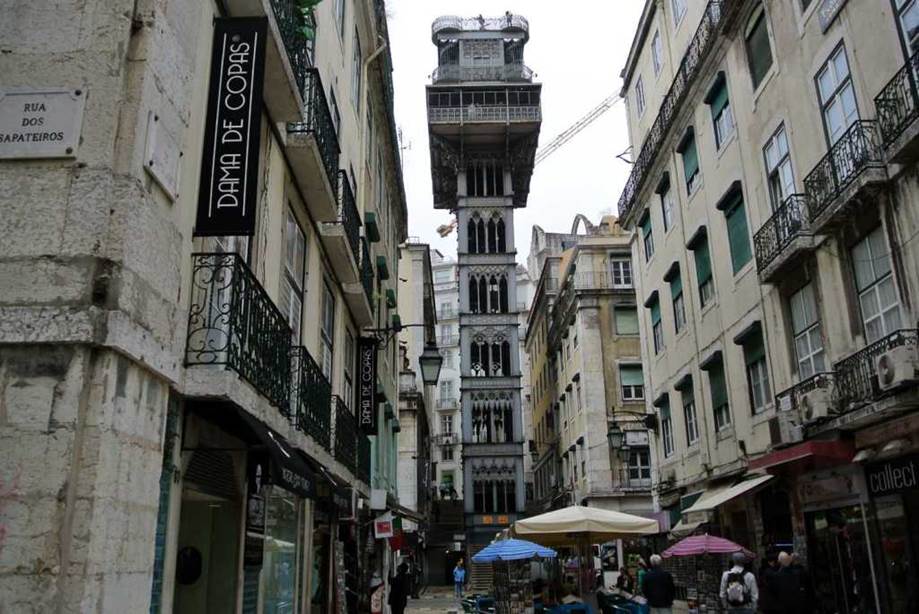
Photo by author, 2013
Construction began in 1900 and was completed in 1902.
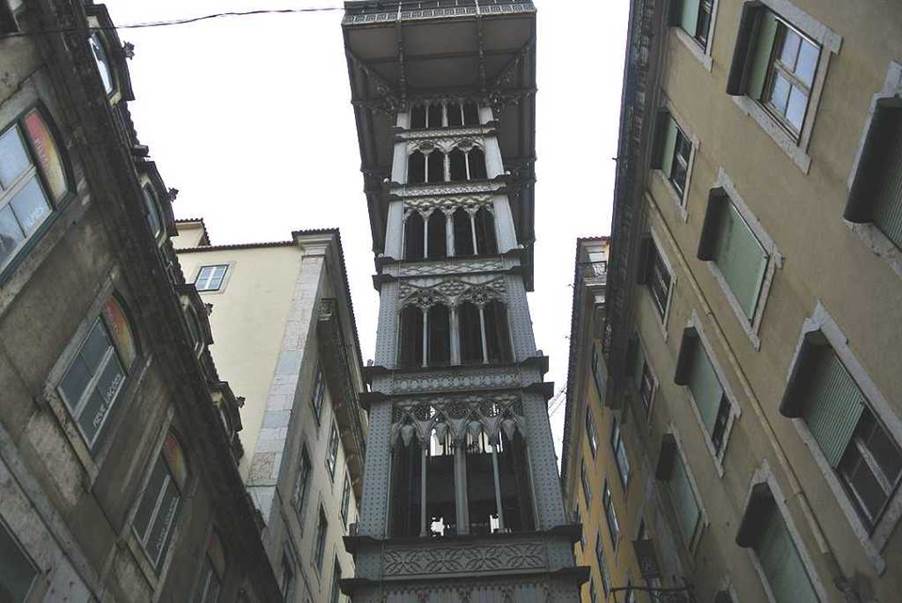
Photo by author, 2013
Looking in the opposite direction from the elevator, the hills of the Alfama district loomed before me.
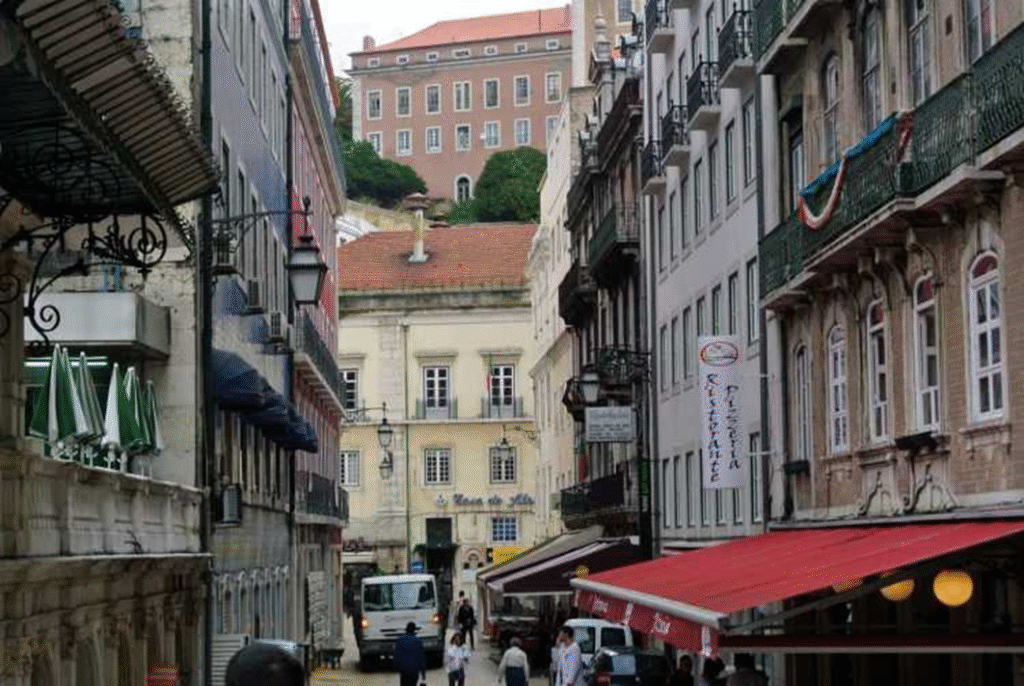
Photo by author, 2013
Looking up at the hills of the Alfama district from the streets of the Baixa district, the São Jorge Castle was right in front of me. Every street corner was picturesque.
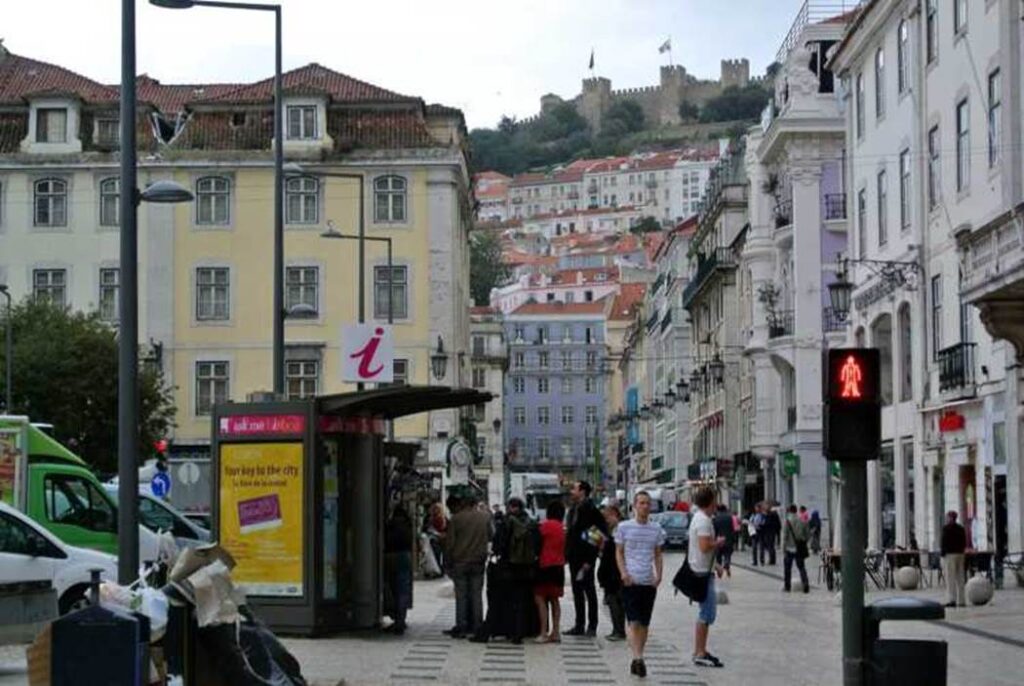
Photo by author, 2013
Figueira Square
Figueira Square, located on the east side of the street across from Rossio Square, is a small square.
There is an equestrian statue of Don Pedro IV, the first emperor of Brazil.
In Portugal, he was Emperor Don Pedro IV and in Brazil, he was Emperor Don Pedro I, and he was the same person.
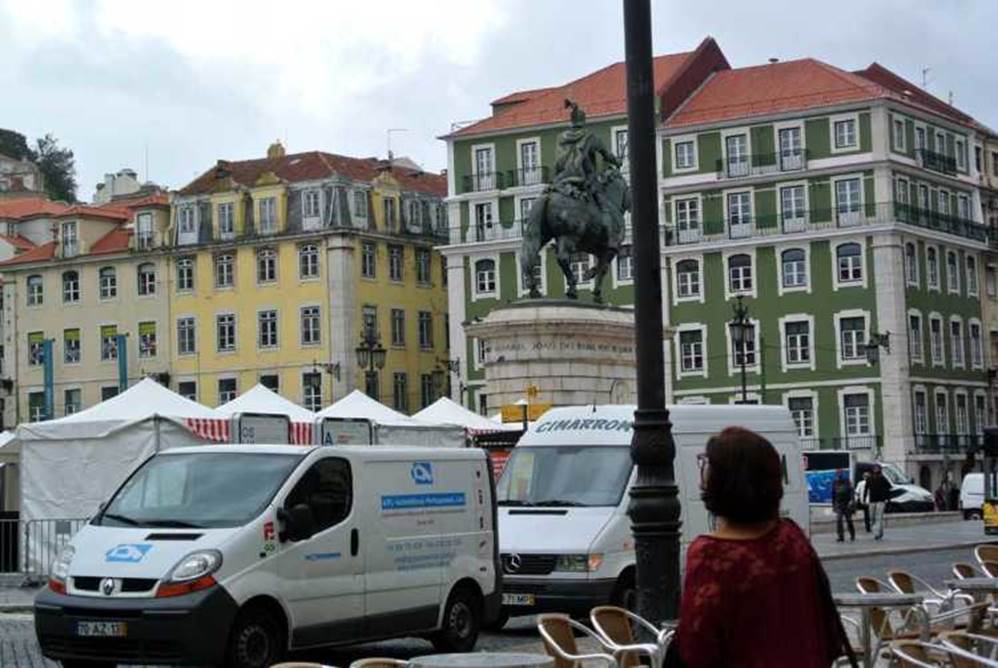
Photo by author, 2013
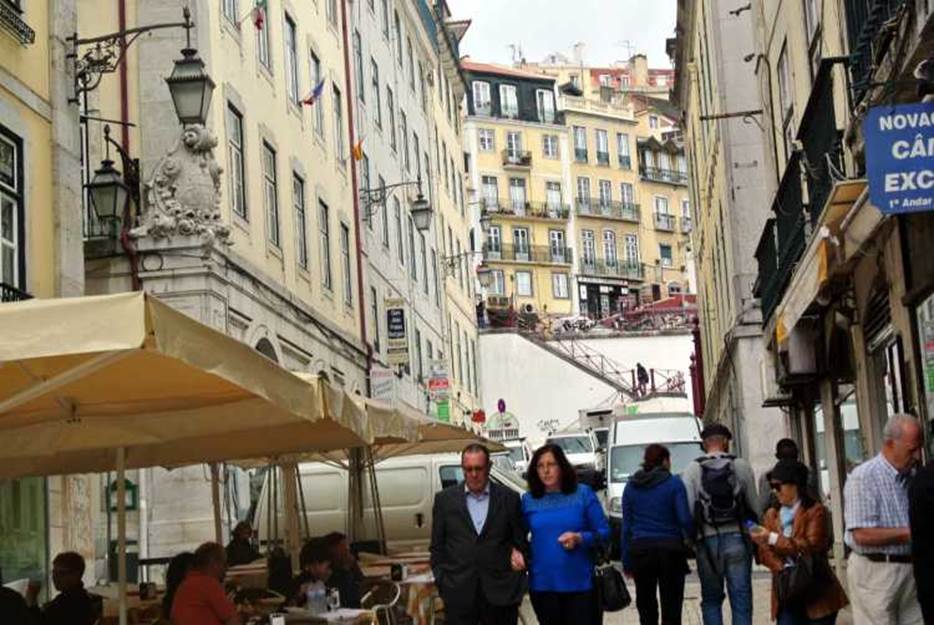
Photo by author, 2013
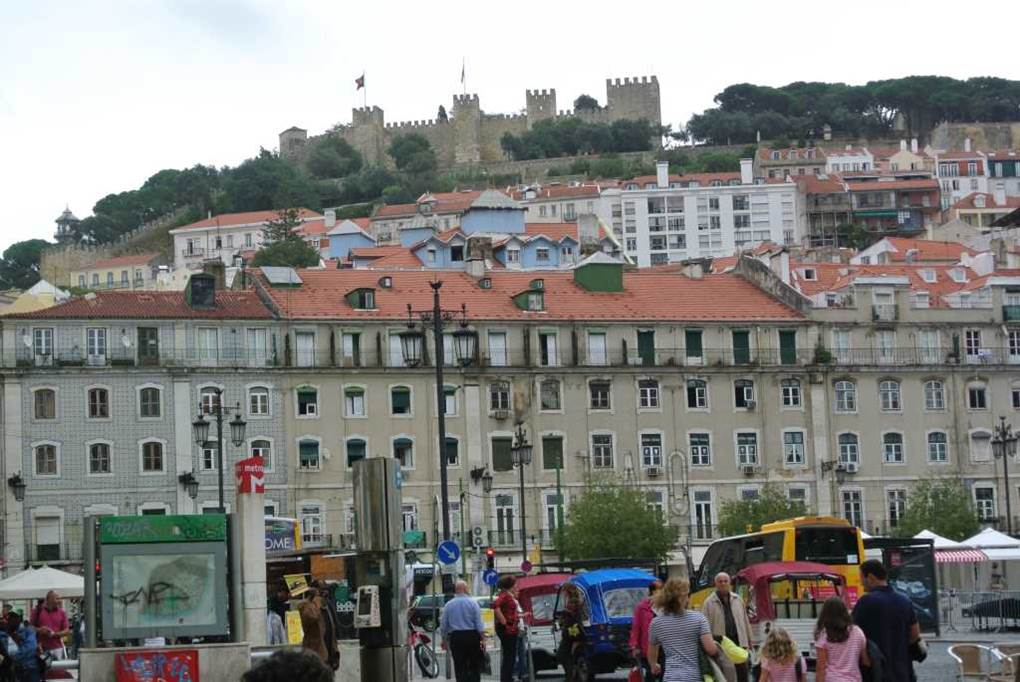
This square is compact and human-scaled compared to the other large squares nearby. This pocket square in the valley is surrounded by four-storey retro architecture buildings, and to the east you can see the old castle on the hill of Alfama.
2013年 筆者撮影
In Figueira Square, there are mobile food stalls and street vendors that pique the interest of tourists. There is also a small market with a row of stalls selling locally produced food and souvenirs.
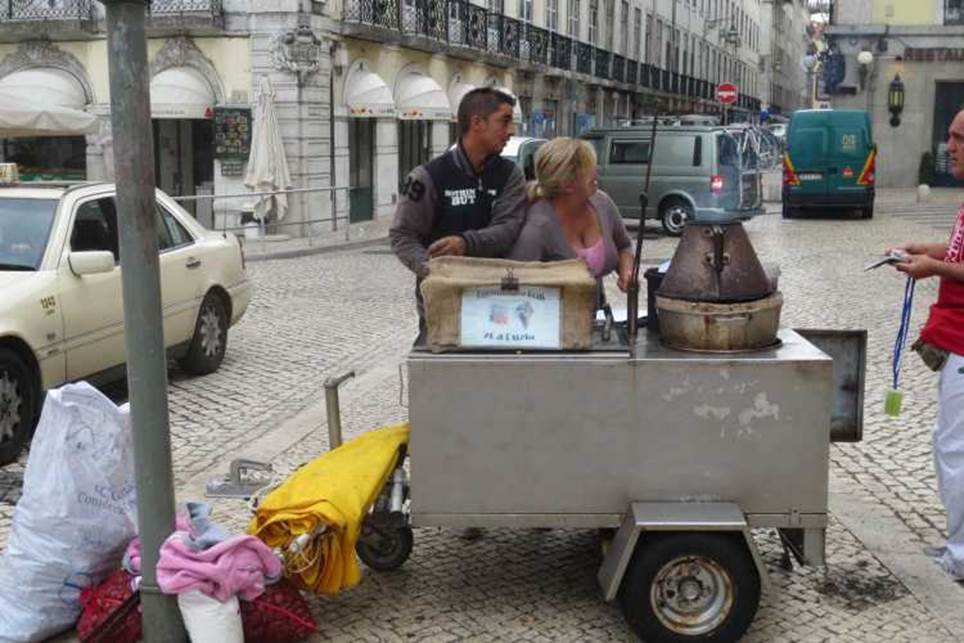
Photo by author, 2013
They were selling freshly baked chestnuts.
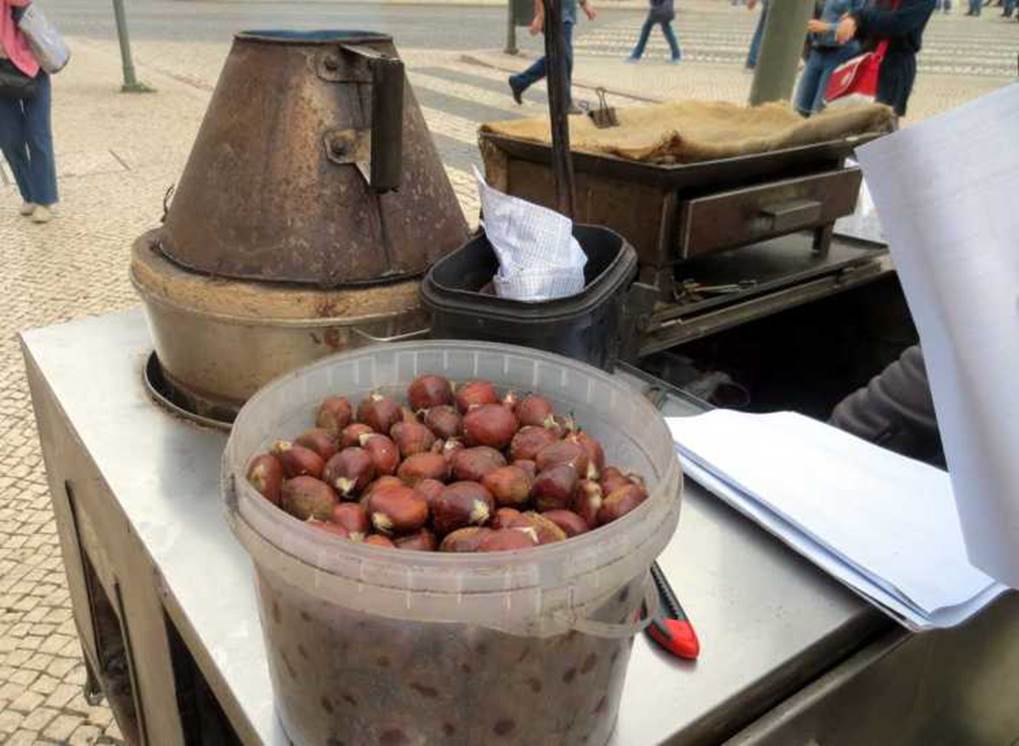
Photo by author, 2013
Alfama District
The area is home to many fado taverns, restaurants and important historic buildings.
During the Moorish rule, Alfama was the center of the city and was home to many fishermen and paupers. Later, it expanded to the flat land of Baixa to the west. Alfama was not damaged by the Great Lisbon Earthquake of 1755, leaving behind a picturesque maze of narrow alleys and small squares. Old mansions has been renovated and a restaurants where you can listen to Fado have been built.
House of Bicos
The building on the right side of the tenement is an early 16th century building in an eclectic style that combines Italian Renaissance and Portuguese Manueline architecture. Bicos means bird beak. The front wall of the building is covered with spiky protrusions.
A major earthquake in 1755 destroyed the buildings in the Baixa district, but this building in the Alfama district is a valuable heritage that escaped destruction.
(The yellow building on the far right of the photo below)
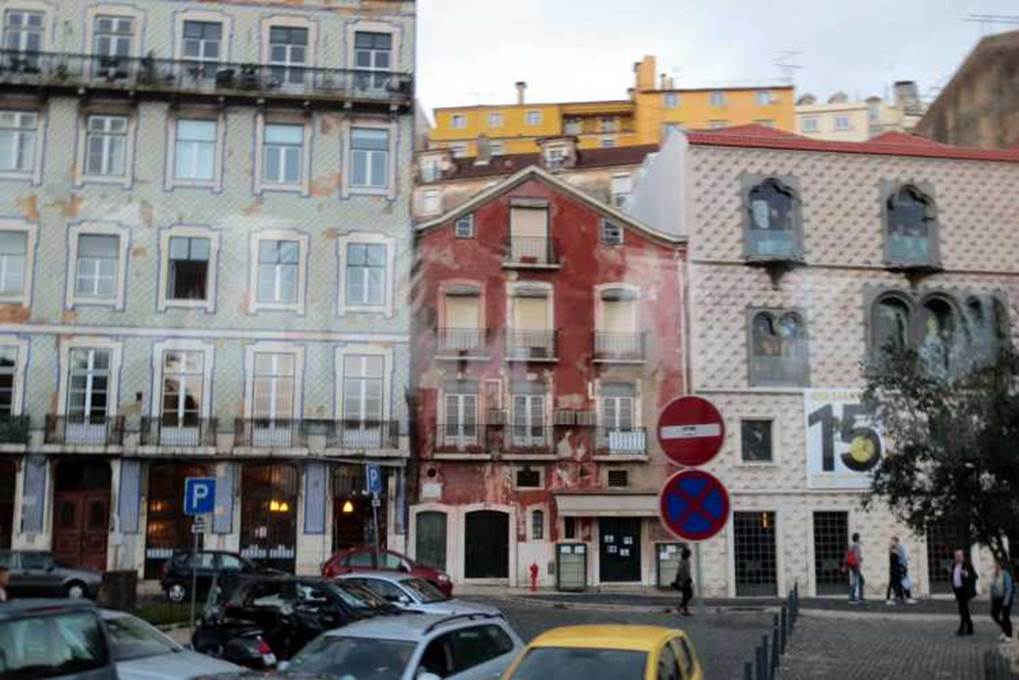
Photo by author, 2013
TOBACCO GARDEN (Jardim Do Tabaco)
I was walking in the Alfama area when I saw a sign board on the side of the road. It is a former warehouse district on the riverbank below the hill of Alafama.
There used to be a large tobacco storage facility here.
Today, the area is home to some of Lisbon’s trendiest nightclubs and shops.
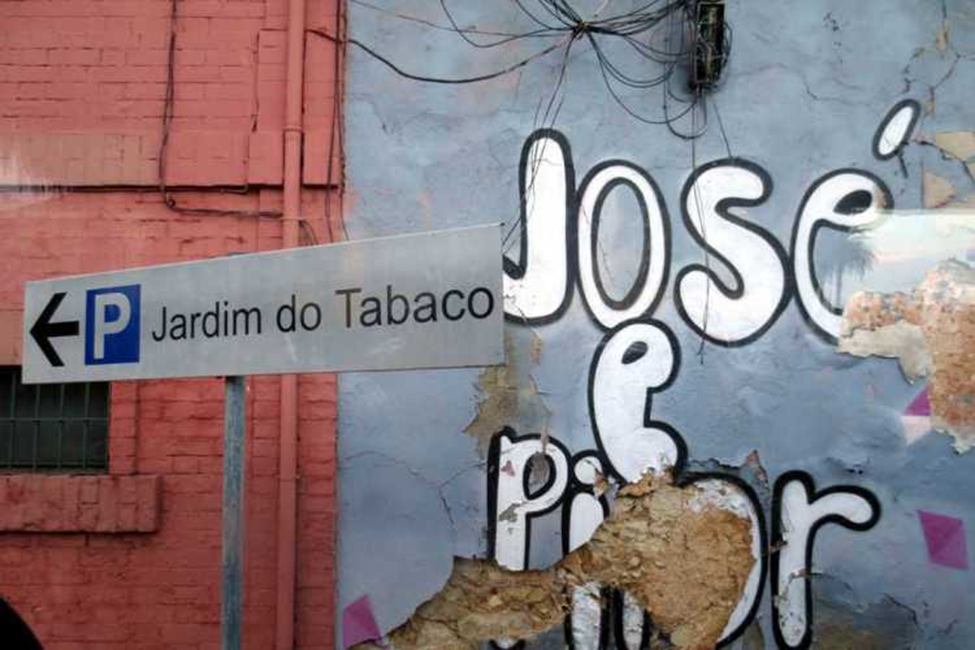
Photo by author, 2013
Take a puff of tobacco near the tobacco park.
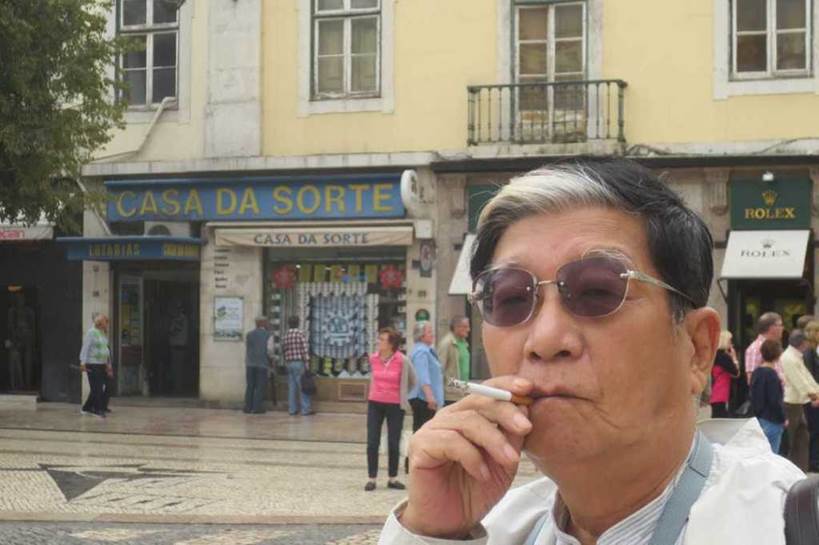
Photo of author, 2013
The sight of a streetcar running through a narrow alley is a specialty of Alfama.
The track is basically double-tracked, but when it comes to a narrow road, it becomes a single track and climbs through the gap between buildings. You will feel as if you have stepped back in time more than 100 years ago.
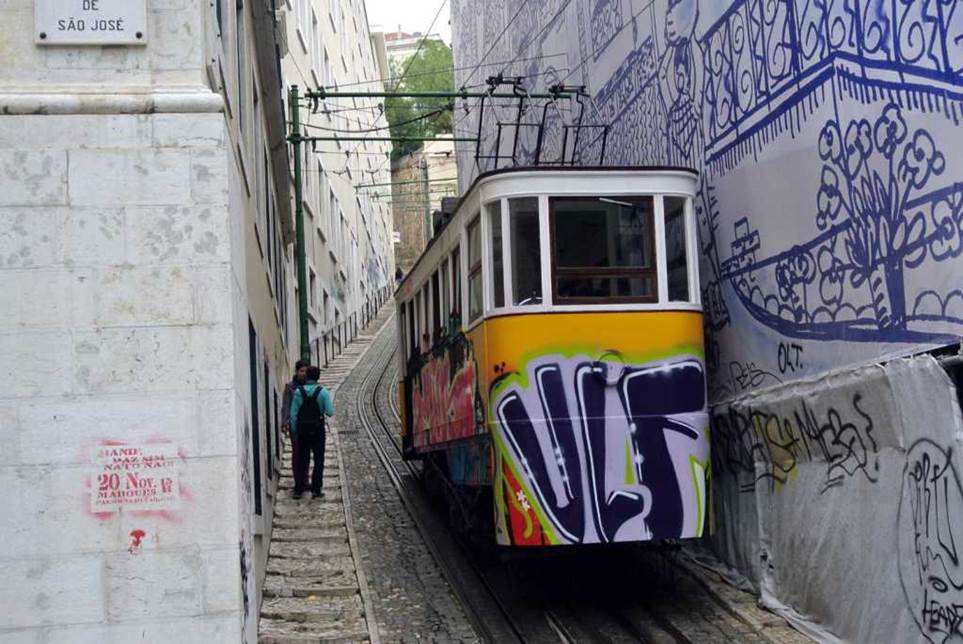
Photo by author, 2013
When I took this tram up the hill in the Alafama area, the end of the hill was the terminal. The platform at the terminal was also sloping.
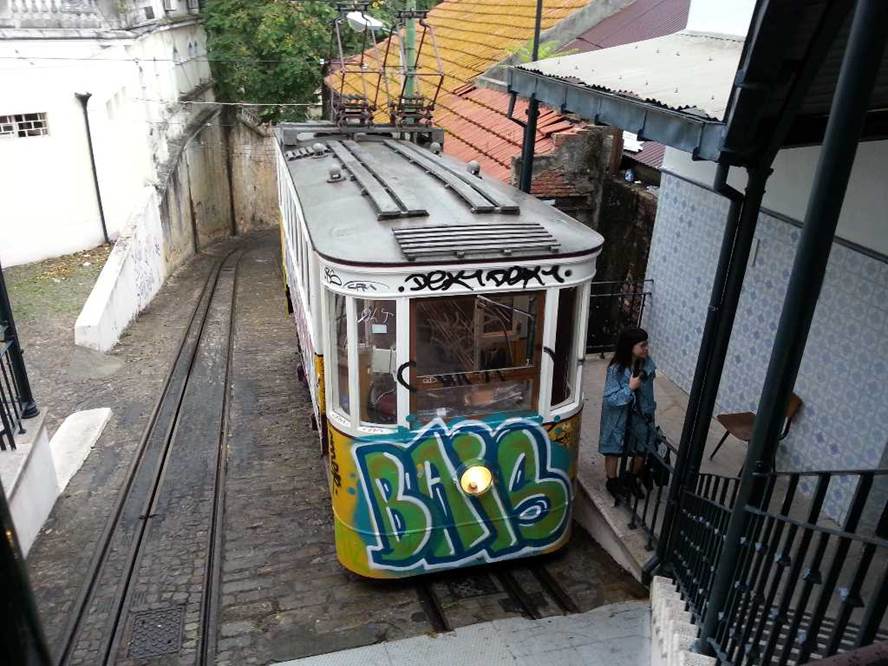
Photo by author, 2013
Church of Santa Luzia Lisbon
This church is located at the entrance of the Santa Luzia observatory, and this church and the observatory are next to each other.
The azulejos (Portuguese tiles) on the exterior walls of the church of Santa Luzia depict the state of Plaza de la Comércio before the Lisbon earthquake of 1755 and the Muslim Moorish battle in 1147 when Alfonso Henriques recaptured Lisbon from the Muslims.
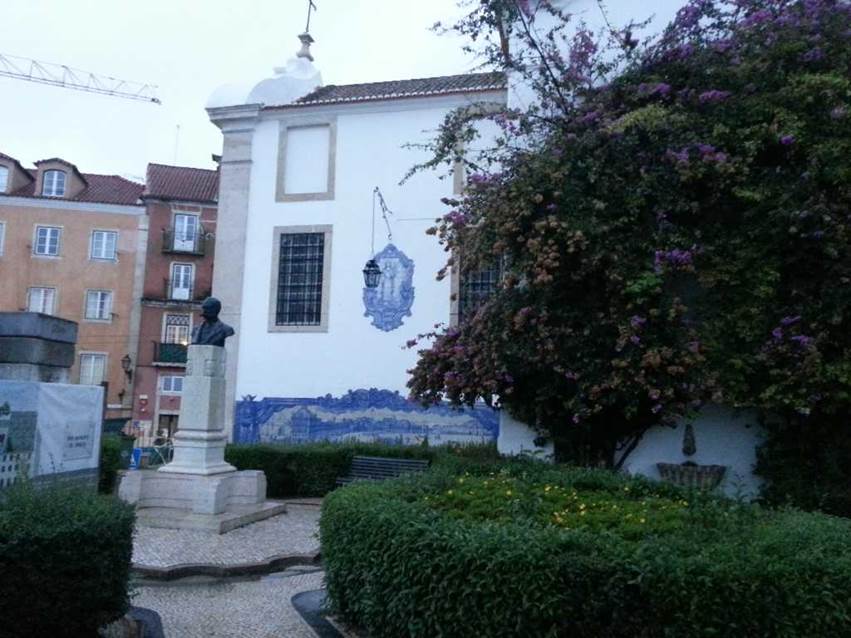
Photo by author, 2013
The birthplace of Fado, Samba and Bossa Nova music
Picturesque cityscape and views. Dusk has fallen in Alfama, one of Lisbon’s oldest districts. As you walk down the slope towards the lowlands, you can hear the folk songs of Fado out of nowhere. Is it from the nearby a Casa do Fado (Portuguese-style tavern)?
The fado music that was born in Alfama met and mixed with black Afro music in Brazil and became the Samba music of the carnival, and then Samba and American jazz merged further to give birth to Bossa Nova in Brazil.
It became internationalized in the 1960s.
It is not widely known that Fado had a profound influence on world music, but its birthplace is Alfama, a city of hills and slopes in Lisbon.
There were always fragrant smell of salt-grilled sardines from a private house somewhere. This was the kind of evening you can only experience in the down-to-earth Alfama district.
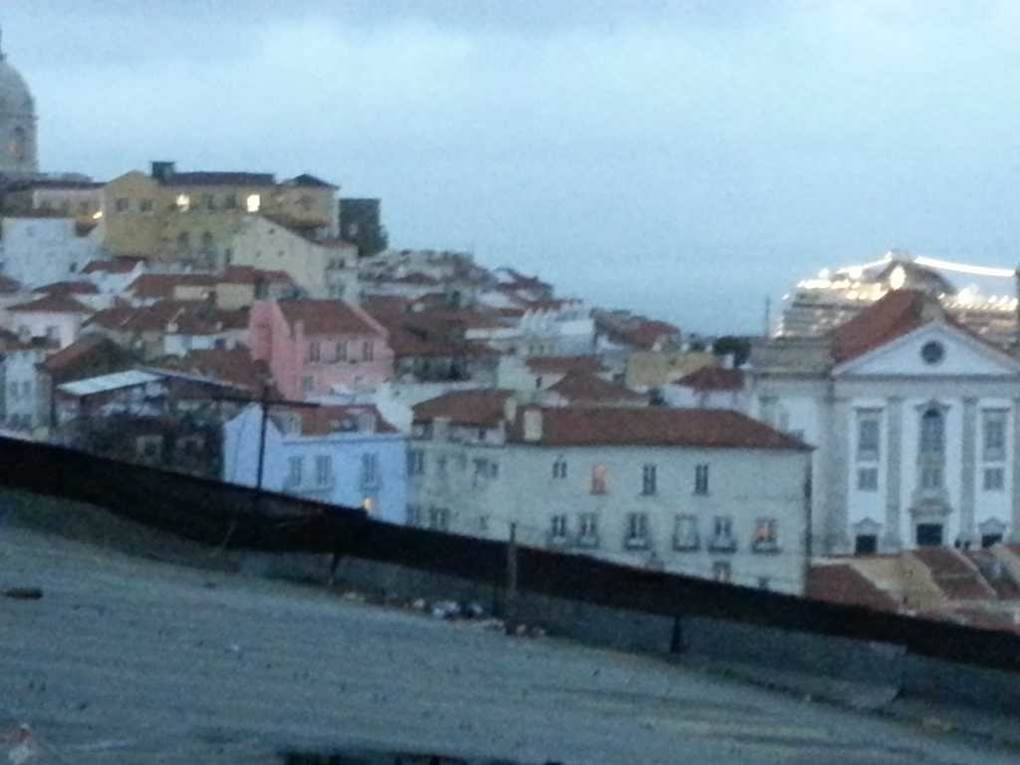
Photo by author, 2013
Church of Santo Antonio Lisbon Cathedral
Lisbon Cathedral (Sé de Lisboa) is the oldest church in the city.
Construction of the cathedral began in 1147.
The period it was built was during the Muslim rules from the 8th to the 12th centuries.
The building has been altered several times due to multiple earthquakes.
Its current appearance is a mixture of various architectural styles.
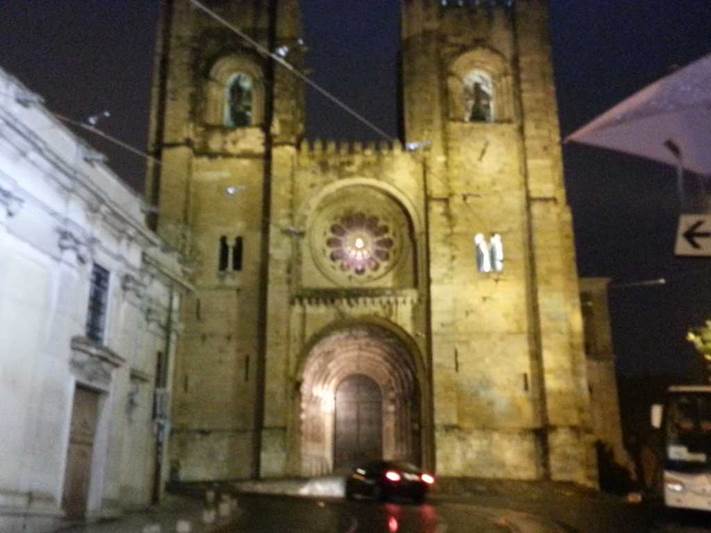
Photo by author, 2013
The church stands on the birthplace of Santo Antonio, the patron saint of Lisbon, who lived in the late 12th century.
The first Westerners that Japan came into contact with were the Portuguese.
It makes me feel special when I recall that those Portuguese navigators left their homeland behind and prayed to God at Lisbon Cathedral for a safe voyage to Asia!
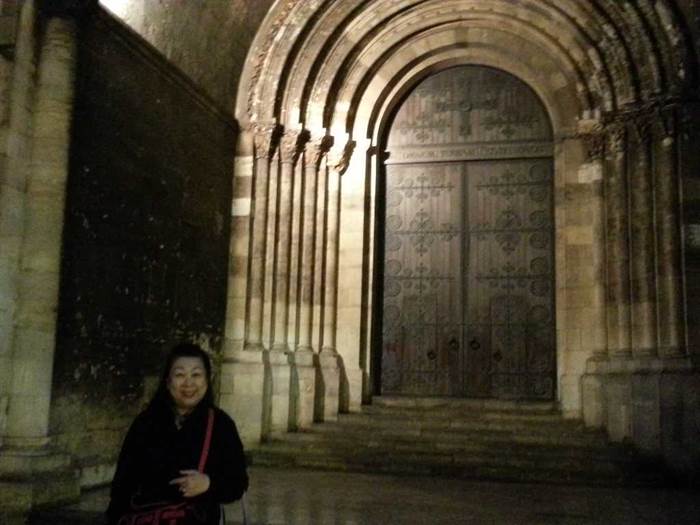
Photo by author, 2013
The next morning, we took a bus to Seville, Spain.
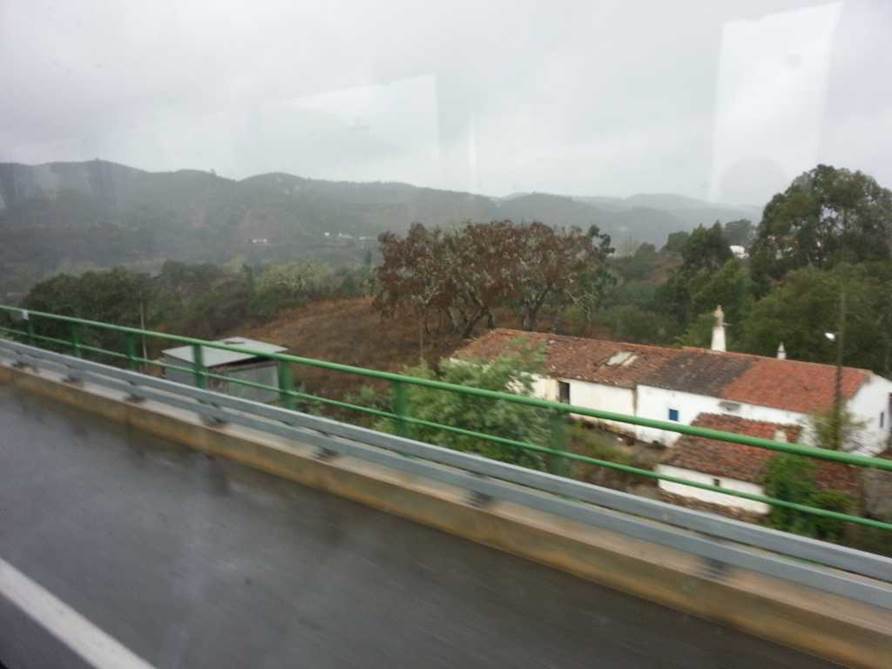
Photo by author, 2013
Crossing an International River.
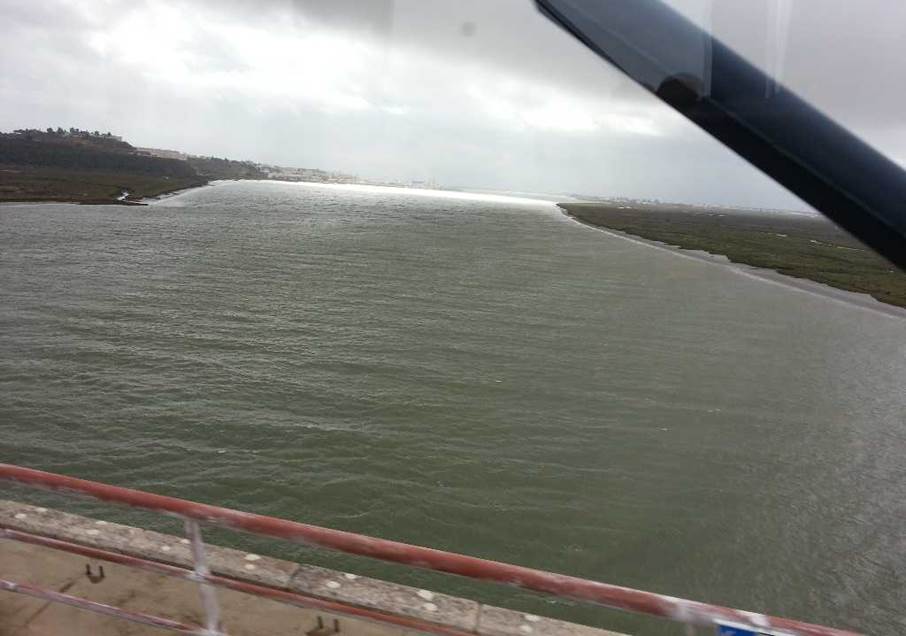
Photo by author, 2013
We are approaching the city of Seville.
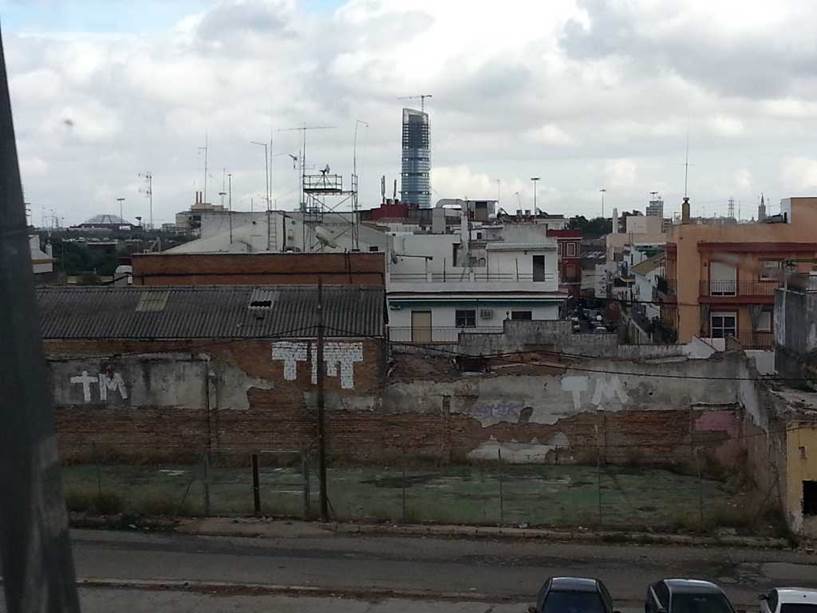
Photo by author, 2013
A building under construction in the city of Seville. It doesn’t match the surroundings.
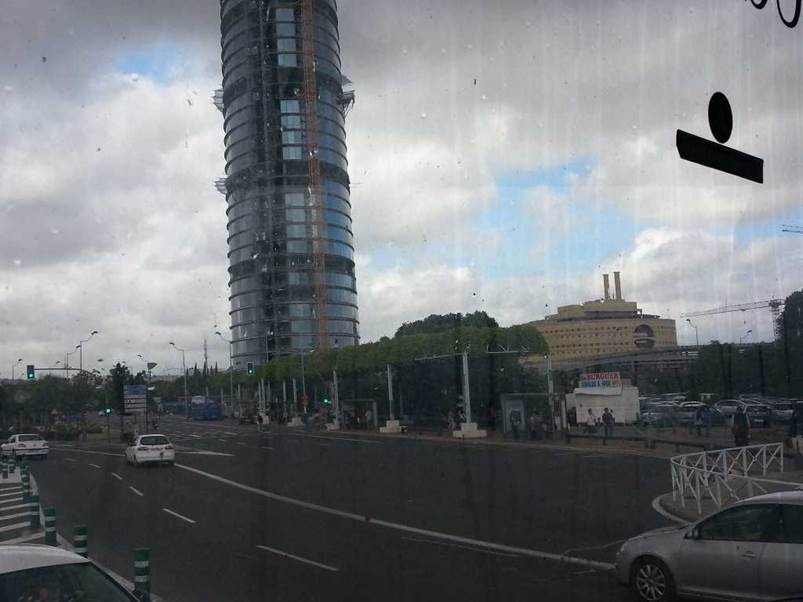
Photo by author, 2013