JAP | ENG
Dhaka, Bangladesh
2011~2014
#1/3
Dhaka Airport
On my second trip to India, I boarded an Air India flight from Singapore to Kathmandu, Nepal. It was January 9, 1991. At that time, flights to Calcutta (now Kolkata) were via Dhaka.
When I arrived in Dhaka, the capital of Bangladesh, I waited on the tarmac, many passengers got off, and as many people got on board. None of them had the glamour of tourists, and it felt like the same kind of dull people were getting on board from a somewhat dull airport.
Twenty years later, the impression I had at that time remained with me until I visited Dhaka again for work in 2011.
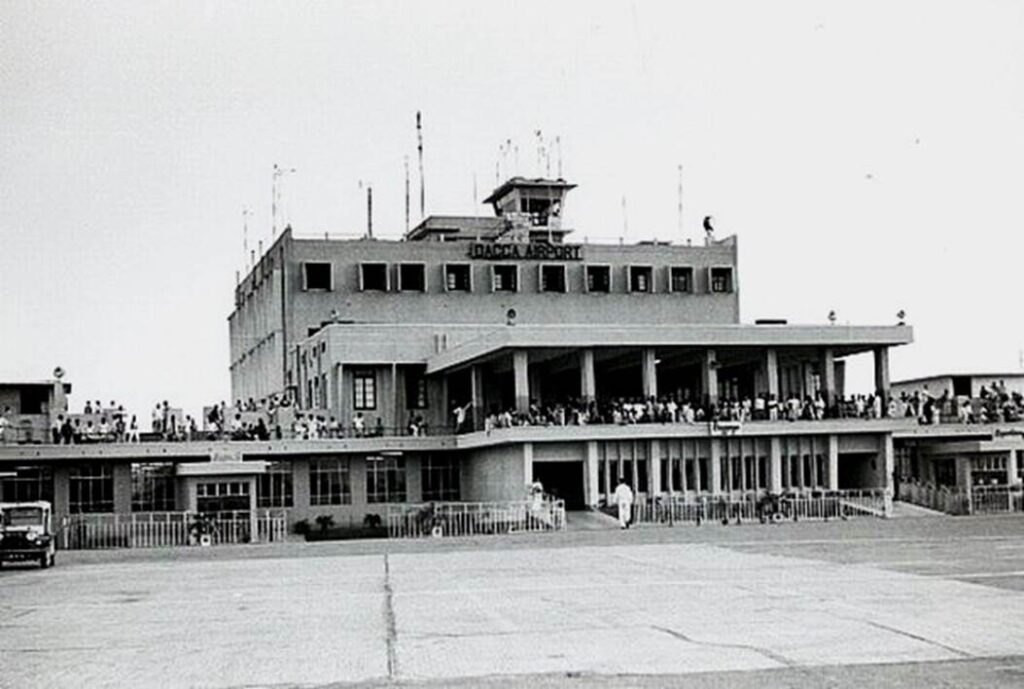
Former airport in Dhaka.
Dhaka’s new airport.
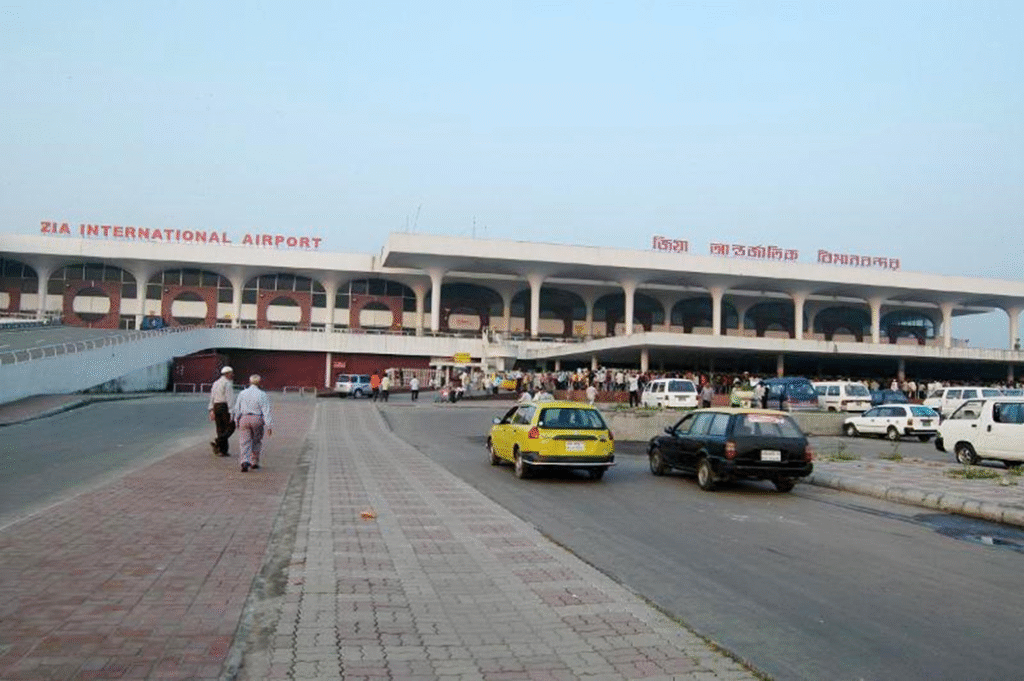
In the 20 years up to 2000, the economic environment in Southeast and South Asia has changed, and the flow of people in this area has increased. The reason for this is the increasing shortage of workers in Singapore and Malaysia. Both countries have steadily improved from their former status as developing countries, and have implemented immigration policies to rely on India and Bangladesh for additional labour.
As a result, many direct flights are now operating daily. This time, the aircraft type was Airbus, and the passenger composition consisted of migrants, a small number of East Asians, and even a small number of Westerners and wealthy Bangladeshis.
Naturally, the airport was renovated and an air bridge was built. On the air bridge, there were 5 or 6 wheelchairs waiting for passengers. This meant that wealthy families who could afford to go to hospitals abroad had appeared. This was a scene that showed an increase in the number of people suffering from adult diseases even in developing countries.
It is said that new airports in every city are shiny and the local character has faded. This airport is a typical example of this in many developing countries.
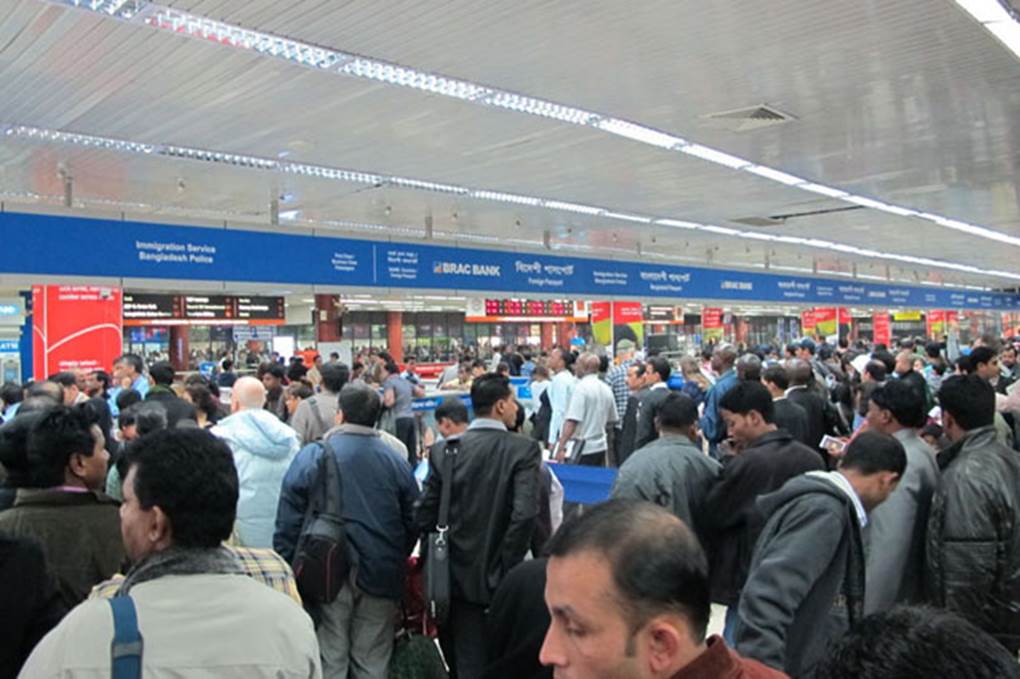
Long queues at immigration. Photo by author
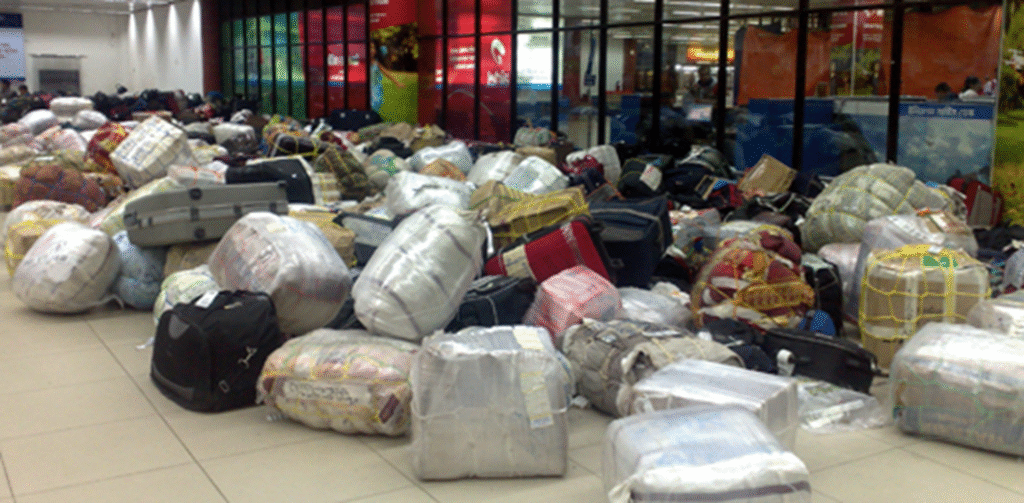
Luggages, luggages, and more luggages arriving. Are these for the pilgrims? Photo by author, 2011
The difference between the interior of airports in developed and developing countries lies in the lighting design. In general, designs that satisfy the functions of the building and traffic flow lines can follow or copy the models of developed countries, so they will inevitably end up being similar. However, there is a big difference in lighting and its effects. It is impossible to visually copy the design of the soft aspects. This has a different effect on the comfort of the interior lighting space.
Immigration is divided into five counters. 1) Bangladeshi nationals, 2) South Asian nationals, 3) other foreigners, 4) diplomats and equivalents, and 5) foreign investors. The distinction between No. 4 and No. 5, where there are almost no people in the procession, is a clear indication of the country’s character.
Although there are many counters for Bangladeshi, the lines are the longest and most crowded. However, the luggage is slow to come out of the conveyor belt, so there is no point in rushing. Immigration and baggage checks processes are both very smooth.
Now, after completing the usual procedures, I went out to the arrival lobby and saw the people from the hotel with my name tags waiting for me. Compared to India’s major airports, the level of congestion is much lower. The number of general tourists in this country is very low, and business travellers are greeted by their own attendants, so there are few tourist touts. Compared to airports in other big cities and resorts, I was able to proceed quickly to the car pick-up area.
Traffic jams in Dhaka
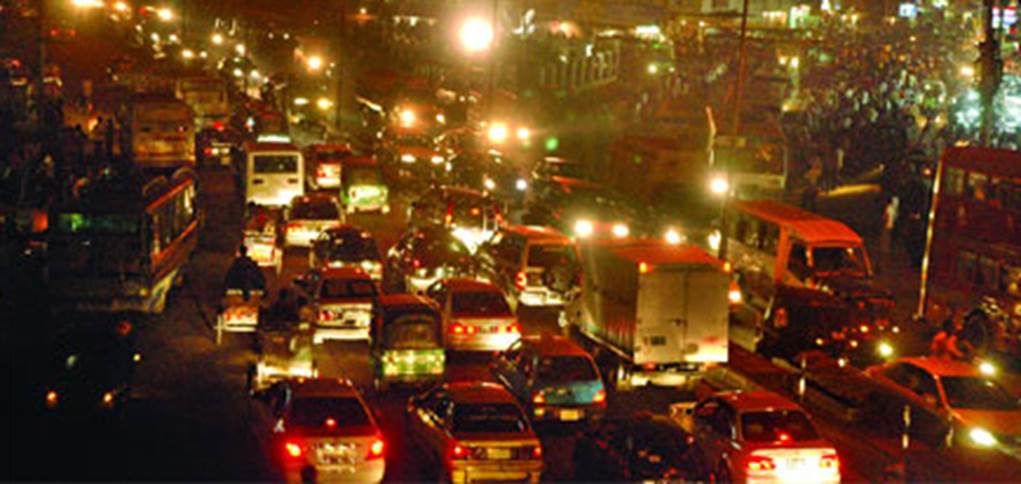
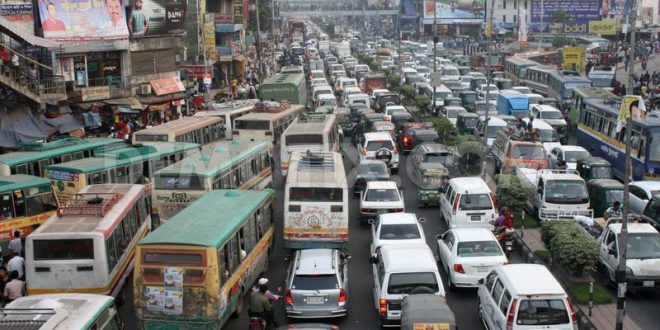
When we leave the controlled space of the airport, we are suddenly thrown into the middle of the hustle and bustle of the city and being swallowed up. The exit of the airport site suddenly becomes a main road leading to the suburbs, and turn right at a roundabout without a traffic light. It’s already around 10 p.m., but there are all kinds of cars, buses, trucks, motorcycles, and three-wheeled cars moving about.
Drivers are scrambling for an inch ahead, and a deadly energy is being released. The main road from there to the center of the city is three lanes on each side, but due to congestion and traffic jam, it actually becomes four lanes, and in some places it is five lanes, creating a sea of cars. Of all things, an old, broken-down luggage truck broke down just before the corner where we had to turn left, causing total chaos. All the cars were honking like a grand orchestra. The sound was loud on the dark night road. It had only been five minutes since we had left the airport, and I was worried about how long we would get to the city center. Overtaking dump trucks and crowded night buses, and dodging slow Indian-made autorickshaws, we arrived at our hotel in the city center in about 30 minutes.
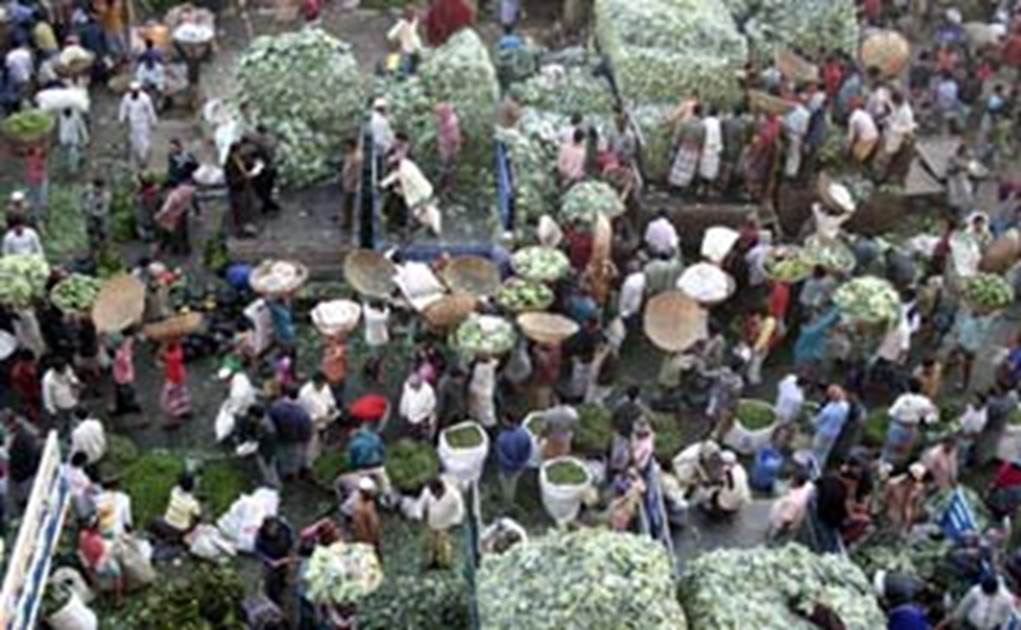
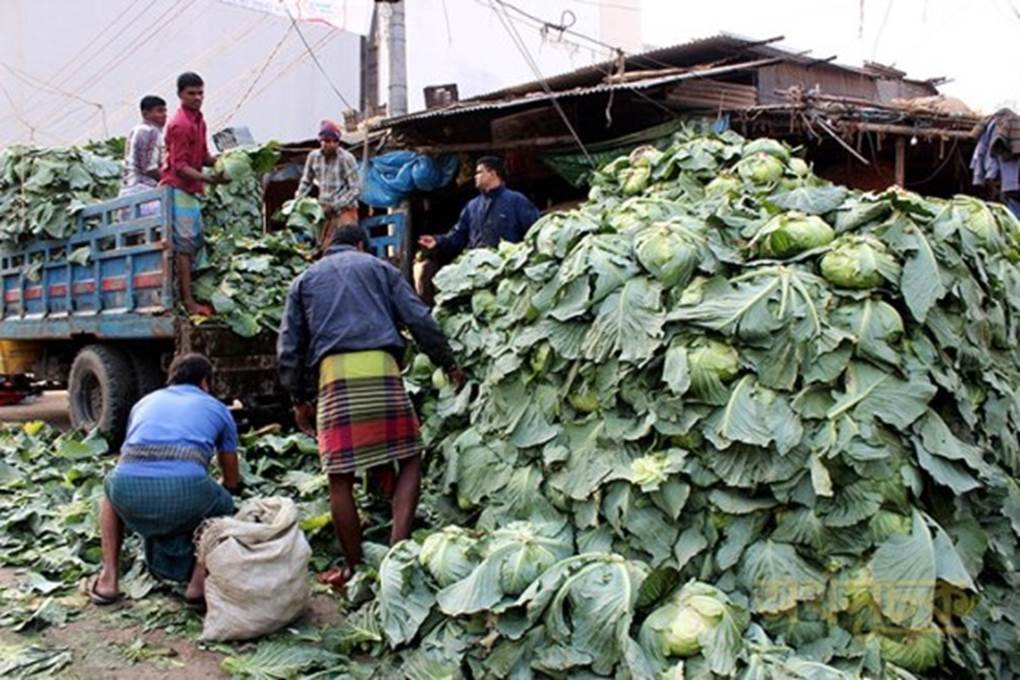
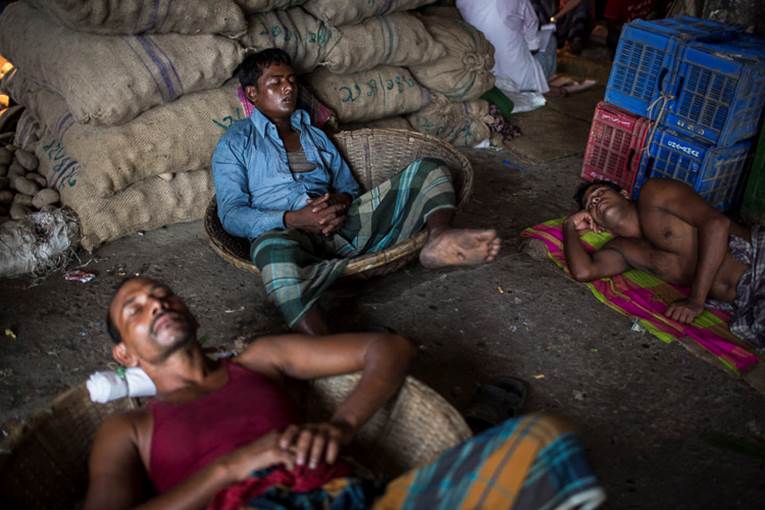
Near the hotel is Kawaran Bazzar, the largest open-air market in Dhaka, where coolies were busy carrying bamboo baskets loaded with cabbages and other produce on their heads on the sidewalk.
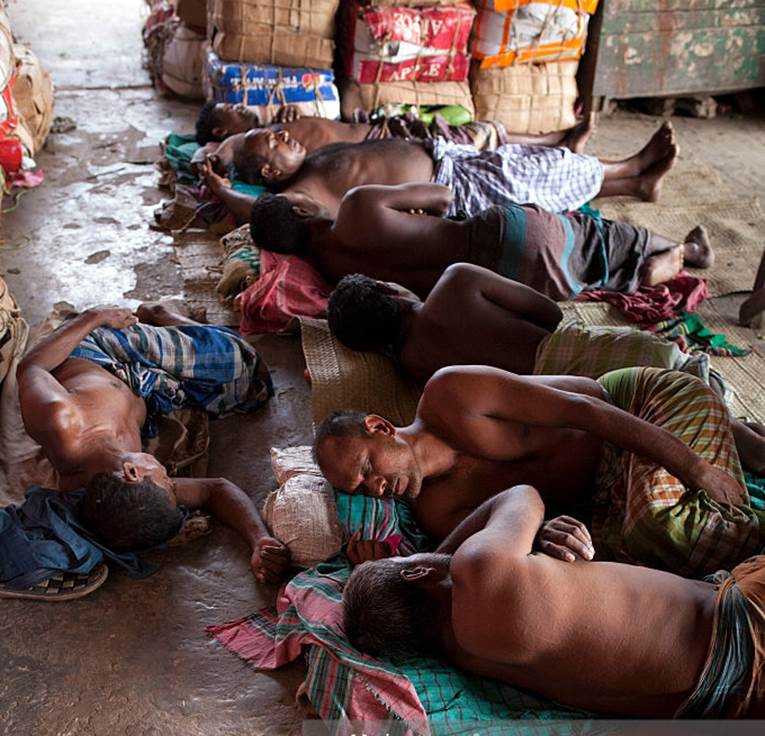
And when the work was over and they got tired, they would lay a piece of cloth on the sidewalk and take a nap. The pleasant tiredness after physical labour was very comfortable. Perhaps sleeping on the sidewalk outdoors was heaven.
Transportation in the streets of Dhaka
Urban railways: It is a city with a population of 10 million, but there are no railways that can carry mass transportation. If this can be done, traffic congestion on the roads will be dramatically reduced. There are plans, but it is not easy to realize.
Passenger cars: The upper class, company presidents, and general managers commute in chauffeured passenger cars. Some top-class classes use German cars, but most of them use imported used cars made in Japan for commuting and shopping, and Toyota is by far the most common. The next rank will be a motorcycle for office
Auto tricycles, rickshaws, auto-rickshaws:
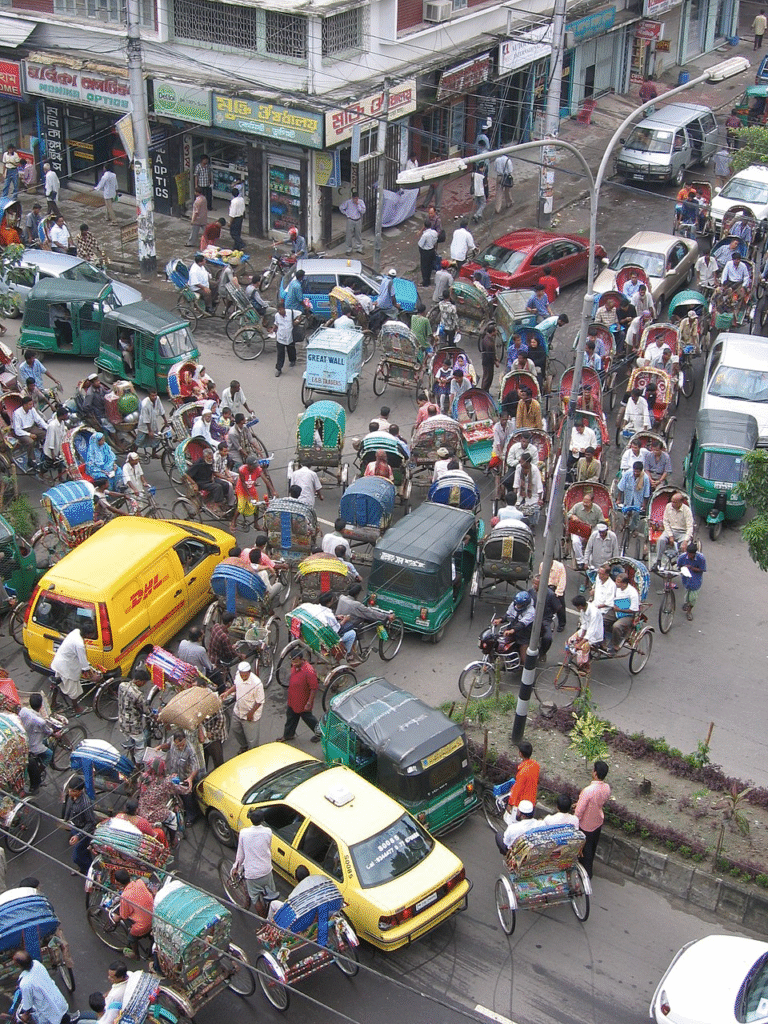
Rickshaws and other vehicles are running in large numbers as the main characters of this city. The options are diversified depending on the case and distance. This option is a good example of the city’s characteristics. For short distances, there is the advantage that you can use the alleys that cars cannot enter as a bypass and reach your destination relatively quickly.
However, as a means of transportation, they are weak, so people travel with a psychological sense of fear. Most of these drivers are migrant workers from rural areas, and they play a major role in relieving the unemployed. Some rickshaws are very elaborately decorated.
The majority of office workers and city workers rely on public buses for their commute.
Buses: The metropolis of 14 million people has no rail network to support mass urban transport, so there is no choice but to rely on crowded buses on congested roads. Because the bus fare is kept low, it is not possible to secure profits, the bus company is poorly maintained, and it operates without air conditioning.
Of the four-lane roads on each side, one lane on the sidewalk side is always filled with people and luggage, and slow-speed vehicles such as rickshaws, so local buses pick up and drop off passengers in the middle lane of the road, which adds to further traffic congestion.
There are traffic lights for vehicle crossing, but there are no signals for pedestrian crossing.
In any case, the city government’s consideration for pedestrian safety is almost nonexistent.
The urban area of Dhaka is about 40% of Tokyo’s 23 wards. About 12 million people live in the area, which is 3.2 times the population density of Tokyo’s 9 million people. The only public transportation is local buses, and people who get off from buses to go the office will overflow onto the sidewalks. From early in the morning until late at night, a constant crowd of pedestrians fills the sidewalks. There are almost no traffic lights at pedestrian crossings, so the people on the sidewalks are getting more and more congested. The sidewalks are narrow and bumpy, and there are puddles everywhere, so it is very difficult to walk, but the locals seem to have gotten used to it.
At crosswalks without traffic lights, cars and buses rush through groups of pedestrians, crushing them. People who own or use cars behave as if they are the privileged class. This social phenomenon is repeated every day, and citizens come to feel that this trend is normal..
Buses in the city of Dhaka.
The car body is dented after being damaged in an accident. It is still in used without being repair.
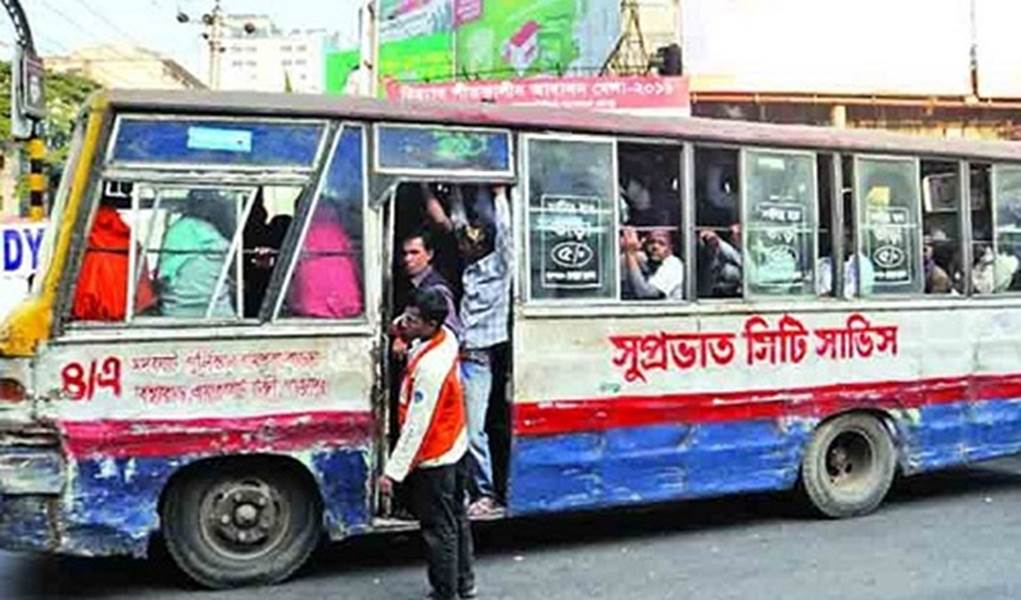
Photo by author, 2011
Passengers during the rush hour.
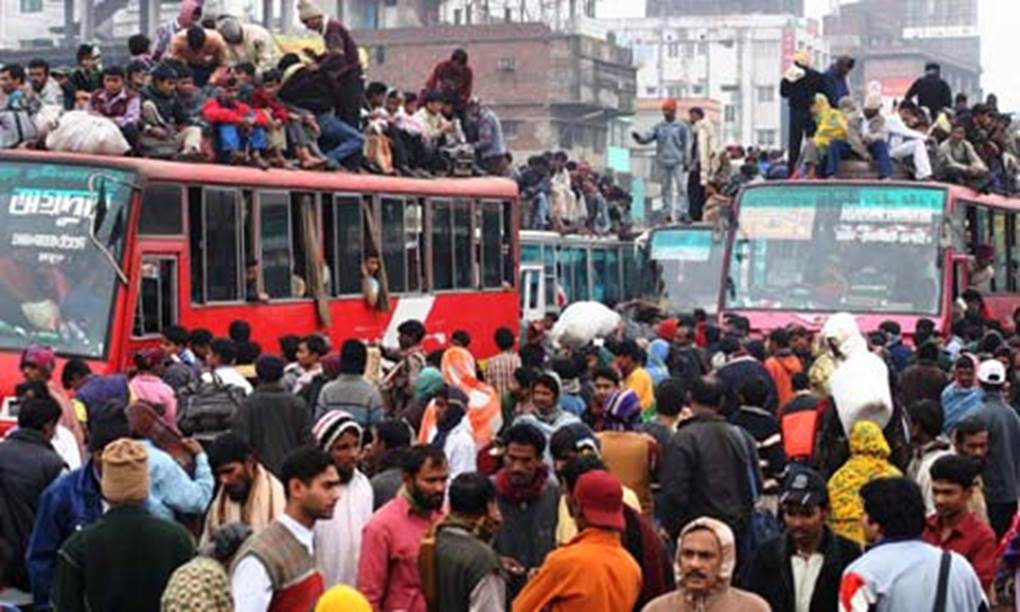
Photo by author, 2011

Photo by author, 2011
Additional bumpers protecting the bumper.
Most cars add an additional self-made pipe bumper in front of the original bumper. Ninety percent of the passenger cars running in Dhaka are used Japan cars. Eighty percent of them are said to be Toyota vehicles.
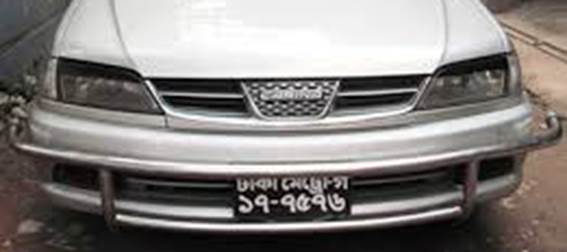
Photo by author, 2011
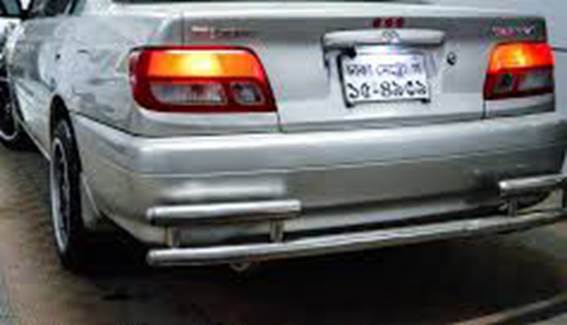
Photo by author, 2011
Rickshaw
These rickshaws are the main attraction on the back streets. They provide a source of income for farmers who come to Dhaka from rural areas in search of work.
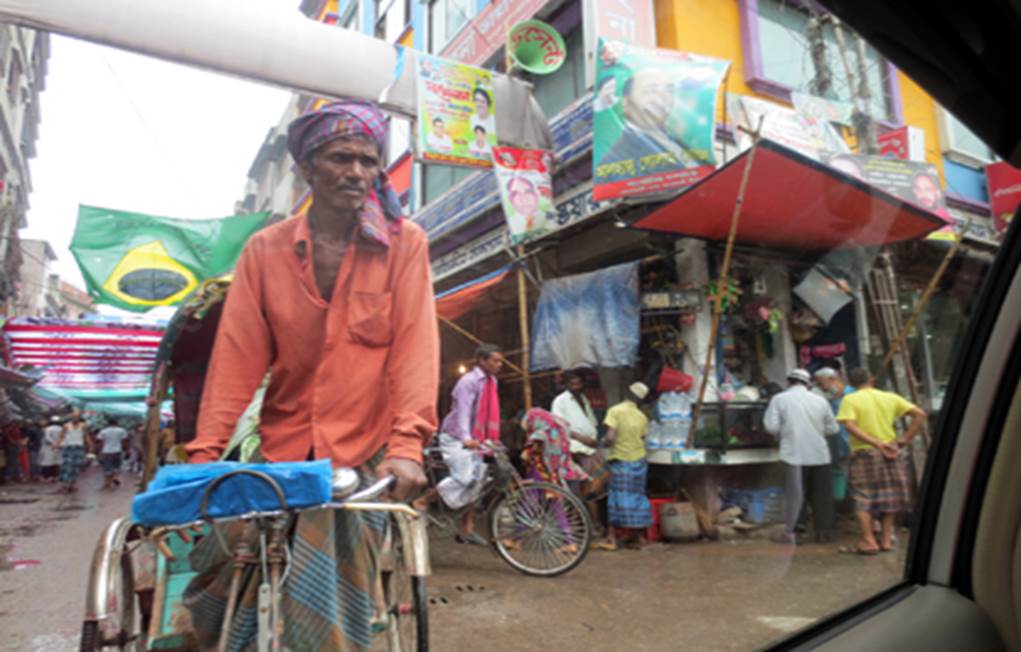
Photo by author, 2011
A rickshaw passing through a back road, avoiding a congested main road. Even at human-scale speeds, it can get to its destination faster than a passenger car. Here in Dhaka, it’s worth it riding on a rickshaw.
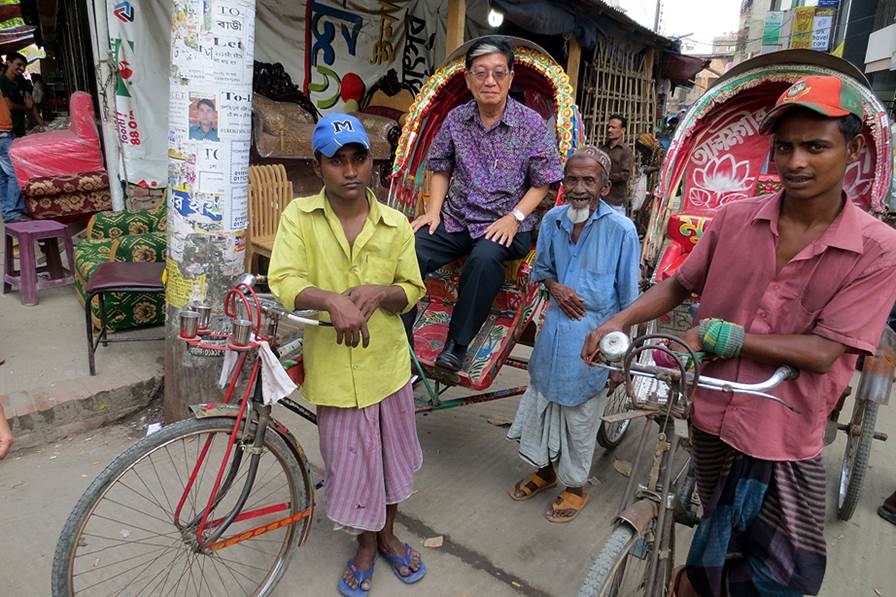
Photo of author, 2011
Cars, rickshaws, and pedestrians compete for narrow and limited road space.
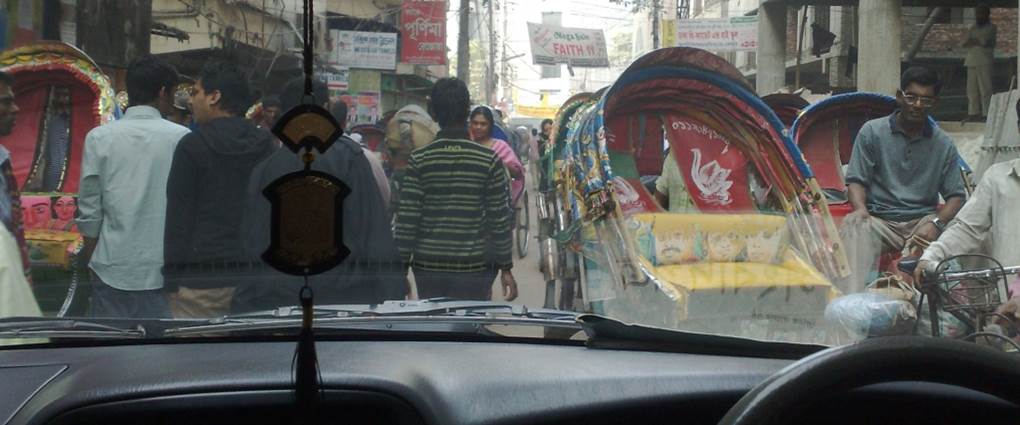
Photo by author, 2011
The rickshaw is a moving art museum!
It gives the city a flourish. Each of them is making an effort to make life more enjoyable.
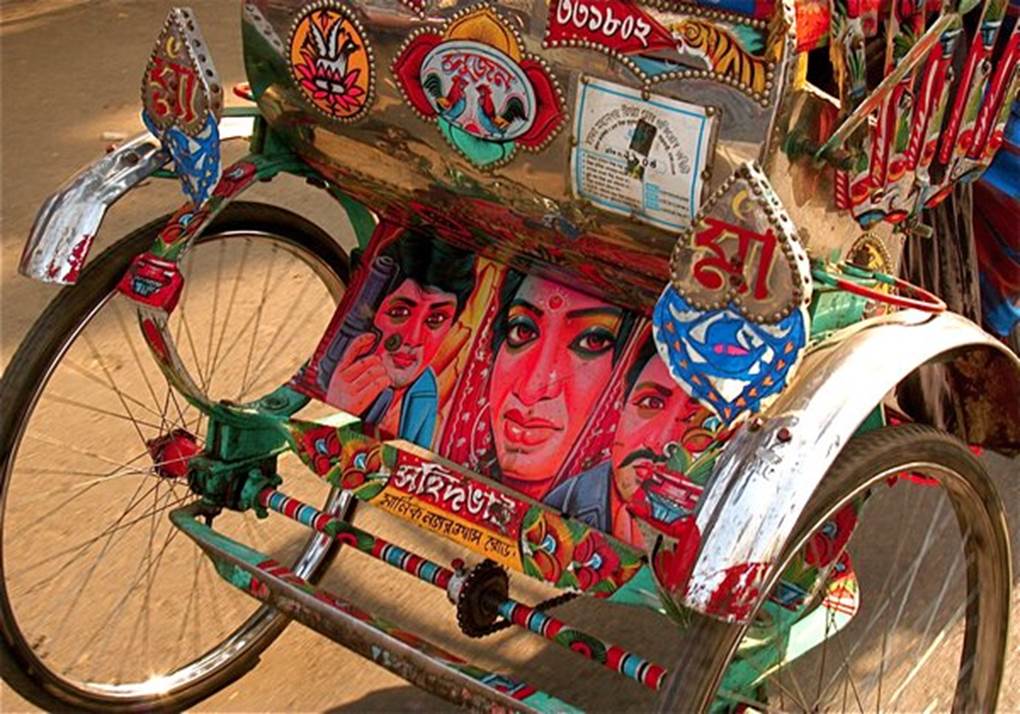
Photo by author, 2011
Pedestrian
The road is always crowded with cars and rickshaws. The sidewalks in downtown Dhaka are often bumpy and crowded with pedestrians.
Dhaka citizens are accustomed to crowds and pass smoothly without confusion. This is the result of years of patience instilling in them the virtue of mutual compromise.
Photos by author, 2011-2013