JAP | ENG
Phnom Penh Business Trip
2006-2013
#3/4
The blessings of the Mekong River
The Mekong River floods every year, causing flood damage, but at the same time it also brings abundant marine products.
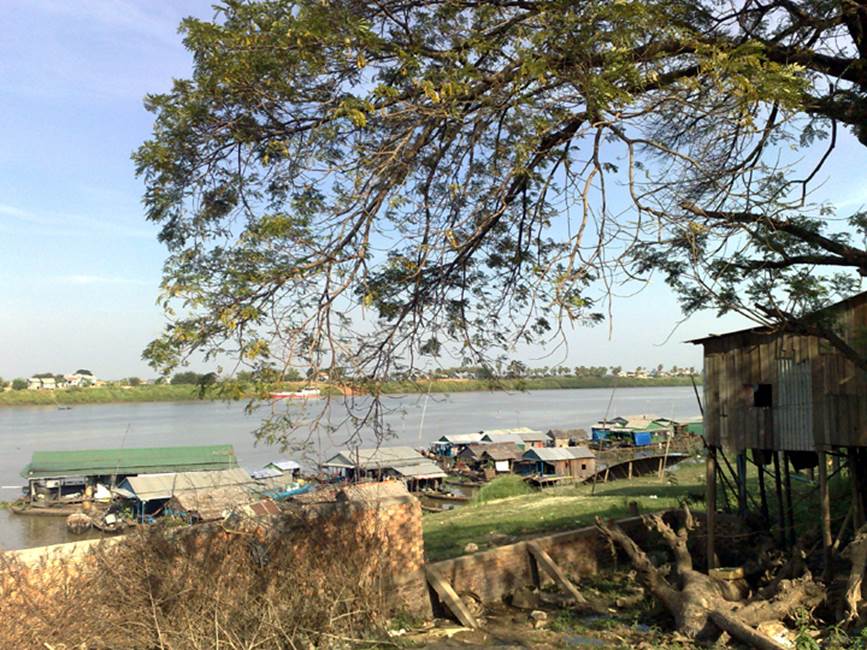
Photo by author, 2006
A large number of small fish found on the street corner. It is a valuable source of protein for the common people.
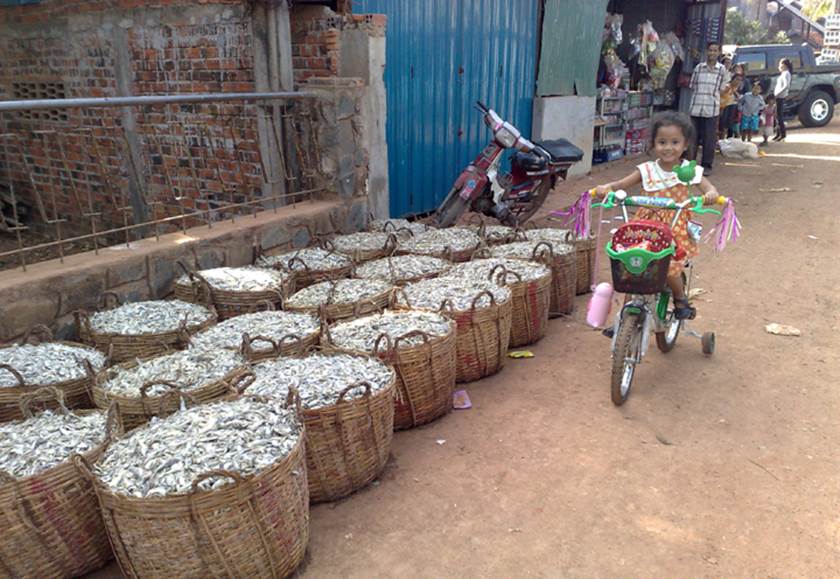
Photo by author, 2006
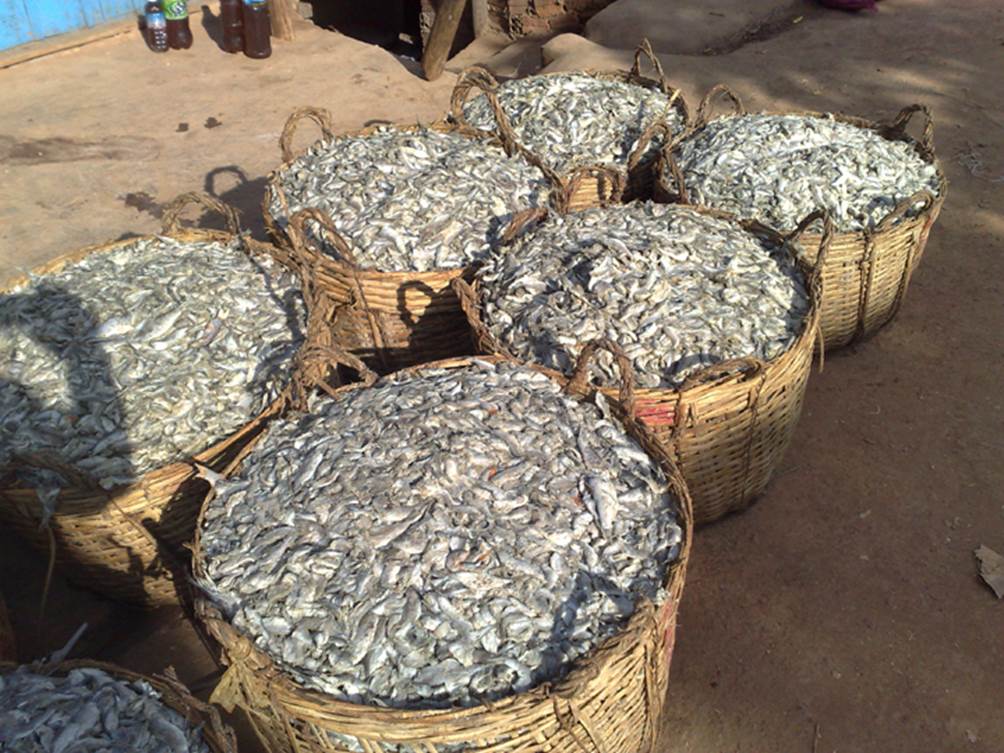
Photo by author, 2006
There are also frogs. It was hung out to dry on the side of the road in the city.

Photo by author, 2006
An display of traditional houses.
When I went to the banks of the Tonle Sap River on the other side of Phnom Penh, I came across an actual exhibition of a traditional house that was almost complete.
It is made entirely of wood. The first floor is raised on stilts. The entrance is on the second floor and is accessed by a wooden staircase directly from the road.
This is a architecture solution for housing construction in this country, born out of the natural conditions of the Mekong floodplain.
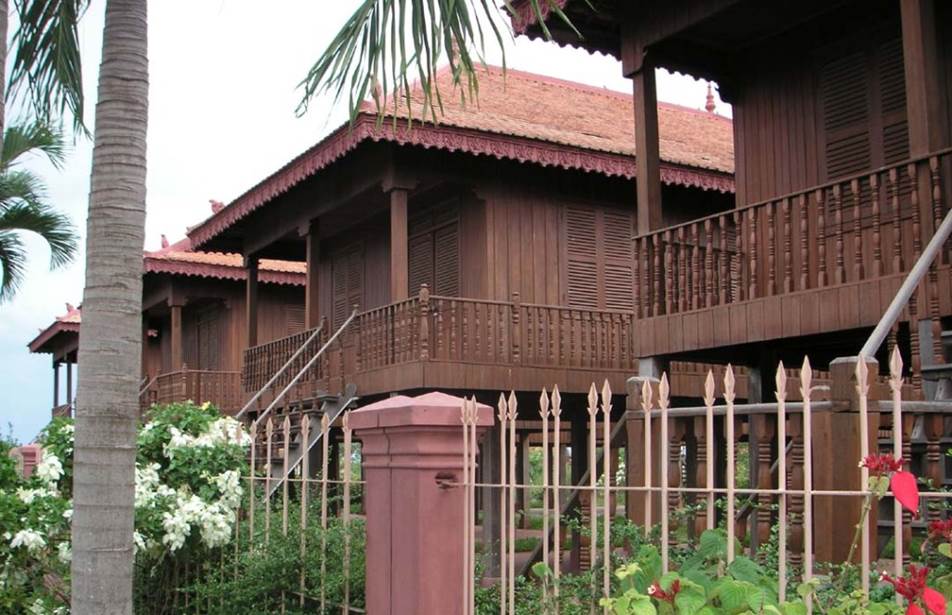
Photo by author, 2006
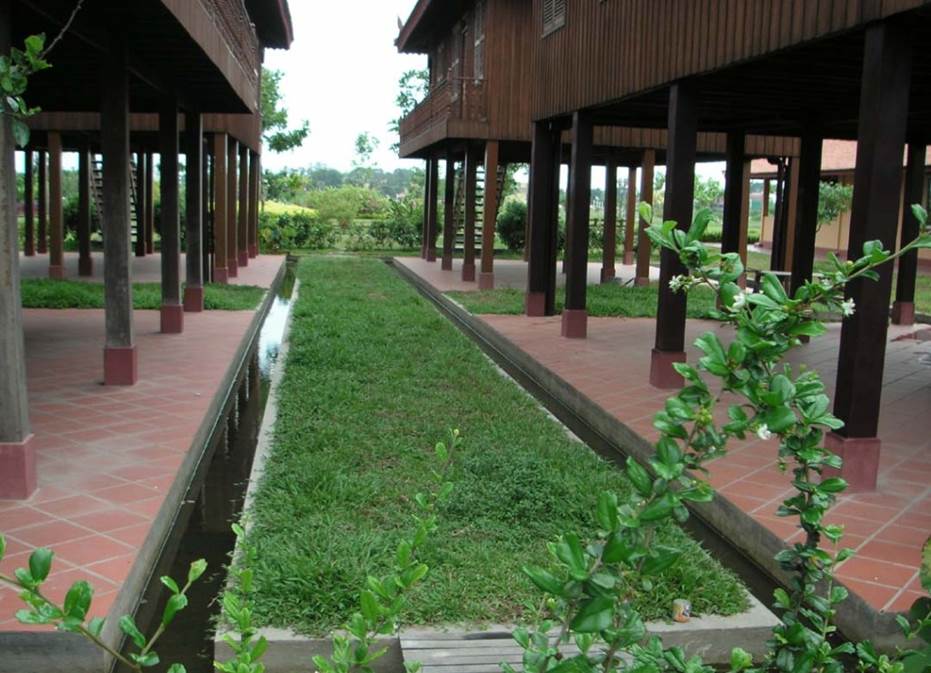
Photo by author, 2006
A person working on an outdoor meal that I saw on the same premises.
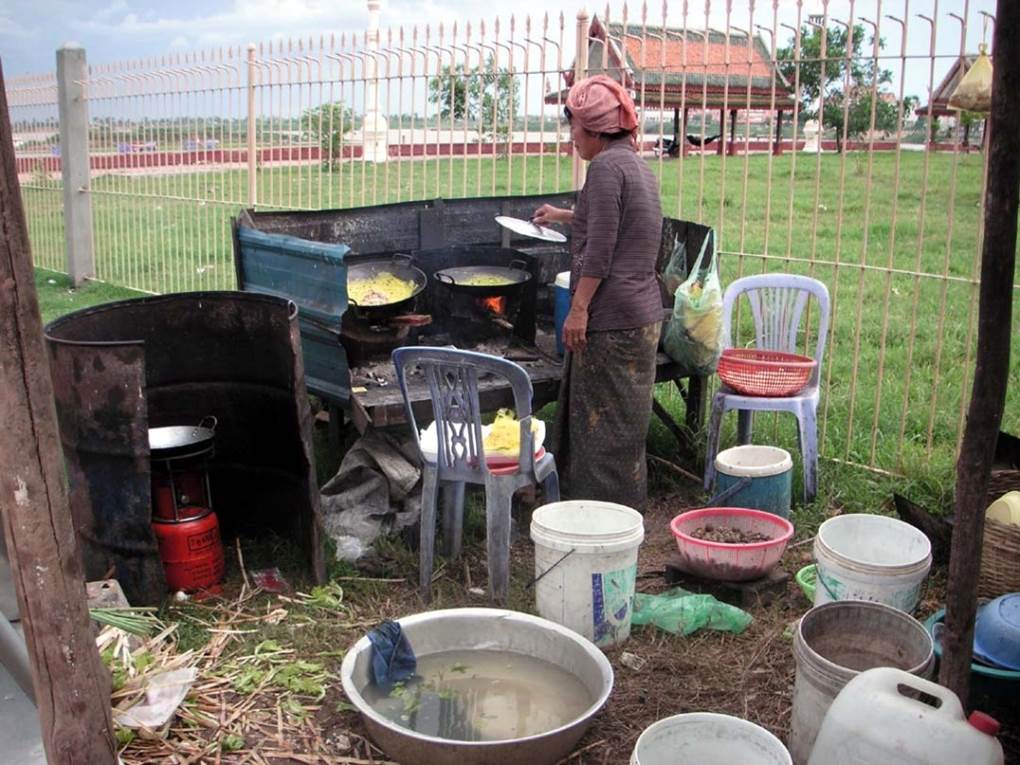
Photo by author, 2006
Residential Development
A landing site for sand from the Mekong River.
The sand is transported by raft from a sandbar several kilo meters upstream.
It is sold at $1 per m3. Photographed in 2006. Alternatively, sand is pumped directly from the riverbed using powerful pumps to build up soil.
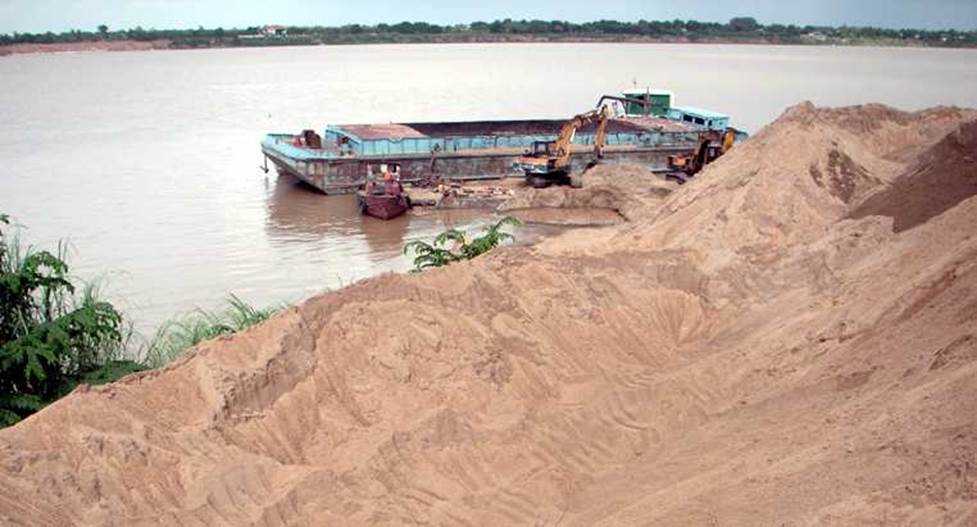
Photo by author, 2006
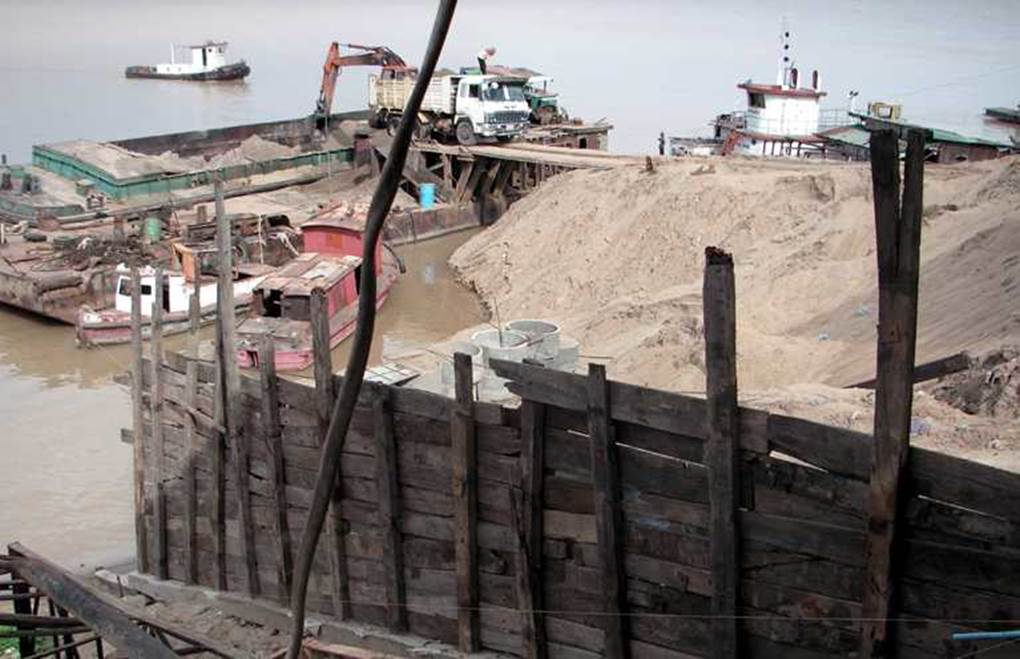
Photo by author, 2006
A housing development is being built in a marshland area about 5km from the center of Phnom Penh, with the land area being raised by about 3m.
Since there is no substantial land left in the city or its suburbs other than wetlands, developers acquire wetlands and fill them.
The height of the embankment to ensure drainage is enormous.
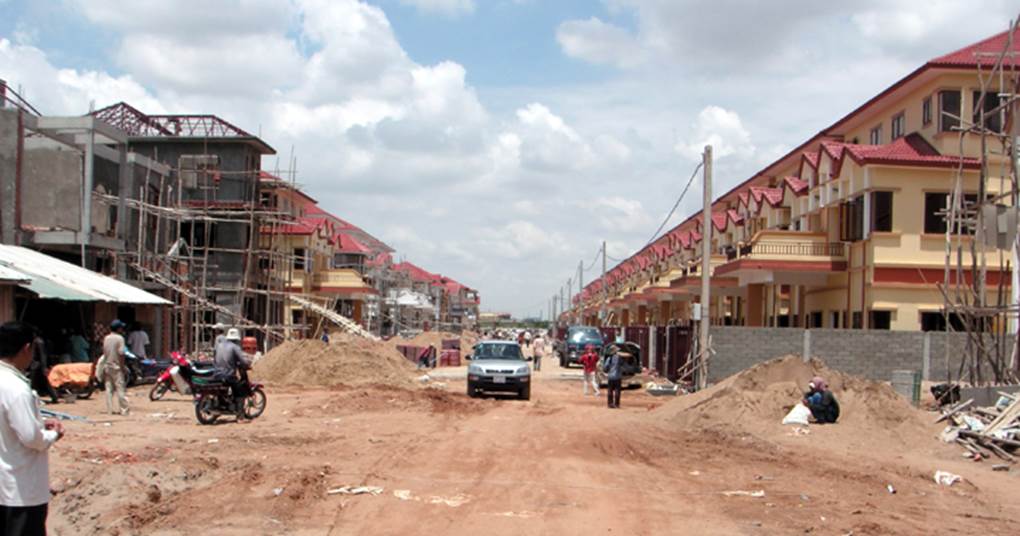
Photo by author, 2006
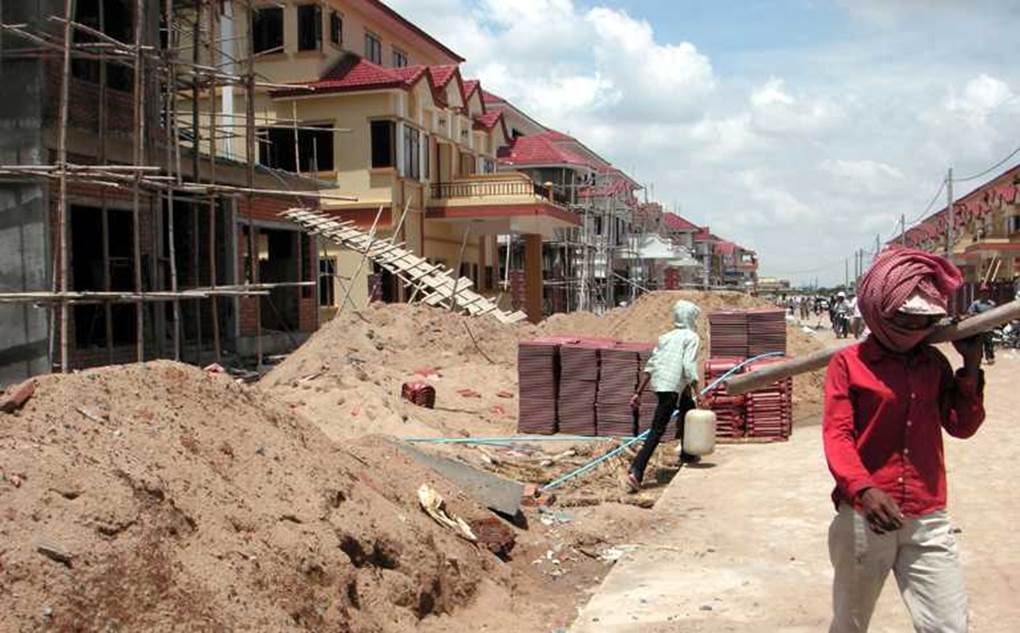
Photo by author, 2006
I discovered “Bamboo reinforced concrete paving work“ used in a road in a newly developed residential subdivision.
In places like this, we can see the shortage of rebar in this country and the shoddy construction that contractors do.
The terrain is prone to liquefaction, but since there have been no earthquakes, is it okay?
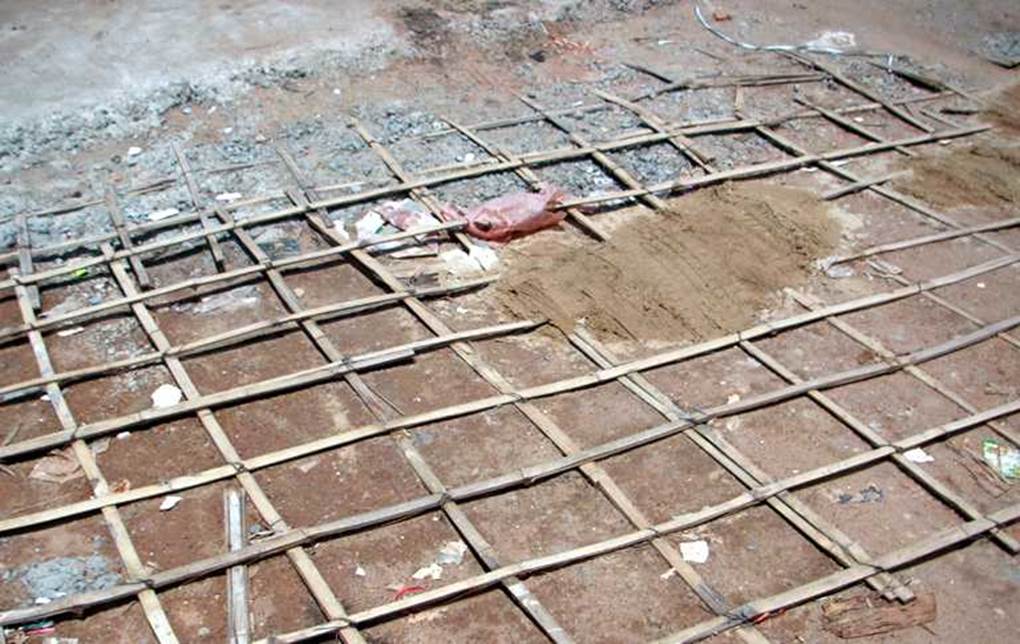
Photo by author, 2006
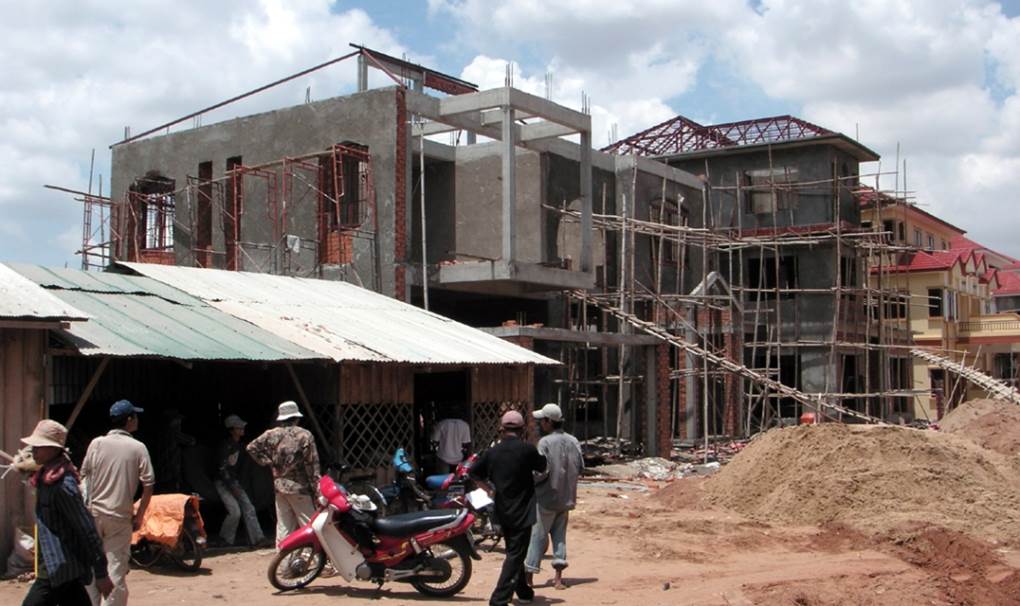
Photo by author, 2006
Securing building materials
Rock piles on floodplains near Phnom Penh are blasted to extract rock for construction.
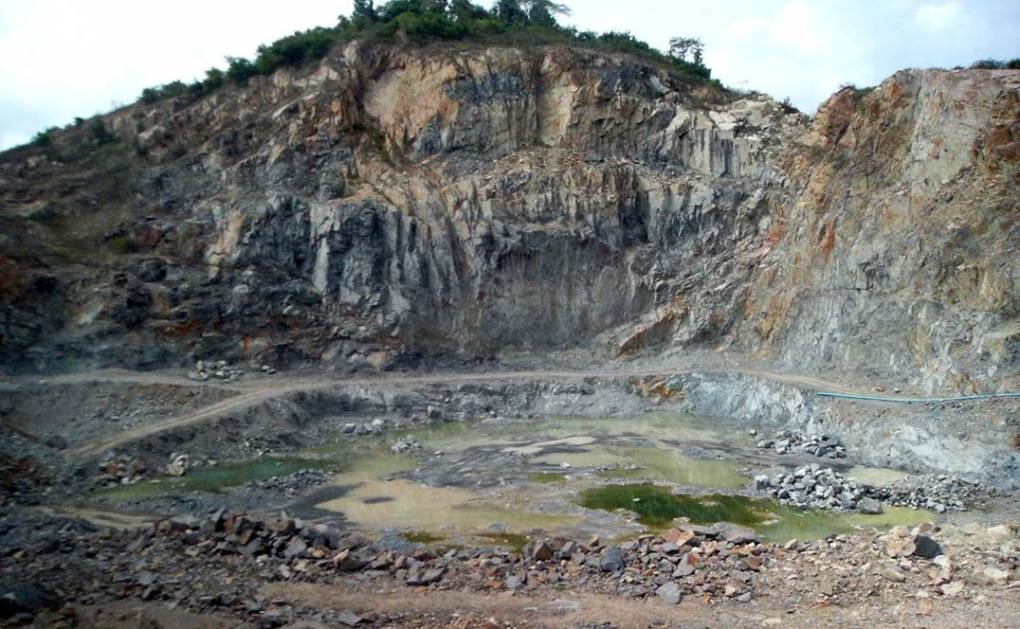
Photo by author, 2006
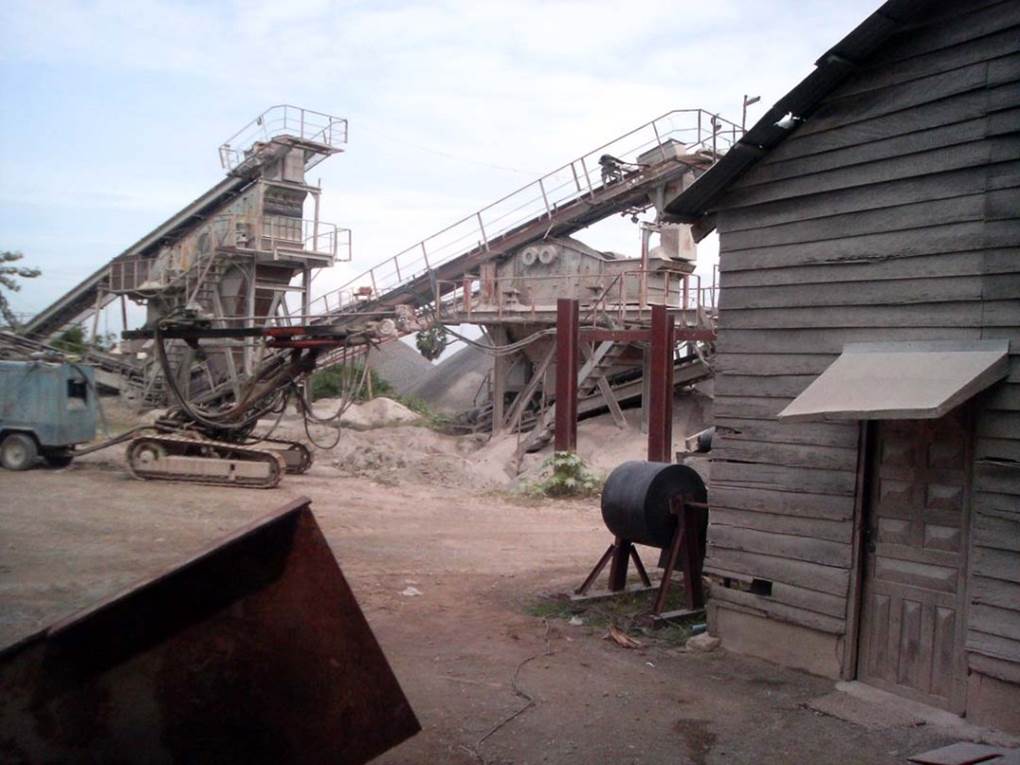
Photo by author, 2006
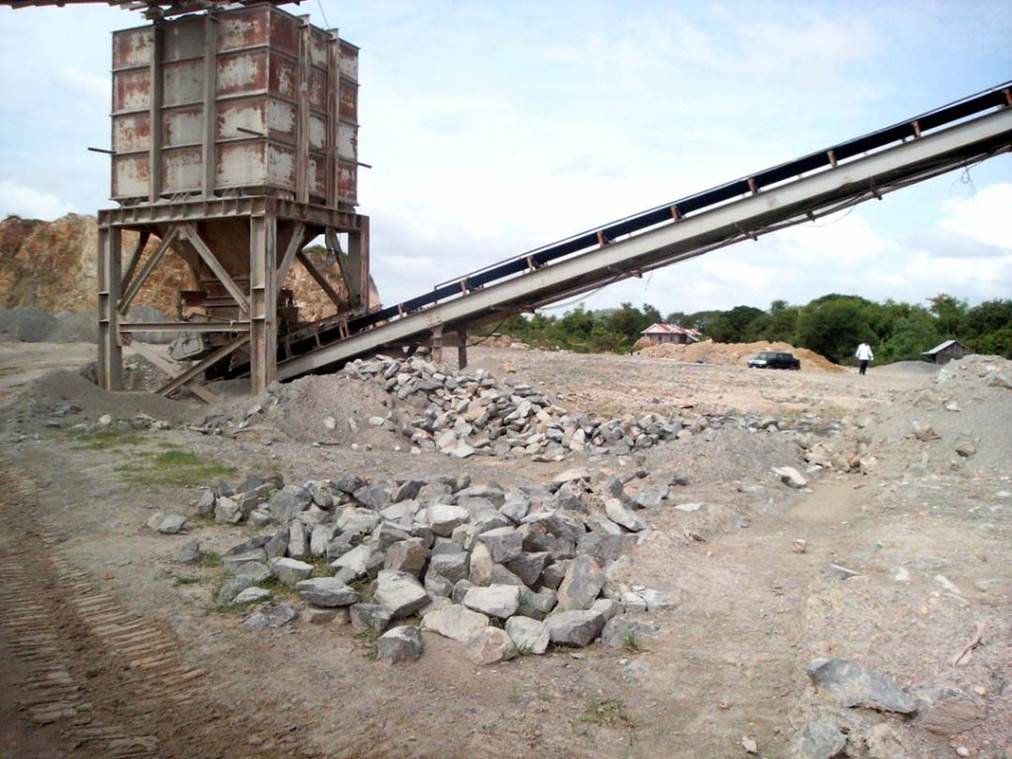
Photo by author, 2006
Natural stone blocks used for the base part of temple architecture.
Similar materials are frequently used for the exterior of Angkor Wat.
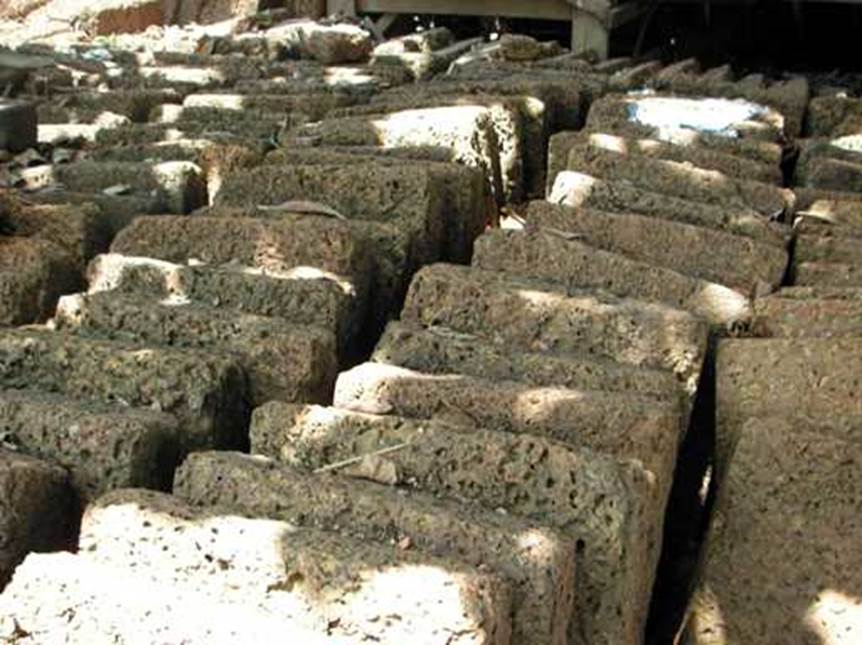
Photo by author, 2006
Young women arranging homemade handmade bricks into an unglazed kiln.
The working environment is not ideal, but this is probably the old custom.
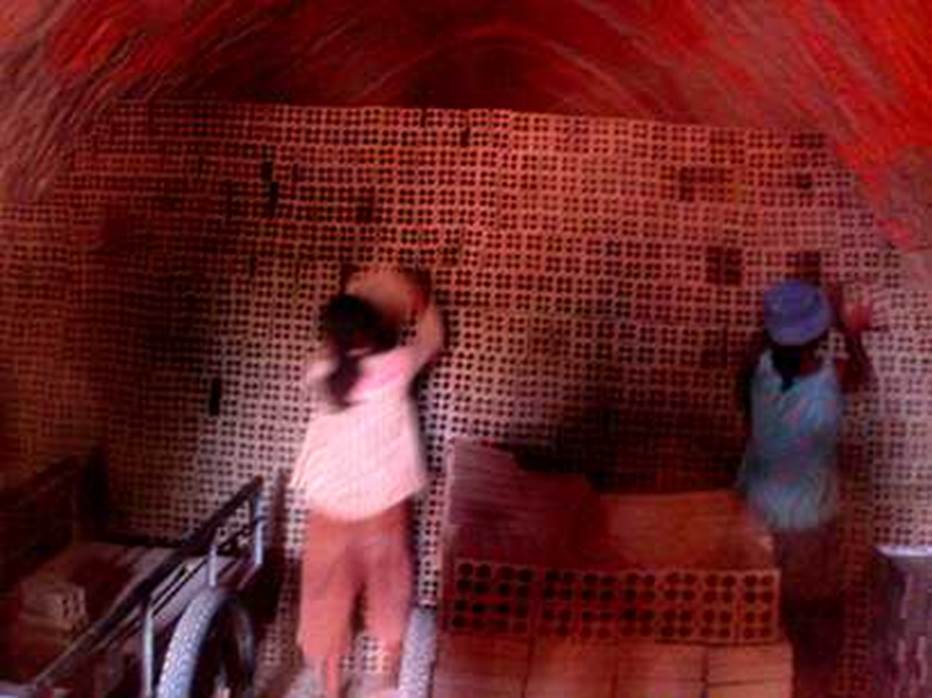
Photo by author, 2006
Precast concrete is the basis of the pillars of a wooden stilt dwelling.
There seems to be an abundance of old-fashioned materials on the market, such as those used by the general public in building material stores.
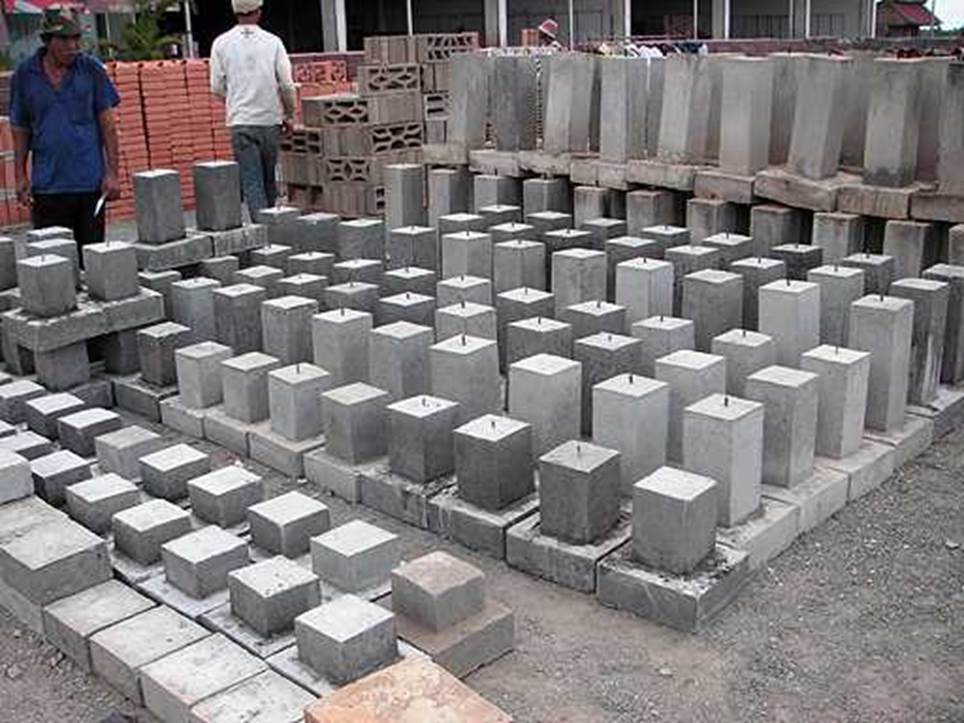
Photo by author, 2006
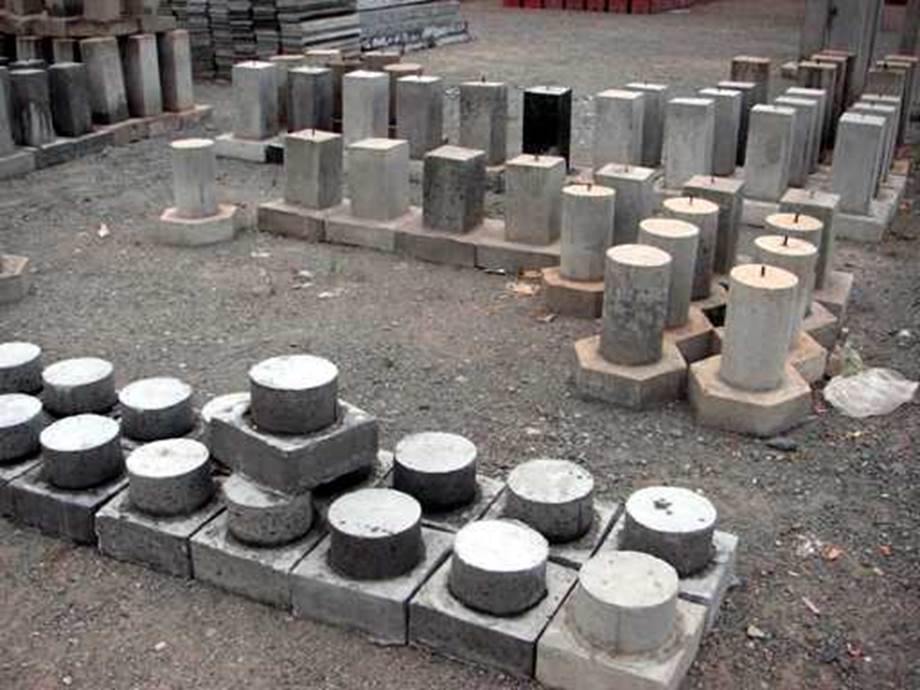
Photo by author, 2006
Sanitary ware sold throughout the city.
Washlets and the like are still a dream.
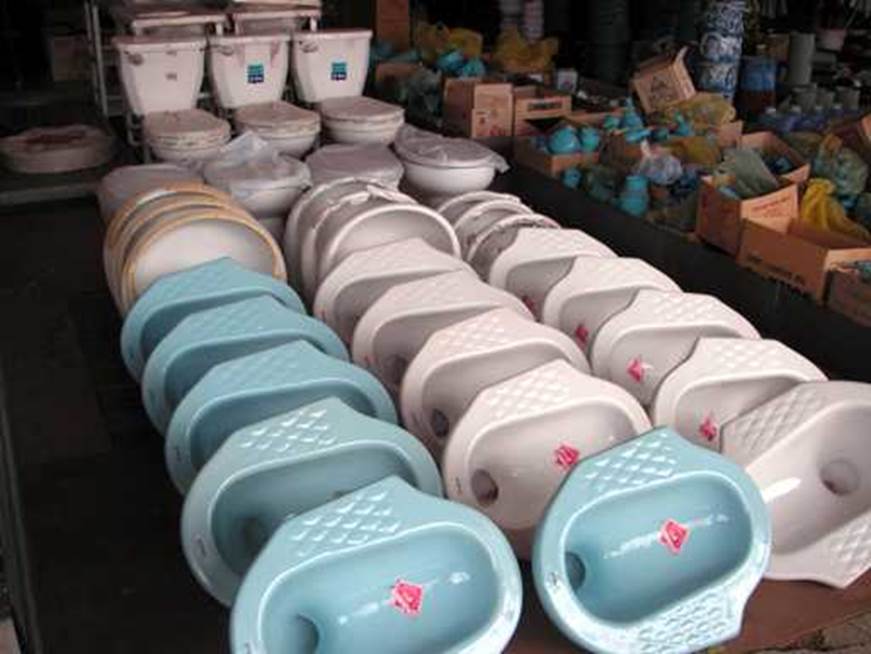
Photo by author, 2006
Wooden stakes over 6m high.
This type of material is essential for building houses on marshes and floodplains.
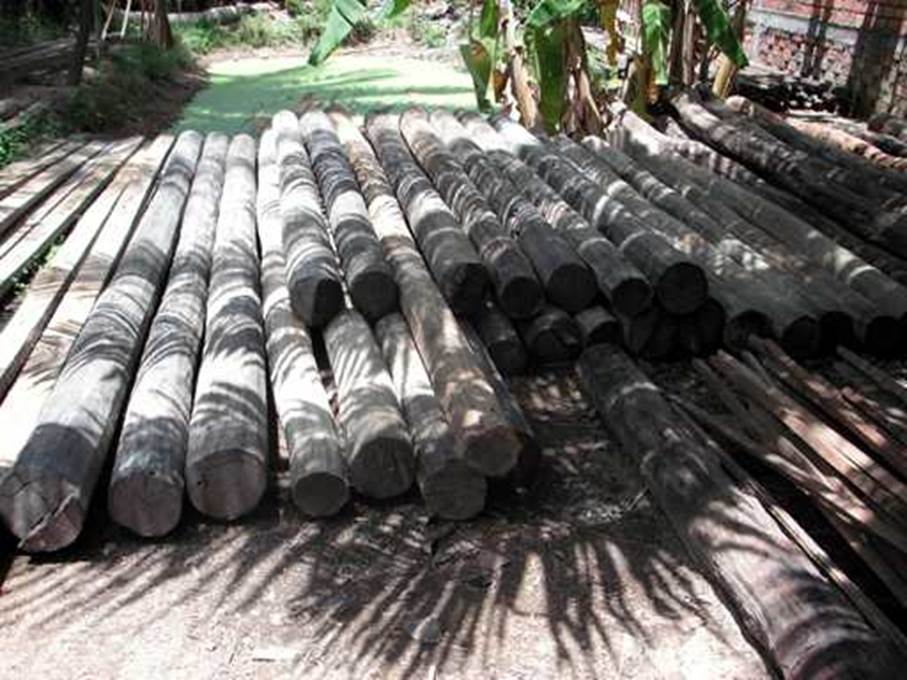
Photo by author, 2006
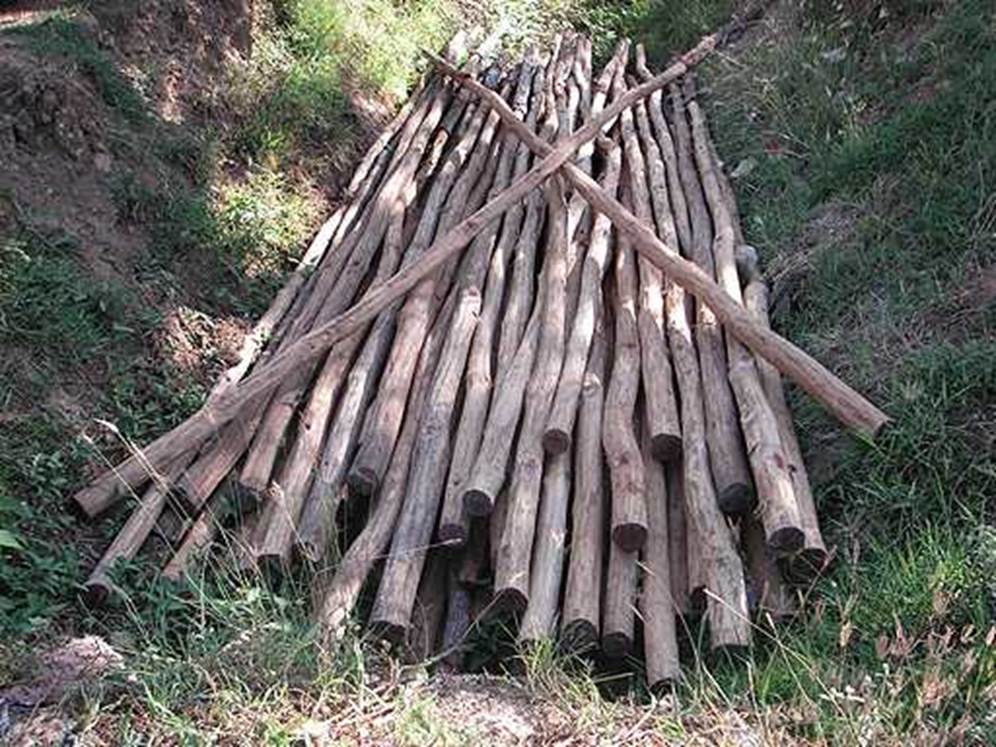
Photo by author, 2006
Timber cut from declining tropical forests and processed into lumber.
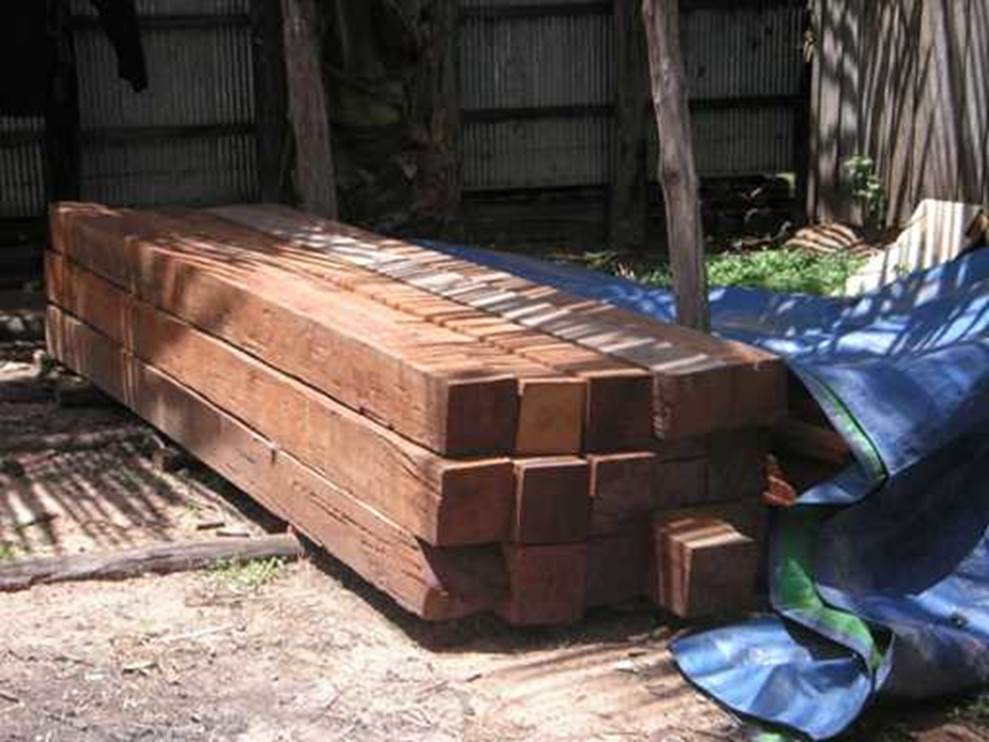
Photo by author, 2006
Urban development and slums
The floodplain lake before reclamation.
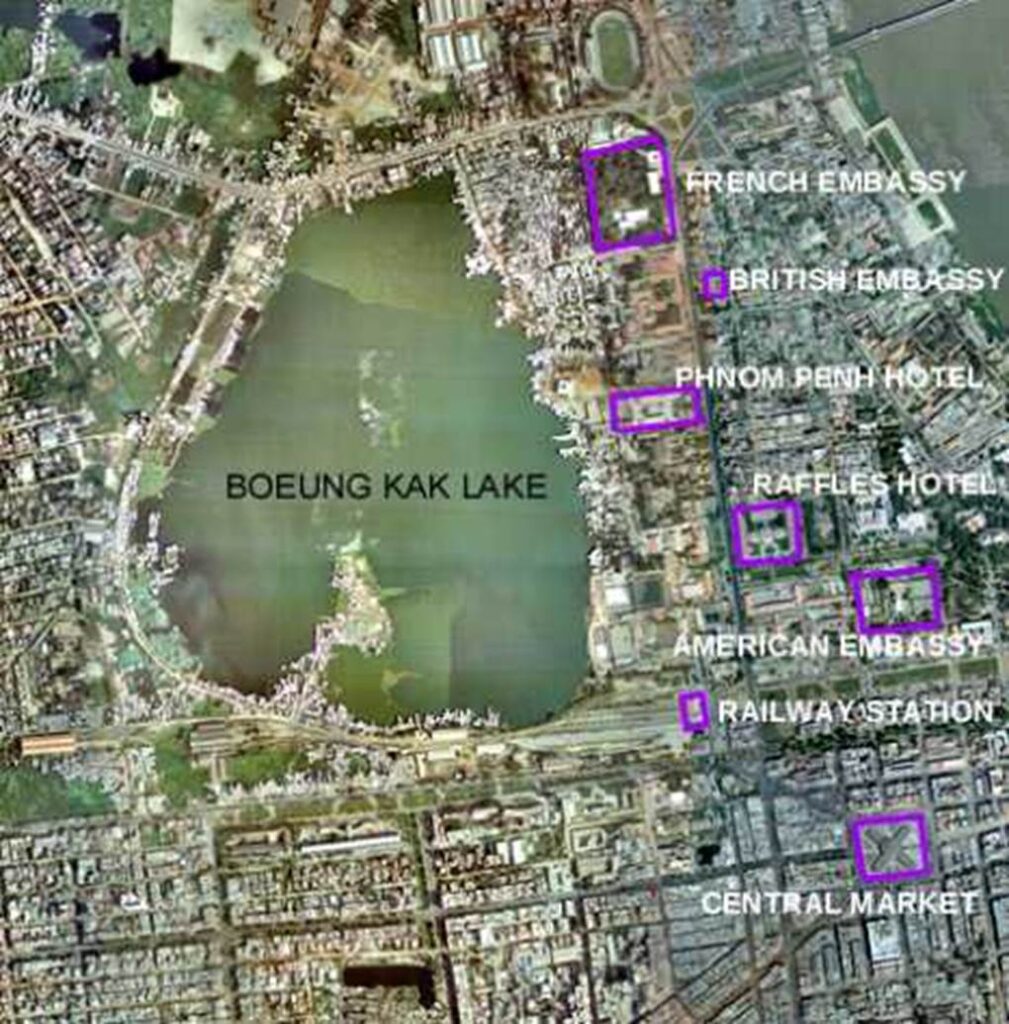
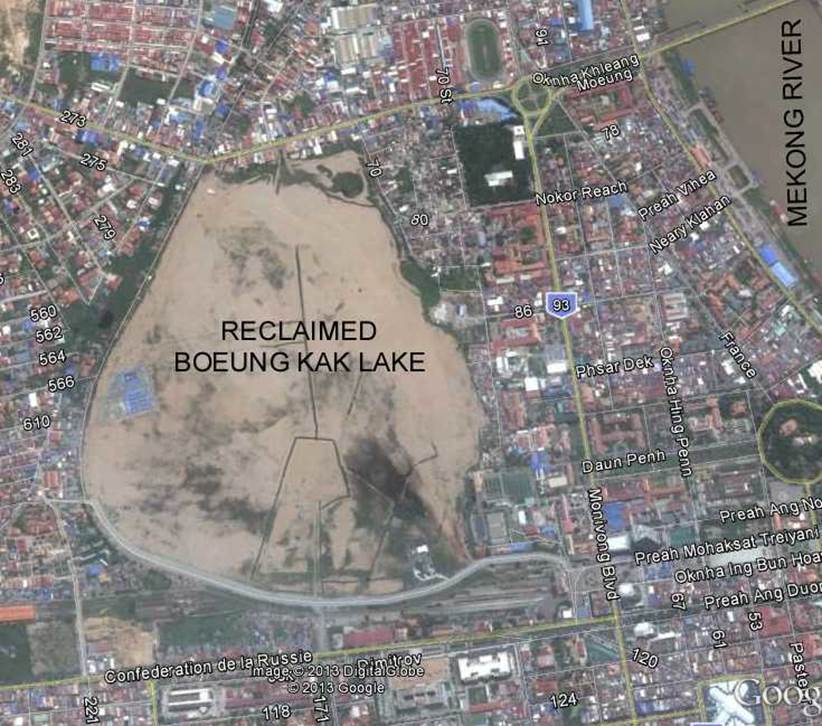
Boeung Kak Lake until 2011. The area around the lake behind the French Embassy and the Phnom Penh Hotel is a slum zone of illegally occupied wooden stilt houses.
Located in a prime location in the city, adjacent to the US Embassy, the British Embassy, and the Raffles Hotel, the slum had become a den of drugs and prostitution.
Boeung Kak Lake water overflows
Water from the rising lake overflows the mosque on the edge of Boeung Kak Lake, submerging most of the grounds.
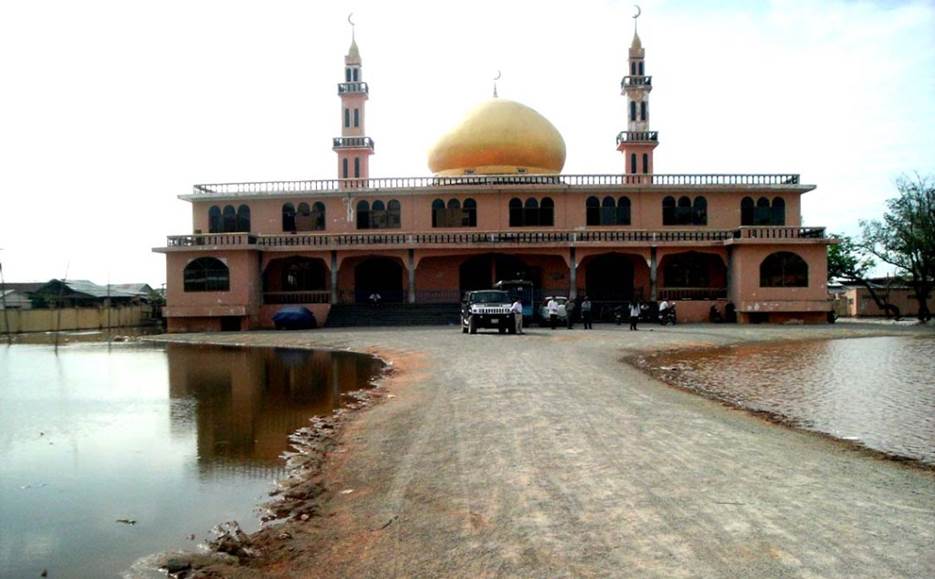
Photo by author, 2006
Cambodia has a population of about 15 million, more than 90% of whom are Buddhists. The fact that there is such a mosque in the city means that there must be a certain number of Muslims. When I looked it up, I found out that about 4% of population are Muslims.
The grounds of a flooded mosque.
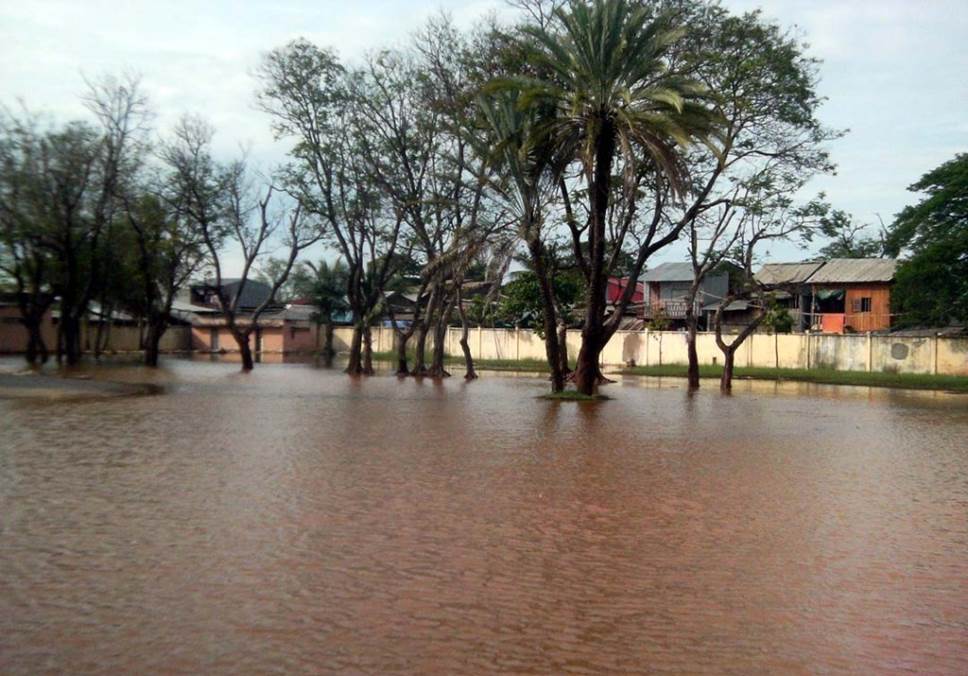
Photo by author, 2006
Residents oppose the reclamation.
The state of the lakeside slum before the eviction.
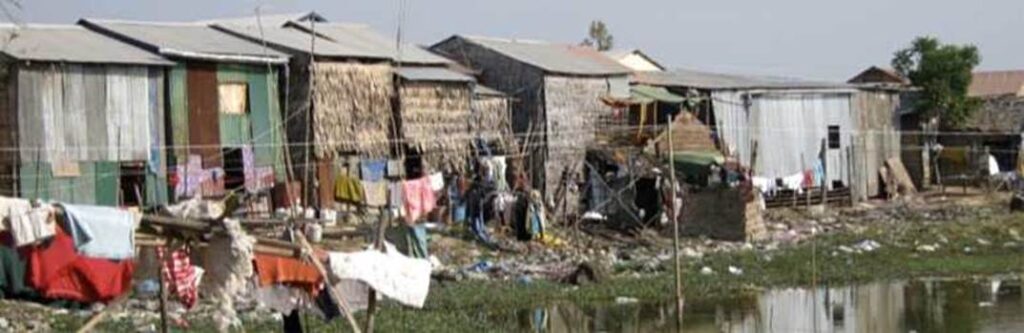
Photo by author, 2006
In February 2007, the Phnom Penh City Government signed a 99-year lease on the 133-hectare Boeung Kak Lake and its surrounding area to a company called Shukaku Inc. for the amount equivalent to 8 billion yen.
Representatives of 4,252 families who were subsequently forced to move out launched a protest movement, which escalated into an international issue involving UN agencies and human rights activists.
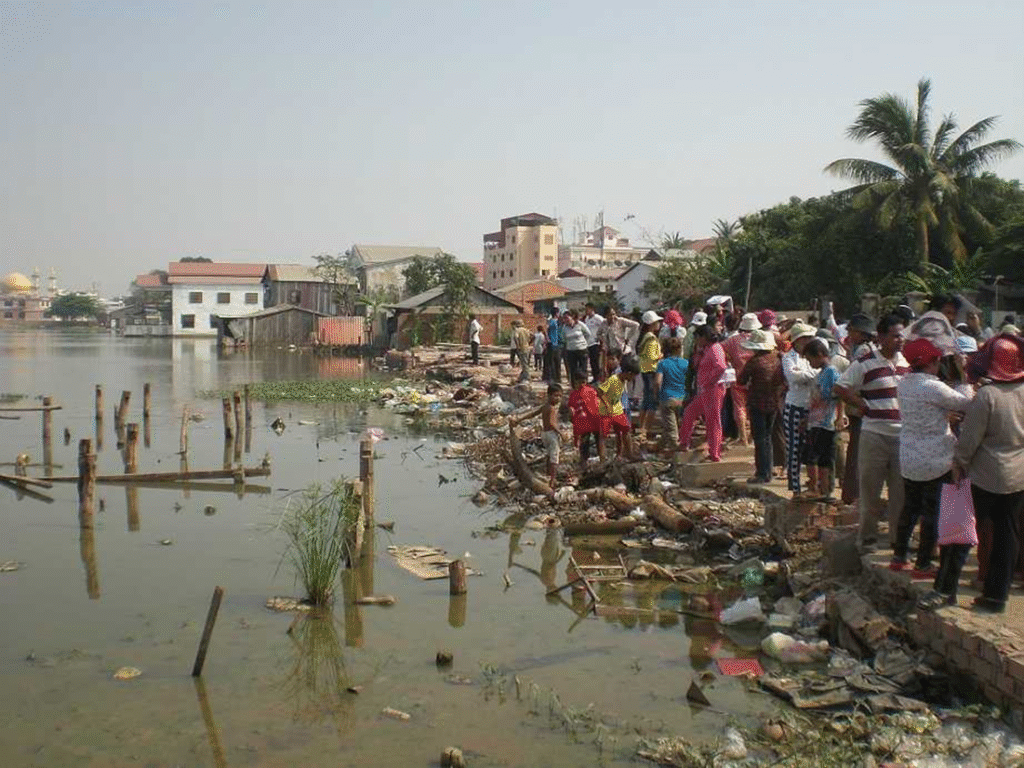
Photo by author, 2006
Sand reclamation is approaching close to slum houses..
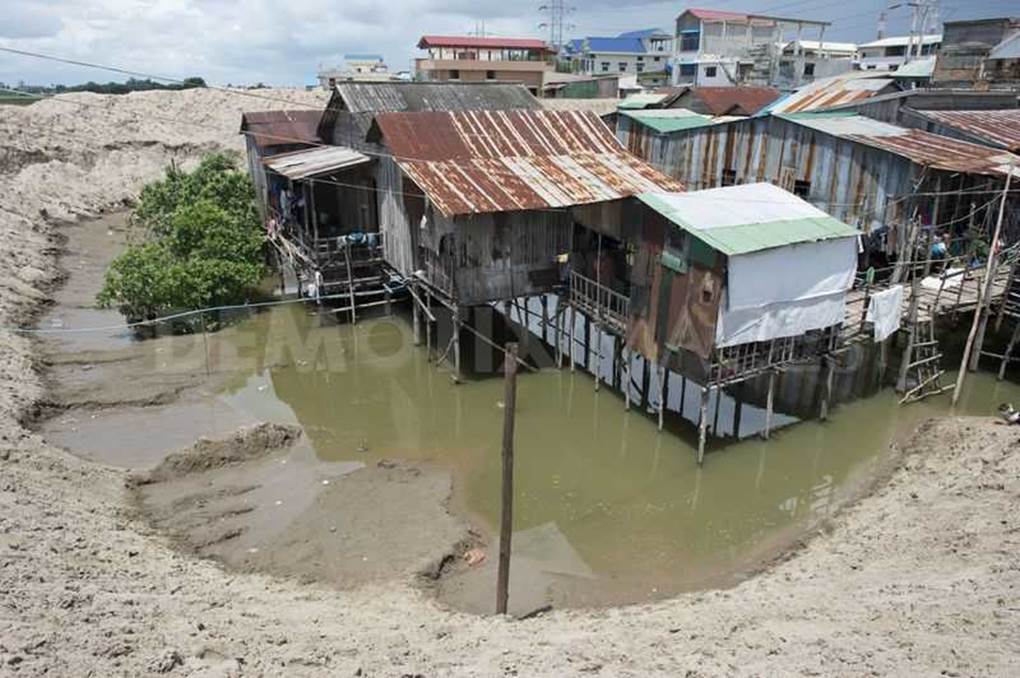
Photo by author, 2006
Reclamation completed.
Boeung Kak Lake since February 2012. In response to the protests, the slums have been forcibly cleared and the reclamation has been fully completed.
A scene from a wedding.
While there are tragic scenes of people being forced to move out of slums, there are also scenes of the wealthy squandering their money on lavish weddings.
An acquaintance of mine was invited to this wedding party, so I accompanied him to have a peek. The wedding reception was more like a drinking party for relatives and acquaintances of the bride and groom.
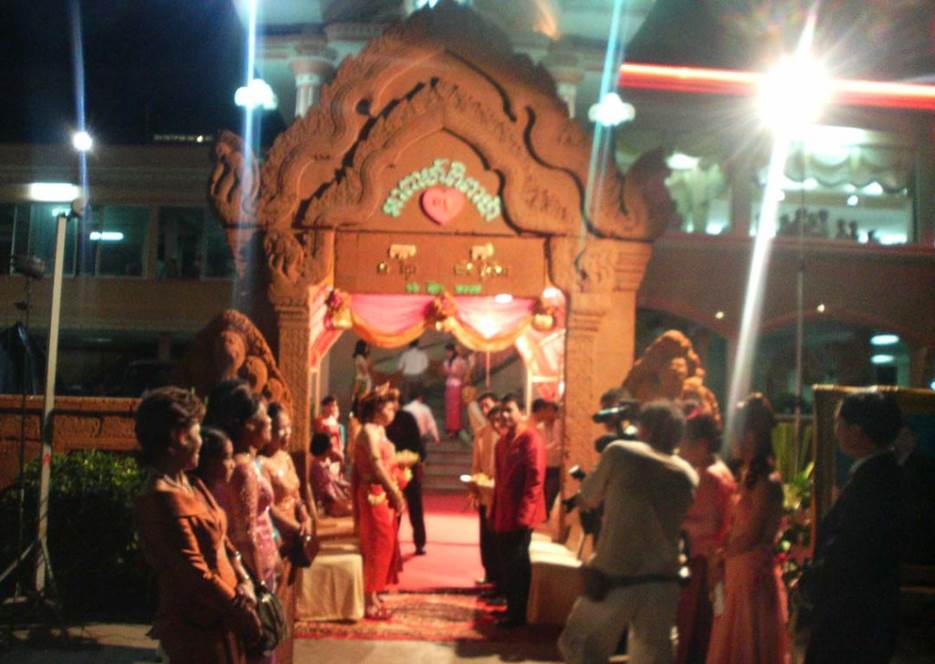
Photo by author, 2006

Photo by author, 2006
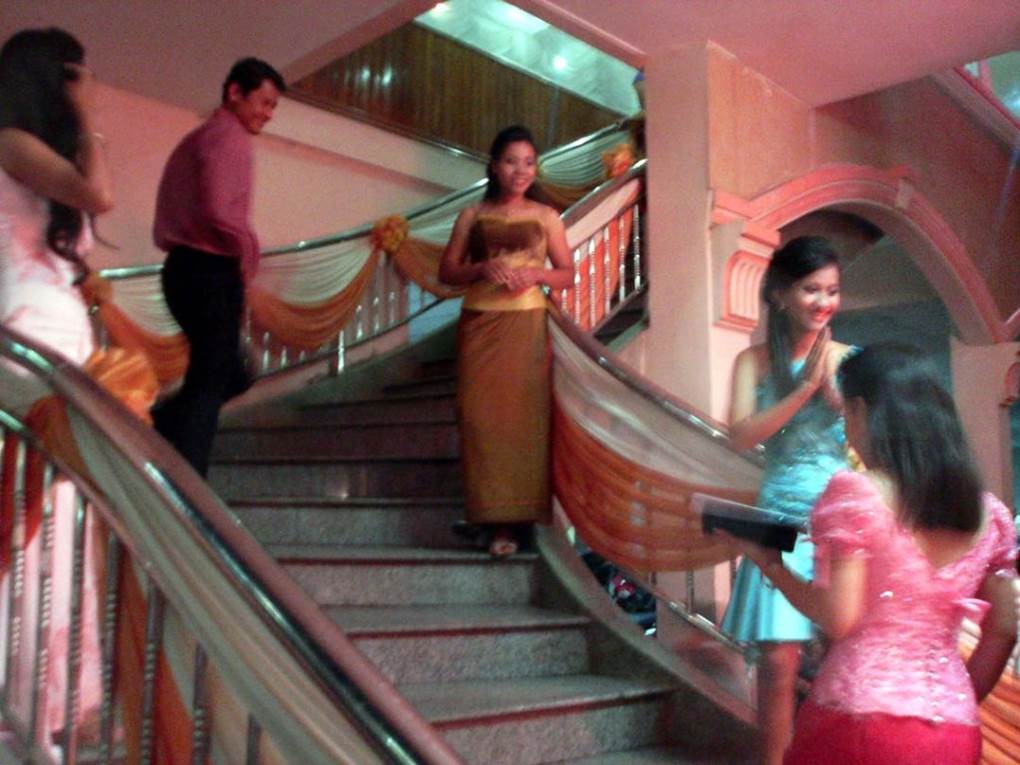
Photo by author, 2006