JAP | ENG
London and Oxford
1998
London
I was given a round-trip business class ticket from Singapore to London by Welcome Break, a British company that had become a new client of mine, and had the opportunity to visit the UK twice in 1998 for inspections and meetings.
In my more than 100 flights between Asian countries, except for one round trip between Jakarta and Bali and one between Singapore and Taipei, I had always flown in economy class, so this 14-hour trip was a completely different experience from any of my previous flights.
The reason for choosing business class was that I am able to get ready for meeting immediately after arriving in London without any jet lag.
Heathrow Hotels
I checked into the hotel booked by my client around 9 p.m. and immediately fell into a deep sleep.
When I woke up in the morning, I saw a typical British scenery outside the window. I didn’t seem to be suffering from jet lag and I felt great.
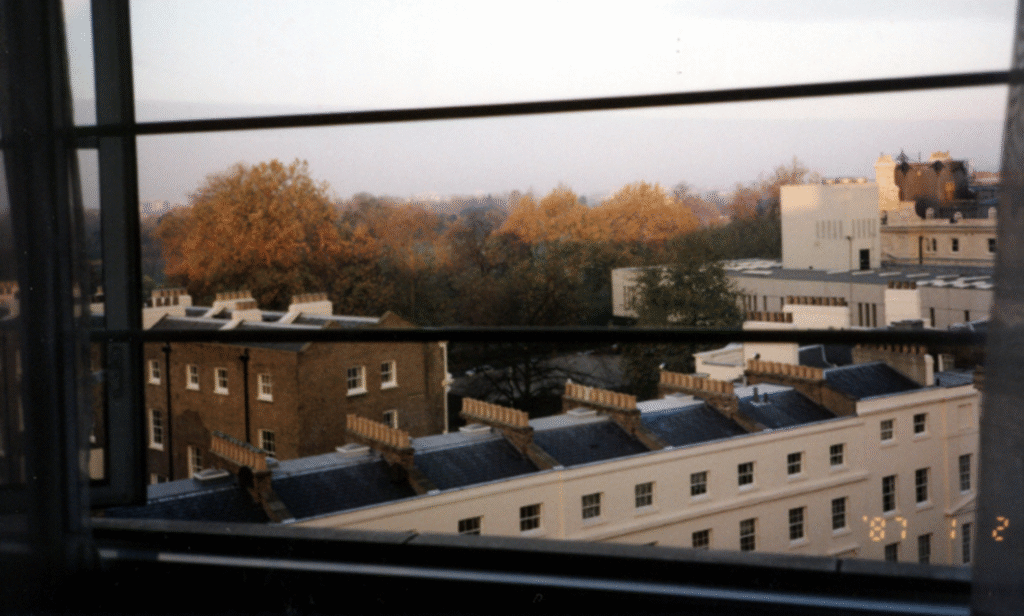
Heathrow Airport hotels, View from the room.
Photo by author, 1998
For some reason, the interior of the rooms were designed by a developing countries. However, a good night’s sleep is the most important thing, so the interior design seems irrelevant in this case.
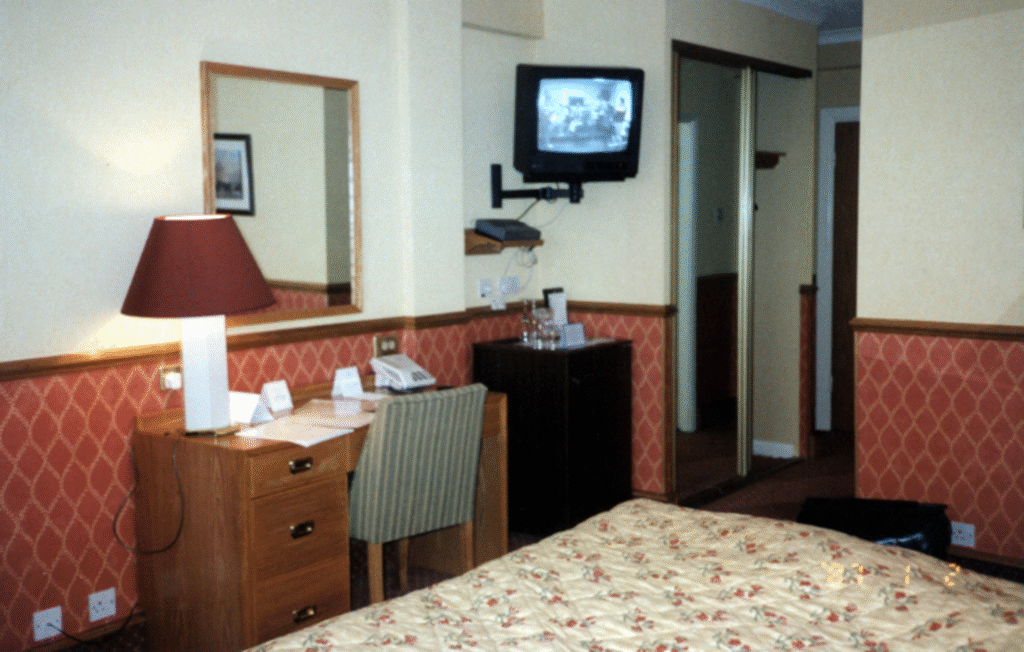
Photo by author, 1998
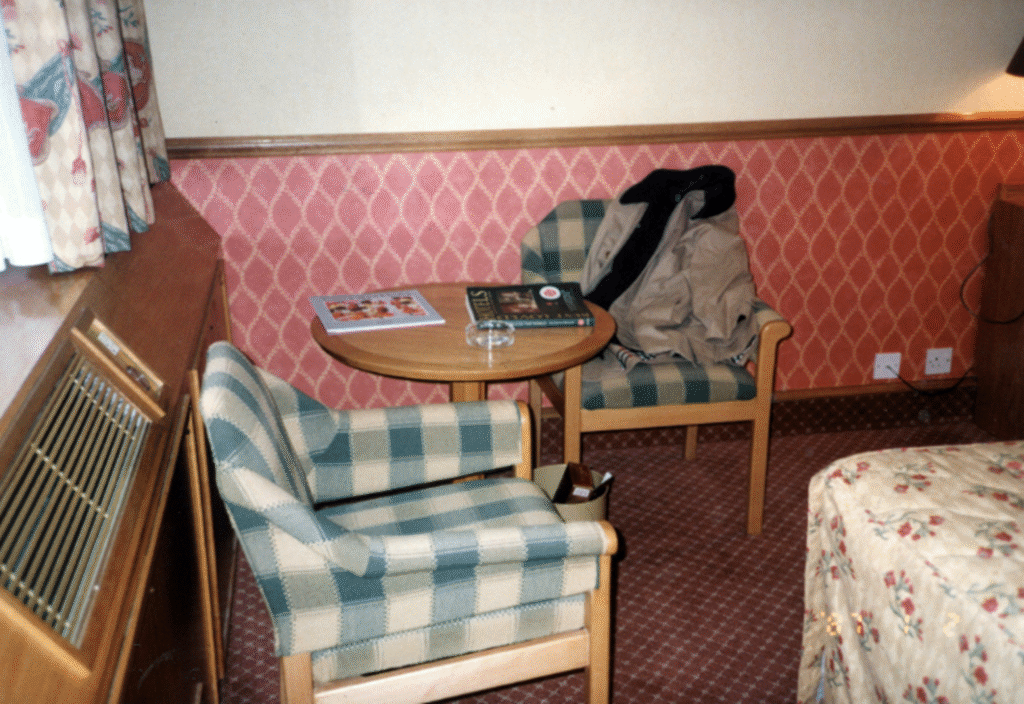
Photo by author, 1998
Full breakfast
I had heard that Full breakfast is a traditional British breakfast, so I ordered one downstairs while waiting for the pick-up from Welcome Break.
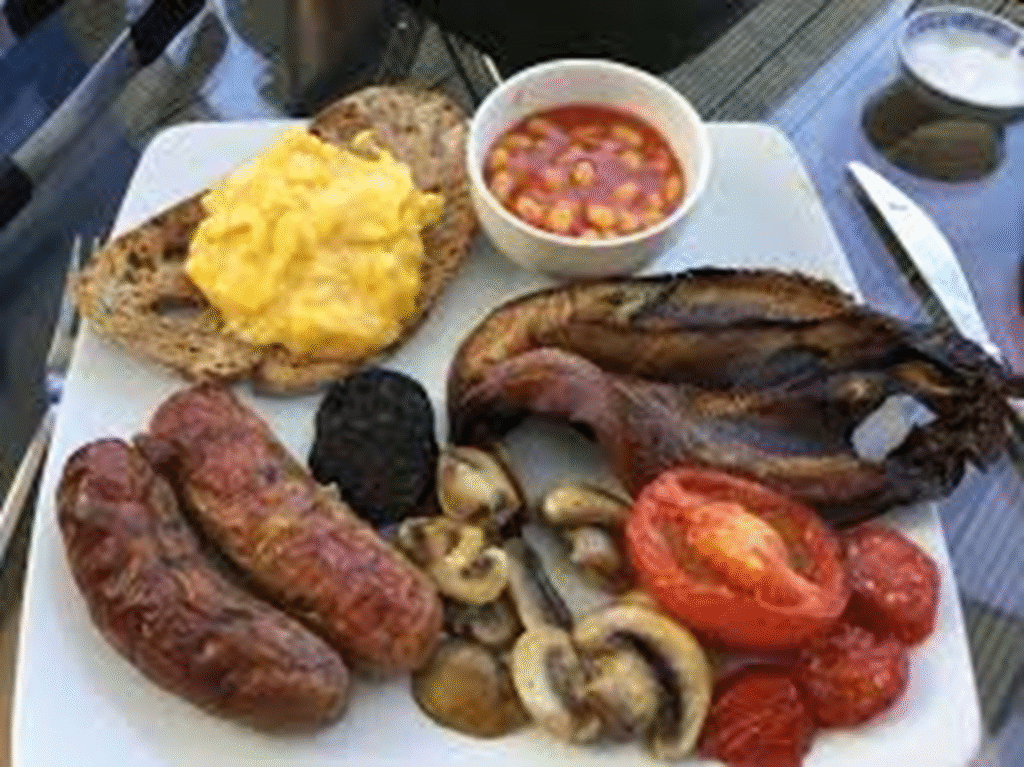
(Bacon ham, sausages, scrambled egg, black pudding, white pudding, fried tomatoes, sautéed mushrooms, baked beans and toast).
Photo by author, 1998
Towards the end of the full breakfast, a representative from Welcome Break group came to the cafeteria. After the greeting, he commented that he was surprised that a Japanese was able to finish their Full Breakfast.
Indeed, Latin people such as French, Italians and Spanish people rarely eat this much early in the morning. They have a continental breakfast of just coffee and baguettes. My breakfast is usually Latin style.
Accommodation in London.
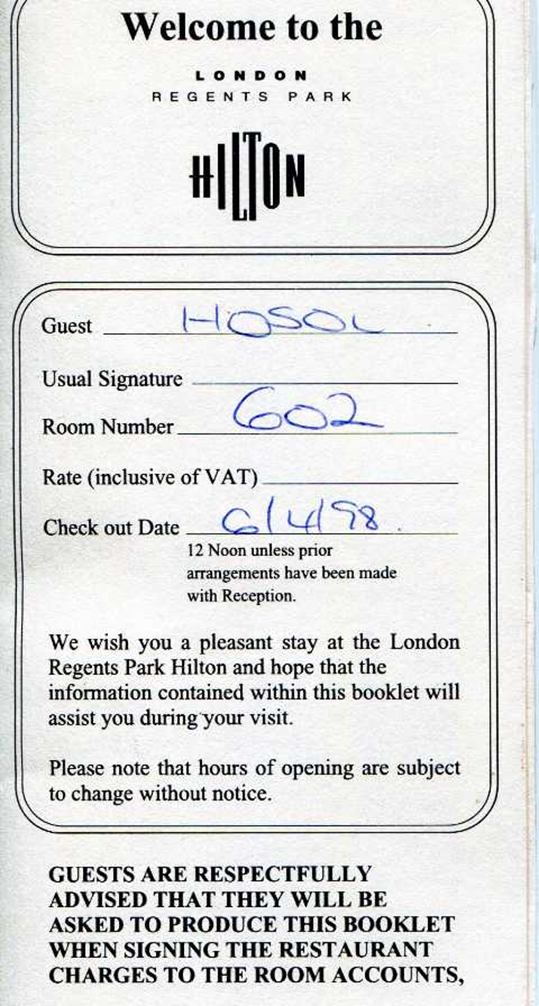
My client had arranged for me to stay in a Hilton hotel near Regent’s Park.
After dinner, I decided to take a walk around Regent Park in the evening.
The area around the park was dimly lit and all the shops were closed.
Further on, there was only one shop with lights. It was a dimly lit general store, and when I went inside, there was a South Asian shopkeeper, and I felt as if I had suddenly come to India, which makes me feels uncomfortable.
Indeed, this is one aspect of London, a cosmopolitan city with many immigrants.
I bought a beer and went back to the hotel.
Milton Keynes
On my second visit to the UK, there was no pick-up in London, and I travelled by train on my own to Milton Keynes , a satellite city near London where Welcome Break’s office is located.
Milton Keynes was an advanced satellite city that attracted the interest of architects and urban planners around the world after the war, and it was a place name of interest because it was included in the university’s Western architectural history textbook.
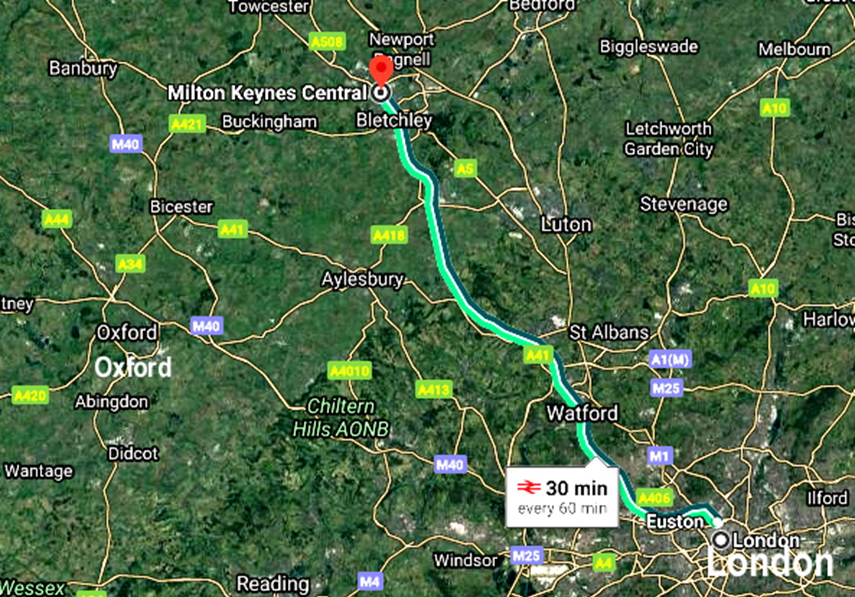
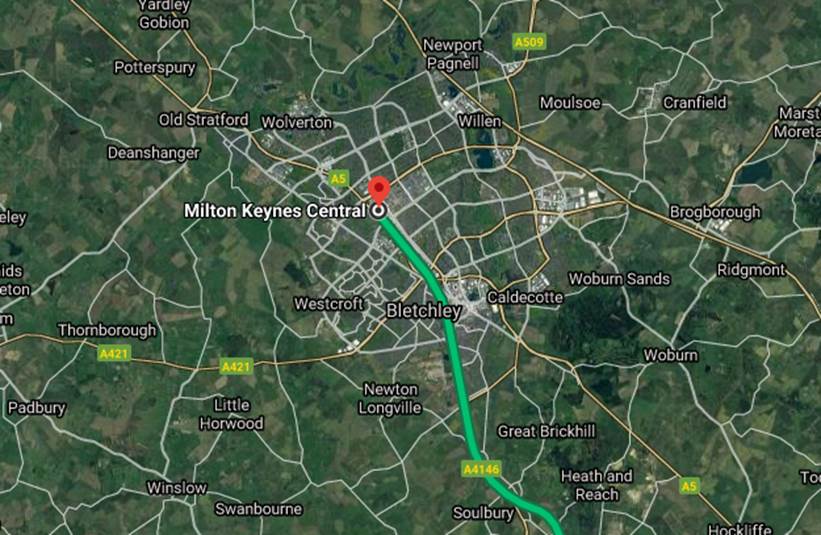
The design of the large new city of Milton Keynes is characterized by a grid system with main roads about 1 kilometre apart, wide roads and large roundabouts at intersections.
Although it is a large-scale development based on the premise of the use of automobiles, it is also characterized by the preservation of the traditional local environment by incorporating existing rural villages as they are, and by preserving the traditional local environment in the city blocks where canals enter residential areas and in many satoyama-like parks.
After work, taking a stroll around London
I walked down Oxford Road, visited Mark & Spencer department store, and then went to Regent Street to see boutiques and other shop’s windows before heading to Piccadilly Circus.
With that in mind, I immediately went to the West End.
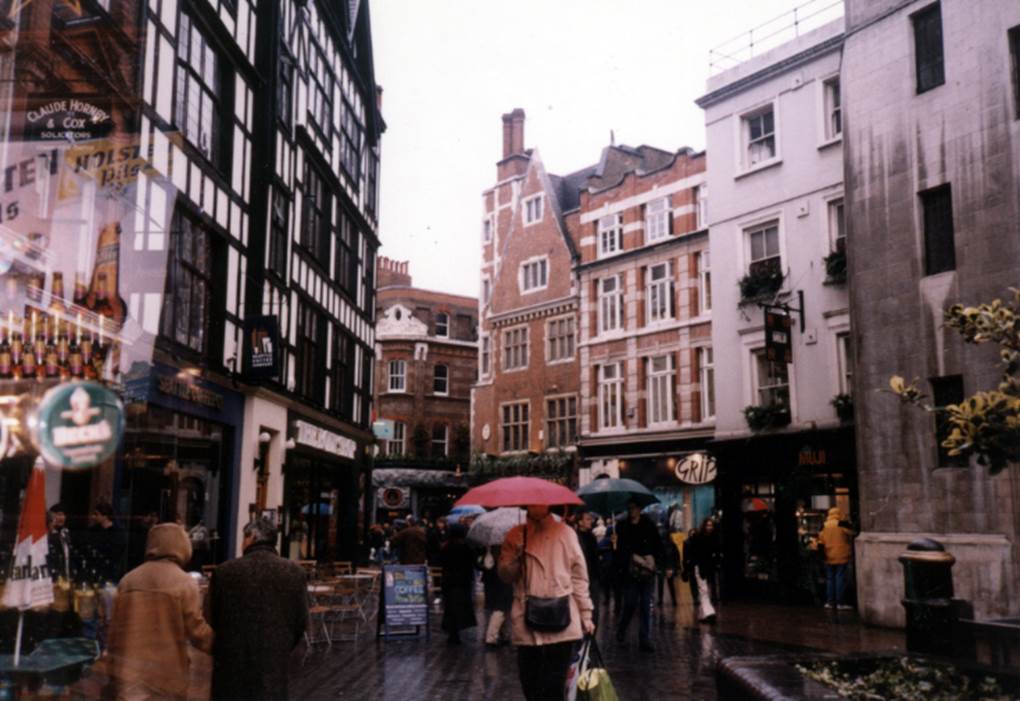
Photo by author, 1998
Liberty Department Store
Liberty is a long-established department store located on Great Marlborough Street in the West End district of central London.
It is one of the most representative of Tudor Revival style buildings in London.
It was built in 1924 and is said to have been built from recycled timber used on two Royal Navy ships. It is a pioneering example of resource-reusing architecture.
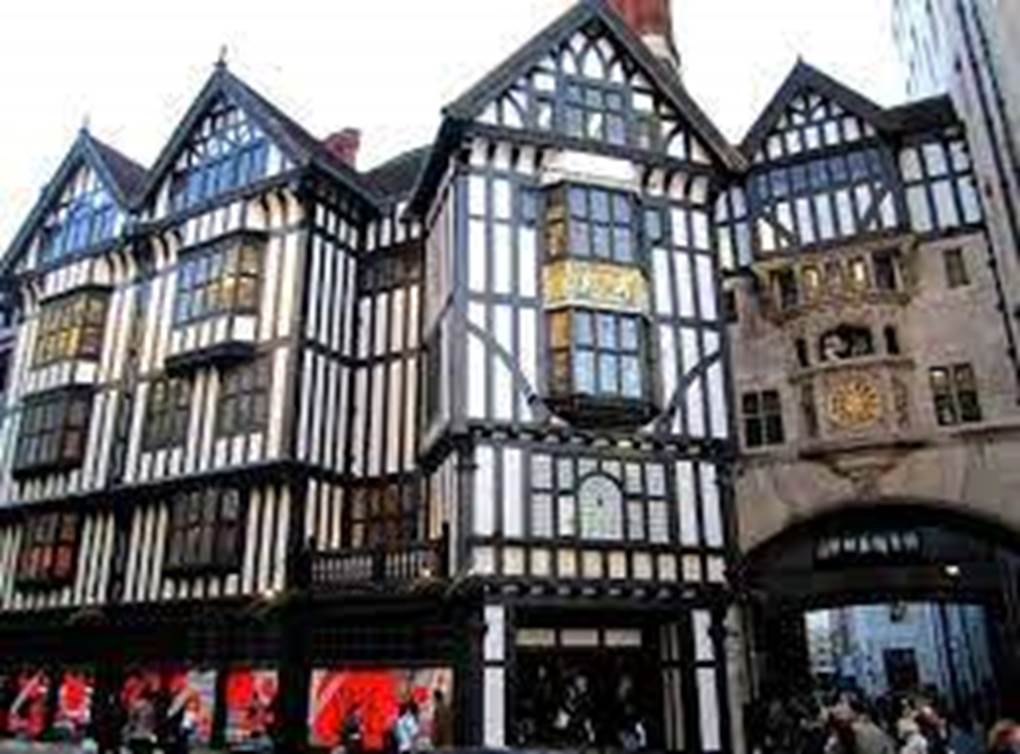
Photo by author, 1998
「Liberty」billboard.
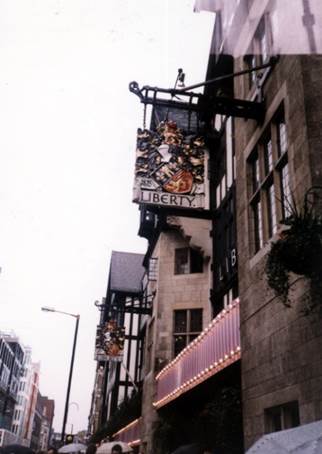
Photo by author, 1998
Shakespeare’s Head
Shakespeare’s Head, Great Marlborough Street, Soho 500m from Piccadilly Circus.
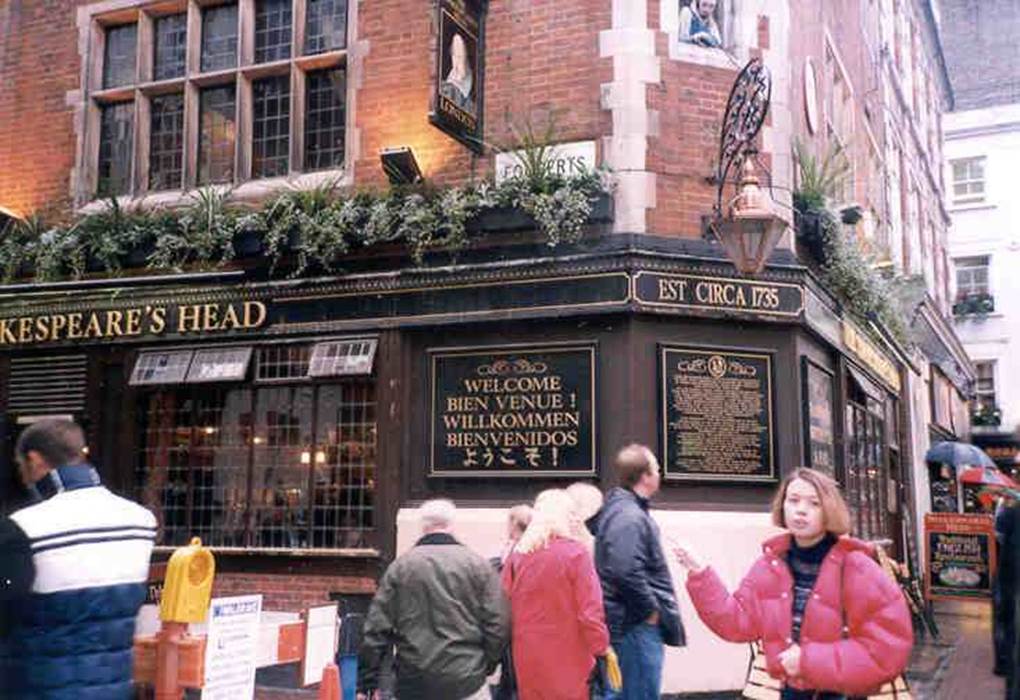
Photo by author, 1998
In England, which was a clearly class society in the past, the inside of the pub was divided into two or more. The working-class space (public bar) and the space for middle-class and older customers (saloon bar) were separated, and the entrance was separated.
It was a very class based society. Today, this distinction has been abolished.
As I recall, when I visited London in 1968, 30 years ago, there was still a sense of class, and it was not an atmosphere for single Asian tourists to wander into pubs. In addition, there were very few local female users, and only men hung out in the store.
By now, the atmosphere had changed to that of a hangout for men and women who had finished their work, and it had transformed into a British version of a high-end tavern.
I felt happy sitting alone in this foreign atmosphere, without any conversations with anyone, listening to the lively conversations around me and ordering my favourite ale at the counter.
Inside Shakespeare’s Head
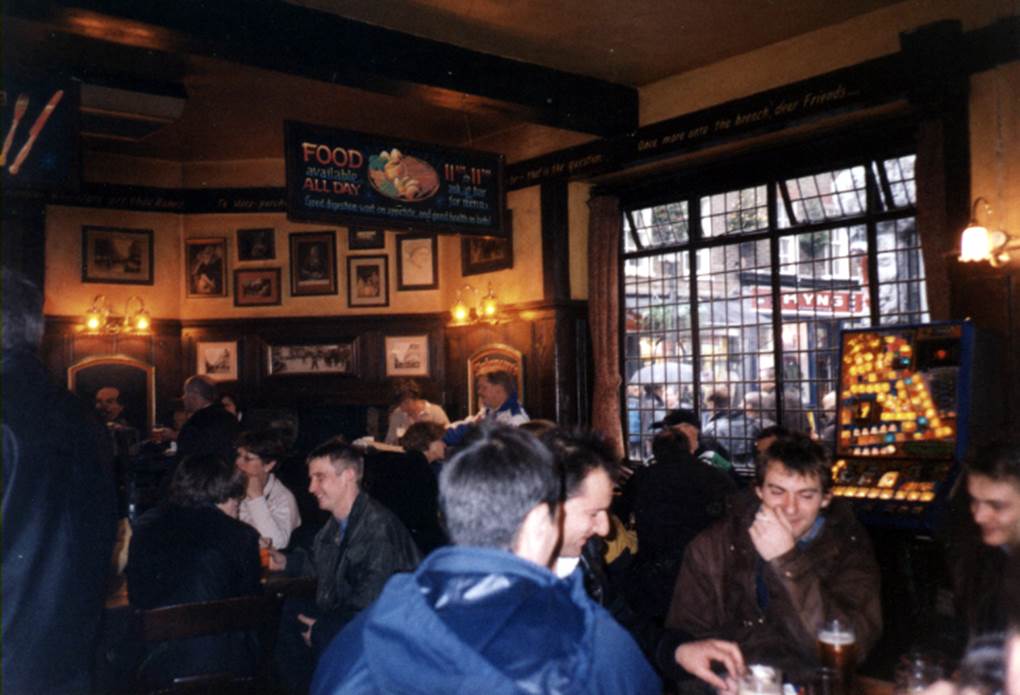
Photo by author, 1998
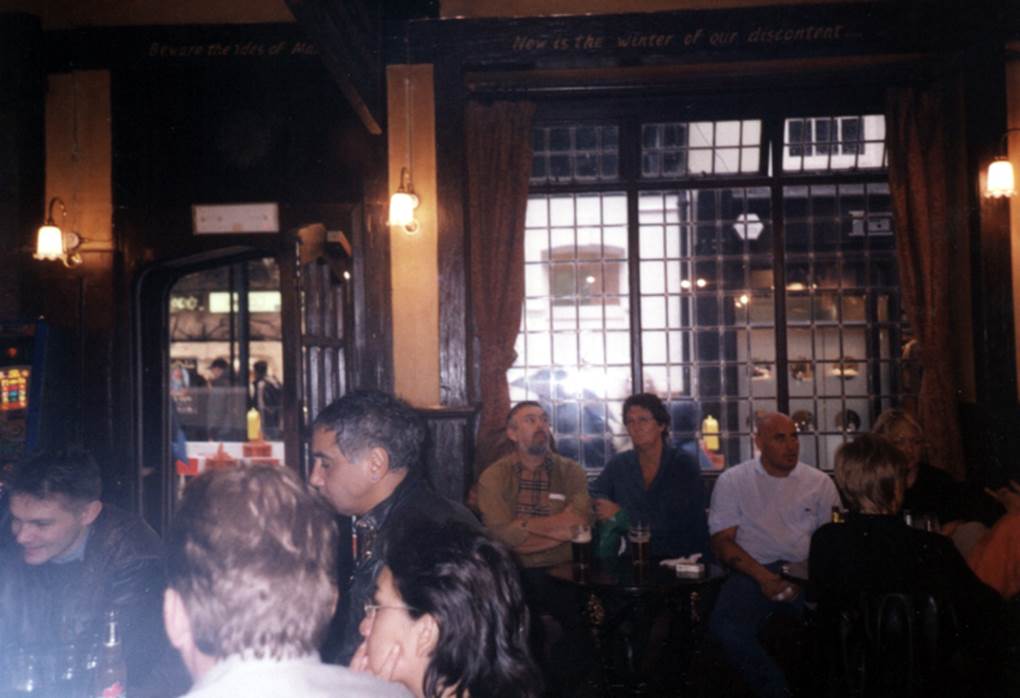
Photo by author, 1998
Ales
Unlike Pilsen beer, which is the mainstream in German beer halls on the European continent, British pubs offer a wide variety of “Ales”.
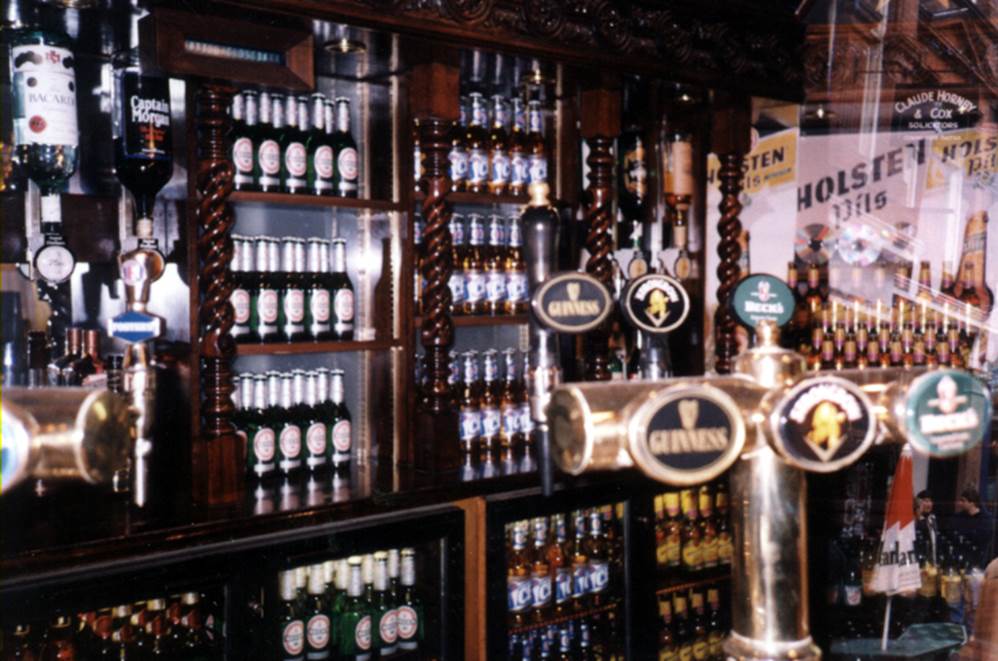
Photo by author, 1998
Baker Street
The street is named after the architect William Baker, who laid the street in the 18th century. Written by the British novelist Conan Doyle, it is famous as a street closely related to the fictional detective Sherlock Holmes, who is set to live in Baker Street. It was originally a high-end residential area, but now it is mainly lined with commercial facilities.
At the end of the 19th century, Holmes lived with his friend and biographer, Dr. Watson, in this boarding house run by Mrs. Hudson.
In London, I met with a former staff member of the my office in Singapore who was studying in the UK. The meeting place was Baker Street, which I believe is the most London-like place.
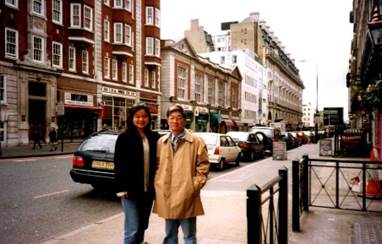
Photo of author with his former staff from Singapore,1998
Oxford, the university city
When I arrived in Oxford, the first thing I did was to buy an old map at a bookstore. The layout of the city looks like it was taken in the Middle Ages.
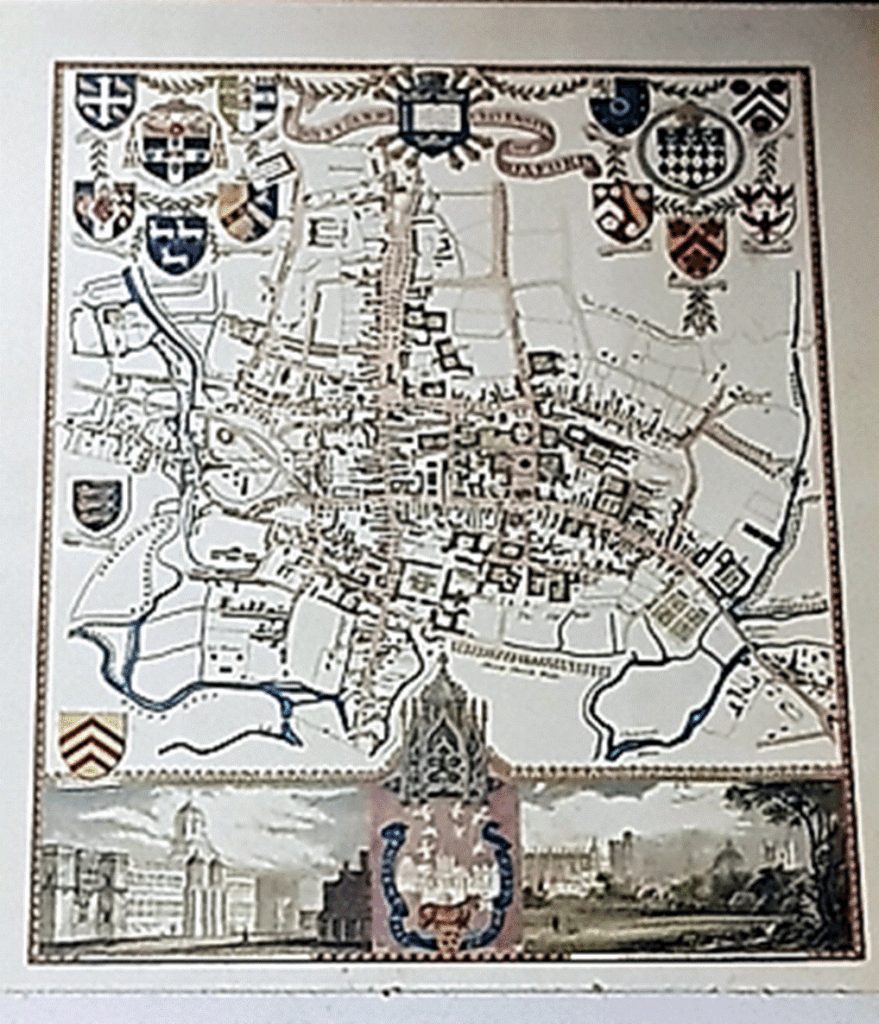
Photo by author, 1998
The university was founded in the late 11th century, making it the third oldest university in existence in the world. It is also the oldest comprehensive university in the English-speaking world. It has also been ranked number one in various world university rankings.
Christ Church College, Oxford University
While strolling around the city of Oxford, I happened to take a picture of Christ Church College, Oxford University.
As I later learned, Oxford University is known as the largest and most prestigious college, and a total of 13 British Prime Ministers are graduates of Christ Church College.
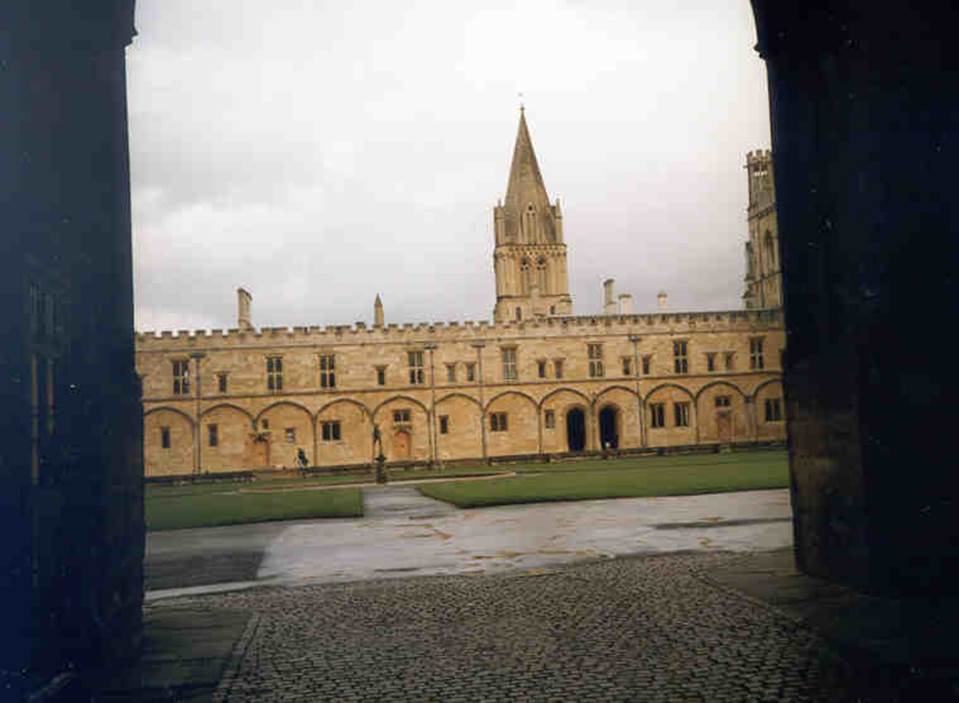
Photo by author, 1998
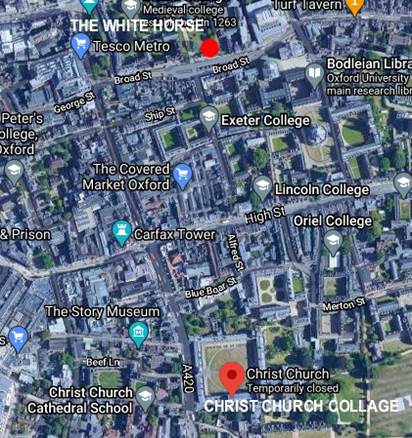
Map of central Oxford.
Christ Church College at the bottom and The White Horse at the top.
Oxford, the pub city
Oxford is not only a university city, but also a city of pubs, and each pub in the city seems to have a lot of hidden history and anecdotes.
The White Horse
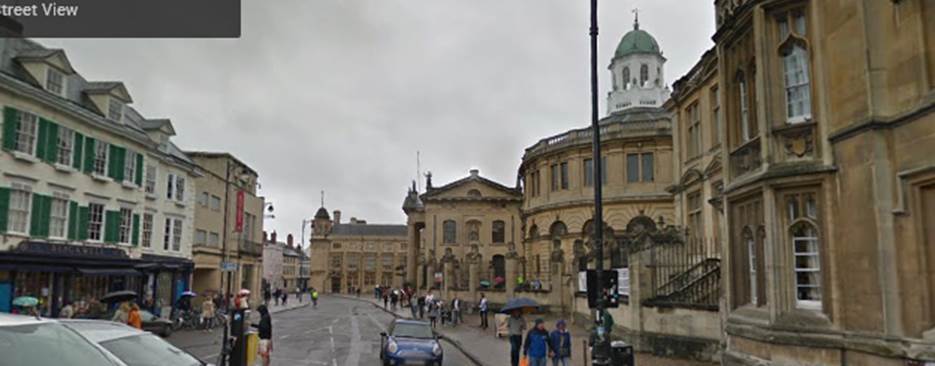
The photo below shows Broad Street, one of the main streets.
The imposing stone buildings on the right are the facilities of Oxford University.
In contrast, the building on the left is a pub and a variety of shops.
Next to it was the White Horse, which I entered as a casual customer.
I later found out that this was a famous restaurant that was used as a location for many TV dramas and movies.
It’s a small pub, and I had to bend down to enter through the entrance.
The interior of the restaurant is strangely dimly lit and the ceiling is low.
Housed in a historic building dating back to the 16th century, the pub became known as the “White Horse” from around the 18th century.
The recommended drink is White Horse, which is named after the brewery, and was created just for the brewery. It’s a rich and euphoric drink.
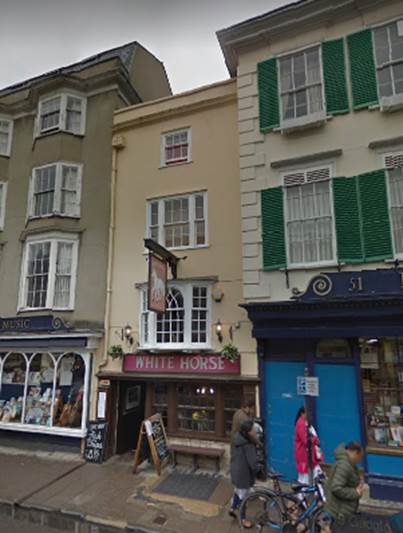
Photo by author, 1998
At an Oxford pub, White Horse, I ordered fish and chips.
The fresh fried cods were delicious, and authentic, which is hard to find.
It goes well with the ale.. Don’t underestimate fish and chips.
That’s what I learned at Oxford.
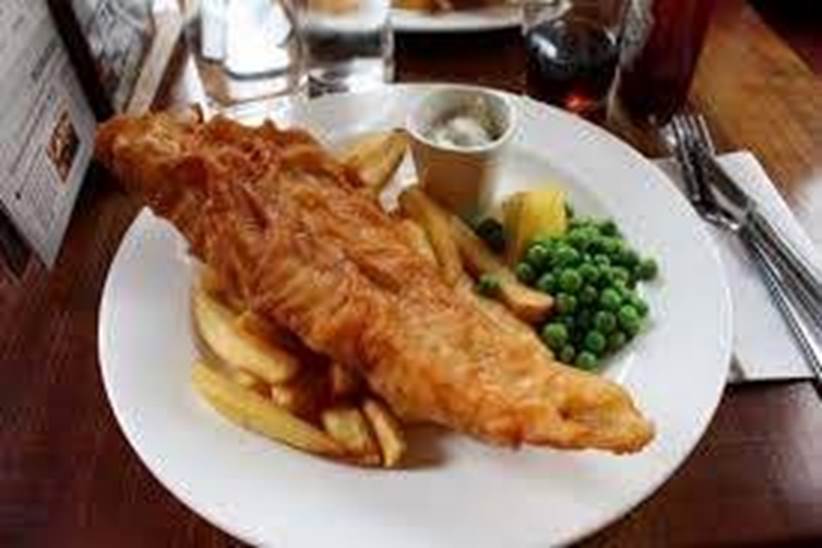
Photo by author, 1998
Although my stay in Oxford was short, I managed to use my sense of smell to successfully find the two famous places, which I have written about above.
Foggy English suburbs
Trees in the fog that I saw while moving from one work site to another.
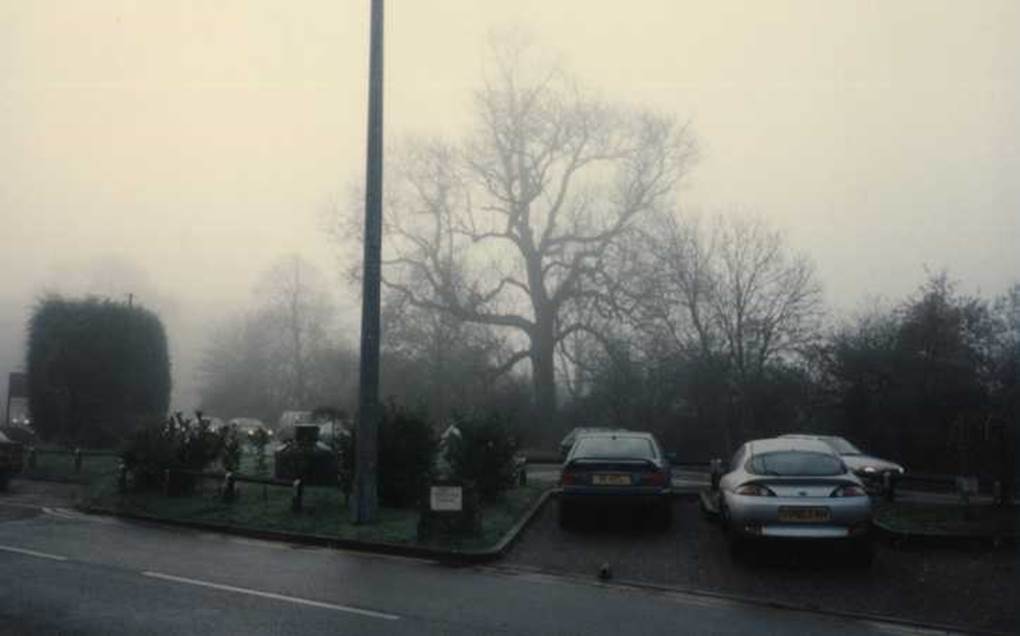
Photo by author, 1998
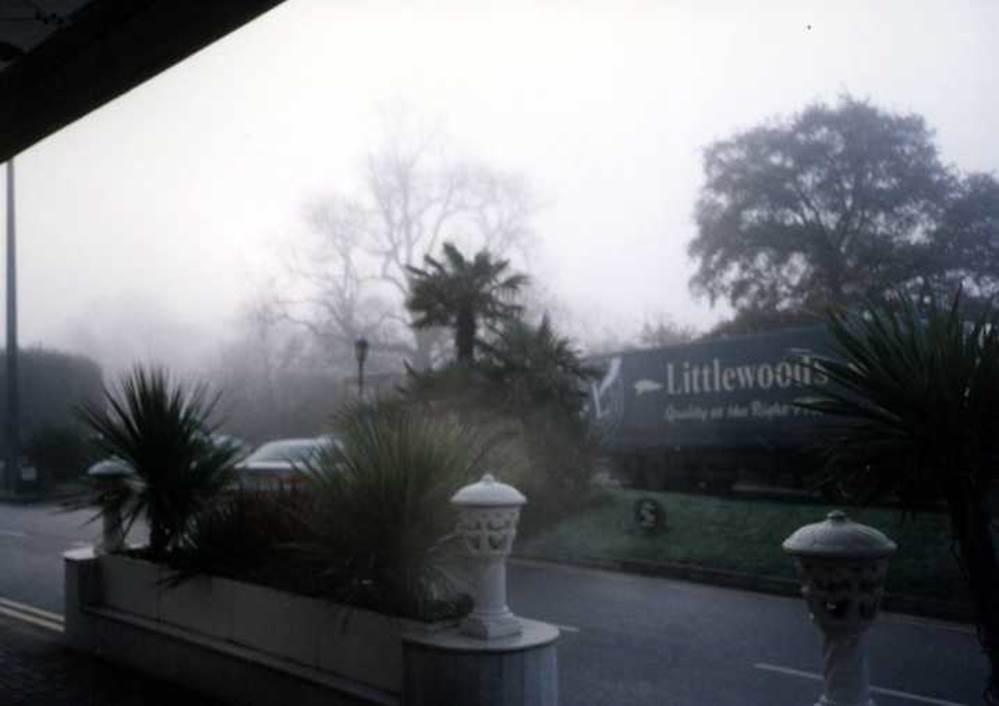
Photo by author, 1998
Trees in the fog
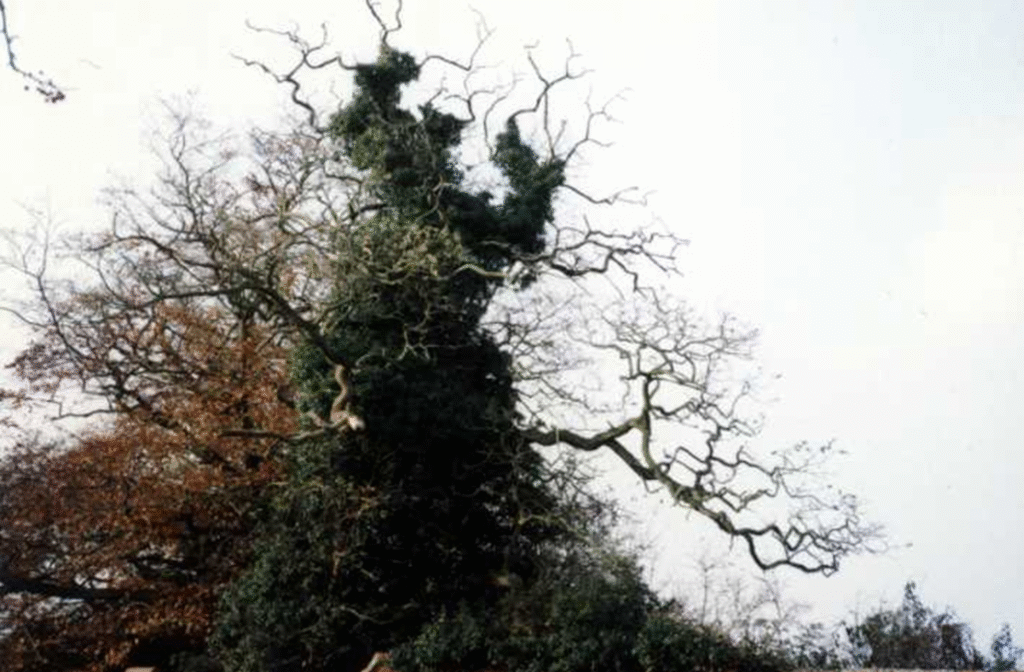
Photo by author, 1998
English pub in the suburbs
In Britain, every small village has a pub. If you enter here, you can enjoy the joy of life, so it is an indispensable facility for the locals.
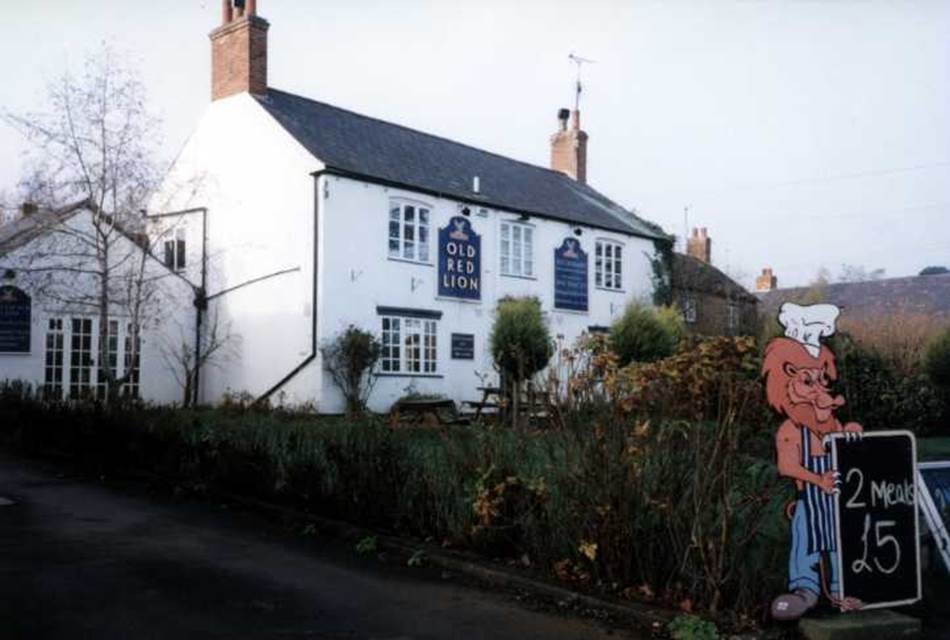
Photo by author, 1998
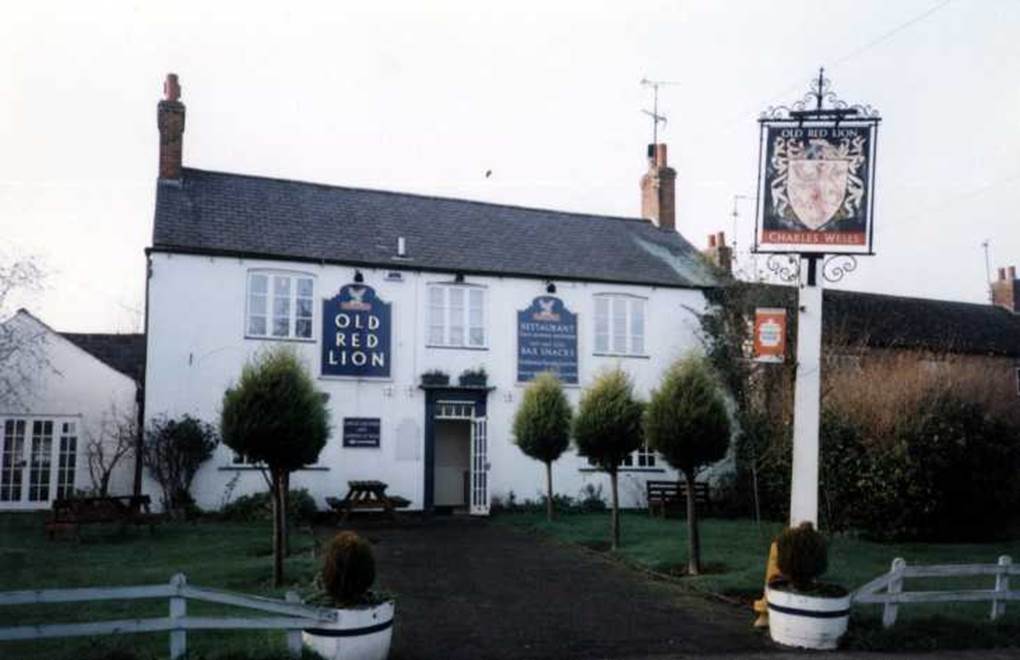
Photo by author, 1998
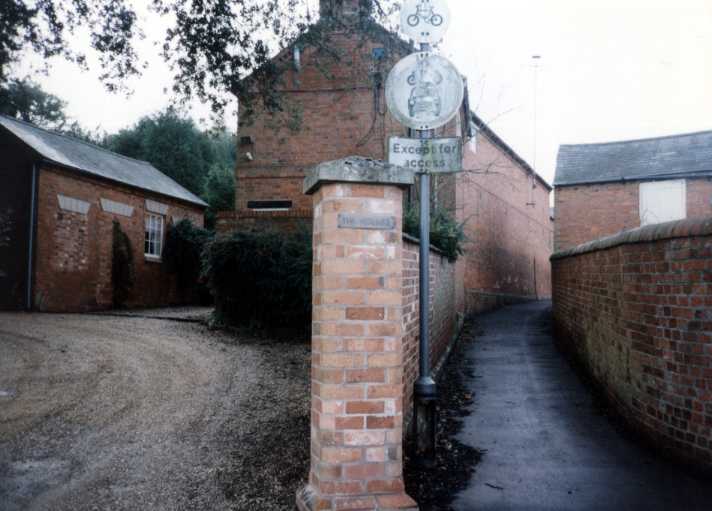
Photo by author, 1998
Is it a storage shed for farm equipment?
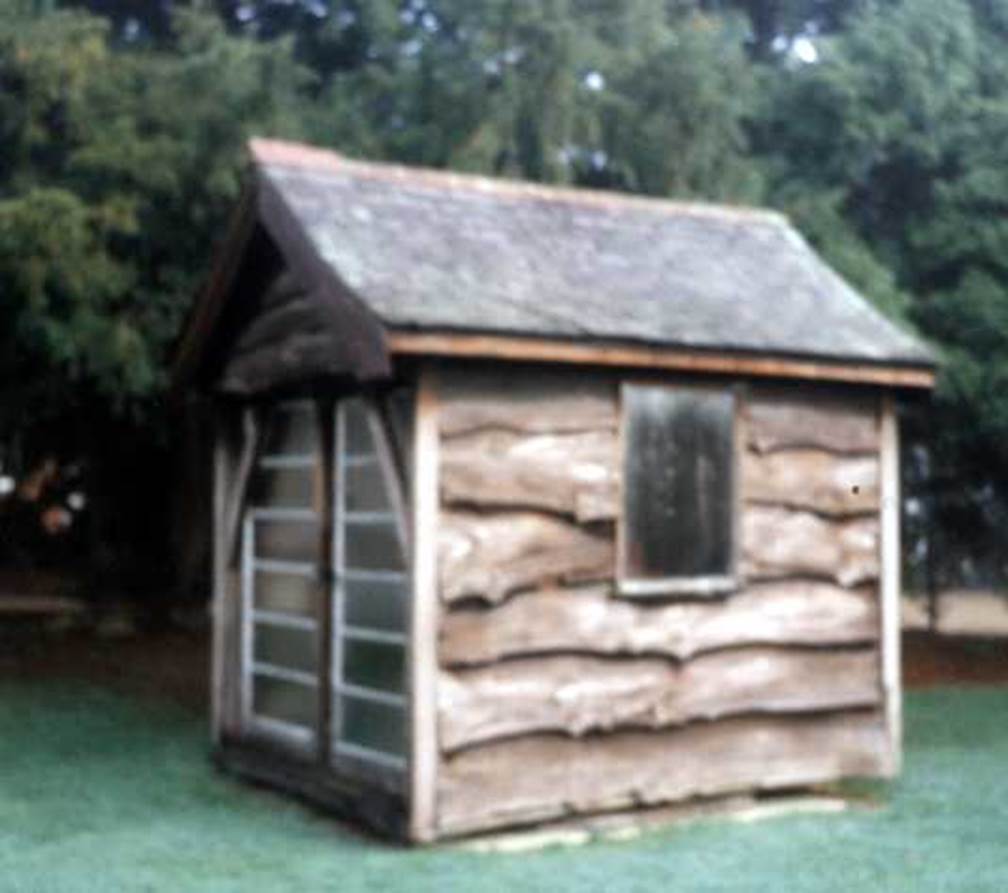
Photo by author, 1998
After a trip inland to England, I returned to London. The next stop was Paris.
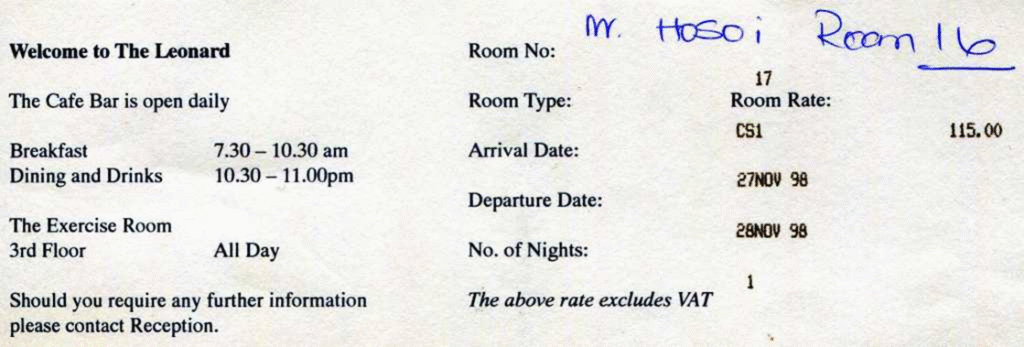
The Leonard Hotel – Marble Arch
The Leonardo Hotel is an 18th century townhouse converted into a boutique hotel. It feels more like a private residence than a hotel.
A Retro British car for guests waiting in front of the hotel.
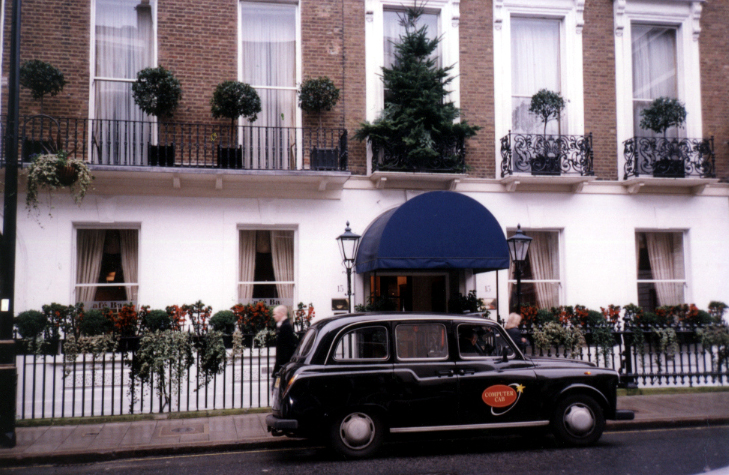
Photo by author, 1998
When I first visited London in 1968, crossing the English Channel from Calais, France, I felt out of place in facilities like this, and was hesitant to enter.
Thirty years later, I was deeply moved to be able to check into such a hotel.
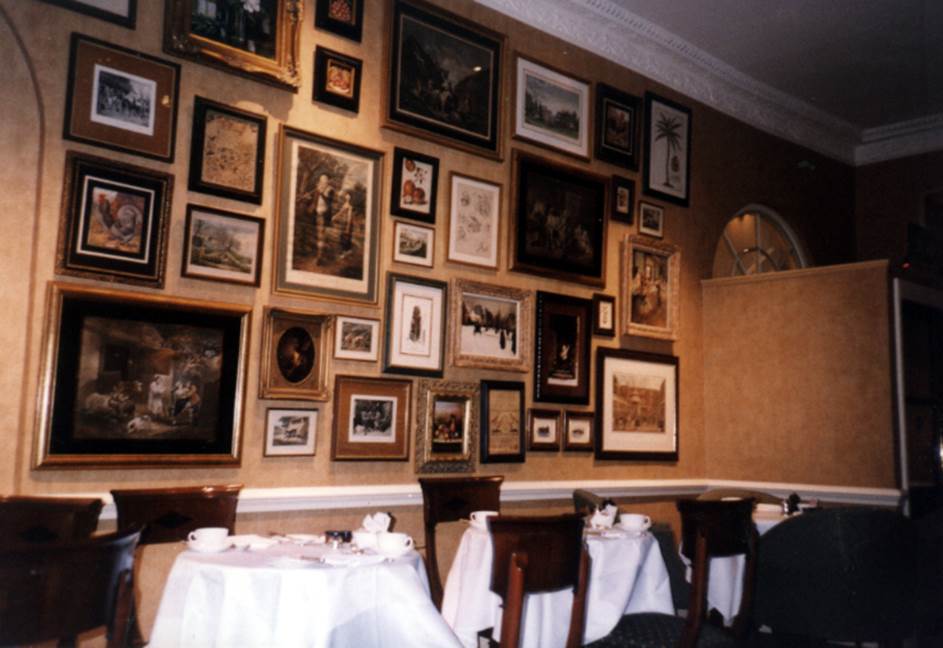
Photo by author, 1998
A Fireplace and someone’s portrait.
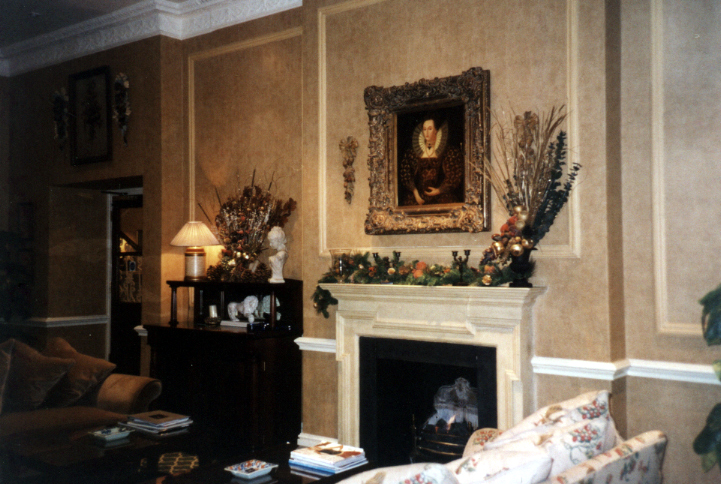
Photo by author, 1998
I caught a London taxi near the hotel and headed to Waterloo International Station, the departure station for the Eurostar at the time.
After a quick immigration check, I set off for Paris.
All photos by author, 1998