JAP | ENG
India Travelogue 1993
#18/26
Kochi
Overland, across mountain ranges to the Arabian Sea
From Madurai, four of us, including the three other travellers, decided to travel overland to Kochi in a chauffeured car. We wanted to see the 1,500m-high Western Ghats mountain range that runs north and south along the Arabian Sea.
The distance was 270km, and the journey took seven and a half hours, with several breaks along the way. As we got closer to the mountains, the number of shops and houses decreased, making it difficult to find a hygienic place to eat.
At a tea shop in the mountains, we were surprised to see black garbage-like sediment in a thermos flask of water.
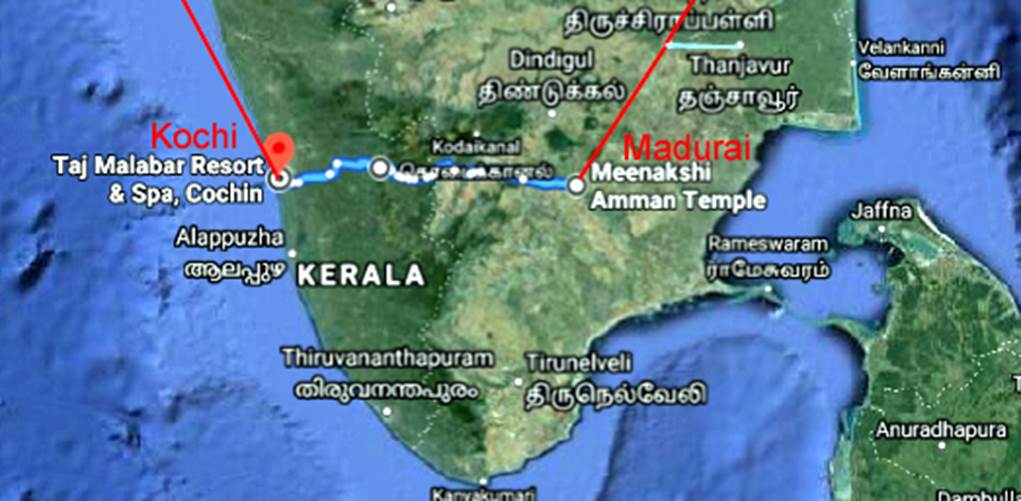
In the diagram below, the blue line indicates the overland route, and the red line indicates the air route.
Kochi
Our destination, Kochi, is an important port city facing the Arabian Sea, and has prospered mainly in the spice trade since around the 14th century.
In 1503, it became the first Portuguese colony of India.
It was in Kochi that Vasco da Gama died after three trips to India.
In 1530, the center of Portuguese colonization moved to Goa, and then to Bombay. Kochi was under Dutch and British rule until Indian independence, and during that time there are few signs of investment compared to other colonial cities in India.
As a result, the relaxed atmosphere unique to southern India has remained.
Looking at the map below, it is easy to imagine that this is a great water town created by nature.
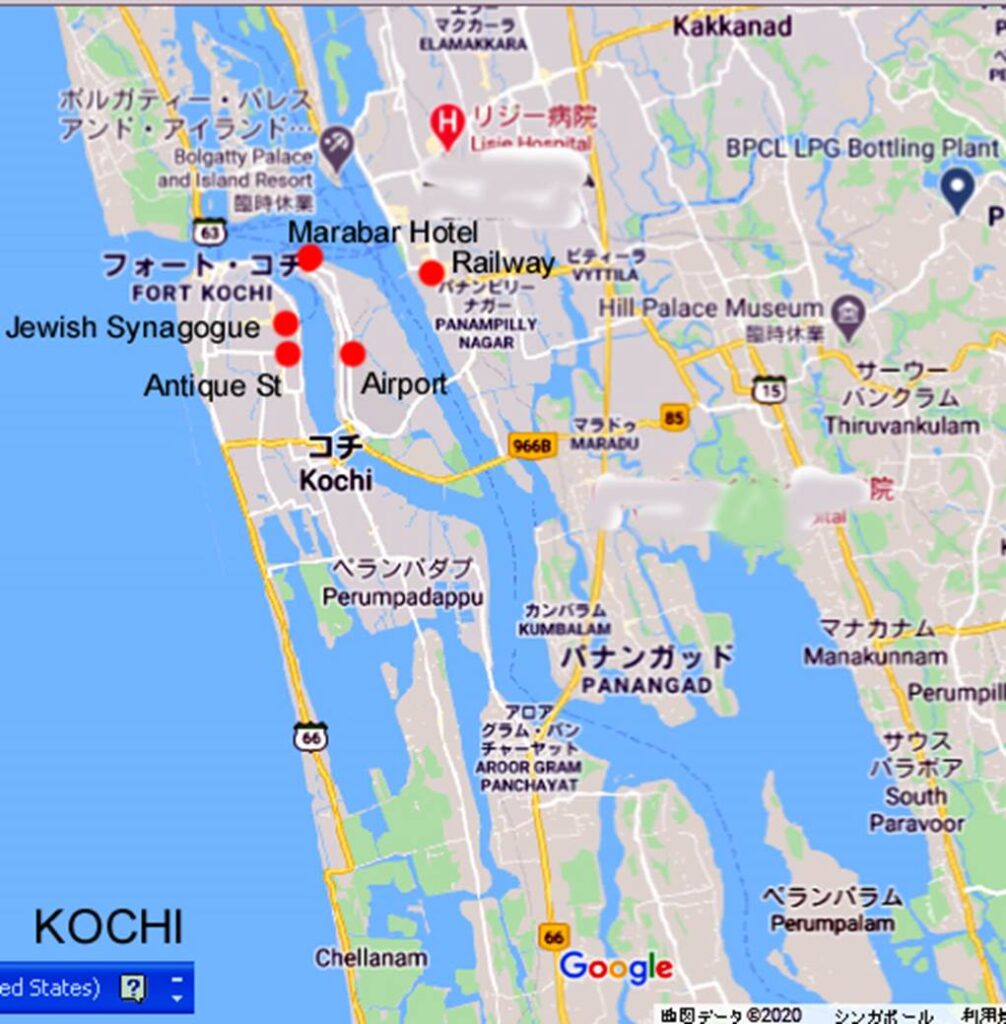
The hotel we will stay at is located on an island at the mouth of the river where the lake meets the Arabian Sea.
The island was reclaimed in 1936.
A new Indian Navy port, an airport and private trade facilities were built on this artificial lake.
The Malabar Hotel originated from the accommodation of these military personnel and related civilians.
Malabar Hotel at the tip of the island
We arrived safely at the Malabar Hotel, where I had made a reservation. The hotel’s location was on the tip of a small island near the exit to the Arabian Sea, the open sea that connects to the water town. It was also a place where we could expect good views and good ventilation.
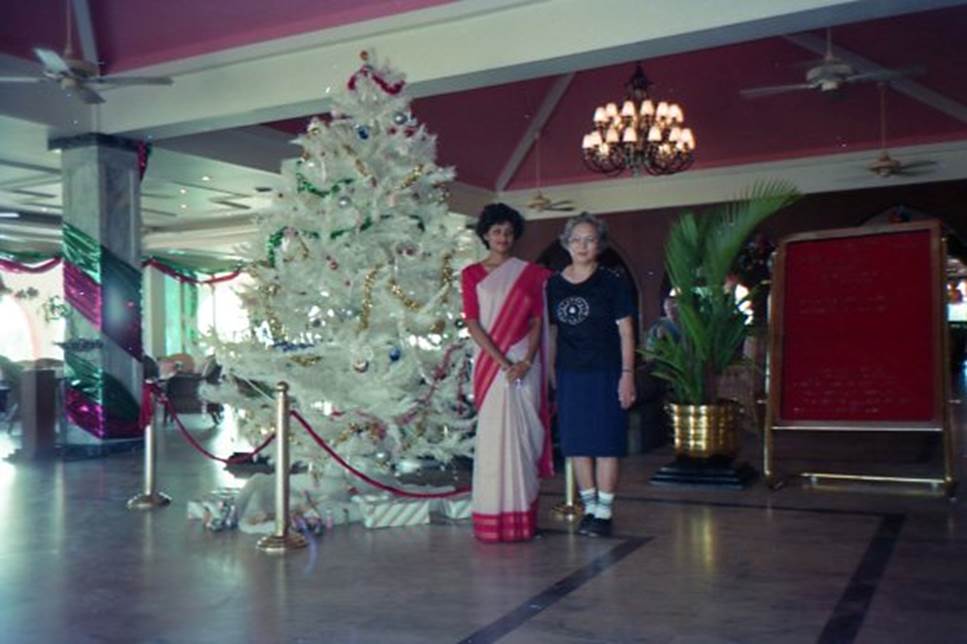
Reception at Hotel Malabar
Photo by author, 1993
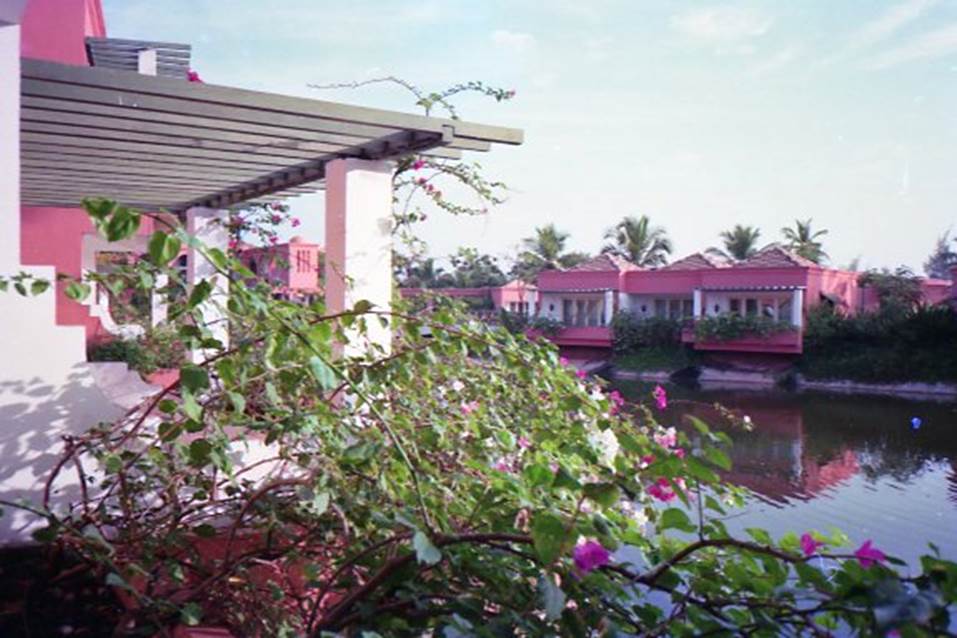
Hotel rooms with balconies and bougainvillea.
Photo by author, 1993
Sketch of Corner Room Suite, Malabar Hotel
Area: Approx. 100 m2
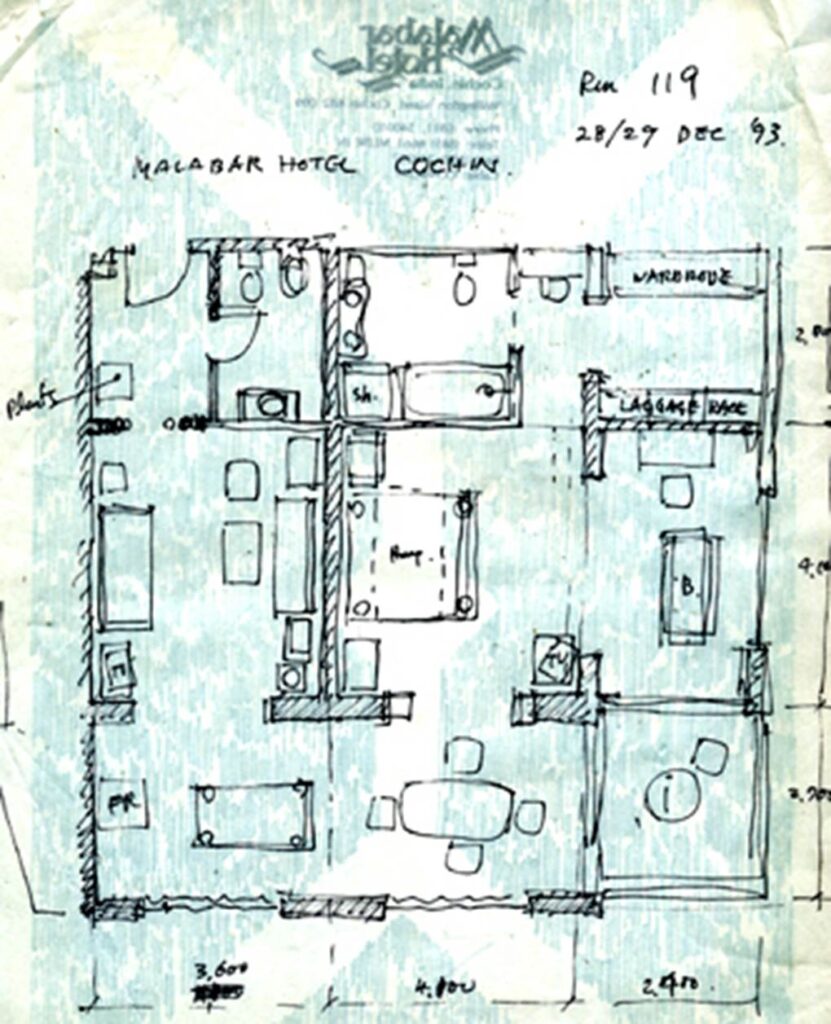
Author’s sketch
Living room. Indian-style wall artwork decorations
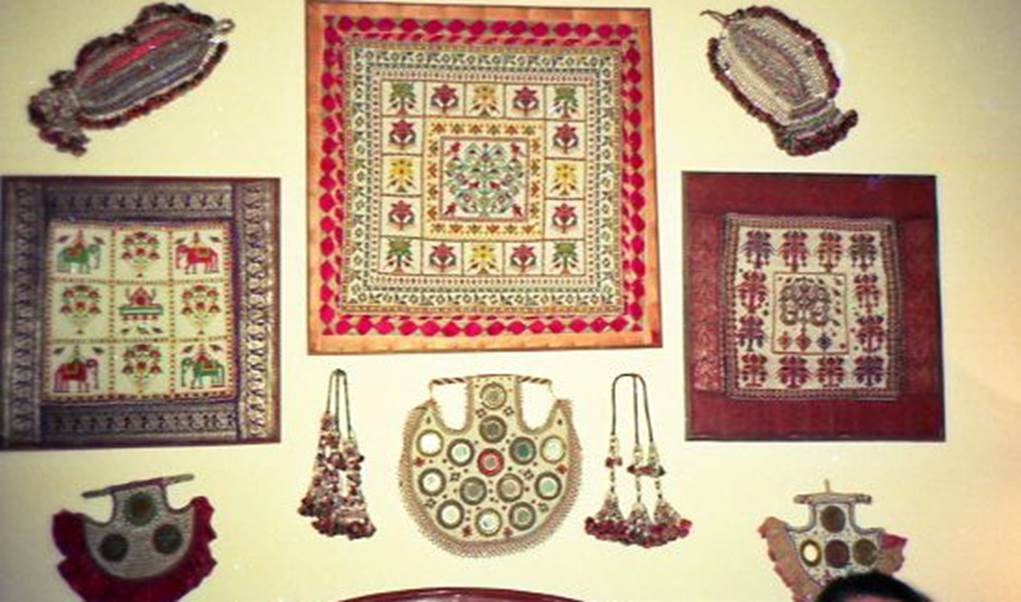
Photo by author, 1993
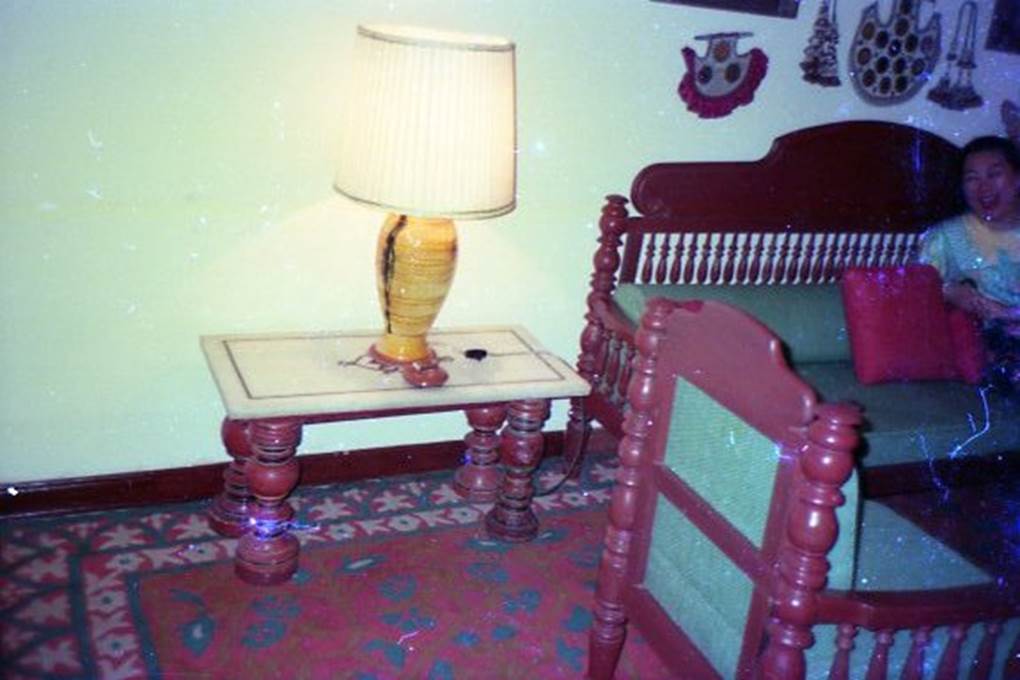
Photo by author, 1993
The following day
Artificial island: Malabar Hotel at the tip of Willingdon Island. Shot from a boat.
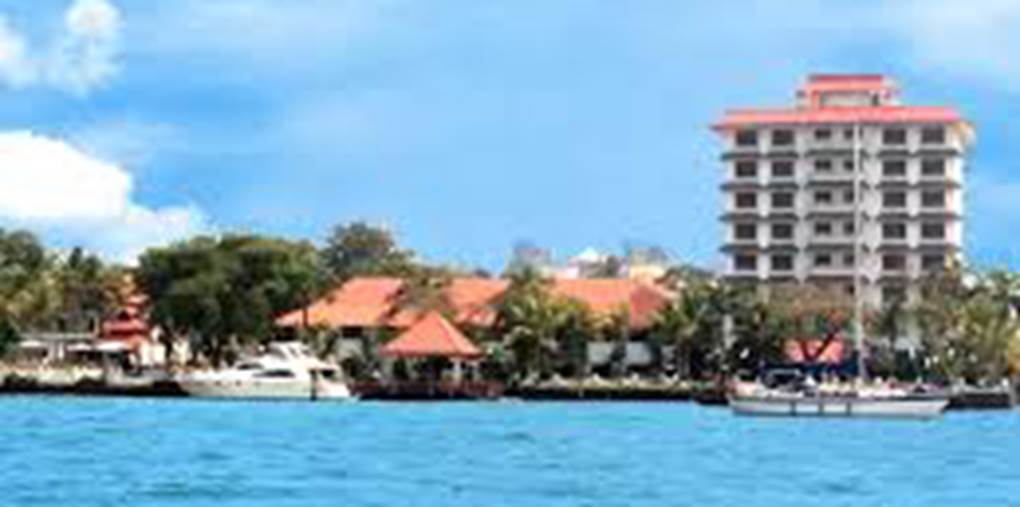
You can board a sightseeing boat from the private wharf in front of the hotel.
The cranes on the opposite shore are probably from a shipyard.
You can also take a tour of the tropical waters further in from this calm inland sea.
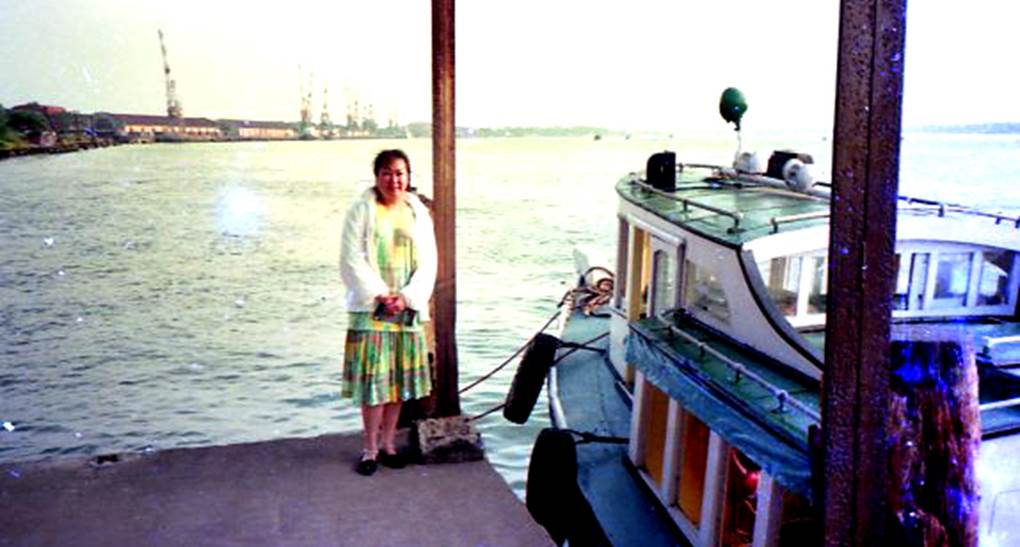
Photo by author, 1993
Chinese Fishing Nets in Kochi
Zheng He, a navigator of the Ming Dynasty in China, also anchored here in Kochi in the 14th century and landed.
The fishing method that was passed down at that time is still practiced today, and fishing is done in groups of six. You can buy freshly caught fish on the spot, and it is a popular spot.
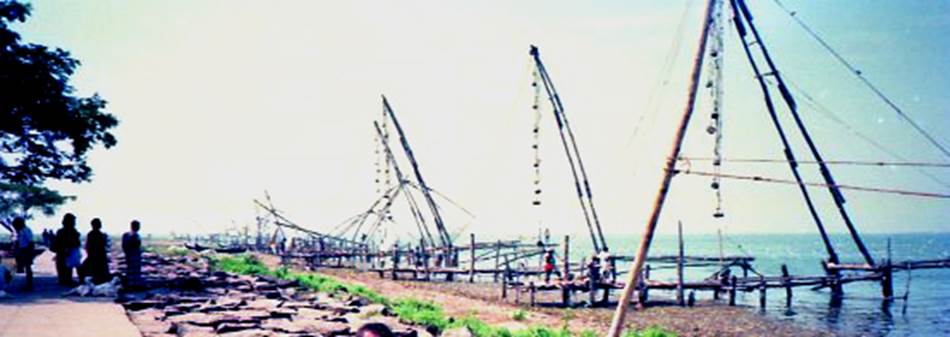
Photo by author, 1993
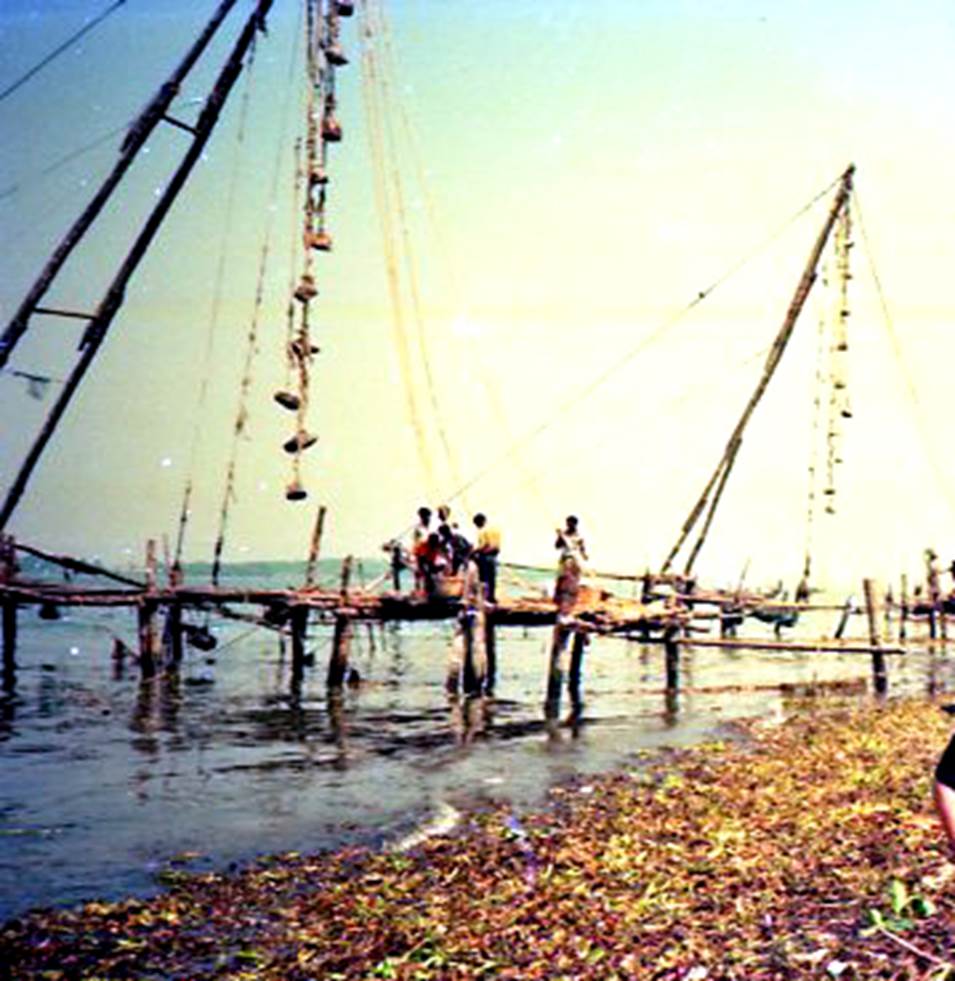
Photo by author, 1993
Heavy lifting through teamwork
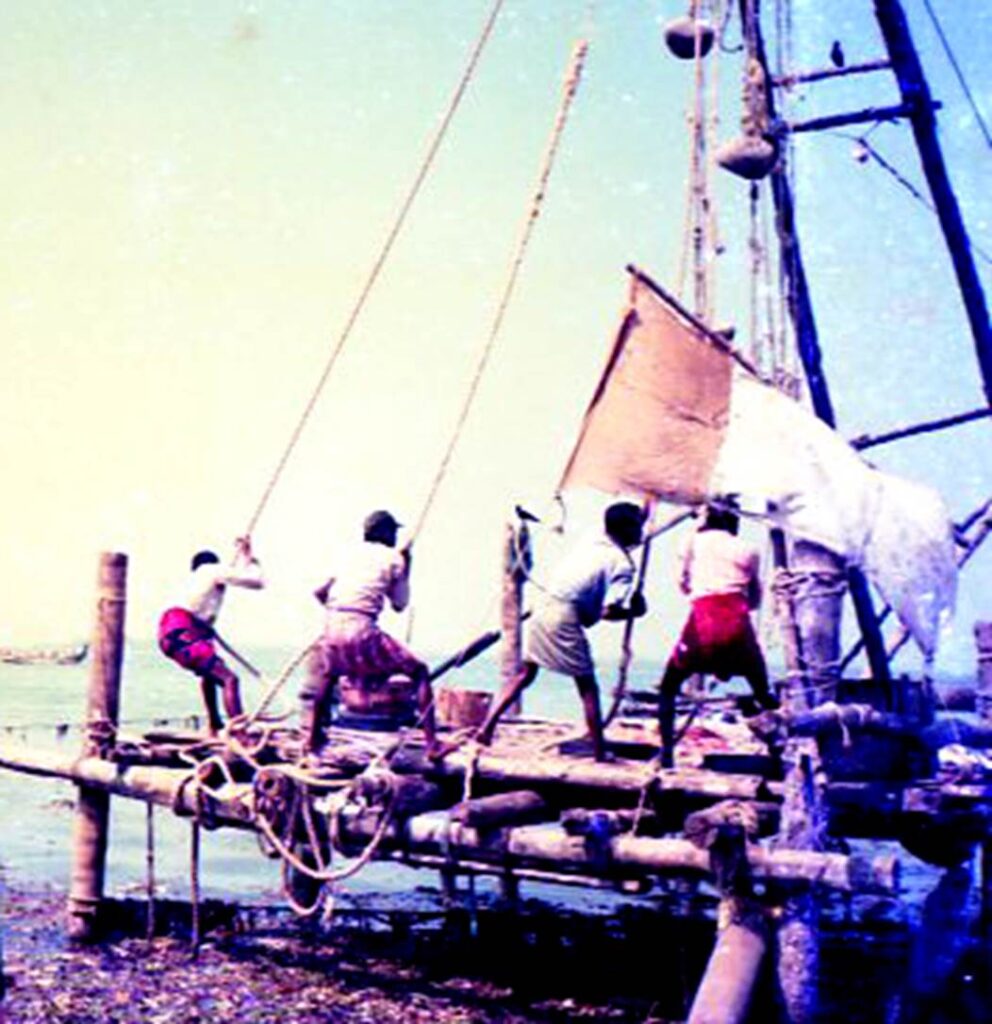
Photo by author, 1993
Here in the port of Kochi, there are many Indian Railways sidings all over the place. The rail gauge is a magnificent broad gauge.
There are no fences within the premises, so you can freely enter and enjoy the relaxed tropical atmosphere.
Perhaps this is an abandoned section of the railway?
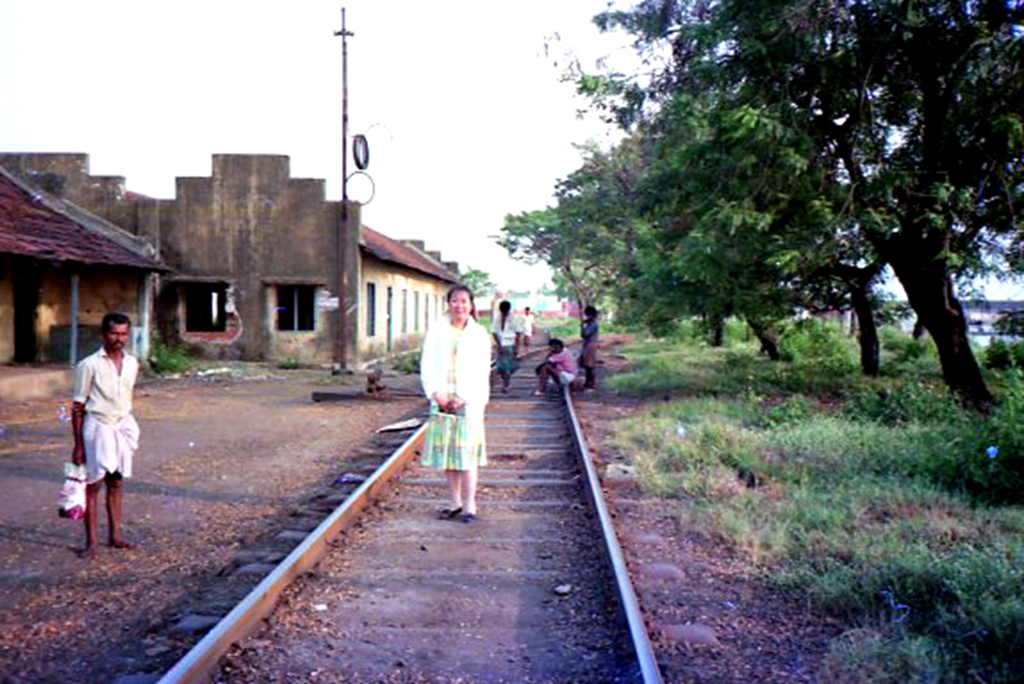
Photo by author, 1993
Humid climate
Having travelled around India, I have noticed that the buildings here in Kochi, Kerala, have deep eaves. These deep eaves are there to handle rainwater as well as to block sunlight.
The climate here is more similar to the tropical rainforests of Southeast Asia than India, which has a long dry season, and the slope of the roofs and the overhang of the eaves are both large.

Photo by author, 1993
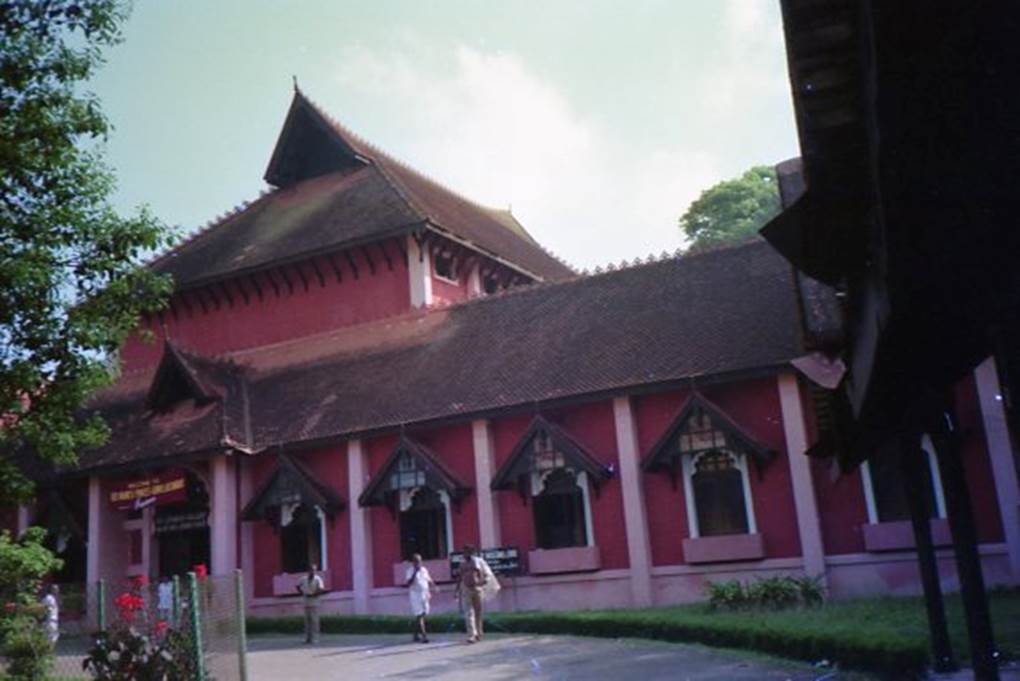
Photo by author, 1993
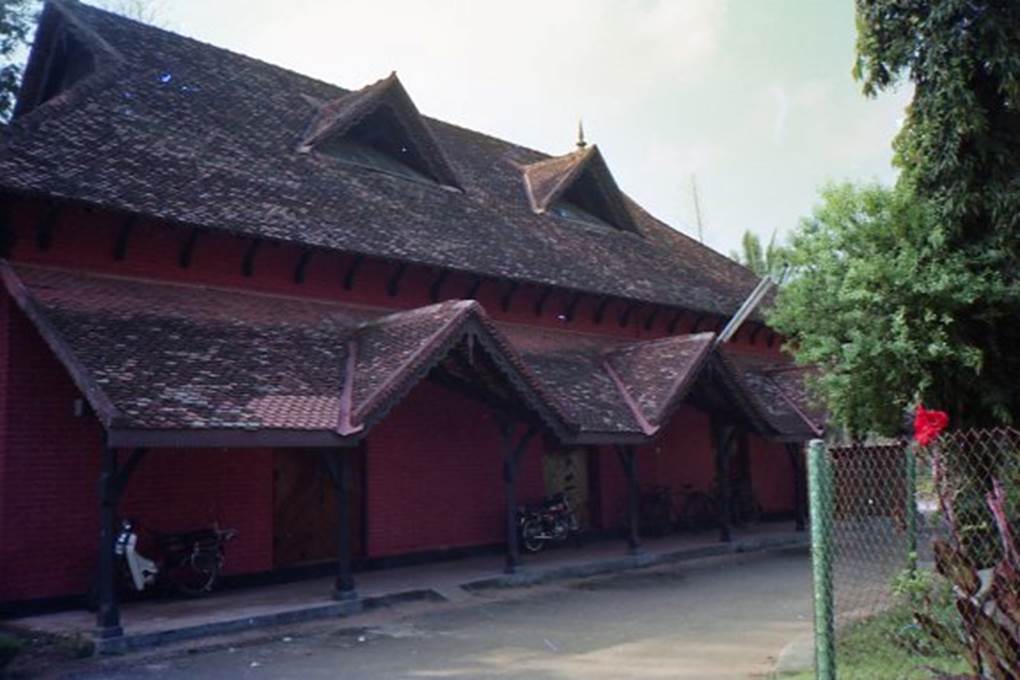
Photo by author, 1993
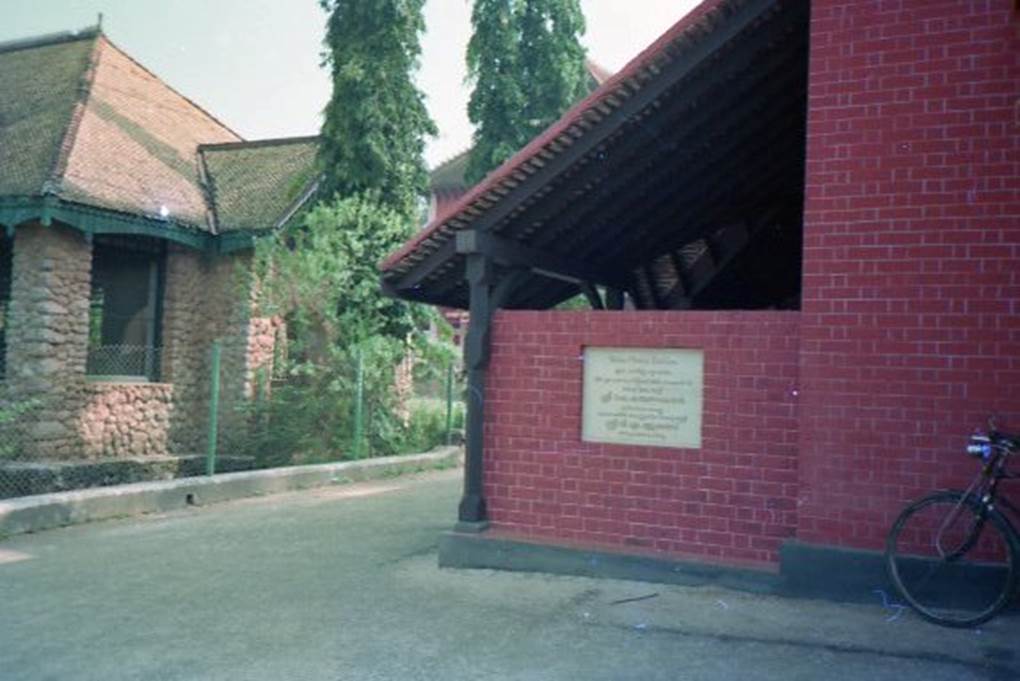
Photo by author, 1993
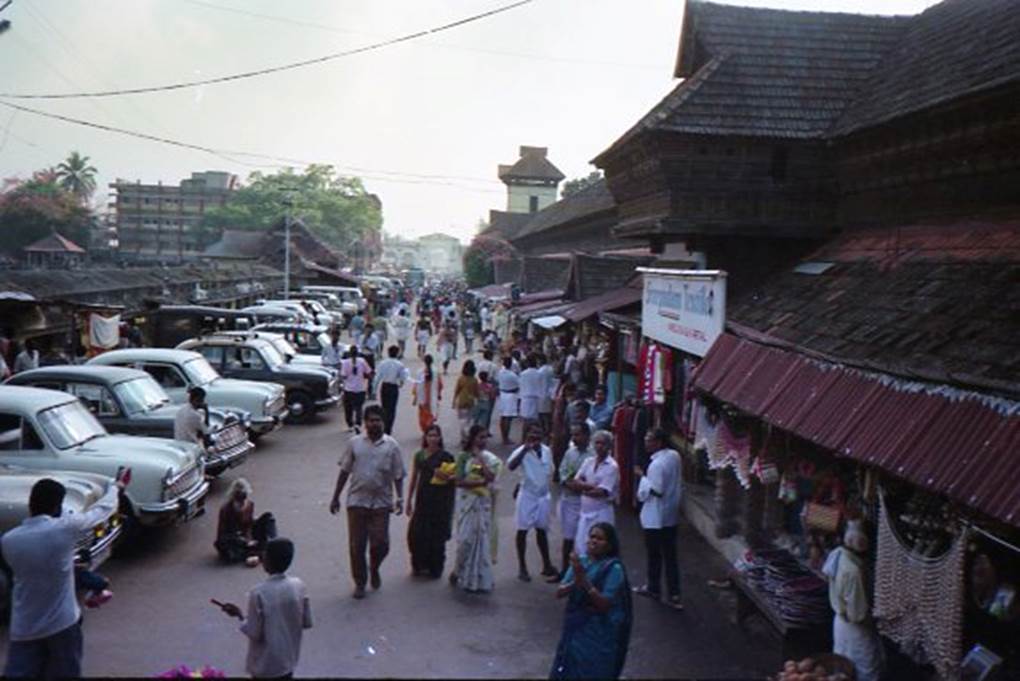
Photo by author, 1993
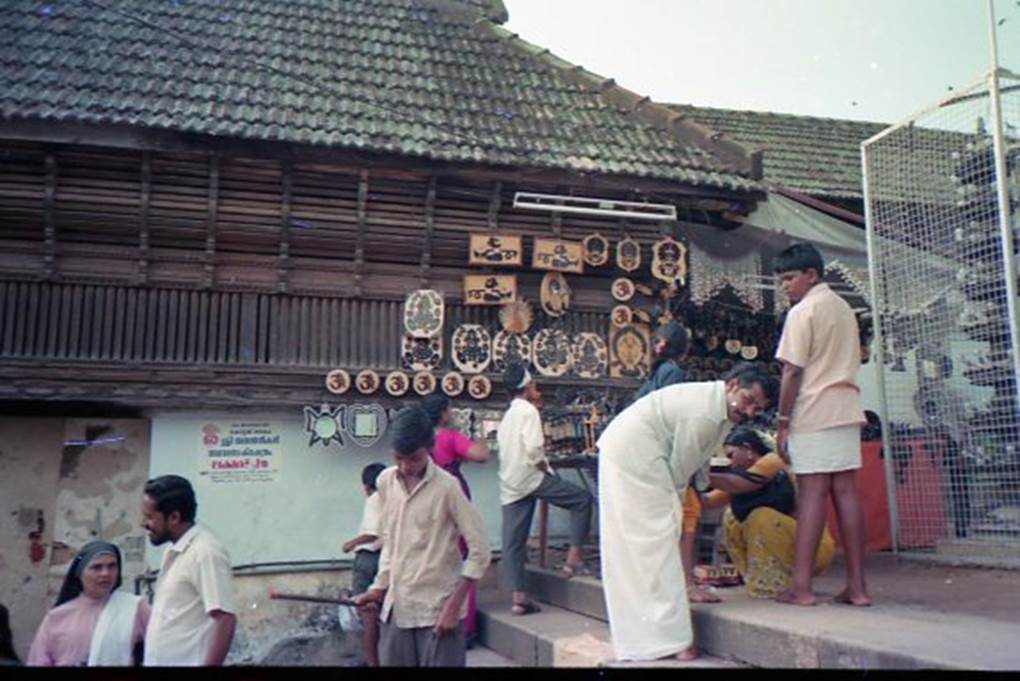
Photo by author, 1993
A view of the town square.

Photo by author, 1993
A shop selling drinking water.
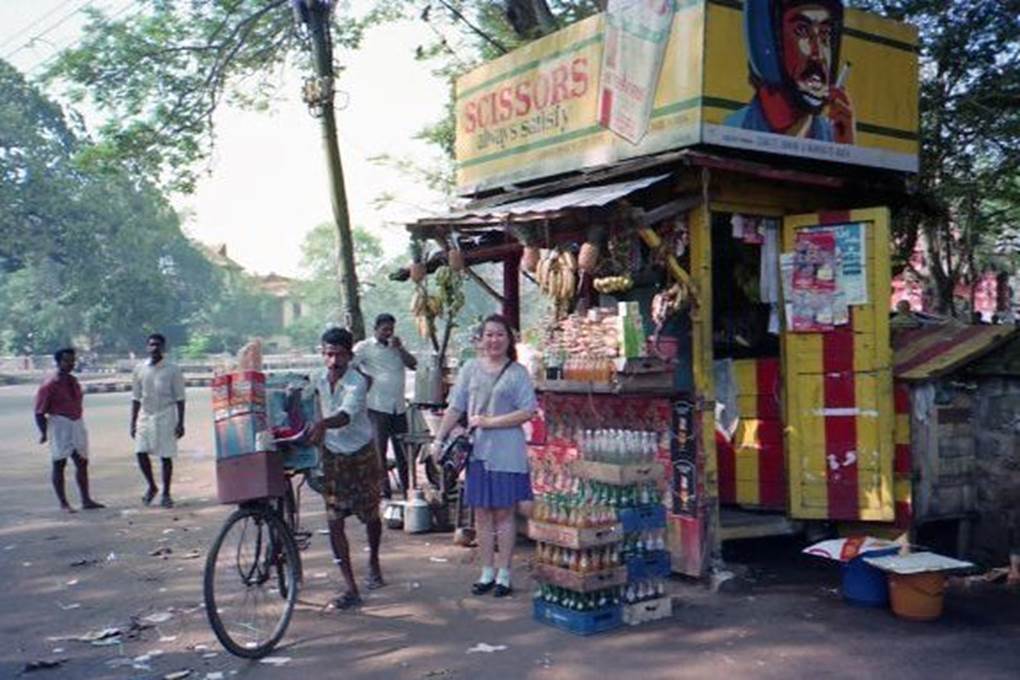
Photo by author, 1993
A stall selling colourful sweets and snacks.

Photo by author, 1993
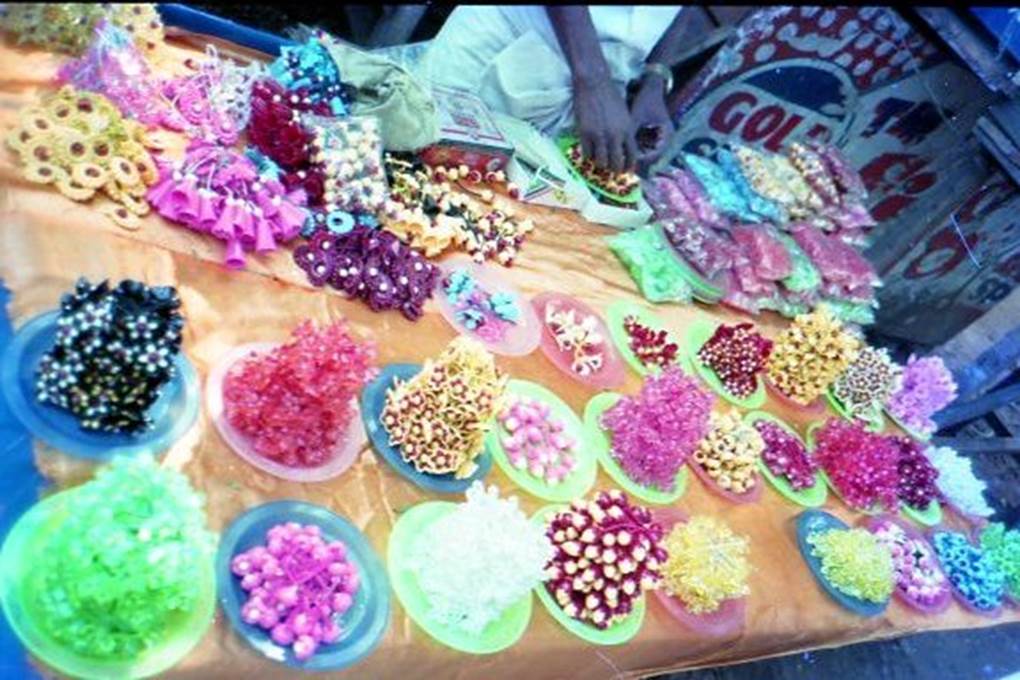
Photo by author, 1993
St. Francis Church, Fort Cochin (Kochi)
St Francis Church is located in Fort Cochin (Kochi), an old fort.
The church was built in 1503 and is said to be the oldest chapel in India. Twenty years later, the body of Vasco da Gama, who died on his third voyage, was placed here. Another 14 years later, the body was moved to the magnificent Jeronimo Monastery in Lisbon.
During the period of Protestant Dutch rule, all Catholic churches were destroyed, and this church is the only one left. In that sense, this church, although simply built, can be considered a valuable architectural heritage.
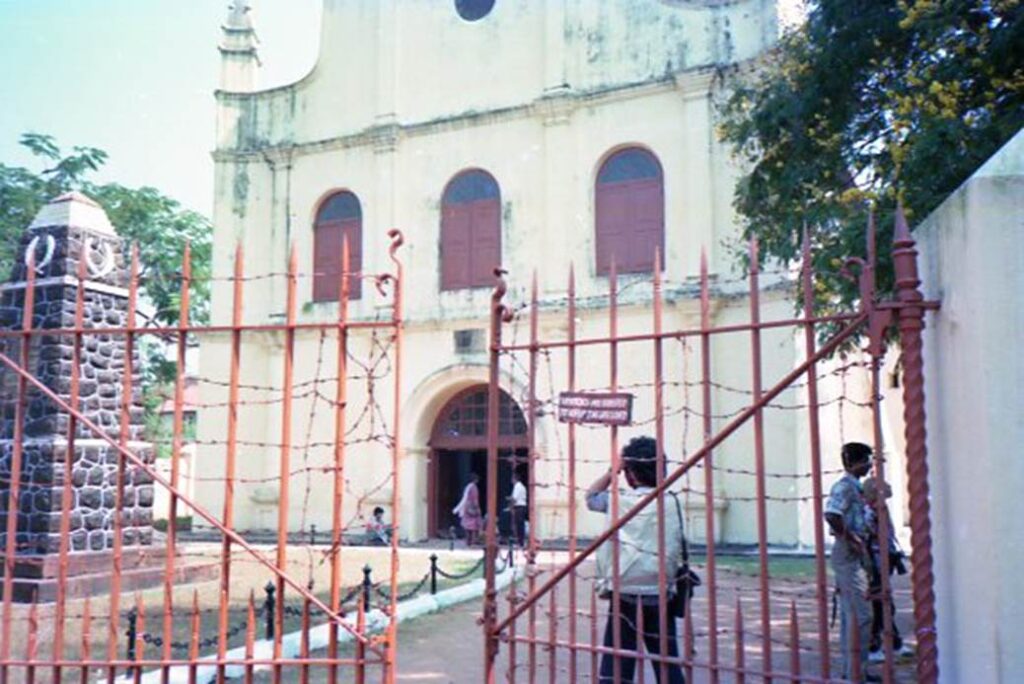
Photo by author, 1993
Cochin “Synagogue”
Mattancherry, the center of the spice trade and the Jewish quarter and the royal palace.
When I heard from the guide that there was a Jewish synagogue here in Cochin, I was intrigued. It was around Mattancherry, where the royal palace is located.
In Kerala, Jews seem to have controlled most of the spice trade since ancient times. Later, synagogues for Jewish merchants were built with immigrants who came to India due to the expulsion of Jews from Spain and Portugal in the middle of the 16th century.
Entering the synagogue for the first time. The interior of the synagogue.
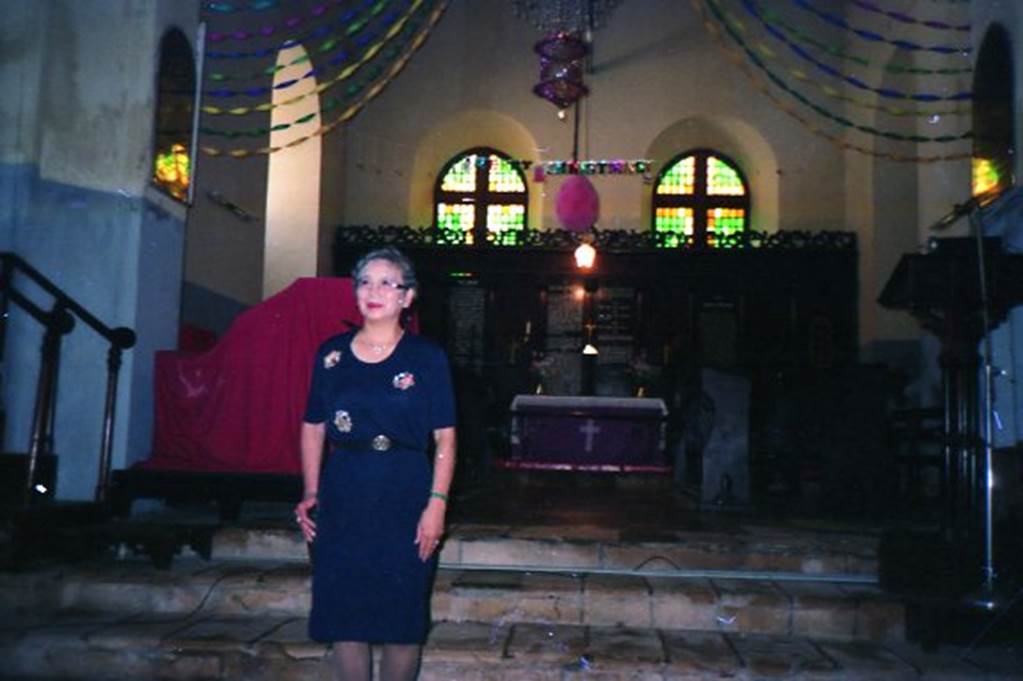
Photo by author, 1993
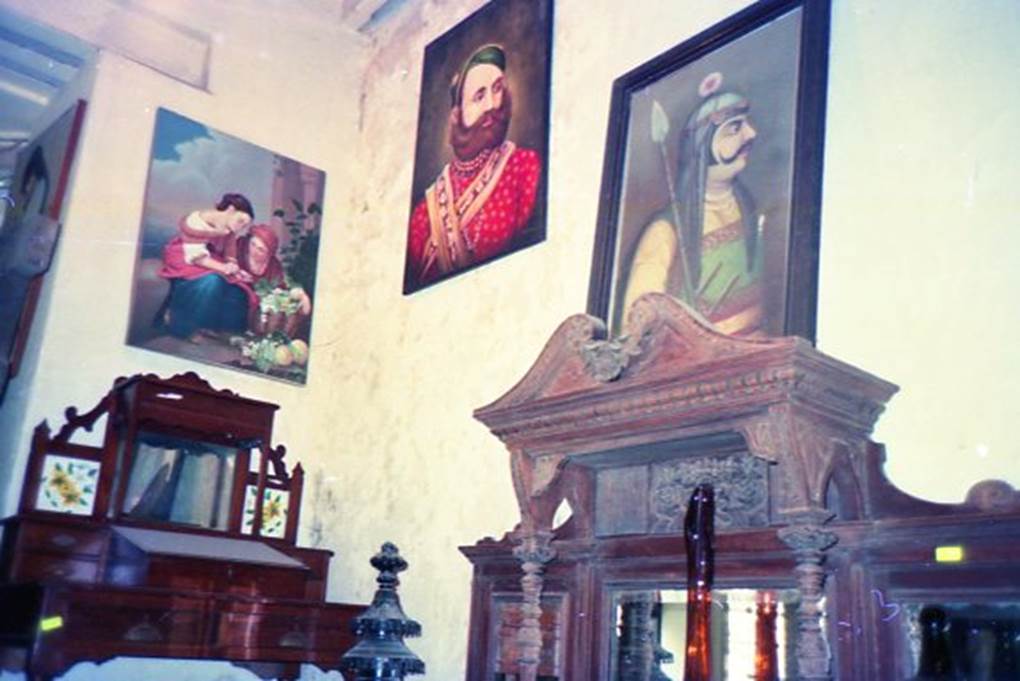
Photo by author, 1993
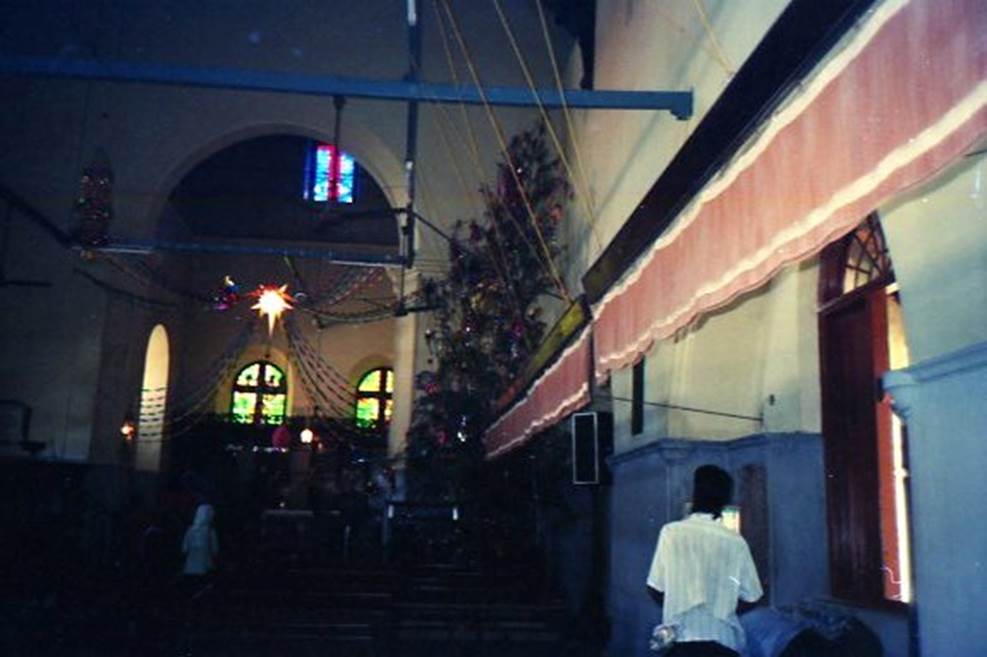
Photo by author, 1993
Antique Lane
The antiques near the Mattancheri area of Kochi’s royal palace are much cheaper than other tourist destinations in India. There are few foreign tourists, so it is a great place for antique collectors to pick their pick.
However, since this is not an international trading port like Mumbai, it seems that there are difficulties in shipping overseas, which is a drawback.
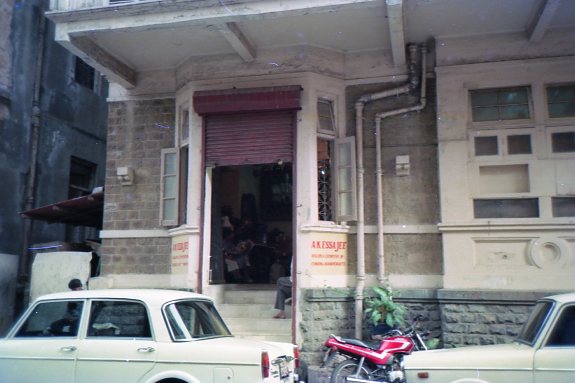
Photo by author, 1993
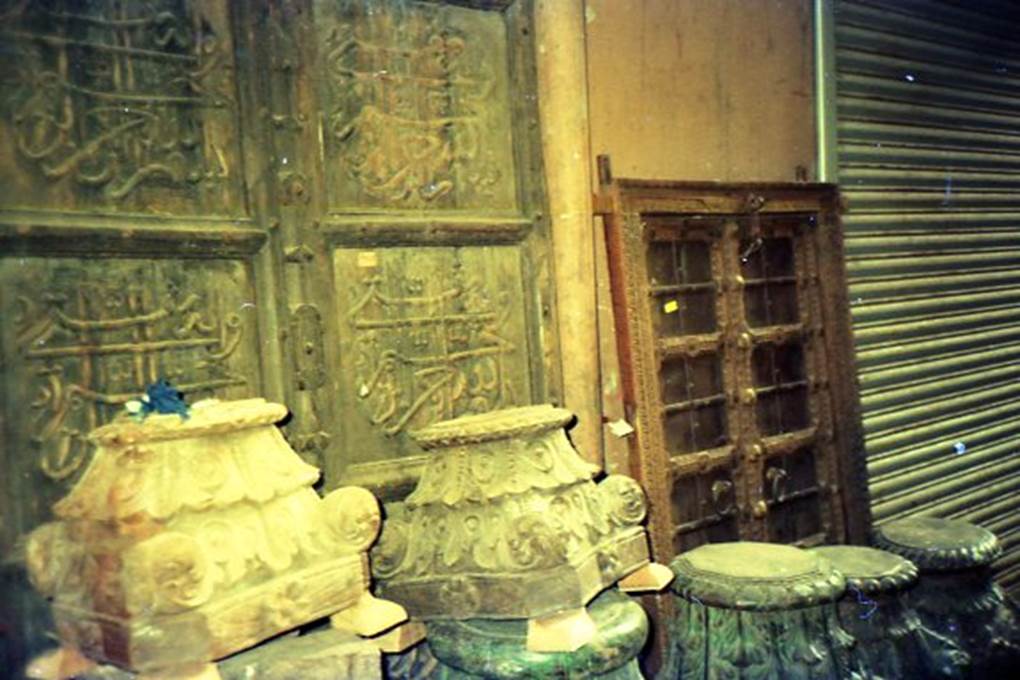
Photo by author, 1993
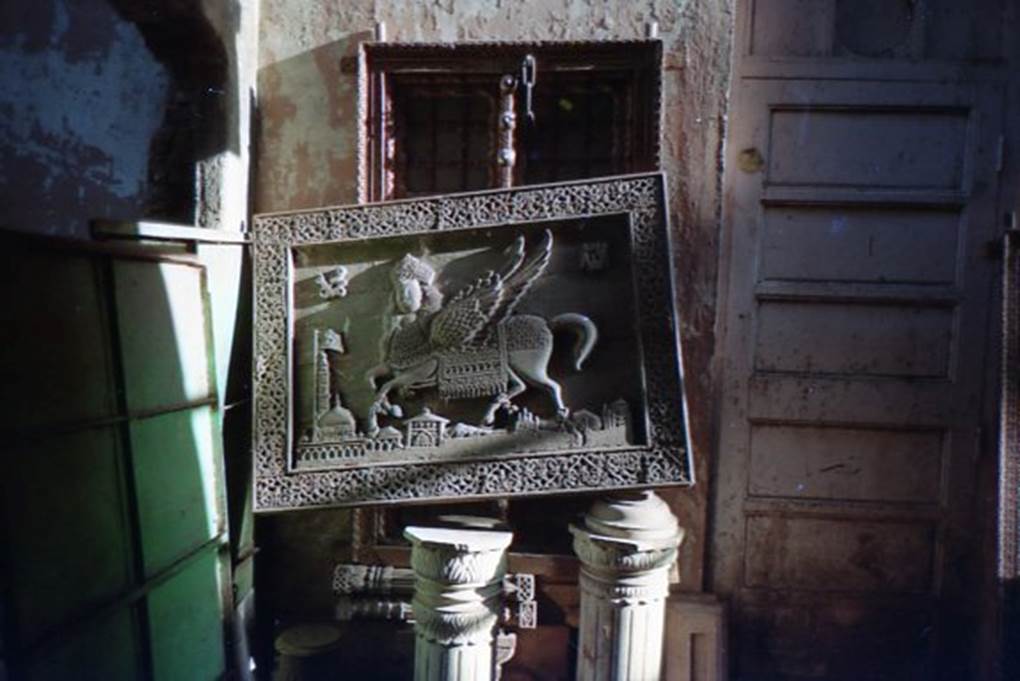
Photo by author, 1993
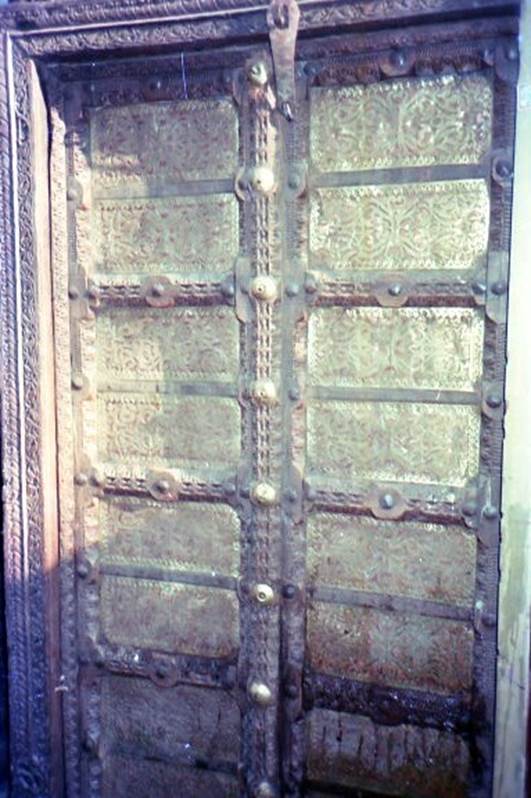
Photo by author, 1993
Exotic carvings.
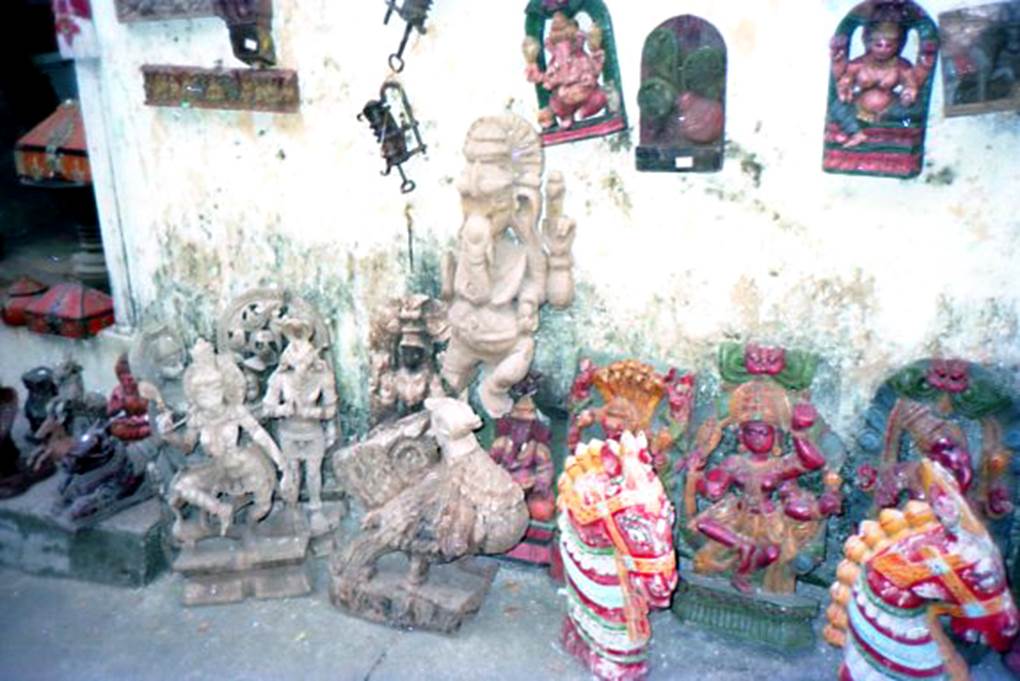
Photo by author, 1993
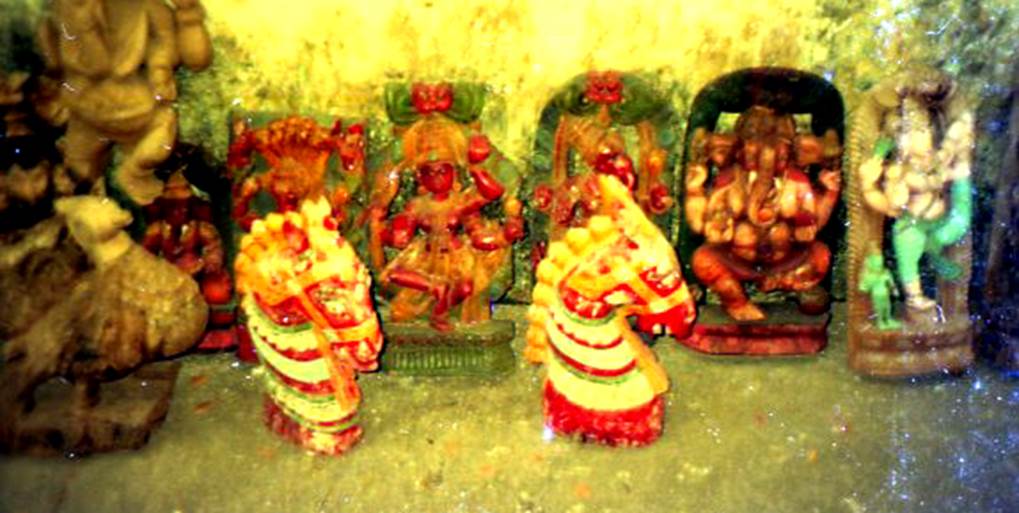
Photo by author, 1993

Photo by author, 1993
Thiruvananthapuram
This hard to remember name is the capital of the province of Kerala, where Kochi is located. Thiruvananthapuram is due south of Kochi along the Malabar coast, about 210 kilometres away and about four and a half hours by road.
The major cities of Kerala stretch from the north along the Malabar coast are Calicut, Kochi and lastly, Thiruvananthapuram which is said to be the state with the highest level of education in India.
Around noon, I checked into a hotel in this city. South India is hot during the day, even in winter. I entered the restaurant in the hotel and immediately ordered a beer. But guess what? The waiter’s boy said that the hotel doesn’t have beer. Why?? The answer was as follows.
The city ordinance of Thiruvananthapuram states that “all alcoholic beverages are prohibited within 1 kilometer of schools.” I see! This is unique to the capital city of the state with the highest level of education in India.
After the meal, I got some ice cubes and went back to my room to drink the whiskey I had brought with me. When I got back to my room and looked at the whiskey bottle I had left on the table, it was half full.
It was obvious that it was the work of the staff who had make the bed.
I understood that this was a good example of “when there are regulations from above, there are also counter measures below.”
There are few subjects in this city, and there are no surviving photographs.
What remained was my “experience of multicultural coexistence.”
All Photos by the author, December 1993