JAP | ENG
Southeast Asian Waterfront
#5/6
Brunei Darussalam
Brunei Darussalam 1980 – 1982
Brunei, one of the members of the Association of Southeast Asian Nations (ASEAN), is the smallest of the 10 ASEAN countries, excluding the city-state of Singapore. Its territory is about the size of one prefecture in Japan and the population is about 450,000.
This country, which is about the size of a major Japanese city, owns an airline called Royal Brunei and is connected by air to cities around the world.
I remember being impressed in 1982 when the monitors at airport security checkpoints in Japan and Singapore were still black and white, but Brunei Airport is already using coloured monitors.
It also has its own currency, the Brunei dollar, which circulates among its 450,000 people. The currency is compatible with the Singapore dollar by a treaty between the two governments. I don’t see the Brunei note very often these days, but at one time it was quite common to see and used it in Singapore.
The Malaysian states of Sarawak and Sabah share a direct land border with Brunei and should be racially and religiously similar, but the fact that Brunei has made its currency values interchangeable with Singapore, a more distant and dissimilar state, is interesting because it shows that economic rationality transcends race and religion
This country, with a population of 450,000, is able to operate independently on its own with its own currency and aircraft because it is blessed with underground resources such as oil.
The city (yellow part on the map) has developed on land, with the floating villages developing from the Brunei River at the center.
The private car parking lot of the floating villagers on the other side of the river is located on the land side of the city and can be reached in about 5 minutes by speedboat from home, and from there you can not only commute to work, but also go shopping and run errands by car to public facilities.
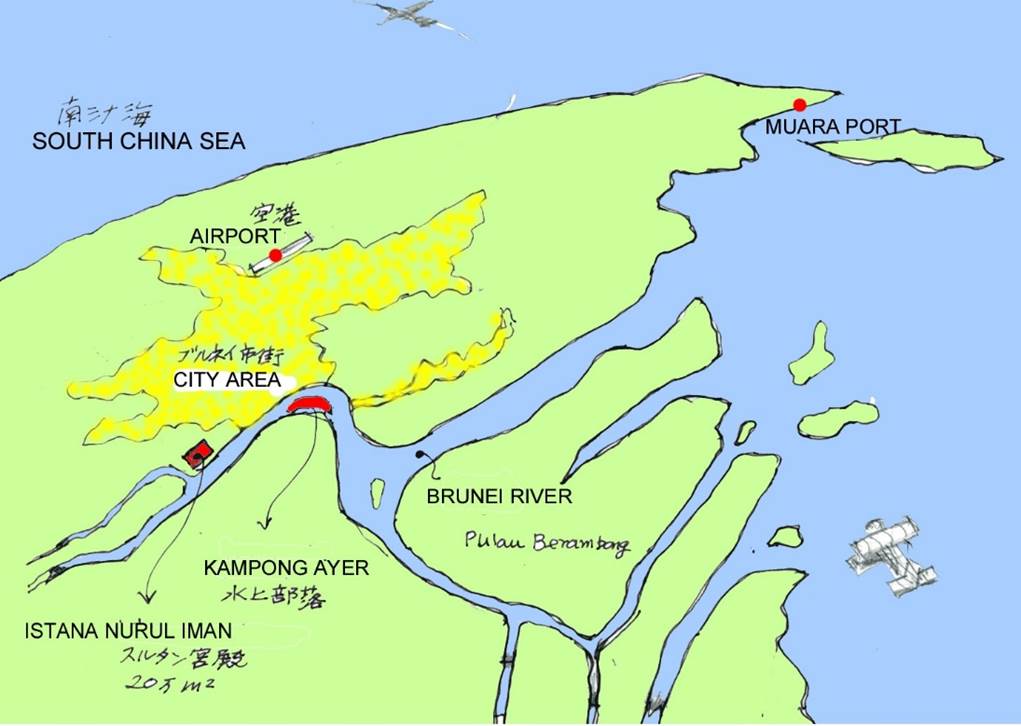
BANDAR SERI BEGAWAN, CAPITAL OF BRUNEI, Author’s Sketch
There is a floating village at the mouth of the river
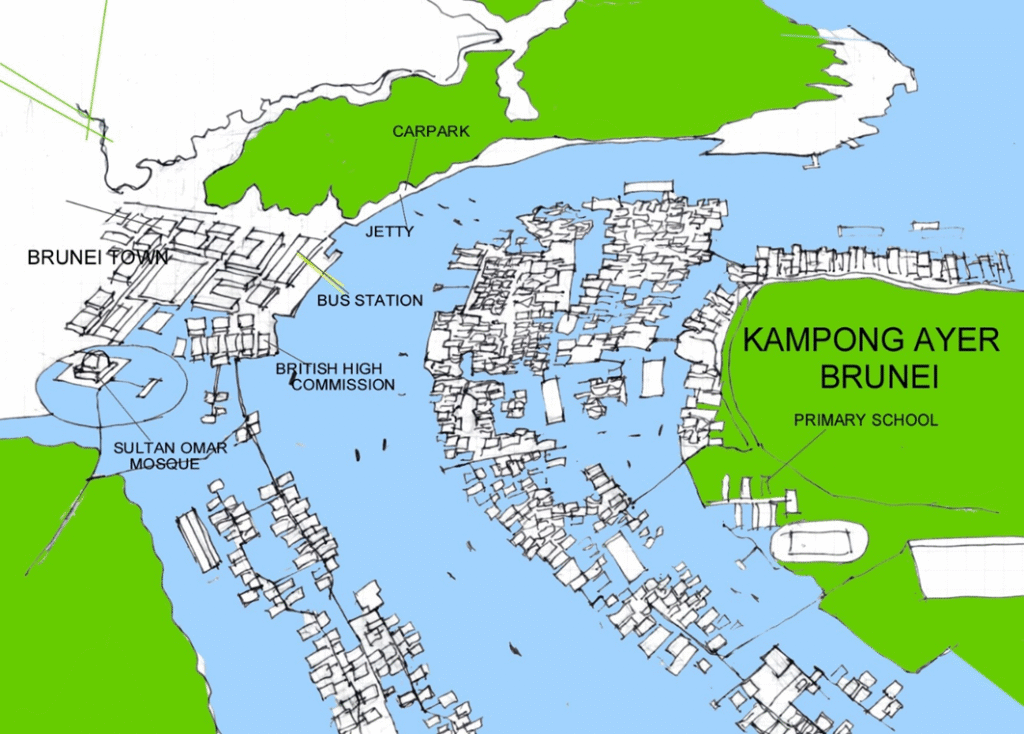
Author’s sketch
Learning about floating villages from the locals
The local architectural design office where I went for a business meeting was on the fourth floor of a building overlooking the Brunei River.
When I went up to the rooftop, I saw a messy village on the other side of the river. At that time, there were no fancy tourist guides, and the locals told me that this was a floating village.
A closer look from the rooftop revealed that this settlement on the opposite river bank was not on the ground, but was a group of independent floating stilt houses built on piles directly on the riverbed in front of the land.
From a distance, it looks like a slum at first glance, but in fact most of the residents own cars, motorbikes and speedboats. I was told that they could go to the parking lot on this side of the river and drive their parked car to get to the city for work or shopping.

From the land side, you can see the floating village on the opposite bank through the customs office on the riverbank. Photo by author 1982
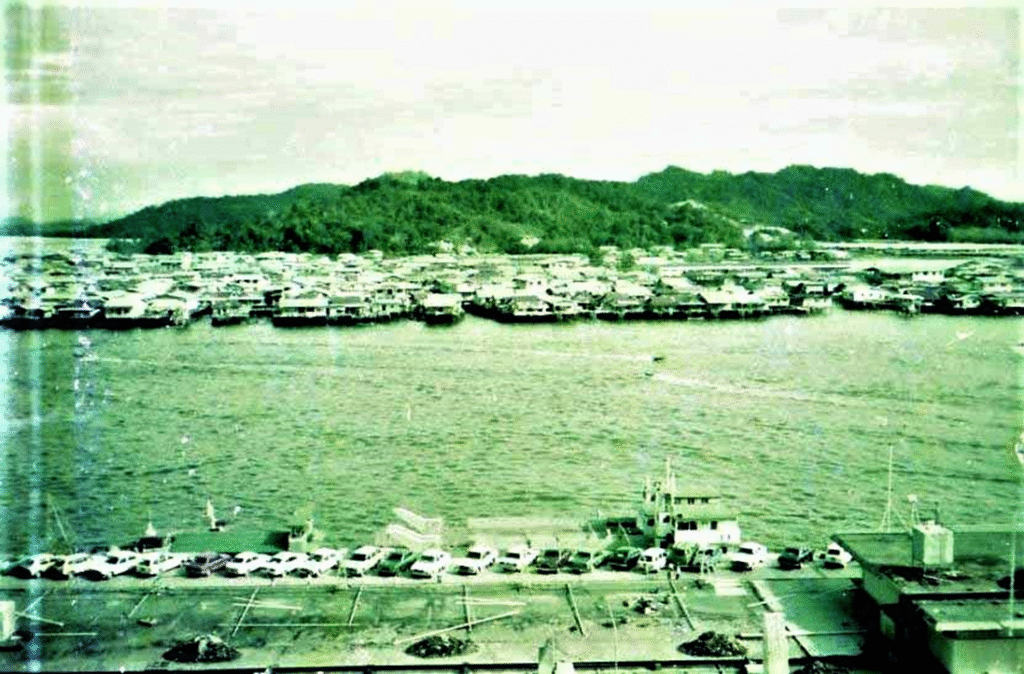
Floating village of Brunei, Photo by author, 1982
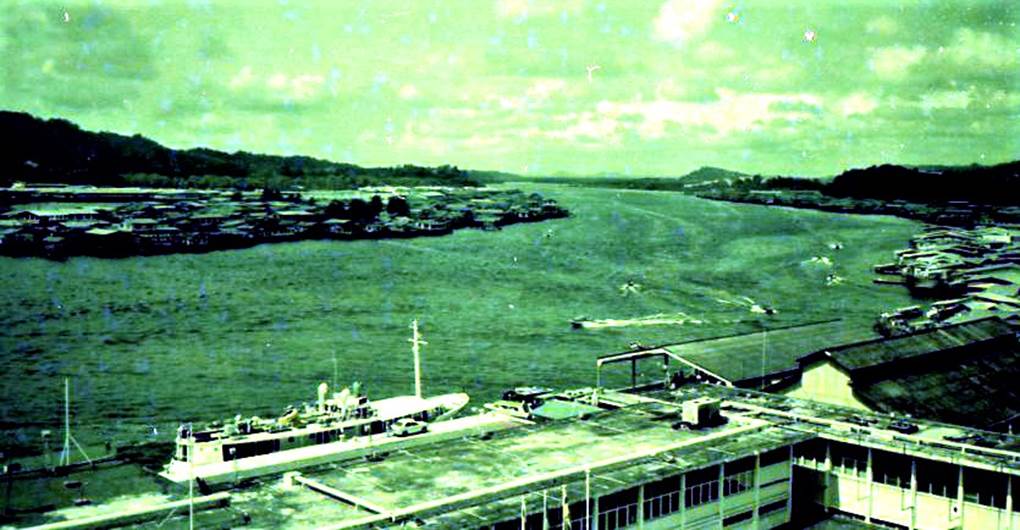
Floating village of Brunei, Photo by author, 1982

Floating village of Brunei
The world’s largest floating village! Kampong Ayer
This floating village, which is said to be the largest in the world, is not an extension of the land or the beach, but an independent collective settlement in the river, consisting of dozens of neighbouring groups.
The total population is about 40,000, which means that about 10% of the country lives on the water.
It is connected to the land city on the opposite shore by speedboat.
Within the village, individual dwellings and other facilities are connected like a network by a boardwalk over water.
The water surface is below the homes and boardwalks are open to public.
People can freely travel between the homes and boardwalks by water transport, such as speedboats with engines, under the high stilts.
In other words, the village’s infrastructure of transportation, the high-speed boats, and the walkways for residents are clearly separated in three dimensions.
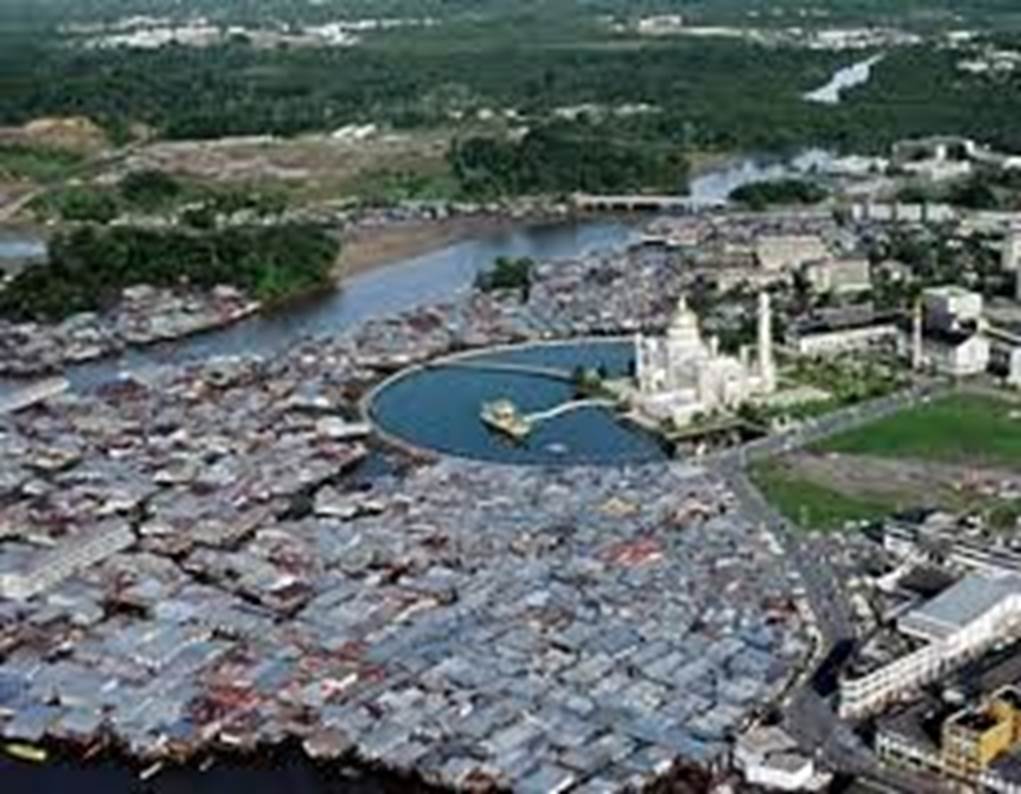
Brunei’s largest mosque surrounded by floating villages
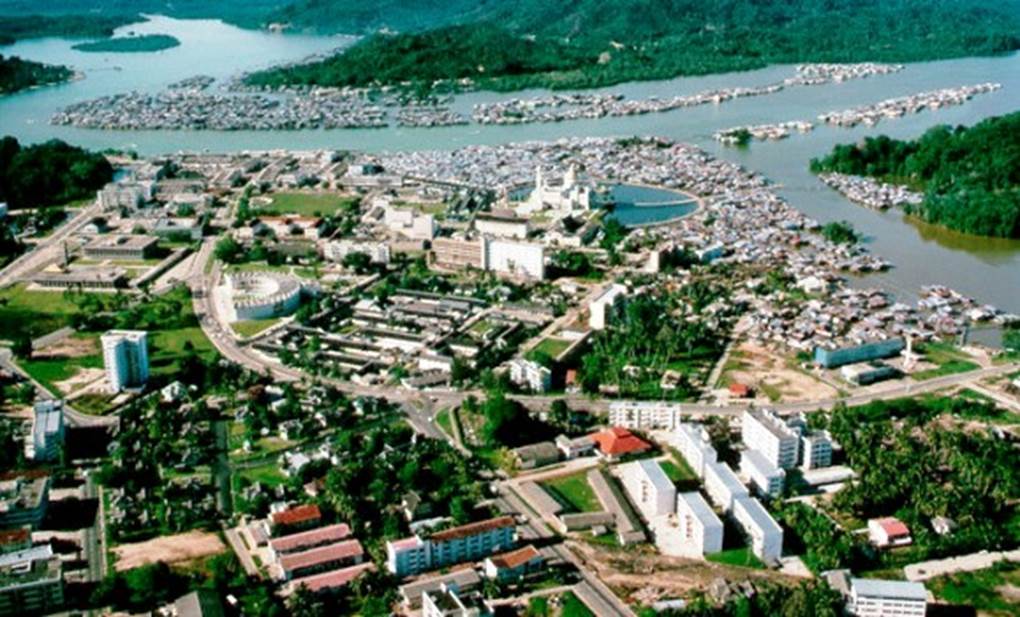
Mosques and floating villages along the river surrounding the mainland city
It is said that people have been living in this floating village for over 1,200 years.
There are now mosques, schools, clinics, police boxes, gas stations, fire stations, and other facilities to support residents.
Each residence is equipped with the latest infrastructure such as electricity, air conditioning, satellite TV, water supply and drainage.
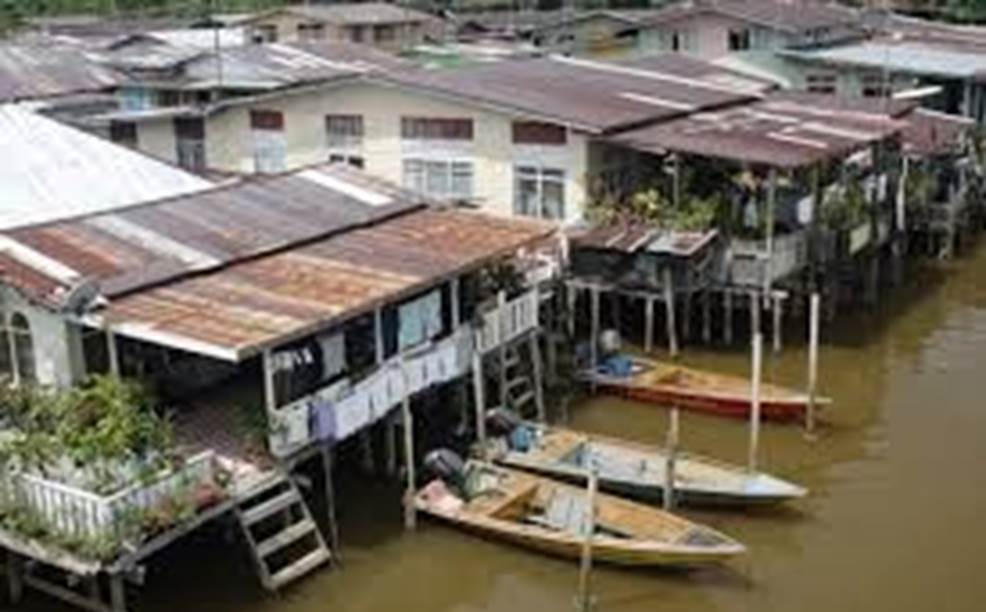
Photo by author, 1982
A speedboat anchored in a floating dwelling. From here, the inhabitants will drive the boat to the parking lot on the opposite shore, and from there they can drives to work, school, and shopping on weekends.
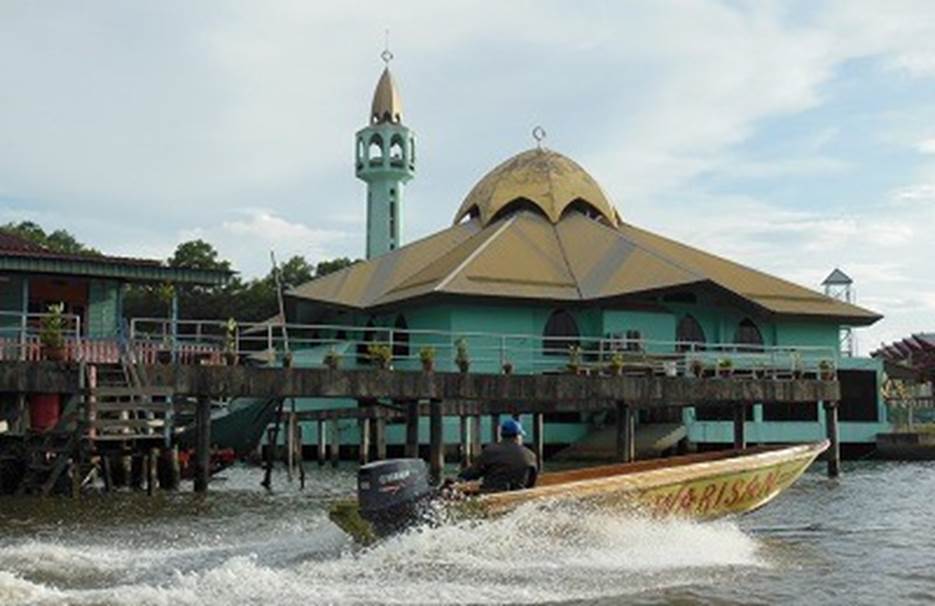
Speedboat and Community Mosque
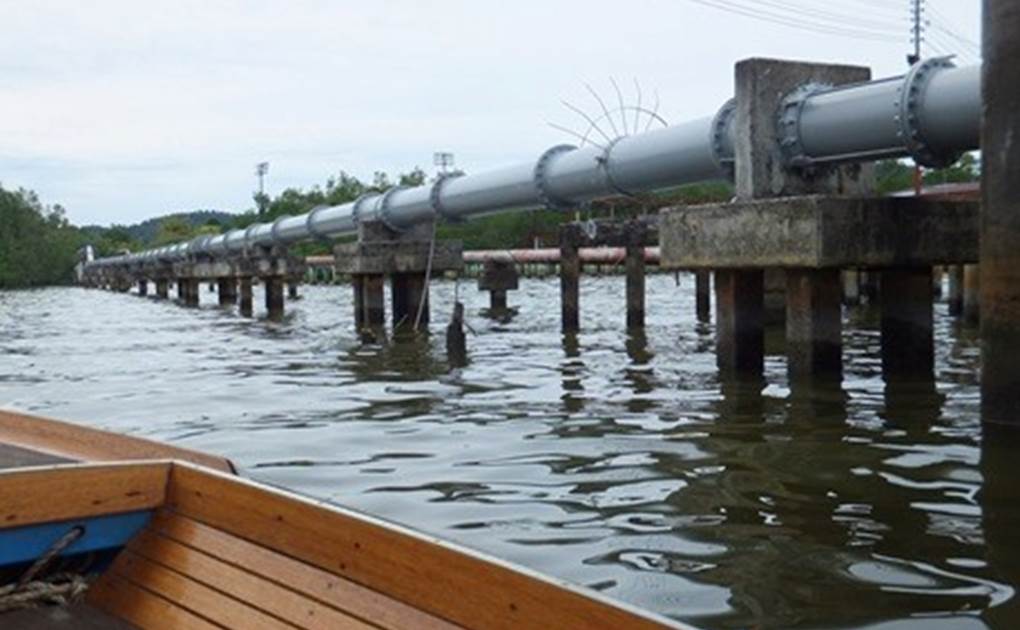
Water pipes
Wooden broadways throughout the village
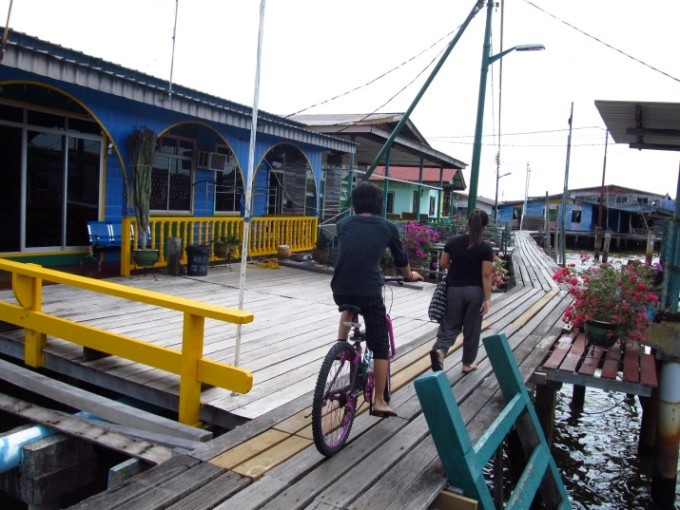
Wooden walkway
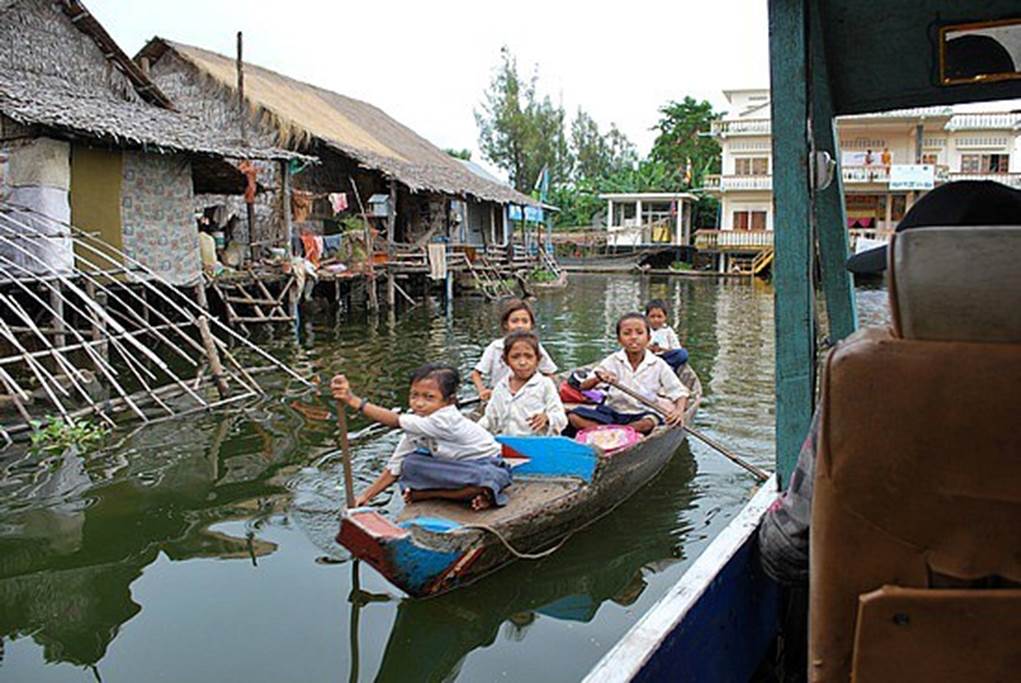
You can also visit each house by boat
Sketch of a wooden boardwalk
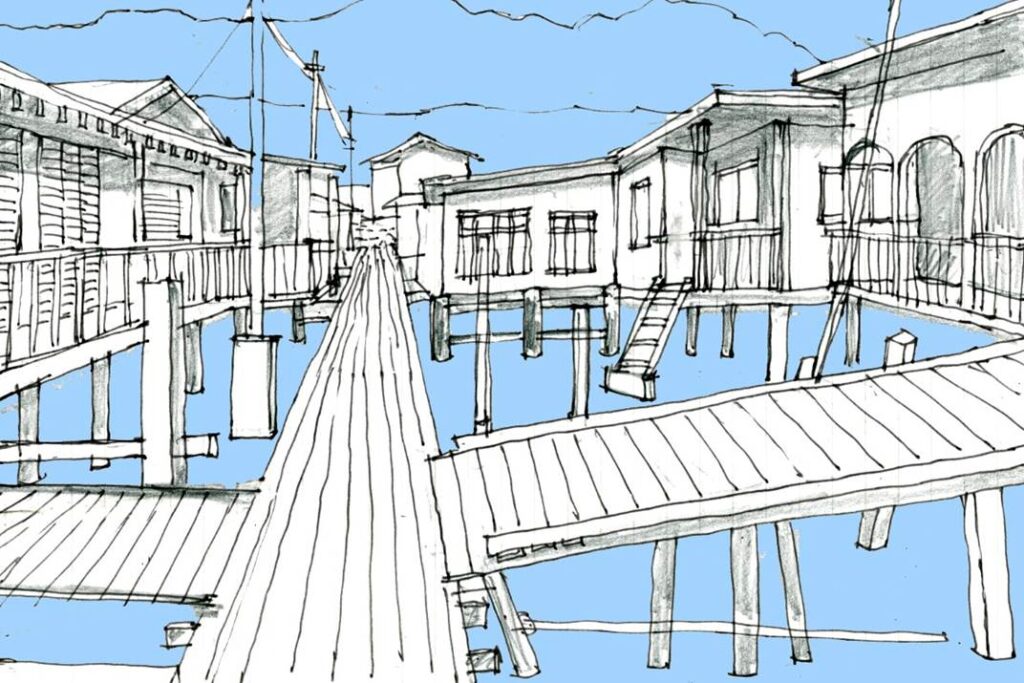
Author’s sketch
An oil-producing country blessed with tropical rainforests and water
Our usual image of oil-producing countries is that of the Middle Eastern countries with arid climates, but Brunei is an oil-producing country surrounded by lush rainforests and blessed with water.
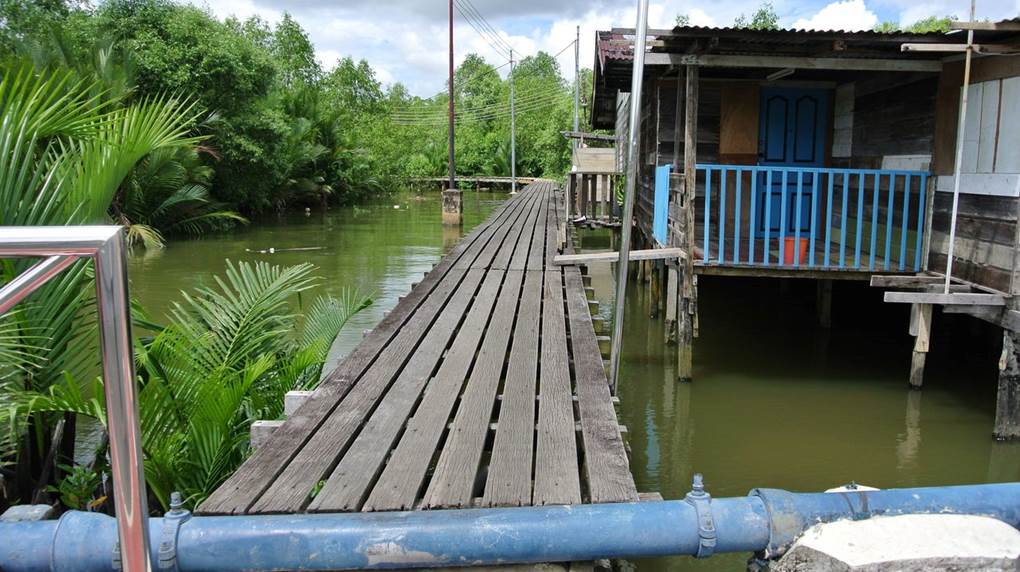
Mangrove forests are closing in on the boundaries of the floating residential area
If you travel up stream the Brunei River from the floating residential area for a few kilometers, you will suddenly see a tropical rainforest like this, which is typical of Borneo. There is a jungle right next to the floating residential area.
Now, 40+ years after this photo, these old-growth forests may no longer exist, as they may be cut down due to urban developments.
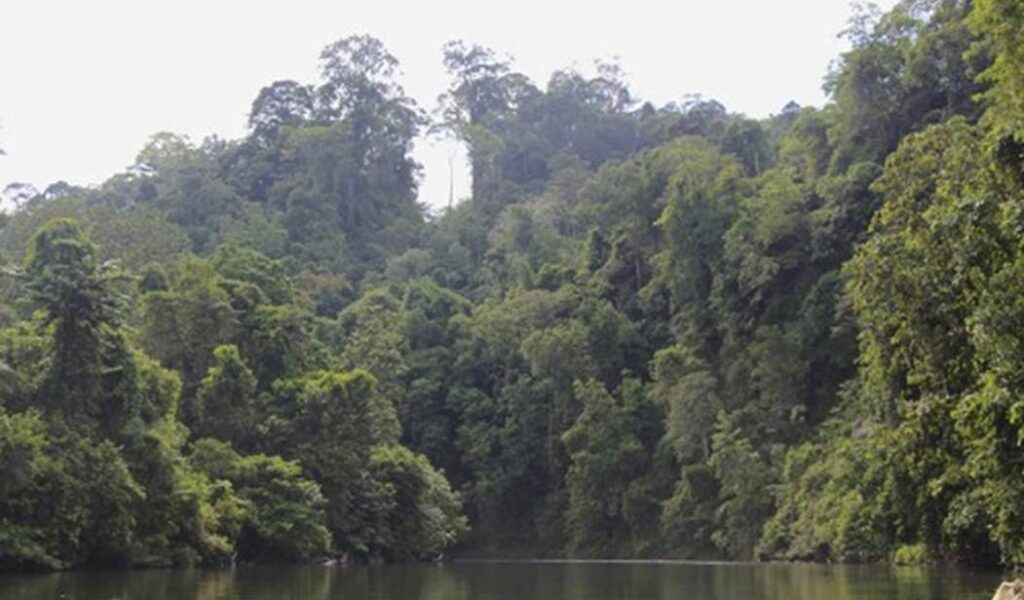
Photo by author, 1982
Sultan’s palace is larger than Buckingham Palace
The Sultan’s Palace (Istana Nurul Iman), where the king lives and where politics take place, is located on the riverside on the land side. The palace has a total floor area of 200,000 square meters, which is larger than Buckingham Palace in the United Kingdom. This country, which was once a British protectorate, has surpassed the former colonial power in terms of palace size thanks to oil. It has 1,788 rooms and 257 bathrooms, and although the maintenance costs such as air conditioning and lighting are enormous, it goes without saying that they are covered by the export revenue of oil and natural gas from the ground.
In terms of procuring materials, they must have collected masterpieces from all over the world via Singapore and Hong Kong, and I heard that an acquaintance of mine in Singapore was able to participate in this project and made a profit.
I can’t drink alcohol ! Part 1
I visited Brunei between 1980 and 1982. A client who operated a wide range of local department stores in Singapore at the time was looking to expand into Brunei and asked me to design the interior of their department store. This is a record of my five visits there.
Thanks to the oil that springs up from underground, the citizens of Brunei almost pay no taxes, the price of gasoline is extremely low, and they are promised an comfortable life as a civil servants working in government offices and other places of work.
In contrast, the construction industry, which is the hands-on work, is run almost entirely by Chinese people, from material and equipment suppliers to on-site contractors and craftsmen. Moreover, tough oil-related work that requires special skills is carried out by foreign workers.
After the morning meeting and site inspection, it was noon, so I went out to eat seafood for lunch with the rest of the team. (Brunei is known for its fresh seafood).
First, I ordered a beer to quench my thirst. Then the waiter placed a large teapot and a large mug on the table.
When I corrected my acquaintance to see if I had made a mistake, he explained that there was beer in the teapot.
This was the etiquette in Brunei, where the majority of the population is Muslim and the rules are strict.
In other words, they “turned a blind eye” to foreigners drinking alcohol, but made sure that other people didn’t see them.
A shopping mall is under construction
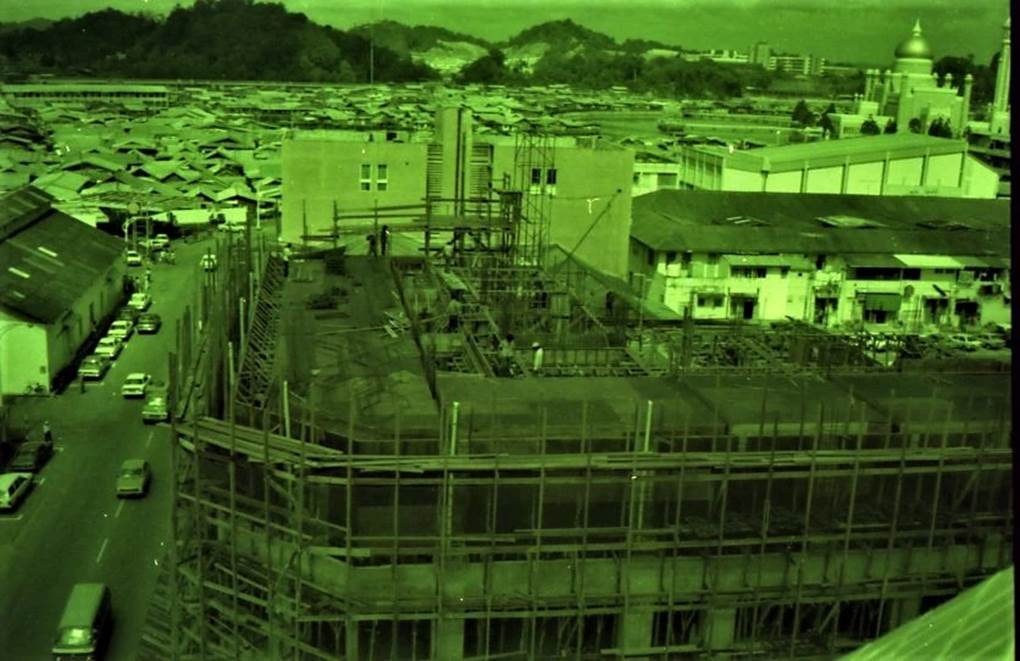
Photo by author, 1982
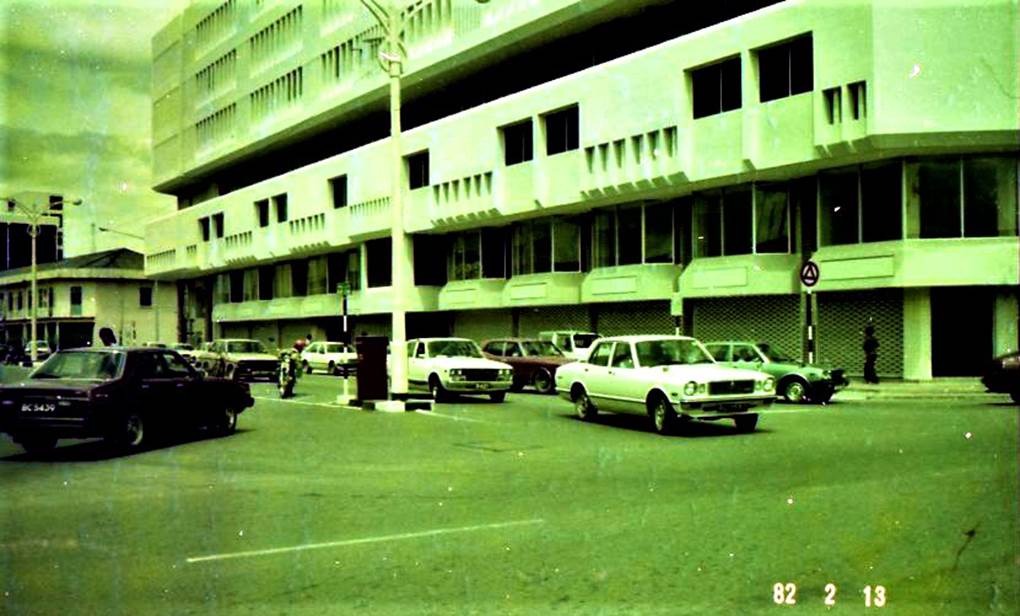
Photo by author, 1982
I can’t drink alcohol! Part 2
Let’s talk about what happened on a two hour Brunei Airlines flight back to Singapore from Brunei. A group of Western men seated at the front of the plane became rowdy. They were chatting while drinking water. As I continued to observe, I was convinced that the liquid was either vodka or clear rum.
It was a measure against flights that prohibited alcohol. At that time, there was no fear of terrorism, and it was allowed to bring clear liquid (water) on board, so they took advantage of the situation.