JAP | ENG
Madrid, Spain
October 2013
#1/3
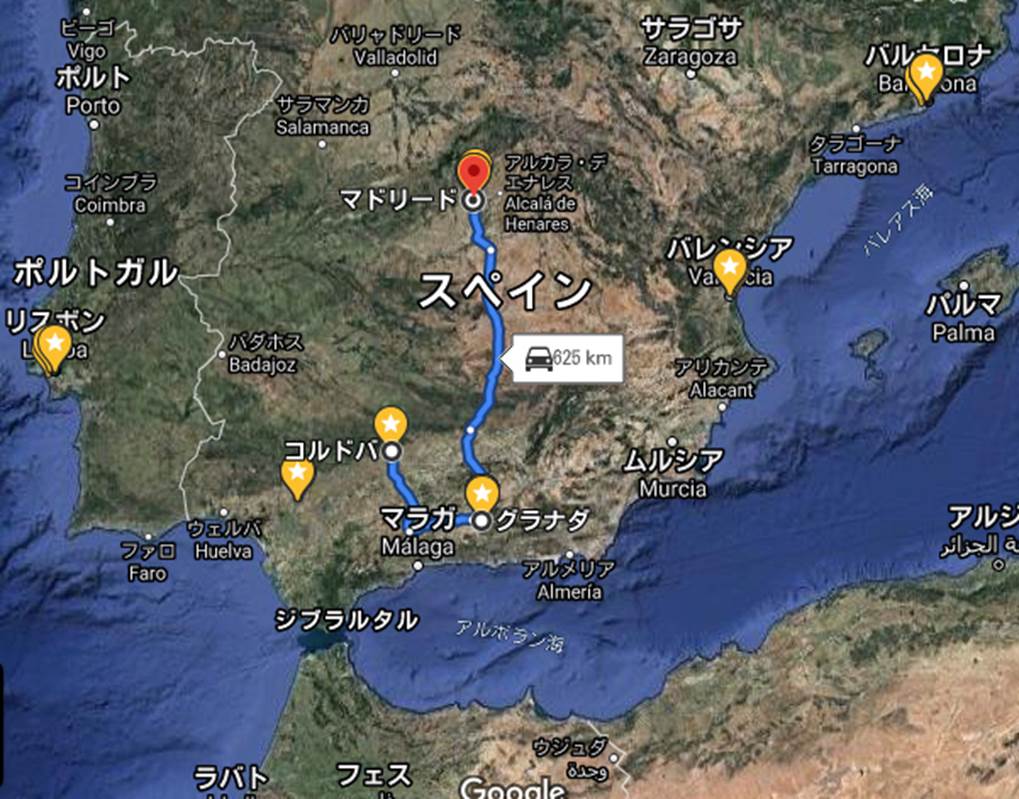
From Granada, we travelled overland to Madrid, located in the middle of the Iberian Peninsula.
Madrid’s first recorded history dates back to the 9th century, when the Umayyads of Córdoba built a small palace and fortress on the site of the present Royal Palace. Cordoba was a very advanced city before the founding of Madrid.
According to historical documents, the river flowing near the small palace and fortress of Madrid was called “Al-Majrit”” (the source of water) in Arabic at the time. From there, the area came to be called “Majerit”, which later became the modern-day “Madrid””.
The fortified city of Madrid, founded by Muslims in the 9th century, was recaptured by the Kingdom of Castile in 1081 during the Reconquista and continues to this day.
During the Spanish Golden Age of the 15th and 17th centuries, Madrid prospered on the influx of wealth from the New World. Artists such as the court painter Velázquez flourished in art, music, and literature, and the city became a cultural center of the country.
Spanish
There are more than 21 countries and regions where Spanish is the official language, including Latin American countries, and about 500 million people speak Spanish. The birthplace of the Spanish language is the capital Madrid and its surrounding areas.
Spanish is also the third most commonly used language on the Internet, after English and Chinese.
People from Latin American countries do not feel any language barriers when visiting Madrid, and it is easy for them to feel at home in the city. Against this backdrop, Madrid is a cheerful and lively city, with a Latin American feel and it has become an open city where people of various nationalities mix.
Explore Madrid’s Centro
In addition to famous museums, lively streets with shops of all kinds, restaurants serving cuisine from all over the world, and a unique nightlife, Madrid has a quiet, historic street corner full of charm that is perfect for a stroll.
There are also taverns with a family-run atmosphere that have been in business for over a hundred years, perfect for gathering with friends. Madrid’s charm is that it is a mix of all these different styles of neighbourhoods and is friendly to tourists too.
Madrid’s central city area , CENTRO , is contained within a circle with a diameter of approximately 2km. The city is very compact and is packed with many historic buildings, restaurants, hotels and world-class museums. Everything you see is photogenic, so you can walk all day and never get bored.
When exploring Centro, remember these few streets so you don’t get lost.
1. GRAN VIA: A two-kilometre boulevard connecting the Royal Palace to the Prado Museum, and a shopping street line with boutiques.
2. CALLE DE ALCALA : A street with many historic buildings, running from Prado Museum to the Puerta del Sol Square.
3. CALLE MAYOR: The street leading from Puerta del Sol Plaza to the Royal Palace
4. CALLE DE PRADO: A short road from the Prado Museum to Piazza Santa Anna
If you remember the above four streets, you can efficiently see the old town center and relax in the square. You can understand Madrid efficiently by visiting the four squares below, each with its own unique character.
(1) Plaza de Puerta del Sol
(2) Plaza Mayor
(3) Mercado de San Miguel
(4) Plaza de Santa Ana
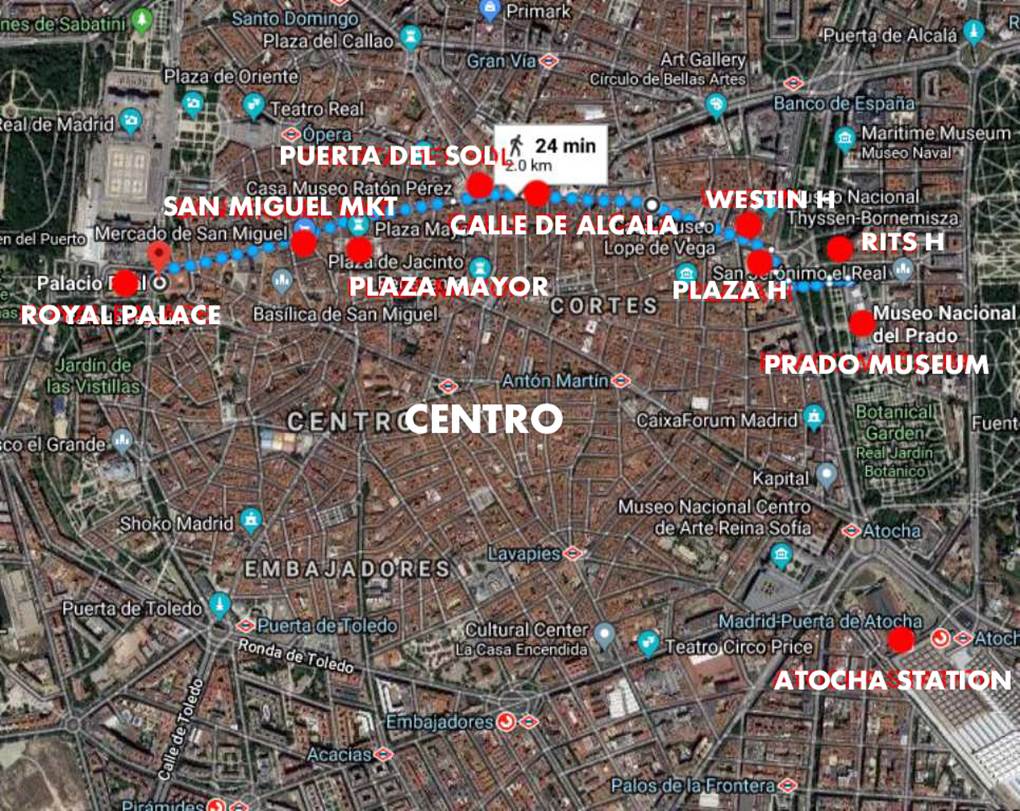
CALLE DE ALCALA
The starting point for a walk in Madrid was Calle Alcalá. The taxi driver happened to drop me off on this street. When I got out of the taxi and looked around, I saw that there were many impressive architectural heritage sites that had come to an end. This street was indeed an active open-air architecture museum.
CANAREJAS BUILDING
The building is made up of several old multi-use buildings that have been restored and preserved, and is now home to the Four Seasons Hotel, luxury apartments, and luxury stores. There is a mechanical doll clock in the corner window/balcony.
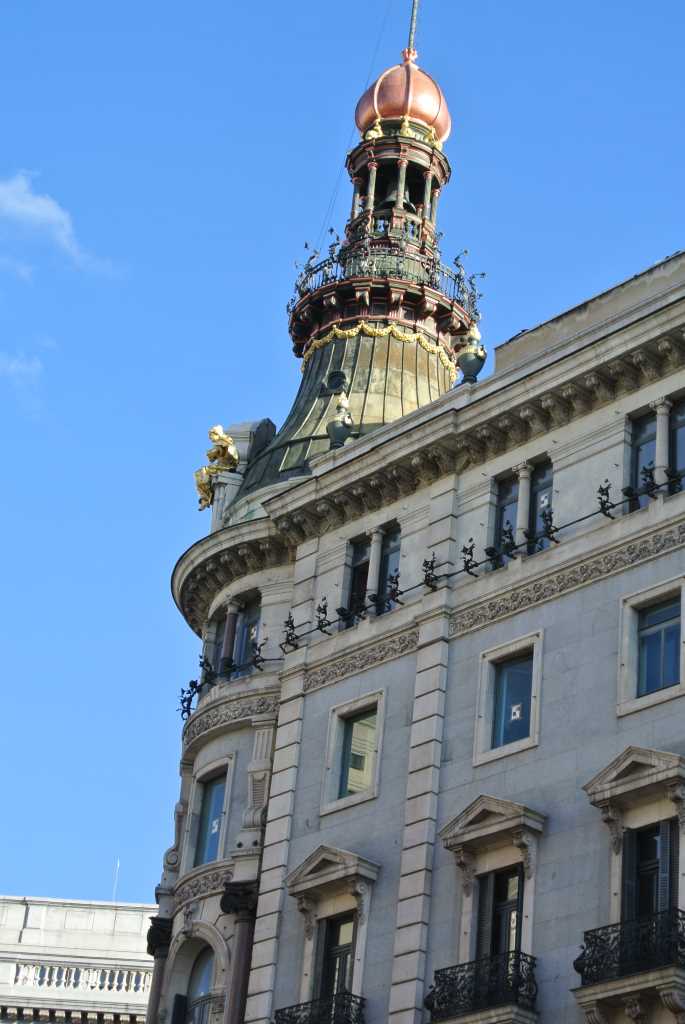
Photo by author, 2013
Casinos in Madrid
Construction was completed in 1910.
One of Madrid’s Michelin-starred restaurants is located here.
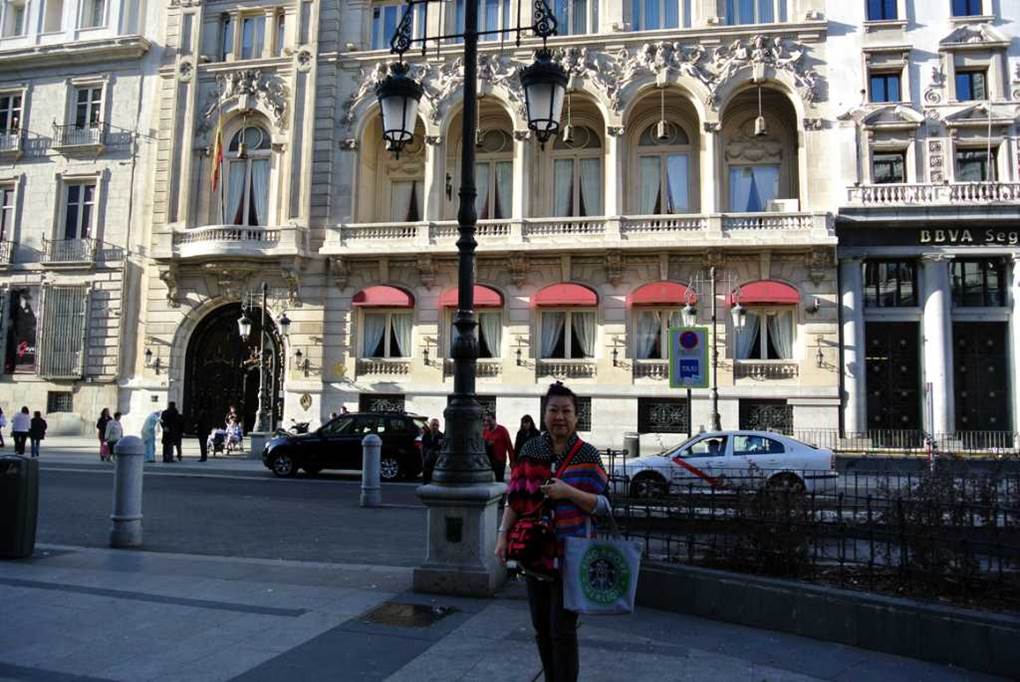
Photo by author, 2013
Luxurious façade on the second floor of the casino.
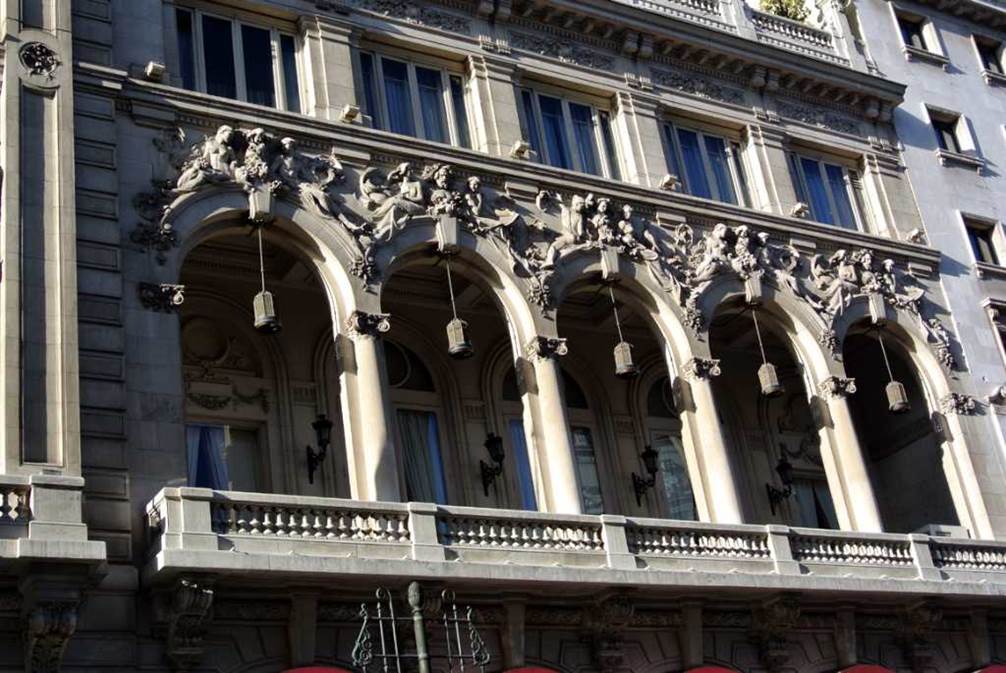
Photo by author, 2013
The casino’s entrance.
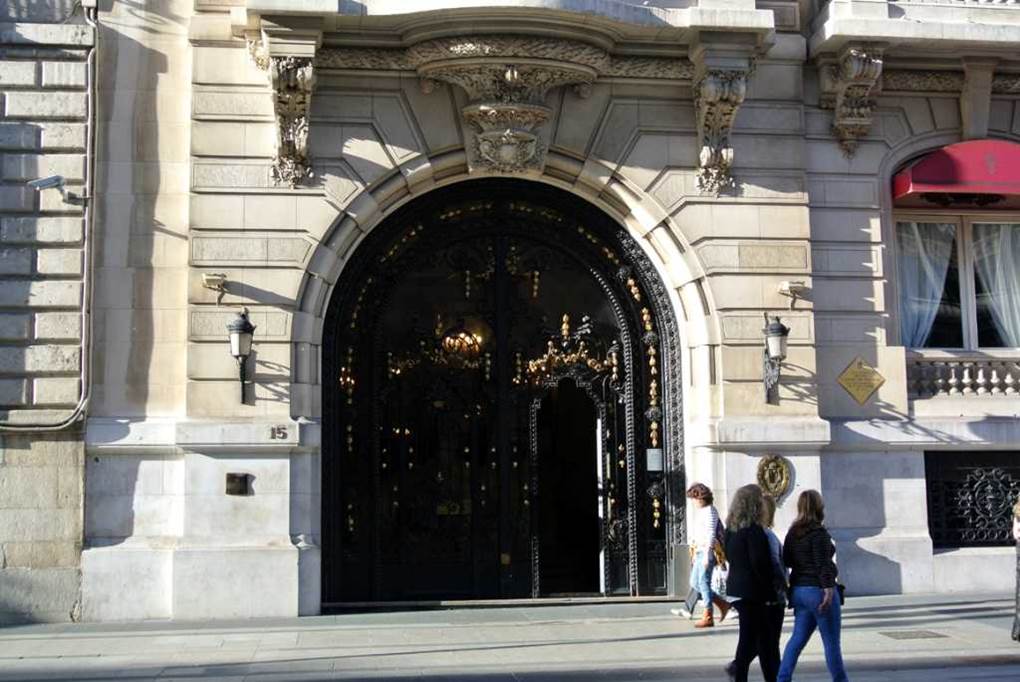
Photo by author, 2013
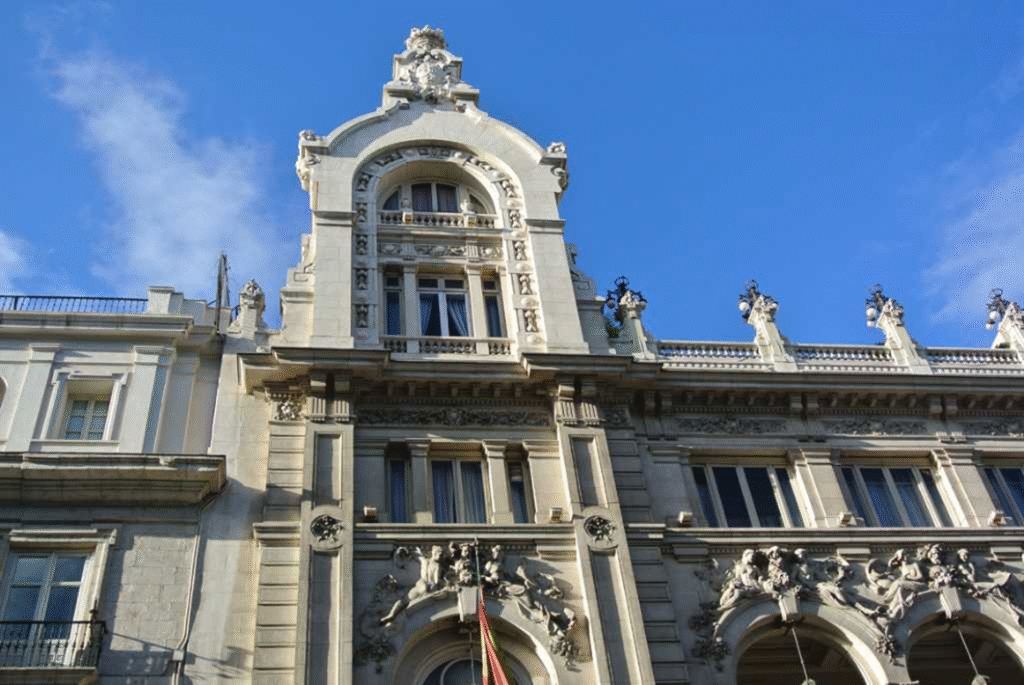
Photo by author, 2013
San Fernando Royal Academy of Fine Arts
Completed in 1724, it is adjacent to the west side of the Casino of Madrid.
It mainly houses paintings from the 15th to 20th centuries and is considered one of the best museums in Spain.
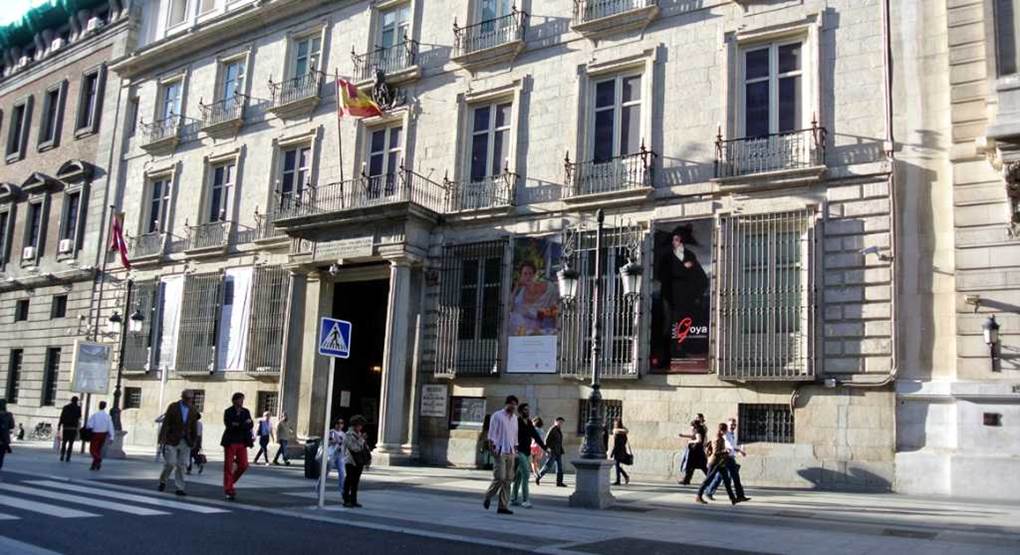
Photo by author, 2013
It seems that the Goya exhibition is being held.
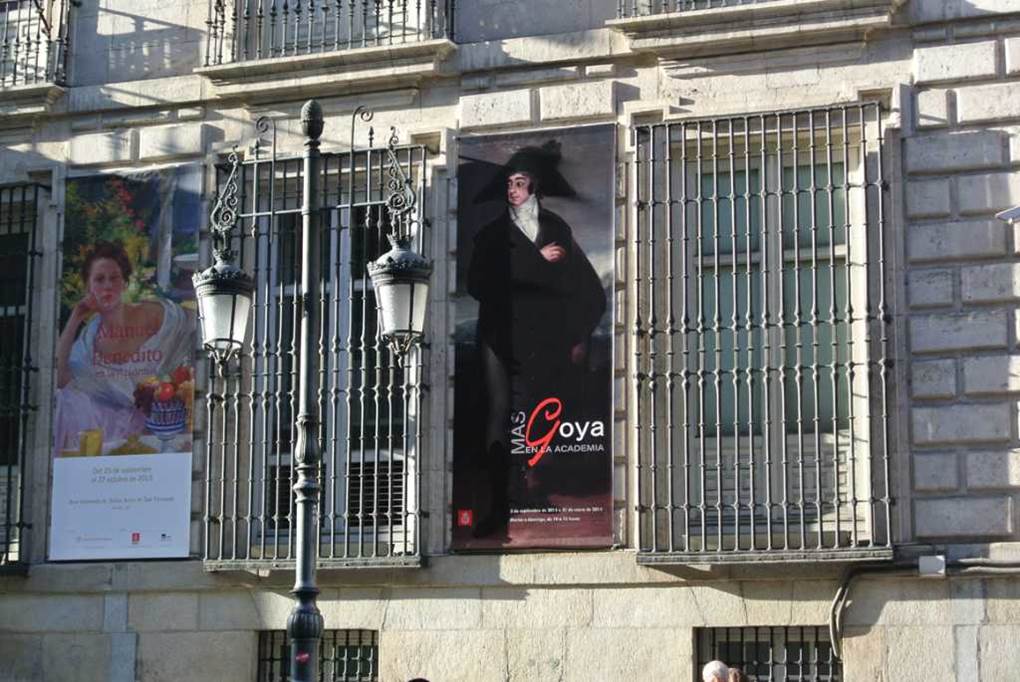
Photo by author, 2013
A stately entrance design from the 18th century.
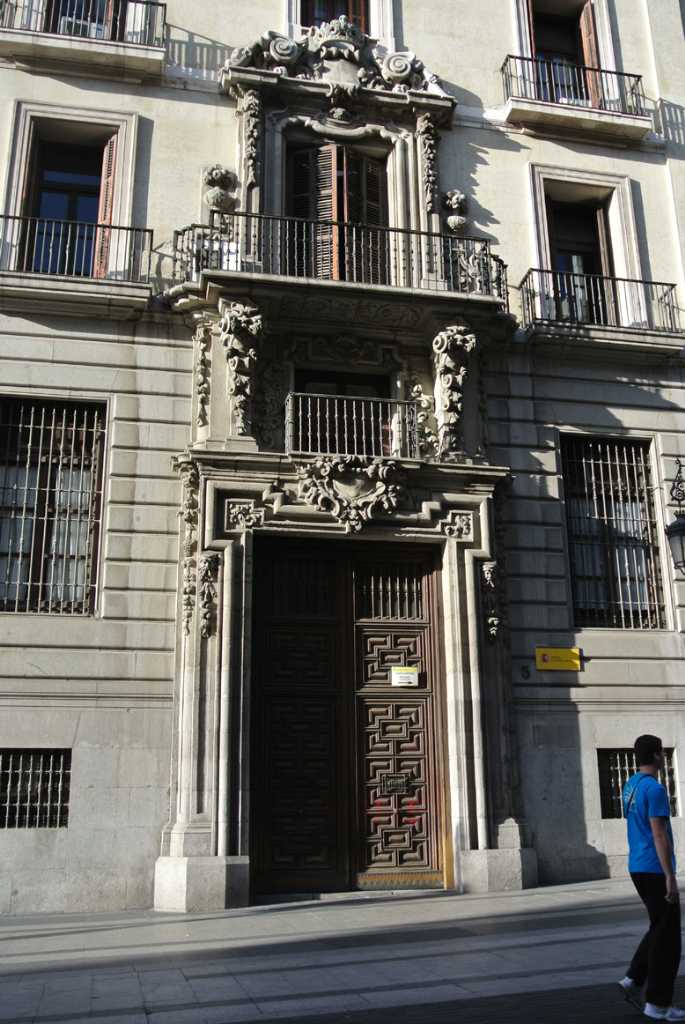
Photo by author, 2013
Royal Customs House
The former Customs house, now the is the headquarters of Spain’s Ministry of Economy and Ministry of the Treasury. The Spanish flag is flying.
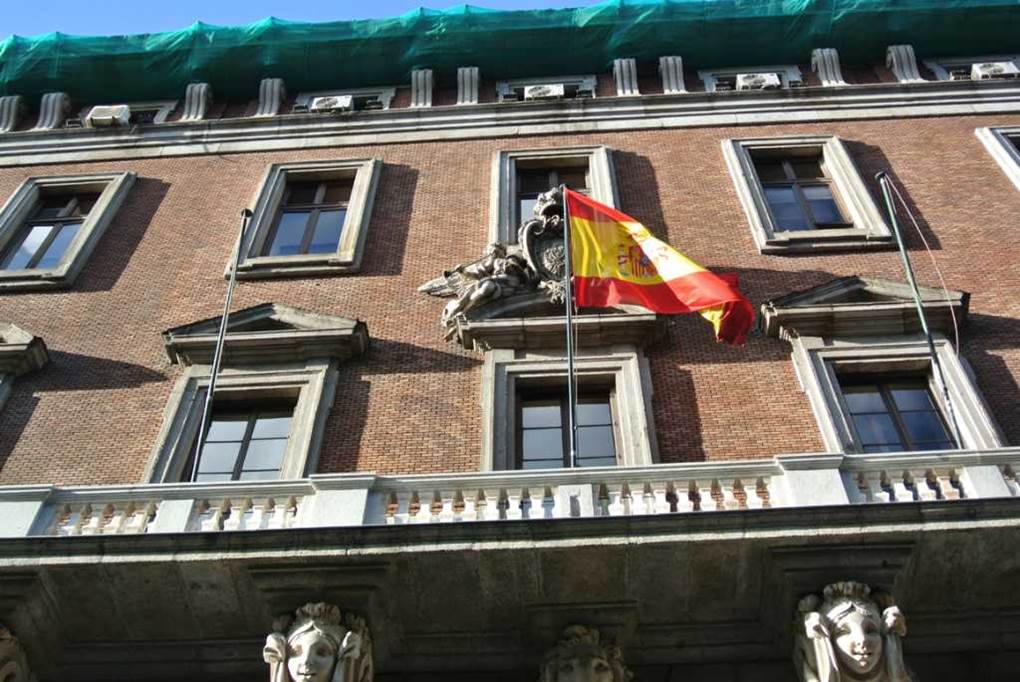
Photo by author, 2013

Photo by author, 2013
Old Bilbao Bank Building
The building was built between 1920 and 1923 by an architect from the Basque Country (1879–1953), where Bilbao is located.
The very bold front catches people’s eyes and attention.
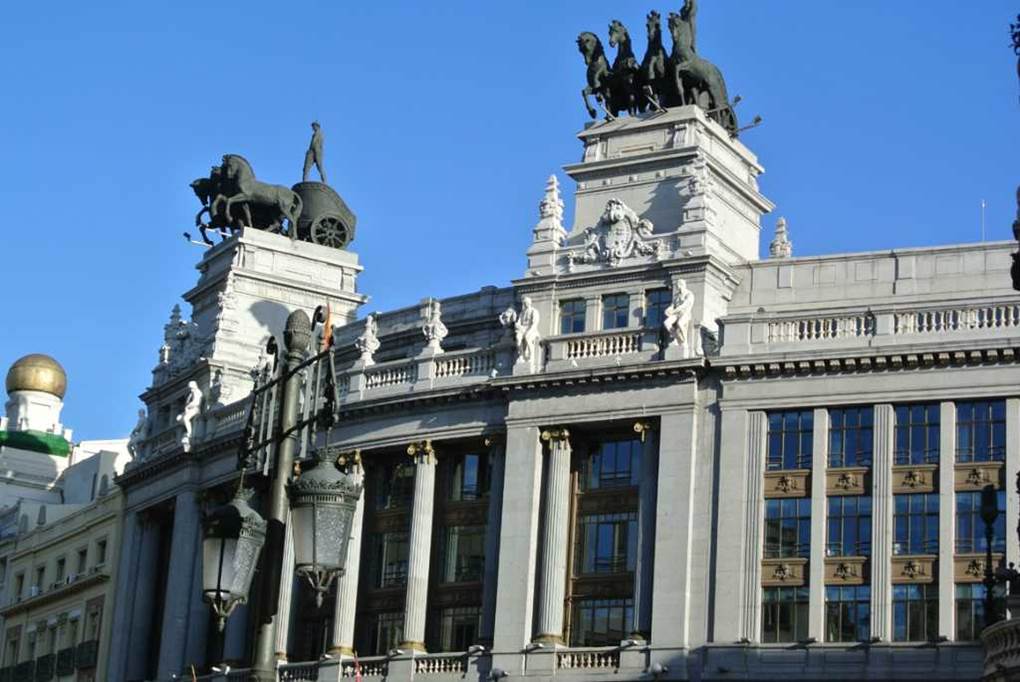
Photo by author, 2013
Puerta del Sol Square (Gate of the Sun)
A semicircular square in the center of Madrid. It is a pedestrian square, and you can go around without being disturbed by cars. It is the starting point (0 km) of the Spanish National Highway.
From the 17th to the 19th century, Puerta del Sol was an important meeting place for citizens, the final destination for parcels from the rest of Spain and abroad (at the post office) and also where the latest news was collected.
Metro lines 1, 2 and 3 and the Spanish National Railways also have a station in the basement of the square.
Various commercial facilities, restaurants, hotels, etc. are lined up around this square.
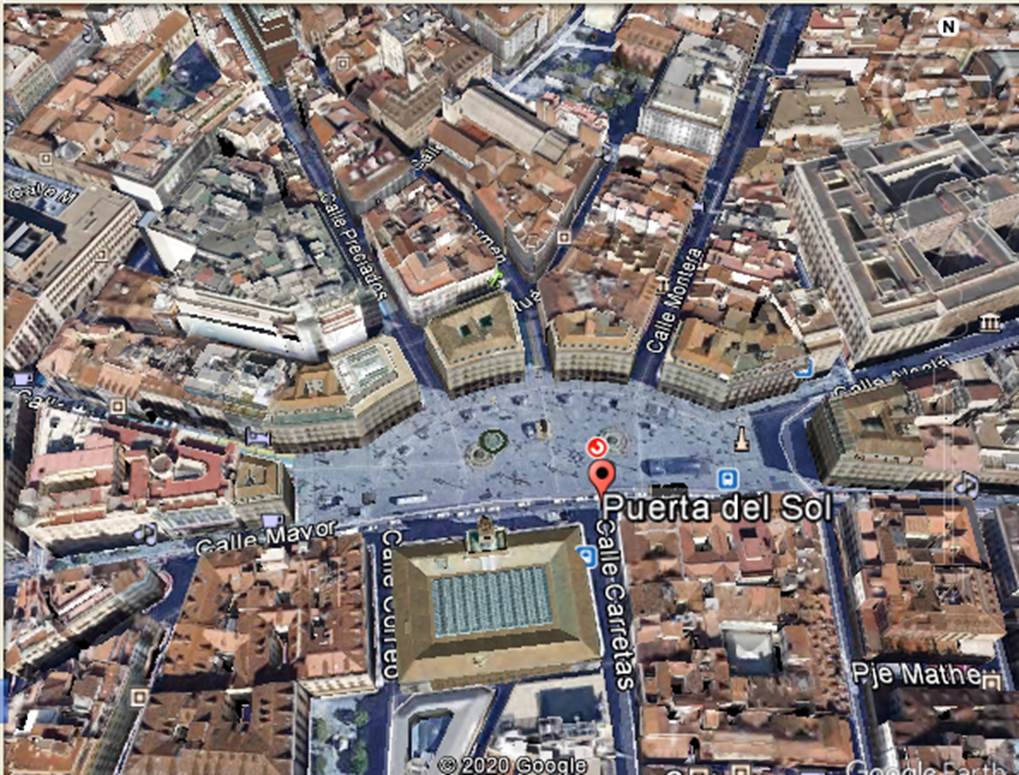
Equestrian statue of Carlos III
When I researched the identity of the person in the bronze statue in the photo below, I found out that the statue is of King Carlos III of Spain, who reigned from 1759 to 1788.
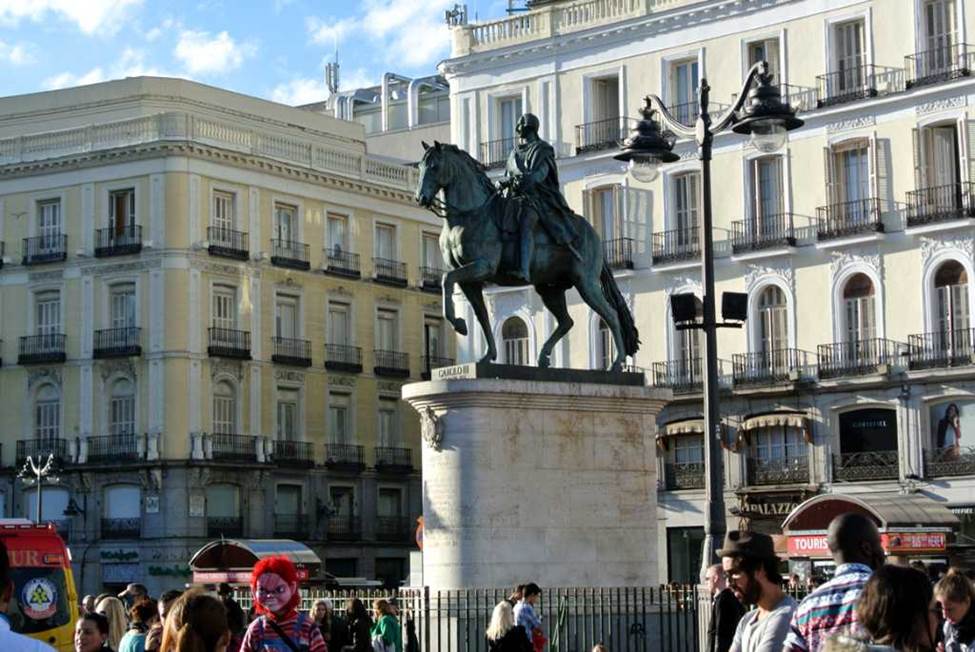
Photo by author, 2013
Many of the historic buildings in Madrid today were built during his time. As an enlightened monarch, he restored Spain’s national power to some extent. He redeveloped Madrid, which had fallen into disrepair due to the decline of national power, and developed a modern cityscape that still remains today.
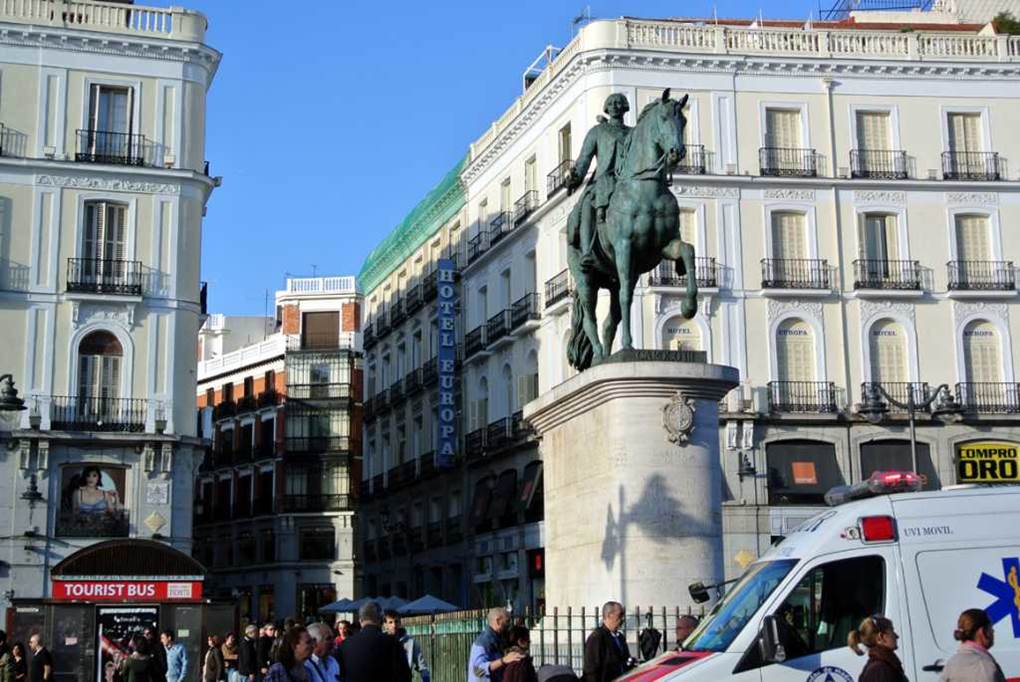
Photo by author, 2013
The square feels like a cross between the Ginza district and Tokyo Disneyland.
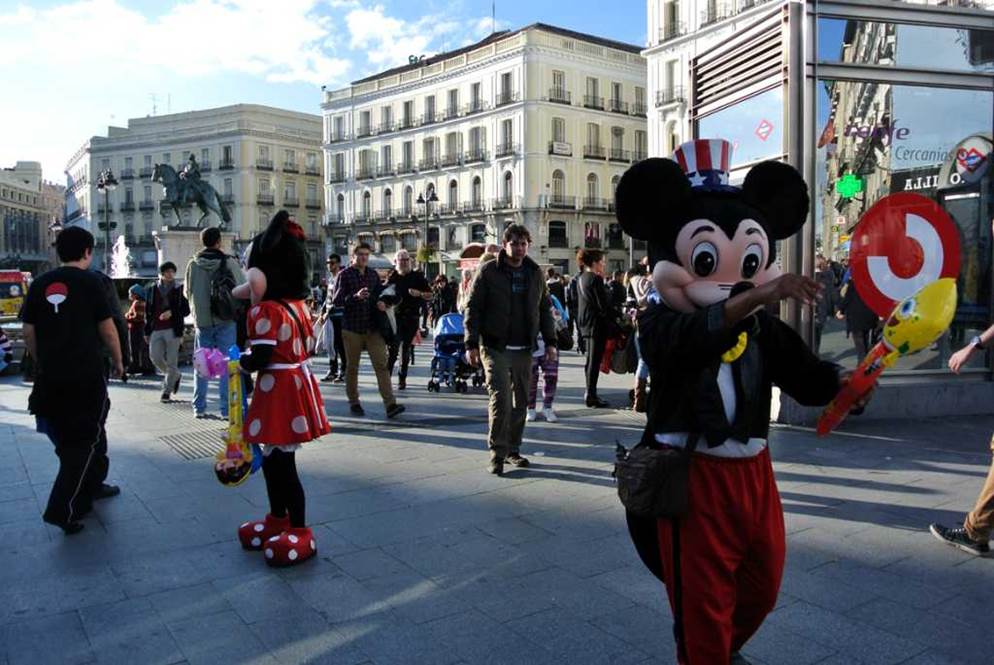
Photo by author, 2013
The entertainment that unfolds in the square includes magicians.
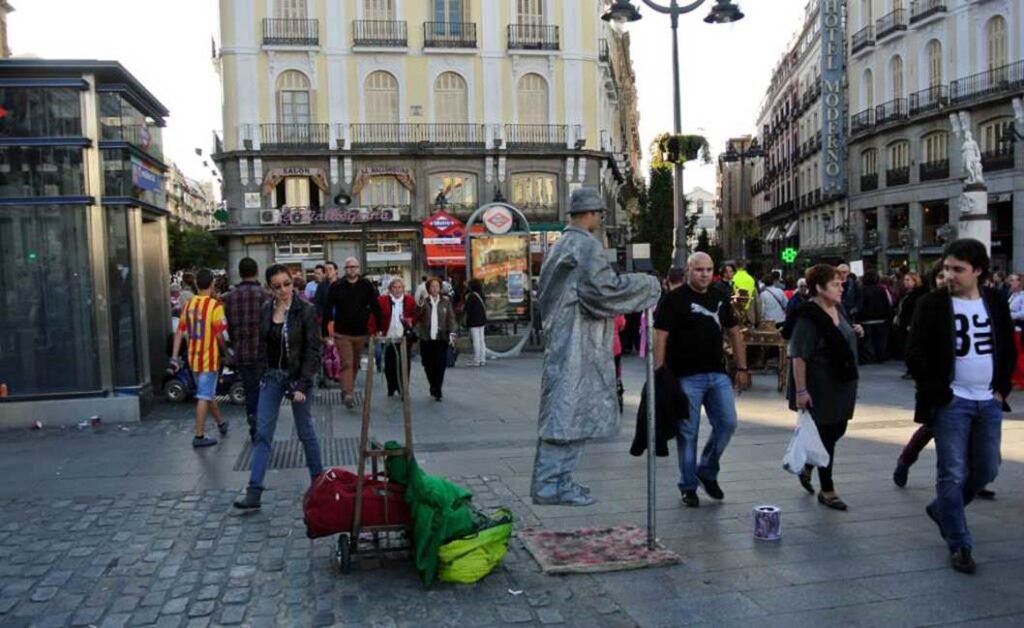
Photo by author, 2013
An electric monster.
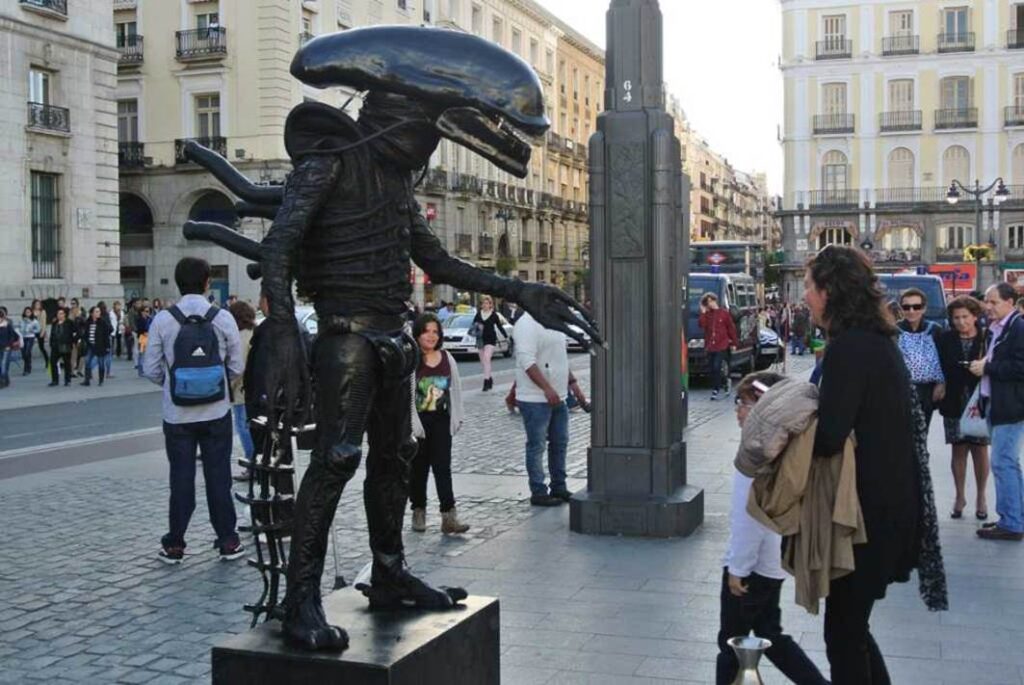
Photo by author, 2013
It’s not a sculpture, but a real human being.
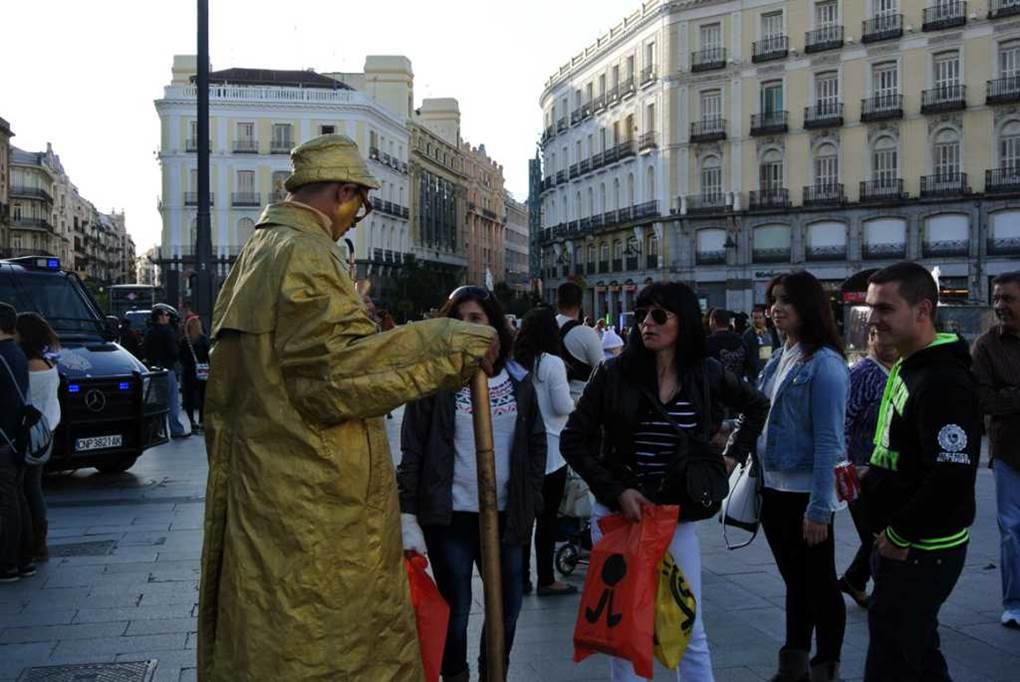
Photo by author, 2013
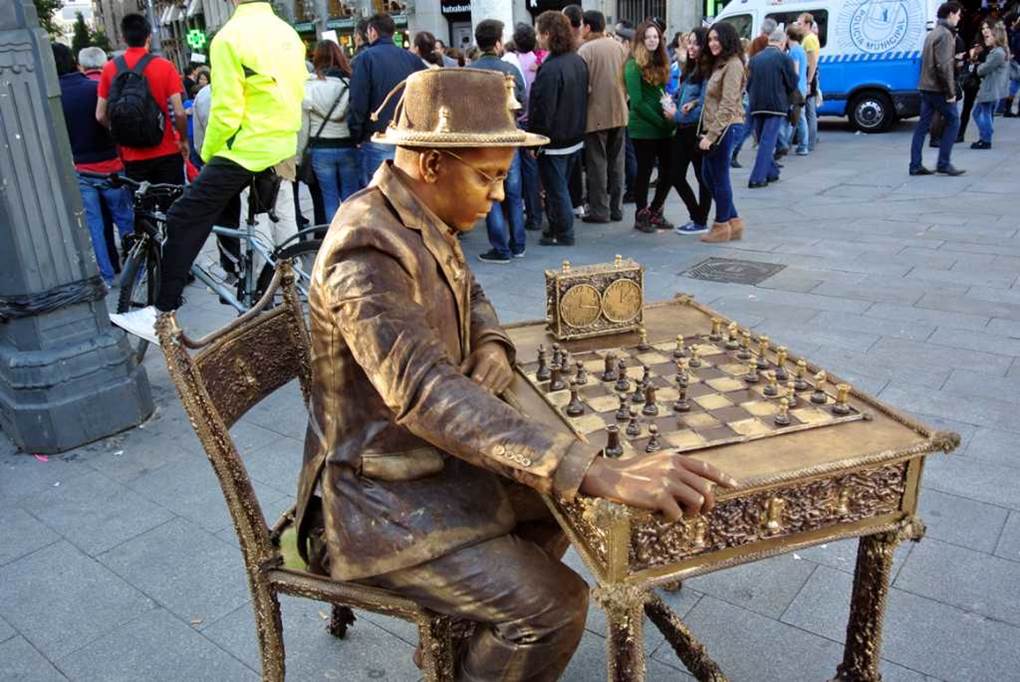
Photo by author, 2013
PLAZA MAYOR
If you walk about 300m west of Puerta del Sol, you will arrive at “Plaza Mayor” without getting lost.
In Spanish, “mayor” means “big.” It is a large rectangular square measuring 129 m long x 94 m wide, surrounded by a four-storey building built in the 17th century.
It has long been a transport hub and commercial centre, and it is said that the first market in Madrid was located here as early as the 15th century.
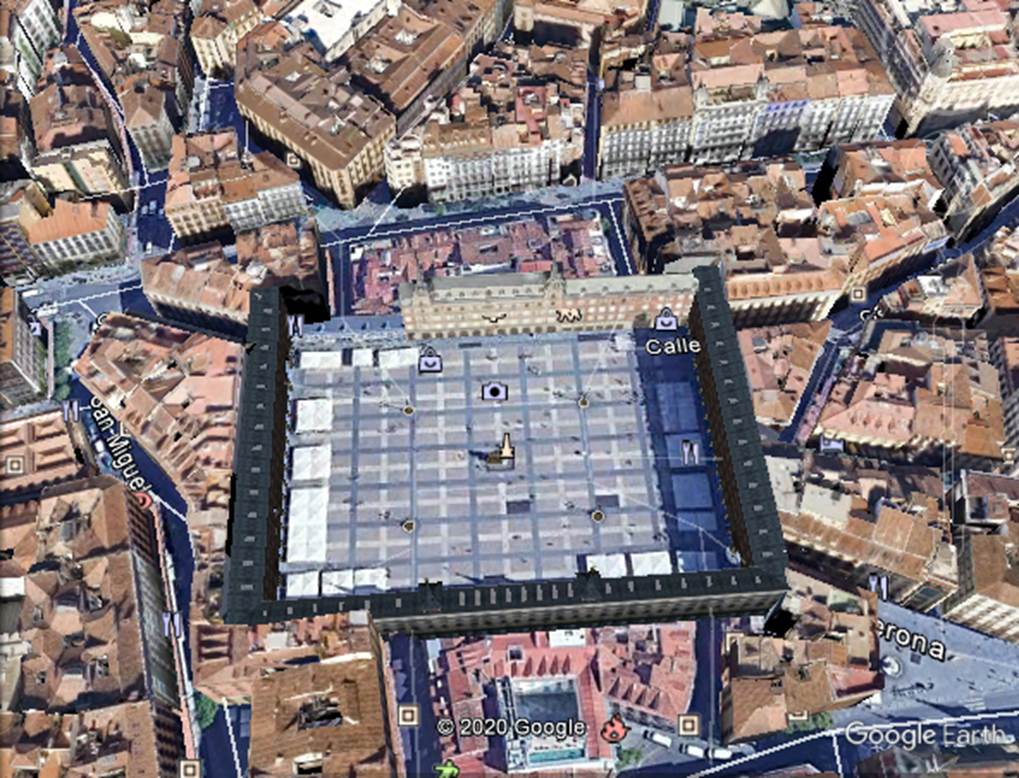
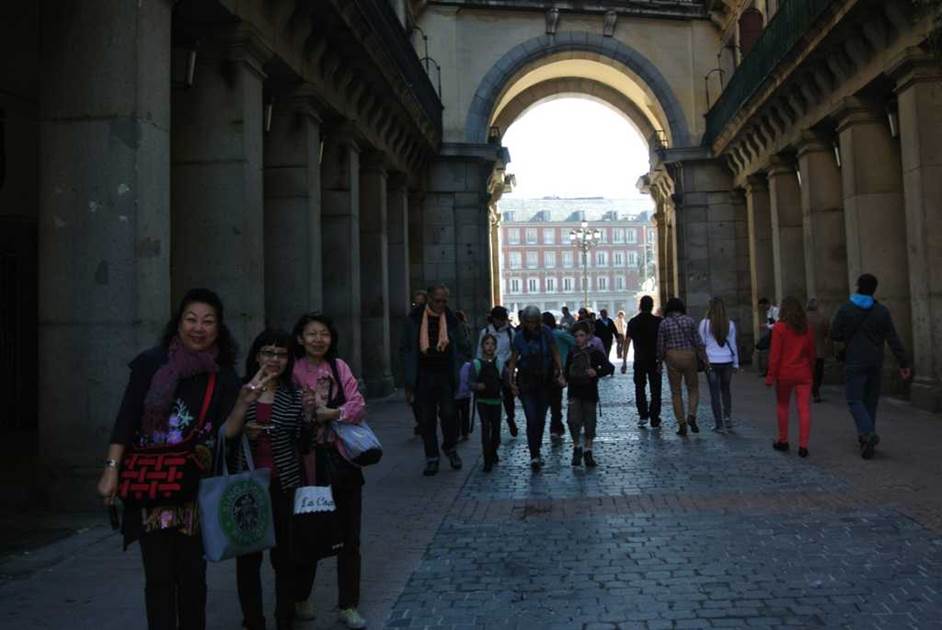
To enter the square, you enter through a passage similar to the one below where some of the enclosed buildings are located. Once inside, you’ll find yourself in a 17th-century era secluded from the hustle and bustle of traffic in the outside world.
The prototype of the current square was designed by architect Juan de Villanueva and completed in 1854. In the past, not only royal ceremonies and festivals, but also bullfights, religious inquisitions, torture and burning were held.
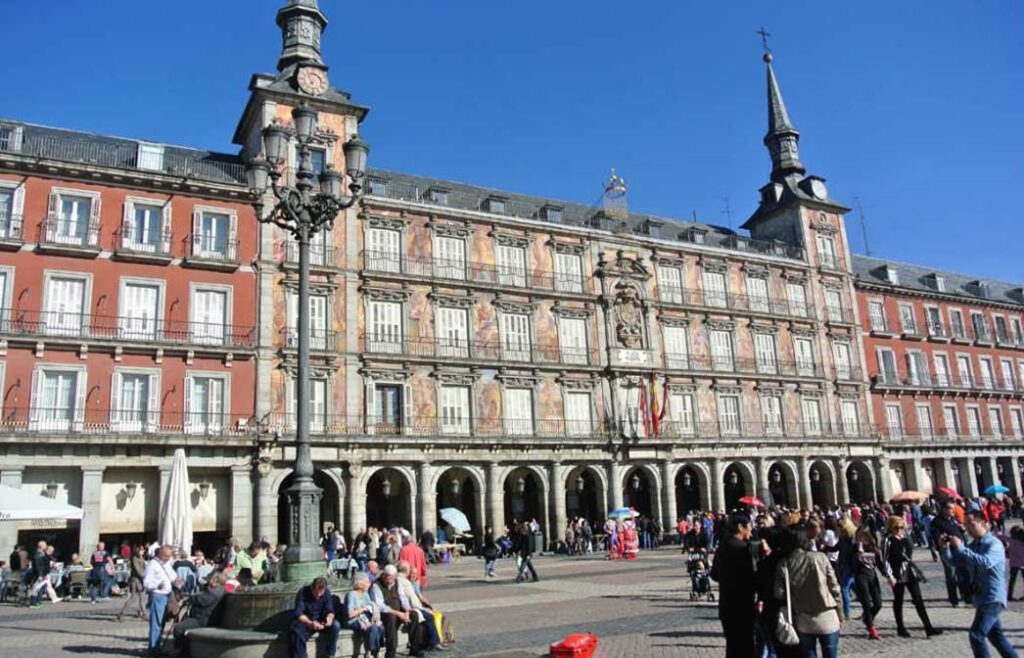
Photo by author, 2013
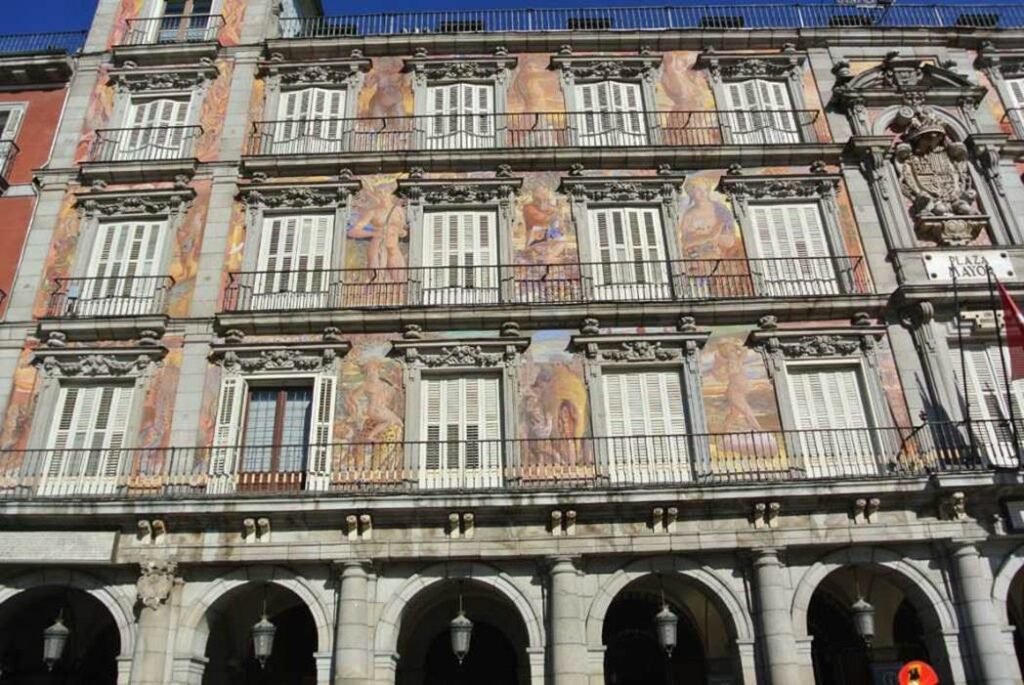
Photo by author, 2013
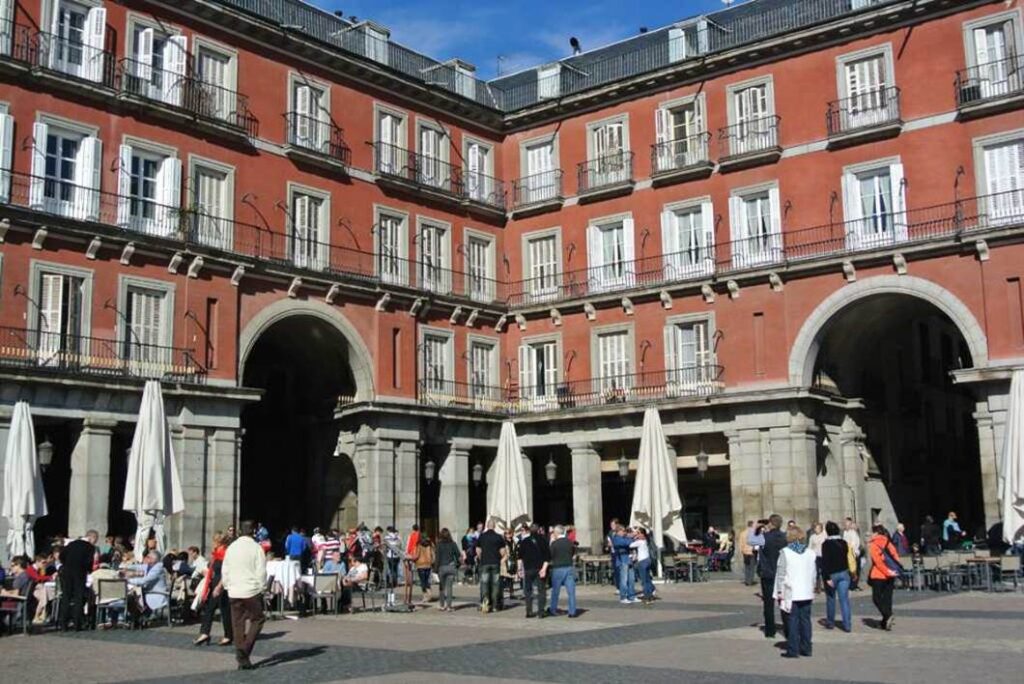
Photo by author, 2013
Equestrian statue of Philip III
In the middle of the square is an equestrian statue of Felipe III (1578-1621). He was king of Spain, Naples, Sicily and Portugal.
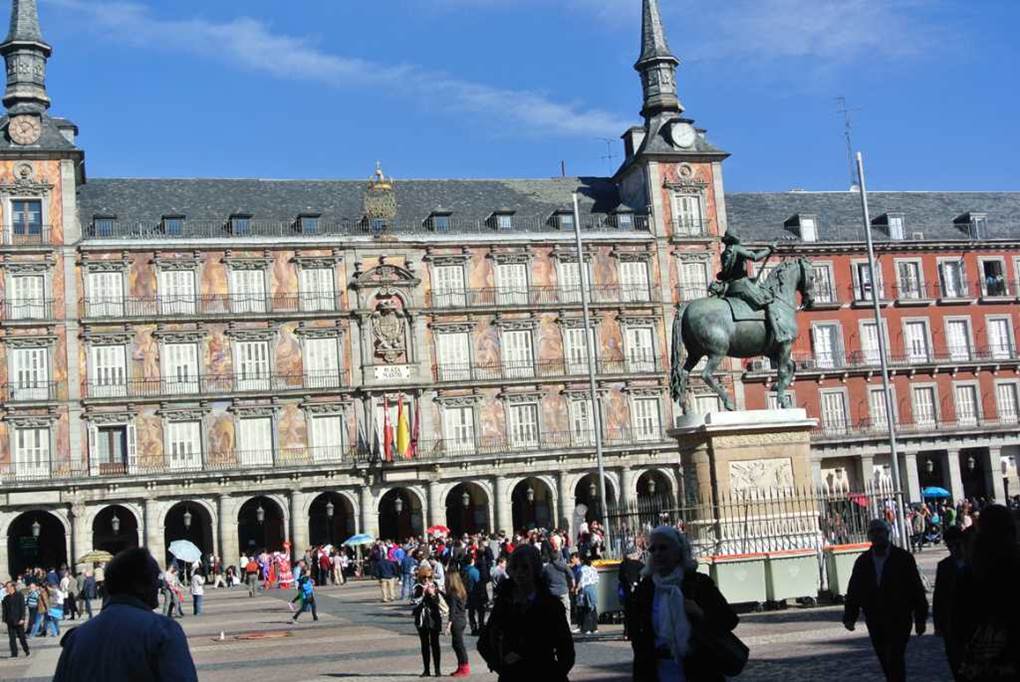
Photo by author, 2013
Upon some research, I found that there was an important connection between Spain and Japan. Philip III met with Tsunenaga Hasekura and other members of the Keicho Embassy to Europe in 1615. The Keicho Embassy arrived in Spain, the world empire at the time, via Mexico. They then travelled overland from Madrid to the Vatican in Rome and met with the Pope.
King Philip III and the Western Clock, an Important Cultural Property of Japan
In the 16th year of Keicho (1611), King Philip III of Spain gave a Western-style clock to Tokugawa Ieyasu as a token of gratitude for his rescue at sea. The clock is kept as a sacred treasure at Kunoyama Toshogu Shrine and is designated as an important cultural property of Japan.
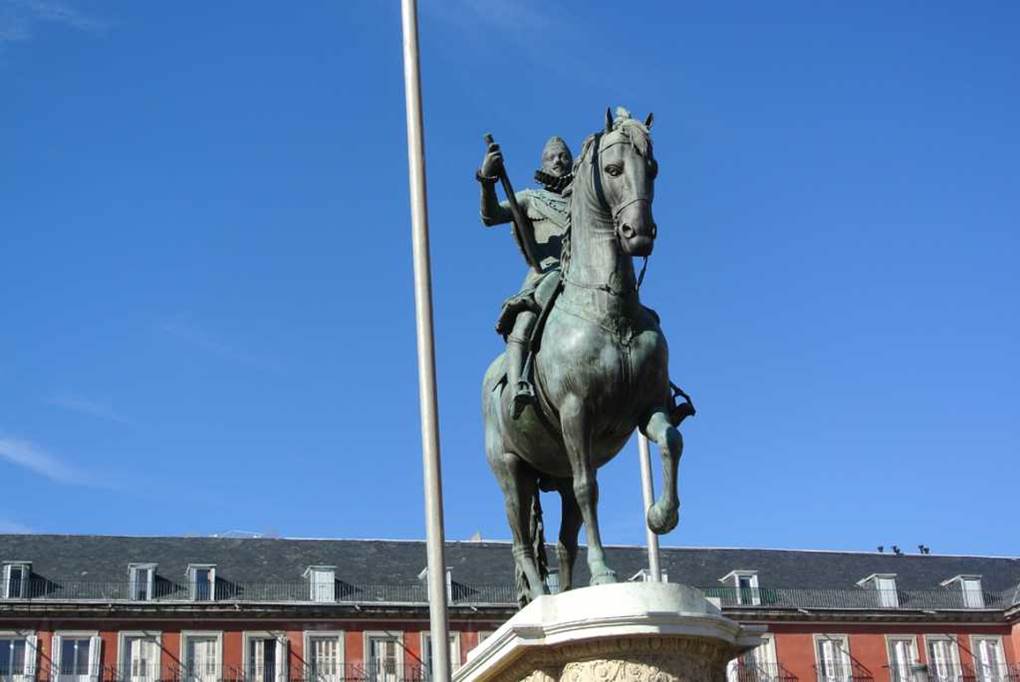
Photo by author, 2013
Two comedians, a man and a woman. The woman is holding a Japan fan. You can see the enterprising mood of Spain at the time, which was one of the first to adopt Oriental culture during the Age of Discovery.
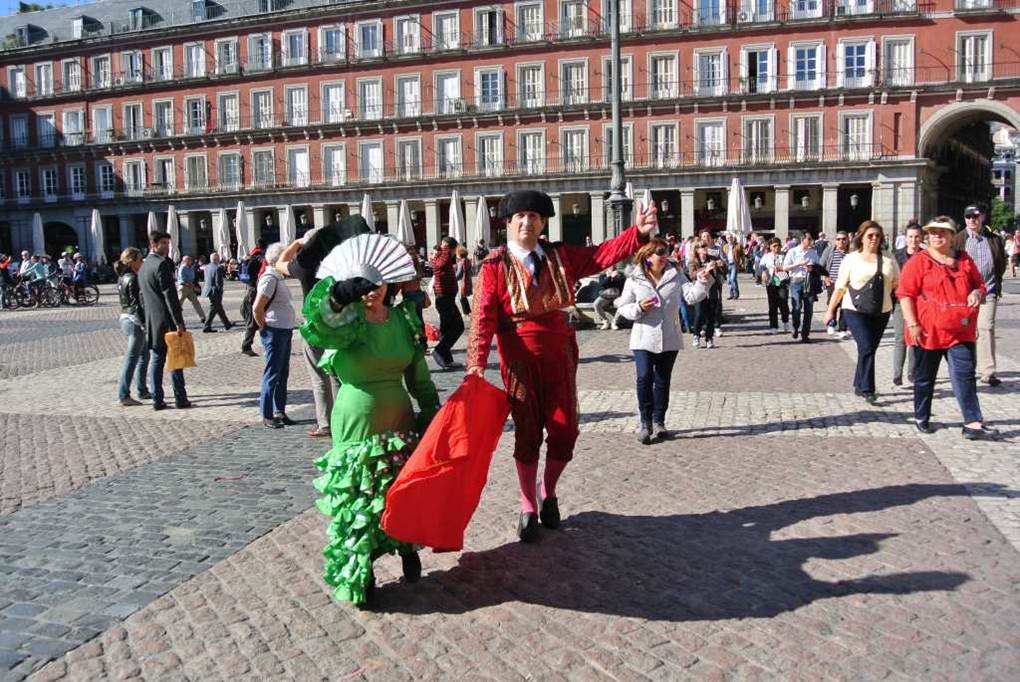
Photo by author, 2013
There are also tourist’s photo stand located in the middle of the square.
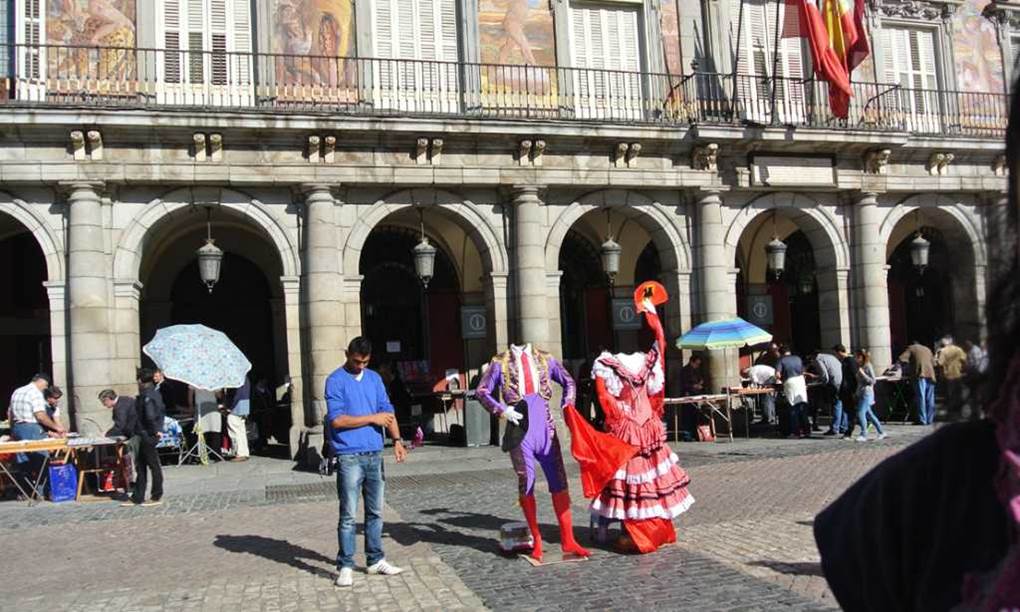
Photo by author, 2013
There are many art shops around the square, and the atmosphere is fun.
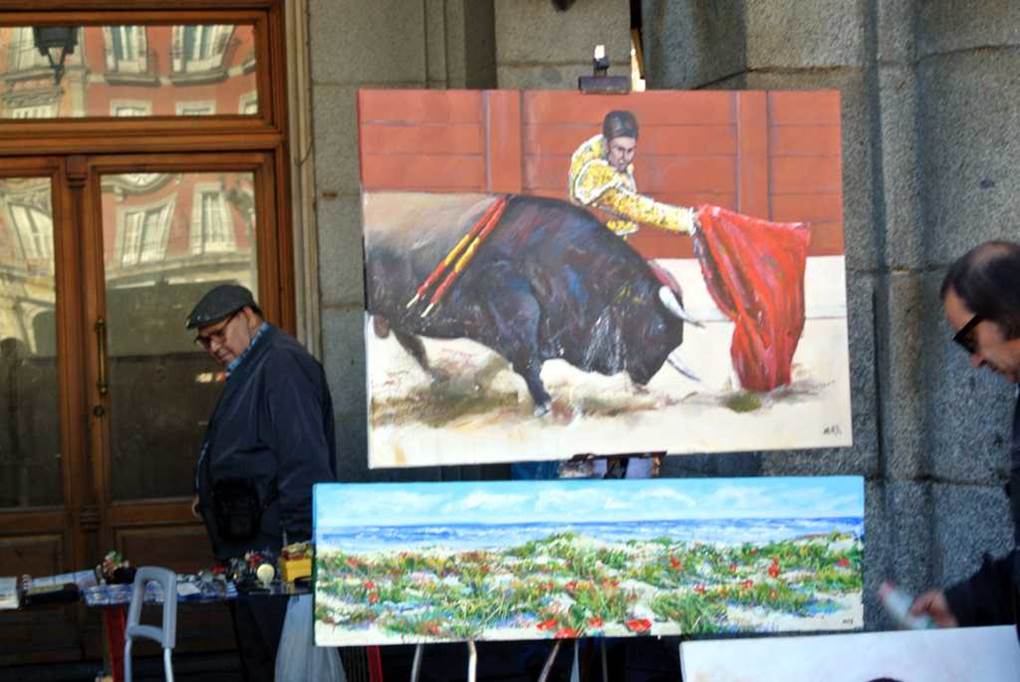
Photo by author, 2013
All photos taken by author, Oct 2013