JAP | ENG
Long-term stay in Brazil #6/15
Business trip to the Inland
Overseas Travel, 1962
A business trip to the interior of São Paulo state, my first flight experience
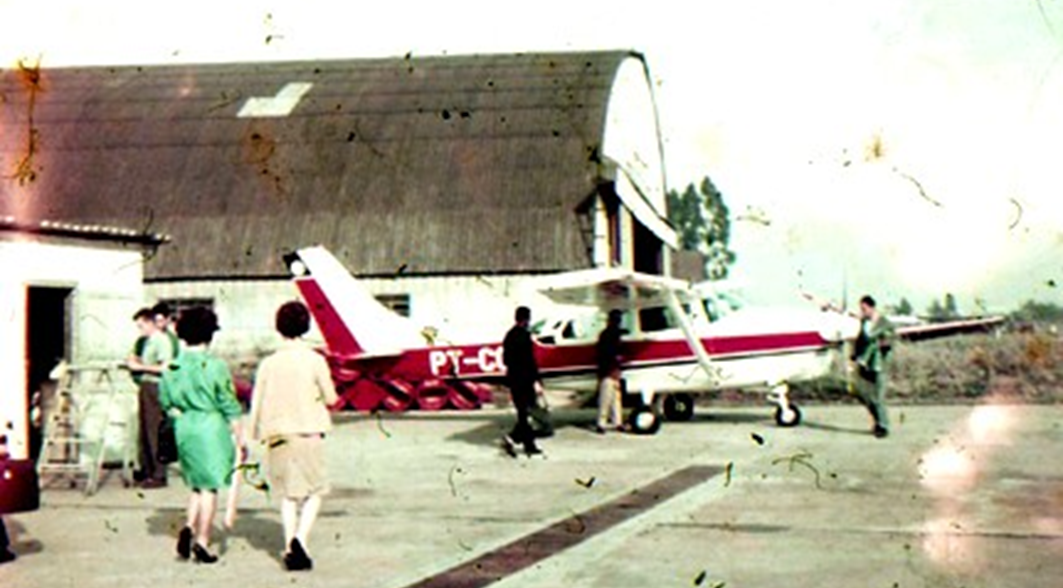
Photo by author, 1967
Following the instructions of the president of the architect’s office where I worked, I arrived at the military Tiete airfield in the city of São Paulo early in the morning.
The purpose of the trip was to fly directly to a ranch (fazenda) about 500 km inland from São Paulo, inspect the site, and prepare to design a large mansions after returning to São Paulo.
The Cessna plane was already on standby, and this was my first experience of flying, and I was excited.
Below: CESNA 172 on standby.
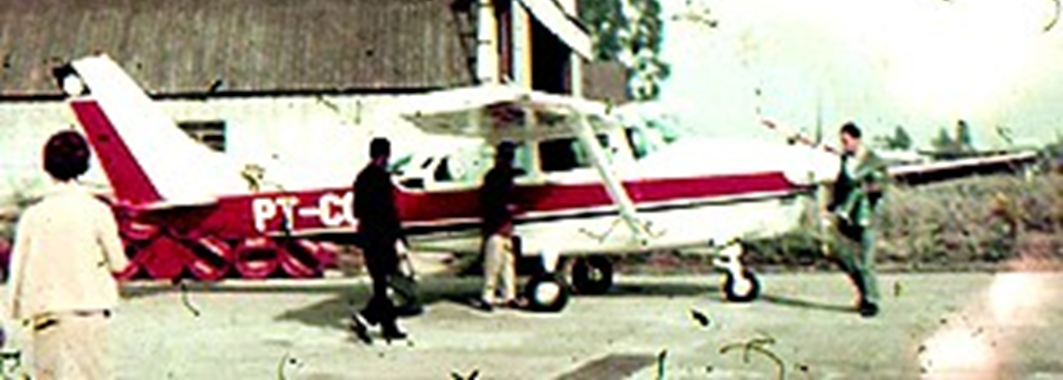
Photo by author, 1967
Because the flight altitude was low, it was possible to observe animal trails from the air. We were cruising. Then, dark clouds started to gather.
The pilot changed the flight altitude.
The Cessna made a spiral dive and entered a windy area below the cumulonimbus clouds.
The pilot told me that since we were flying by visual sight, we had to stay above the clouds and avoid penetrating below the cumulonimbus clouds
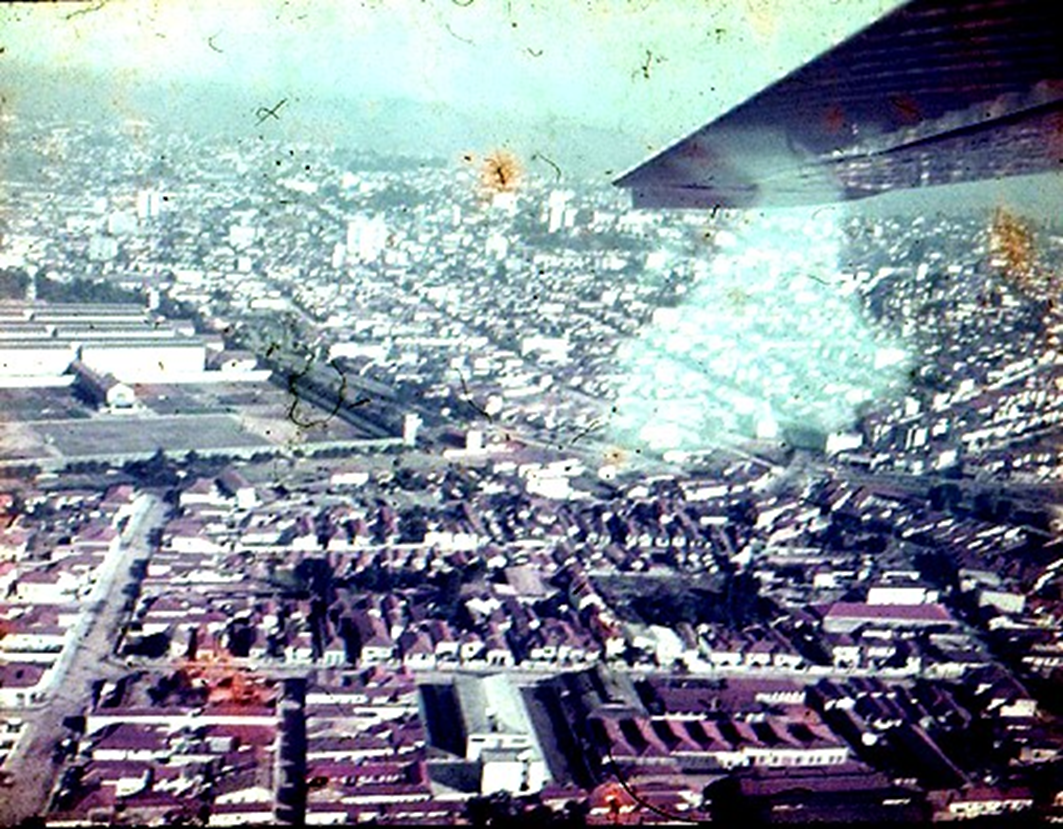
Photo by author, 1967

Aerial view of a provincial city in the interior of Sao Paulo State.
Most of the town looks similar from the aeroplane.
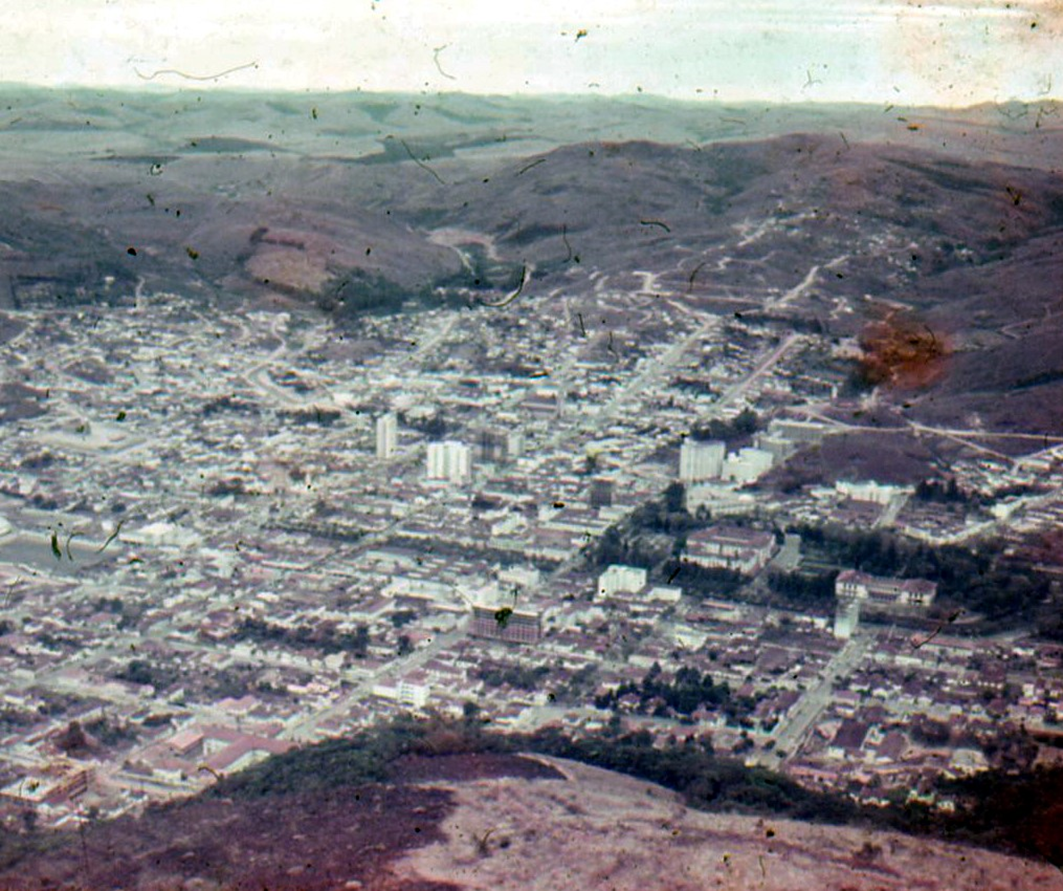
Photo by author, 1967
There was a private airstrip in the Fazenda farm
Arrive at Fazenda, a large agricultural ranch in the interior of the state of São Paulo.
Large Brazilian farms have runways on private land where these small planes can land.
The altitude dropped steadily, and the landing went smoothly.
At the time of touchdown, a weed that grew about 1 meter long slammed into the Cessna’s fuselage.
It was a tense moment, but it was a safe landing.
I was told that these private airfields were also used by ranchers to inseminate cattle and to transport sperm by air.
Entrance to Fazenda Farm.
From here, it’s too far to walk to the facility building.
The owner of this large private estate was a lawyer. I was asked to design a new 20-bedroom and workshop.
There was a map of the farm on the wall behind his desk in the office, and I was looking at it closely.
There was a network of rivers flowing through the property, and I understood the area of this private land beyond my imagination. In Japan, it would be equivalent to the size of one local municipality.

Photo by author, 1967
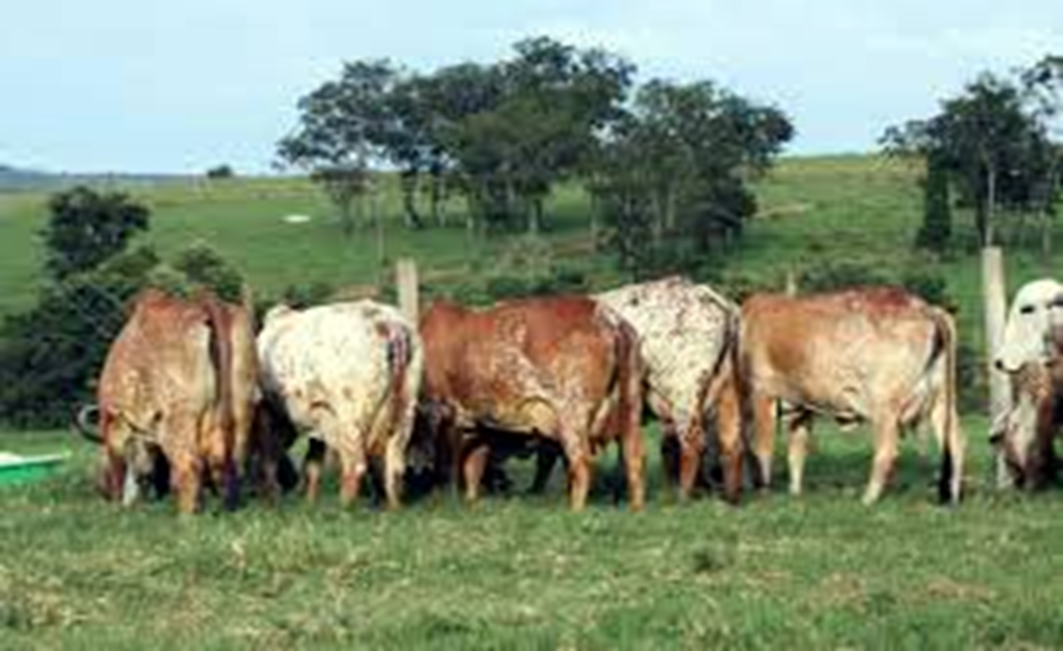
This large private estate is self-sufficient for its agricultural workers.
It has a cattle slaughterhouse, and facilities for producing bread, cheese, butter, and jam, which it ships to the outside world and consumes for itself internally.
It has its own housing, school, hospital, and church.
It has its own school teachers and security, and even has police and judicial powers within its estate.
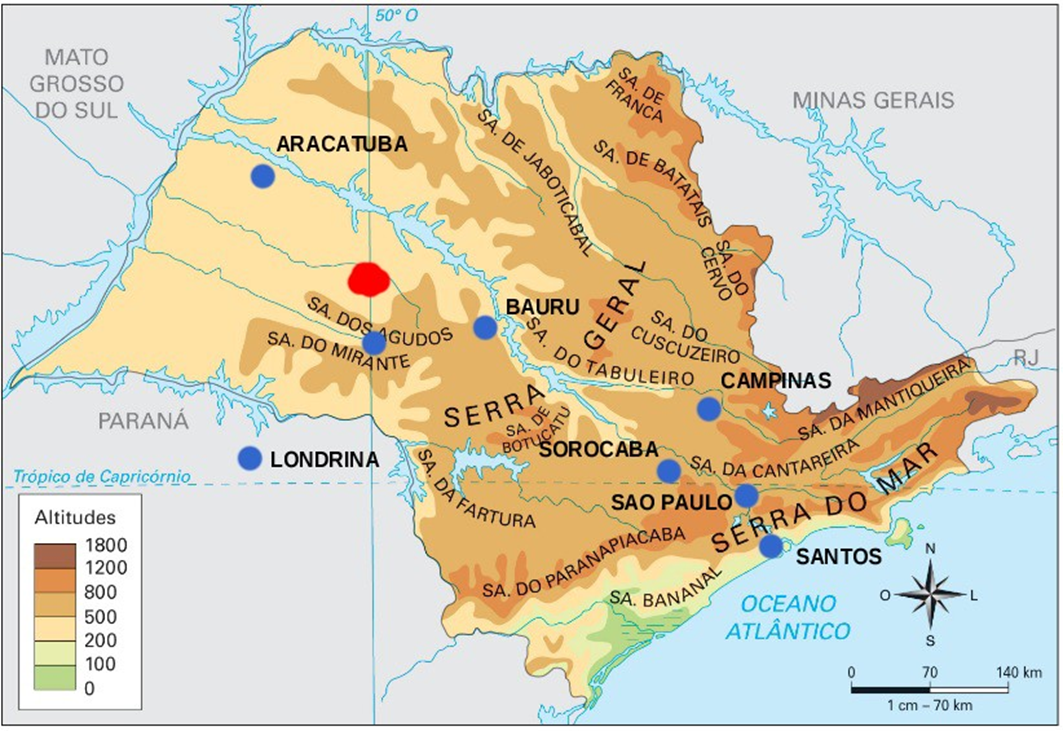
Map of the state of São Paulo.
The position of the Fazenda Farm red circle that I visited. (in red mark) There are many farms of Japanese settlers beyond the blue circle location.
Luz Station, a terminal station that is the starting point for the inland of São Paulo State.
On the way back from this business trip, I returned to this station by train.
Japanese immigrants went en masse from this station to the settlements in the inland before the war.
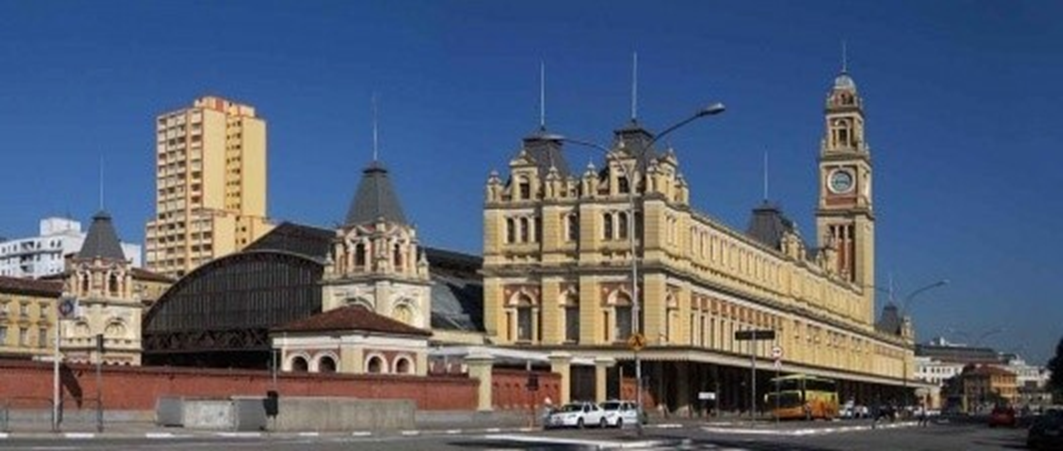
São Paulo’s terminal station Luz Station
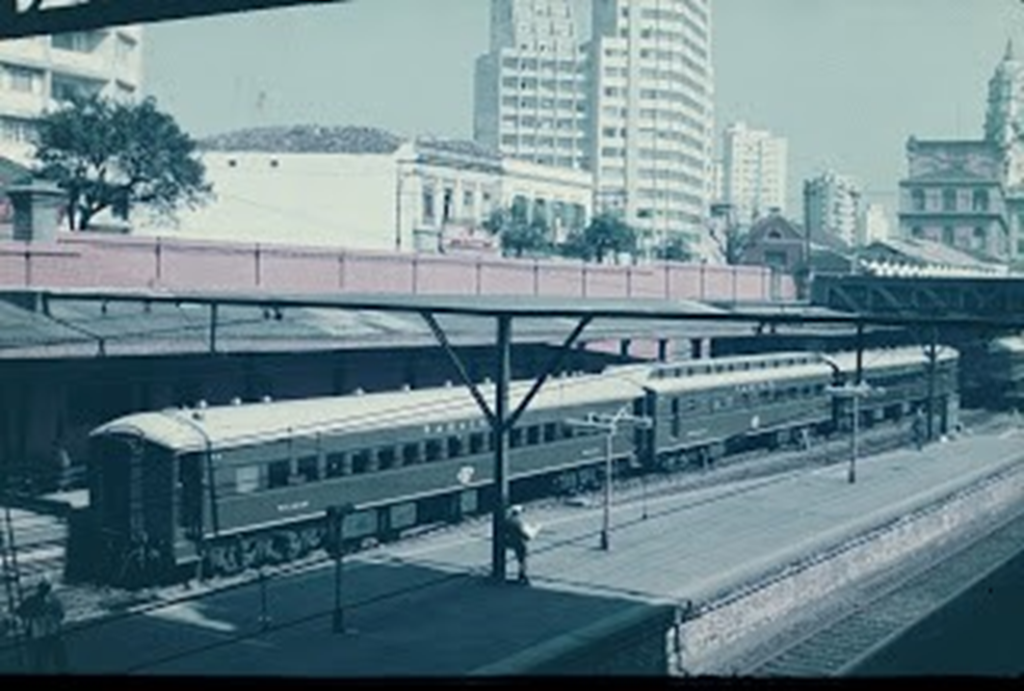
São Paulo’s terminal station Luz Station
Photo by author, 1967
My second business trip by plane was by DC3.
Then the engine trouble happened and we had to make an emergency landing!
This was my second trip by air, and I was commissioned to design a shopping center in Columba, Mato Grosso, a border city with Bolivia.
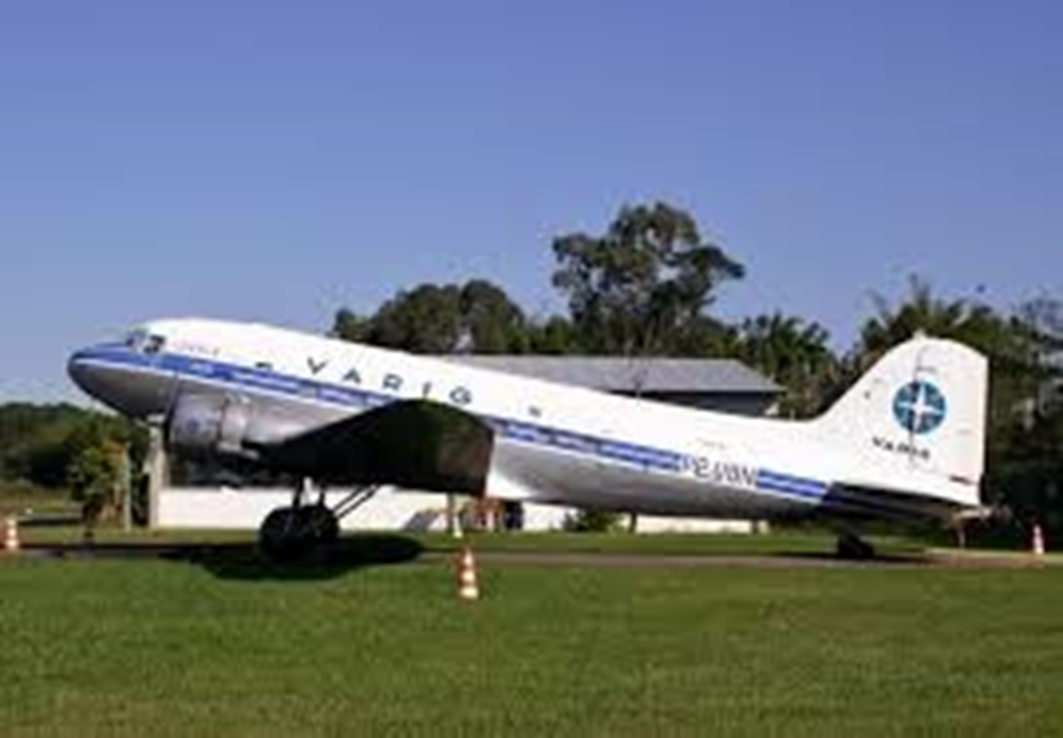
Brazil Varig Airlines DC3
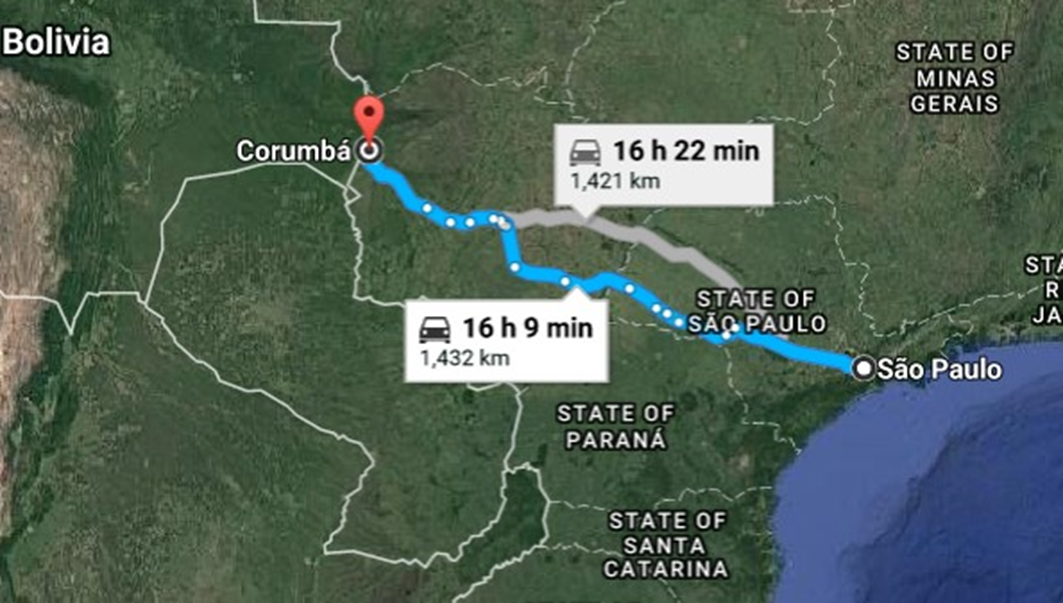
Columba, Mato Grosso
The cockpit of the DC3. They gave me permission to take pictures.
It was a peaceful time when there was no fear of terrorism.
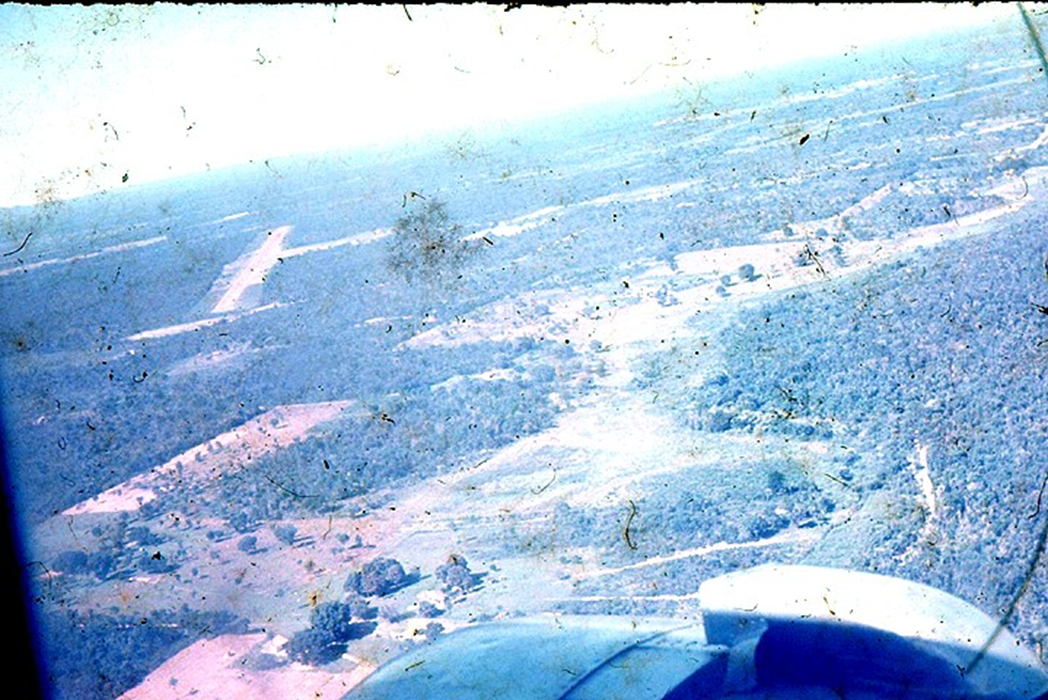
During an emergency landing Photo by author, 1967
The DC3 aircraft had an emergency landing because one of its propellers has come to a standstill. The upper left of the photo shows Alaçatuba Airport, 500 kilometers from São Paulo. We were less than halfway to our destination, Columba City.
And a safe emergency landing
In the waiting room of Arasatuba Airport, where I crash-landed, I was chatting with a passenger about this rare experience when an announcement was made for a special flight.
A caravelle plane was arranged from São Paulo to connect flights to the destination.
The Caravelle was a new type of short- and medium-haul aircraft developed and manufactured by France at the time, with a jet engine located behind the fuselage. It was a model that demonstrated its power at airports with short runways and was good at stable steep descents, and at that time in the 1960s, it was a very comfortable flight experience compared to other models.
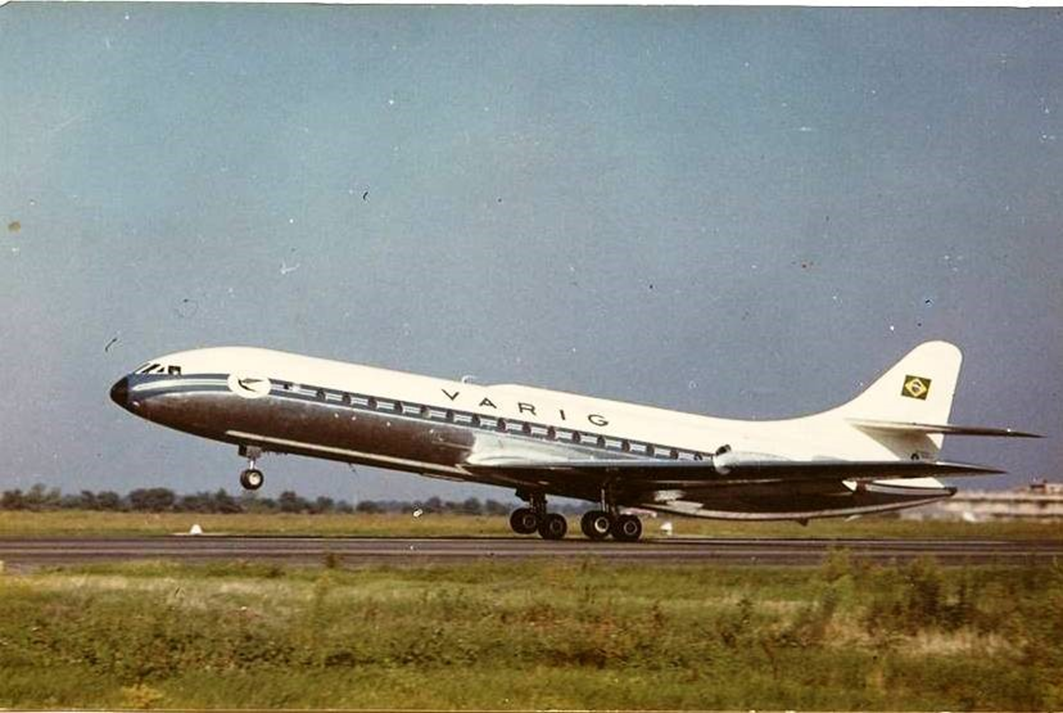
And then came the caravelle machine. CARAVELLE 1 1959
Columba is a border town
On the border between Brazil and Bolivia, the great Paraná River flows.
Upstream is the World Natural Heritage Site, the Pantanal of the Great Wetland, where crocodiles roam.
After work, I went to the riverbank and took a picture with the fishermen who harvested the river fish.
The second person from the left was a second-generation Japanese-Brazilian structural engineer who accompanied me from São Paulo and helped me out in many ways.
Columba City, Mato Grosso
Brazil’s hinterland, on the banks of the Paraná River
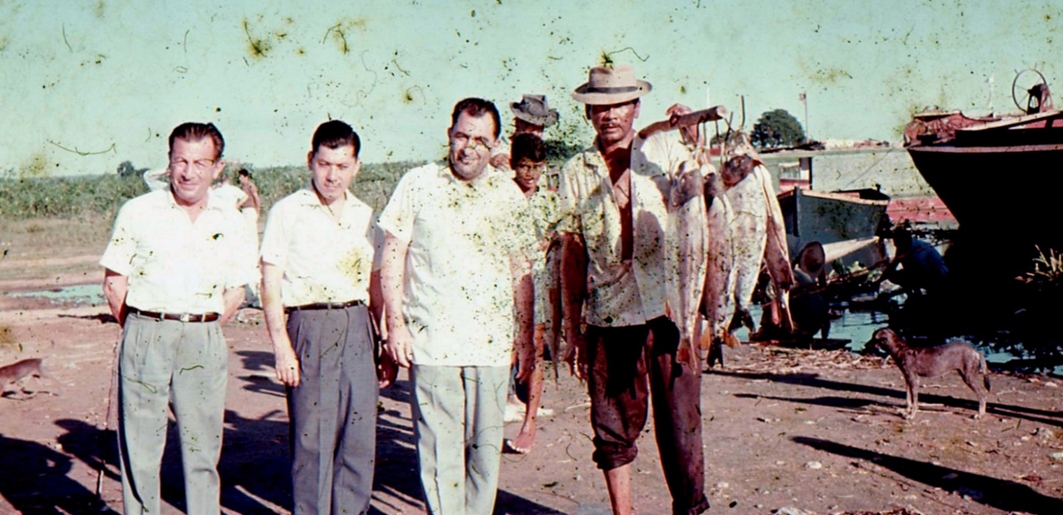
Photo by author, 1967