JAP | ENG
India Travelogue 1989
#3/26
Mumbai
In February 1989, I flew from Madras (now Chennai) to Bombay (now Mumbai) for the first time. The flight was on a Russian-made Air India plane, and Russian guide signs were still in place inside the plane. At this time, before India-US relations became closer after 1993, it was clear that India was still on the path of socialism.
In 1989, Singapore was already overflowing with Japanese tourists, at a time when India, a large country with a wealth of world heritage sites, statistically had much fewer foreign tourists than Singapore.
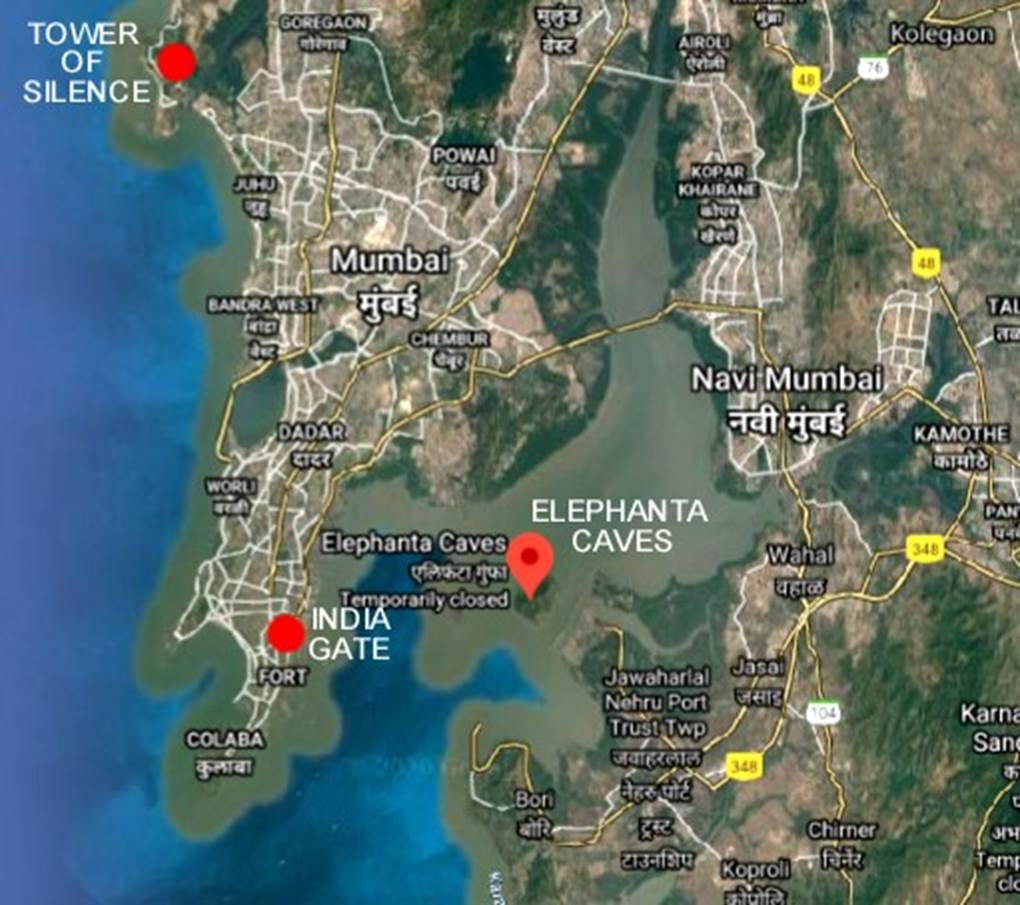
India Gate to Elephanta Island
Below: Positional relationship between the India Gate and the Elephanta Caves.
Boats dock at the pier at India Gate for tourists and locals to transport by sea.
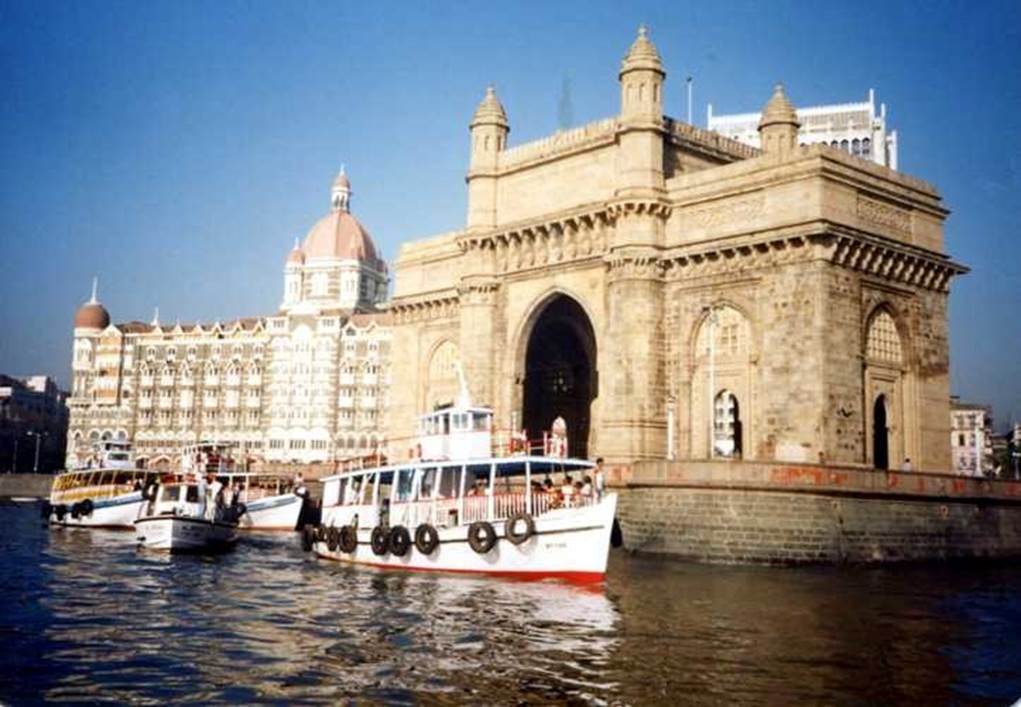
Photo by author, 1989
India Gate and to the left of the Taj Mahal Hotel, a luxury hotel.
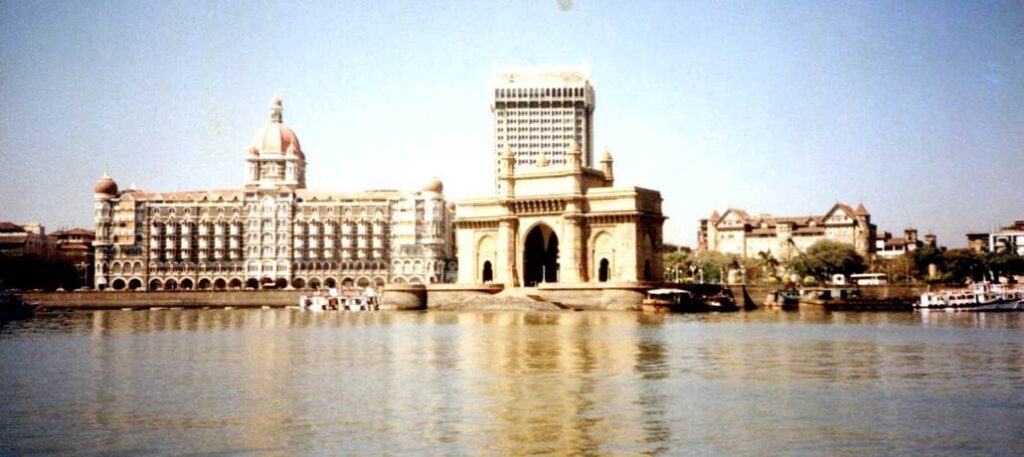
Photo by author, 1989
From the wharf of India Gate, our guide took us to Elephanta Island, 11 kilometers off the coast of the bay. It is an inland sea of the Arabian Sea, the waves are quiet and the winter breeze of India is pleasant.
Many seagulls circling above in search of food.
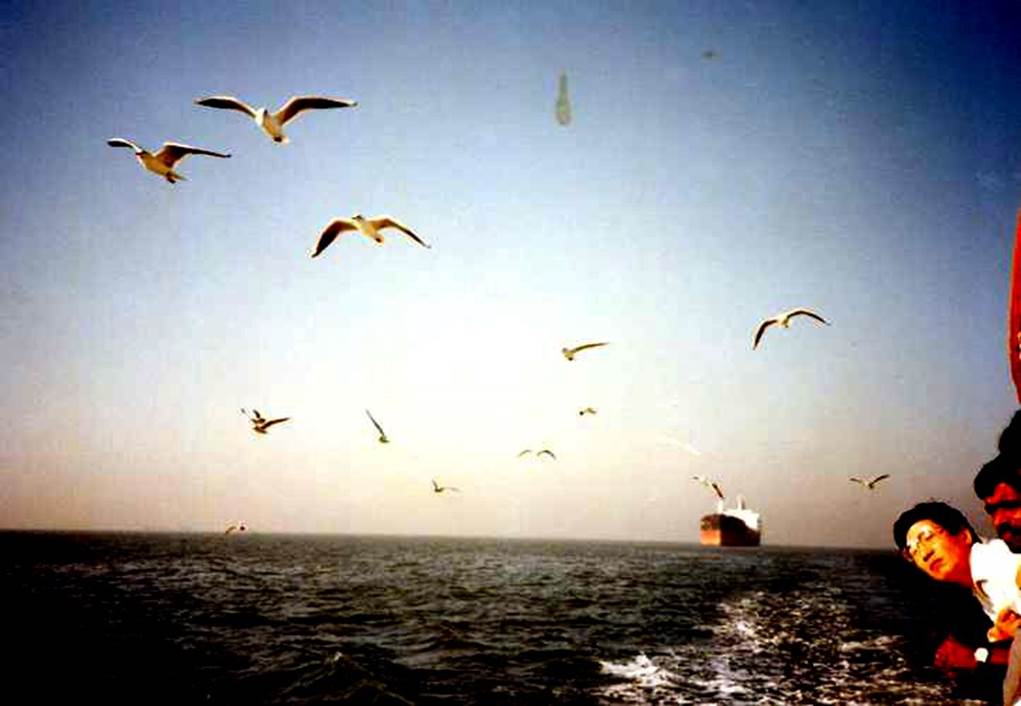
Photo by author’s guide
Cargo ship wharf on an island on the way.
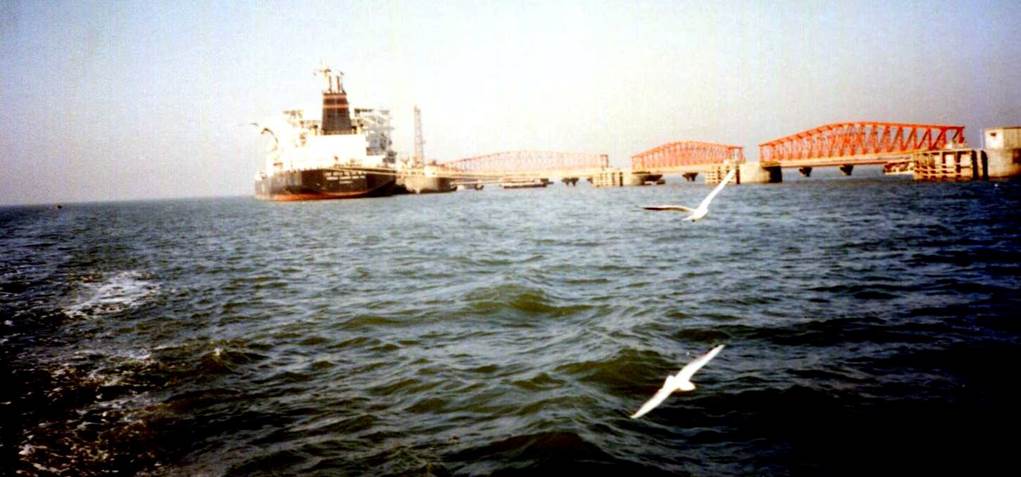
Photo by author, 1989
Elephanta Caves World Heritage Site
Just off the coast of the dense urban area of Bombay, this otherworldly city floats on the sea. It was a place where I had no prior knowledge, and my expectations were high.
It is said that this cave temple has existed since the 8th and 9th centuries.
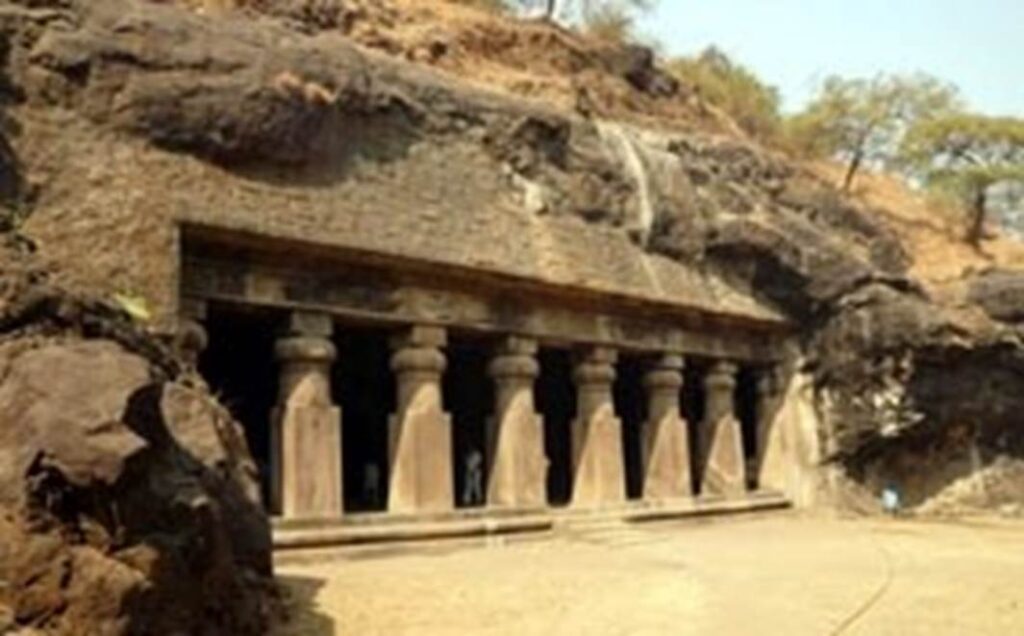
Photo by author, 1989
If the process of quarrying stones, shaping them, and stacking them is called “additive architecture,” then this cave temple can be said to be a “subtractive architecture” made by hollowing out huge rocks, or a sculpture on an architectural scale.
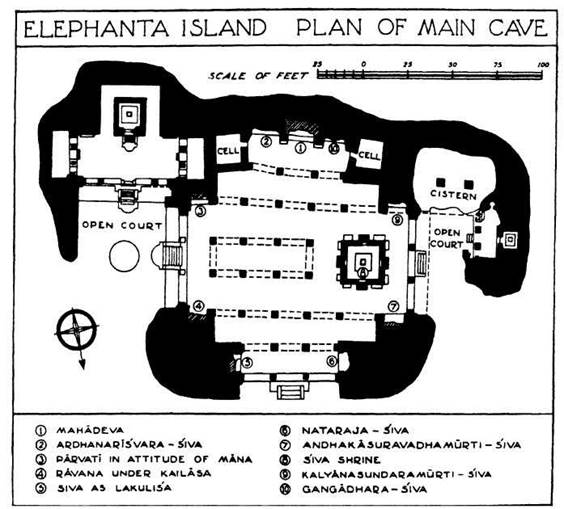
This early Hindu cave temple was very simple, with no gopurams or bathing places for pilgrims that would later be built. It can be said that a powerful space is still alive as a place of fundamental prayer.
The fortunate thing about this religious building is that it was built on a remote island, and it was not involved in external invasions, and it conveys the atmosphere of the era in which it was built to the present day.
On the other hand, Horyuji Temple in Ikaruga, Nara, which is the world’s oldest surviving wooden building, is said to have been built in the 7th century.
It is older than this temple of Elephanta.
When I came here, I was able to understand once again how excellent the architectural technology of the Nara period was at that time.
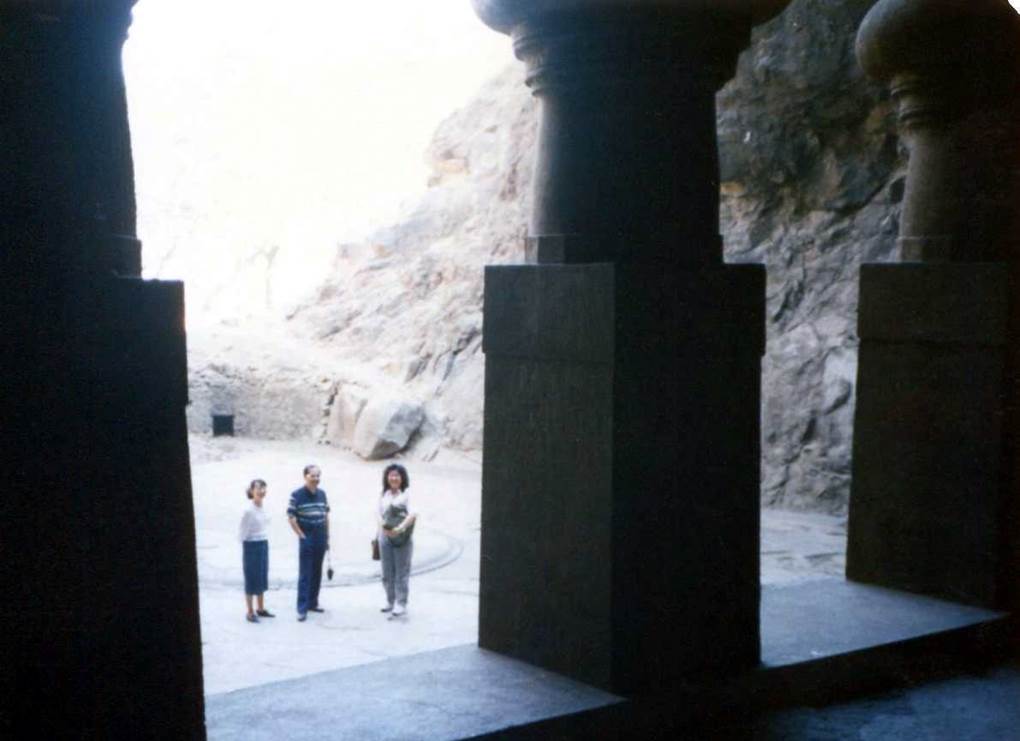
Photo by author, 1989
For this trip, we have a guide with us along. (seated on left)
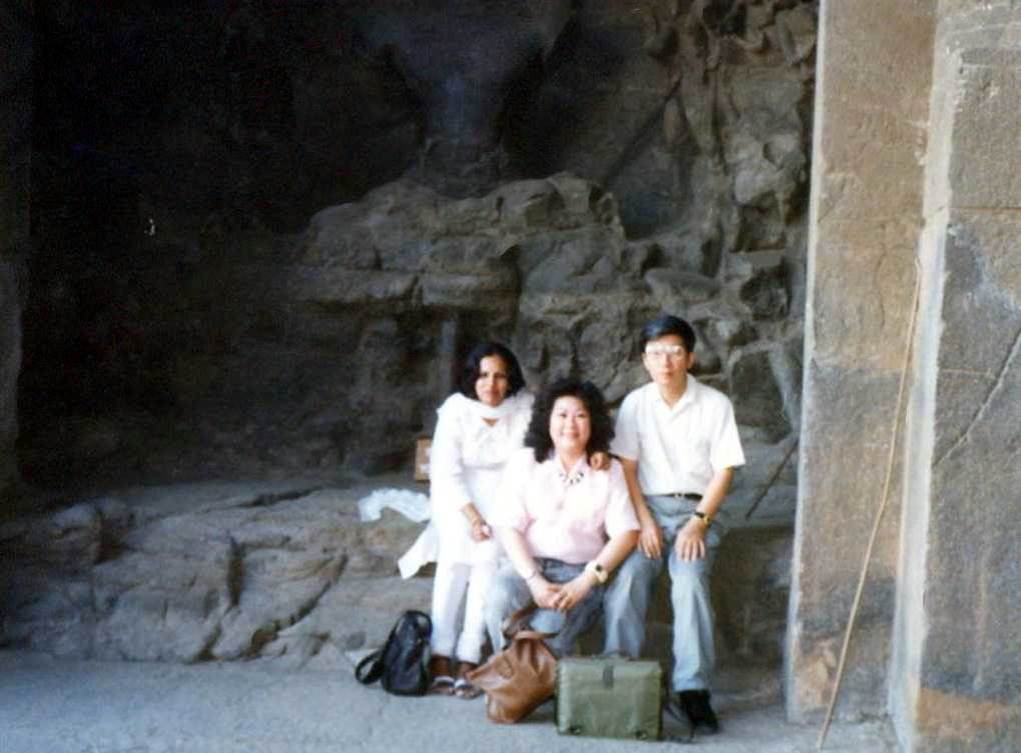
Photo of author and guide
Shiva as a yogi meditating on a lotus flower.
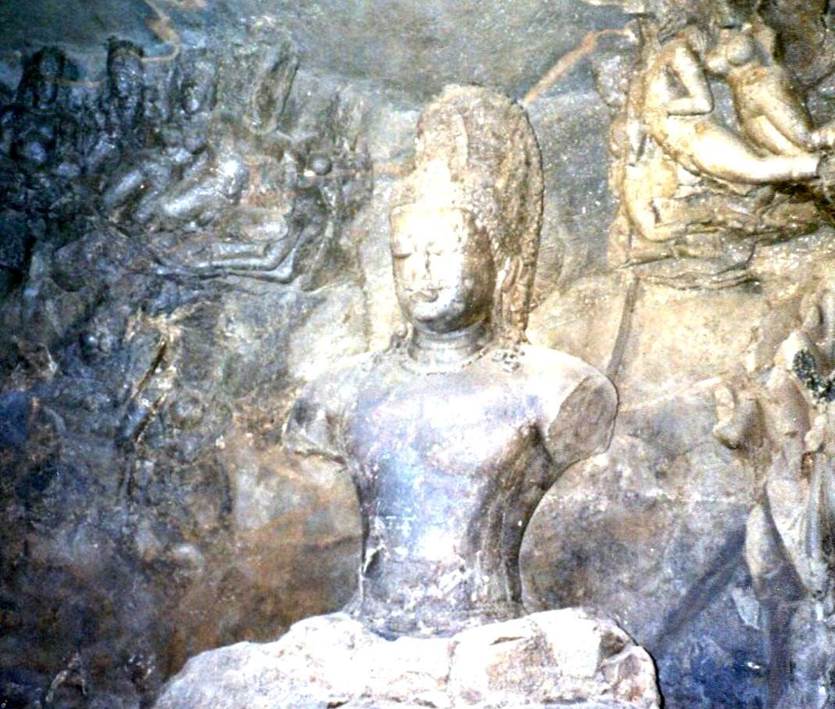
Photo by author, 1989
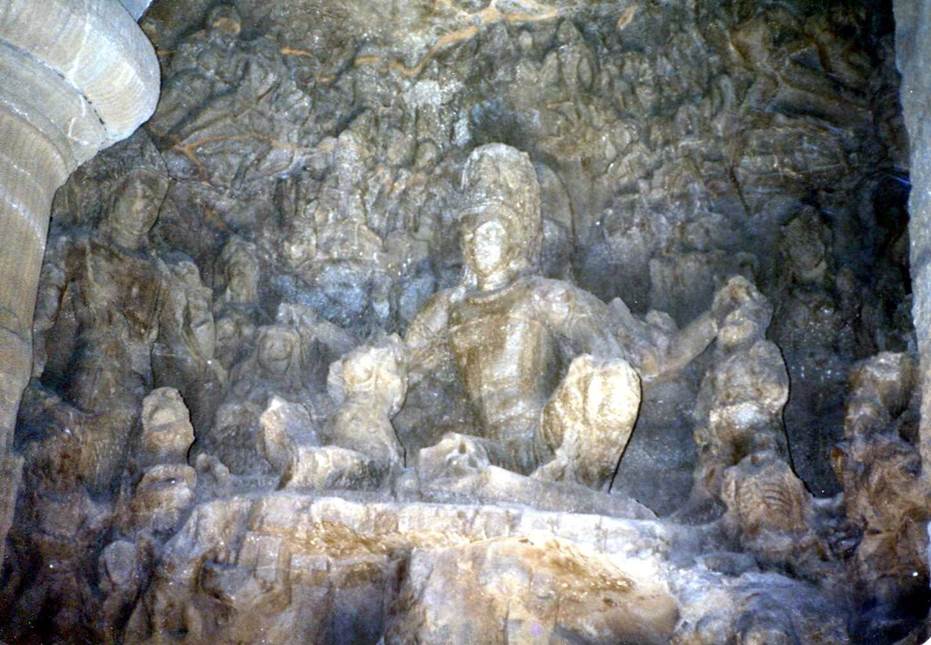
Photo by author, 1989
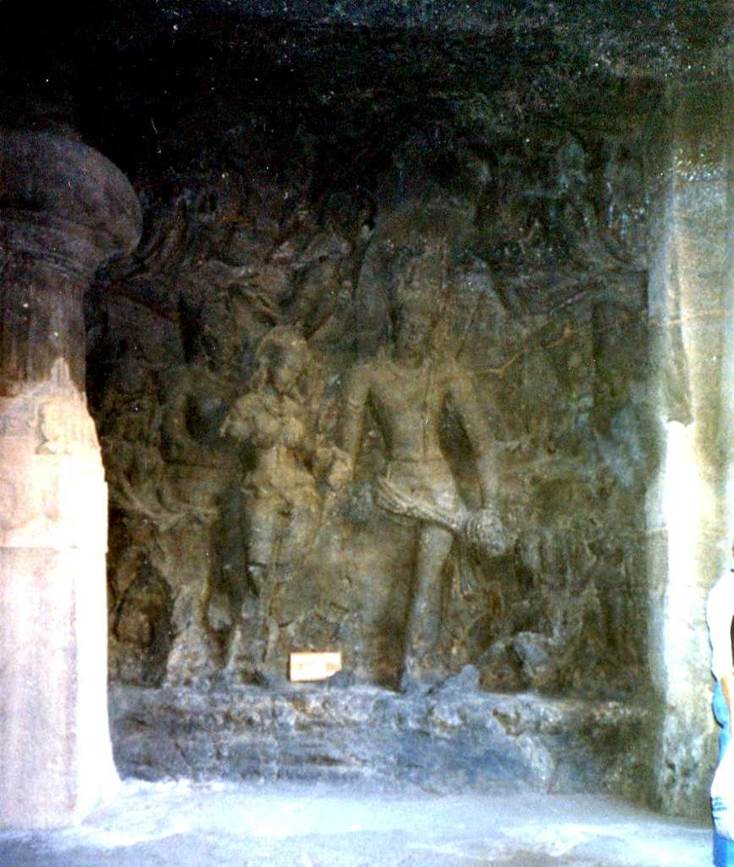
Photo by author, 1989
A temple dedicated to Lord Shiva in a cave temple
A Shiva Linga is housed inside.
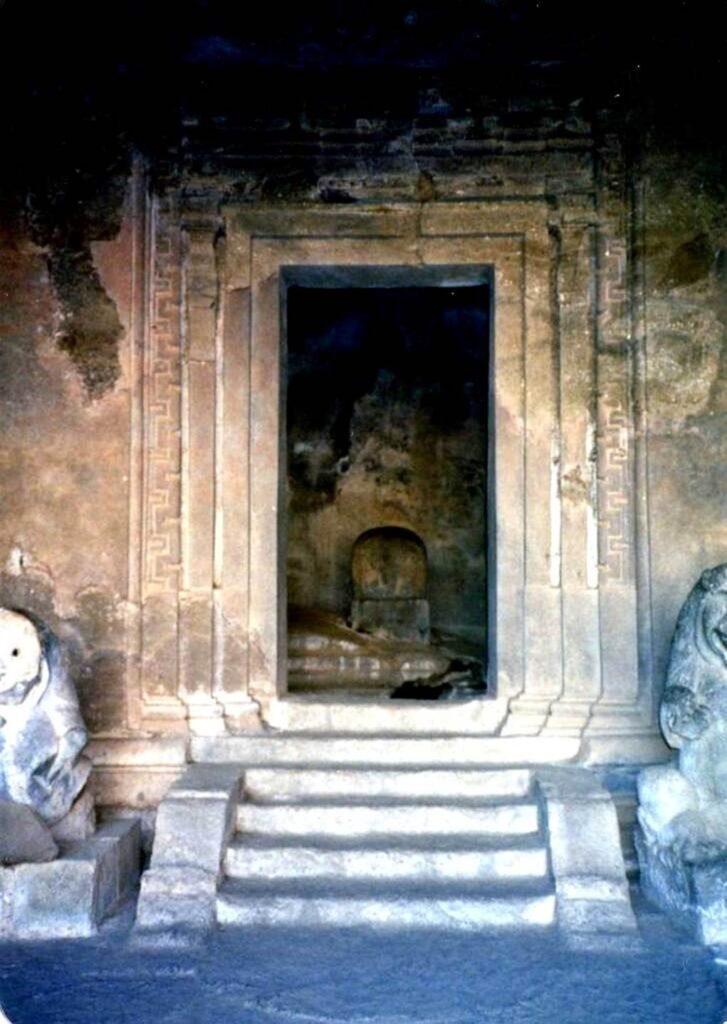
Photo by author, 1989
This sculpture of the Shiva Linga is an abstract representation of the phallus.
The pedestal is called a yoni, and it is an abstraction sculpture of female genitalia.
It is a symbol of fertility in Hinduism and is installed as a symbol of worship in many temples.
Giant Lingua Object of Worship
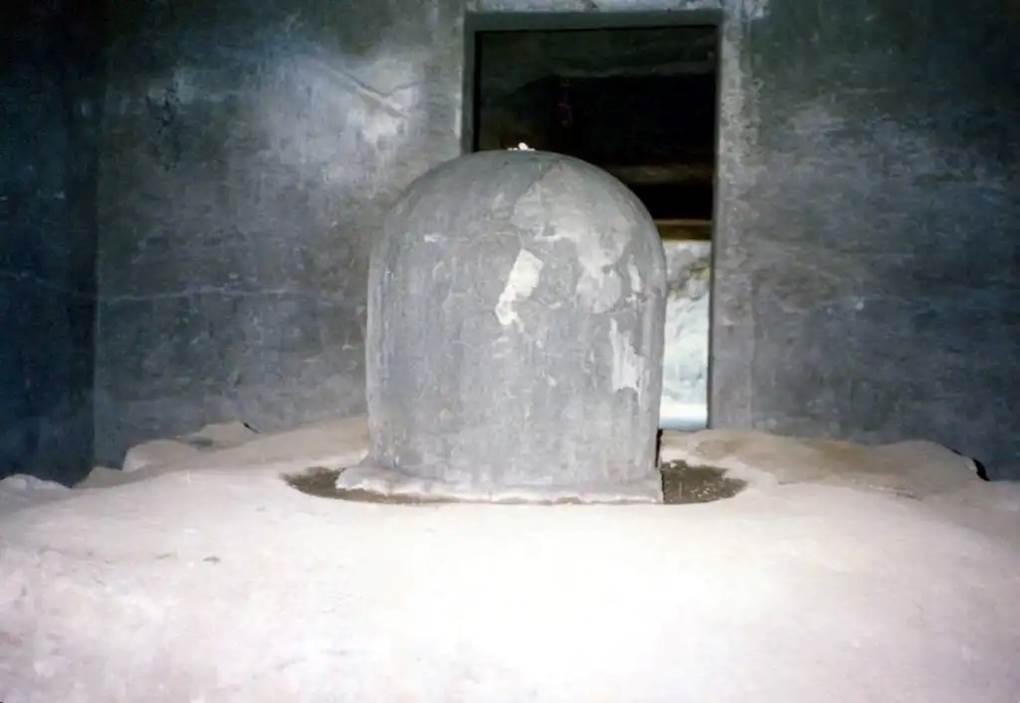
Photo by author, 1989
A single stonemason is diligently carrying out maintenance work.
And eternal time passes.
In this way, the cave temples and their works of art will be passed on.
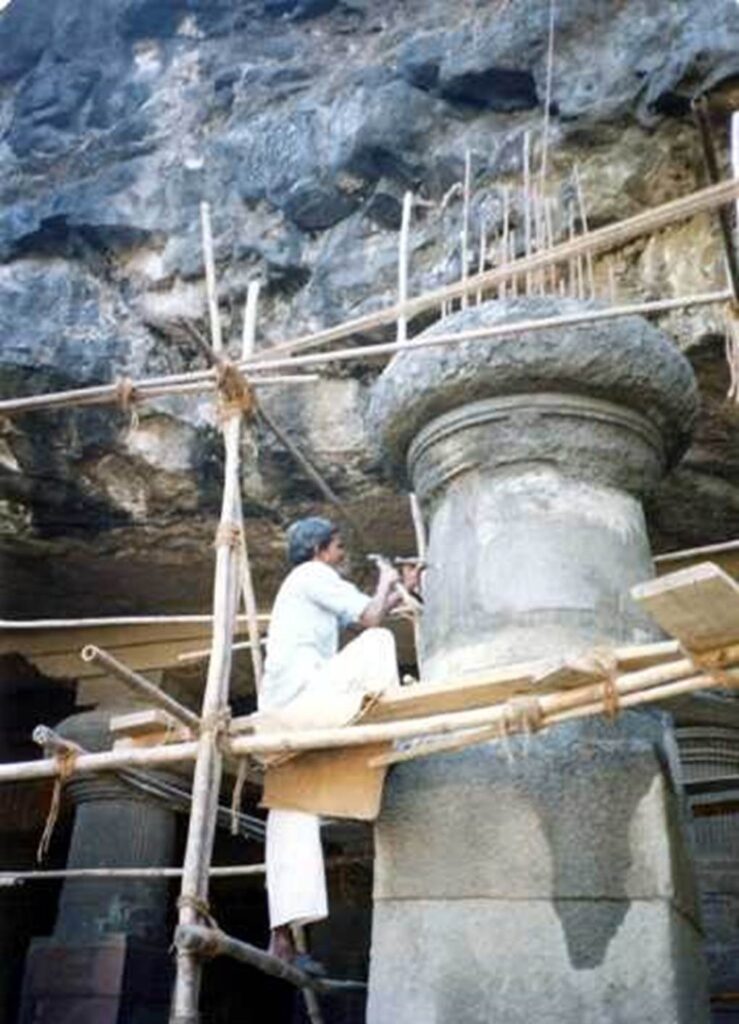
Photo by author, 1989
After the tour, I went out to the outside plaza and met some local people.
They looked cool with the brass water jars on their heads.
They made a great subject for photography.
This was before plastic water jars were widely available.
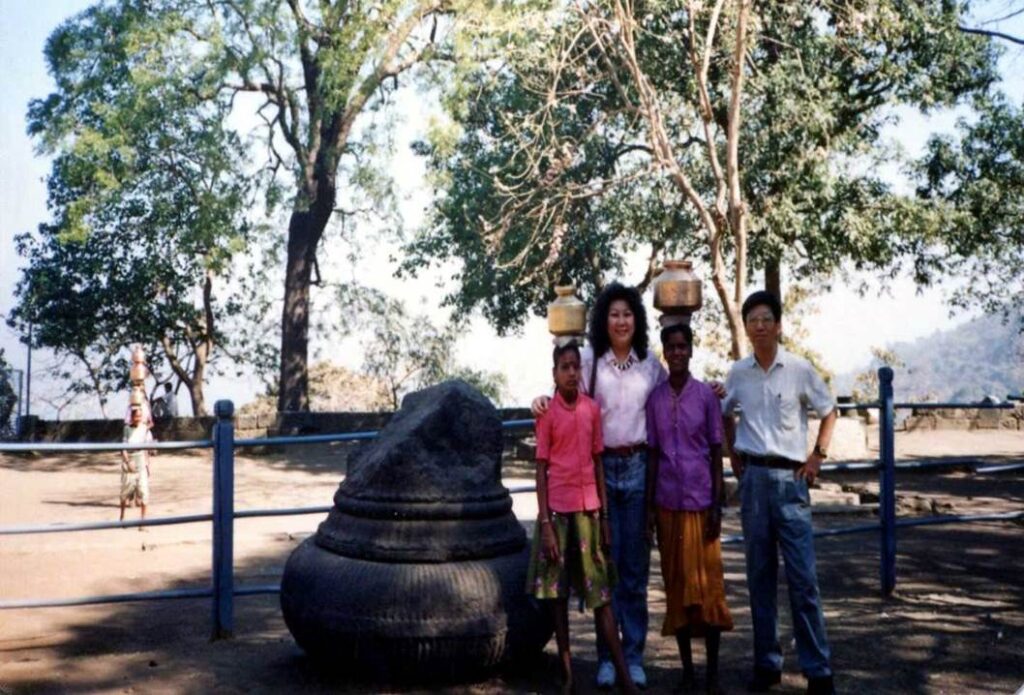
Photo of author, 1989
India Gate
It was built in 1911 to commemorate the landing of King George V and Queen Mary of the British royal family in Bombay, and was completed in 1924.
At the height of the British Empire, it served as a ceremonial entrance for foreign dignitaries when they landed in India.
Bombay was a special city that opened itself to the rest of the world.
The remnants of this are the India Gate.

India Gate, Photo by author, 1989
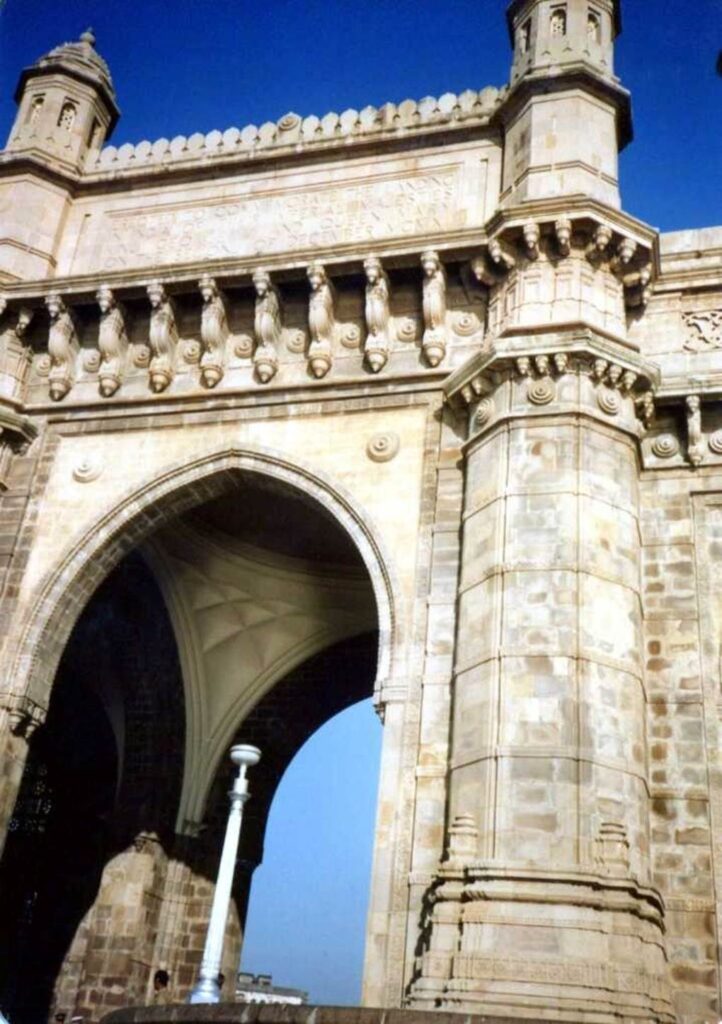
India Gate, Photo by author, 1989
Taj Mahal Hotel in the back on the left, India Gate on the right,
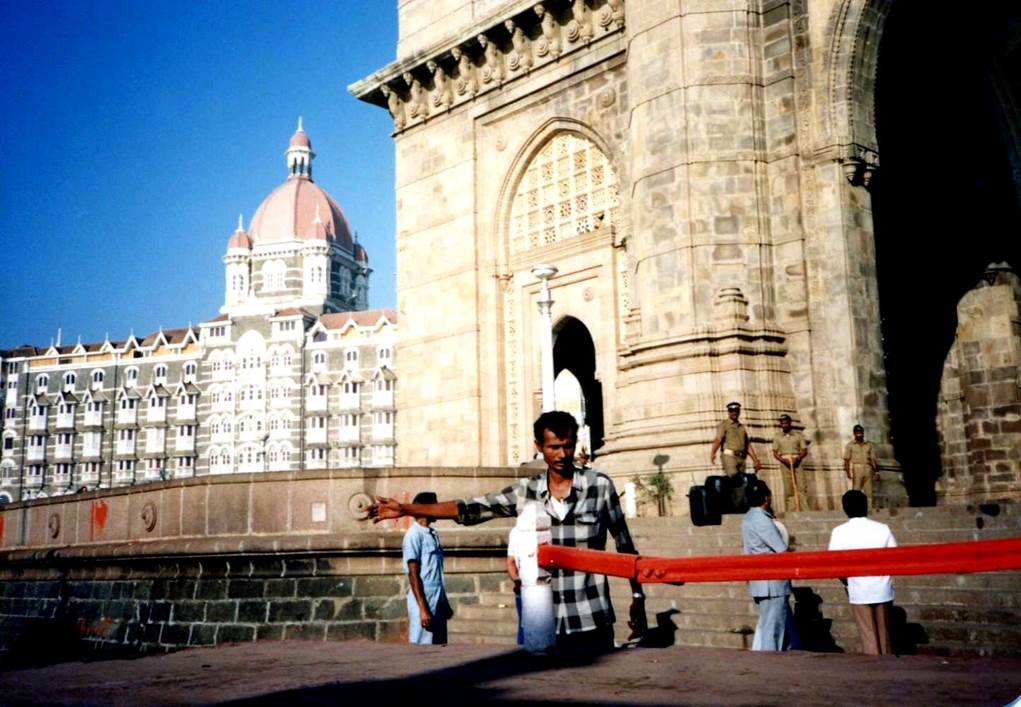
Photo by author, 1989
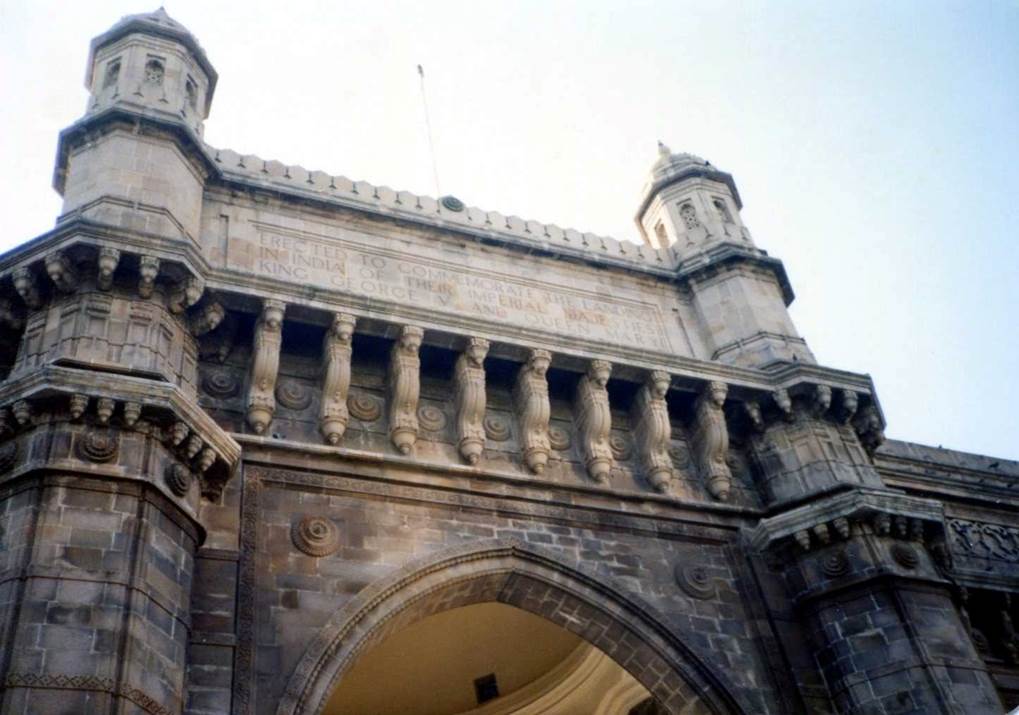
India Gate, Photo by author, 1989
The guide in Indian clothing was very helpful.
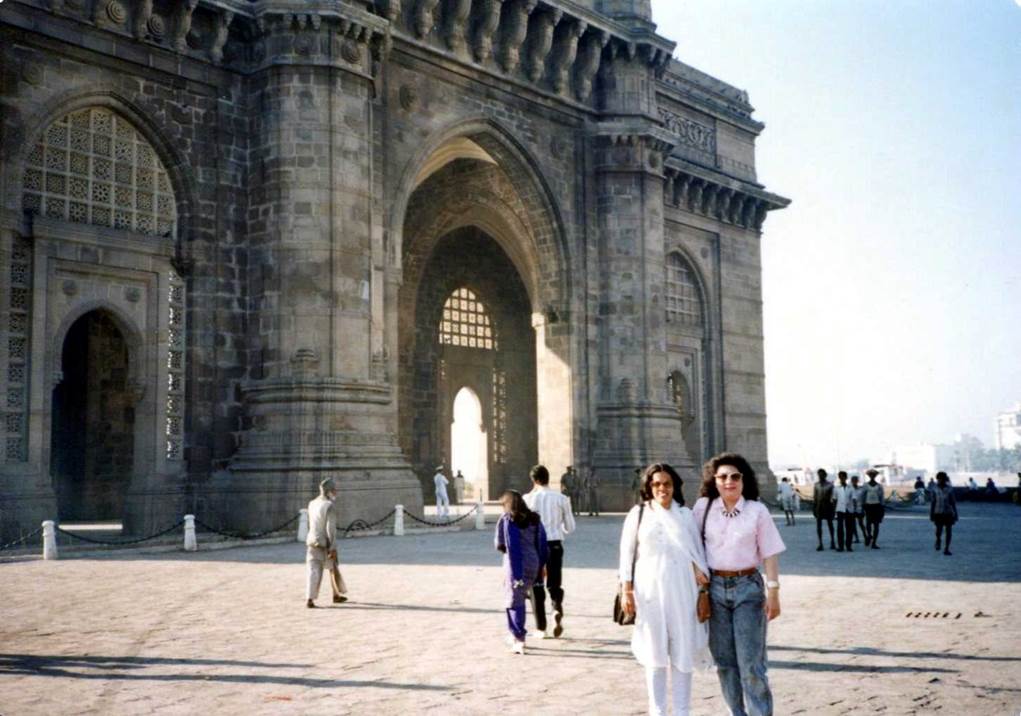
in front of India Gate, Photo by author, 1989
In the square between the India Gate and the Taj Mahal Hotel, a large number of local tourists, presumably from all over India, gathered and relaxed.
The dazzling colors of the women’s saris made this a Bombay spot that really made me feel like I was in India.
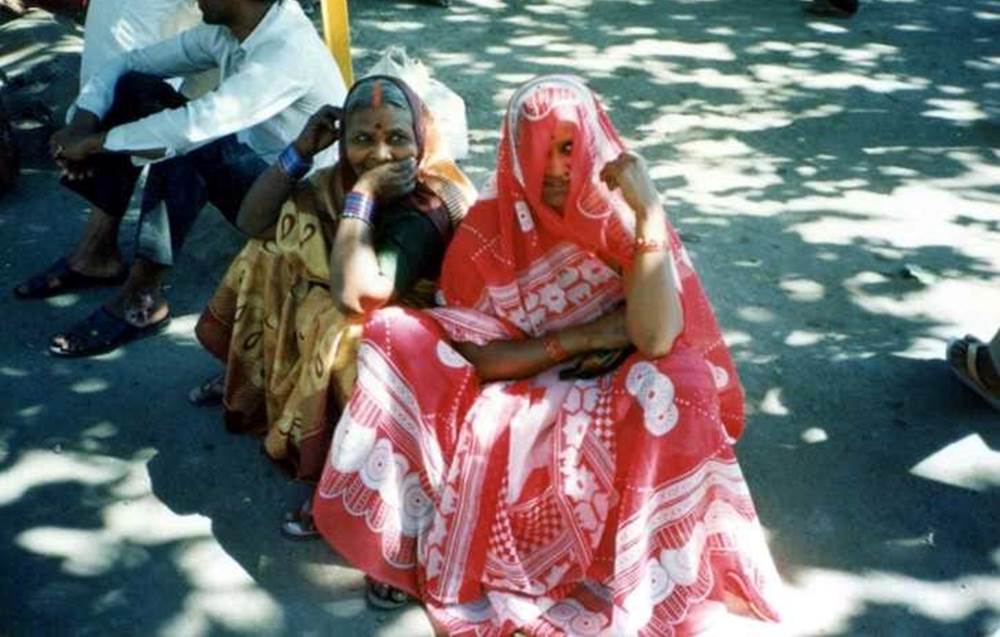
Photo by author, 1989
Opened in 1903, the Taj Mahal Palace Hotel is Mumbai’s premier luxury hotel.
Its founder is the father of modern industry in India and the founder of the Tata Group.
Reportedly, it all started when he was refused accommodation in a top-of-the-line, Western-only hotel at the time. Using this as a springboard, this luxury hotel was built and completed according to the design of an Indian.
Politicians, royalty and celebrities from around the world visiting India were guests at the hotel.
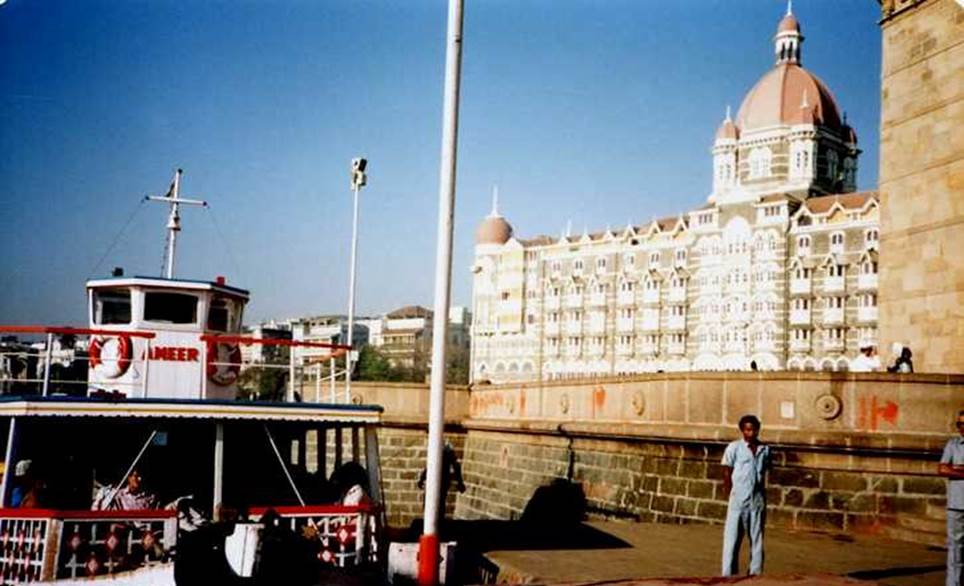
Photo by author, 1989
Taj Mahal Palace Hotel,
The symbolic India Gate, which serves as the entrance to India adjacent to the hotel, was completed about 20 years after the opening of the hotel.
And the synergy between the two buildings made this corner the number one tourist attraction in Mumbai. The founder of the Tata Group was a visionary.
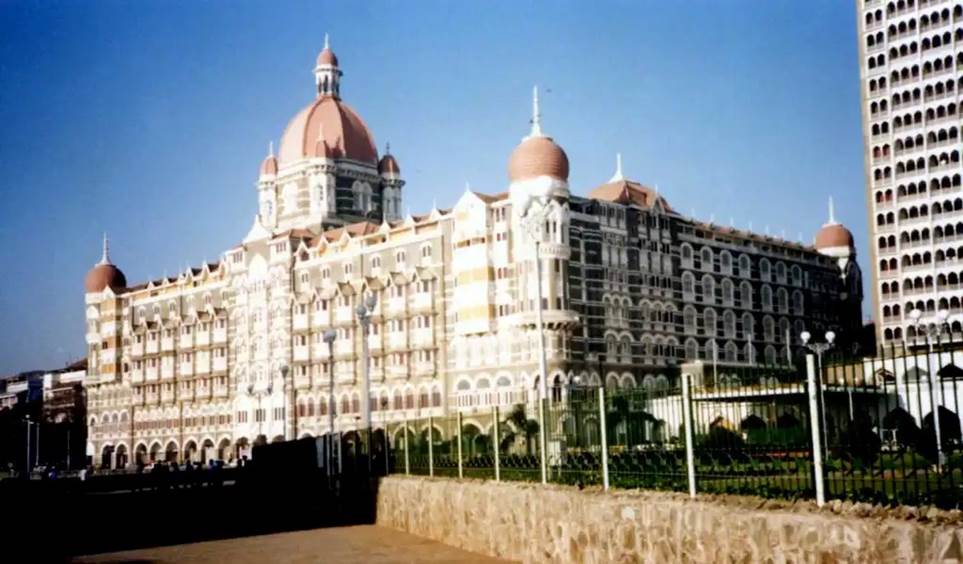
Photo by author, 1989
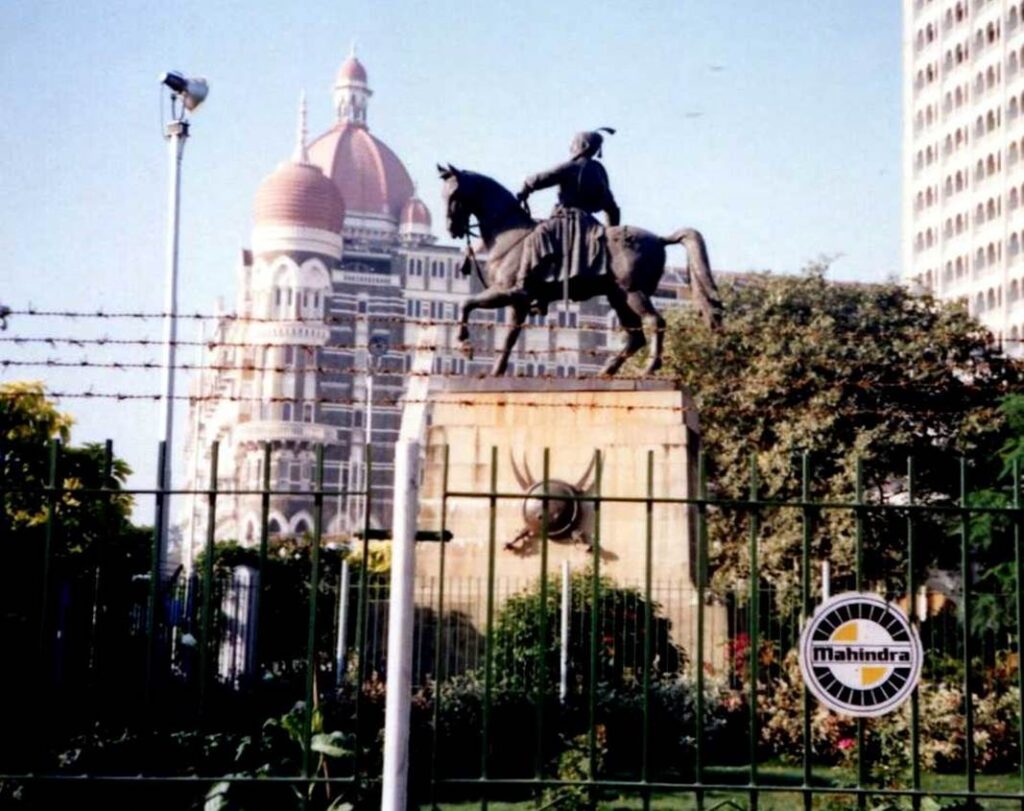
Photo by author, 1989
Taj Mahal Palace Hotel driveway.
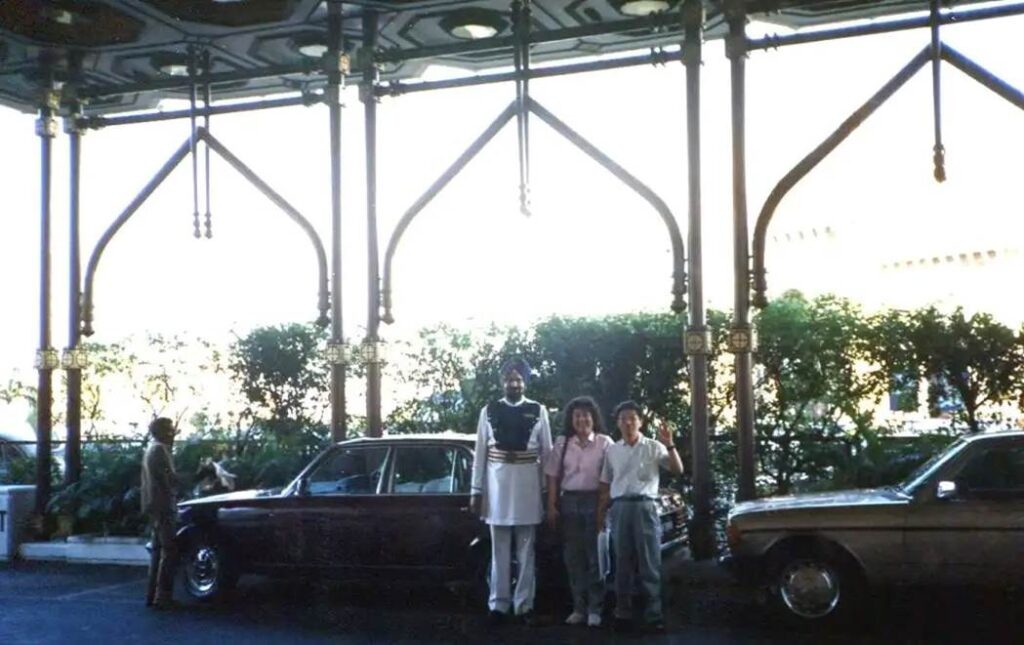
Photo of author, 1989
Entrance of Taj Mahal Palace Hotel.
Starting with this hotel, Taj Hotel Group has developed a chain of luxury hotels of this class in all major cities of India.
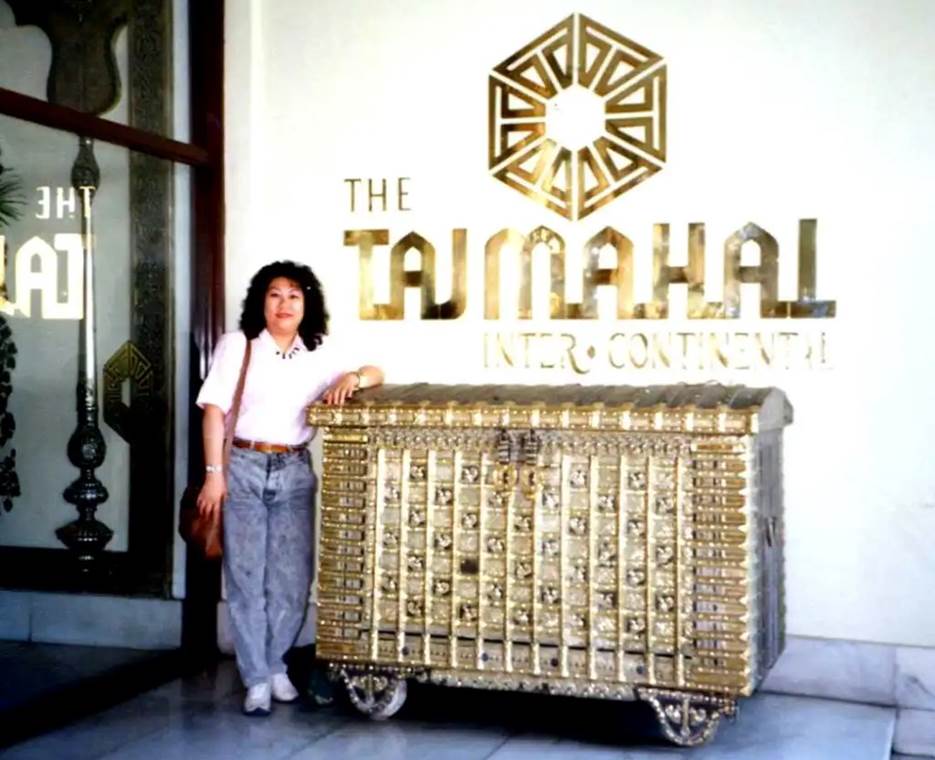
Photo by author, 1989
Tour desk in lobby
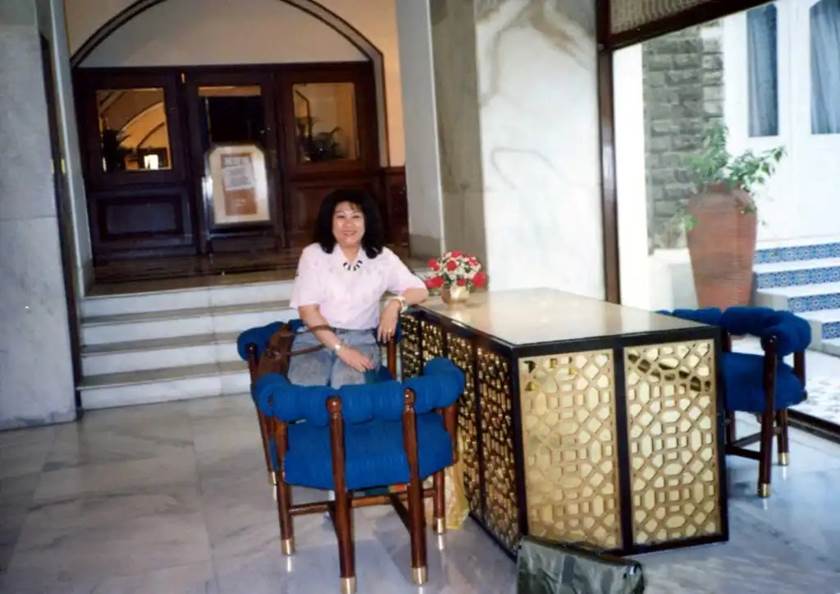
Photo by author, 1989
Sketch of a sea-facing guest room.
Check-in February 2, 1989. Stay 2 nights.
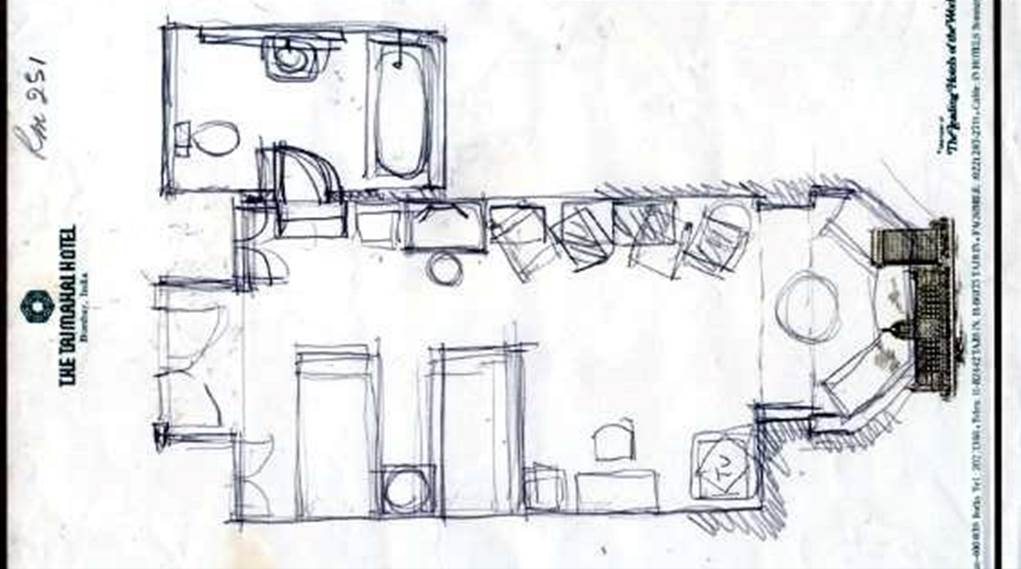
Guest room Layout rough Sketch 1989
Ancient TV
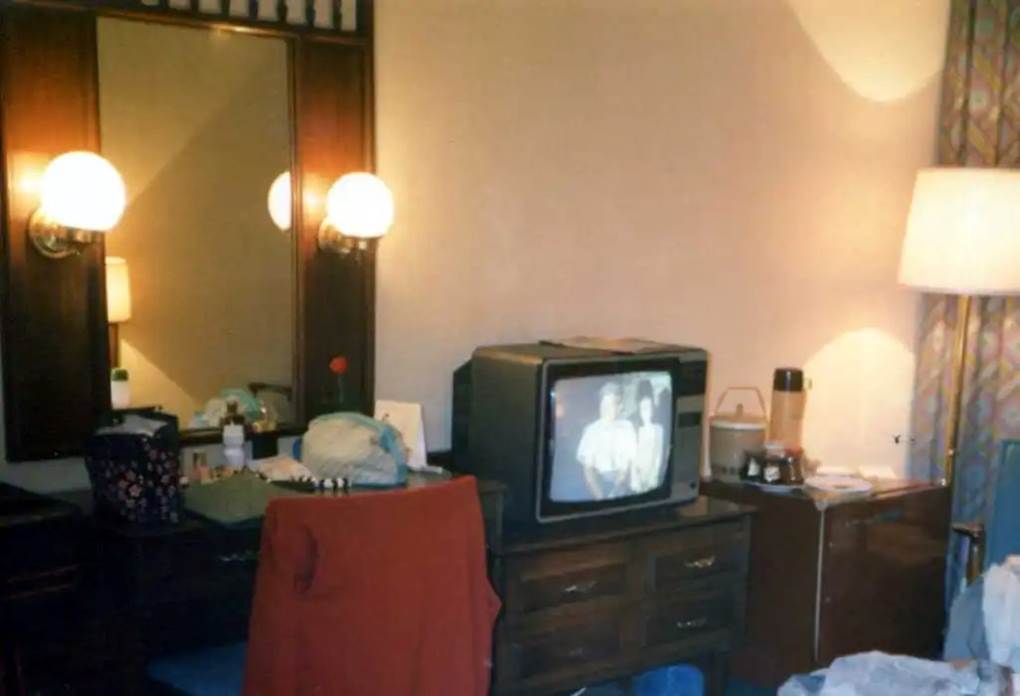
Photo by author, 1989
A view of the guest room.

Photo by author, 1989
The guest room window facing the inland sea on the Gateway of India side.
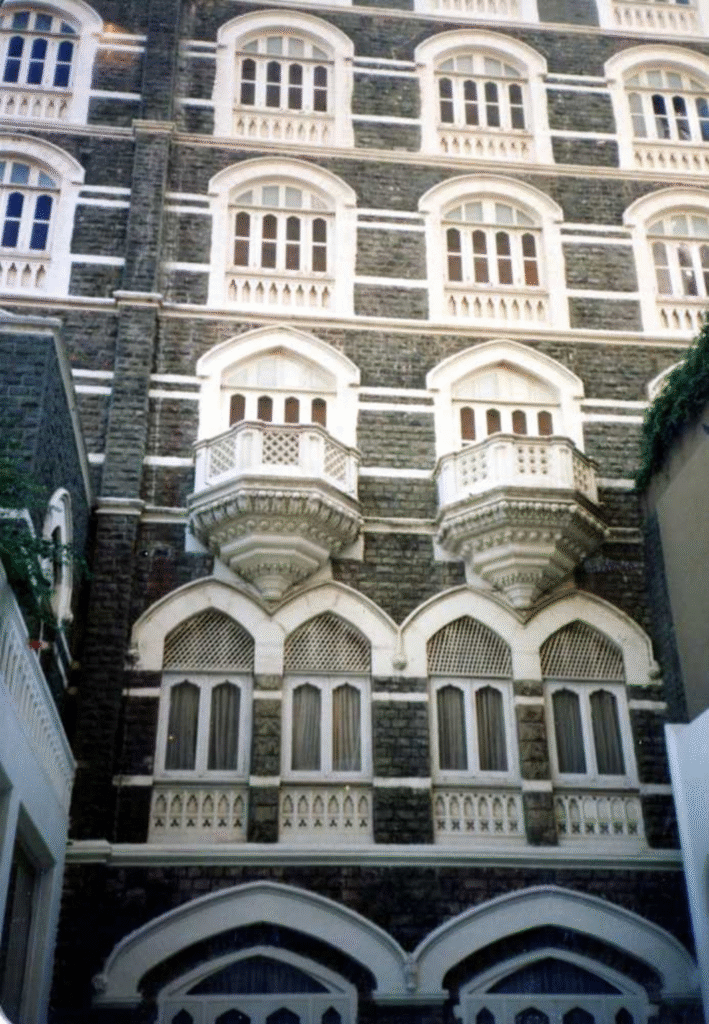
Photo by author, 1989
Colonial architecture in Mumbai
Mumbai is a treasure trove of buildings built with great investment during the Victorian era.
Compared to the trading houses in London, you can clearly see how concentrated the wealth was in this city at that time when you walk around the city.
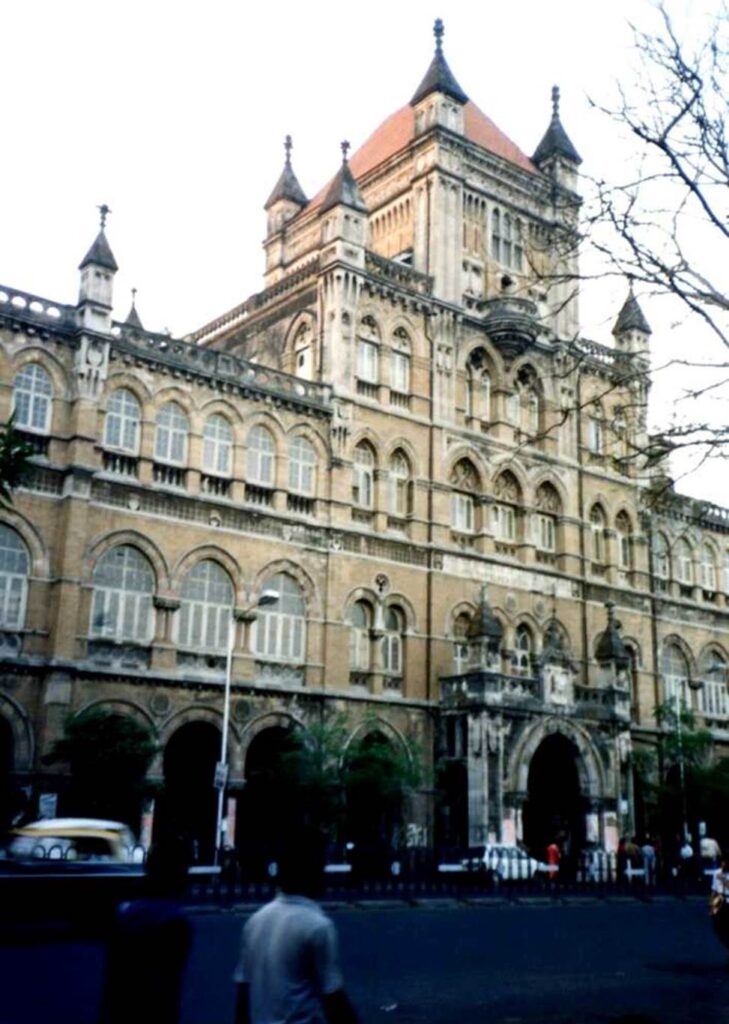
Photo by author, 1989
The double-decker red bus and the Western-style building look like a street corner in London.
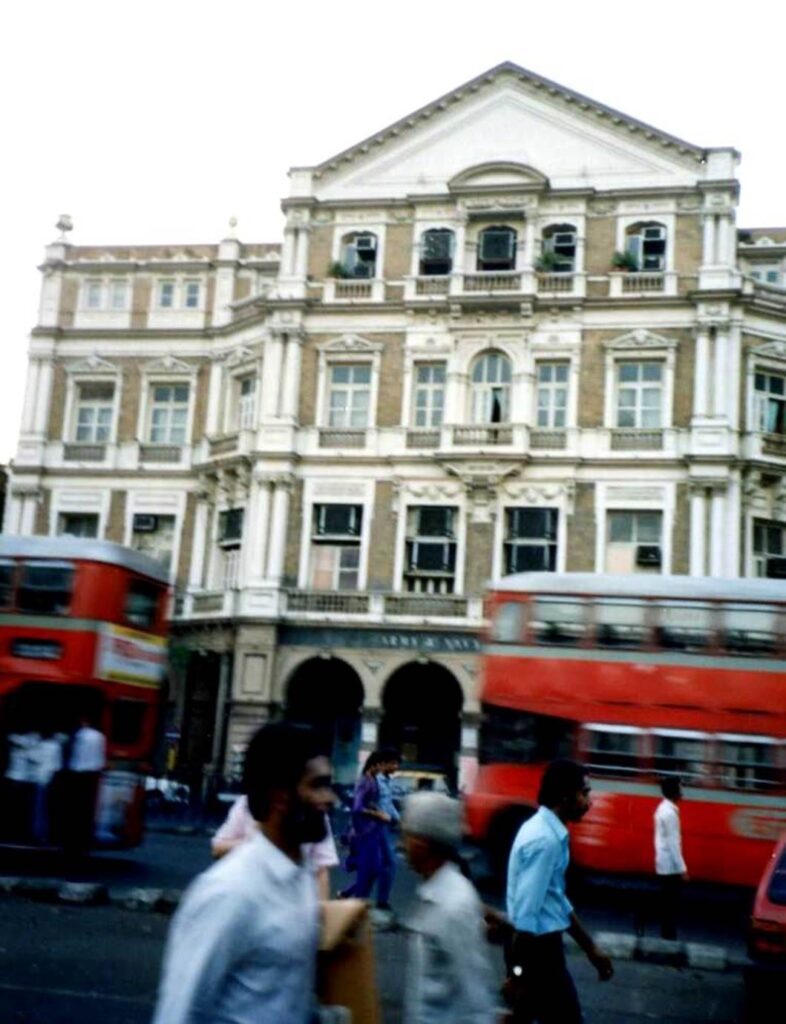
Photo by author, 1989
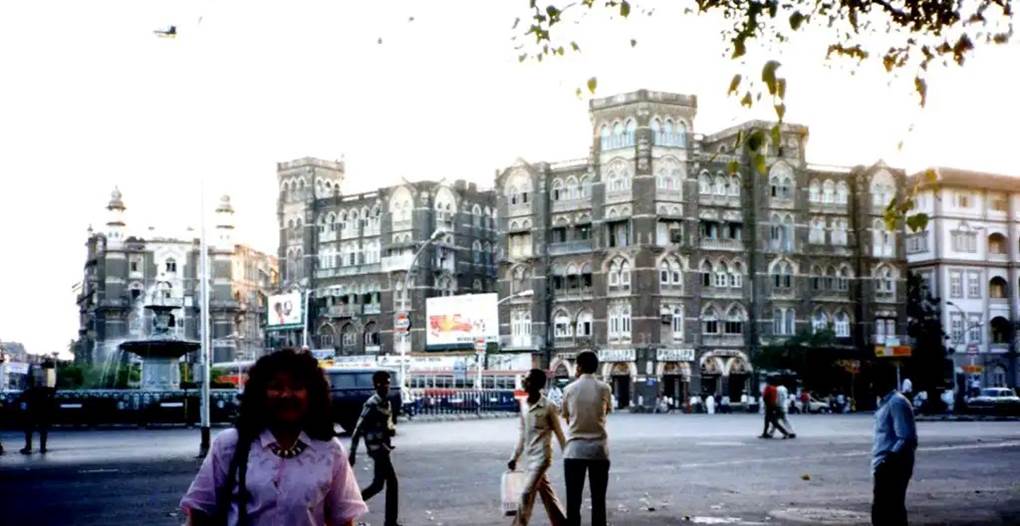
Photo by author, 1989
Flora Fountain
It is located in the heart of Mumbai’s city center, equivalent to London’s Piccadilly Circus, and was built in 1864 by demolishing the Bombay Fort that was previously in the area.
From here, it takes 20 minutes and 1.5km to the south to reach India Gate and the Taj Mahal Palace Hotel. It takes 20 minutes and 1.5km to the northeast to reach Mumbai’s railway terminal. It takes 10 minutes and 1km to the west to reach Marine Drive on the coast of the Arabian Sea.
If you are touring the chaotic city of Mumbai on foot, this intersection is an important landmark that you will not miss.
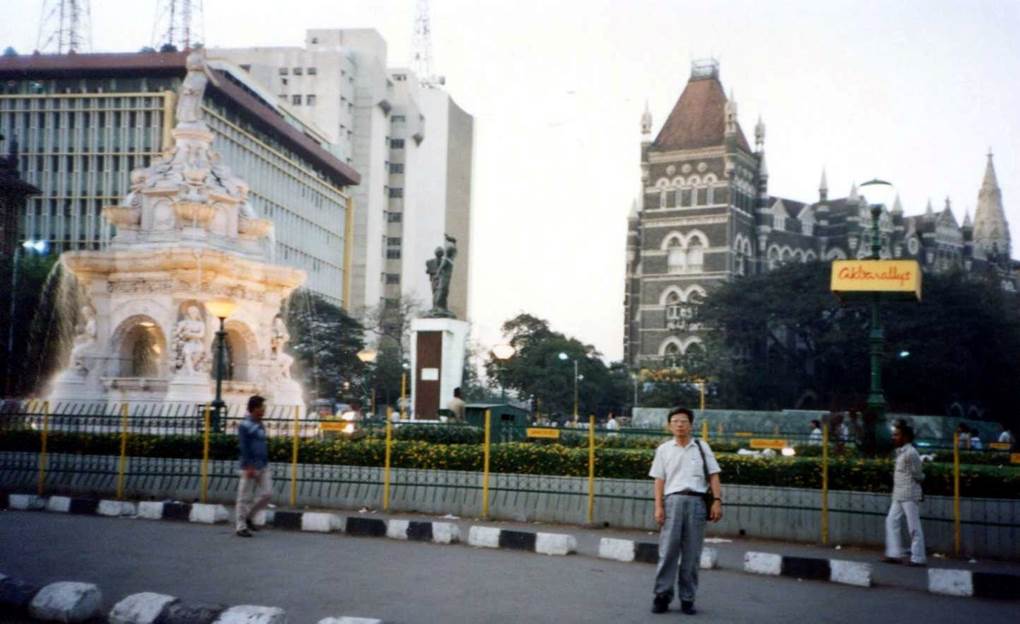
Photo of author, 1989,
Flora’s fountain in the left foreground, the Oriental Building in the back right
Oriental Building
The colonial-style building of the Oriental Life Insurance Company. 1893-96. (Below)
It is said that insurance companies were initially reluctant to insure British people living in India because of the high mortality rate due to the harsh environment.
It is said that the Oriental Life Insurance Company was the first to offer insurance to British and other Europeans in India, and expanded its business.
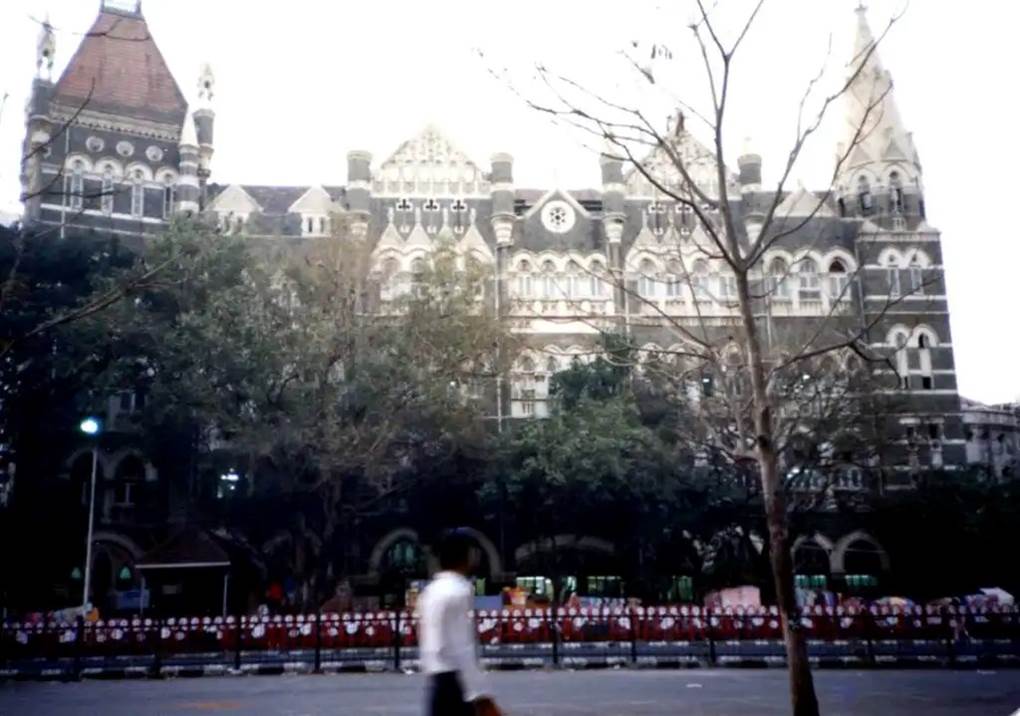
Photo by author, 1989
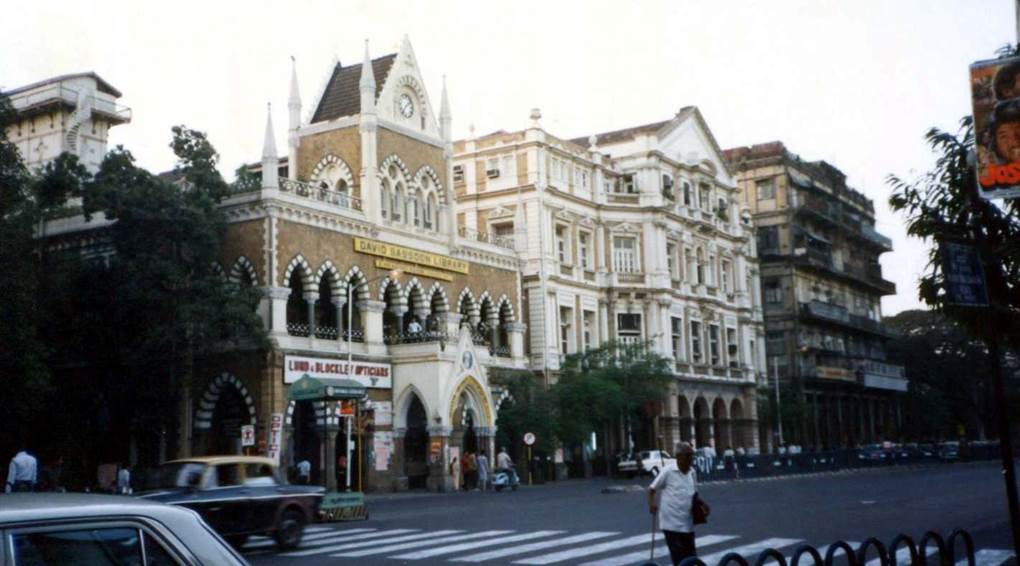
Photo by author, 1989
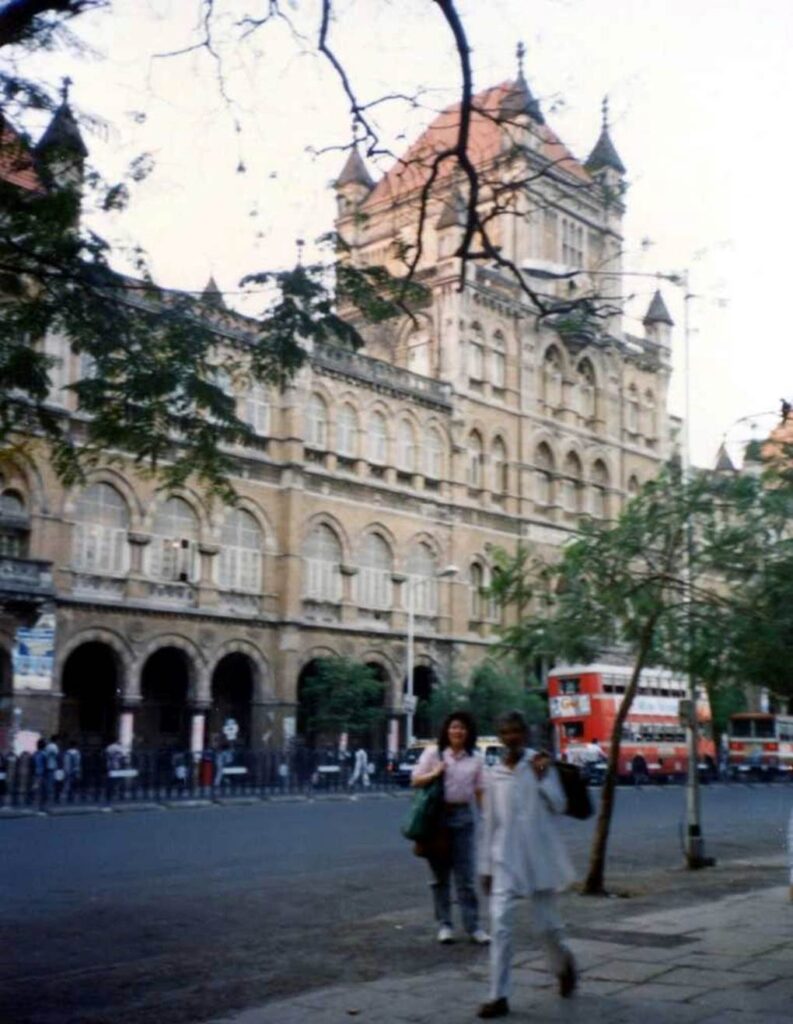
Photo by author, 1989
A large store for tourists in Bombay.
Since it is a socialist country, it can be said that most of these stores are state-owned. There are no imported products, but a variety of attractive India domestic products are on display. All the employees at the shop are very kind.
However, most of the cash registers on the sales floor look like cages surrounded by iron bars, which is very uncomfortable. But this is normal in this country.
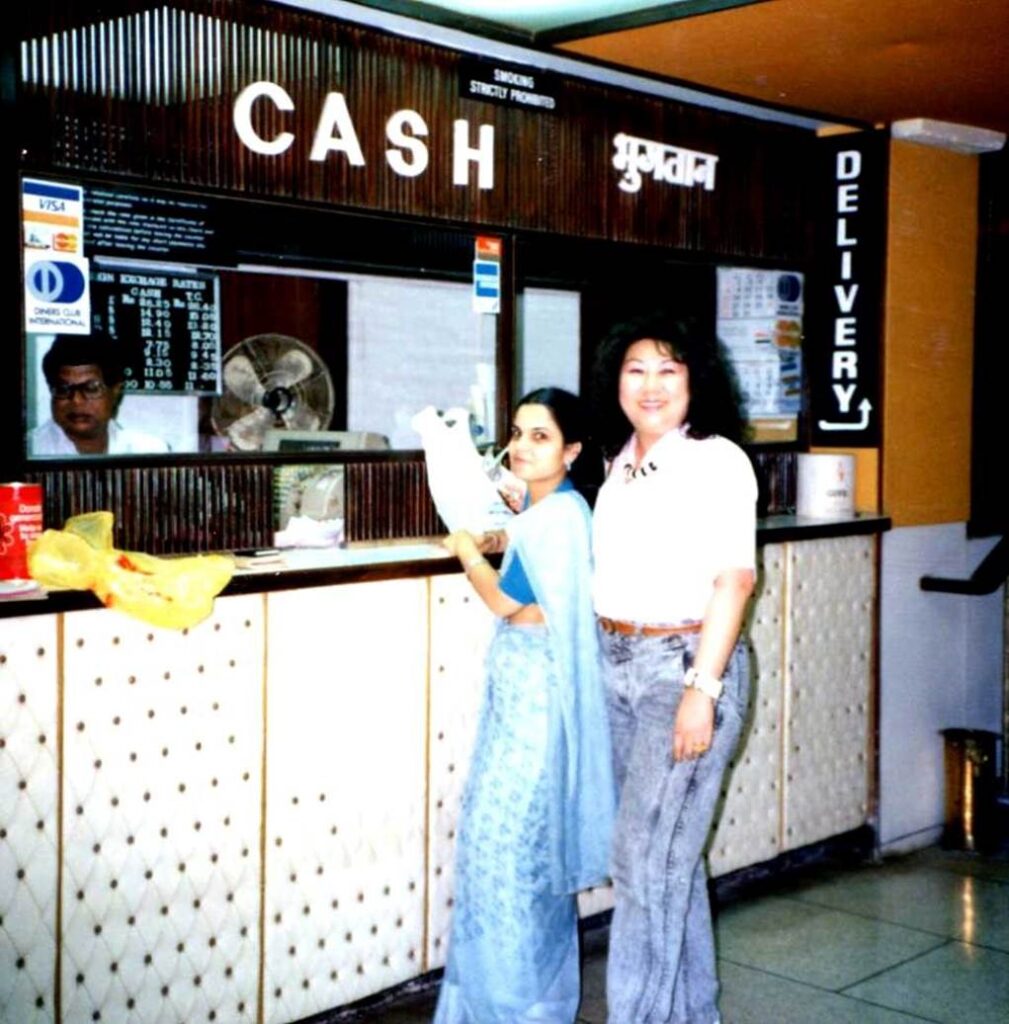
Photo by author, 1989
Store manager and salesperson (Below)
All of them were civil servants, but they were friendly and kind. It may have been because there were few customers in the store and there were few foreigners.
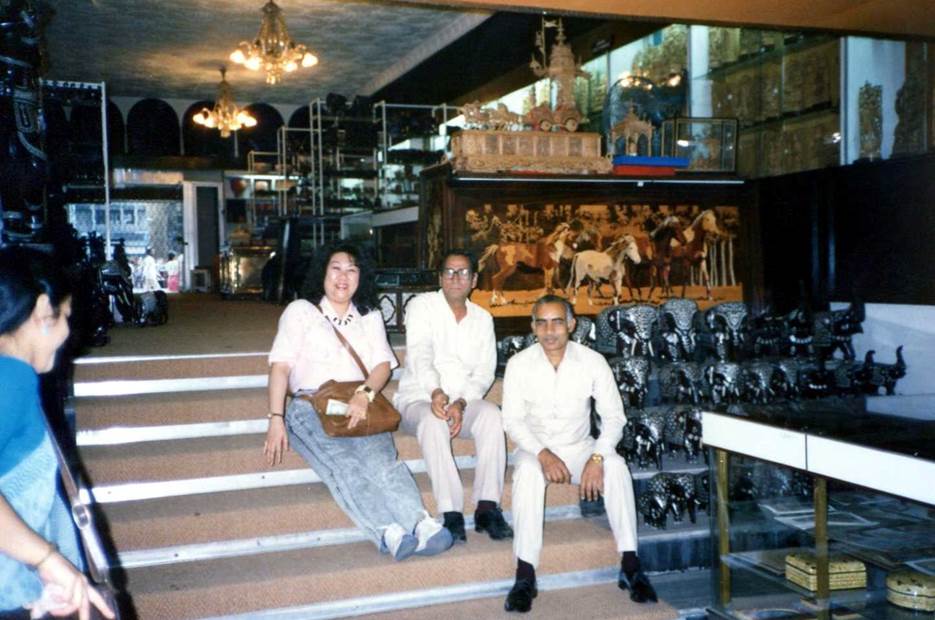
Photo by author, 1989
Mahatma Gandhi’s House
Since the colonial era, the flag of India has changed rapidly, as shown in the photo below.
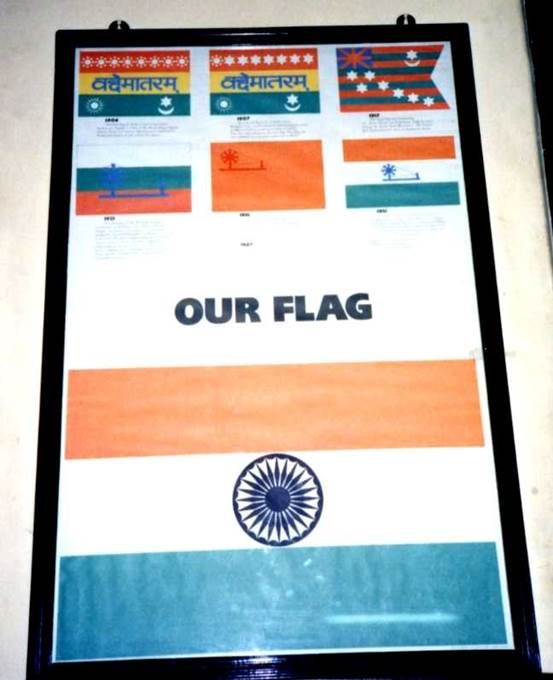
Photo by author, 1989
It was in this mansion that Gandhi declared his non-violent obedience to the British in 1919 in opposition to a law that allowed Indians to be detained without a warrant for arrest.
It is located in Mani Bhawan Street in Mumbai Fort District.
It is said that the mansion belonged to a wealthy private merchant.
There were many groups of Western tourists visiting here. The information board on the left says Gandhi’s residence in Bombay, 1917-1934.
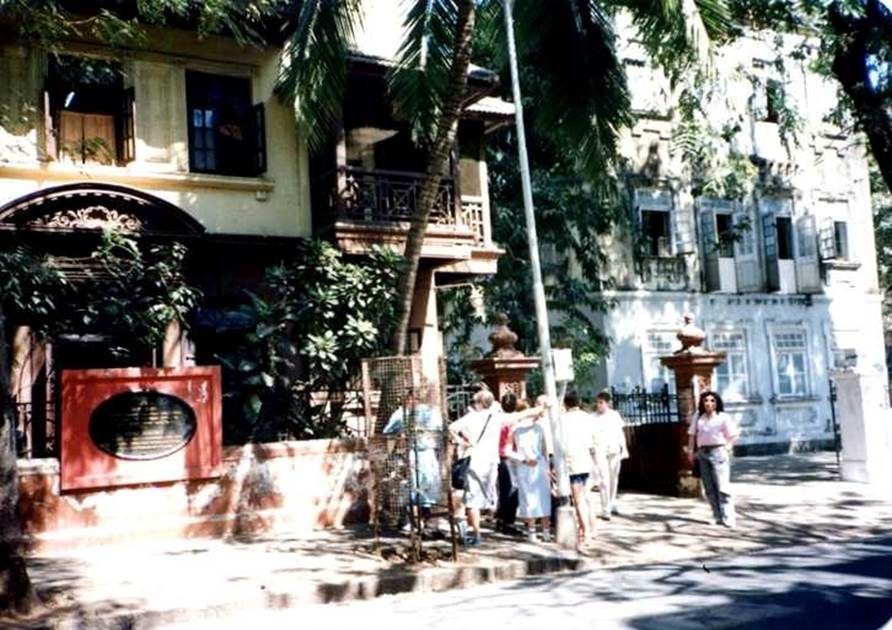
Photo by author, 1989
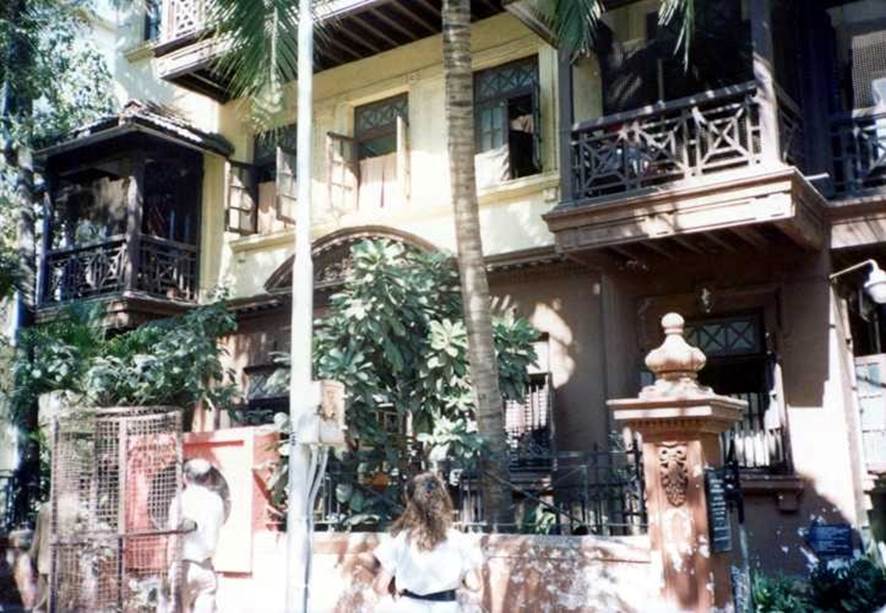
Photo by author, 1989
Entrance to Gandhi’s mansion(Mani Bhawan)
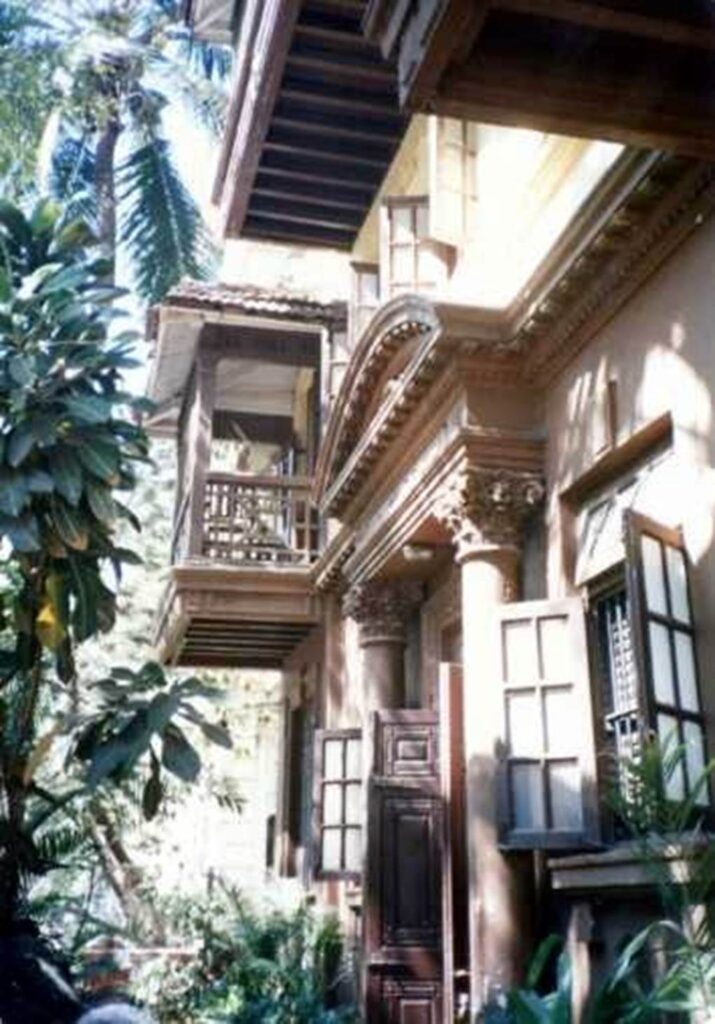
Photo by author, 1989
Gandhi’s living room
In this living room, Gandhi was hand-weaving cotton cloth using a spinning wheel. This shows his simple lifestyle and minimal possessions.
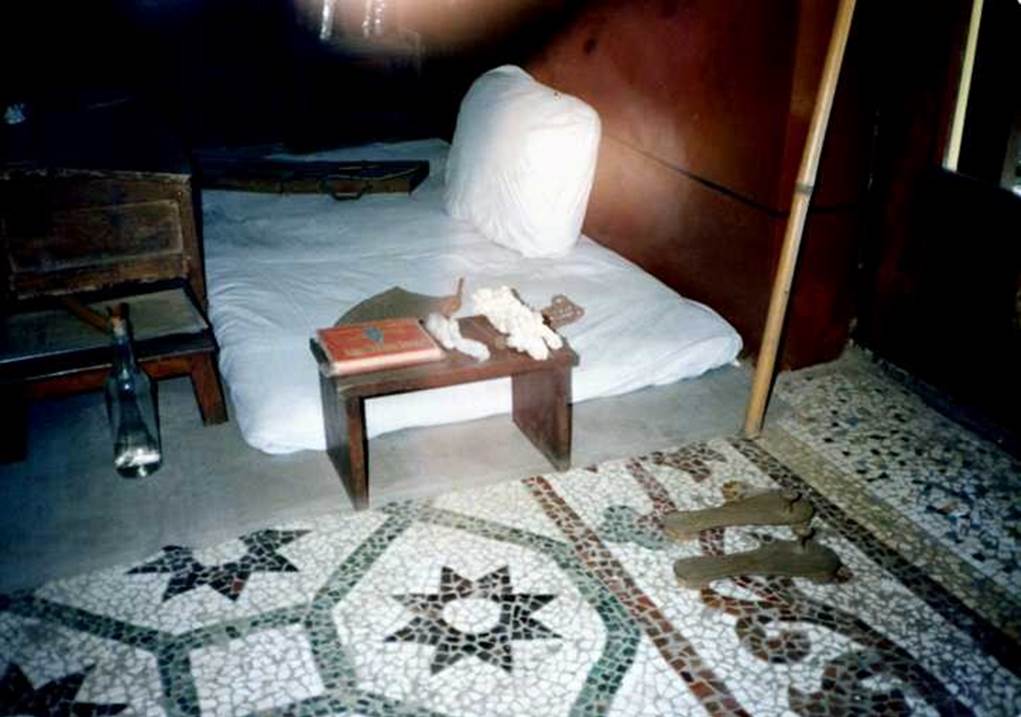
Photo by author, 1989
Tower of Silence
The guide asked me if I wanted to see the Zoroastrian bird burial cemetery.
I thought, “What is a bird burial?”, but I decided to let them guide me so that I could see everything.

Location of the Tower of Silence
Where is it?
There is a bowed beach facing the Arabian Sea on the west side of Mumbai city centre, and it is called Marine Drive. High-end high-rise residential buildings line this coast. The north side of Marine Drive is called Malabar Hill, and there was a tower of silence in this forest and a sanctuary where bird burials were held.
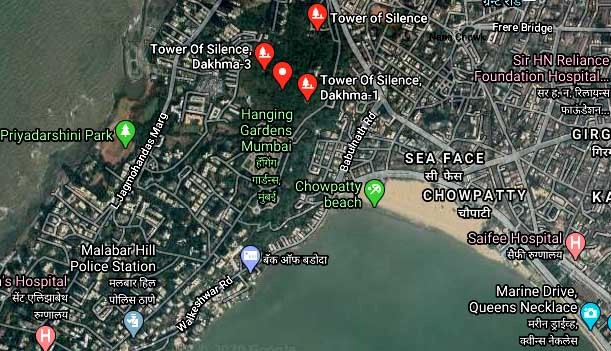
It was located in the forest of the Malabar Hills, an upscale residential area.
The Tower of Silence is a Zoroastrian burial facility. There is only one iron door to take care of the corpse, but since it is a sanctuary, entry and exit are prohibited except for Parsi. From the outside, you can’t see the inside where the bird burial actually takes place.
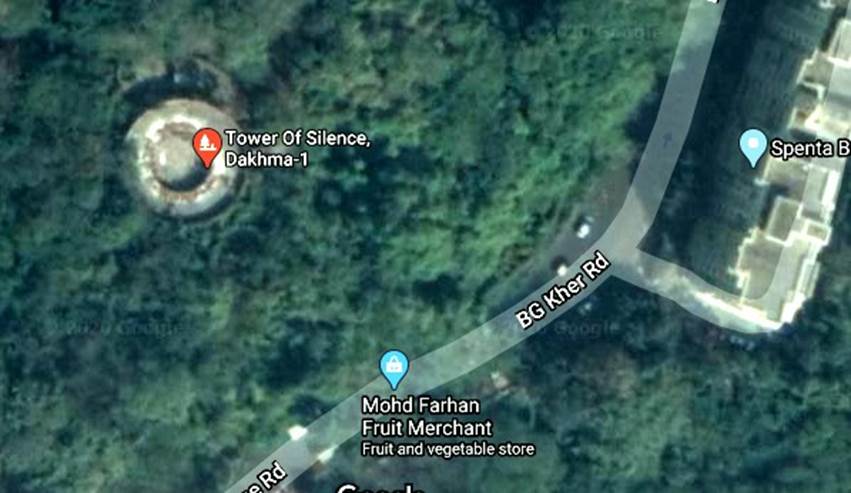
According to the guide, Zoroastrians are Parsi, which means “people from Persia.”
The Parsi population in India is small and is an ethnic minority, but it is concentrated in Mumbai, where economic activity is active. It is said that there are many people in Parsi who are economically affluent and have a high social status. Are they descendants of Persian merchants?

Tower of Silence Sky Burial Facility Plan
PHOTO FROM WIKIPEDIA
Tower of Silence
This is the facility where bird burials are held.
It is surrounded by a high circular wall, and you cannot see the inside from the outside. However, if a high-rise condominium is built around this forest, it will be visible from the upper floors.
Parsi explains that bird burials are carried out in a hygienic and rational manner with the least damage to the environment.
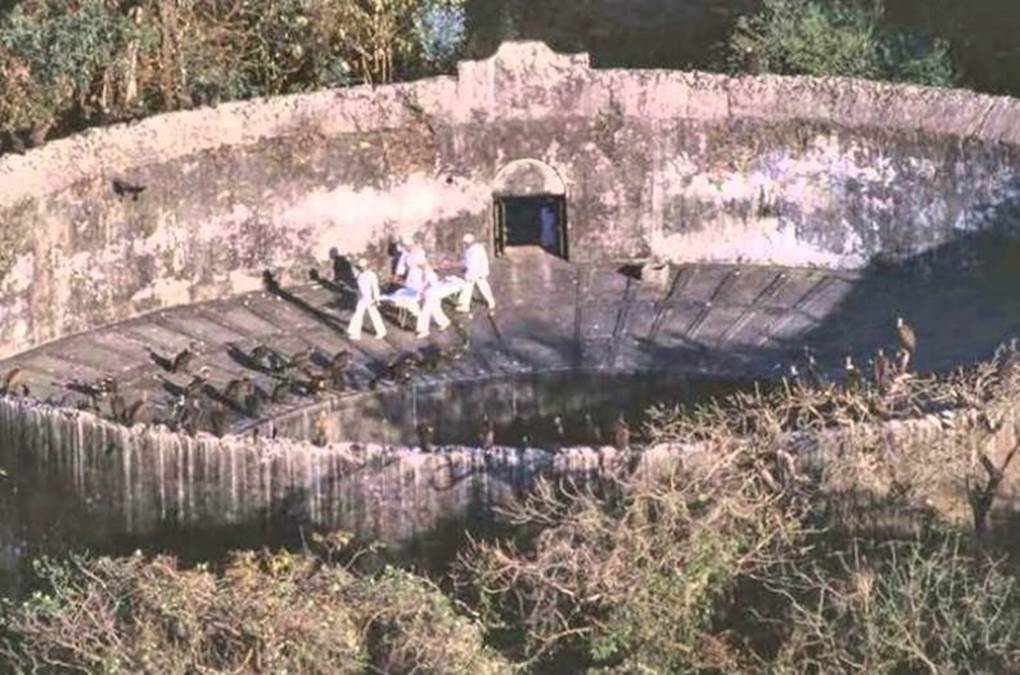
Source: JUSTDIAL.COM
Diversity in India
The Persian fire cult of bird burial has since been introduced to Tibet.
There is also a seat in India for the Tibetan government-in-exile led by the Dalai Lama.
Many Muslims are also members of the country. People from Nepal and Bhutan also live in India. Calcutta (now Kolkata) even has a Chinatown, and India brand soy sauce is also made and used domestically. The Assam region of eastern India is home to many ethnic minorities.
In this way, India has become a very generous society. Isn’t it possible to say that it is a hug continent that can swallow anything and exist even for a minority?