JAP | ENG
4 months Europe trip 1968
#3/9
August 9th, departure from Thun station in Bern, Switzerland at 19:29> Staying overnight on the train (3)
Rome > Sicily > Rome (Italy)
August 10 Rome
arrived around 9 o’clock. 19;17 Depart Rome,
Plaza de España. Plaza de Essedura. The Gate and Square of Popolo
August 10 Rome 23; 33 departures > overnight on train (4) > August 11 Messina 5;55 arrive
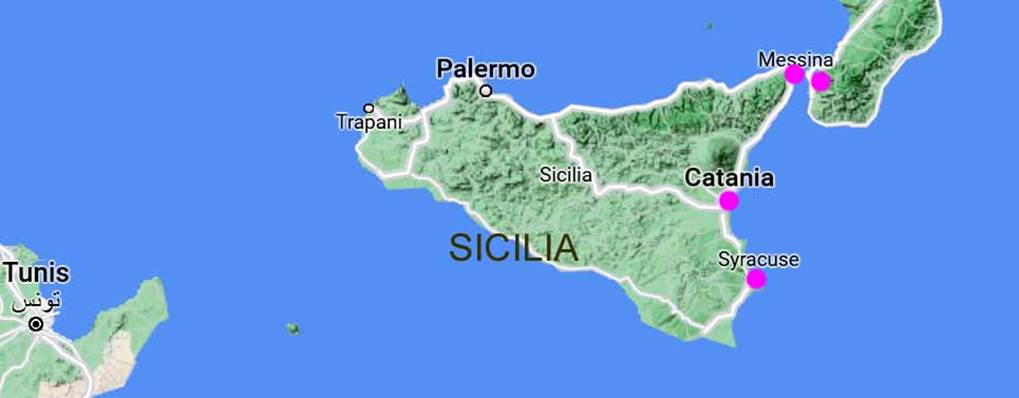
Cross over to Sicily
August 11 Leggio 4;42 departures, ferry to Sicily, Messina 5;55 arrive
Messina, Sicily
The dawn is beautiful. The overnight train from Rome connects with the ferry to the Sicilian railway, arriving on the island side of Messina in the early morning. After that, follow the narrow foothills of the famous active volcano “Mount Etna” to my next destination, Catania.
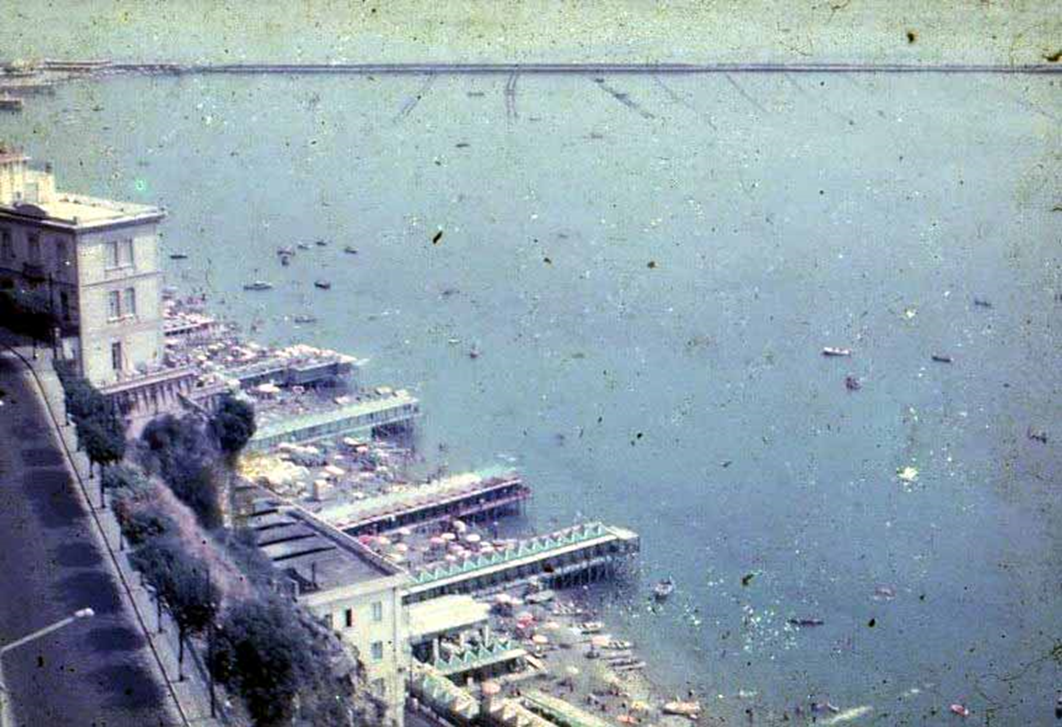
To Sicily, Messina Morning, Photo by the author, 11 August, 1968
August 11, 7; 20 arrive Catania
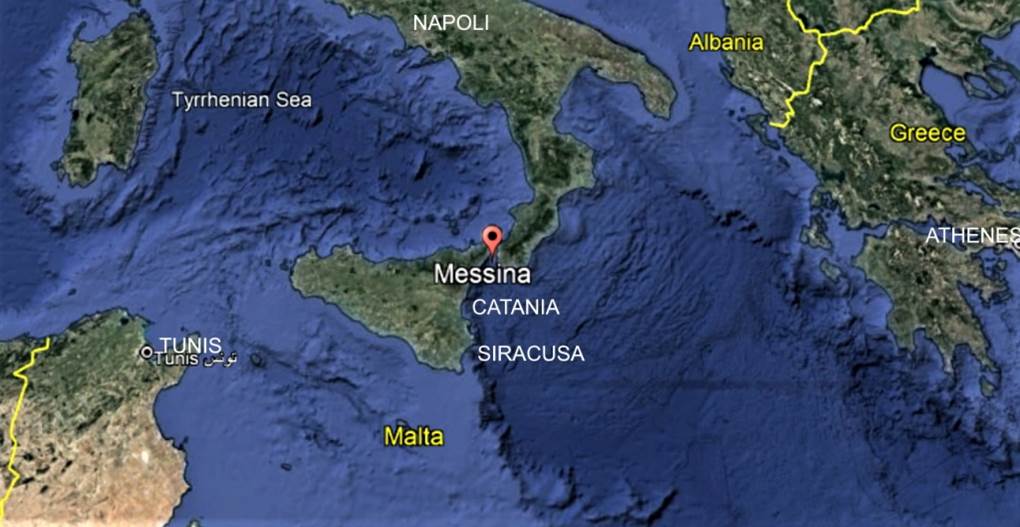
Catania, Sicily
Simultaneous English-Italian interpretation in the square of Ursino Castle.
On August 11, at the last stop, Catania station, at 720a.m.
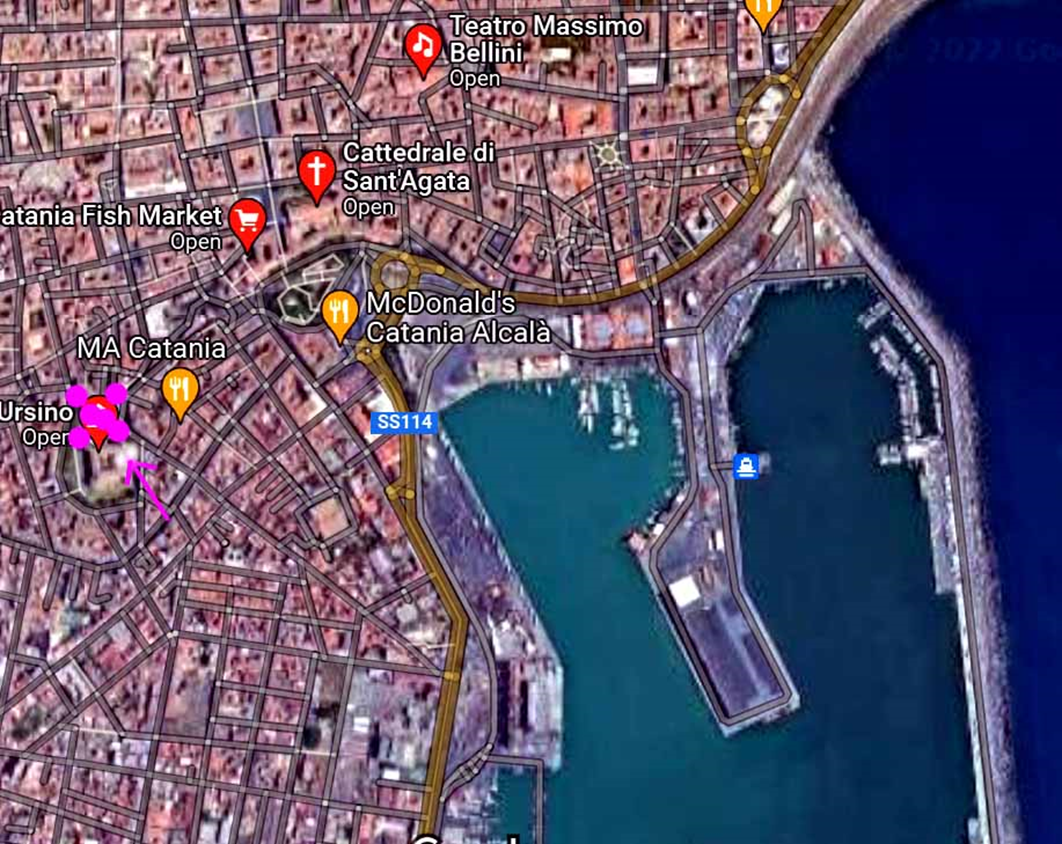
In front of the station, there was a large square in front of “Ursino Castle”, and many people were gathering, probably because it was a morning market.
I joined the crowd and, observing my surroundings, heard two men talking in Italian and English. I realized they were buying and selling fabric for clothing, but listening carefully, I realized that neither of them understood what the other was saying.
I decided to intervene and ask. I learned that the man speaking English wanted to bring British wool fabric from the British island of Malta to Sicily to sell.
I translated his English into Portuguese, and the Italian man was able to understand. I then helped him negotiate the price, and the deal was concluded.
I had been of some use to people on the island at the southern tip of Europe.
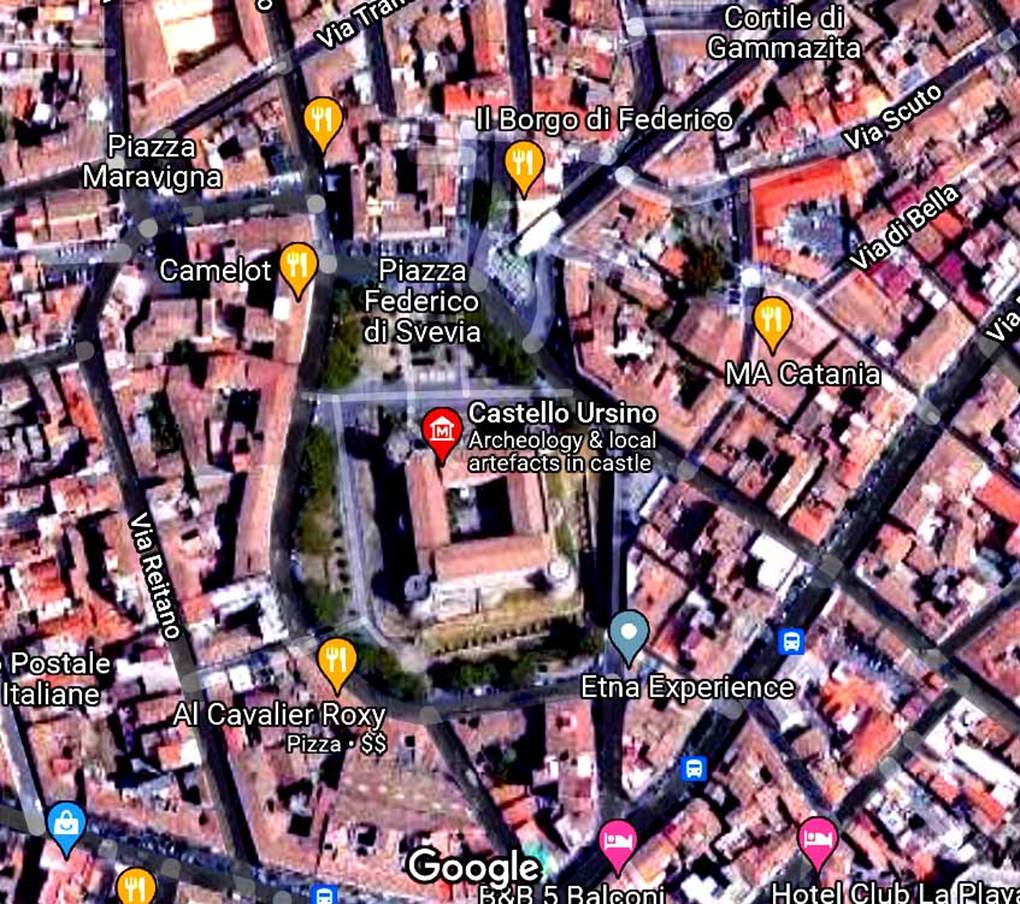
Square in front of the castle of Catania Ursino (arrow)
Piazza Federico di Svevia (Piazza Federico di Svevia) Enlarged view.
Syracuse, Sicily
August 11, 12; 55 Departure from Catania. 14; 30 Arrives in Syracuse.
Greek Theatre, Roman Stadium, Teatro Ante Romano.
Siracusa is a port city in the southeastern part of Sicily. It flourished during the ancient Greek and Roman periods and is home to some of the most important ancient ruins in Sicily.
Square on a street corner in Syracuse
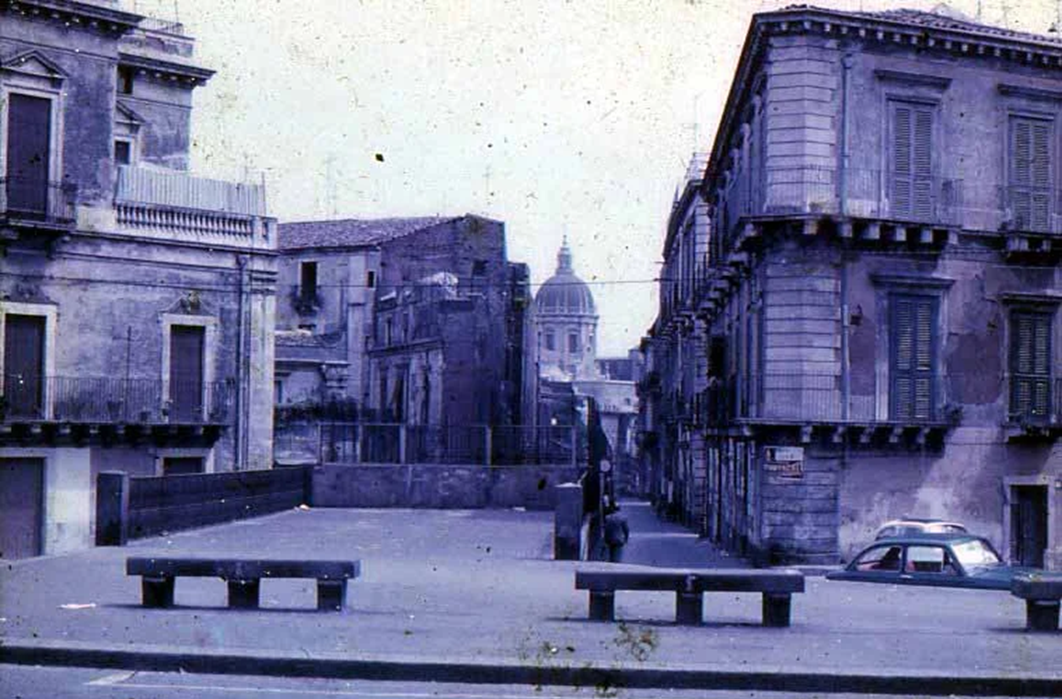
Photo by author, 11 August 1968
Greek Theatre Ruins
I visited this Greek theatre built about 2,500 years ago on the outskirts of the city of Syracuse. A scale that is said to have accommodated 15,000 spectators at the time.
I learned from a person in the city of Syracuse that there was a Greek theater in Sicily, Italy, so I was able to see the ruins without visiting Greece. I was deeply moved to see that Greek civilization had crossed the Aegean Sea and the Mediterranean Sea and reached the island of Sicily.
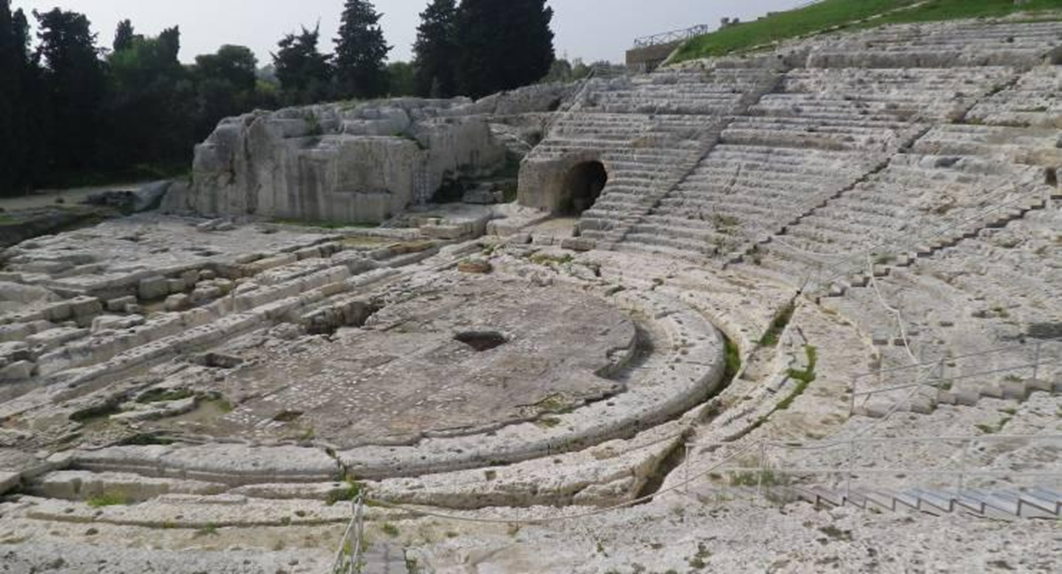
Photo by author, 11 August 1968
Sicily Greek Theatre Ruins
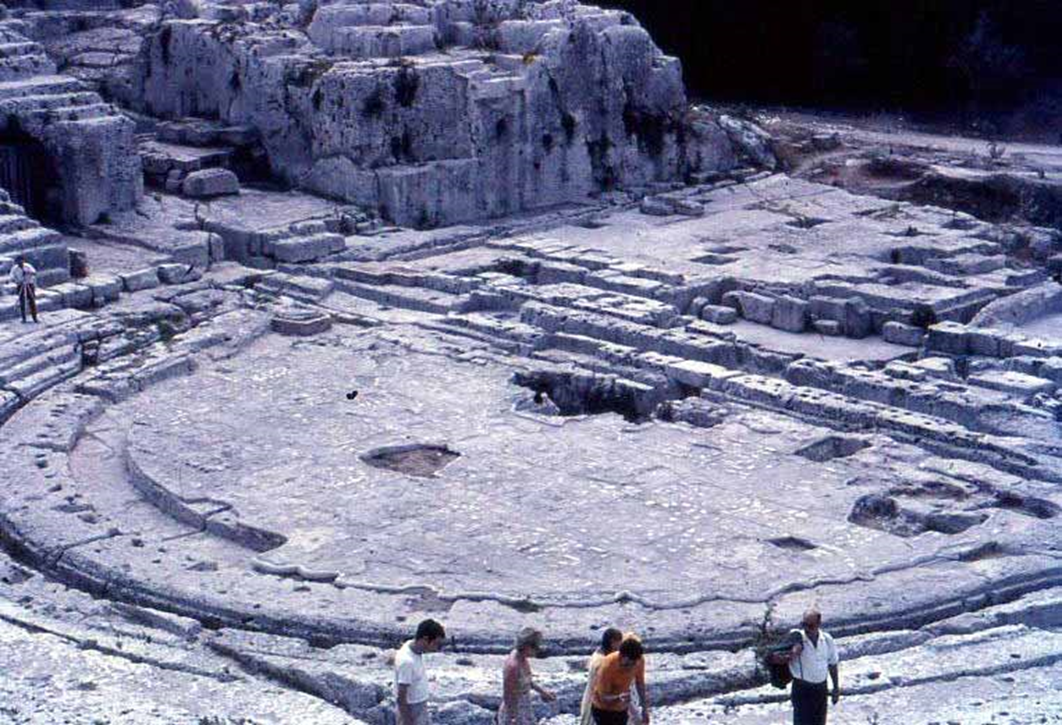
Photo by author, 11 August 1968
Sicily Greek Theatre Ruins
The spectator seats are 63 meters in diameter and can accommodate an amazing 4,000 people.
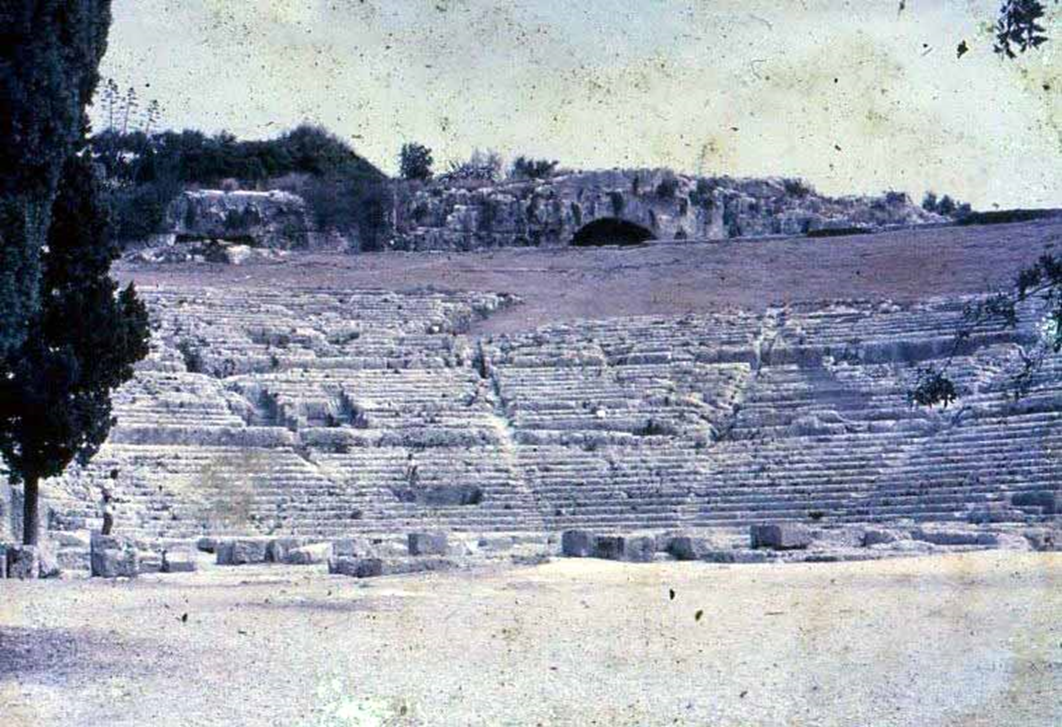
Photo by author, 11 August 1968
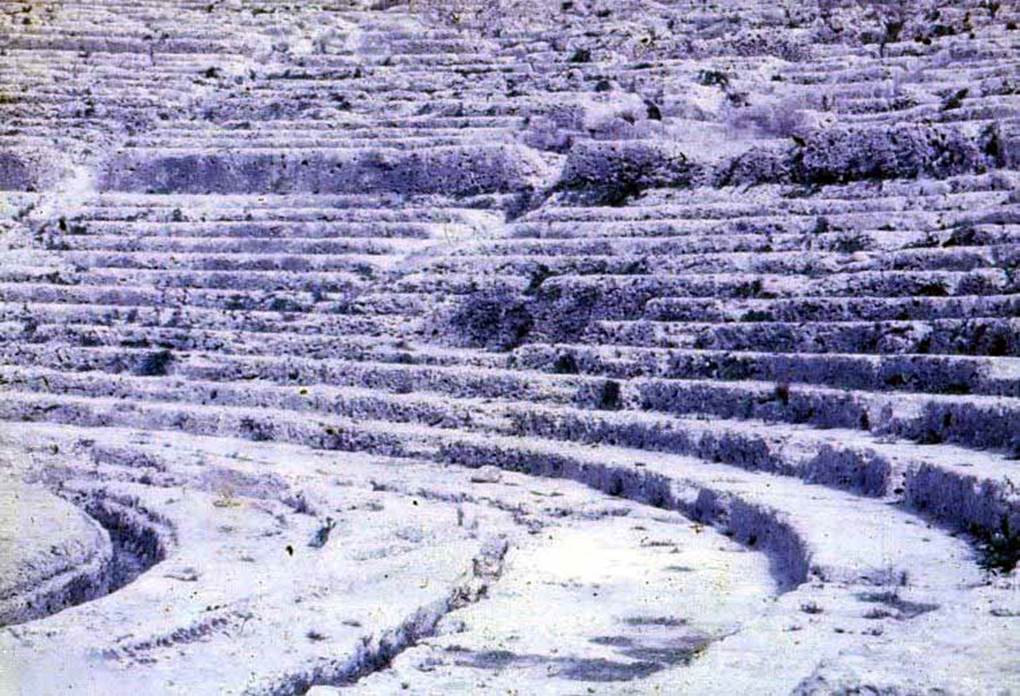
Sicily Greek Theatre Ruins, Photo by author, 11 August 1968
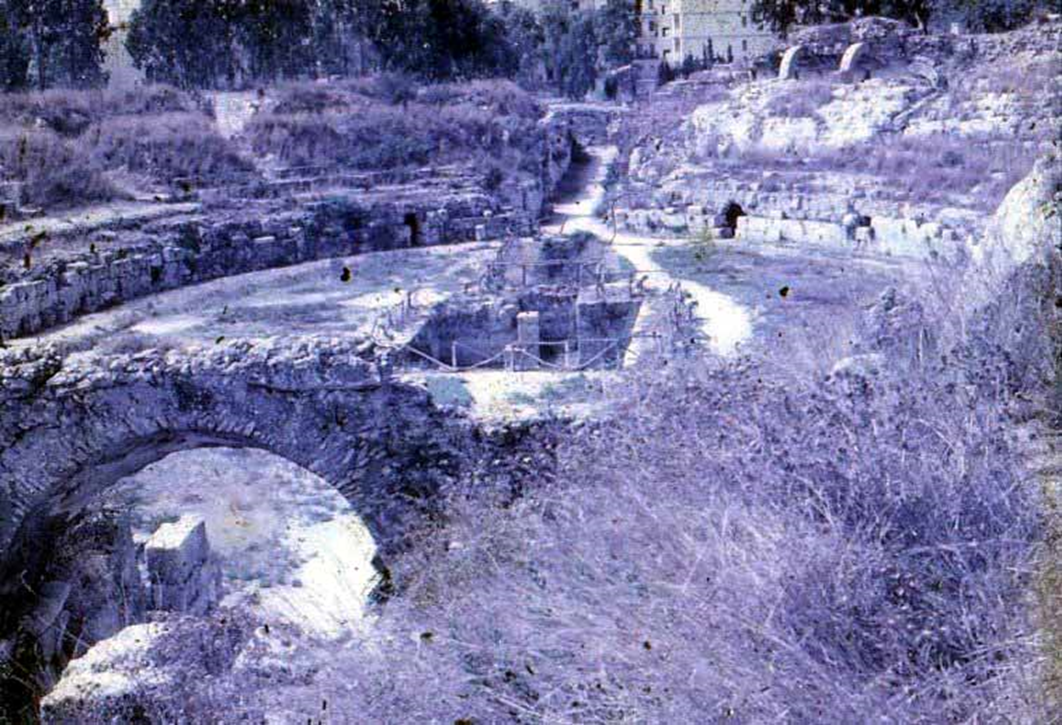
Sicily Greek Theatre Ruins, Photo by author, 11 August 1968
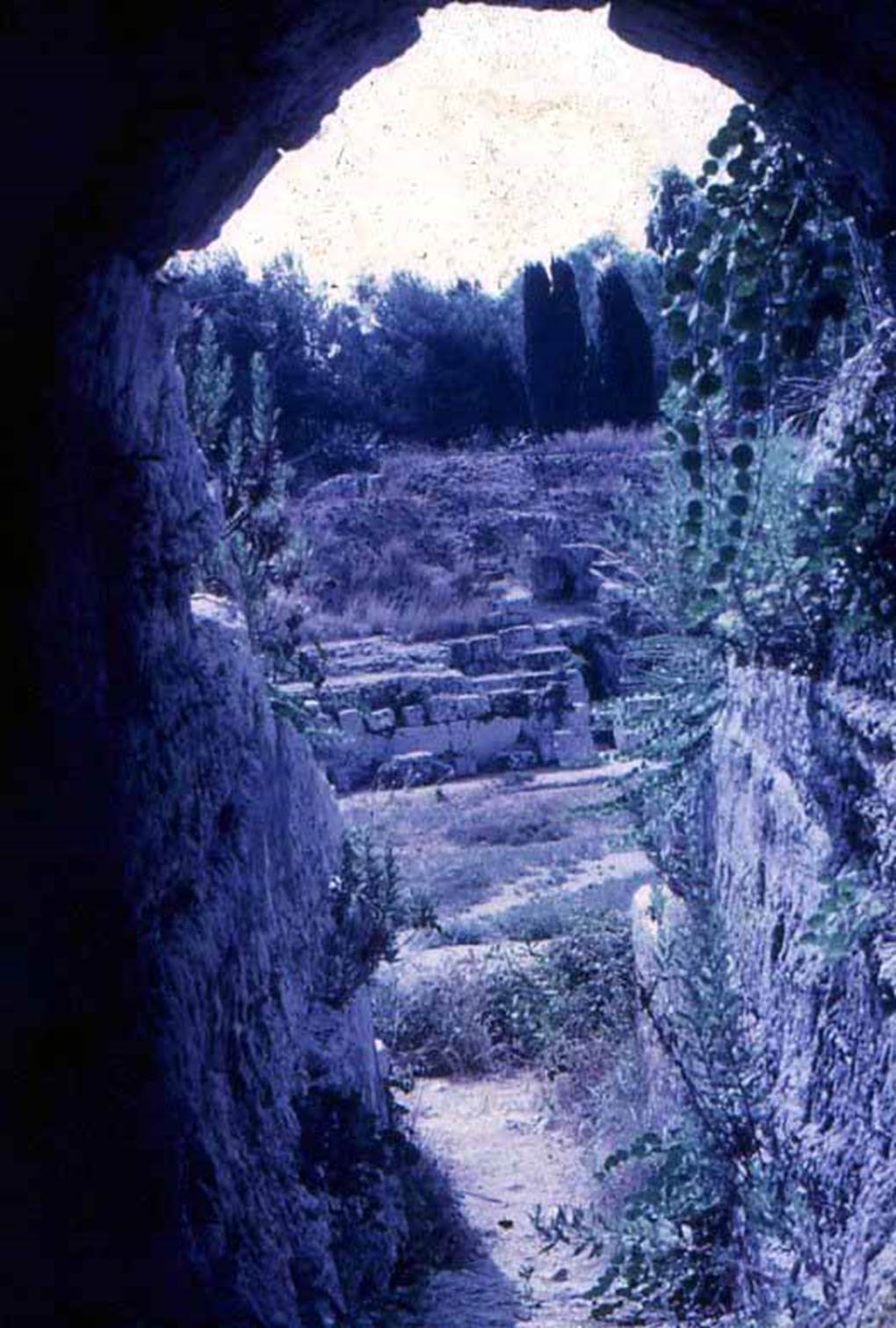
Sicily Greek Theatre Ruins, Photo by author, 11 August 1968
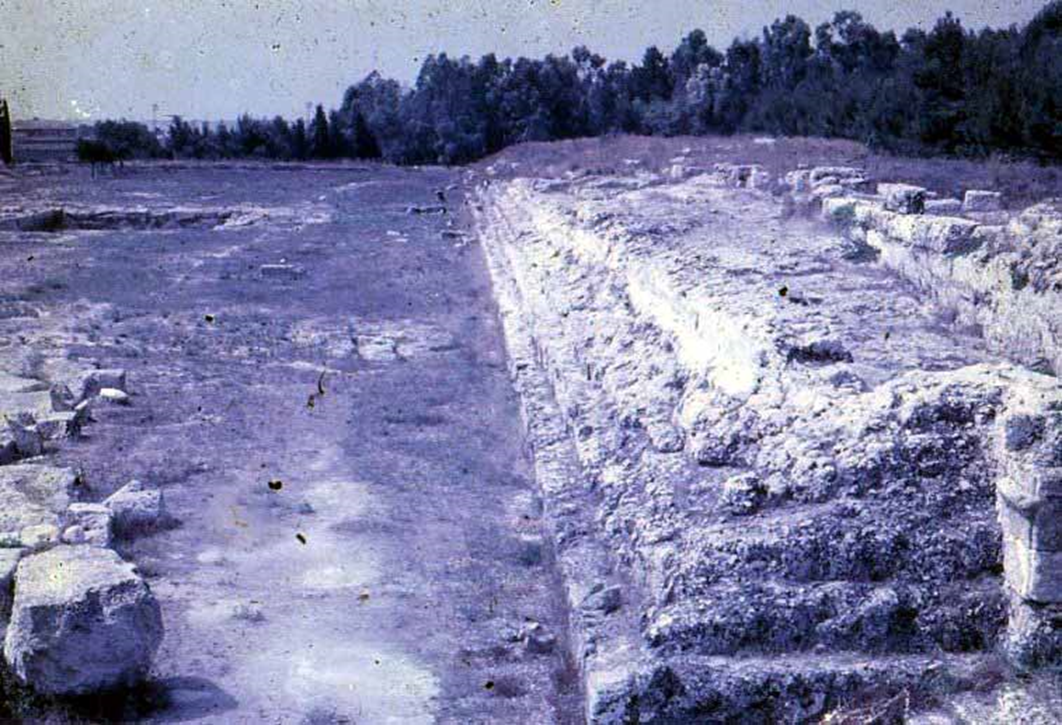
Sicily Greek Theatre Ruins, Photo by author, 11 August 1968
From the old deserted town of Syracuse.
August 11 Syracuse 19;30 departures> overnight on the train (5) > 12 August 15:00 arrives Rome
August 12 Rome. Foram Romano, Colosseum and St. Peter’s Basilica. 23;33 Departure from Rome.
Roman Forum (Foro Romano)
UNESCO World Heritage Site
The Latins, led by the Romulus brothers, founded Rome around 750 BC. The development of the Roman Forum is said to have begun in the 6th century BC. The Roman Forum functioned as a political and religious center, meaning a square for the citizens of Rome.
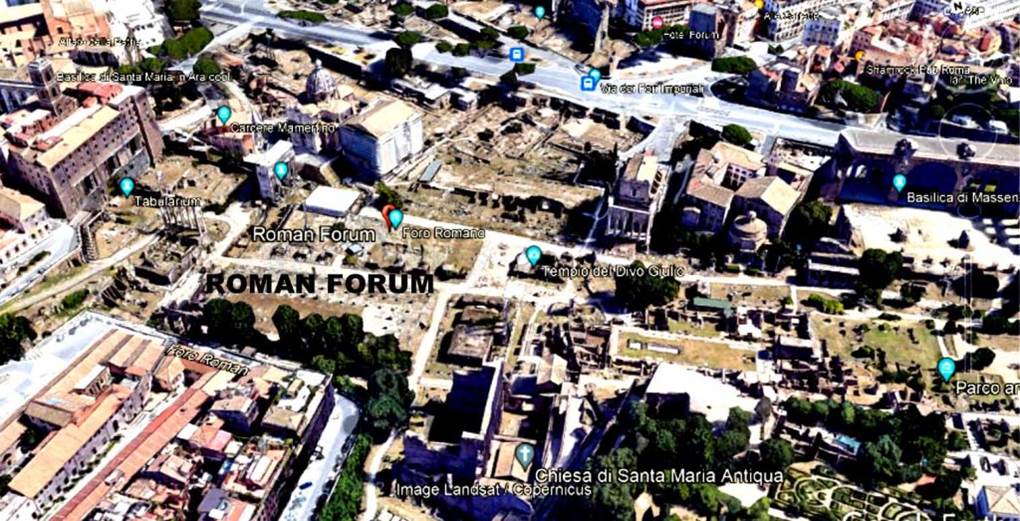
Foro Romano
The reason this area became the center of Rome seems to be that as the villages on the surrounding hills gradually formed a confederation, a neutral field was chosen as a place for meetings and conferences. The swampy, low-lying fields where the streams flowing from the surrounding hills joined and suffered from the floodwaters of the Tiber River were the site of the ruins of the Roman Forum, and later became the center of the city of Rome.
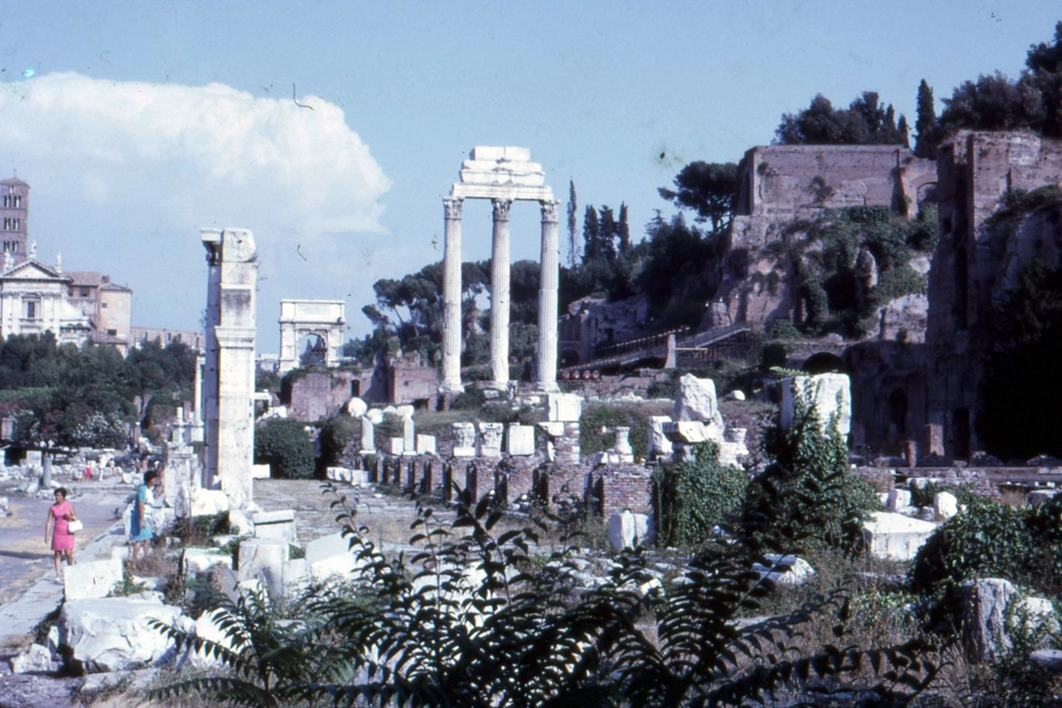
Photo by author, 12 August, 1968
As I walked slowly through the ruins of the Roman Forum, I was able to feel the atmosphere of the civic square of ancient Rome, and I felt like I was a part of history.
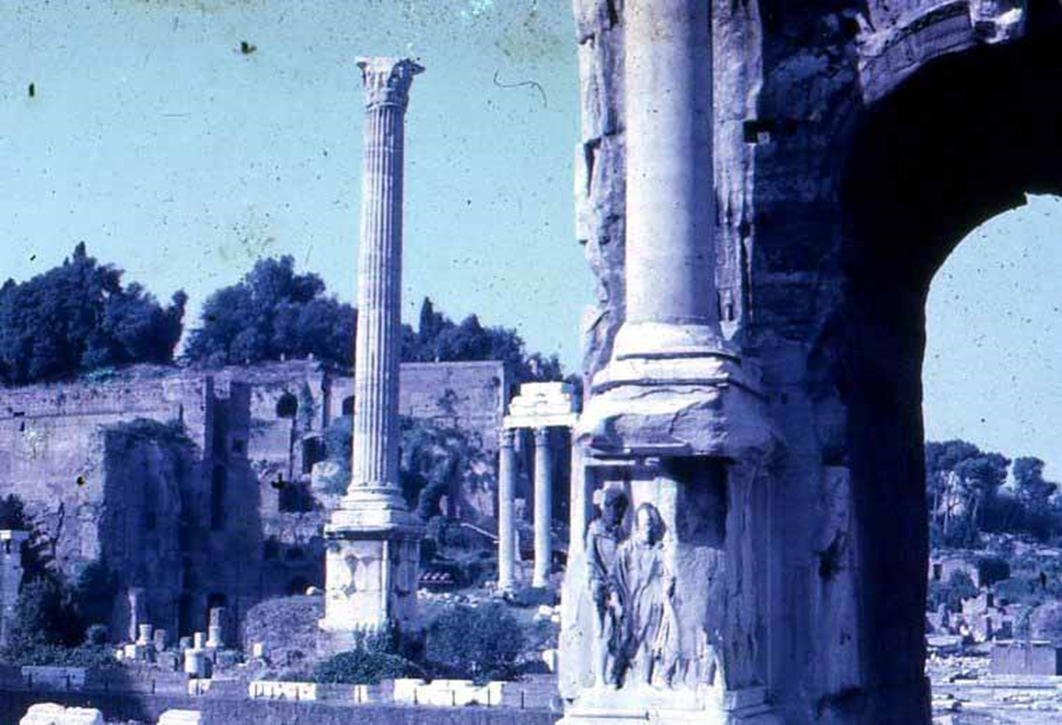
Foro Romano, Photo by author, 12 August, 1968
Caracalla Baths
World Heritage Sites of Ancient Roman Ruins
Speaking of ancient Rome, they started constructing waterworks in the 300s BC, and by the 200s when the Baths of Caracalla were built, it was equipped with a water and sewage system that was almost the same as today.
There were several boilers in the Baths of Caracalla, and warm water was supplied to the baths by pipes threaded between the walls.
It is said that it was built by Emperor Caracalla over a period of four years from 212. It was 225 meters long, 185 meters wide, about 40 meters high, and had between 2,000 and 3,000 bathtubs. A water supply was also built to draw water into the bathhouse.
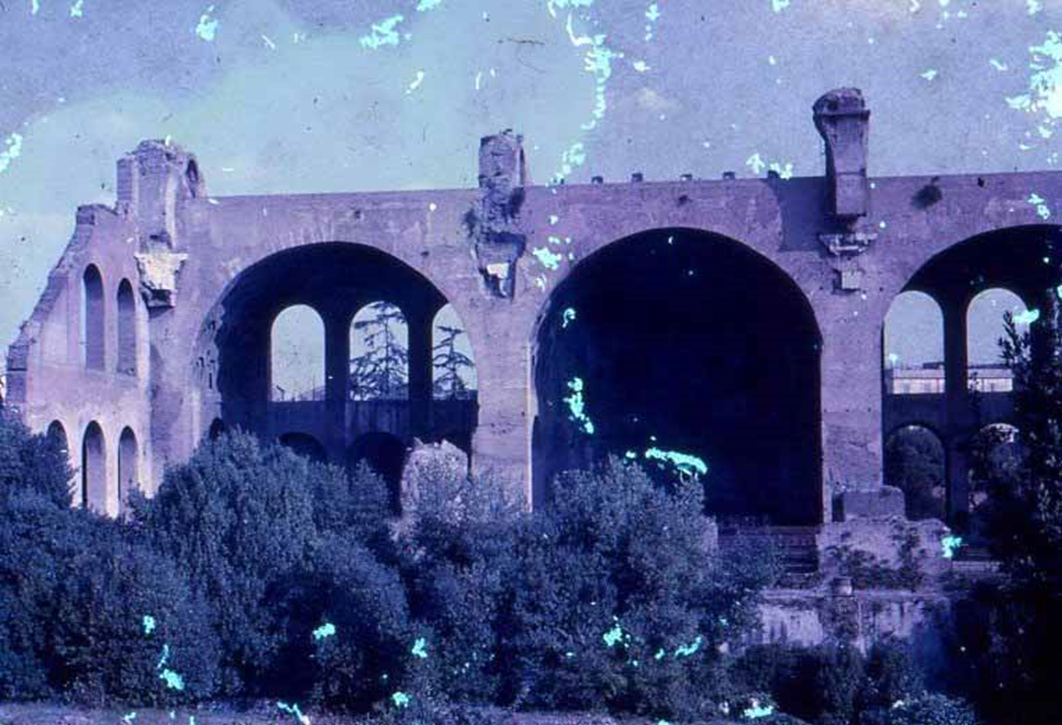
Baths of Caracalla, Photo by author, 12 August, 1968
The aqueduct was destroyed by the invasion of foreign tribes in the 6th century and was closed down, never to be restored to this day.
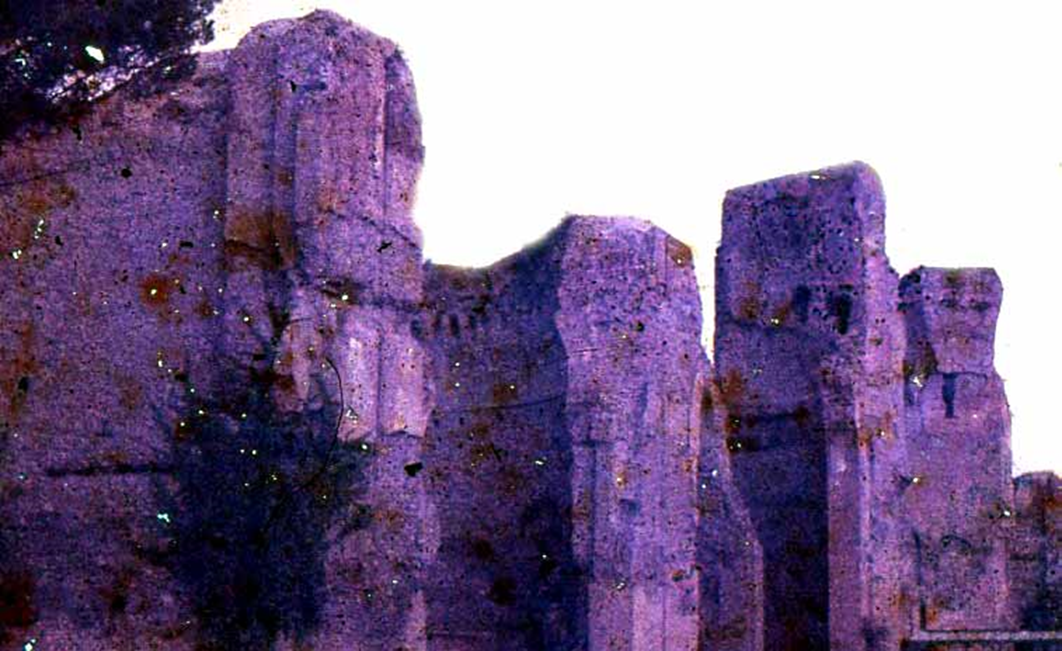
Remains of the Baths of Caracalla, Photo by author, 12 August, 1968
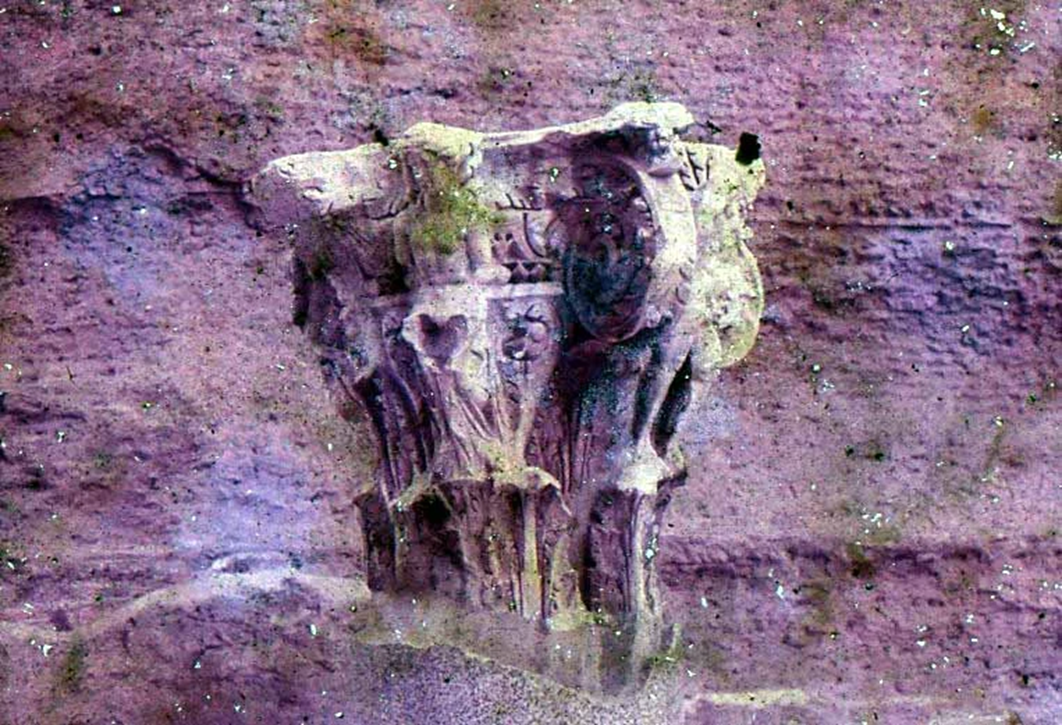
Photo by author, 12 August, 1968
Remains of the Baths of Caracalla
The interior of the building was gorgeous, with marble and mosaic floors filled with paintings and sculptures on the walls and ceiling.
In addition to various bathrooms such as cold and hot baths, it is large enough to accommodate 1,600 people at a time.
Even in modern terms, it is clear that it was a huge building that is beyond imagination.
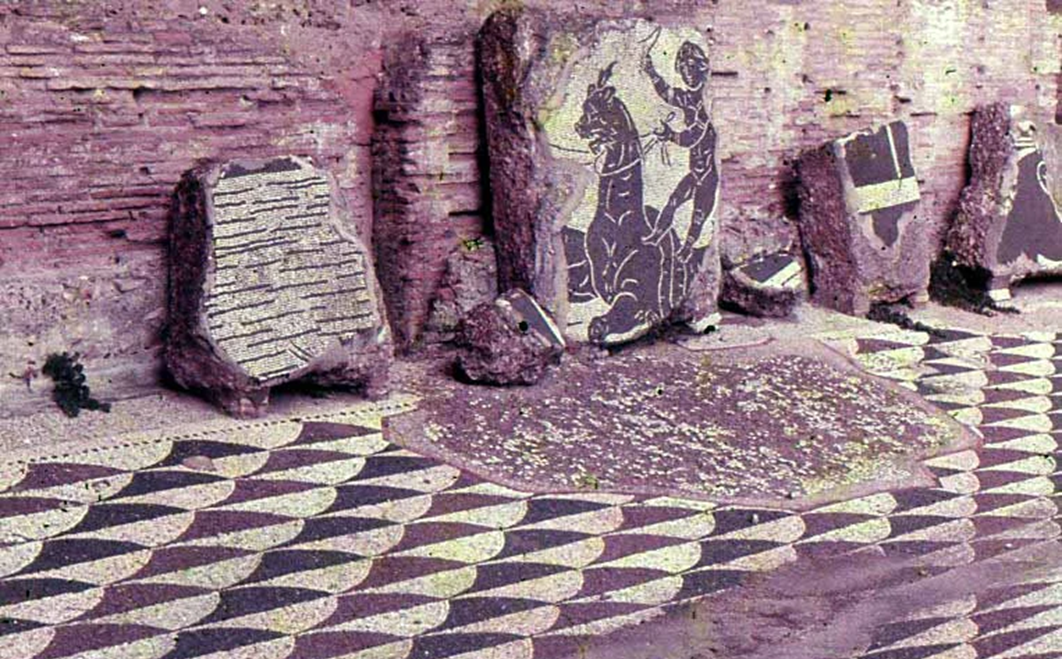
Photo by author, 12 August, 1968
Vatican City
The country itself is a UNESCO World Heritage Site
The area of Vatican City is 44 hectares (ha). Compared to the total area of the Imperial Palace (Japan) (115 hectares) and the total area of Mt. Koya (110 hectares), this is about 40% of their respective areas.
As can be seen, religious facilities are densely packed within the 44-hectare site enclosed in red on the map below, forming a densely populated religious city.
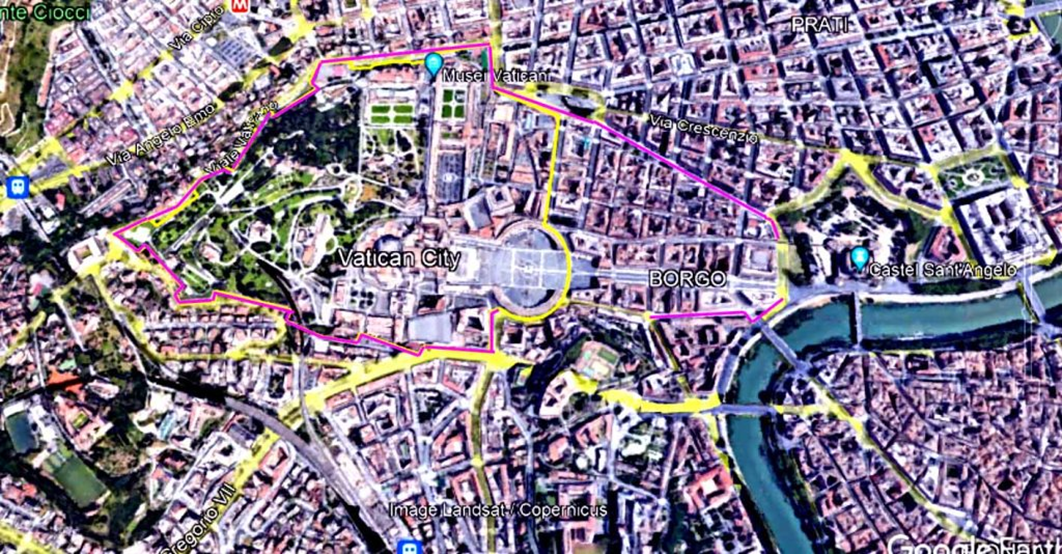
The area surrounded by the red line is the Vatican City
St. Peter’s Basilica
UNESCO World Heritage Site
St. Peter’s Basilica (Basilica di San Pietro in Vaticano) is the headquarters of the Catholic Church in the Vatican. The cathedral was originally considered a basilica dedicated to the tomb of the Apostle Peter, and is one of the largest Christian church buildings in the world.
St. Peter’s Basilica took more than 120 years to build and was completed in 1626. It can be said that it is a huge religious comprehensive building that combines Renaissance and Baroque styles.
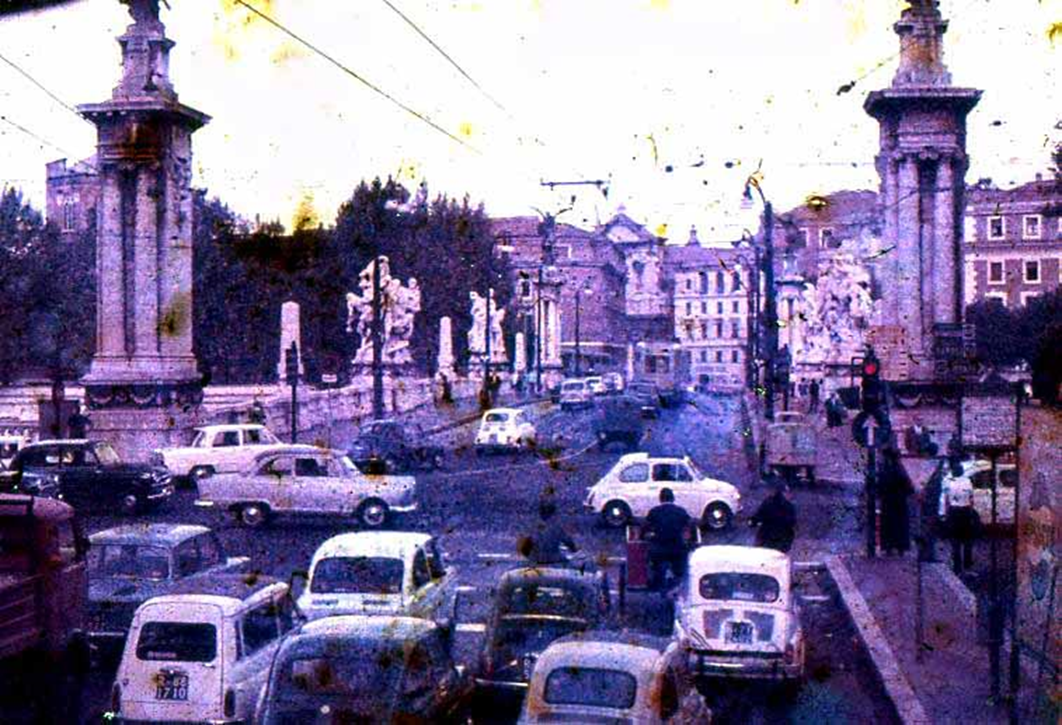
The only road connecting St. Peter’s Basilica to the city of Rome
Photo by author, August 1968
Facade
The façade is supported by eight columns, six semi-square pillars and four square pillars. The roof is decorated with 13 statues of saints each 5.7 m high, and there are five balconies on the second floor. The center is dedicated to the Pope giving blessings.
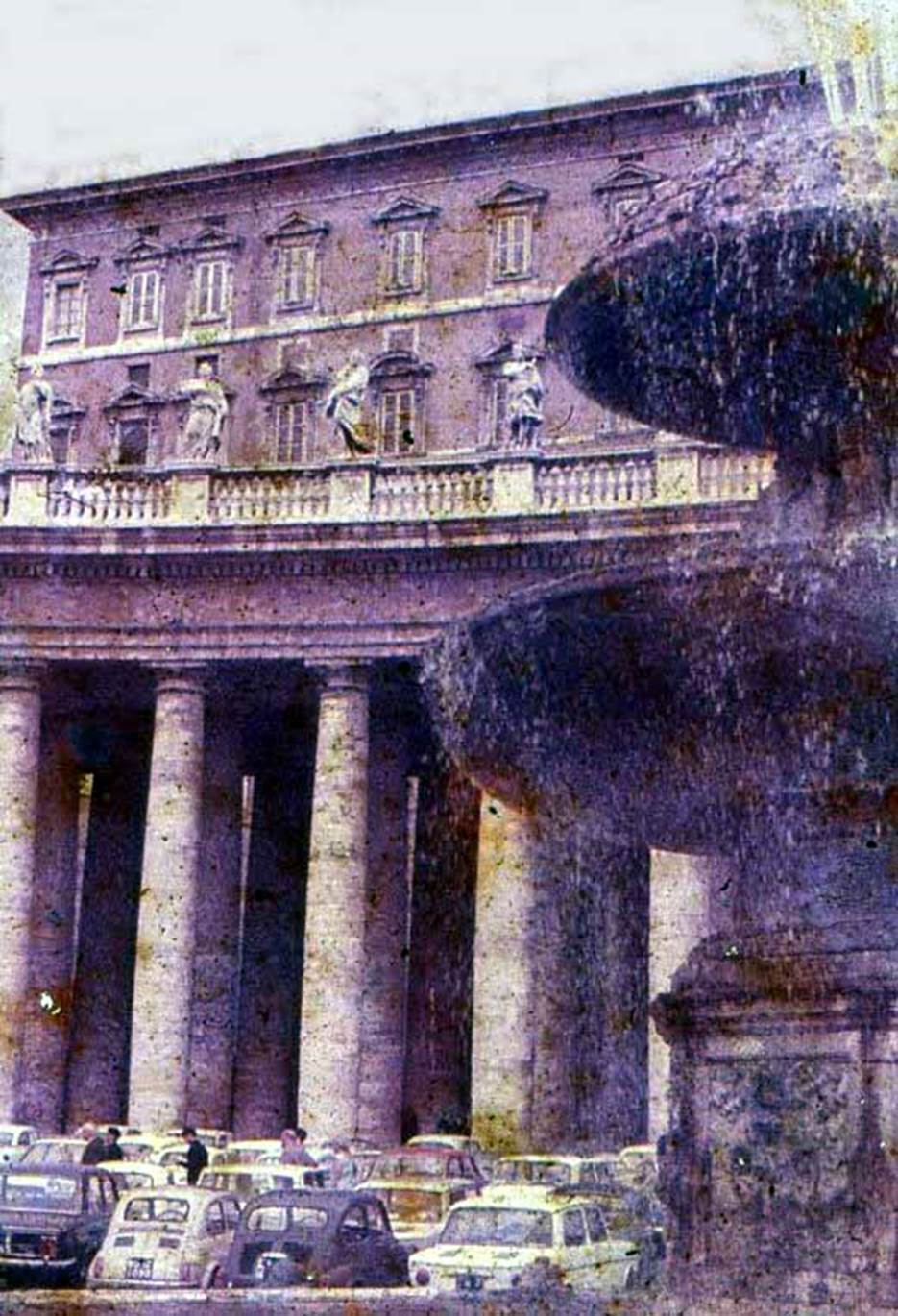
The square and façade in front of St. Peter’s Basilica,
Photo by author, August 1968
St. Peter’s Square
The square is designed to be a combination of oval and trapezoidal shapes. The square is surrounded by colonnades (a row of columns).
In the center of the square stands a 25.3-meter-high obelisk built in Alexandria, Egypt in the 1st century BC. On the left and right sides of the center of the oval are two fountains.
The total number of columns is 240 Doric cylinders and 88 pilasters.
There are 144 statues of saints with a height of 3.2 meters each. (photo below)
The vast St. Peter’s Square in front of the cathedral is said to be able to accommodate up to 300,000 people.
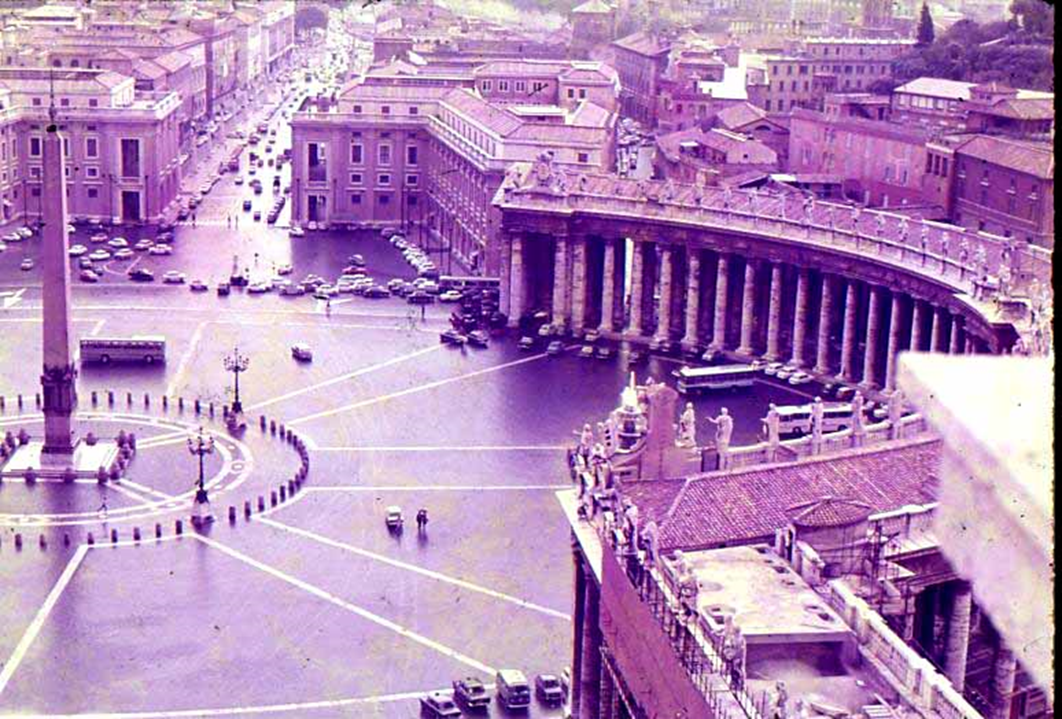
The oval square in front of St. Peter’s Basilica,
Photo by author, August 1968
The total floor area of Vatican City is 23,000 m2.
Adjacent to the north are the Vatican Palace, where the Pope lives, and the Vatican Museums.
The two round holes seen at the bottom of the photo are the upper part of the dome in the hall, and it can be seen that vertical windows was built on top of it as a natural lighting source.
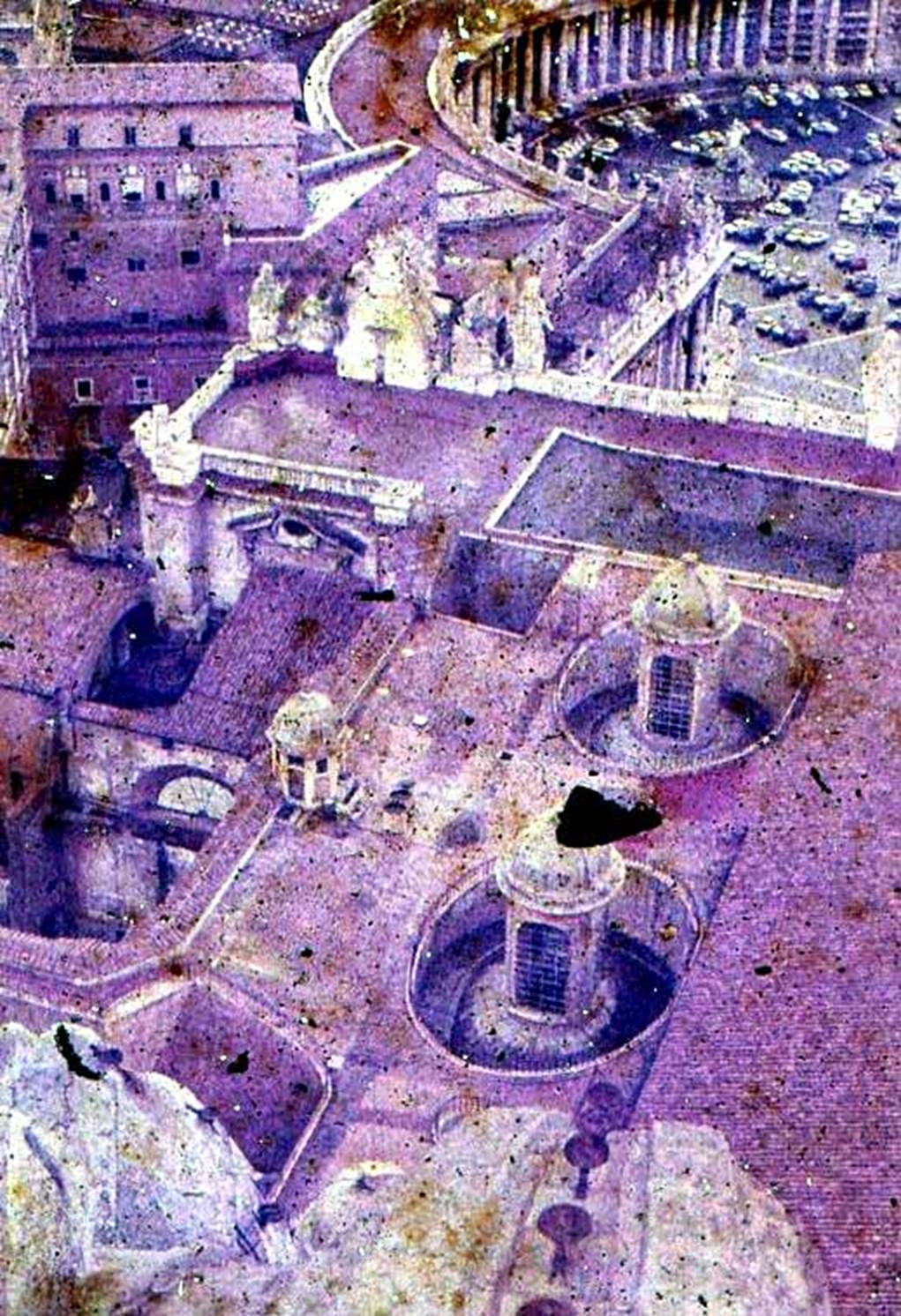
The square and ancillary buildings seen from the dome of St. Peter’s Basilica
Photo by author, August 1968
Sistine Chapel
A chapel for the Pope built in the Vatican Palace in 1473~84.
As you can see in the photo below, it is located between other buildings, and the exterior design is not important, so it is a brick building with a simple rectangular plan.
However, in contrast to the simplicity of the exterior, the interior of the building is filled with works of art, including outstanding Renaissance frescoes, including the ceiling painting by Michelangelo, which is a famous artist in art history.
When I visited, it was in the middle of the summer vacation, and the interior floors of the chapel were so packed with visitors that there was no room to stand. The murals were obscured by the shadows of the people, and all I could do was to crane my head up to see the ceiling paintings.
The only other museum space comparable to this was around the Venus de Milo at the Louvre in Paris. With so many people in the building every day, CO2 would build up inside the room, and deterioration of the frescoes would be a major problem.
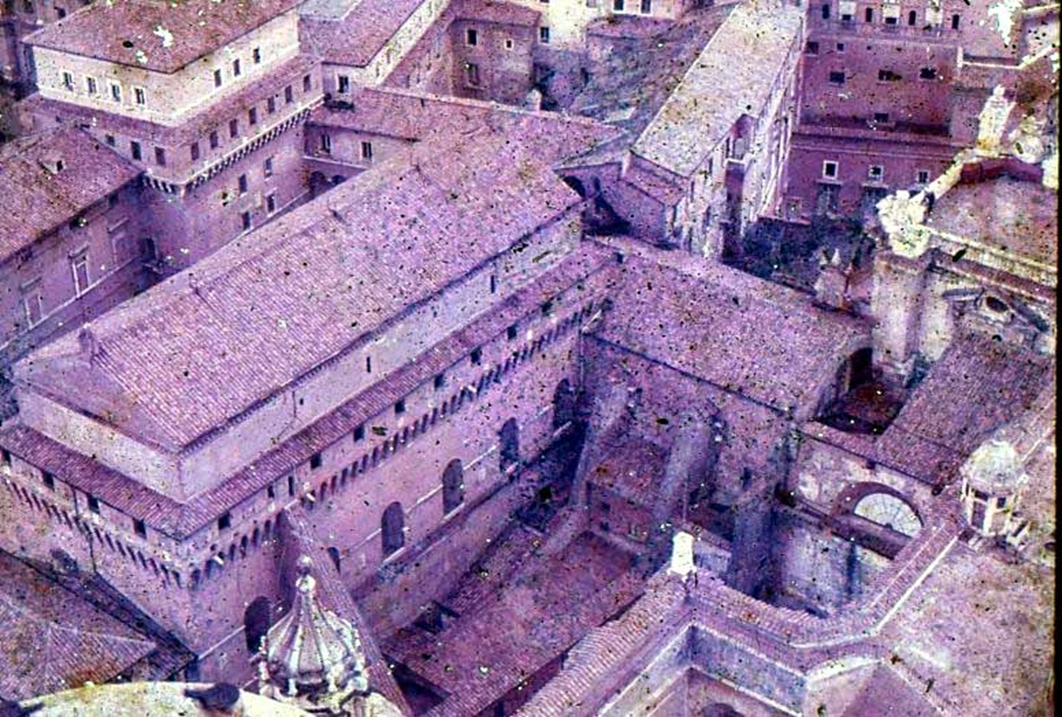
Looking down on the Sistine Chapel from the dome of St. Peter’s Basilica. Photo by author, August 1968
Cathedral Cupola
From the courtyard to the right of the basilica, you can go up to the cupola of the cathedral. The height to the cross above the cupola is 136 m. There are two ways to do this: you can climb the total 551 steps or use the elevator and climb the remaining 320 steps.
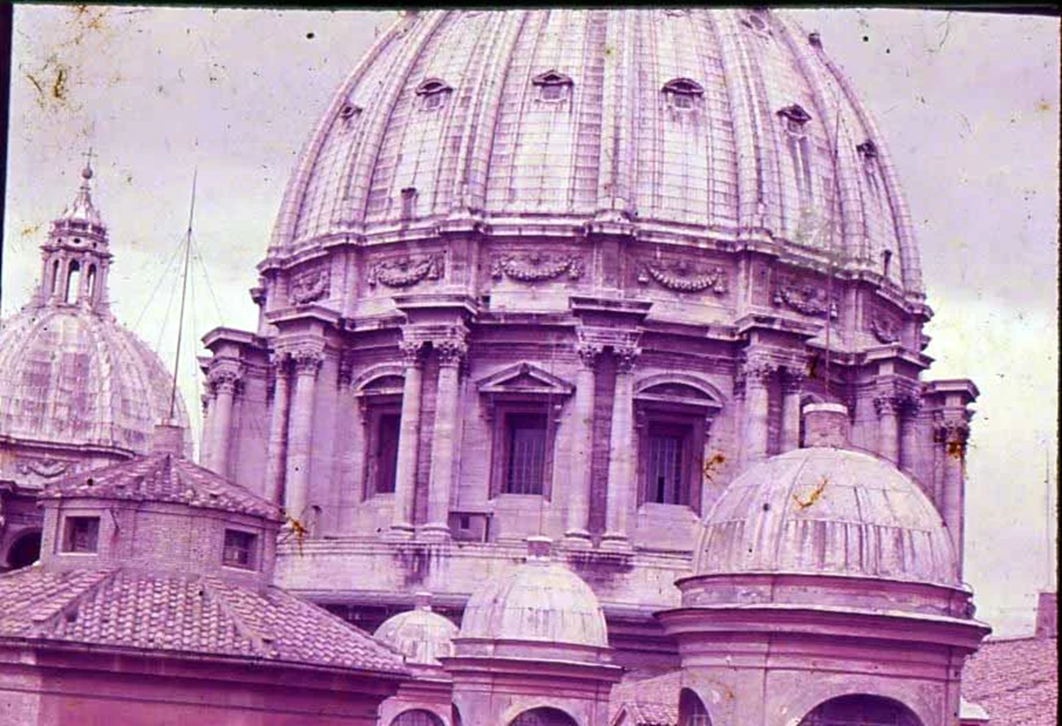
Cupola Dome of St. Peter’s Basilica, August 1968
Bird’s-eye view from the Cupola Dome.
The Tiber River flows to the east of Vatican City, and you can see the city of Rome beyond.
From the bridge over the Tiber River to St. Peter’s Square, you can clearly see a straight road.
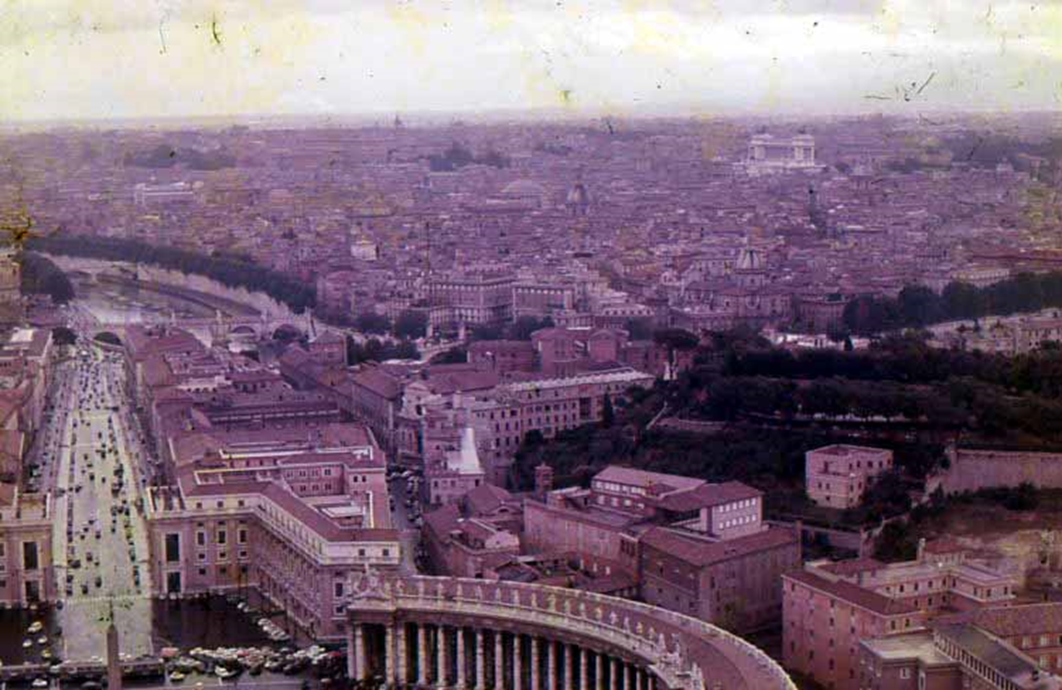
View of Rome from the Cupola Dome of St. Peter’s Basilica
Photo by author, August 1968
Photos taken by author, August 1968