JAP | ENG
China, Guangzhou & Foshan
2007
To buy building materials from Guangzhou
In November 2007, at the request of a developer of a hotel and shopping mall in Medan, Indonesia, I flew to a materials factory in Foshan, Guangzhou, China, to select marble and ceramic tiles for building finishing materials.
In Indonesia, marble hubs are located around Bandung on the island of Java. Almost all of the marble and other stone materials for the large shopping malls I was involved in designing in Jakarta and Bali were sourced from factories in Bandung.
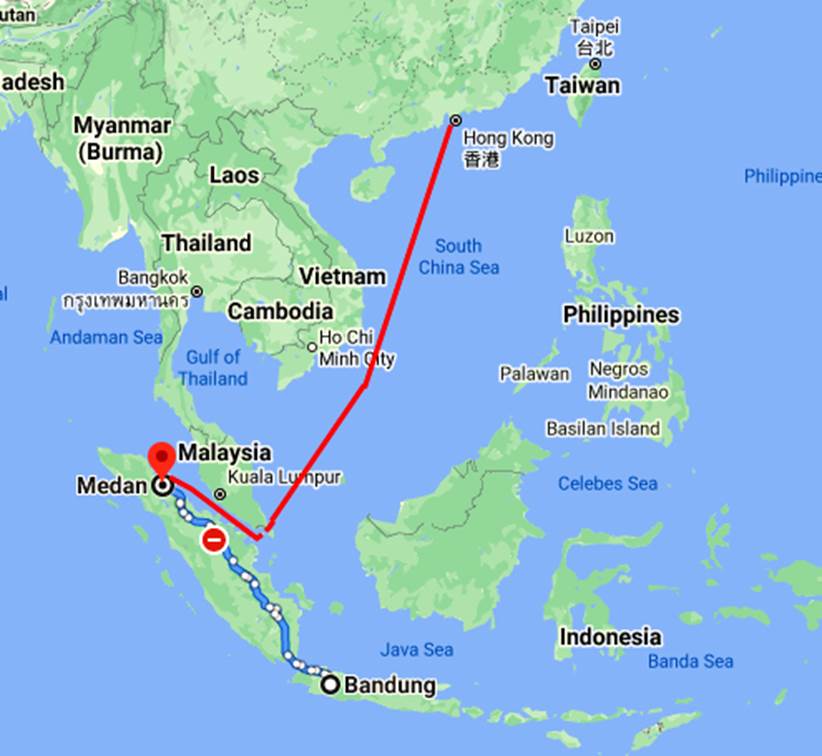
One of my clients, a house owner in Medan, turned his attention not to Bandung on the island of Java, but to Foshan, an industrial city adjacent to Guangzhou, China, as a supplier of finishing materials.
When I asked why, I got the following answer. Transporting the stones over 2,000 km from Bandung to Medan by land takes time and costs money.
Because there is already ferry service between Java and Sumatra, therefore there are no expressway on Sumatra.
In comparison, transporting the stones by sea 4,000 km from Foshan, Guangzhou, China is cheaper and, above all, there is a wider variety of stone available, making it an advantageous choice.
The globalization of supply chains had already begun around this time.
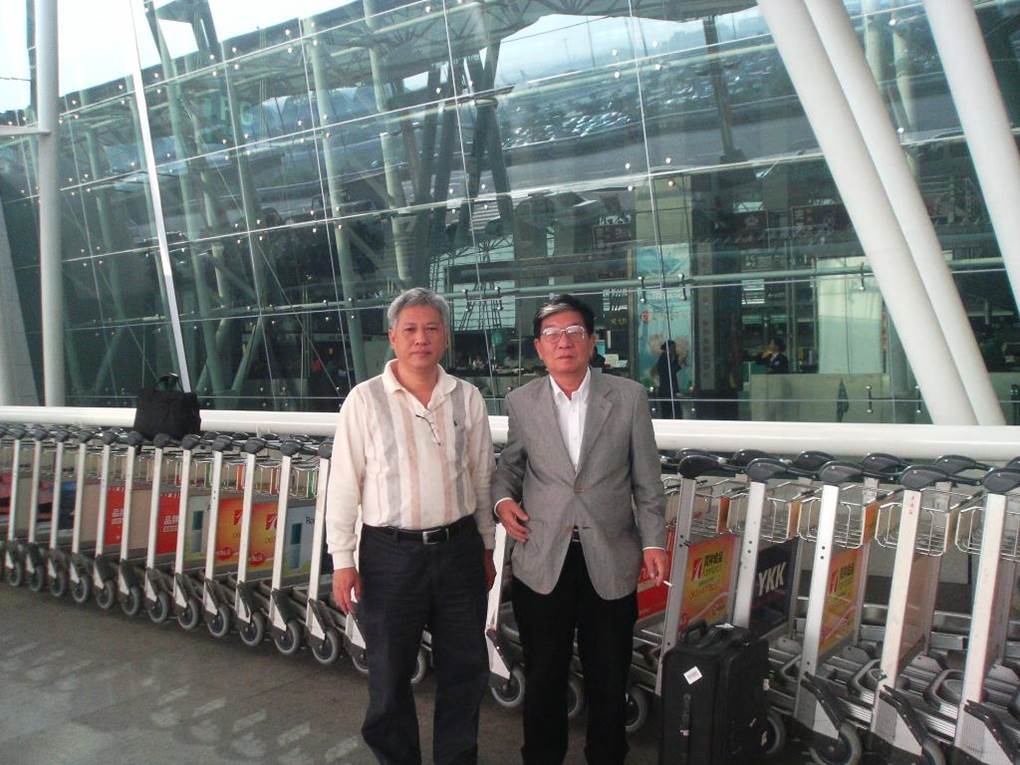
Guangzhou Baiyun International Airport
The airport is located 30 km north of downtown Guangzhou. It is one of the three largest airports in China after Beijing Capital International Airport and Shanghai Pudong International Airport. The airport opened in 2004, so it was still rather new, having only been open for about three years.
I first visited Guangzhou in the 1990s, when (former) Baiyun International Airport was located 3km north of Guangzhou Railway Station. It was an airport that I transited through when I visited Guilin in Jiangxi Province at the invitation of an acquaintance. At that time, the international terminal was not crowded because there were not many foreign tourists.
However, when I moved to the domestic terminal for a transfer, I was caught up in a huge crowd of people and found the airport to be overcrowded. This time, I was at a new airport that had only been open for three years, so I was able to avoid the same experience as before.
A Chinese-Indonesian local guide picked us up at the airport.
The heart of Guangzhou, Tianhe District
After the reform and opening up, the Tianhe District was established on the north coast of the Pearl River in Guangzhou and became a development area, forming a new urban area lined with offices and shopping centers.
I checked into the Westin Hotel which I had booked. At night, I was walking aimlessly around the hotel when I came upon a bright and lively street.
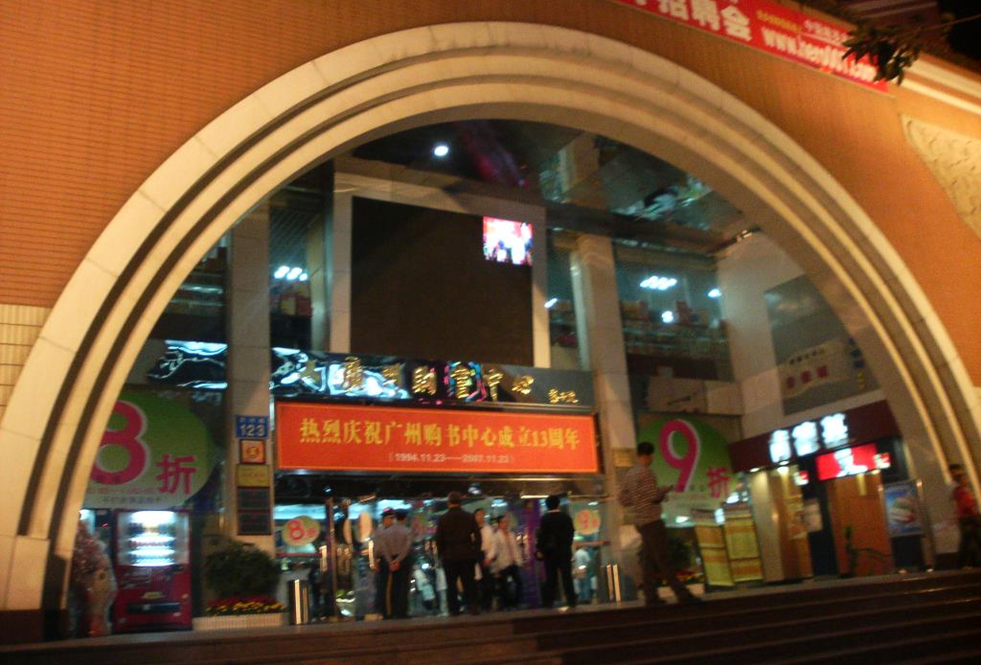
Photo by author, 2007
The Canon and Sharp signs are prominently displayed.
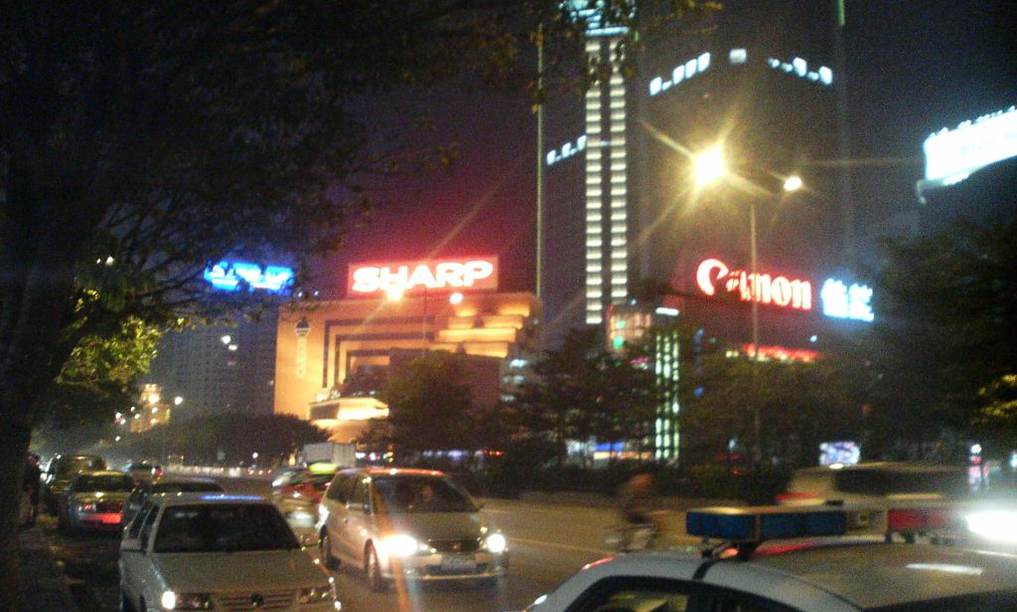
Photo by author, 2007
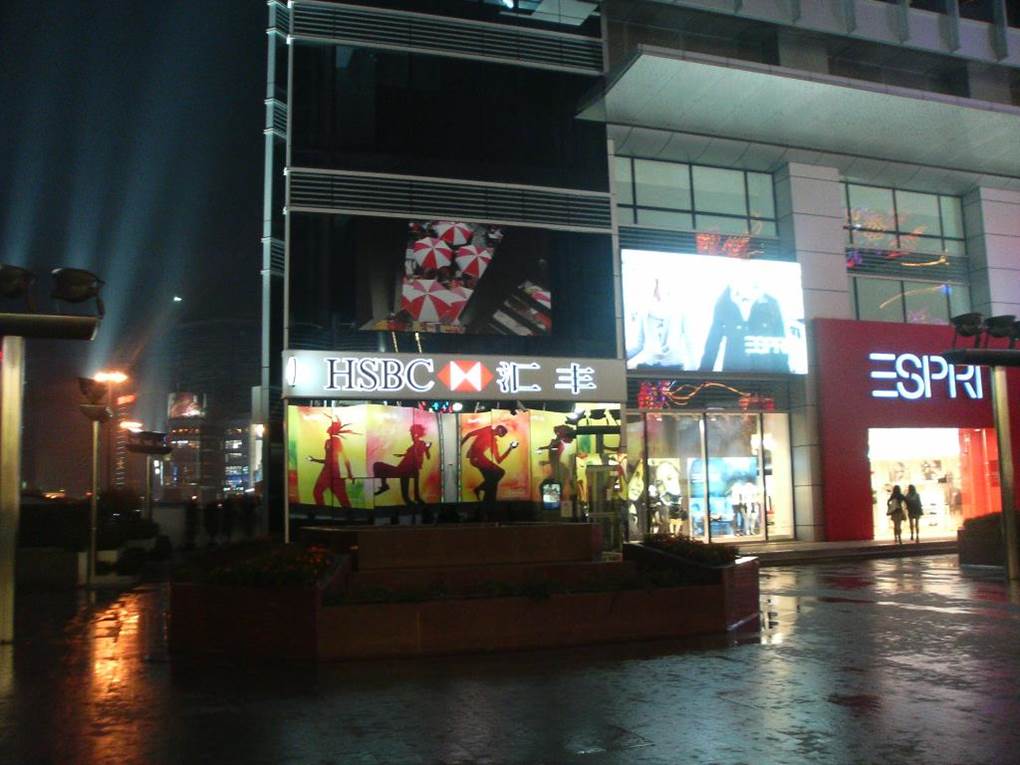
Photo by author, 2007
The night is brightened with Chinese-style illuminations.

Photo by author, 2007
There is also a Jusco sign. (background)
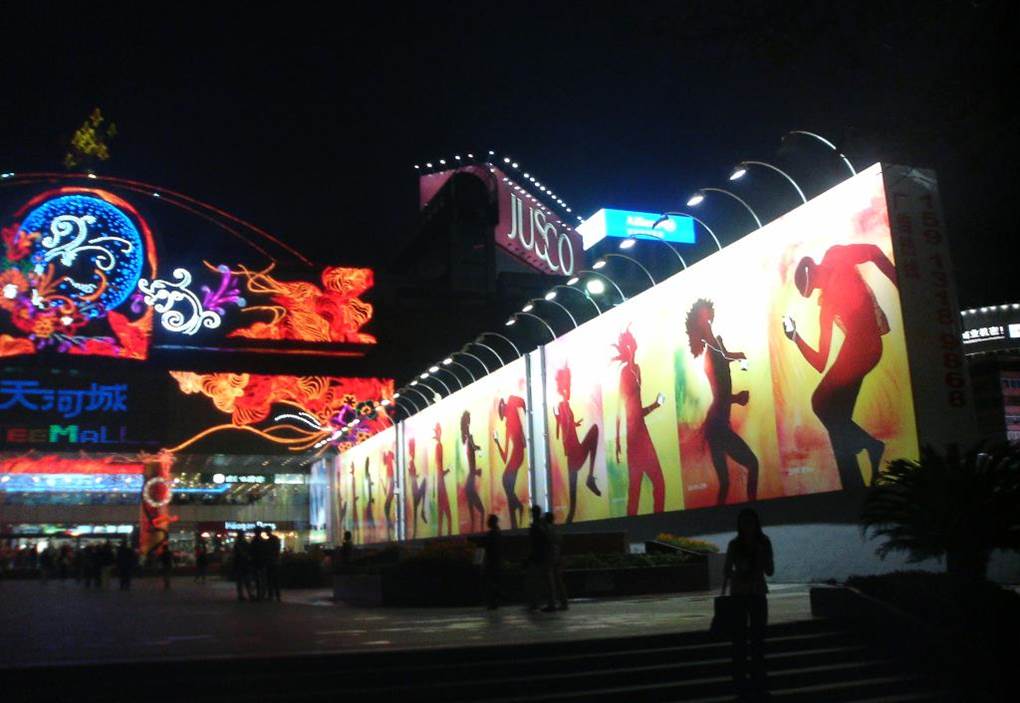
Photo by author, 2007
At that time, China, especially the Guangzhou area, is a mass production center for LED lamps, so LED light sources were used abundantly to illuminate the city.
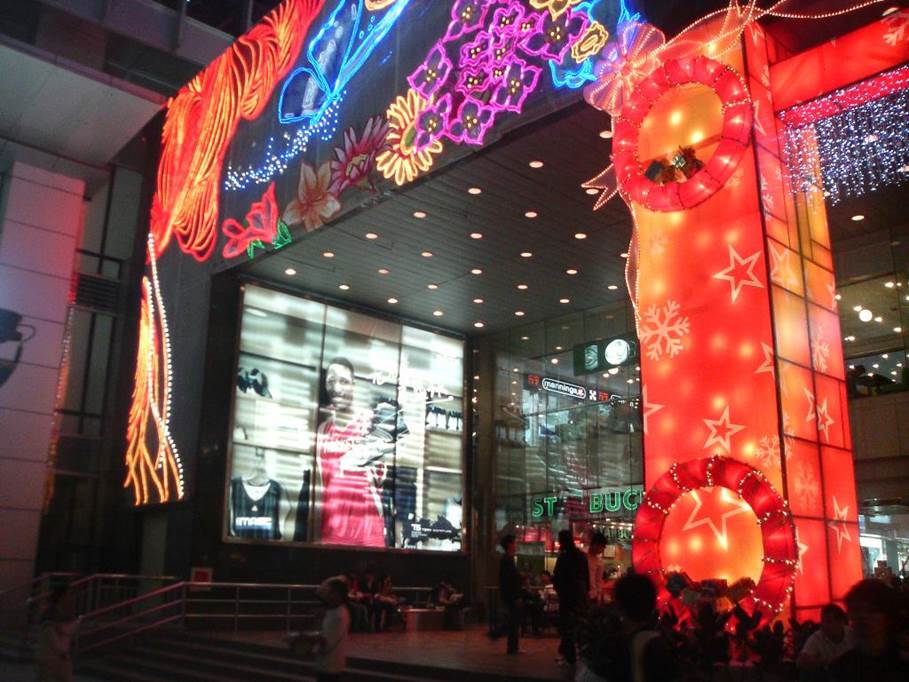
Photo by author, 2007
Guangzhou Westin Hotel
I stayed at the brand new Westin Hotel, which opened in 2007. Both the building and the service were top notch.
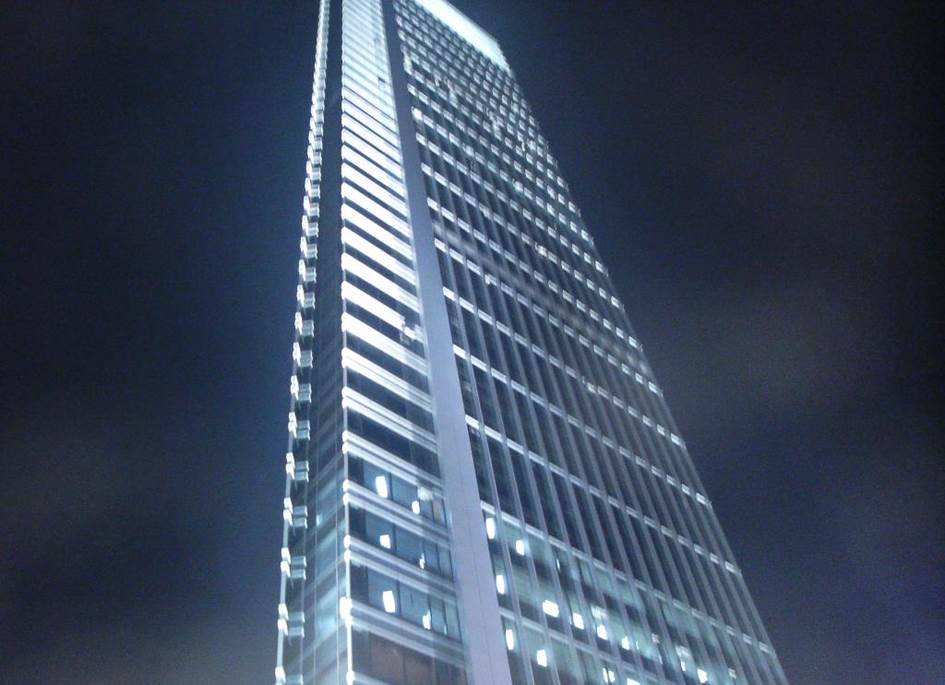
The Hotel entrance and lobby.
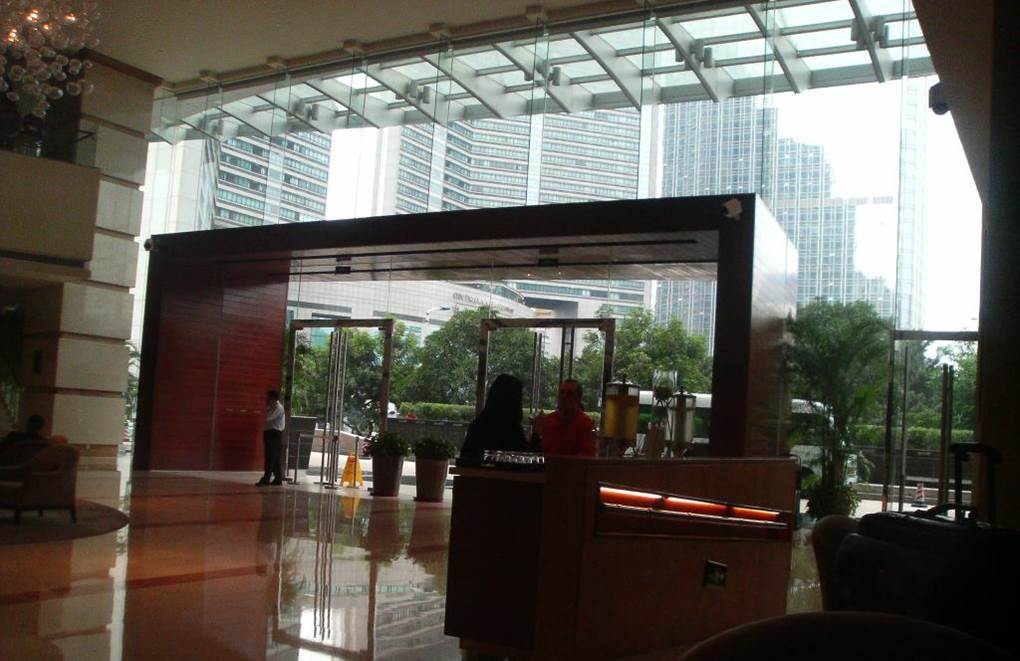
Photo by author, 2007
Reception counter.
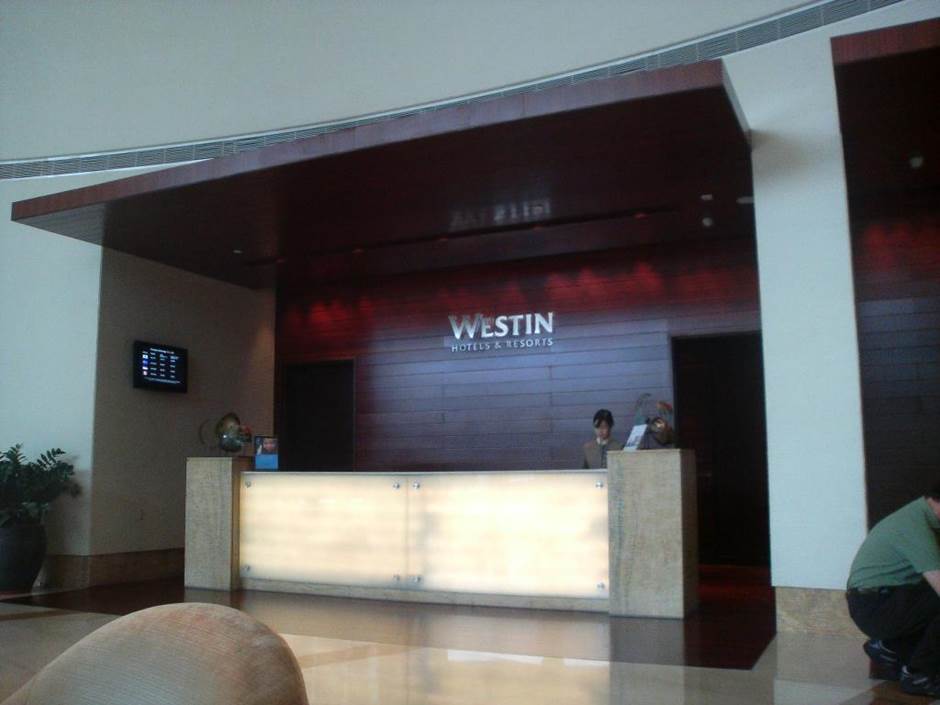
Photo by author, 2007
View from the elevator lobby, the hotel is located in a new business district.
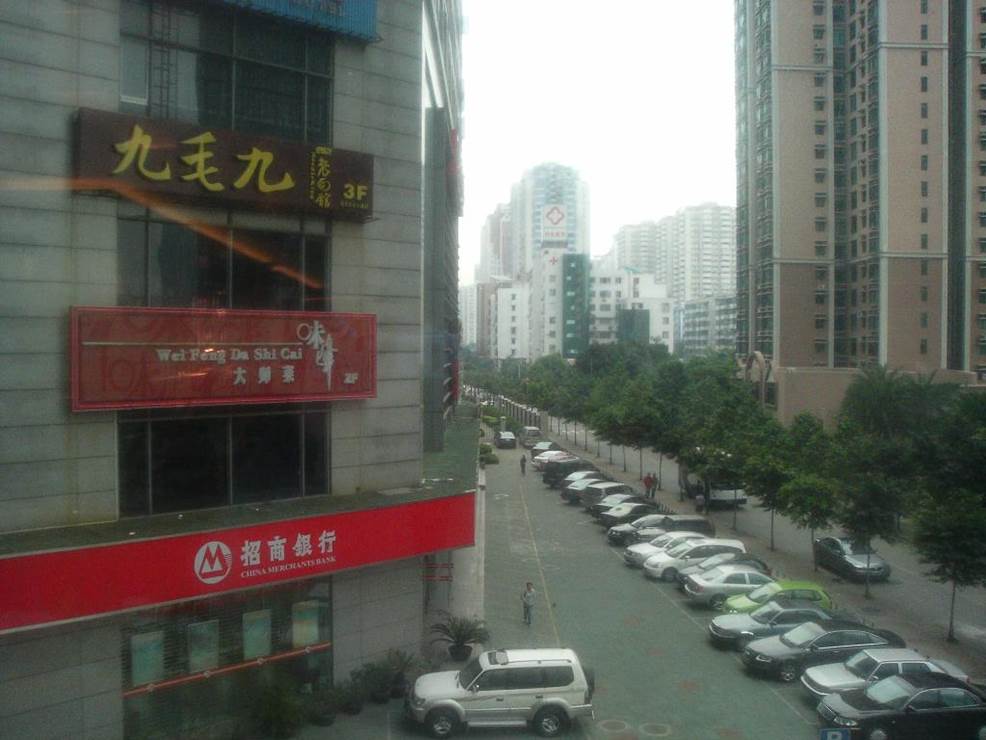
Photo by author, 2007
Guest room. There is no wall between the bedroom and the bathroom, and when you open the sliding door, the bedroom and bathroom become one space, creating a sense of openness, which is a brilliant idea.
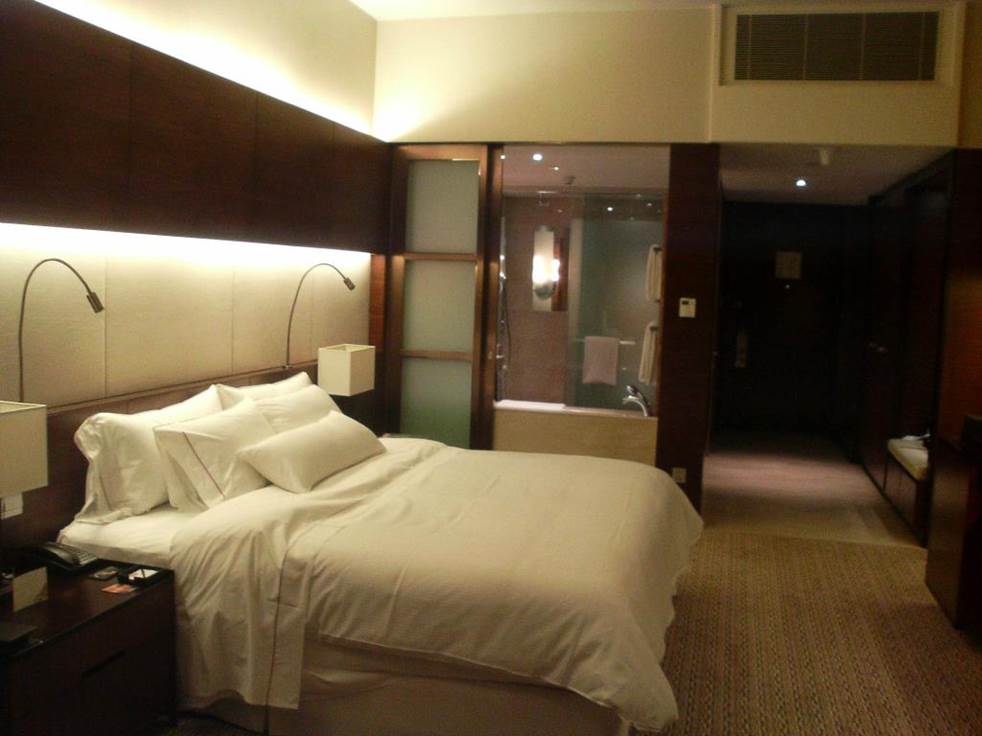
Photo by author, 2007
View of the bedroom from the bathroom.
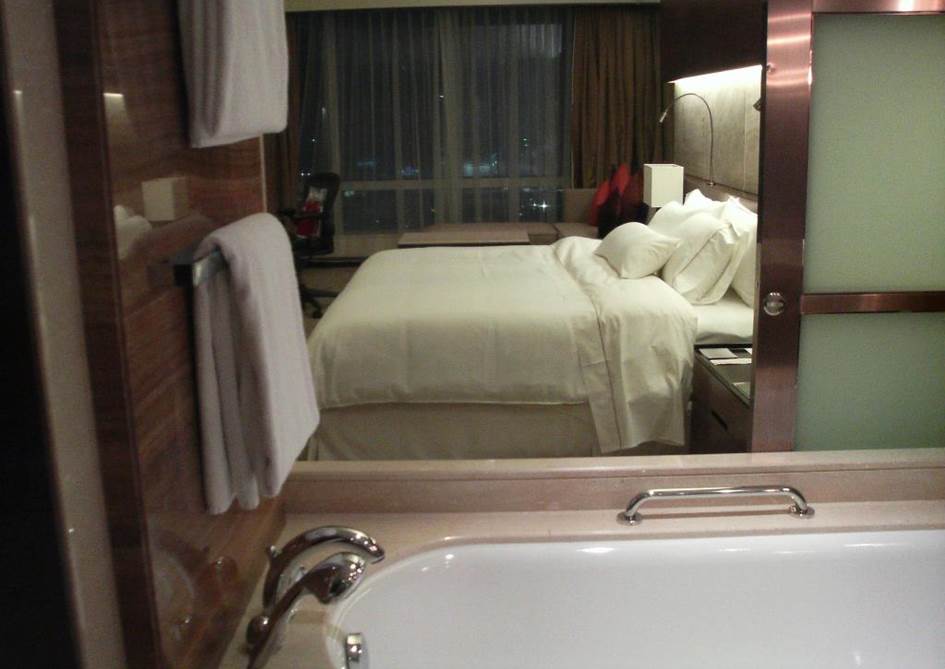
Photo by author, 2007
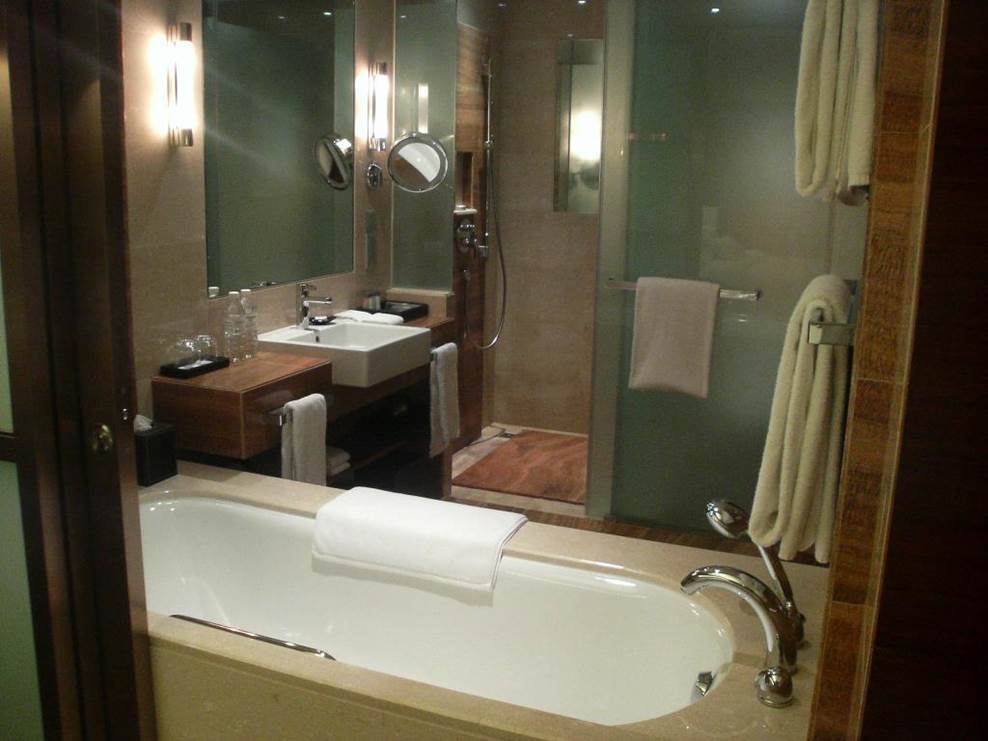
Photo by author, 2007
The bathroom
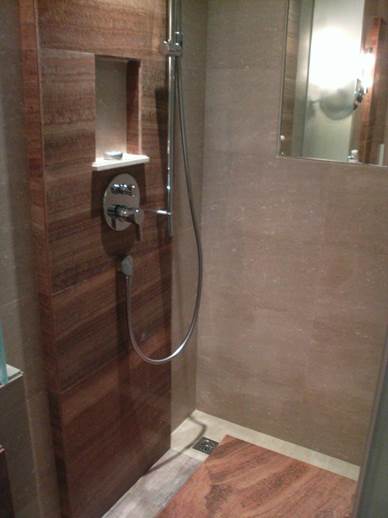
Photo by author, 2007
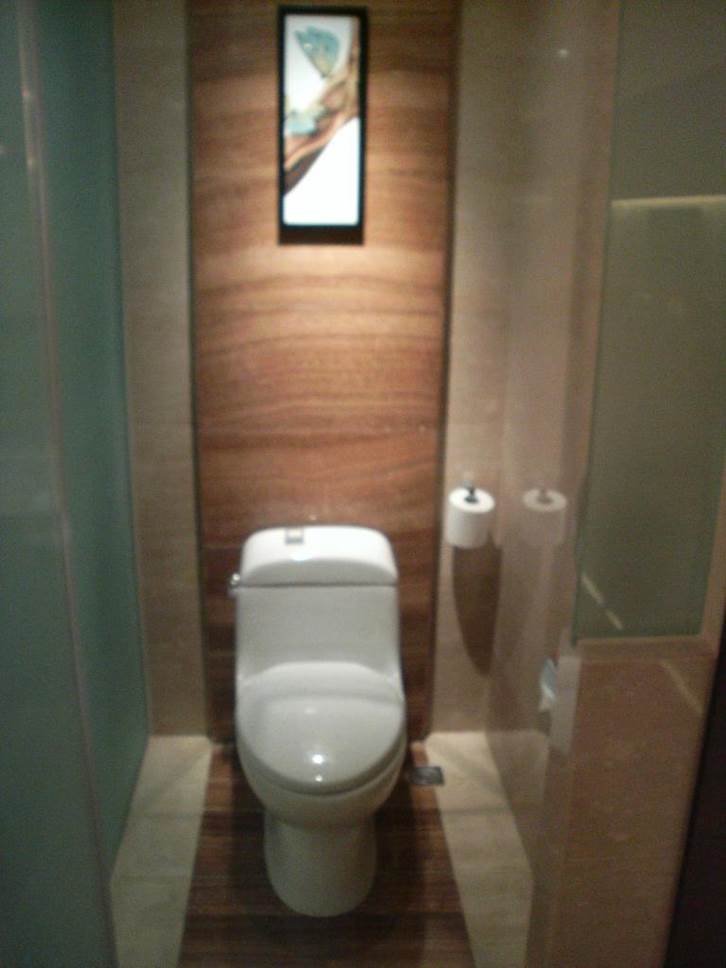
Photo by author, 2007
Minibar and mini-fridge.
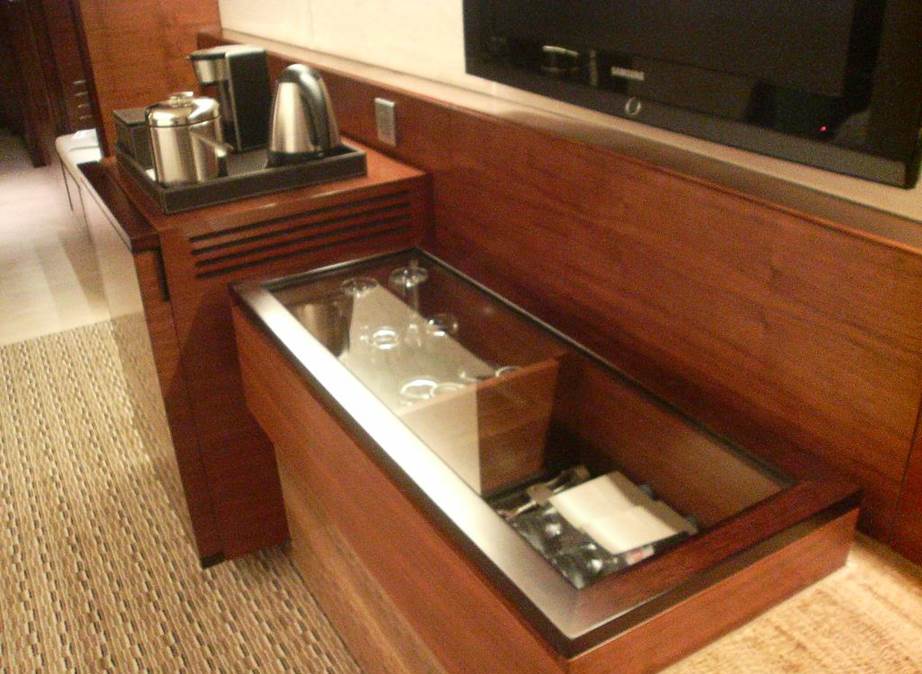
Photo by author, 2007
Luggage racks with cushion.

Photo by author, 2007
Marble and granite showroom
To the west of Guangzhou is Foshan City, where various factories are located.
Among them is a large stone factory that has grown by introducing technology and cutting and polishing machines from Italy. Its business model is to import about 2-meter cubic rough blocks of various marbles from Italy, Greece, Turkey and other countries, including high-end and rare rough stones, where they are cut into plates, polished on the surface, and sold to end markets around the world.
Dust and contaminated water discharged from factories are not regulated as strictly as in developed countries, so the cost can be reduced. Although transportation, cutting and polishing of stones requires a lot of labour, the labour cost in China is low. These synergies give mass production in China an advantage over other countries.
Similar industries in other countries began to shrink, and production bases were suddenly shifted to China. This is the cause and effect of the global capitalist economy.
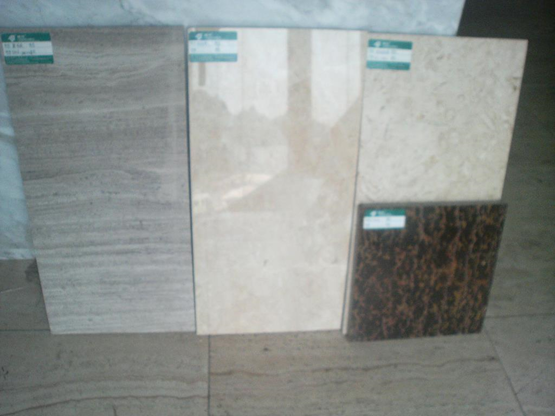
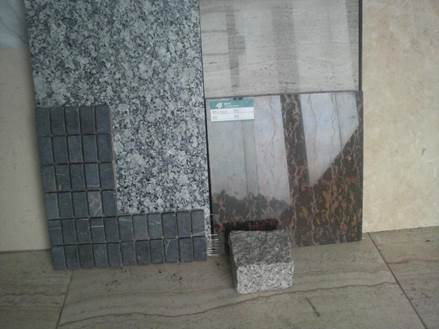
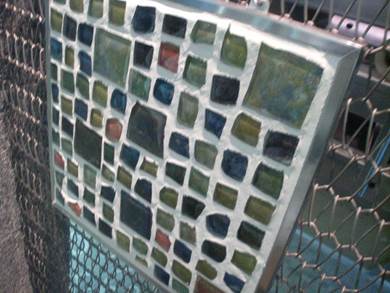
Factory in Foshan
Compared to the factories in Indonesia, the factories were well organized and the uniforms of the employees are nicer.
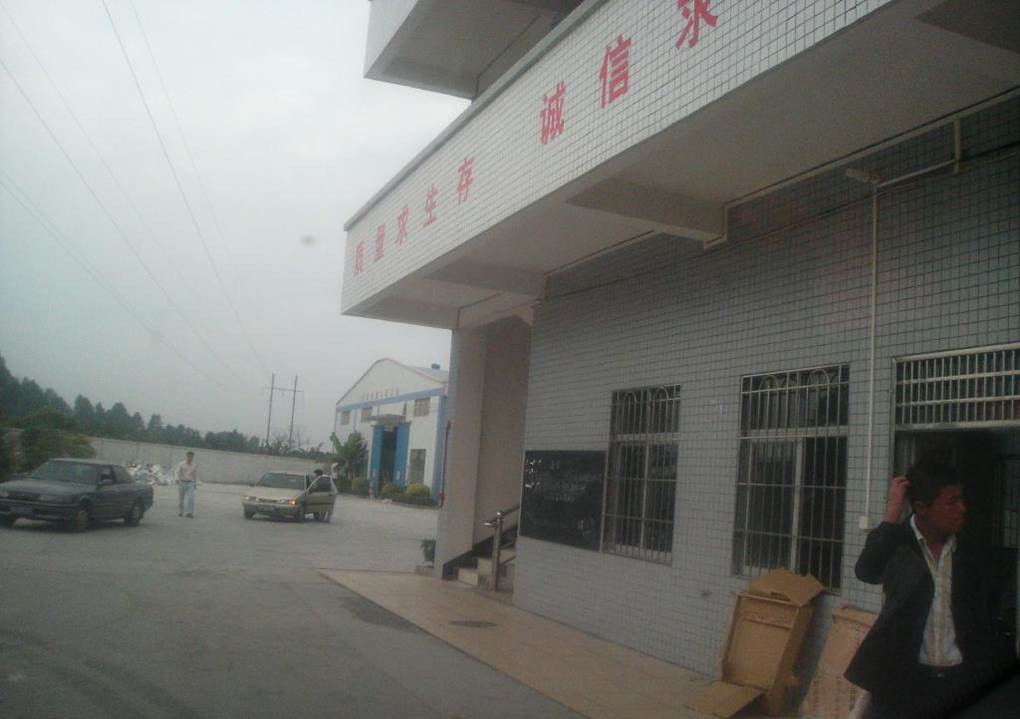
Photo by author, 2007
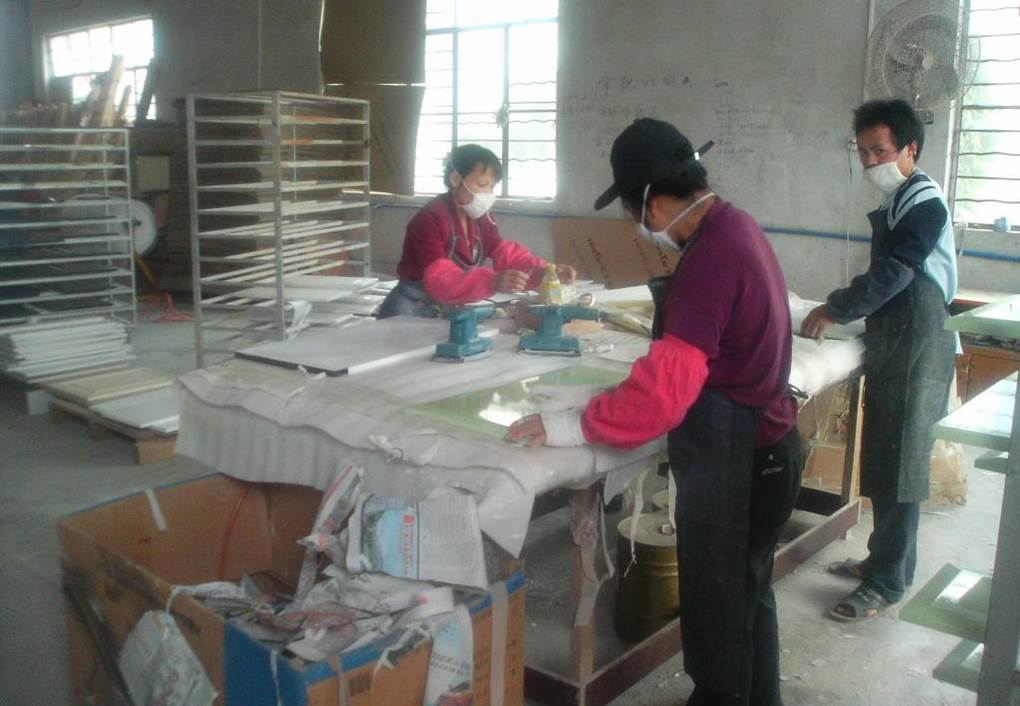
Photo by author, 2007
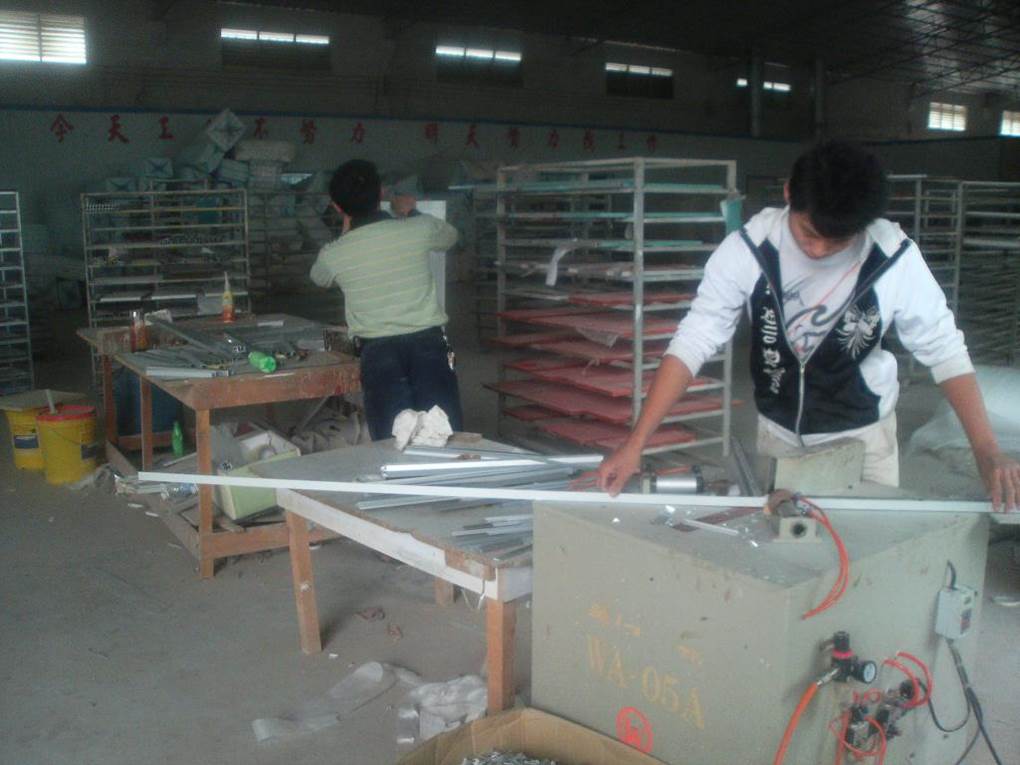
Photo by author, 2007
Seafood Cuisine
When I was walking alone in the Tianhe District of Guangzhou City, I saw a fish tank in a high-end Chinese seafood restaurant. When I looked at the seafood on display, I found ingredients for expensive dishes collected from within China and overseas. There must have been a certain number of wealthy people who could afford to eat these dishes.
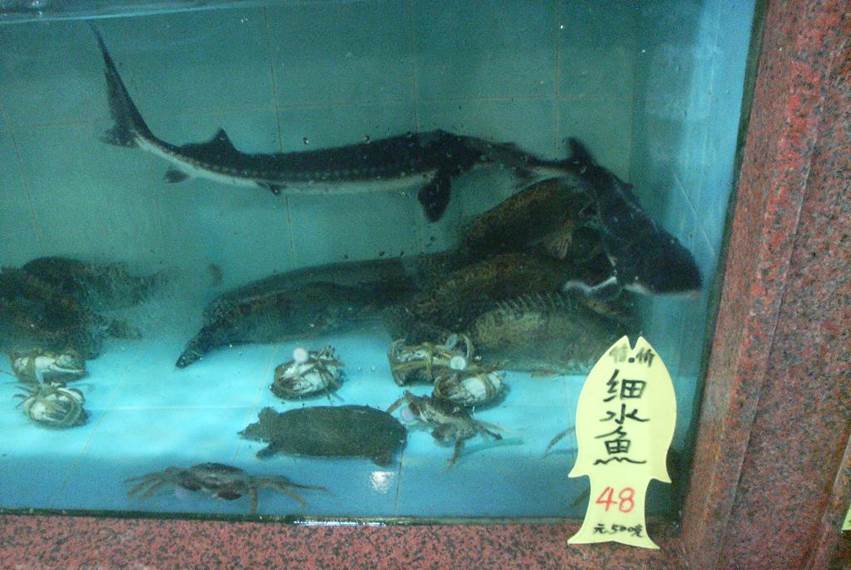
Photo by author, 2007
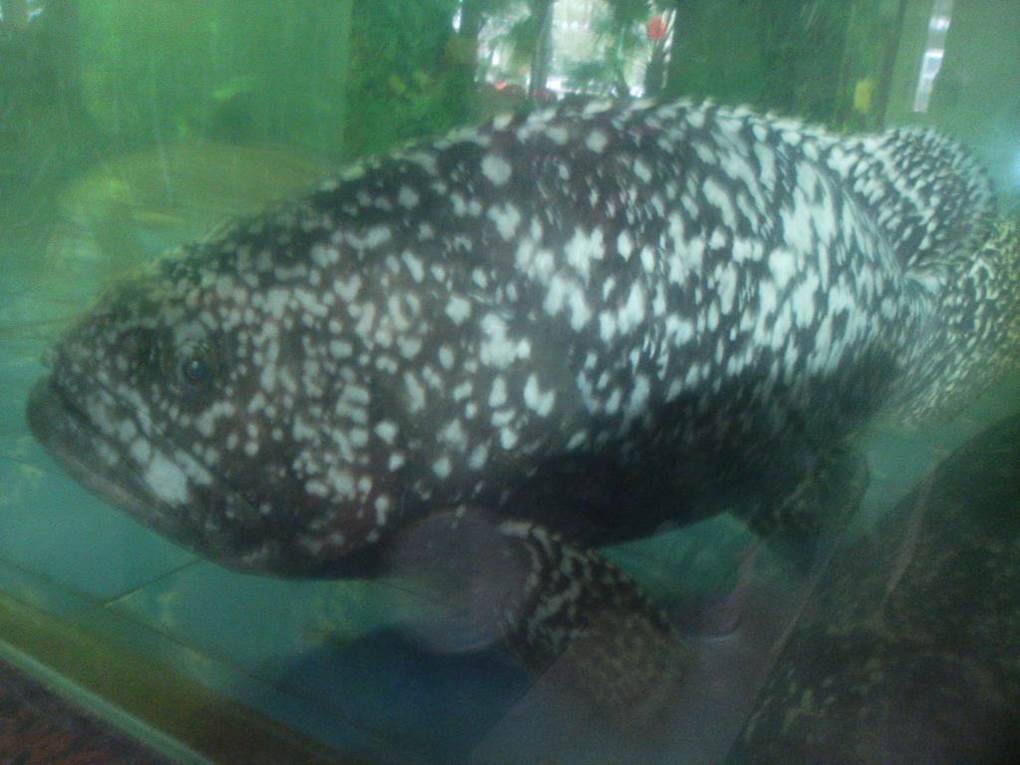
Photo by author, 2007
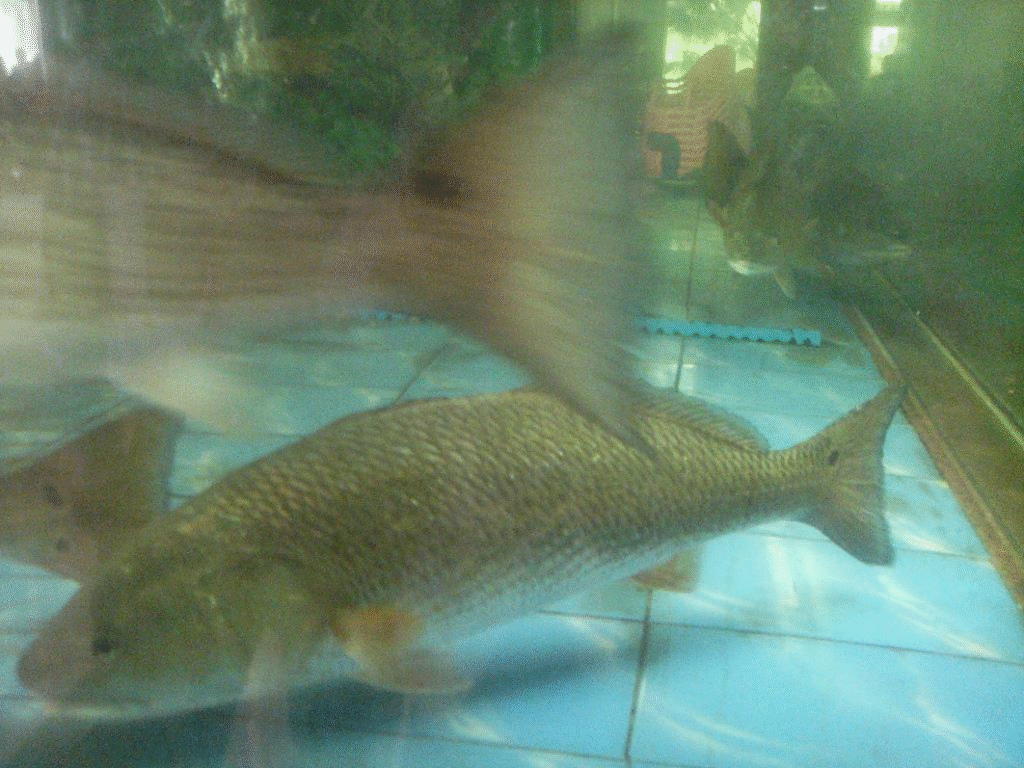
Photo by author, 2007
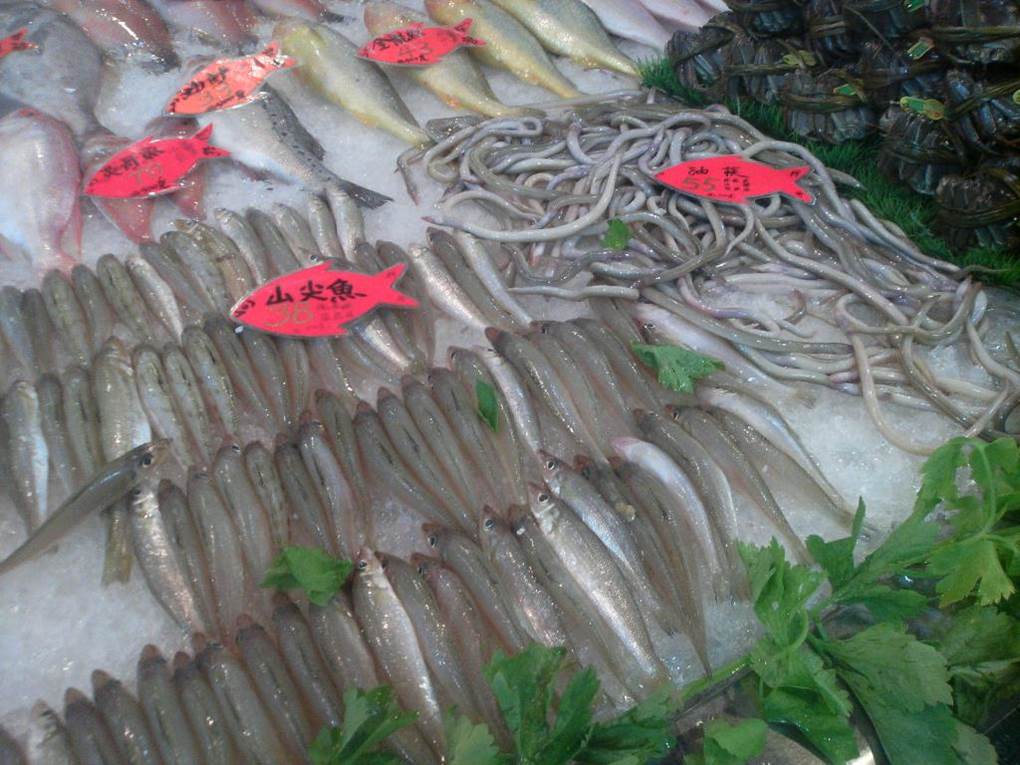
Photo by author, 2007
A type of giant shellfish. I’m concerned about the dirty styrofoam box.
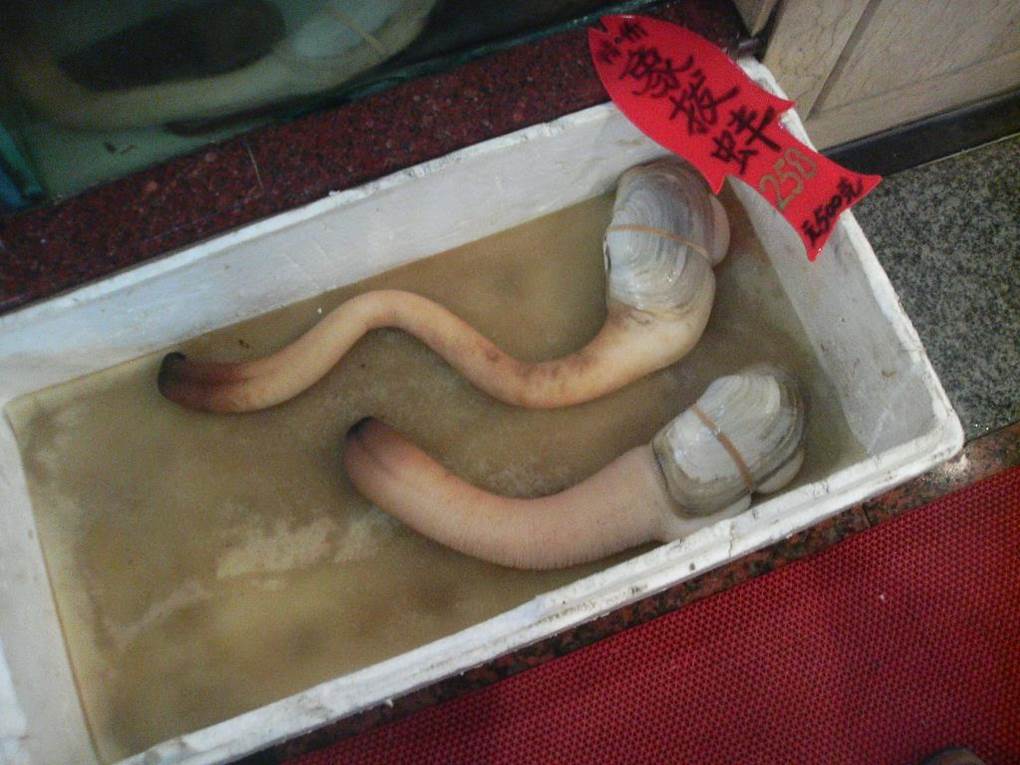
Photo by author, 2007
Shangri-La Hotel, Guangzhou
I checked out of the Westin Hotel and moved to the Shangri-La Hotel on the other side of the Pearl River.
Shangri-La Hotel, Guangzhou is located on the south bank of the Pearl River in the city’s new business and commercial district, the Haizhu District. Across is the Tianhe District on the north bank of the Pearl River, where the Westin Hotel is located.
Haizhu District is home to the Canton Fair Complex and the International Exhibition Center, which are visited by buyers from all over the world. The Shangri-La Hotel is adjacent to them. It has 704 rooms and 26 serviced apartments.
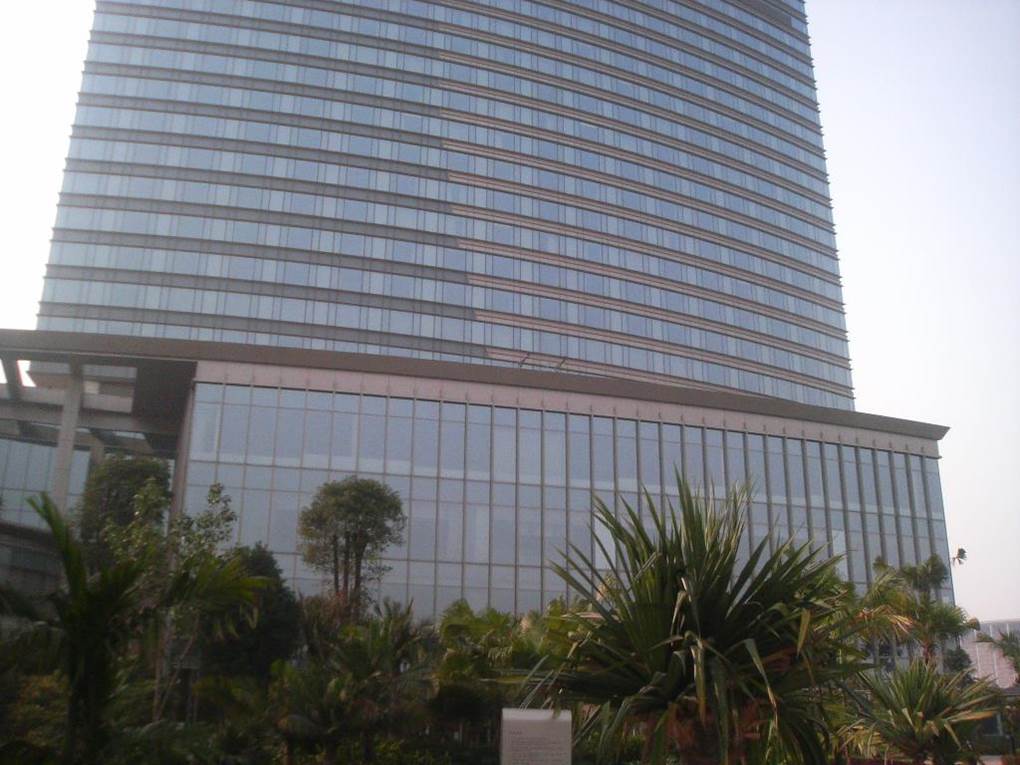
Photo by author, 2007
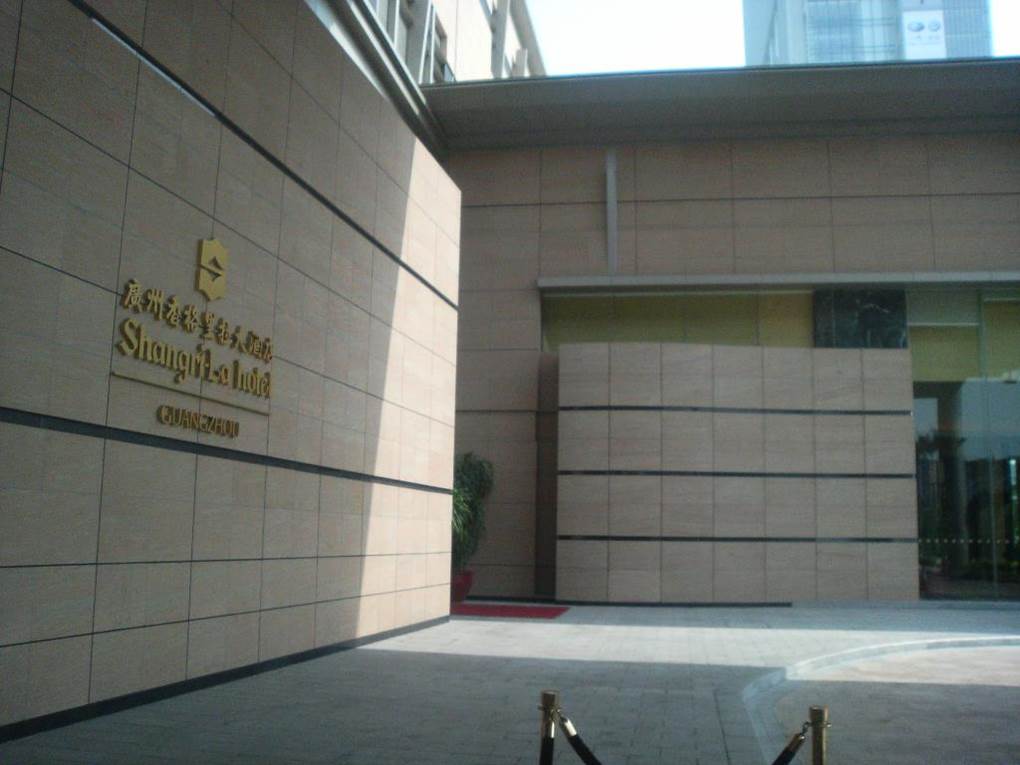
Photo by author, 2007
Layout of the guest room. Also available in Japanese.
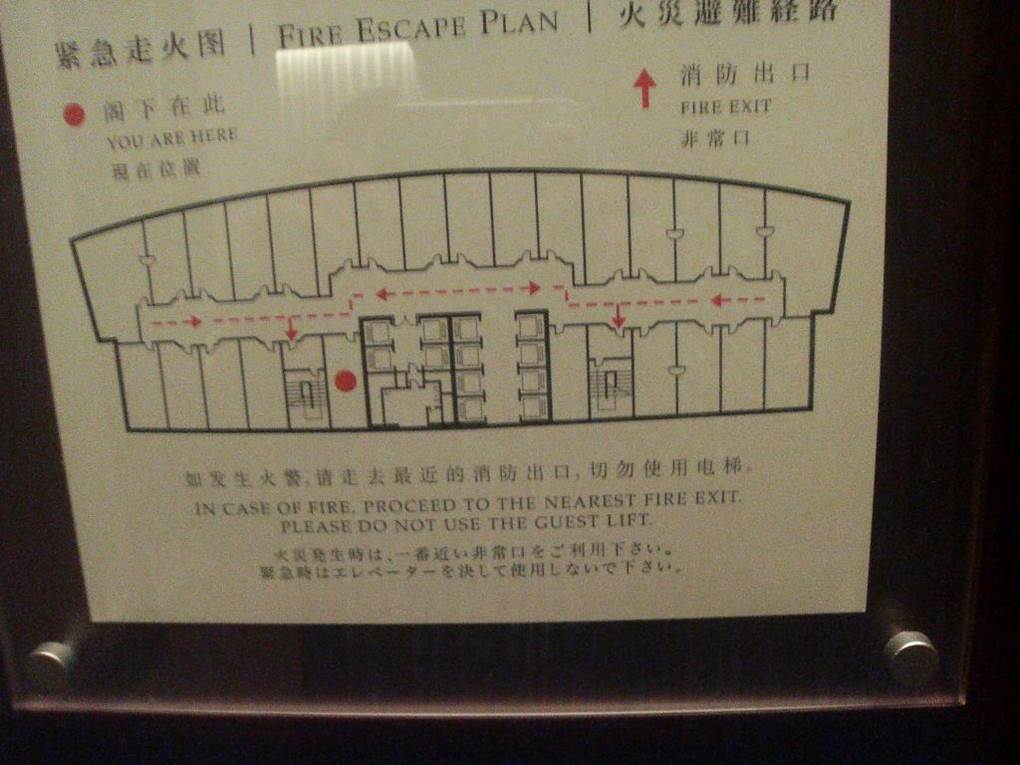
Photo by author, 2007
Canton Fair Complex. Taken from a guest room
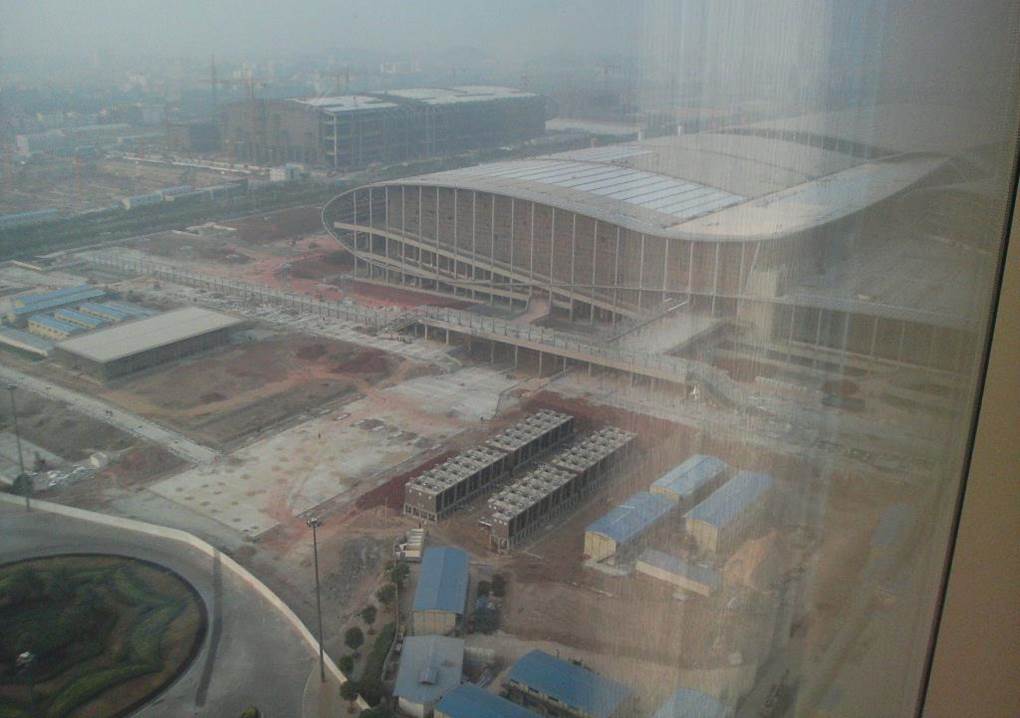
Photo by author, 2007
An extension site. The air pollution seems to be terrible.
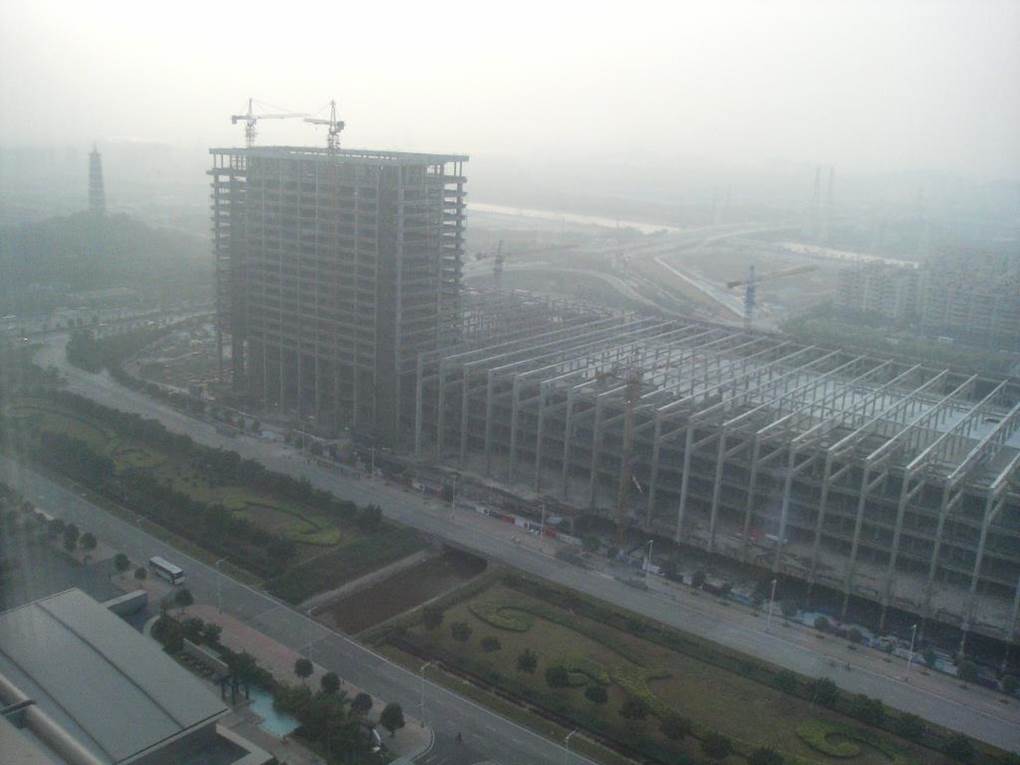
Photo by author, 2007
The usual chandelier in the hotel lobby.
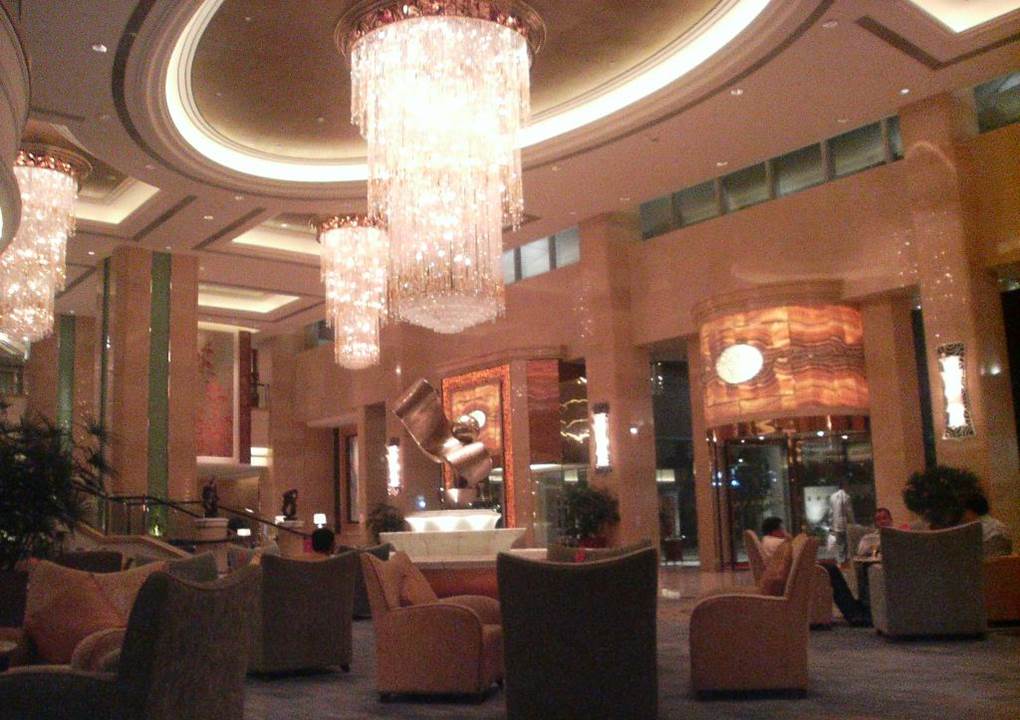
Photo by author, 2007
A view of the guest room.
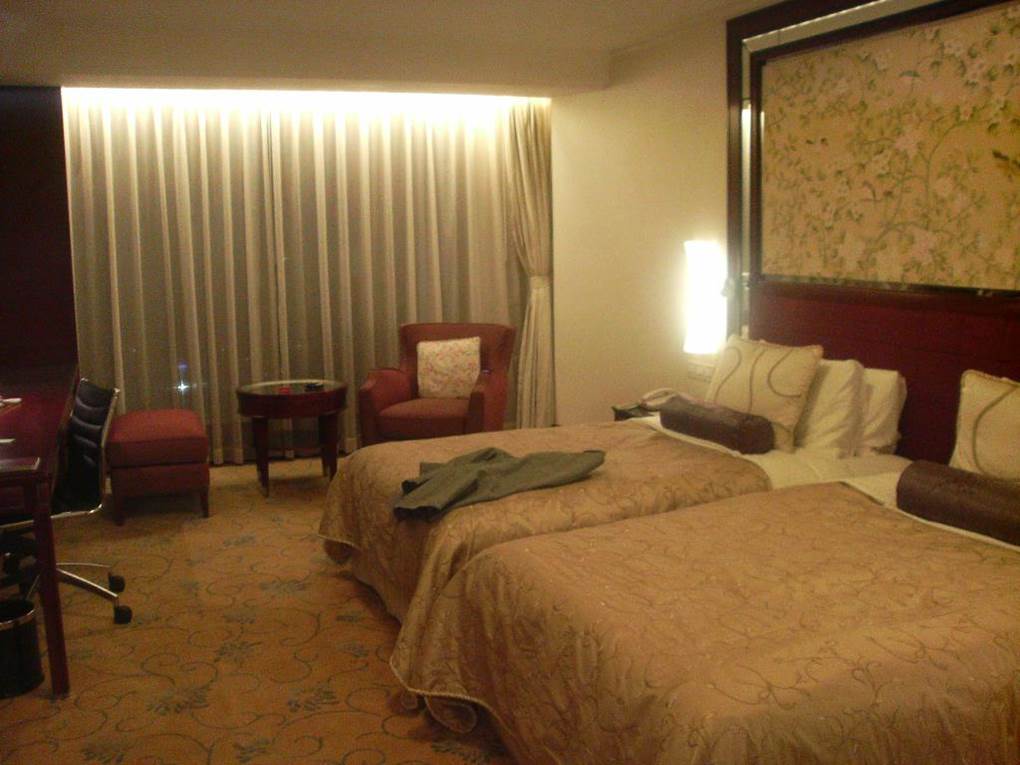
Photo by author, 2007
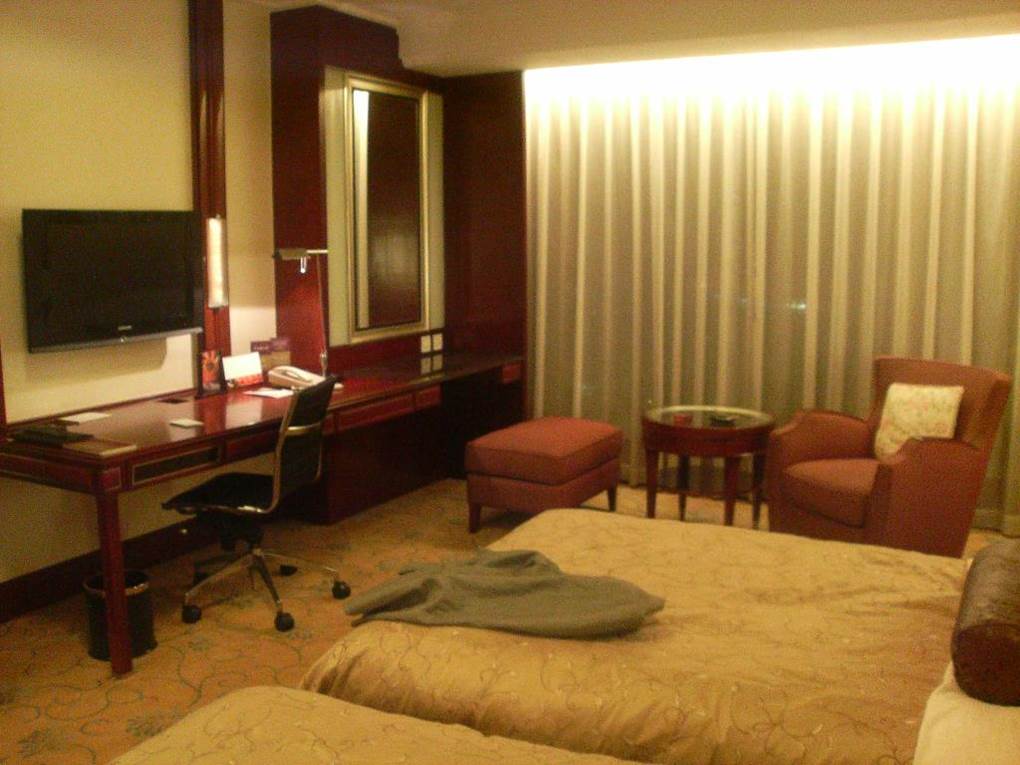
Photo by author, 2007
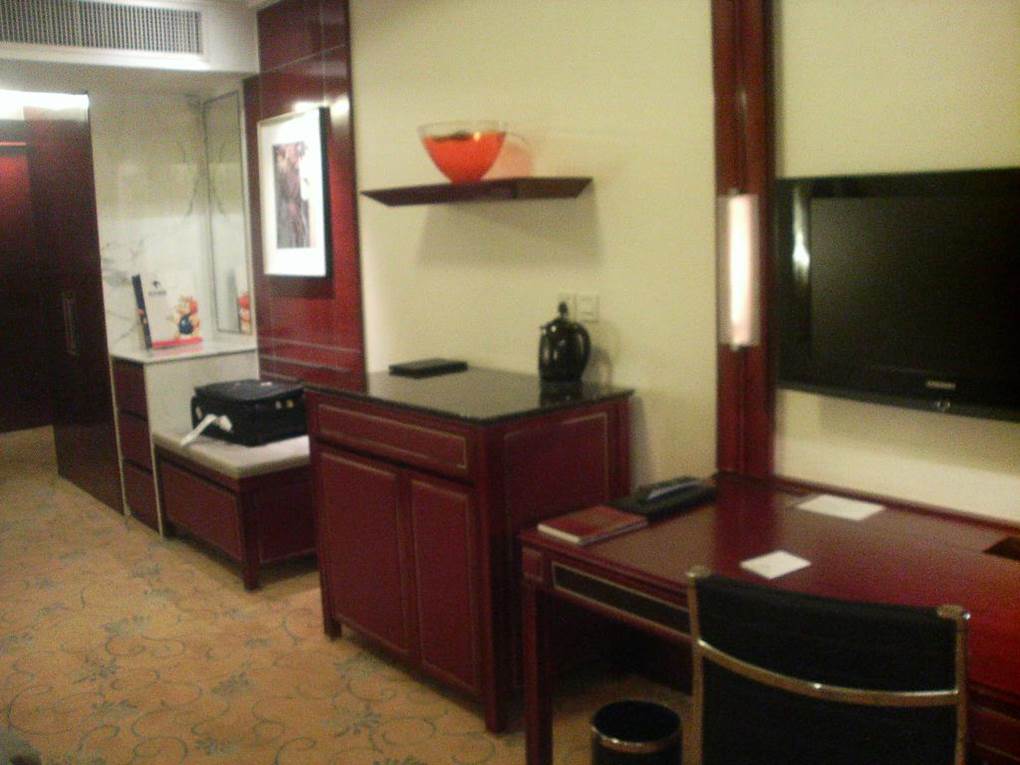
Photo by author, 2007
Return to Guangzhou Baiyun International Airport for departure. The highway on the approach to the airport was a new, high-standard highway that ran through green forests on both sides, and there was no traffic jam and it was comfortable.
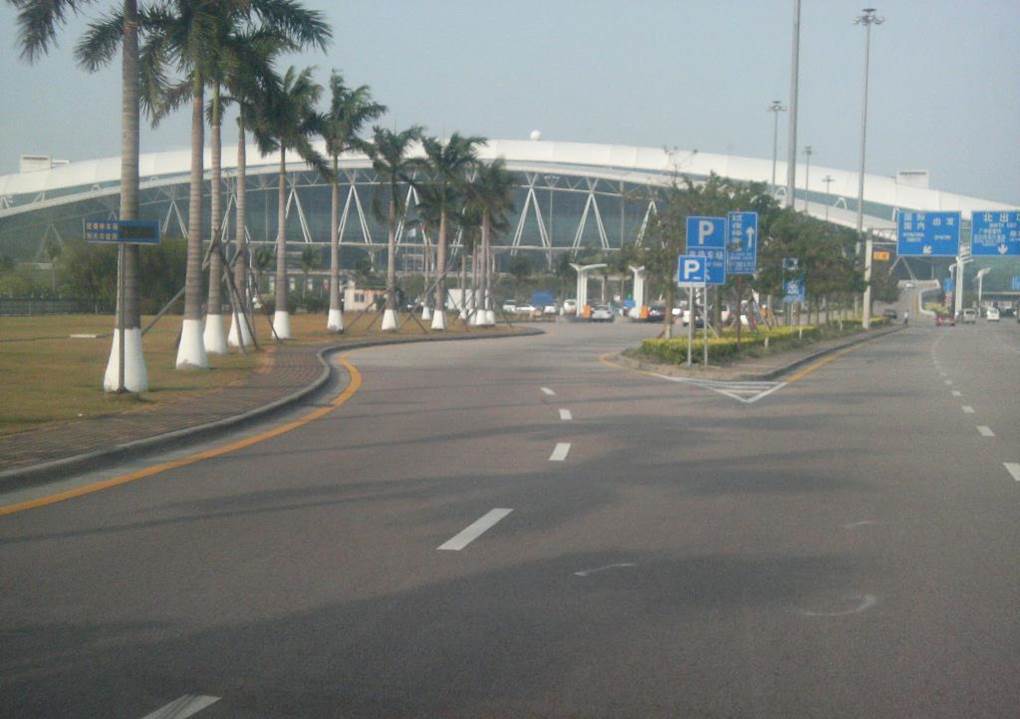
Photo by author, 2007
The new airport was larger than the previous one. The design was in a so-called international style, expressed in white and grey similar to other new airport in the region.
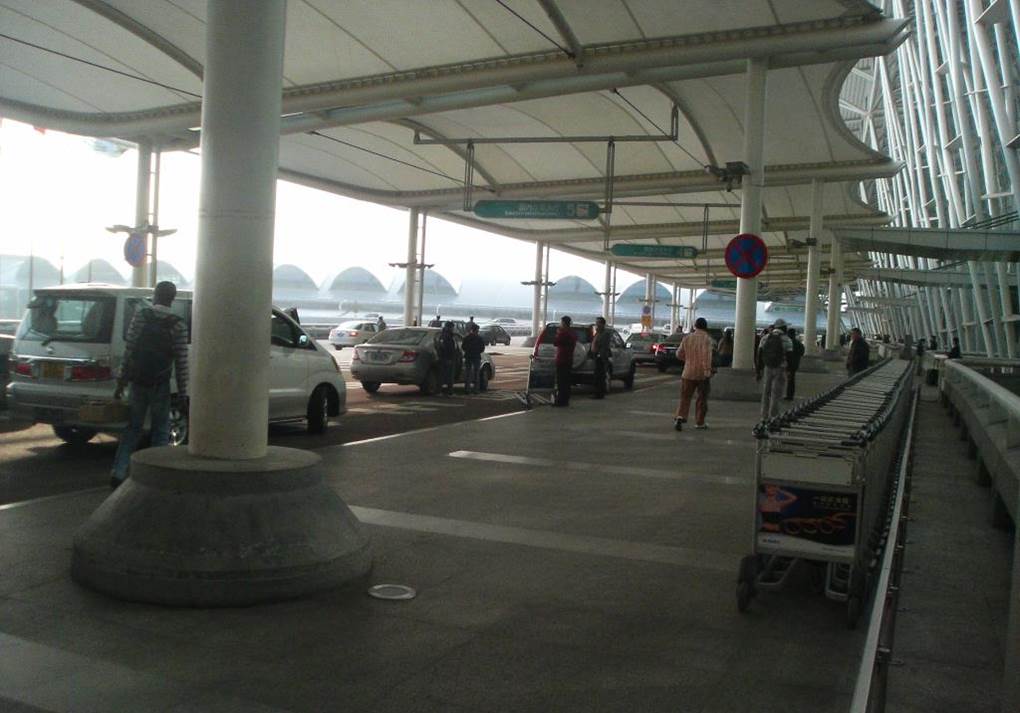
Photo by author, 2007
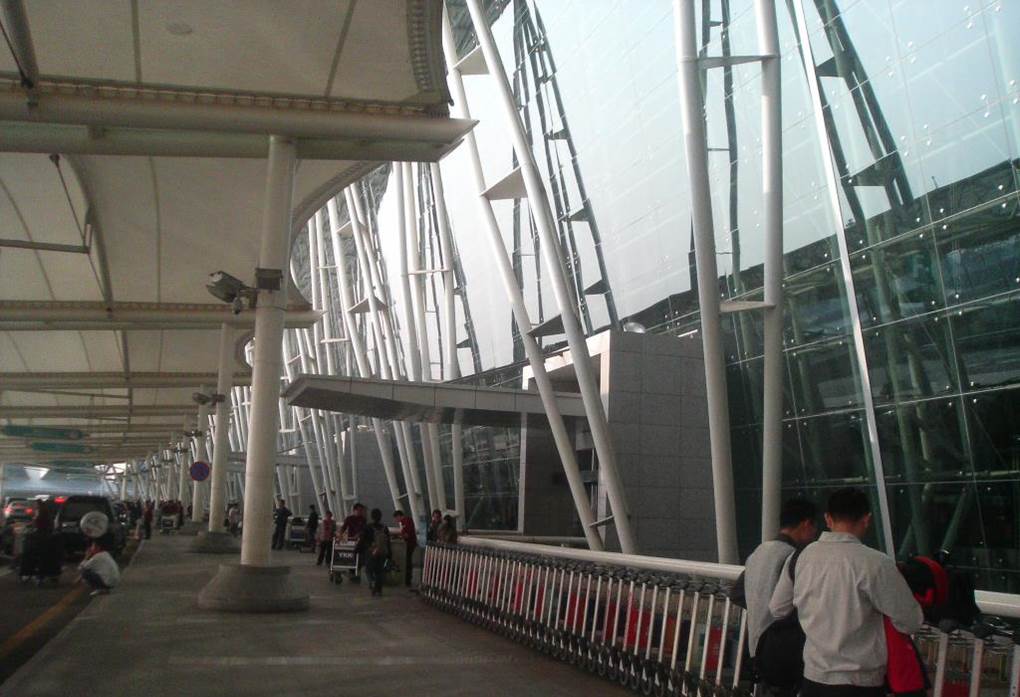
Photo by author, 2007
An airport concourse with high skylights. If it weren’t for the Chinese characters on the guide signs, you would be confused as to which country’s airport this was.
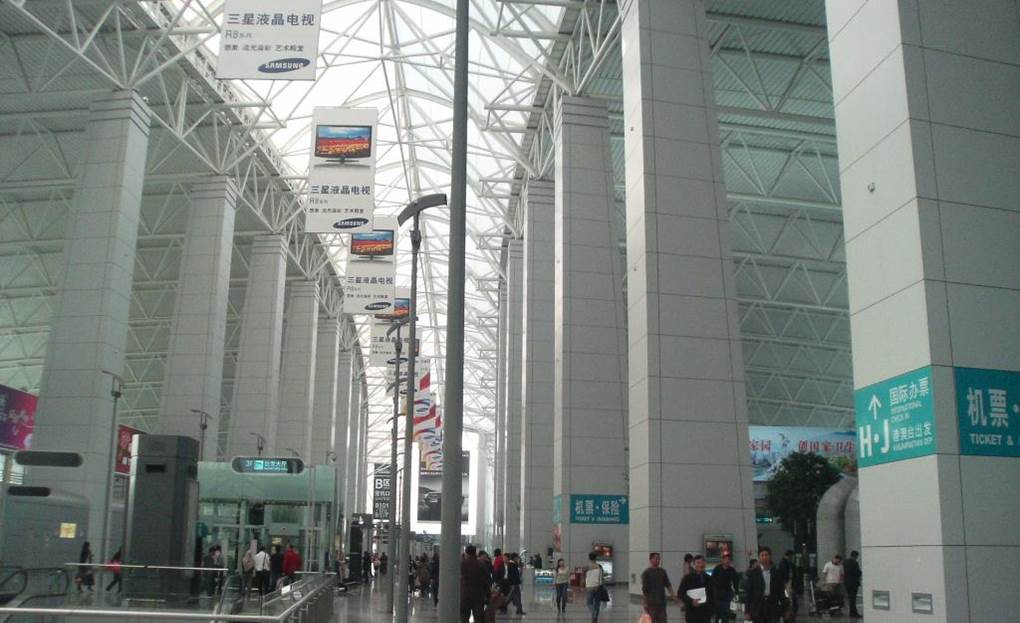
Photo by author, 2007
Compared to when I visited Shanghai and Suzhou in 1985 (mentioned in earlier post), China was a “capitalist country under the leadership of the Communist Party,” and the appearance of cities and buildings, the globalization of manufacturing, and the comfort of hotels had changed dramatically over the past 20 years.
Photos by author, November 2007