JAP | ENG
Bangkok #1/2
1969~1978
First time in Bangkok, 1969
When it was decided that I would be stationed in Singapore for work in 1969, I flew to Bangkok, the stopover at that time, for the first time.
As the plane prepared to land, rice fields and palm trees came into view as far as the eye could see.
I was excited to see the tropical landscape for the first time in a long time.
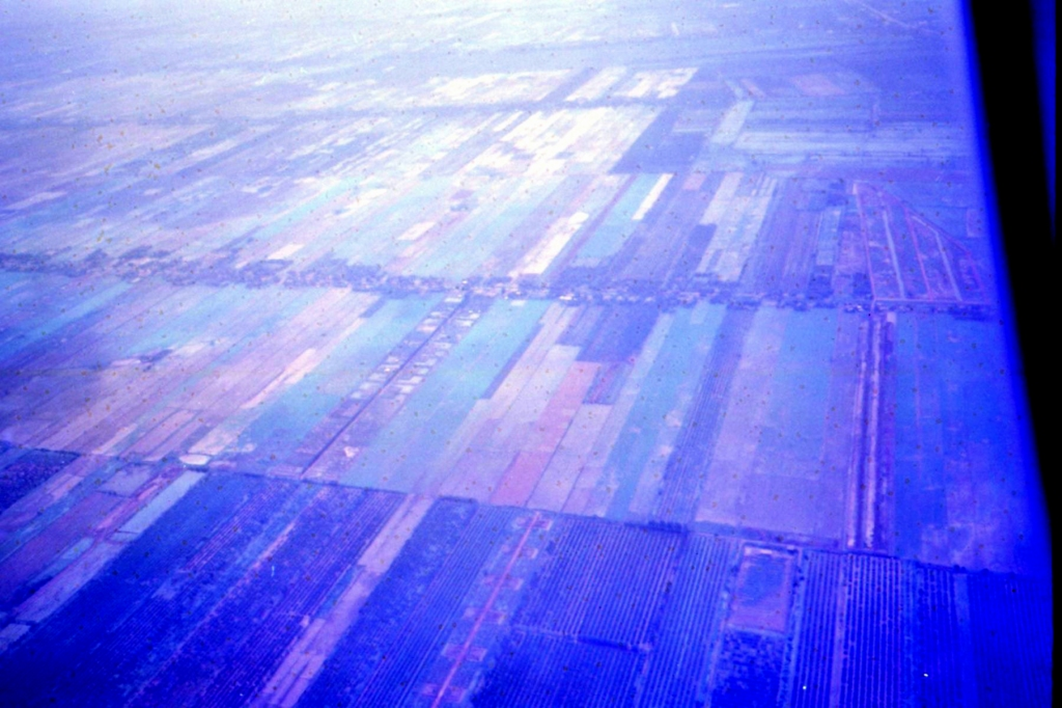
Fertile plains around Bangkok,
Photo by author, 13 February, 1969
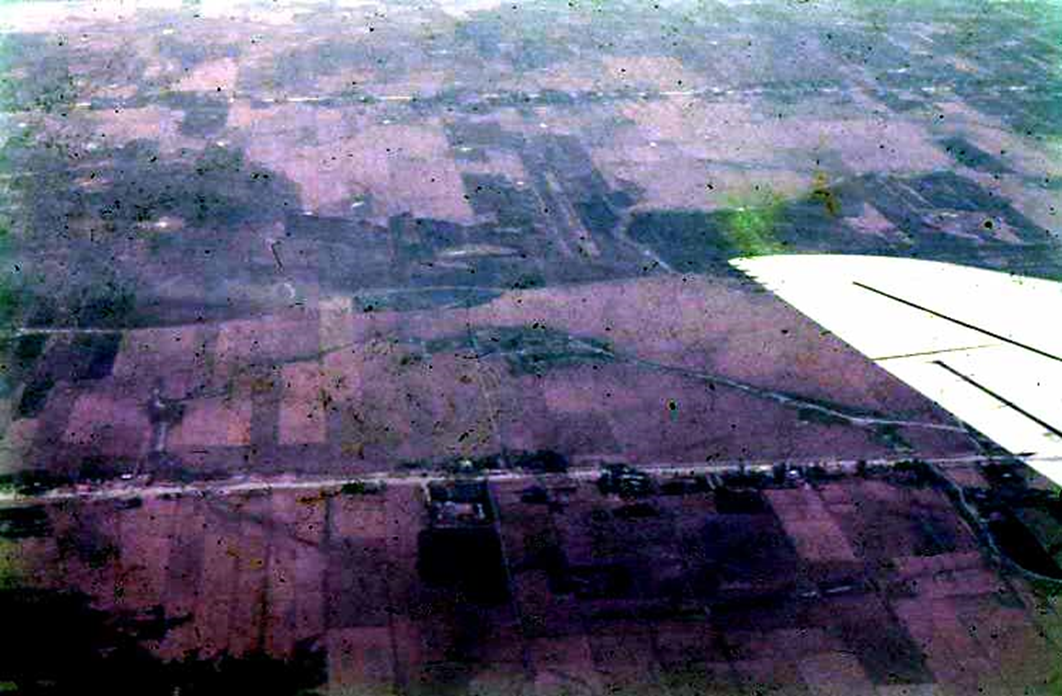
Photo by author, 13 February, 1969
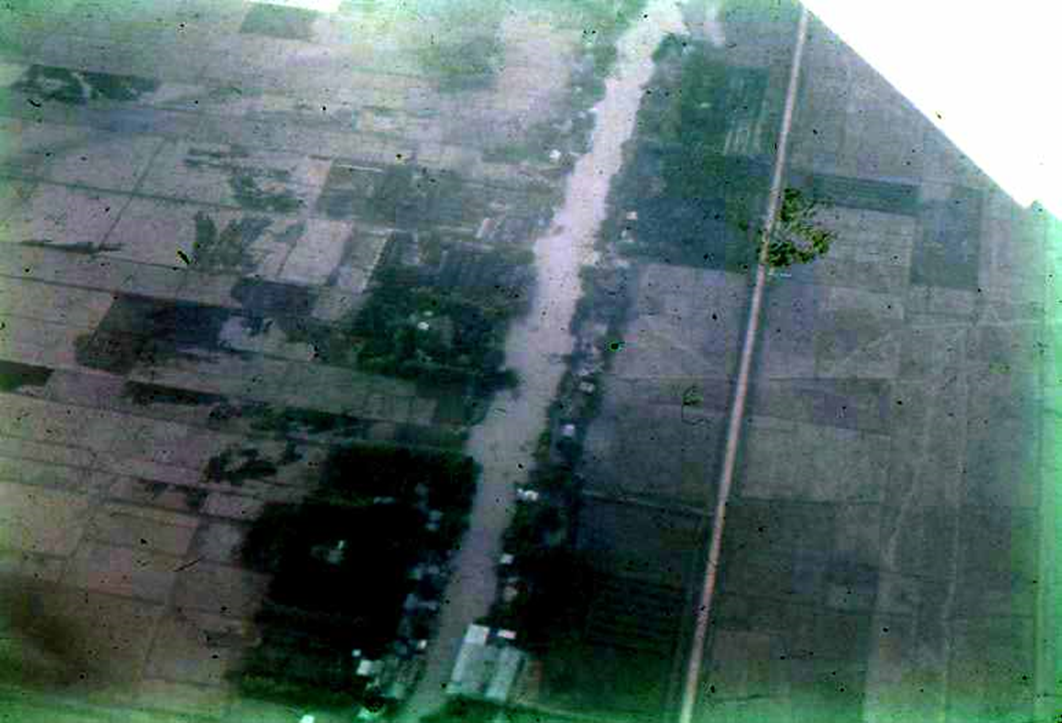
Photo by author, 13 February, 1969
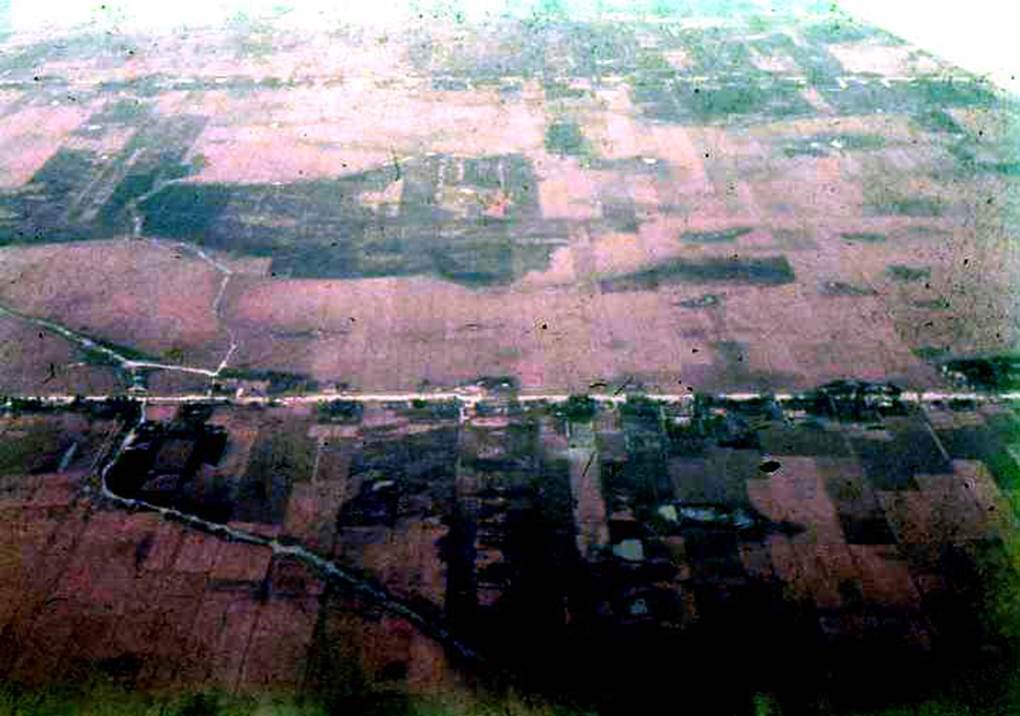
Photo by author, 13 February, 1969
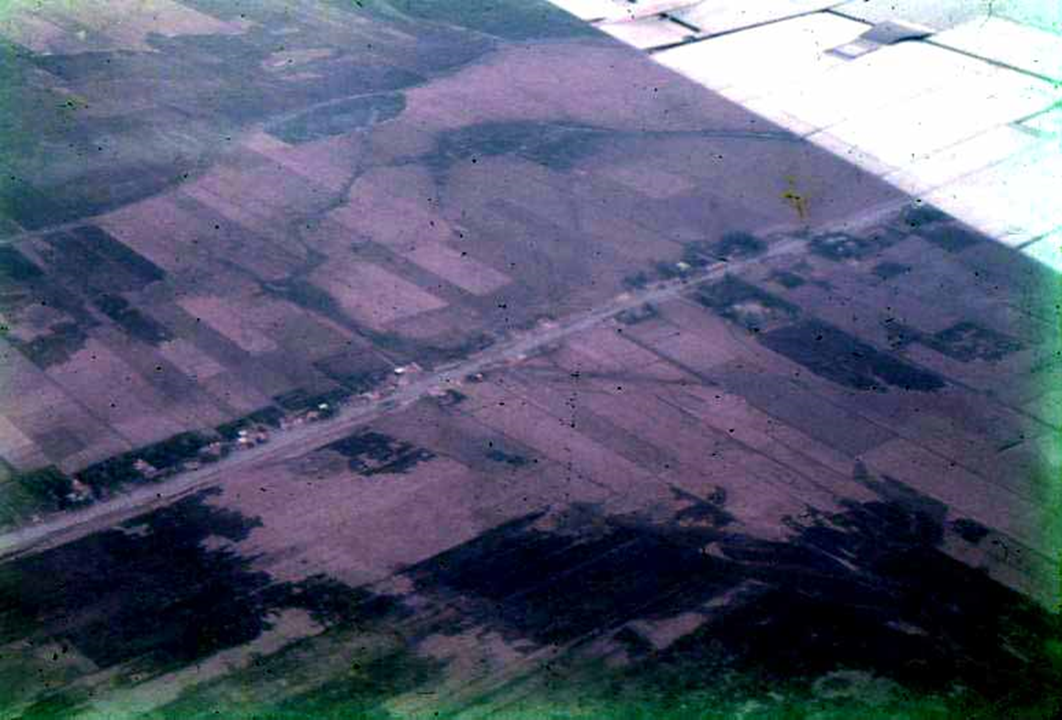
Photo by author, 13 February, 1969
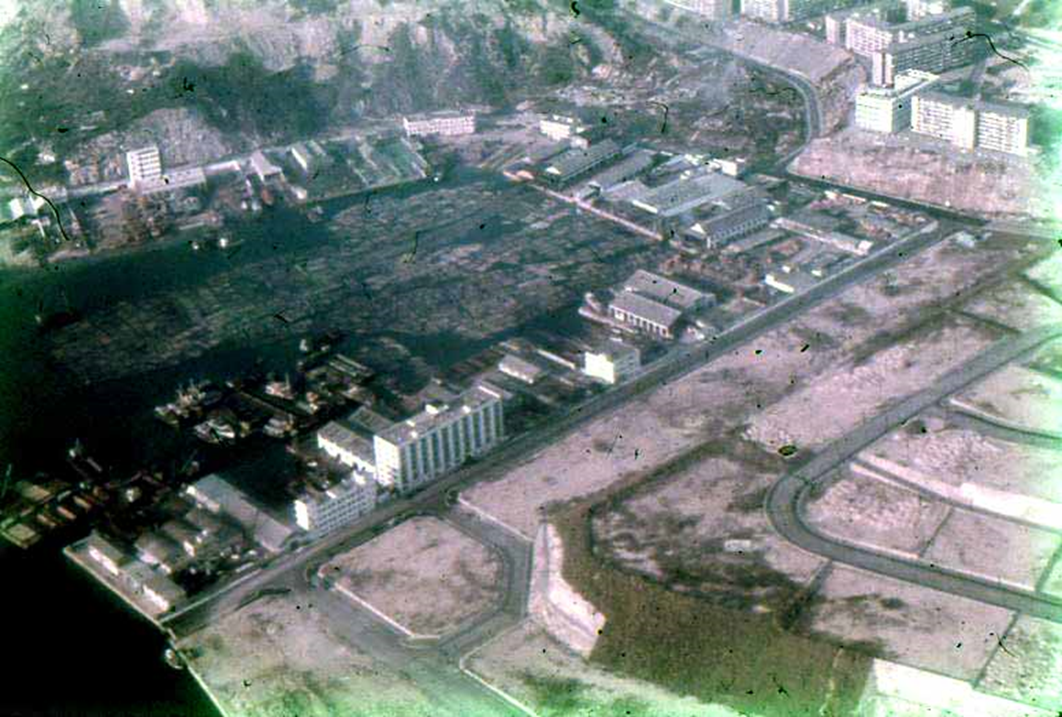
Photo by author, 13 February, 1969
Airport
I arrived at the airport. Around the immigration counter, many soldiers in dark green military uniforms were keeping a watchful eye.
Some of them were carrying guns, creating a tense atmosphere.
I had brought US dollars in cash from my company in Tokyo to Bangkok as company expenses, so there was a risk that it would be confiscated if it was found.
Fortunately, I avoided danger. At that time, the Vietnam War was in full swing, and there were fears that the communist forces would move south to Southeast Asian countries in a domino effect, so Bangkok, close to the battlefield, was probably in a state of tension.
SEATO ( Southeast Asia Collective Defense Treaty) Manila Pact,
SEATO was formed in 1954 by the United States, the United Kingdom, France, Australia, New Zealand, Thailand, and the Philippines.
It was a Southeast Asian version of an anti-communist military alliance modeled on the North Atlantic Treaty Organization (NATO). It was headquarters was in Bangkok.
When I visited Bangkok, Singapore, and Manila in 1969, the countries of Southeast Asia had different histories, cultures, languages, and religions, and had just gained independence from colonial rule.
These mosaic-like nations were under the threat of communism, and I realized that Southeast Asia was a collection of unstable nations.
In 1975, Saigon fell into the hands of North Vietnam, and SEATO was dissolved in 1977.
Bangkok Tourism-Grand Palace
The next day, I visited the Siamese royal palace.
I was shocked by the color scheme of the roof tiles and guardian statues.
It was a combination of complementary colors, dark green and dark orange! And with gold as an accent!
They matched the strong tropical sunlight and maintained a color balance.
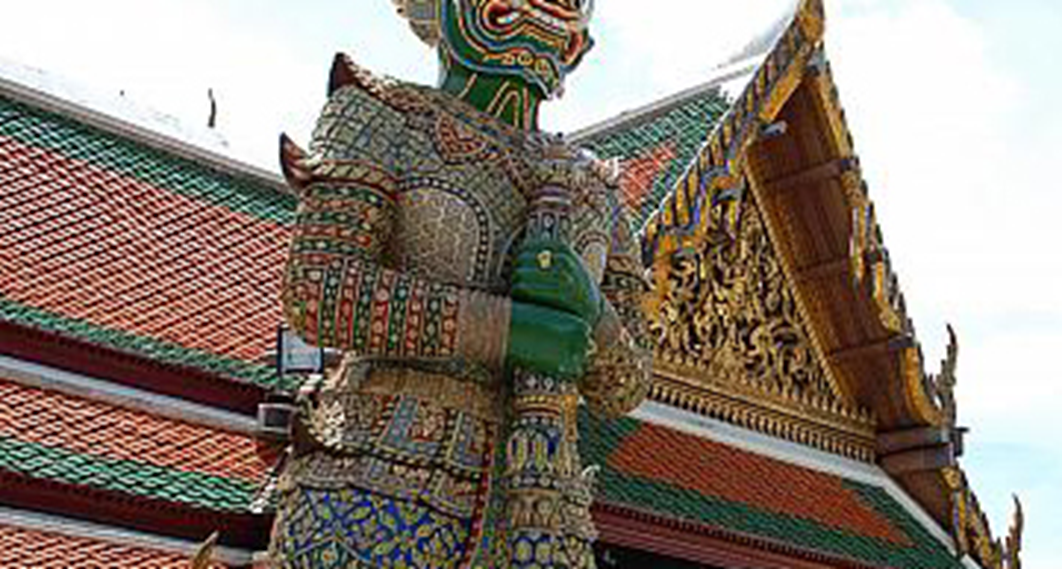
Tiled roof of Bangkok Royal Palace,
Photo by author, February 1969
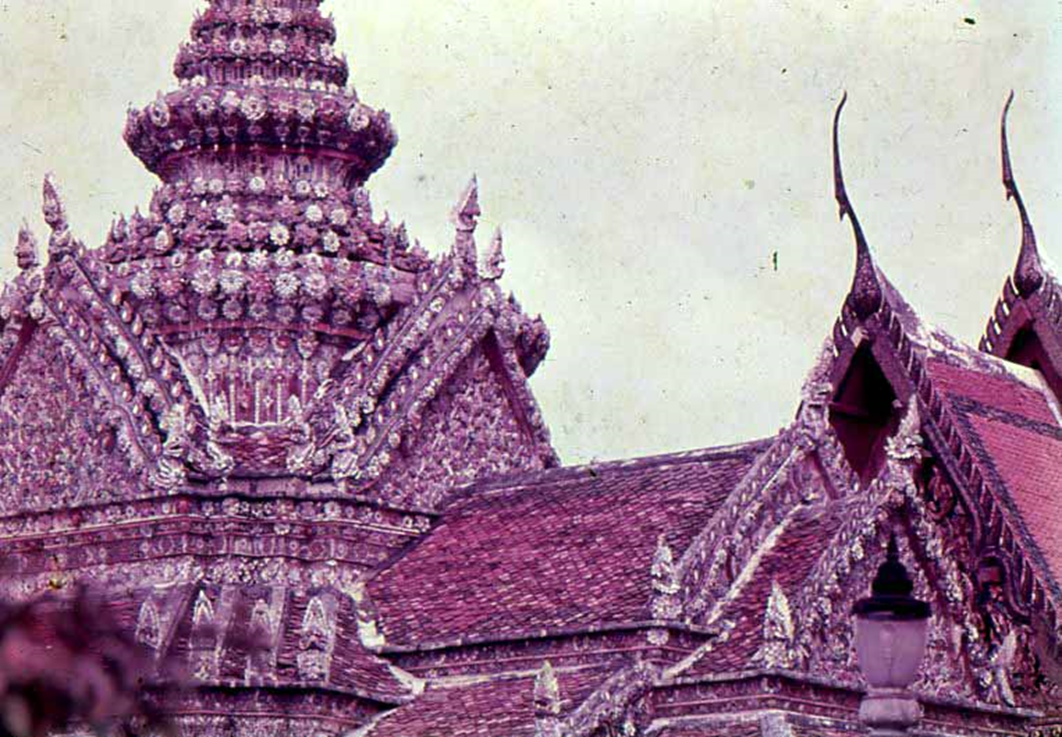
Photo by author, February 1969
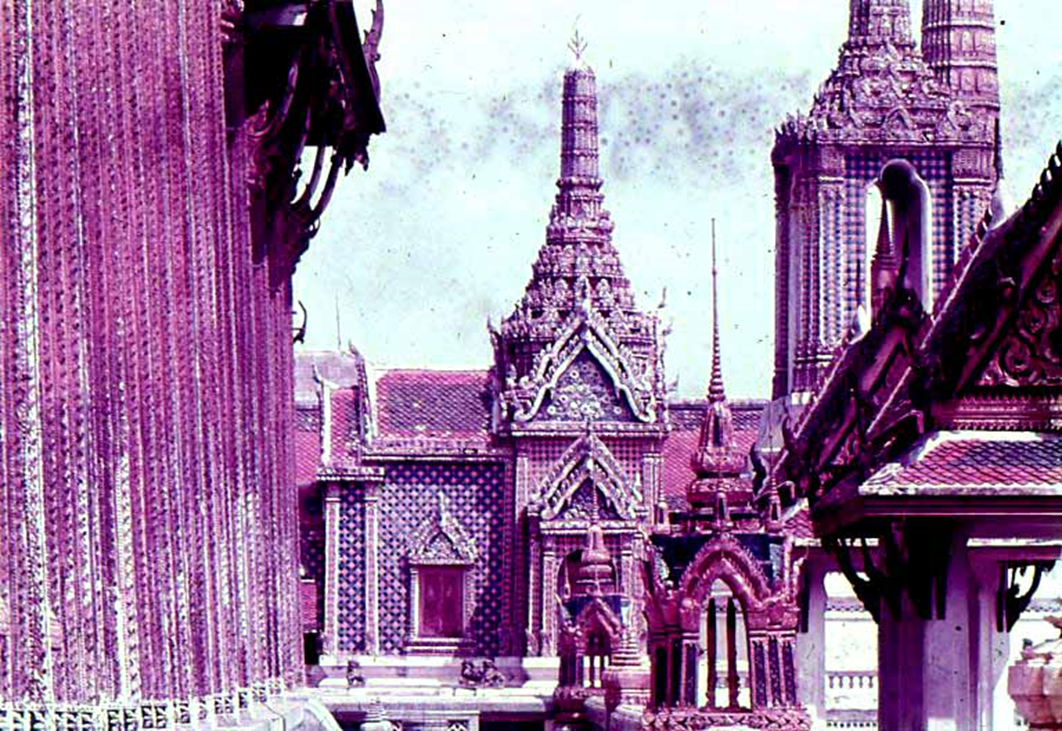
Photo by author, February 1969
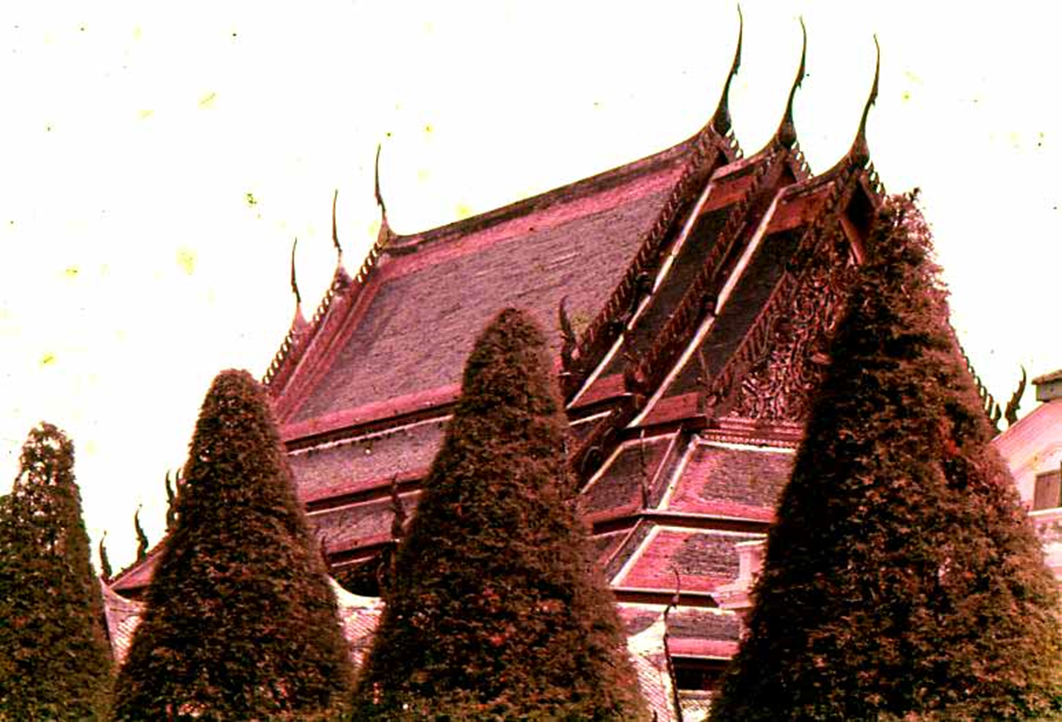
Photo by author, February 1969
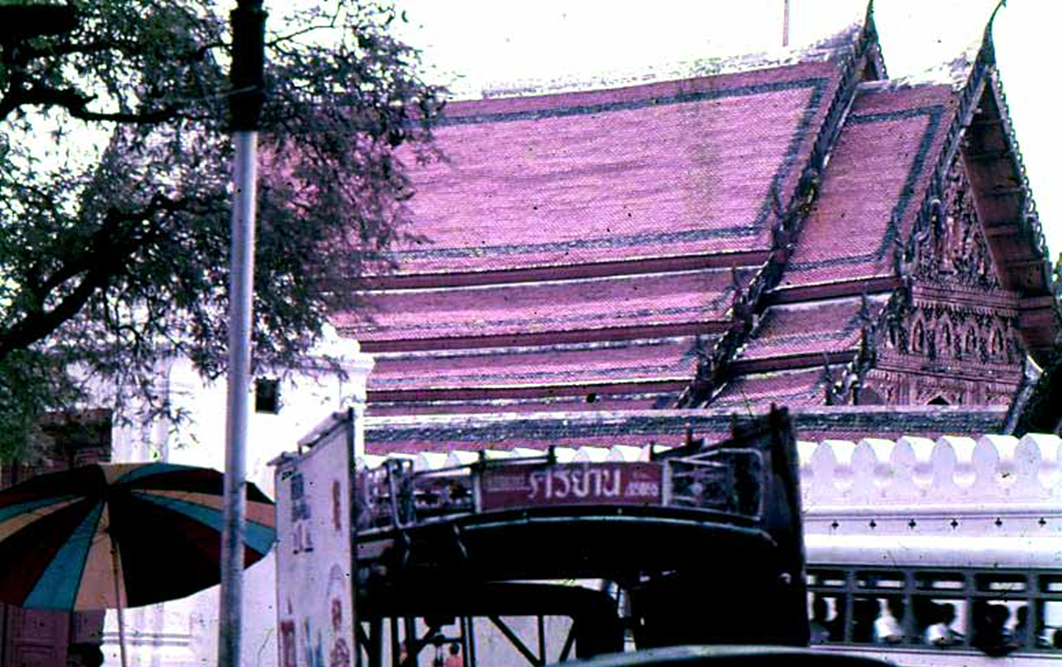
Photo by author, February 1969
Dusit Thani Hotel Bangkok under construction in 1969
I also stayed in the city and visited the site of the Dusit Thani Hotel, which is currently under construction and designed by a Tokyo company.
The inside of the construction site was untidy, messy, dark, and very humid.
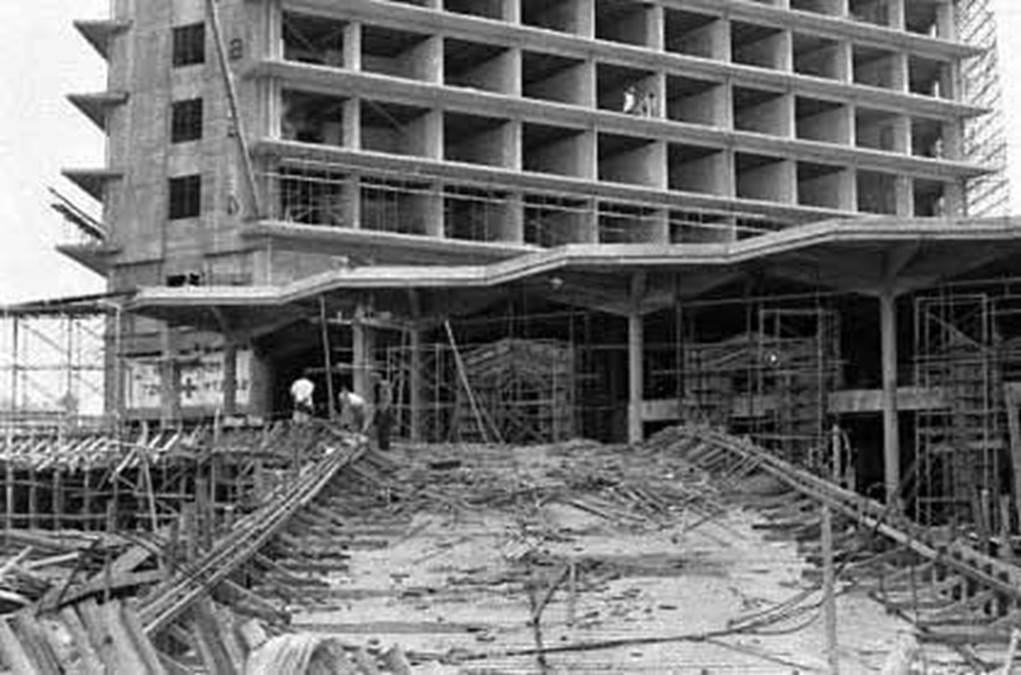
Construction site of Dusit Thani Hotel,
Photo by author, February 1969
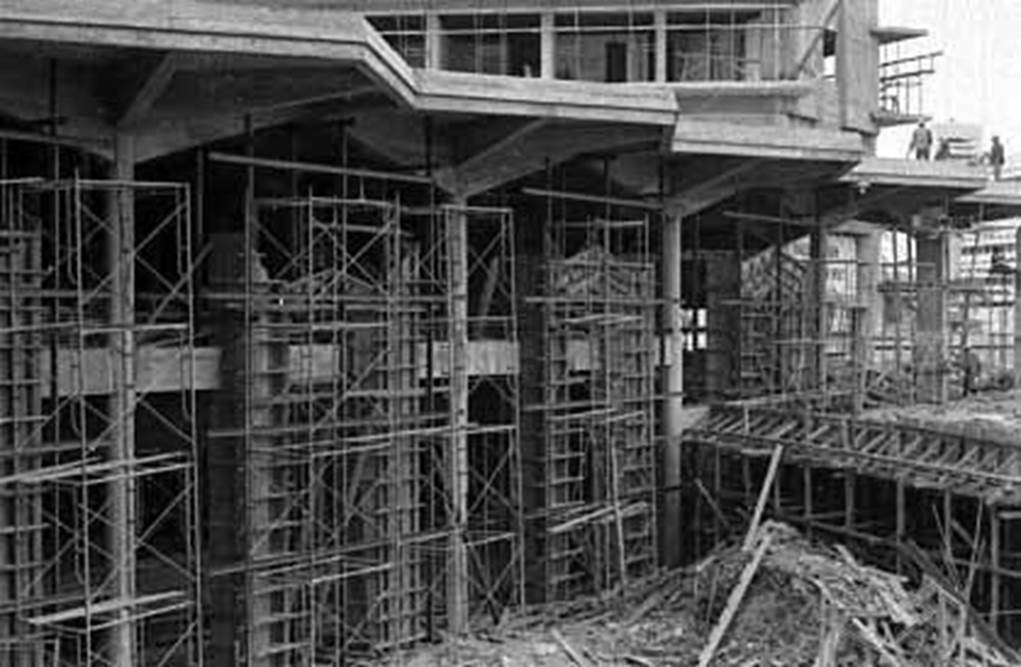
Construction site of Dusit Thani Hotel,
Photo by author, February 1969
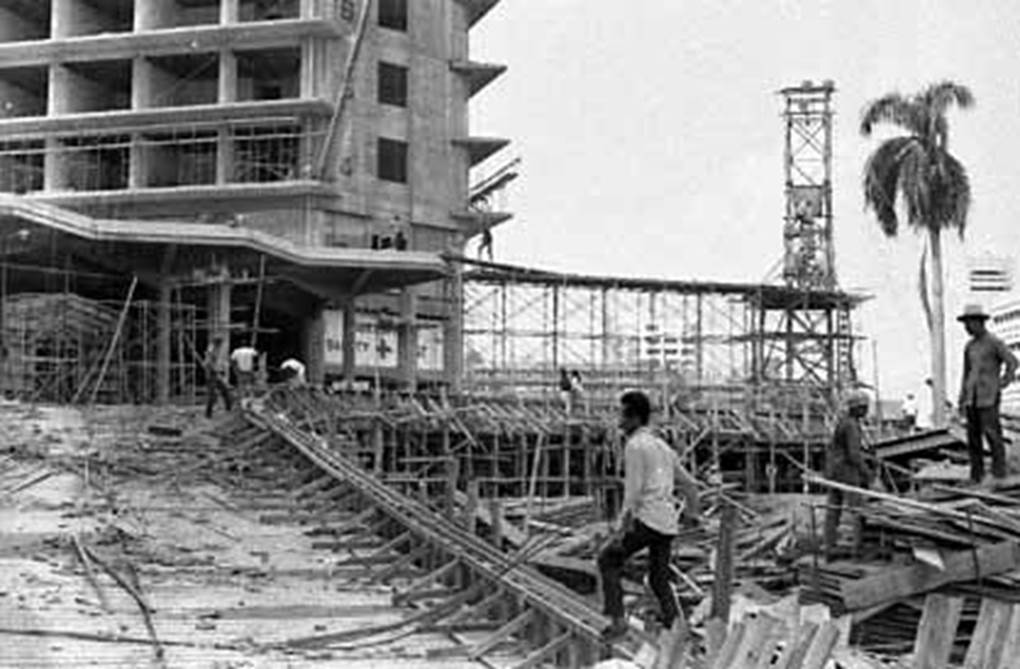
Construction site of Dusit Thani Hotel,
Photo by author, February 1969
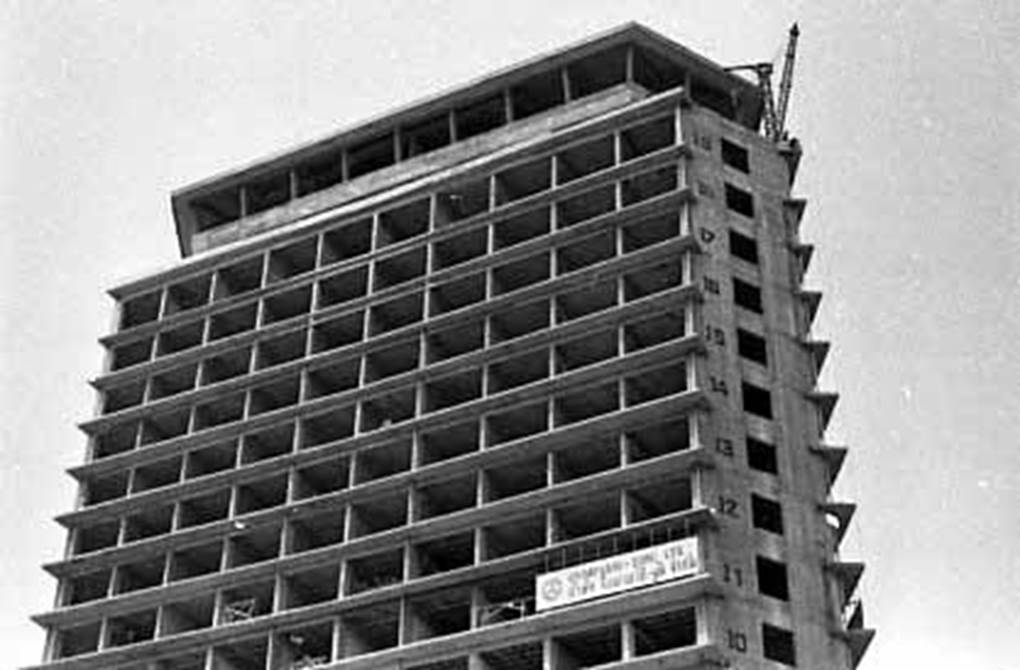
Construction site of Dusit Thani Hotel,
Photo by author, February 1969
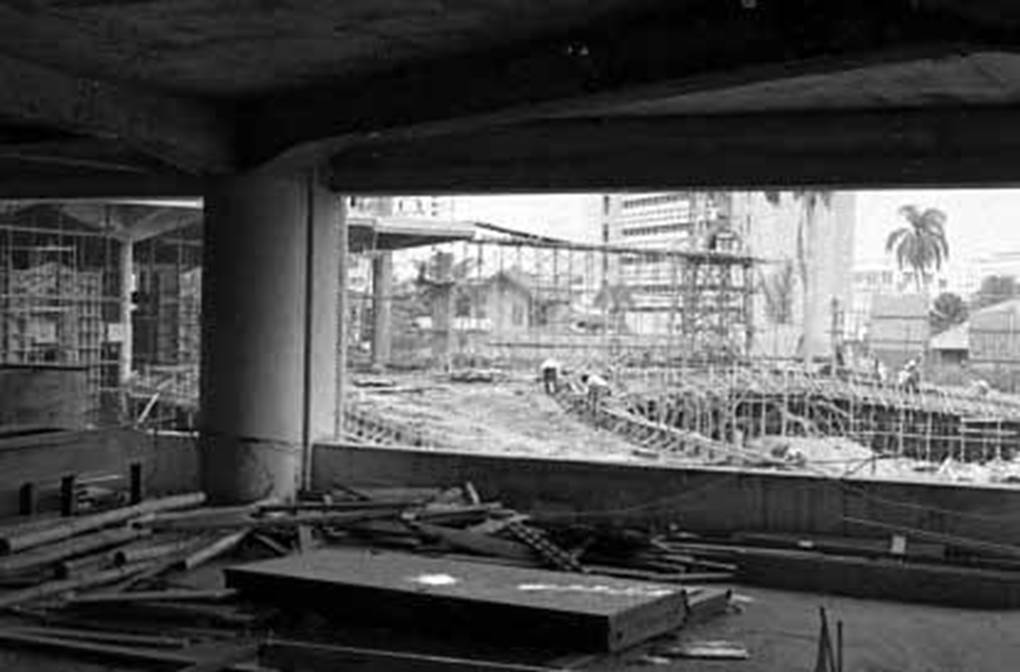
Construction site of Dusit Thani Hotel,
Photo by author, February 1969
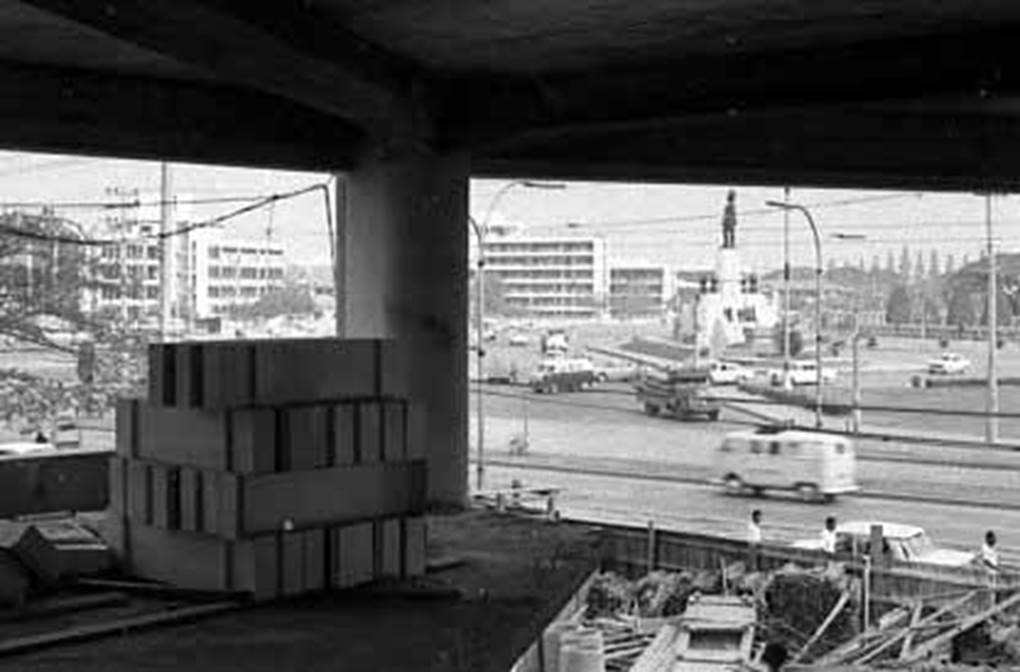
Construction site of Dusit Thani Hotel,
Photo by author, February 1969

Construction site of Dusit Thani Hotel,
Photo by author, February 1969
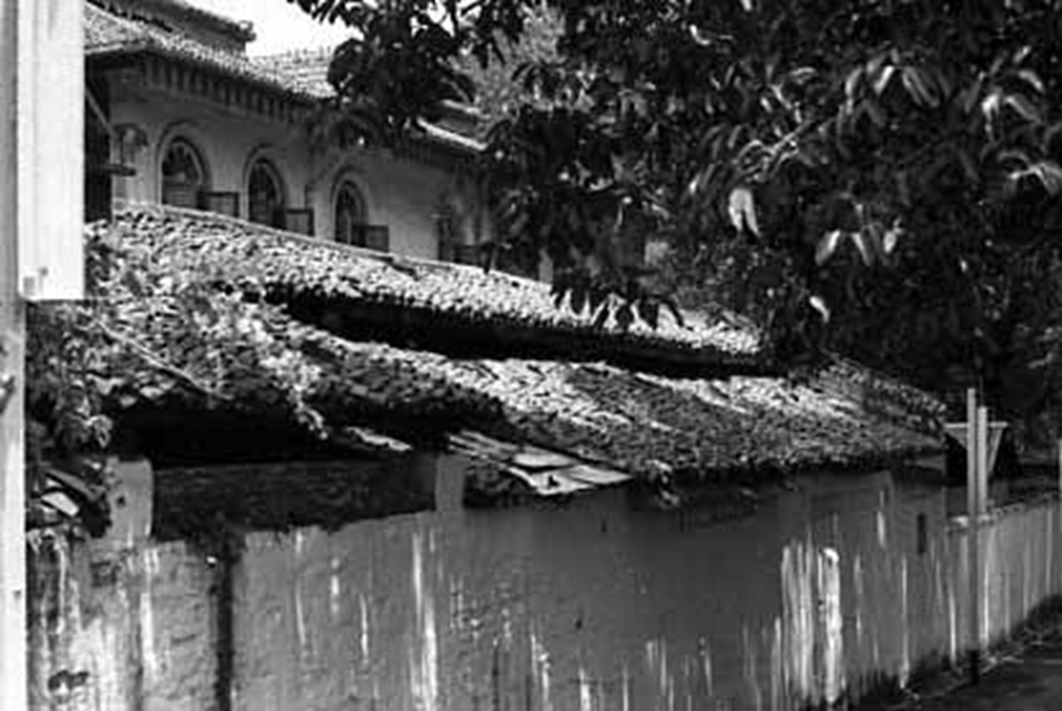
1969 Bangkok city center
At that time, Japan cars were already running in the city, and there were many neon signs of home appliance companies. Major construction companies also began to enter the market, and they were contracted to build the Dusit Thani Hotel.
Bangkok was the first base for Japan companies to expand into Southeast Asia. It was the height of the Vietnam War, and the Viet Cong threat was serious in Southeast Asia.
Nevertheless, near the hotel site was Patpong Street, an area similar to Kabukicho in Shinjuku, where bars, massage parlors, strip theaters, and Japanese-run bar lounges were thriving at night. It was also a haven for American soldiers who had been sent to South Vietnam on vacations from Saigon at the time.
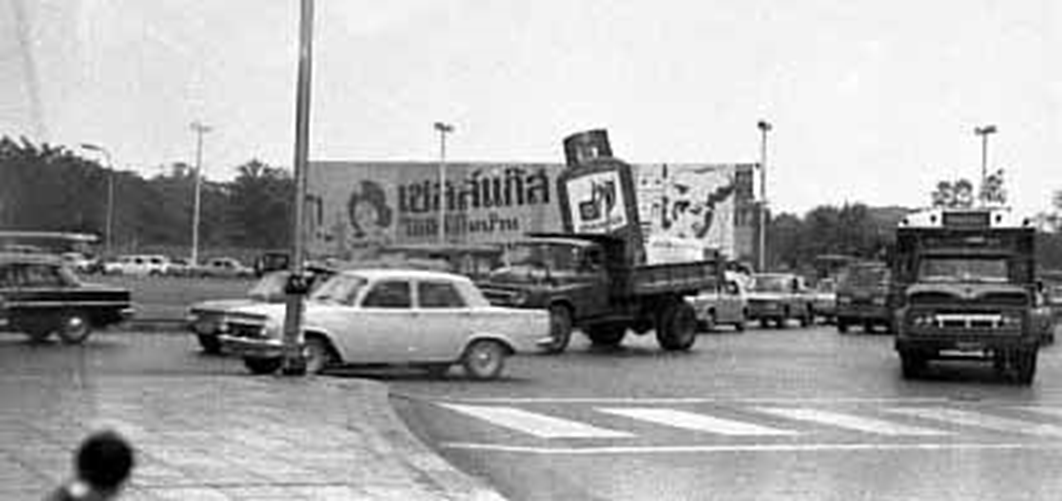
Bangkok city centre,
Photo by author, February 1969

Bangkok city centre,
Photo by author, February 1969
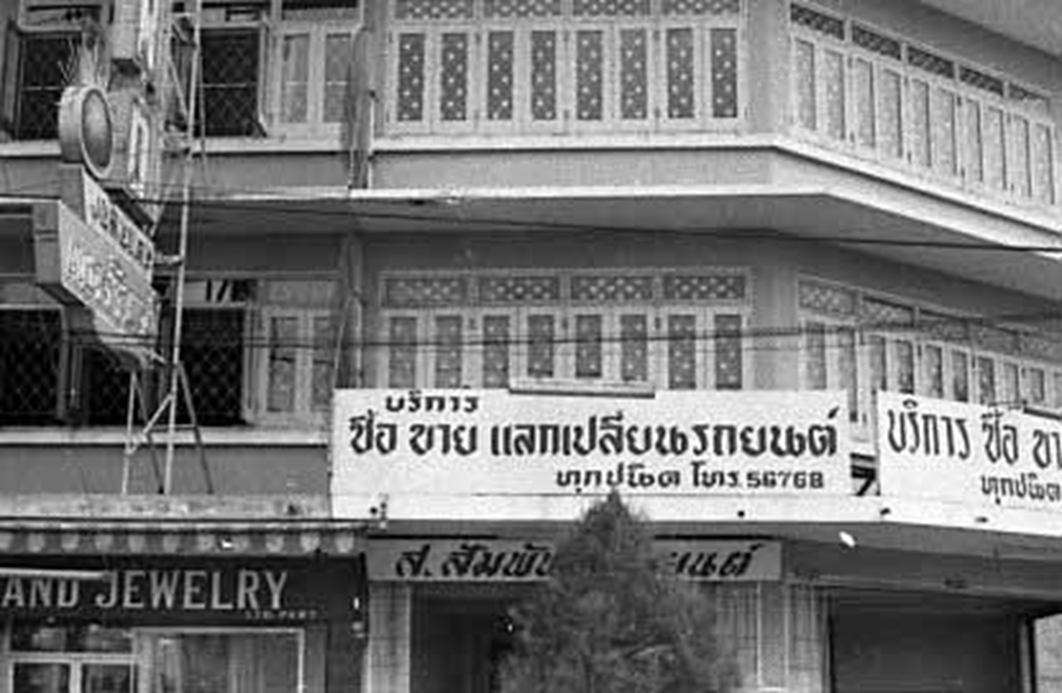
Bangkok city centre,
Photo by author, February 1969
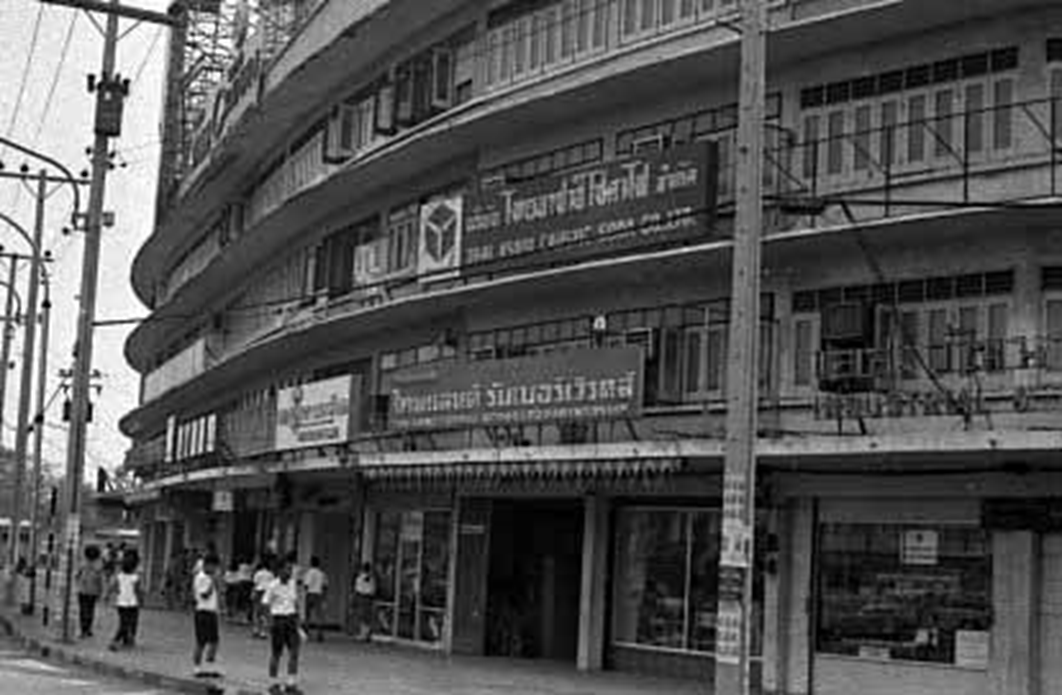
Bangkok city centre,
Photo by author, February 1969
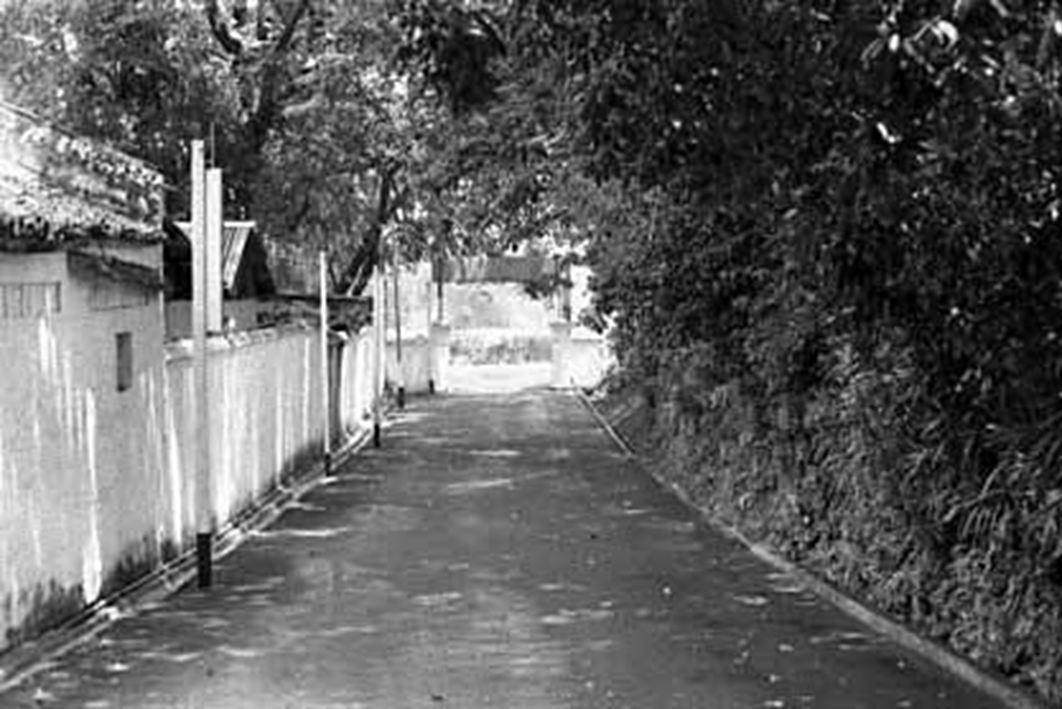
Bangkok city centre,
Photo by author, February 1969
Bangkok city centre,
Photo by author, February 1969
Dusit Thani Hotel opened in 1978
When I visited Bangkok in 1978, the Dusit Thani Hotel was already open.
On my third visit to Bangkok, I visited the Dusit Thani Hotel.
It was a five-star hotel located in a prime location on the corner of Rama IV Road and Silom Road, facing Lumpini Park.
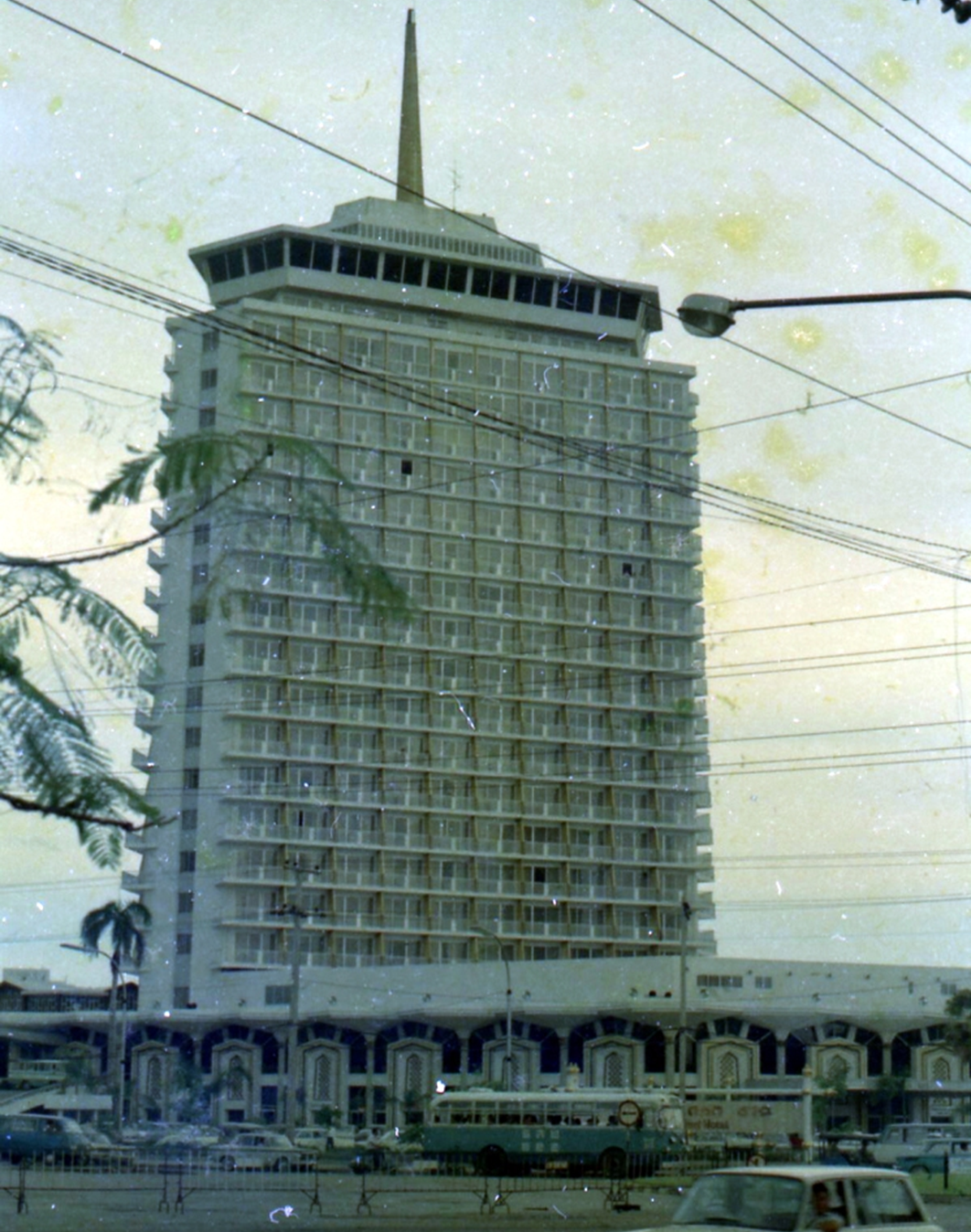
Dusit Thani Hotel, Bangkok, 1978
Photo by author
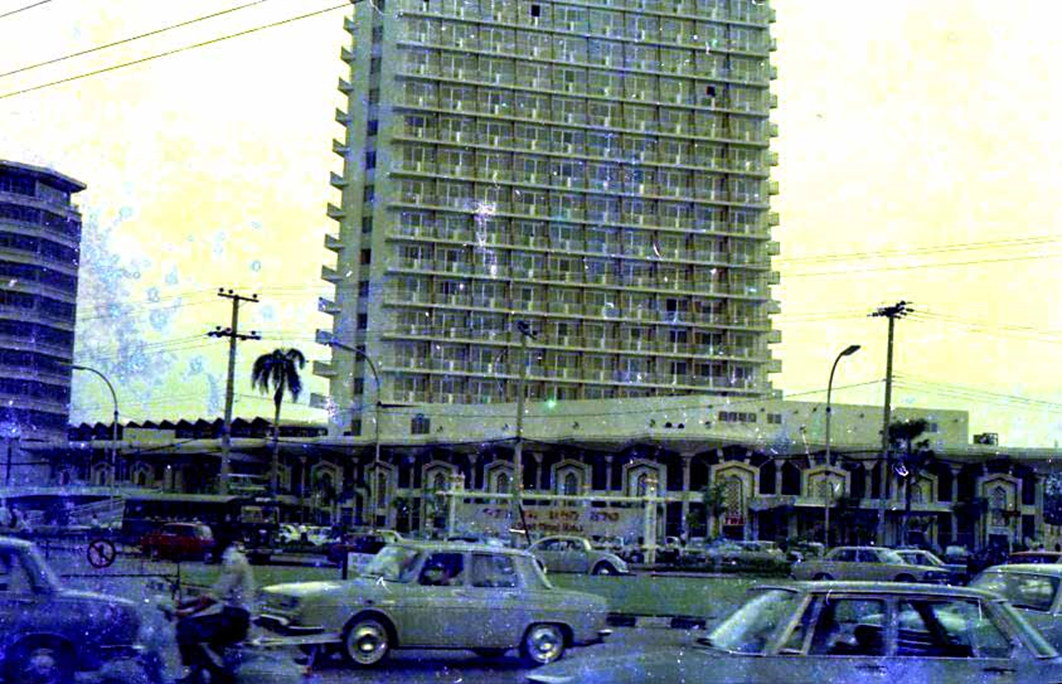
Dusit Thani Hotel, Bangkok, 1978
Photo by author
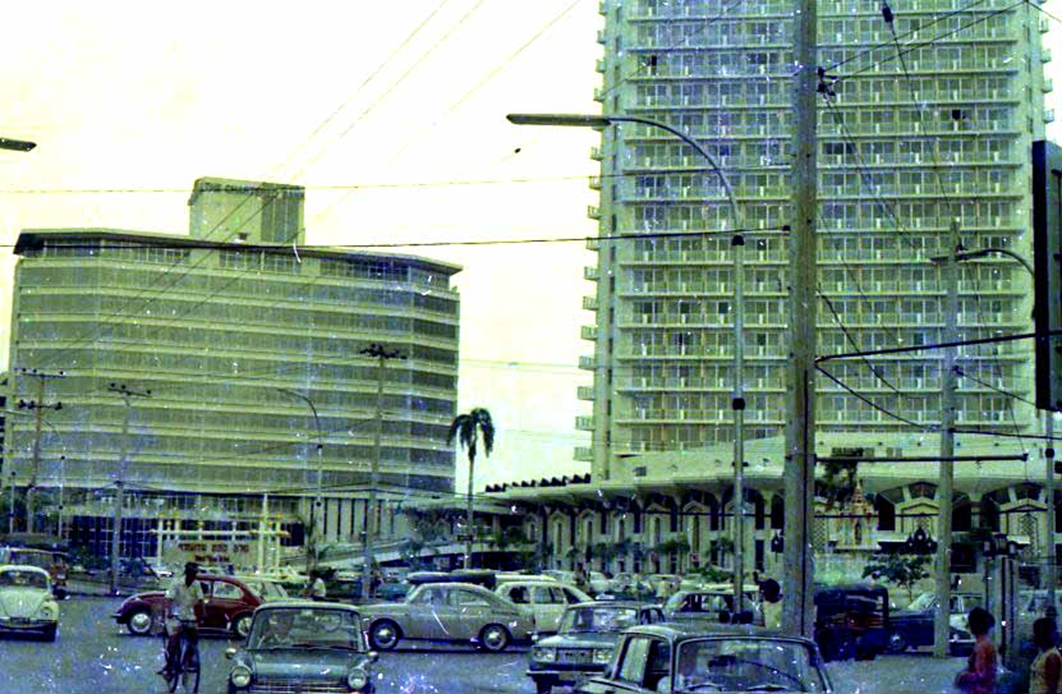
Dusit Thani Hotel, Bangkok, 1978
Photo by author
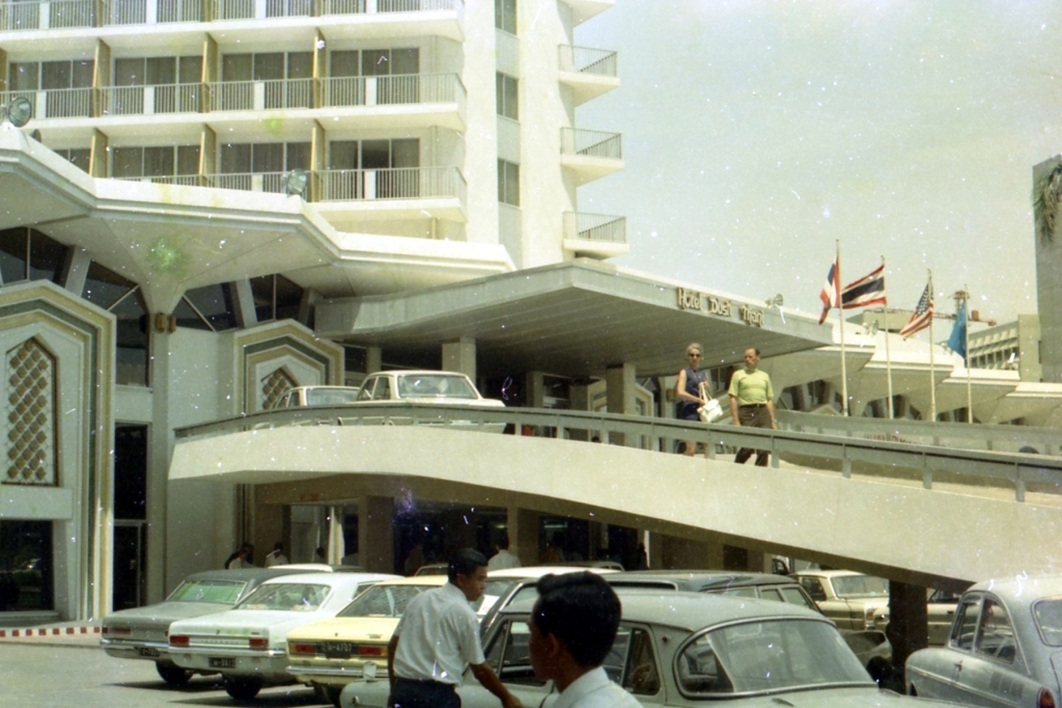
Dusit Thani Hotel Driveway to entrance, Bangkok, 1978
Photo by author
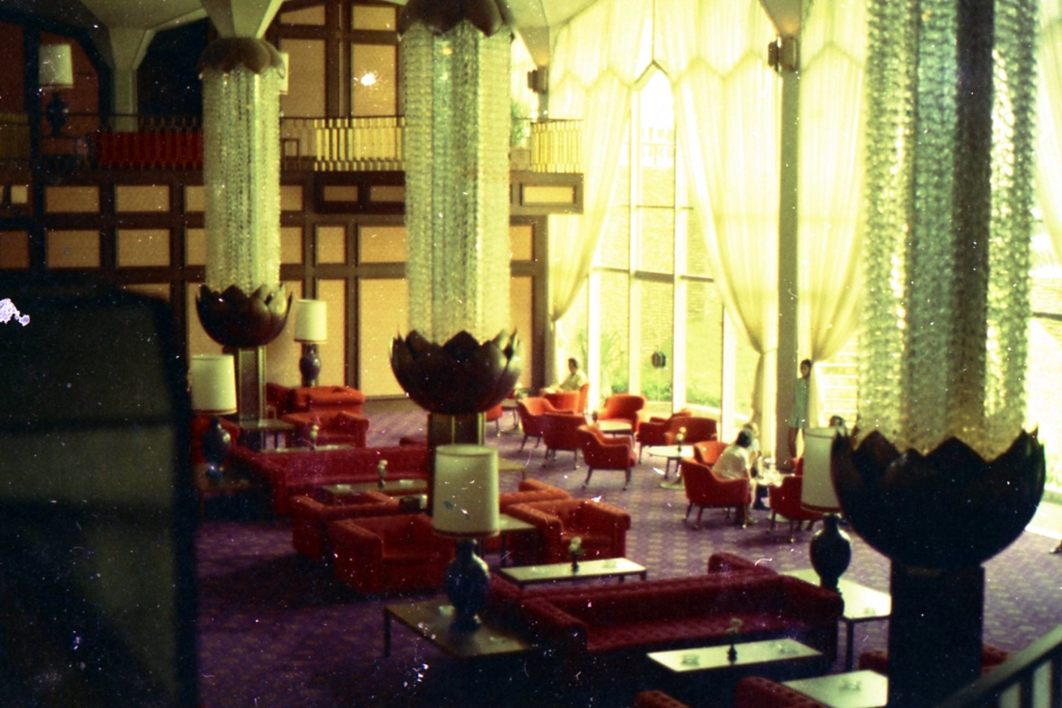
Dusit Thani Hotel Lobby, Bangkok, 1978
Photo by author
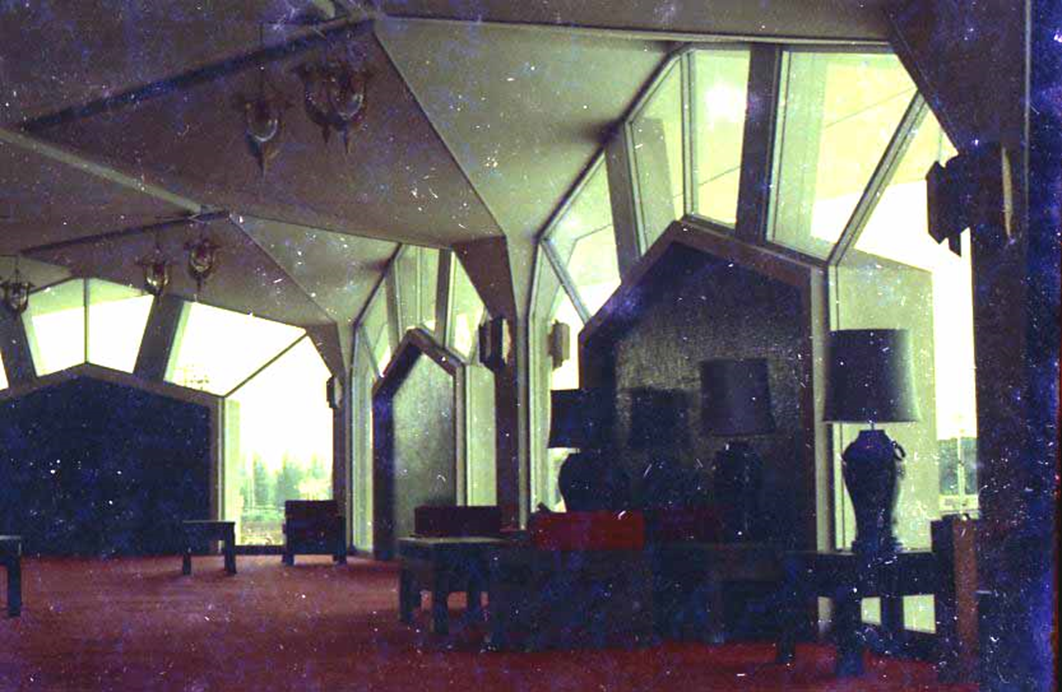
Dusit Thani Hotel, Bangkok, 1978
Photo by author
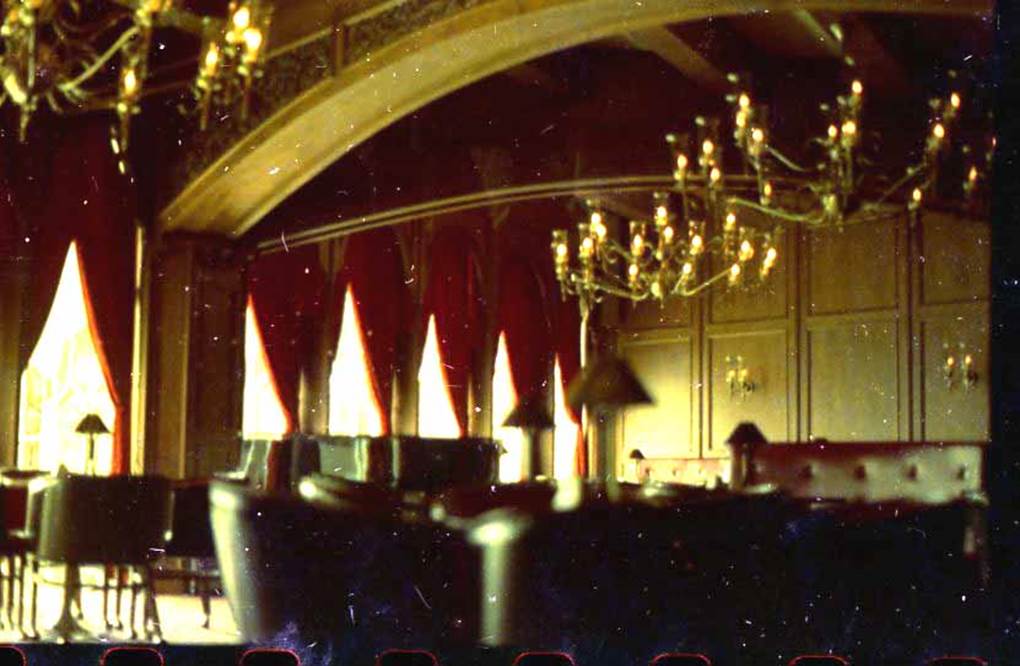
Dusit Thani Hotel, Bangkok, 1978
Photo by author
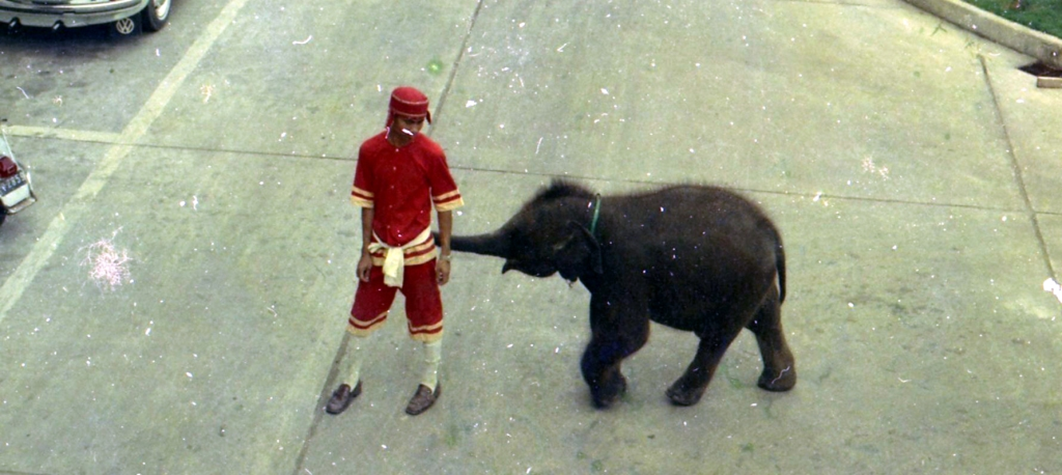
A small elephant and a hotel employee, 1978
Photo by author
Then, due to the explosive motorization, a huge concrete highway was built right above the wide Rama IV Road. Unfortunately, this cut off the connection with Lumbini Park, which was a borrowed landscape.
Now, the highway covers the front of the hotel, and the view in front of the hotel shown has been lost.
This is one of the good examples that shows how the construction of public infrastructure in a city has a decisive and vital impact on the value of individual existing private real estate.