JAP | ENG
Long term stay in Brazil #3/15
São Paulo #3
Office work
Travelling abroad, 1962
Work & Volunteering
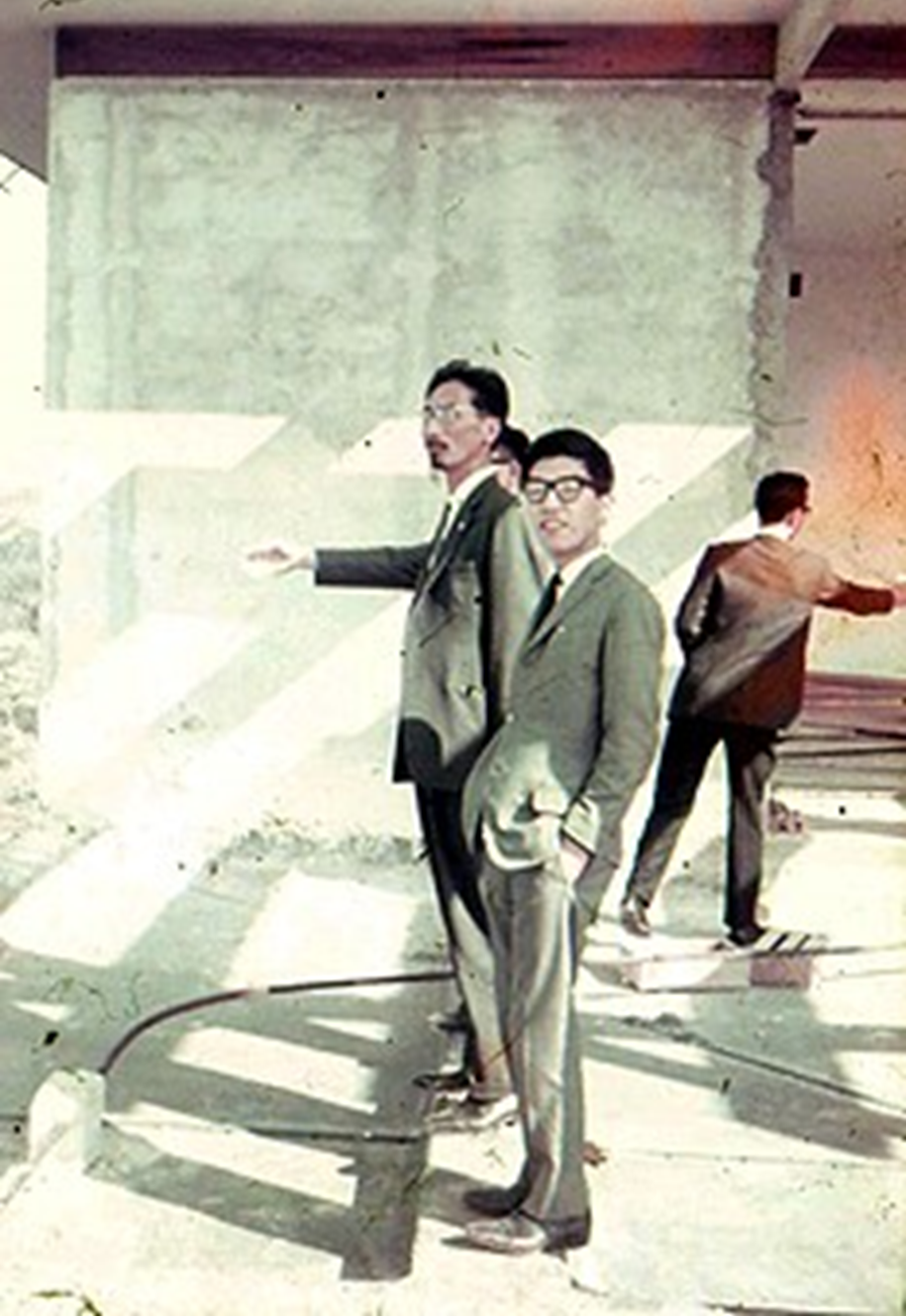
Photographed around 1965
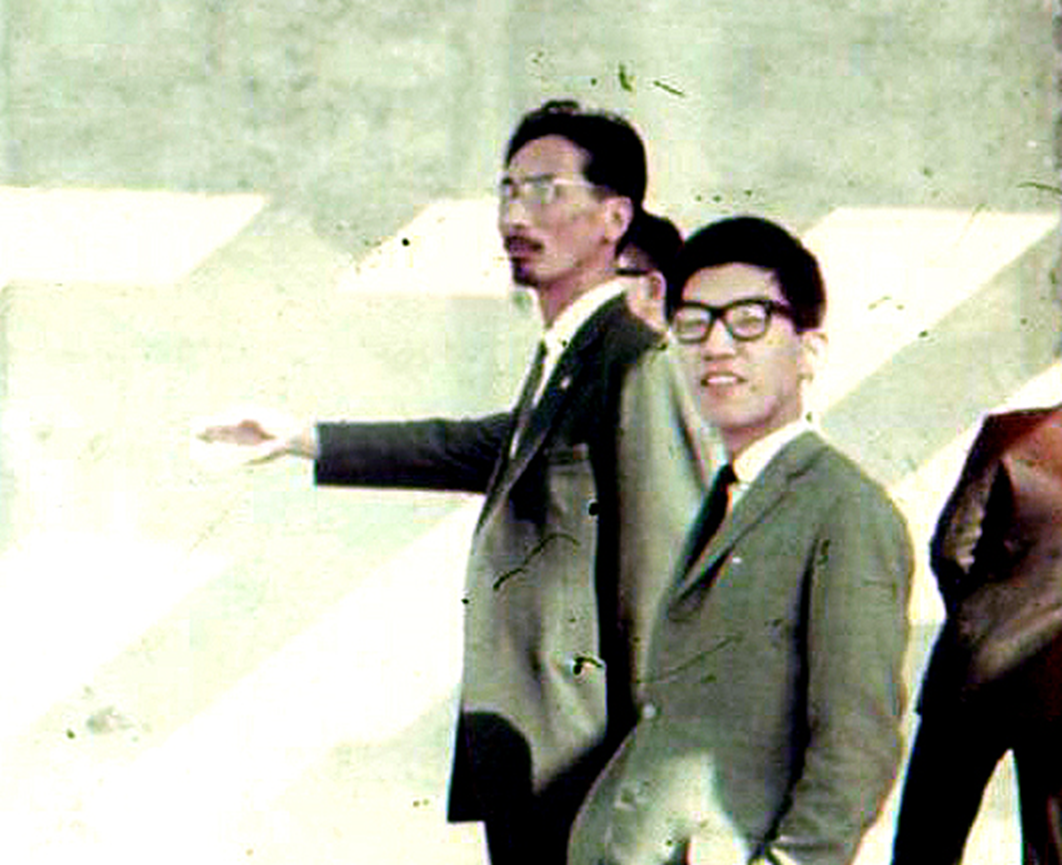
Professor Yoshizaka of the Department of Architecture at Waseda University visited Sao Paulo to inspect the proposed site for the Consulate General of Japan in Sao Paulo, commissioned by the Ministry of Foreign Affairs.
The site was located in a hilly area of the upscale Morumbi district, lush with greenery.
I accompanied the professor as his bag carrier.
Palmeiras Sports Association
I was responsible for the design of a large football stadium commissioned by my office from the Palmeiras Sports Club.
At that time, just before the 1964 Tokyo Olympics were held, sports dignitaries from São Paulo visited Japan, and after returning to Brazil, they spoke enthusiastically about the brilliance of Japan’s postwar reconstruction, and I remember feeling proud as a Japanese in Brazil.
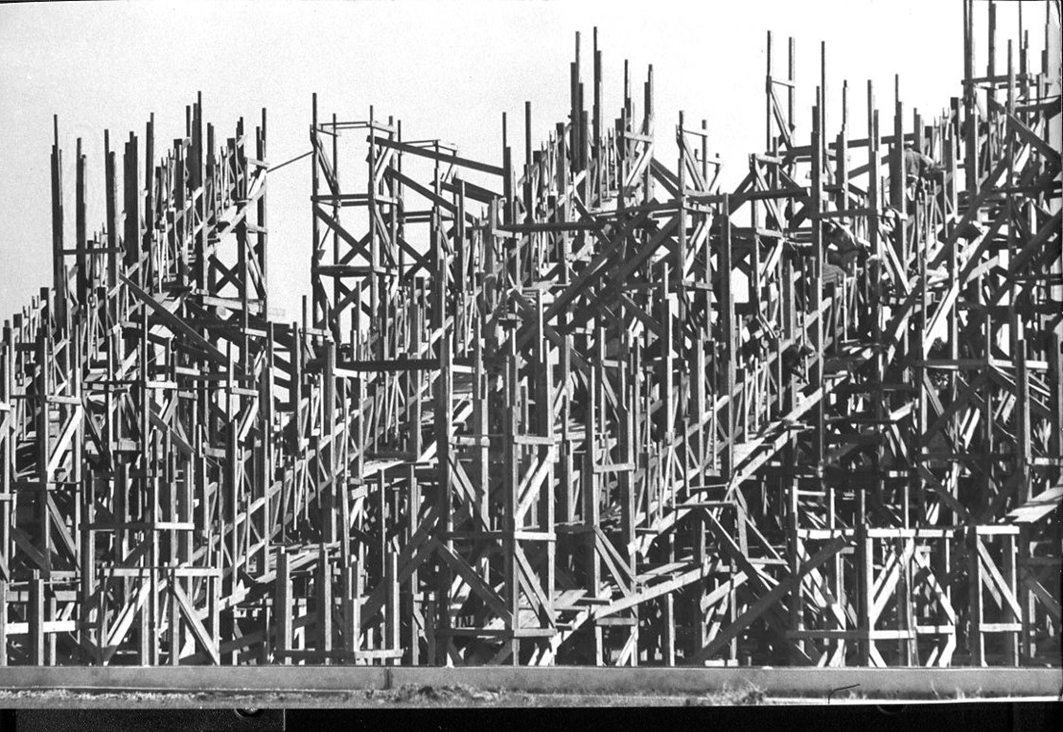
Sports club construction site Photo by author, 1965
The spectator section of the Palmeiras Sports Club under construction.
An overwhelming amount of timber is prepared to support the weight of the uncast concrete, and the formwork and scaffolding for pouring concrete are being erected.
It is a construction method unique to Brazil, which is rich in tropical rainforests and wood.
Office building A
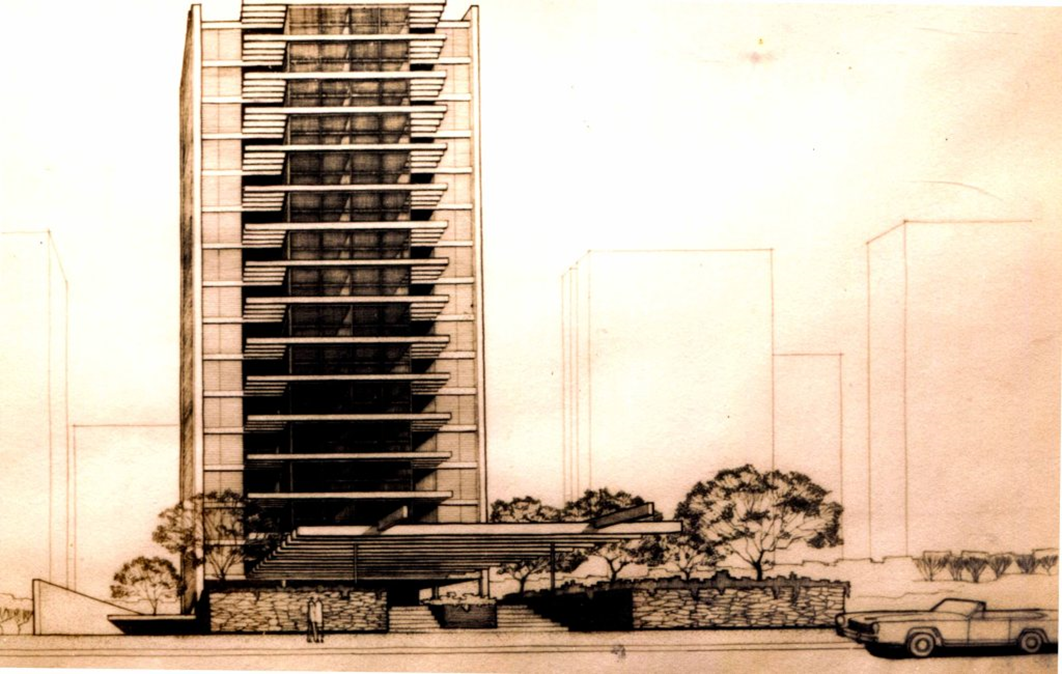
Author’s drawing, 1965
A presentation drawing for the sports club I designed.
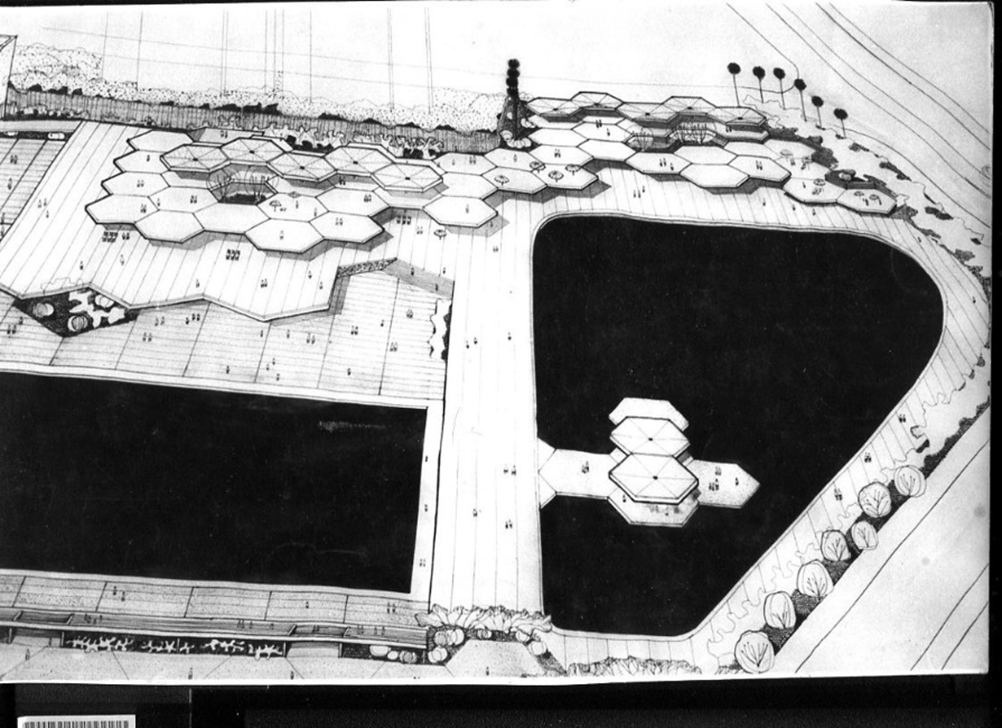
Author’s drawing, 1965
Housing in São Paulo.
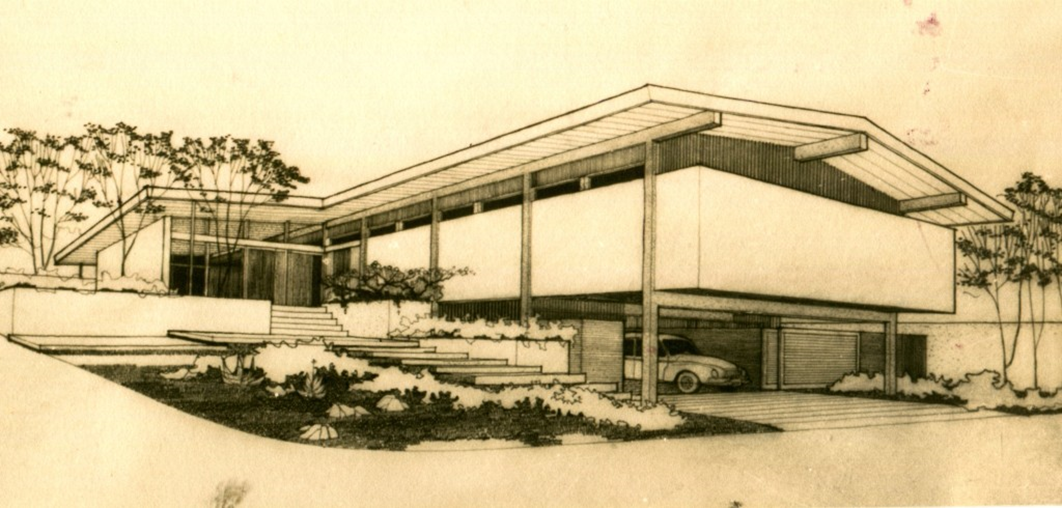
Author’s drawing, 1965
Interior of a residential building in São Paulo
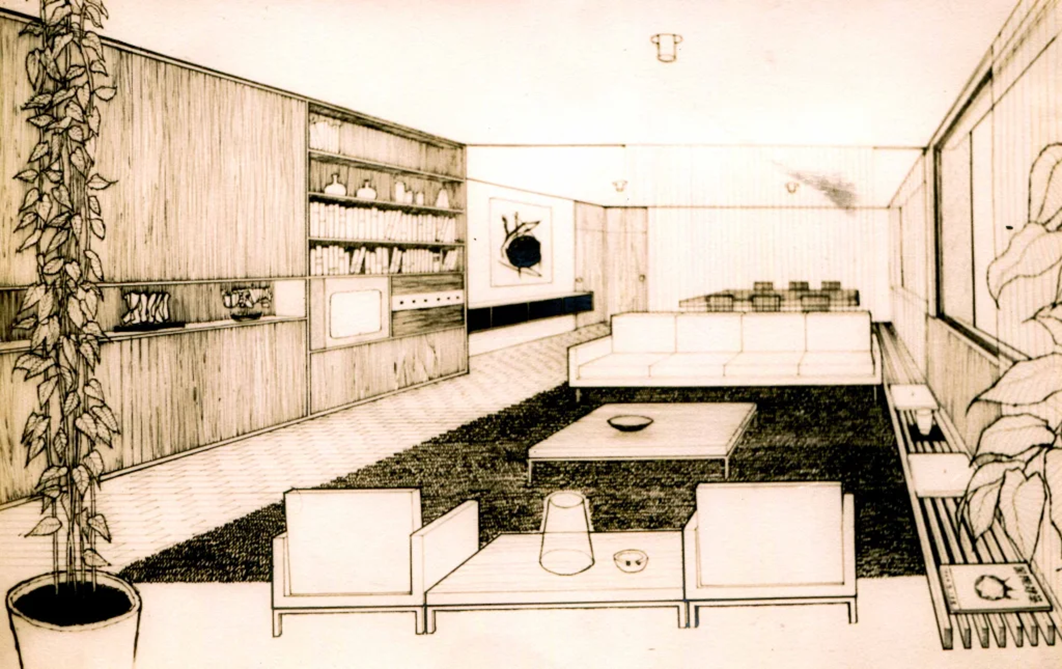
Author’s drawing, 1965
Office Building B
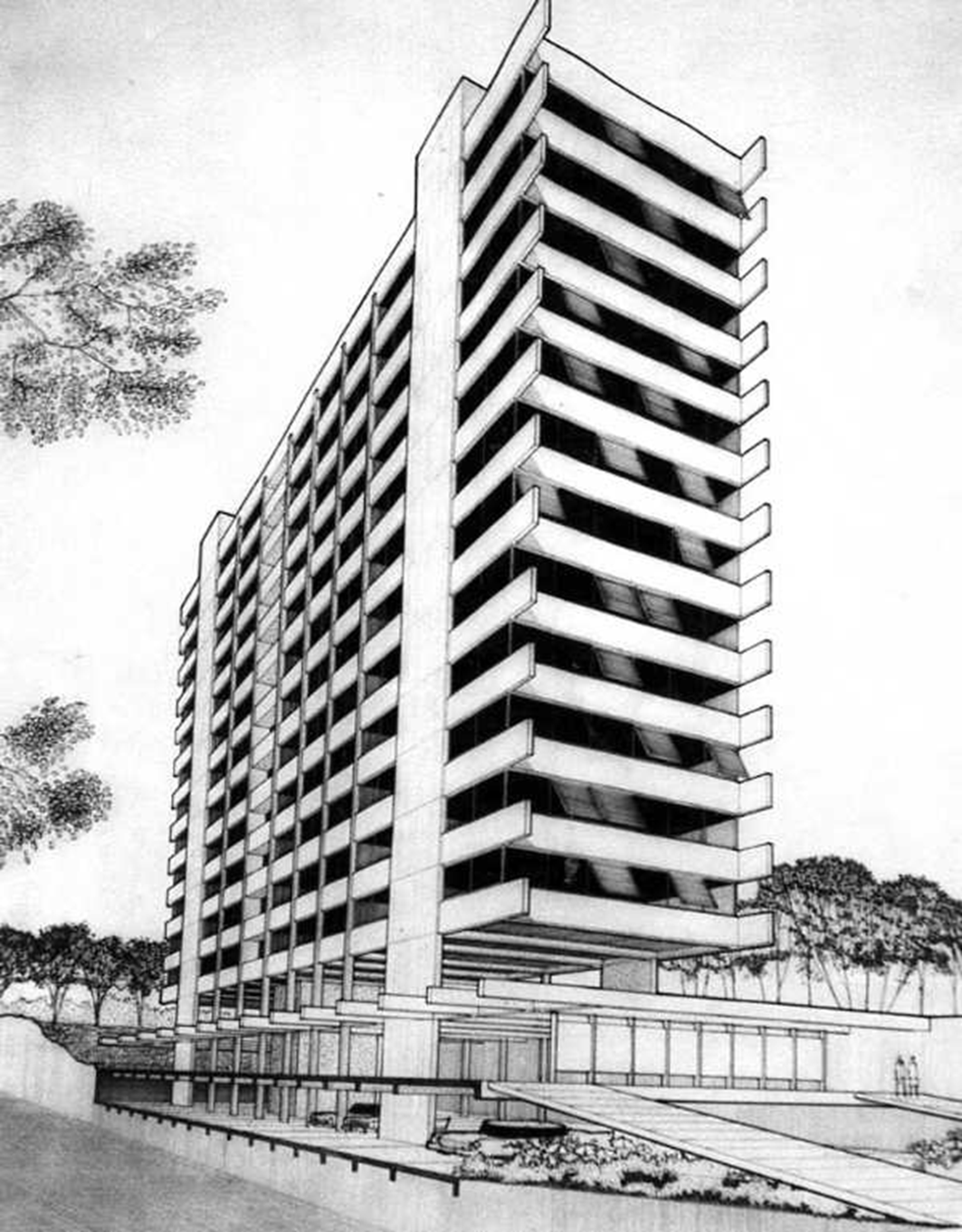
Author’s drawing, 1965
Urban Planning Master Plan
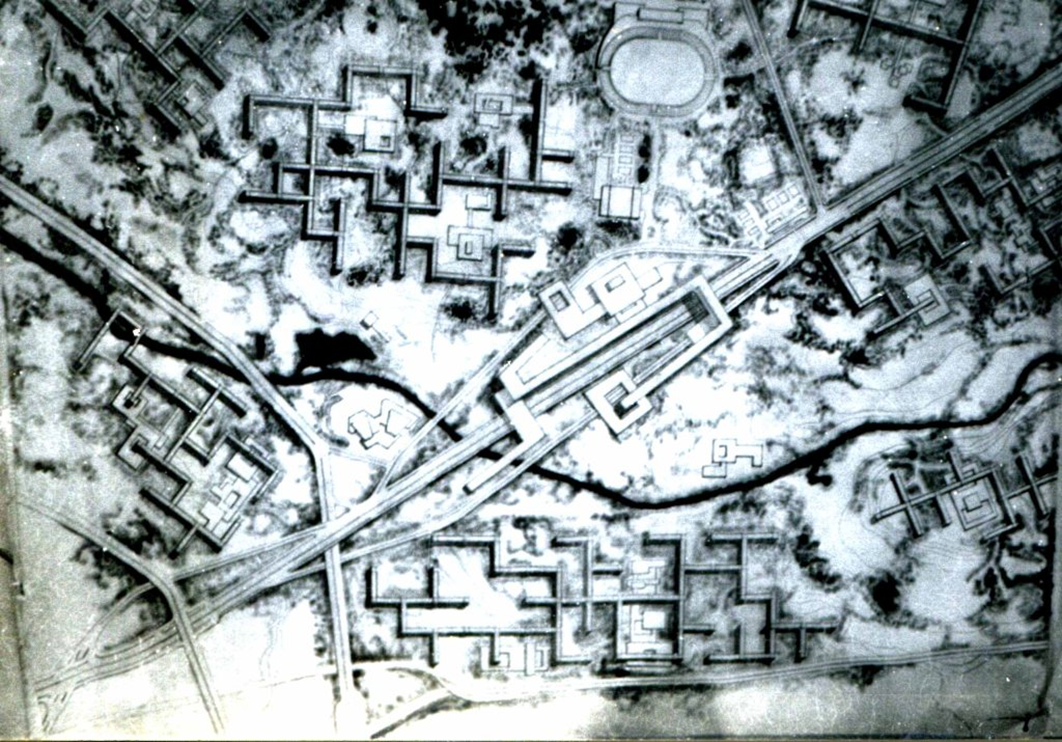
Urban Planning Master Plan Drawing, Author’s Drawing, 1965
A priest of the church reaching out to orphans
One Sunday, a priest from the Catholic Church came to my apartment with a request. The request was to ask volunteers to design an orphanage on land on the outskirts of São Paulo, which had already been secured.
At that time, my Portuguese had improved to the point where I had no trouble in my daily life, and I was getting used to life in Brazil.
On weekends, I would go on expeditions with my friends, visiting obscene and sinful places. To atone for my sins, I immediately decided to participate in this volunteer work. I immediately went to inspect the site, which was about 30 kilometers from Sao Paulo.
There were a few dozen orphans, ranging from infants to pre-teens, living huddled together in a tiny shack, and I found myself confronted with the typical Brazilian melting pot: a blonde with black skin, a pale one with curly black hair, a dark one with Japanese features, and everything in between. All of these children had been abandoned by their biological parents.
After returning to São Paulo, I spent a few weekends creating plans and models and submitting them to the priest.
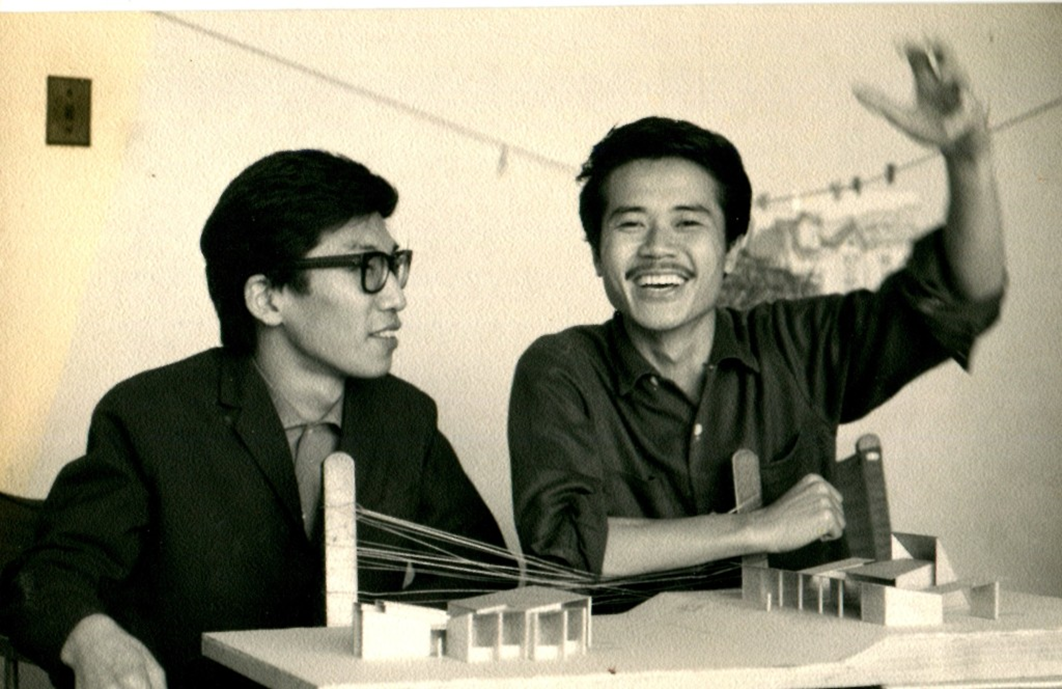
Architectural model of an orphanage
Drafting tools at that time
In the 1960s, when there were no computers, the method of drafting was to draft with a pencil, and then use a crow or character ruler to clean up the drawing with ink, as shown in the photo below. It was a daily routine to create high-quality drawings using this method.
If corrections were to be made, they would be made by scraping off tracing vapor with a razor blade
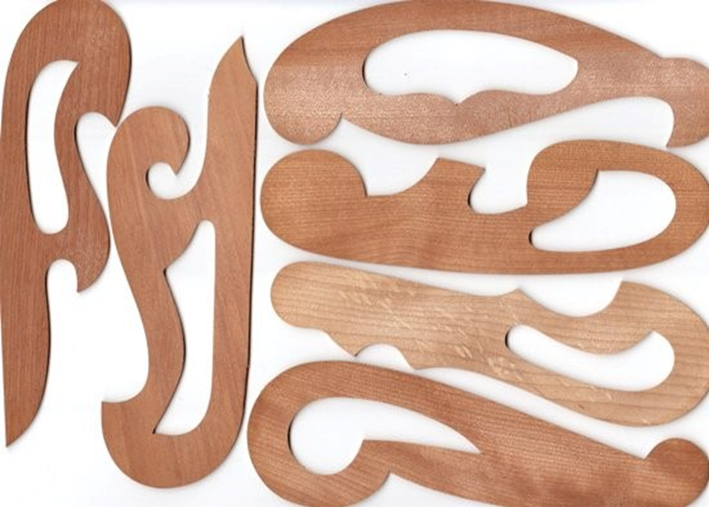
French Curve
Crow’s quill.
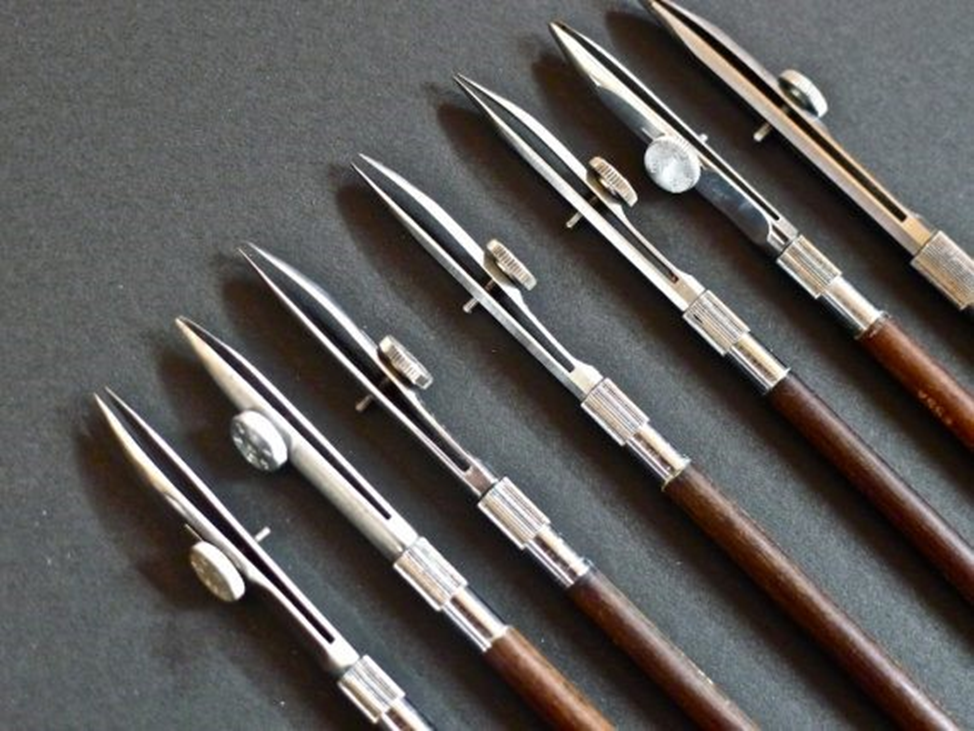
Crow quill made in Germany
A set of drafting tools. I’m using it quite a lot
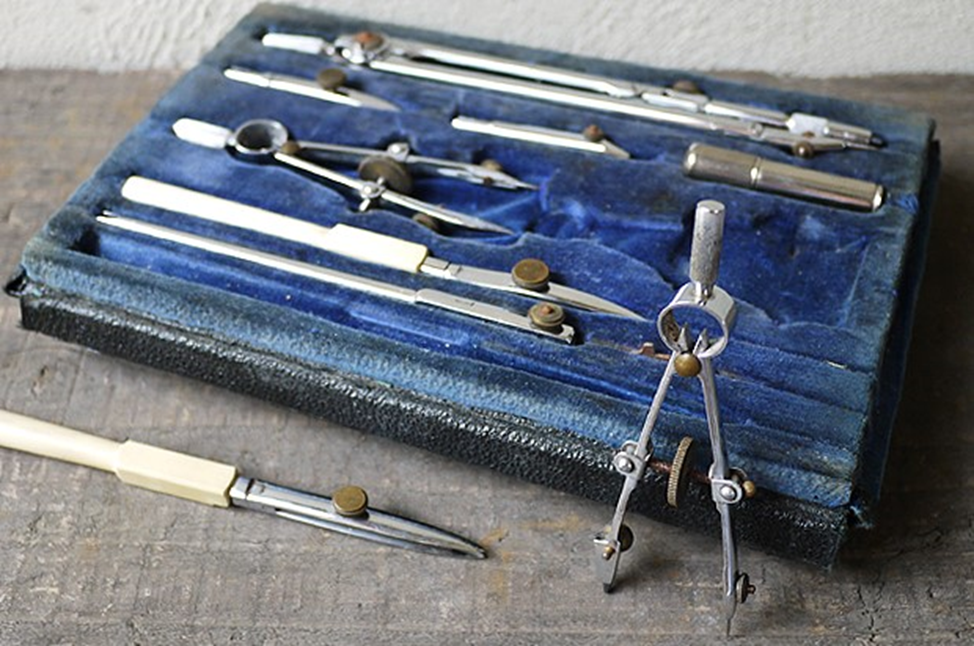
Drafting tools
Alphabet letter ruler.
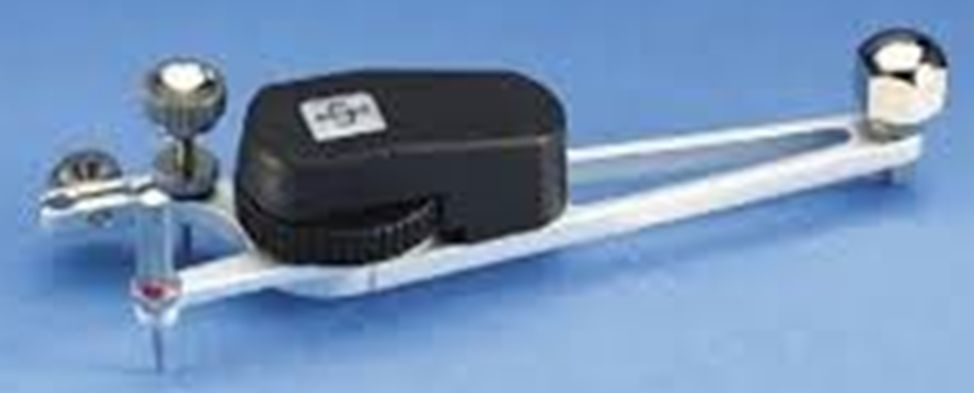
Character writing ruler
It was a time when there were no calculators yet, so calculations were done using manual calculators.
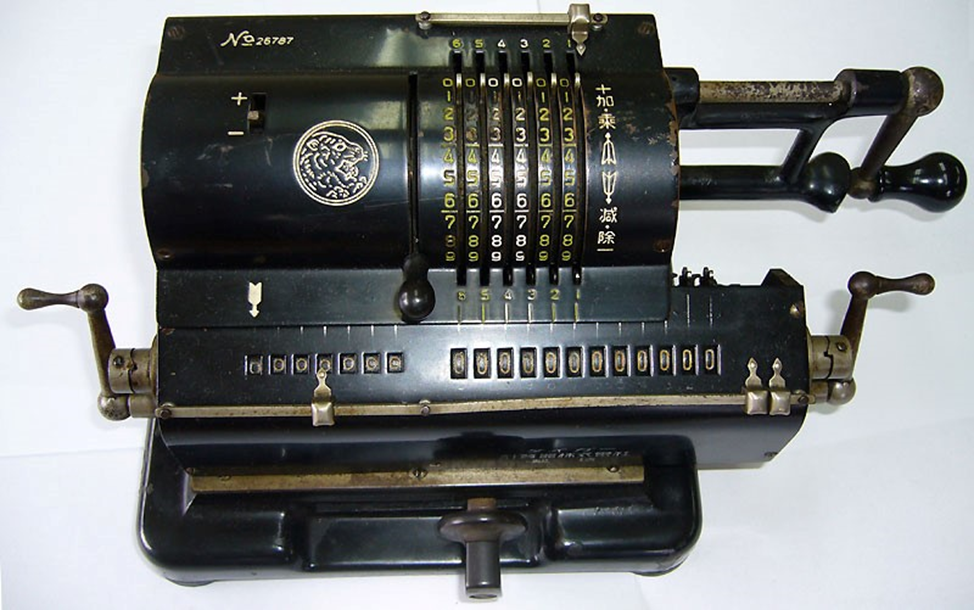
Manual calculator