JAP | ENG
Toledo, Spain
OCTOBER 2013
#1/2
Toledo is 71km south of Madrid and can be reached by both rail and highway. The last time I visited in 1968 was by train, but this time I came by tourist bus.
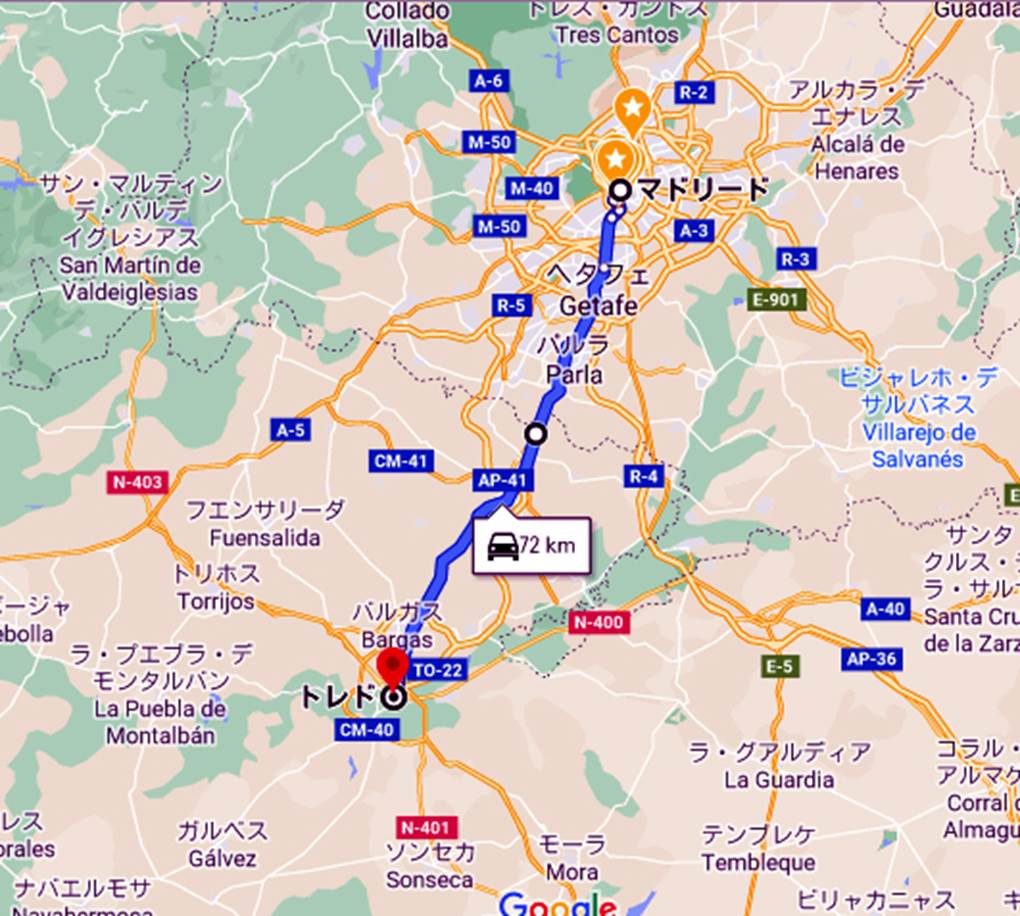
Toledo is located in the Tagus River basin.
The hill city is surrounded on three sides by deep gorge rivers.
The river flows downstream to Lisbon, Portugal and empties into the Atlantic Ocean.
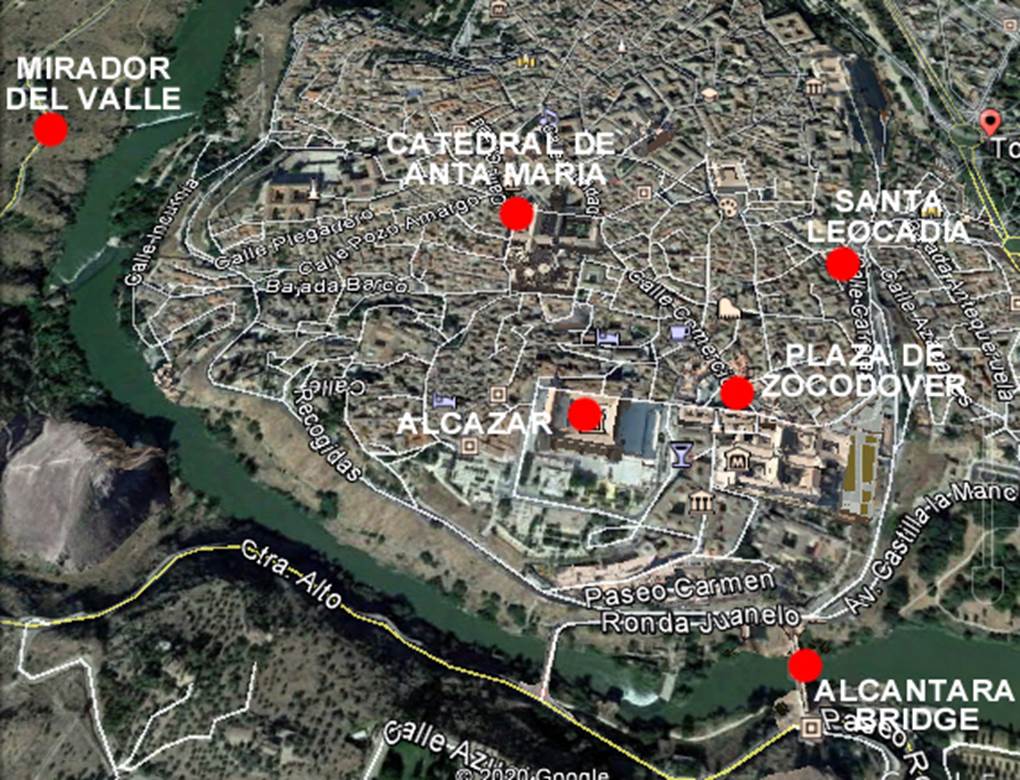
The Visigothic kingdom, the Islamic Empire, and the Reconquista. The whole town is a museum
Toledo was the capital of the Visigothic kingdom of the Great Germanic Migration (560) before it came under Islamic rule in 711.
In the Middle Ages, it was a place where Islamic, Jewish and Christian cultures intersected. It is said that “the whole town is a museum”, and the entire old town is a UNESCO World Heritage Site.
In 1561, when the king moved his court from Toledo to Madrid, Toledo ceased to be the capital and declined, leaving the medieval town like a fossil to this day.
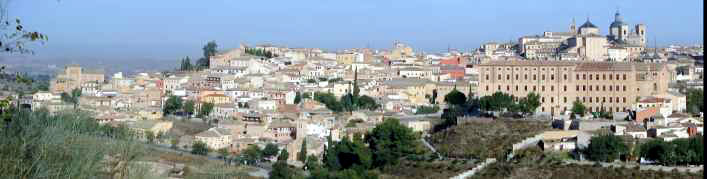
Photo by author, 2013
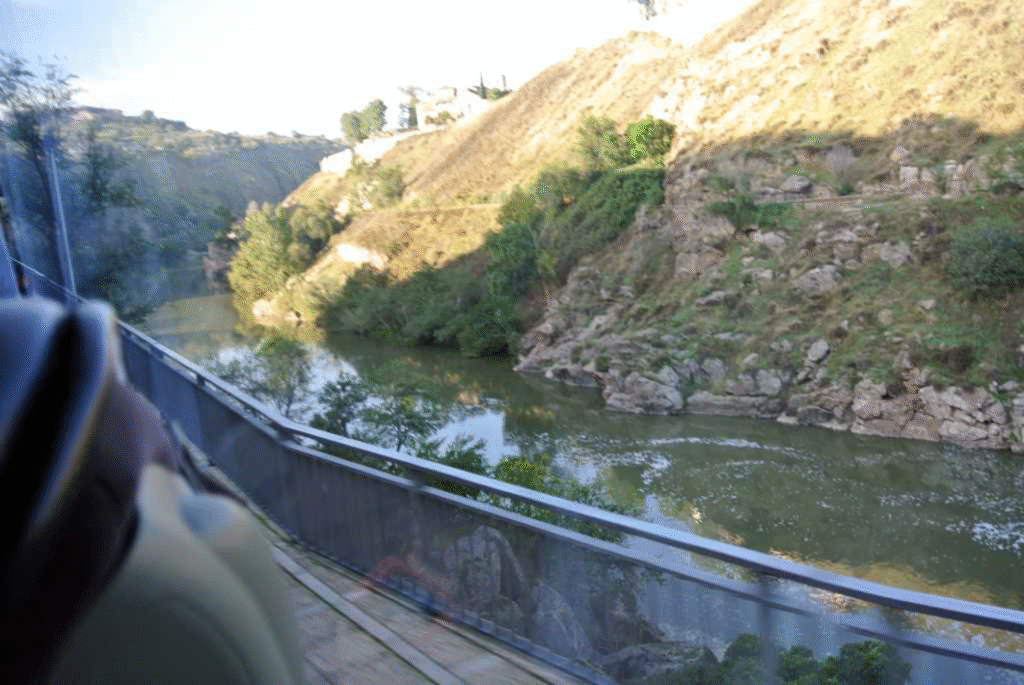
Photo by author, 2013
Mirador del Valle
From the “Mirador del Valle” (Gorge Observatory Deck) on the side of the roadway across the deeply carved canyon of the Tagus River, you can see the whole view of Toledo, a World Heritage Site.
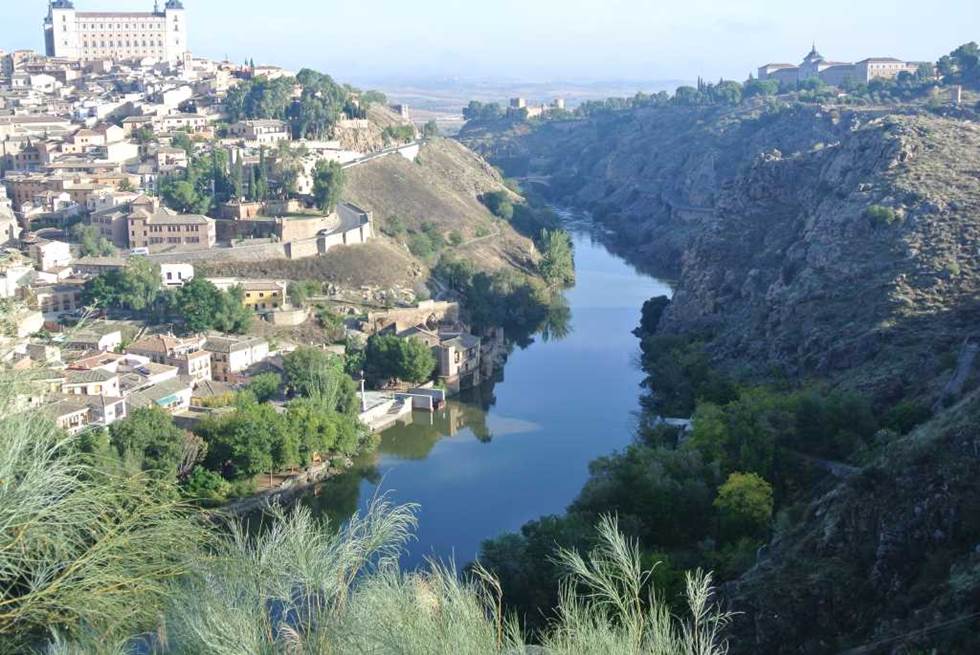
Photo by author, 2013
Toledo, a natural fortified city built on a rocky mountain surrounded by the Tagus River on three sides, is on the left side of the canyon.
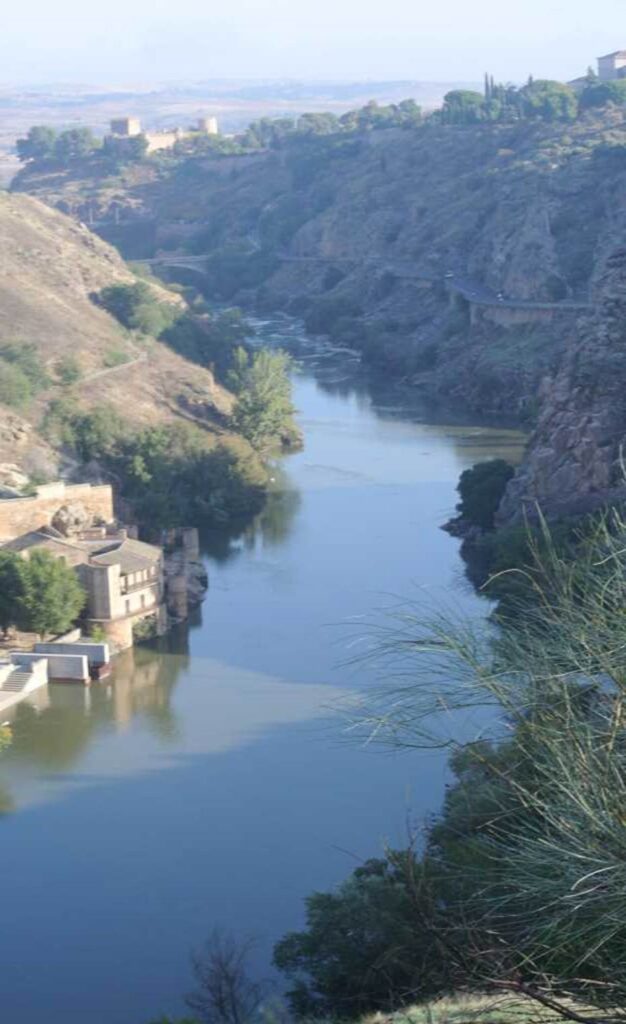
Photo by author, 2013
The panoramic view of a World Heritage Site
This city is also known to have been loved by the painter El Greco, and it is said that “If you only have one day in Spain, go straight to Toledo.” This is certainly true.
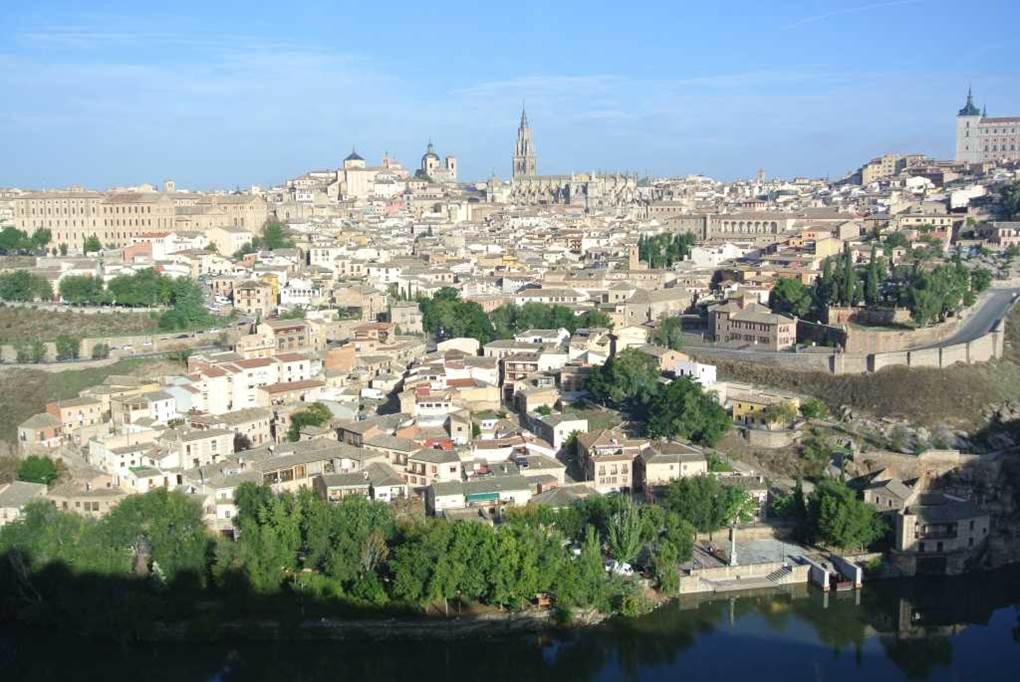
Photo by author, 2013
Toledo was the birthplace of ancient Greek and Roman philosophy, theology, and science.
In the 12th and 13th centuries, a group of scholars known as the Toledo School of Translation flourished through the collaboration of Muslims, Jews, and Christians.
Ancient Greek and Roman philosophical, theological and scientific texts were translated from Arabic, which was recorded here, into Latin, and then from Latin into Castilian (present-day Spanish), and later Castilian became the official language and Spanish the national language.
The flow of ancient Greek and Roman philosophical, theological, and scientific literature from Arabic toLatin provided a solid bridge to the Renaissance in the 12th century and had a great influence.
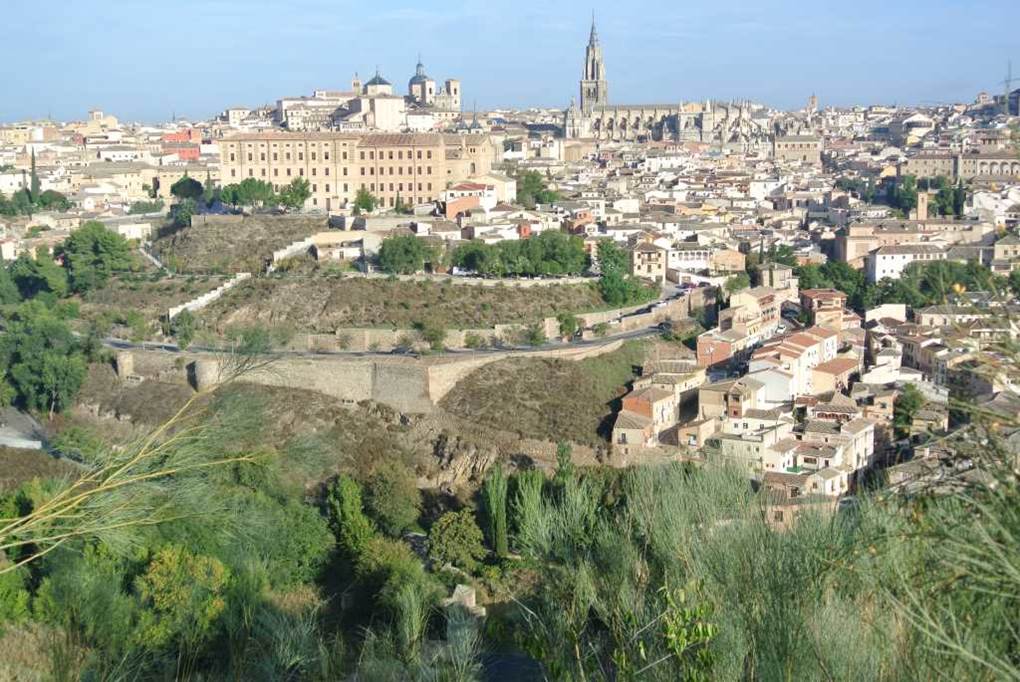
Photo by author, 2013
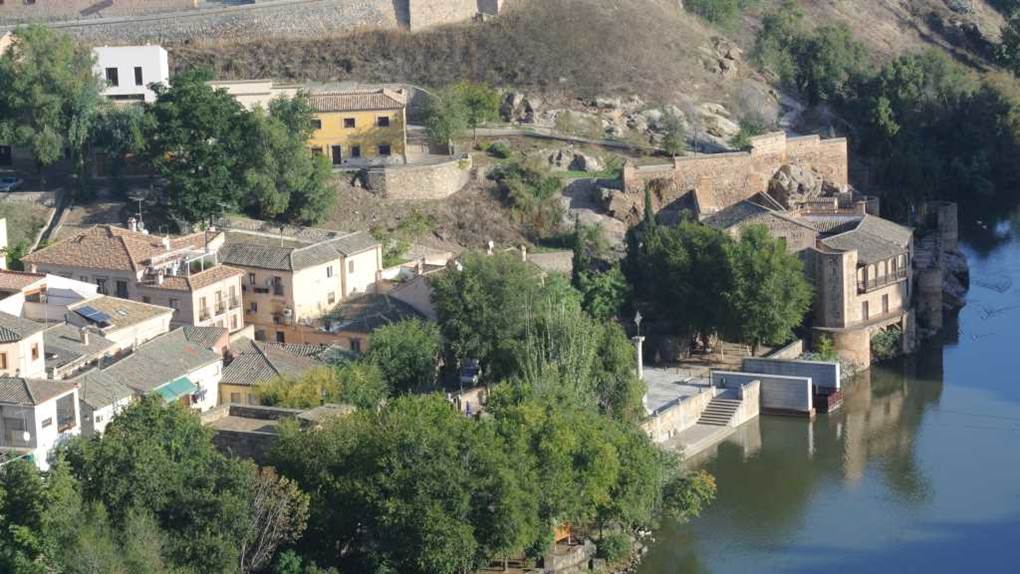
Photo by author, 2013
There are many attractions in the medieval townscape, such as the cathedral (photo below, far right), the headquarters of Spanish Catholicism, and the Alcázar towering over the hill.
The ancient city, which has stood still in time in the 16th century, is so beautiful that even a few days are not enough for a traveller to explore it all.
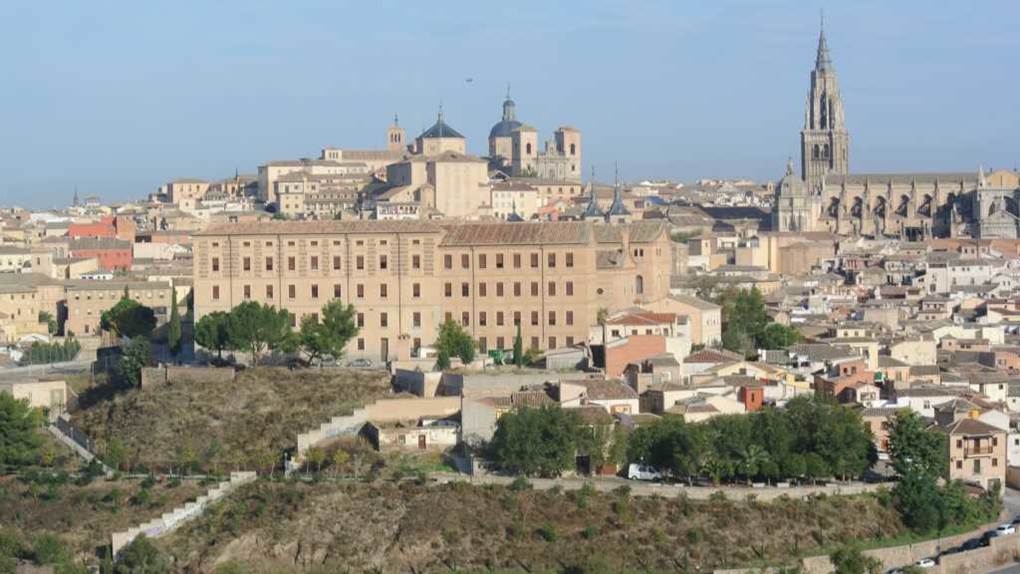
Photo by author, 2013
Toledo is an ancient city surrounded by the Tagus River on three sides.
It is said that it flourished as the political and economic center of Spain until the capital was moved to Madrid in 1561.
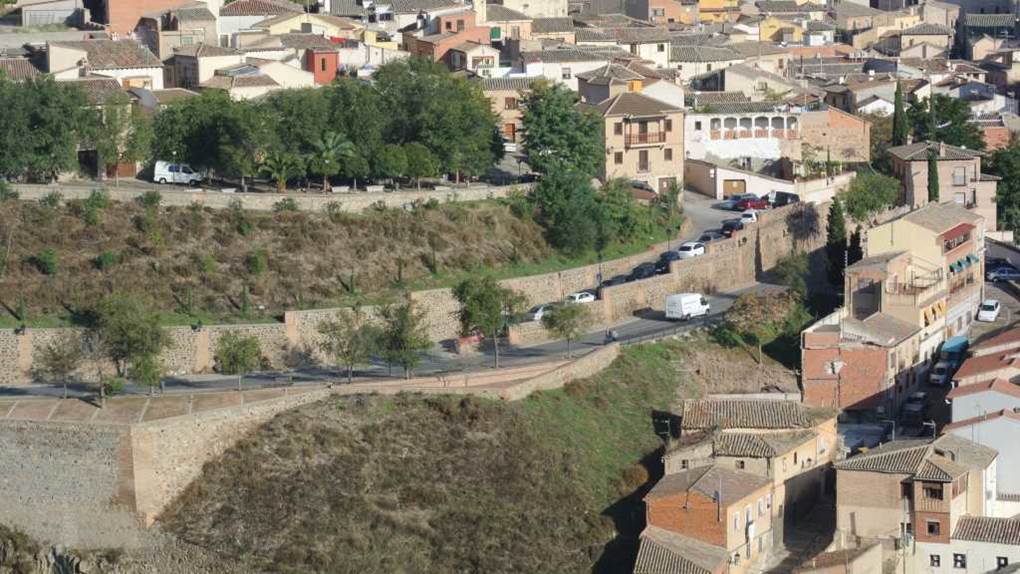
Photo by author, 2013
Toledo is said to be “a town that stopped in the 16th century”.
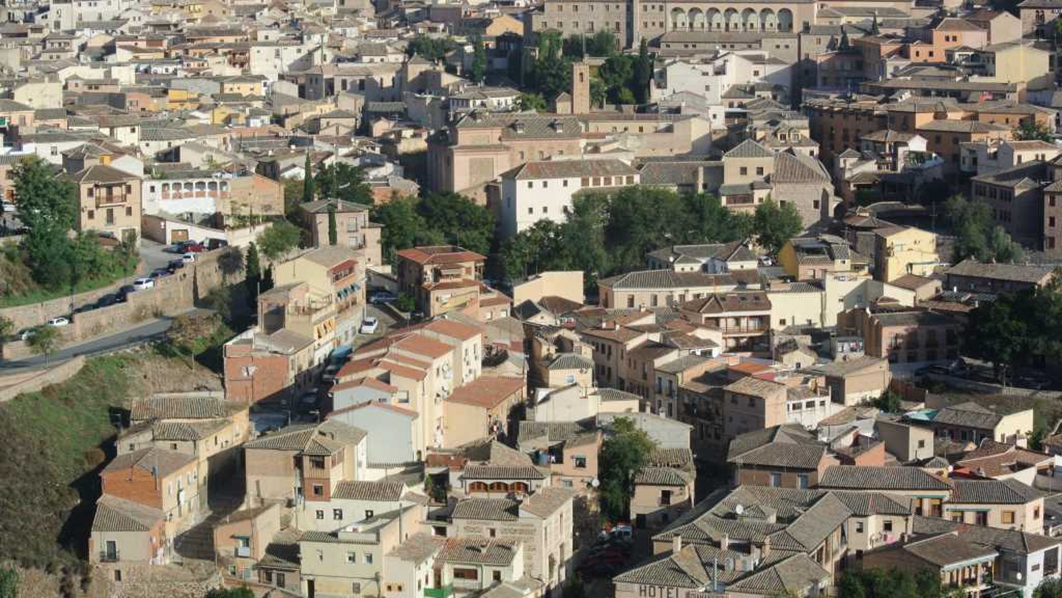
If you look at the walled old town from the opposite bank, you will see a spectacular view of countless brick-colored roofs like terraced fields, with the Alcázar at the top. A maze of narrow alleys and slopes must have stretched through the town.
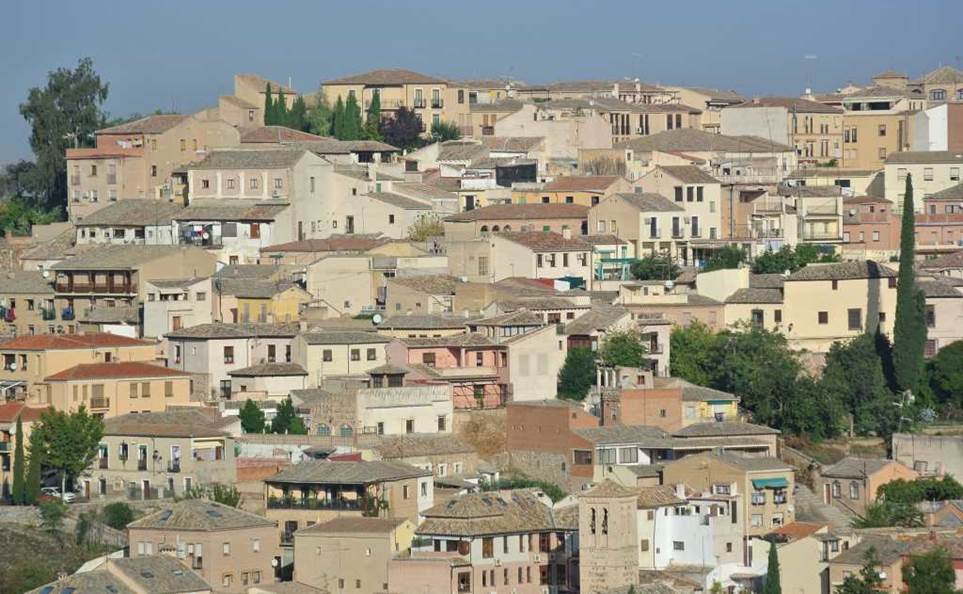
Photo by author, 2013
control of Muslim forces for about 400 years from 711. After its reconquest by Alfonso VI in 1085, Christians, Muslims, and even Jews lived here together during the Middle Ages, until the banishment decree in 1492.
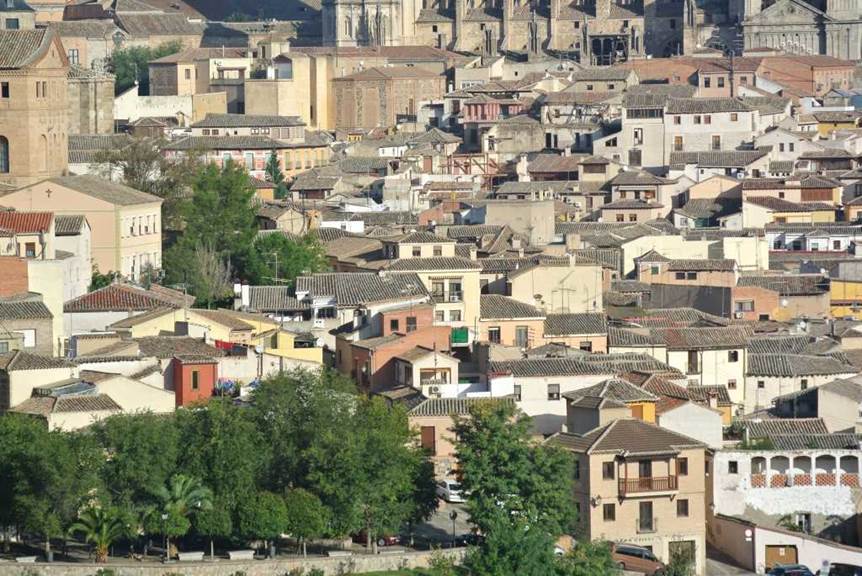
Photo by author, 2013
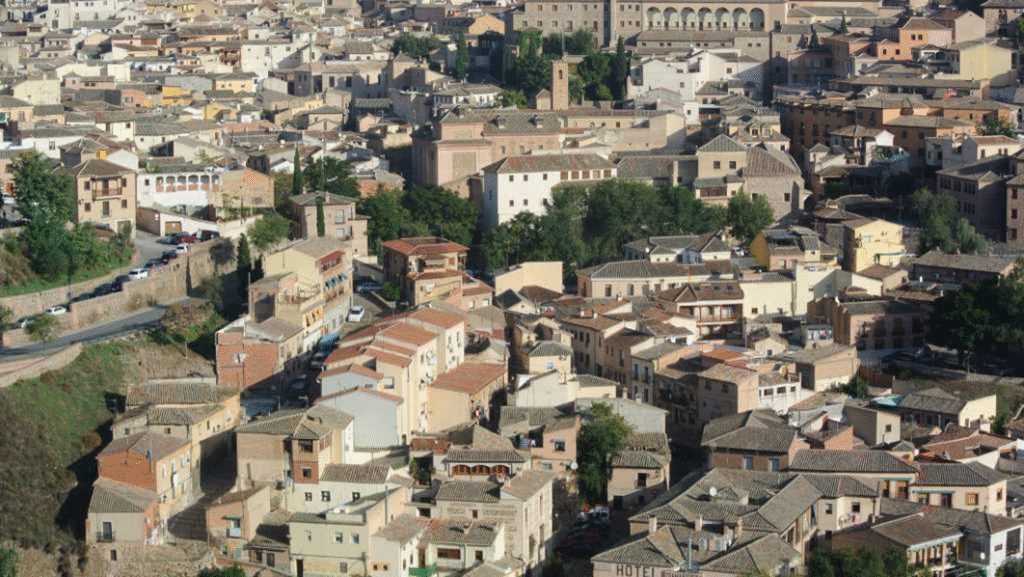
Photo by author, 2013
Alcázar de Toledo
The Alcázar is a large building towering over the hill on the right side of the photo below. It was built in the 3rd century as a palace of the Roman Empire. It was restored to its present form in the 16th century. It was besieged during the Spanish Civil War.
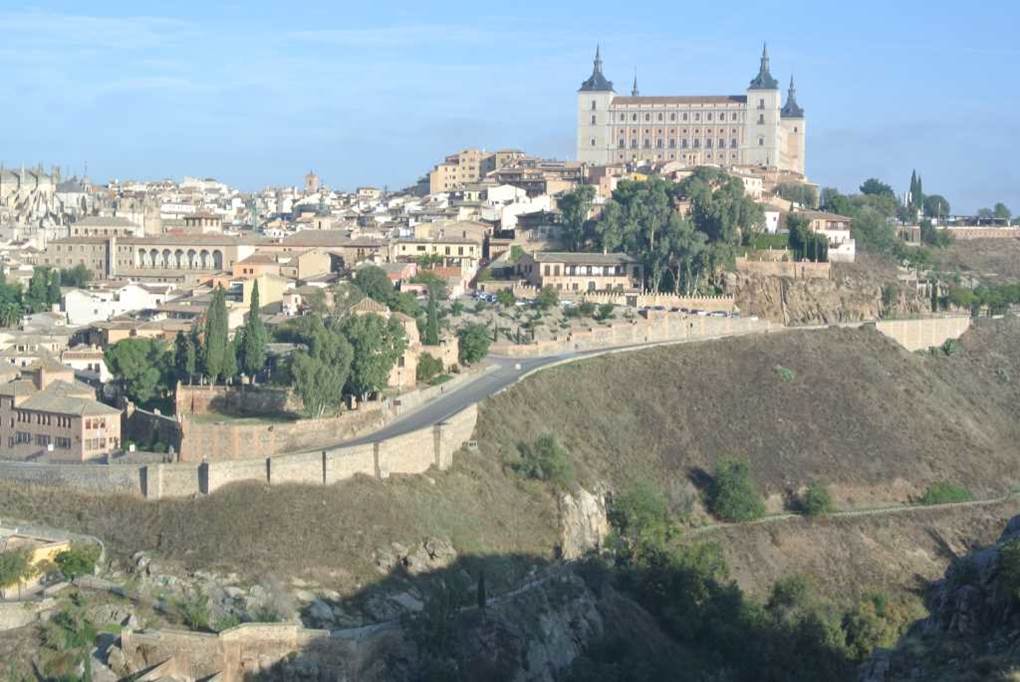
Photo by author, 2013
The Alcázar of Toledo was used as a famous military school in the 19th and 20th centuries and was the site of a siege by the Republican Army against the Francoist garrison during the Spanish Civil War in 1936.
Currently, the interior is a military museum, where weapons and military uniforms from that time are on display. Built on a hill, it is the most prominent building in the old town, and the sturdy towers on each corner give a sense of its former fortress.
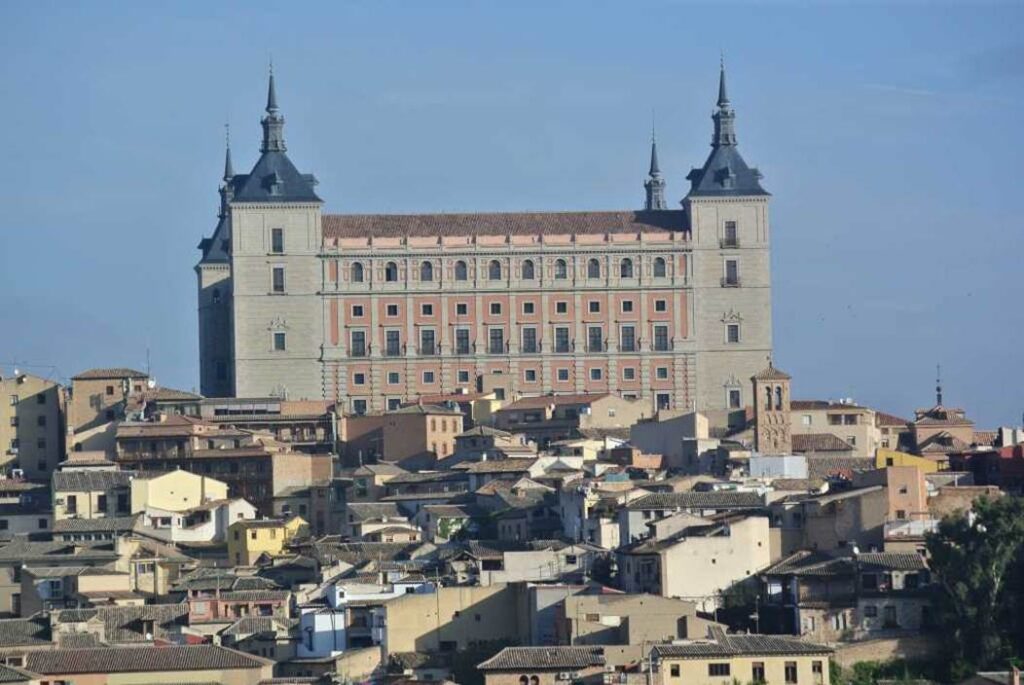
Photo by author, 2013
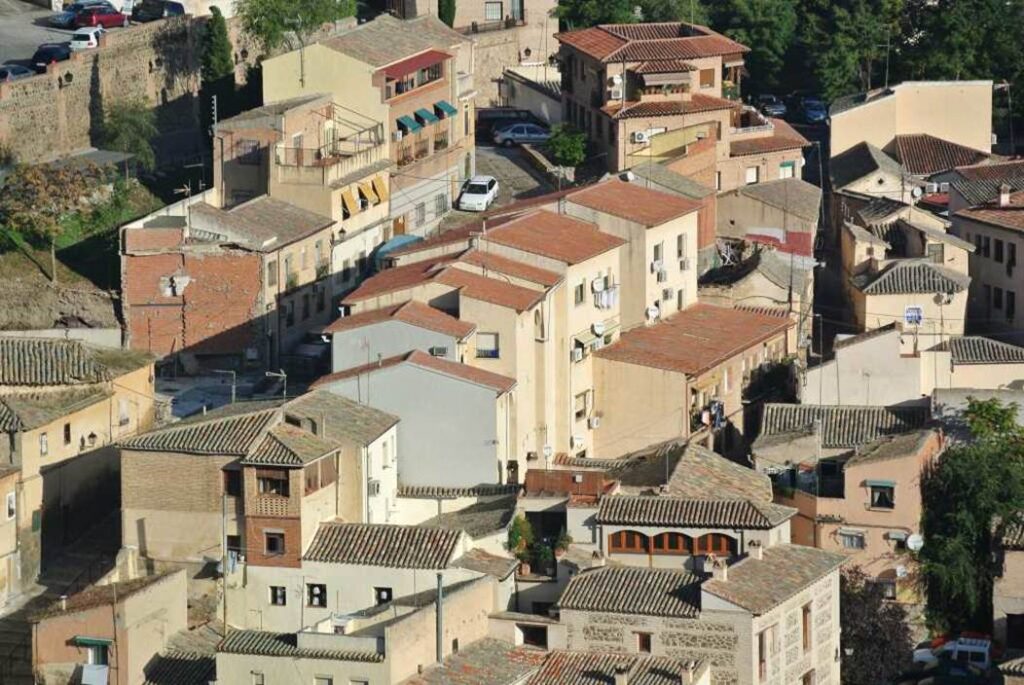
Photo by author, 2013
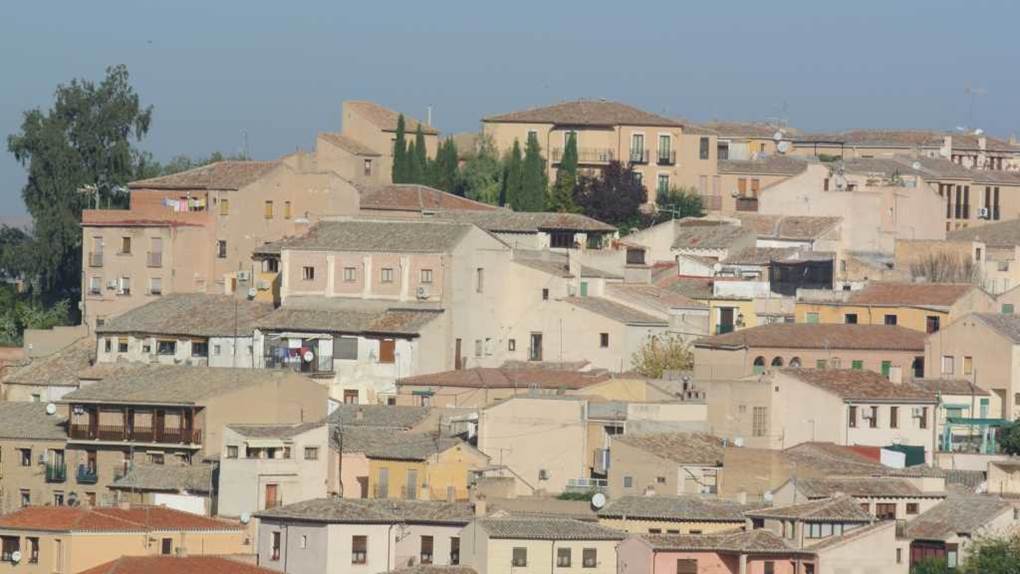
Photo by author, 2013
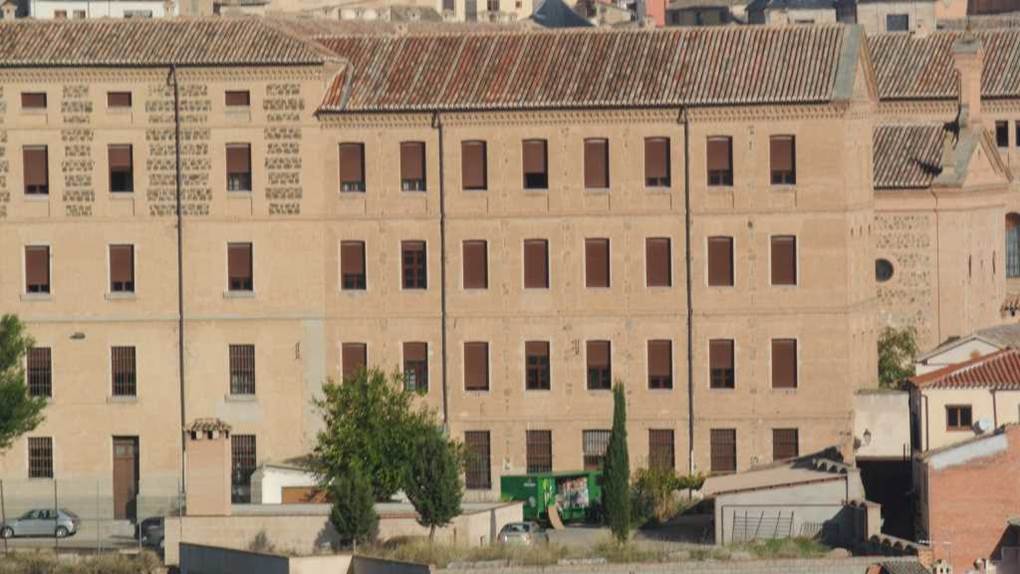
Photo by author, 2013
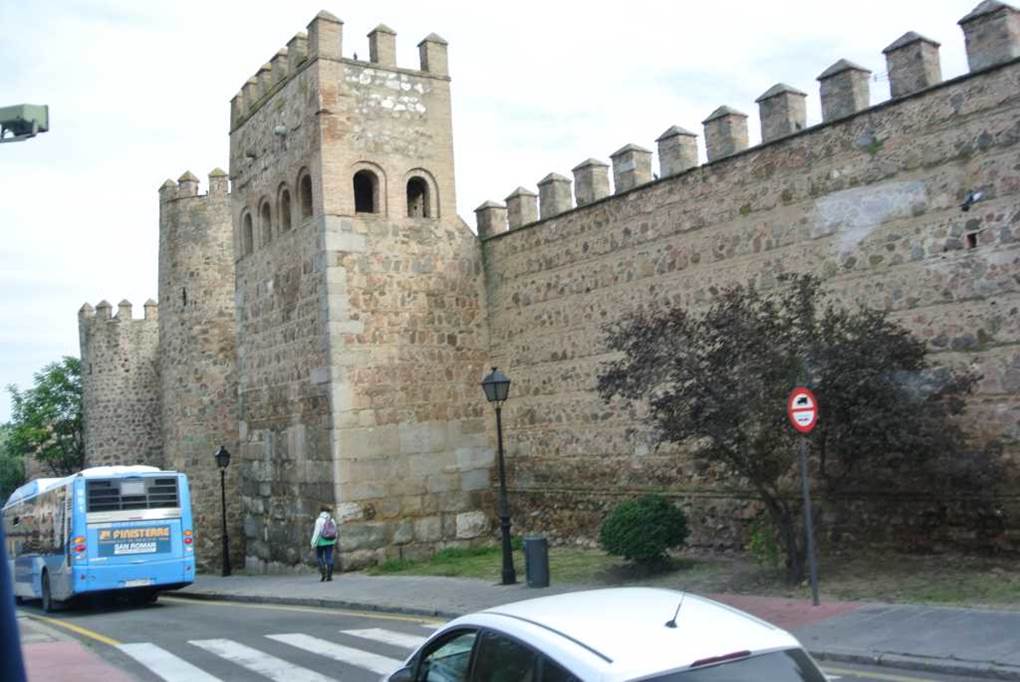
Photo by author, 2013
ALCANTARA BRIDGE
The “Alcántara Bridge” at the entrance to Toledo, which is said to have been there since Roman times. The history of this bridge dates back to ancient Roman times. Due to repeated destruction and restoration in the battle against Muslims, various architectural styles were mixed together to form the current form. From here, you can enter the old town, which is a World Heritage Site.
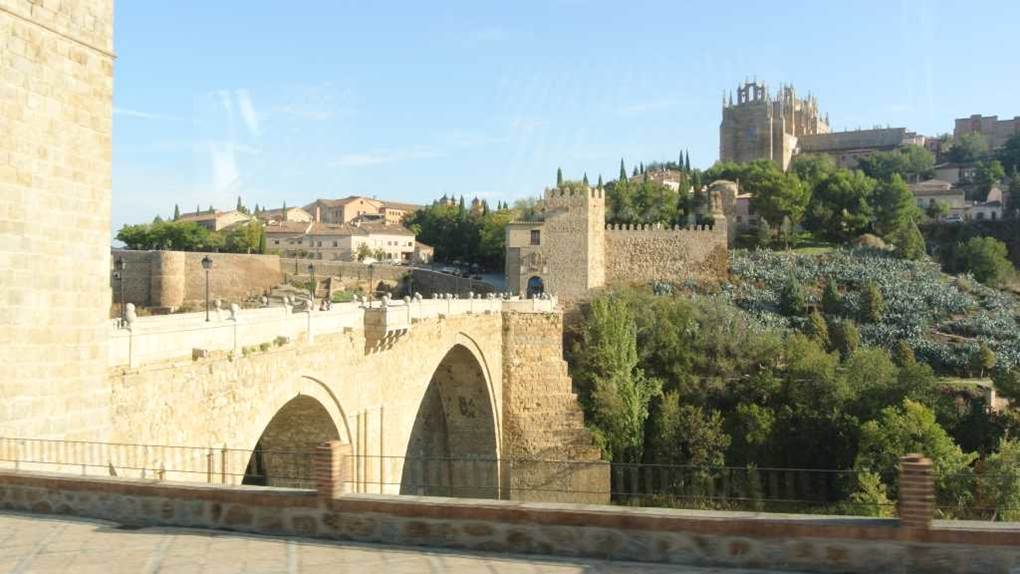
Photo by author, 2013
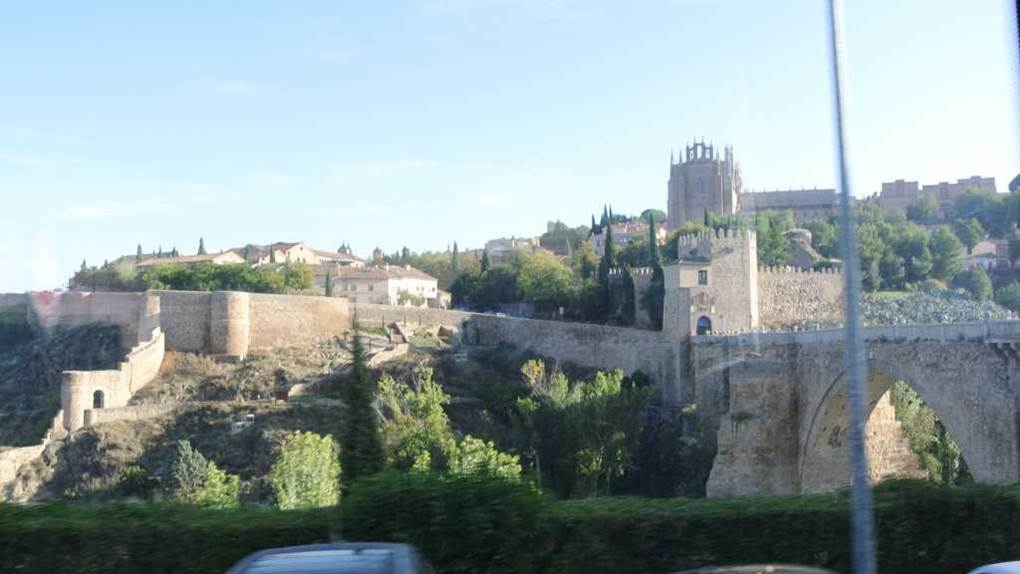
Photo by author, 2013
Part of the old city wall remains.
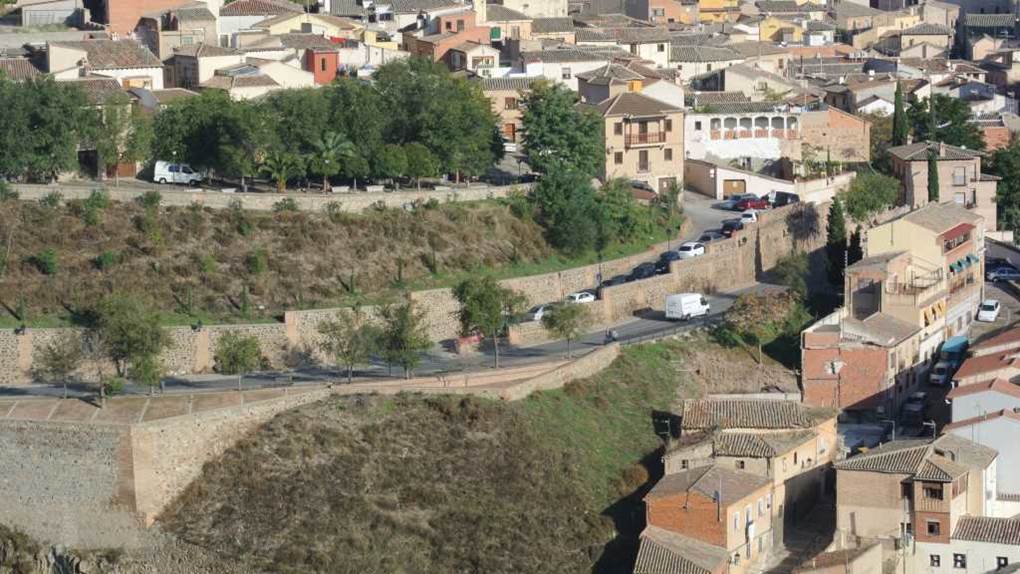
Photo by author, 2013
Church of Santa Leocadia
This church, dedicated to the patron saint of Toledo, is said to have been the birthplace of the patron saint himself, Santa Leocadia. It is said to have been built in the 13th century, but the oldest parts date back to the 11th century.
Architecture in the Mudéjar style of the 13th century. Although it is a church, but the entrance is arabesque!
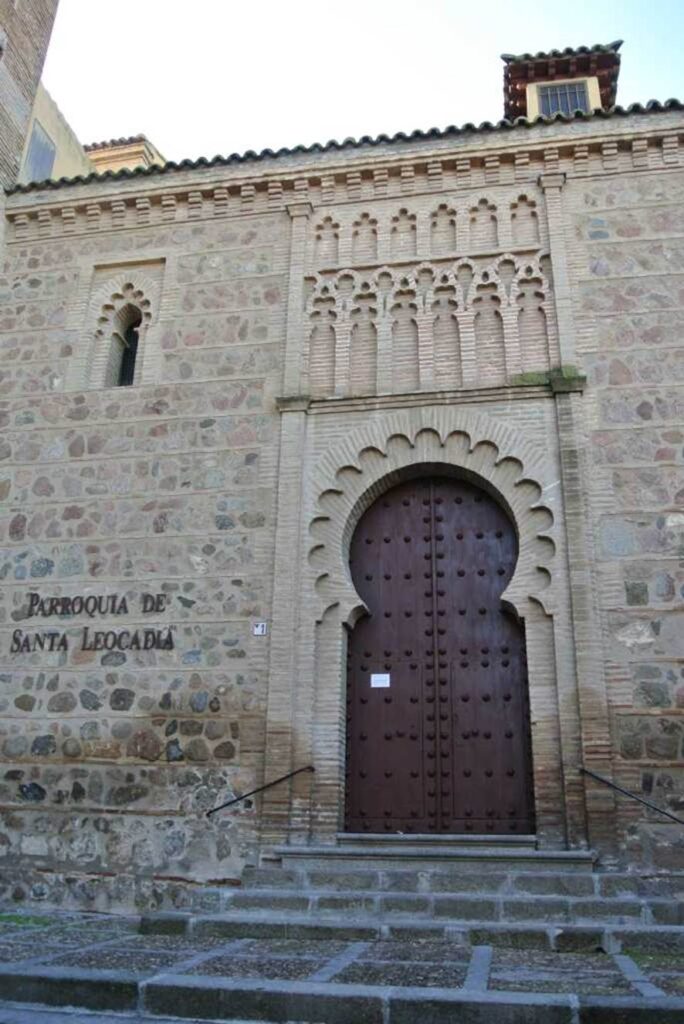
Photo by author, 2013
A Mudéjar style tower。
It may have once been the minaret of an Islamic mosque before. Traces of this are clearly visible.
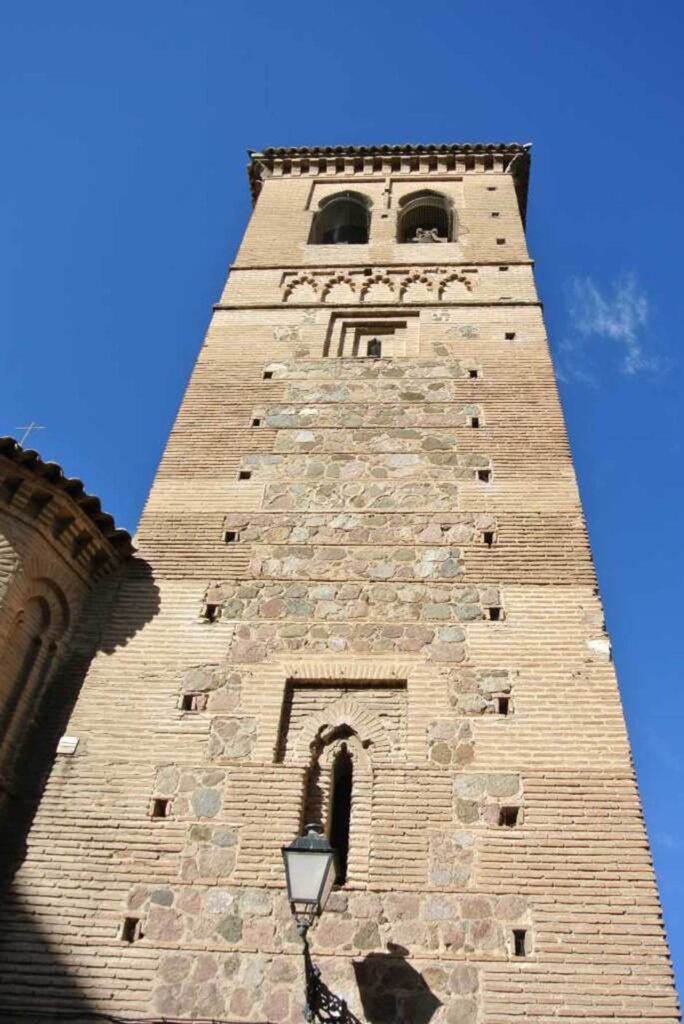
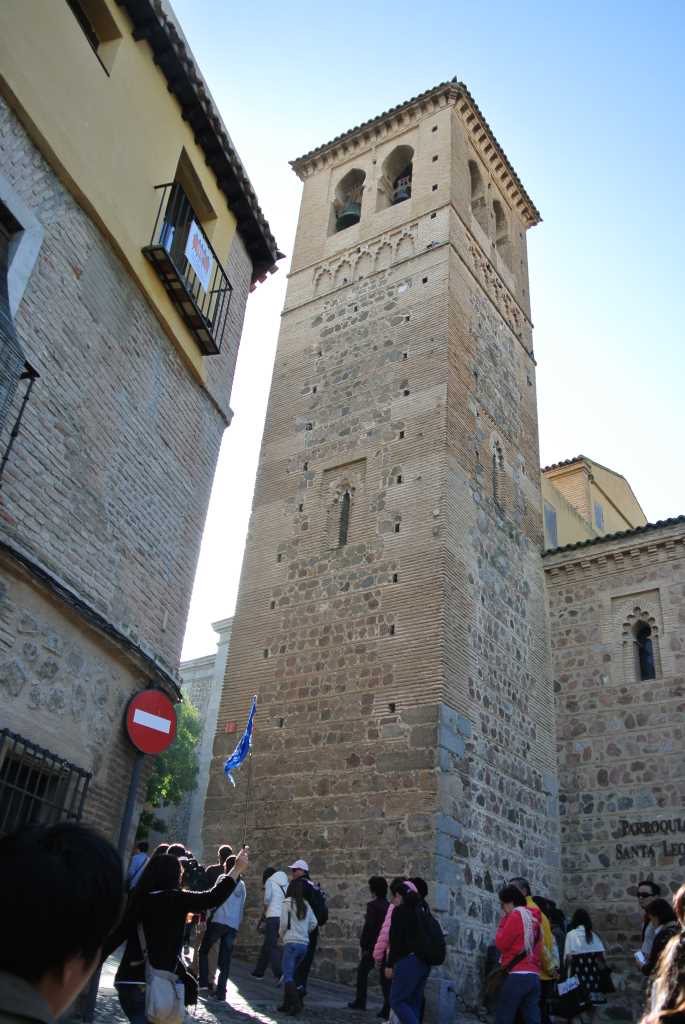
Photo by author, 2013
The city of Toledo stopped in the 16th century
For about 1,000 years from the 6th century, it was the political and economic center of the Visigothic kingdom. Its power declined after the capital was moved to Madrid in the 16th century, but the city still retains the atmosphere of that time, as if time had stopped.
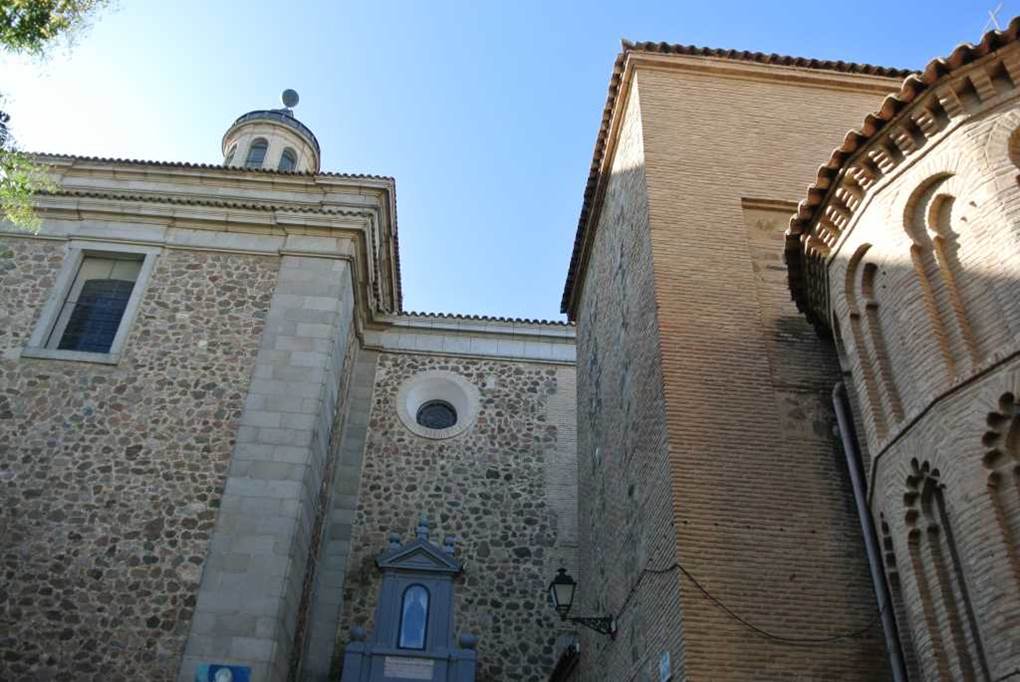
Photo by author, 2013
El Greco was a painter active in the 16th ~ 17th century, and in the 20th century, the marquis bought and restored the ruins near the house where he spent his last 40 years until his death. He has recreated his studio and study with the furniture and furnishings of the time. El Greco’s work is also on display.
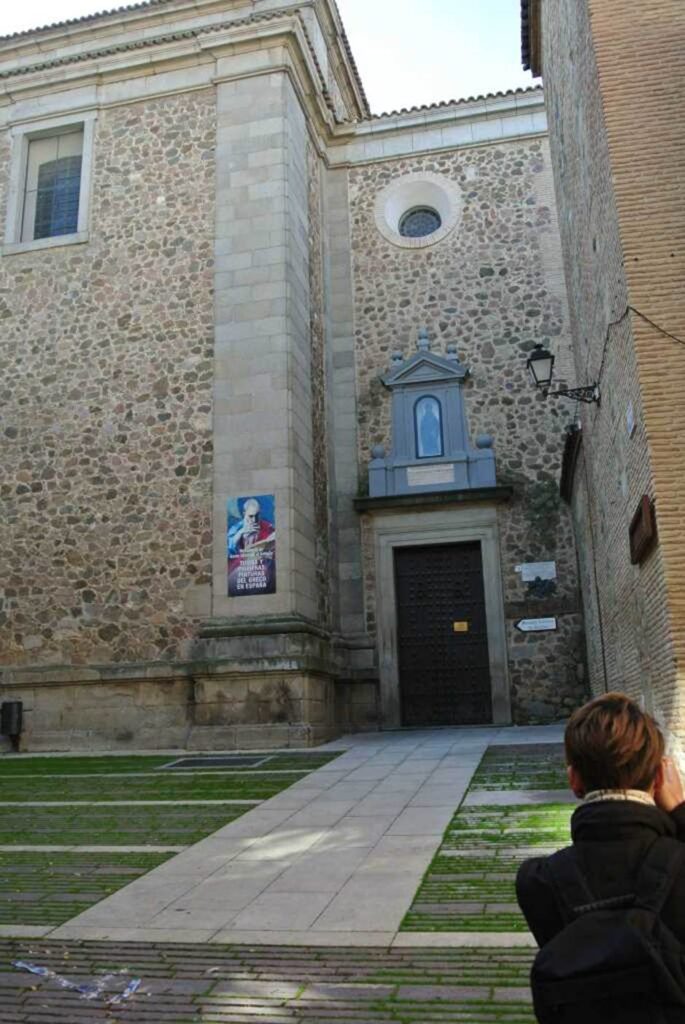
Photo by author, 2013
Photo by author, 2013
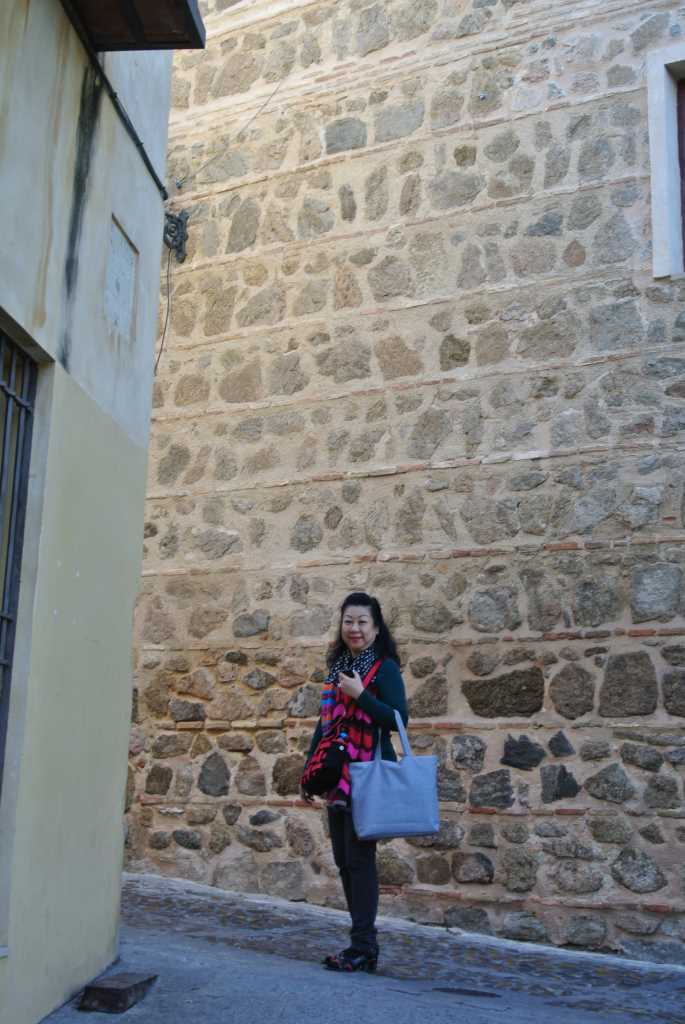
Photo by author, 2013
The façade of the church of Saint-Romain.
There are also arabesques traces.
As I walk through the town, I found arches, geometric patterns, and other decorations influenced by Islamic art, known as the Mudéjar style.
The cityscape of Toledo, where different cultures are fused, is certainly worth admiring and appreciating.
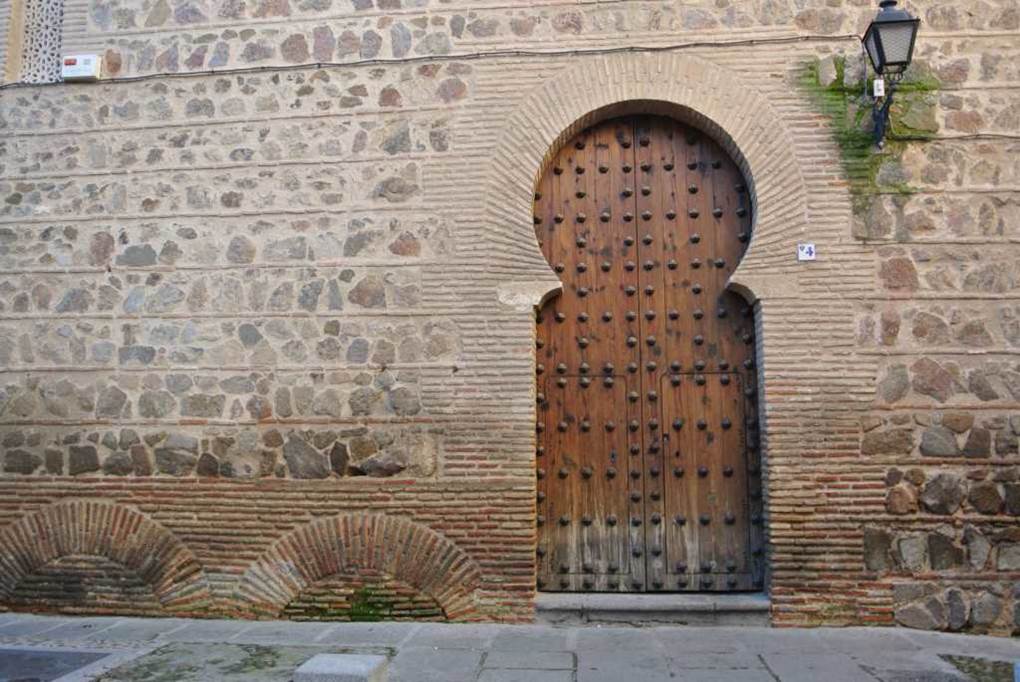
Photo by author, 2013
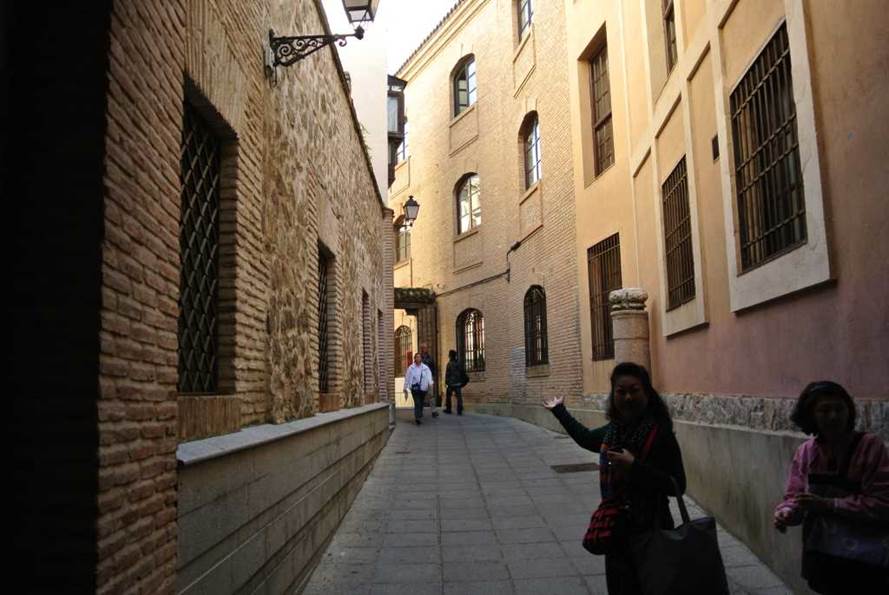
Photo by author, 2013
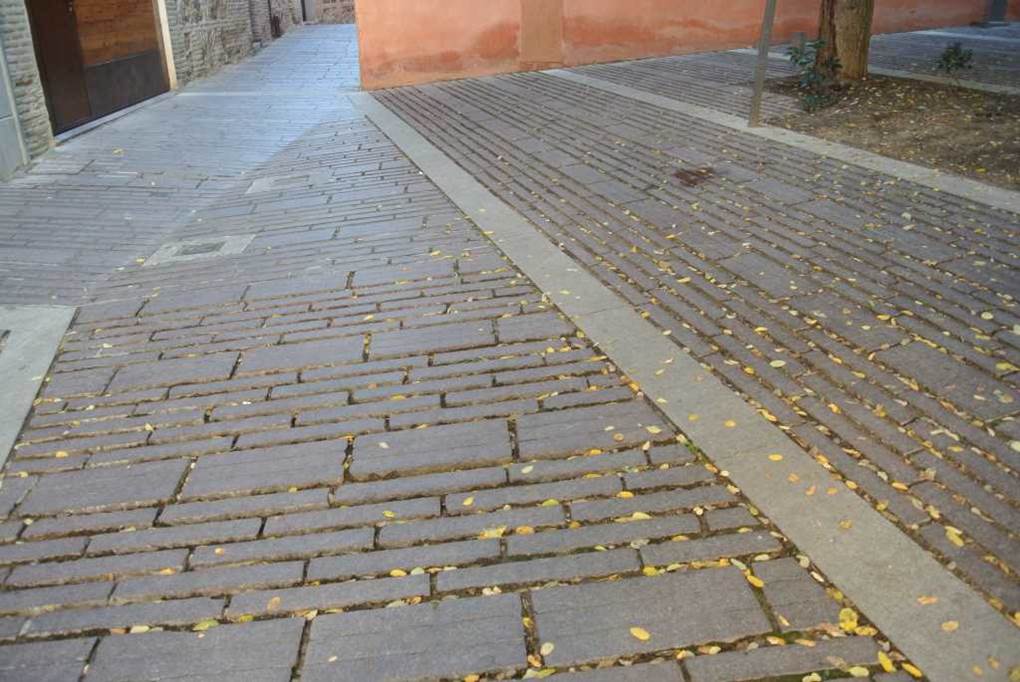
Photo by author, 2013
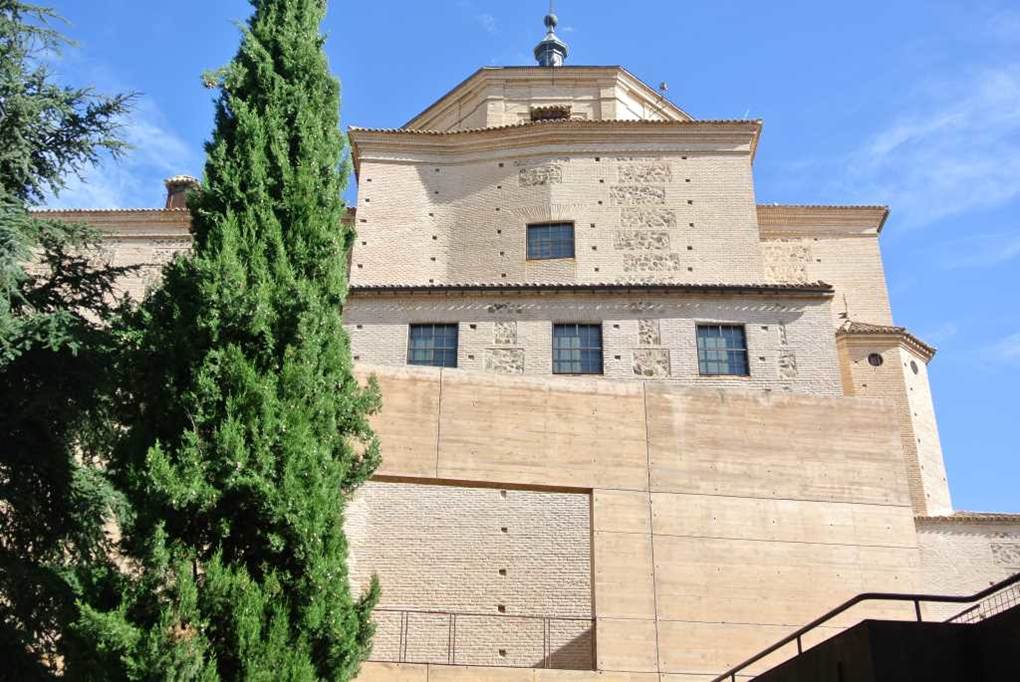
Photo by author, 2013
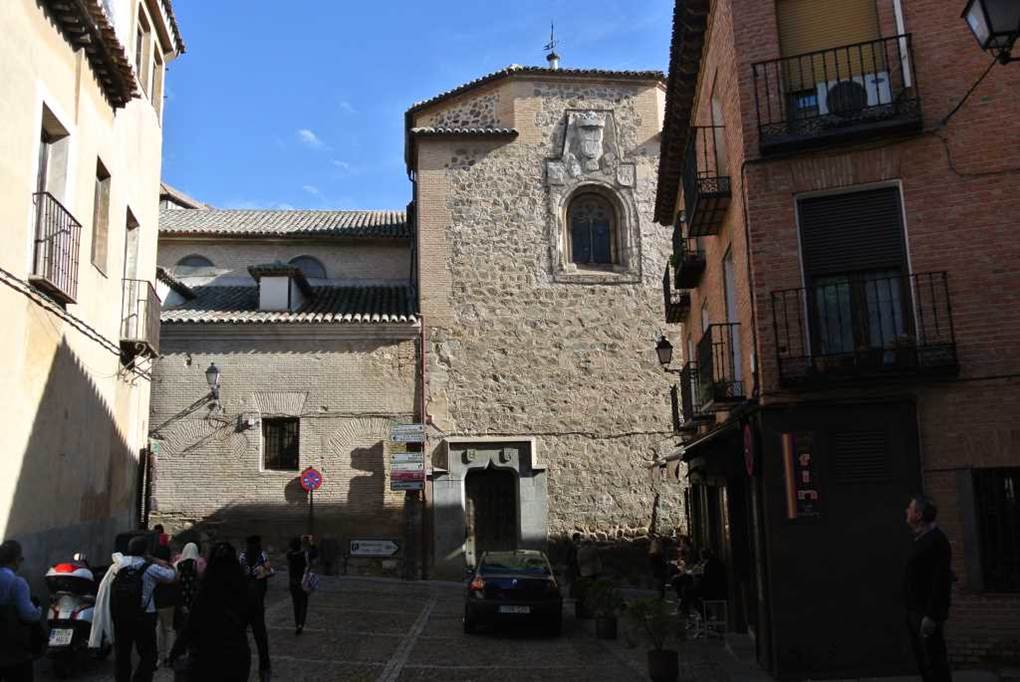
Photo by author, 2013
Cast iron crafts of swords and armor helmets
Toledo became famous for its production of iron products, especially swords, and continues to manufacture knives and other iron tools today.
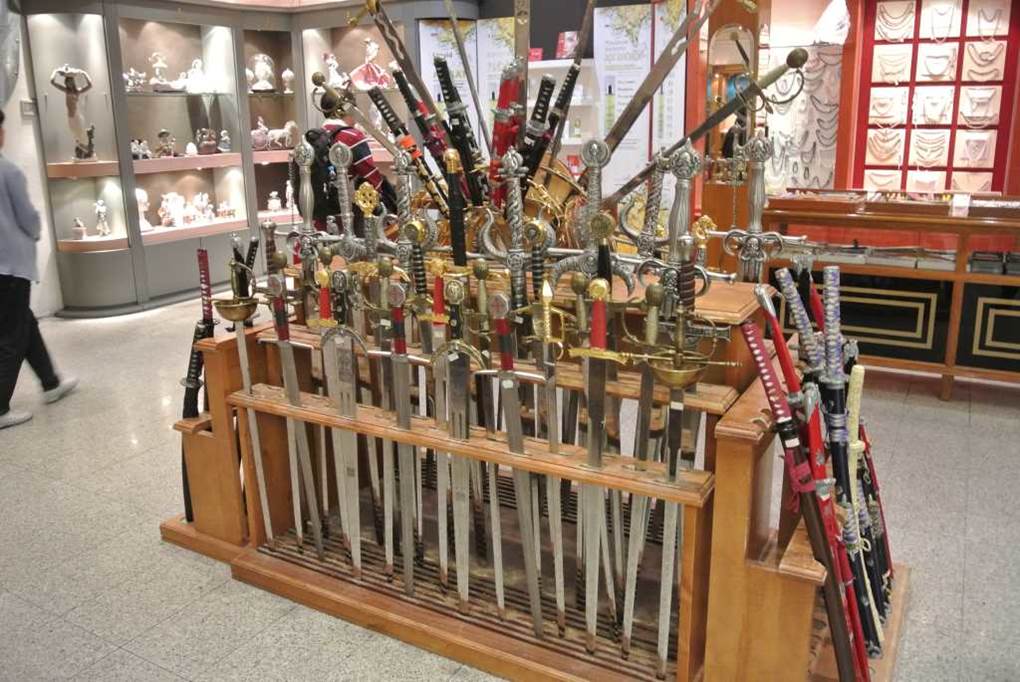
Photo by author, 2013
One of Toledo’s most famous specialties is cast iron crafts such as swords.
Toledo has been making swords for over 2,000 years, and it has been said that the best swords come from Toledo.
Today, replicas of many famous swords and knives that have made a name for themselves in history are being produced.
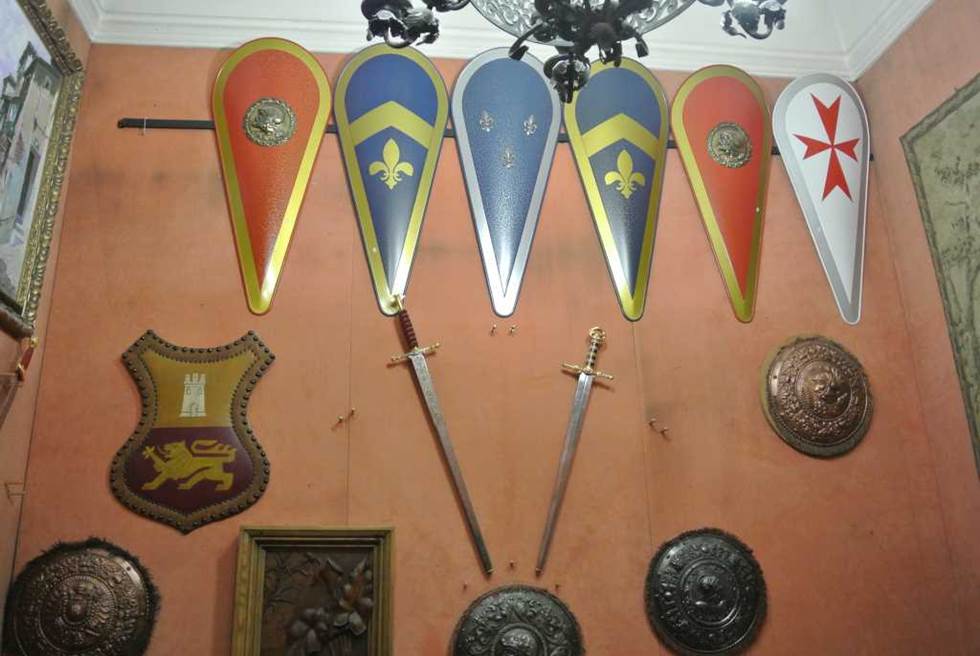
Photo by author, 2013
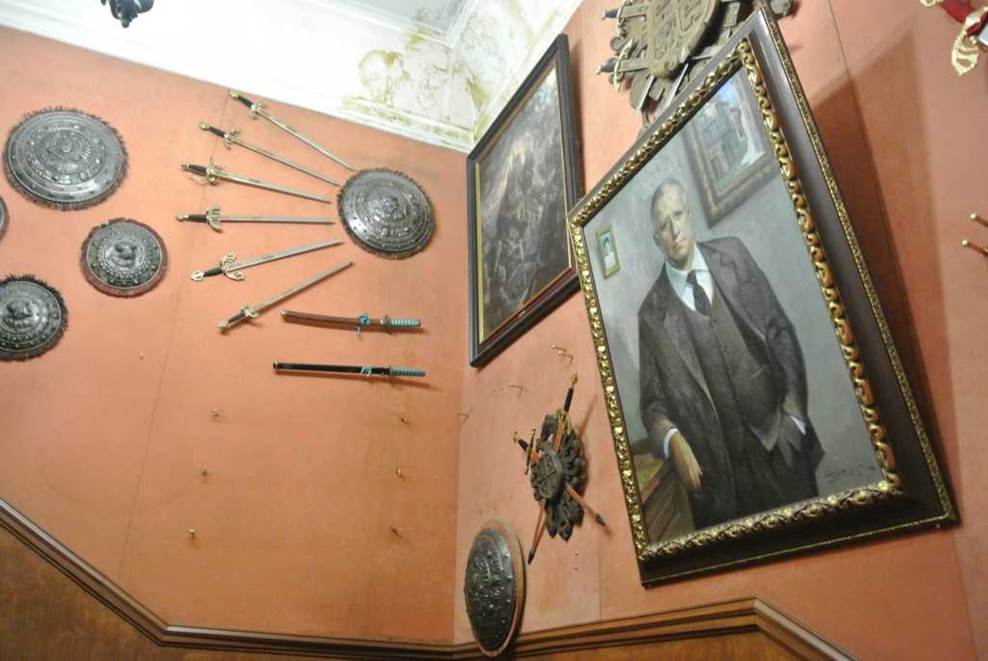
Photo by author, 2013
ALCAZER RESTAURANT
Let’s take a break here.
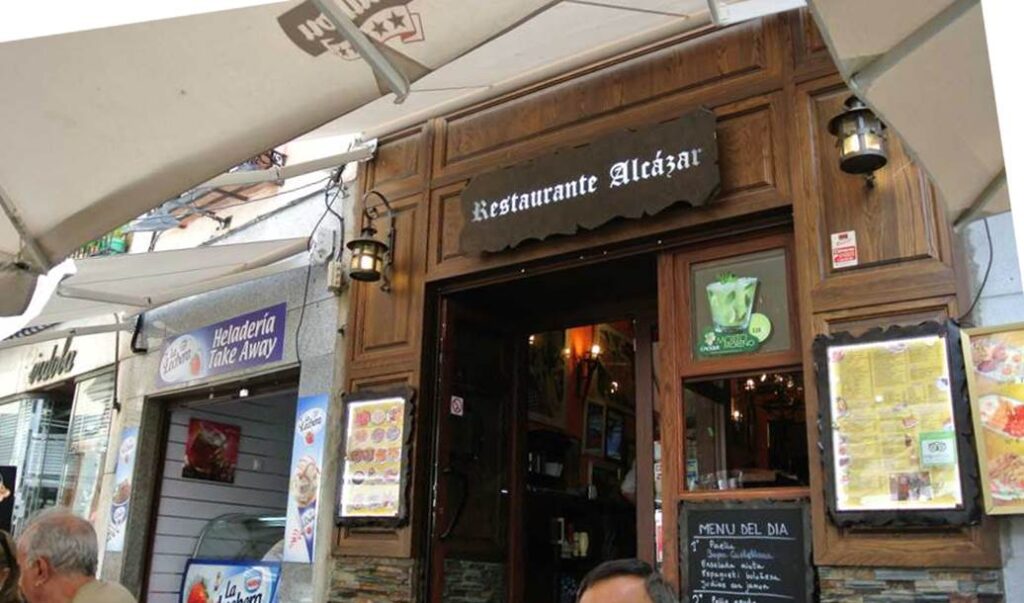
Photo by author, 2013
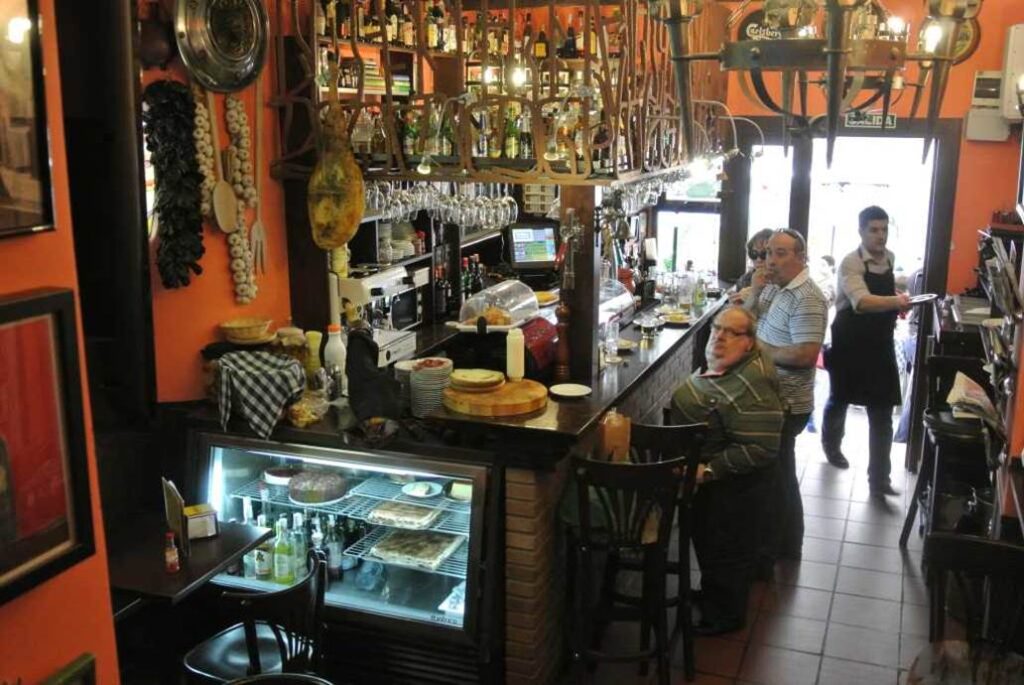
Photo by author, 2013
Menu signboard in Spanish.
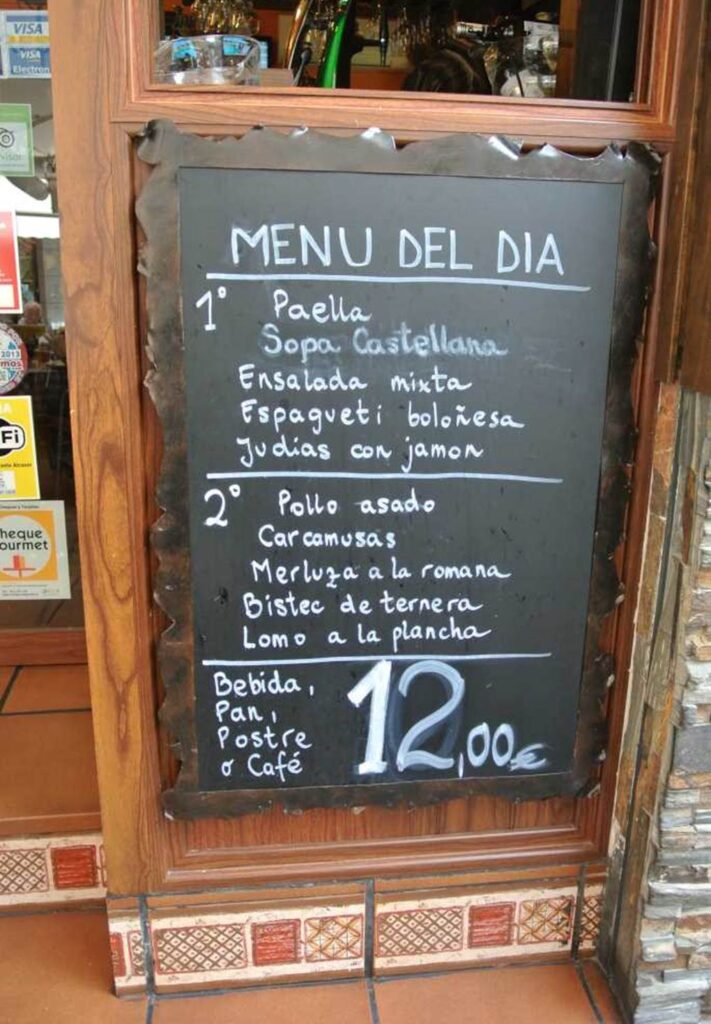
Photo by author, 2013
All photos by author, October 2013