JAP | ENG
Valencia, Spain
October 2013
#1/2
We arrived at the Mediterranean city of Valencia, 800km east from Toledo.
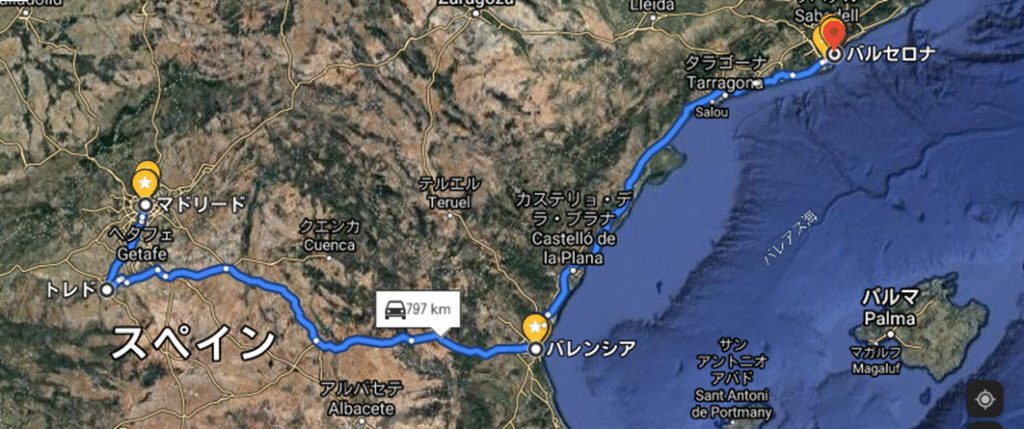
Valencia is Spain’s third largest city after Madrid and Barcelona.
Valencia benefits from the Mediterranean climate and is a city rich in ingredients, with delicious fruits such as oranges, vegetables, and rice and seafood paella.
Photo by author, 2013
Stay at Marriott’s AC Hotels in Valencia.

Photo by author, 2013
In this area, the sidewalk in front of the hotel is more than 10 meters wide, typical of the new town. There is a simple open-air cafeteria on the sidewalk where you can relax.

Photo by author, 2013
The city center in front of the hotel. It’s a nice-looking block with well-designed new apartments and office buildings, plenty of greenery, and looks like a great place to live.

Photo by author, 2013
Must-see buildings in Valencia
If you are looking for historical buildings in the old town of Valencia, you will find the following three architectural heritage sites, all of which are very close to each other and can be reached in just a few minutes.
Silk Exchange (La Lonja de la Seda)World Heritage Site
Central market (MERCADO CENTRAL)
Central market Church (ISGLESIA DE SANT JOAN DEL MERCAT)

Silk Exchange (La Lonja de la Seda de Valencia)
World Heritage Site
La Lonja de la Seda de Valencia, Silk Exchange of Valencia was built in the late 15th century. It is a building that reminds us of the magnitude of Valencia’s economic power at that time.
This was the commercial temple of that time, and is still visible today, preserving its very clear symbolic character without losing its functional and utilitarian aspect. Lonja is located across the street from Plaza del Mercado (“Commercial Plaza”) and was declared a World Heritage Site in 1996.

Photo by author, 2013

Photo by author, 2013

Photo by author, 2013
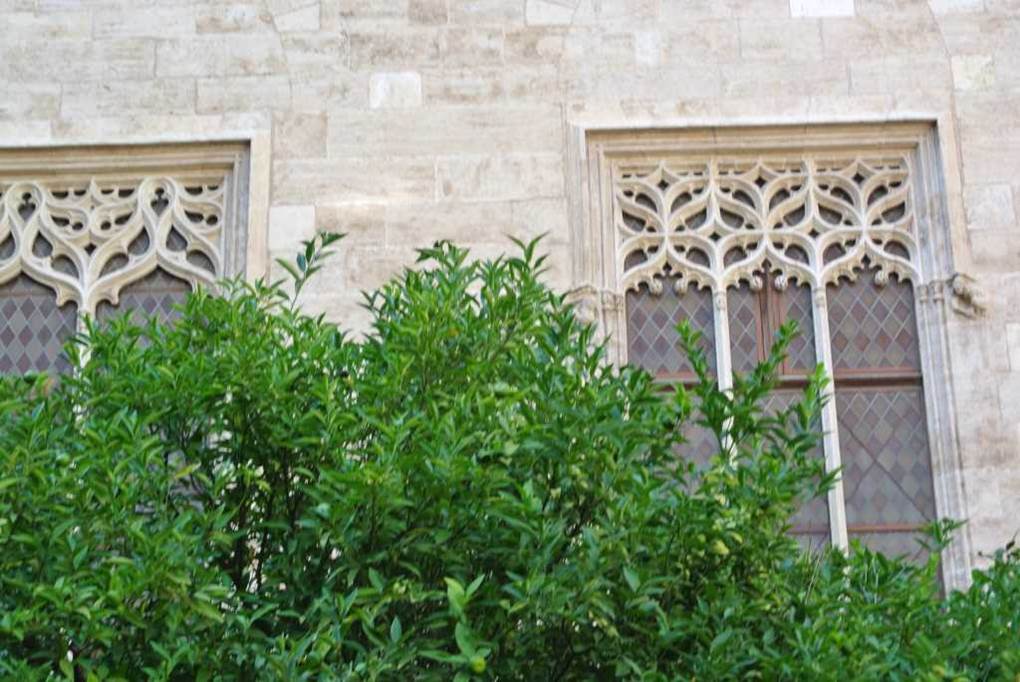
Photo by author, 2013
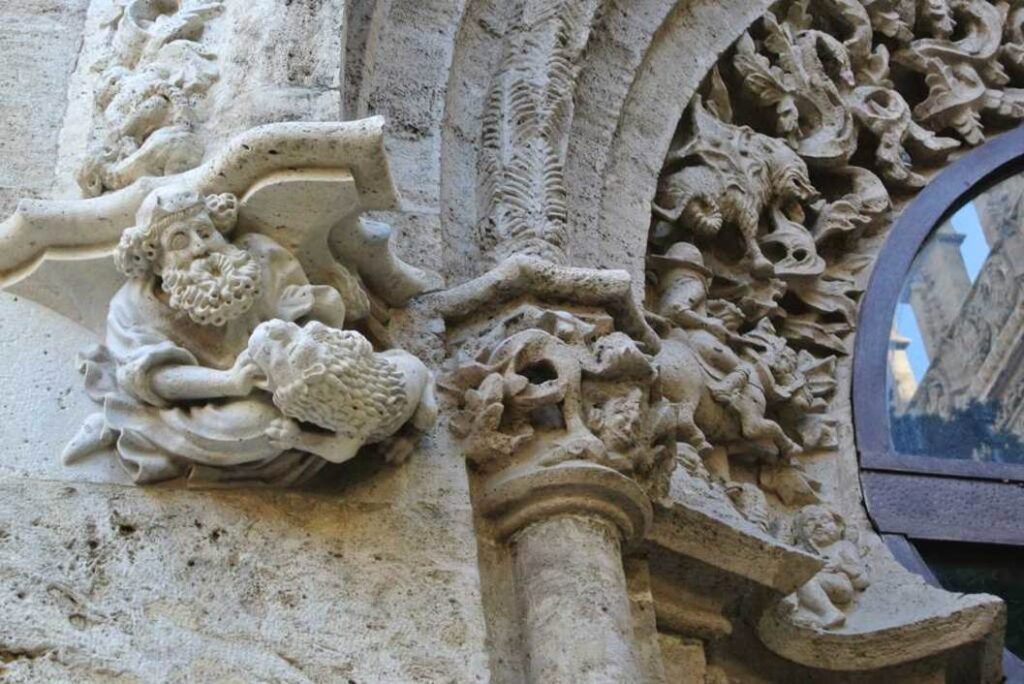
Photo by author, 2013
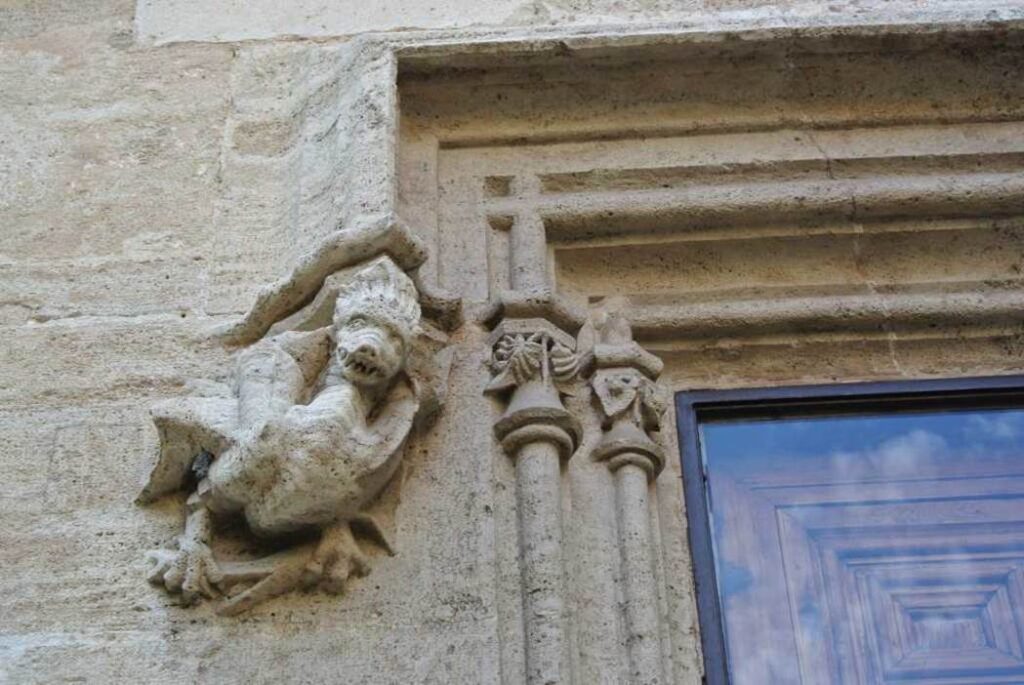
Photo by author, 2013

Photo by author, 2013
The interior
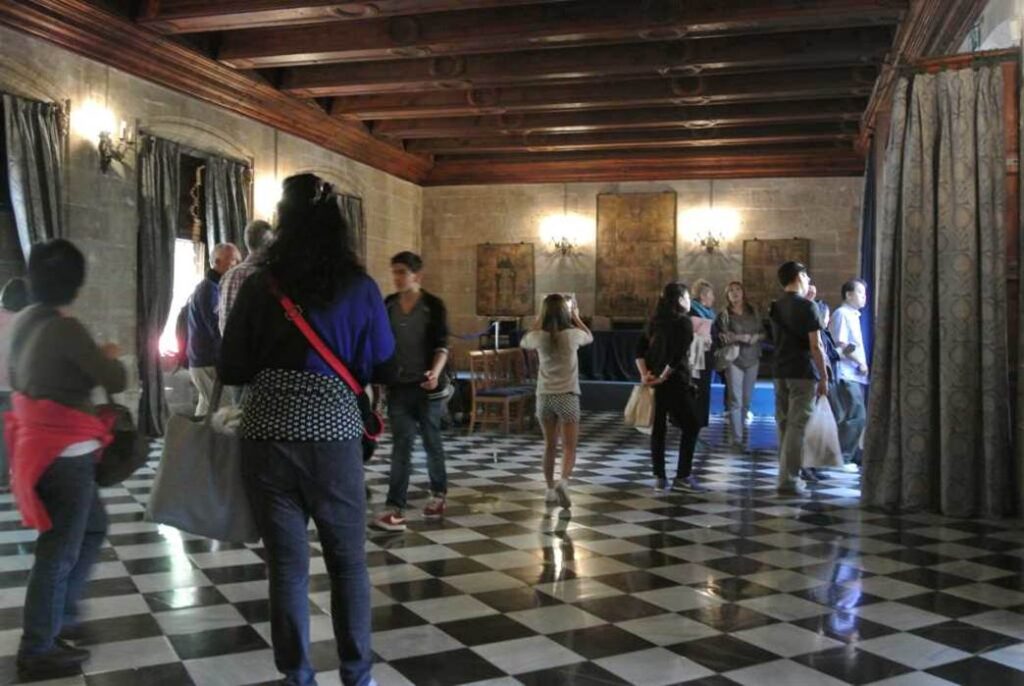
Photo by author, 2013
The internal pillars are spiral-shaped, creating a unique feature that can only be found here.
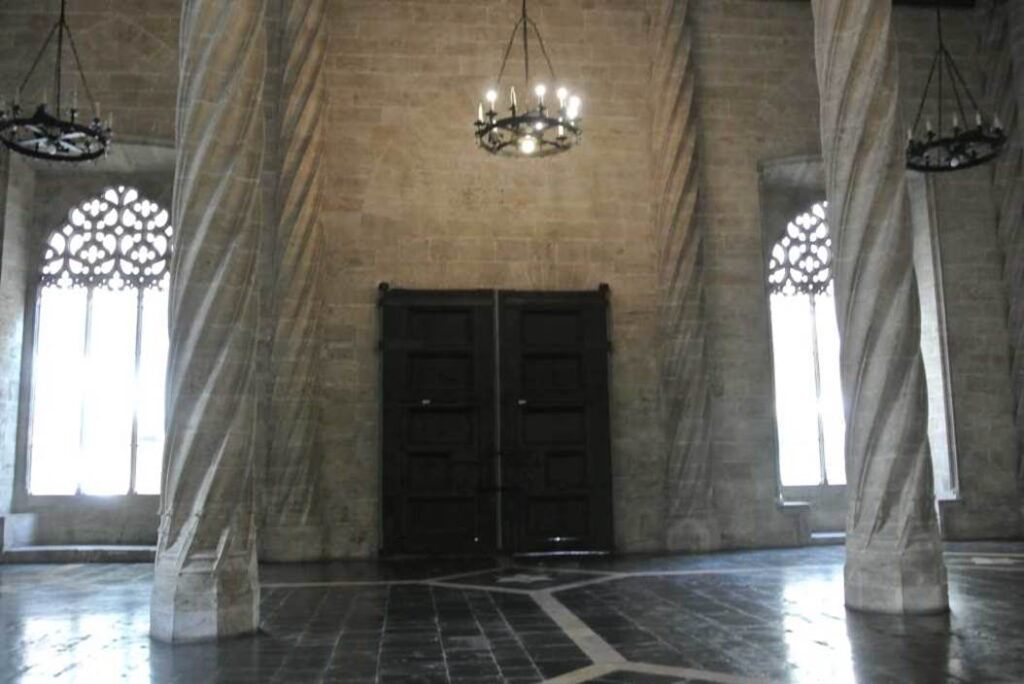
Photo by author, 2013
Spiral column

Photo by author, 2013
Dome ceiling built on spiral freestanding columns. Keeping this delicate structure in good condition for centuries will require an incredible amount of effort.

Photo by author, 2013
Intricate carvings on the ceiling and wooden beams.

Photo by author, 2013

Photo by author, 2013
The geometric door decoration. Arabesque style is also found here.

Photo by author, 2013
Central Market (MERCADO CENTRAL)
Valencia’s central market is one of the largest in Europe. The style of architecture is in the “Valencia Art Nouveau” style. It has an area of 8,000 square meters.
The architect was Enrique Viedma Vidal (Valencian), and construction started in 1914 and completed in 1928.
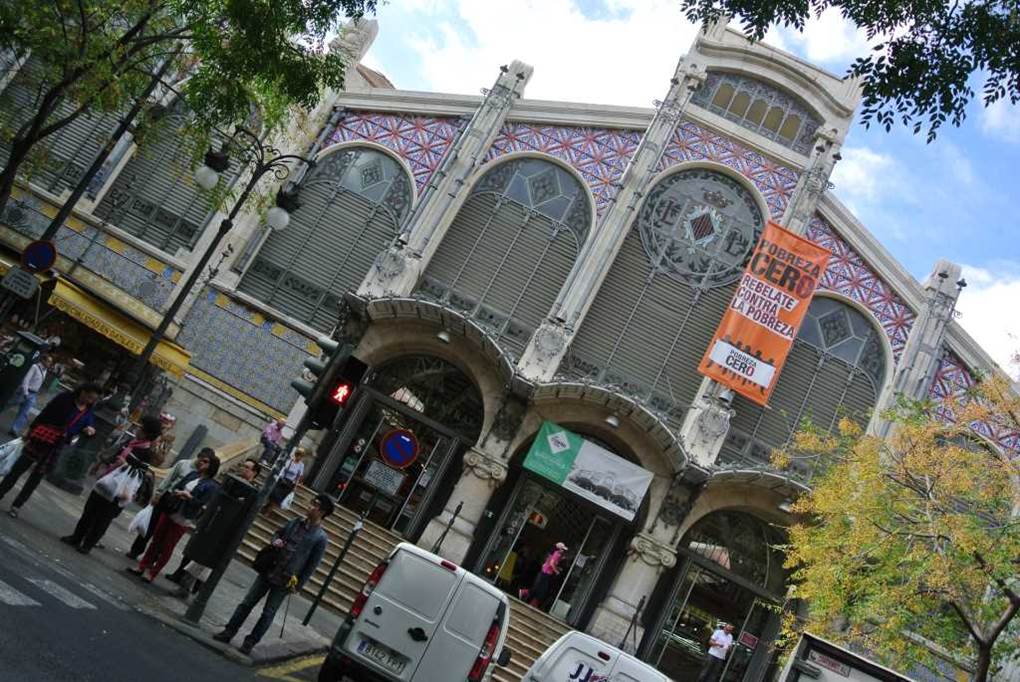
Photo by author, 2013

Photo by author, 2013
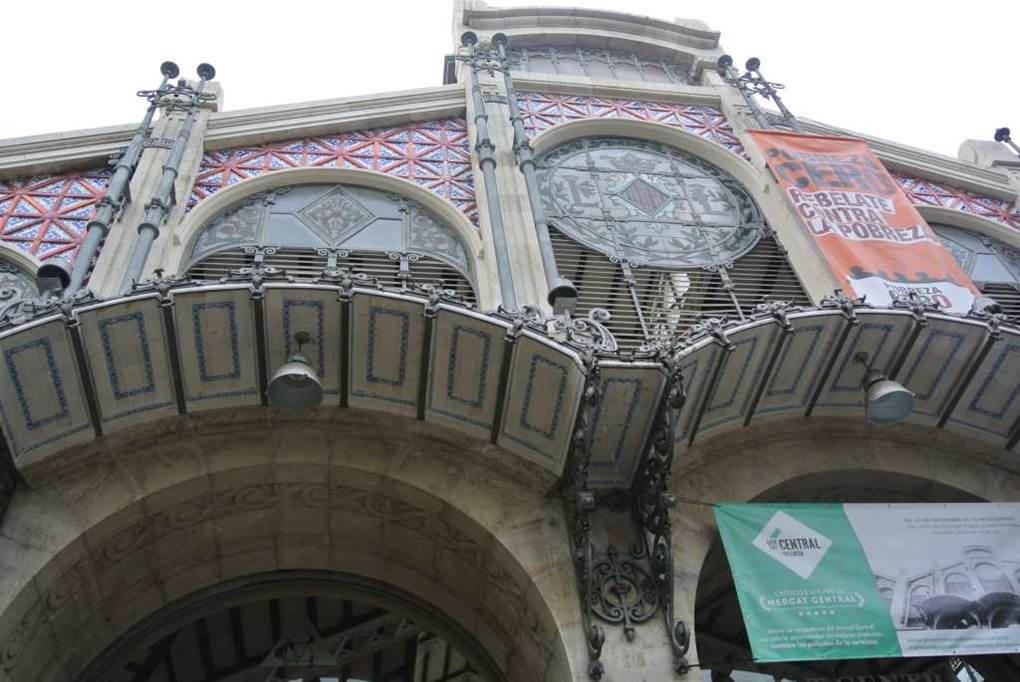
Photo by author, 2013
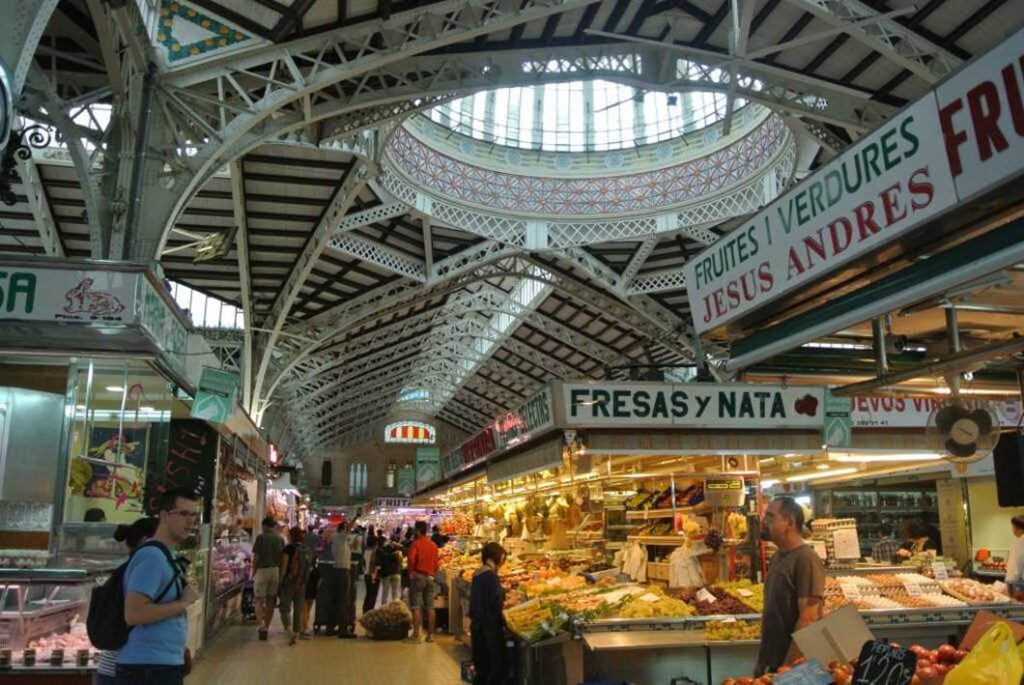
Photo by author, 2013
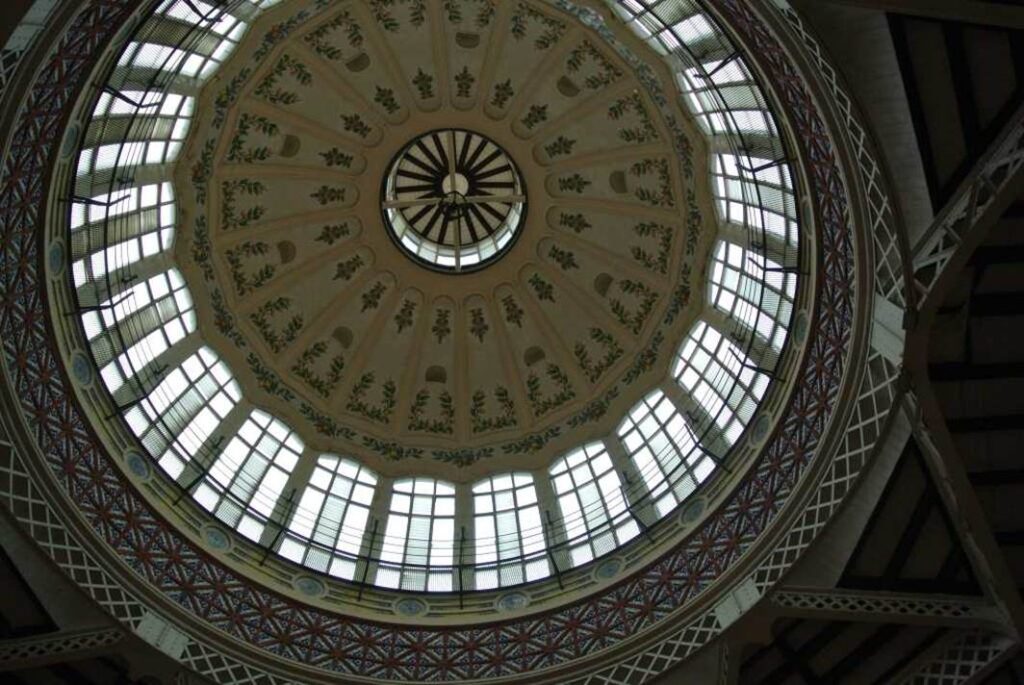
Photo by author, 2013
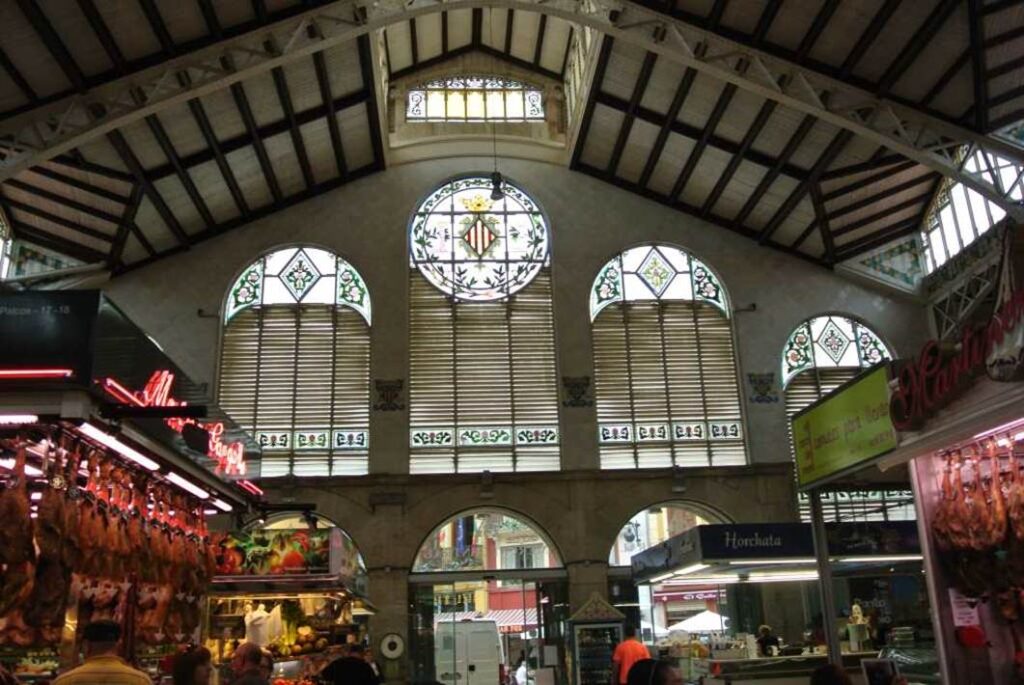
Photo by author, 2013
Shop selling dried mullet roe (Karasumi).
After walking around the central market for a while, I was surprised to come across a shop with a temporary sign in Japanese.
It seems that there is some demand from Japanese.

Photo by author, 2013
Karasumi is made by salting fish ovaries such as mullet, removing salt, and drying them in the sun. Karasumi is said to have been manufactured in Egypt and Greece since ancient times.
In Japan, it is said that it was introduced to Nagasaki from the Ming Dynasty during the Azuchi-Momoyama period, so I wonder if Valencia is the pioneer of this technique.
A huge mullet hangs from the ceiling.

Photo by author, 2013
Dried fish are also sold here.

Photo by author, 2013
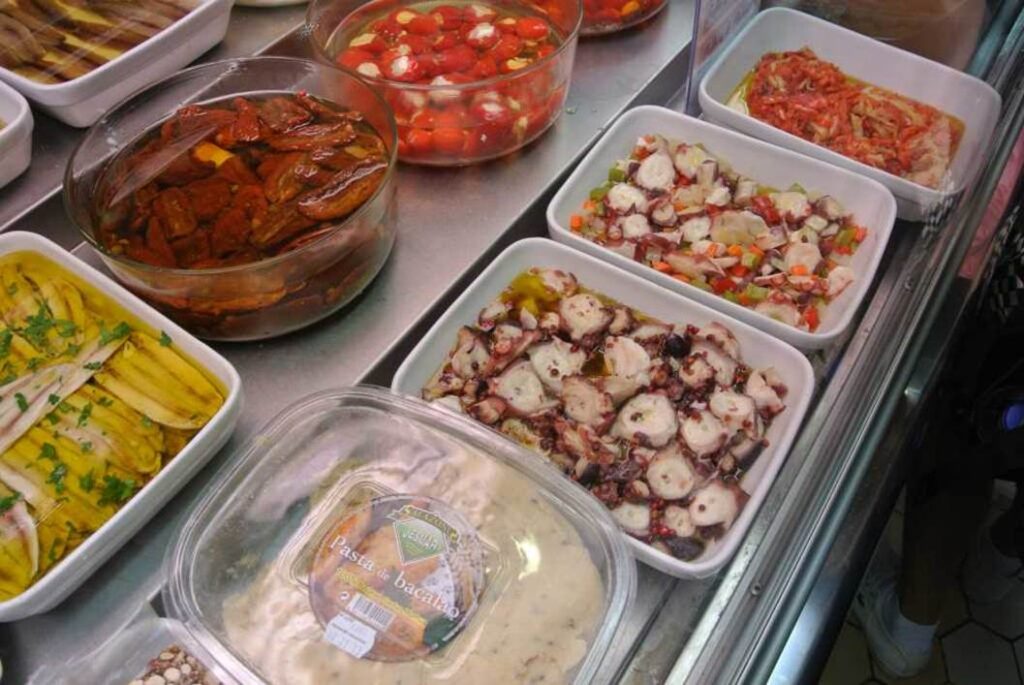
Photo by author, 2013
ANGUIAS VIVAS means “live eels”.
Who would have thought that I would find live eels in Spain?
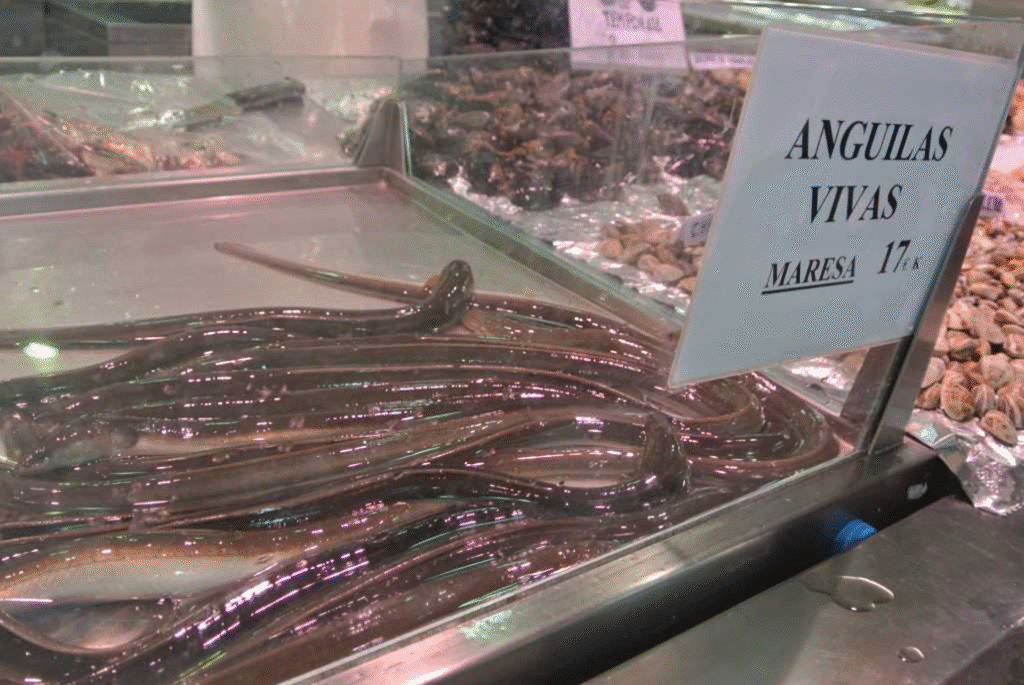
Photo by author, 2013
Shellfish shop
A wide variety of shellfish are on display.
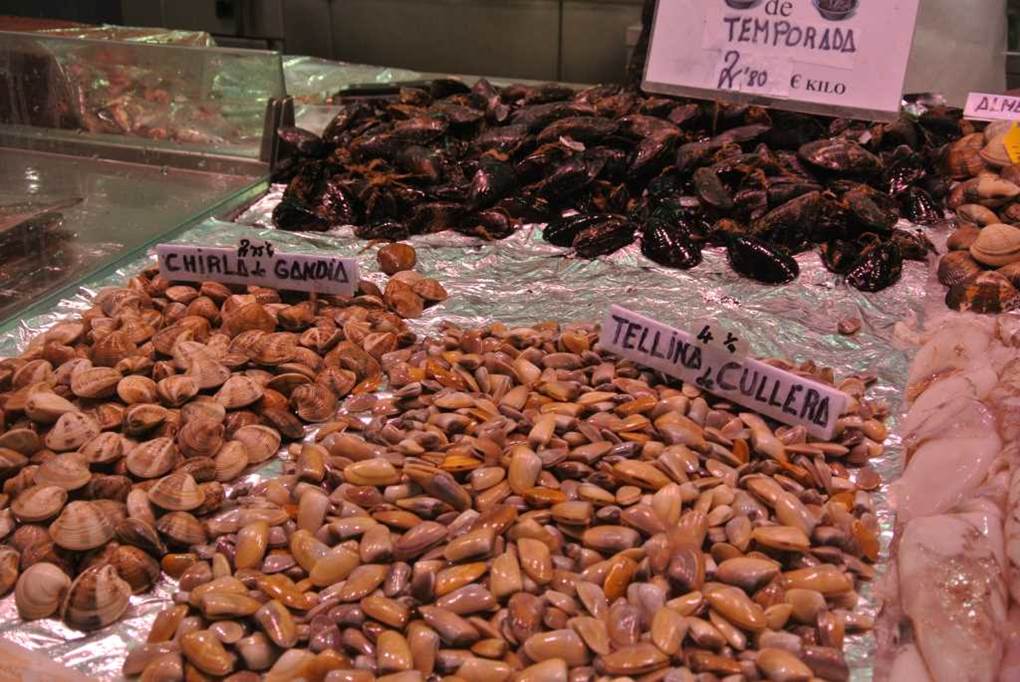
Photo by author, 2013

Photo by author, 2013
Seafood shops
This boiled octopus looks fresh. It costs 6 euros, which is quite cheap.
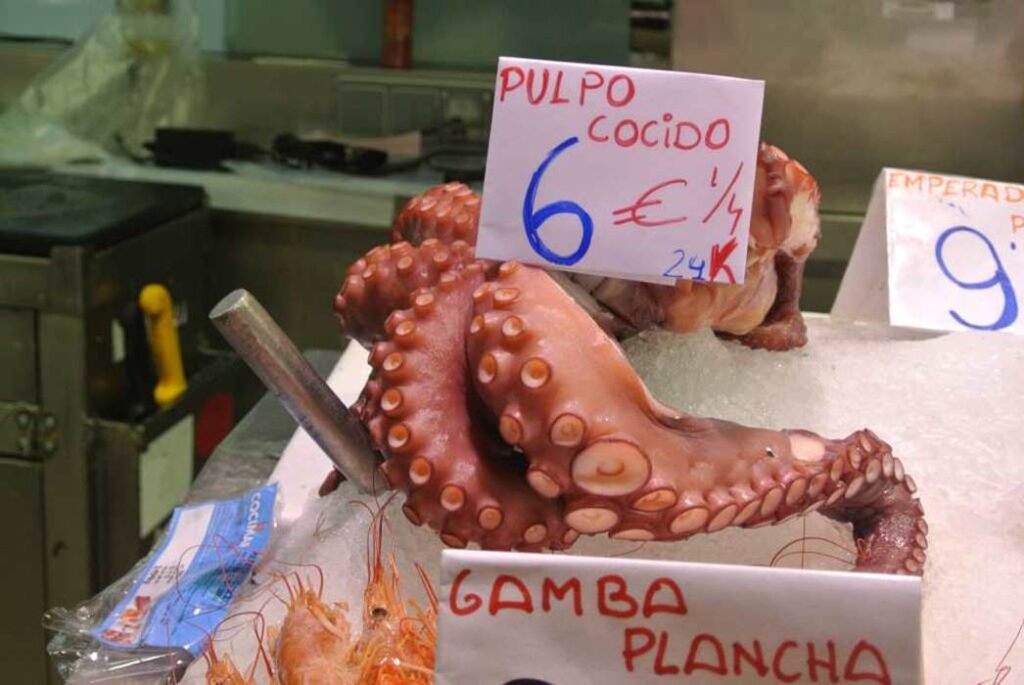
Photo by author, 2013
Dried sardines
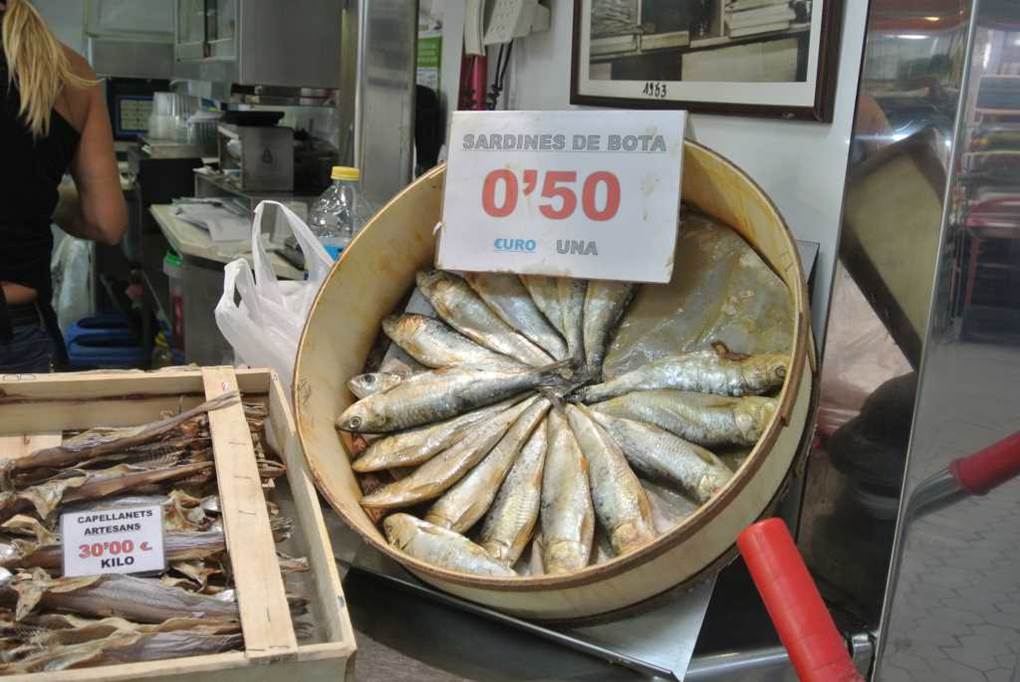
Photo by author, 2013
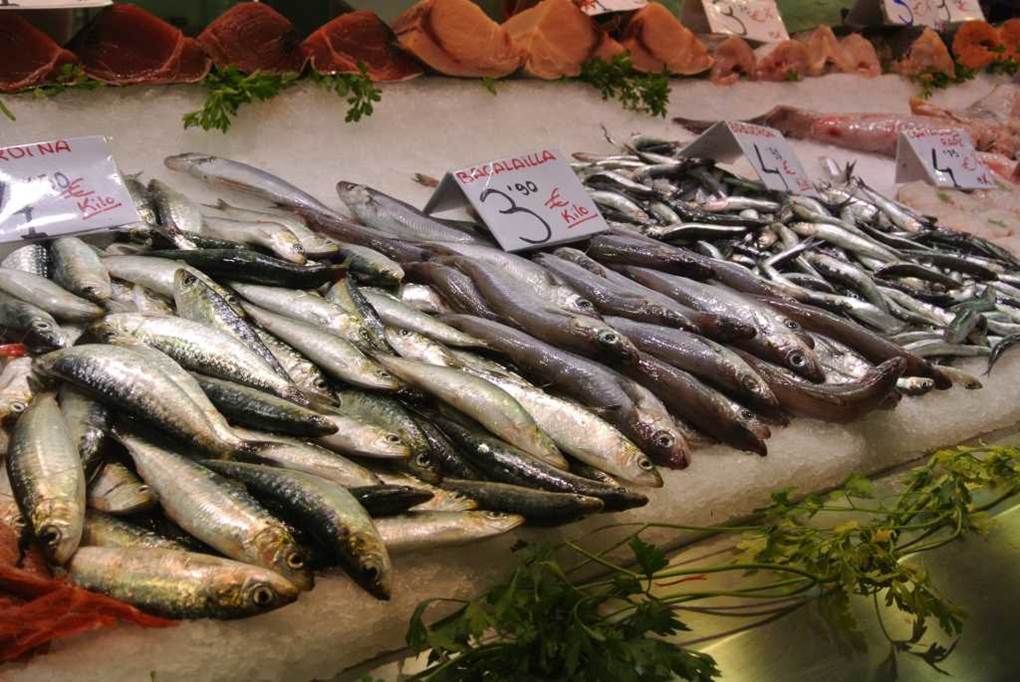
Photo by author, 2013
Fresh, meaty squid.
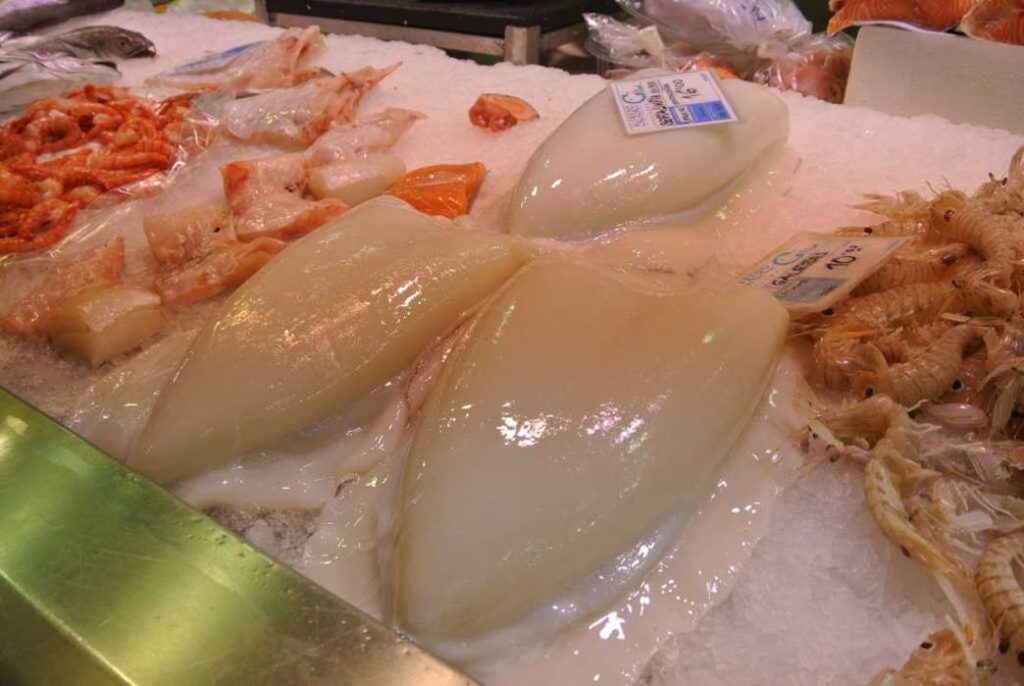
Photo by author, 2013
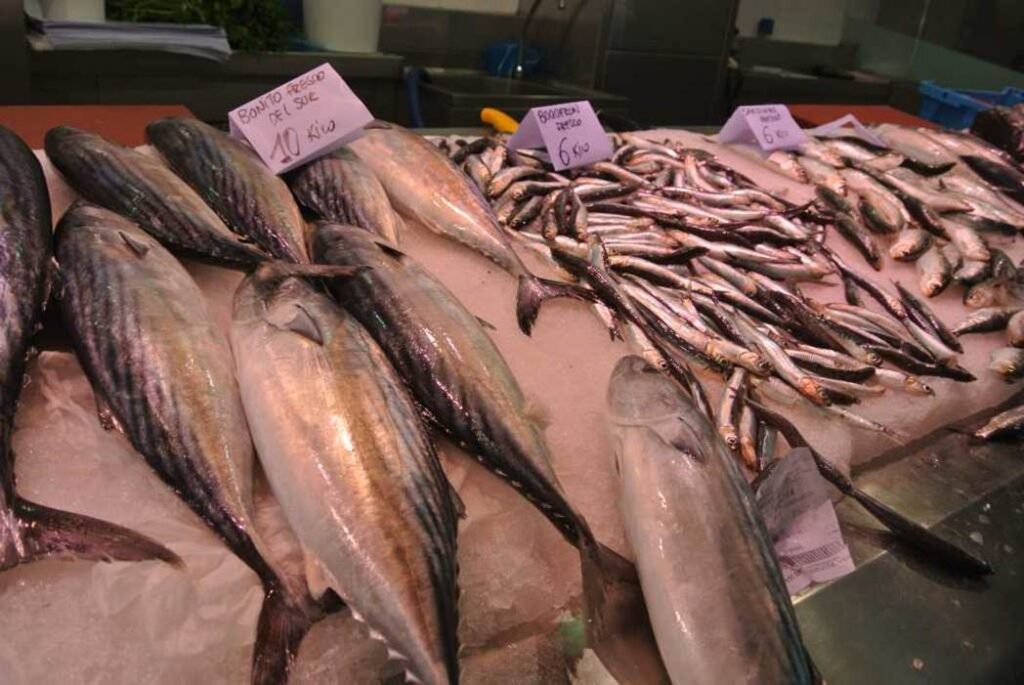
Photo by author, 2013
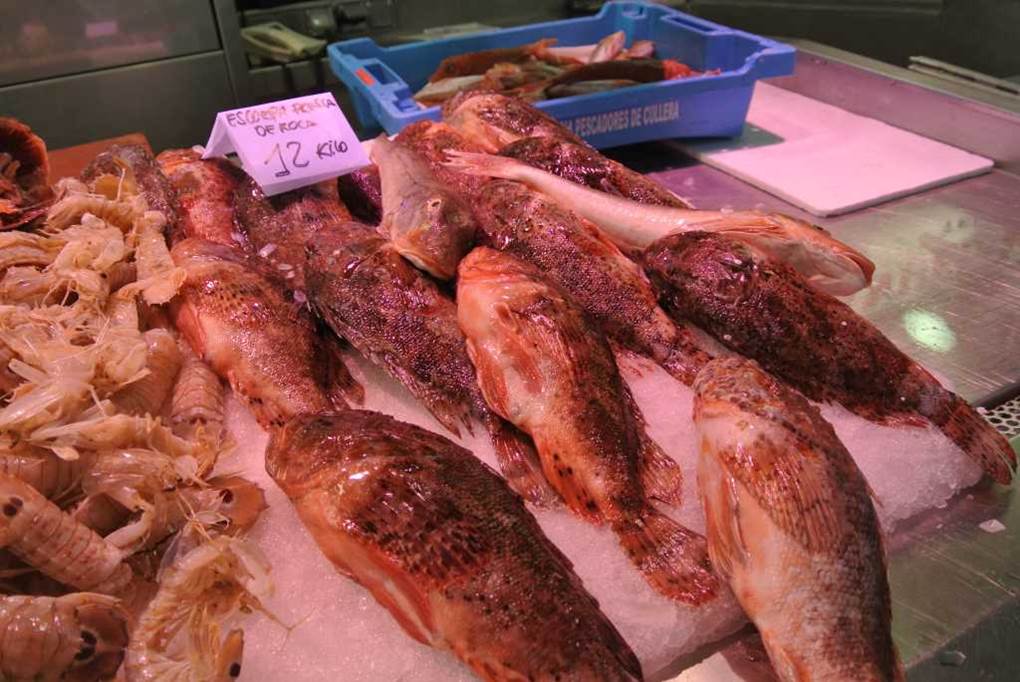
Photo by author, 2013
Meat shops
Here too, a Jamon (Iberian pork) store had a prominent sales area.
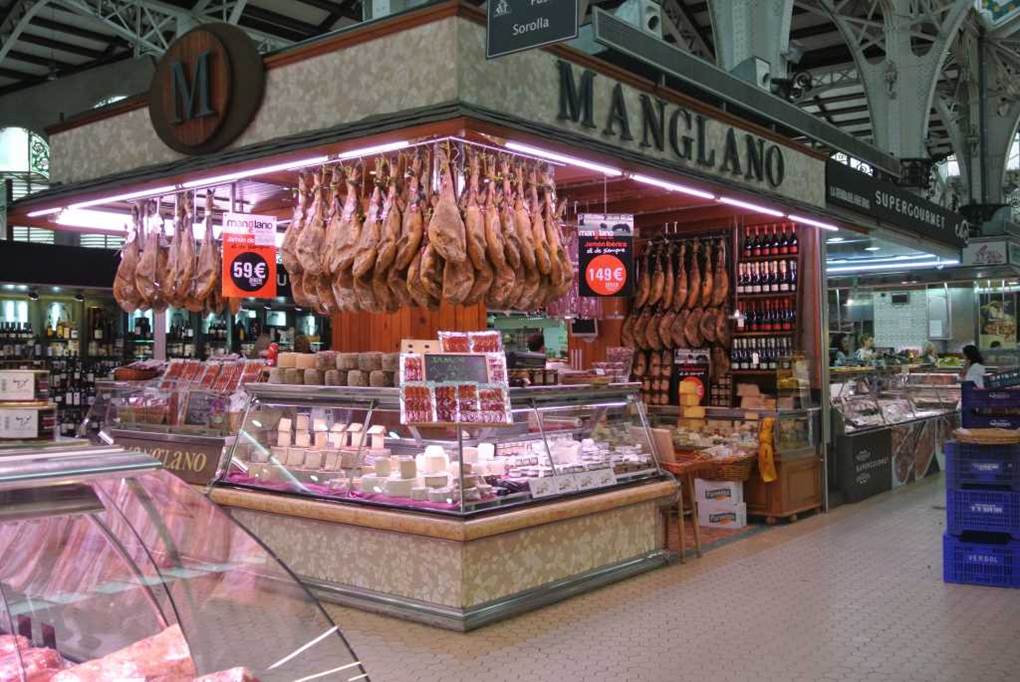
Photo by author, 2013

Photo by author, 2013

Photo by author, 2013
A worker is shaving Iberian pork.
The pig’s trotters are tagged. It is sold by weight upon order.

Photo by author, 2013

Photo by author, 2013
Abundant fruits
The Valencia region borders the Mediterranean Sea and is rich in fruits and vegetables.

Photo by author, 2013

Photo by author, 2013

Photo by author, 2013

Photo by author, 2013
Colorful fresh vegetables.

Photo by author, 2013
Rice (ARROZ) was sold in many bags.
Barcelona is both the birthplace and home of paella cuisine.
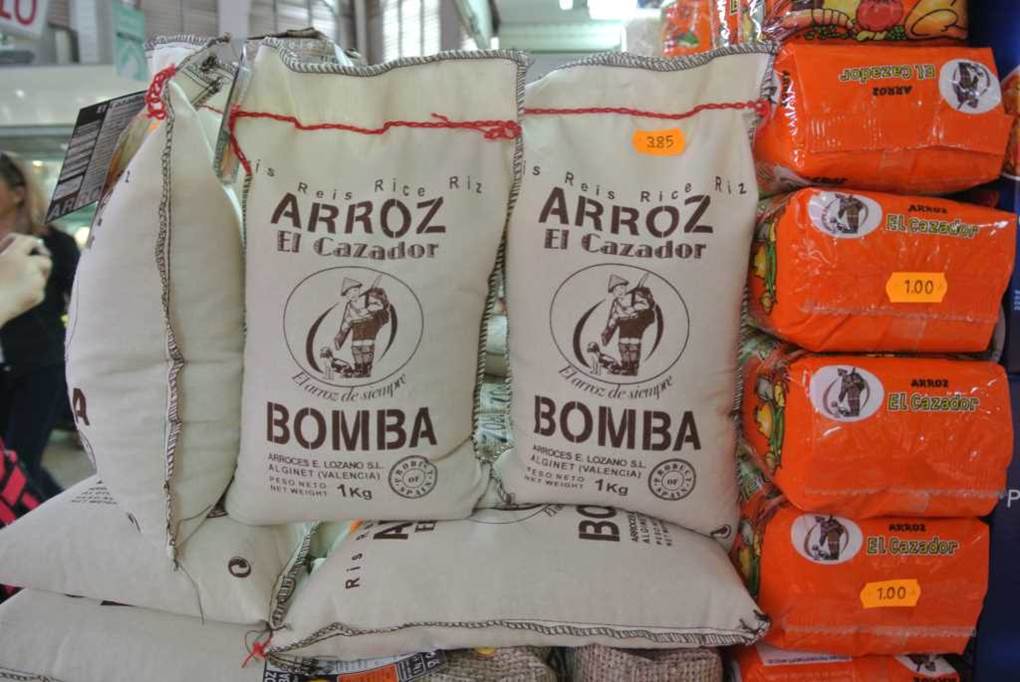
Photo by author, 2013
ISGLESIA DE SANT JOAN DEL MERCAT
(Central Market Church)
Church of Santos Juanes
The church was built in the middle of the 13th century in the Gothic style on top of an existing mosque. It was destroyed by fire in the 14th century and rebuilt in the Baroque style in 1700.

Photo by author, 2013
Baroque church with a sense of history
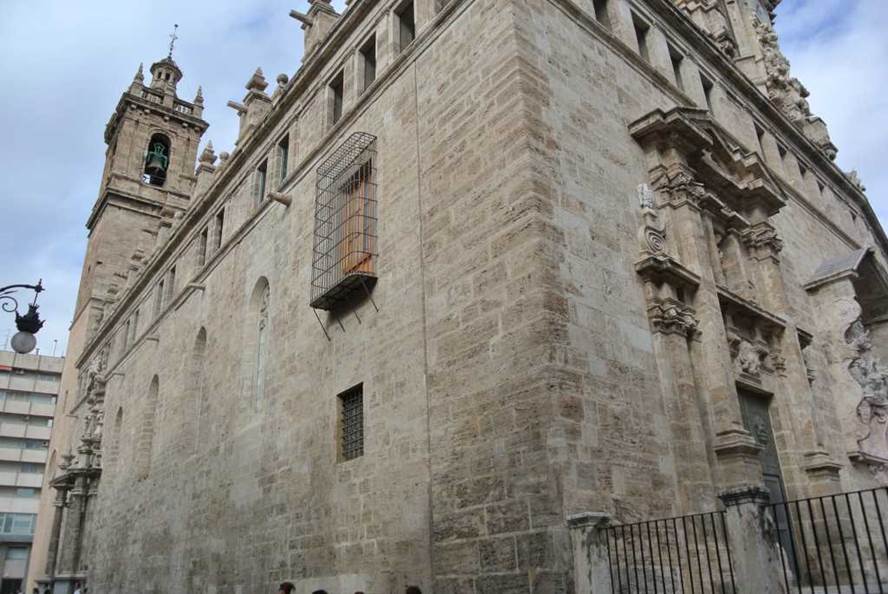
Photo by author, 2013
The side entrance of the church.
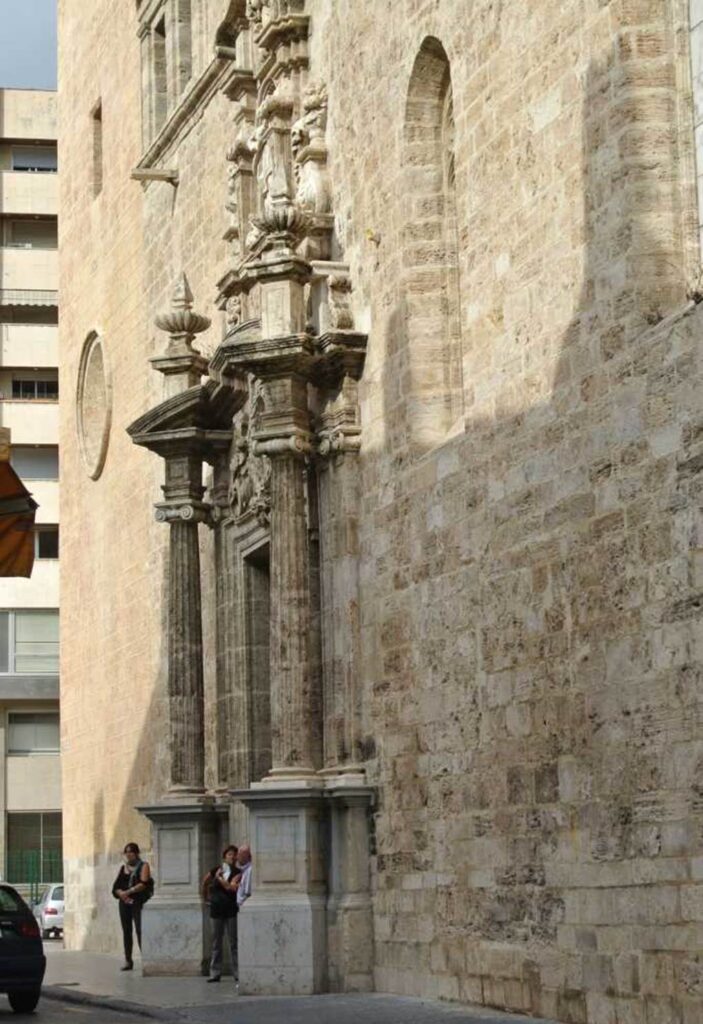
Photo by author, 2013
All photos by author, October 2013