JAP | ENG
Surabaya
and
Suburban Summer Resorts
1983
Surabaya
The aircraft is a DC9!
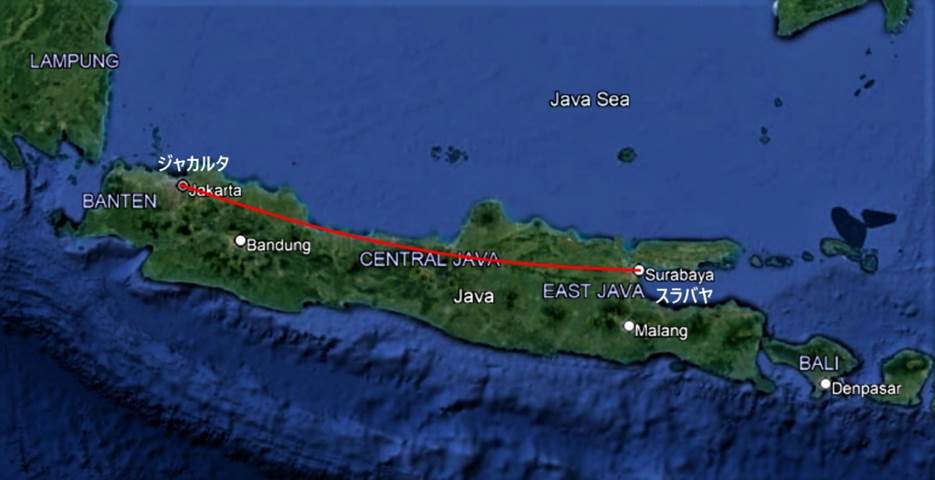
The domestic flight between Jakarta and Surabaya took just over an hour on the state-owned Garuda Airlines, and the aircraft used was mostly DC9, the type with two engines attached to the rear of the fuselage.
It didn’t feel good when I got under the cumulonimbus clouds just before landing and got ready to land, shaking in the storm.
The DC9 was put into service in 1965 and discontinued in 1982.
The view from the window of a DC9 aircraft preparing to land at Surabaya Juanda Airport. Fertile rice paddies were spreading.
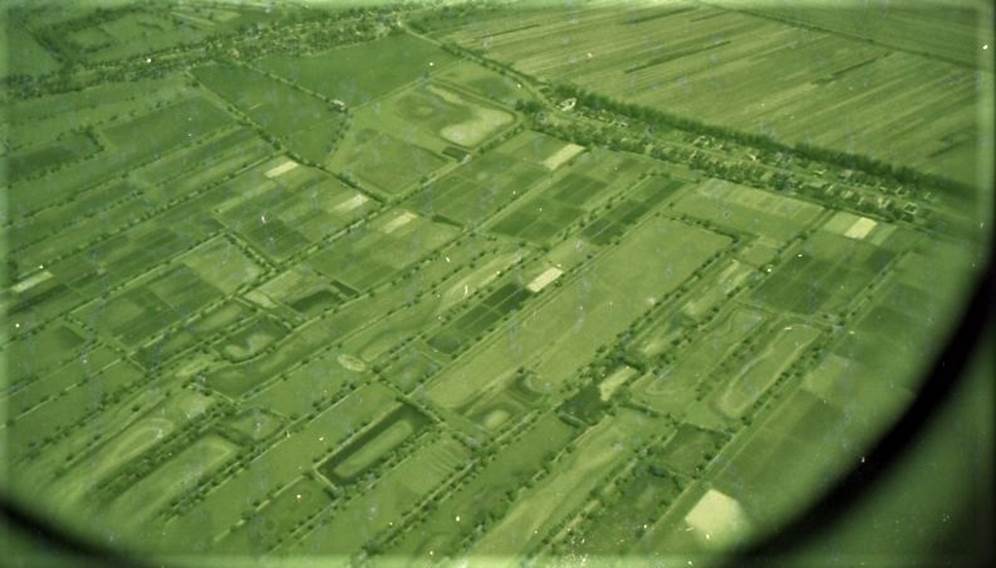
Photo by author, 1983
Juanda Airport
Before it was internationalized in 1990, I had to change to a domestic flight in Jakarta to go to Surabaya, which meant more than 10 round trips for work, which was a waste of time and a hassle.
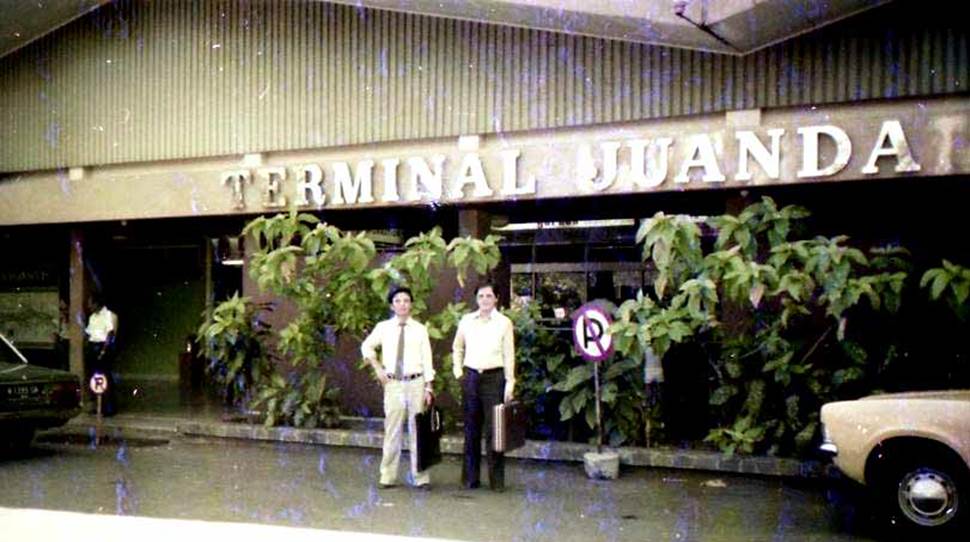
Arrival exit of the terminal building at Surabaya Juanda Airport, 1983.
Surabaya Juanda Airport, Photo by author’s friend ,1983
Bumi Hyatt Hotels
In 1983, it was the only international-class hotel in Surabaya.
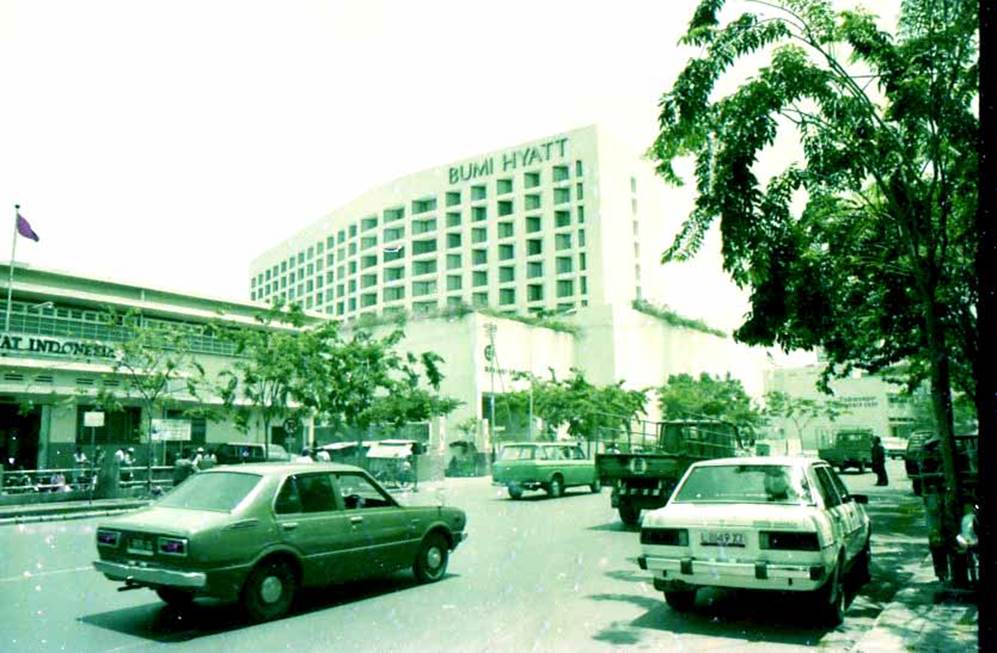
Photo by author, 1983
A bridge over a river that runs through the center of Surabaya.
Migrants from outside the city live in shacks at the foot of the bridge.
This was not an uncommon sight.
In the background was a hotel building under construction.
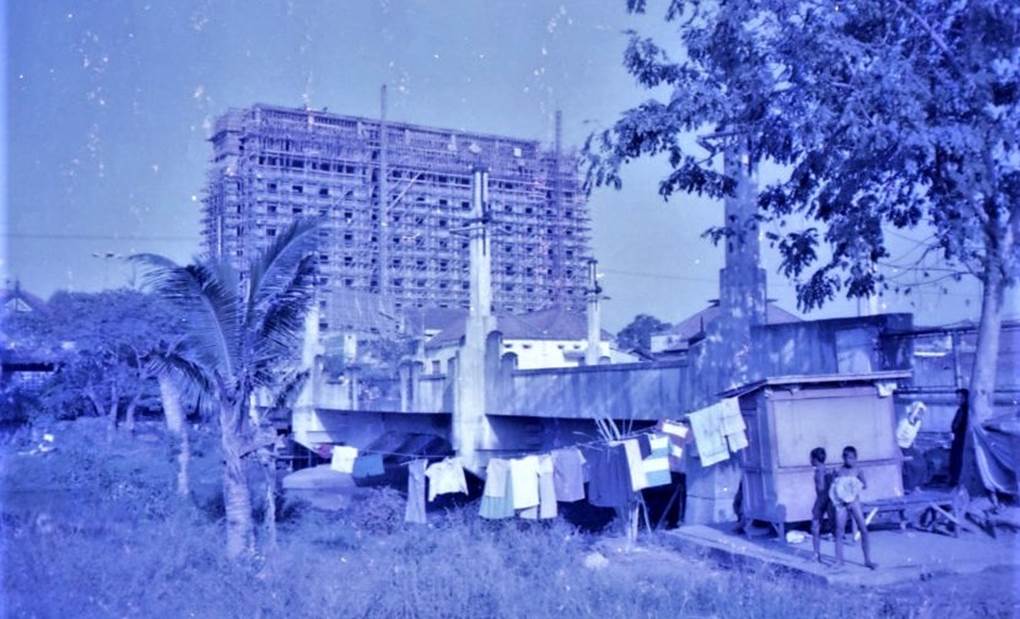
Photo by author, 1983
Railway station building in Surabaya from the Dutch era.
It feels like travel back in time.
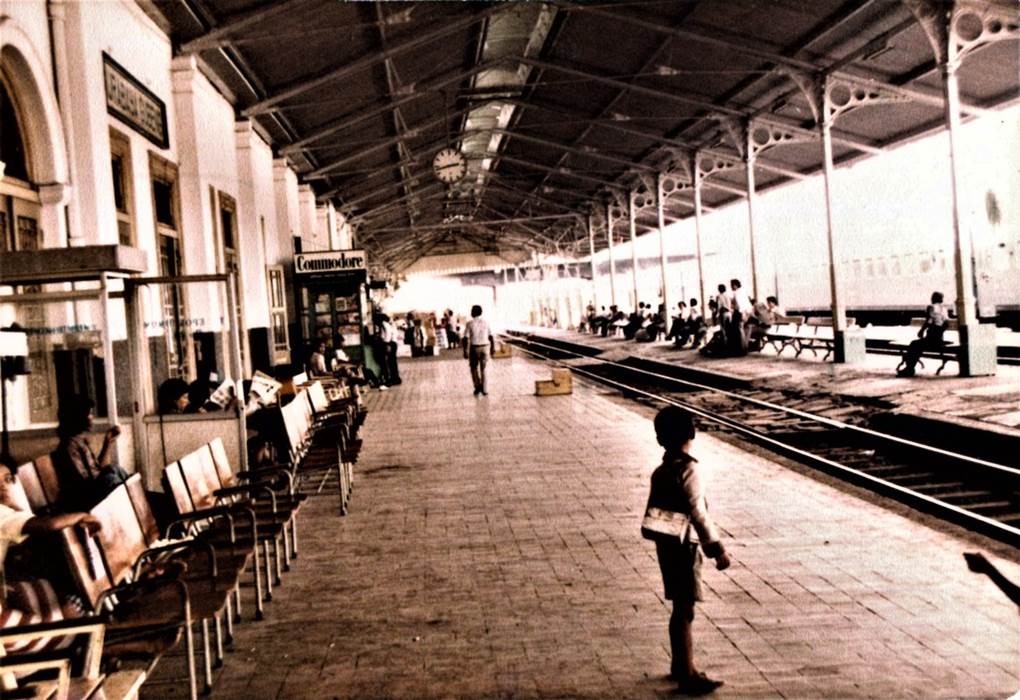
Photo by author, 1983
When I went up to the overpass, I saw a yard for freight cars.
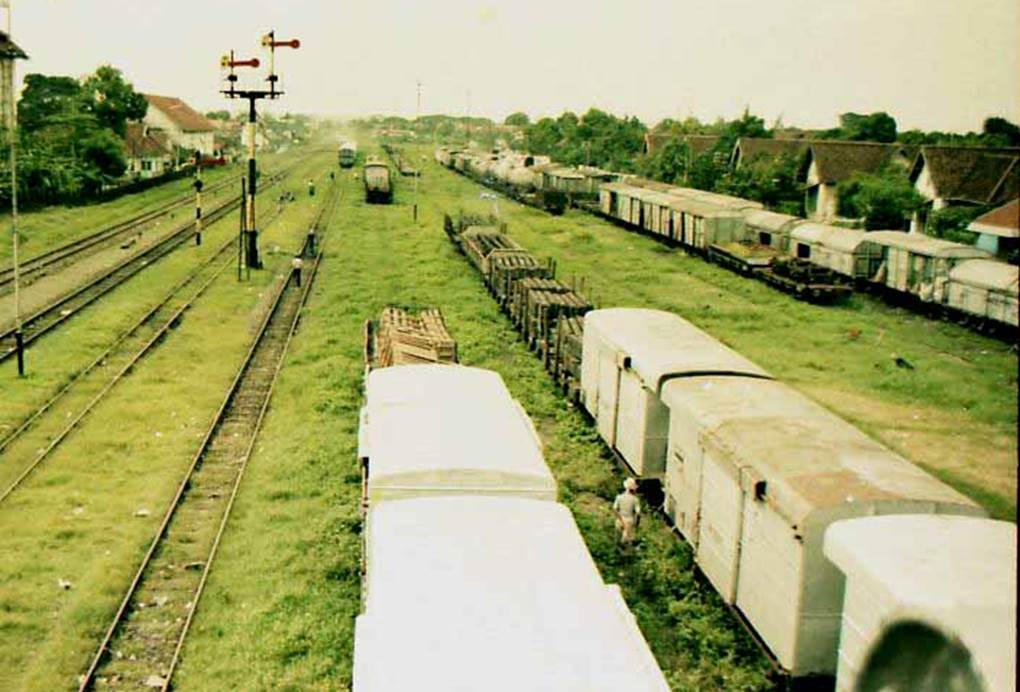
Photo by author, 1983
Densely populated residential area in Surabaya city.
In general, the slope of the roof is steep, similar to the roofs of Dutch houses.
The only newly constructed foreign object is a “SHARP” advertisement.

Photo by author, 1983
If you go deep into the main street of Surabaya, you will find a world without cars. There are rickshaws waiting for customers parked in the shade of a tree.
Bicycles are moving around carrying cargo, and you can feel a sense of time travel back in time here as well.
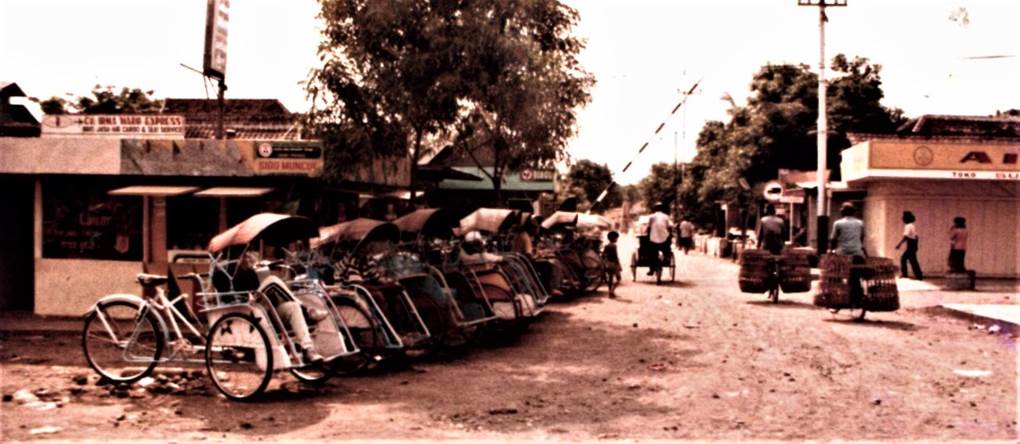
Photo by author, 1983
East Java Province
Surabaya is the second largest city in Indonesia and the capital of East Java Province. It is a tropical port city at 7 degrees south latitude, and the heat is unavoidable all year round. Back in 1983, there were no air-conditioned shopping malls except for air-conditioned hotels, and weekend outings were like being on a frying pan.
So I decided to go to the highlands at the foot of Mount Arjuna, 60 km south of Surabaya, every weekend.
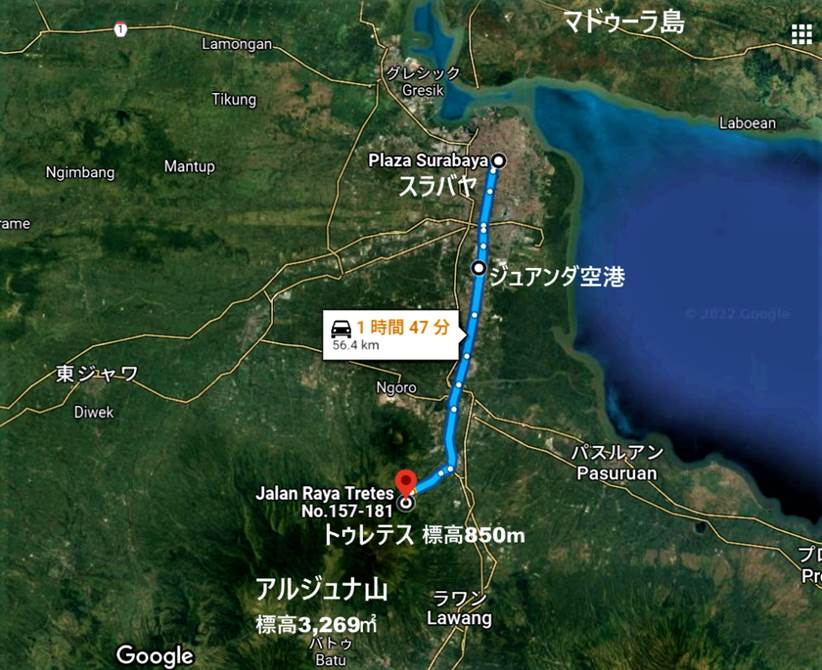
Go on the outskirts of Surabaya
The southern suburbs of the city of Surabaya become swampy.
Salt fields and large-scale shrimp farms sprawl across the marshlands along the coast.
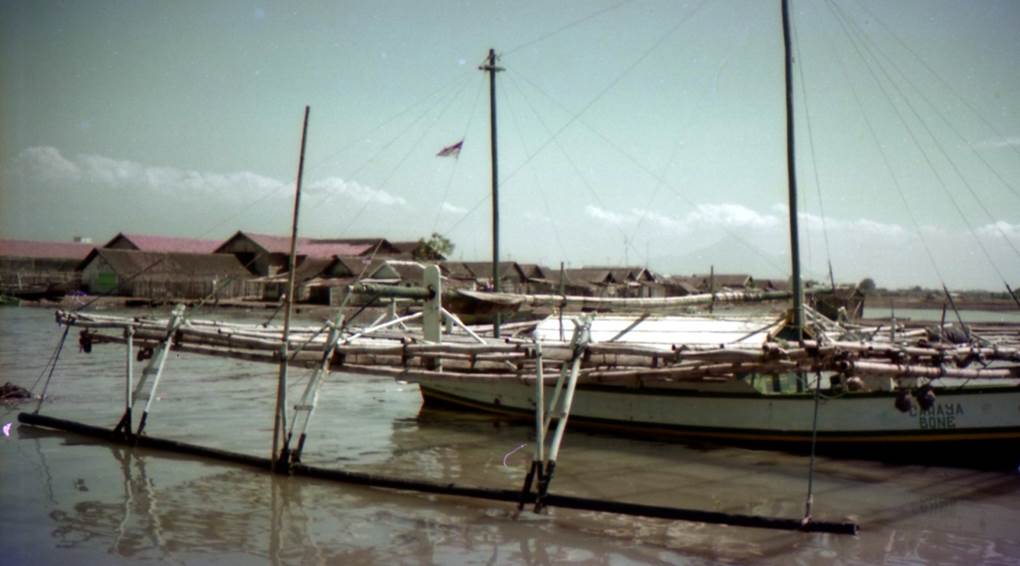
Photo by author, 1983
Kamaboko (fish paste) produced in this area is a local specialty and is well known throughout Indonesia.
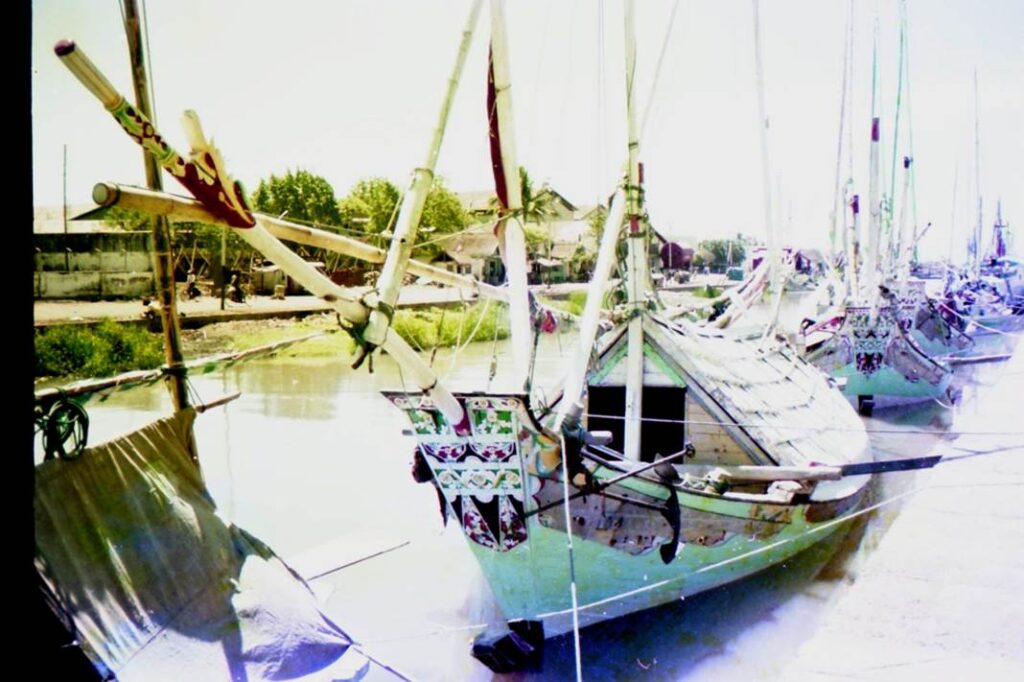
Photo by author, 1983
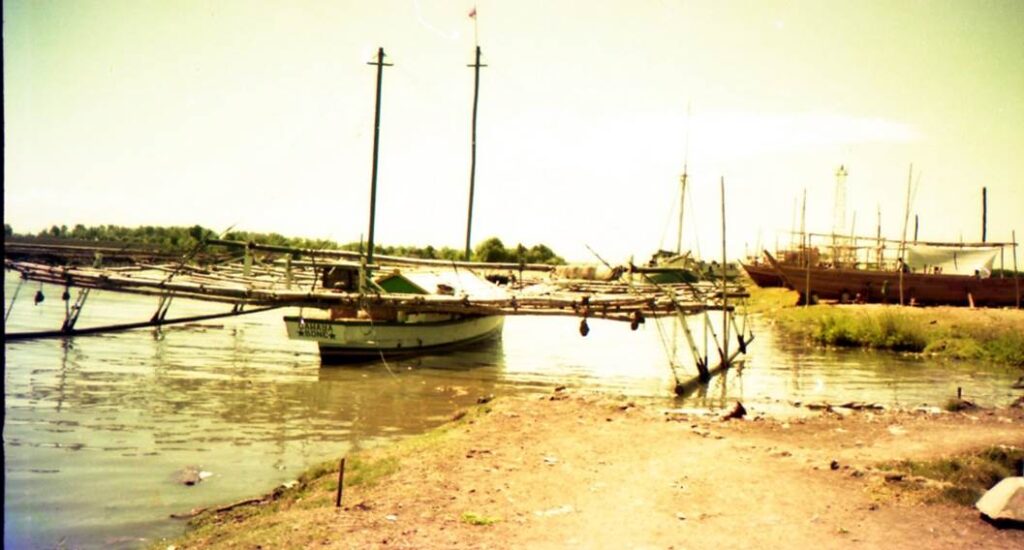
Photo by author, 1983
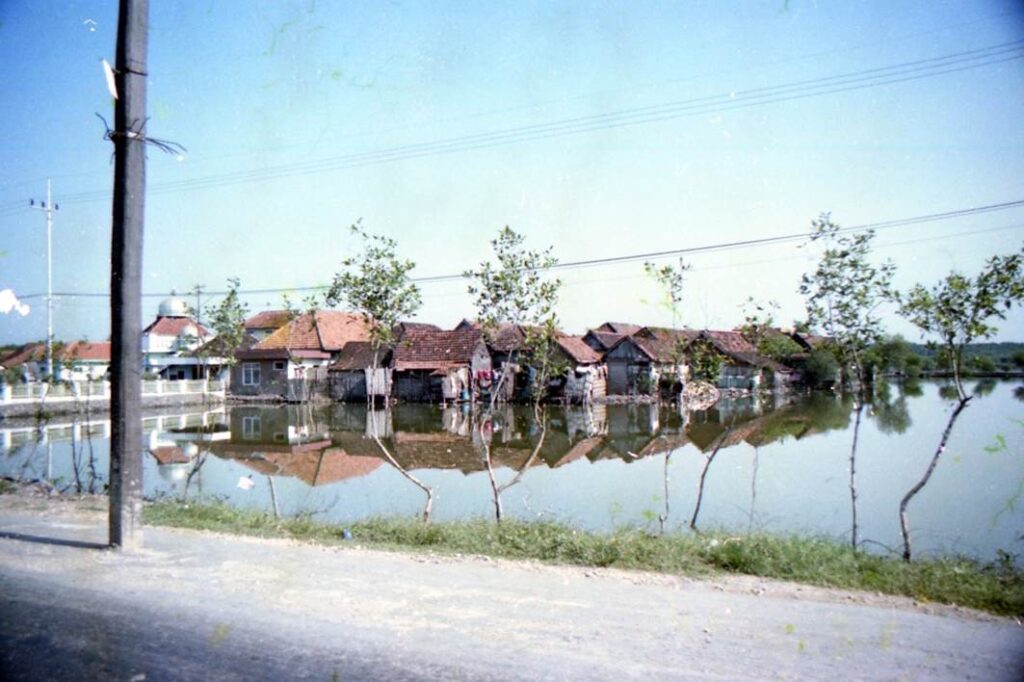
Photo by author, 1983
Brantas River
The lower reaches of the Brantas River, a large river in East Java, close to the sea, are covered with dense mango-lobed forests.
It is a brackish water area inhabited by many species of creatures.
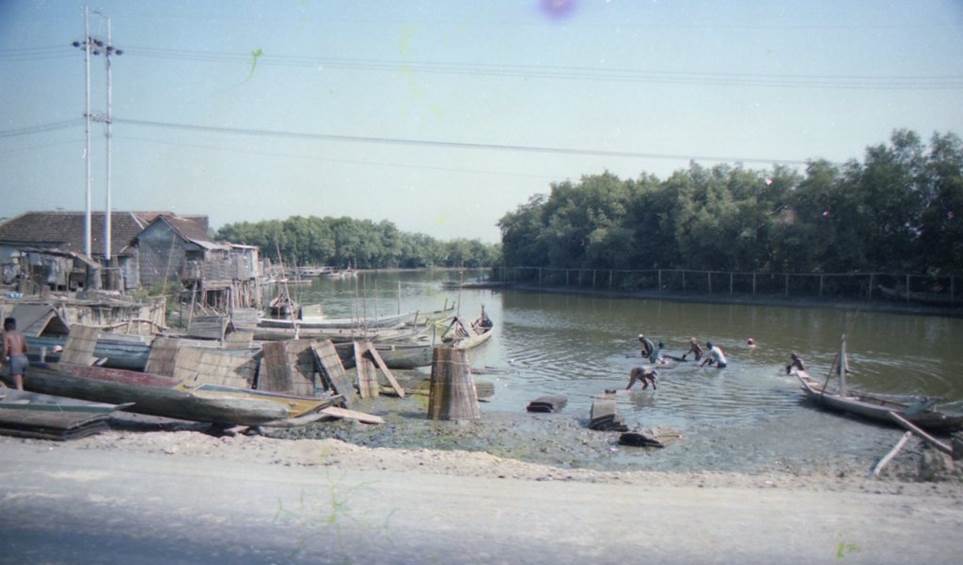
Photo by author, 1983
If you cross the Brantas River, a large river in eastern Java, and proceed south, you will enter the mountainous highlands from the marshland.
If you drive to the foot of the magnificent Mt. Arjuna (3239m) in front of the photo (far right of the photo), you will see the ruins of the Majapahit kingdom that flourished in this area.
When I was frequently staying in Surabaya for work, I heard that there were such ruins, and I decided to visit this medieval Hindu kingdom in Indonesia often.
This was in the early 1980s.
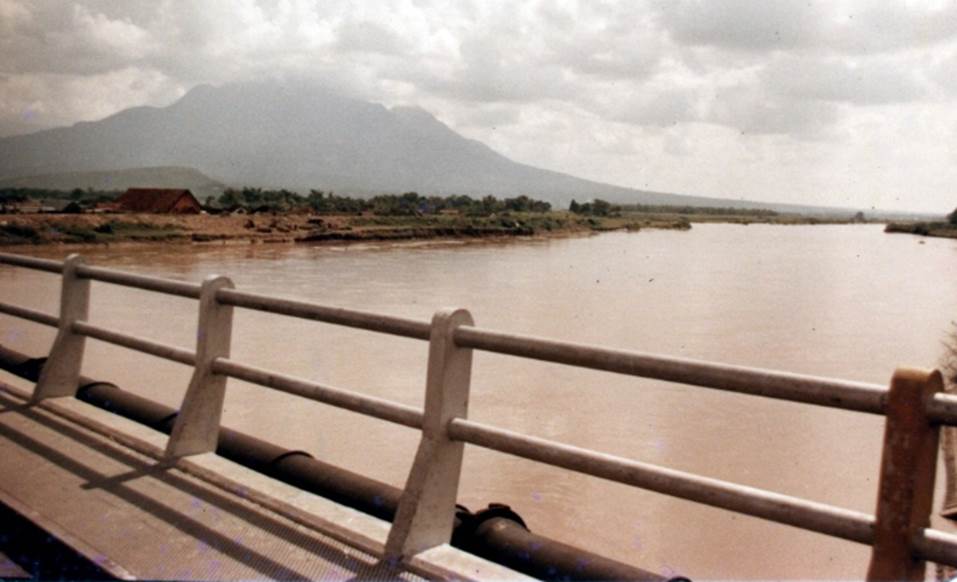
Photo by author, 1983
Mount Arjuna
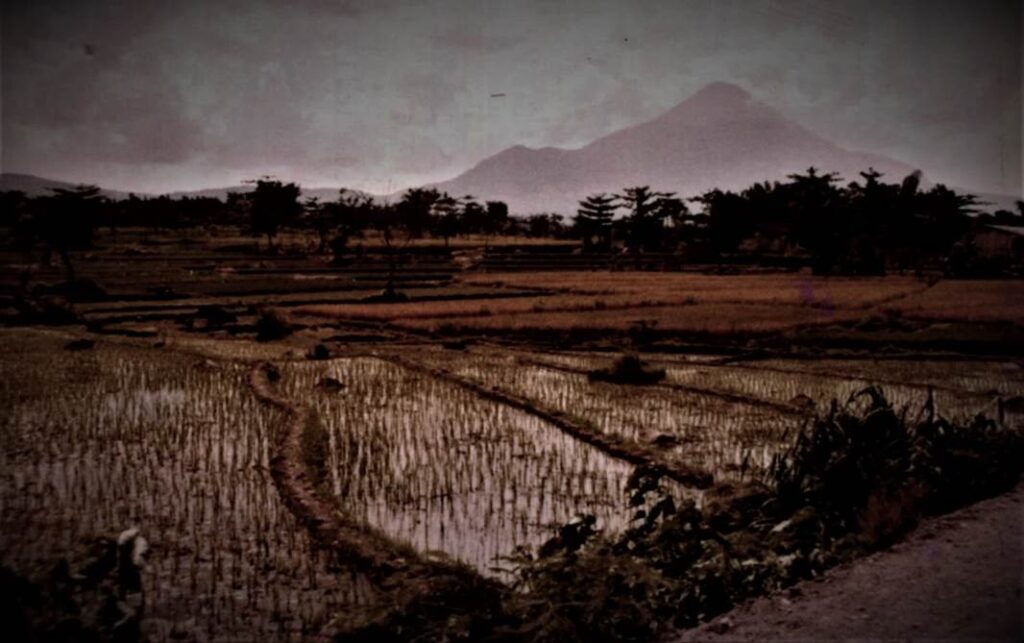
Photo by author, 1983
Mount Arjuna
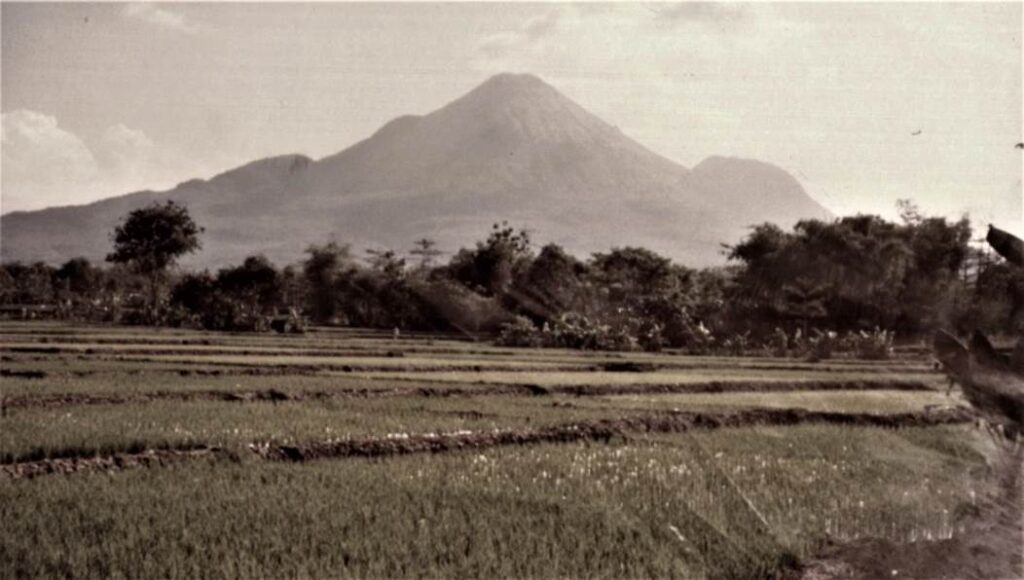
Photo by author, 1983
Summer resort in East Java
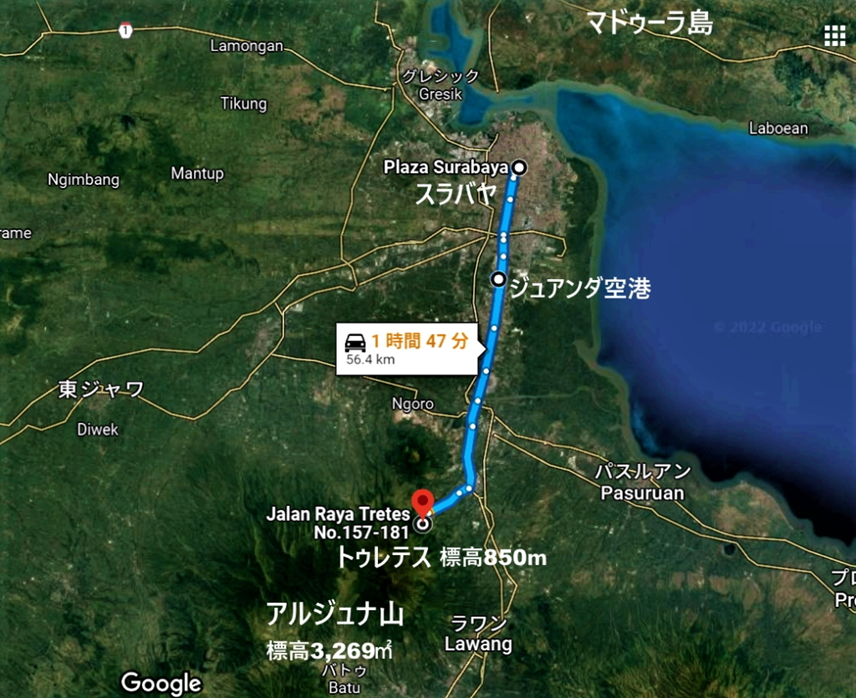
Surabaya is a hot town all year round. During a short business trip, I decided to go to a resort at the foot of Mount Arjuna on the weekends in search of cold air to recharge my batteries. I was lucky to find such a highland that was located only about 50 km from Surabaya.
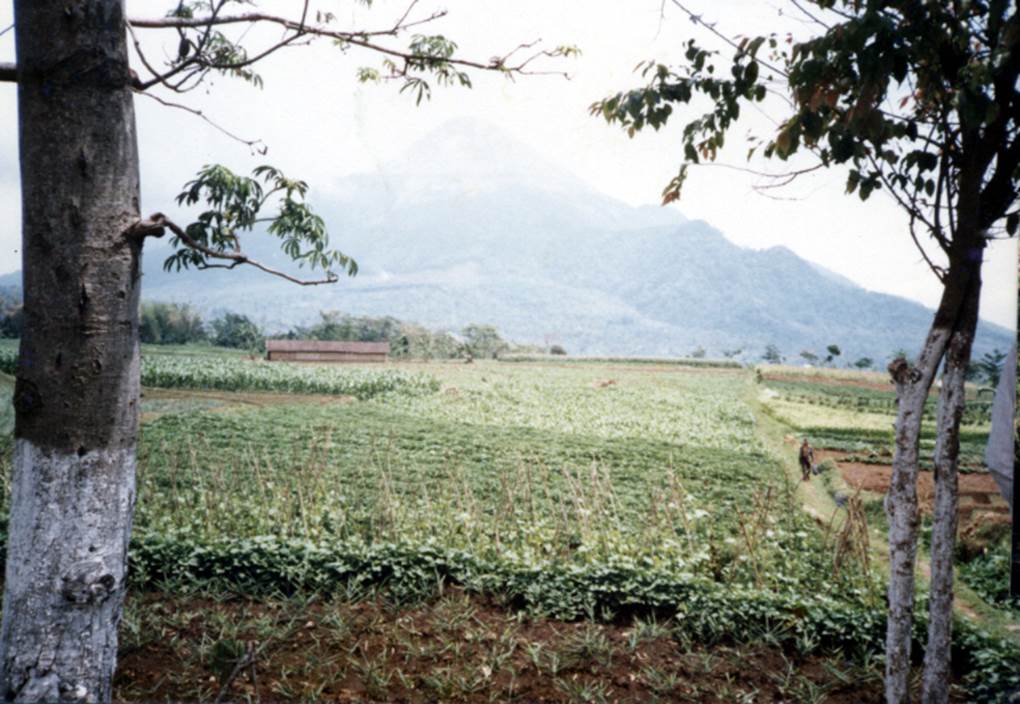
Photo by author, 1983
A local farmer sells freshly picked jackfruit on the slope to the high-altitude resort of Tretes.
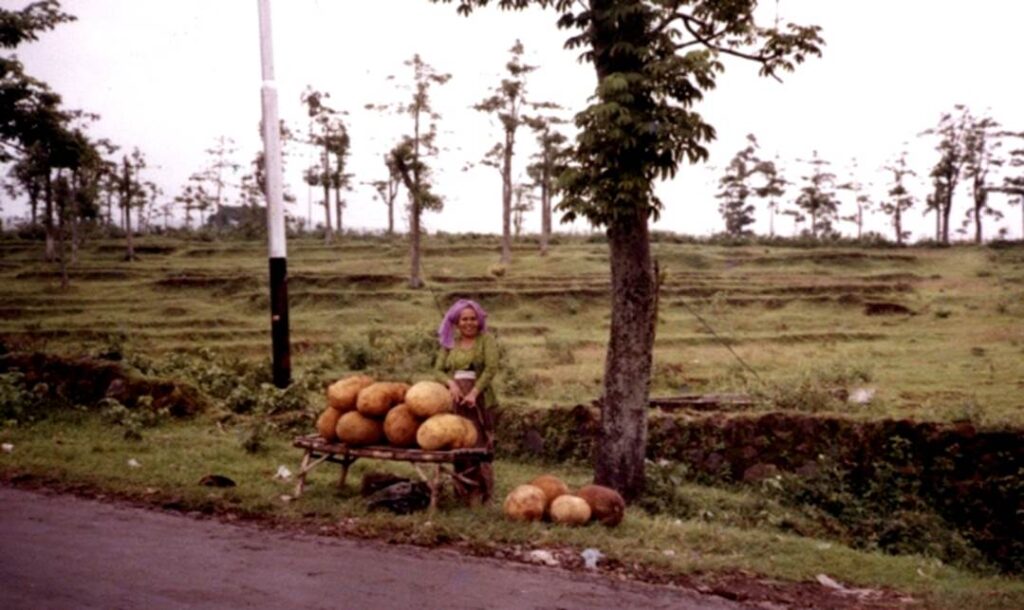
Photo by author, 1983
I pass through small villages on the way to Mount Arjuna.
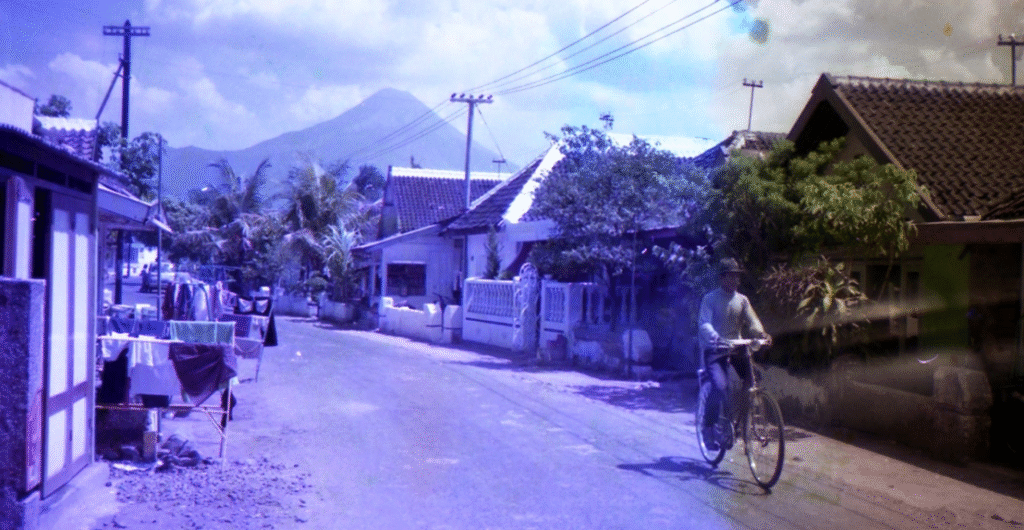
Photo by author, 1983
Summer resort Tretes
It originated as a resort by the Dutch during the colonial era.
Tretes is located at the foot of a mountain at an altitude of 850 m.
Temperatures range from 18°C to 26°C throughout the year, making it a perfect summer resort. It seems that there used to be many Dutch-style wooden villas, but they were not well maintained and decayed, and there were no more European-style buildings.
When I visited in the early 1980s, there were few visitors to this summer resort, and there were no modern hotels or fancy resort-style villas, but local-style houses that doubled as lodgings.
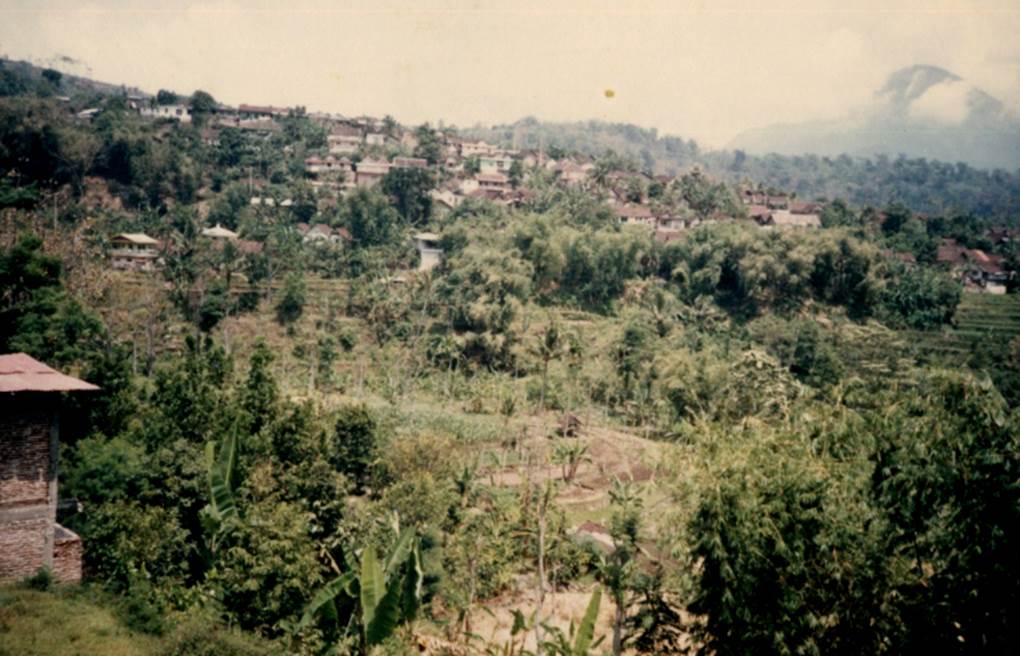
Photo by author, 1983
Soup noodles with meat balls in front of the villa in the summer resort, vendors like the one in the photo below sometimes come around.
The local simple food eaten on the street in front of the hotel is quite delicious.
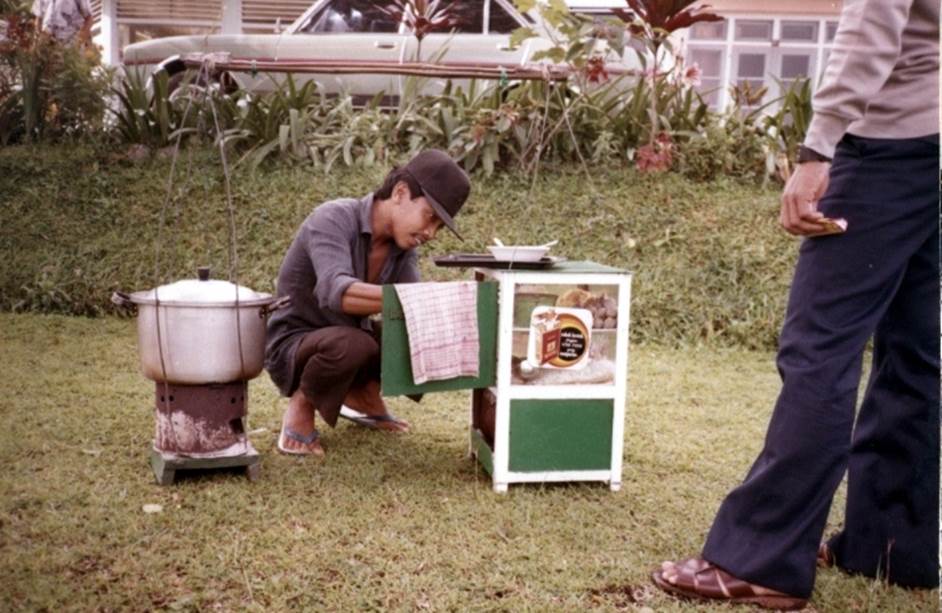
Photo by author, 1983
A resort Hotel.
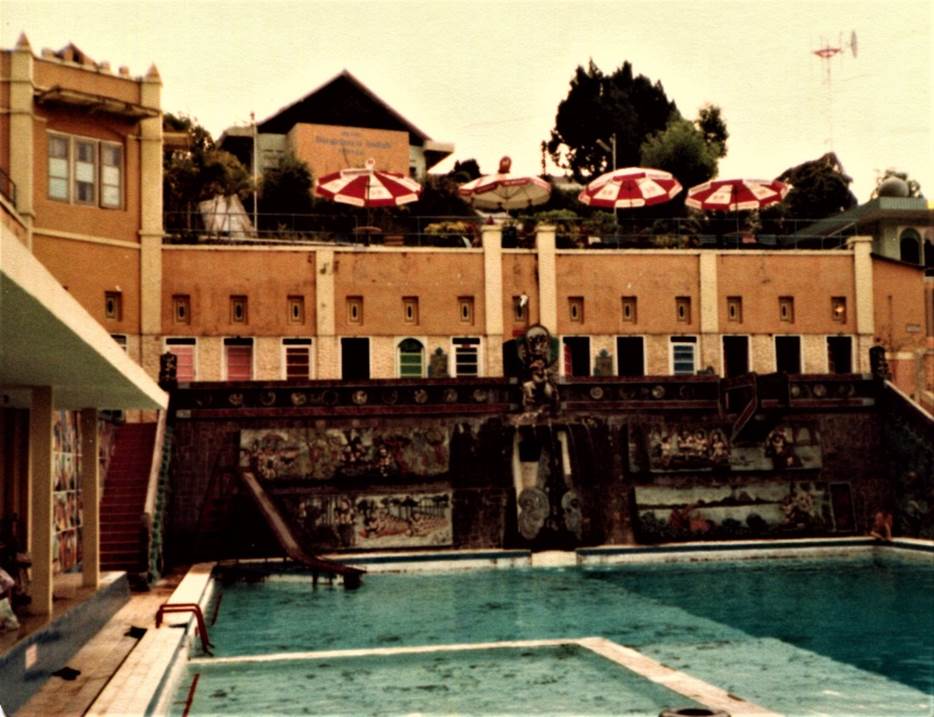
Photo by author, 1983
Fresh water from the mountains is drawn to the water hole and poured from the statue of the goddess into the reservoir pool. In Indonesia, 87% are Muslims.
slam forbids idolatry.
Statues of these Hindu-derived archaeological sites, which existed before Indonesia became Islamic, live on and continue to serve their functions among the locals of the region.
What can be felt from this is the relaxed attitude towards religion in Indonesia, which is interesting.
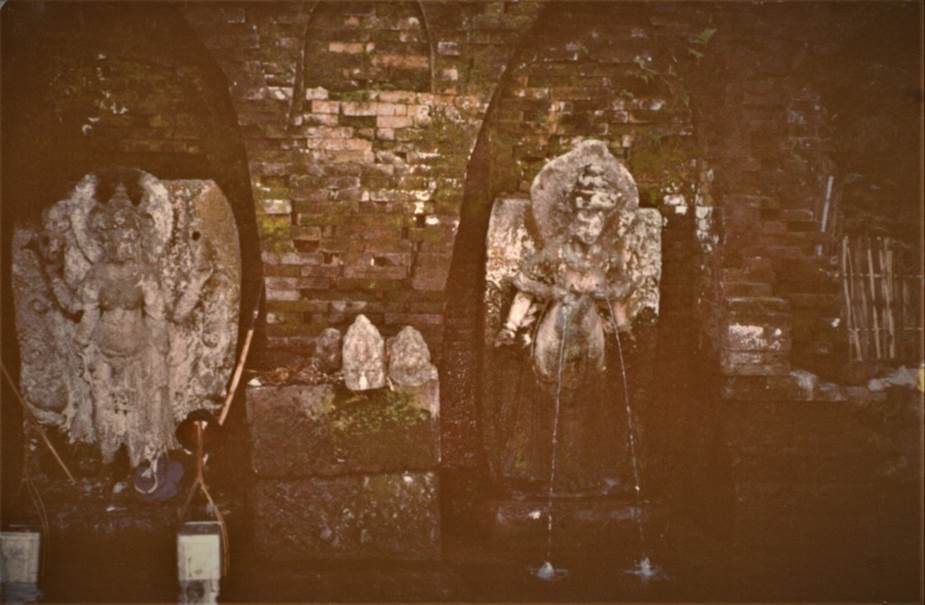
Photo by author, 1983
Here in Tretes, there were few people visiting from the city, let alone foreigners.
The cold pool filled with fresh water from the mountains was a playground for locals to relax at night after working in the fields.
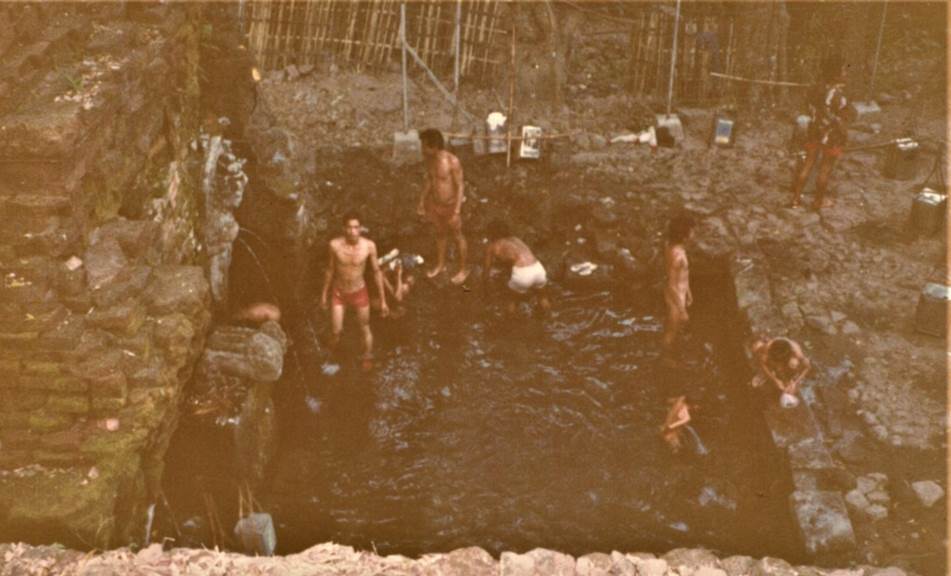
Photo by author, 1983