JAP | ENG
Sumatra Travelogue #1/9
2015
Medan
Penang Airport
For this trip in 2015, I fly from Penang Airport, Malaysia to Medan City, Indonesia.
Boarding is underway, and passengers are lining up, but at first glance it feels like a domestic flight check in.
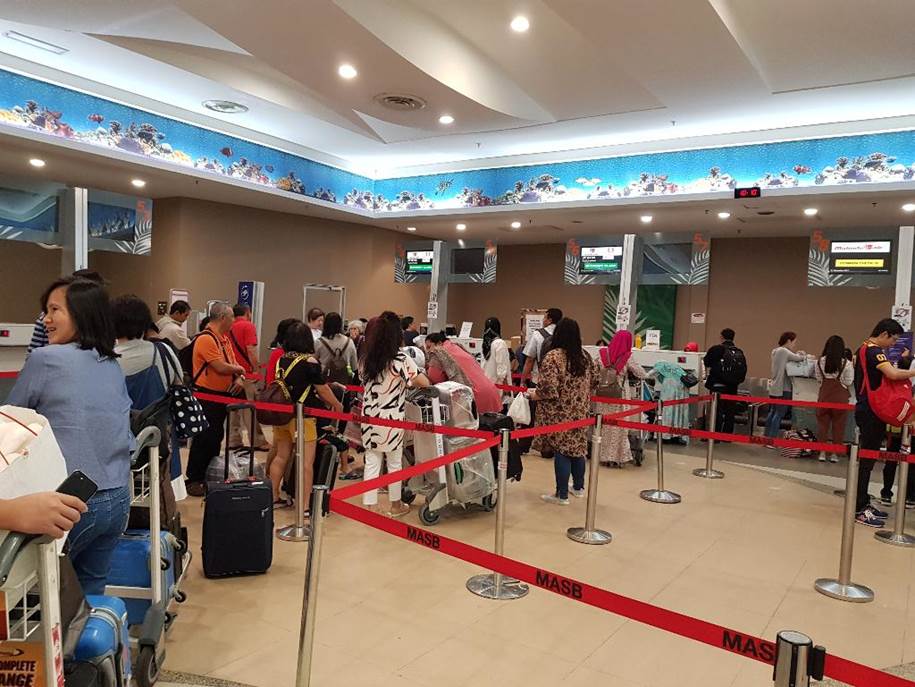
Photo by author, 2015
AirAsia flights to Medan waiting at Penang Airport
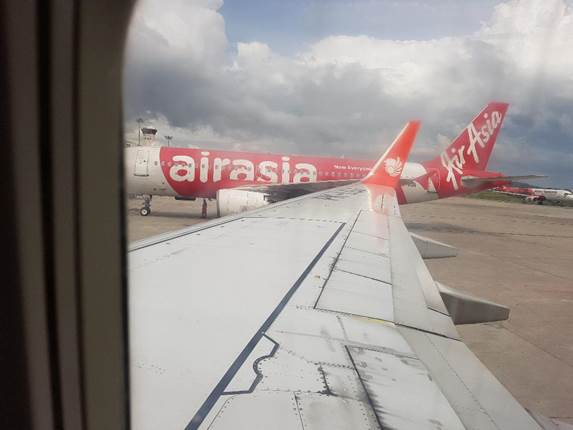
Photo by author, 2015
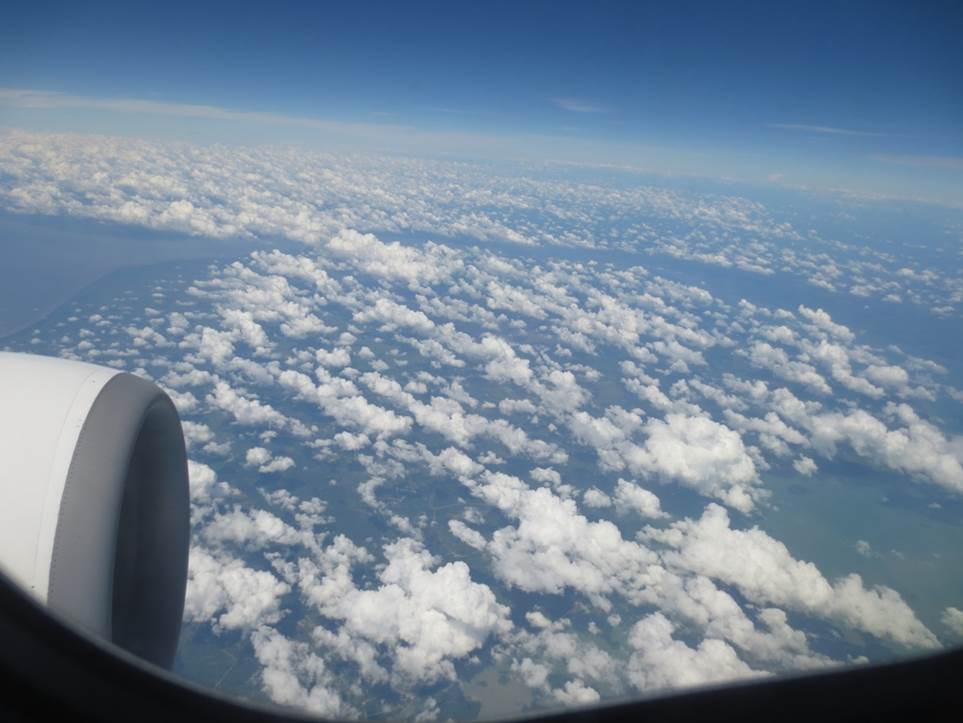
Photo by author, 2015
The 30 minutes flight from Penang to Medan crosses the Strait of Malacca.
There were no cumulonimbus clouds yet on the early morning flight, and the flight was quite peaceful.
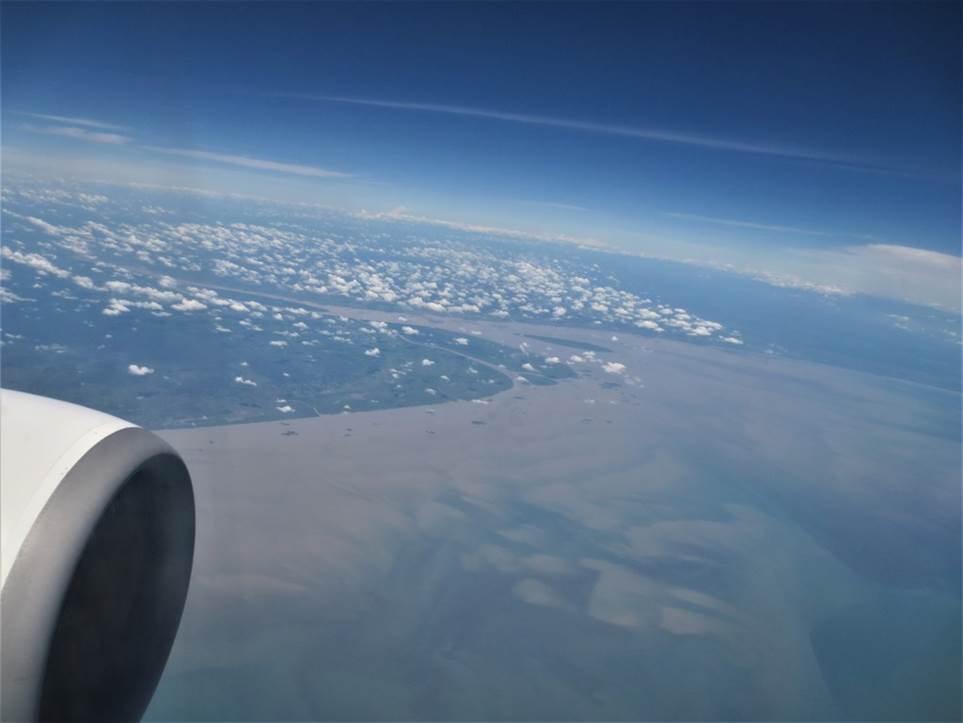
Photo by author, 2015
The land of Sumatra, Indonesia came into view.
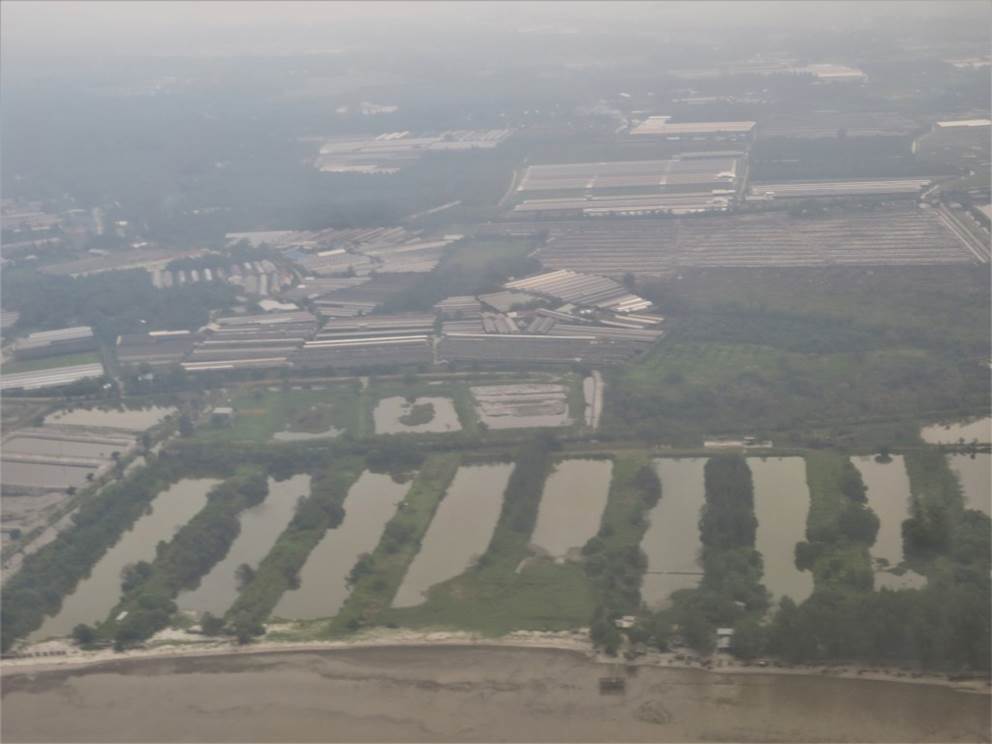
Photo by author, 2015
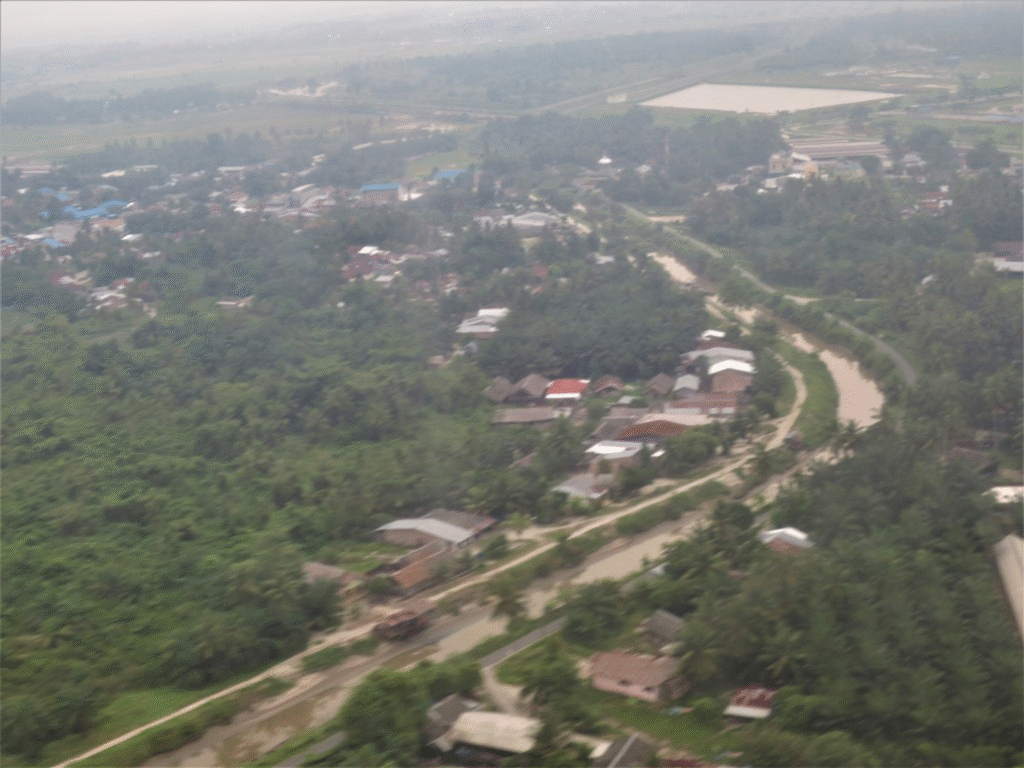
Photo by author, 2015
Polonia Airport
Operational up to 25 July 2013, its runway is only 2900m
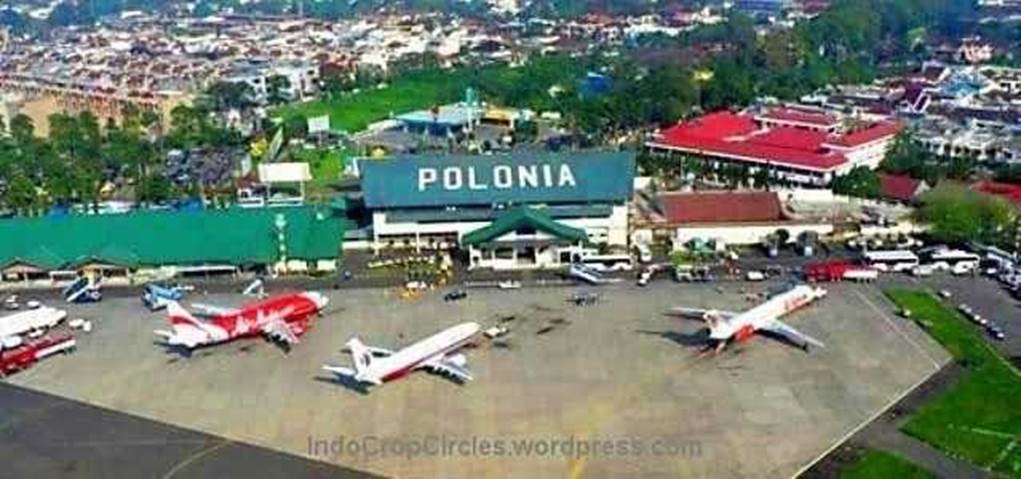
The gateway to Medan, the largest city on the island of Sumatra.
Polonia Airport was in operation until 2013.
Located in a densely populated residential area near the center of Medan City, it had a runway of only about 2,900 meters and is infamous for air accidents.
From 1997 to 2013, it had horrific record of 585 fatal accidents.
Around 1997, there was a plan to relocate the airport to a new International Airport outside the city of Medan, but it took time to resolve land acquisition issues and construction actually only began in 2006.
It took 16 years for the new Kualanamu Airport, which is the second largest airport in Indonesia by area and has a runway of 3,750 meters, to open in 2013.
Kualanamu International Airport
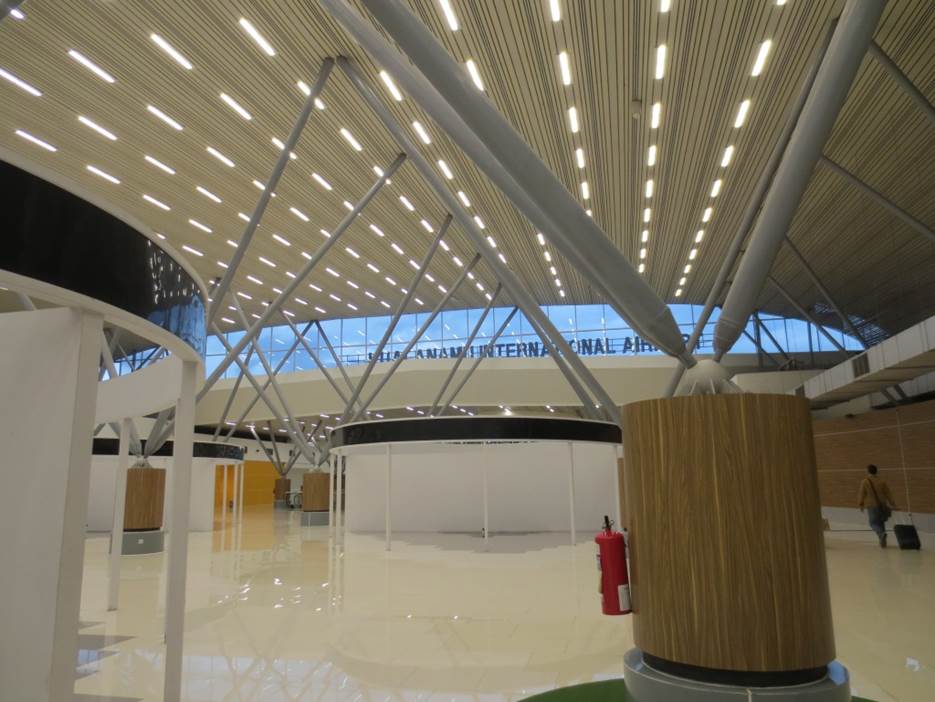
Photo by author, 2015
After passing through immigration, I look over at the hall on the lower floor, where I found the large oval-shaped counter where I can get a train ticket to Medan city.
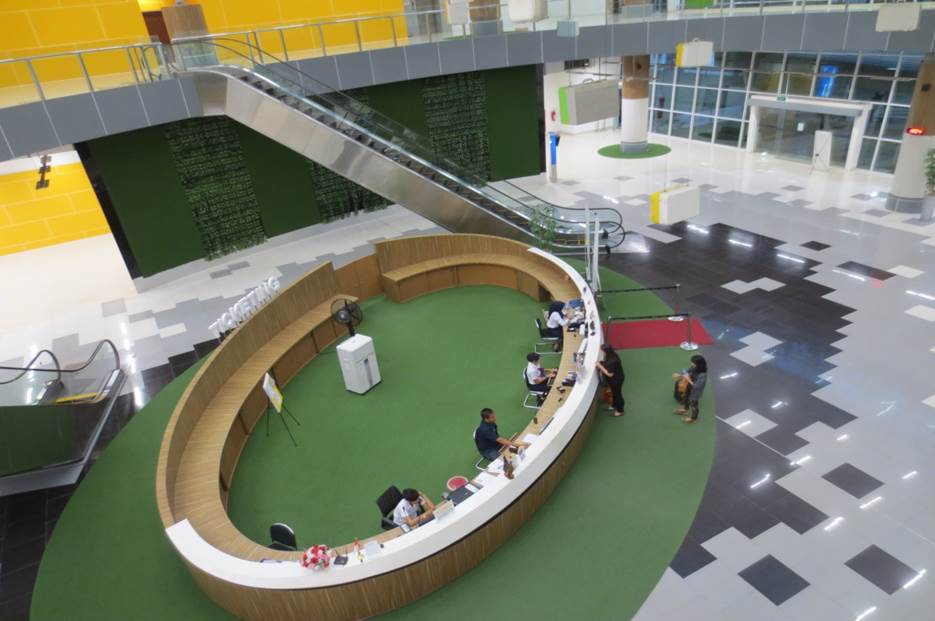
Photo by author, 2015
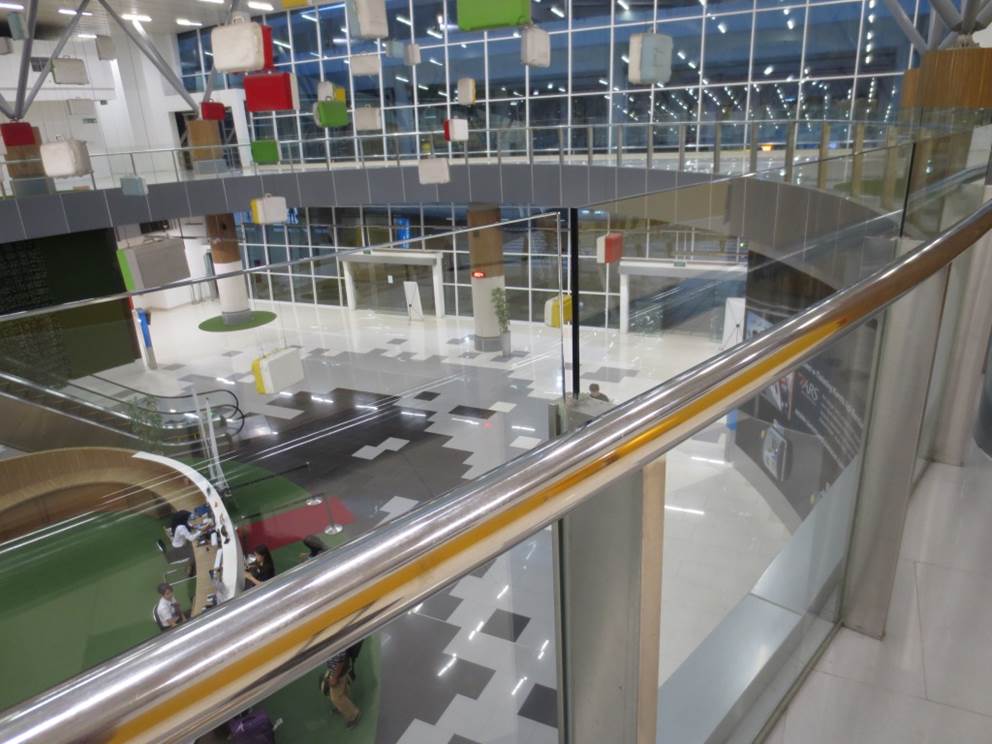
Photo by author, 2015
After that I went down to the ground level and head for the exit, and found the first train station to the city center.
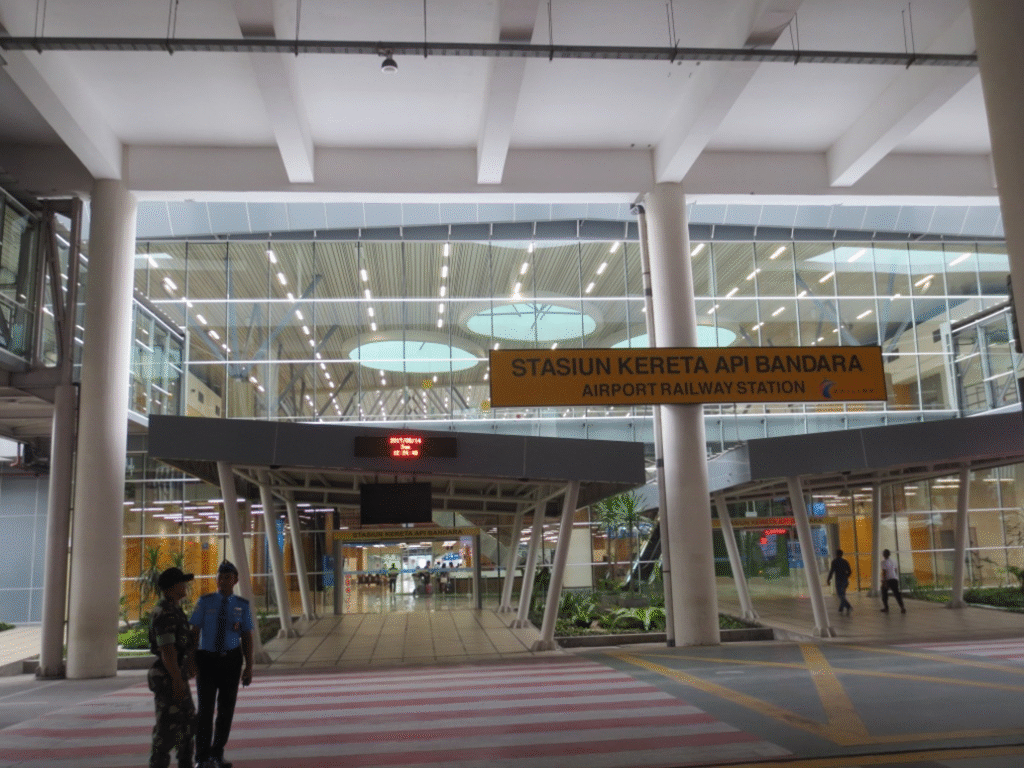
Photo by author, 2015
You won’t get lost because you can see the railway platform to Medan through the glass.
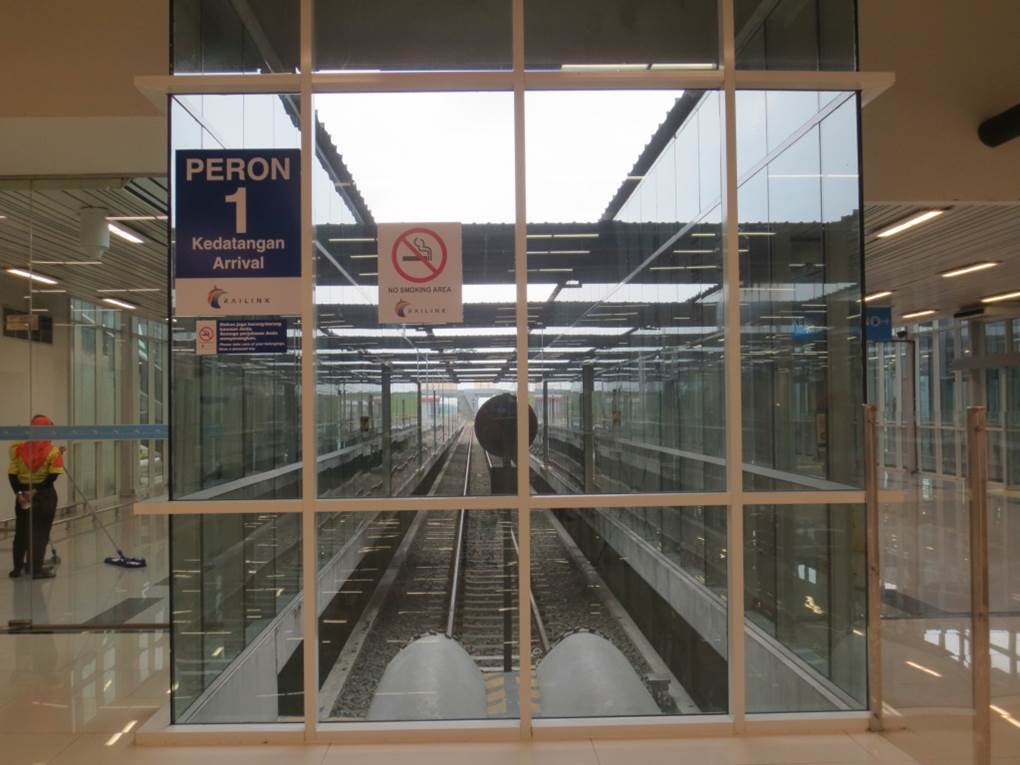
Photo by author, 2015
It is 40 km from Medan International Airport Station to Medan Central Station.
The railway is non-electrified, and the train is a Korean-made diesel car that currently operates on a single track, so it takes about 40 minutes.
The one way fare is close to 1,000 yen (~USD 7), so many of the passengers are businessmen.
Ordinary travellers with families will usually take the bus for 150 yen (~USD1), considering their budget.
The interior of the train car
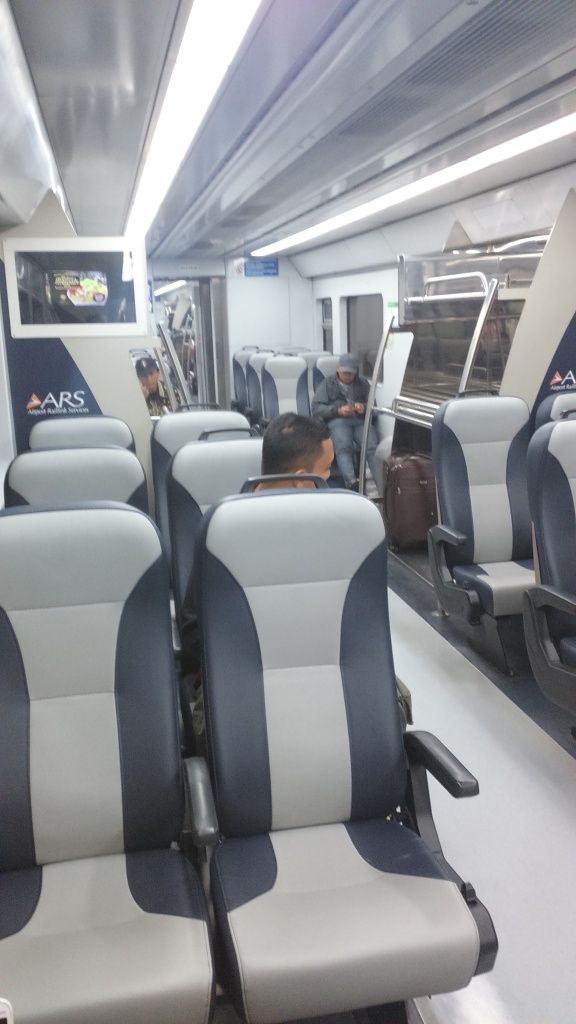
Photo by author, 2015
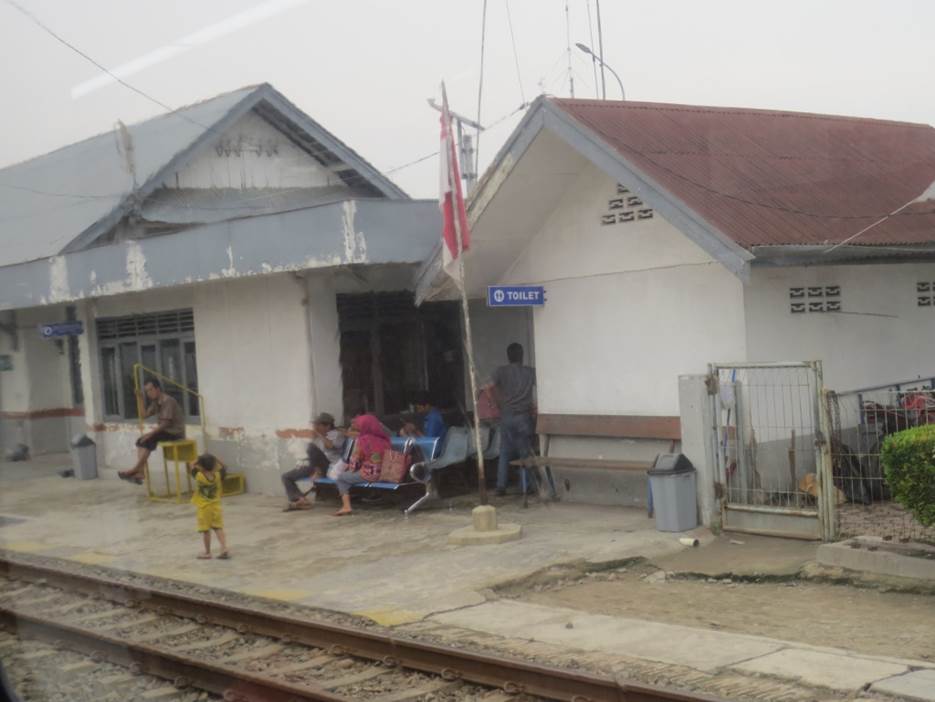
Photo by author, 2015
There are no fences or other structures between the railroad tracks and the houses neighbouring residents, so residents hung out, play and rest on the railroad tracks.
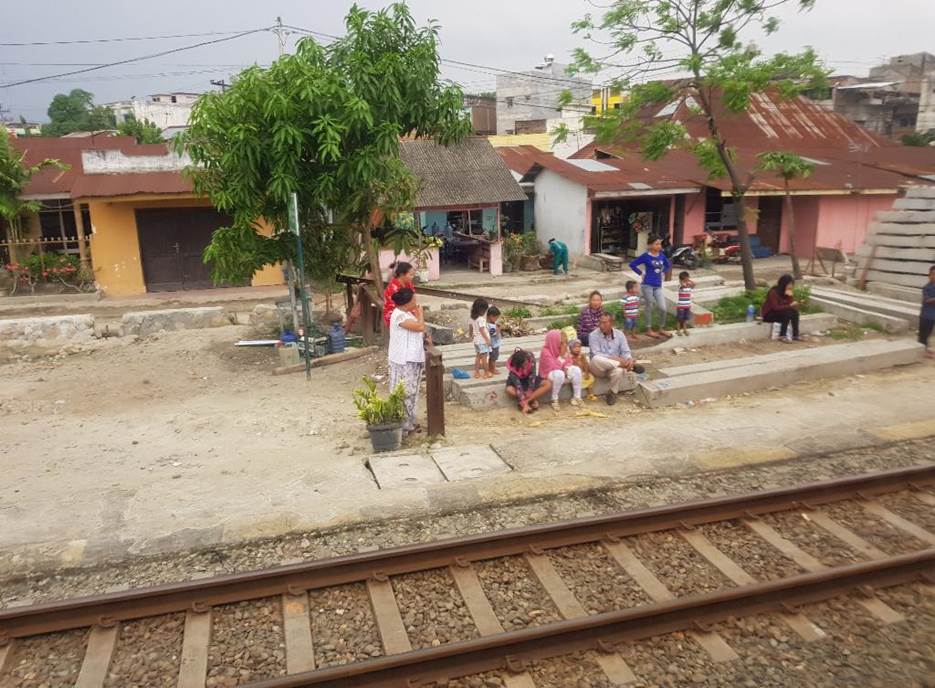
Photo by author, 2015
On the railroad tracks, a elementary school age boy and an older sister are playing happily. This can be called “Indonesia’s easy going happiness.”
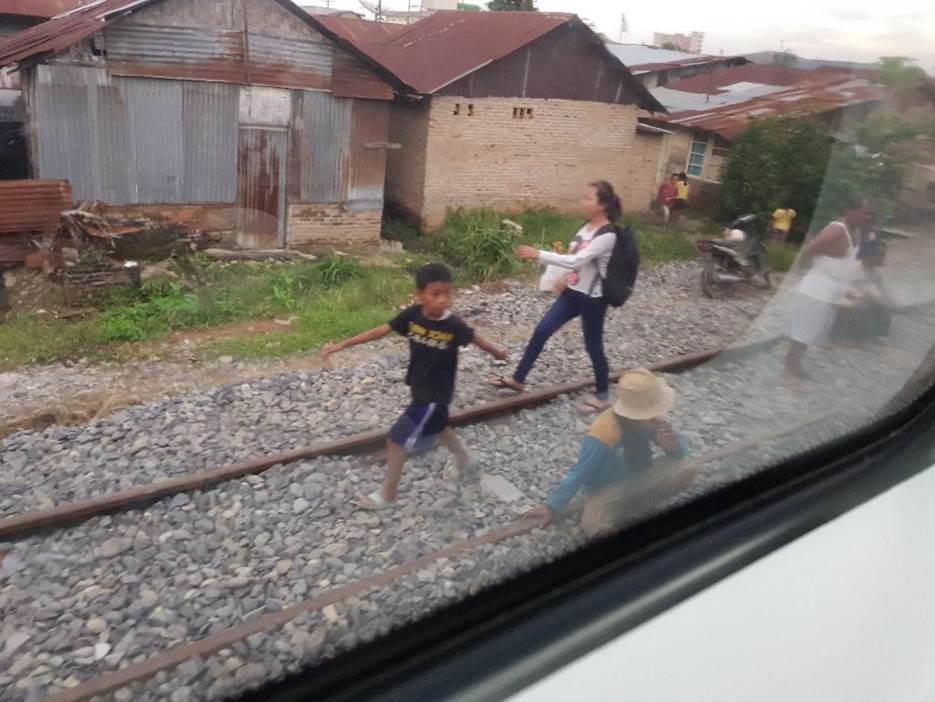
Photo by author, 2015
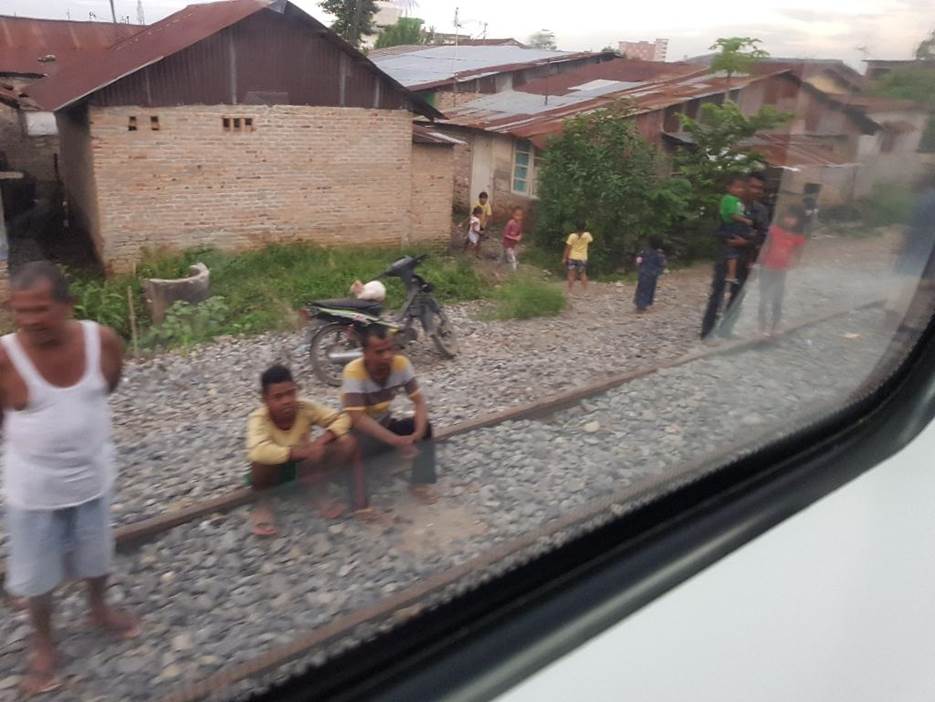
Photo by author, 2015
As the center of Medan approaches, traffic jams are occurring at the railroad crossing.

Photo by author, 2015
Refusing to evict? Tin roofs and rows of wooden huts remained beside the railroad tracks near Medan center.
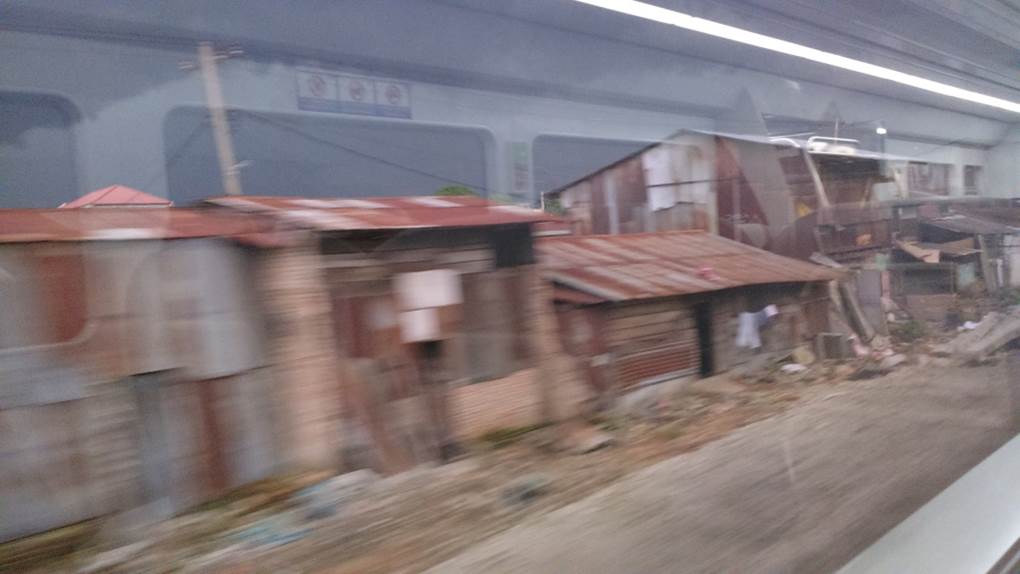
Photo by author, 2015
I arrived at Medan City Central Station.
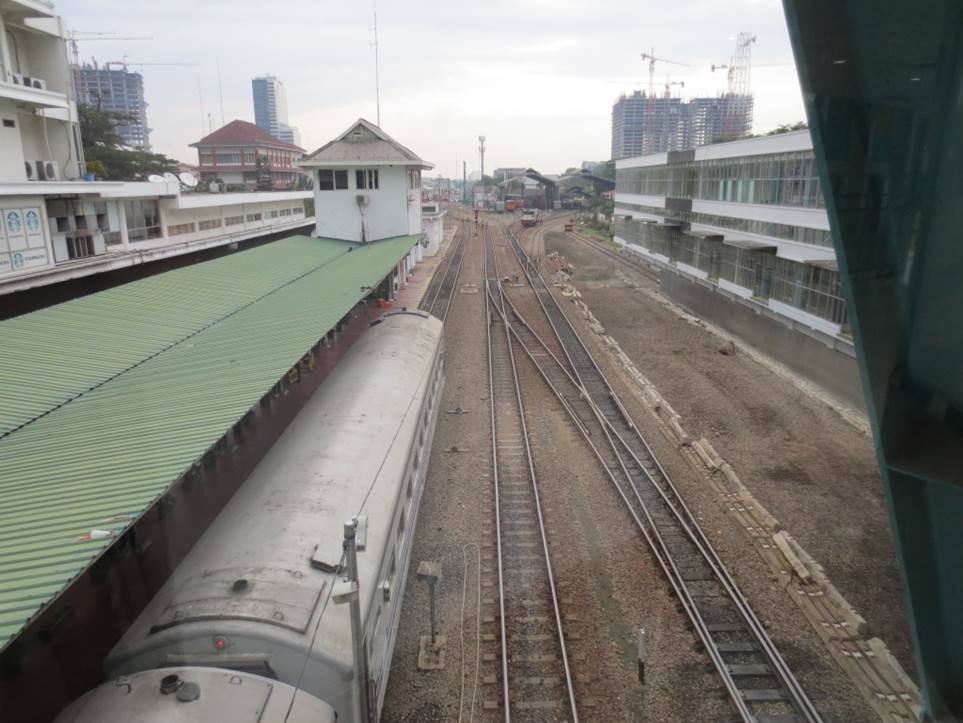
Photo by author, 2015
Looking at the end of the track from the overpass, there was a depot garage and repair shed.
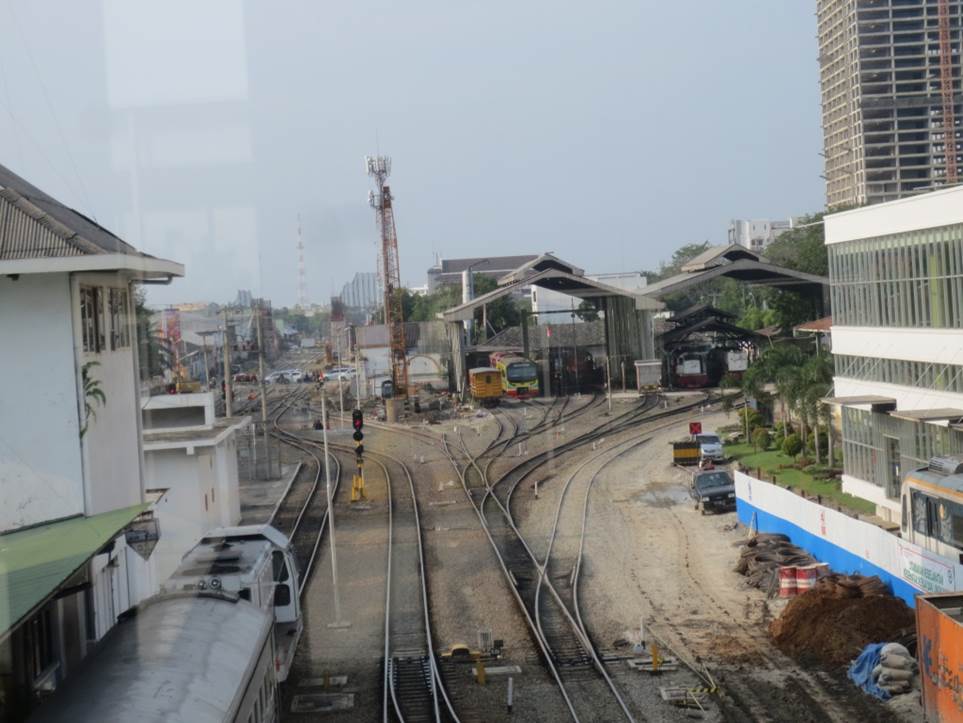
Photo by author, 2015
Rail car (Korean made) connecting the airport and Medan Central Station.
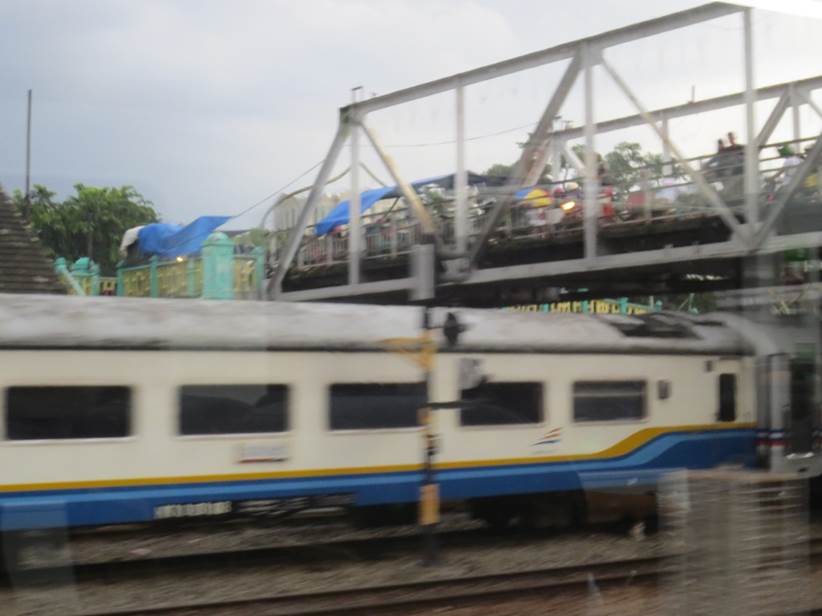
Photo by author, 2015
Service Locomotive displayed in front of Medan Station.
Period steam locomotive. Imports from Europe during the colonial period.
The appearance is well preserved.
DWLI RAILWAY CO., FOUNDED IN 1883

Photo by author, 2015
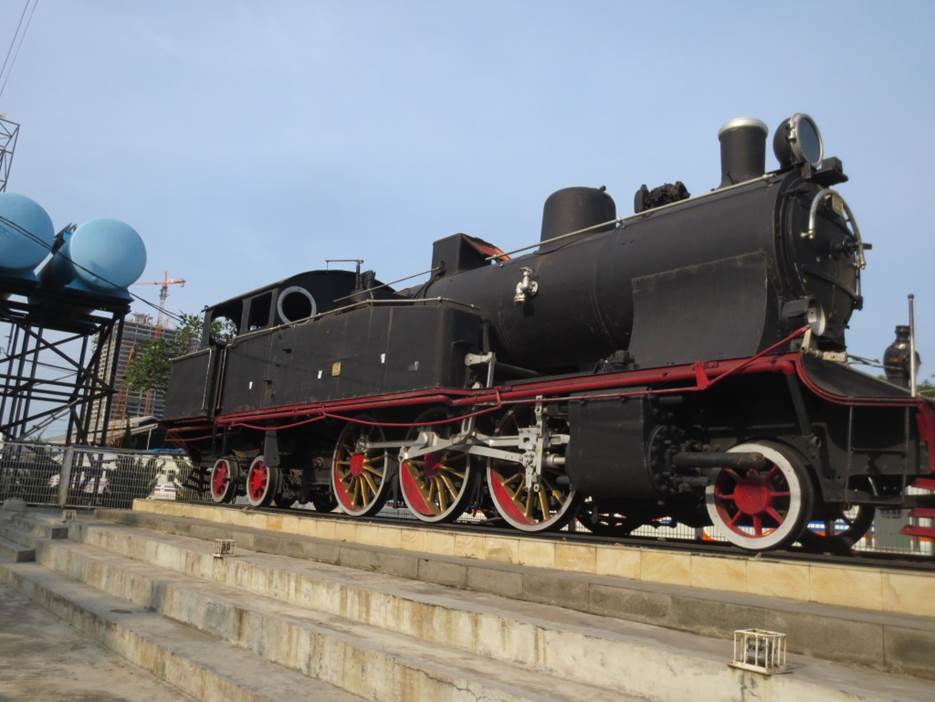
Photo by author, 2015
Service Locomotive displayed in front of Medan Station.
DWLI RAILWAY CO., FOUNDED IN 1883
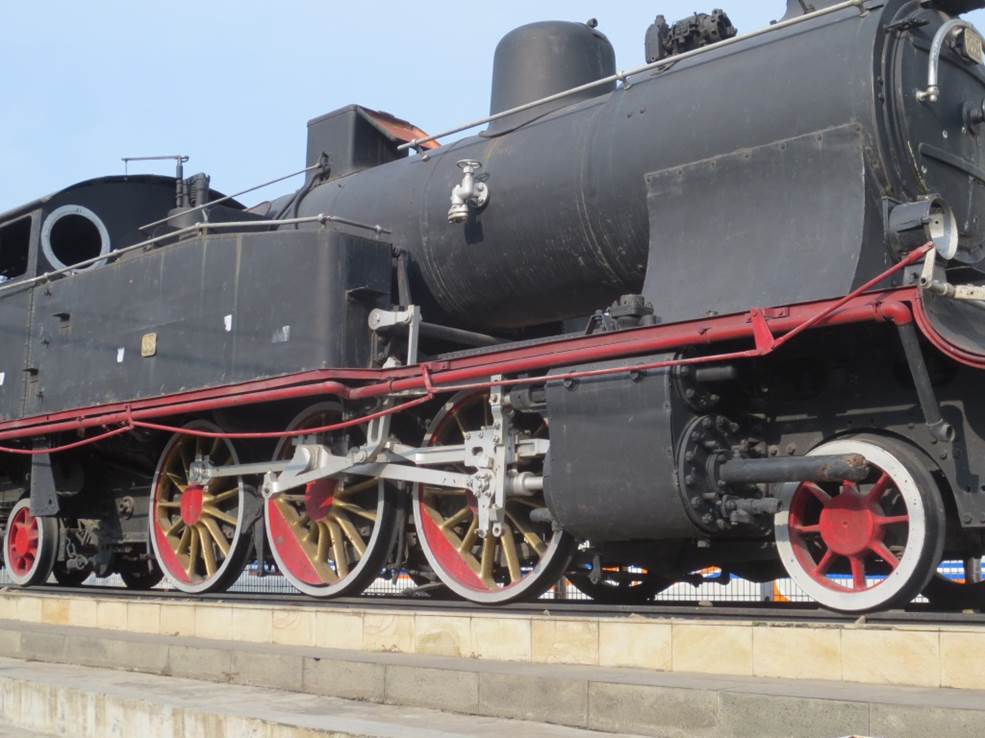
Photo by author, 2015
A freshly built highway that traverses the island of Sumatra.
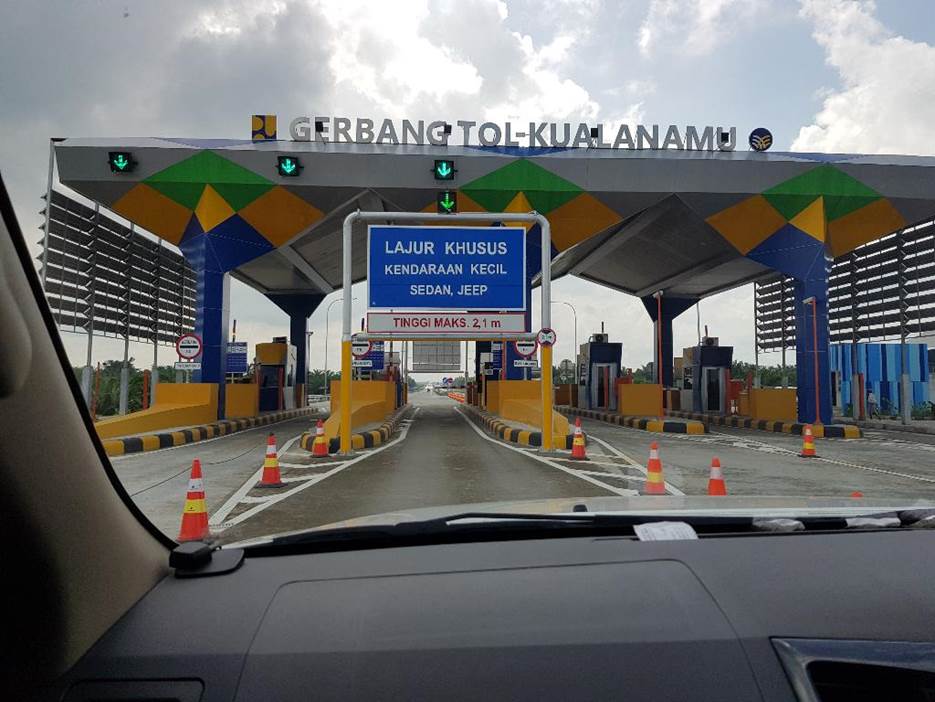
Photo by author, 2015
A splendid newly completed highway had been opened.
Turn right: towards southern Sumatra; Turn left: Northern Sumatra, Medan, Aceh
Newly completed, high-standard roads.
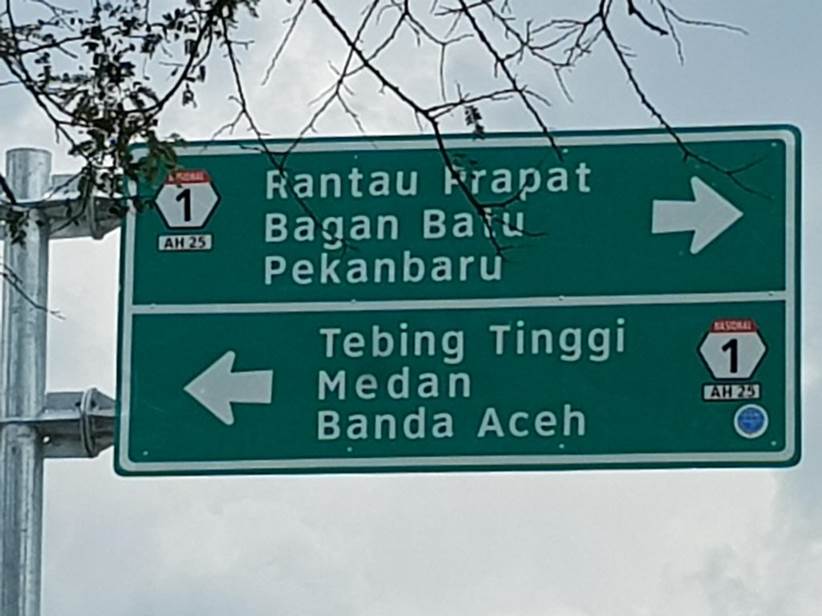
Photo by author, 2015
A highway that runs through the land of Sumatra.
Since the tolls on the expressway is expensive, many users still use the crowded existing roads that was built and used since the 19th century, to save money.
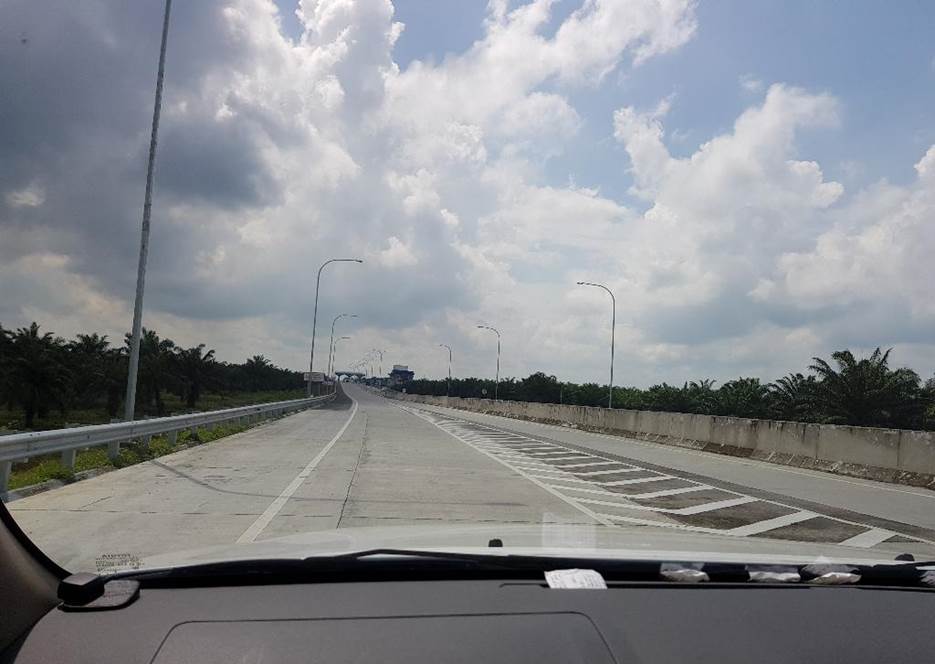
Photo by author, 2015
Farmers working on farmland along the highway.
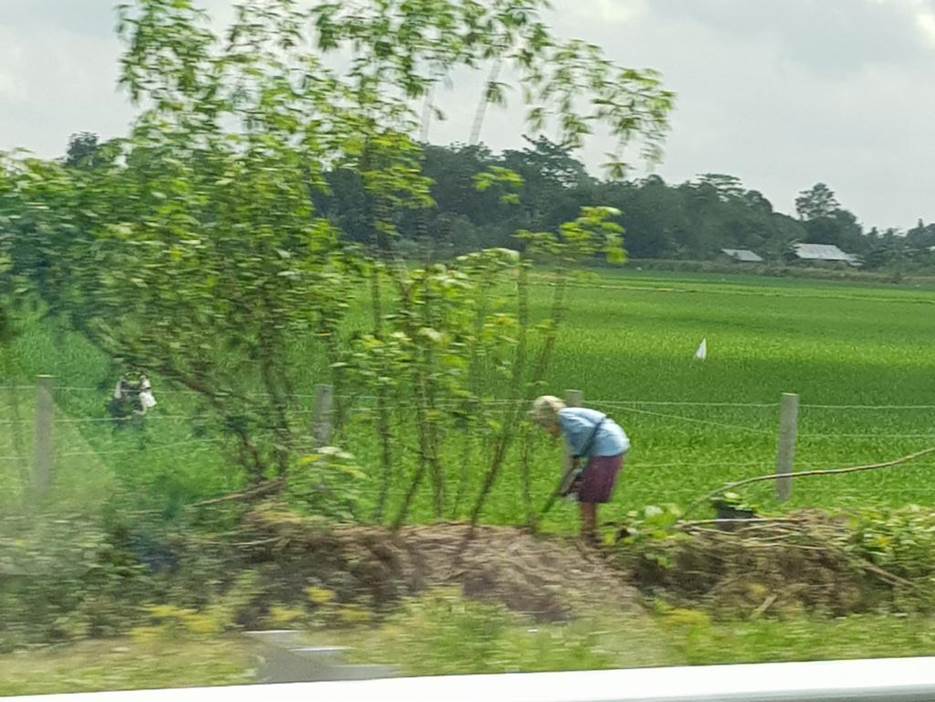
Photo by author, 2015
As I exit the highway and approached the general road, it started to rain. Apparently there had been heavy rain upstream of the river which we crossed on the way, and the amount of water had already exceeded the embankment.
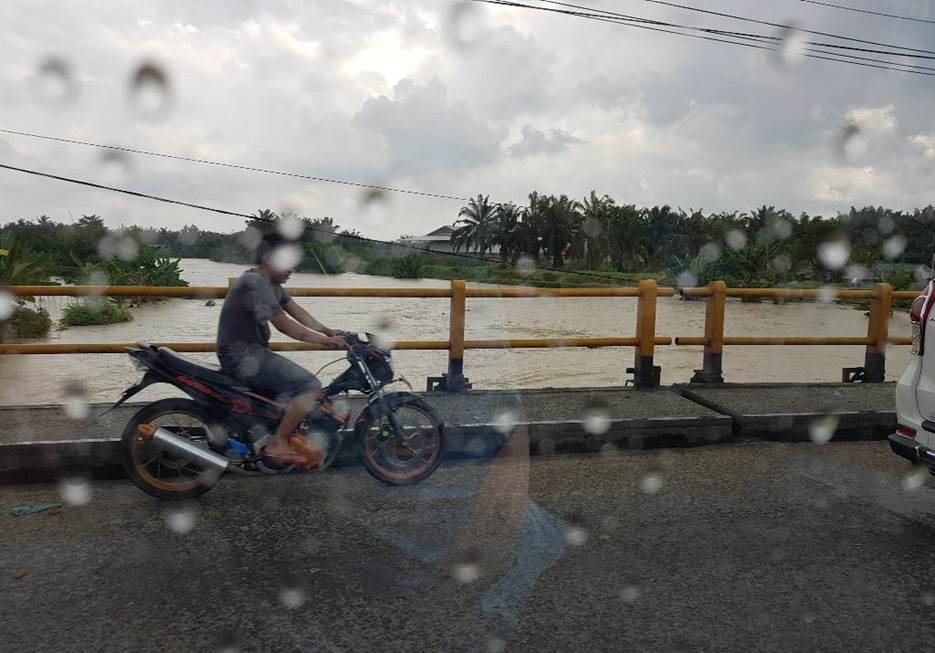
Photo by author, 2015
A motorbike that transports a large amount of drinking water.
Such a scenery can be seen all over the city. Infrastructure for clean tap water supply is not well developed.

Photo by author, 2015
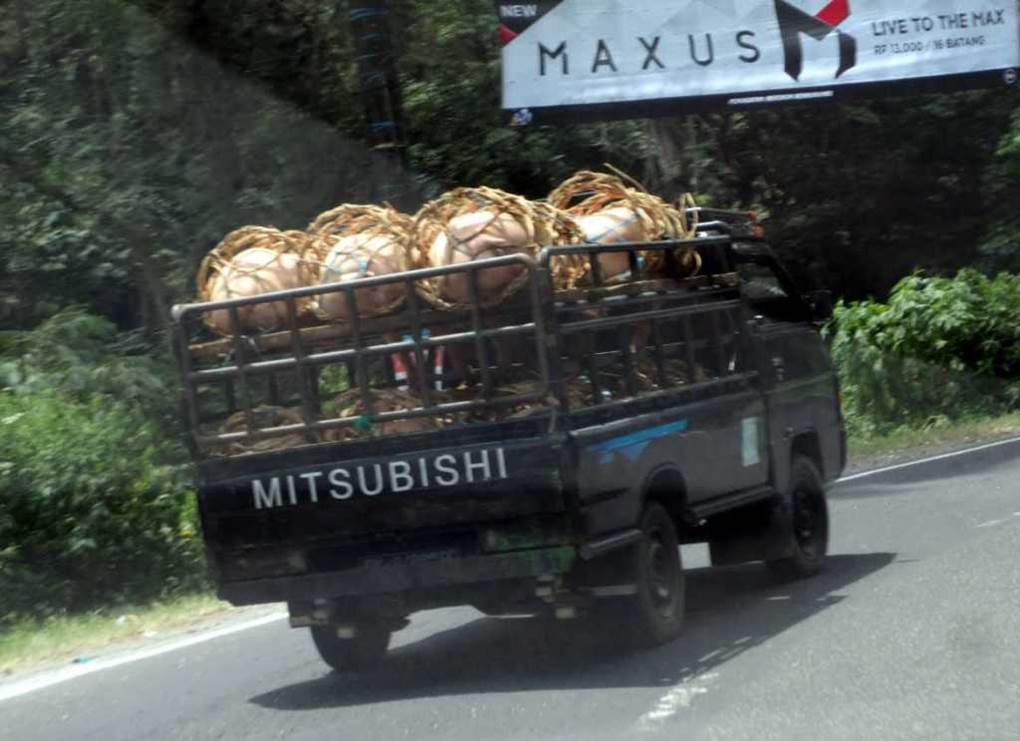
I can see live pigs being transport by lorry.
2015年 筆者撮影
Scenery of transporting freshly picked bananas.
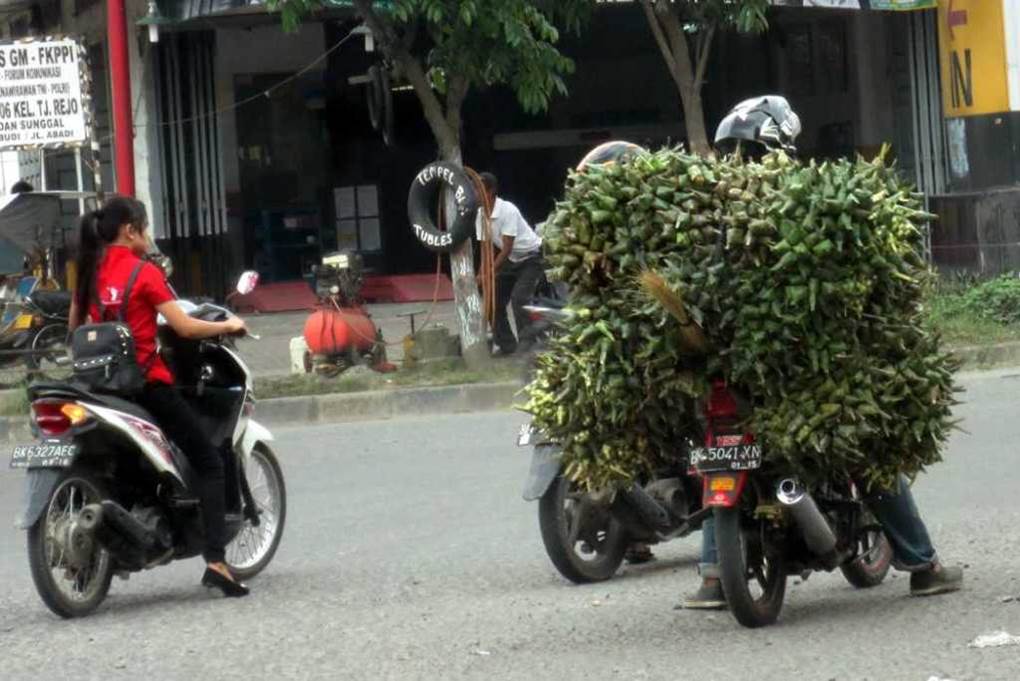
Photo by author, 2015
Passing by a local city in the mountains. The town is exactly halfway between the new airport and Lake Toba, the world’s largest caldera lake.
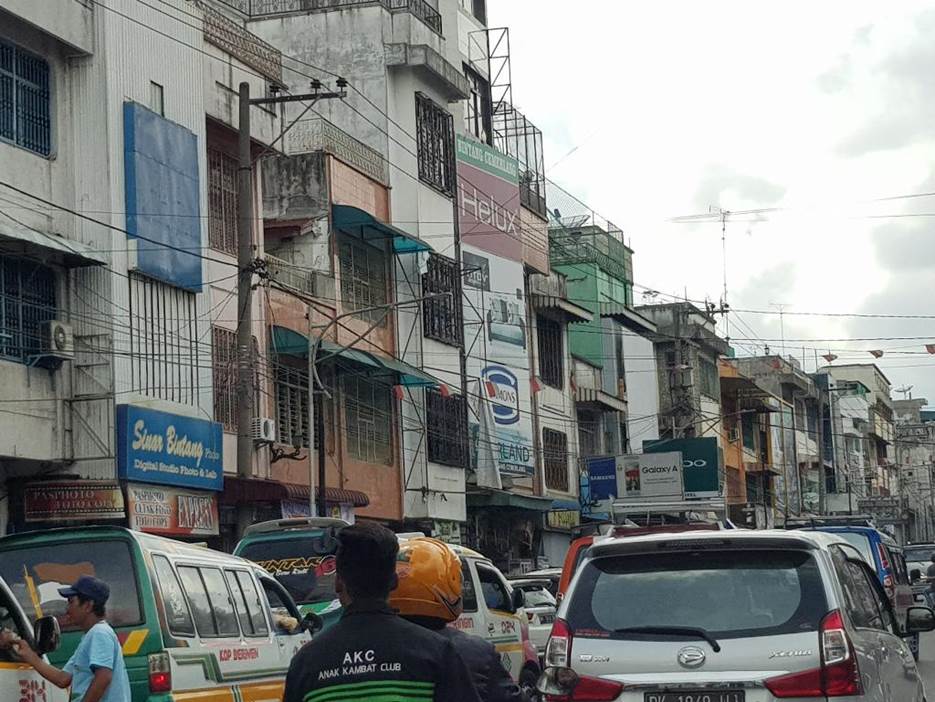
Photo by author, 2015
Travellers lining up at the check-in counter at new Kualanamu International Airport.
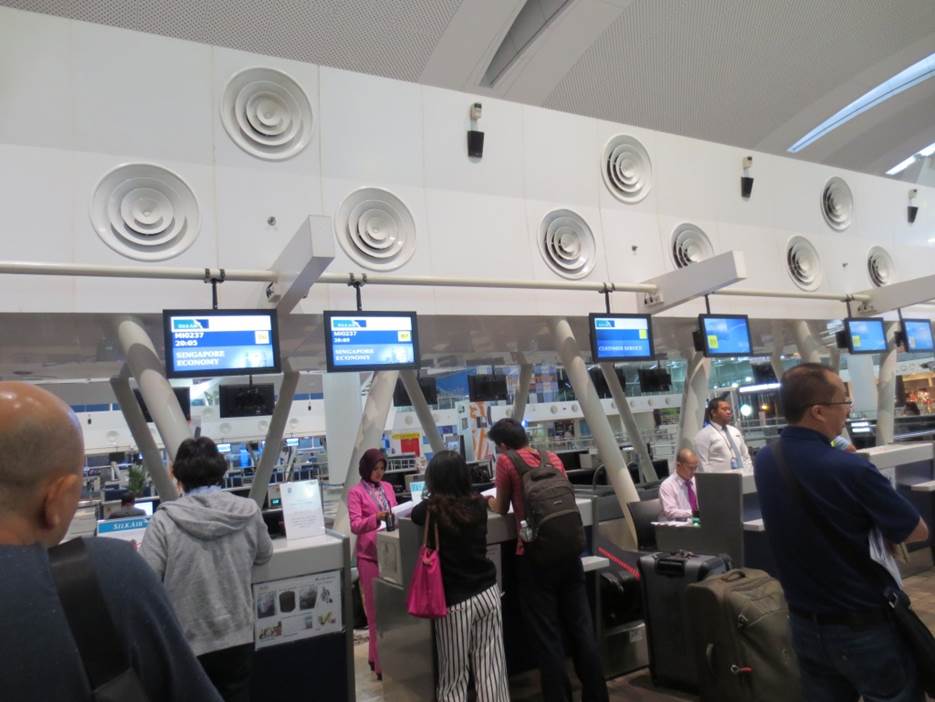
Photo by author, 2015
Families and children waiting in the arrival lounge at the new airport.
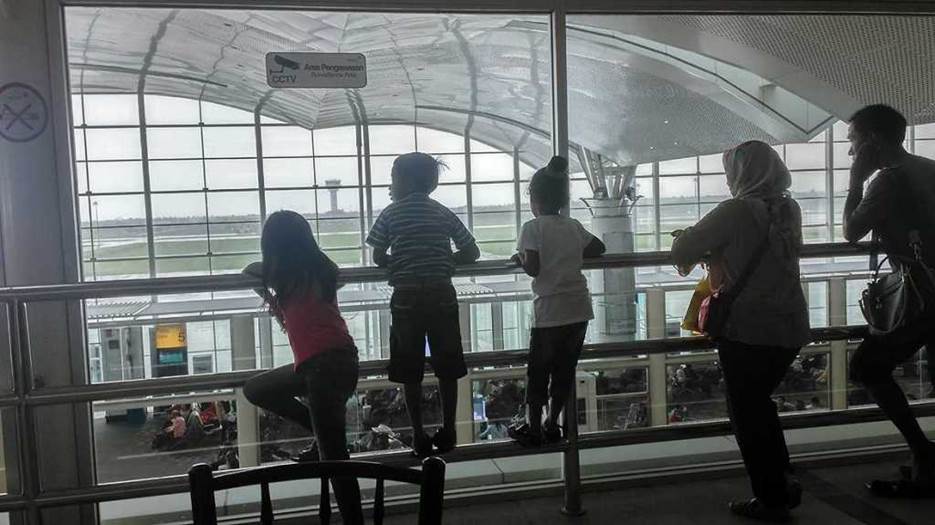
Photo by author, 2015
Taking off at night from the newly opened Kualanamu International Airport. The entire new 3,000-meter runway is clearly visible.
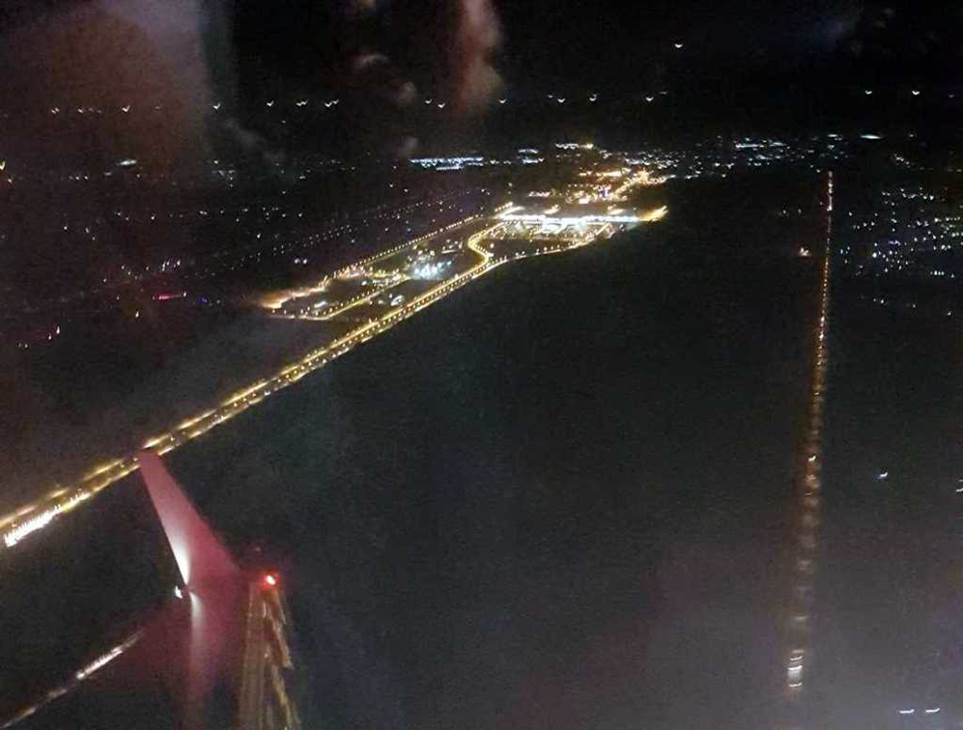
Photo by author, 2015
Since the new airport was built by carving out plantation land, there are no villages in the surrounding area, so the airport facilities stand out clearly in the dark.
Midnight Take-off, Medan Kualanamu Airport
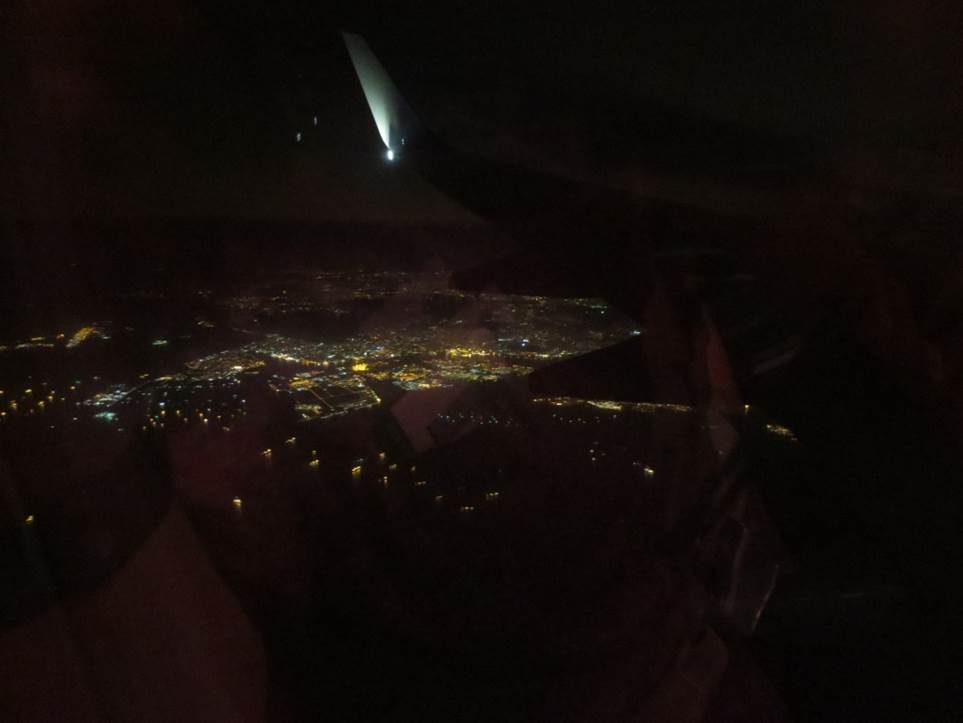
Photo by author, 2015

Photo by author, 2015