JAP | ENG
Sri Lanka Travelogue
February 2014
#6/6
The Temple of the Sacred Tooth Relic in Kandy, a sacred place of Sri Lankan Buddhism, is a UNESCO World Heritage Site.
We arrived in Kandy from Nuwara Eliya. This is my second visit to Kandy and my first in 30 years.
Kandy was the capital of the last Sinhalese dynasty, the Kingdom of Kandy (1469~1815). In 1817, it was annexed by British Ceylon and dissolved.
Kandy is the Buddhist holiest city in Sri Lanka, and today a UNESCO World Heritage Site.
Buddha Tooth Temple. World Heritage Site
Sri Dalada Maligawa Main Entrance
It is the entrance gate to the main hall of The Temple of the Sacred Tooth Relic.

Photo by author, 2014
You must leave your footwear at the entrance and enter the main hall barefoot.

Photo by author, 2014
The Buddha’s tooth is said to have been brought from the Kalinga kingdom of India in the 4th century.
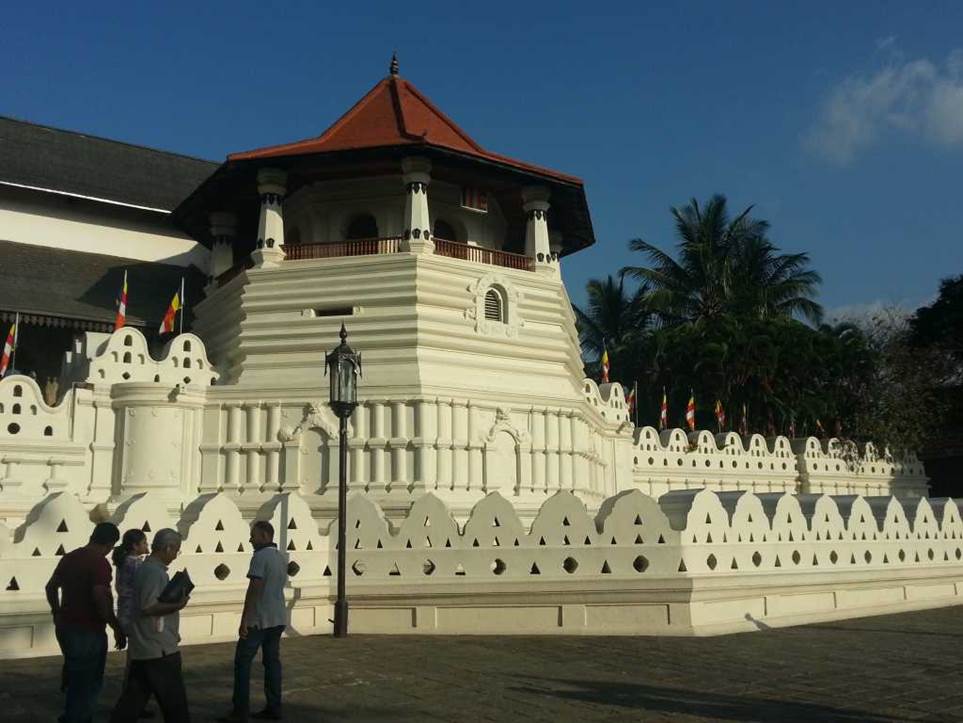
Photo by author, 2014

Photo by author, 2014
The main hall is crowded with worshippers.

Photo by author, 2014
Worshippers seated on the wooden floor boards along the side aisle.
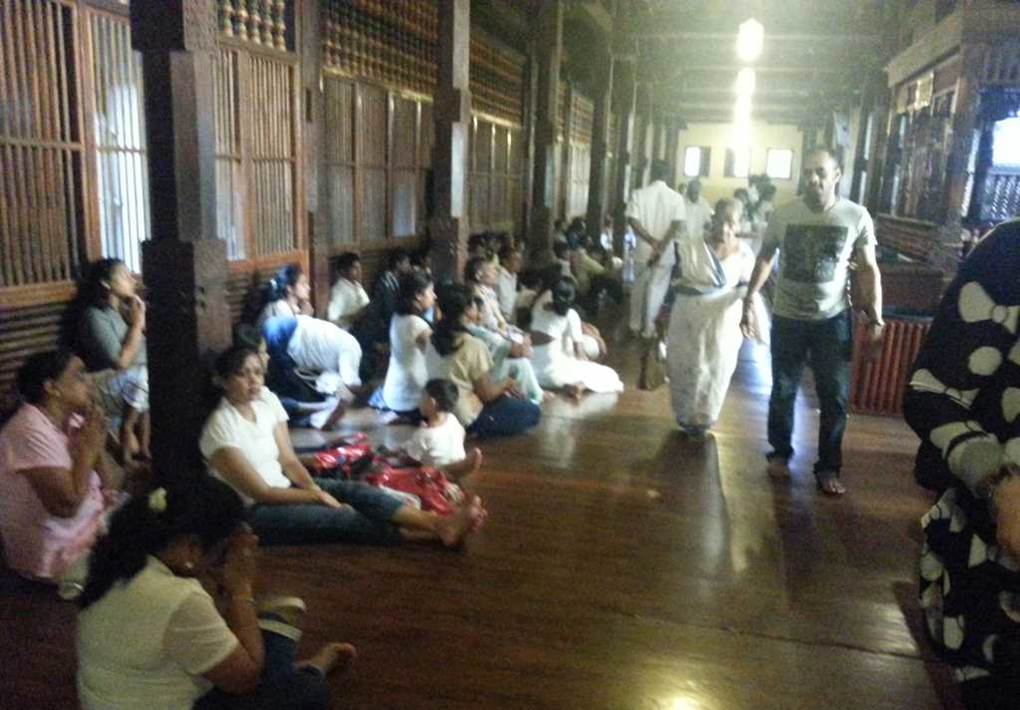
Photo by author, 2014
In the garden behind the main hall, there is a wooden assembly hall. The cuts in the wooden pillars create beautiful shadows as the setting sun shines on them.

Photo by author, 2014

Photo by author, 2014
A local three-generation family. They look very happy.

Photo by author, 2014
Mahaweli Beach Hotel
After visiting the Temple of the Tooth Relic in Kandy, I arrived at the hotel. When I checked in, the room I reserved was gone. It was overbooked. After much negotiation, I was able to stay in the VIP room on the top floor at no extra charge.
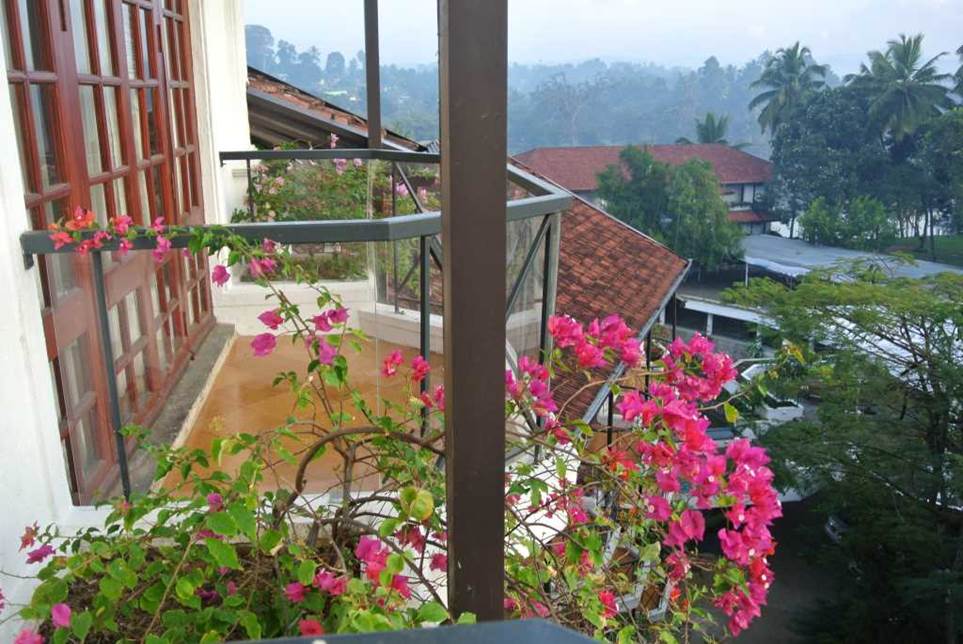
Photo by author, 2014

Photo by author, 2014

Photo by author, 2014
The VIP room overlooks the veranda of the regular guest rooms.
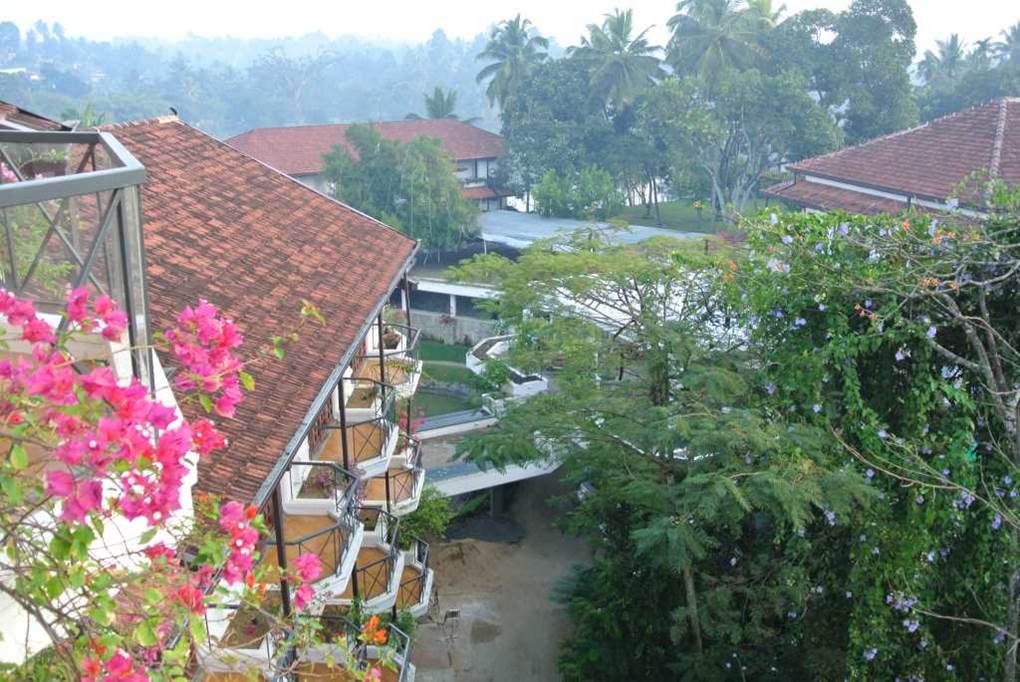
Photo by author, 2014
Entrance to the VIP guest room. The lock on the door was out of order. This room seems to have been unused for a long time.
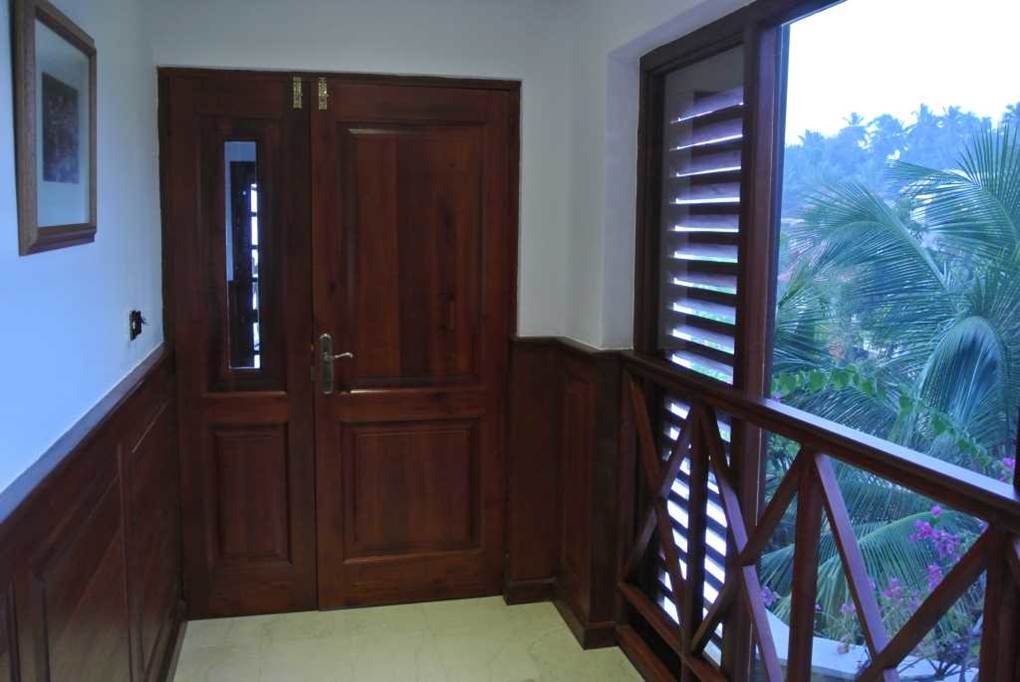
Photo by author, 2014
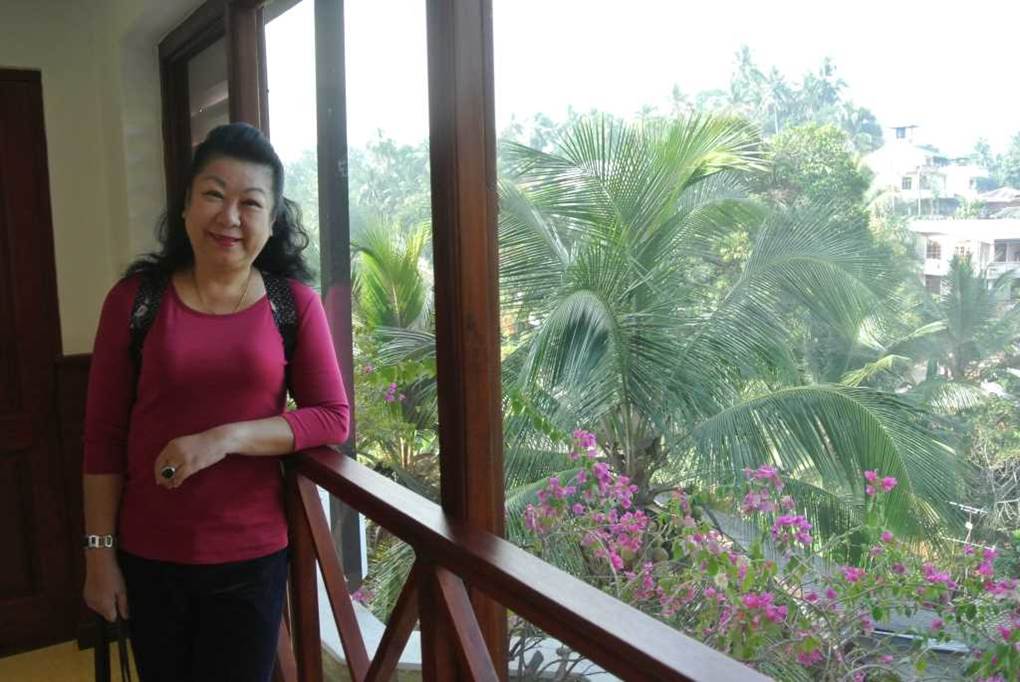
Photo by author, 2014

Photo by author, 2014
The view from the living room is good.
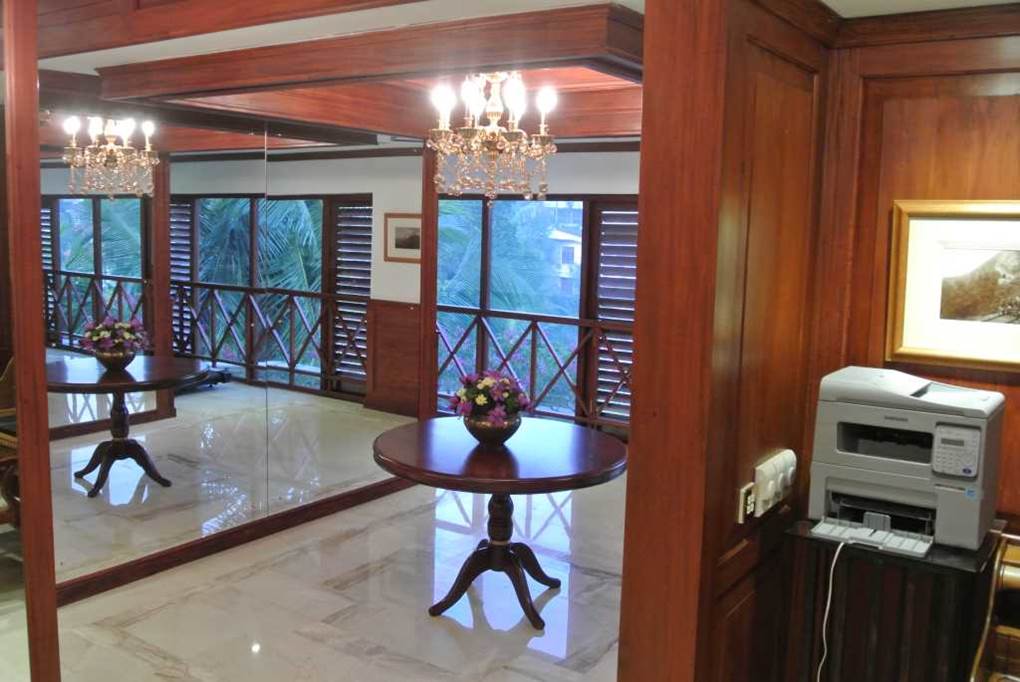
Photo by author, 2014
Dining room.

Photo by author, 2014
Study room. It is equipped with a fax machine.
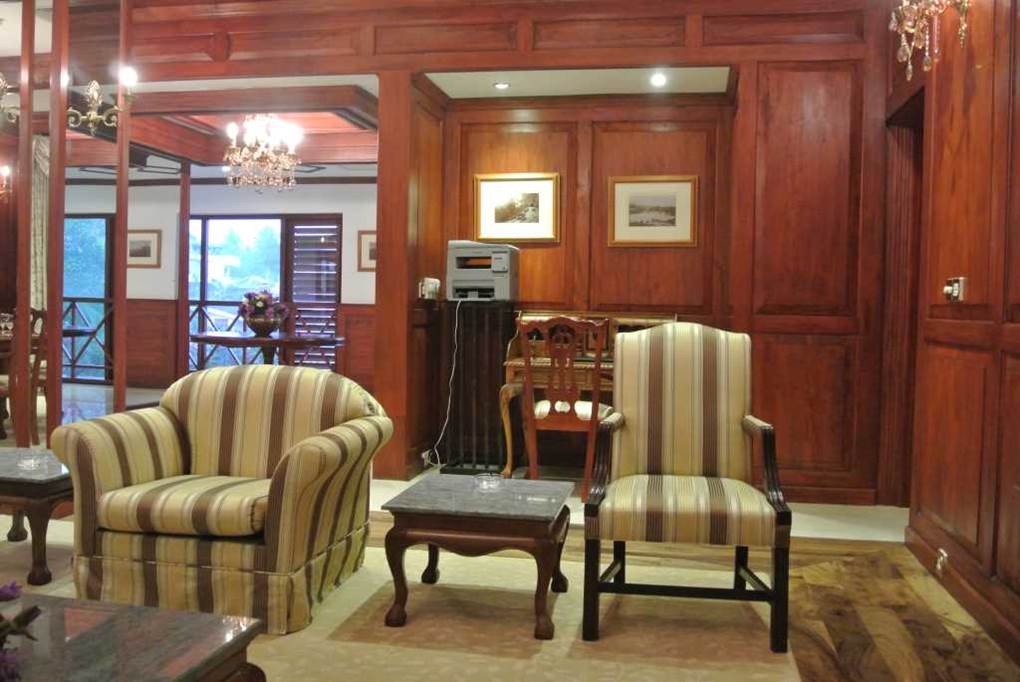
Photo by author, 2014

Photo by author, 2014
Master bedroom bathroom. It seems to be about the size of a room in Japan’s business hotel.
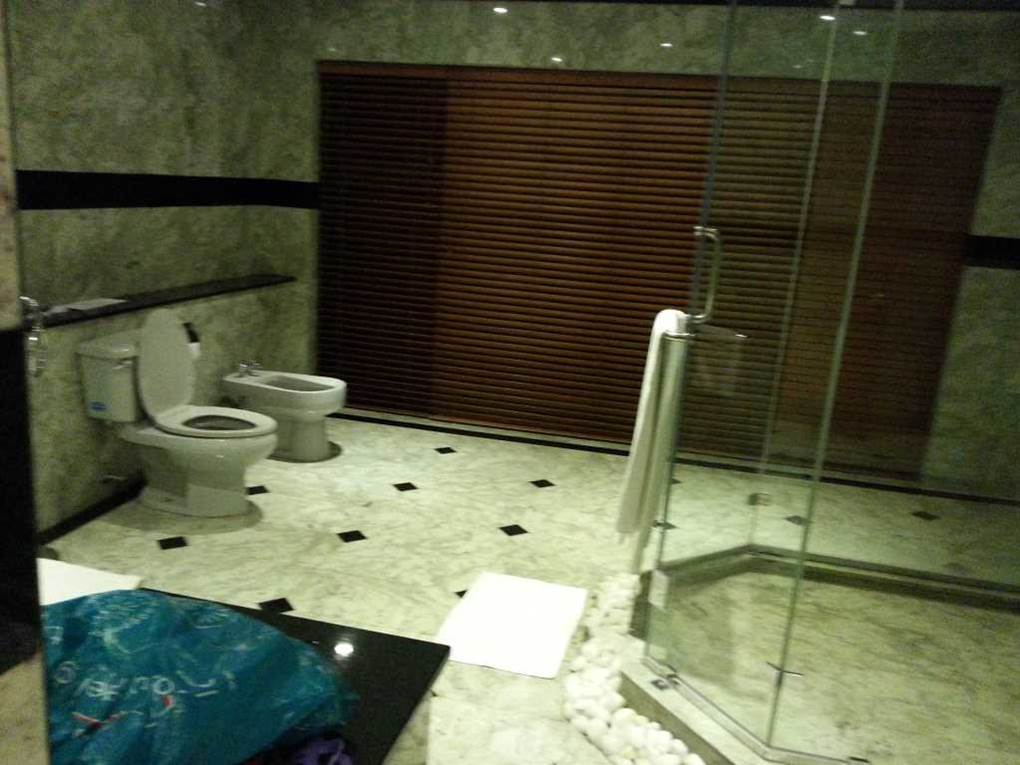
Photo by author, 2014
There was also a jacuzzi bath.

Photo by author, 2014
By the pool.

Photo by author, 2014
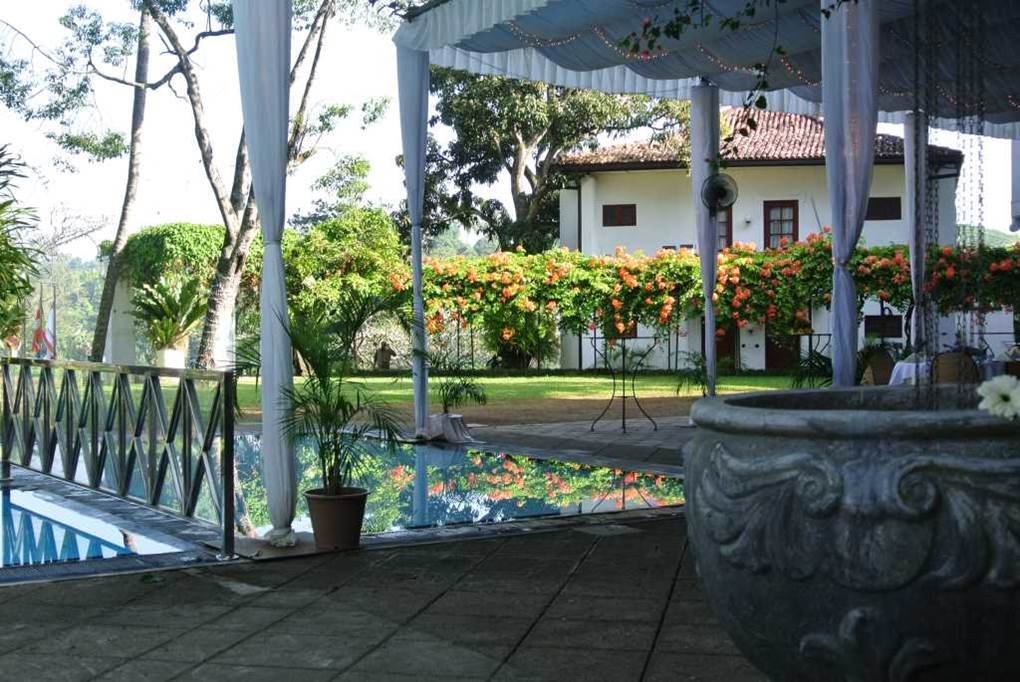
Photo by author, 2014
A leisurely breakfast by the pool.
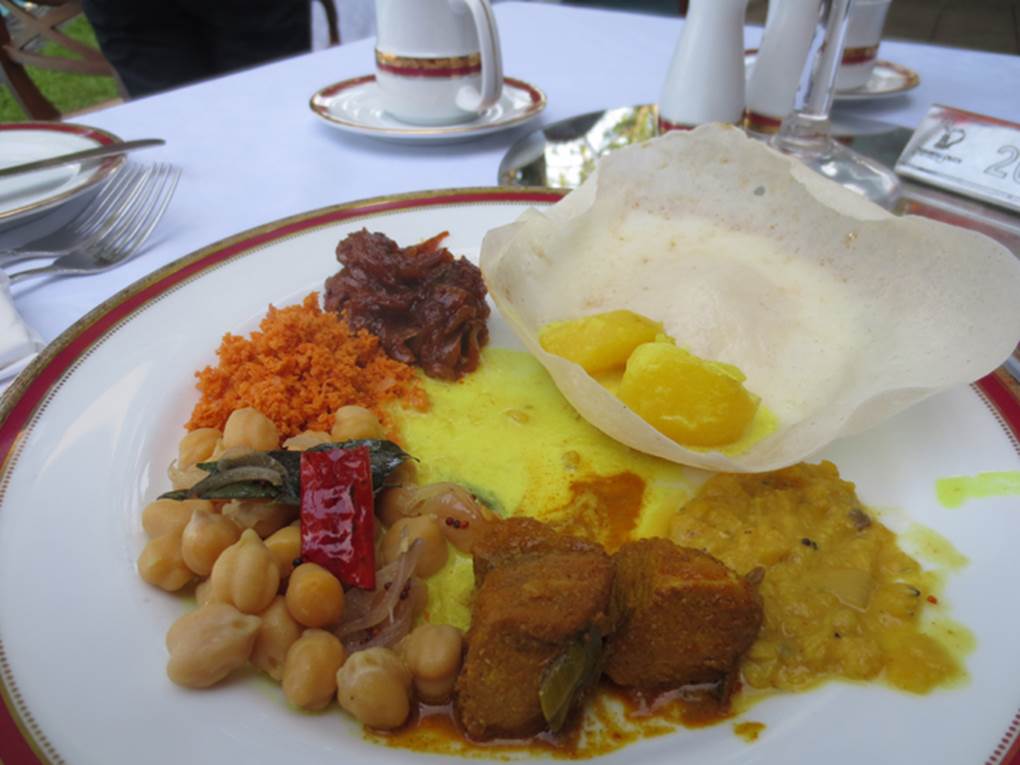
Photo by author, 2014
From Kandy to Colombo
I got out of the car near the crossing of the Sri Lankan Railways and took a picture. It was an imposing broad-gauge railway.
Photo by author, 2014
Sri Lankan railway tracks are laid in the mountainous dense forest. It is a trunk line connecting Colombo and Kandy for 120 km with a height difference of 500 m.
The railways was for transporting agricultural products such as tea leaves.
Construction began in 1958 and the railway was opened in 1865. Comparing with Japan’s railways, this line is more “senior”..
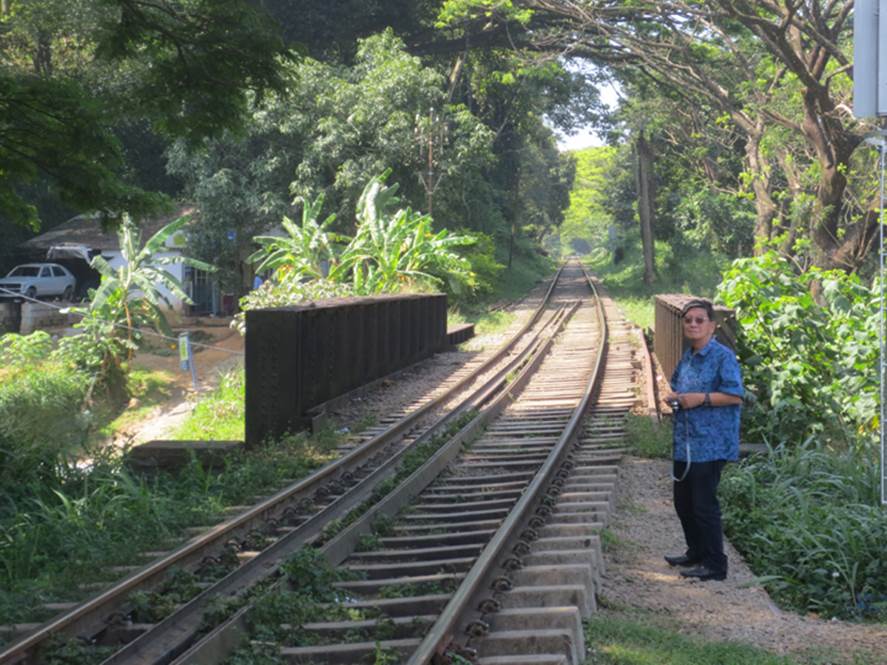
Photo of author, 2014
Colombo Fort District
Map of Colombo Fort District. It used to be a walled fortified area, but it has now been removed. Numerous colonial buildings remain in the area, allowing one to imagine the colonial era of the past.
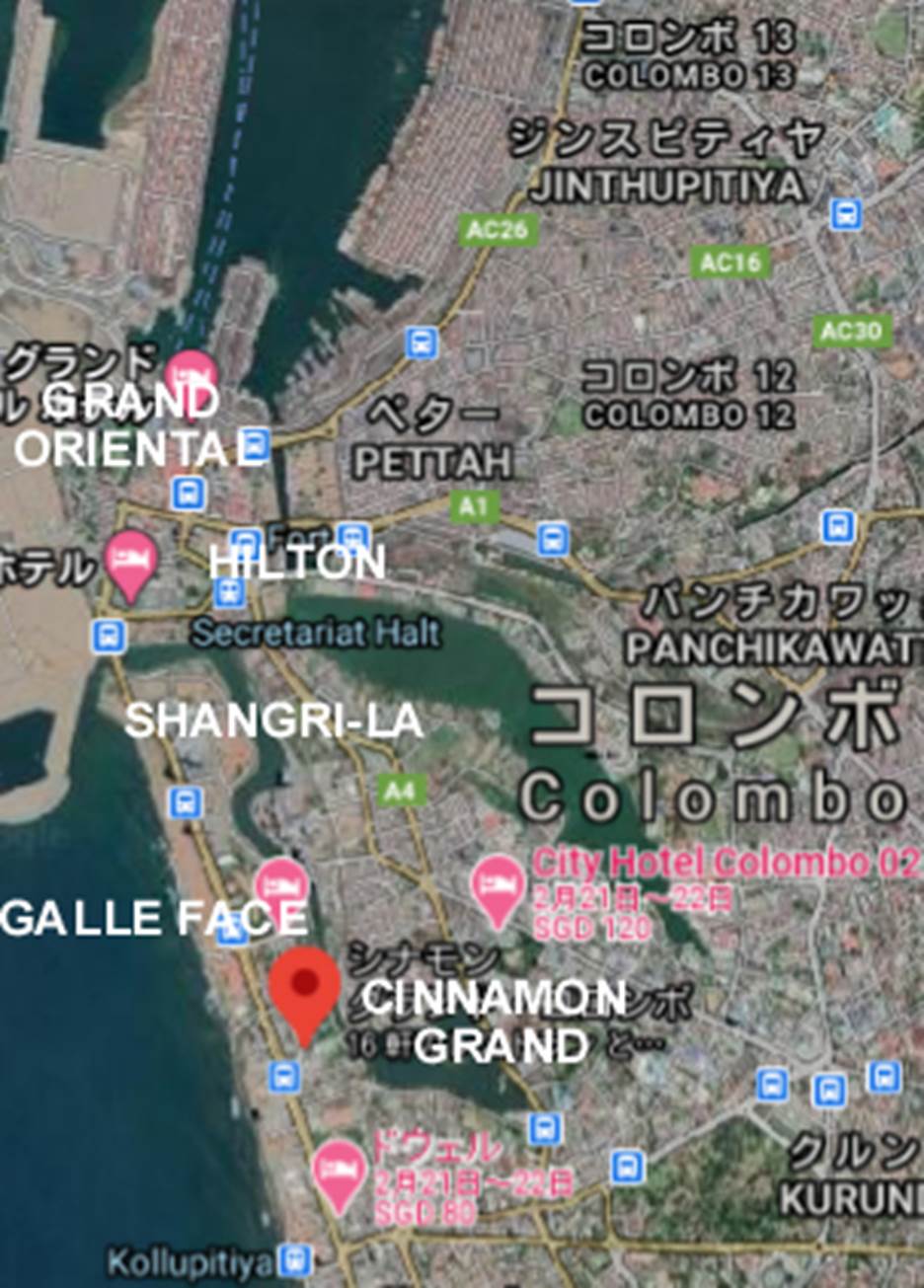
Central district of Colombo
Old Parliament Building
The former colonial Parliament building is on the right, an imposing building located in a prime location in the Colombo Fort district.
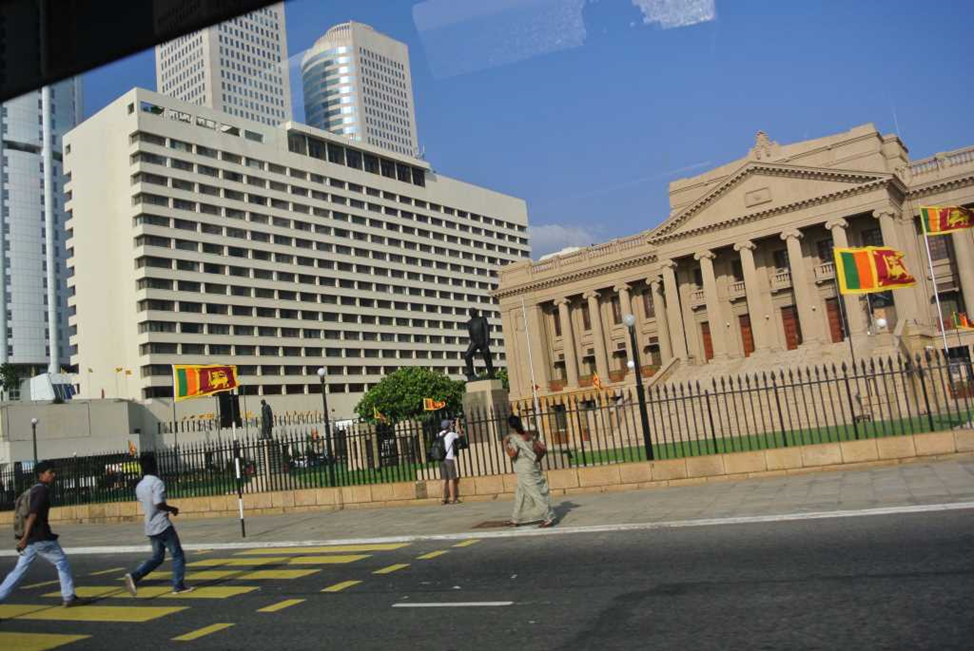
Photo by author, 2014
The building of the former government office in the same Colombo Fort district. The Colombo Hilton Hotel is in the background.

Photo by author, 2014
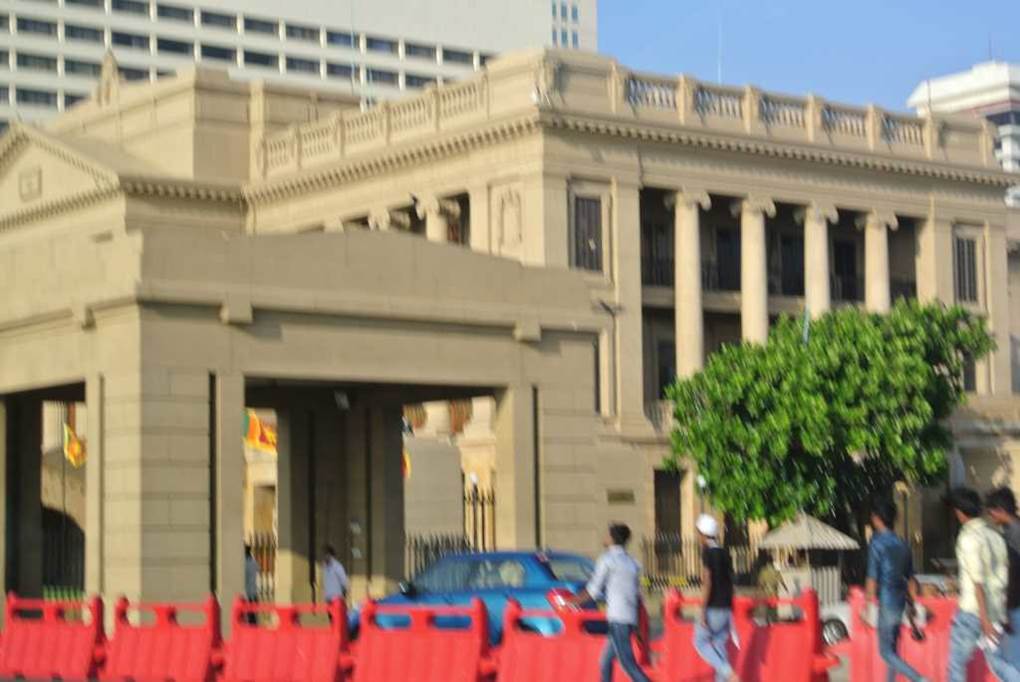
Photo by author, 2014
The twin skyscrapers of the World Trade Center, the Colombo Hilton on the far right, and the old Parliament Building on the far left foreground, form the landscape of the Fort district in the center of Colombo.
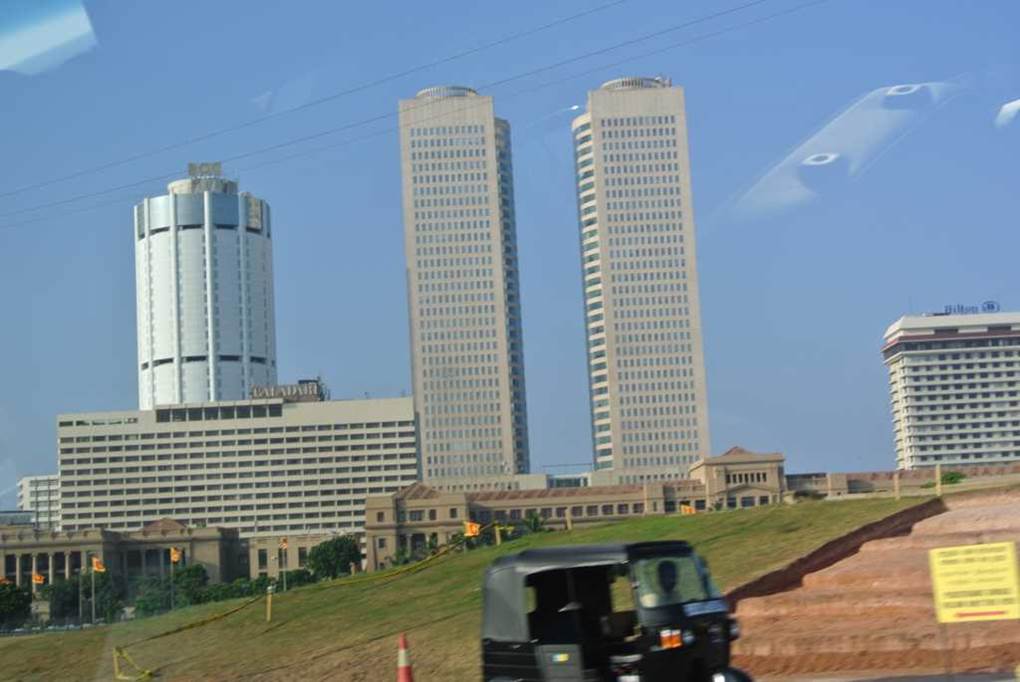
Photo by author, 2014
In the center of the city, there are other plans to develop skyscrapers, and it seems that foreign real estate investment is heating up.
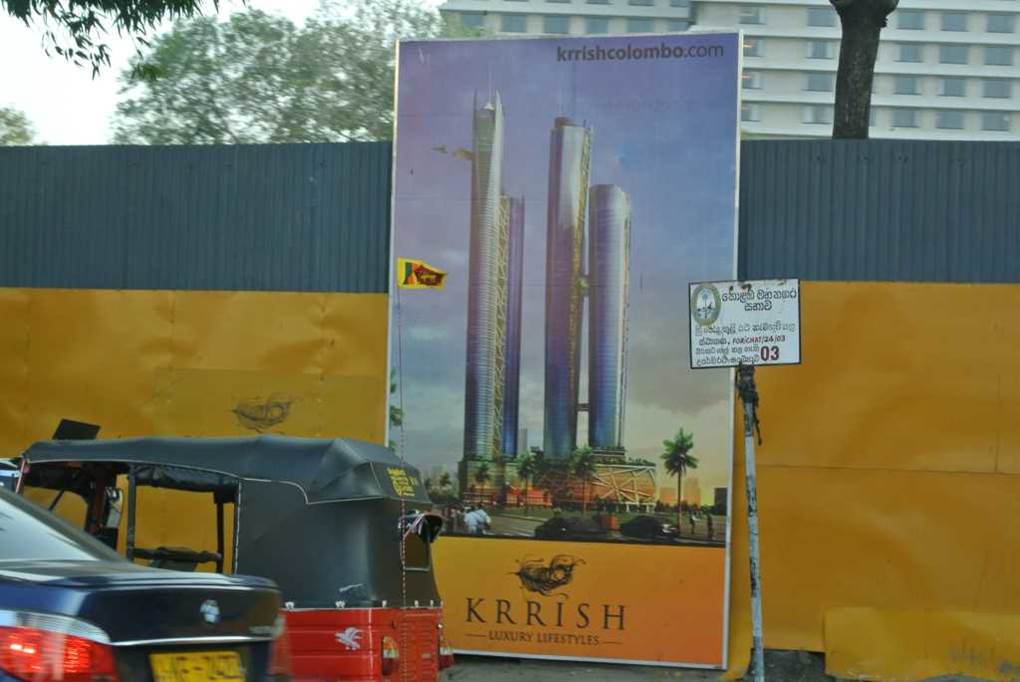
Photo by author, 2014
The Shangri-La Hotel has been under construction for a long time.
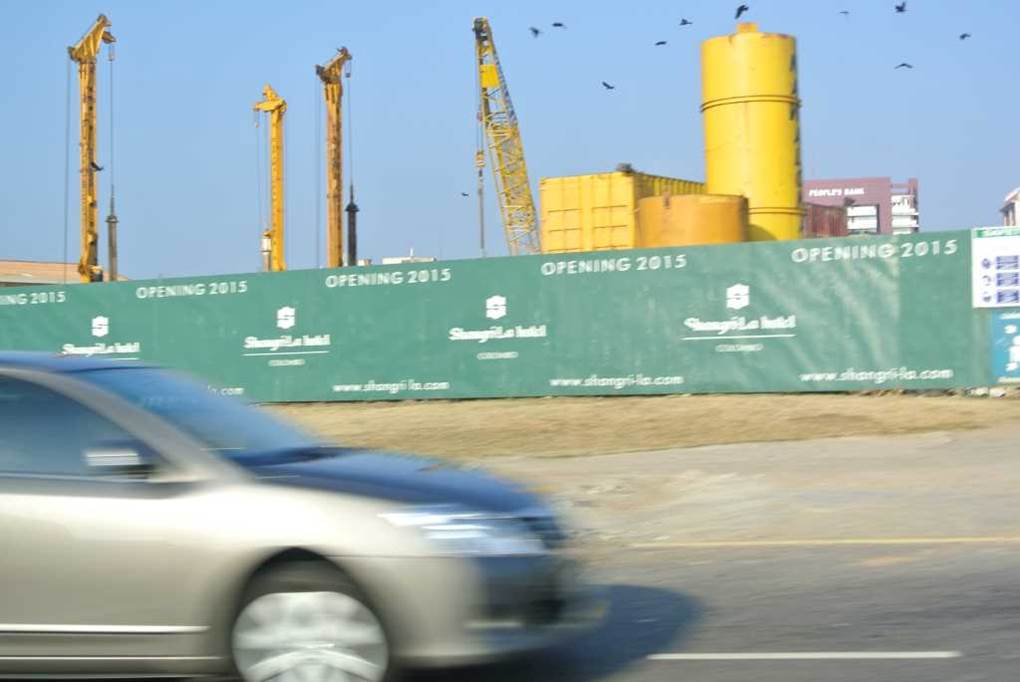
Photo by author, 2014
Clock Tower
The clock tower at the roundabout separating the Fort and Pettah commercial districts has become a symbol of the Fort district. It was once used as a lighthouse, but now that there are buildings surrounding it, it has come to function as a clock tower.
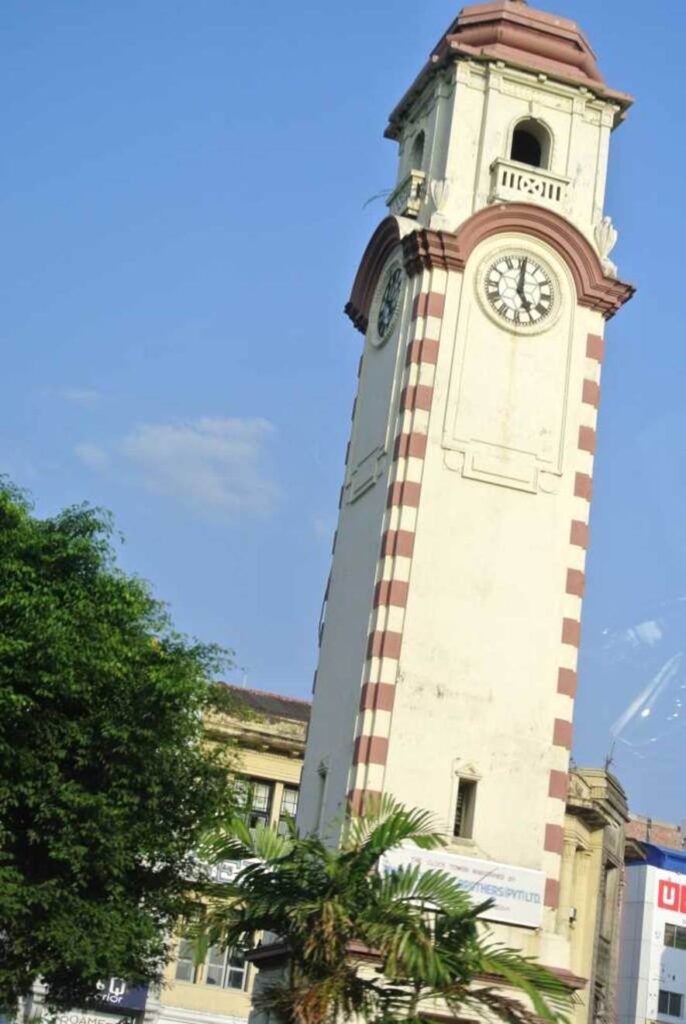
Photo by author, 2014
Cargills Department Store
The Moorish-style building, which was a department store during the colonial era, remains.
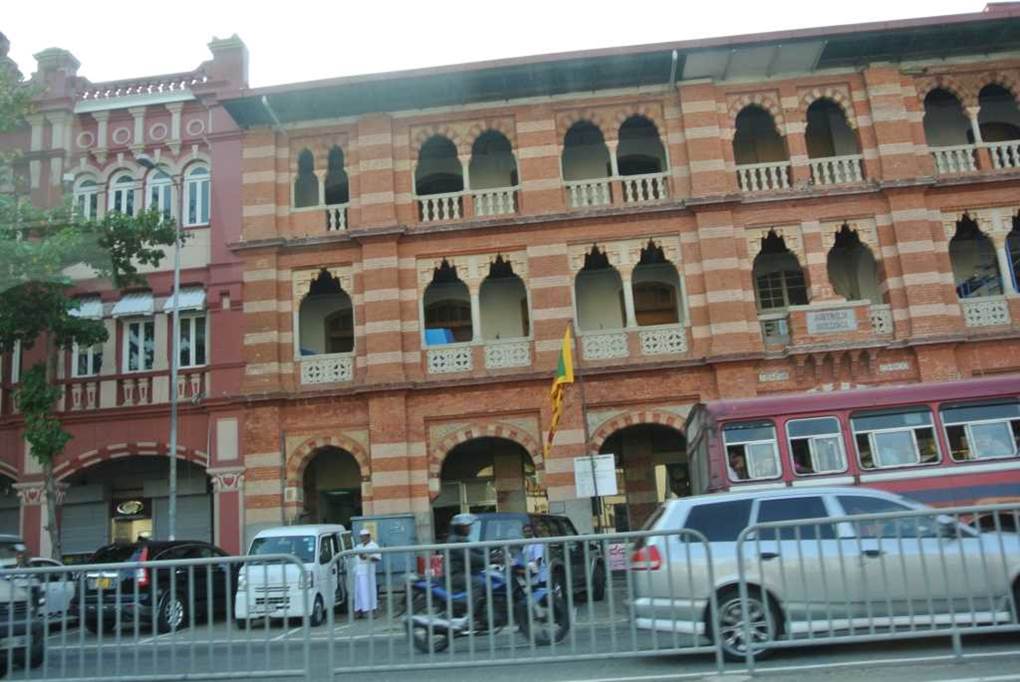
Photo by author, 2014
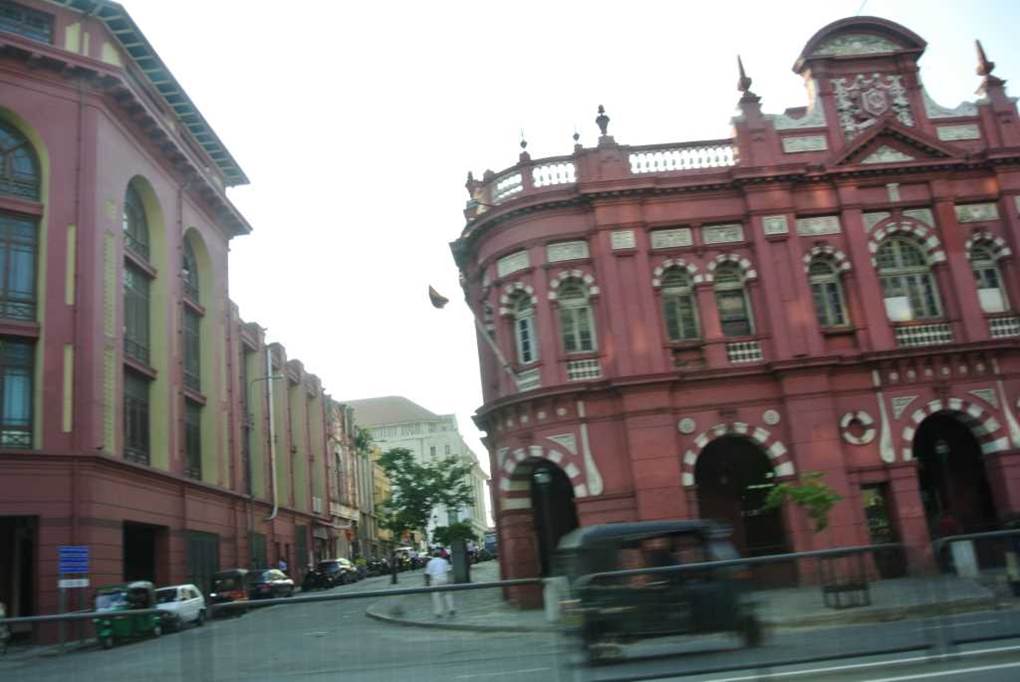
Photo by author, 2014
Independence Hall
The upscale residential area of Colombo surround it.
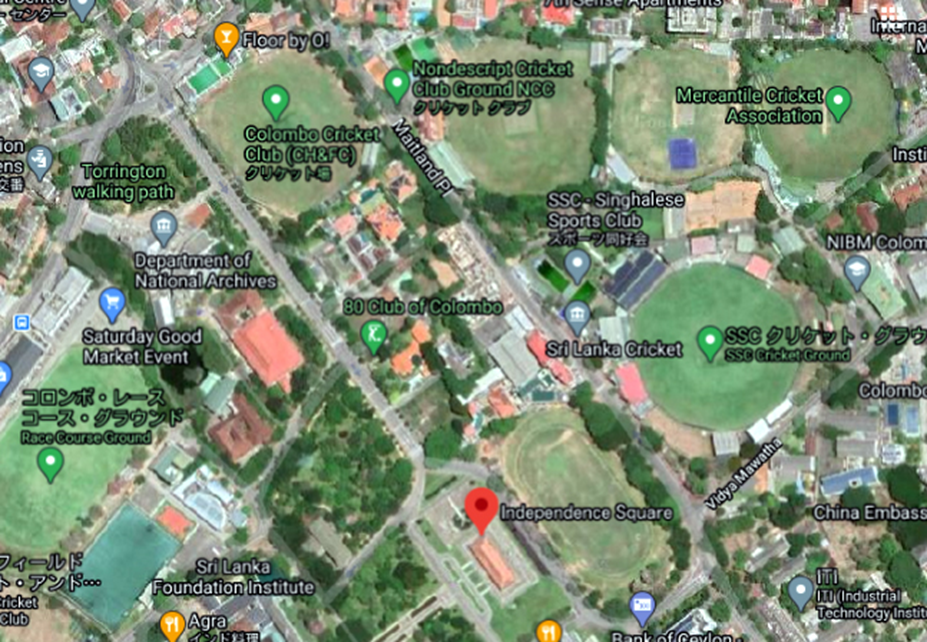
It is a bronze statue of the first President Jayawardene (1906-1996) with Independence Hall in the background. President Jayawardene attended the San Francisco Peace Conference in 1951 as a representative of Ceylon and gave a speech renoucing his claim for reparations against Japan, quoting the Buddha’s words, “Hatred is not ceased by hatred, but by loving-kindness.”

Photo by author, 2014
New Parliament Building
The capital city with the longest name in the world, Sri Jayavardhanapura Kotte, is located near Colombo. There was a parliament building on an island in the water town.
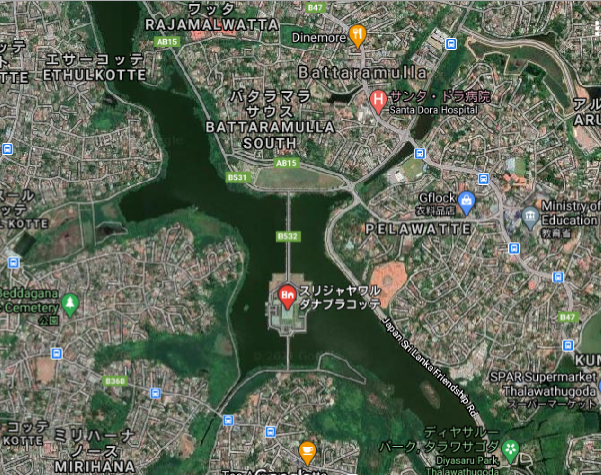
The Construction Committee was established in 1972. President J.R. Jayavardana commissioned architect Jeffrey Bawa. The actual construction was carried out by Mitsui Construction of Japan. Many construction materials are also imported from Japan.
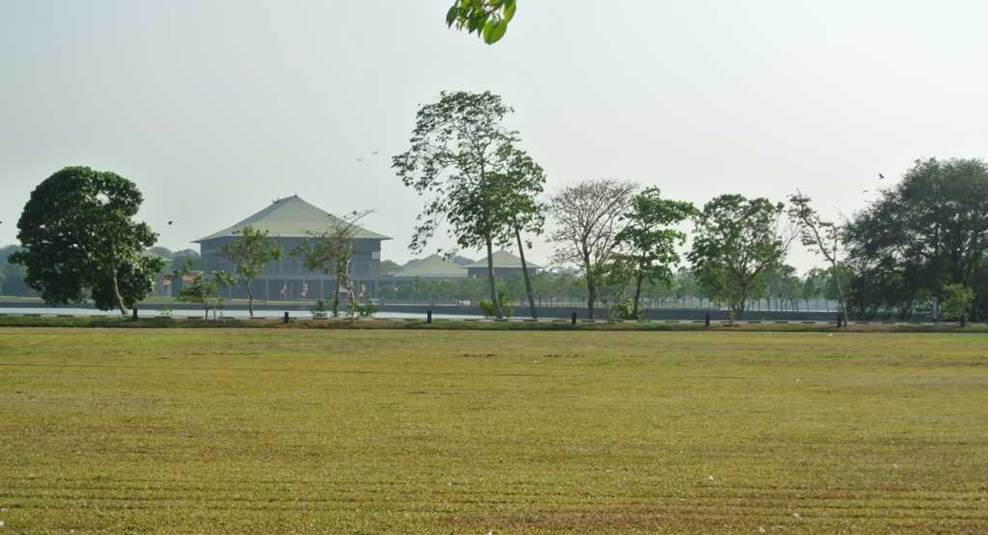
Photo by author, 2014
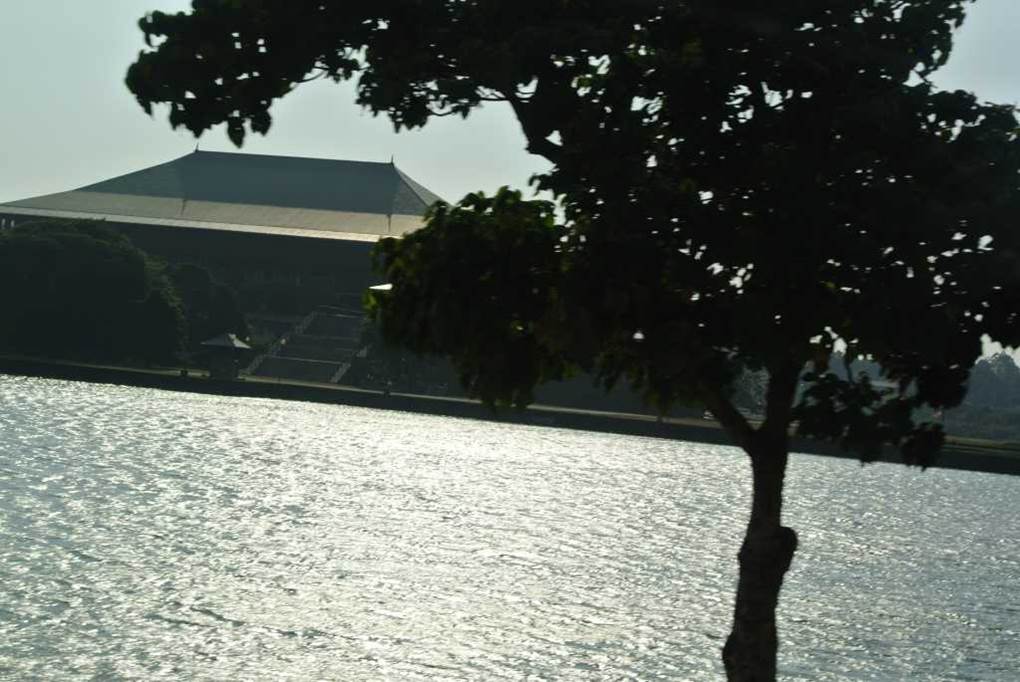
Photo by author, 2014
Bandaranaike Memorial International Conference Hall
Built in 1973. In 1976, the Fifth Conference of Non-Aligned Countries was held here.
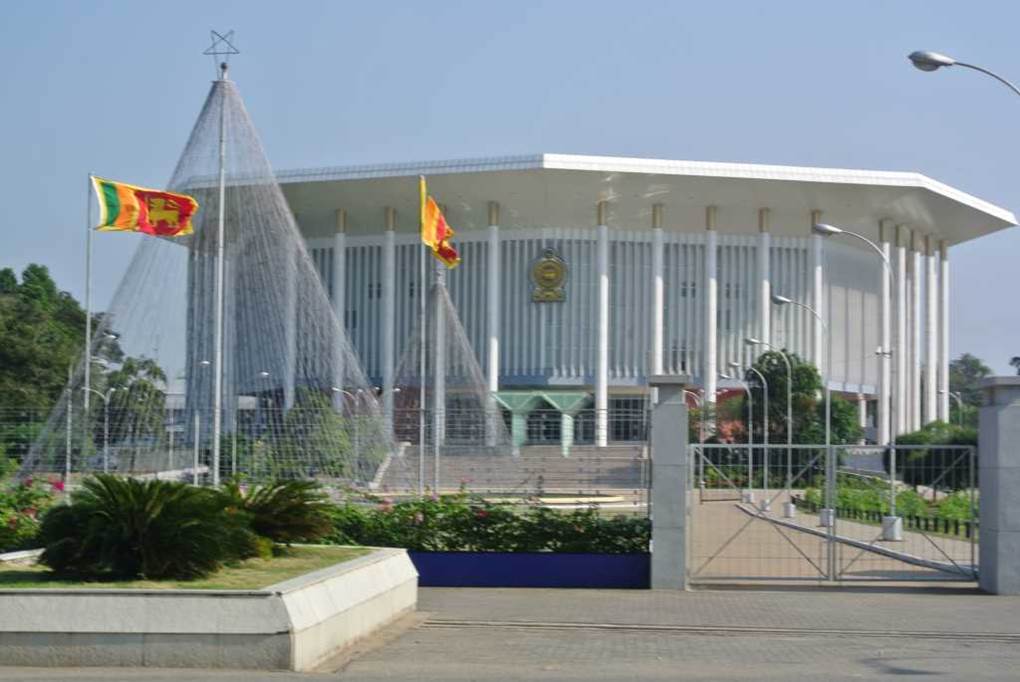
Photo by author, 2014
Cinnamon Grand Hotel
Cinnamon Grand Hotel (formerly Hotel Lanka Oberoi) is a luxury five-star hotel on par with Hilton and Shangri-La. I booked this hotel this time.

Photo by author, 2014
Poolside.
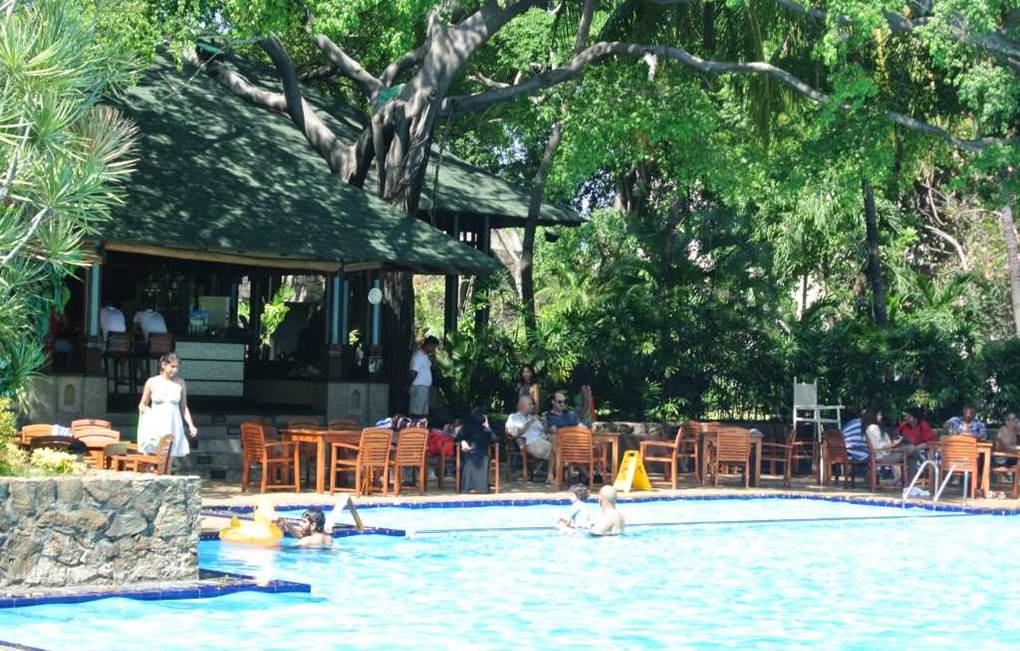
Photo by author, 2014

Photo by author, 2014
Lobby ceiling

Photo by author, 2014

2014年2月 筆者撮影
Spacious Lounge
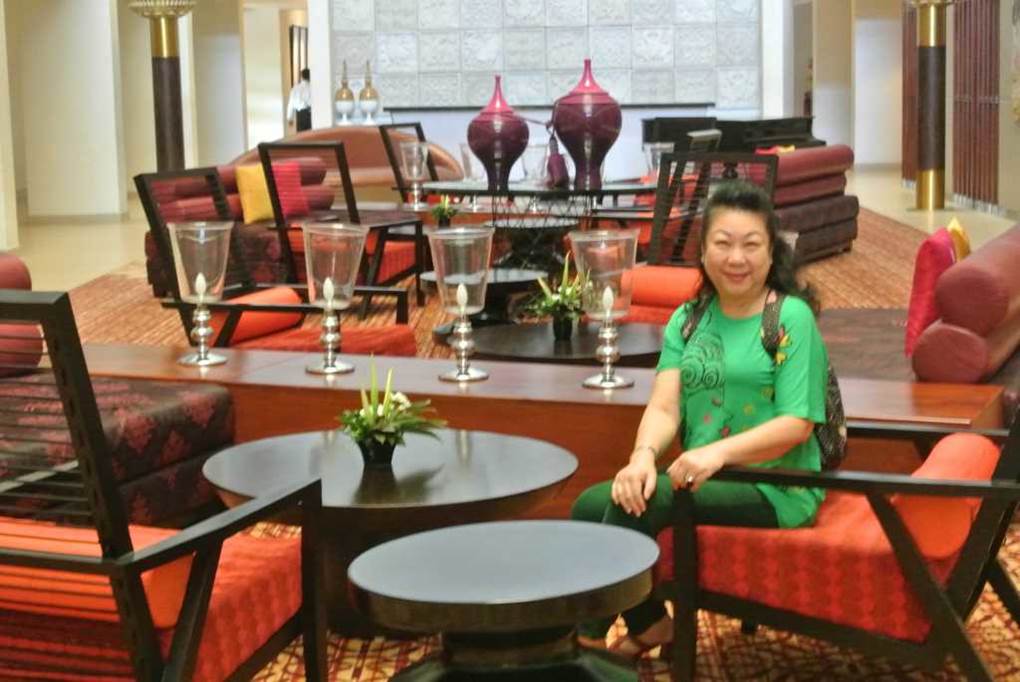
Photo by author, 2014
Deep fried Modha Fish (a local specialty) with curry flavour.
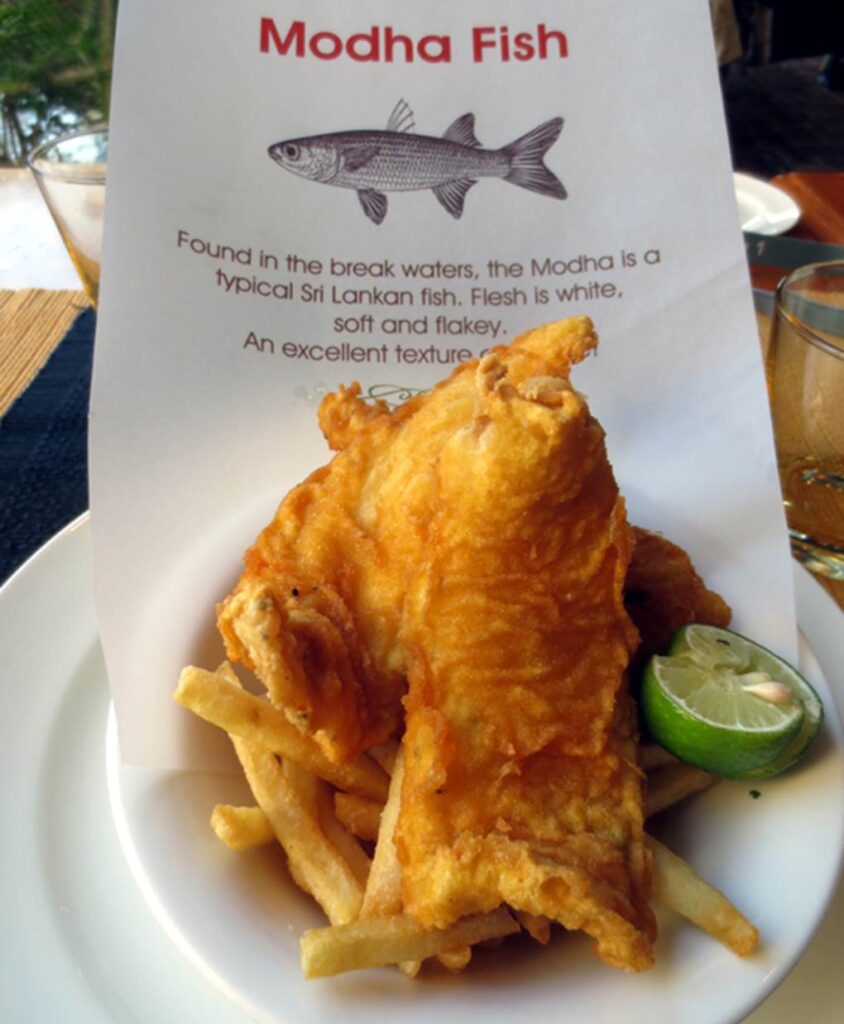
Photo by author, 2014
Sri Lanka Serial Bombings
On Easter Day in April 2019, a series of bomb attacks occurred in Colombo. Three churches and three luxury hotels were targeted, resulting in the deaths of 259 people.
The Cinnamon Grand Hotel, where we stayed in 2014, was also the site of a suicide bomb attack in its lobby five years later, resulting in casualties.
All photos by author, February 2014