JAP | ENG
Sri Lanka Travelogue
February 2014
#4/6
From our hotel in Yala National Park, we head to Nuwara Eliya, a tea town nestled in the Central Ceylon Mountains.
Normal travellers usually take the course of Colombo→ Kandy→ Nuwara Eliya → Ella by train or bus, but we go around the other way around, going around the Yala National Park→ Ella → Nuwara Eliya→ Kandy→Colombo in a car with a chauffeur-guide from a local travel agency. This is to save travel time.
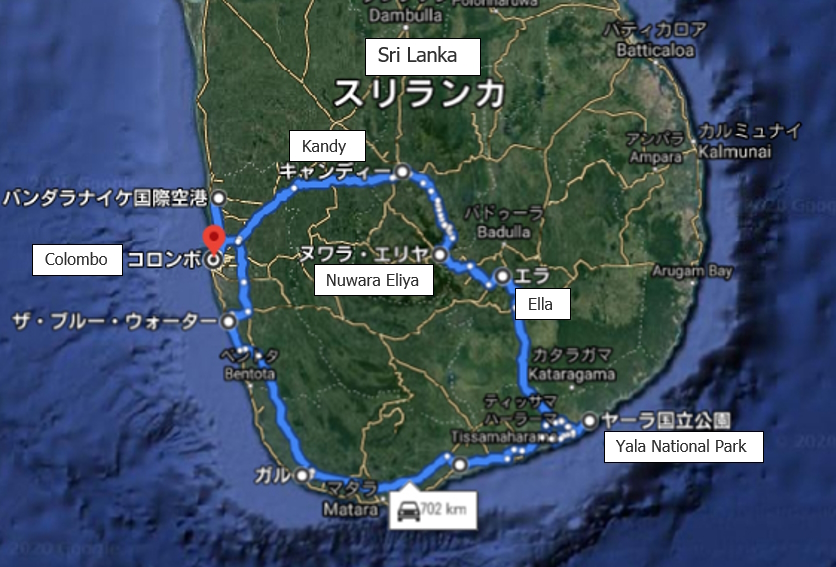
After checking out of the hotel in Yala National Park, we head north and drive through the marshland for a while.
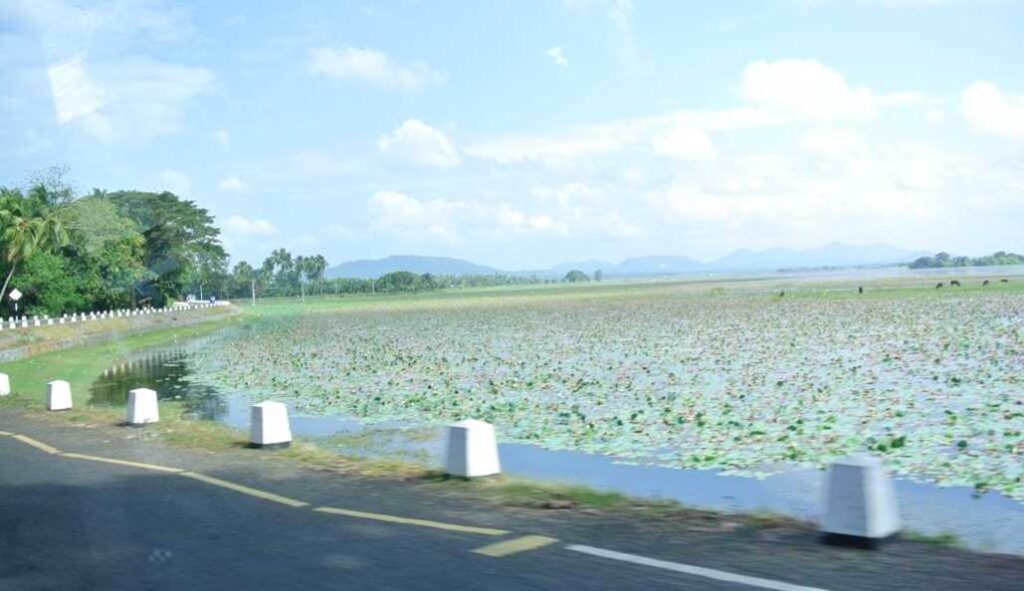
Photo by author, 2014
It is a spacious water town, and there are no houses in sight.
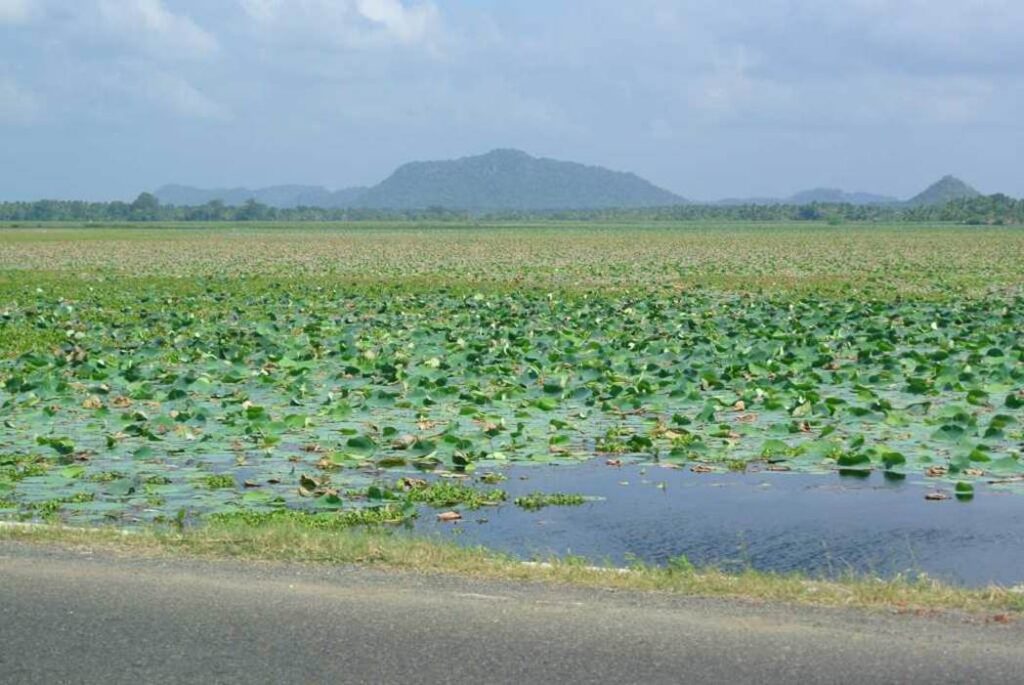
Photo by author, 2014
There were people selling bread and sweets. Large trees provide shade.

Photo by author, 2014
A person selling coconuts on a bicycle.
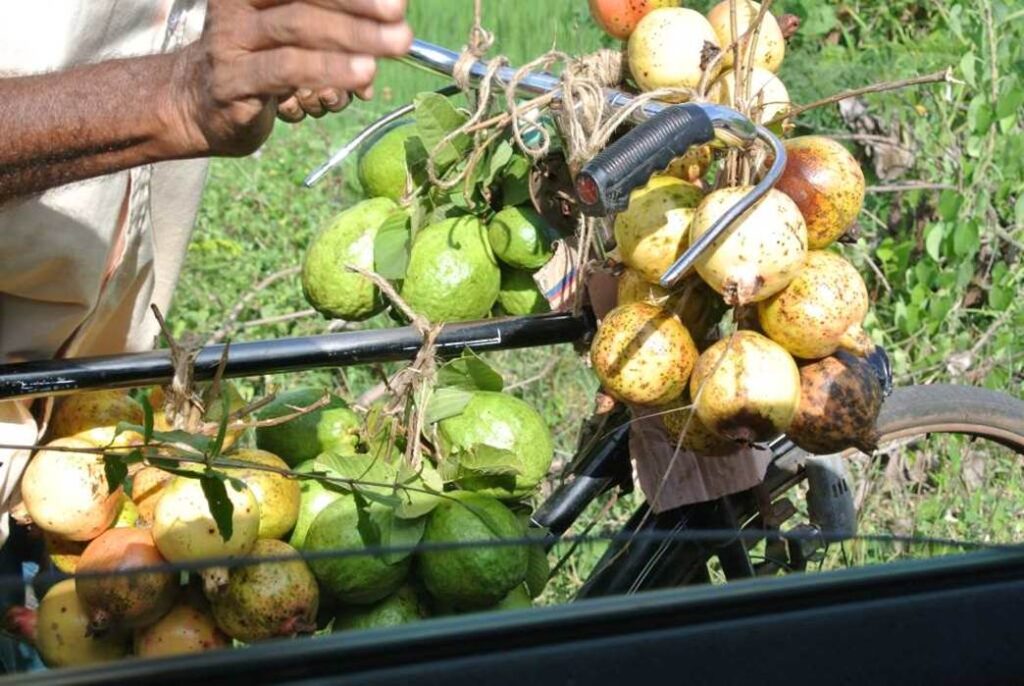
Photo by author, 2014
Irrigation facilities.

Photo by author, 2014
The canal irrigation system is in operation.
It is clear that this is an area with abundant water for agricultural use.
From here, we reach the foot of the mountains and the road begins to slope.
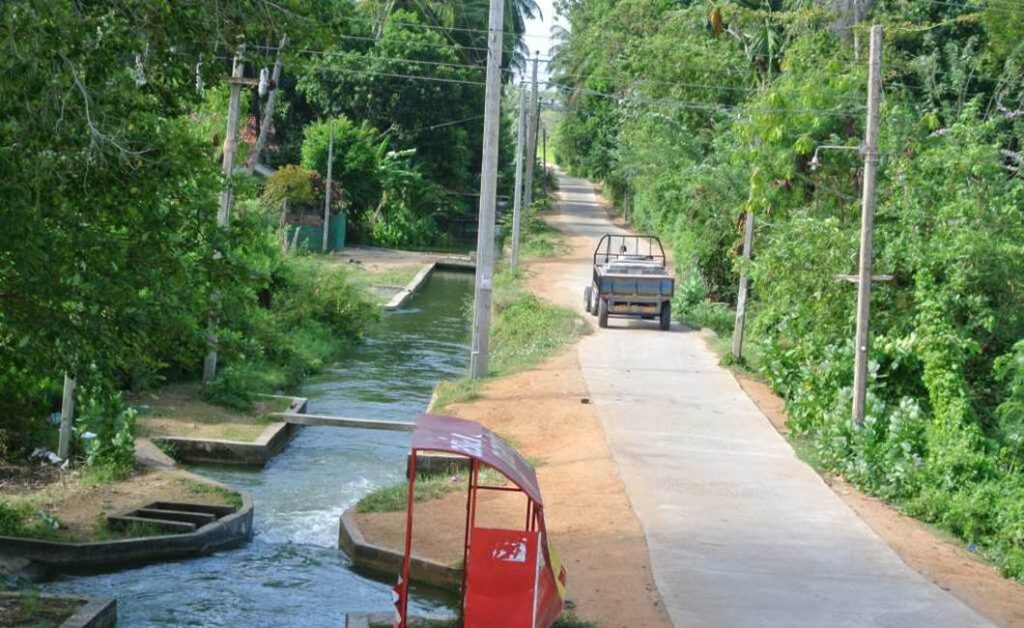
Photo by author, 2014
Ravana Falls
We drove up the slope of the main road to the Central Highlands of Sri Lanka. There was a rest stop along the way, where we found Ravana Falls , a refreshing spot of forest and waterfalls 1,000m above sea level.

After a break at Ravana Falls, we climbed further and found ourselves in the depths of the mountains, which gradually became cooler. We head to Ella, a highland town surrounded by mountains.

Photo by author, 2014
Ella
We headed straight up the mountainous region towards Ella, a very small town nestled in the mountains of the central highlands of Sri Lanka.
Ella is a town located in a mountainous area about 200 km from Colombo, and is a popular tourist destination in Sri Lanka for Western travellers. With a superb view of the mountains and a cool climate at an altitude of 1,000 meters surrounded by tea fields, it seems to be become more and more well-known in recent years.
By the way, Ella means waterfall in Sinhala, and there are many famous waterfalls on the outskirts of the town, as well as scenic trails, caves, and other areas that make it an ideal place to enjoy the rich natural scenery.

The area around Ella is surrounded by continuous high mountains, so the railway runs along these mountain slopes and there are several overpasses to cross the valleys.
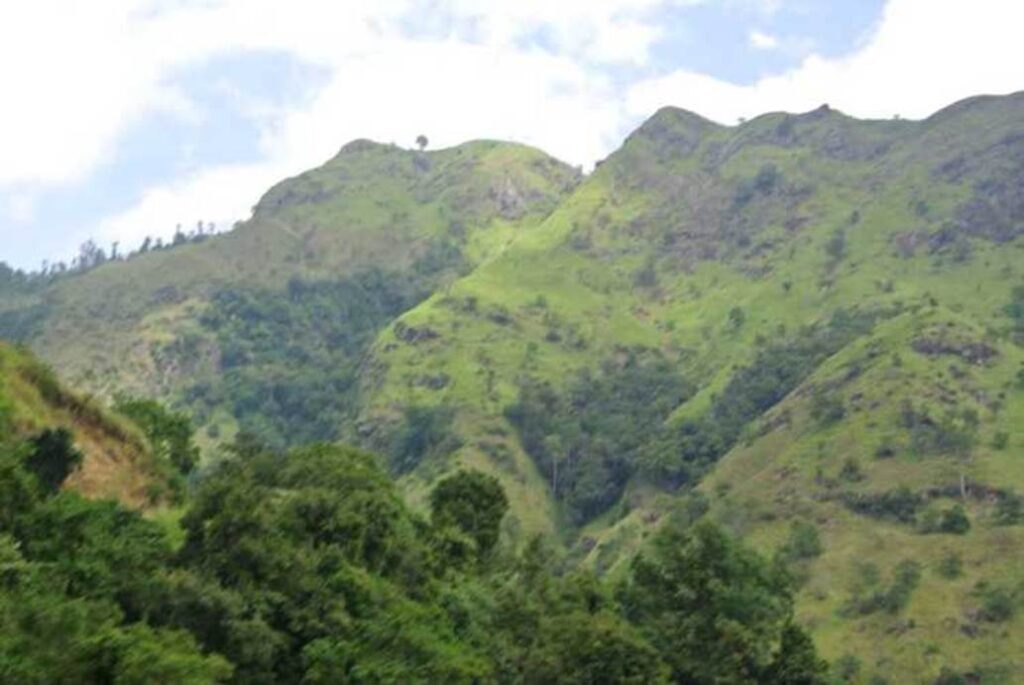
Photo by author, 2014
EKHO Ella
This open place is located in the middle of the winding mountain road, and is like a Sri Lankan version of a roadside station, which doubles as a resting place and lodging place. It is a facility where you can eat and drink tea and immerse yourself in the spectacular scenery of the mountainous area.
On the spacious terrace covered with grass, an elderly French couple were at the table next to me, so I chat with them. They seemed satisfied with their trip to Sri Lanka.

Photo by author, 2014
The Observation terrace. There were many Western retirees.

Photo by author, 2014
South-facing view from the observation deck of EKHO Ella. If there are no clouds in the sky, you will be able to view the Indian Ocean in the distance.

Photo by author, 2014
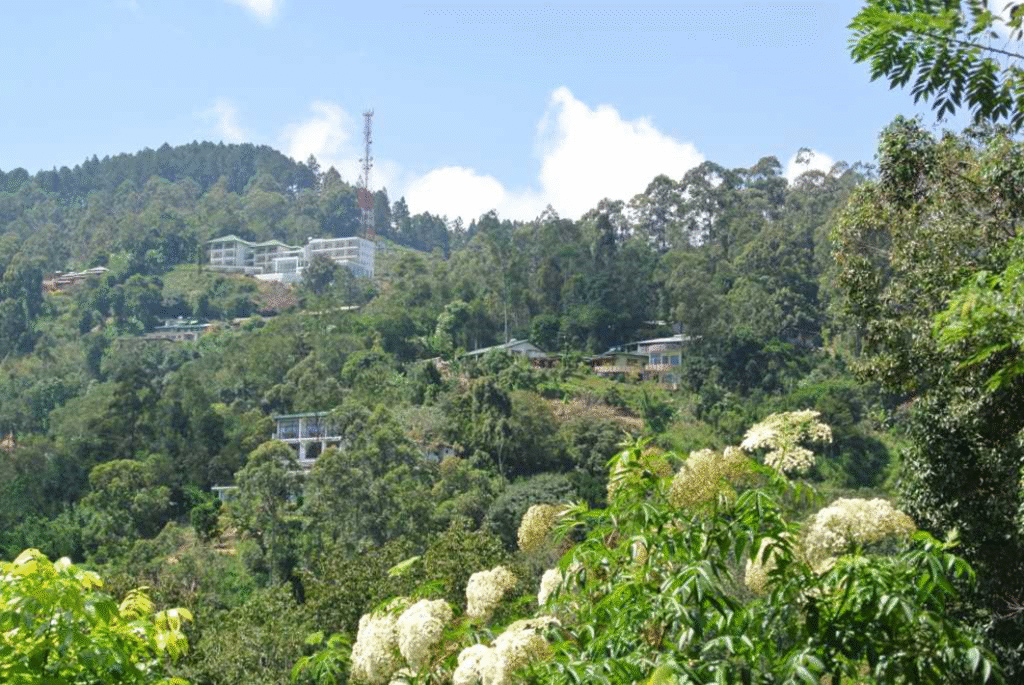
Photo by author, 2014
Mountain scenery seen from EKHO Ella.

Photo by author, 2014
Ella Railway Station
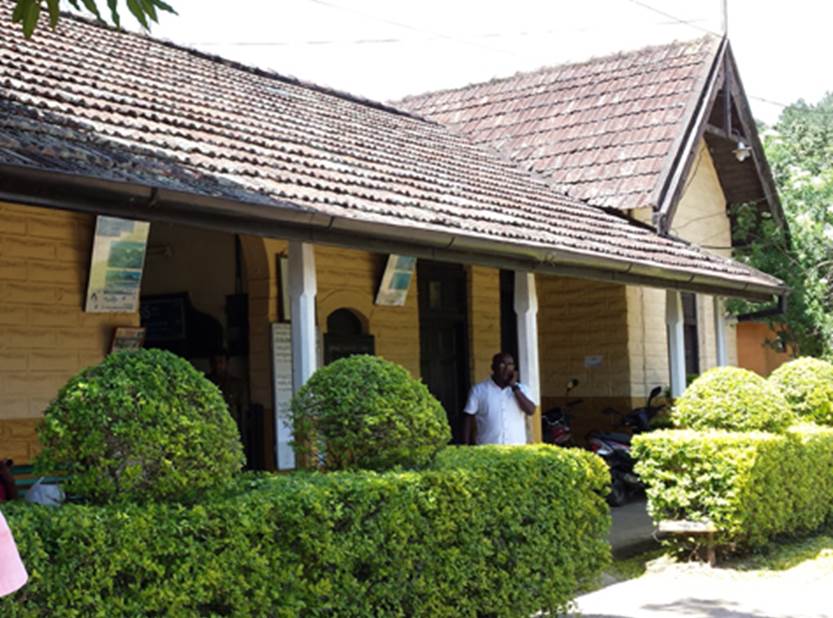
Further up the road from EKHO Ella we arrived at a small train station in a small town on the plateau, and I was intrigued by the deserted station building in front of the station.
This is a station on a plateau. It reminds me of the Koumi Line in Japan (1,000 meters above sea level), when during my student time, I was on the way from Komoro Station to Kobuchizawa Station. Both railways are non-electrified.
Looking at the railway tracks from the platform of this station, the gauge was broad gauge. When Japan’s railways were built in the Meiji era following British technology, narrow gauge was adopted on the advice of British engineers, but in the case of Sri Lanka, which was laid before that, broad gauge was adopted. The main railways on the Indian mainland were 1676mm wide gauge, so perhaps due to the sharing of locomotives, it was decided to use the same wide track gauge.
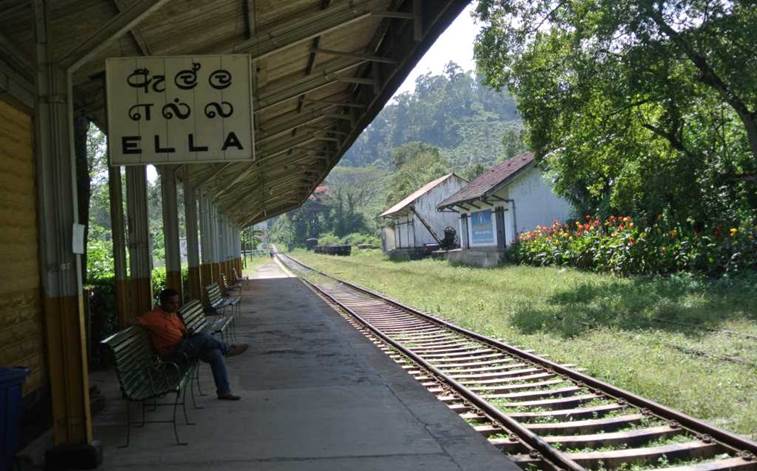
Photo by author, 2014
The contrast between the quiet and rustic station platform and the broad-gauge railway tracks that run along it is a sight to behold!

Photo by author, 2014
An old-fashioned 19th-century ticket office.
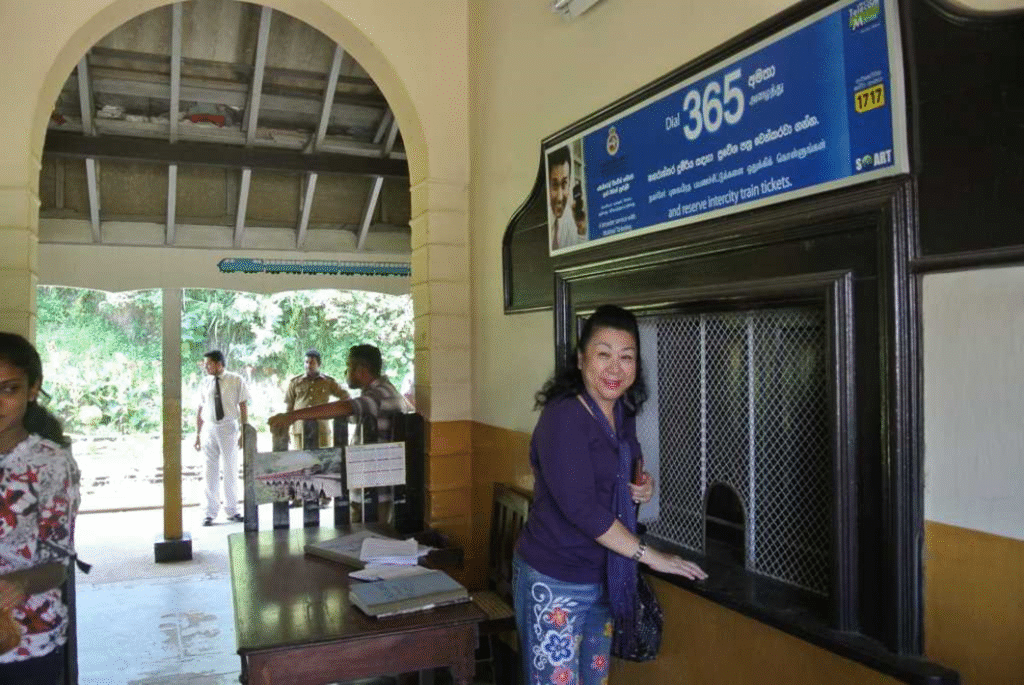
Photo by author, 2014
The number of trains passing through this station is very small. On the bulletin board, there are 4 trains a day in the direction of Colombo and 4 trains a day in the direction of the terminus Badulla on the other side.
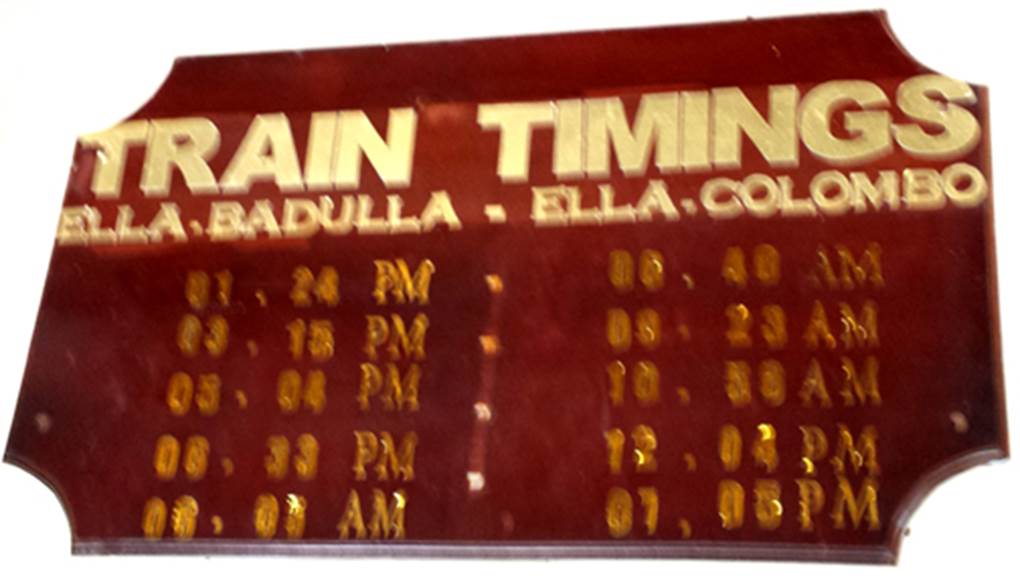
Photo by author, 2014
In the corner of the station building there was a station master’s office, surrounded by plants. We took a look around.

Photo by author, 2014
A large scale, a manual bell, a Showa-style handset, and a train-changing tablet that you no longer see today was hanging on the wall. This is the world I saw in Japan in the Showa 20s and 30s (1940s-1950s).

Photo by author, 2014
Bogoda Wooden Bridge
A wooden bridge with a history of 400 years. It is said to be the oldest bridge in Sri Lanka.
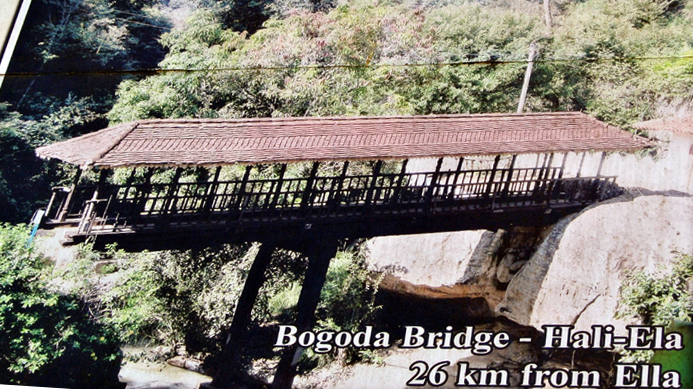
Photo by author, 2014
Nine Arches Bridge
One of the attractions of the Sri Lankan Railway is the Nine Arch Bridge.

Photo by author, 2014
The Nine Arch Bridge is about a five-kilometre jungle walk from Ella station. The Giselle train crosses a beautiful brick arch bridge over a valley of lush tea plantations. It is a magnificent piece of railway heritage.
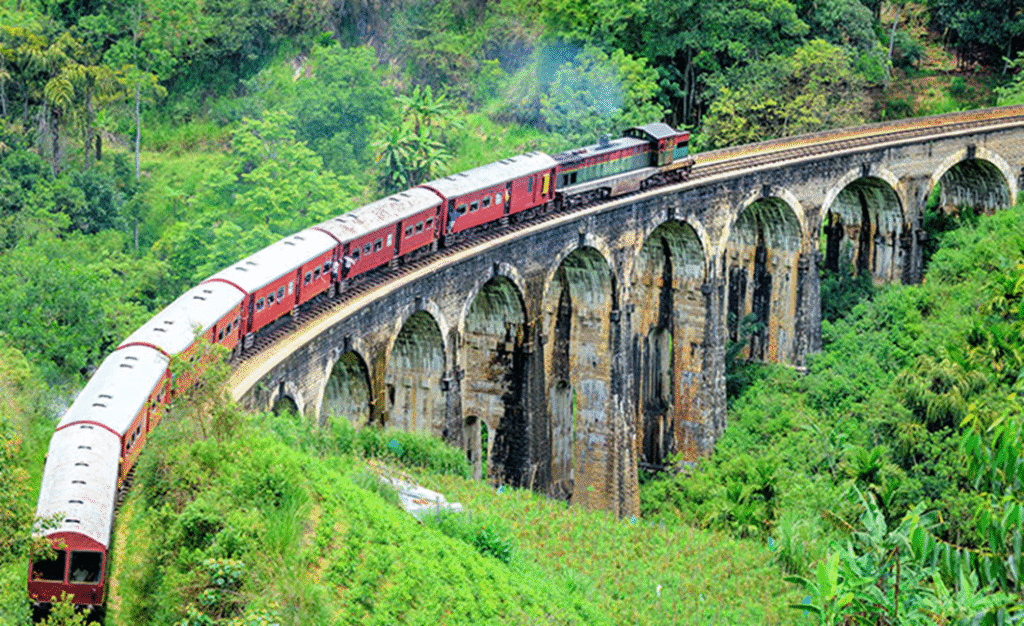
Source: From a travel guidebook
Having fully enjoyed the atmosphere of the unexplored station Ella, we left the town of Ella and drove to Nuwara Eliya, the main base of the Sri Lankan Highlands.

Nuwara Eliya
Nuwara Eliya is located in the Central Highlands of Sri Lanka at an altitude of 1,868 m. With its beautiful scenery, cool climate, and vast tea plantations that take advantage of the climate, it is known as a black tea and Ceylon tea production area. You can also see Sri Lanka’s highest mountain.
Nuwara Eliya was established by British settlers in the 19th century and is also known as “Little England“. The cool climate of the region was ideal for the British officials and settlers who ruled Sri Lanka at the time.
The Grand Hotel in Nuwara Eliya
As we drove through the streets of the Nuwara area, we came across a luxury hotel. It is The Grand Hotel, Nuwara Eliya.
Photo by author, 2014
I was briefed about this building by the front desk staff of the hotel. It was once the residence of the Governor-General (Sir Edward Barnes, 1827) of Sri Lanka. It is clear that he had the financial means to build such a luxurious mansion.
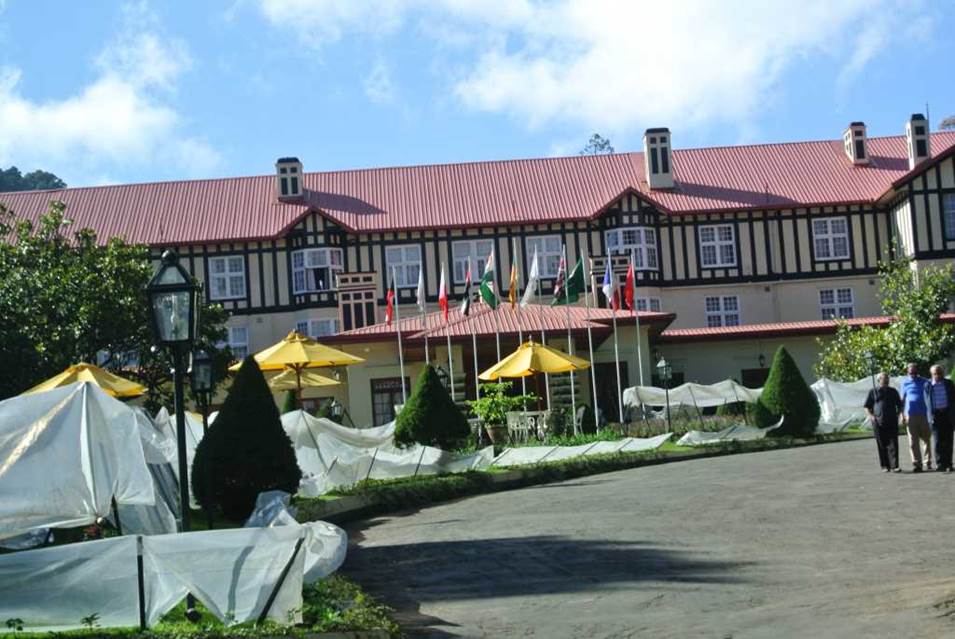
Photo by author, 2014
The building was built in 1827. It is based on Tudor architecture that could have been found in a garden city in England.

Photo by author, 2014
Located on the hills of Nuwara Eliya, famous as the leading tea producing region in Sri Lanka, it is beautiful and fits in well with the cool climate. It has been well cared for and has survived to this day.

Photo by author, 2014

Photo by author, 2014
The Grand Hotel. Check-in reception.
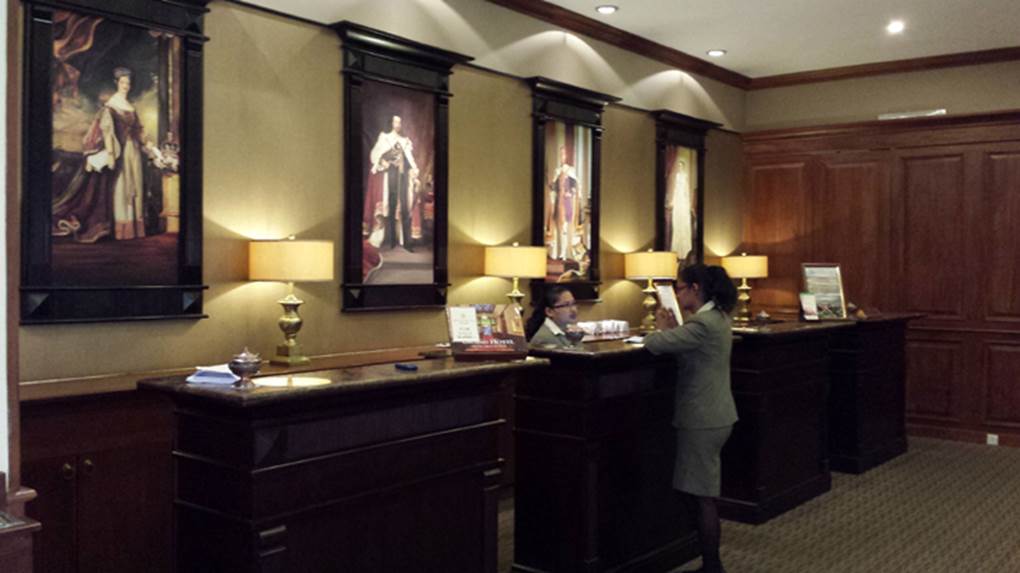
Photo by author, 2014
The Grand Hotel. Lounge area. This is where you will enjoy authentic Ceylon tea.
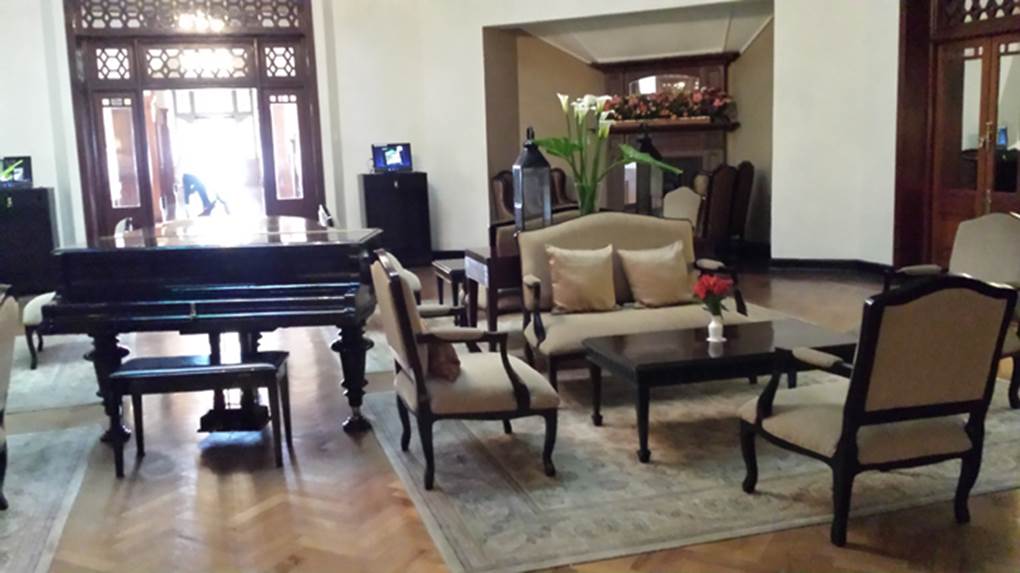
Photo by author, 2014
Passage to restaurants and guest rooms.
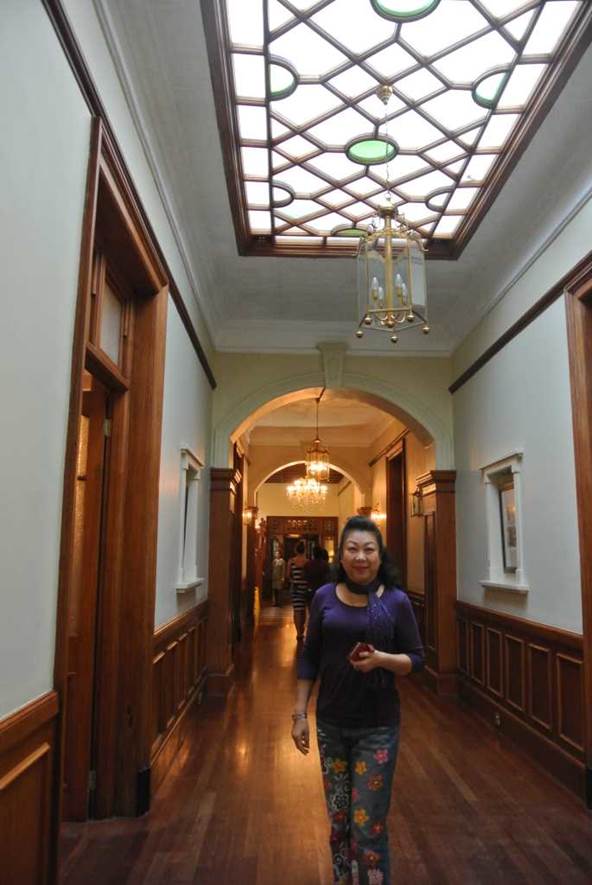
Photo by author, 2014
When I went outside, there was a garden full of greenery. Pay attention to the gazebo in front!
Except for the bench inside, “everything is green”. It was my first time to see such an environmental expression that combined architecture and plants.

Photo by author, 2014
A large tree with many knobs on its trunk. Found near the Grand Hotel.
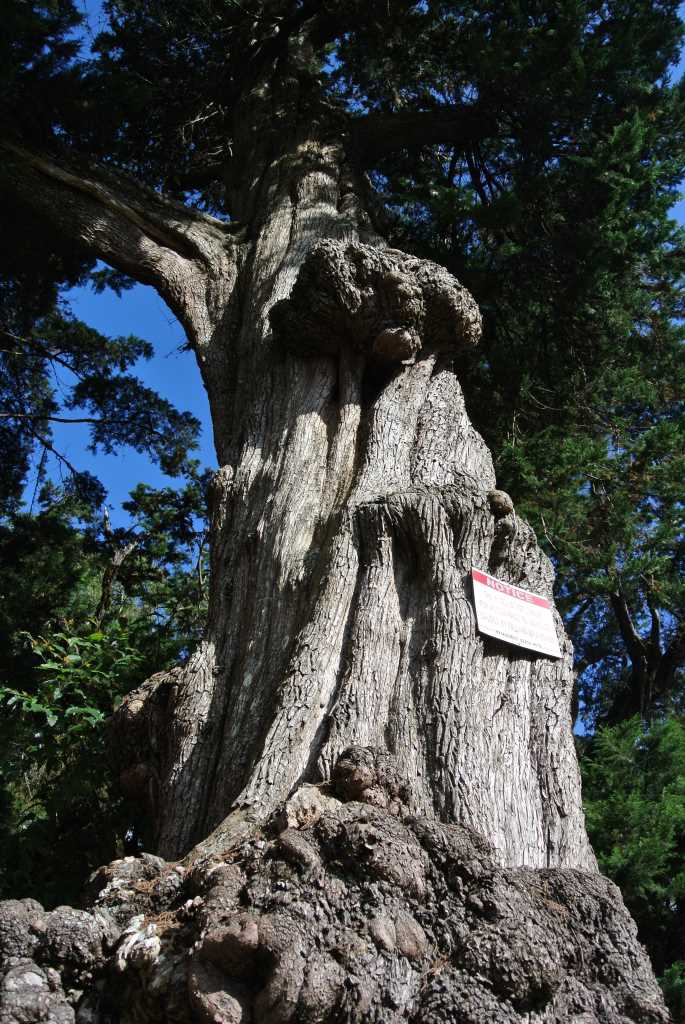
Photo by author, 2014

Photo by author, 2014
Nuwara Eliya Post Office
Built in 1894, Nuwara Eliya’s post office has a retro and simple appearance.
It is partly a two-story red brick building with a clock tower attached to it.

Photo by author, 2014
Until 2012, the second floor of the post office was the residence of the postmaster.
Later, it was renovated into a guest room for tourists.

Photo by author, 2014

Photo by author, 2014
At dusk, overlooking the town of Nuwara Eliya from the post office.
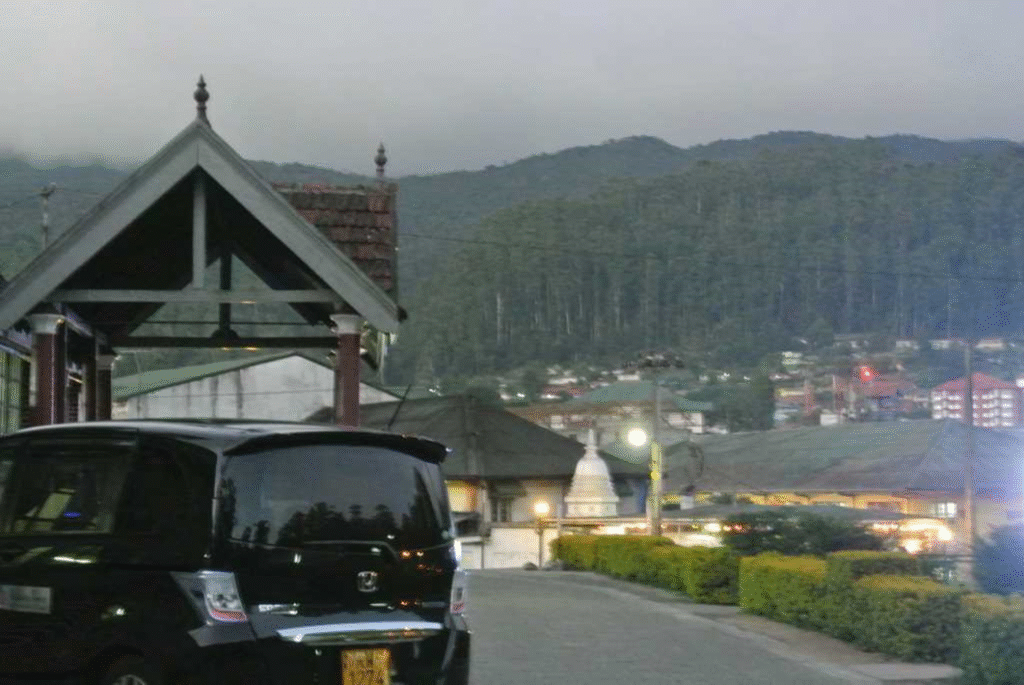
Photo by author, 2014
All photos by author, February 2014