JAP | ENG
Singapore’s Early Days
1970s
#2/10
View of the city blocks: Downtown and Chinatown
City Center / Business District
Asia Insurance Building
The 18-storey office building in downtown Singapore was the tallest building in Singapore from its completion in 1955 until the emergence of the 36-storey Mandarin Hotel in 1971.
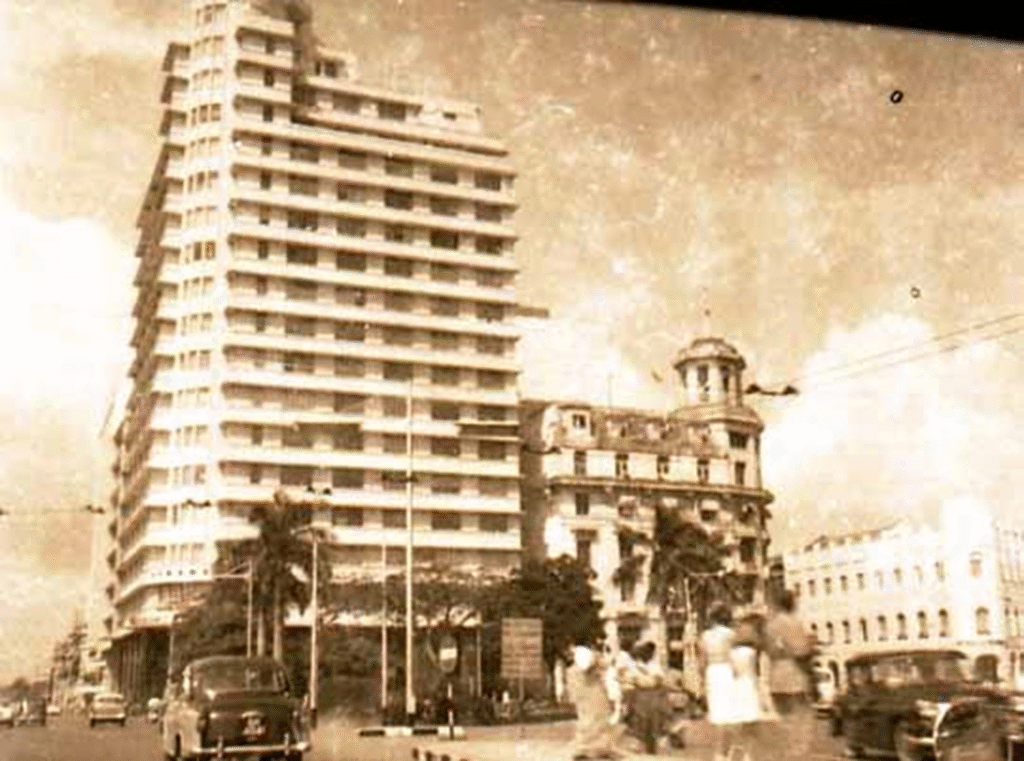
ASIA INSURANCE BUILDING, CBD SINGAPORE(now Ascott Raffles Place)Photo by author, 1969
In 1962, when I visited Singapore, I received permission to overlook the city with its low-rise red roofs from the top of this building. It was also there when I came to Singapore as an expatriate in 1970 and it was still the tallest building in Singapore.
On the other hand, in Tokyo at that time, the skyscraper Kasumigaseki Building (36 floors above ground, 3 floors of penthouse) was began building in 1965 and completed in 1968.
Before and after the war, when Singapore gained independence as a nation in 1965, it was an unstable period due to clashes between Malay demonstrators and Chinese residents, and racial riots. Due to this historical background, the 18-storey building held the record for the highest building for 16 years.
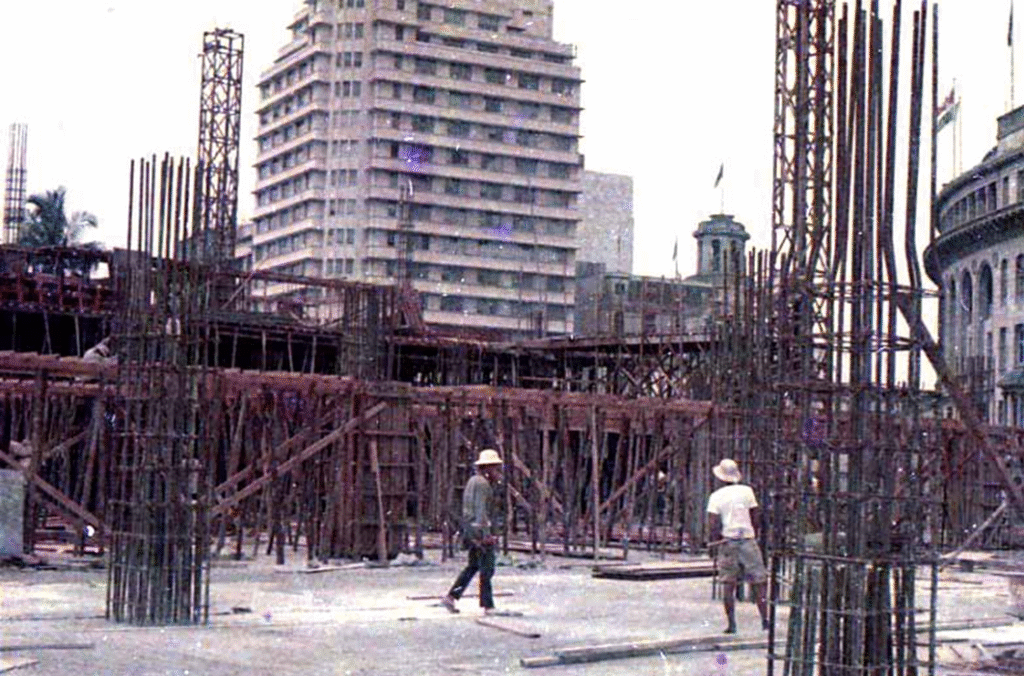
ASIA INSURANCE BUILDING, CBD SINGAPORE 1971 (background)
Photo by author at his construction site
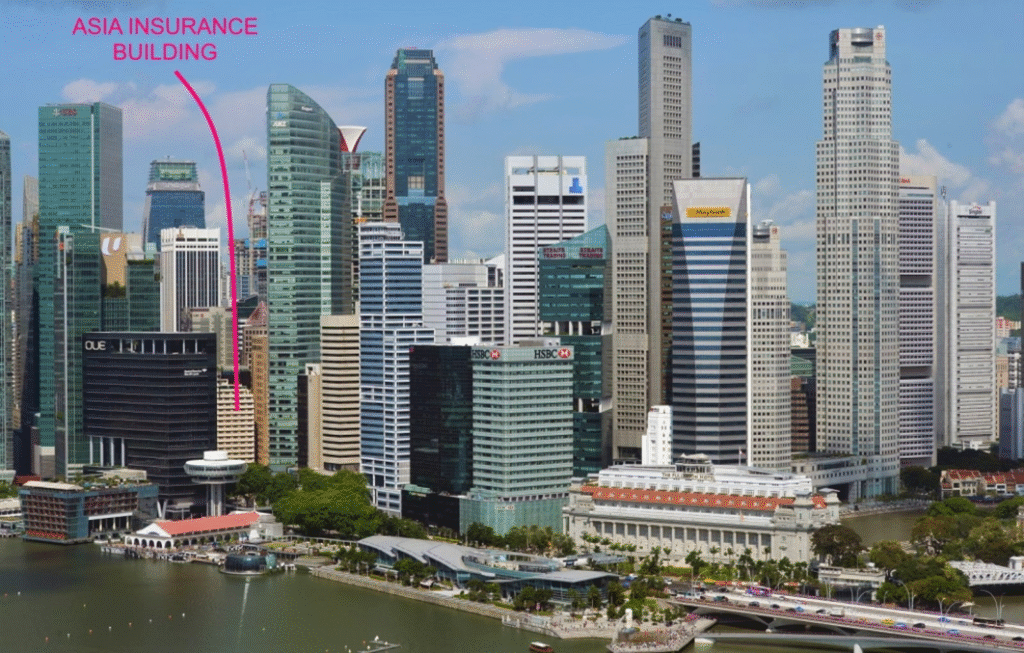
ASIA INSURANCE BUILDING, CBD SINGAPORE, 2022
In 2022, when I searched for the former Asia Insurance Building on Google Earth, I found that it was barely remaining in the valley of the building.
The former transit trade port has been transformed into an international financial city. (Photos above and below)
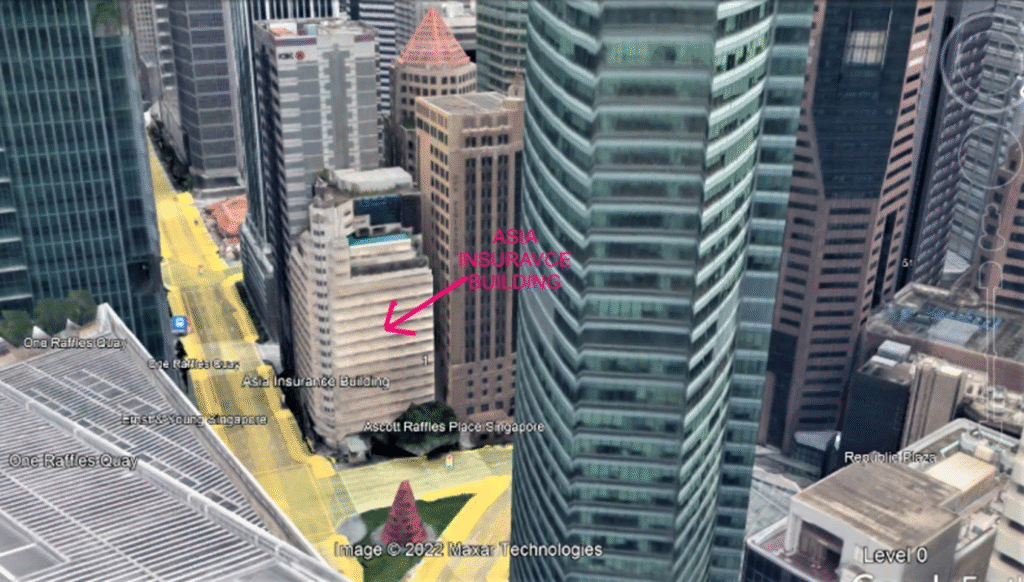
ASIA INSURANCE BUILDING, CBD SINGAPORE, 2022
The building to the right of the Asia Insurance Building. It was later demolished and no longer exists.
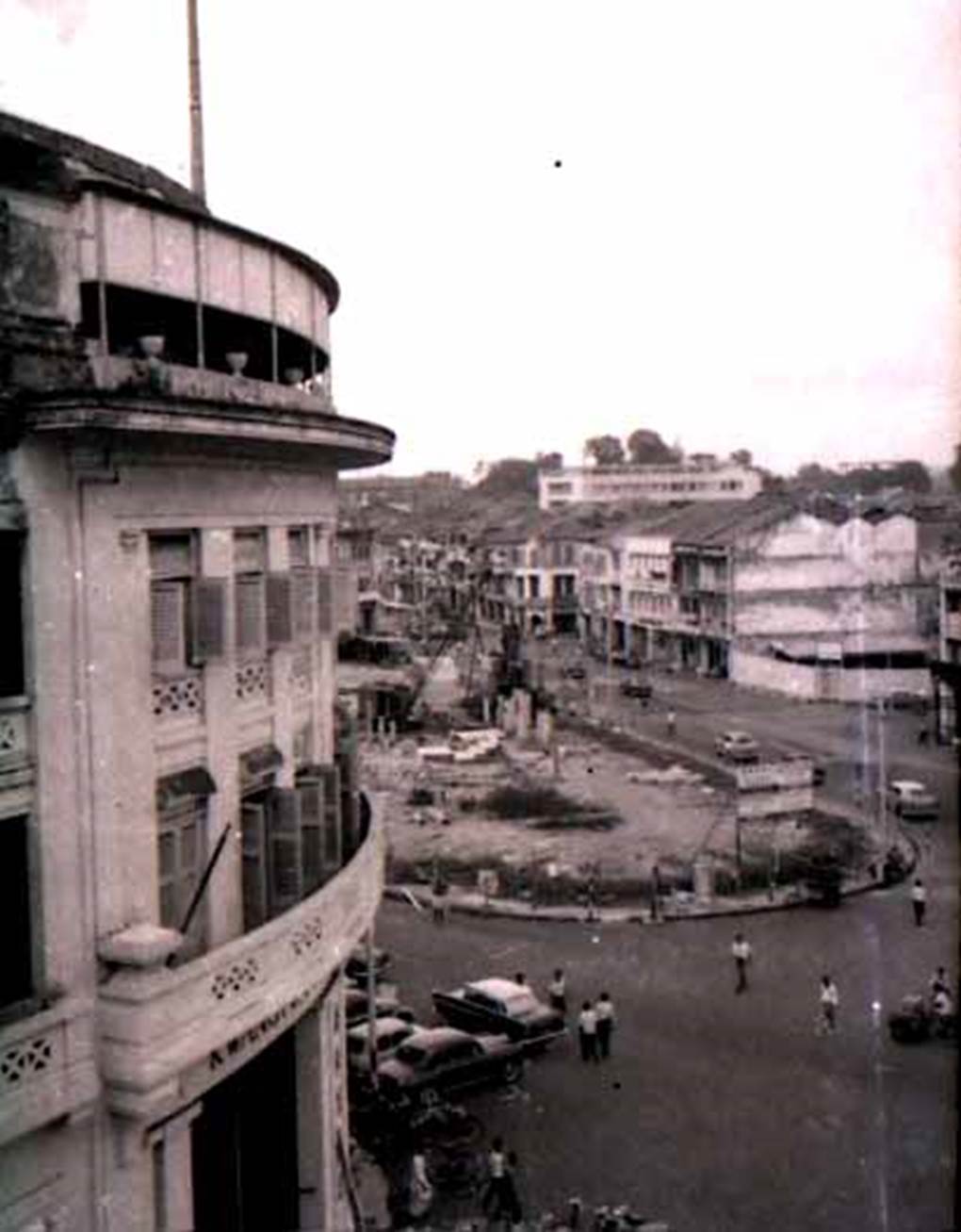
Photo by author, 1970
Shenton Way, long before it was later developed as Singapore’s financial district.
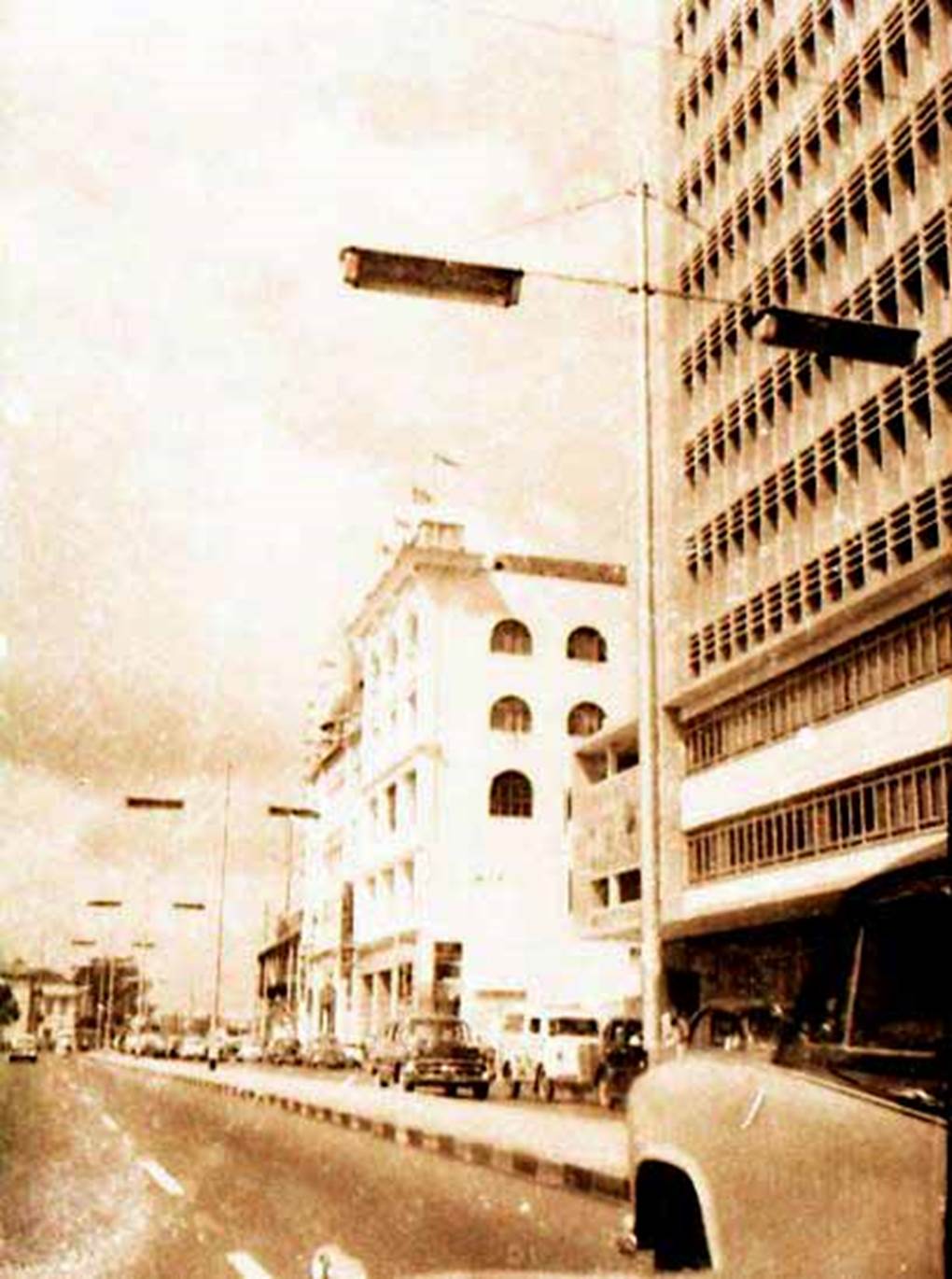
Photo by author, 1970
Clifford Pier
In the background are colonial era banks and trading company buildings.
Starting from the early 1970s, they were gradually demolished and replaced with modern architecture.

Singapore River in the 1970s.
The houses on the other side of the river are warehouses.
The loading and unloading was done by hand and the place smelled of sweat.
The water in the river was unhygienic with garbage floating and emitting a foul odor.
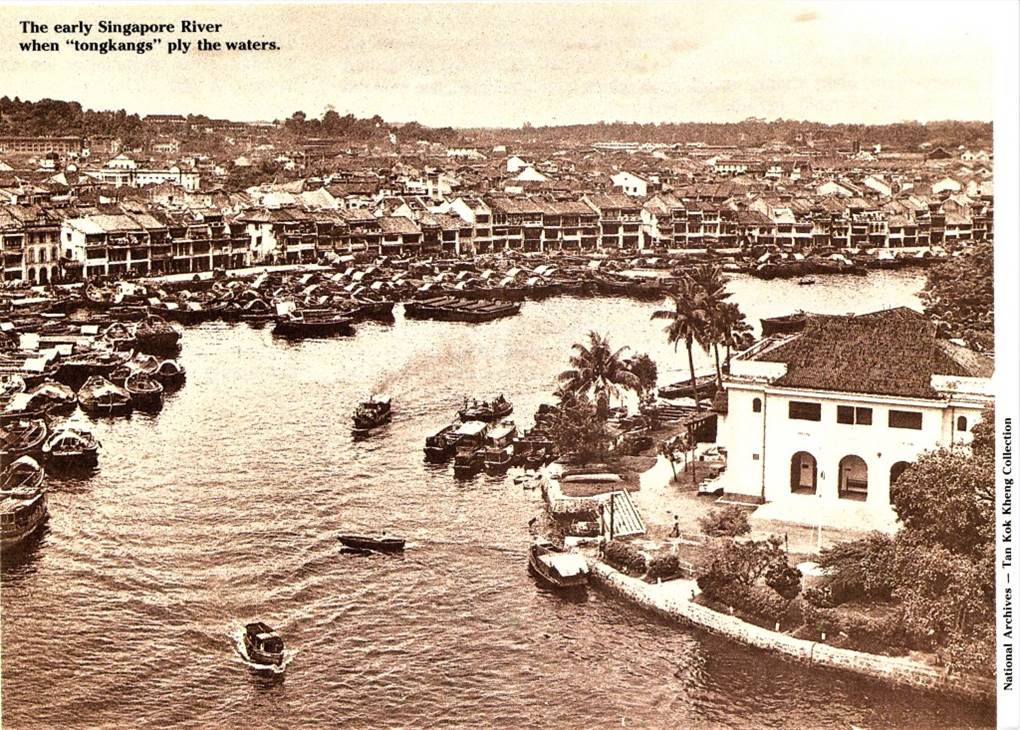
Singapore Riverside. Past and present. (Photos above and below)
Loading and unloading of cargo was prohibited, the river was improved, the houses along the riverbank became a conservation district, and the warehouses were transformed into cafes and restaurants, providing a place of relaxation and entertainment for the citizens
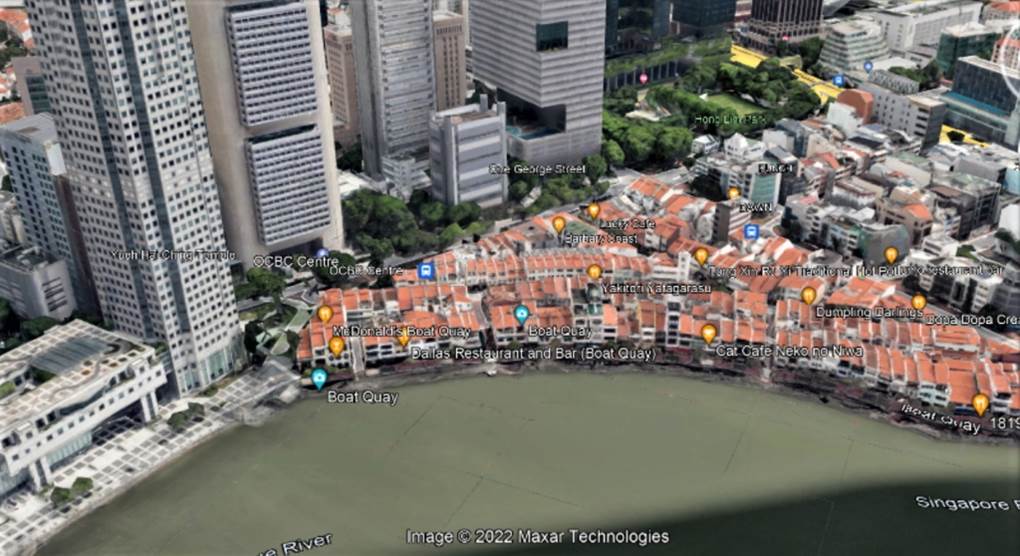
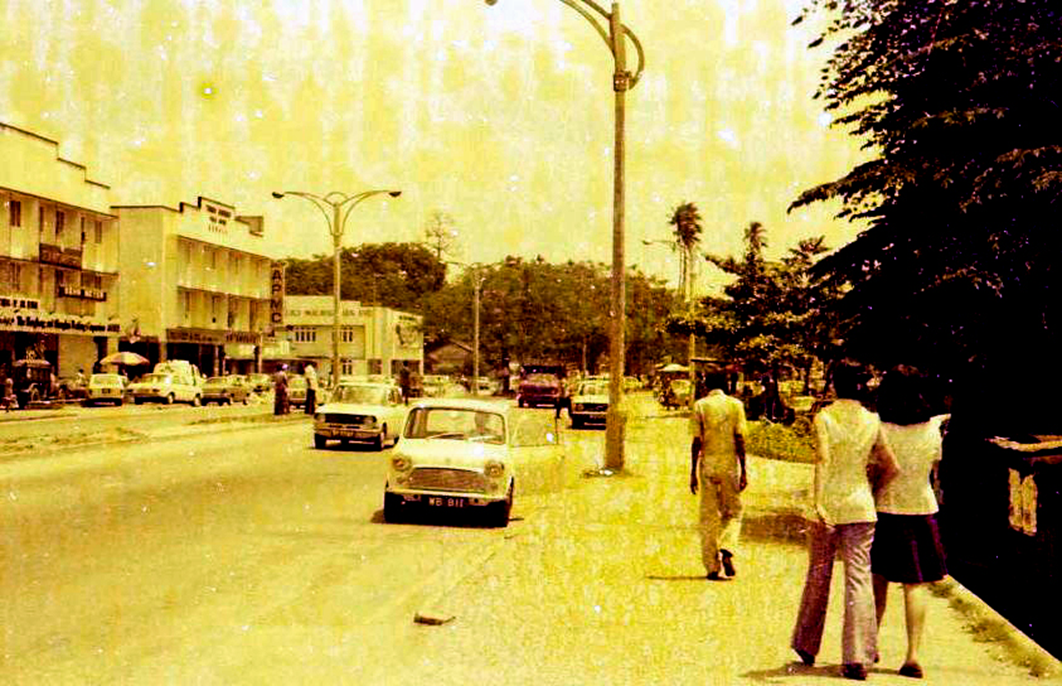
Photo by author, 1970
Chinatown
In the early 1970s, Orchard Road in Singapore was a destination for Westerners and some locals only.
Since Singapore is a nation of immigrants of other ethnicities, there are also downtown areas such as Kampong Glam for Malays and Little India for Indians, respectively, to meet the needs of the common people.
Among them, Chinatown was the center of commerce, where the overwhelming majority of Chinese people gathered. (Map below)
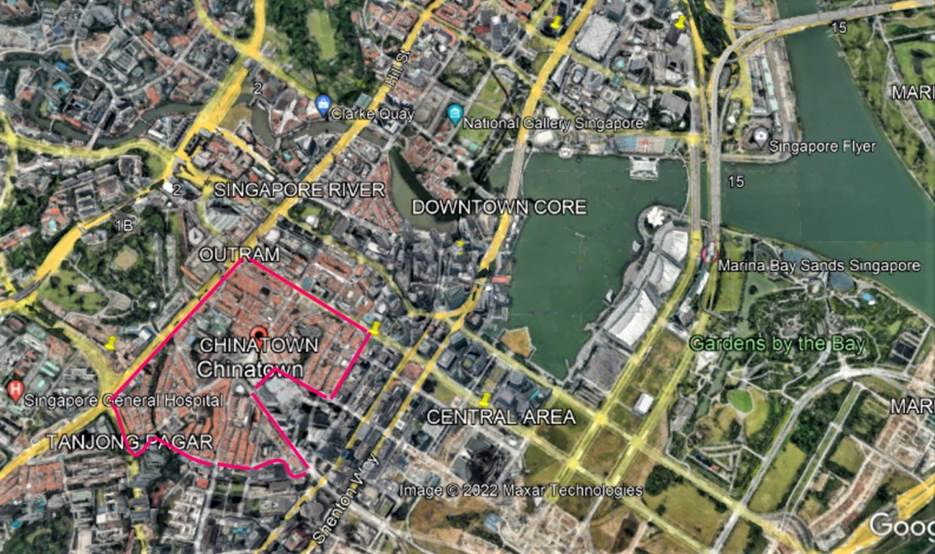
Chinatown Conservation Area Map in Singapore
Densely packed merchants houses in Chinatown.
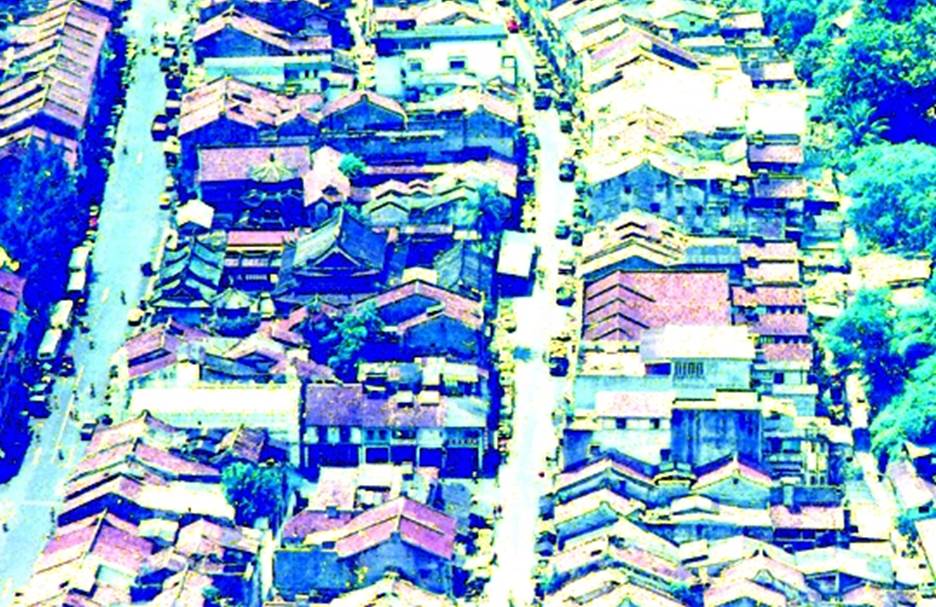
Photo by author, 1973
Below are shots of Chinatown in the 1970s
Passage in front of a shophouse in Chinatown, Singapore
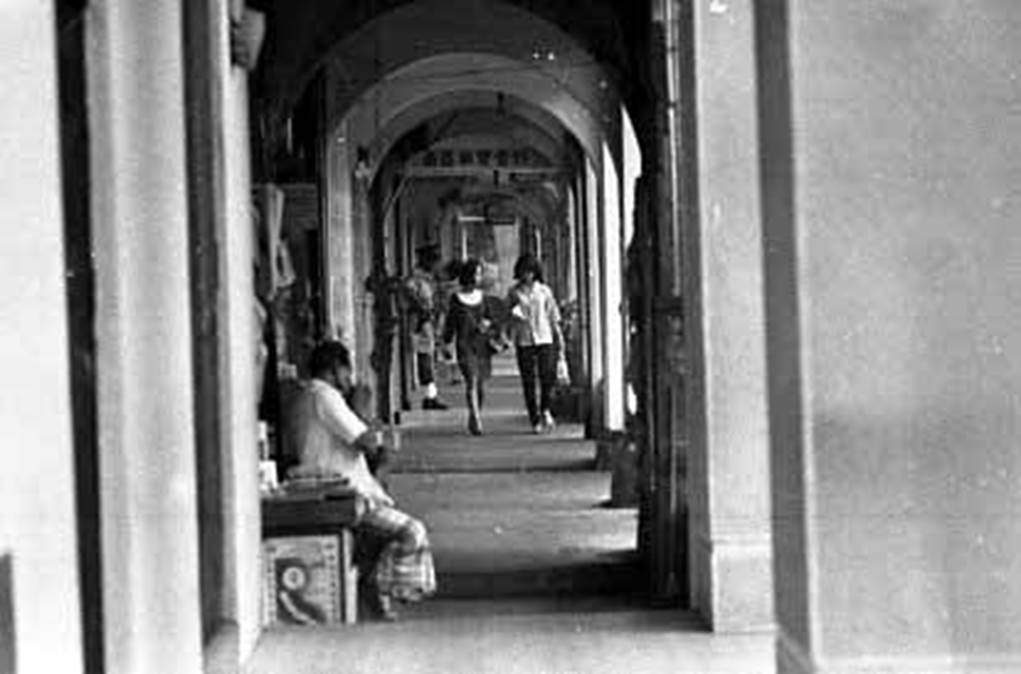
Photo by author, 1970
The façade of the second floor of a shophouse in Chinatown, Singapore
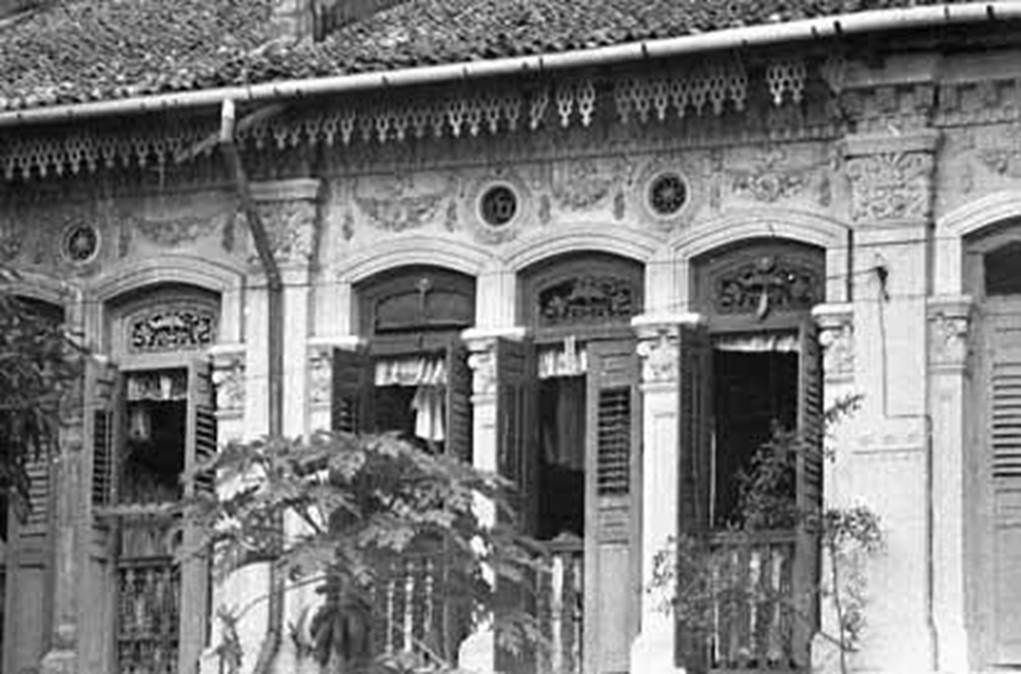
Photo by author, 1970
The back streets of a shophouse in Chinatown, Singapore
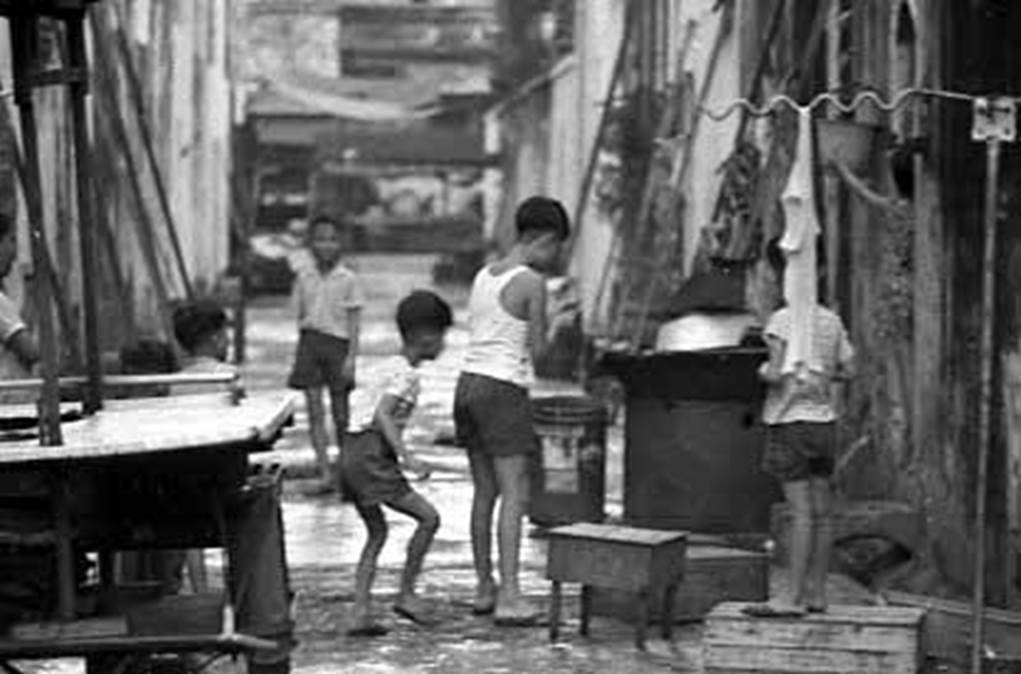
Photo by author, 1970
Road in front of a shophouse in Chinatown, Singapore
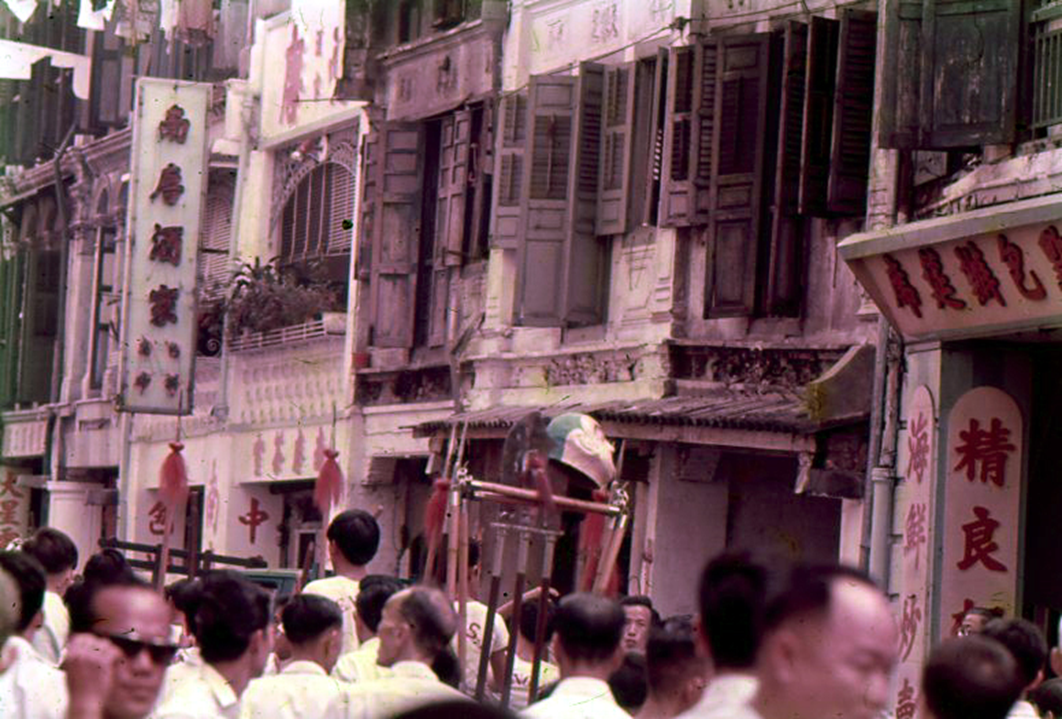
Photo by author, 1970
A resident looking out from the second floor of a shophouse in Chinatown, Singapore
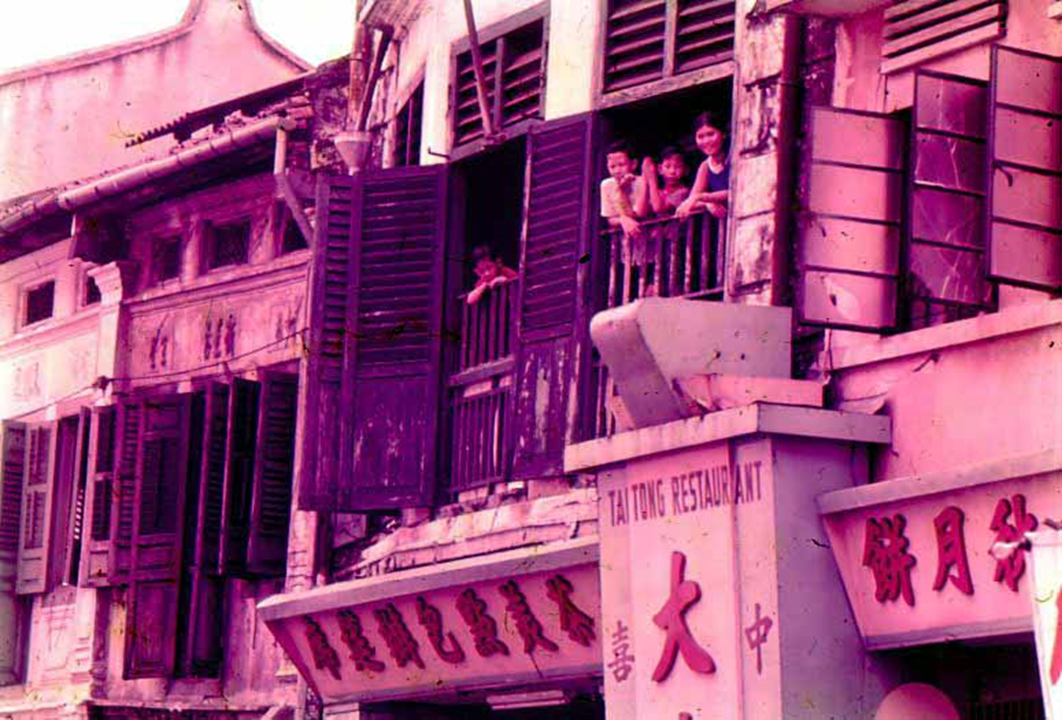
Photo by author, 1970
A family gathers on the road in front of a shophouse in Chinatown, Singapore
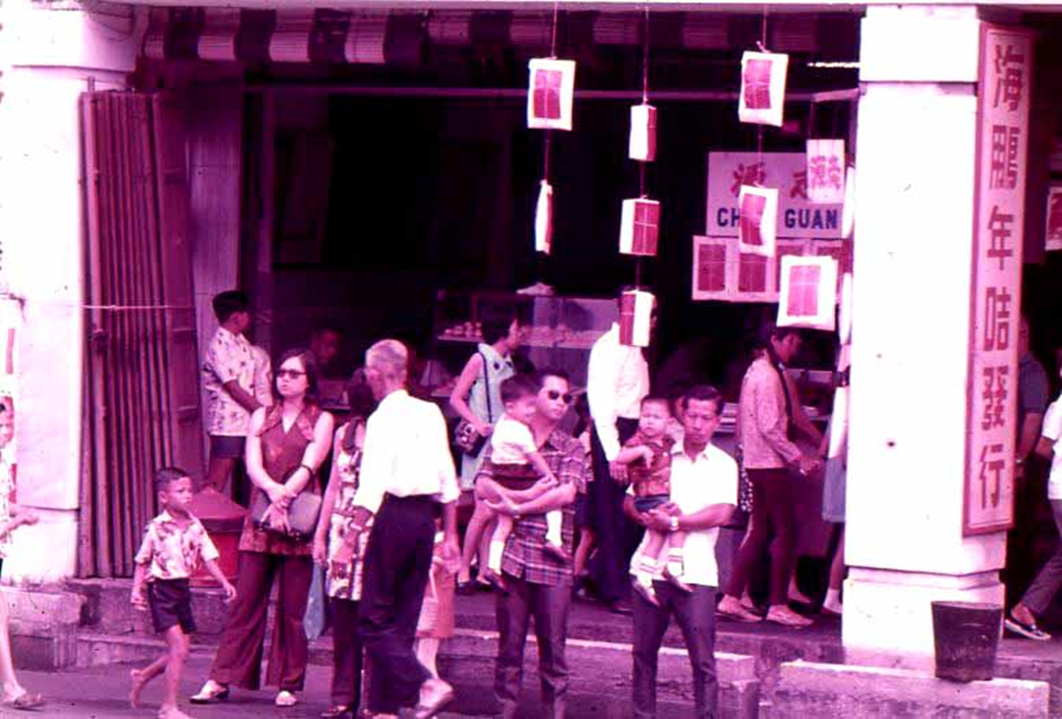
Photo by author, 1970
Event group along the road in Singapore,
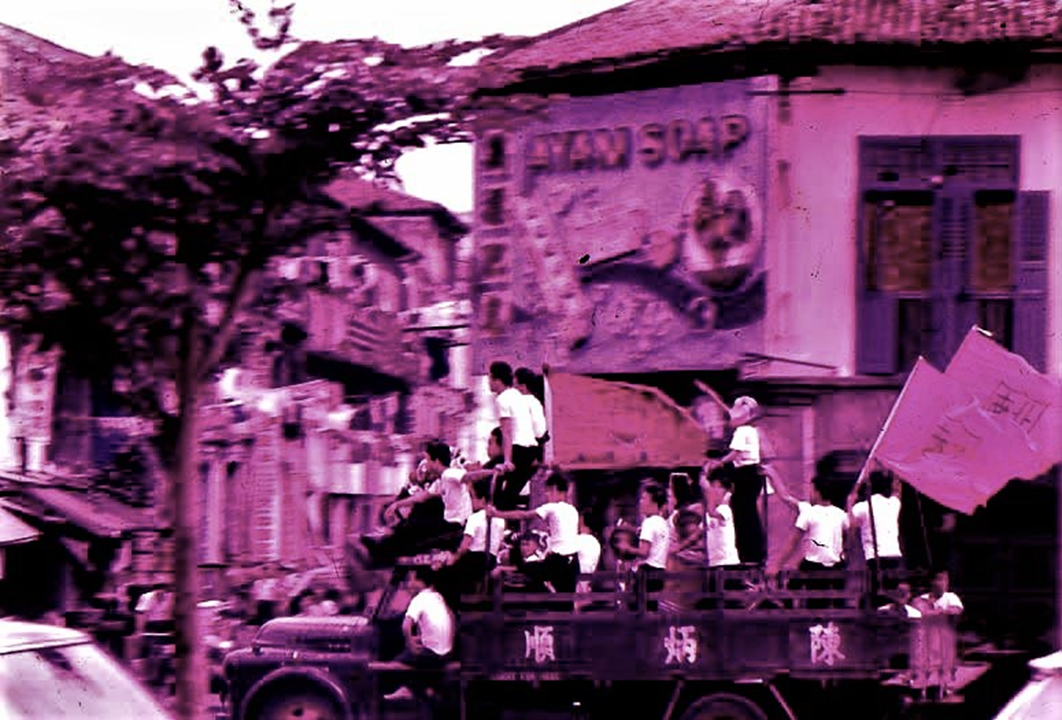
Photo by author, 1970
From the second-floor windows of each house, laundry is hung out over the street on bamboo poles, and on the street below, the framework of a food stall is placed to secure space for opening at night.
All the vegetables and meats are sold by weight. They also sell live chickens, edible frogs, and snakes!
Food stalls in front of a shophouse in Chinatown, Singapore
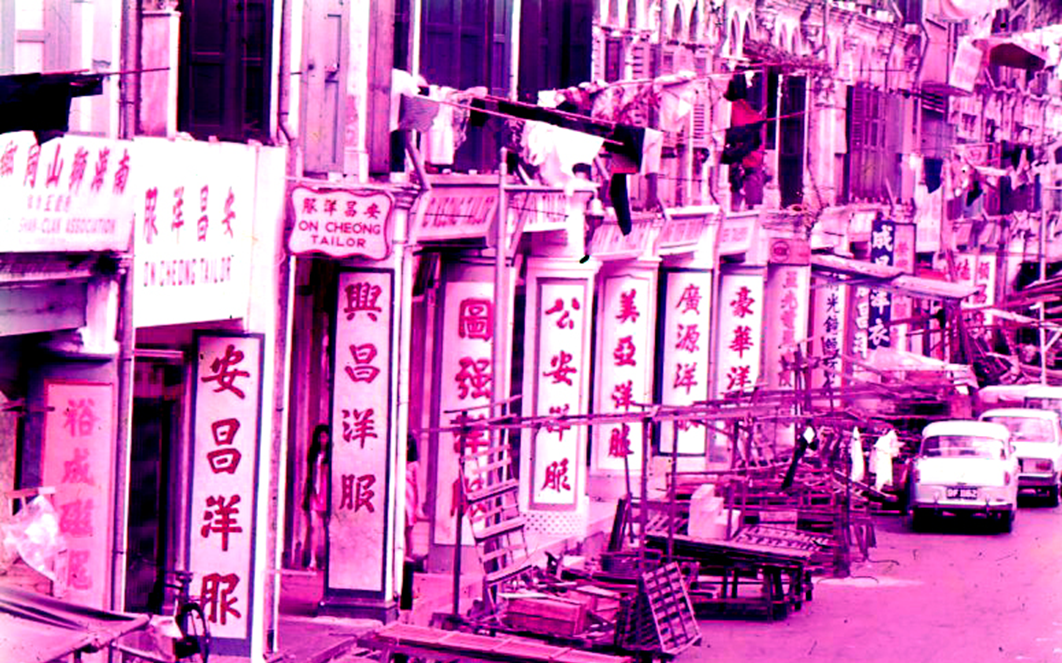
Photo by author, 1970
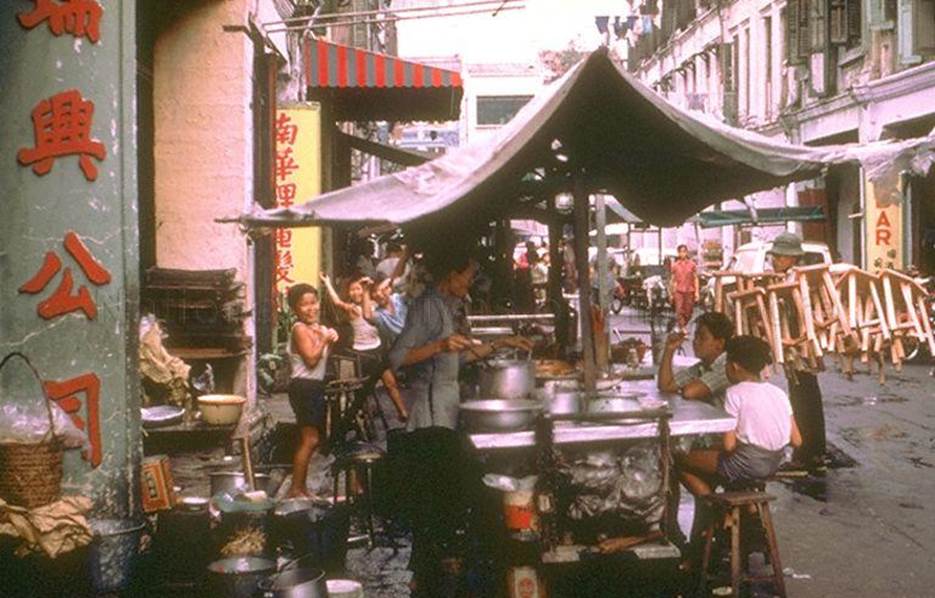
Outdoor food stalls in Chinatown
Sewage from washing food and dishes drips into the rainwater ditches on the side of the road, and a foul smell wafts through the streets. In the 1980s, such open-air food stalls were wiped out of Singapore by ordinance.
During Chinese New Year, groups of lion dancers performed in front of each store for a fee, creating a lively atmosphere.
Firecrackers to celebrate the New Year are said to bring good luck and prosperity, and were used not only in Chinatown but also in front of commercial facilities all over the island.
After many casualties occurred during the 1972 Lunar New Year, firecrackers were banned by law and the possession of firecrackers itself was prohibited.
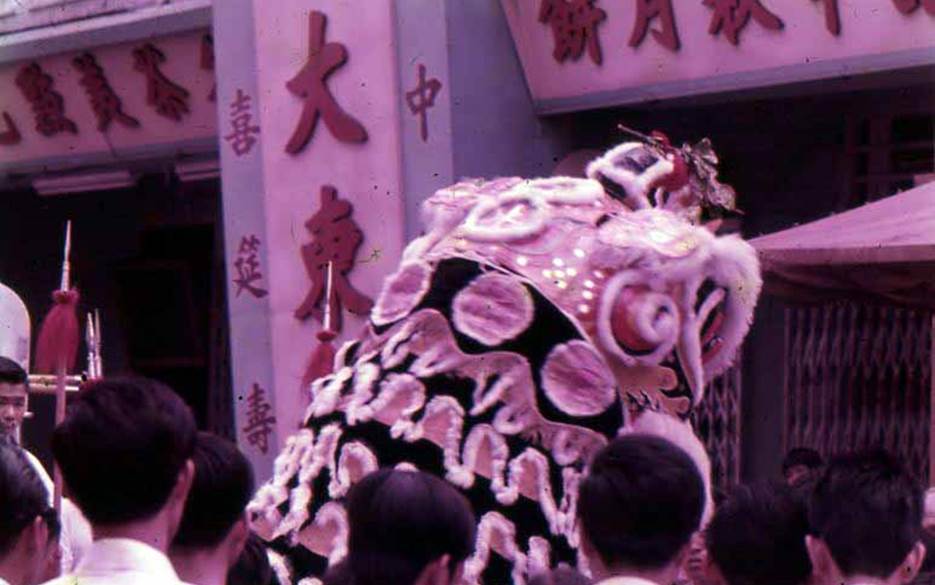
Photo by author, 1970
After the Chinese New Year firecrackers are set off, the red paper that was wrapping the firecrackers is spread onto the ground in the road or square, turning the road crimson, creating an extraordinary world that occurs once a year.
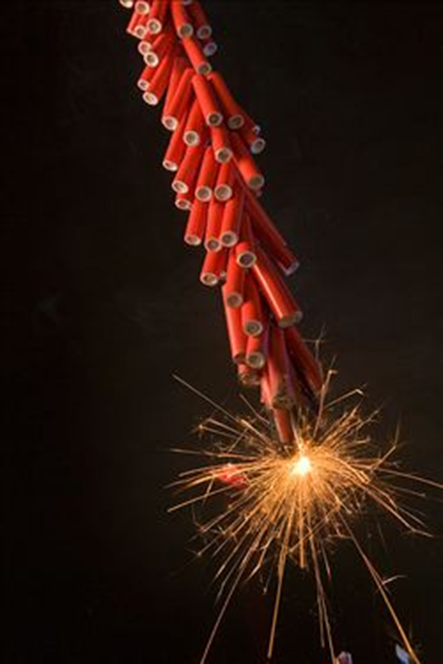
Firecrackers Source: Man’s Ceremony
In 1973, a modern apartment building like the one below start appeared in a corner of Chinatown.
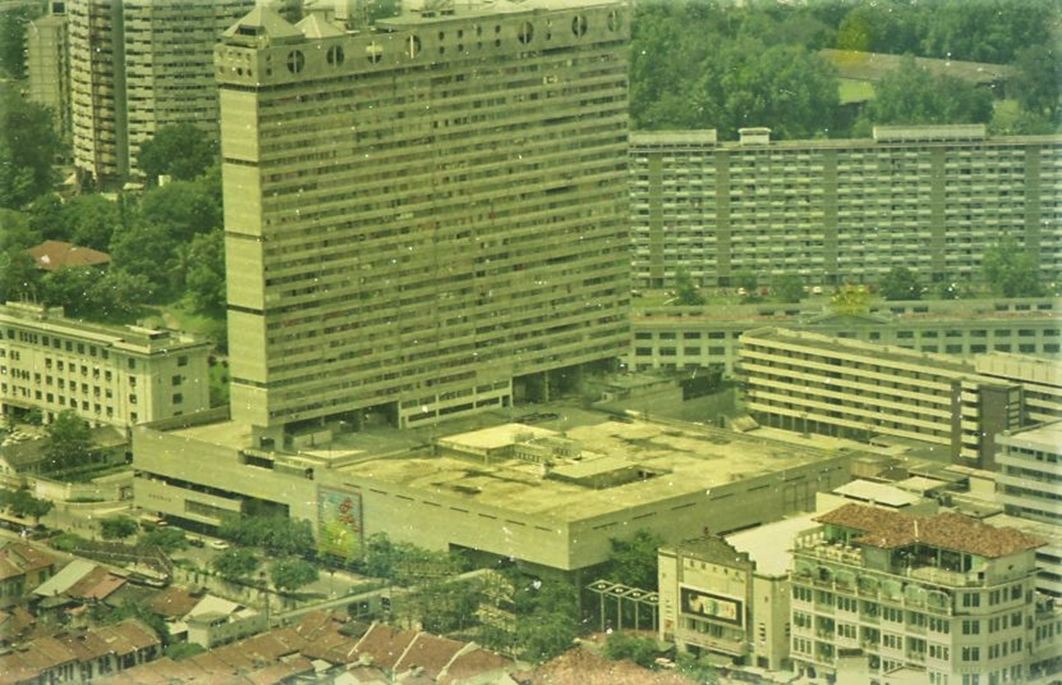
Photo by author, 1973