JAP | ENG
Phnom Penh Business Trip
2006-2013
#2/4
Phnom Penh Cityscape
If you look at a map from around the 1920s, you can imagine how beautiful this city, which was planned by France, was a spacious boulevard, with wide sidewalks and street trees.
Since then, Cambodia’s capital has been hit by a series of “catastrophic urban abandonments” due to World War II, the Vietnam War, and the destruction of the capital during the Pol Pot era (1975-1979).
After that, for more than 70 years until the Lehman shock in 2008, the maintenance and development of the city was abandoned, and it presented an overview that could be described as an urban fossil of the 1930s.
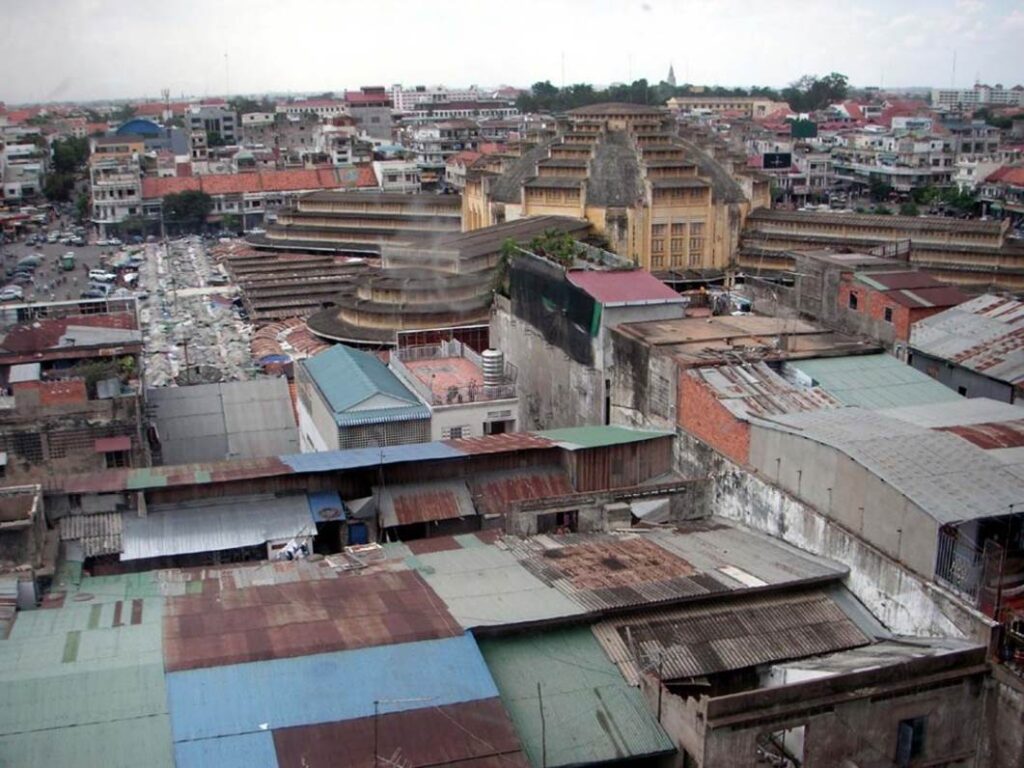
Photo by author, 2006
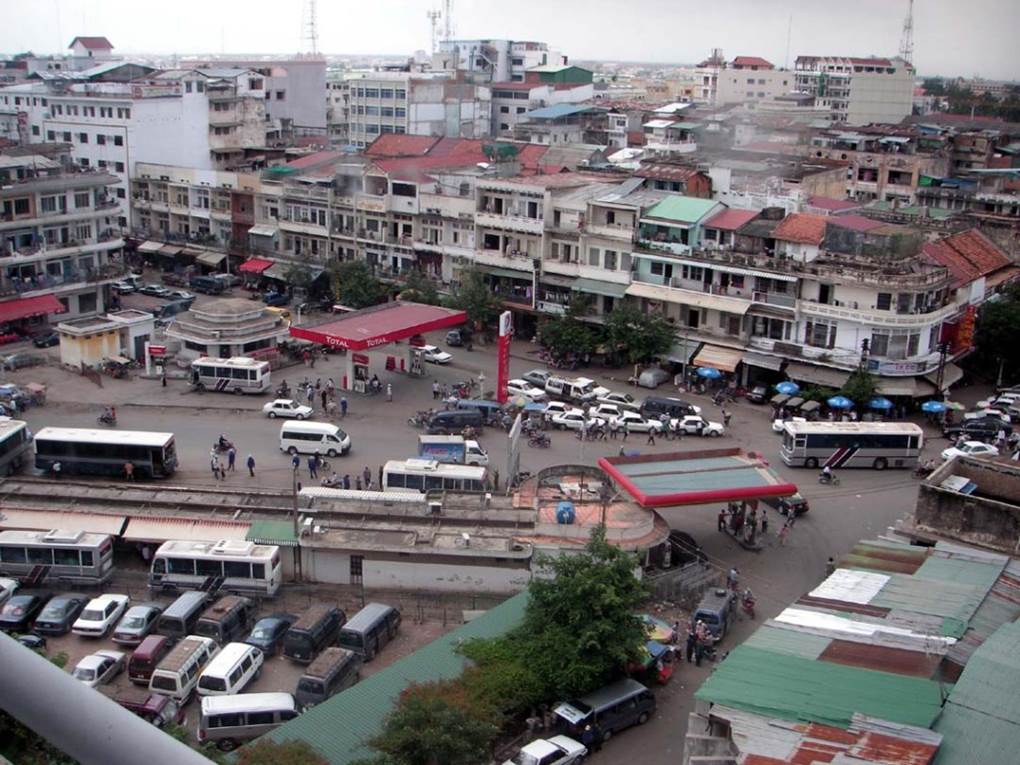
Photo by author, 2006
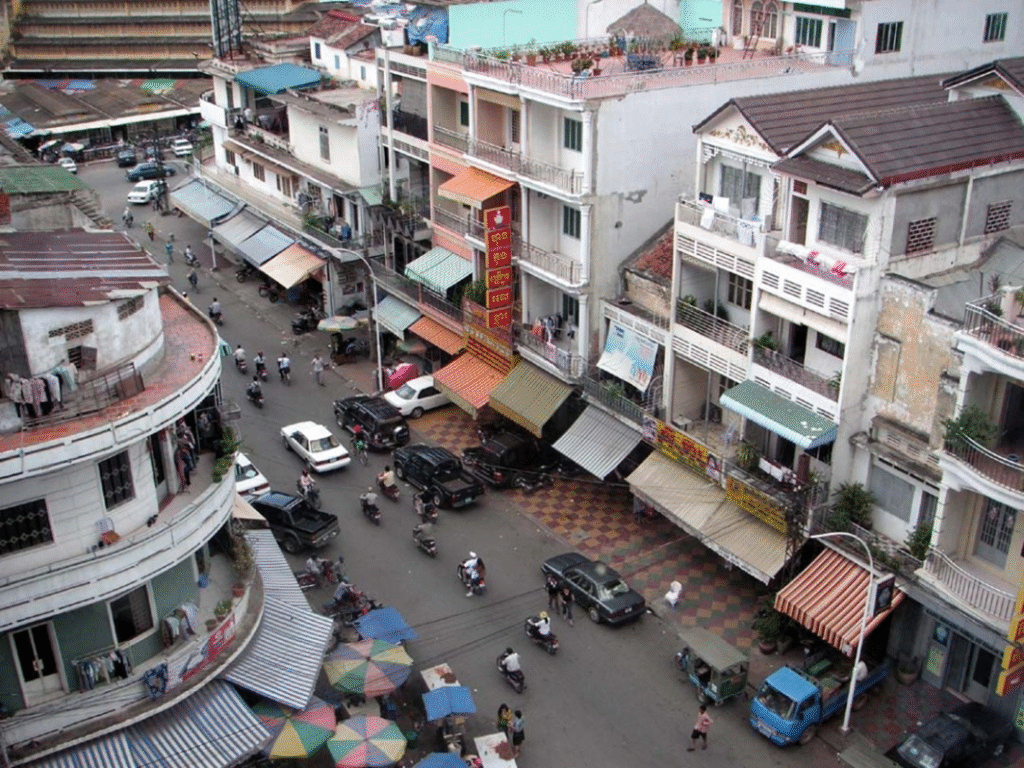
Photo by author, 2006
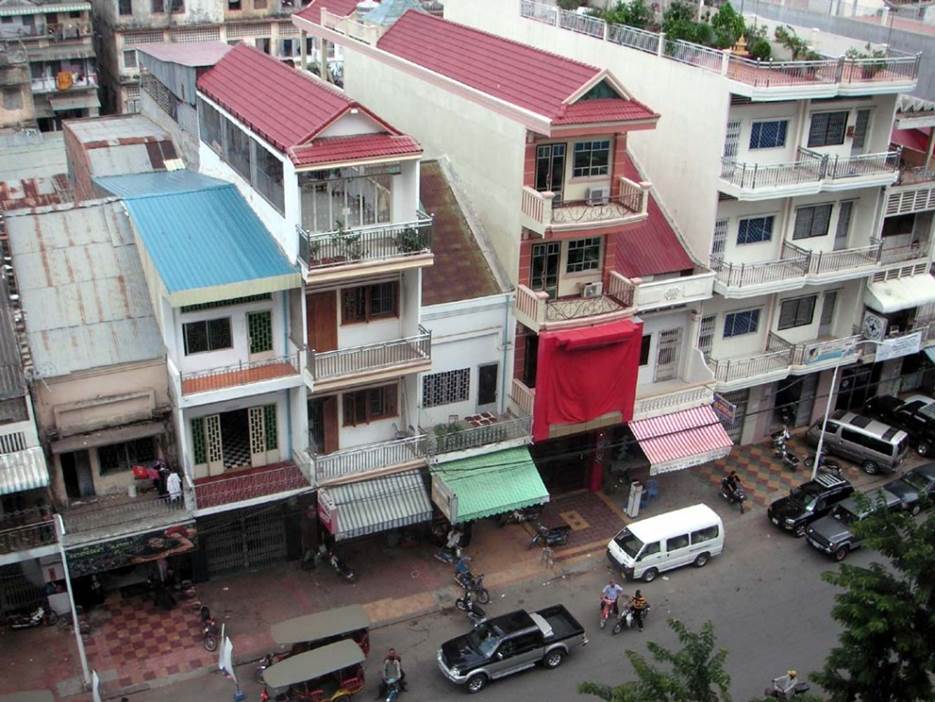
Photo by author, 2006
Since my visit in Phnom Penh in 2006, the number of cars and motorcycles has begun to increase explosively along with the increase in economic activity, and this demand has led to a boom in real estate and building construction.
Addition to existing rooftop
On the other hand, in commercial areas of the old town, there are many buildings that are considered dangerous, such as adding rooftops to old buildings that are decades old, as shown in the figure below.
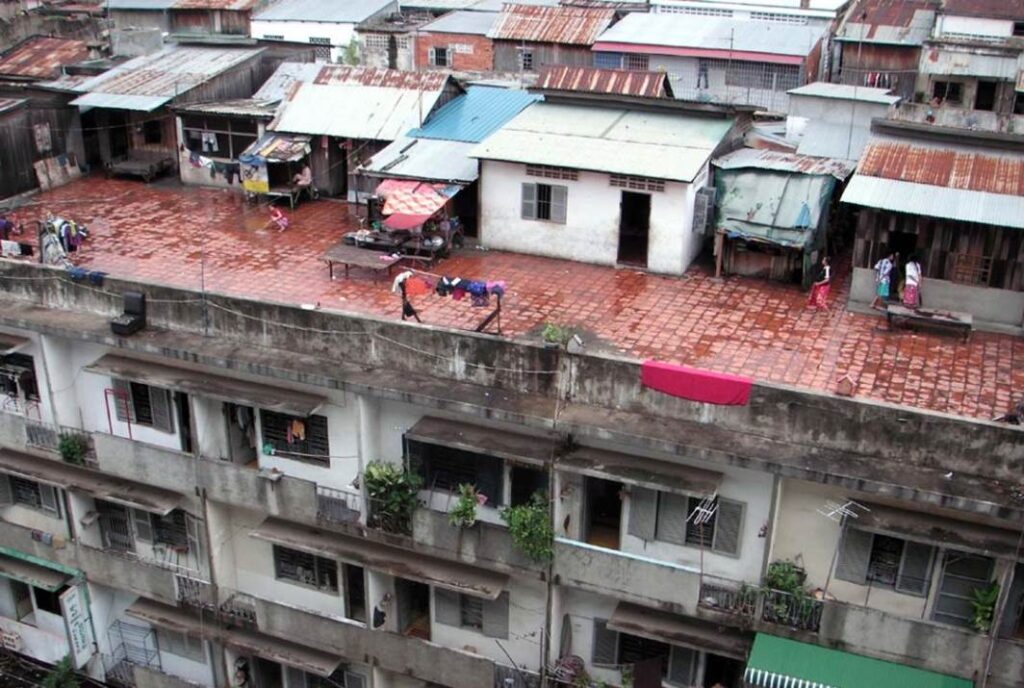
Photo by author, 2006
Example 1 of adding roofs (one floor) on top of an existing roof
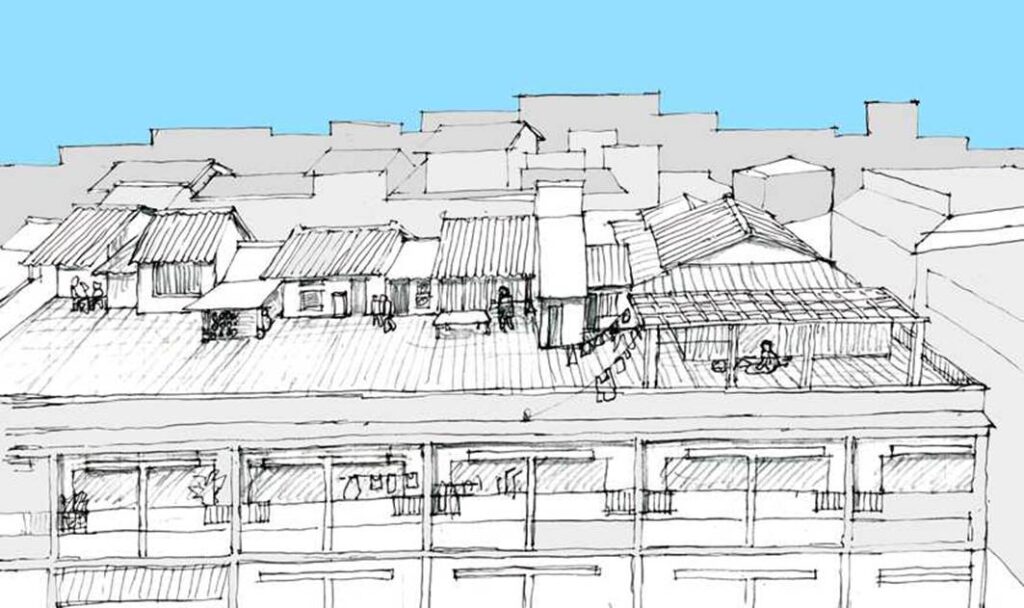
Author’s sketch 2006
Example 2 of adding roofs (one floor) on top of an existing roof
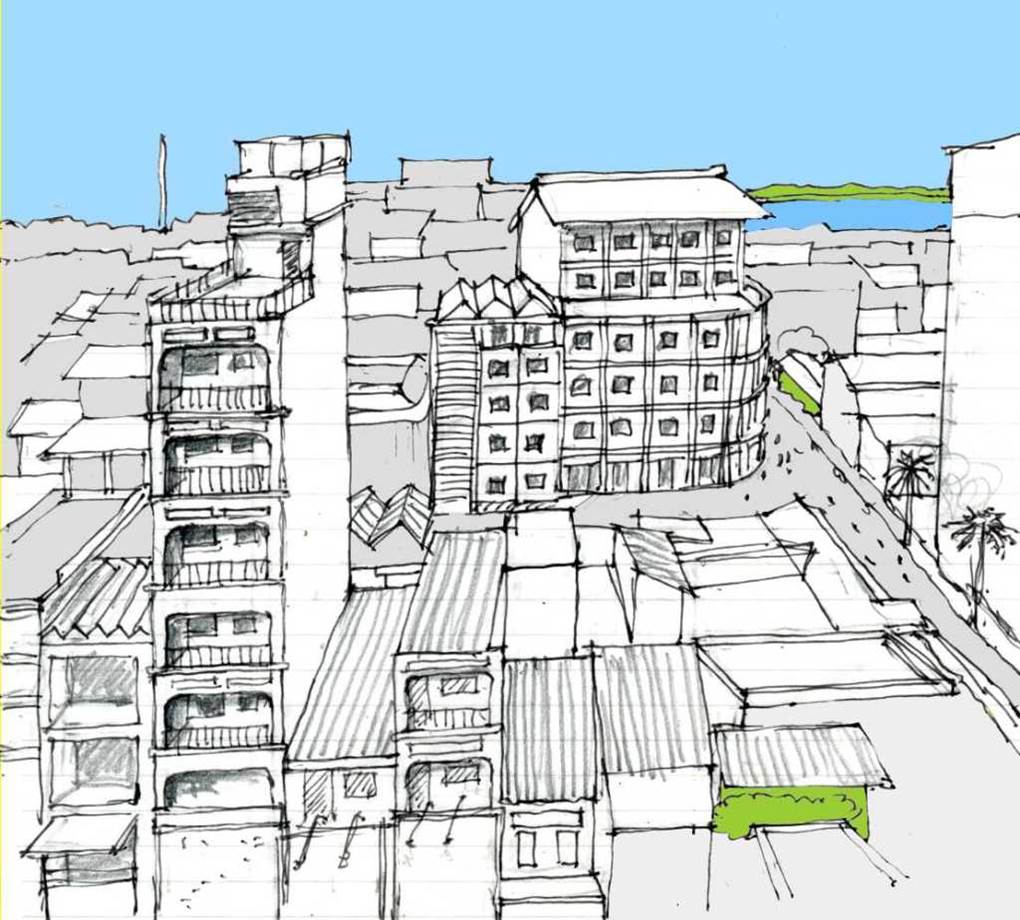
Author’s sketch 2006
Example 3 of adding roofs (one floor) on top of an existing roof
An additional story has been added to the already dilapidated house.
The colors of the old and new are in contrast.
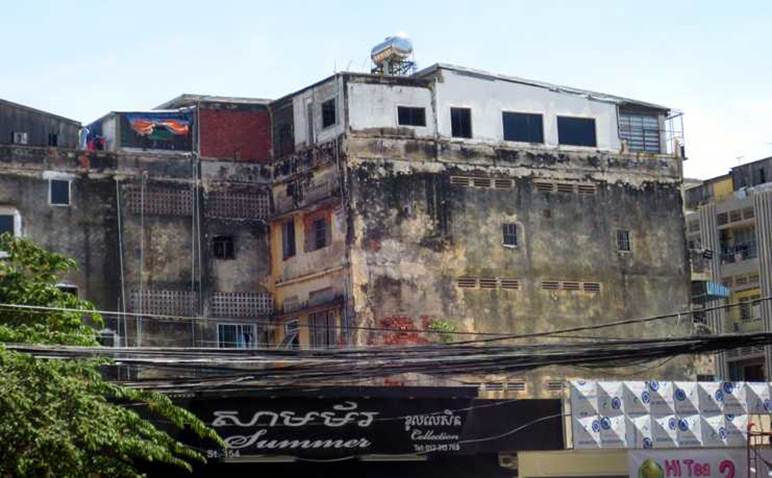
Photo by author, 2006
The residence of a high-ranking government official in a prime location in the city.
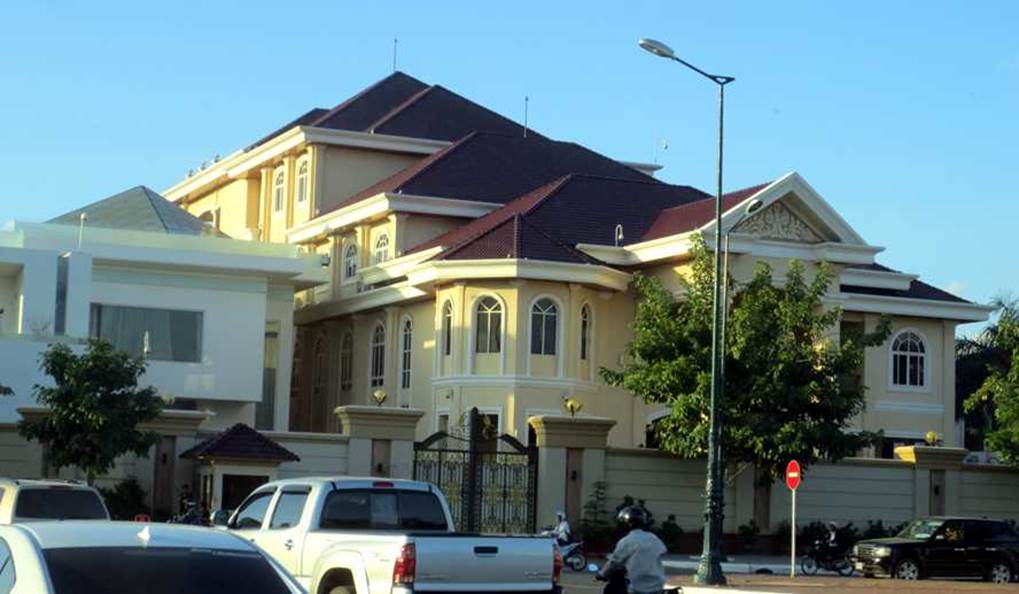
Photo by author, 2006
The city of Phnom Penh continues to suffer from flooding.
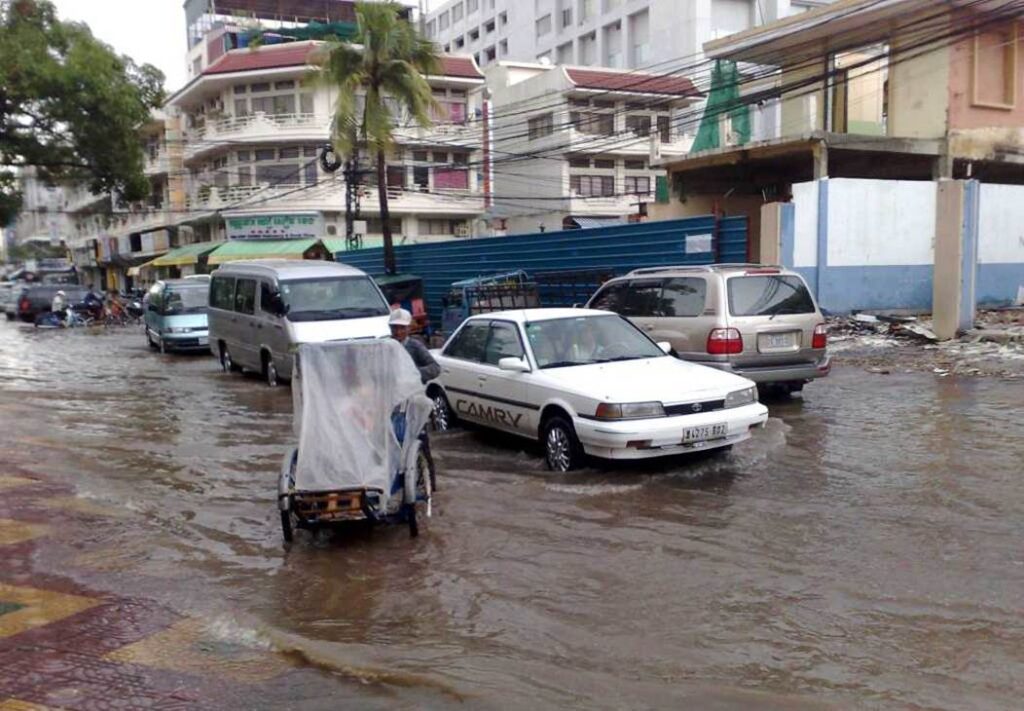
Photo by author, 2006
Japanese Government Assistance for Urban Drainage Improvement Project
When I was walking around the city, I found this sign in a conspicuous place and immediately took a picture.
When completed, these sewer pipes and drainage ditches will be backfilled with soil, newly paved, and completed as if nothing had happened. The completed infrastructure will contribute to the health and hygiene of local people and improve their living environment.
Buildings such as glamorous hotels, office buildings, and luxury condominiums are effective in giving a city a visual appeal, but it is important to solidify the invisible infrastructure, such as this one.
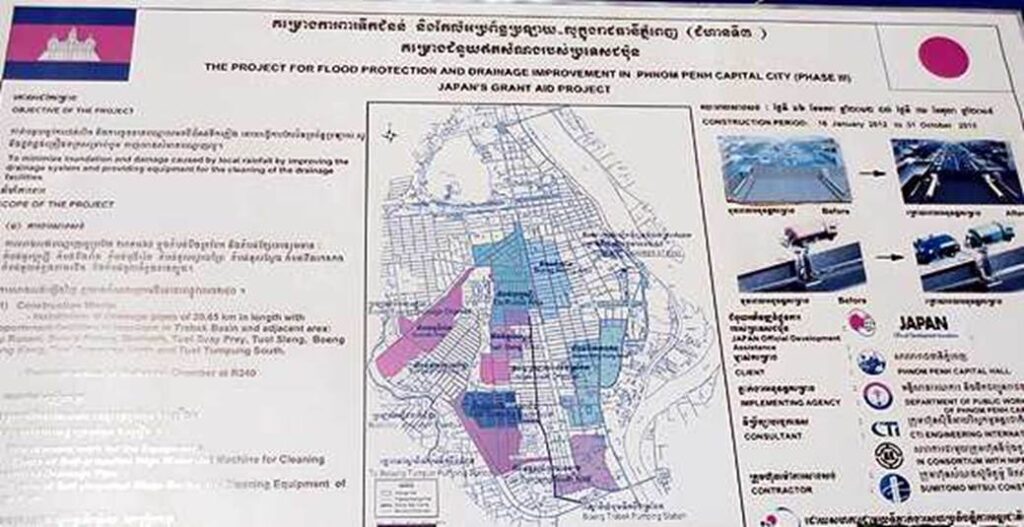
Photo by author, 2013
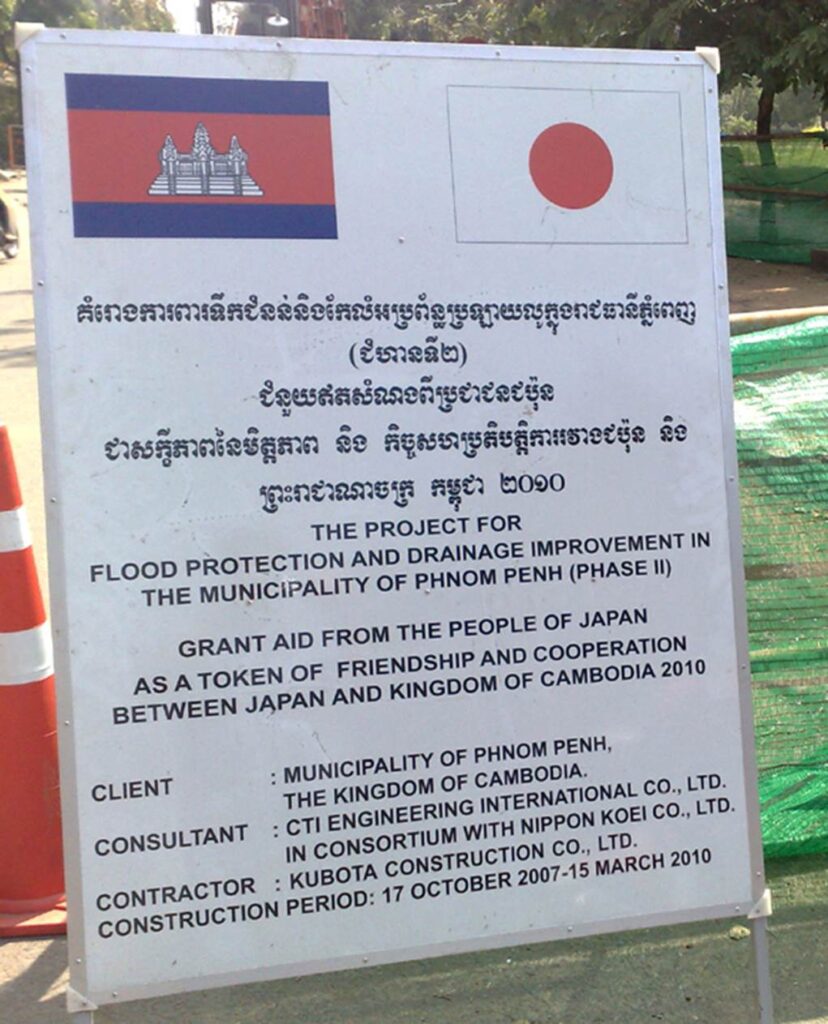
Photo by author, 2013
Abandoning the visit to JICA
(Japan International Cooperation Agency)
This was before JETRO was in Phnom Penh. I went to the JICA office on the main street of Phnom Penh to get some documents about the country.
The office building was surrounded by a wall more than 2 meters high, and there was only an entrance with iron bars that only one person could enter, so it was difficult to get close.
There were also heavy bars on the second floor windows! I gave up on visiting!
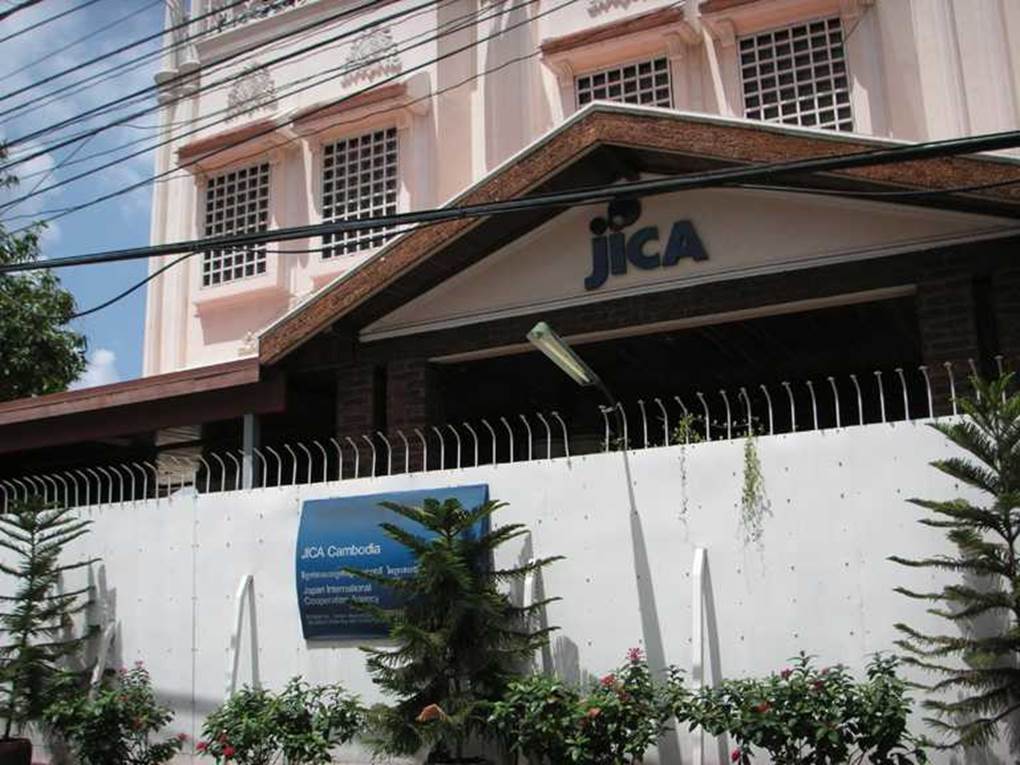
Photo by author, 2006
Cambodia Hotels
This international-class hotel in a prime location in Phnom Penh, close to the Royal Palace and facing the Mekong River. I stayed there several times.
The best thing about this hotel is that it is located within reach of the banks of the Mekong River. Many of the hotel guests are Westerners.
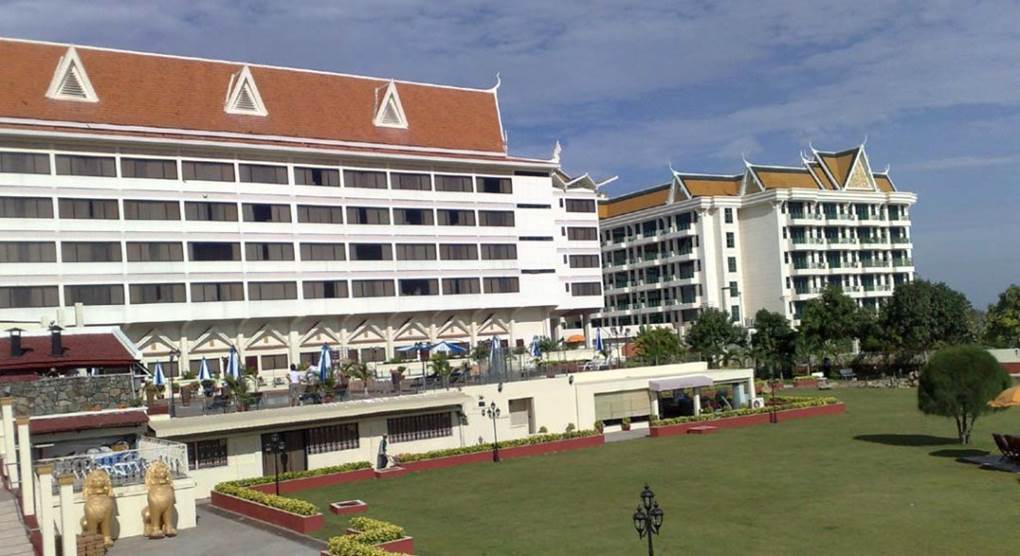
Photo by author, 2006
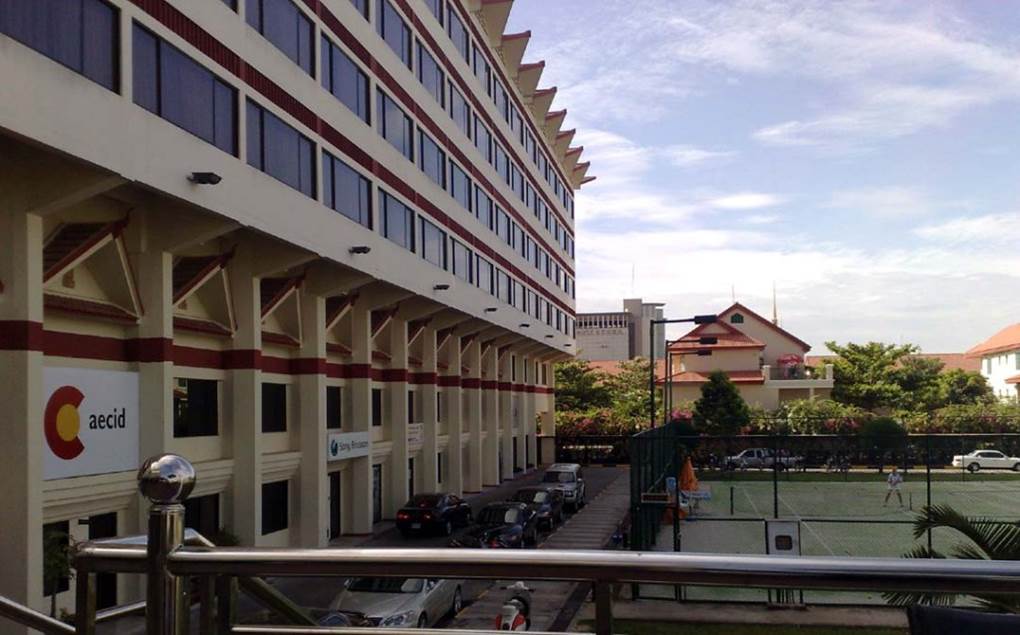
Photo by author, 2006
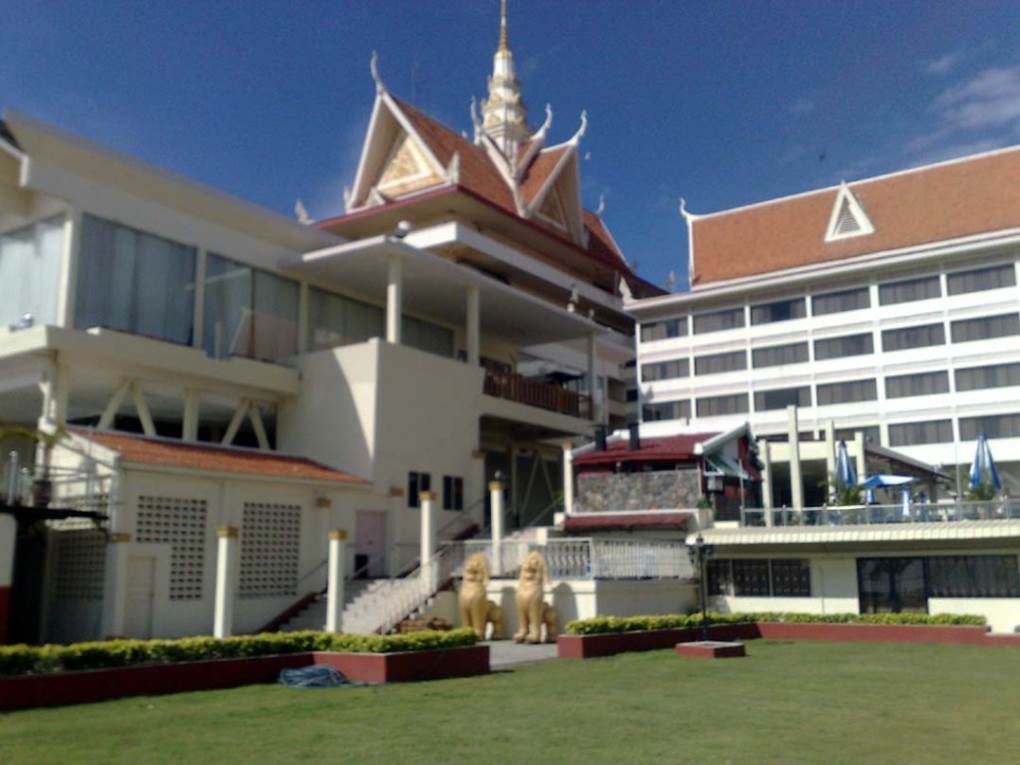
Photo by author, 2006
There is a swimming pool directly facing the Mekong River.
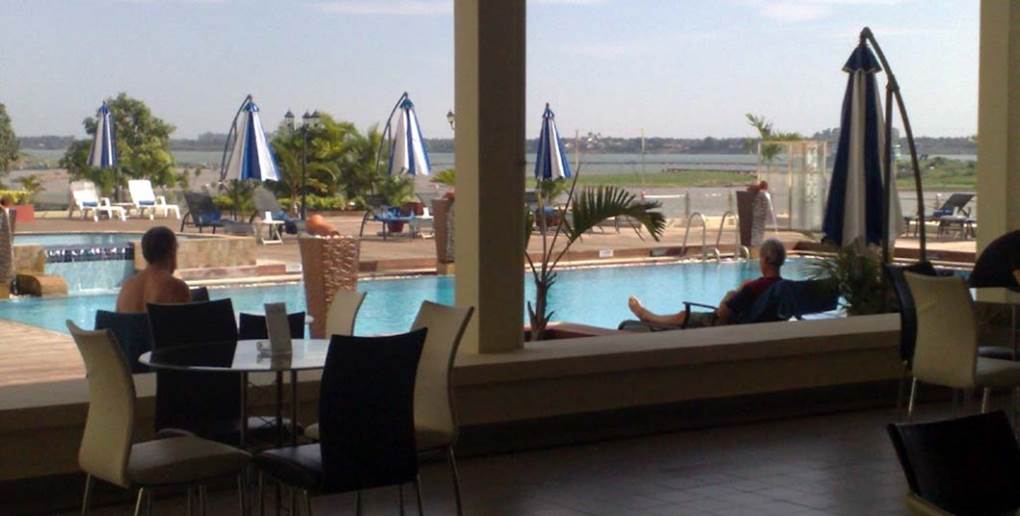
Photo by author, 2006
It seems that some kind of improvement work is being carried out on the banks of the Mekong River.
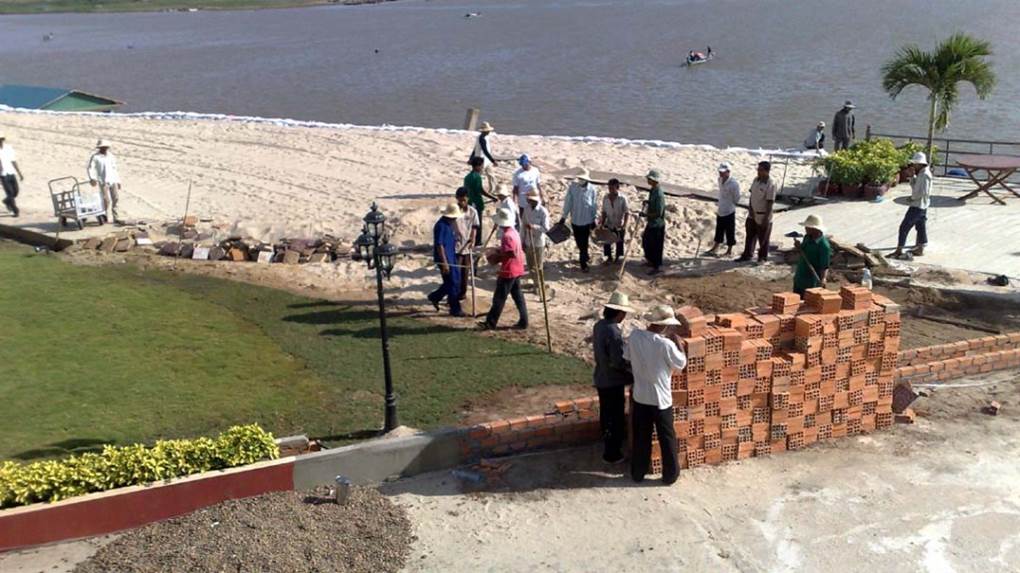
Photo by author, 2006
Real estate development just before the Lehman shock
In 2006, a construction site by a Korean developer was carried out in the outskirts of Phnom Penh City.
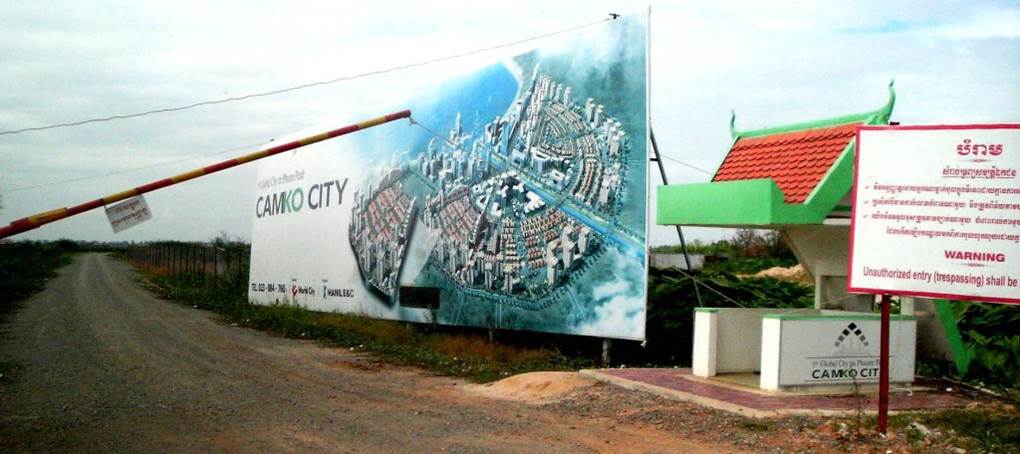
Photo by author, 2008
In 2008, the Lehman shock broke out.
It also had a huge impact on Cambodian developers.
The condominiums stopped selling, and the developer Korean company abandoned the site and fled Cambodia in the middle of the night.
The owners, who had already paid part of the payment, had no choice but to accept the loss.
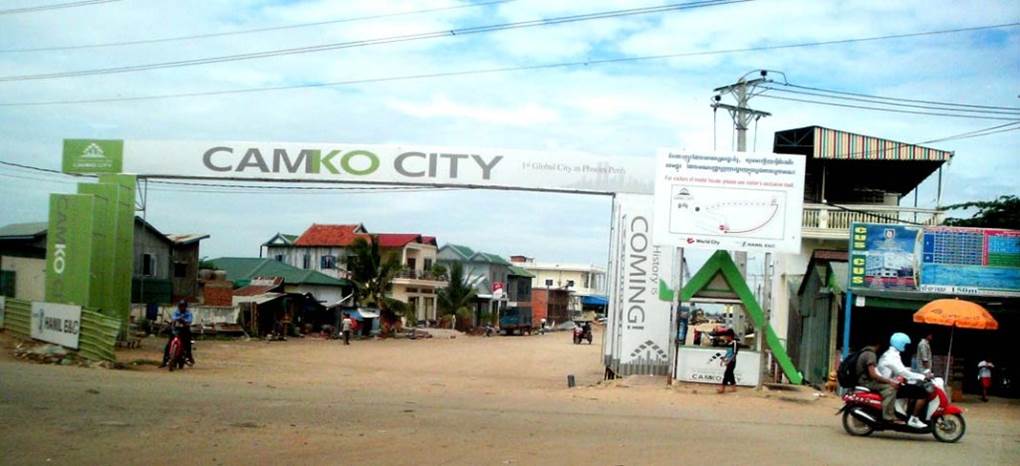
Photo by author, 2008
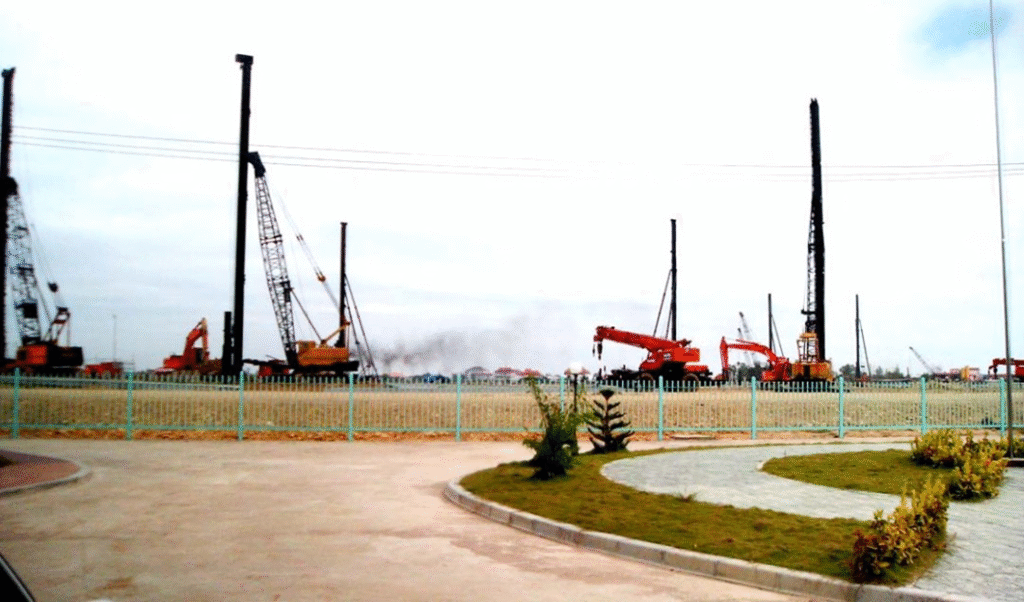
Photo by author, 2008
Architectural boom after the Lehman shock
In 2013, some time after the collapse of Lehman Brothers, there was another building boom in downtown Phnom Penh.
The photo below shows hotels and condominiums being built one after another in the new town on the opposite bank.
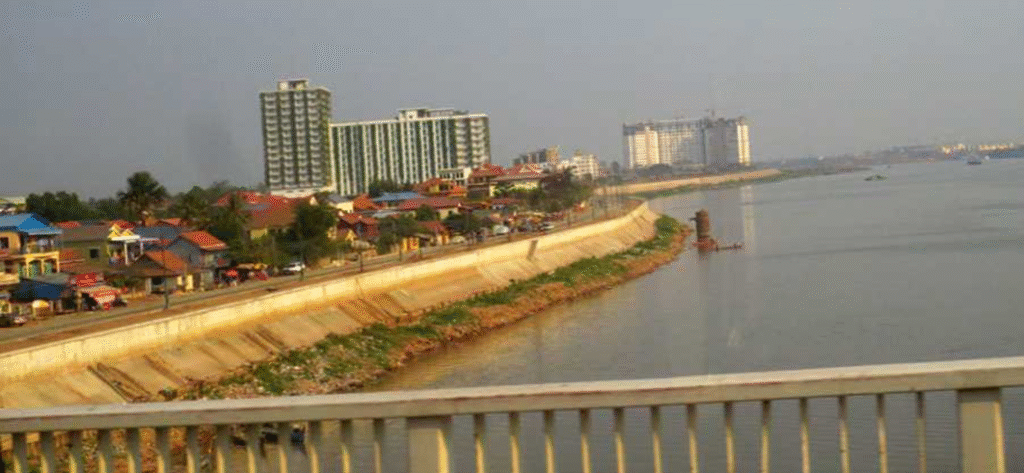
Photo by author, 2013
Japanese Bridge in Cambodia
The history reveals that the Chroy Changva Bridge was completed in 1966 with the cooperation of Japan. Located slightly north of the center of Phnom Penh City, it is an important national highway bridge over the 700-meter-wide Tonle Sap River. It was destroyed by Viet Cong suicide bombers around 1972 during the civil war.
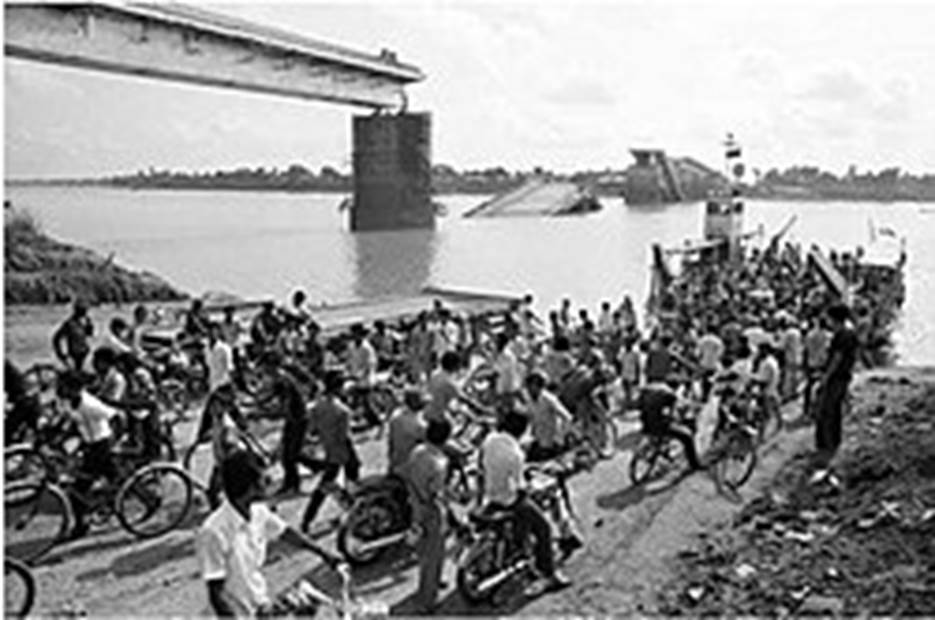
Source: Wikipedia
This important bridge for Cambodia was left broken and abandoned, but with the help of the Japan, it was rebuilt in 1994 as the Cambodian-Japanese Friendship Bridge. The locals affectionately call it the “Japanese Bridge“.
Then, on the other side of the river, National Route 6A, a part of the road leading from Angkor Wat to the Thai border, which was also repaired with Japan’s grant aid, is connected.
This bridge and one road, which became the main artery of Cambodia, changed Cambodia greatly. There was frequent travel between Phnom Penh residents and villagers on the opposite bank, and economic activity became more active.
Public safety improved greatly, and many residents moved to the villages that had become commuter towns.About 10km up National Highway 6A was the site of the New Town project in which I was involved.
When I visited again in 2013, additional bridge construction was underway by a Chinese company at the same time. Since the geological survey has already been completed by a Japan company and data has been accumulated, it will be easier for a later Chinese construction company to copy it.
Once a Chinese-style monument commemorating the completion is erected, it will look as if the two bridges were built by Chinese companies.
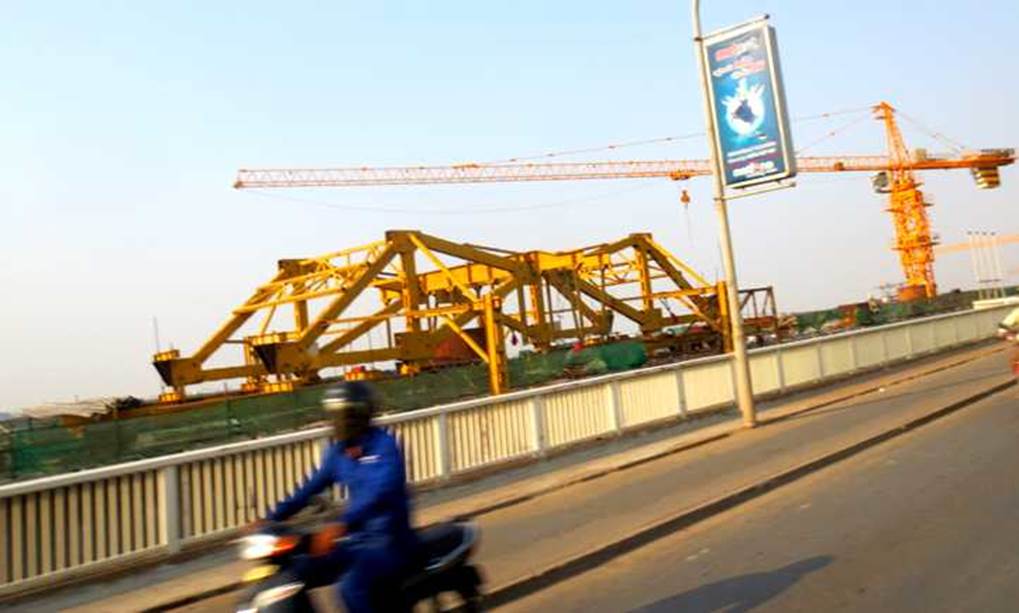
Photo by author, 2013
Two office towers appeared in the center of the city, behind the wharf in Phnom Penh.
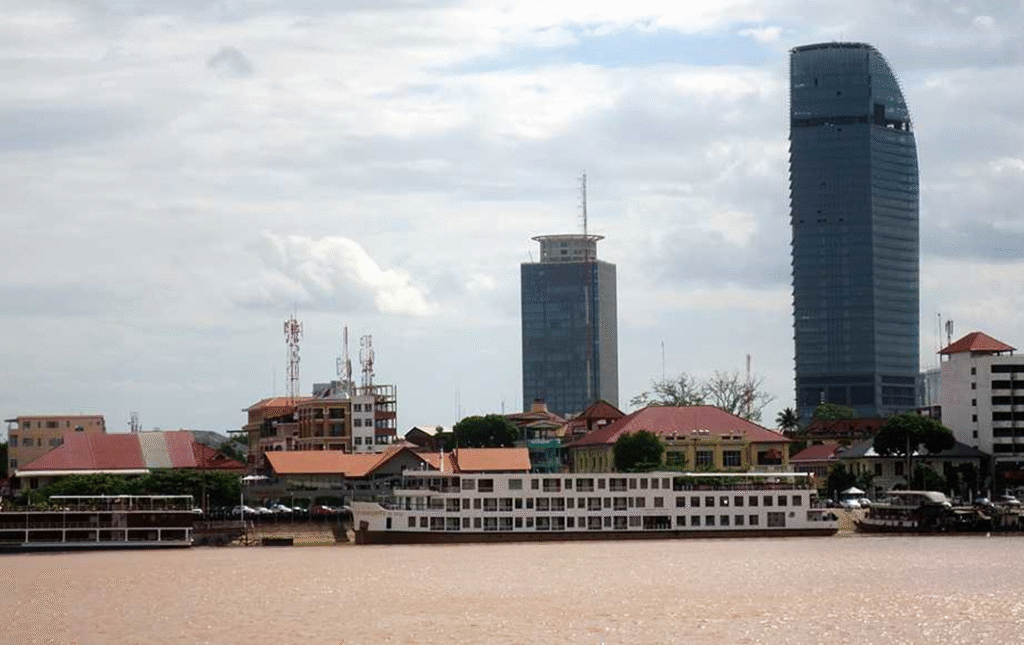
From the other side of the Tonle Sap River.
Photo by author 2013
Two new office buildings have been built near the Central Market in the center of the city.
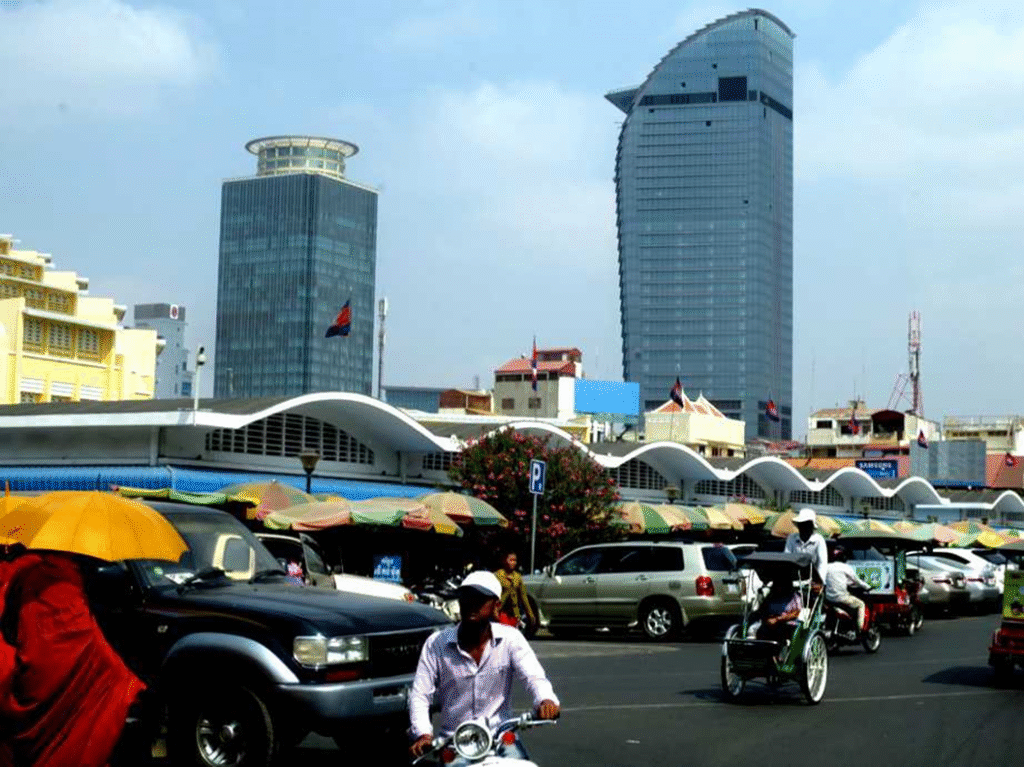
Photo by author, 2013
Boutique hotels emerge
The entrance to the new Boutique Hotel where I stayed when I revisited in 2013.
Such trendy accommodations are also appearing in Phnom Penh.
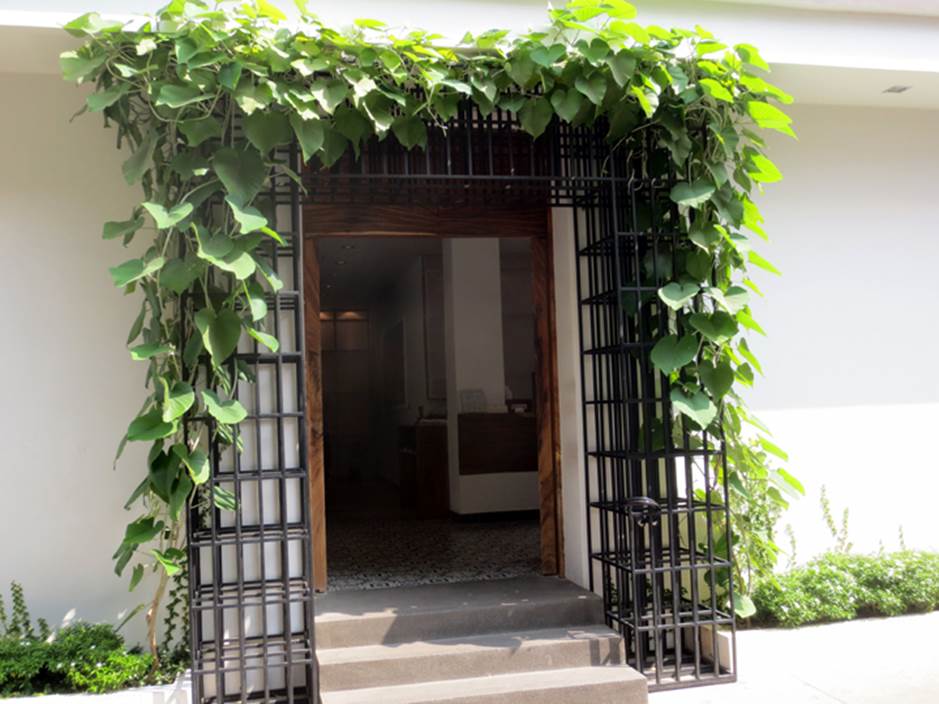
Photo by author, 2013
Rooftop pool. Small but trendy accommodations were also being built.
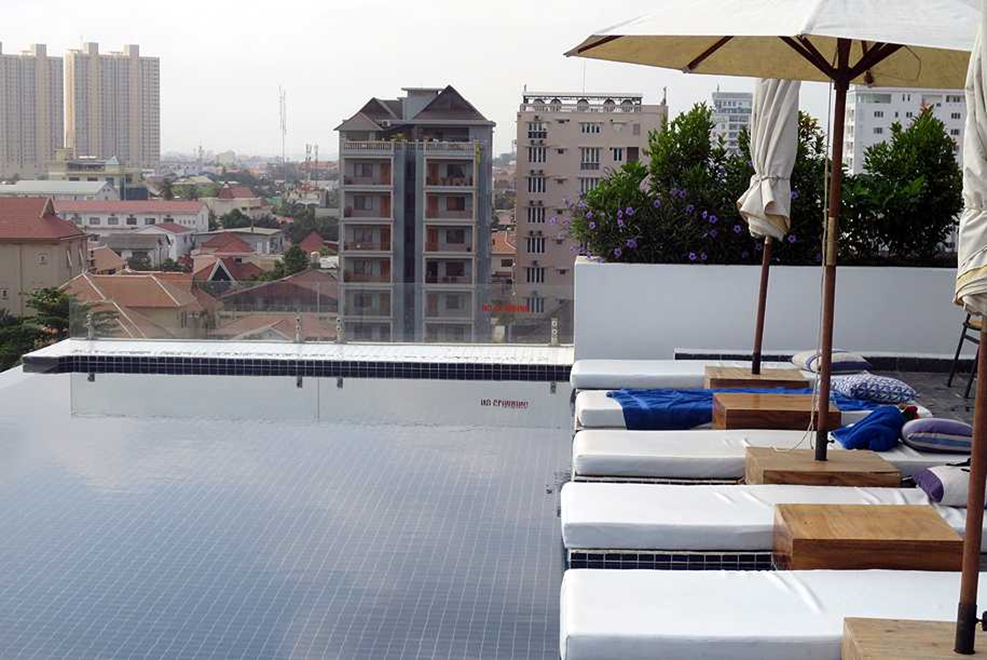
Photo by author, 2013
A view of the city from the rooftop.
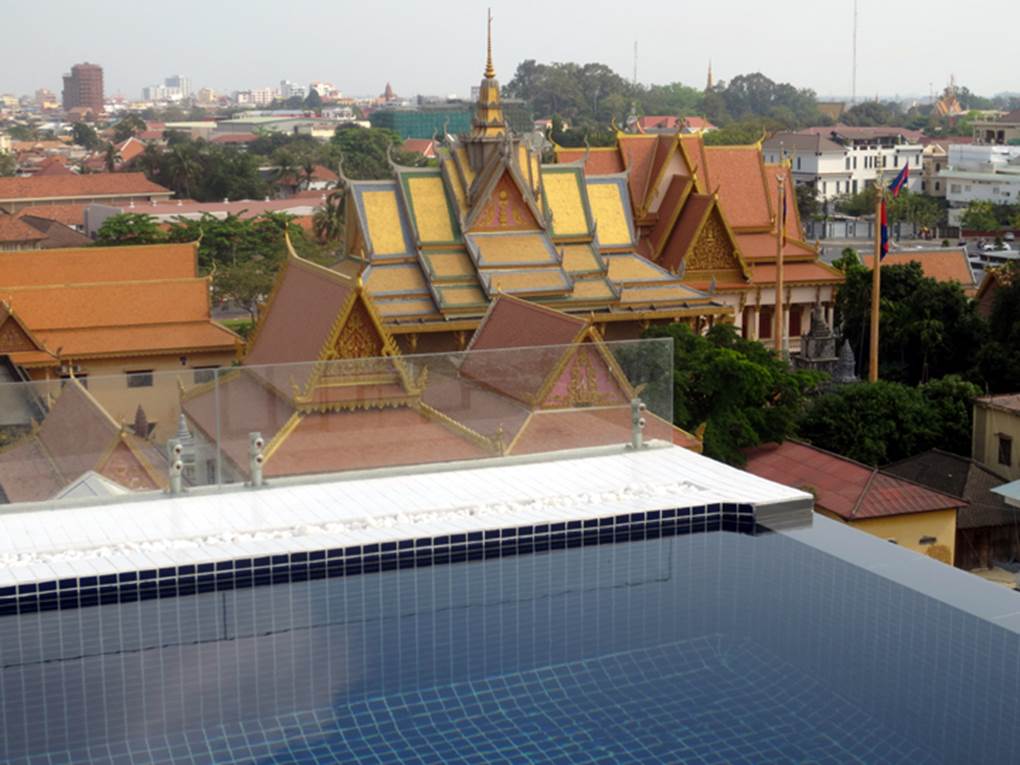
Photo by author, 2013
When I was on my 15th business trip to Cambodia, a Singaporean acquaintance recommended a luxurious hotel with a casino and made a reservation for me. That hotel is the one I mention below.
NagaWorld (Casino) and NagaWorld Hotel
The hotel is located facing the promenade where the Cambodian Independence Monument is located. Across the promenade to the north is the Cambodiana Hotel. On the corner lot next door is the Buddhist Association, and to the south of it are the Parliament Building, the Ministry of Foreign Affairs, the Ministry of the Environment, and other national government offices and embassies.
Imagine the location of this Naga World (casino). If it were Tokyo, it would be like a casino standing tall in a prominent location in the Kasumigaseki government district. Is it really okay to carry out such urban planning?
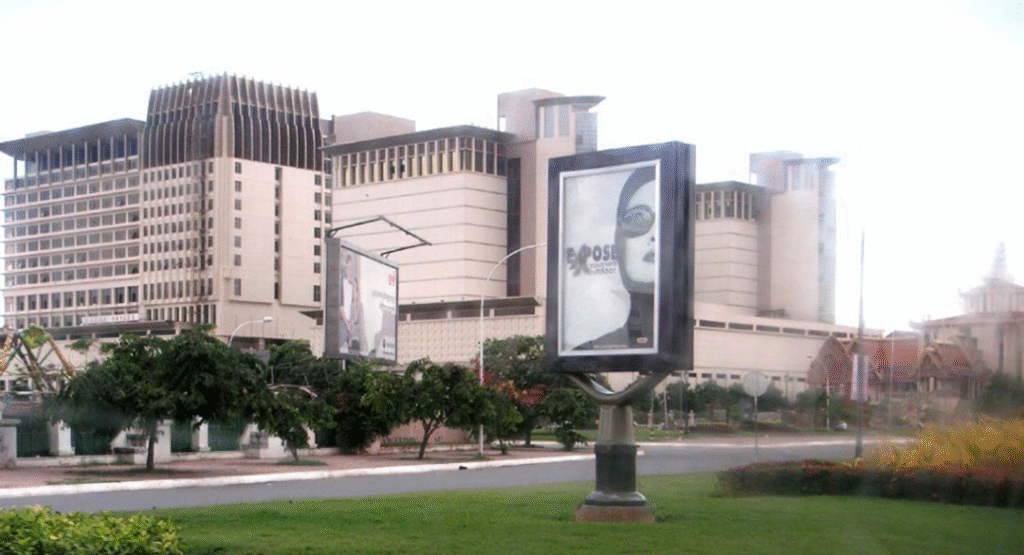
Photo by author, 2013
Next to a government district is the casino building.
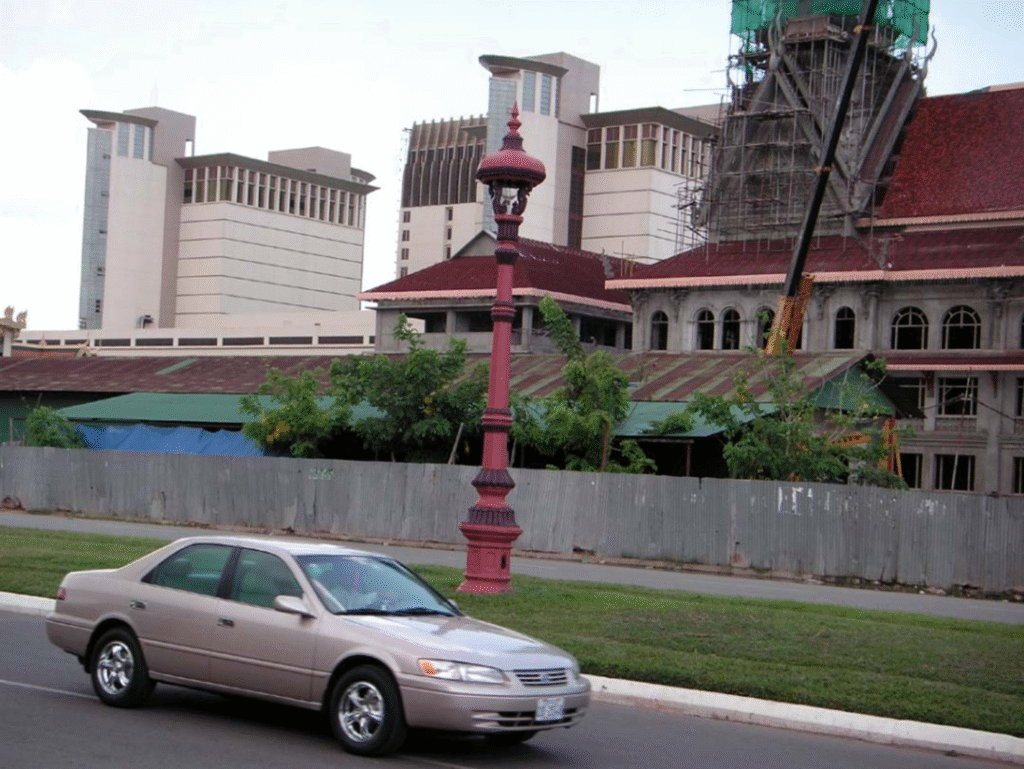
Photo by author, 2013
The main stream of the Mekong River can be seen from the room.
In addition, it seems that a guest room building has been added.
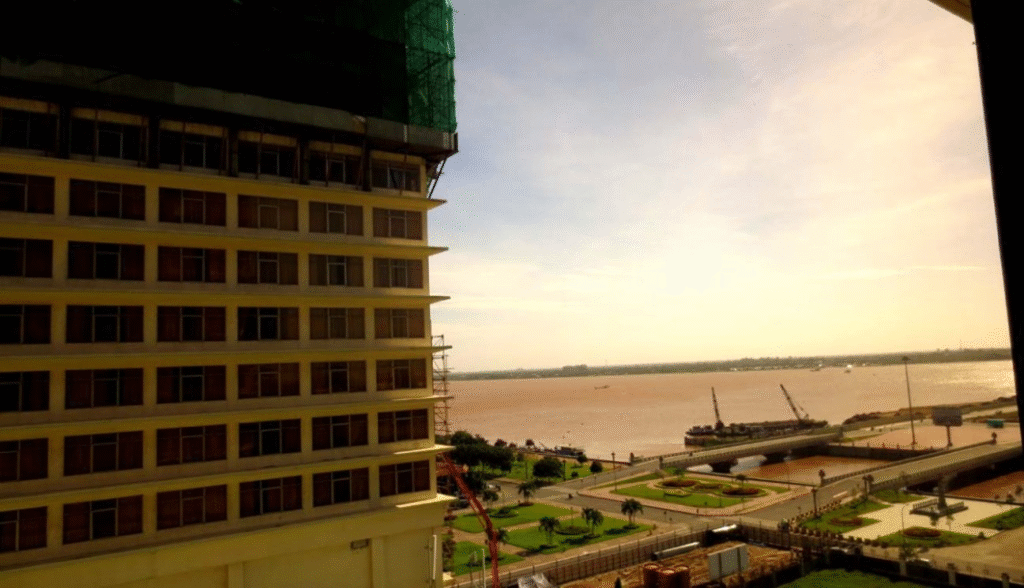
Photo by author, 2013
Going down to the casino floor from the guest rooms.
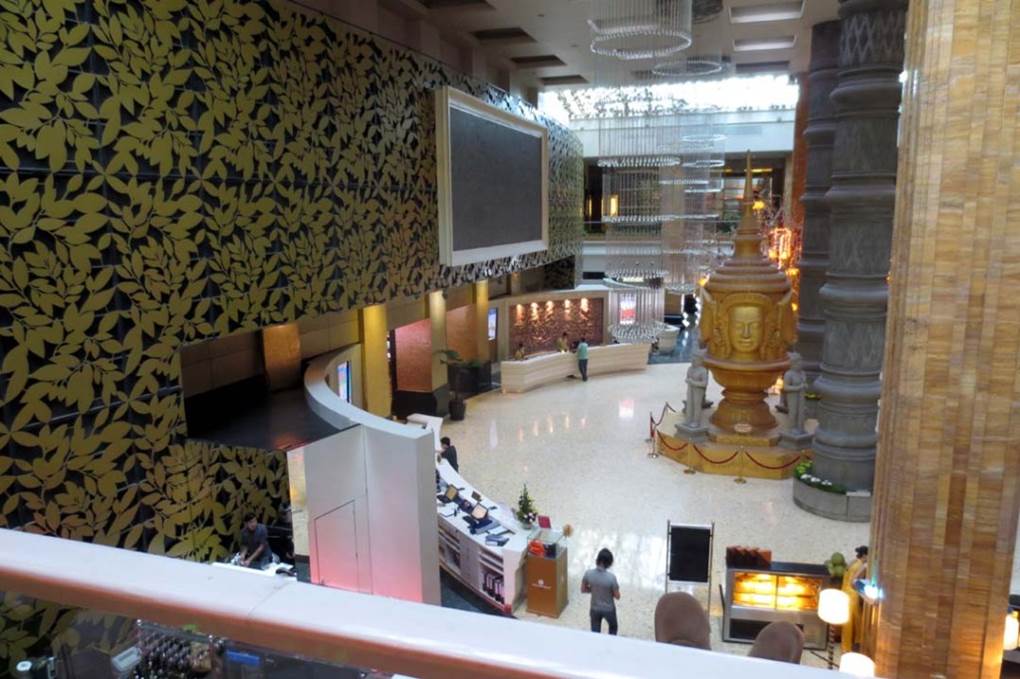
Photo by author, 2013
This seems to be the entrance to the casino.
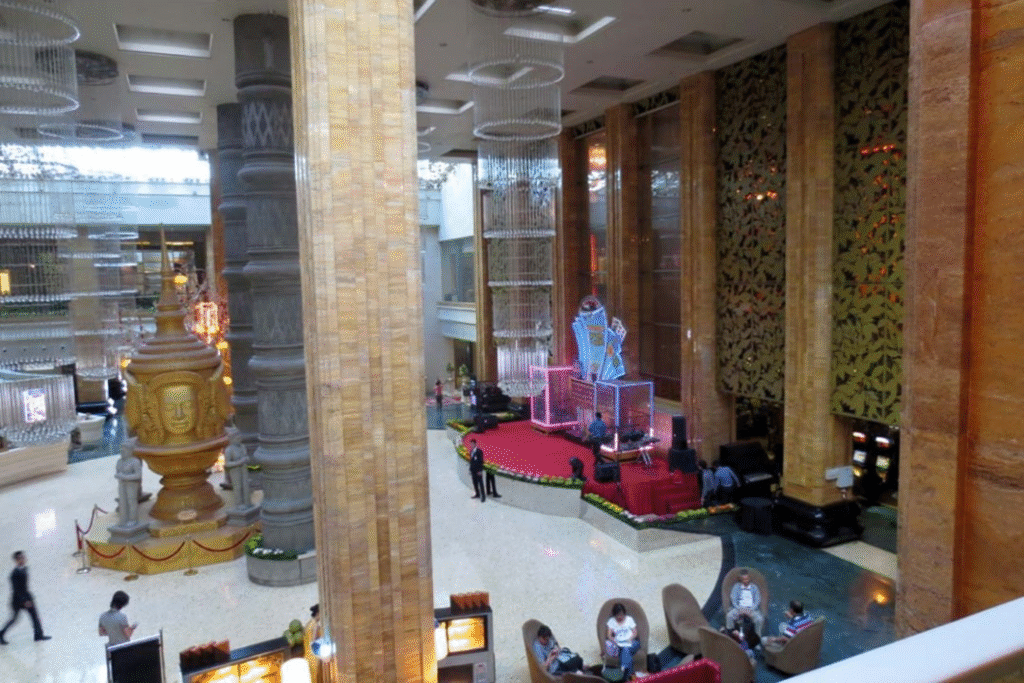
Photo by author, 2013
I entered the casino and took pictures without any hesitation. A female casino employee came over and said that pictures were not allowed. (I knew that.)
I apologized and quickly left the casino.
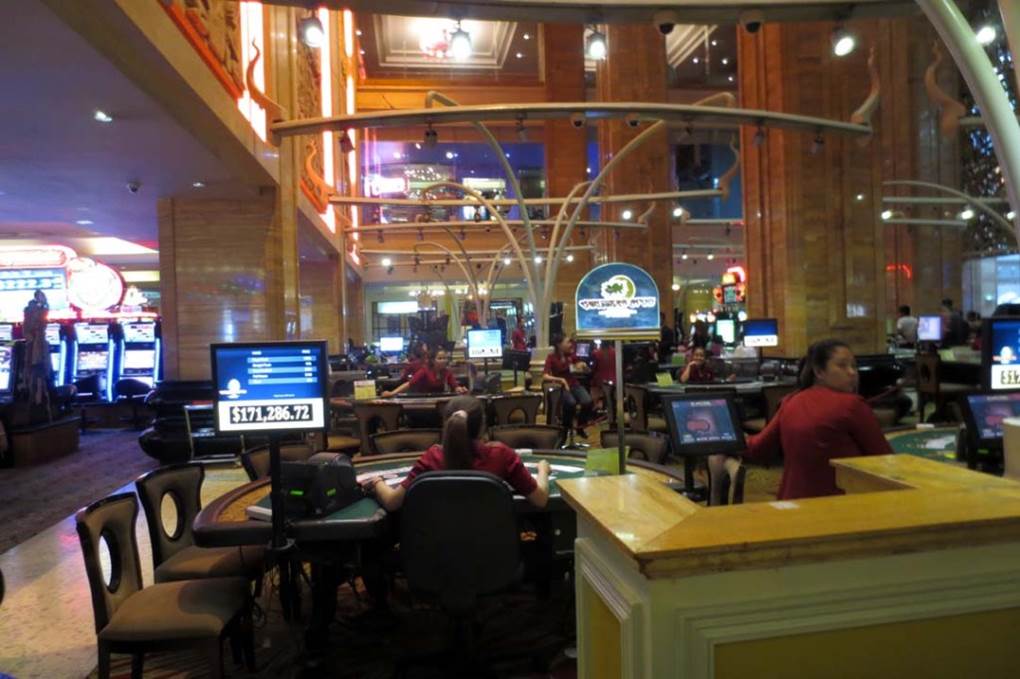
Photo by author, 2013
I went to this restaurant for breakfast.
Most of the customers were Chinese from the mainland, which I don’t see anywhere else, and they were loud and restless.
They were probably talking about gambling from the previous night.
Some of them were even sitting cross-legged on their chairs.
I regretted staying at such an inappropriate hotel.
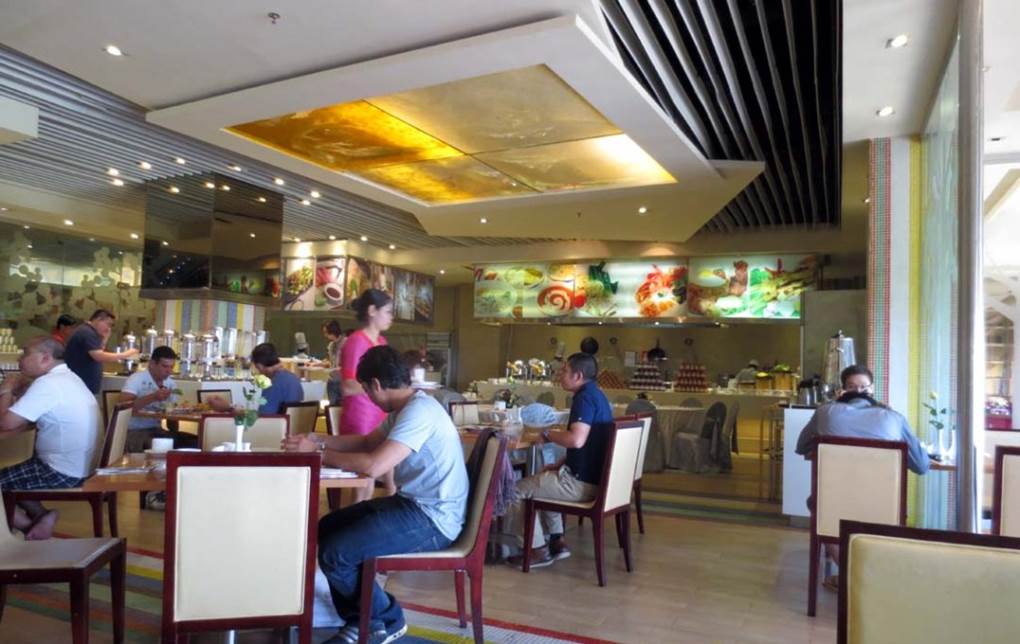
Photo by author, 2013
NagaWorld Hotel guest room.
It is spacious, but the design seems to have been copied from the interiors of five-star hotels in Hong Kong several decades ago, which makes it unsettling.
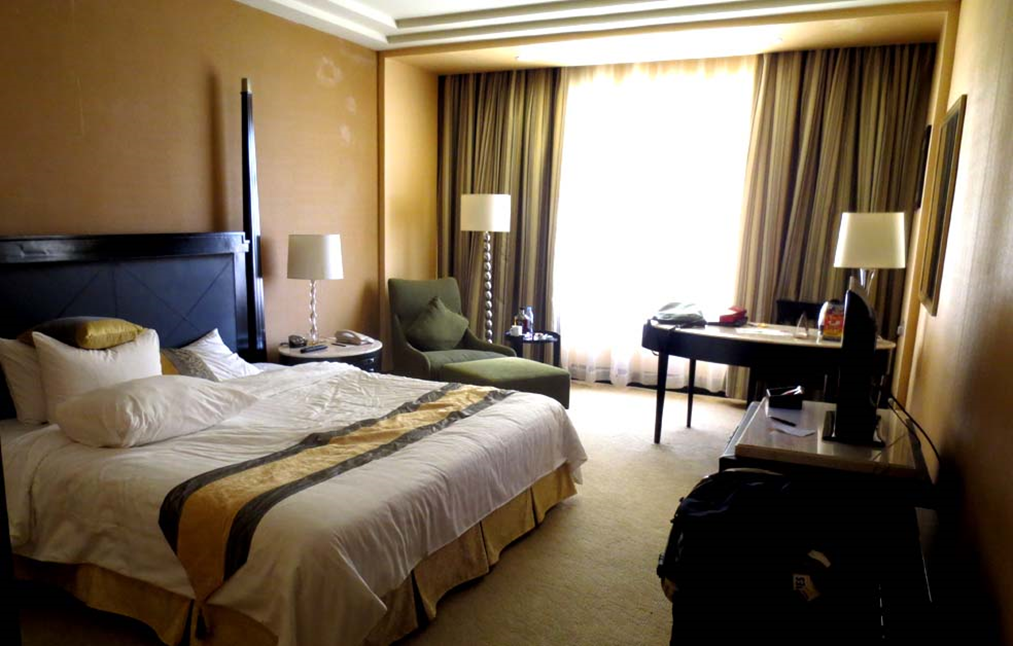
Photo by author, 2013
Photos by author, 2006~2013