JAP | ENG
Myanmar Travelogue 1993
#1/5
Yangon
On October 4, 1993, at the invitation of a hotel construction investment company in Singapore, I had the opportunity to visit Yangon, the capital of Myanmar, for the first time.
This was shortly after Singapore Airlines began operating direct flights from Singapore Changi Airport to Yangon, a three-hour flight north.
Taking off at Singapore’s Changi Airport
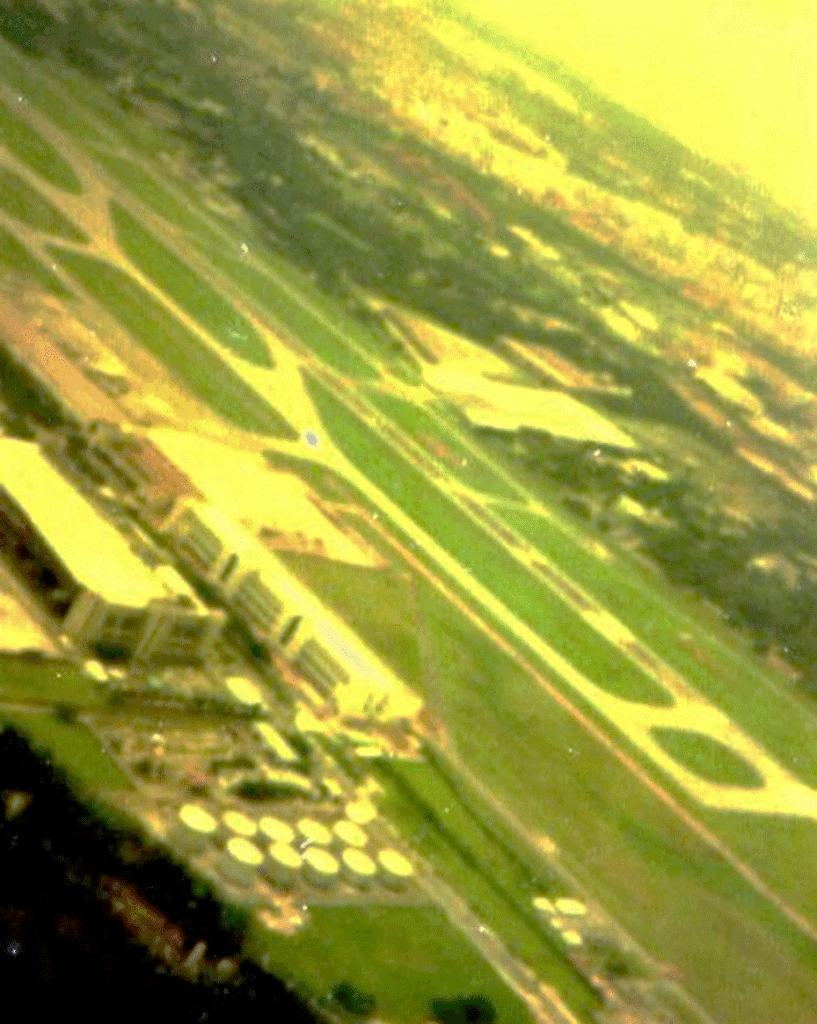
Singapore’s Changi Airport
Photo by author 1993
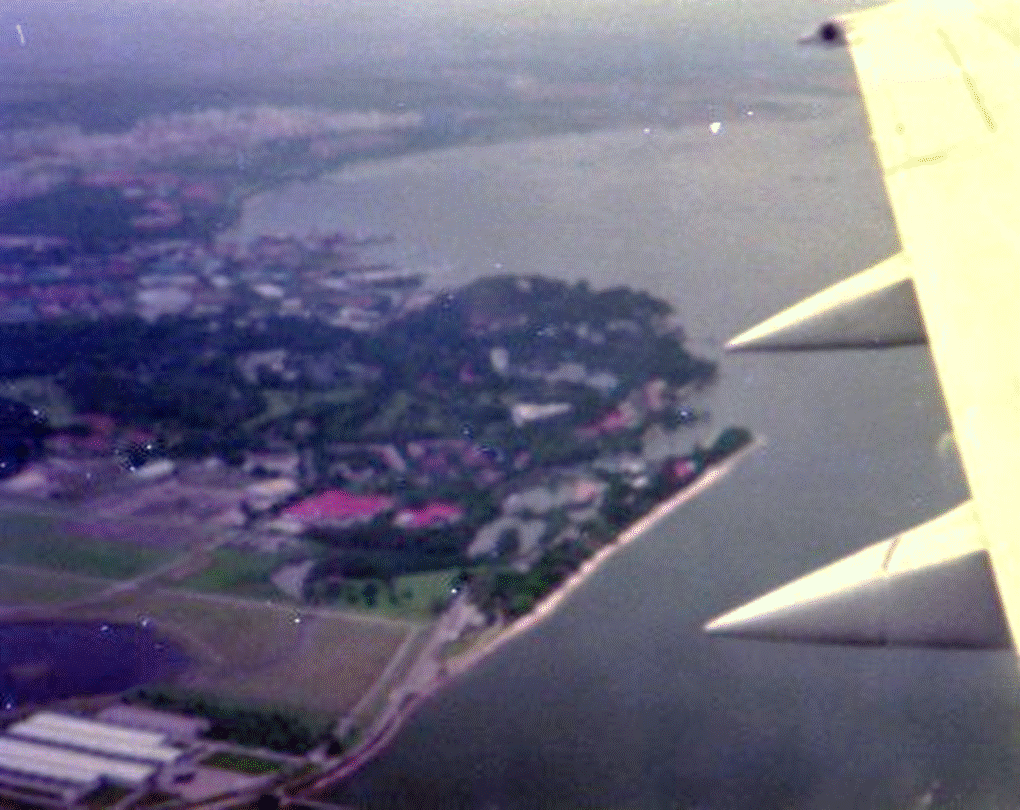
Singapore’s Changi Airport
Photo by author 1993
Yangon Airport
Arrival at Yangon Airport. By 1993, airports without air bridges were becoming rare in Southeast Asia. The terminal building is old, like airport in Jakarta in the 1970s.
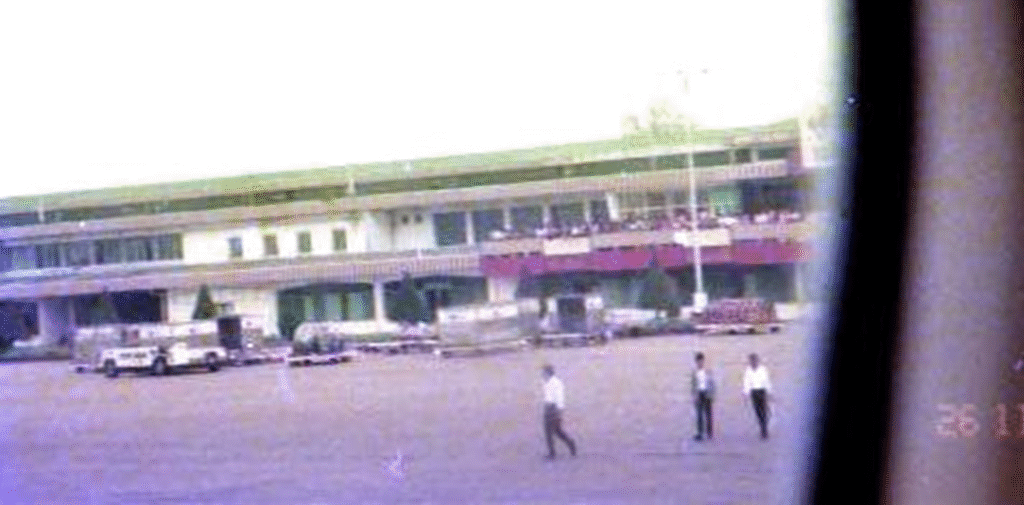
Airport in Yangon, the capital of Myanmar,
Photo by author, 1993
Passport checks, immigration.
There were hardly any foreign tourists to be seen.
Most of the people in line seemed to be businessmen entering the country for business.
There were only two windows, and only one inspector was working there.
This was the scene more than 10 years before the Myanmar boom.
Immigration officer’s wooden desk and chair, and wooden screen.
The air conditioner is an old floor-standing type, an airport full of retro feeling.
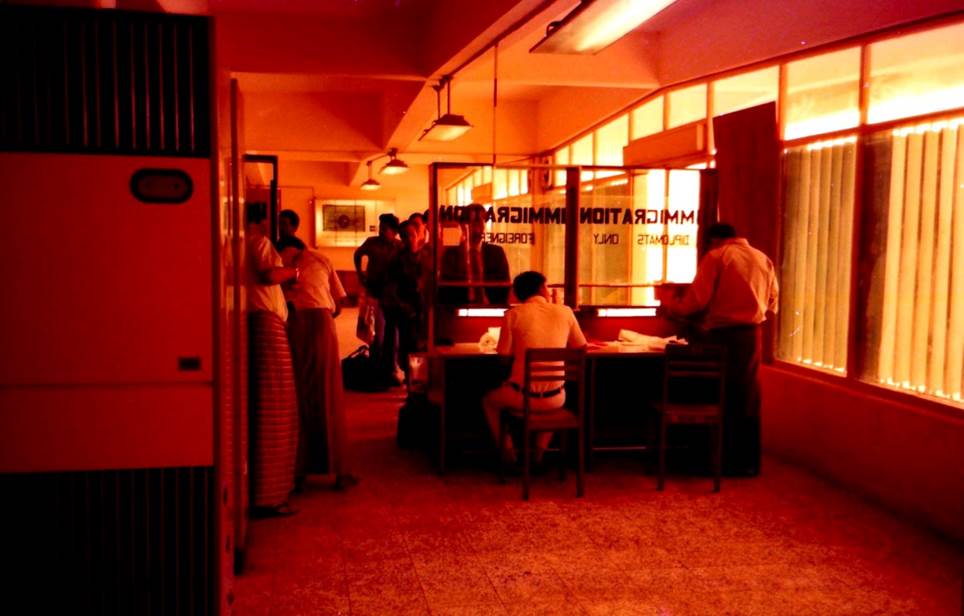
Photo by author, 1993
Security checking belongings on a wooden table.
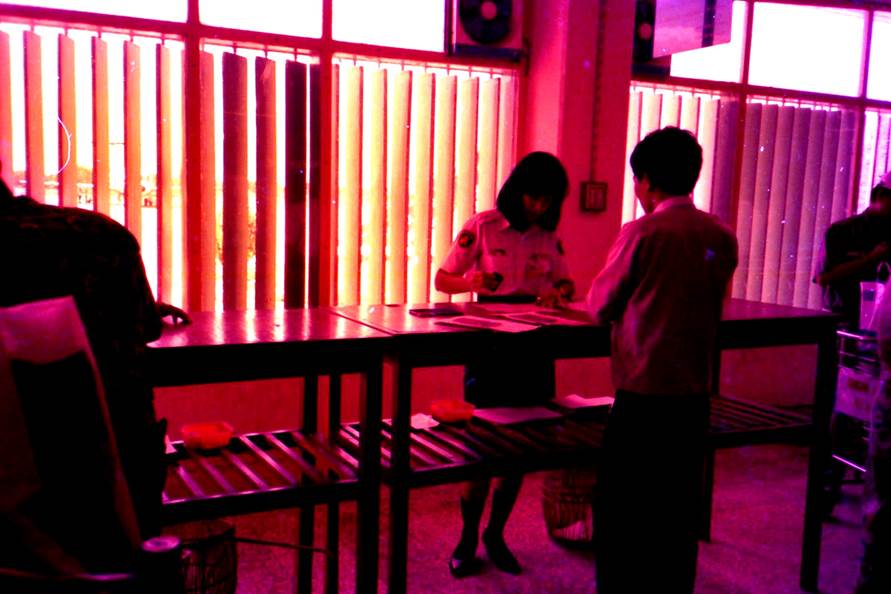
Photo by author, 1993
Currency exchange counter of Myanmar’s government-affiliated bank.
It is required by law that a minimum of US$200 in foreign currency must be exchanged for the local currency, kyat, at the official rate.
If you exchange money at the city’s private money changer, you can get at least 50% more local currency.
This is a typical example of a socialist controlled economy.
The difference between the official rate and the market rate (black market rate) is so large that this has become a breeding ground for corruption and smuggling.
Wooden countertops here as well.
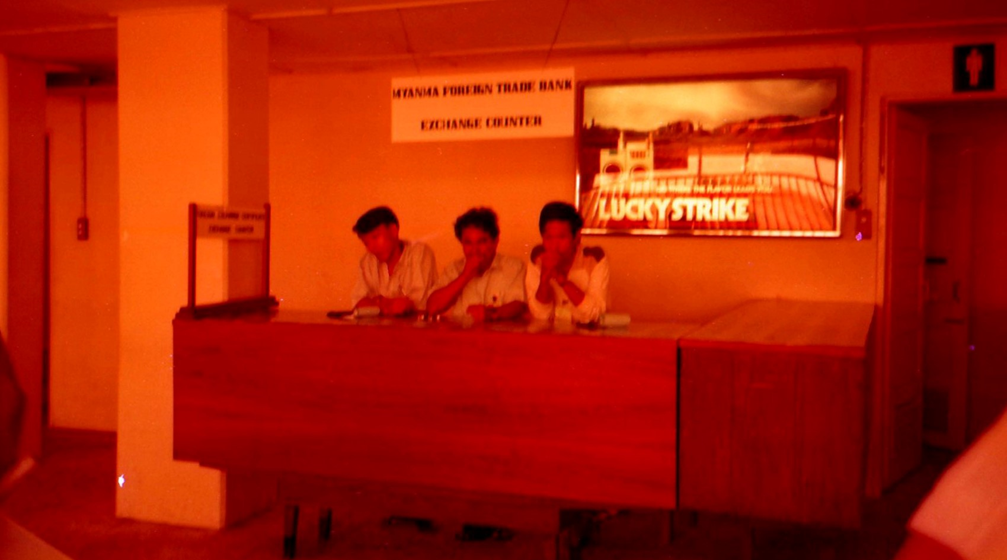
Photo by author, 1993
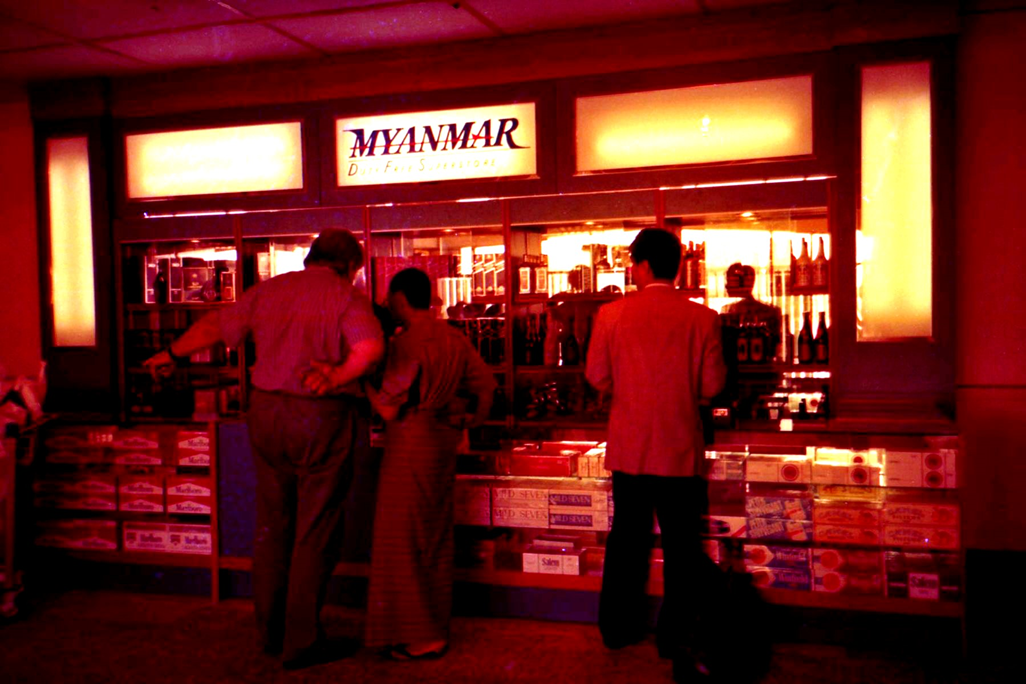
State-run duty-free shops.
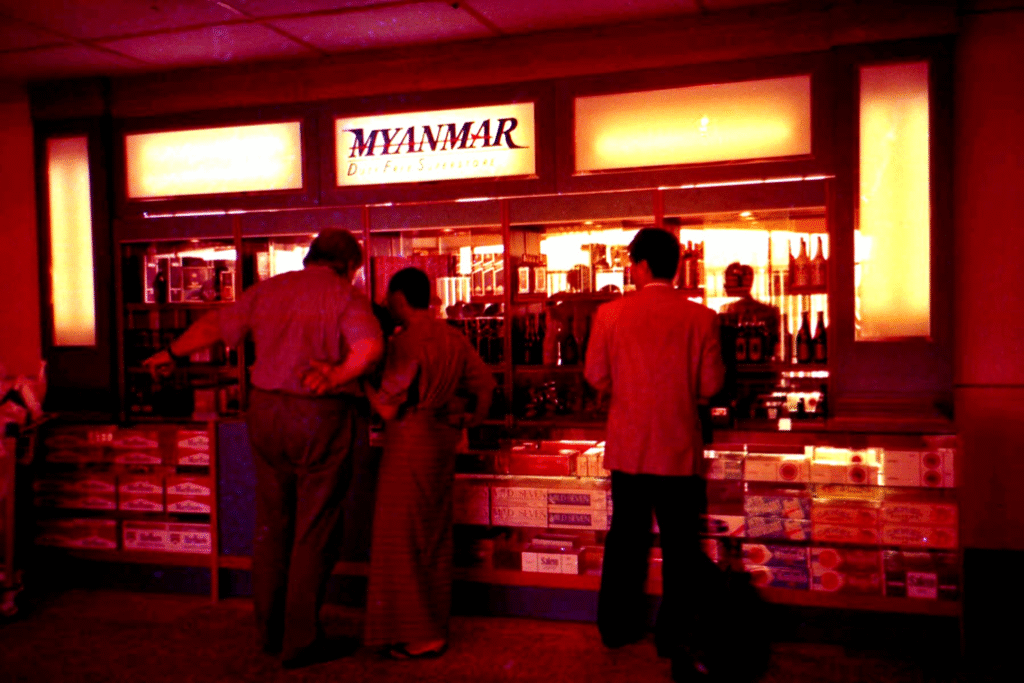
Photo by author, 1993
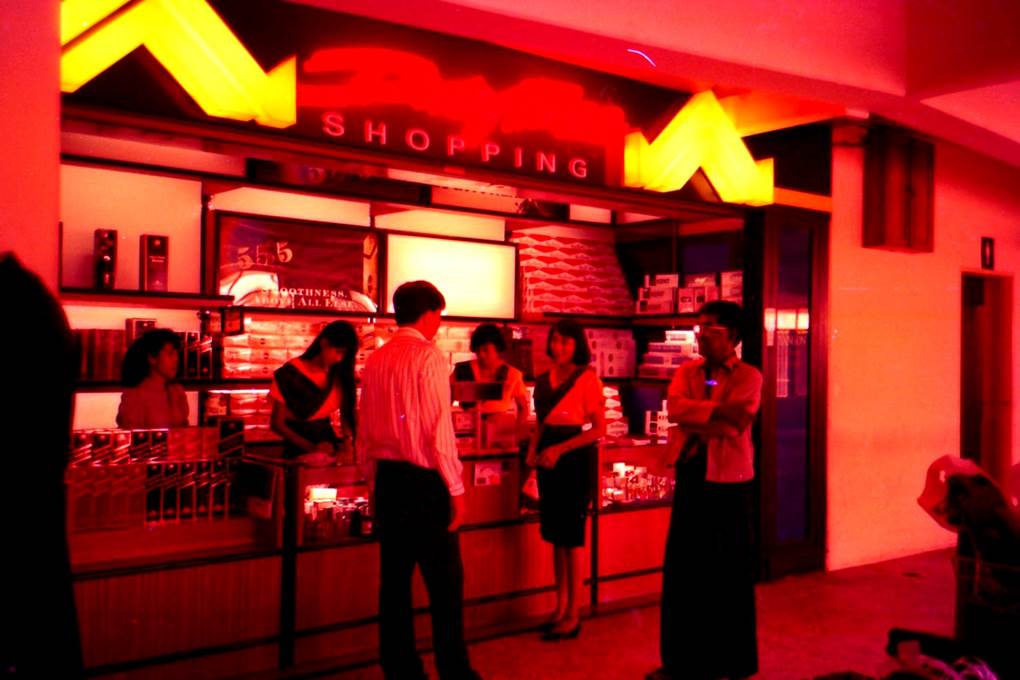
Photo by author, 1993
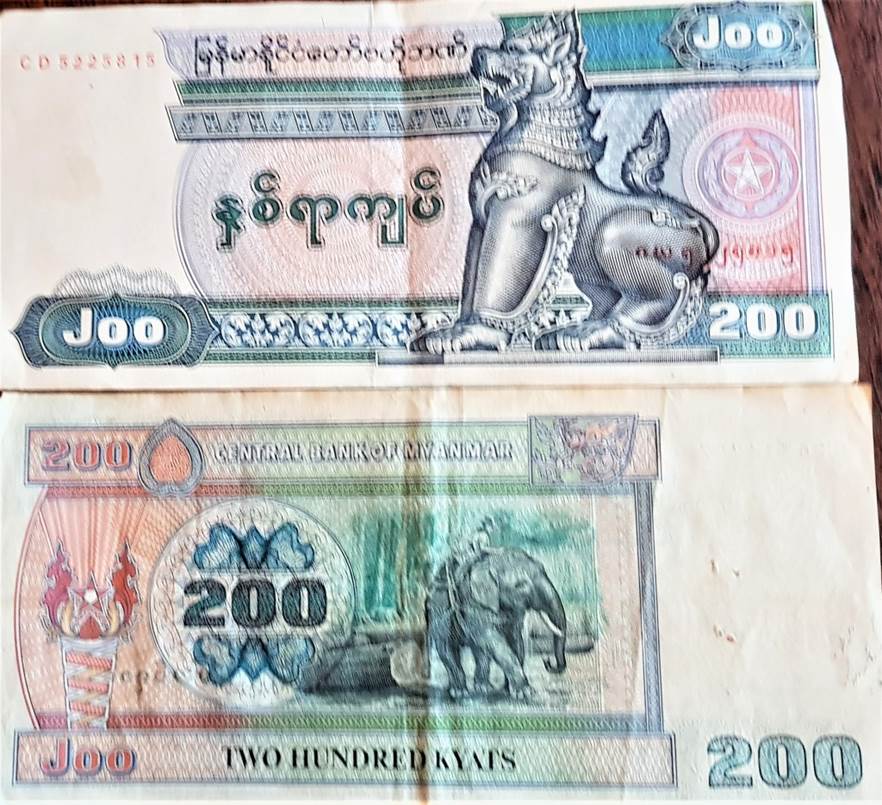
Banknotes of Myanmar
The banknotes feature portraits of fearsome soldiers. They give a glimpse into the state of a country in which the military rules everything.
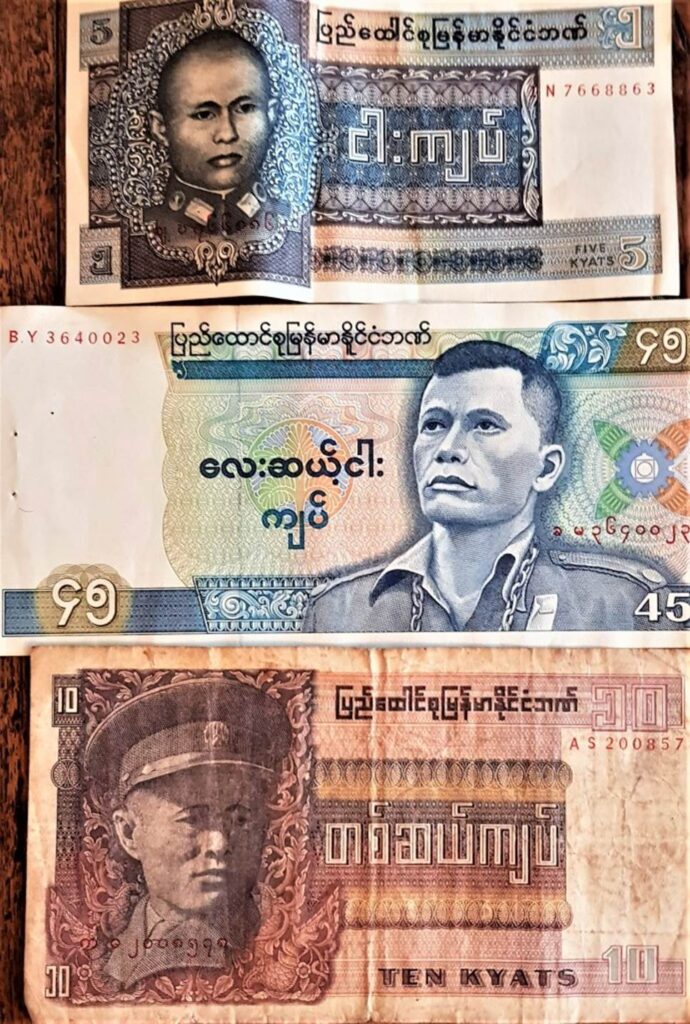
There are also animal, a lion and an elephant printed onto the notes.
Leaving the airport
At the airport exit, I saw an advertisement for the cigarette brand I love to smoke. I also saw many used Japanese cars lined up. When I went outside, the atmosphere was relaxed, considering it was a military-controlled country.
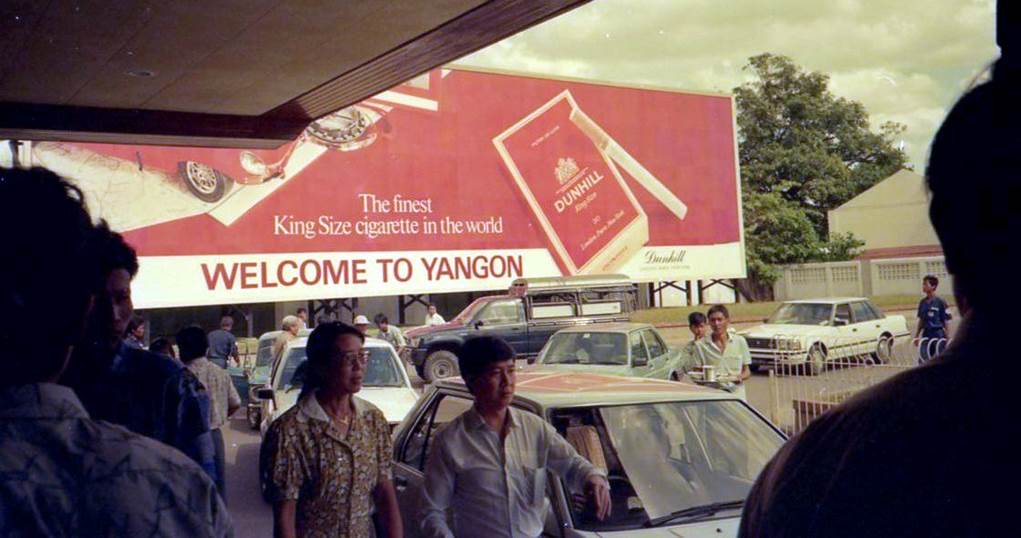
Photo by author, 1993
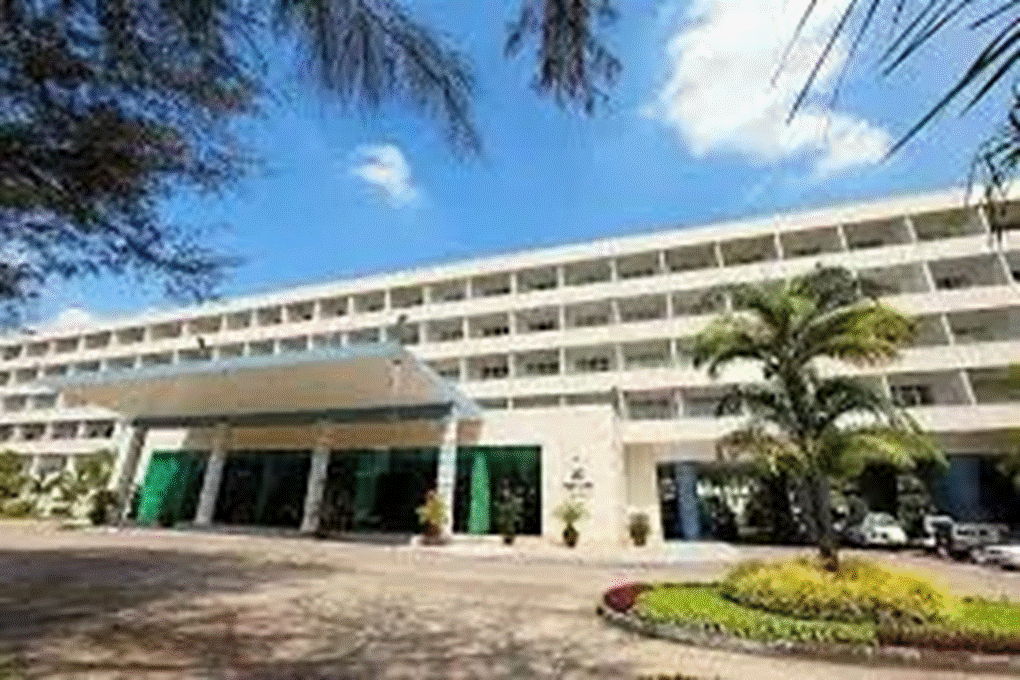
Stay at the Inya Lake Hotel
The first day’s accommodation was at a hotel facing Inya Lake, Yangon’s scenic district. The Inya Lake Hotel was built with the support of the former Soviet Union. The exterior of the building on the lakeshore and the green garden grounds were wonderful, but when I entered the lobby and looked inside, the building had the atmosphere of a typical socialist country that insisted on efficiency.
It may be a luxury hotel from the past, but it has been a long time since it was built. The air conditioner in the guest room was an integrated indoor unit and an outdoor unit, and are clearly worn out and no consideration was given to noise. In 1993, there were few suitable hotels for foreigners in the city, and this hotel was considered the best choice at the time.
There was a huge teak wood tree on the driveway in front of the hotel, attracting many birds. This was the only scenery that symbolized the Myanmar atmosphere.
Burmese-style socialism and controlled economy
Burmese-style socialism, which lasted until 1988, hindered Myanmar’s development. Due to the isolation policy of companies and trade under the control of the government, the Burmese economy has stagnated significantly to the extent that it has been recognized as the poorest country, and it has been far behind other ASEAN countries.
In contrast to Western countries, Japan recognized the military government established by a military coup in 1988, but major Japanese construction companies involved in airport development were in the process of withdrawing. We visited Myanmar four years later, in 1997, before Myanmar joined ASEAN, during a period of decline.
Aung San Suu Kyi under house arrest
Democracy leader Aung San Suu Kyi has been under long-term house arrest in a large mansion near the Inya Lake Hotel, and I went to see her house near the barricade on the road in front of the mansion. The nearby Yangon University, a hotbed of the democratic movement, had no classes in session, was almost closed, and looked like a ruin.
Yangon city center map
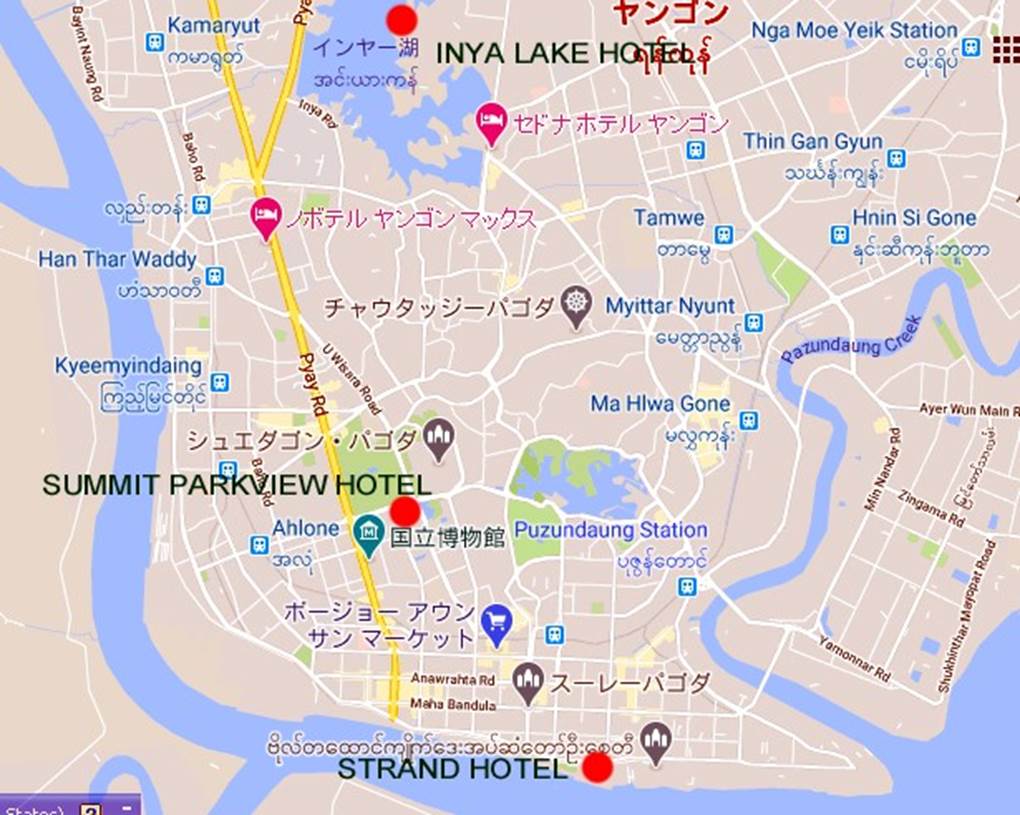
Strand Hotel and Colonial Architecture
Rangoon (now Yangon) was a new city that was systematically established in the mid-19th century as the commercial and political center of British Burma.
Later, in the second half of the 19th century, commercial activity became so active that it is said to have reached a level comparable to London in terms of public services and social infrastructure.
At the time of the my visit in 1993, many colonial-style buildings remained in key locations throughout the city, and it felt like a treasure trove of colonial architecture even greater than Singapore.
Unusually for a colonial city in Southeast Asia, roads are planned in a grid pattern in the center. Facing the Yangon River, there are Strand Hotels, trading houses, and foreign diplomatic missions. Public facilities such as city halls, courthouses, and post offices, as well as religious facilities such as churches and pagodas, are grouped in the central area. In addition, at the northern end is the Yangon Central Railway Station, a transportation hub of the Colonial Era.
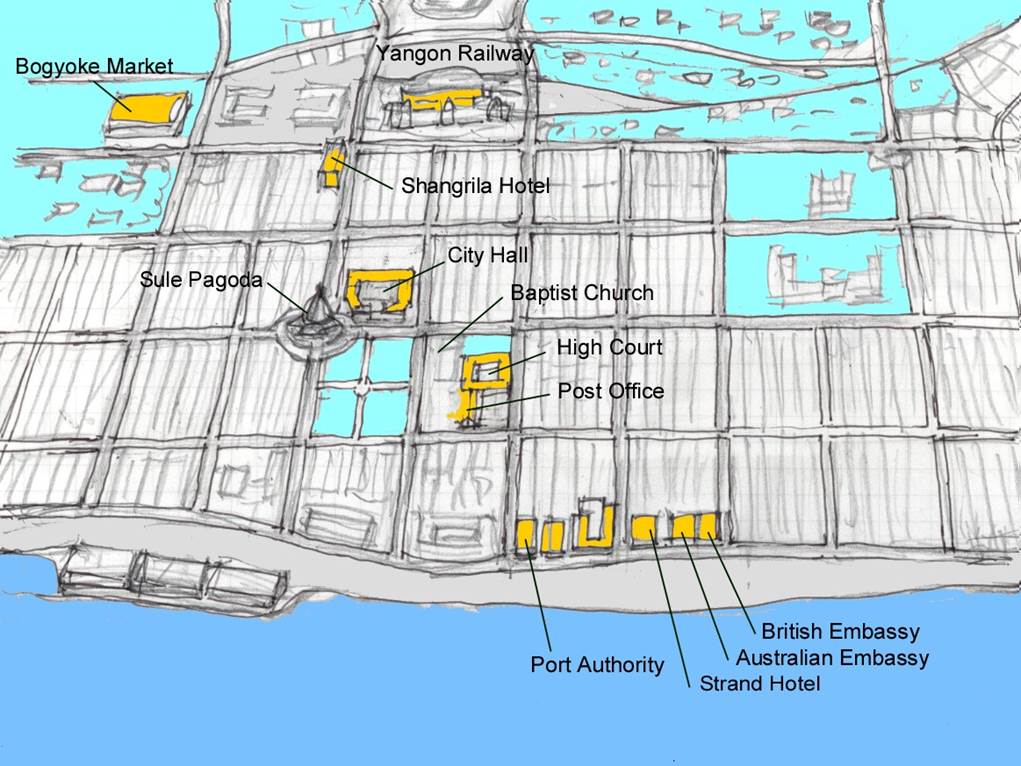
Author’s sketch of Downtown Yangon Center
Strand Hotel
The Strand, located on the banks of the Yangon River, was built in 1901 by the Armenian Sarkies brothers from Iran during British rule.
About four years ago, they opened the Raffles Hotel in Singapore and the E&O Hotel in Penang, Malaysia. The Strand Hotel has hosted Prince Edward and Somerset Maugham.
100 years after it opened, the Strand Hotel has fallen into disrepair.
It has become the kind of property that makes you want to tear it down and build a new one.
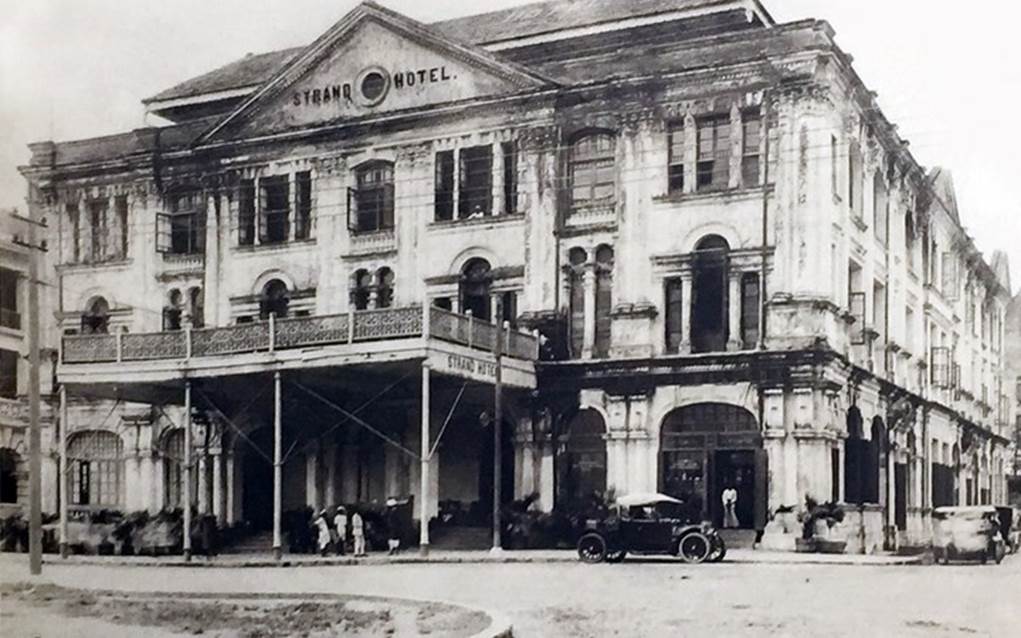
Source: Strand Hotel Website
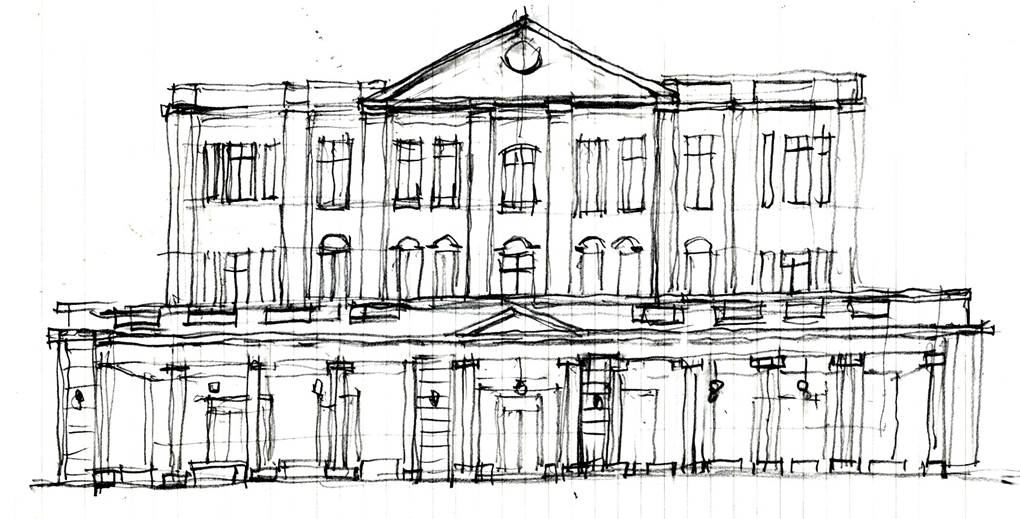
Author’s sketch
A century later, legendary hotelier Adrian Zecca took notice of the dilapidated hotel and set out to preserve its heritage.
The Strand Hotel was brought back to life as it is today, pictured below
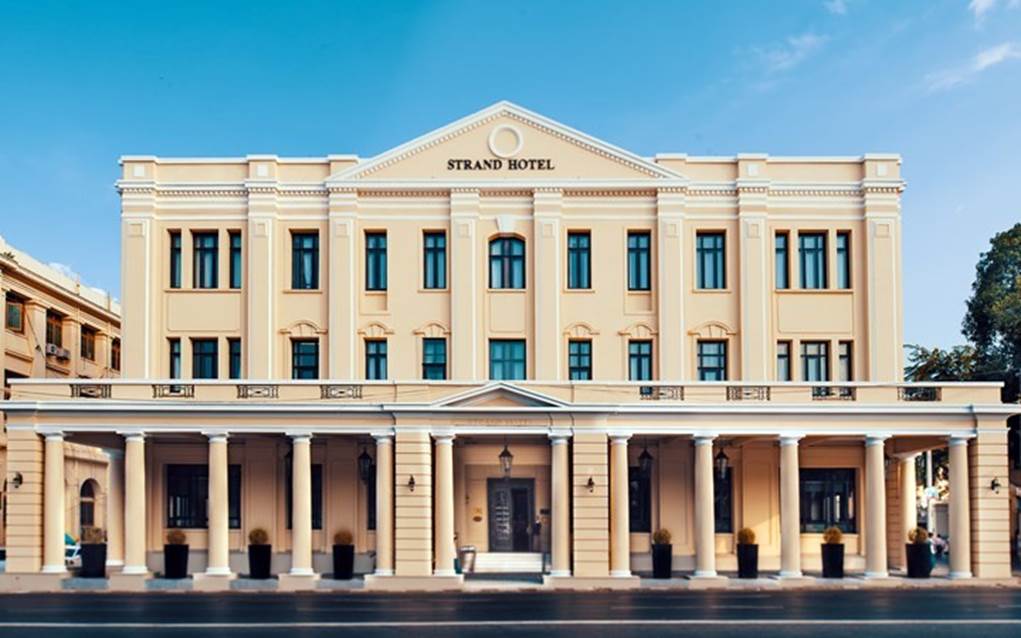
Source: Strand Hotel website
The lobby of the Strand Hotel.
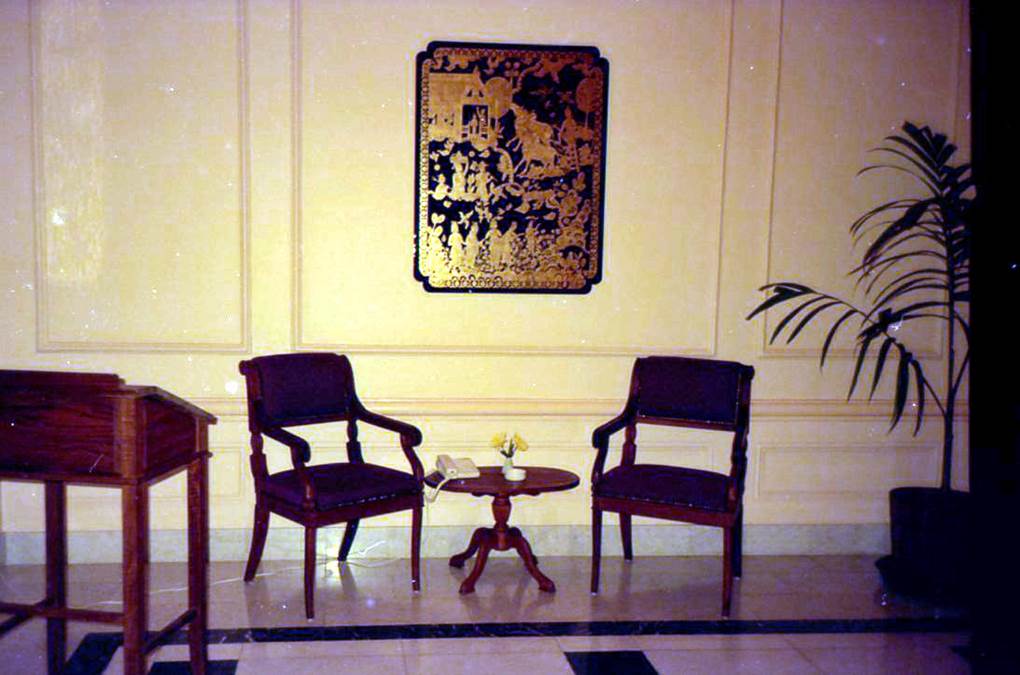
Photo by author, 1993
Visitors from Singapore, Malaysia and Japan chatting in the lobby.
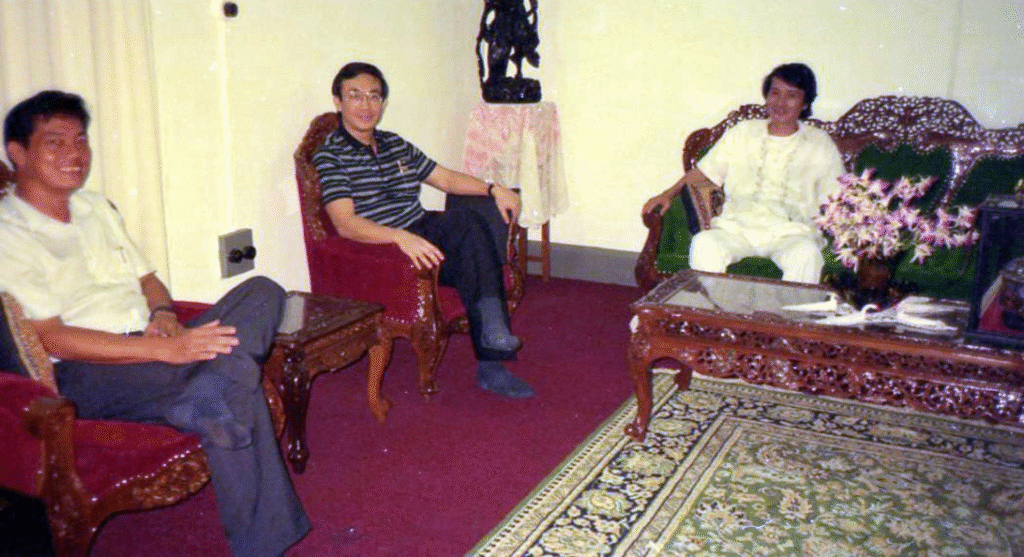
Photo by author, 1993
In the lobby of the Strand Hotel, listen to the music of the Burmese harp.
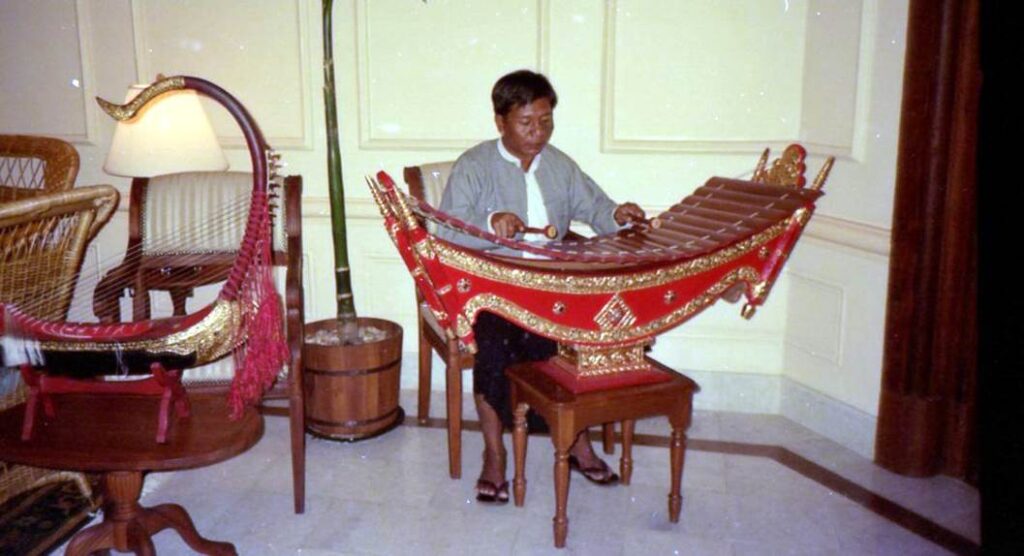
Photo by author, 1993
Hanging puppets in a shadow puppet play.
All display windows are made of first class teak wood !
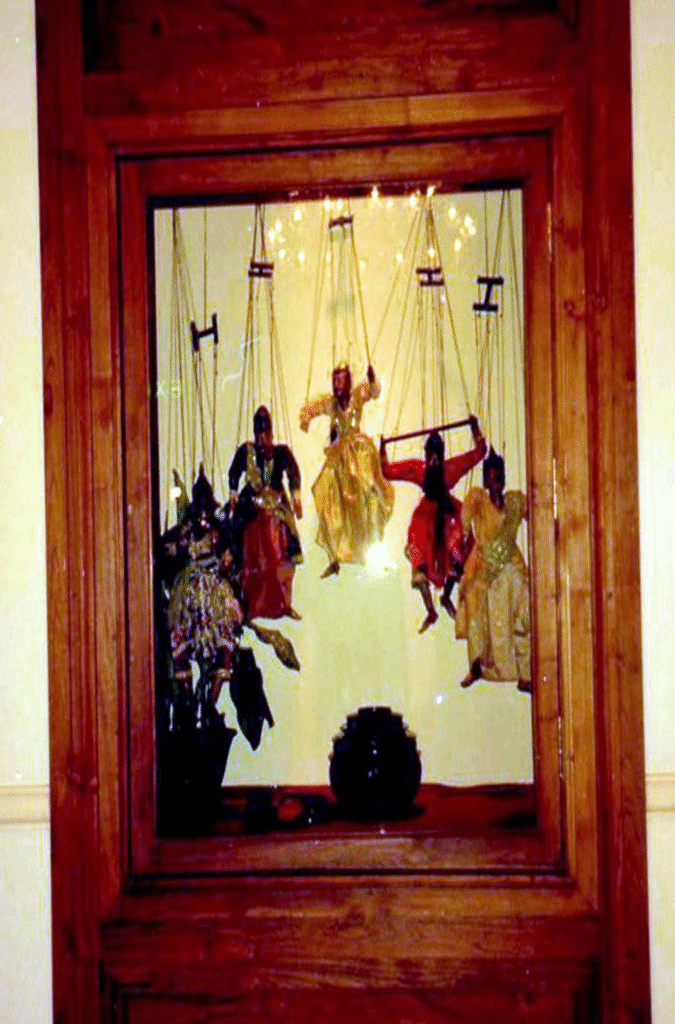
Photo by author, 1993
Exploring Yangon’s Colonial architecture
Yangon city has many colonial buildings from the British colonial era that have escaped demolition. The reason for this is that Burmese-style socialism and a controlled economy have allowed colonial architecture to escape the wave of destruction caused by urban renewal because there was no accumulation of domestic capital, foreign companies and trade were under the control of the state, resulting in a policy of national isolation and little foreign direct investment.
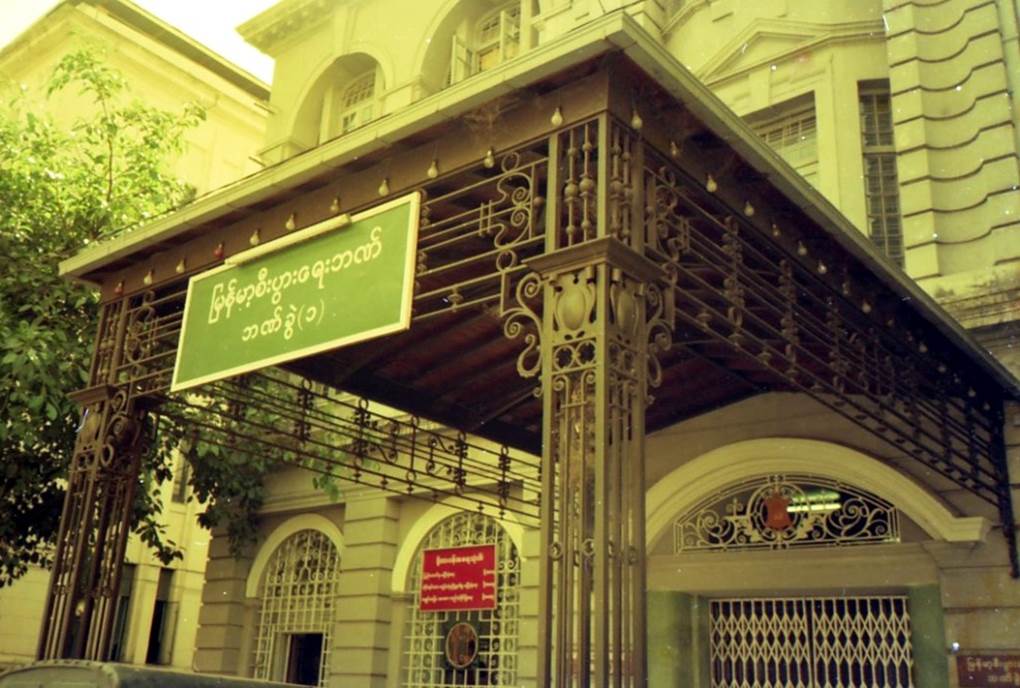
Strand Hotel Main Entrance
Photo by author, 1993
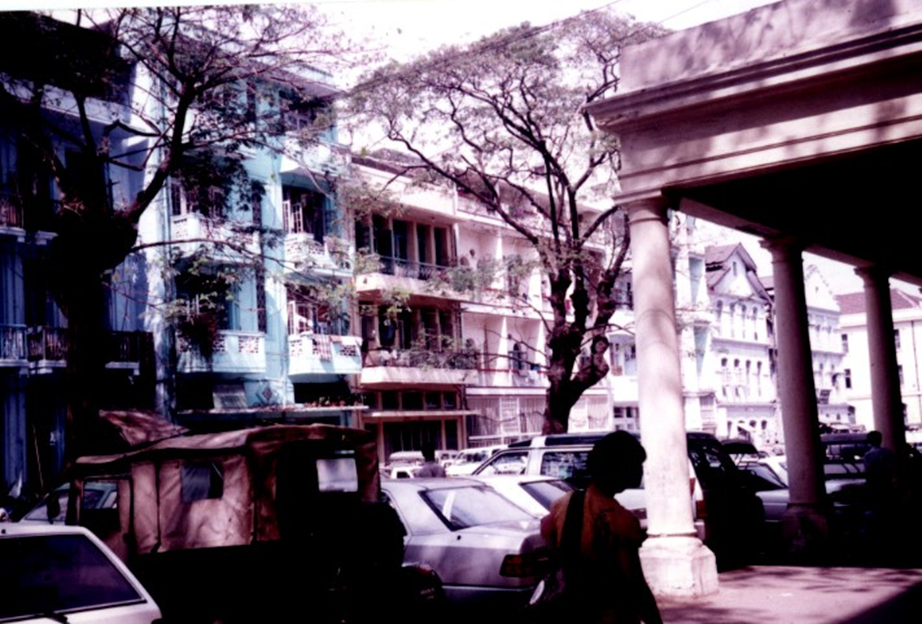
Right: Strand Hotel Main Entrance
Photo by author, 1993
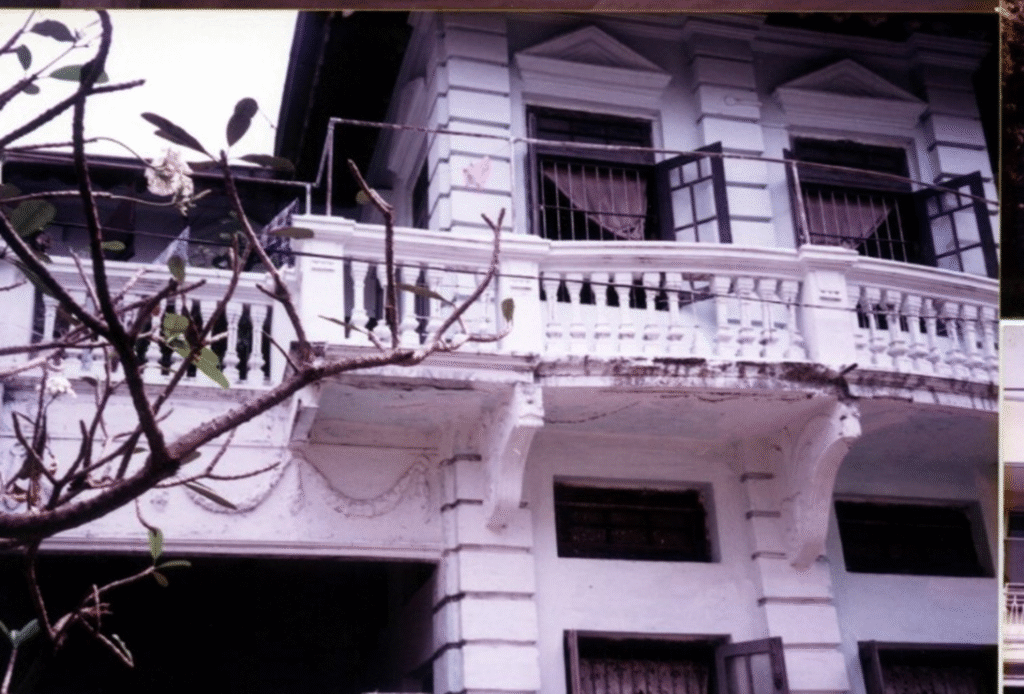
Buildings in downtown Yangon
Photo by author, 1993
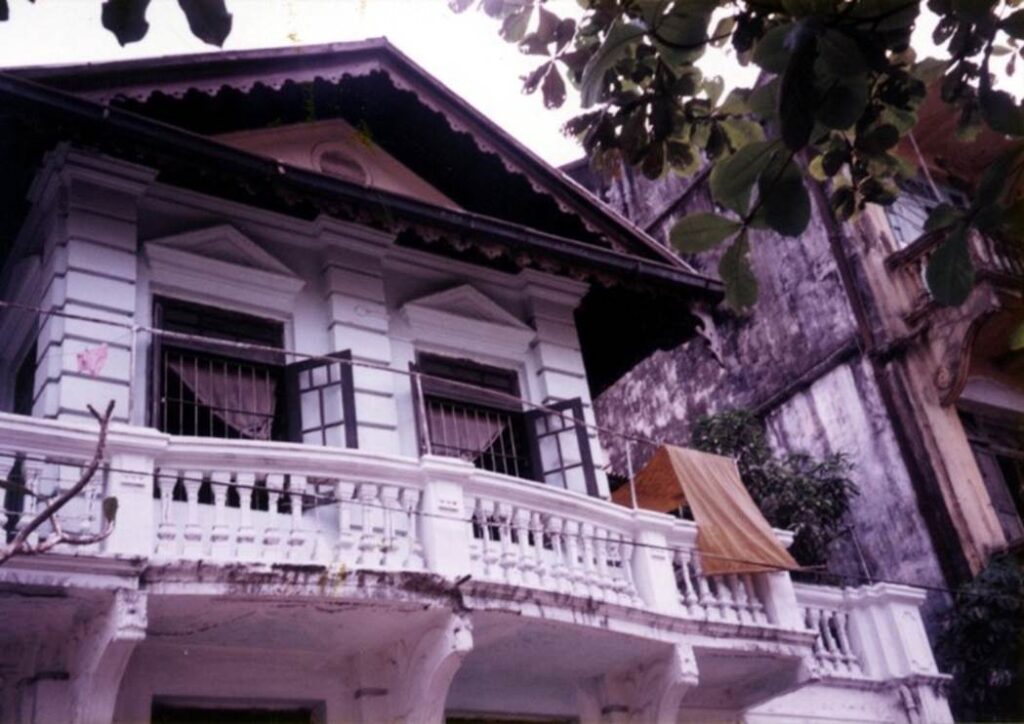
Buildings in downtown Yangon
Photo by author, 1993
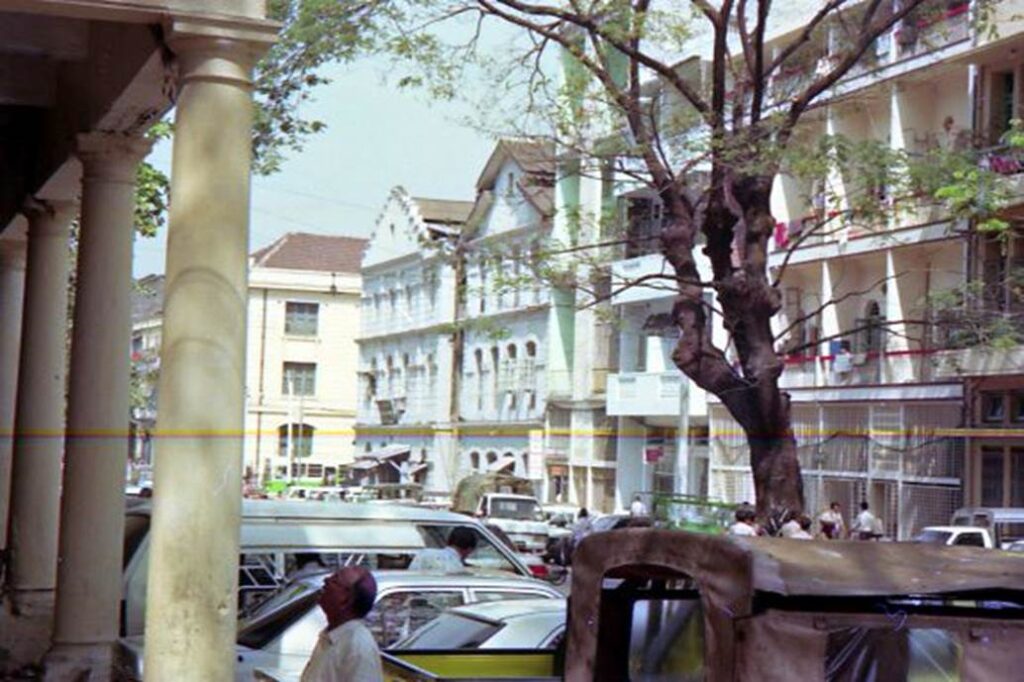
Buildings in downtown Yangon
Photo by author, 1993
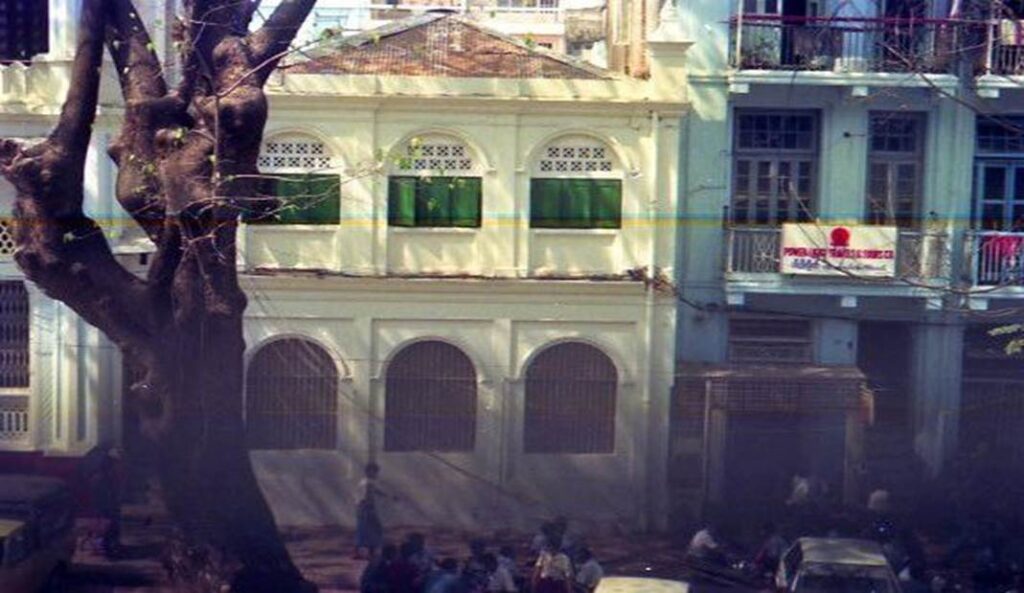
Buildings in downtown Yangon
Photo by author, 1993
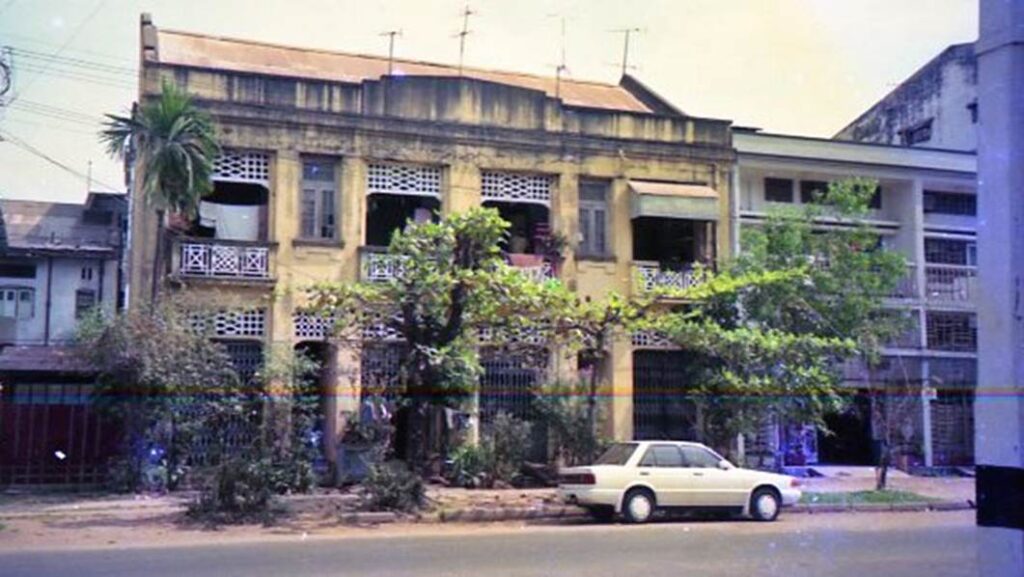
Buildings in downtown Yangon
Photo by author, 1993
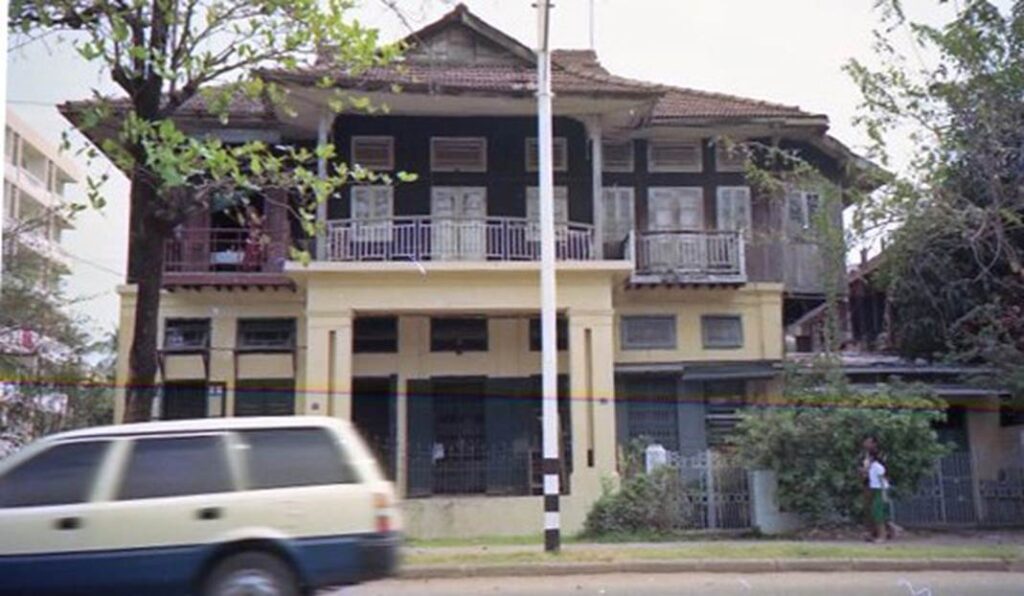
Buildings in downtown Yangon
Photo by author, 1993
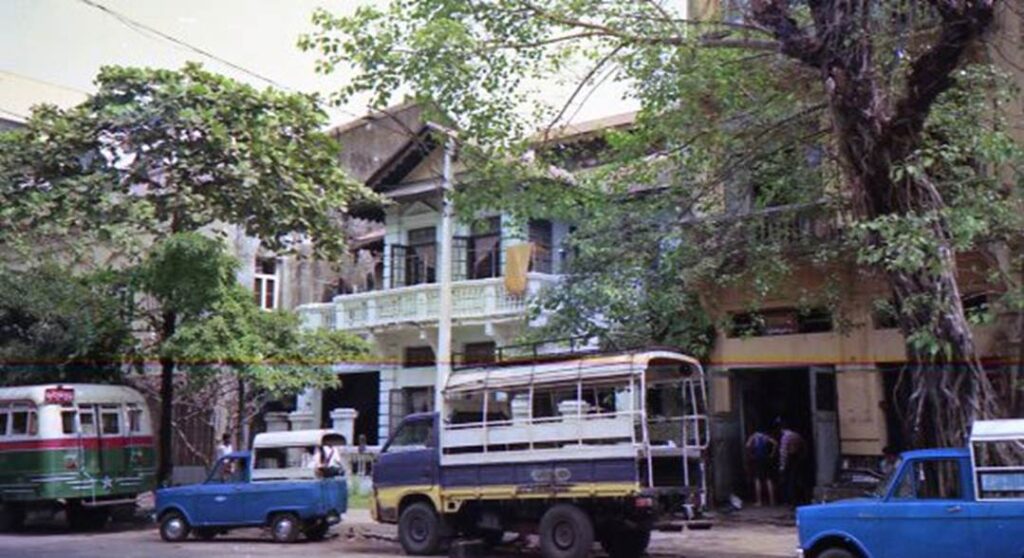
Buildings in downtown Yangon
Photo by author, 1993
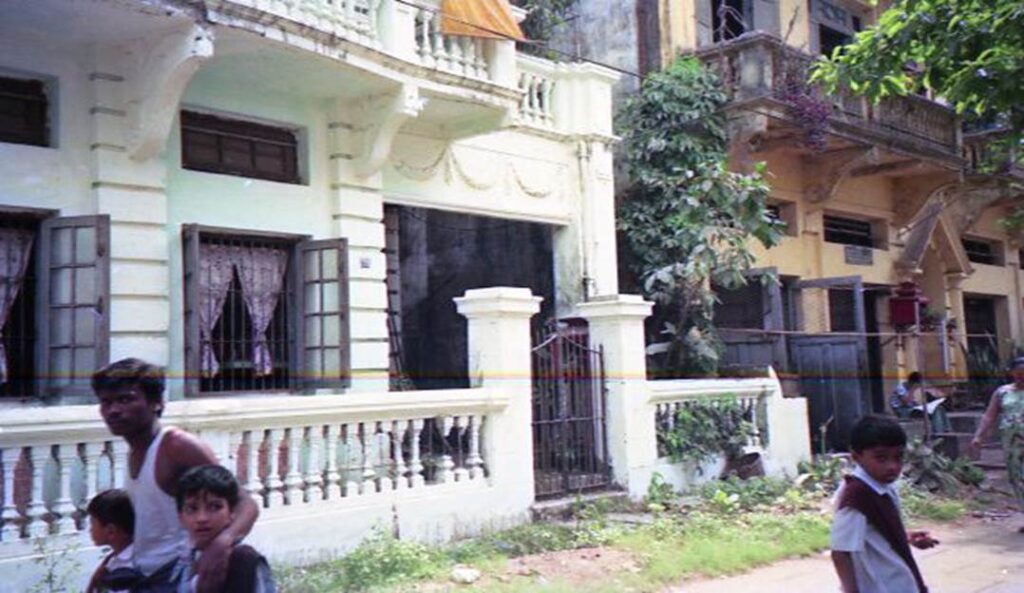
Buildings in downtown Yangon
Photo by author, 1993
Construction site of renovation of a colonial building.
Workers are shirtless and without helmets.
It was done by hand using limited tools.
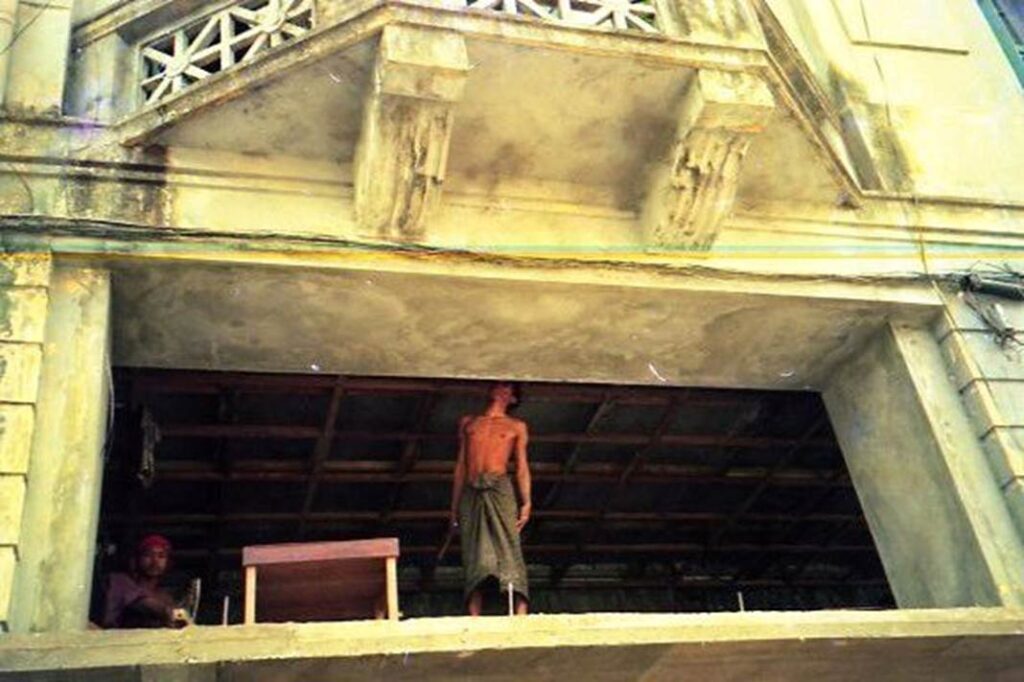
Photo by author, 1993