JAP | ENG
Malaysia Travelogue #4/4
1980s
Malacca
Malacca World Heritage City
Malacca, along with George Town on Penang Island, was registered as a UNESCO World Cultural Heritage Site in 2008 as part of the “Historic Cities of the Strait of Malacca“.
It is said that it was highly evaluated for its unique architectural style and cultural townscape that is unparalleled in East Asia and Southeast Asia.
This is a record of my visit to Malacca about 30 years ago, when it was registered as a World Heritage Site.
The MALACCA RIVER that runs through the center of Malacca.
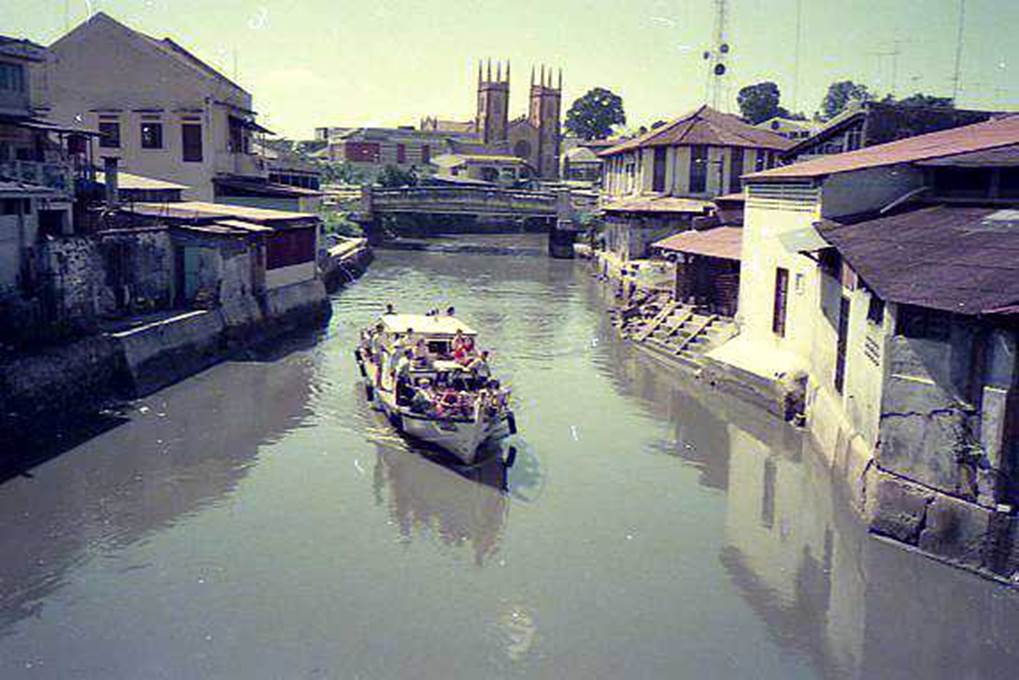
MALACCA RIVER, Photo by author
Malacca is a World Heritage town in the southern part of the Malay Peninsula.
It is now registered as a World Heritage Site and is one of Malaysia’s most popular tourist spots visited by tourists from all over the world, but when I visited in the 1970s, there were few visitors.
The Malacca Sultanate was founded in the 15th century and built up great wealth by using the Straits of Malacca as a key point for East-West trade.
In the 16th century, the city was ruled by Portugal, the Netherlands, and Britain, and became a city of diversity unparalleled in the world, where the essence of both the East and the West coexisted.
The photo below shows a bridge over the MALACCA RIVER.
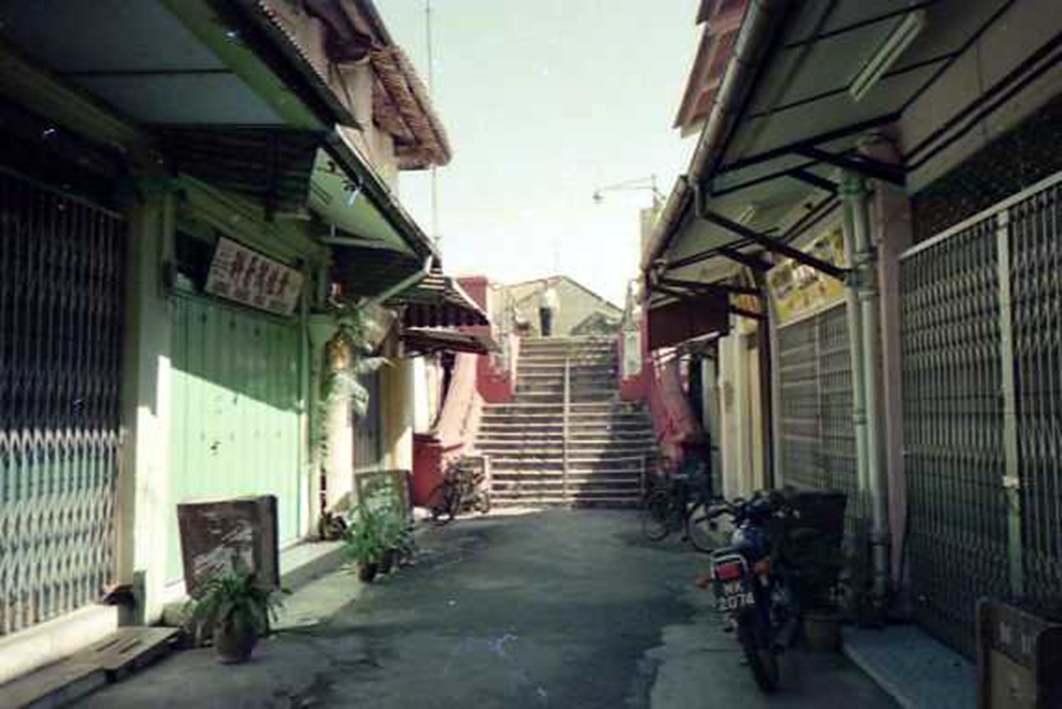
Bridge over MALACCA RIVER , Photo by author
Portuguese Malacca architecture
St. Paul’s Hill
In 1511, the Portuguese travelled through India, reached the Straits of Malacca, and conquered the area, building a fort and a church on the hill.
From the top of the hill you can get a panoramic view of the Straits of Malacca.
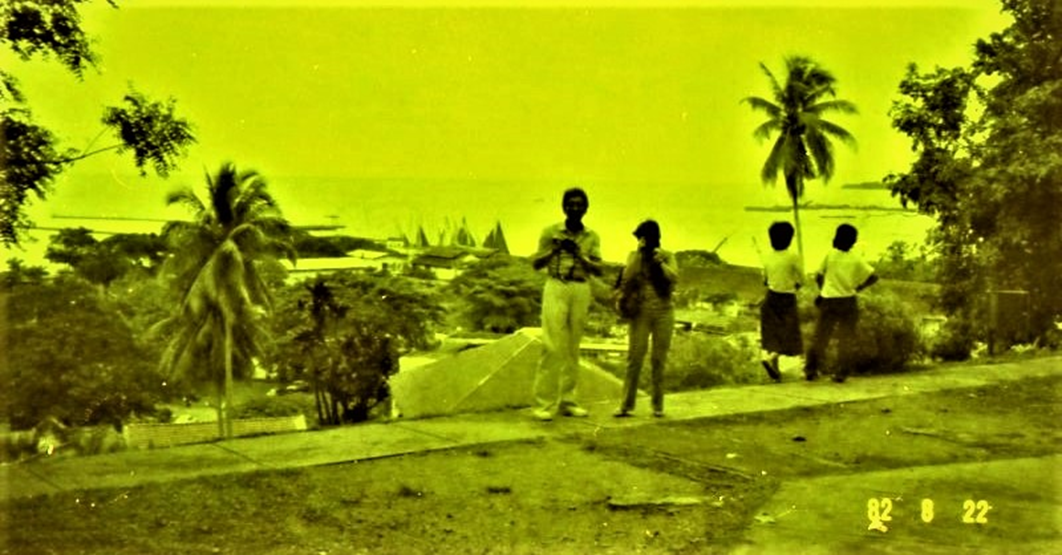
View of the Strait of Malacca from St. Paul’s Hill
Photo by author
St. Paul’s Catholic Church
St. Paul’s Church was built on this hill by the Portuguese in 1521.
Today, the large roof, which would have been made of wood, has decayed, leaving only the brick walls, but the church’s dignity can still be felt.
At the foot of the hill was the fort of Santiago, which defended St. Paul’s Hill.
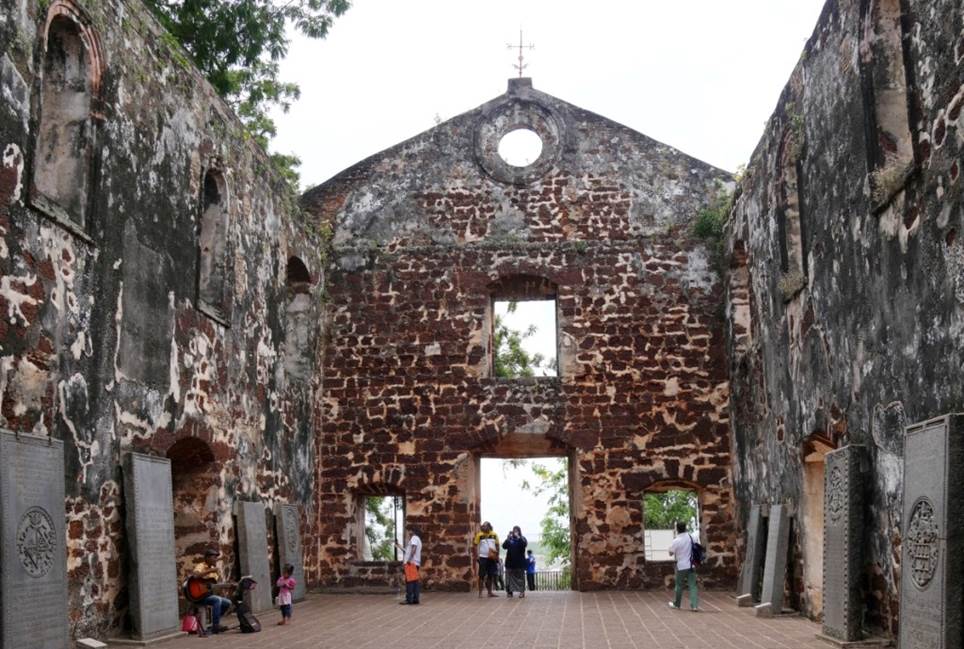
St. Paul’s Catholic Church, Photo by author, 1982r
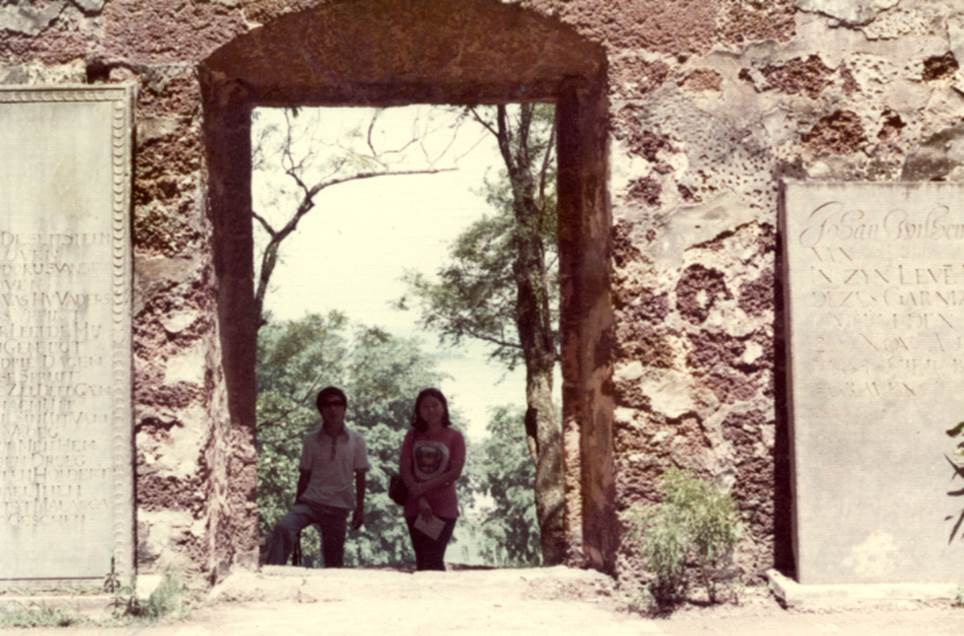
St. Paul’s Catholic Church, Photo by author 1982
Although the windows and window frames are dilapidated, the building still has a timeless presence.

St. Paul’s Catholic Church, Photo by author 1982
Statue of Francis Xavier
On a hill overlooking the Strait of Malacca. There is a statue of Francis Xavier in front of the ruins of a Catholic church with a heavy exterior wall.
Francis Xavier began his missionary work here in Malacca to East Asia, and later to Japan.
The reason why Xavier’s statue is missing its right hand is because when his body was delivered to the Pope, it was discovered that it was missing. Around the same time, lightning struck the Xavier statue in Malacca, hitting it directly on the right hand. It was then shattered into pieces.

Statue of Francis Xavier, Photo by author 1982
Buildings from the Dutch Malacca period
In 1641, the Dutch East India Company captured Malacca from the Portuguese.
A Christian church was established in 1783 during the Dutch colonial period.
I accidentally left my precious camera on a bench in the chapel. I realized it about five minutes after going outside, and when I hurried back inside the church, my beloved camera was in its original place.
This incident was just like something that could happen in Japan.
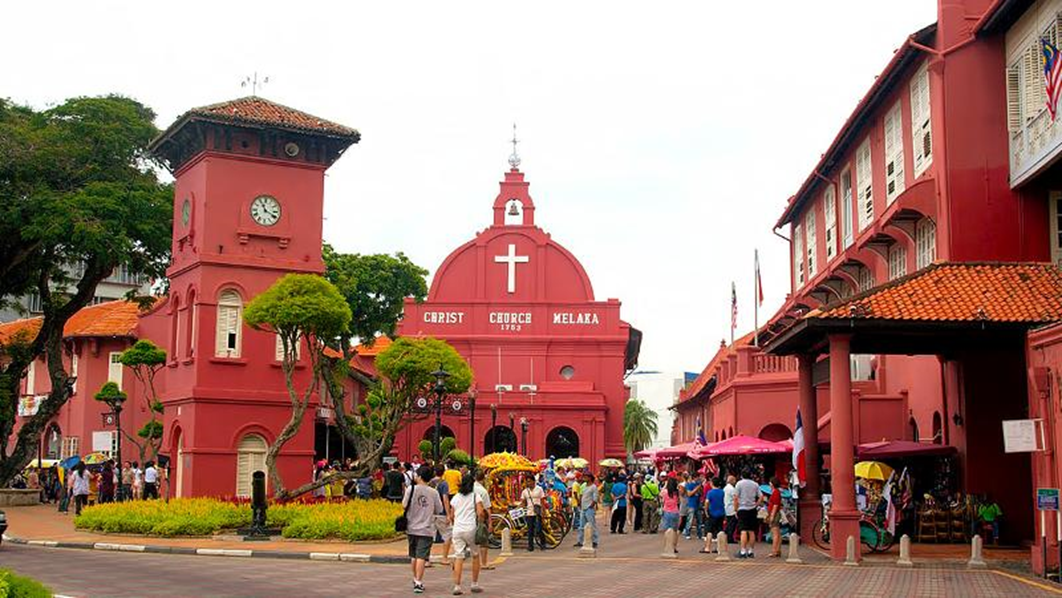
CHRIST CHURCH MELAKA Photo by author
Salmon pink architecture in Dutch Square
The color of the Dutch Square building, which can be said to be the symbol color of Malacca. At the time of construction, during the Dutch occupation, all of these buildings were gray.
After that, it is said that it was repainted in salmon pink for maintenance reasons during the British colonial period.
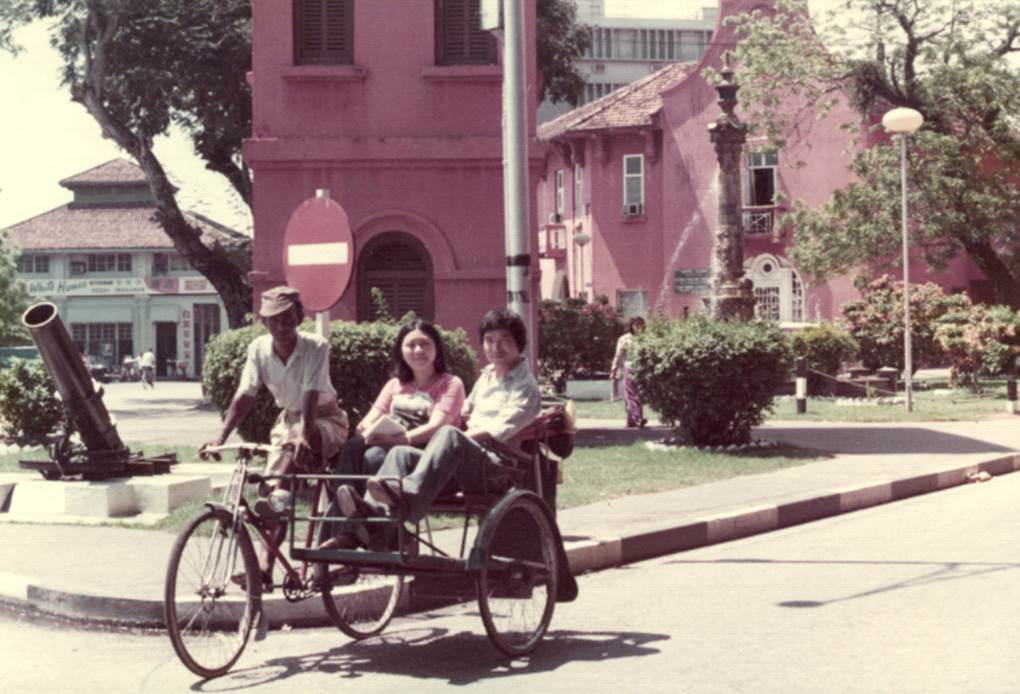
Square in front CHRIST CHURCH MELAKA
Photo by author
Subsequently, the Dutch base of the spice trade in Southeast Asia moved to Batavia (now Jakarta) on the island of Java, and Malacca went into decline.
British Straits Settlements
Portuguese⇒ Dutch⇒ British
The rulers of Malacca changed their masters due to the rise and fall of the European powers.
In 1826, Raffles of England, the last colonial power, acquired Penang Island, which was rich in water necessary for navigation, and Singapore, a key point for navigation.
After that, the modern port of Singapore rose to prominence, and Malacca’s port functions, which were shallow, declined and remain so to this day.
Shophouses in Malacca
Shophouses are characterized by their narrow frontage and long depth.
This is because during the Dutch colonial period, taxes were determined by the width of the frontage.
However, the depth did not matter, resulting in the “eel’s bed” shaped land division shown in the diagram below.
The land use is as shown in the diagram below, and shophouses with a depth of 100 meters have appeared.
This depth is more than six times that of a typical Kyoto townhouse.
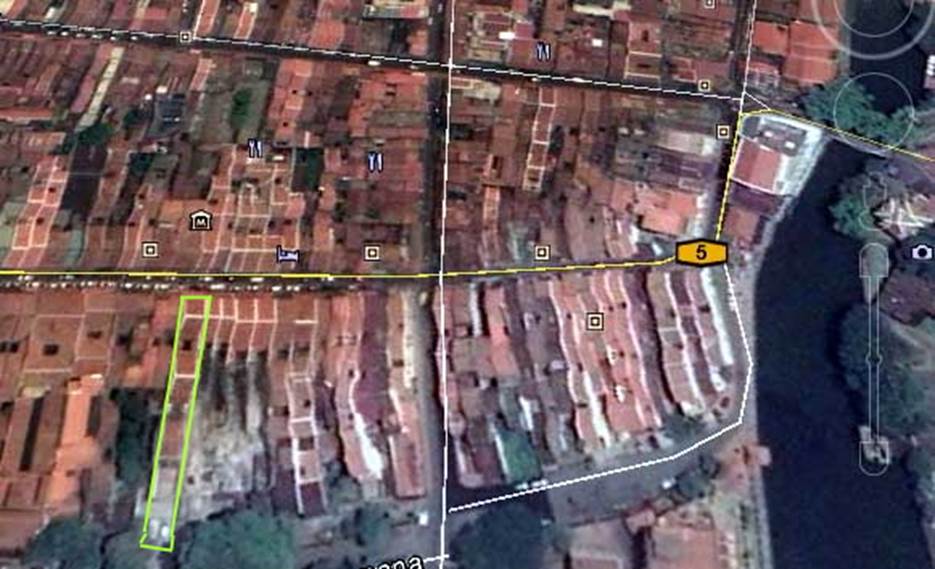
The five-footway, a distinctive feature of shophouses
Another characteristic of the exterior of the shophouse is the arcade-like walkway that serves as a sun shade and rain shelter.
During the British colonial period, it was required that these passageways be five feet wide, hence the name “five-footway.”
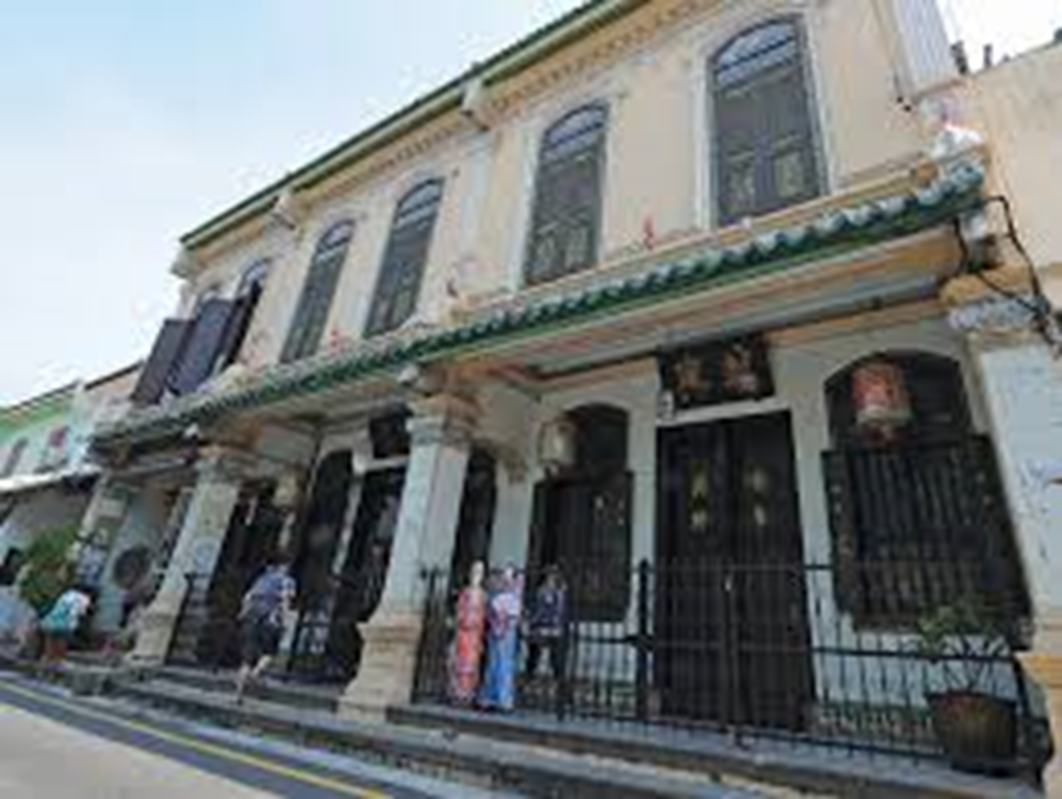
Photo by author
Peranakan people and culture
In the 15~16th century, people who came from China married local women in the Malay Peninsula and Singapore.
Men are called Baba and women are called Nyonya.
They built a unique and rich culture that blended Chinese, Malay and Western influences.
With their unique aesthetic sense, they have passed down a number of beautiful cultural traditions to the present day, including Nyonya kebaya, beaded sandals, Nyonya tableware and Peranakan tiles.
Five Footways
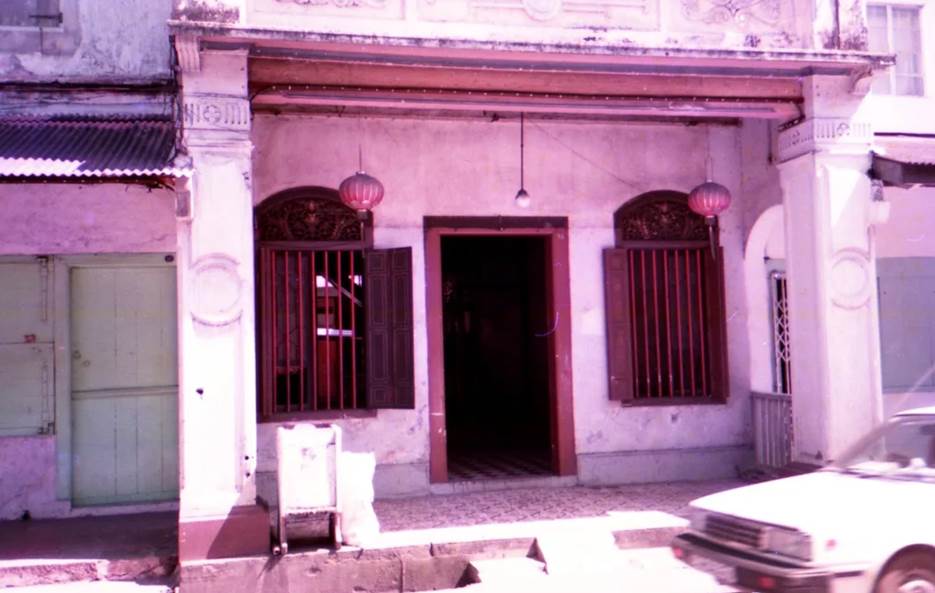
Photo by author, 1982
Shophouse Floor plans and sections
The front road is on the far left, and the Five Footway is in front of the first floor.
The light green part is the open courtyard, which serves the functions of natural lighting and ventilation.
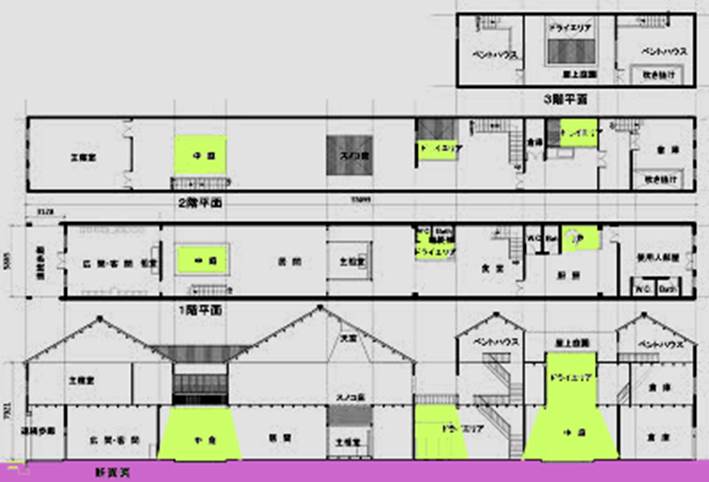
Source:arcismoasia graphic
View of the Strait of Malacca from the hotel room.
In the 1970s, the area was not yet being developed.
The coastline before the reclamation remains.
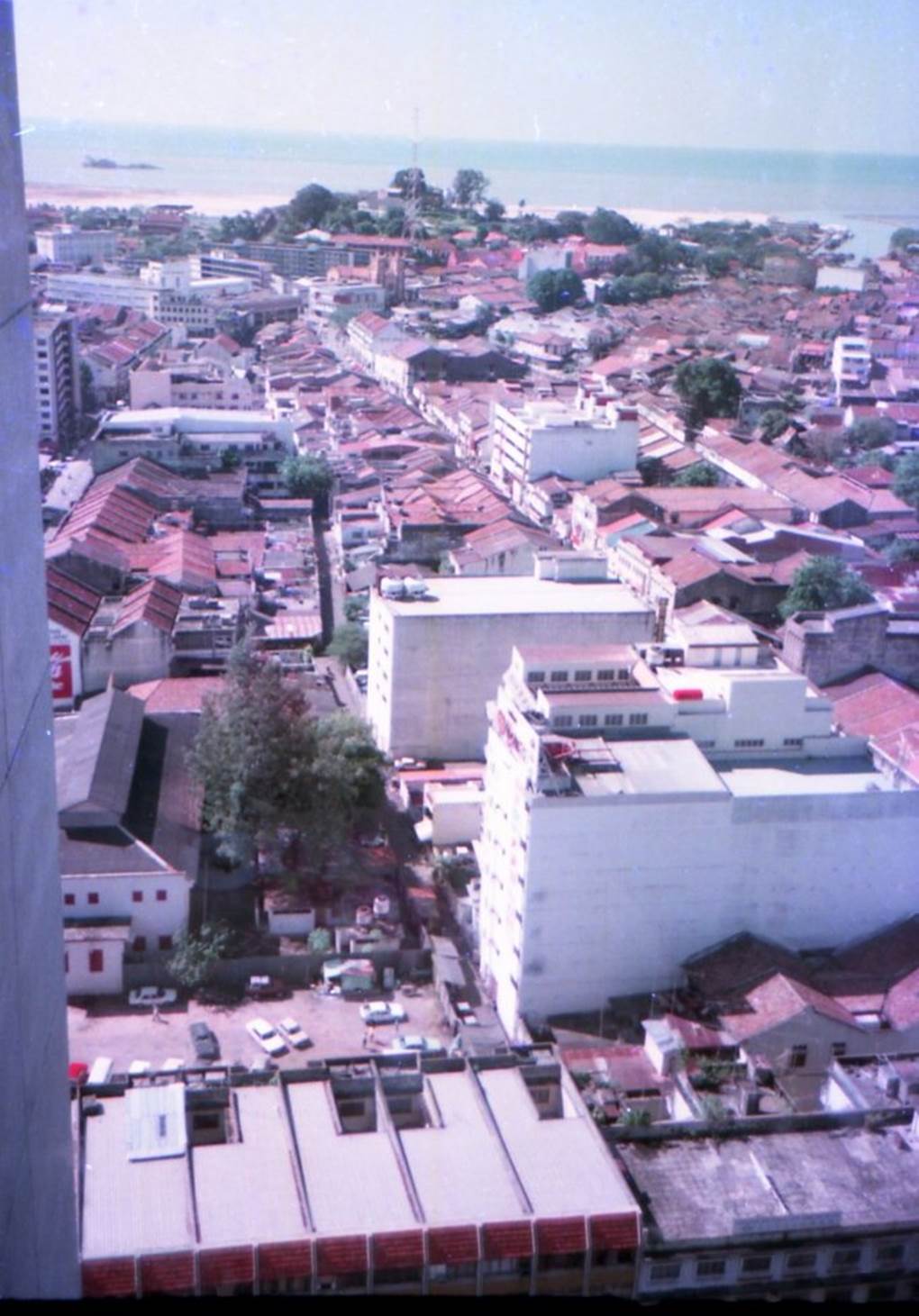
Photo by author, 1982
Western-style apartments along Straits of Malacca
Going south along the coast from downtown Malacca, one comes to a village owned by the descendants of Portuguese colonists.
Portuguese is no longer spoken in this settlement, and there is only one restaurant nearby serving Indo-Portuguese cuisine.
On the beach, there was a Western-style apartment building jutting out into the Straits of Malacca. This beach has now been reclaimed.
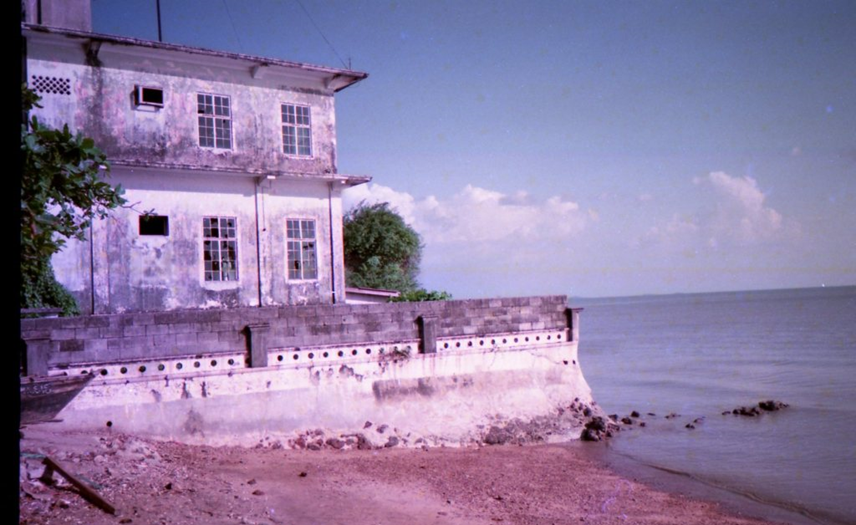
Photo by author, 1982
Mosques in Malacca:
Kampung Kling Mosque
Many of the mosques in Melaka are in the Sumatran style with triangular roofs, a design from the early days of the Malacca Sultanate. The minaret is a pagoda-shaped white spire, said to have been built by Indian Muslims in 1748.
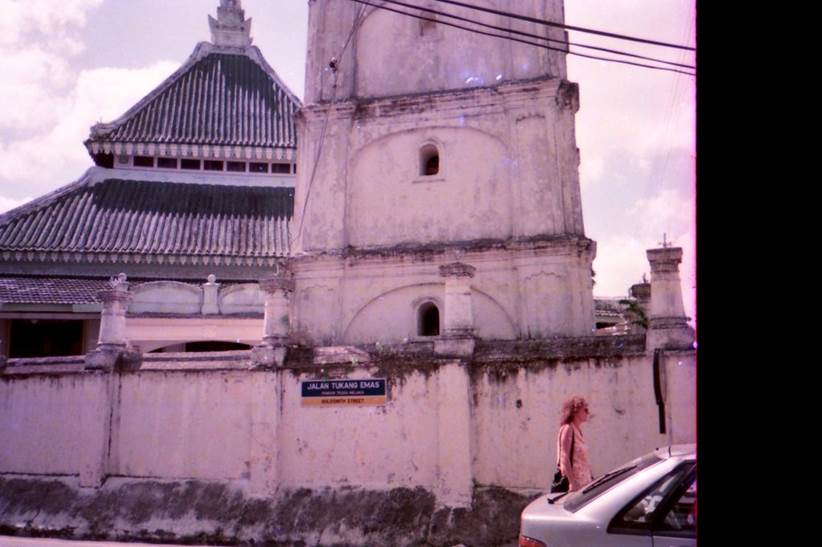
Photo by author, 1982
Malay houses on stilts
A typical Malay family home built using locally produced materials. It has ample eaves and good ventilation, making it well suited to the tropical climate.
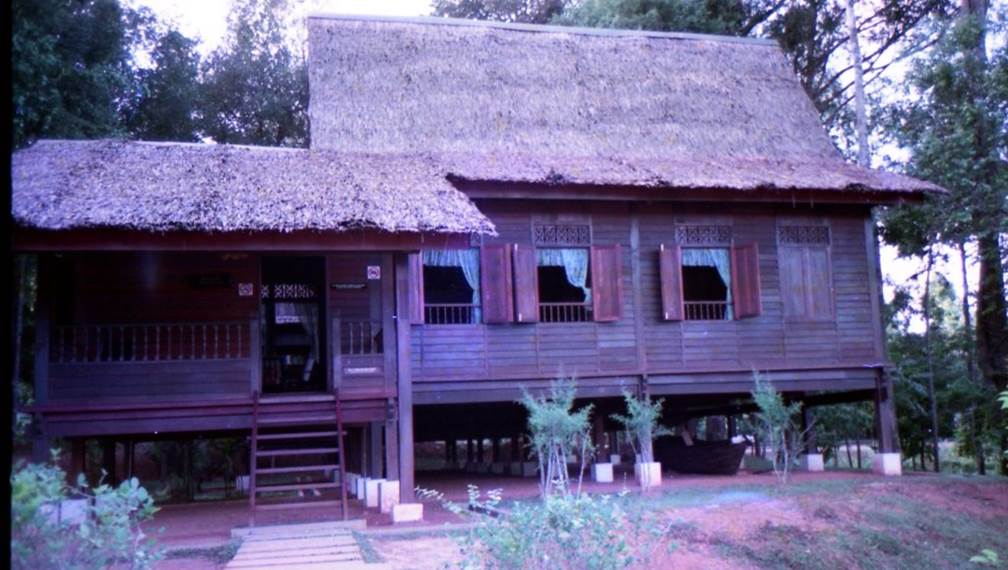
Photo by author, 1982
Chinese temples in the city
A Taoist temple jointly built by overseas Chinese who migrated to the Malay Peninsula.
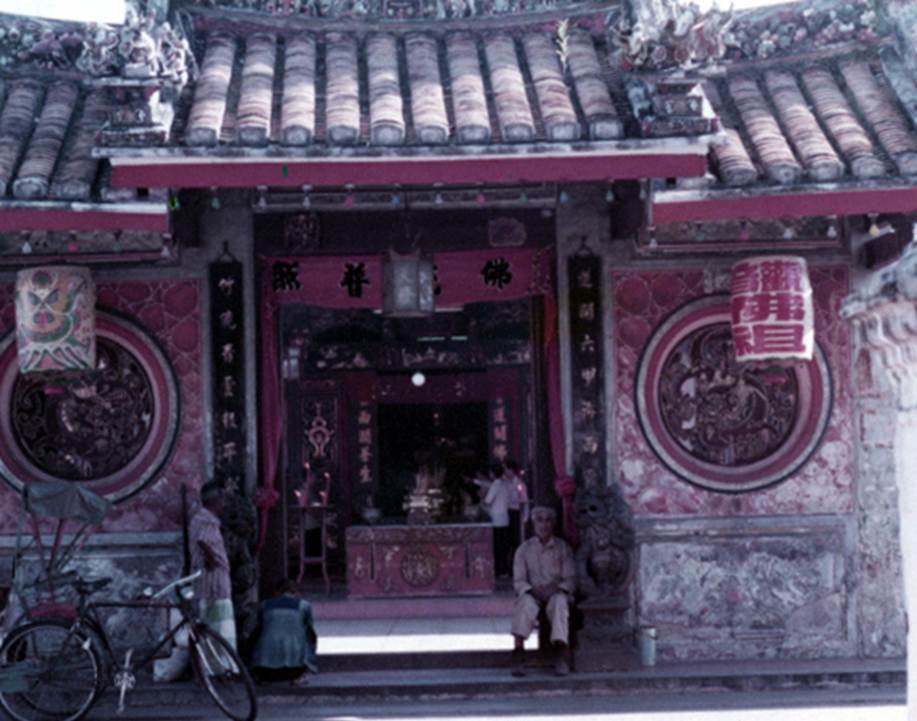
Photo by author, 1982
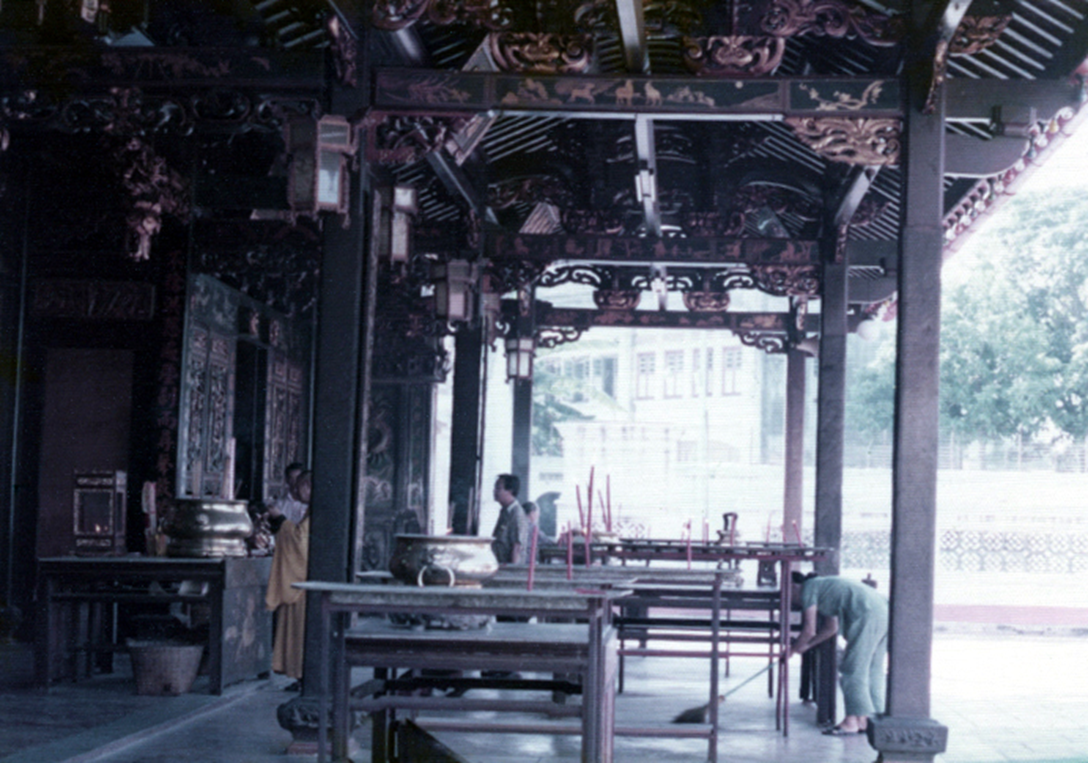
Photo by author, 1982
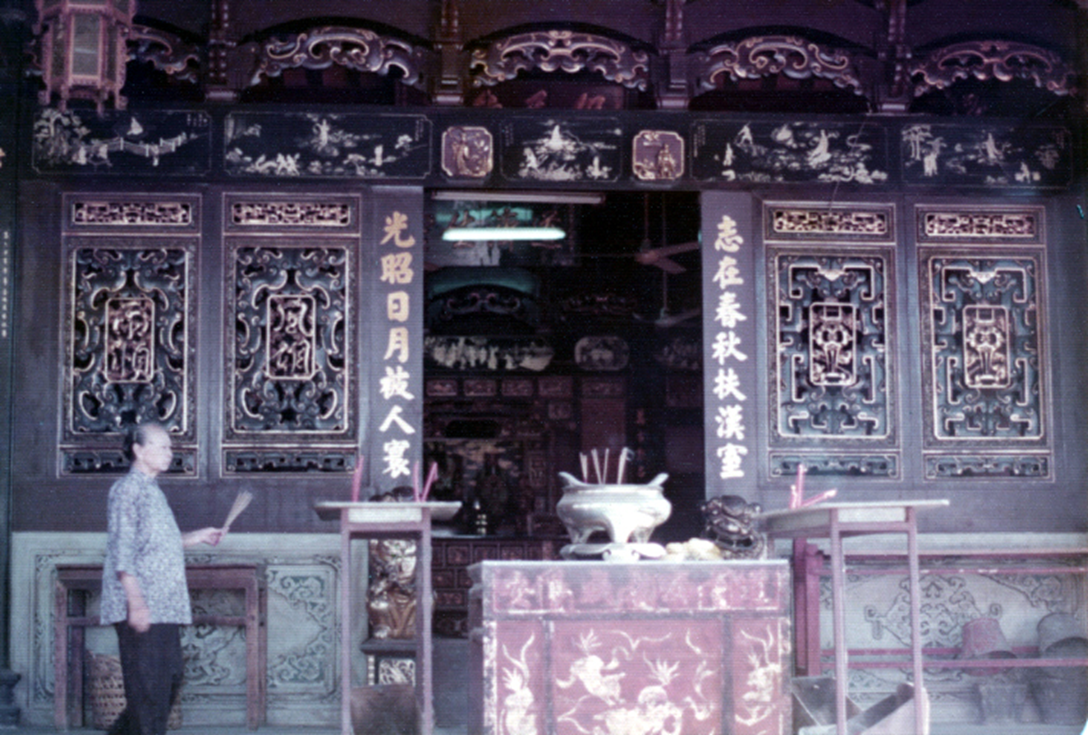
Photo by author, 1982