JAP | ENG
Long-term stay in Brazil #8/15
Bahia #1
Overseas Travel, 1962
It was worth the 30 hour bus ride one way from Sao Paulo, or 60 hours round trip
Salvador de Bahia #1
The bus journey is 2,000 kilometers each way, and takes about 30 hours including breaks.
I asked my boss in the office where I worked in São Paulo for a leave of absence and decided to take a long-distance bus to Salvador de Bahia in northeastern Brazil, where I had always wanted to see the city and architecture.
The journey is 2,000 kilometers and takes about 30 hours with breaks.
(60 hours round trip)

German-made Mercedes-Benz bus.
The bus was a German Mercedes Benz for long distances, so I felt at ease. We departed the center of Sao Paulo on time.
There were two drivers who took turns driving long distances throughout the day and night to transport passengers. Both of them are dressed in uniforms and ties, and they are doing their duties professionally.
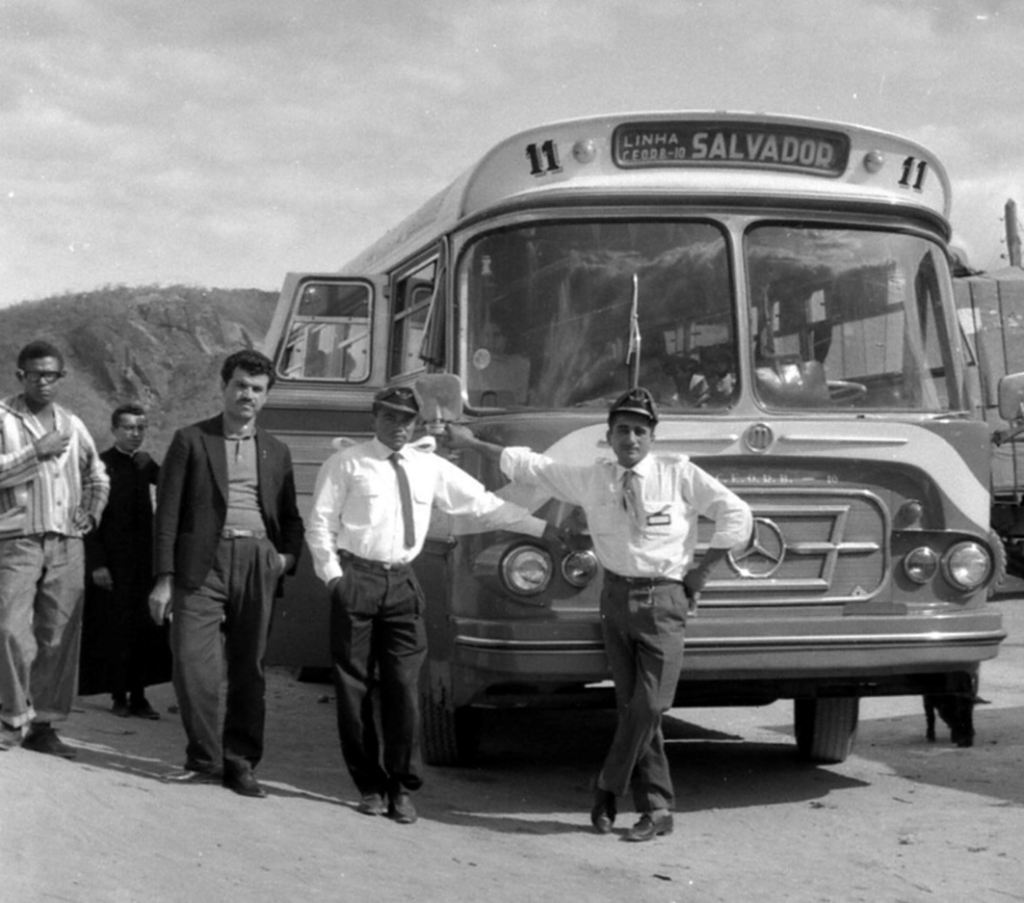
Photo by author, 1964
A village clinging to the foot of a mountain that appears during the bus ride
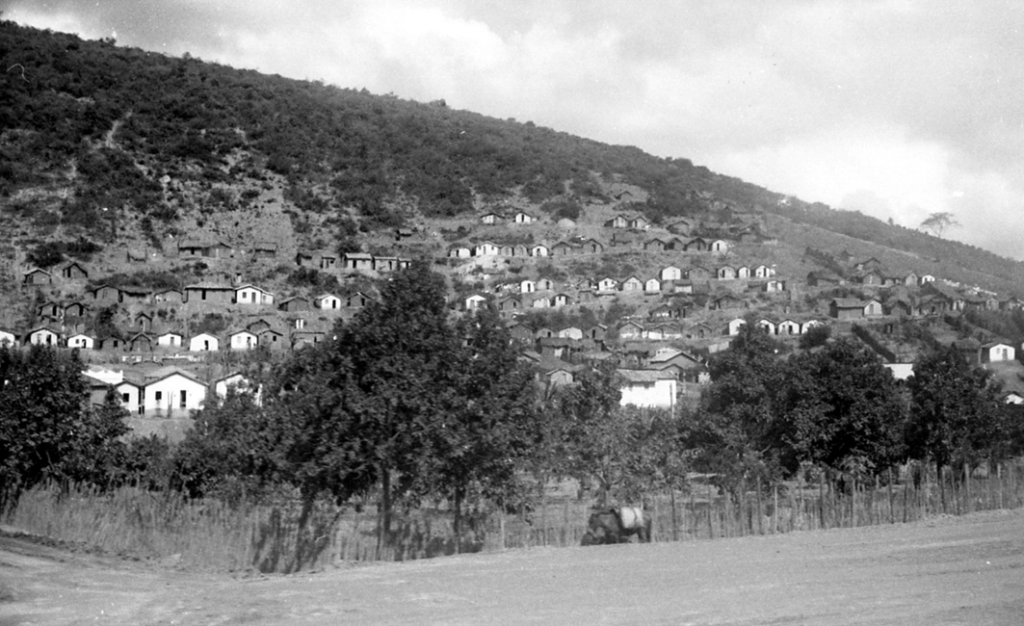
Photo by author, 1964
The green farmland ends about one-third of the way, and after that, it continues to run on the sparsely inhabited plateau land. There is a washroom and a simple gas station on the way, so that is a relief but there are no street lights.
At night, of course, we go at full speed in the pitch black with only the lights of the bus.
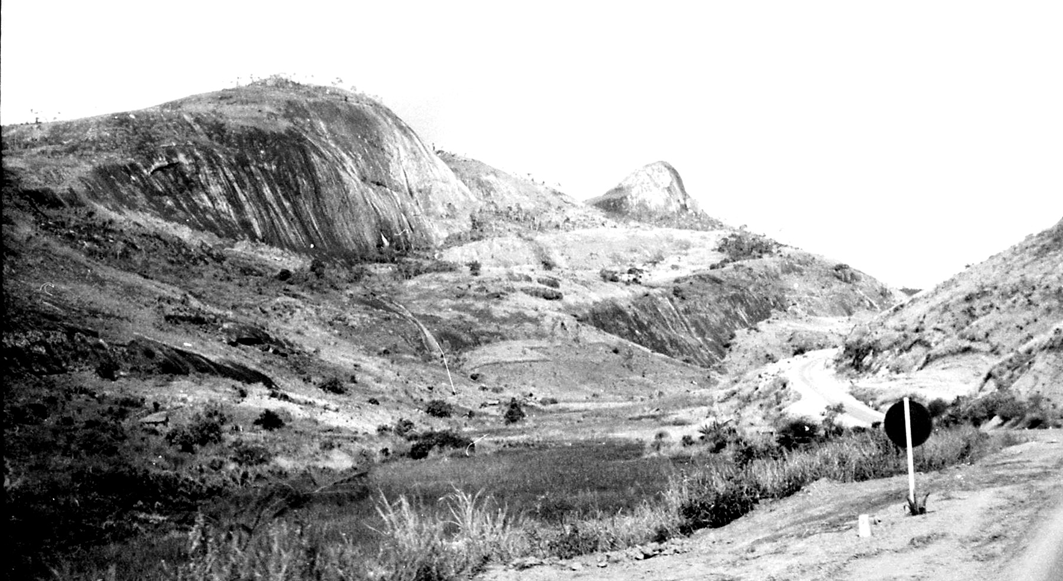
Photo by author, 1964
Run through the desolate land!
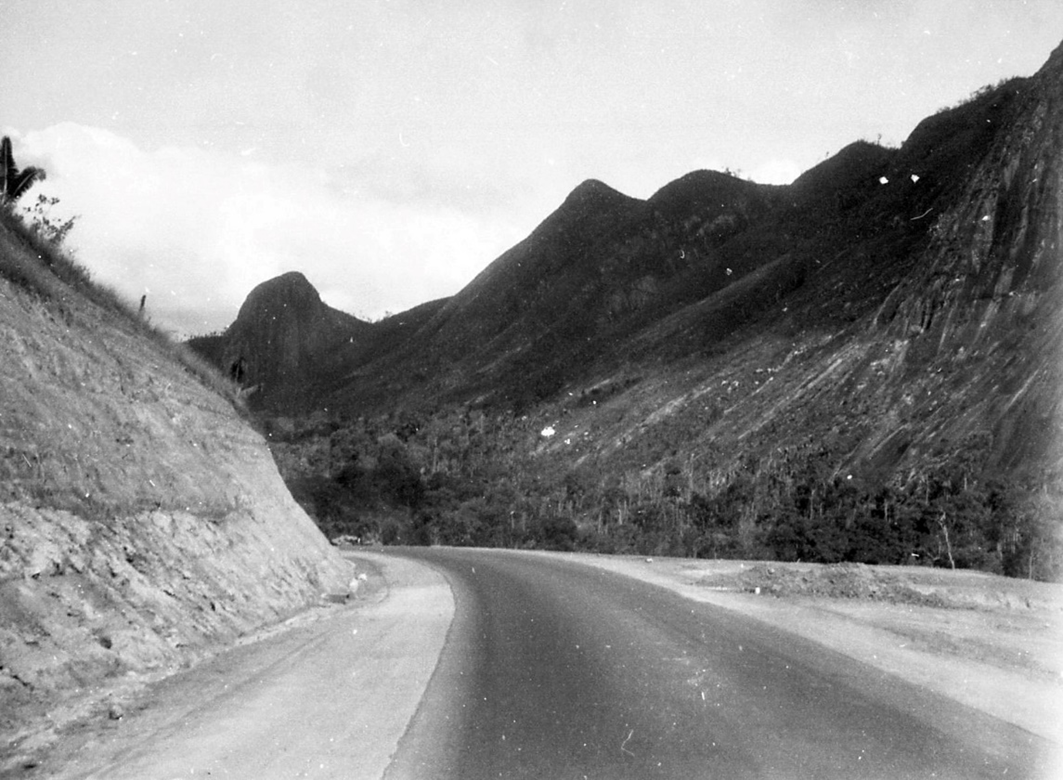
Photo by author, 1964
A deserted bus rest area and toilet.
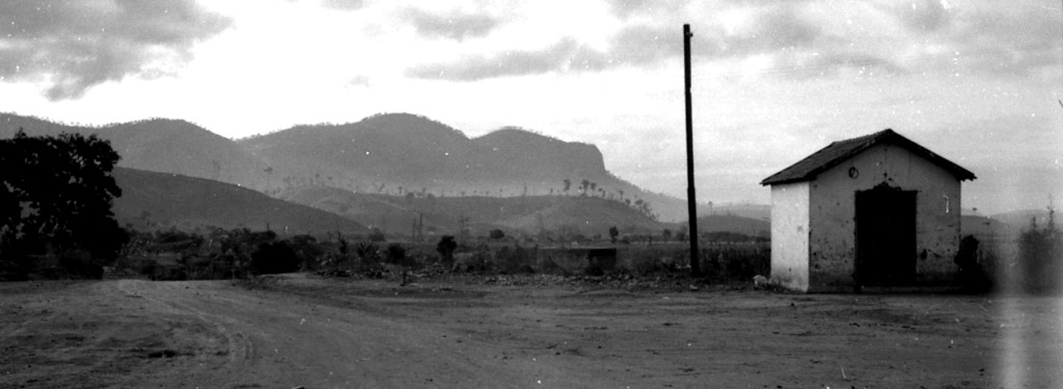
Photo by author, 1964
You can’t get a picture like this on an airplane flight.
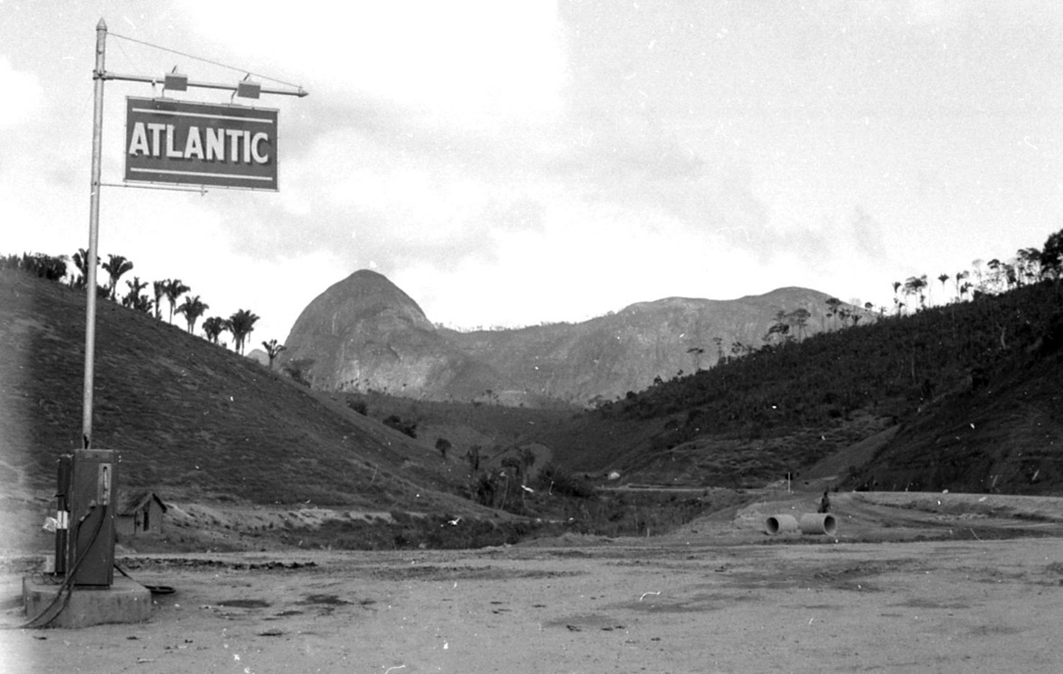
Photo by author, 1964
Small town rest areas and bars.
Rest area and bar at the end of the line.
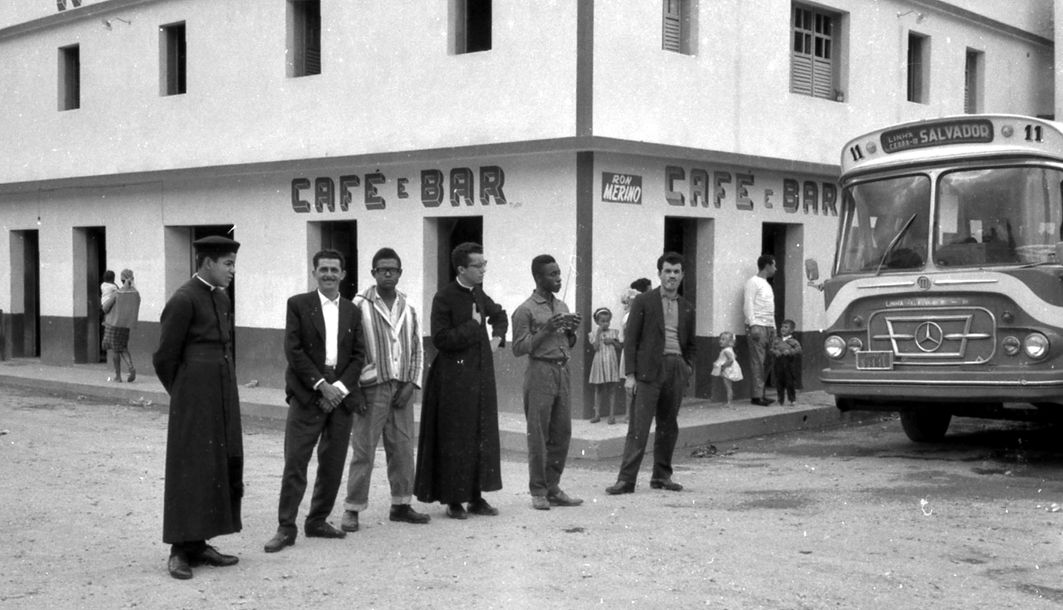
Photo by author, 1964
Salvador 1 1965
Visited before it was registered as a World Heritage Site.
Located in southeastern Brazil, São Paulo is South America’s largest concentration of finance, logistics, and industry, and the dynamo of Brazil.
To the northeast is Salvador de Bahia. It was the first capital of Portugal’s colonial management in Brazil and subsequently had a cultural influence on Brazil throughout the ages.
When I told my colleagues in my office in Sao Paulo that I was planning to go to Salvador on my vacation, they all responded with, “Why would I go all the way there?” This is because the northeastern part of Brazil is poorer than the prosperous Sao Paulo, and is perceived as the largest source of migrant workers for Sao Paulo.
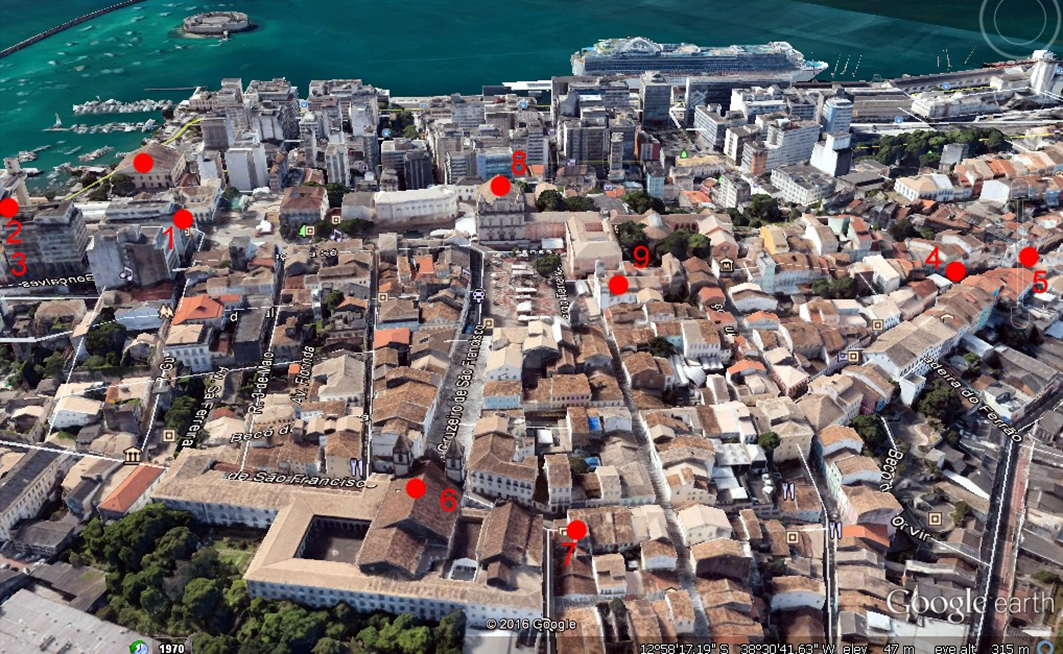
The World Heritage Site and Historic Preservation Area of Cidade Alta (UpperTown) in Salvador , the capital of Bahia State, Brazil .
Elevator Lacerda is located at number 2.
Poulinho district is located at number 4 and 5
Capital of the state of Bahia, Brazil
The World Heritage Site and Historic Preservation Area of Cidade Alta (Upper Town) in Salvador. Elevator Lacerda is located at number 2. Poulinho district is located at number 4 and 5.
These migrant workers from the northeast region work on construction sites in São Paulo and barely make ends meet. It turns out that Paulistas (São Paulistas), who live in this global city that is a melting pot of immigrants, look down on the backward northeast of Brazil and have very little interest in it as a travel destination.
Nossa Senhora da Conceisao da Praia church (front) and Elevador Lacerda (back)
The Lacerda elevator connects the lower town and the upper town with a height difference of 70 meters up and down.
Modeled after a similar elevator in Lisbon, it was completed in 1873. In the early days, ropes and pulleys were made by human power. After that, it was powered by a steam engine. Since 1909 to electric motors.
In 1970, tourists were rare, cars were scarce, and wagons slowly passed through the cobblestones.
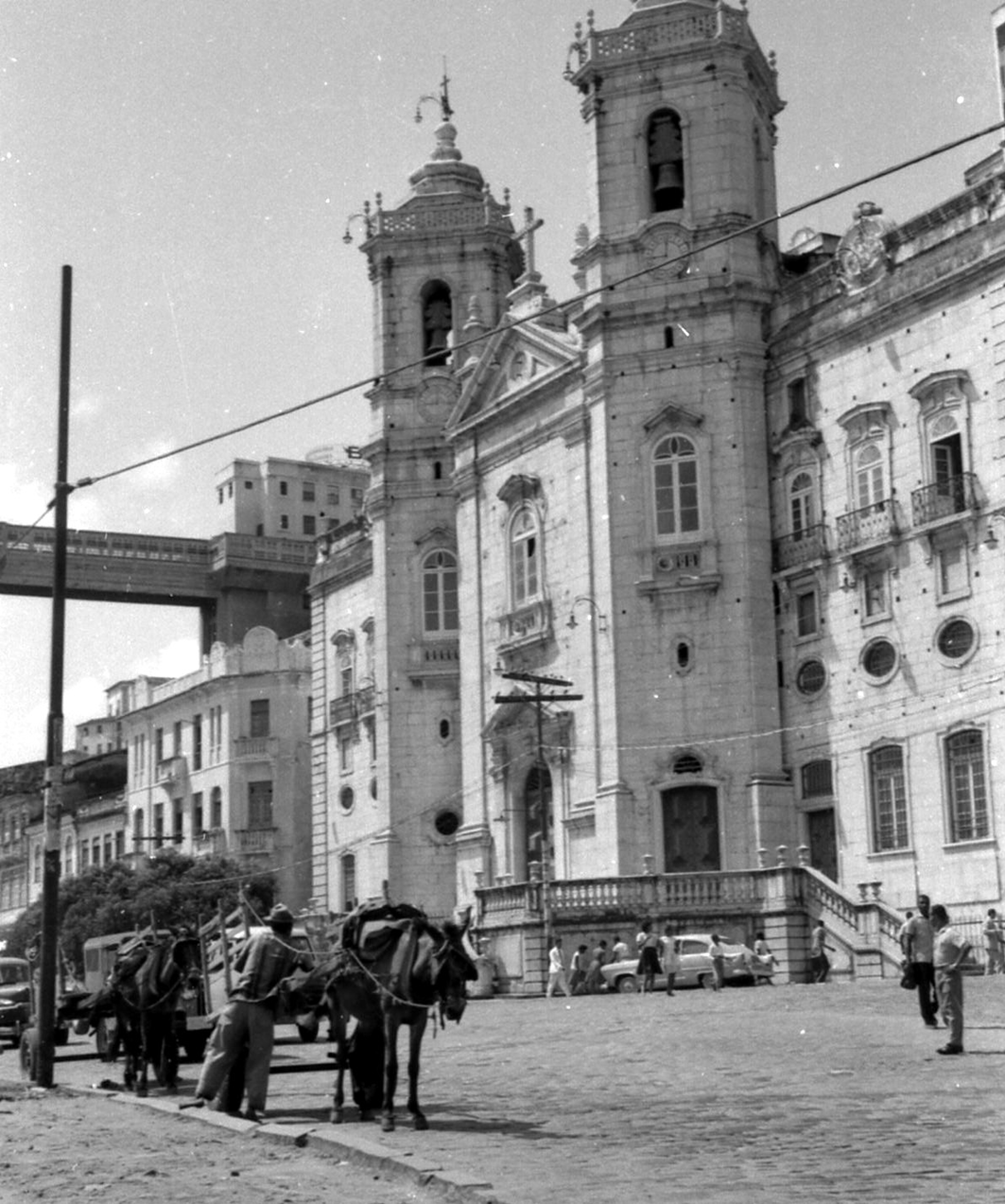
Attention to the horse-drawn carriage Photo by author, 1964
Horse-drawn carriages have disappeared and have been replaced by cars.
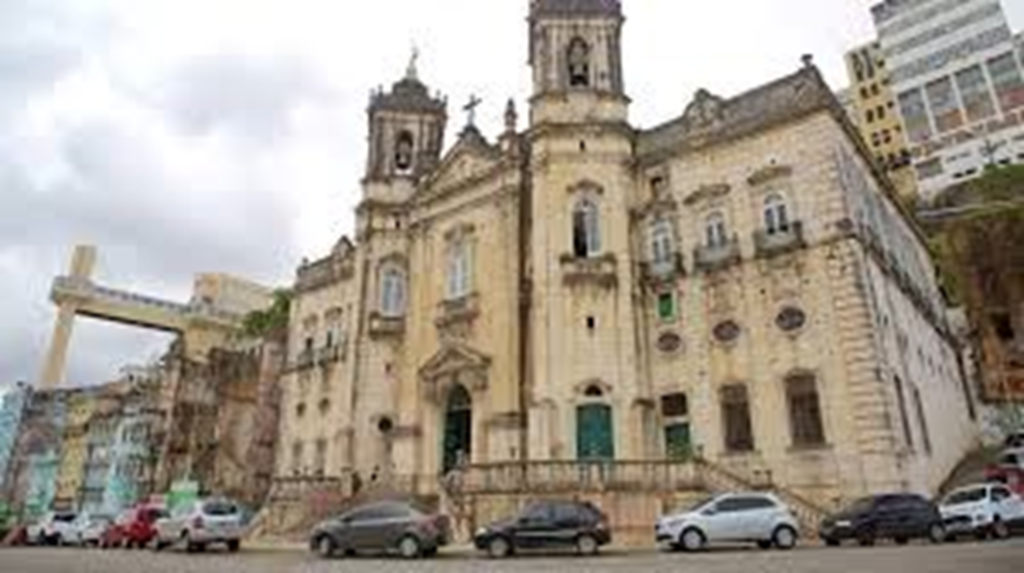
When you get off the Lacerda elevator and look back!
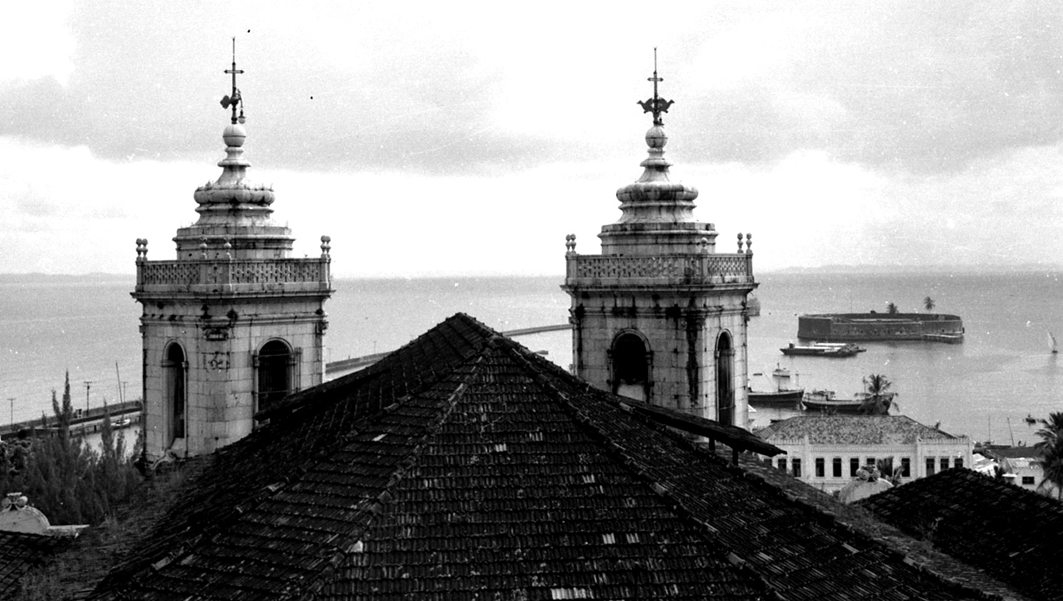
Photo by author, 1964
This is where the unique Afro-Brazilian stage set comes in
Perourinho Square, photographed around 1964 (below).
It is the historic center of Salvador and is the area where you can feel the most historical city heritage.
This is where the essence of black culture, which is the foundation of Brazil, is condensed.
Samba, capoera, candomblé and other intangible cultural assets unique to Brazil are recognized by many Brazilians as having originated in Salvador.
At the end is the Casa de Jorge Amado. After all, this is the building where slaves from Africa were traded. Currently, carnivals and various other events typical of Brazil are held, making it an attractive corner.
The church on the far left is a black church. Igreja Nossa Senhora do Rosario dos Pretos It is a church that was built and completed by black slaves for black people in the past.
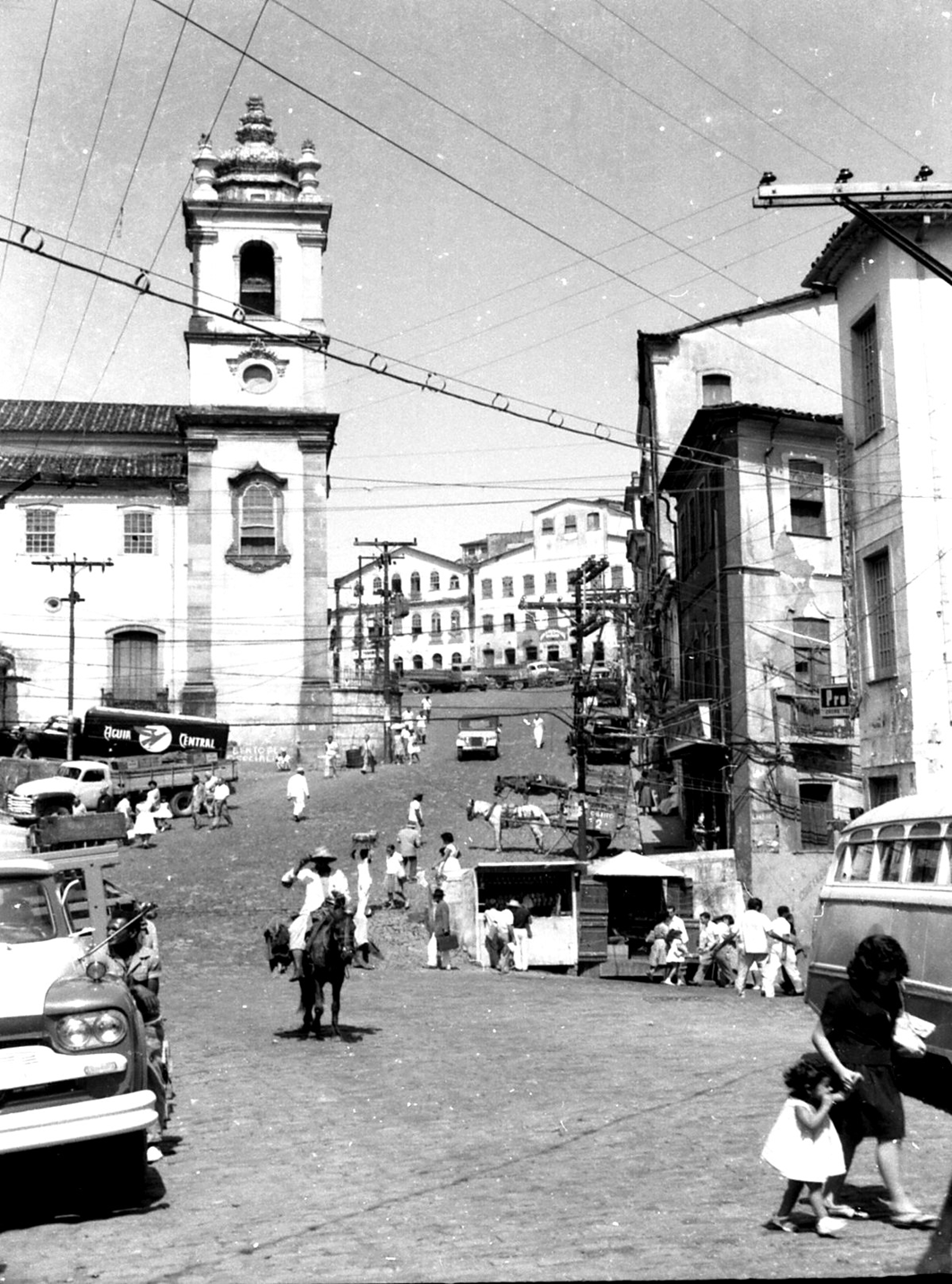
Church of Our Lady of the Rosary of the Blacks, Pillory, Photo by author, 1964
Church of Our Lady of the Rosary of the Blacks, built and completed by former black slaves for the benefit of black believers
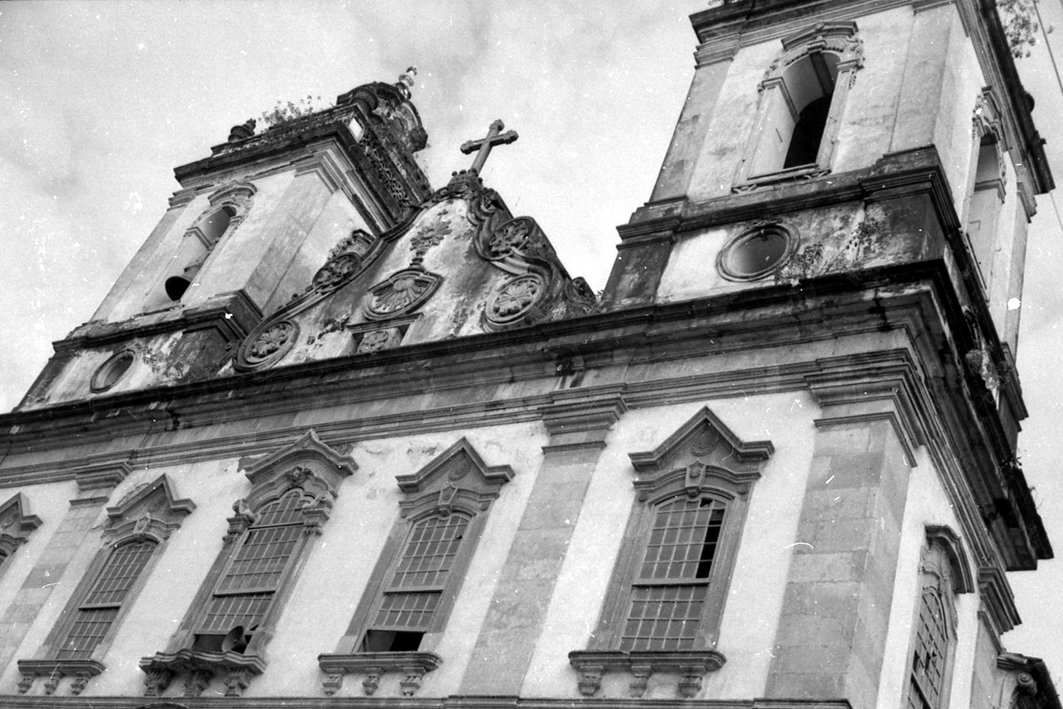
Photo by author, 1964
Casa de Jorge Amado after being inscribed as a World Heritage Site
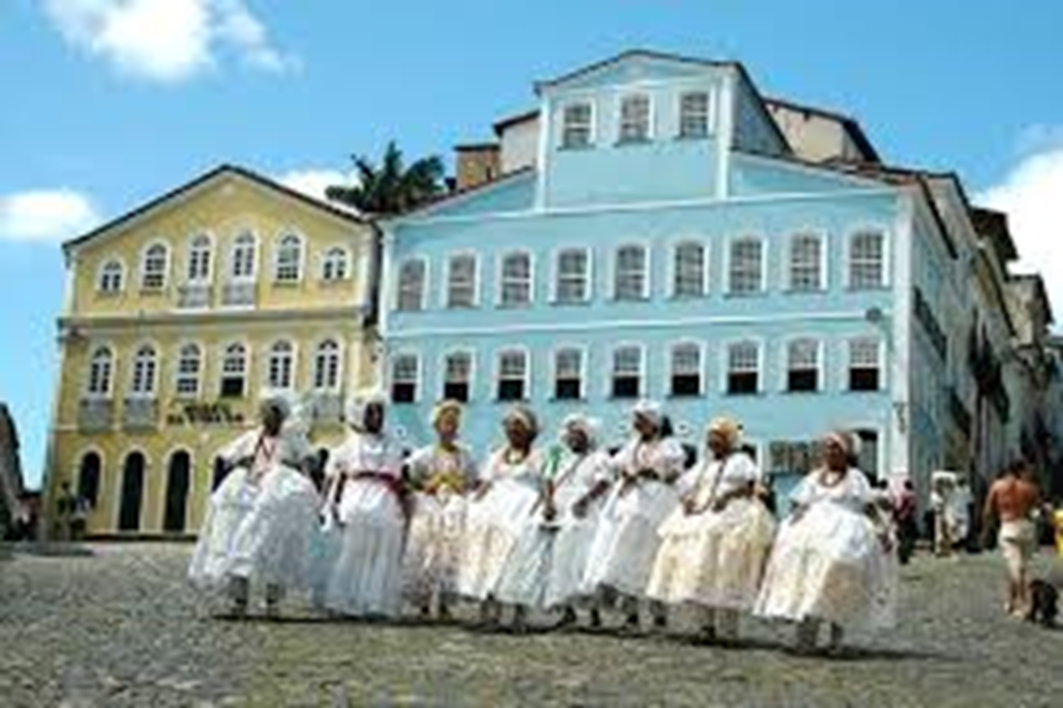
Afro-Brazilian food culture
The food here in northeastern Brazil is very different from that in southern Brazil. If you eat here at the street food stalls in the city, you will get a taste of African culture far across the ocean.
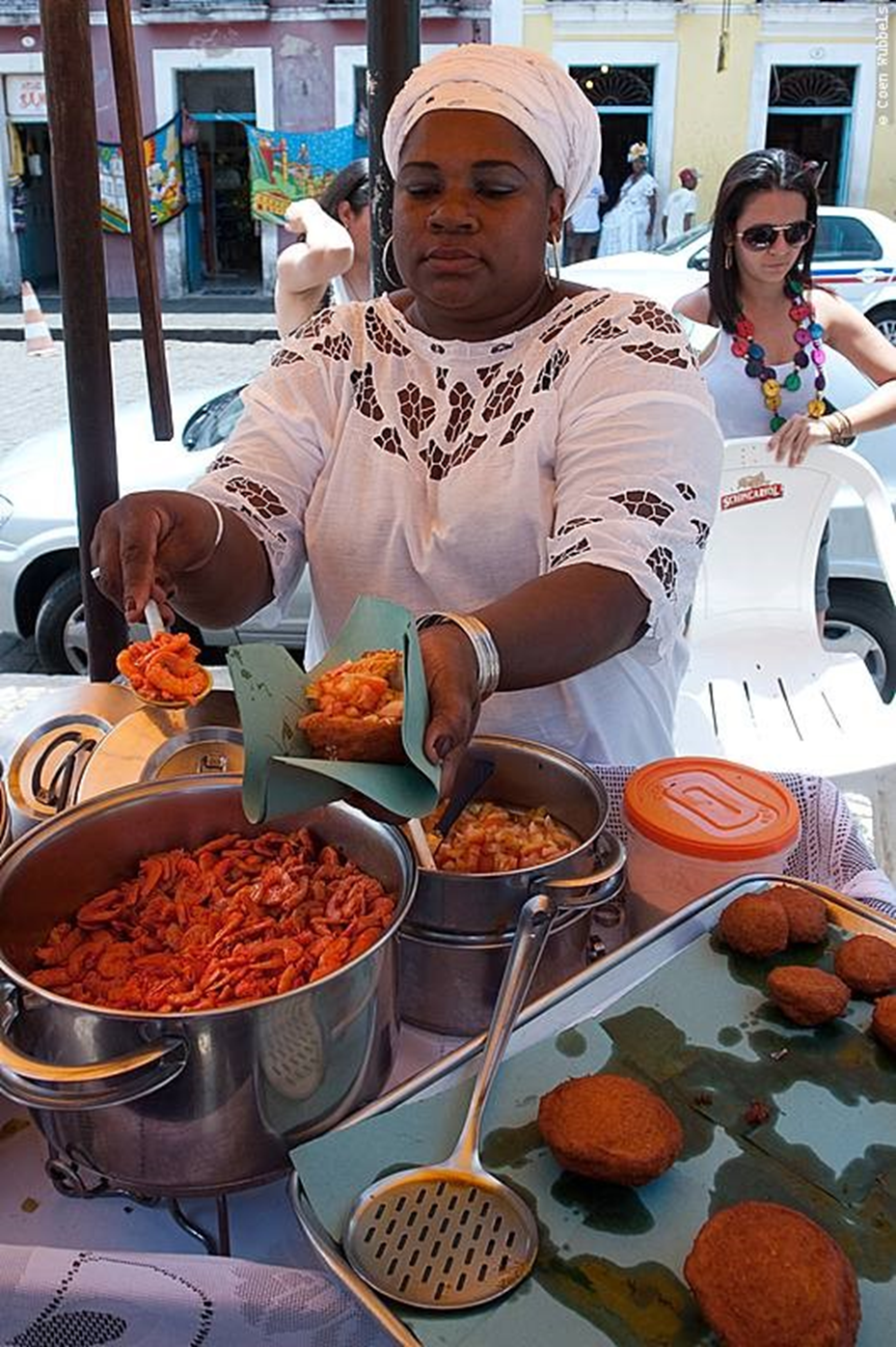
Afro-Brazilian food stall and black woman Photo by author