JAP | ENG
Long term stay in Brazil #7/15
Brasilia
Overseas Travel, 1962
It was a long bus journey from São Paulo to Brasilia, about 1,000 kilometers, 15 hours each way
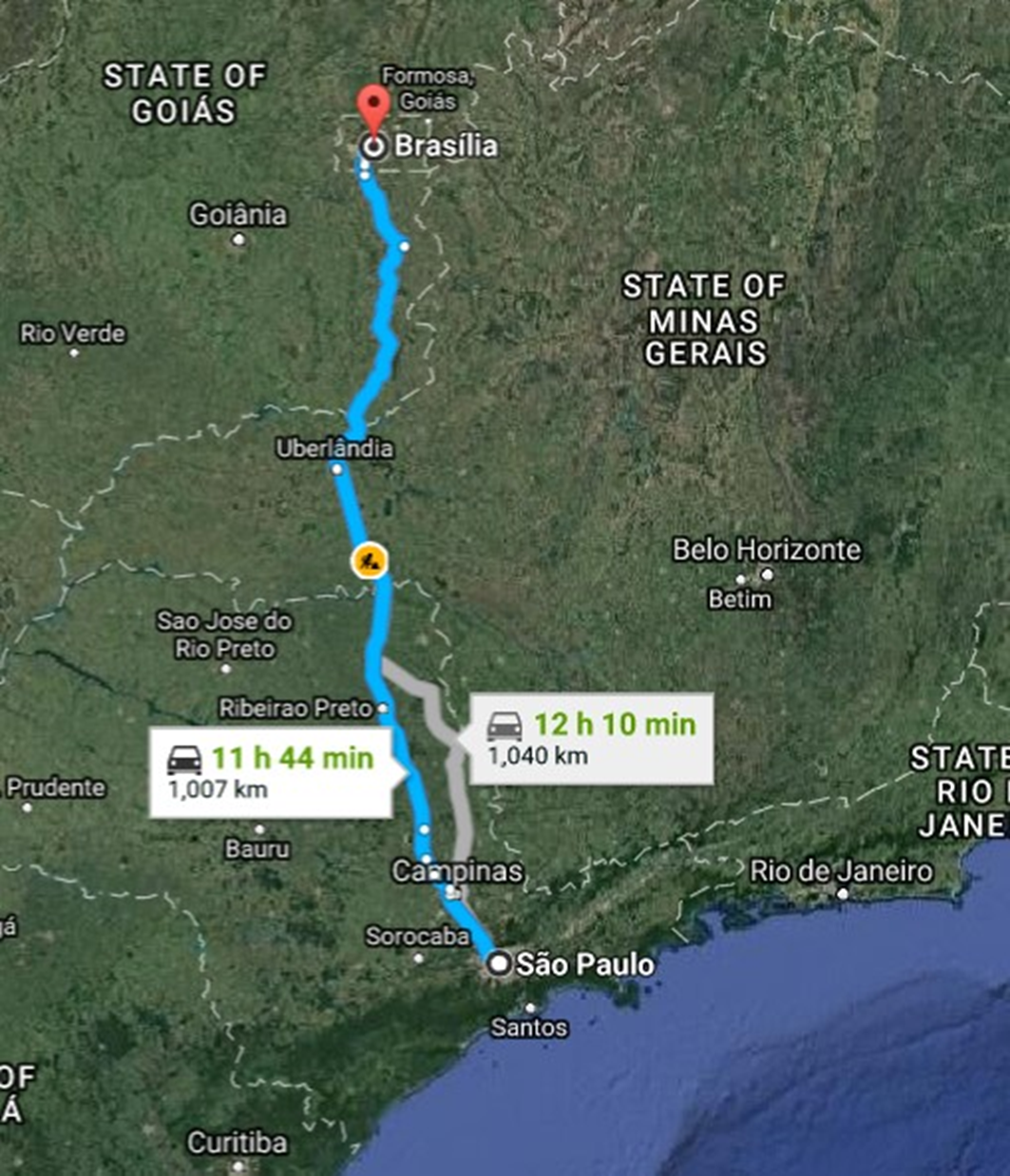
Sao Paulo to Brasilia Overland Transfers
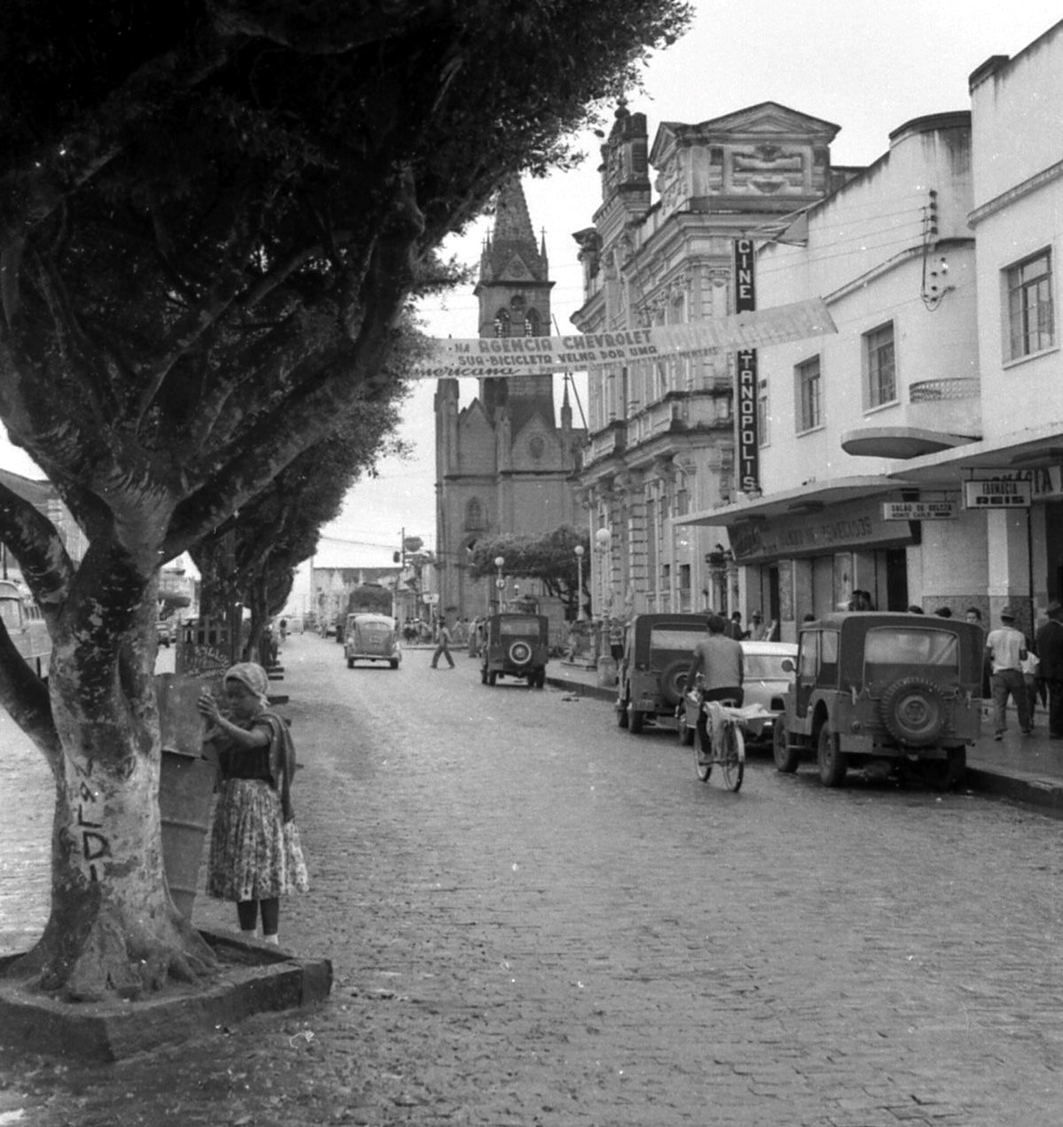
Photo by author
The main road from São Paulo to Brasilia. As you pass through several provincial cities, the town becomes poorer and poorer.
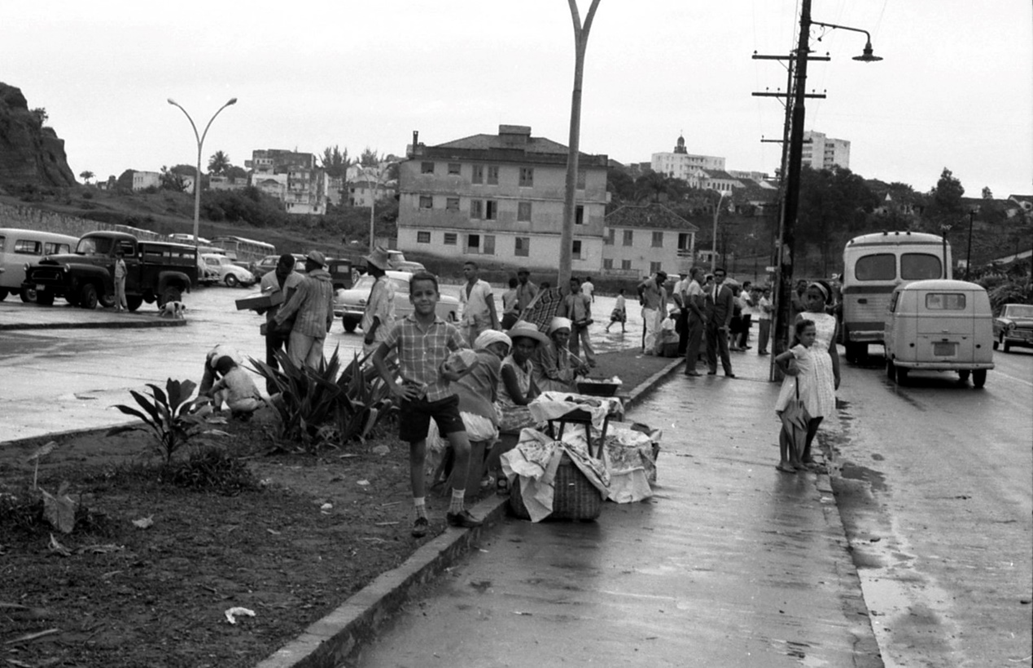
Photo by author
The bus continues on, passing rest areas that look like cowboy towns in Western movies, like the one below.
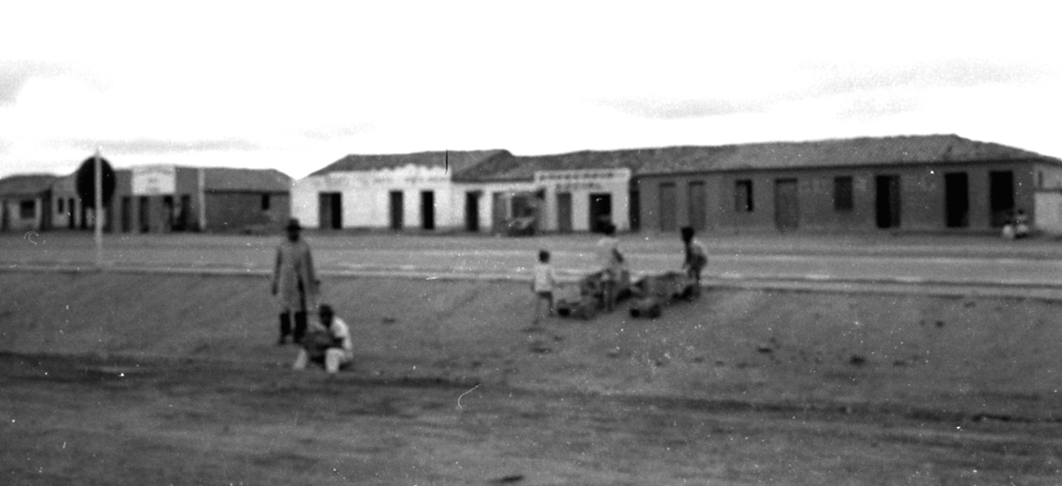
Photo by author
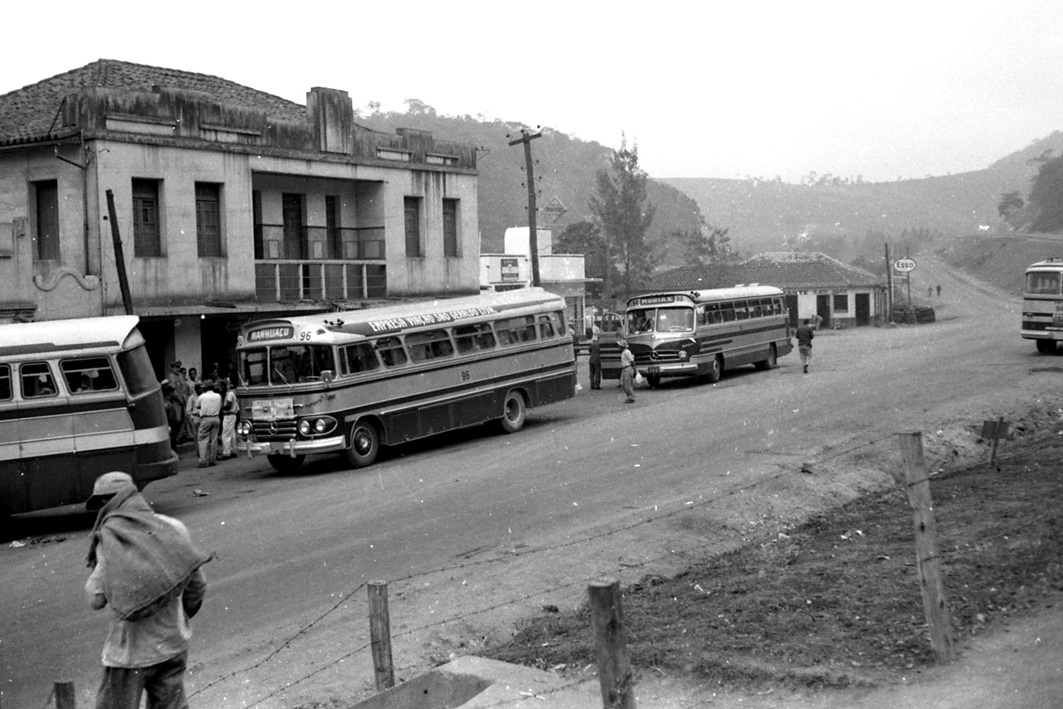
Photo by author
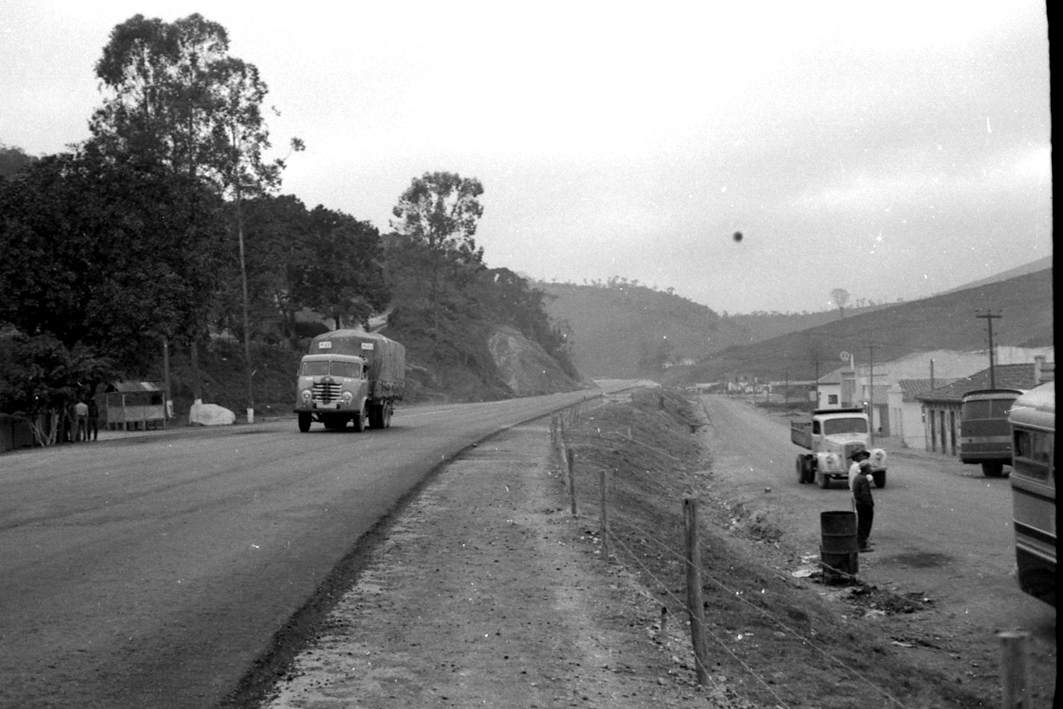
Photo by author
The highway is undergoing widening work in many places.
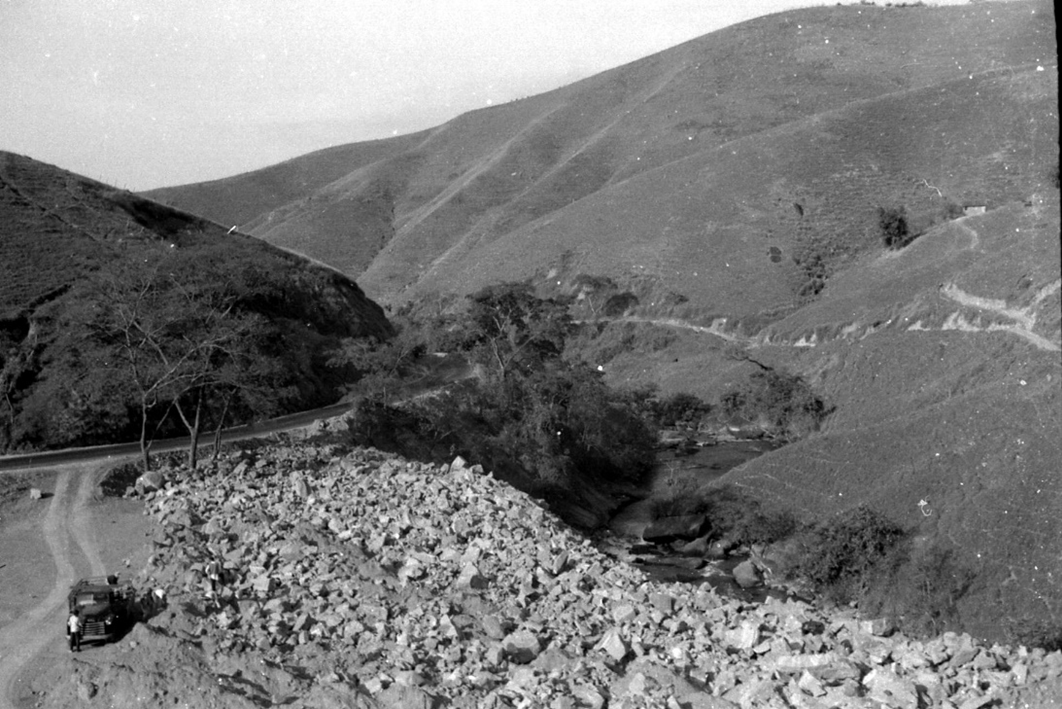
Photo by author
Experience the vastness of Brazil !
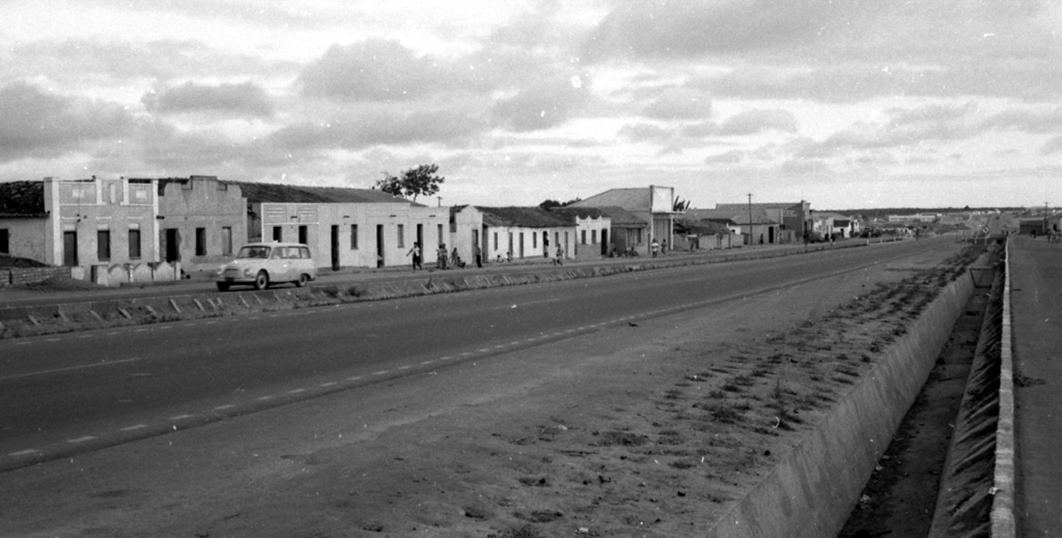
Photo by author

Photo by author
I arrived at the bus terminal in Brasilia
I arrived in the new capital of Brasilia, which I had longed for since I was a student.
The architectural design from the late 1950s is still very modern even today
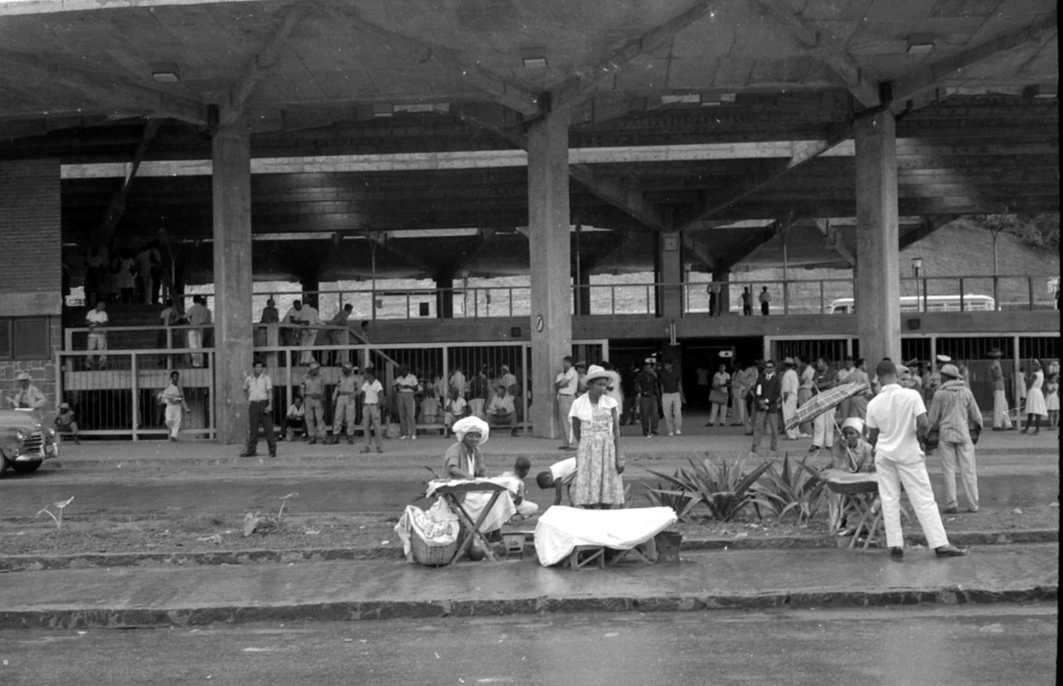
Photo by author

Photo by author
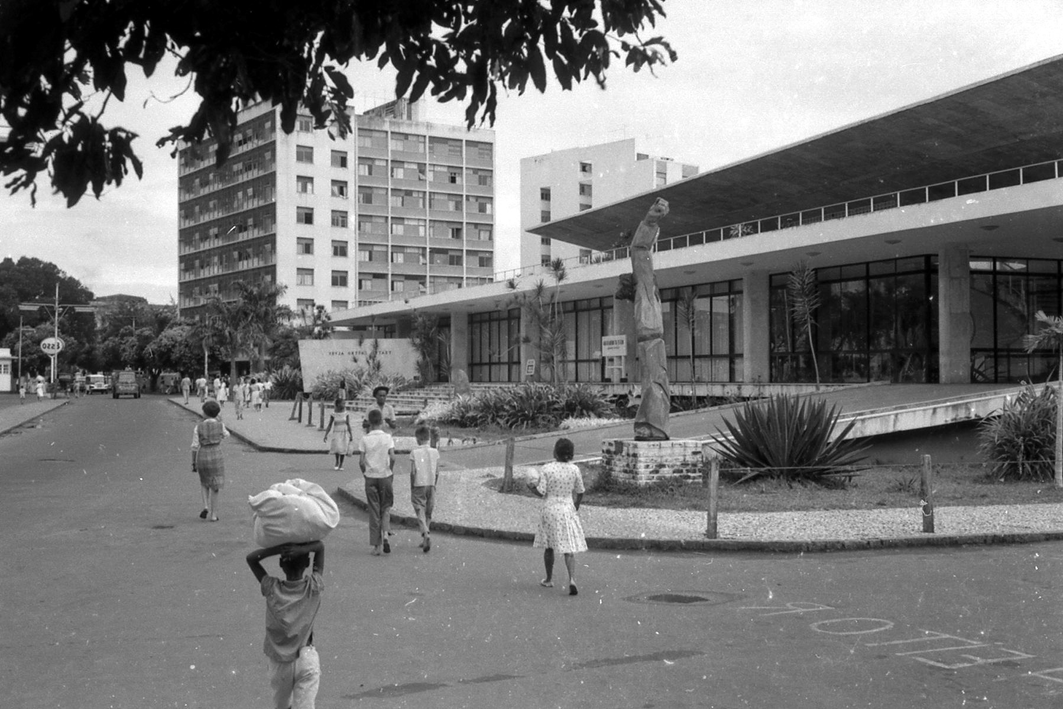
Photo by author
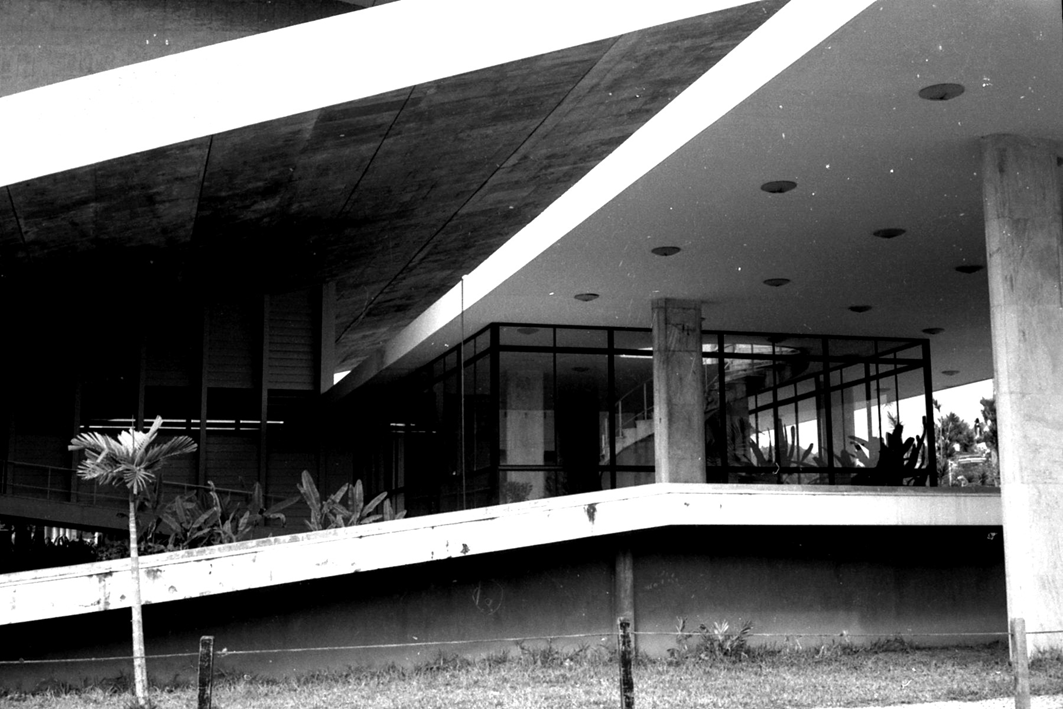
Photo by author
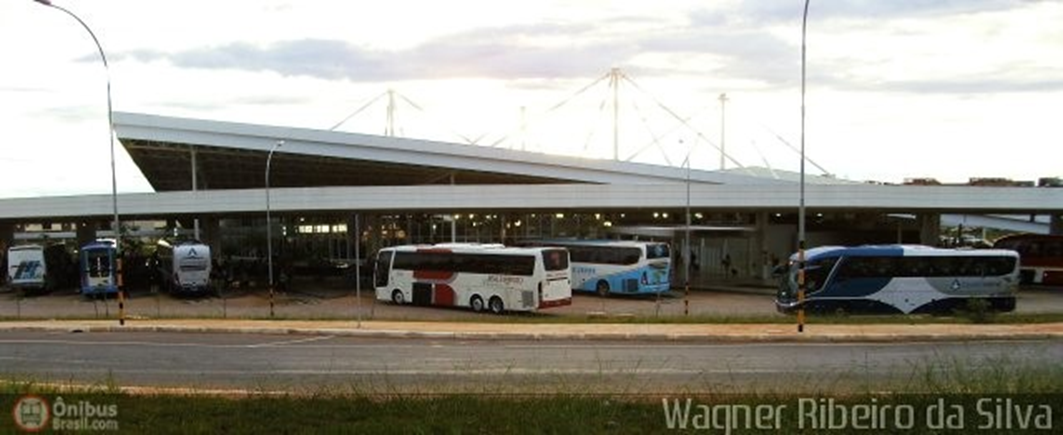
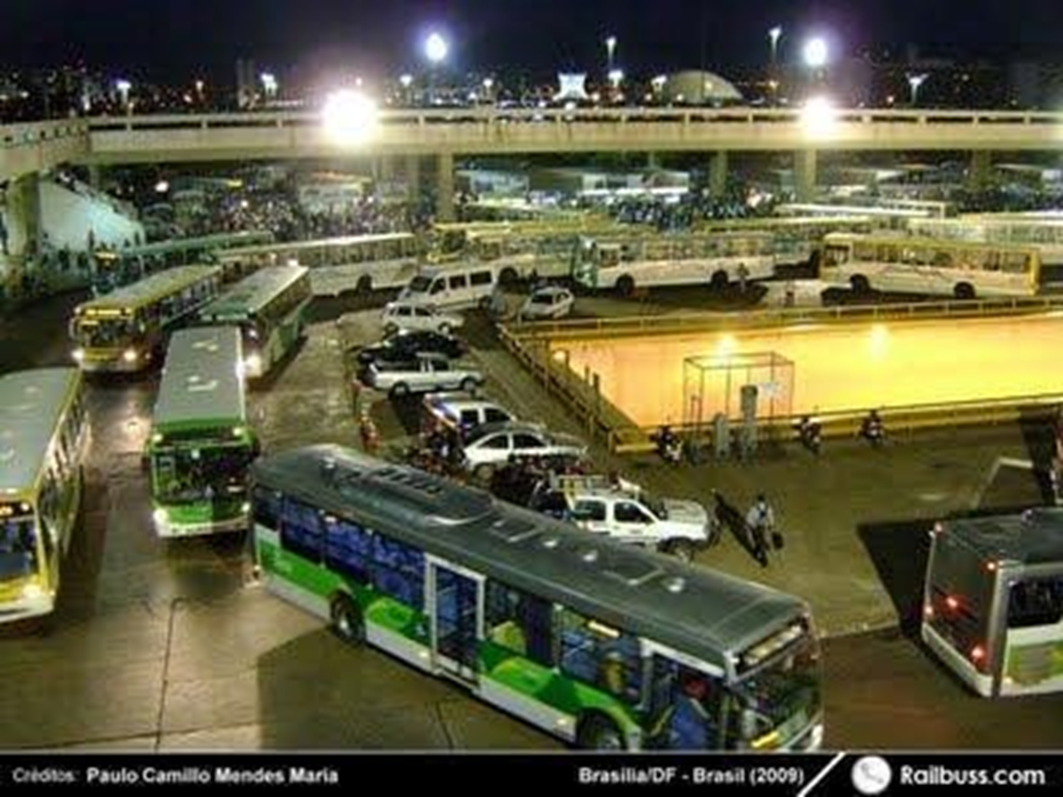
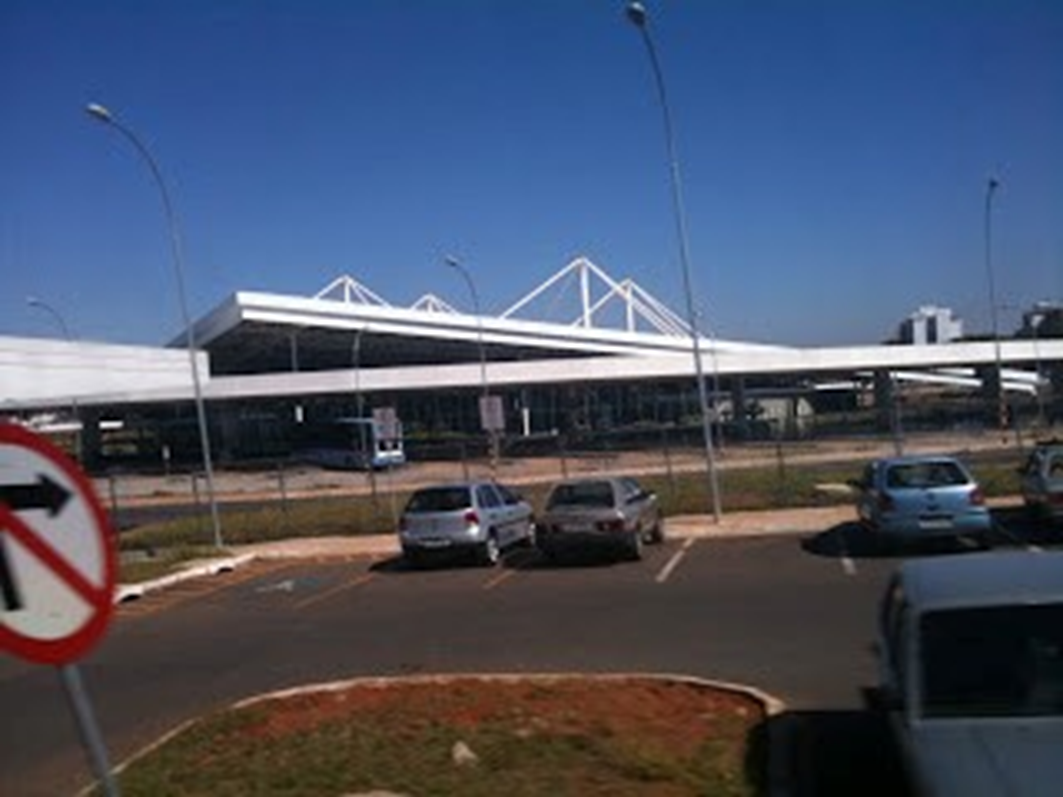
Brasilia Bus Terminal 50 Years Later
Cities and architecture of Brasilia
In 1936, the famous French architect Le Corbusier was invited by the Brazilian urban planner Lucio Costa to stay in Brazil and work with Oscar Niemeyer on the design of the former Ministry of Education and Health building in Rio de Janeiro. His late masterpiece, the Chapel of Longchamp (completed in 1955) in France, is a unique form that is said to have been shaped like a crab shell, and shows the freedom of modeling made possible by reinforced concrete, such as the use of a shell structure.
Here in Brasilia, we have reached a new expression that goes beyond not only the functionality and rationality that we have been advocating for in the past, but also the indicators of modern architecture.
Inspired by Le Corbusier, Lucio Costa was in charge of urban planning and Oscar Niemeyer was in charge of architectural design, and Brasilia, the new capital of Brazil, emerged.
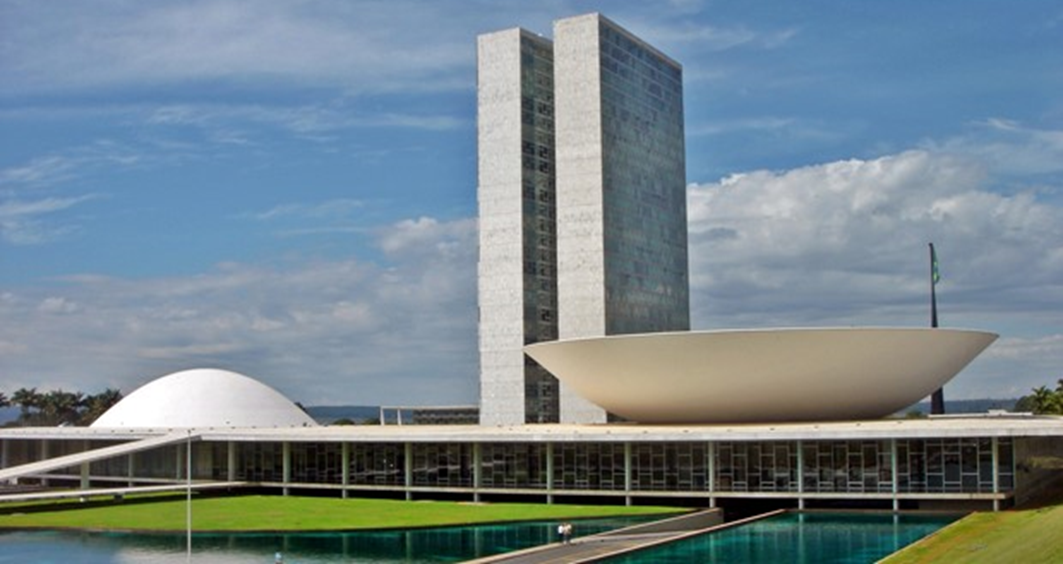
Federal Government Capitol. The building was created by Oscar Niemeyer in Brazil. Registered as a World Heritage Site in 1987
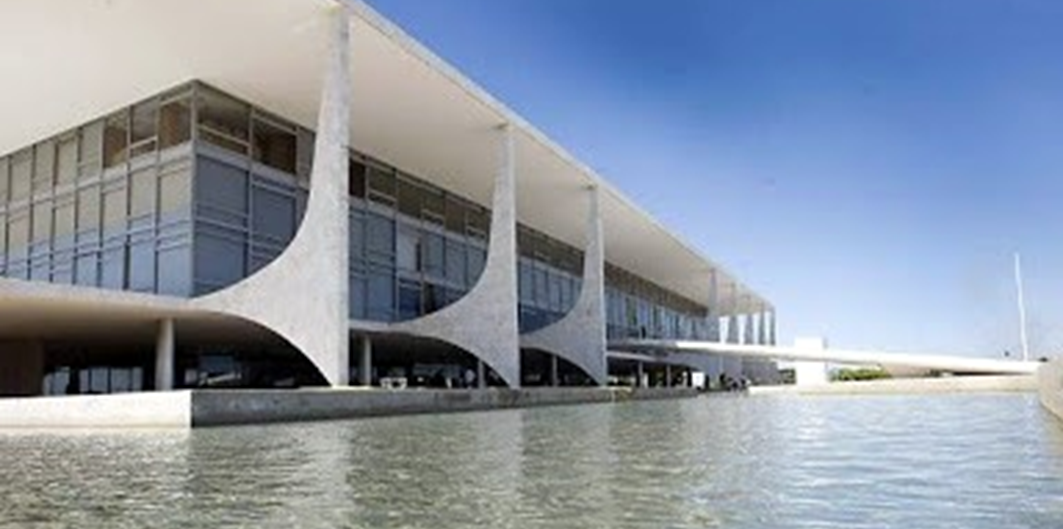
Presidential Palace
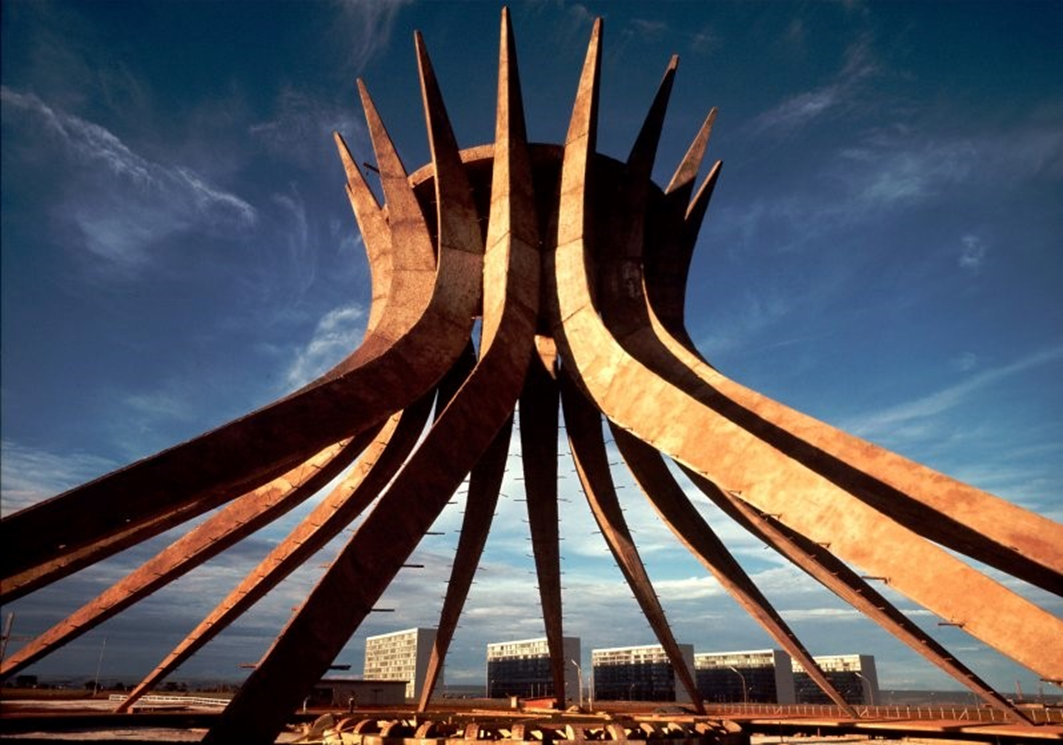
The Cathedral of Brasilia, still unfinished, in the mid-1960s
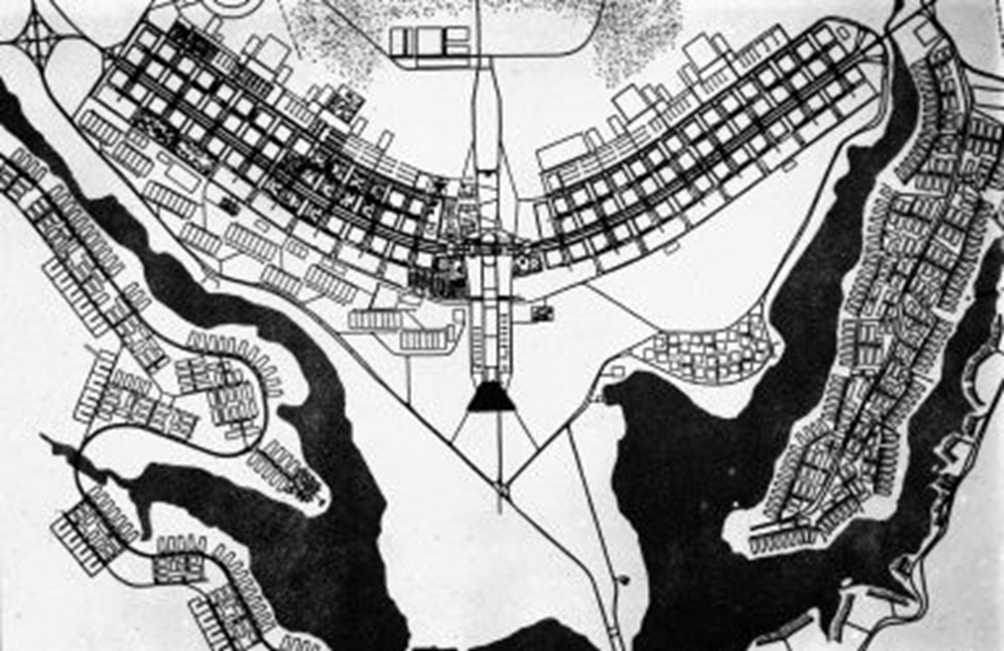
Brasilia’s urban planning master plan.
At the base of both wings of an airplane is a bus terminal directly connected to the highway.
The heart of the city is on the axis south of this junction. Symbolic buildings such as the National Congress Building, the Presidential Palace, and the Cathedral are located in this area.
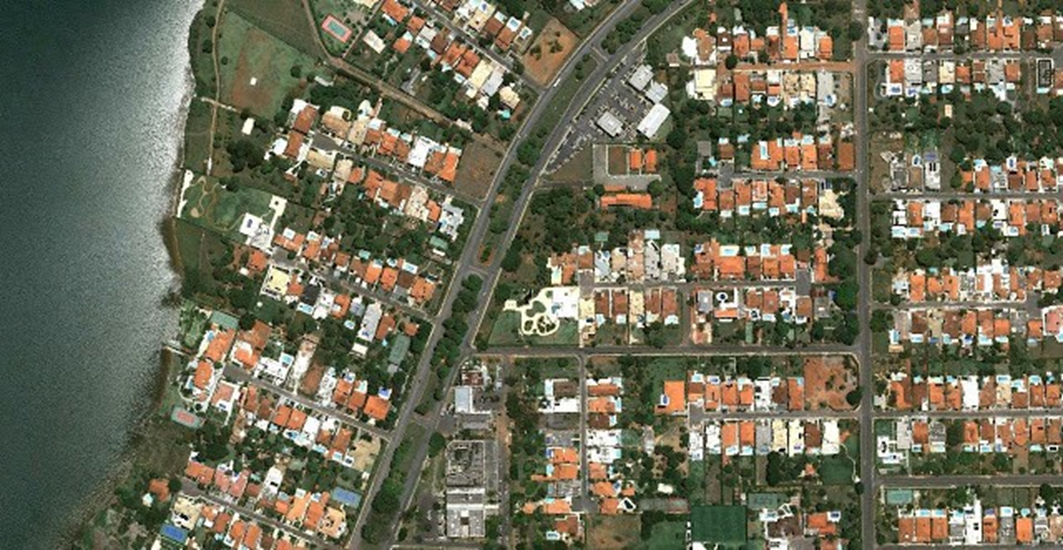
A planned luxury residential area surrounded by a man-made lake
It is well known that Brazil is 20 times larger than Japan.
Major cities were concentrated on the coast on the oceanic side, and inland development was slow to progress. For this reason, the idea of moving the capital from the coastal city of Rio de Janeiro to the central part of the country has been advocated for many years.
In 1956, President Giuscelino Kubitschek decided to move the capital.
It was completed in 1960.
I visited eight years later, but the buildings completed at the heart of the country were still shining brightly.
However, urbanly, it gave the impression that it far exceeded the scale of humans.
Subsequently, in the process of urban growth, the functionally essential private service sector, which was outside the original plan, has undergone a disorderly expansion of the city area to this day. I would venture to say that it was worth visiting this “shining city” just to discover that there is a problem with the planned consideration of the amoeba-like proliferation of various commercial and service industries that are closely related to the lives of urban residents.
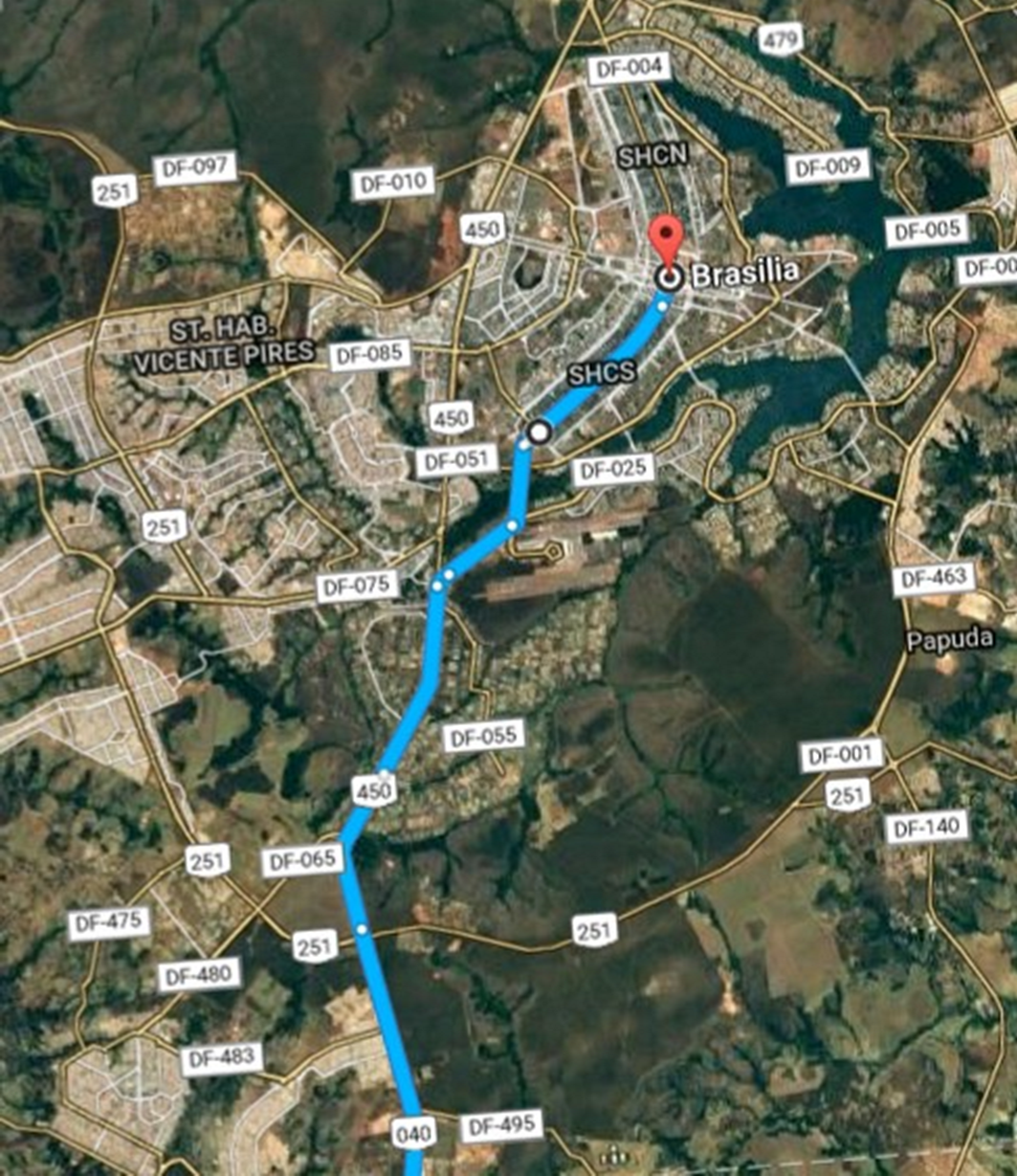
Sprawl Brasilia 50 years later

Sprawlingly expanded suburban residential areas