JAP | ENG
Long-term stay in Brazil #15/15
Near the border of Uruguay
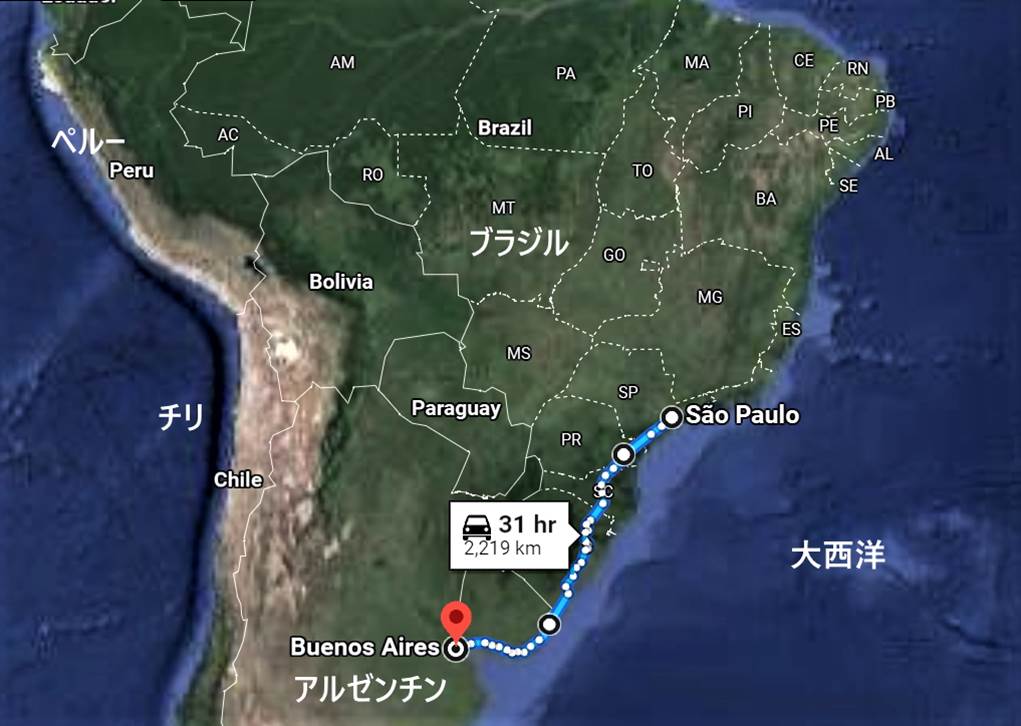
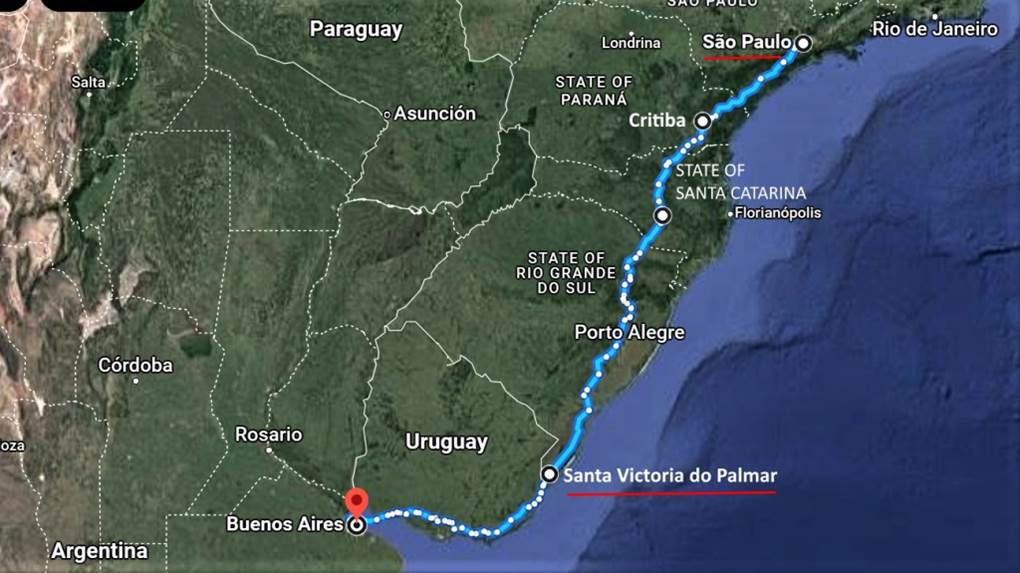
It was supposed to be a 2300 km round trip from São Paulo to Buenos Aires
In between work, I have travelled around Brazil by land, bus, car, and air. I have saved up some money from working at an architectural firm during my three years there, so I have a goal of traveling around Europe and returning home soon. Since I have come all the way to the other side of the world, I cannot take Buenos Aires out of my sight. And so this long distance car journey of 2,200 km has begun.
State of Paraná
The state of Paraná borders the state of São Paulo to the south. Iguazu Falls is located in the Paraná River at the western end, bordering Argentina and Paraguay. The capital of the state is the city of Curitiba.
In the latter half of the 19th century, there was a large influx of immigrants from Europe, and after the 20th century, immigrants from Japan, Lebanon, Syria, and other countries in the Middle East joined them.
Today, the largest group is made up of immigrants and their descendants from Eastern Europe, followed by Germans and Italians.
Paraná, like other southern states, does not have a history of African slave importation, so it has a low proportion of black people.
City of Curitiba
According to the Brazilian Institute of Geography and Statistics, the racial composition of Curitiba, the capital of the state of Paraná, is: 78.8% white, 16.9% mixed, 2.8% black, and 1.4% Asian.
Curitiba is located at an altitude of about 940 meters above sea level, one of the highest altitudes in the province and is regarded as an excellent example of urban planning.
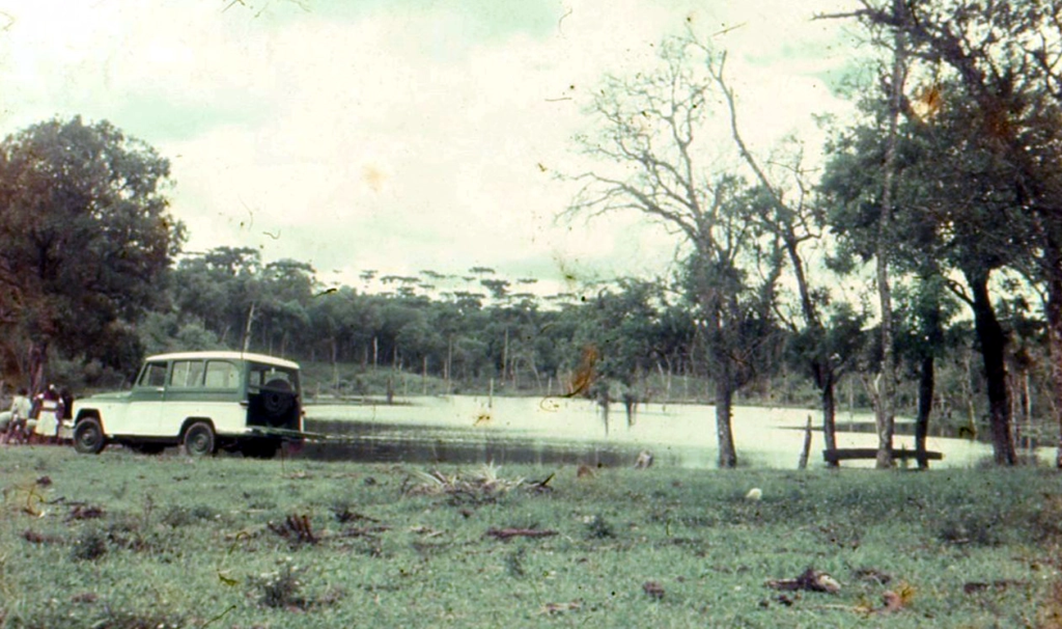
Passing through the state of Paraná, south of the state of São Paulo
Photo by author, 1967
Santa Catarina
Further south in the state of Paraná is the state of Santa Catarina. According to the Brazilian Institute of Geography and Statistics, 86.96% are white, 9.98% are mixed-race, 2.72% are black, 0.25% are Asian, and 0.09% are Indian.
Blumenau
It was founded inland in 1850 by Blumenau and 17 German immigrants. The inland city of Blumenau is home to many German immigrants, and a beer festival is held similar to the German Oktoberfest.
Since its establishment up to the present day, many descendants of German immigrants have lived there, and even after Germany’s defeat in the war, many Germans, primarily former Nazi war crimes suspects and remnants of the Nazis, fled there as refugees.
For this reason, Blumenau was rumored to have been a refuge for former Nazi Party leaders after World War II, along with Bariloche in Argentina (a ski resort at the foot of the Andes, known as the Switzerland of South America. A tourist destination for the wealthy in São Paulo). Even today, more than 90% of the city’s population is white, mainly of Germanic descent.
Travel through the mountainous region of Santa Catarina.
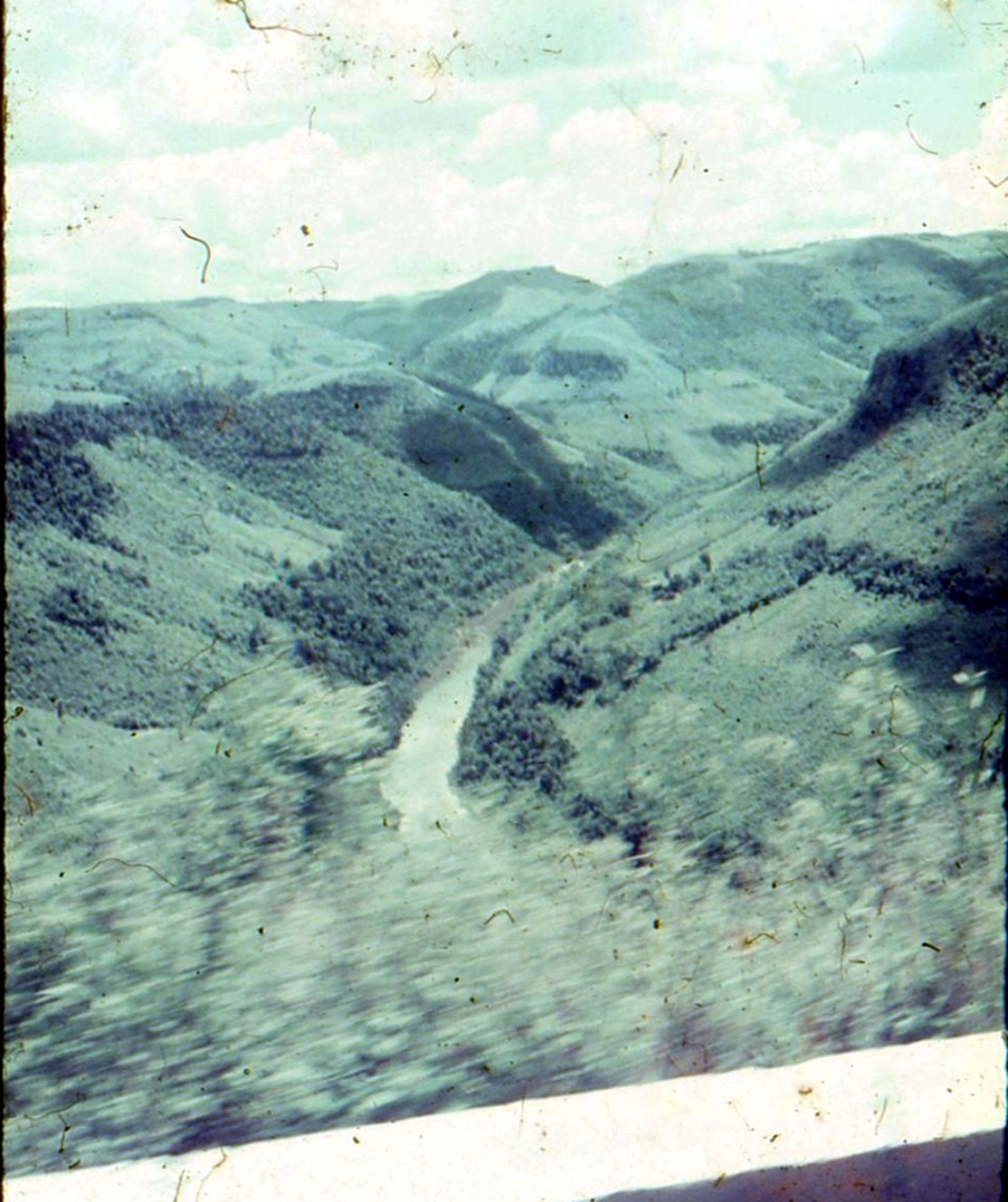
Passing through Santa Catarina, south of Paraná.
Travel through the mountainous region of Santa Catarina.
Photo by author, 1967
Rio Grande do Sul
It is the southernmost state of Brazil. It is bordered by the state of Santa Catarina to the north, Uruguay to the south, and Argentina to the west. It faces the Atlantic Ocean to the east. The capital of the state is the city of Porto Alegre.
Pampas and Gausho
The southern part, which makes up one-third of the state, is located in the Rio de la Plata basin, which marks the beginning of the Pampas that continue into Uruguay and Argentina
Churrasco
One of Brazil’s most iconic dishes is churrasco, which originated here in the southern pampas. I would love to try the lamb when I come to the original place of Churrasco.
Yerba mate tea
In addition, there is a characteristic of the way of drinking yerba mate (cimarron), which has already become known in Japan. Fill a brown gourd container with tea leaves, pour hot water over it, and drink it without sugar. On the roadsides in this area, you can see people passing tea with thick silver straws on gourds, which is a custom of Gausho.
A typical city block in a Brazilian provincial city. It looks like a cowboy town in a Western movie.
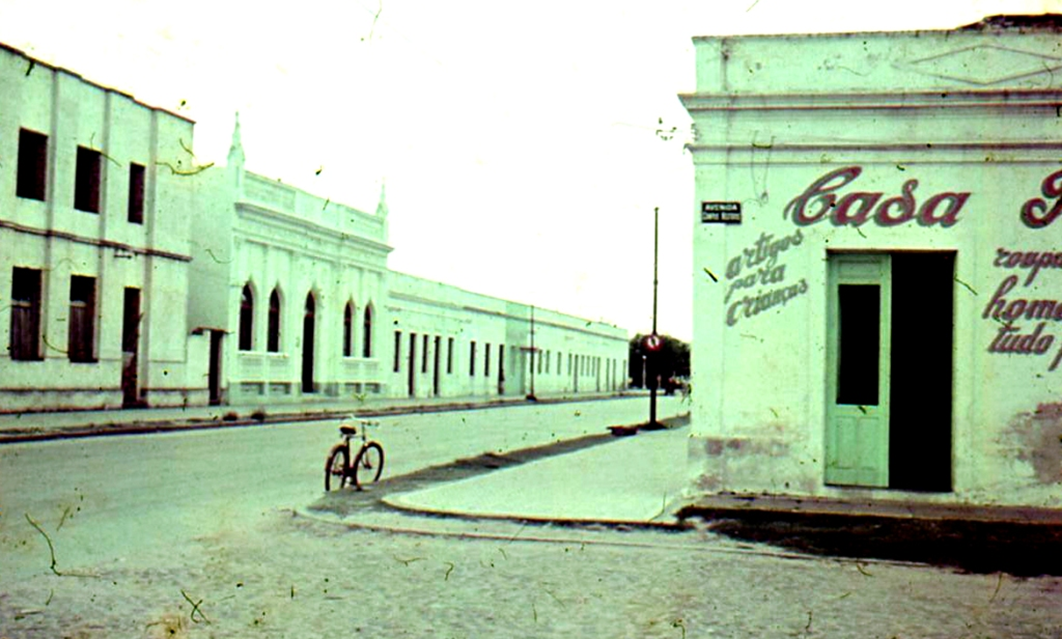
Photo by author, 1967
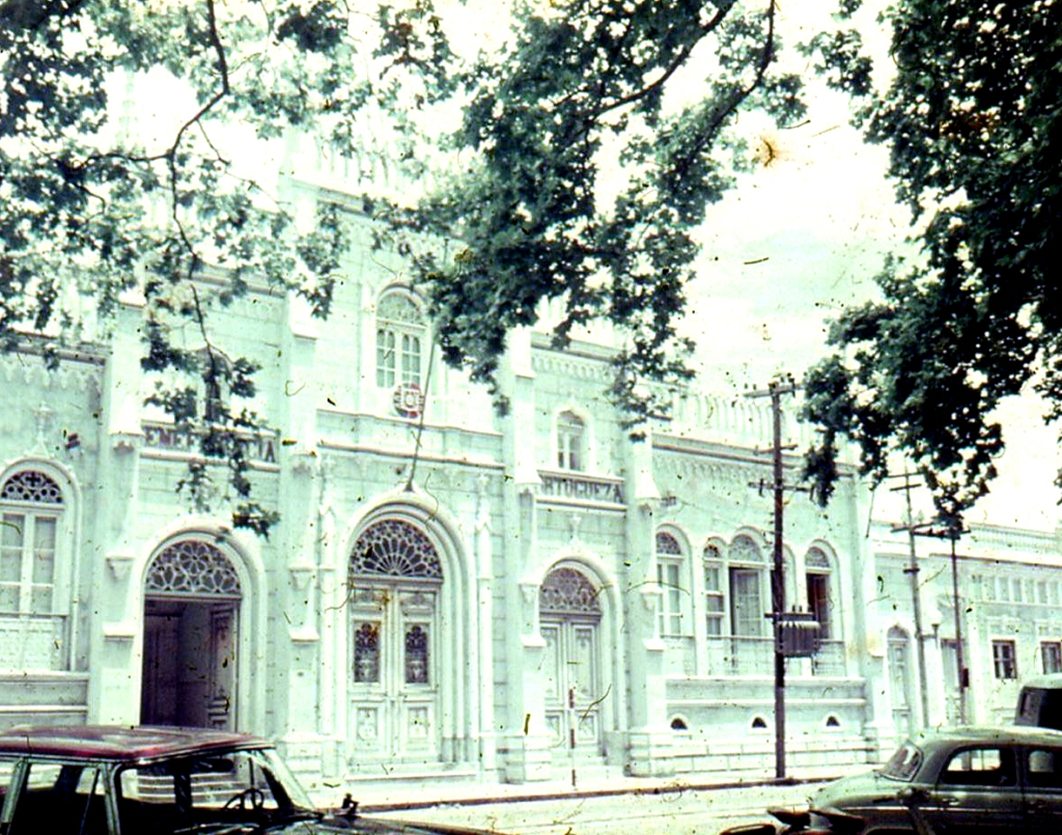
Photo by author, 1967
City of Porto Alegre (Capital of Rio Grande do Sul)
Demographic composition
80.7% were white, 10.7% were mixed-race, 8.0% were black, and 0.6% were other races.
The view of the water town surrounded by rivers and lakes spreads out before you. In the distance you can see the cityscape with its skyscrapers.
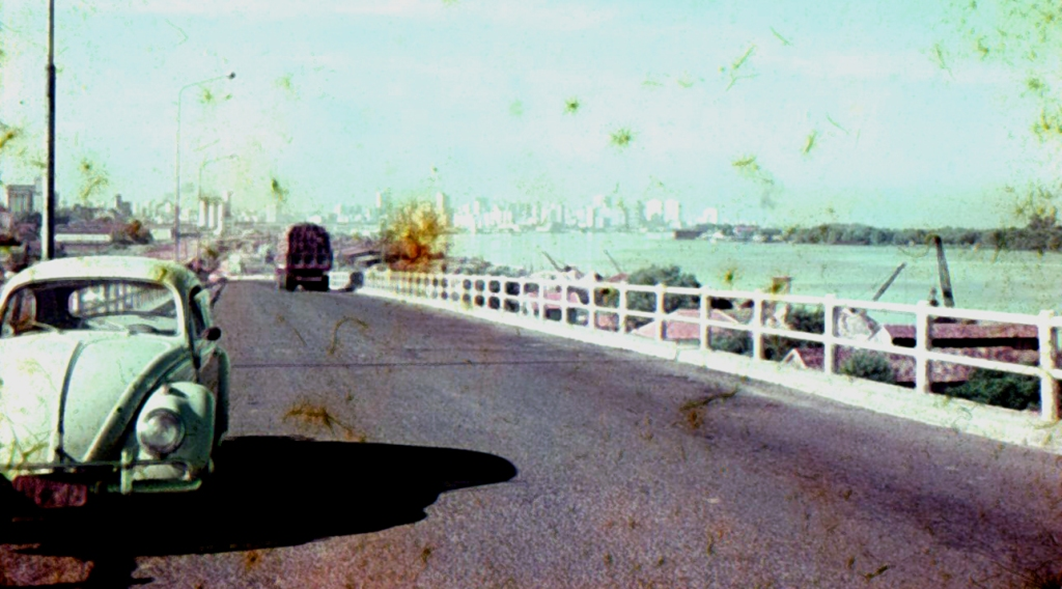
Photo by author, 1967
The capital of the state of Rio Grande do Sul, near the city of Porto Alegre.
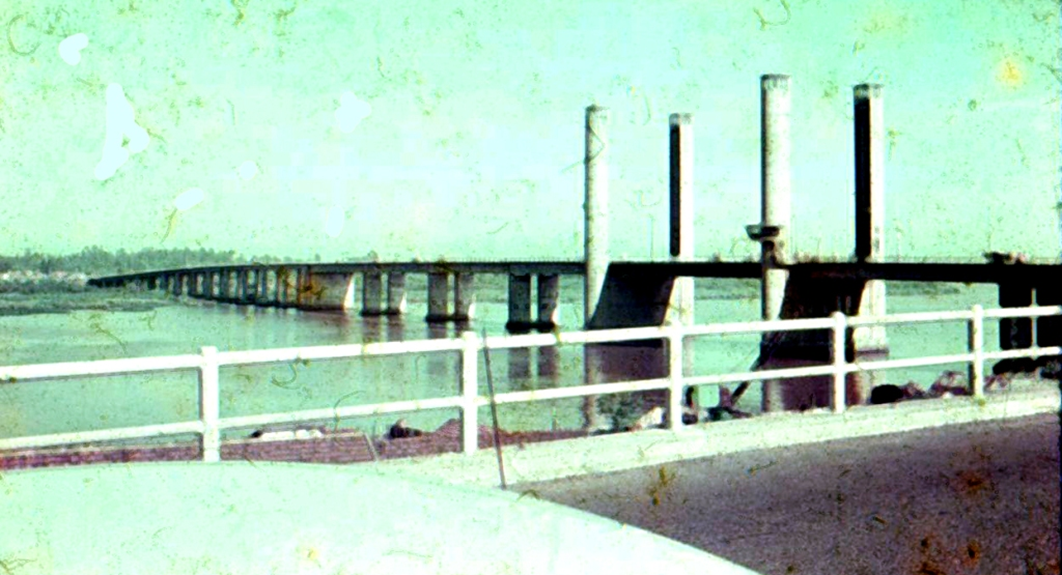
Photo by author, 1967
After the city of Porto Alegre, you will reach a plain area called the Pampas. The pasture area is endless, and it is a large area for livestock farming. Cows and sheep are grazing everywhere.
Pampa
Pampa (pampas in English) means grassland in the Quechua language of the indigenous Indians. Since the 19th century, it has been transformed into a vast area of farmland and ranch land due to development. Its northern limit is the state of Rio Grande do Sul in Brazil, and it is connected to the world-famous fertile grain belt, pastures, and grazing land of Uruguay and Argentina in the south.
Gaucho
A gaucho is a professional who rides a horse and manages a group of cattle and sheep that are free-range in the pampas. Since the end of the 19th century, the population of Europe has increased, and the demand for wheat and beef is increasing.
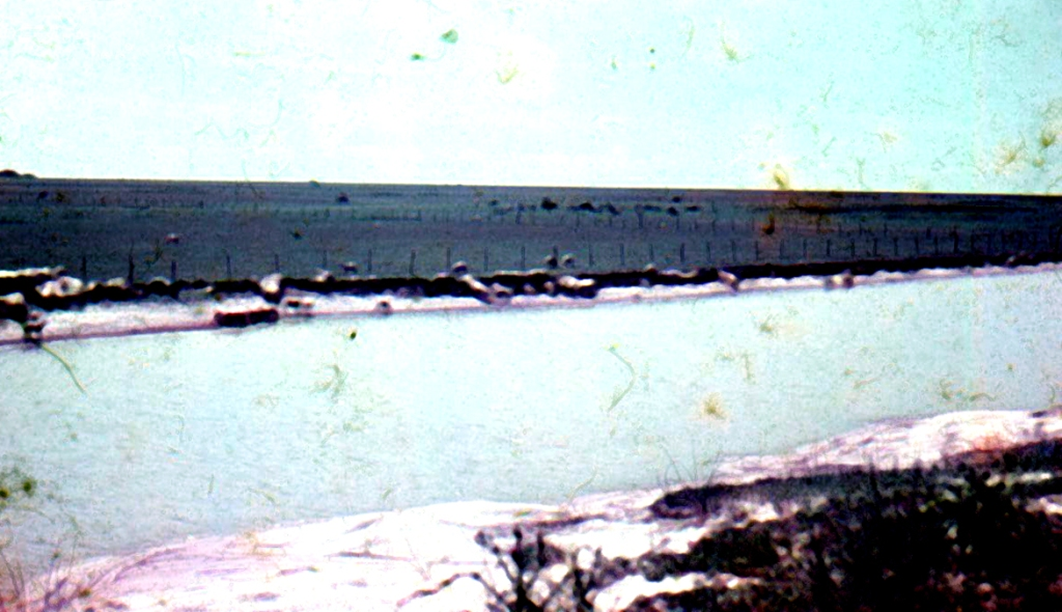
Photo by author, 1967
Take a break on the Pampa Plains. The road up to here is paved.
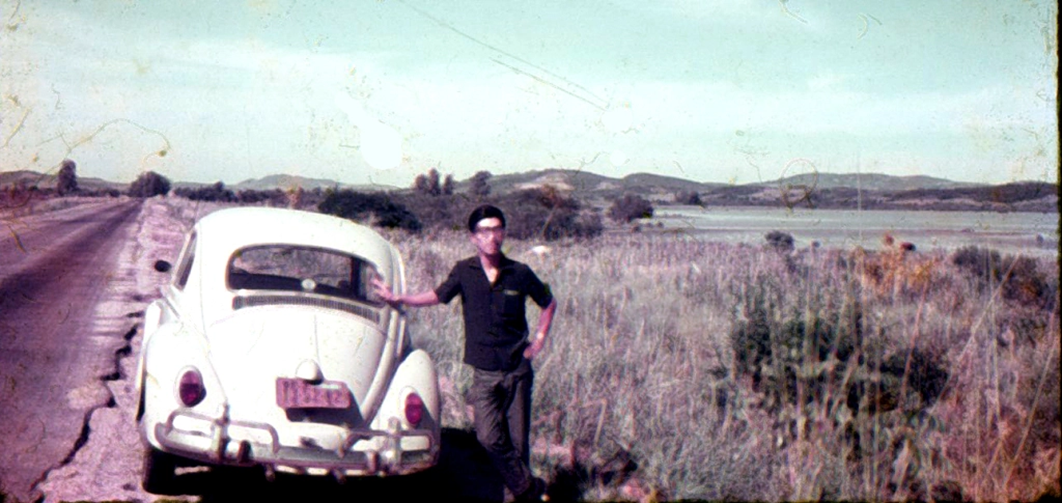
Photo by author, 1967
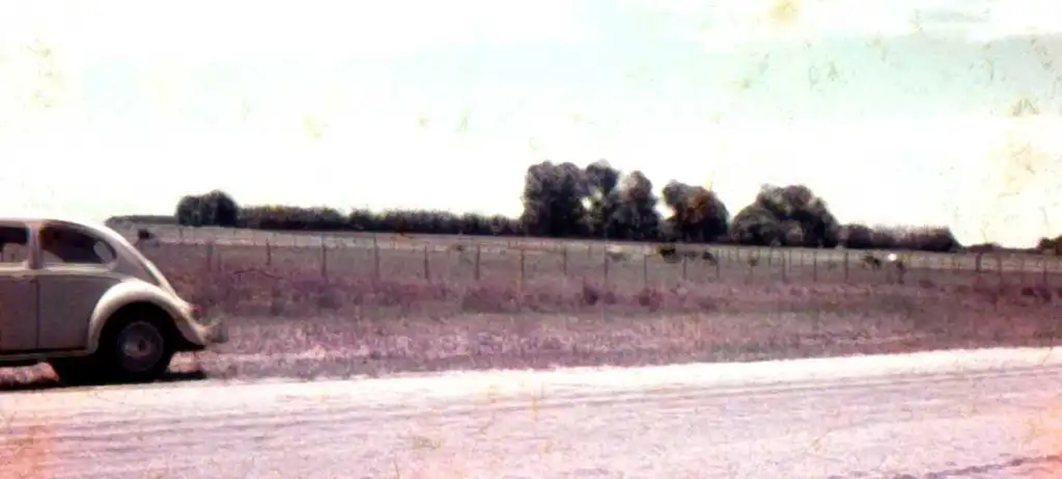
Photo by author, 1967
In the 1960s, when I lived in São Paulo, the price of one kilogram of beef was cheaper than that of one kilogram of rice. All thanks to the pampas.
This is the only area in Brazil where rice is produced, and a large amount of rice is transported overland to the metropolitan area of São Paulo.
Travelling through the vast pampas of southern Brazil
The scenery in front of me remains unchanged for 500 km along the road in the Pampas. Naturally, my sense of speed becomes numb and my attention is distracted. As I approached the border with Uruguay, the pavement disappeared.
The dump truck ahead of me dropped a rock. I swerved the steering wheel to avoid it, but I was thrown into a pasture about 3 meters below the bank, and after the impact, the car crashed into the road on its side. I escaped with only bleeding from my pinky finger.
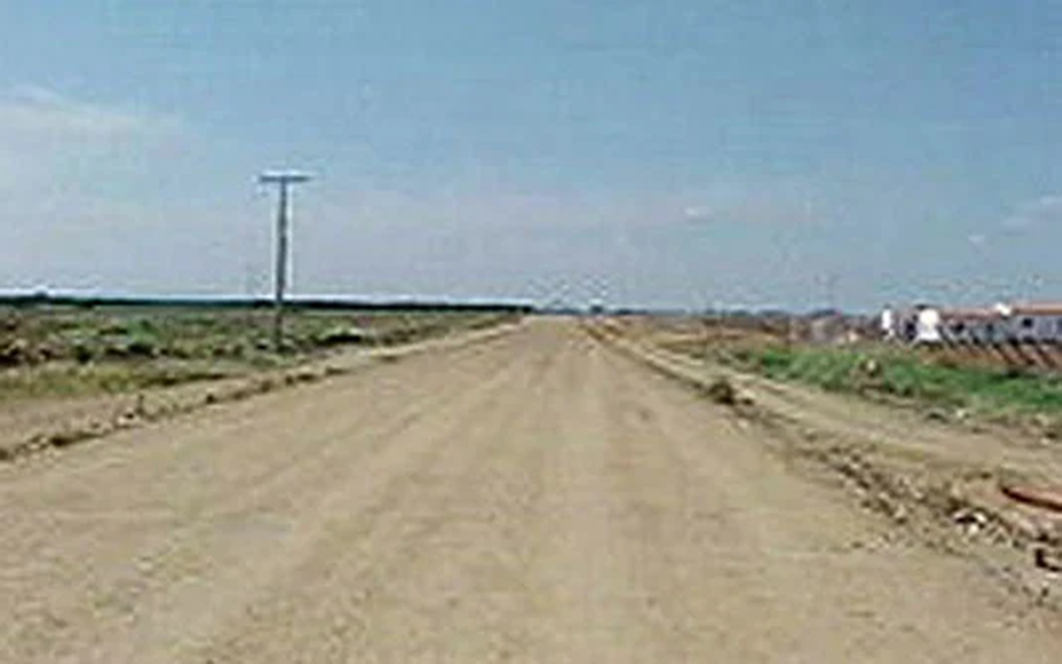
Photo by author, 1967
I crawled out of the Volkswagen, which had crashed into the car and flipped over, and when I looked at the outside of the car, I saw gasoline leaking from the fuel tank. Fortunately, it hadn’t caught fire, so I walk off with relief. Then, on the horizon of the pampas, I saw two horses coming toward me. After a while, two gauchos approached me.
When I explained the situation, I learned that there was no town, village, police station, or rescue team nearby. I couldn’t just abandon my car on the plain, so I had to pull it up to the road, which was 3 meters up the bank.
After a while, four or five burly young men on horseback appeared out of nowhere. The car was to be successfully hoisted up to the top of the embankment by hand using ropes.
Gauchos transporting cattle to the consumer market.
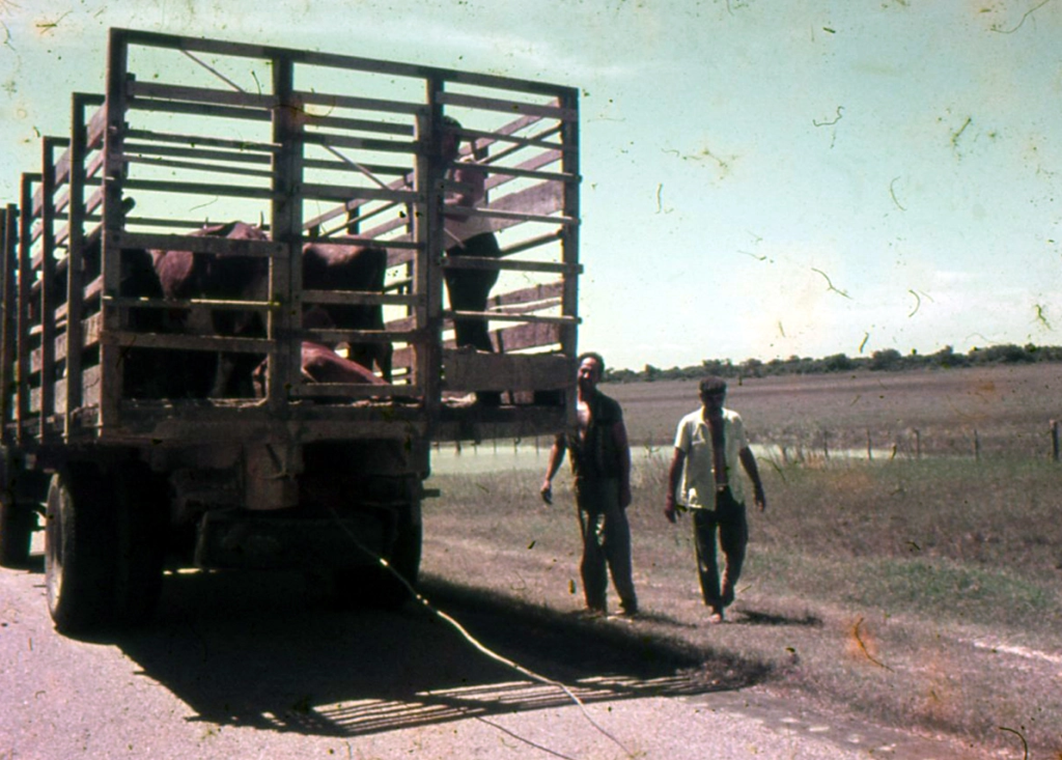
Gauchos carrying cattle to the market. Photo by author, 1967
Accident car on truck bed
The accident car is loaded onto a bag of rice on the back of a truck and transported all the way 2,000 kilometers to São Paulo for repairs.
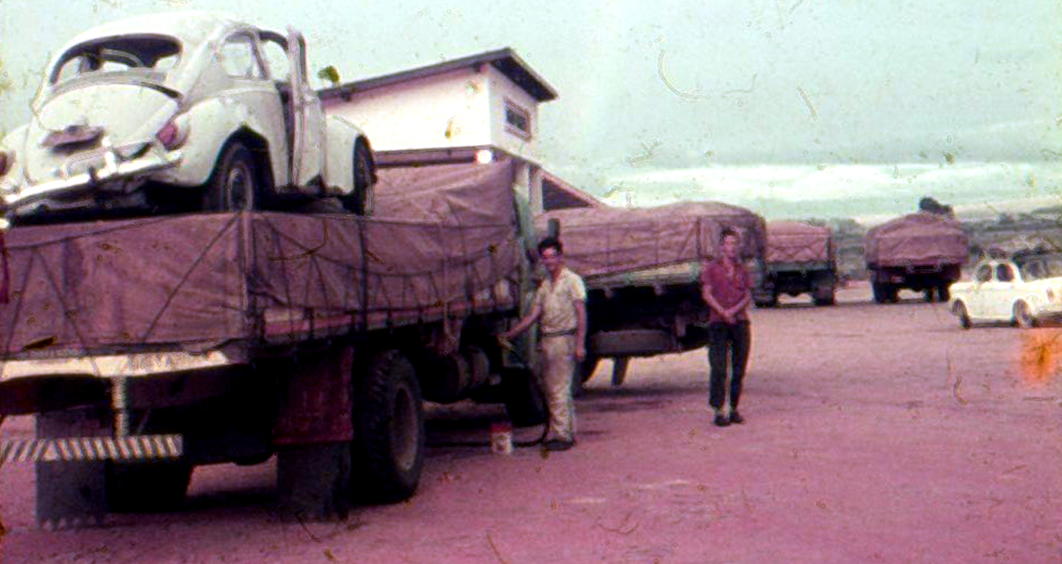
Carrying an accident car on the back of a truck.
Photo by author, 1967
The driver who transported the wrecked car
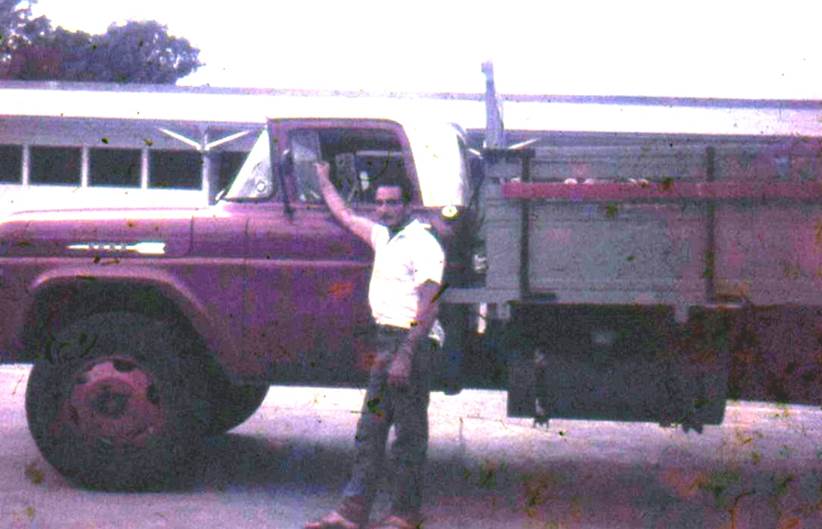
Photo by author, 1967
I was put in the passenger seat of a truck and drove 2,000 km back from the southernmost tip of Brazil to São Paulo.
The wrecked car was on top of a bag of rice in the back of the truck, and I was in the passenger seat of the truck. The unpaved two-lane road becomes one lane when it reaches a bridge. Driving at night is extremely dangerous.
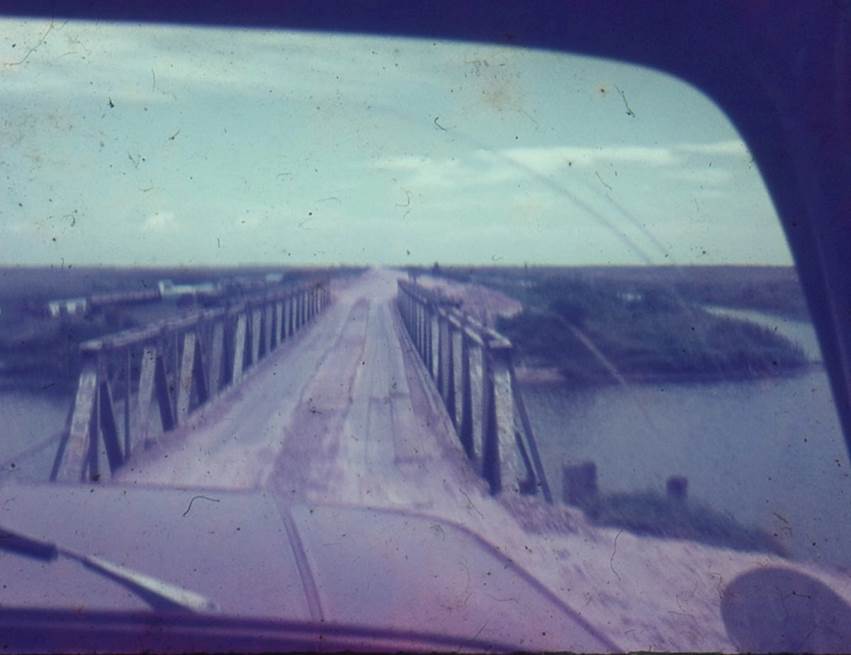
Photo by author, 1967
When I returned to São Paulo, I suffered bruises and couldn’t move the joint between my right shoulder and arm. I was treated by a doctor and it took two weeks for me to recover. The car was sold after repairs.
A comprehensive guide to travelling within Brazil
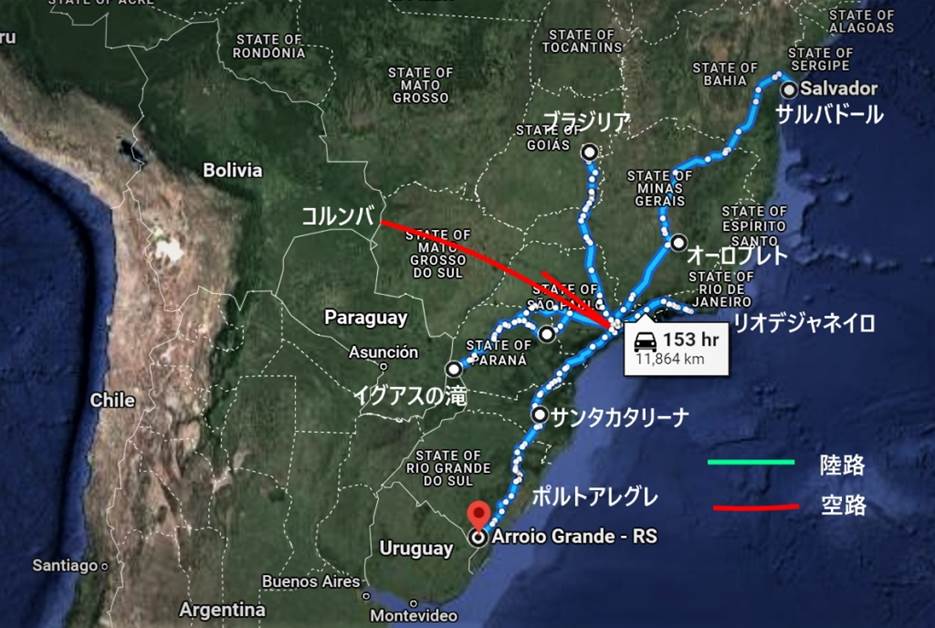
By land using long-distance bus (total approx. 7,200 km)
Sao Paulo ⇒ Salvador de Bahia ⇒ Sao Paulo (about 4000 km)
Sao Paulo ⇒ Oroplate ⇒ Sao Paulo (approx. 1200 km)
Sao Paulo ⇒ Brasilia ⇒ Sao Paulo (approx. 2000 km)
By land using private car, Solo Drive (total approx. 5,400 km)
Sao Paulo ⇒ Iguazu Falls ⇒ Sao Paulo (approx. 2000 km)
Sao Paulo ⇒ San Sebastian ⇒ Sao Paulo (approx. 400 km)
Sao Paulo ⇒ Rio Grande do Sul ⇒ Sao Paulo (about 3000 km)
Land journey (total approx. 12,600 km)
P.S. Land travel from Paris, France, to Vladivostok in the Russian Far East, is 11,897 km. In the six years that I have lived in Brazil, I have found that the distance I had travelled by land in between jobs has exceeded that.
Business trips by air or business
Sao Paulo ⇒ Fazenda ⇒ Sao Paulo (approx. 700 km)
Sao Paulo ⇒ Columba ⇒ Sao Paulo (approx. 2000 km)
P.S. More than half of the flight distance from São Paulo on the Tropic of Capricorn to Miami near the Tropic of Capricorn is in Brazil, so you can see how large Brazil’s territory is.