JAP | ENG
Long-term stay in Brazil #14/15
ILHABELA
From São Sebastián to Ilhabela, a different place in the state of Sao Paulo
Brazil’s two largest cities, São Paulo and Rio de Janeiro
The capital of Brazil was moved from Salvador to Rio de Janeiro, and at the end of 1950 it was moved to Brasilia, the center of the country. Since then, São Paulo and Rio have been the two most important cities in Brazil. The two cities are more than 400 km apart, and the topographical conditions of the cities, the history of their formation, and the temperament of the inhabitants are contrasting, and there is a strong sense of competition. The people of São Paulo are called Paulistas, and the citizens of Rio are called Carioca.
Paulista
Paulistas are very hardworking, proud of their role in running the country’s economy. It has a large hinterland, a concentration of financial, manufacturing, commercial, agricultural and livestock products, and has the largest stock exchange in South America. Paulista jokingly commented, “Carioca doesn’t work, they just have fun.”
Carioca
Cariocas are proud that Rio is one of the world’s three most beautiful ports, and are also proud of being the source of the country’s culture, art, music, and performing arts and sports. Samba and bossa nova also originated here and have spread throughout the world. Furthermore, Rio’s Carnival attracts tourists from all over the world. Cariocas jokingly comment that ” Paulistas are always working and don’t know how to enjoy life.”
Below, a bird’s-eye view map of Rio de Janeiro
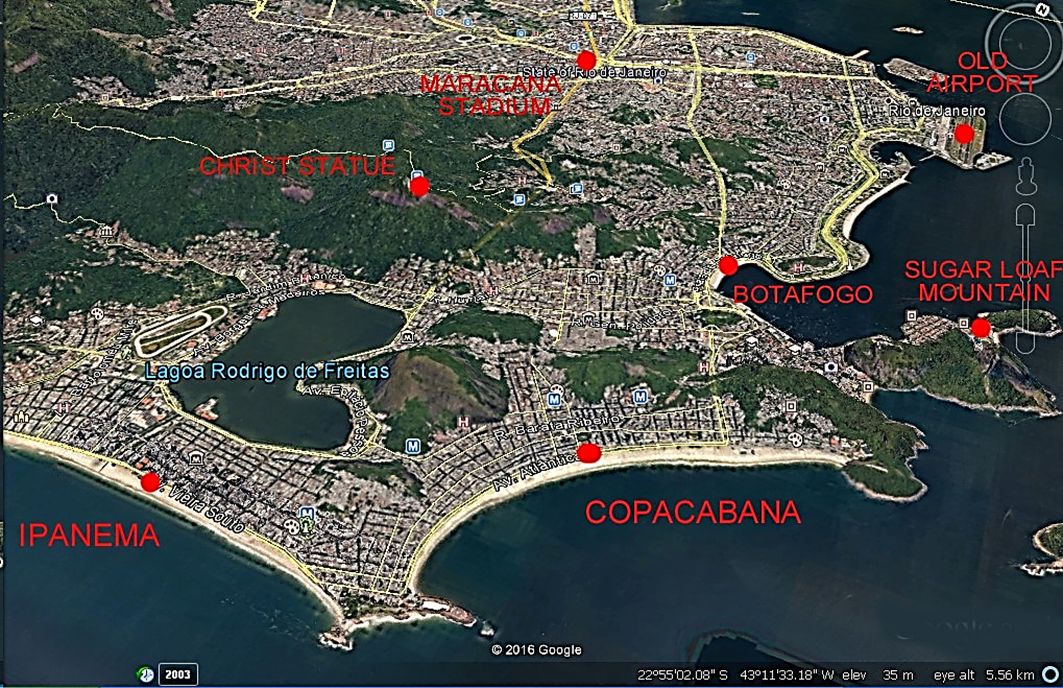
Rio De Janeiro
Take the Dutura highway (Route 116) to San Sebastian!
The road connecting the two largest cities, São Paulo and Rio, is called the Rodovia Presidente Dutra and is a major route for the movement of people and logistics. Follow this highway for about 100 km and turn right onto a public road that leads to your destination, San Sebastian.
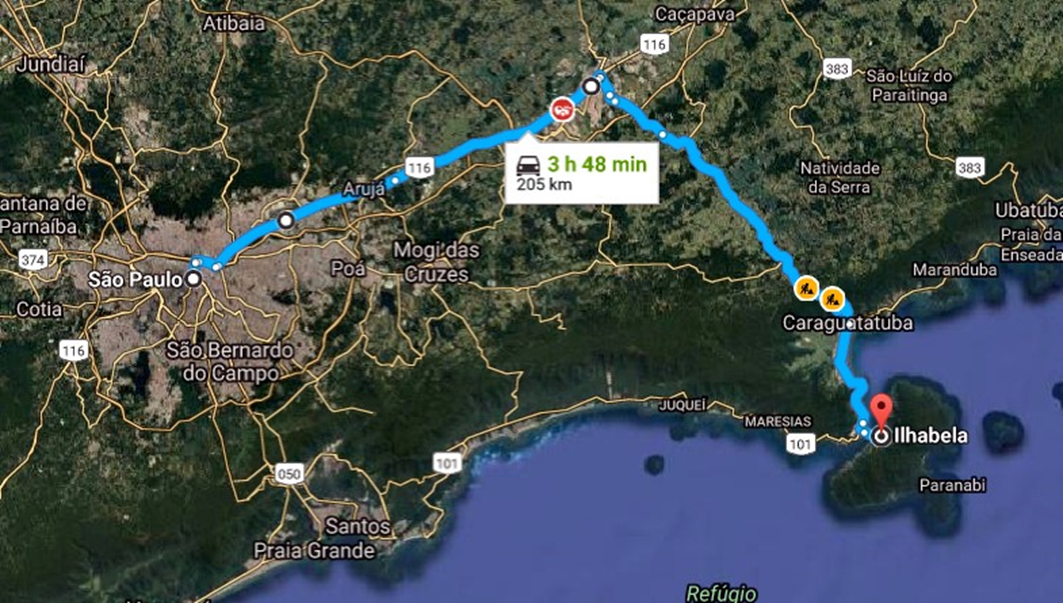
It’s a 200-kilometer car trip from São Paulo
Rodovia Presidente Dutra
Before the Olympics, when Japan did not yet have any expressways, there was already an excellent expressway between Sao Paulo and Rio.
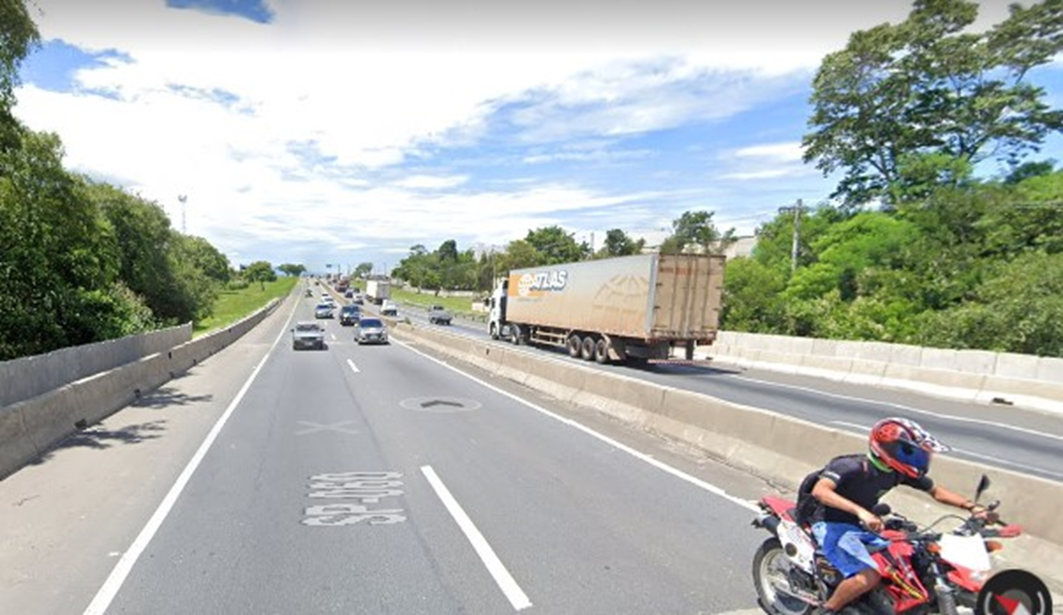
Half of the route is using the expressway
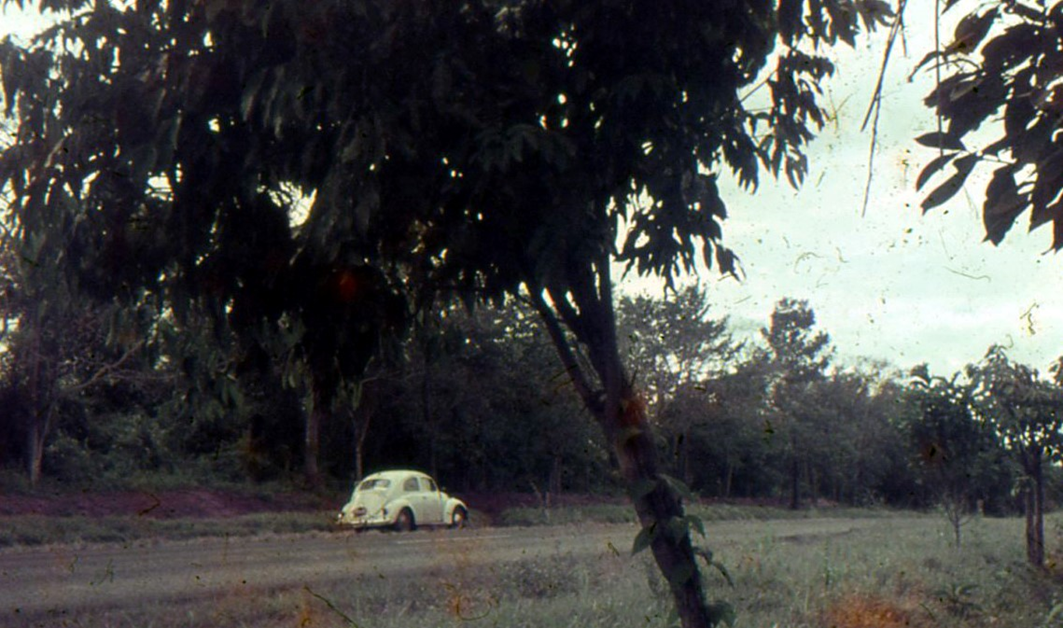
My car is a Volkswagen. Photo by author 1966
After about 70 km after leaving the highway, you will enter a mountain road, pass through the coastal mountain range, and emerge into the Atlantic Ocean.
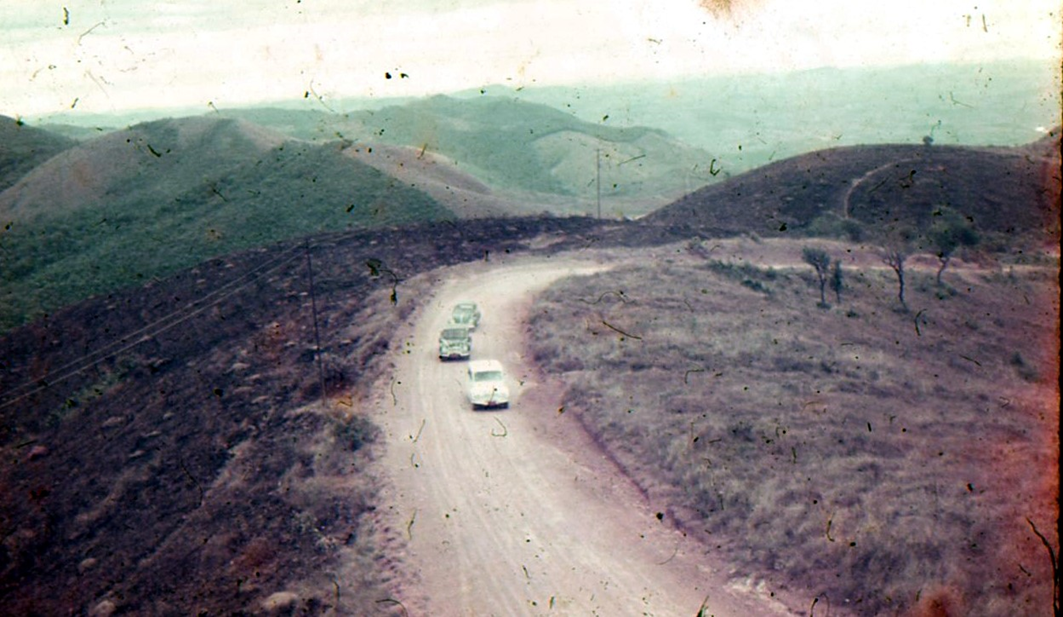
Photo by author, 1966
Cars and horses take a break together
While crossing the coastal mountain range, I took a rest at a place with a nice view. There are no roadside stations or rest stations.
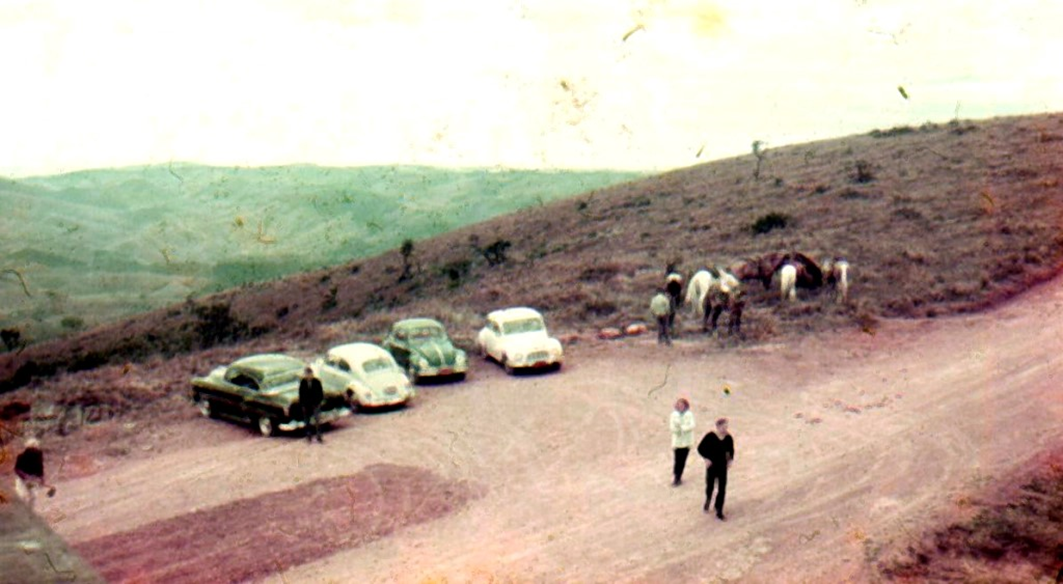
Both cars and horses are resting. Photo by author 1966
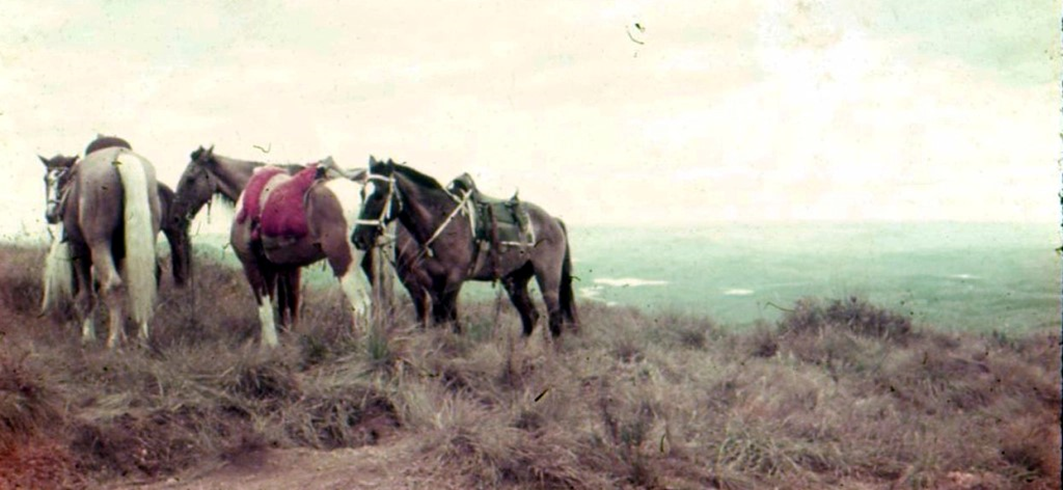
Photo by author, 1966
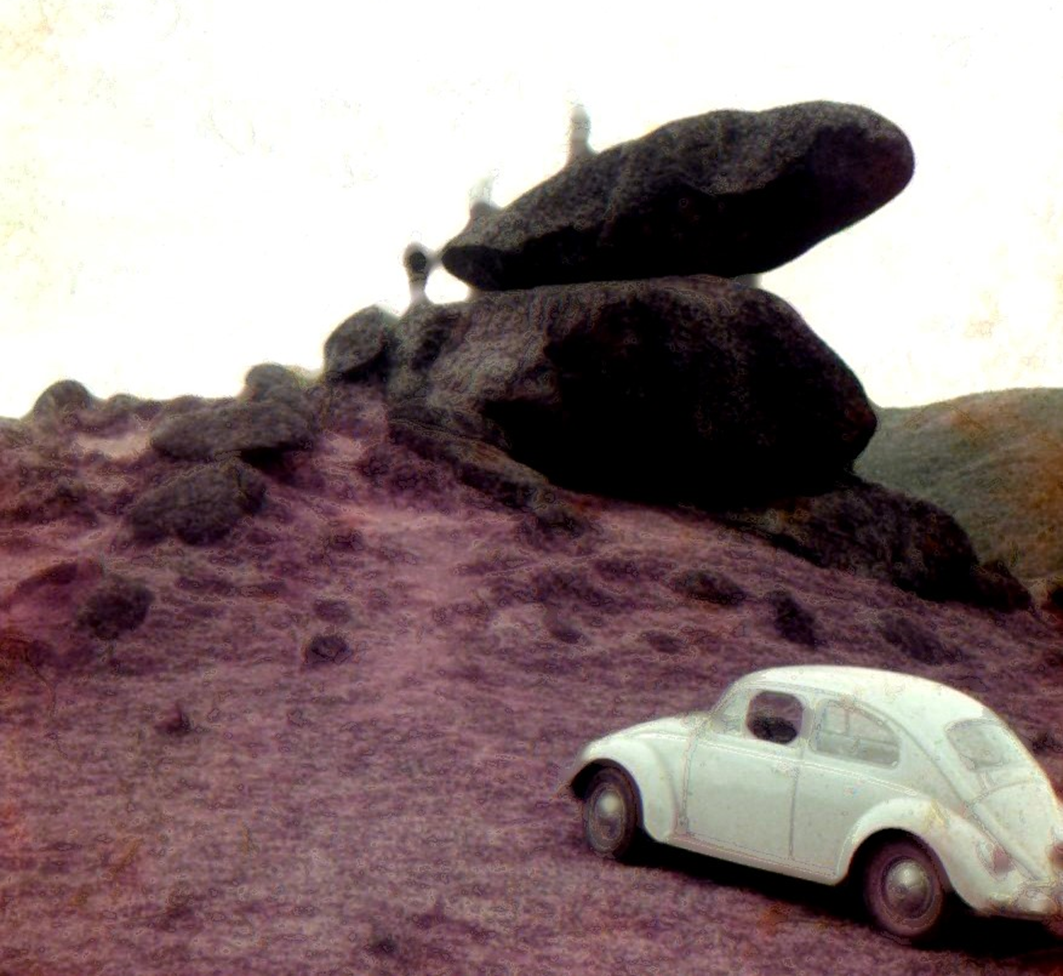
Photo by author, 1966
Friendly Brazilian Boy
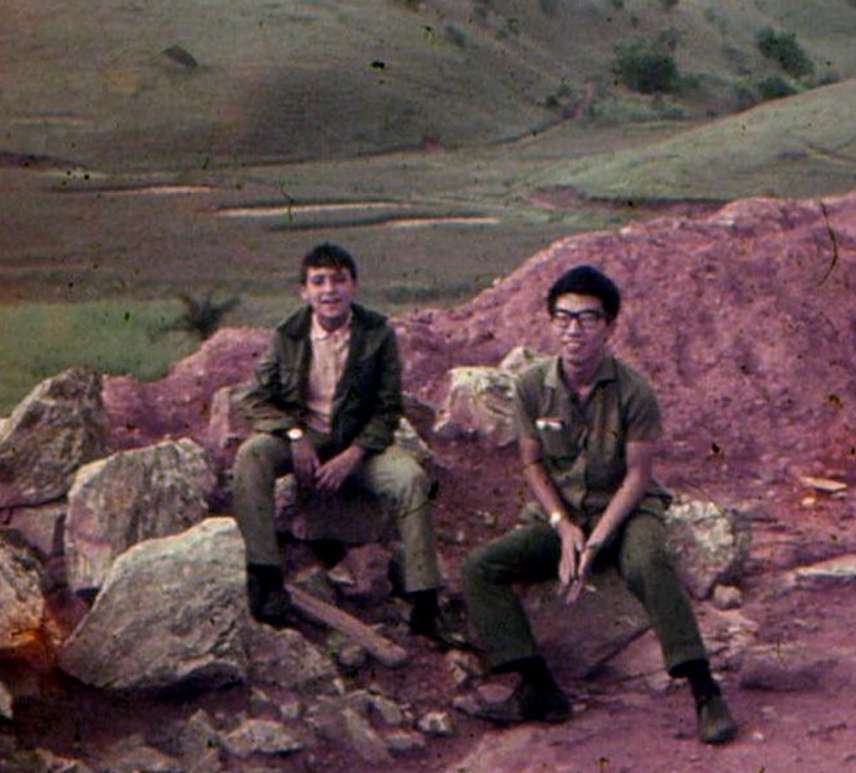
After crossing the pass, the road gradually descends
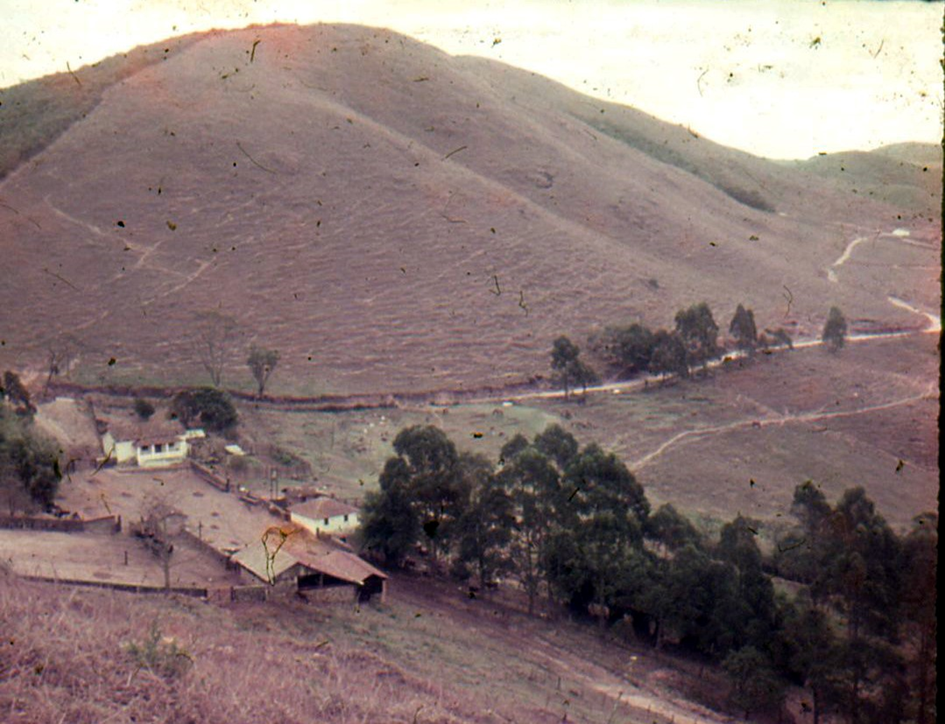
Photo by author, 1966
Local traveller swimming in a pond in the jungle
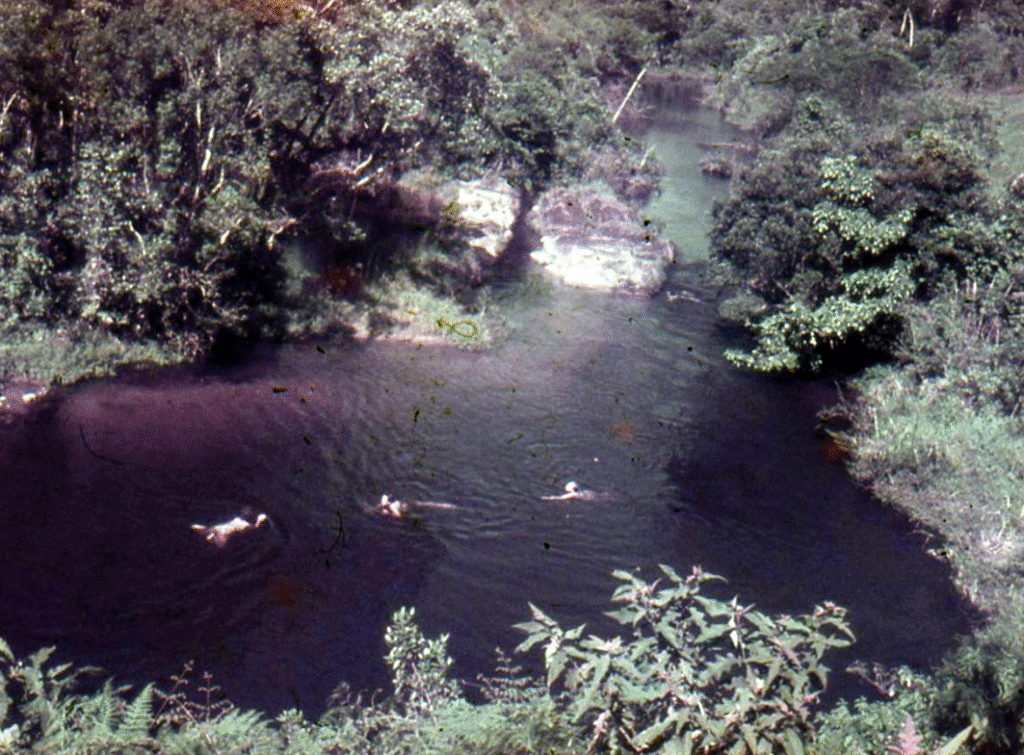
Photo by author, 1966
At the back of the pond there was a waterfall flowing out of the dense forest
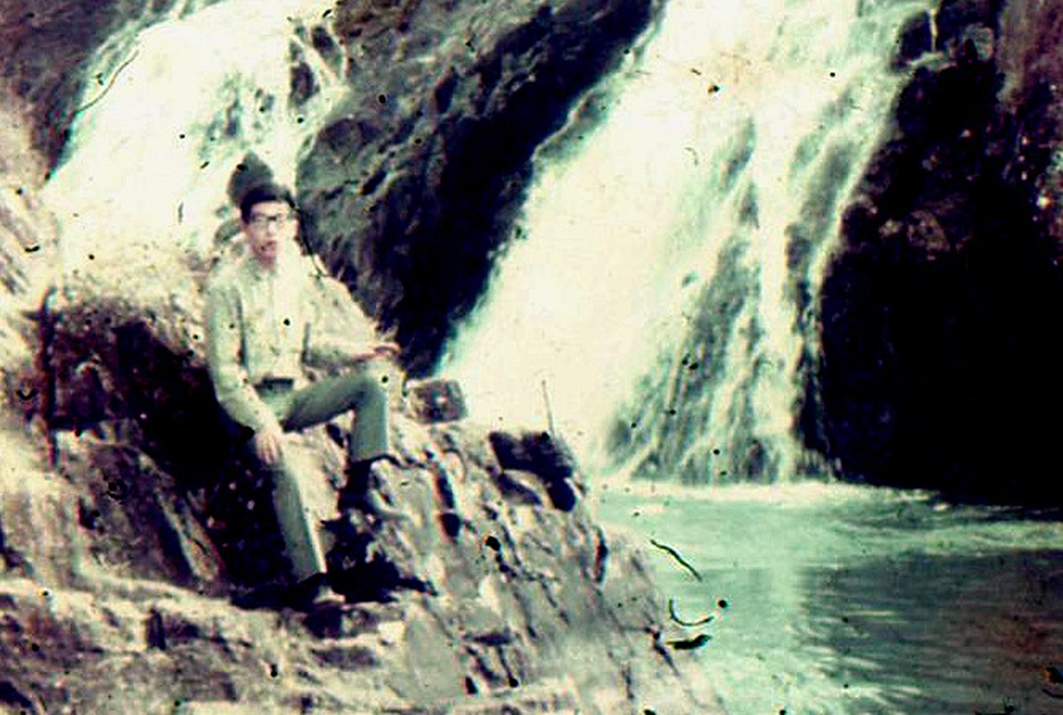
Photo of author, 1966
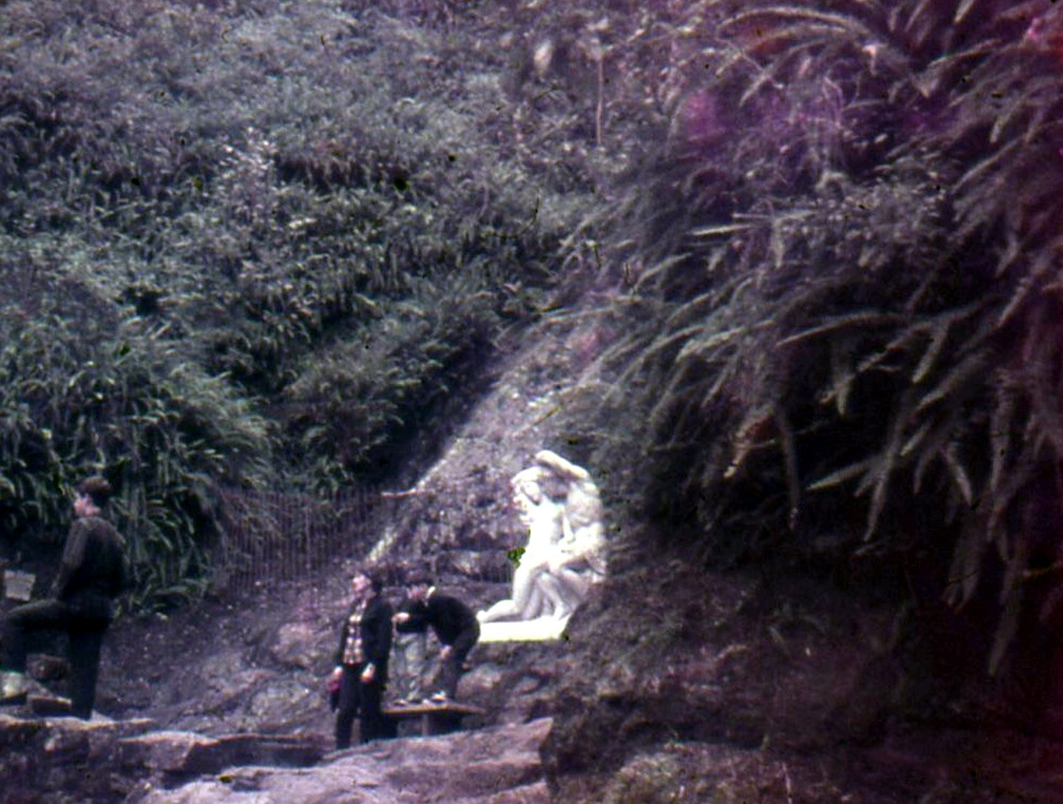
Photo by author, 1966
Atlantic Ocean
After passing through the coastal mountains, the South Atlantic Ocean came into view. From here, it descends 1000m in height.
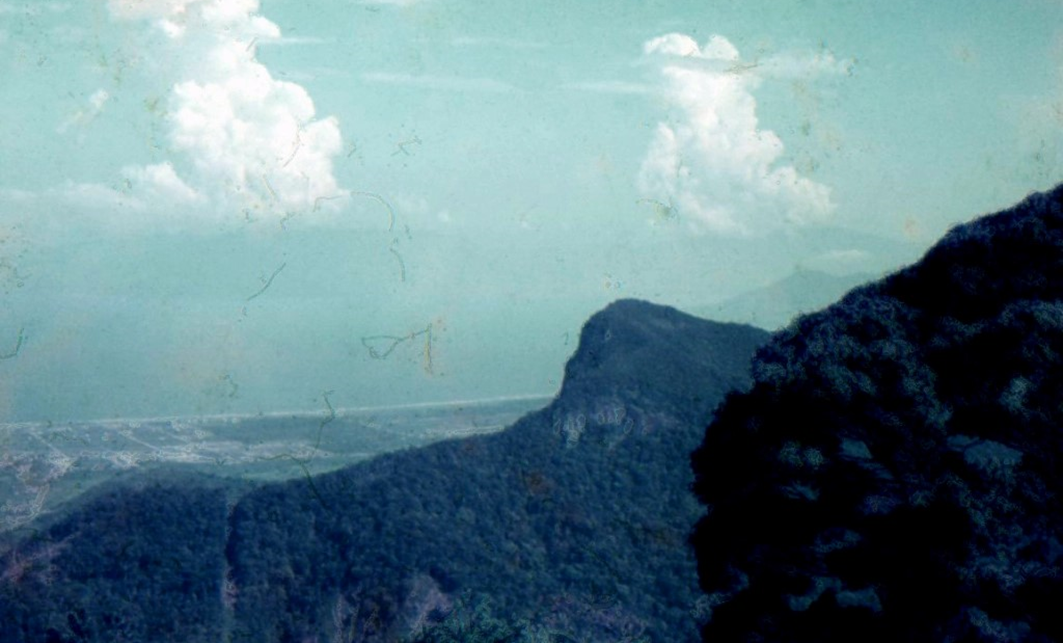
Photo by author, 1966
Ilhabela Island comes into view across the sea.
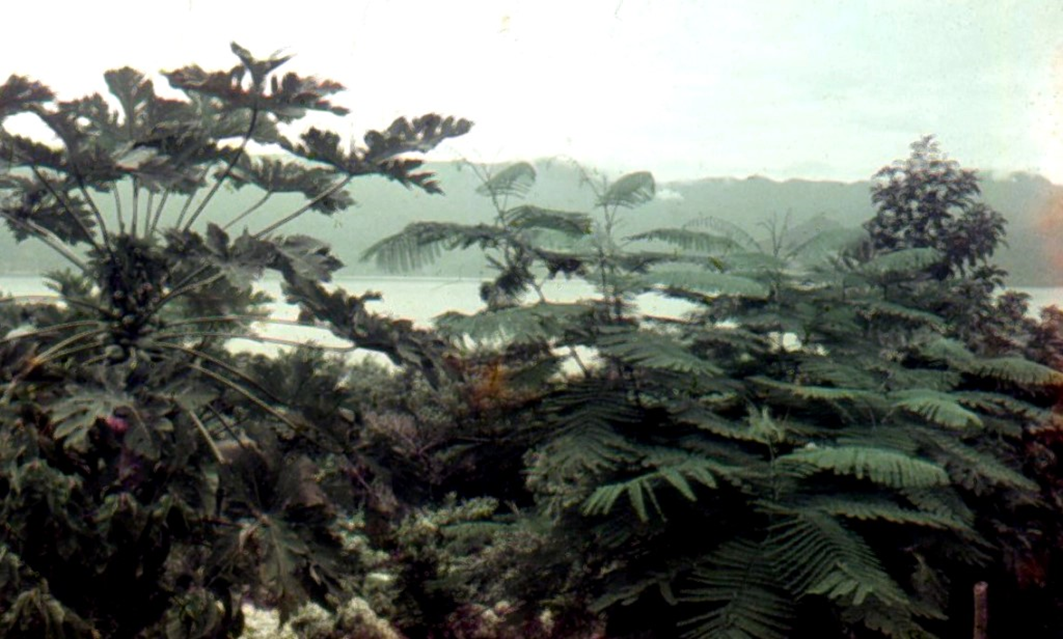
Photo by author, 1966
A mountain pass where you can see the island of Ilhabela. I decided to take a break here.
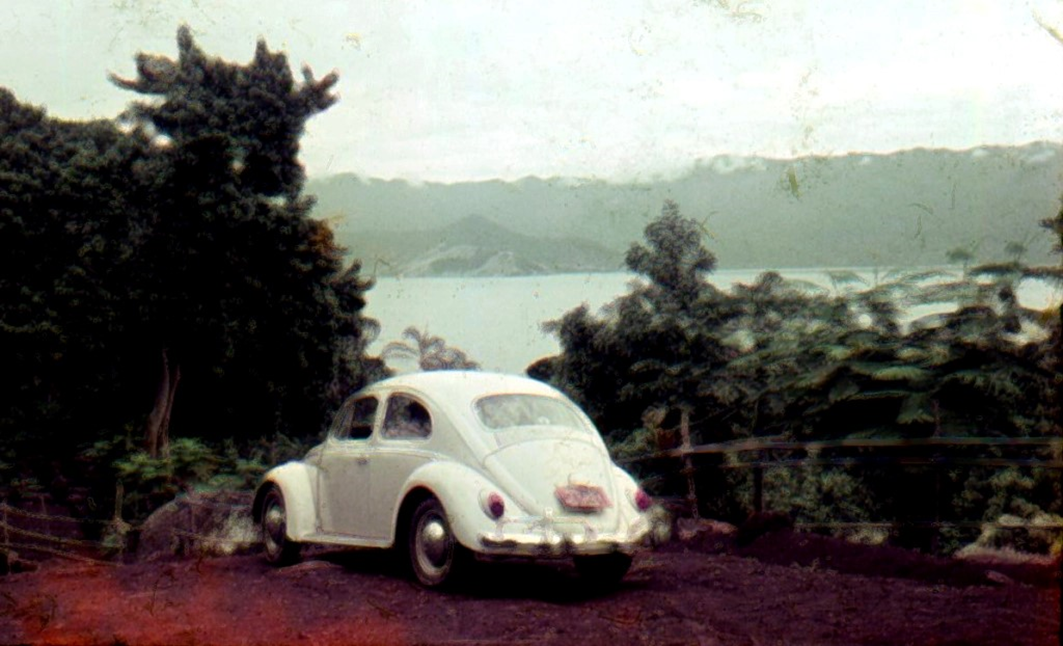
Photo by author, 1966
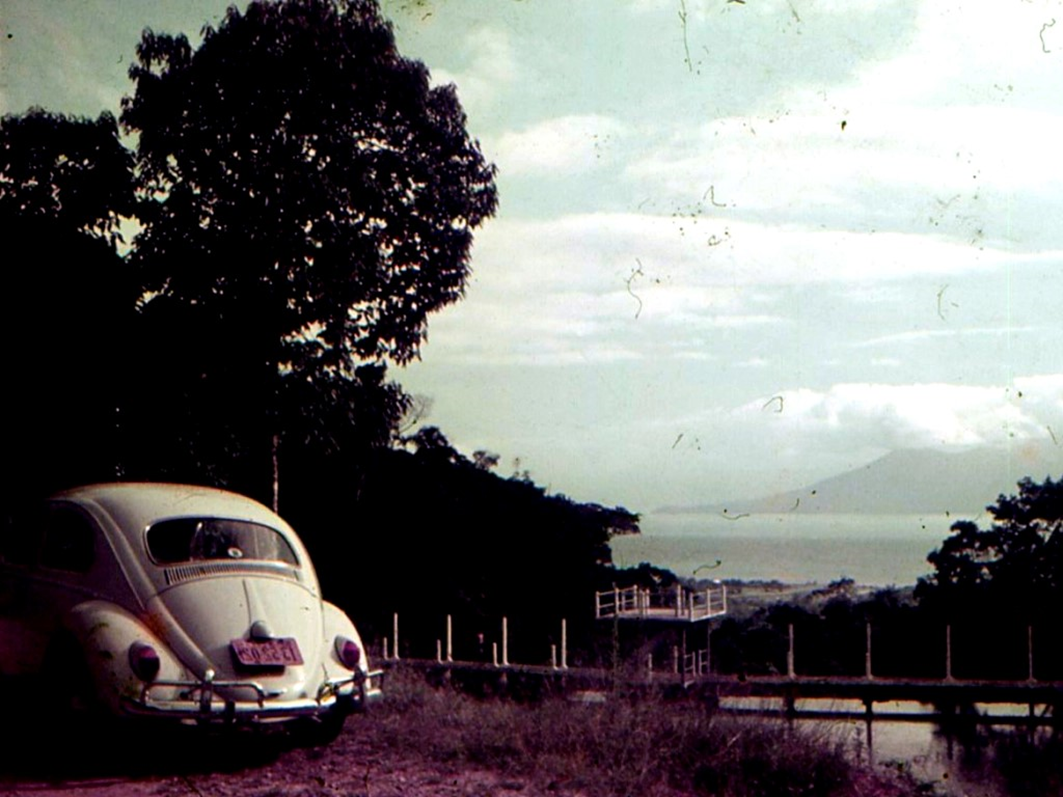
There was also a tough mountain road on the way
Photo by author, 1966
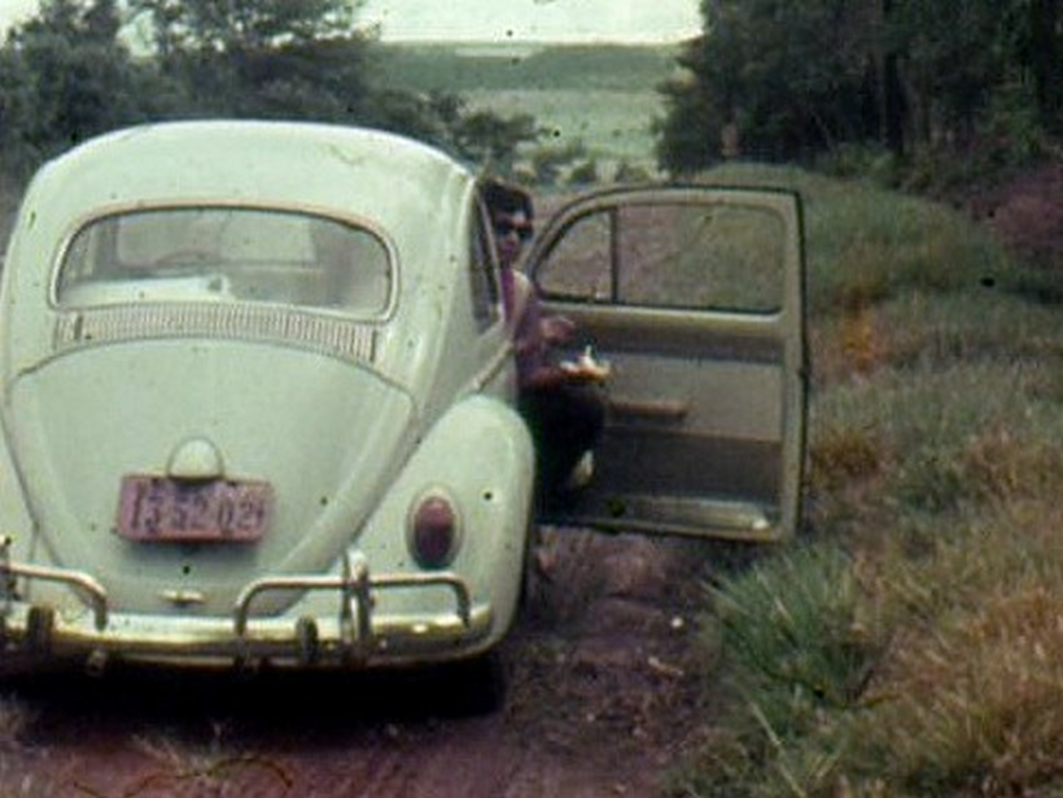
Photo by author, 1966
Beyond this island, Ilhabela, stretches out the ocean. Far beyond that is the African continent.
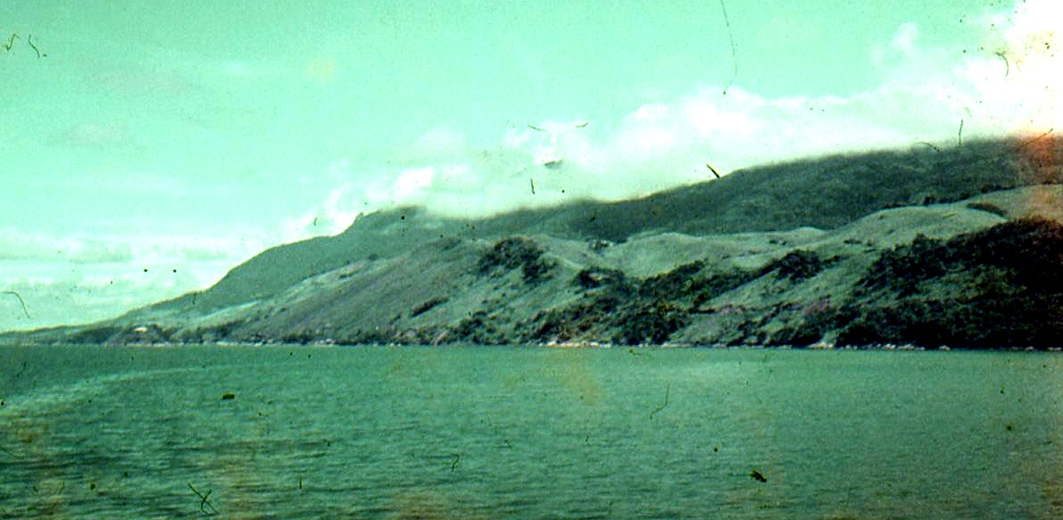
Photo by author, 1966
Portuguese colonial-style accommodation
Accommodation in San Sebastian. Walk-in without reservation. In the 1960s, there were no fancy modern resorts. I stayed in a place with a tasteful Portuguese colonial-style courtyard like this one. I didn’t see any other guests. (Below) No air conditioning, so be careful of bugs.
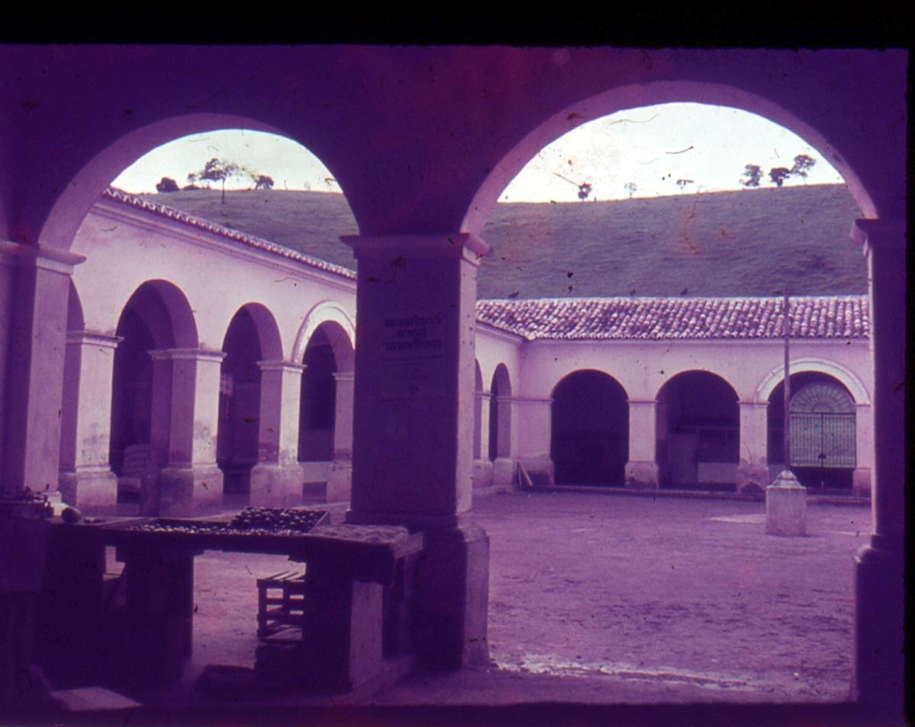
Photo by author, 1966
Terrace in front of the room
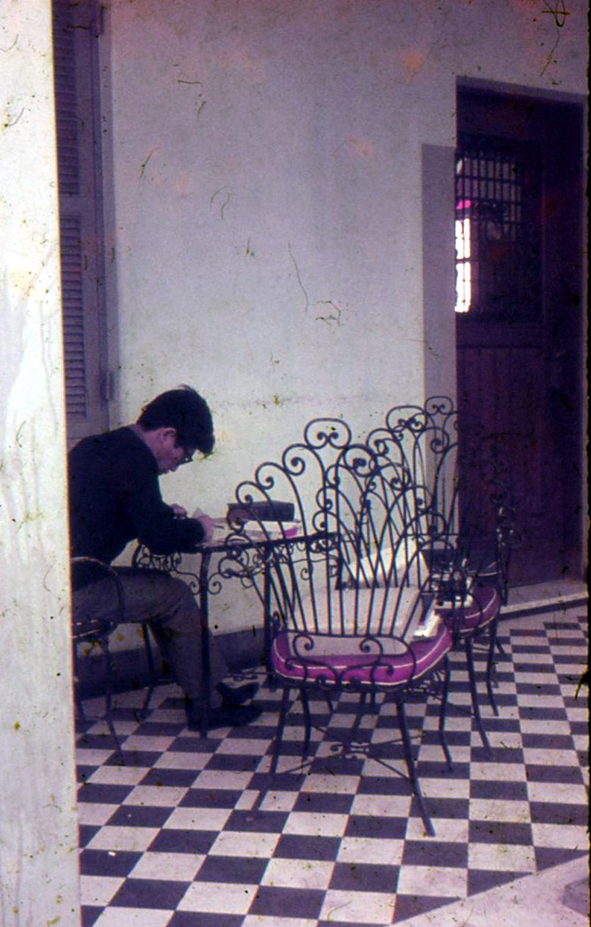
Photo of author, 1966
Town of San Sebastián
Stroll through the town of San Sebastian in the mid-1960s.
There are few visitors, and the old Portuguese colonial-style town blended well with the natural surroundings.
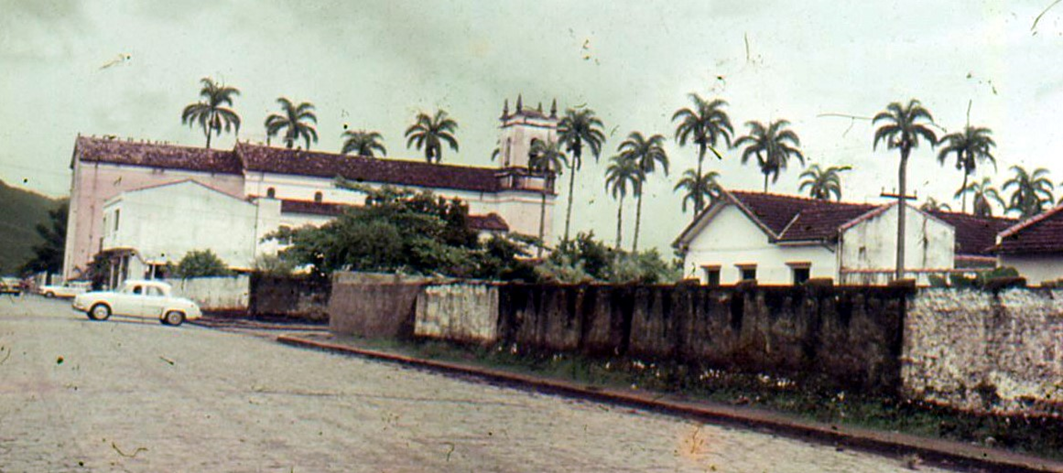
Photo by author, 1966
A green island floats in the Atlantic Ocean facing the South American continent. A private car waits for a ferry to reach the island.
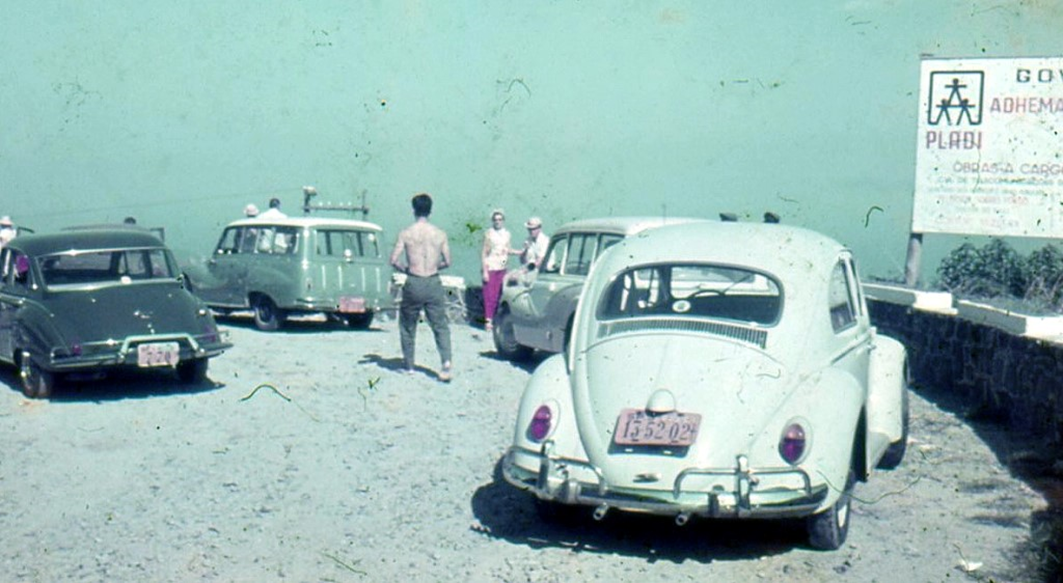
Photo by author, 1966
Ferry between San Sebastián and Ilhabela
From San Sebastian, I took a ferry to the island of Ilhabela with my car.
There was no waiting time.
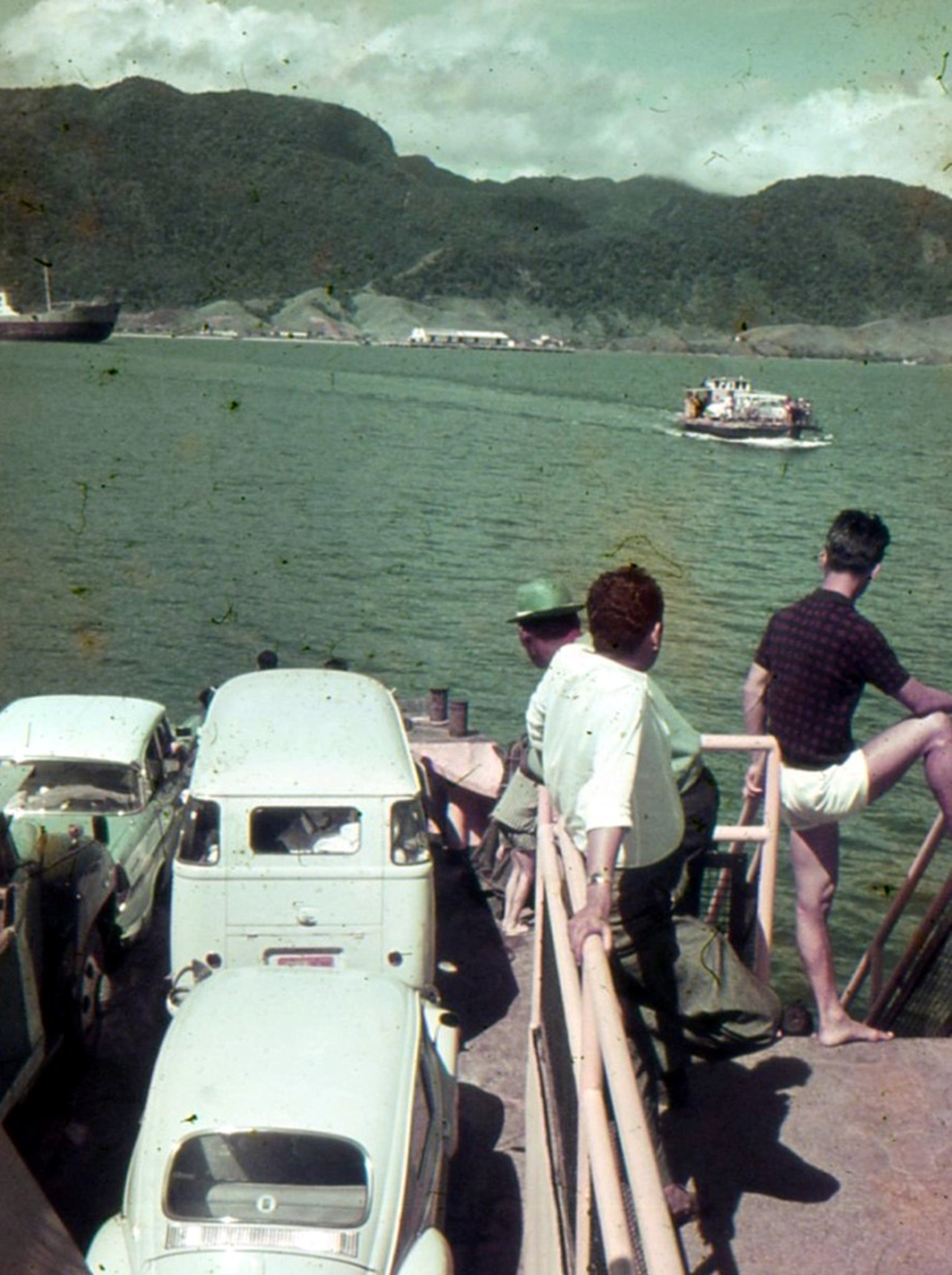
Photo by author, 1966
Ferries passing each other.
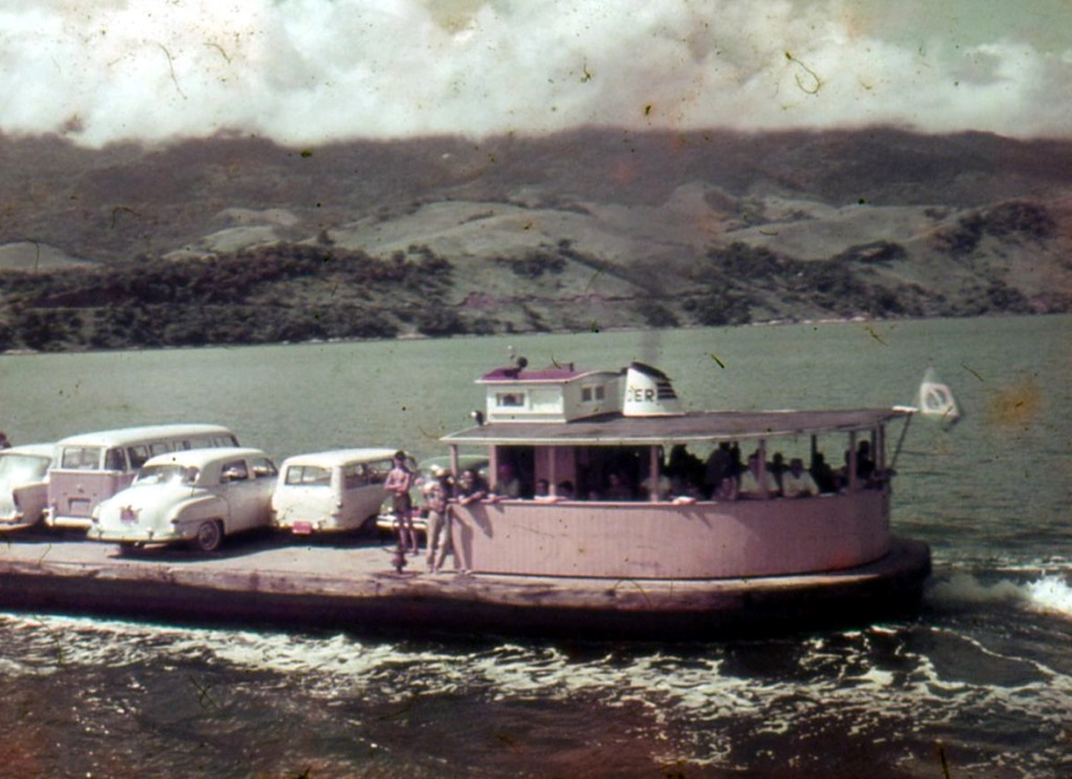
A ferry between San Sebastián and Ilhabela in the mid-1960s.
Photo by author 1966
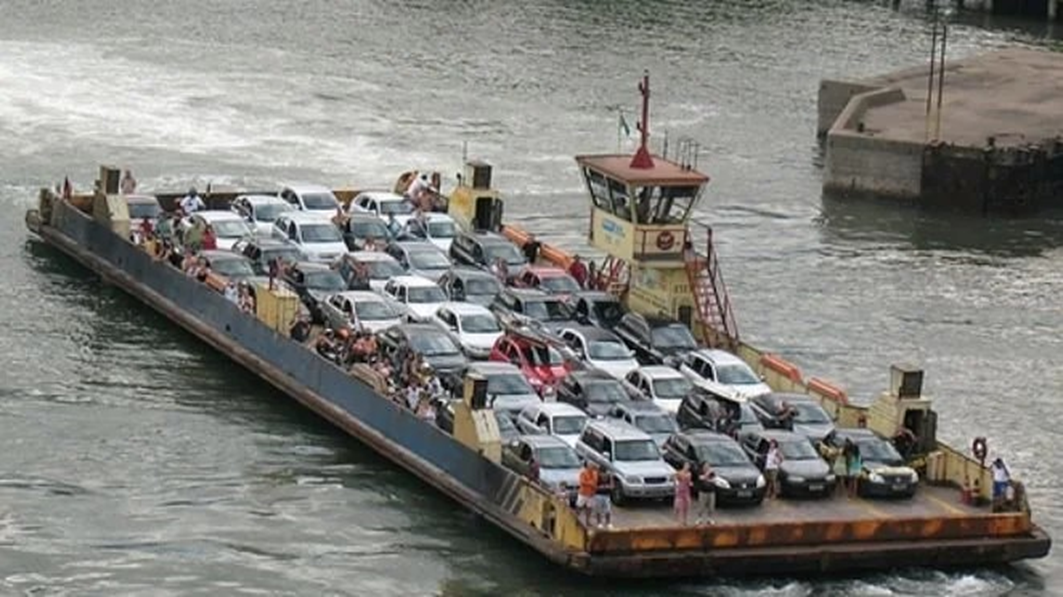
A ferry ship connecting San Sebastián and Ilhabela 50 years later. Tourist passenger car packed like sushi
A beach to yourself
Ilhabela and its beaches in the mid-1960s. A green island facing the South American continent floats in the ocean. There are few visitors, and the old town, which gives a sense of Portuguese colonial history, matches well with the nature.
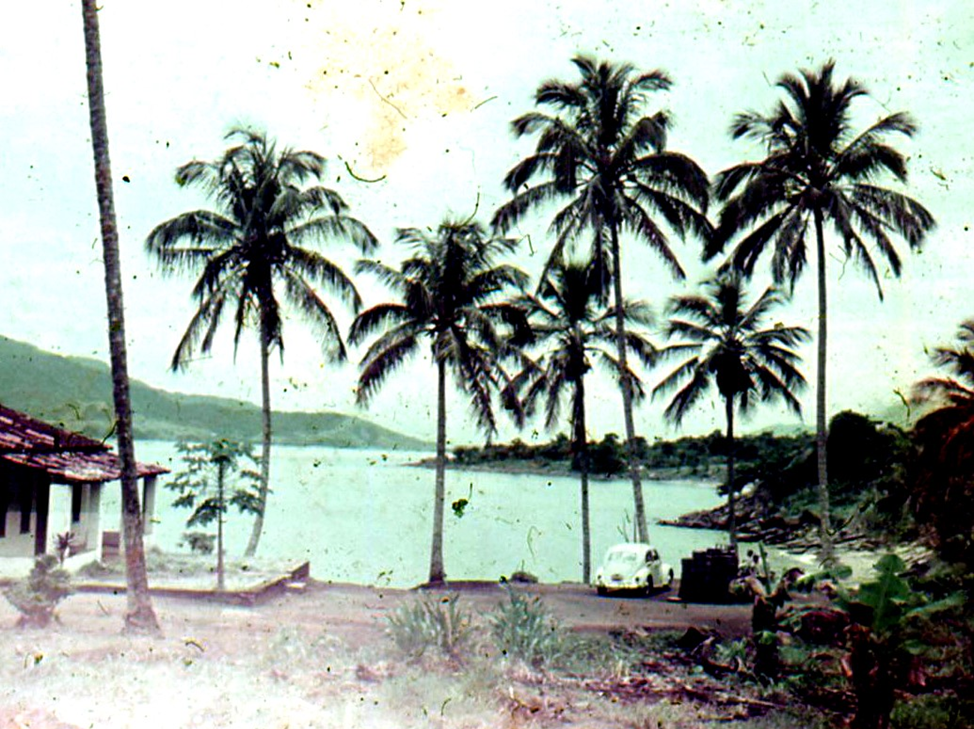
Photo by author, 1966
Uninhabited beach
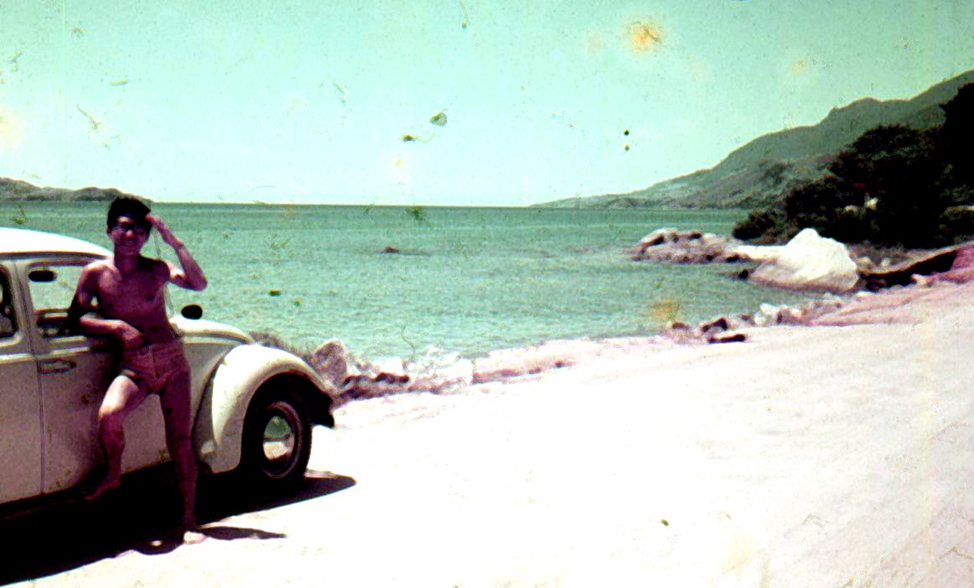
An empty beach. Photo of author, 1966
Fifty years later, Brazil’s urban population has grown, especially in São Paulo. The inhabitants of this megacity needed somewhere to escape the hustle and bustle of their daily work lives.
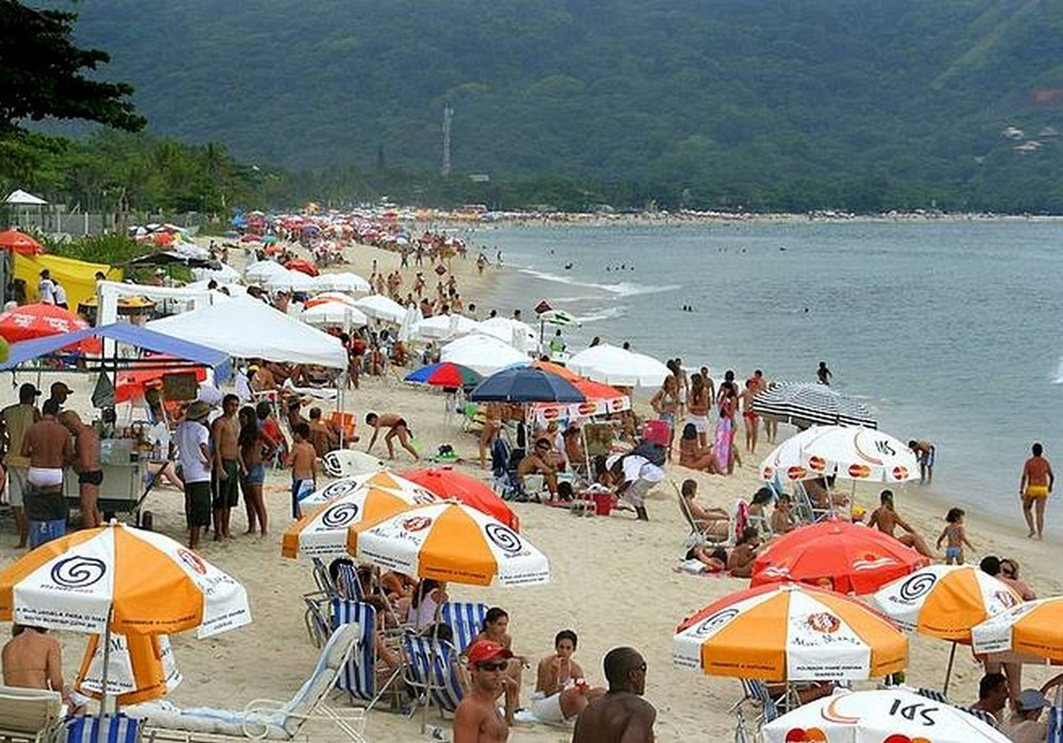
Beach 50 years later
Until the 1960s, the island of Ilhabela was close to being unexplored, but 50 years later, many people came to visit it in search of the sea breeze and an escape from the daily life of the big city.