JAP | ENG
Long term stay in Brazil #12/15
Ouro Preto
Ouro Preto 15 years before it was declared a UNESCO World Heritage Site
Ouro Preto. I learned that there was a Portuguese-style town that was born from a gold mine in the 17th century. It is about 12 hours by long-distance bus from São Paulo, including breaks, and about 650 km inland. If I had the chance, I would definitely like to visit there.
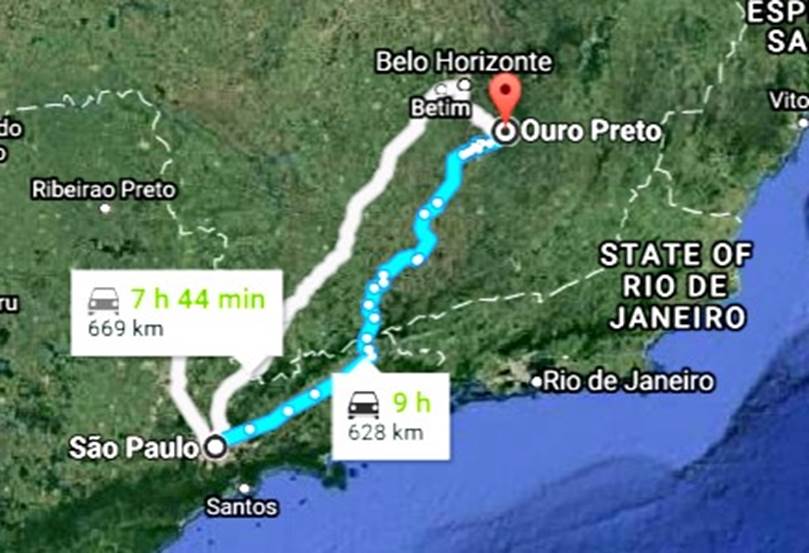
Road between São Paulo ~ Ouro Preto
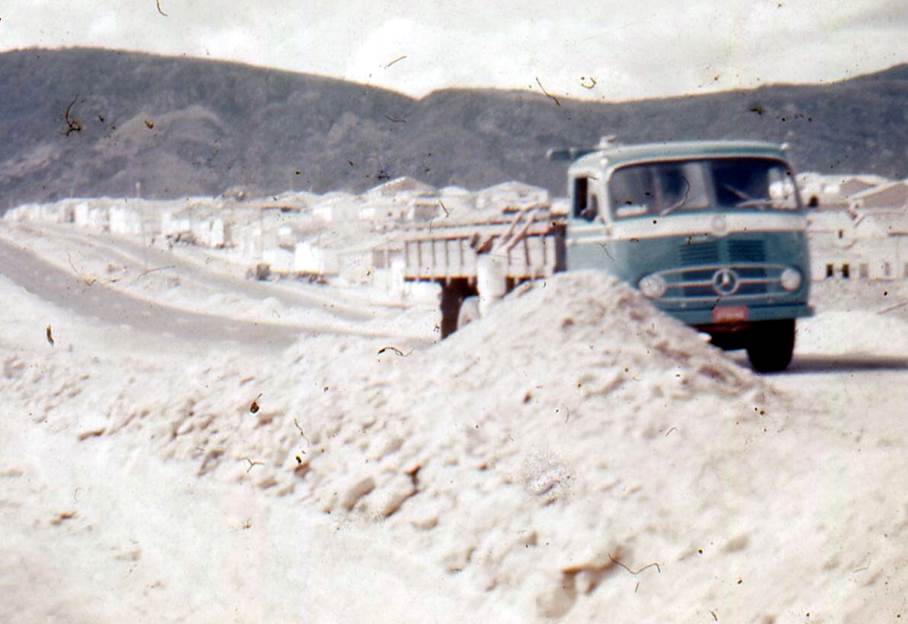
Photo by author, 1965
Ouro Preto, capital of Minas Gerais (late 1600s ~ 1897)
At the end of the 17th century, when Brazil was a Portuguese colony, gold veins were discovered in this hinterland surrounded by the Espinhaco Mountains. Named “Ouro (Gold) Preto” (Black), the town grew rapidly during the gold rush and became the capital of the state of Minas Gerais, north of Rio de Janeiro.
In the 19th century, the gold vein was depleted. In 1897, the capital was moved to Belo Horizonte, and Ouro Preto became like a fossil that remains to this day.
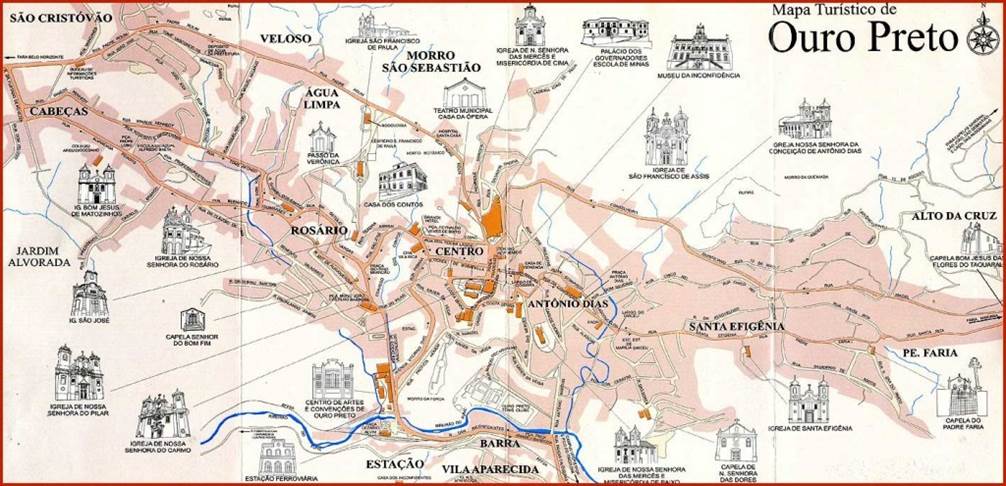
Oro Preto city map
Ouro Preto. Registered as a World Heritage Site in 1980, altitude 1200-1700m
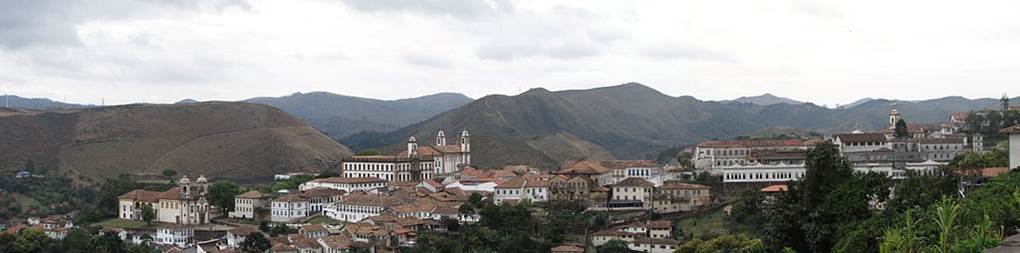
Ouro Preto 15 years before it was designated a UNESCO World Heritage Site. Its remote location allowed it to escape development.
With the end of the Gold Rush, the town of Ouro Preto continues to decline. As a result, it was spared from modernization and the cityscape of the 18th century was left exactly as it was, as if it had been left behind by the times. In 1980, it became the first World Heritage Site in Brazil and is now one of Brazil’s leading tourist destinations.
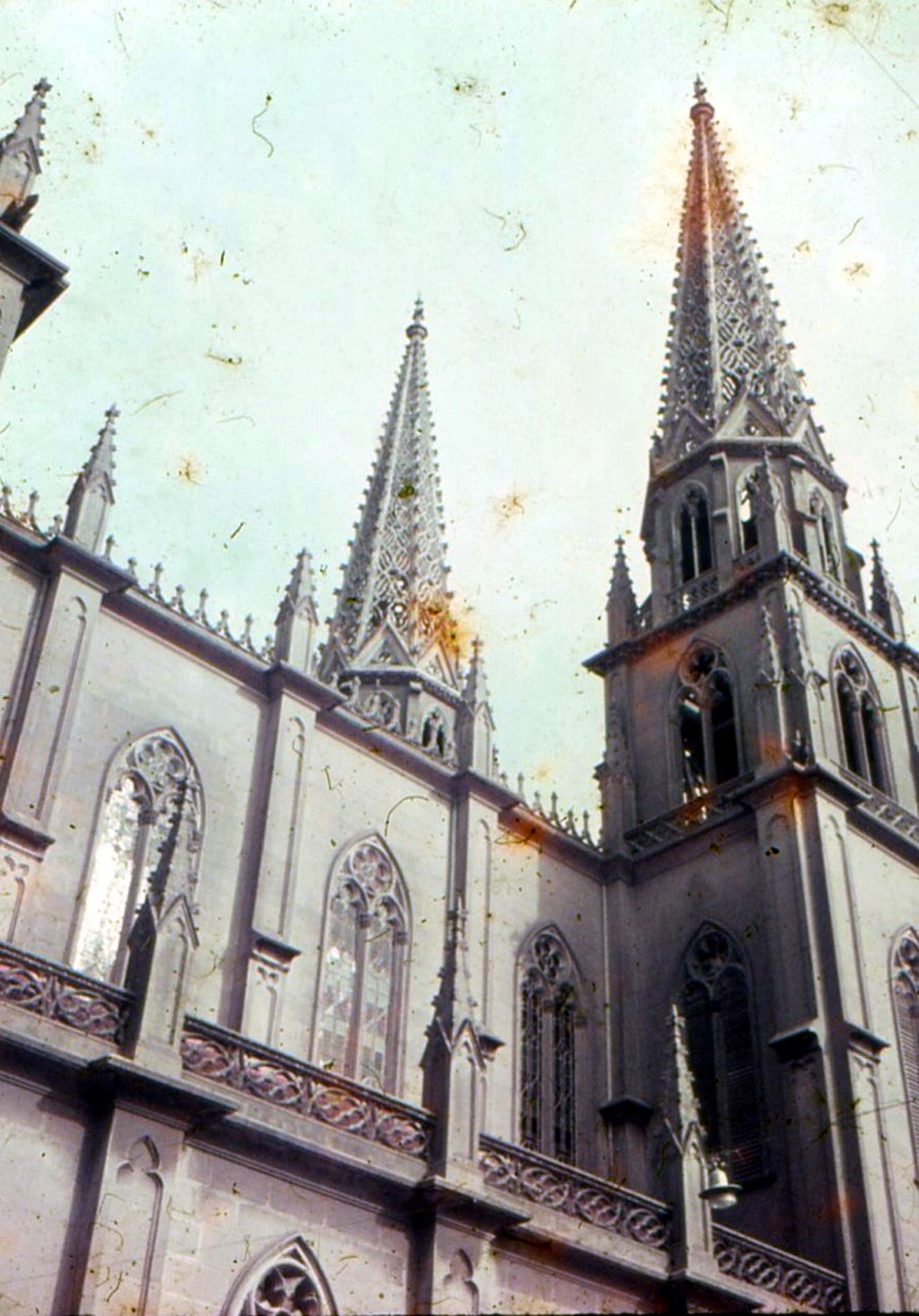
Church of Our Lady of Carmo
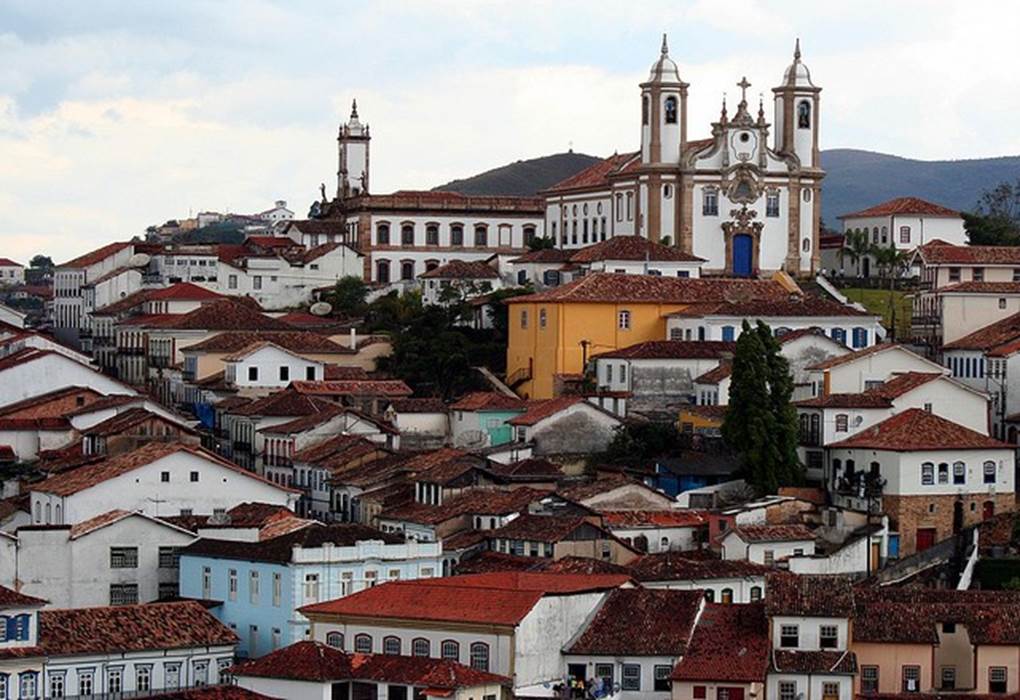
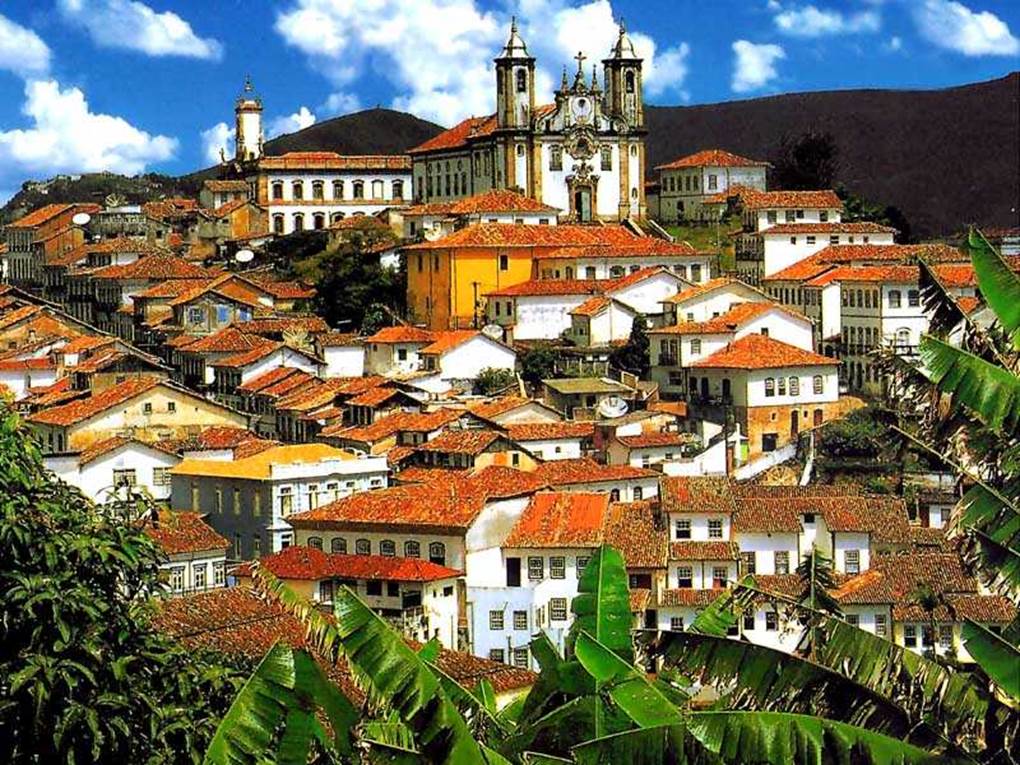
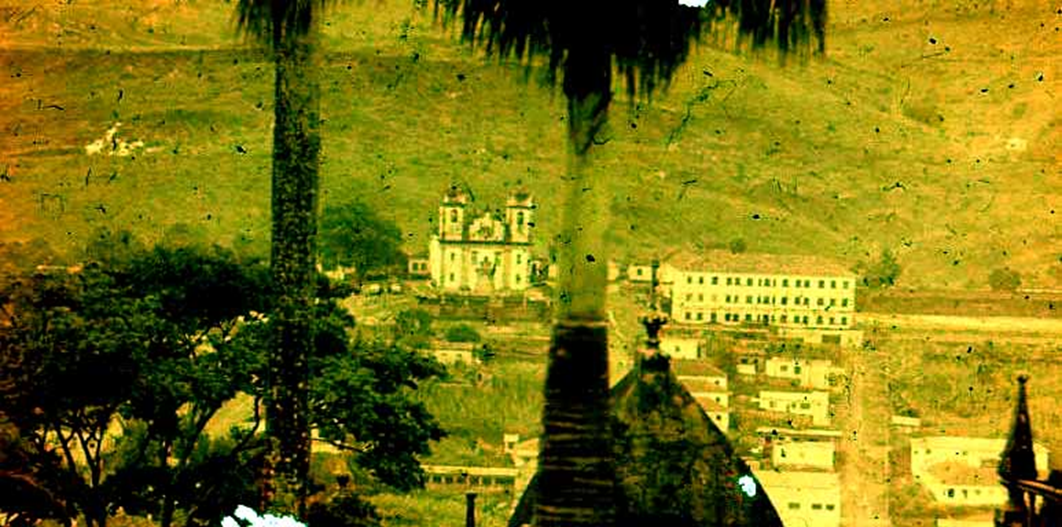
Photo by author, 1965
San Francisco de Asis Church
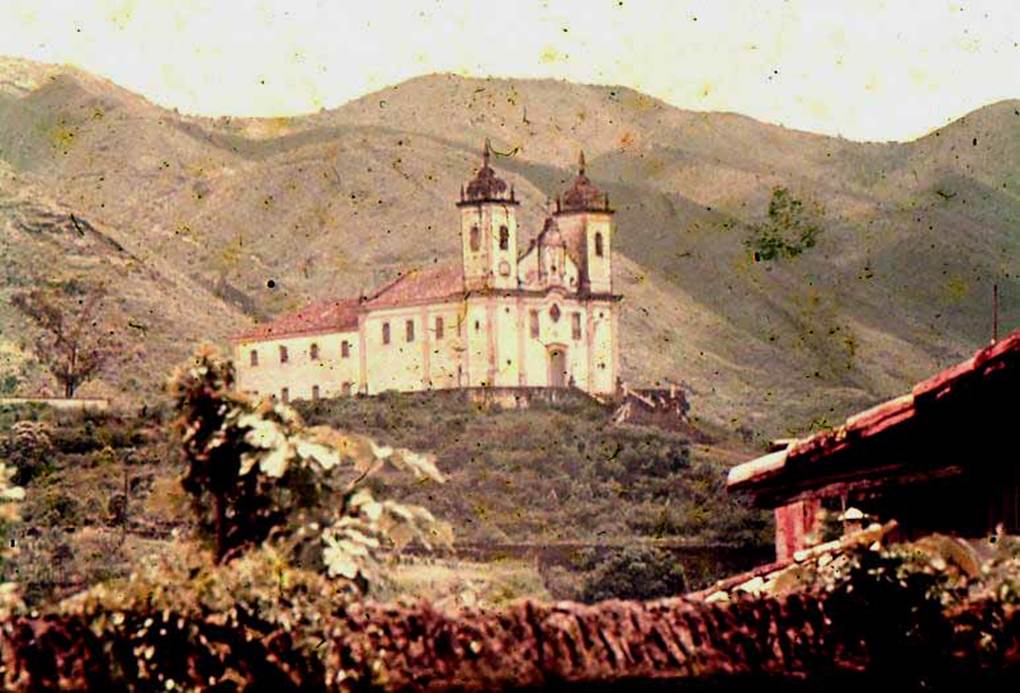
Photo by author, 1965
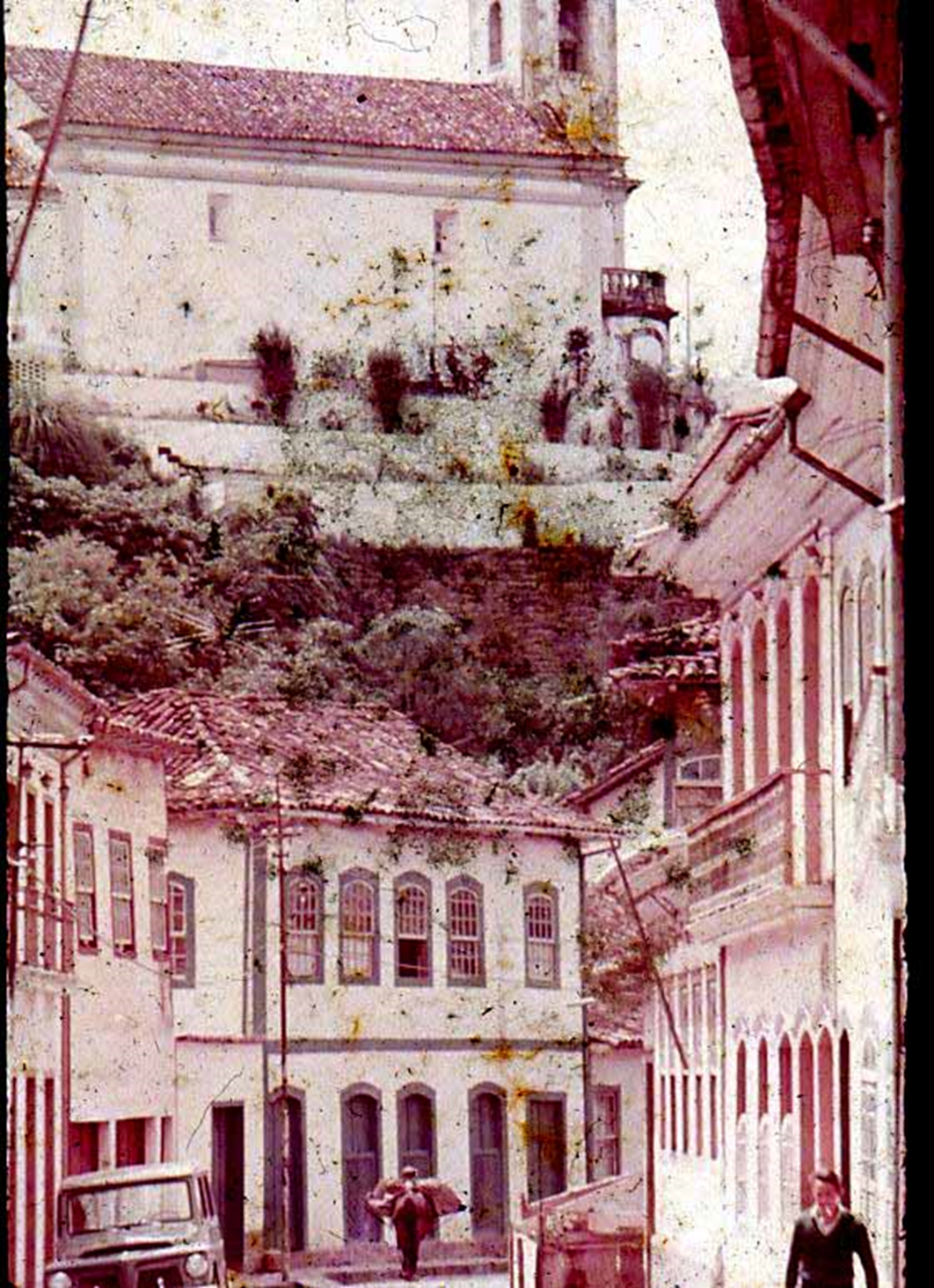
Photo by author, 1965
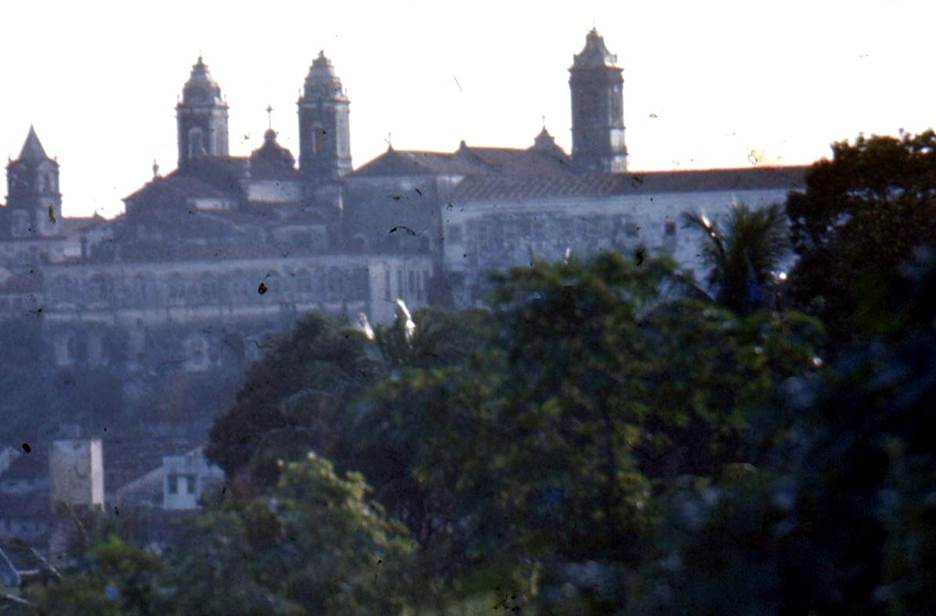
Photo by author, 1965
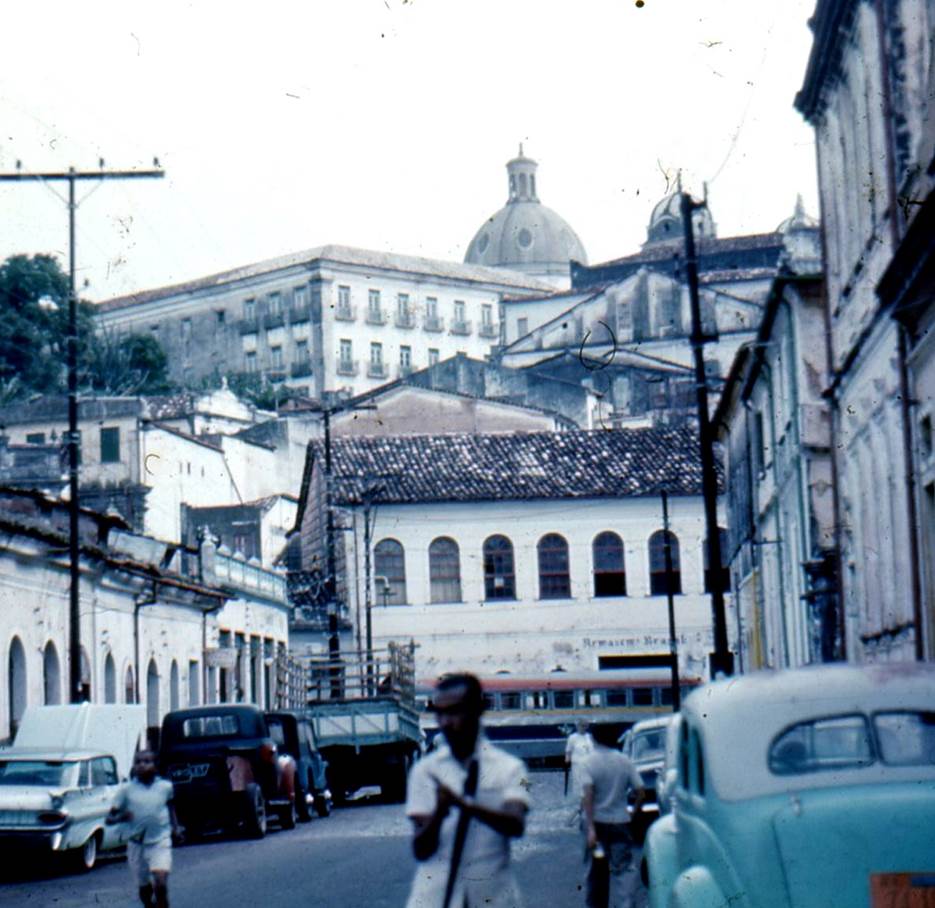
Photo by author, 1965
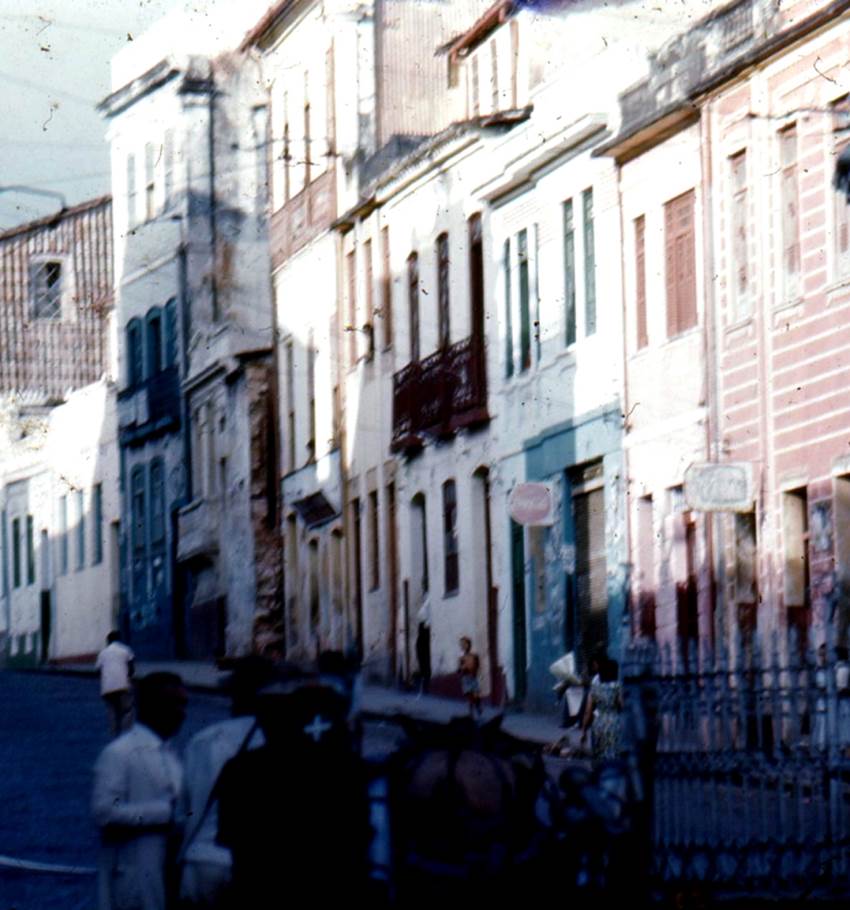
Photo by author, 1965
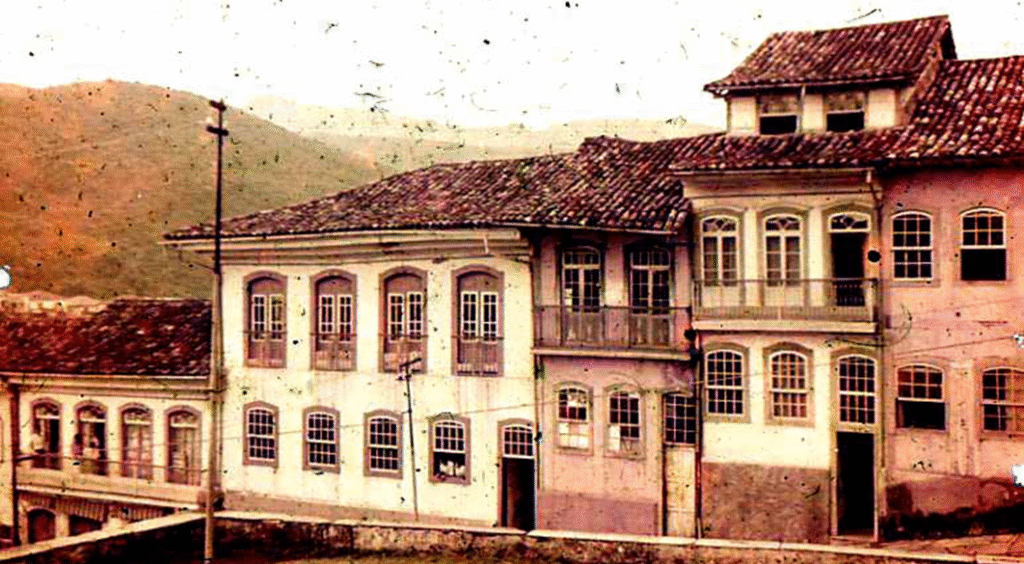
Photo by author, 1965
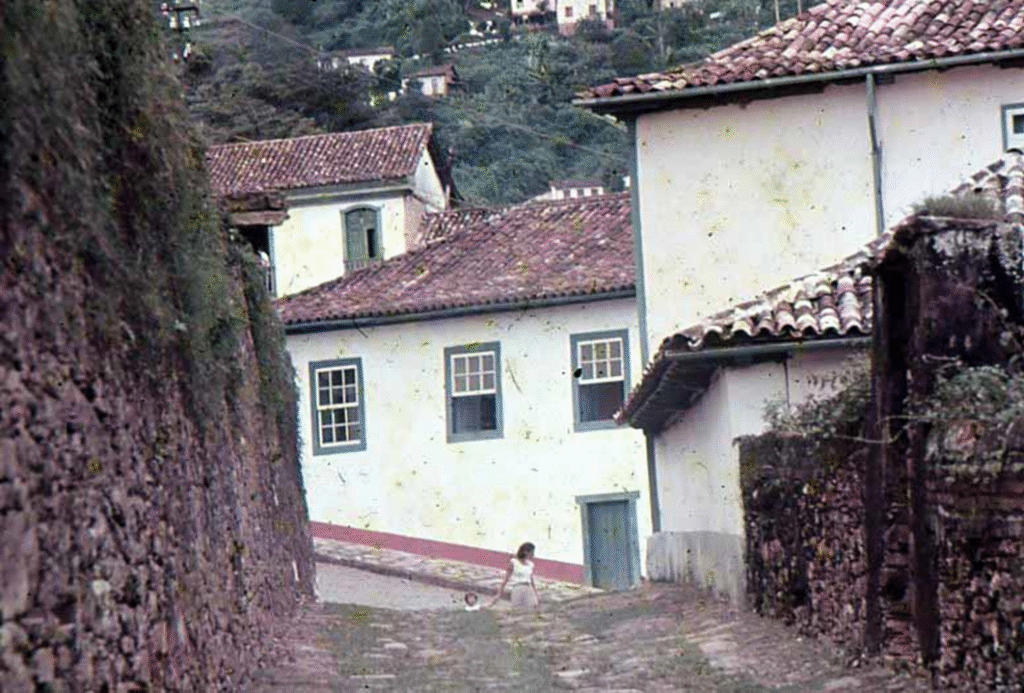
Photo by author, 1965
Cute children with tile roof
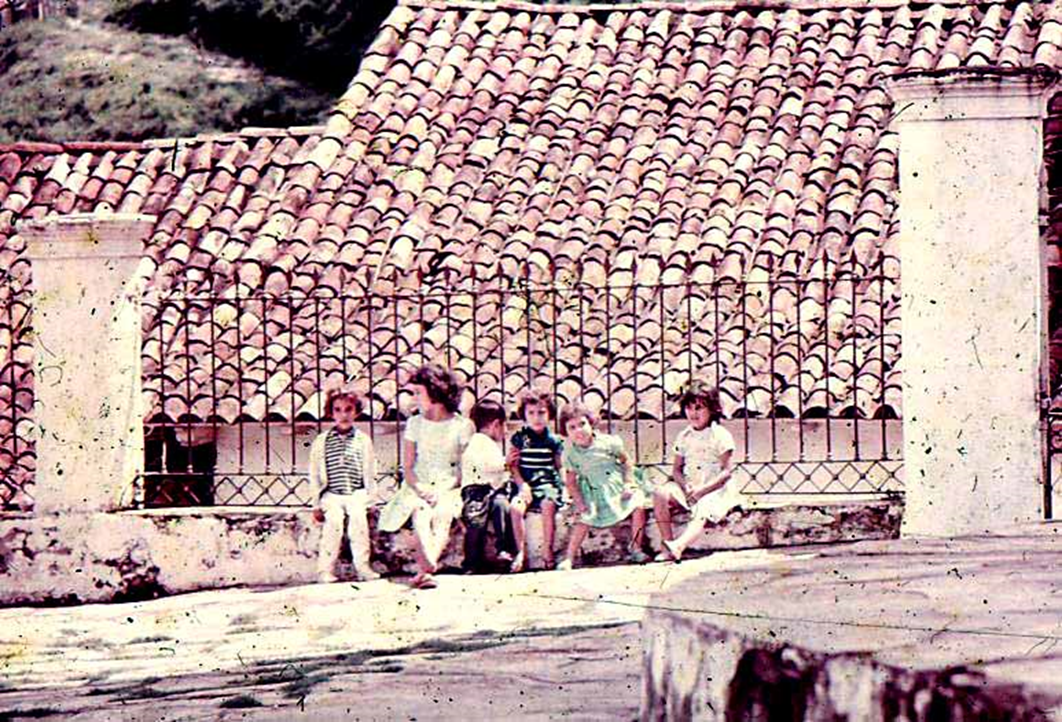
Photo by author, 1965
A town full of slopes
Walking, walking, walking, trying to experience the town of Ouro Preto, which was formed by the gold rush in the 1700s. The roads in this town are all slopes, slopes, slopes, slopes. (Below 5 photos)
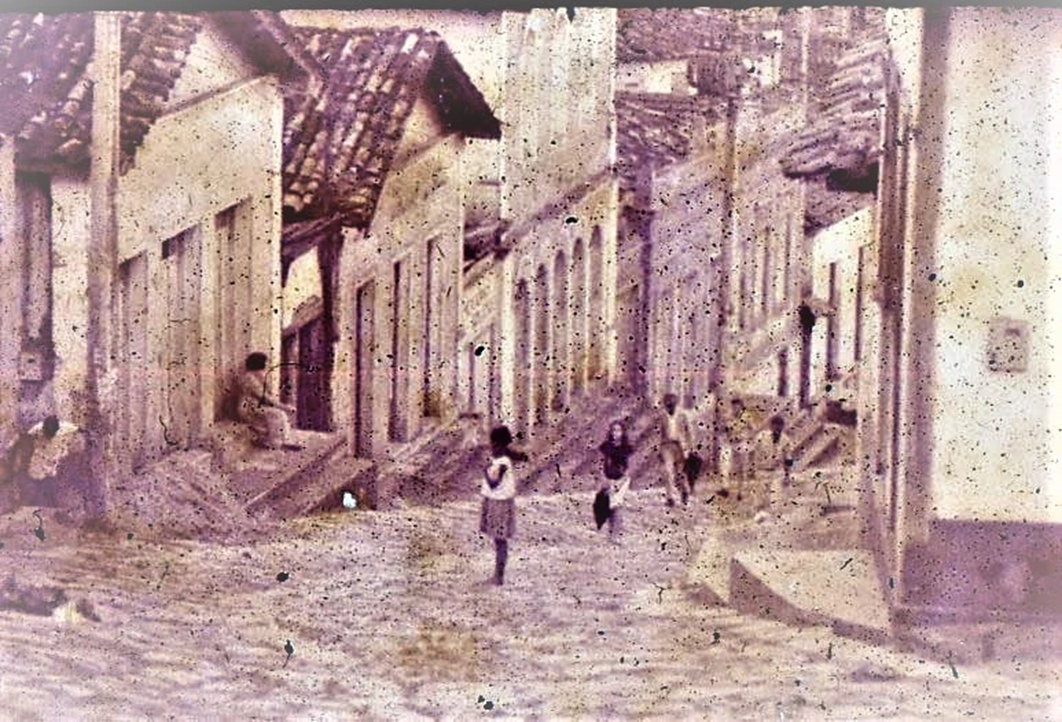
Slopes, Photo by author 1965
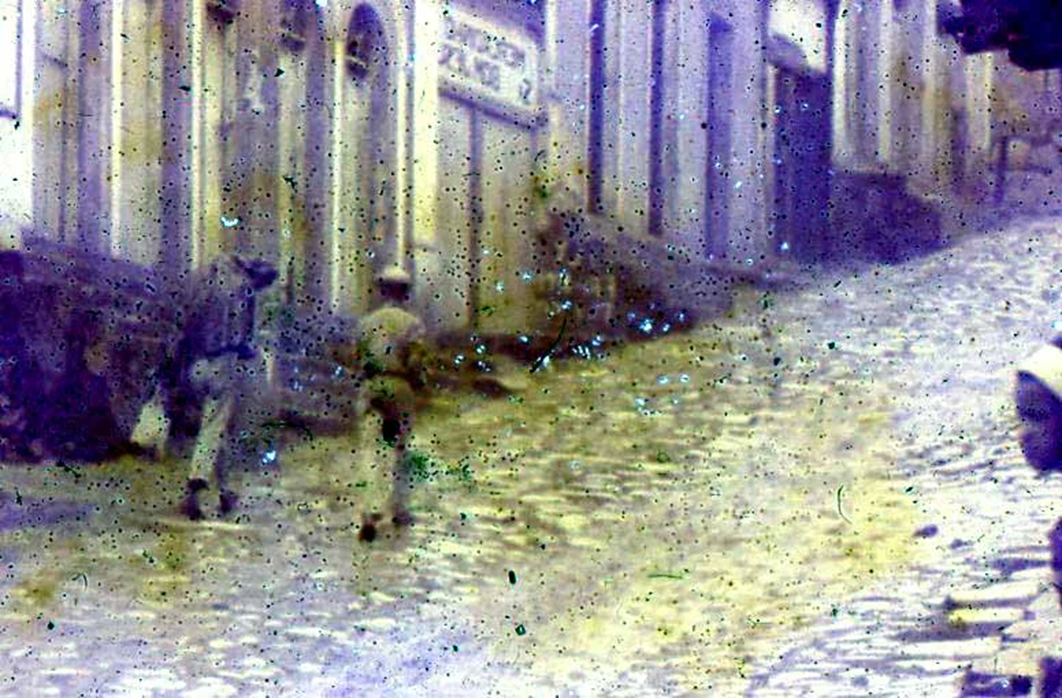
Slopes, Photo by author 1965
The road is paved with Portuguese-style cobblestones. You can’t see beyond the ridge until you reach the top of the hill. Once you reach the ridge, a new view awaits you, making this a town where you’ll never tire of walking.
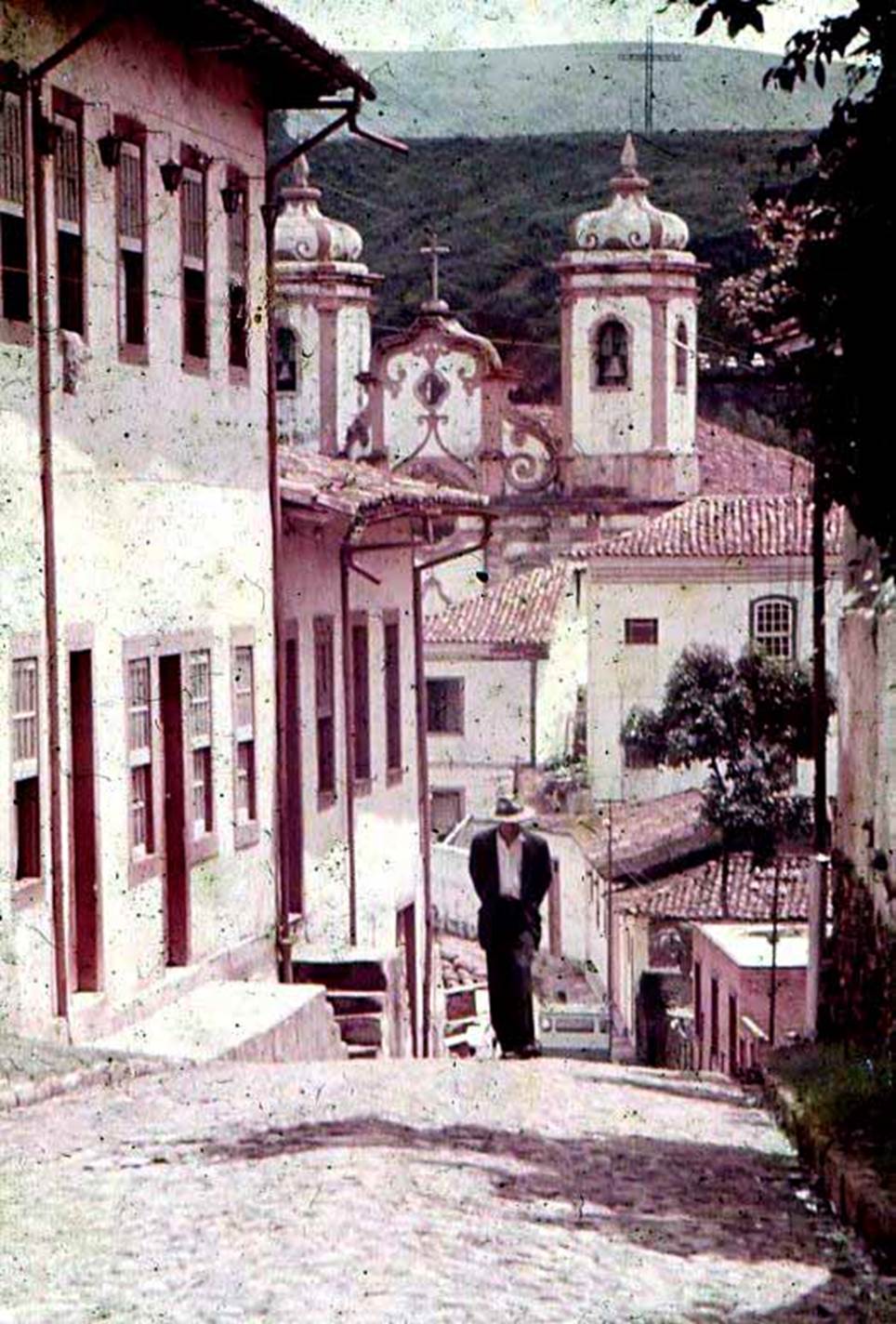
Slopes, Photo by author 1965
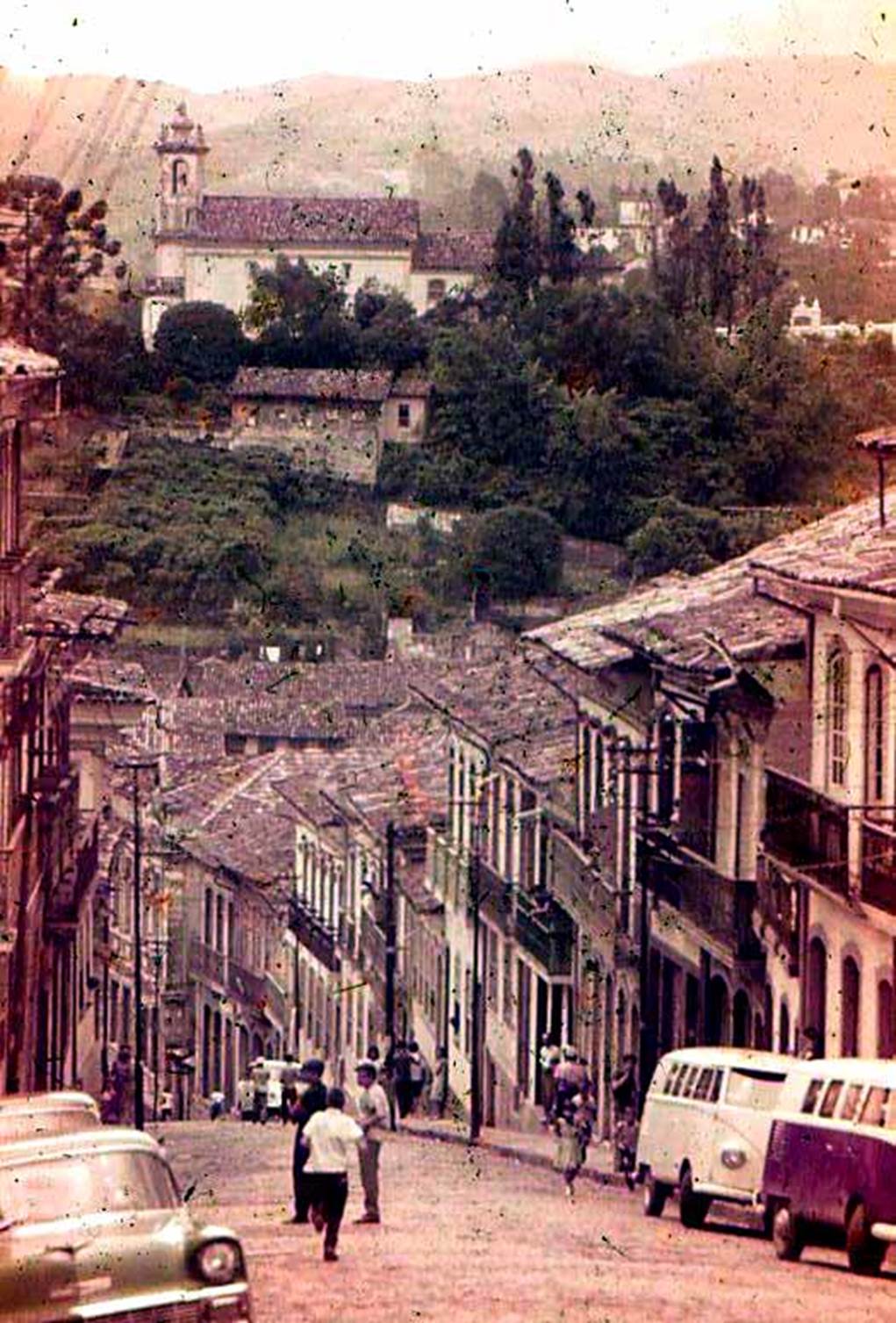
Slopes, Photo by author 1965
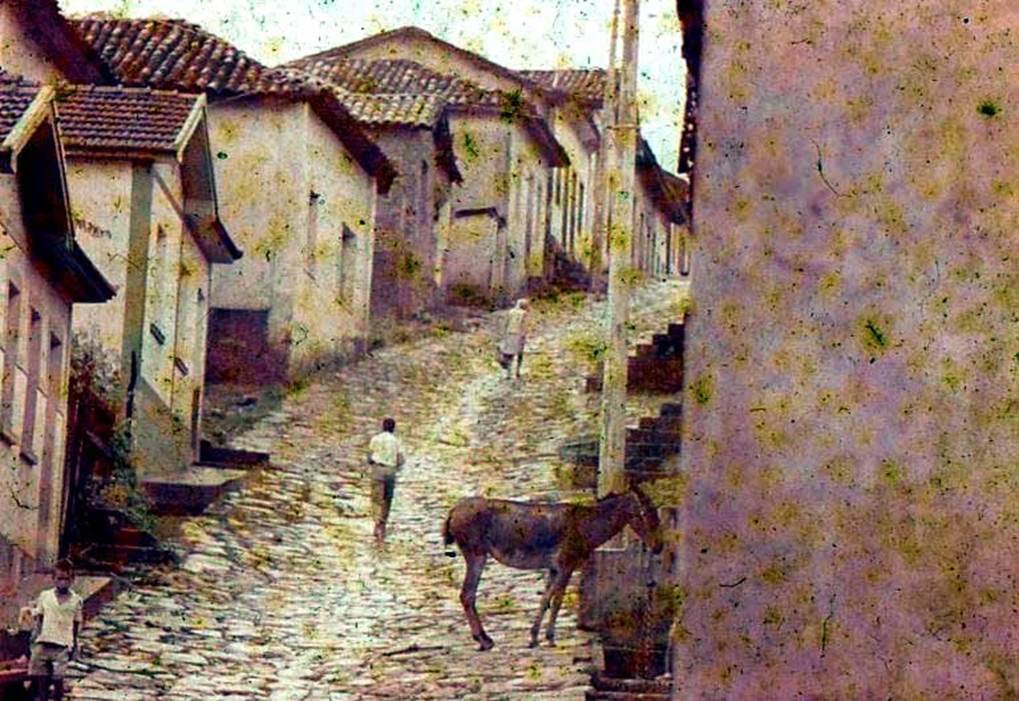
Slopes, Photo by author 1965
Children go door to door to collect trash
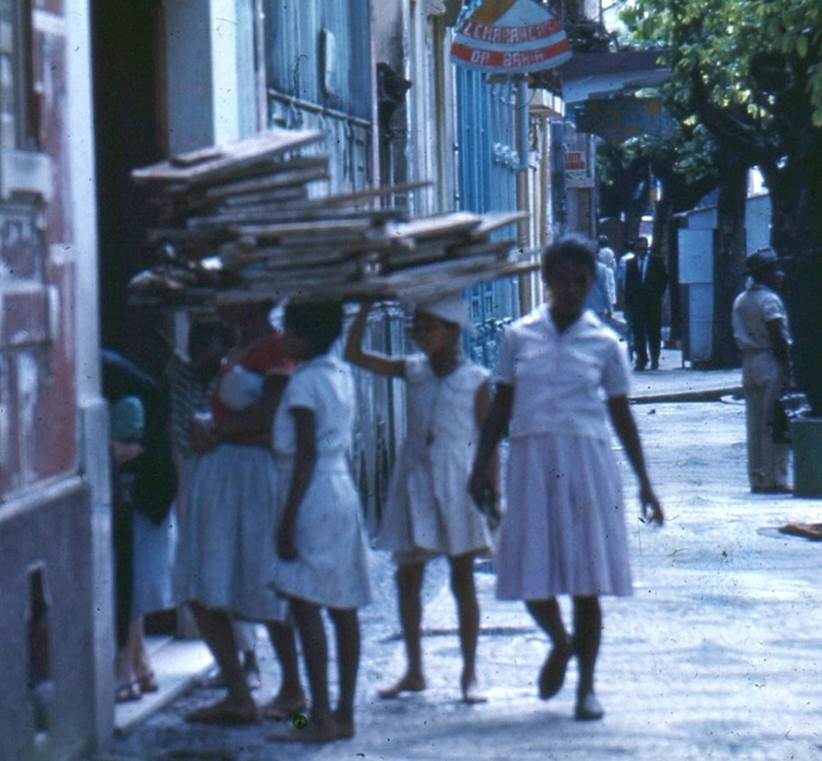
Children go door to door to collect junk.
Photo by author, 1965
A gold mine was discovered in this area in 1693.
After that, there was a gold rush colonization in search of gold.
In the early 1700s, which would be the middle of the Edo period in Japan, settlements were formed around the gold mines, with Ouro Preto being the central town. The wealth from the gold mines crystallized in numerous Portuguese colonial-style buildings, especially Baroque churches.
At the same time, it nurtured many artists including many architects, sculptors, poets, painters, and composers.
Until the end of the 1800s, it was the capital of the state of Minas Gerais, but in the 1900s it handed over the role to Belo Horizonte, after which the town fossilized and was registered as a UNESCO World Heritage Site in 1980, paving the way for it to survive as a tourist city in the interior of Brazil.
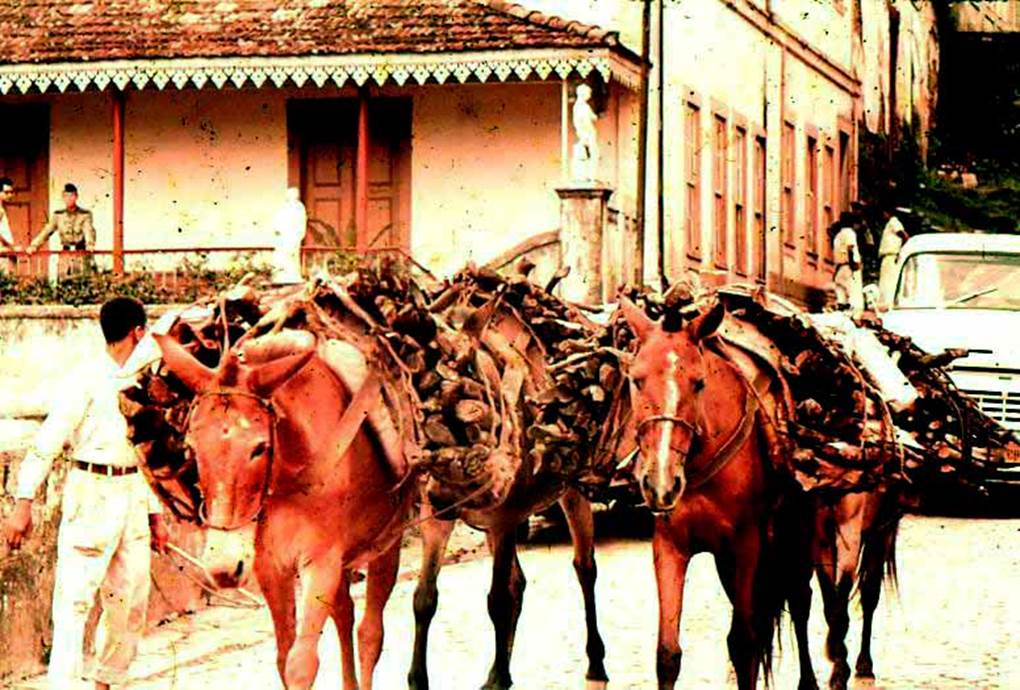
Photo by author, 1965